You may have noticed that I’ve been a little poor at keeping up with the Girlymicrobiologist site admin, and missing the odd weekly blog post. This isn’t because I’ve been slacking, honest, it’s more because I may have become a little distracted by a new project. I promise to get back on top of things soon, but in the meantime I thought I owed you an update.
Many of you have been kind enough to support last years project, which was a book aimed at supporting people to engage with research and research degrees, and I couldn’t be more grateful for your cheer leading. This new project, however, in the words of Monty Python could be described as ‘and now for something completely different’. It couldn’t be further from a book about academic study. This one is all about something else I love passionately, movies and TV.
I finished and launched the last book last October, and to be honest it hadn’t occurred to me, prior to letting it go into the wild, that I would write anything else till my retirement – when I’m planning to write some pathology based murder mysteries. It was never the plan to do something again, at least so soon. Frankly though, my brain tends to disrupt all my best laid plans, and ideas come meaning I just can’t help myself but get swept up. I’m blaming Ian McKellen inspiring me to ‘practice any art’.
Despite having no plans to do more, I have to say that I really enjoyed writing the first book, and I found the process of being able to write in a different way very fulfilling. I love writing this blog, and the first book is based on a lot of the pieces I have written for here, but it was nice to see them come together and take on a new and different life of their own. I also enjoyed mixing up the writing of something on a single theme with writing blogs on different topics for here, although I did rely a lot on Dr Claire Walker bringing together many guest blogs to allow me some writing time. It was lovely to see what those guest blogs brought to the site, and I really enjoyed seeing how including those voices really makes this feel even more like a community space. Without realising it, I think I caught ‘the bug’. Now, I’ve always enjoyed writing, this is my happy space, but I had never seen myself as an author, having held a book I’d written in my hands though, I can see how it could become a little addictive.
As I was sitting watching horror movies as part of my post release recovery, and researching for my 2025 Halloween post, I suddenly realised what I’d like to do next. I really wanted to write about some duel loves of mine, movies and TV plus infection.
Without any expectation of writing another book, all of a sudden I had a structure in my mind, and Don’t Open That Door had began…
You all know how much I am a movie and TV buff, everything from guilty pleasure reality TV, like The Secret Lives of Mormon Wives, to documentaries, and all genre of film (with the exception of torture porn horror movies, I’m a Blumhouse girlie). Whilst enjoying some down time with Mr Girlymicro, I realised how widely infection is featured in all kinds of different genera settings, some of it was actually pretty good, whilst some of it was really poor. So the first step was to do a whole bunch of research about what kind of examples were out there, by hitting up a bunch of different lists that have been collated by others, internet searches, and sourcing opinions from my movie loving friends. All of which led to the creation of a list of 138 options that needed a review to see if if they were actually linked to infection, and if they were infection based….was the infection content any good.
If you follow me (Girlymicro) on Instagram, you will have probably seen a number of stories that I’ve posted recently linked to movies I’ve been watching with some Infection Prevention and Control/micro commentary:
These have come about whilst I’ve been watching the 138 films/series with Mr Girlymicro to decide which ones make the cut to be included. I’ve watched some awesome films, some like Sinners, weren’t based on infection so couldn’t be included. I have also watched some truly bad movies, I even gave Resident Evil another go, and have spared you all by making sure that it is not included on the list. One of the considerations was that, even if the science wasn’t dreadful, I haven’t included anything that I or Rotten Tomatoes include as being truly horrible. I’m not just saving you on this, but also myself, as I’m having to watch included examples many times as part of the writing. I also felt it was really important to cover infections linked to viral, fungal, parasitic, and bacterial causes, just because they behave so differently and the interventions needed are so different. So the final list for inclusion involves movies and TV series that sit across infectious agents, although viruses are more represented than any other cause.
There are plenty of horror movies on the list, purely because they represent A LOT of the infection genera, but I was surprised at how many options there were outside of horror movies. I also tried to mix up certifications where I could, so that there are some options that everyone might enjoy.
Not everything could be included however, and there were also some exclusion criteria that impacted what I could include. Exclusion criteria included factors such as availability – no point including things that people can’t access, language options – I sadly only speak English so it needed at least English subtitles, and most importantly not based on real life events – this is about fiction.
For inclusion examples also needed to have infection as a central theme. This meant that health dramas could not be included as they only feature infection in some episodes, but at some point I do really want to write something that compares different medical dramas (House, New Amsterdam, Holby City etc) and maybe do a ranking scale….let me know if you think that would be a fun blog post.
Image credit The Red Dress
The reason it felt timely to talk about this today, is that the Biomedical Scientist magazine has been kind enough to do a whole feature on what the new book will look like, with a bit more detail, and some examples of what chapters will look like. It dropped on the 27th March and you can check it out the link here: https://thebiomedicalscientist.net/2026/03/24/infections-films. Also, how awesome is the art work they’ve done, can’t say enough how awesome The Red Dress are.
Whilst writing the article for the Biomedical Scientist and watching the example movies, I couldn’t happen but note how many weird and wonderful things are included as part of the science representation. Things that in my scientific career I rarely if ever encounter, but seem to crop up time and time again in Hollywood depictions of scientific life. I’m collating these for one of the final chapters in the book called ‘Science House of Horrors’ as I find them a bit fascinating. I’ve included some of the ones in the Biomedical Scientist article that I noticed, as well as those sent through as responses from social media, but I’d love to know if you have any others that I should include.
There are other opportunities to get involved though, I have 23 films and series examples, but there is room in the book to cover 25. I’m really keen to get other examples that include fungi, but if there is just something brilliant I haven’t included please let me know. There will also be a chapter called ‘Hall of Fame’ that covers both amazing movies that just don’t have enough infection in them to be included, or ones that were great but not quite as good an example of an infection characteristic as the ones already included. There is also the ‘Hall of Shame’ for examples, such as the TV series The Rain and Resident Evil, where the science is so bad that it is note worthy in itself.
Anyone who drops me an email to elaine@girlymicrobiologist.com and inputs into the House of Horrors, volunteers film examples I’ve missed, or suggests contenders for the ‘Hall of Fame’ or ‘Hall of Shame’, will get their name included in the list of contributors at the back of the book. Science takes a village, so does pulling together a book, and I’m really keen that this feels like it comes from our community. I hope you enjoy the article and I can’t wait to hear from you about your suggestions.
It has been an amazing week (despite this post being late as I was unexpectedly struck down unwell). Last week, I was fortunate enough to attend the Academy for Healthcare Science Honorary Fellowships and Chair Celebration, which was a joyous way to celebrate the contribution that Healthcare Scientists make to the Academy, but also to acknowledge the impact that Healthcare Scientists make across the healthcare landscape. This week has been Healthcare Science week, and it’s been a delight to see the posts shared, and hear about the great work and impact of Healthcare Scientists.
It’s been especially poignant for me personally, as the AHCS had also been liaising with me to support my book, It Shouldn’t Happen to a PhD Student. They were generous enough to allow me to share copies of the the book as part of the goodie bag for their Fellowship event, as well including an article about why I felt it necessary to write the book within the Spring 2026 edition of the HCS Leadership Journal.
All of which got me thinking…it got me thinking about how it feels to have people step up to support you. It got me thinking about privilege and the importance of knowing where you have it, and where you may lack it. Finally, it got me thinking about the importance of using that privilege recognition to actively engage with others, and decide how to utilise it both for impact and the benefit of others.
Awareness of privilege
We all have privilege, even if it doesn’t always feel like it. If you are reading this blog you have some form of privilege, even if that is just that you aren’t in digital poverty. I have privilege. I am white, middle class, European, and in a heterosexual marriage. I also lack privilege in some ways, being a woman who came from a state education background, and work in a professional structure that is dominated by my medical colleagues. Organisations are the same, they will have spheres of influence, and areas where they are trying to expand that influence.
It is obviously helpful to know where you have influence, and where you may lack it. This is essential to allow informed decision making about where to devote your energies, but more than that, it is important to know where you can expend energy for the benefit of others. There is more danger than we sometimes acknowledge in not understanding, and spending time reflecting on, our privilege. Not doing this can result in making assumptions that can harm ourselves and others.
Awareness of the priviledge gap
What does that privilege awareness look like? I am never going to be able to run an invite only event for 200 people. I have a fair level of of influence, due to you lovely people reading this blog and interacting with me on social media, but I am only one person. I will never have the influence, impact or resources of an organisation or group. Therefore, the privilege I am able to harness for the benefit of others will also be limited. This is why I want to discuss the importance of gestures, such as those made by the AHCS. I am able to reach a certain percentage of Healthcare Scientists that I’m personally connected with across platforms. The Academy in contrast has thousands of members across their registers. They have thousands of followers across social media platforms, and they also have reputation impact, as they are have intrinsic legitimacy due to their role providing professional accreditation.
The AHCS supporting me, by allowing me to share my book and by including an article in their journal, substantially increases my reach, and the chance of something I hope to have impact, getting into the hands of someone who may find it useful. It also lends their validation to that reach as, I hope, they wouldn’t support sharing details of the book if they thought it was rubbish. It gets my book into the hands of people who may never have picked it up otherwise, from students to senior leaders. I’m so grateful to them for using their privilege to support something that means so much to me, and that I hope will support the profession I love. Gestures can be big or small, but the impact of them should never be underestimated.
Support without asking
Now, I’ve talked about the fact that I do have privilege. That said, I don’t have the kind of privilege I’ve seen in some of my academic or medical colleagues. The kind of privilege where doors are just opened, or barriers are just removed. I don’t have a problem with this, I feel like I have proven myself every step of the way. Every promotion I’ve had has been a competitive process. Every committee I’ve sat on I’ve either had to apply for or prove my credentials as part of joining. The support for my book is the first time ever that someone has come to me and asked how they can help. Not just the Academy, but places like Applied Microbiology International. The Academy really followed through, and did not just ask the question, but helped me work out ‘the how’. They don’t know this, but when I got off the call, and recovered from the shock of their kindness, I actually had a little happy cry. There is nothing like people stepping up and showing their faith in your by offering the kind of support you would never have asked for. It is a rare event, and it’s made me determined to do what I can for others in order to make it a little less rare.
Support without conditions
Often when people have offered support for me in the past there has been a certain level of quid pro quo. A level of you scratch my back and I’ll scratch yours. If you’ve followed this blog for any length of time, you’ll know that my leadership style is much more around authentic leadership than transactional leadership. There is nothing wrong per se, with transactional leadership, there is definitely a place and time, but it doesn’t feel the same as someone offering their support with no ties or limitations. There is something special about someone offering unconditional support, support that you don’t feel like you have to pay back or pay off. Now having said that, I’m not saying you shouldn’t try to live up to the generosity being offered you, just that it’s different when that’s a decision you make rather than one that is a condition of the support to begin with.
Support without comeback
The other interesting form of support is that type that comes freely at early stages of your career, but has ramifications later on. I think many of us have probably experienced this one, where you have had mentors or supporters who offered great support, until the point at which you reach a similar level of career progression. At this point the support becomes more transactional, or worse, relationships become less constructive and more distant. Opportunities taken can be greeted with commentary, or judgement. This can be a very confusing scenario if you haven’t encountered it before, or seen it happen to others.
People who offer support irrespective of career stage, or perceived risk to position, are worth their weight in gold. Those individuals and organisations who support others, not for benefit to themselves, nor affected by positionality, are both investing in relationships for the long term and build trust based on consistency. This is one of the best ways to maximise impact over time, both for the person supporting, but also for those offering aid.
Acceptance without doubt
This isn’t just about those offering the support however, no matter how wonderful. It is also about how we receive the support and opportunities that we are offered. It can be easy to question whether to accept unconditional support by wondering what’s the catch? If you have been submerged in a culture where you are surrounded by transactional relationships, or where cultures have become challenging due to resource scarcity, it is both understandable and predictable to question support when offered. It is essential however that we get out of our own way. This can be a challenge if you are in a position where you lack privilege. When working with, and offering support to others who have dealt with a lack of privilege long term, building trust may be a required step prior to acceptance of any support offered.
We can all have a tendency to say ‘why me’ for both good and ill. This can obviously be context dependent, as well as depending on whether we are in a place of pessimism or optimism when the offer is made. It is important to have the self awareness to know when we are drifting to skepticism when we should be embracing opportunity. When we are driven by factors from our past instead of embracing our future.
Acceptance with gratitude
Instead of questioning when we are offered support, it is important to move to a space where we accept with gratitude rather than anxiety. I think it’s key to talk about what I mean by gratitude, I’m talking about gratitude without submission. I have a tendency to over correct on this one. I tend to be so grateful for the support that I can come across as sycophantic, without meaning to. I think the best way you can be grateful however, is to make sure you learn the lessons from being offered the support and ensure that you incorporate it into your practice by role modelling that behaviour yourself. As you are being supported without conditions, you should be thankful and stop looking for some unwritten cost that doesn’t exist. Embrace the opportunity and then make sure you do the same for others.
Delivering on the commitment
The biggest demonstration of gratitude you can give, I believe, is by delivering on the faith that others have placed in you. If someone goes out of their way to show you support, then deliver. Deliver on whatever that may be. It could be by putting in the work to achieve a goal. It could be by working to ensure that the advantage they’ve given you isn’t wasted and allows a next step to be taken. It could just be by embedding the same values in your leadership to benefit others. Actions speak louder than words, and so if given an opportunity act to maximise the outcome.
Paying it forward
I’ve mentioned the importance of making sure that you increase the legacy of any kindness you are shown by role modelling that moving forward, but it’s so important that I wanted to state it again. Not all gestures require large resource or commitment. It can be as simple as stating someone’s name in a room that they are not in, or passing on an opportunity that you may believe would be of benefit. Knowing where our privilege and influence lie, not taking it for granted, and utilising it for the benefit of others in whatever way we can, is such an important part of how we move forward as a profession and lift people up as individuals. Especially at the moment, when resources are limited and times are hard, it can be easy to forget what is in our gift to do, and I think now more than ever it’s crucial to realise that we all still have the capacity to positively impact on others.
A final thank you
So, I wanted to end by saying thank you again to the Academy of Healthcare Science. Not only have they really impacted me by showing such by in with a book that means a lot to me, but they were also kind enough to present me with an extra surprise, the Chair’s Award for Excellence. It’s made a real impact on me, and now all I can hope to do is pay it forward and show the same faith and impact in others.
This is not the post I’d planned to write this week. I don’t think it had really been on my mind. That’s often the way of these things however, thoughts that have been lingering without notice sneak up on you and call for attention.
Last week, I had a meeting with the wonderful Vicky Payne and talk came around to blog writing, but also to how much we both missed the twitter communities we used to have. The supportive space, where you felt like you could share in an authentic way, and how the community really felt like it was there cheering you on. This blog was built in that community space, and it probably wouldn’t be what it is now without the support and positive reinforcement that that community gave it.
We then moved onto where we tend to post and share now, and this led us inevitably to LinkedIn. I felt like I had to share how LinkedIn feels like a very different space. That makes sense. It is a professional platform that was developed as a way of people connecting to find roles, form business connections and turn those into opportunities.
Let me start by saying this isn’t an ‘I hate LinkedIn post’. I’ve been a member on LinkedIn for years, it’s more about the change that occurred in our terms of reference, and I for one did not notice.
Like most people I used to post now and again. I’d use it as a nice way to keep up with colleagues and those in similiar specialisms. Then the decline of Twitter happened, and the ethical challenges of that meant that we all left in droves. There was a social media and connectivity hole that needed to be filled. Many of us tried alternate spaces such as Bluesky and Mastadon, but after a promising start they stalled, as many of these things do. To me, that during this time it appears that the way people use and access LinkedIn also changed. Its use expanded and changed in order to somewhat address this need. The problem is that many of us shifted our use without really taking the time to realise that it was in no way a like for like switch.
After a conversation that triggered a lot of thinking and then logging in this evening and consciously monitoring my responses and feelings linked to what I saw, I had somewhat of an epiphany about one of the reasons I’ve been struggling lately. LinkedIn makes me feel bad. With this in mind I thought I’d write about why I think that is and what I think I’m going to do about it.
How does it make me feel?
As someone who needs to be pretty active on social media, not just linked to this blog and book writing, but also because I believe that visibility and public engagement matters, I’ve not been feeling great lately and some of that is definitely driven by the social media space I inhabit. I don’t feel enough right now. I don’t feel like I achieve enough. I feel like I’m like the last runner in a race I didn’t know I’d signed up for.
To have things seen by others on LinkedIn you have to log in, react and post regularly, otherwise your content just doesn’t get shared and seen by others. The algorithm rewards engagement. My use of LinkedIn has therefore increased. This is, in itself, not a problem. The problem is that that means everyday I see a stream of amazing achievements. People knocking it out of the park. Everyone doing more. Achieving more than I could dream of doing. When I say that that is a problem, it isn’t really. I love the people that I’m seeing achieve and have such impact. It is inspiring. At the same time there is no balance to the constant stream of highlights. It triggers the ‘must work harder’ ‘must achieve more’ part of my brain, and I have to say that those parts of me are not the healthiest parts. Those are the parts that respond to emails at three in the morning, that didn’t have a weekend off in three years. The parts that lead to a world of well being challenges as I fail to sleep or eat properly.
Bear in mind I acknowledge that this is a me problem, not an issue of the platform or those posting.
There’s a lot of uncertainty around
It is important to acknowledge that some of this response is highly likely linked to the uncertain times we are living in. For the first time in my career of over 2 decades the NHS is undertaken wide scale job cuts, with pushes for voluntary redundancy, and the previously unheard of compulsory redundancy processes. The need to show value, to show that you are ‘good enough’ is very much in my mind at least. The self doubt and questioning that working in such an uncertain space brings on is even more amplified when you see and inevitably benchmark yourself against others.
For me, as an over thinker, that makes me feel even more at risk and unsettled, which then drives the spiral to continue. Nothing happens in a vacuum. Some of the posting of the good stuff I see from others, I suspect is also driven by the need to be ‘seen’ to be enough. Thus we all stay on the carousel and it spins again.
Portrayal through a singular lens
All posting on social media is biased, I’m not saying it’s not. What I am saying is that because LinkedIn is a platform that is basically set up as CV sharing, there is a string tendency to only share things that would be seen as CV candy. This understandably removes the balance of some posting that is undertaken on other platforms. I don’t see a lot of posts about people, the focus tends to be on events and milestones, and those events and milestones are almost always achievements, rarely do you see failures. It’s a world that feels, to me right now, that functions on toxic positivity. Once you become more aware of that posting bias it is probably easier to navigate, but as someone who wasn’t paying enough attention to notice the drift, I also wasn’t looking out for the impacts.
Everything is polished for public consumption
Due to this positivity, and I suspect in response to the tone of posts that are generally shared, everything is not just positive but dressed in a way to support branding. As someone who is known by more people as Girlymicro these days than Elaine I am in no way averse to people having a personal brand, I think it’s the world we now live in, but I think it’s the nature of that branding can be challenging. Branding that is all about surface or positivity does not feel, to me, that it can also be authentic.
It feels like it’s tick boxing, and worse than that, deliberately manipulating perceptions to cause us to be drawn into some form of unwinnable race where everyone is perceived as winning, but in reality we’re all drowning and not forming the real connections that could throw us a life line. I’m not talking about this at a person based level, but at a platform level. I just think it’s easy to get caught up without even realising, and to think that everything you are seeing is an accurate portrayal of the reality without undertaking the necessary sense checking on what is in front of you.
About perceptions rather than dialogue
One of the biggest changes that this type of posting leads to, is that it feels much more like shouting into a void. It’s about putting success out there, rather than leading to greater dialogue, or focusing on connection. Although it feels straight forward to gain a larger and larger following, I’m not sure how well I could say I know most of that following, outside of the ones that I also know in real life. This is in contrast to how I used to feel about Twitter, where I had connections that I formed and felt like I got to know really well, who I never met in person. Everything feels more superficial, although I have to say there are a few exceptions to this, it is far from universal.
Don’t get me wrong, there are benefits to forming these larger networks, but as Dunbar says, you can only maintain deeper connections with a small number of these contacts without deeper dialogue. These networks maintain a purpose, just not the same one that I originally felt that they would have. They are less about support and more about linkage for the purpose of opportunity sharing. Valuable, but different.
Being different is not a risk free strategy
The other big challenge, which I’m only just now getting my head around, is that LinkedIn is always fundamentally linked with my job. My job title and employer are front and centre on my profile. I have always tried to maintain my social media separate from my work. There is a reason every blog post finishes with ‘All opinions in this blog are my own’. They are my thoughts, my opinions. This is an important separation for me, and yet this separation isn’t easy to achieve now this platform switch has occurred. Now, don’t get me wrong, it’s not like I ever want to post things that are unprofessional, I don’t think that I post things that will impact my role, but I also have always appreciated the voice that independence allows me.
It is also true that, in a world where your posts are always linked to your CV, that posting outside of the norm could have an impact but not in the way that I would hope. It could be that posting holistically could be perceived as weakness and failure, rather than growth and learning. I have also encountered a few instances recently where personal opinions have landed on professional pages, because profiles were being utilised similar to twitter, which led to confusion of aims and muddying of the terms of reference for those pages. This has negatively impacted not just the page, but the person and project linked to it. There is a possibility, therefore, that getting this wrong is not a risk free challenge.
I am more than my job
As profiles are linked so tightly to roles, it is also no surprise that the sharing and posting tends to be much more job orientated. The thing is, and I know this may shock you, I am much more than my job. I have interests and experiences that exist outside of my role, many of which I have shared across other platforms as I think it is so important for public engagement that people see who scientists are outside of the day job. People talk about the fact that you can’t be what you can’t see, and that isn’t just about the role. It’s about seeing that people like you occupy those roles. In my case, it’s about seeing that someone who didn’t go to private school, someone who didn’t always achieve academic success, someone with chronic illness, and who isn’t only interested in intellectual pursuits, can still succeed. By only posting about the role, we miss out on the fact that success means different things to different people, and not all of that is about the job. It limits the success that we share, and I’m not sure that that is a beneficial thing for those that aim to follow us.
Failure is learning
Another danger linked to only sharing successes is that the journey from point A to point B appears straight forward from the outside. This can mean that those attempting to follow a similar pathway can end up feeling like failures when they encounter a route that is less straight forward. It could mean that they give up because they lose confidence in their ability to complete the journey, when the journey may have been that difficult for others, they just aren’t talking about it. Rather than raising others up therefore, it can, as an unwitting consequence, result in discouraging others from following.
The other thing to note here is that I have learnt so much more from my failures than from my successes. My failures have taught me about who I really am, what really matters to me, what drives me, as well as how to do things better in the future. No matter how challenging, they have made me both better at my job and better as a human being. By not sharing our failures, it means they are almost seen as an embarrassment, when far from a source of shame, in many ways mine are a source of pride. Without them I wouldn’t have achieved, and so I think that learning is more worthy of discussion than any of my tick box moments.
Rest isn’t failure
I have always struggled with workaholic tendencies. The need to work harder in order to feel like I’m keeping up and the resulting abandonment of self care. I’ve had to work really hard to attempt to put boundaries in place in order to maintain both my physical and mental health. I have a tendency to feel like I’m falling behind and that I achieve little in comparison to others. A lot of this is seated in having had to fight to keep up my whole life, whilst managing being unwell. I know that this is not anyone else’s problem, this is very much a me thing, that I am aware of and need to counter. I do however, miss the parts of twitter where we would celebrate rest time with others. Liking posts where people talked about what they were reading, going for drinks with friends, cooking, and spending time not being on the productivity treadmill. Now that success is re-focused on productivity I find it harder to remember that resting is not failure. I need to remember that rest is productive in it’s own way, and that my life is should not, and cannot, always be measured by how productive I am against a single given matrix. I miss seeing what people enjoyed doing outside of their role productive spaces.
Remembering that I’m running my own race
That has all been a lot about what I miss and what I’ve found challenging, but what am I doing about it now I’ve had some time to think? Well, first I am looking at LinkedIn a little less, and when I access it I’m acknowledging the success of others but trying to not get overwhelmed by what I’m seeing. I love cheer leading others on, but I need to find a balance. I’m learning to love Instagram a little more, not that I really understand that either, but it means I get to still see sides of people that are about rest and joy, not just a CV (I’m Girlymicro there if you want to look me up).
The biggest thing however, is that I now understand my responses to what I am seeing, and so instead of self flagellation, I am able to remind myself that I am just running my own race. I am pleased for others, but I am intent to only bench mark against myself. What do I want to achieve? What can I do this year that I could not do last year? Where is my learning? What am I doing to become a better scientist and human being? Worrying and giving head space to the self doubt just makes me anxious and achieves little, so I need to actively focus on taking my next steps uninfluenced by others.
Bringing authenticity back
As well as changing my approach when reading others peoples posts, I am also going to deliberately take some risks and makes changes in some of what I post. Instead of only sharing the shiny bits, I am going to share posts like this but also ones like the one below, that don’t disguise the fact that I find some days, some challenges, some moments, just hard. I think being aware that the platforms we use have different unwritten rules is the first step to understanding what is possible, and I am happy to push the boundaries of that, without acting like it is something it is not. LinkedIn has a lot of benefits, so I plan to embrace it for what it is, rather than pretending it is something it isn’t, but I intend to do that by sharing more of my authentic self when appropriate.
Reflecting on the dangers of comparison
This whole process has reminded me of how dangerous it can be to compare ourselves to others. There are many benefits to using others to inspire us, to see and understand the possible. Maintaining these benefits without letting comparison start to limit or impact our sense of self is something that I think we all need to be aware of. This could just be because I’m a peri-menopausal 40 something who has lost a lot of her confidence after the pandemic, but the brain weasels are real, and being aware of triggers is an important part of stopping spirals before they begin. Knowing how much is enough, knowing my purpose, and what I am aspiring to achieve, are important aspects to keeping me centered and in a good place. I’m focused on the vision, not the comparison right now.
Loving my imperfect self
Most important of all, I am reminding myself that I am enough. So what if I don’t publish as much as I’d like to. So what if I haven’t found time to write the grant applications I’d wish. So what if I don’t feel like I’m always impactful enough, or accepted for my expertise without constantly fighting to be visible. At the end of the day I come home to Mr Girlymicro who loves this flawed human for who she is. He loves me irrespective of my successes or failures. He loves me despite the fact that I fall flat on my face and throw food down myself on a regular basis. He loves and believes in me when I have no ability to do those things for myself. So I am taking a leaf out of his book and trying to see myself through his eyes. I am trying to love all of me and not place caveats upon that love. To know that my value is not based on what I’ve achieved, but who I have achieved it with and the relationships that got me there.
No matter what social media you use, or how you use it, always remember that if you can return to a place of true connectivity where you are seen and loved for all you are, it doesn’t matter how you are seen out there. You are always doing better than you perceive, and are almost inevitably loved more than you know. Keep the faith, and treat yourself as kindly as you would treat others in a similar boat.
Everywhere I look at the moment people are talking about ChatGPT and artificial intelligence (AI). On LinkedIn this week everyone was sporting ChatGPT produced images, and I have to say I felt completely out of things as I’d have no idea where to even start. The challenge is, the same cannot be said for our students. As an external examiner I see how the AI creep is really beginning to impact on assessments, so I reached out to my great friend and educationalist Dr Claire Walker, who is actively working to think about how we can respond to the AI challenge when it comes to our assessments.
Dr Walker who is a paid up member of the Dream Team since 2013, token immunologist and occasional defector from the Immunology Mafia. Registered Clinical Scientist in Immunology with a background in genetics (PhD), microbiology and immunology (MSc), biological sciences (mBiolSci), education (PgCert) and indecisiveness (everything else). Now a Senior Lecturer in Immunology at University of Lincoln. She has previously written many great guest blogs for the Girlymicrobiologist, including Exome Sequencing and the Hunt for New Genetic Diseases.
Blog by Dr Claire Walker
So, there’s a new problem in higher education. The elephant in the room that we’re all talking about, or sometimes pretending doesn’t really exist: our chatty friend, generative AI. When I first encountered it, I suspected the impact might be overstated. Students do not come to university simply to cheat; they come for authentic learning experiences and to gain transferable skills. I mean, they want real jobs eventually, right?! But the reality facing educators is more complicated. Alongside the rise of AI, we are also facing another persistent challenge: do more with less. Larger cohorts, less time, fewer staff and an increasing pressure to design assessments that genuinely measure skills rather than copy-paste ability. Many of our classic approaches to assessment – lab reports, literature reviews, and even theses can be generated with just a few of the right kind of prompts.
Our chatty friend or the nemesis of lecturers everywhere
So how can we create authentic learning experiences that are difficult to outsource to AI while still being practical to run and mark? At the University of Lincoln in our Genetics and Bioethics module, we have developed one approach: AI-supported patient roleplay combined with pedigree analysis and ethical reflection. One of the long-standing challenges in genetics education is giving students meaningful practice in family history taking and pedigree construction. Traditional simulated patient encounters are highly effective but expensive and logistically demanding, often requiring trained actors and significant coordination. As a result, many students learn pedigree analysis primarily through static textbook cases. I can’t say this isn’t useful, but it’s pretty far removed from the realities of genuine clinical conversations.
Our solution was to create interactive patient roleplay scenarios in which students interview a simulated patient using Claude.AI during a live teaching session. The students interact with a “patient” presenting with features of the genetic condition hereditary haemochromatosis. They gather the relevant family history by asking structured clinical questions of our AI bot pre-programmed with a real clinical case. The information they need does not exist in advance as a written case study; it emerges through the interaction, requiring students to listen carefully, probe appropriately, and adapt their questioning strategy in real time. This immediately changes the learning dynamic. Students are no longer passively interpreting a pre-constructed pedigree; they must build the dataset themselves by asking the right questions. Mistakes become learning opportunities, and repeated questioning helps them to refine both clinical reasoning and communication skills. Following the roleplay session, students translate the collected information into a formal pedigree diagram using a clinical pedigree-drawing software fortunately available for free online. This requires them to apply standardized genetic notation accurately while organizing complex family information into a clear visual representation that can be assessed objectively, and delightfully quickly. Most importantly – right now ChatGPT can’t draw this from a script. Maybe one day, but for today this assessment is one step ahead.
A medical family history drawing tool from Health Education England
The assessment does not stop at technical skills. Students are also asked to reflect on the family scenario and the issues raised during the session to consider a realistic counselling question: would they personally choose to undergo testing for a variably penetrant mutation associated with hereditary haemochromatosis? The genetic test used in the module looks for two common changes in the HFE gene known as C282Y andH63D. In simple terms, the test examines a person’s DNA to see whether they carry gene variants that can affect how the body regulates iron absorption. Certain combinations, particularly inheriting two copies of the C282Y variant, increase the likelihood of developing iron overload, but they do not guarantee disease. Many individuals with these genetic results remain healthy, illustrating the concept of variable penetrance; genetic changes that influence risk rather than determine destiny. Environmental and lifestyle factors such as diet, alcohol intake, blood donation habits, and biological sex also affect whether symptoms develop and how severe they become. Students are therefore encouraged to reflect on how genetic risk, environmental influences, and personal values shape decisions about predictive testing taking into account what they learnt from their virtual patient experience. At the end of the module, they are offered the opportunity, within the academic teaching setting, to undergo testing themselves so they can engage directly with the ethical, psychological, and practical considerations that accompany real-world genetic screening decisions.
Instructions to Claude.Ai for how to behave as a patient and a excerpt of the transcript of the interview
An additional advantage of this approach is assessment authenticity. Because the key information is generated dynamically during a live interaction, the task cannot easily be completed using generative AI alone. Students must attend, participate, and apply lecture knowledge in context, meaning the assessment evaluates what we actually want to measure: their ability to gather relevant genetic information, interpret it, and think critically about its implications. Equally important, the approach remains scalable and low-cost. No actor recruitment is required, sessions can be delivered across large cohorts, and students can practice interviewing skills in a structured but flexible environment. What once required substantial logistical planning can now be implemented with minimal additional resources. Moreover, all modules must have some laboratory component, and this one falls into a middle of our usual price point.
I’m not offering a complete solution to this huge challenge facing higher education, but it is a step toward something we increasingly need: assessments that measure real skills, encourage real engagement, and prepare students for the complex clinical and ethical conversations they will eventually have with real patients.
TL/DR – If AI can take the assessment, change the assessment.
I’ve always been a massive Muppets fan, from their original films through to one of my favourite films of all time, The Muppet Christmas Carol. It’s a family tradition and you all know how much I love Christmas. Picture my joy then when the news was released that this week there would be a new, original, episode of The Muppet Show released on Disney+.
Watching it gave me such joy. Miss Piggy is, after all my hero, but I started to try to think why? Why do The Muppets bring me such joy? What is it about them and their interactions that really speaks to me? Especially as I’ve been writing about the role of women in the work place recently, what is it about how Miss Piggy functions that I admire and wish I could channel more? Then I found this quote below and it felt so genuine to me.
When thinking about their traits more, I couldn’t help but come up with a fairly substantial list that made me want to be ‘more Muppet’ and I thought that in honour of their new moment in the sun I would share the list with you in case you want to join me on a Muppet adventure.
Self advocacy
I don’t care what you think of me unless you think I’m awesome. In which case, you are right
As a female scientist there have been more times than I can count when I wish I’d had the courage to speak up, be seen, and be heard. In fact this is one of my themes and aspirations to be braver about in 2026. Miss Piggy is never afraid to stand up and be counted. She knows her value, and she knows what she brings to the table. More than that she’s not afraid to let others know it and to hold them to account when they under value or under estimate her.
We are often trained that it isn’t a good look to be too confident, or come across as too challenging. That it is better to fit in then to stand out, and that standing out will only cause us trouble. Miss Piggy stands out proudly and isn’t afraid of the consequences of making her presence known. I wish that I too could hold my space without being worried about how others see me for doing so, and I too should maybe care a little less what others think of me.
Boundaries
One of my favourite parts of The Muppet Christmas Carol is when Kermit negotiates for Christmas Day off work:
Mr Cratchit (Kermit): Mr Scrooge it appears to be closing time.
Mr Scrooge: Very well. I’ll see you at 8.00 tomorrow morning.
Kermit: Tomorrow’s Christmas.
Mr Scrooge: 8.30 then.
Kermit: If you please Sir. Half an hour off hardly seems customary for Christmas Day.
Mr Scrooge: How much time off is customary Mr Cratchit?
Kermit: Uh. Why. Um. The whole day.
Mr Scrooge: The whole day! – The entire day?
Kermit: If you please Mr Scrooge, why open the office tomorrow? Other businesses will be closed. You’ll have no one to do business with. It’ll waste a lot of expensive coal for the fire.
Mr Scrooge: It’s a poor excuse for picking a man’s pocket every December the 25th. But as I seem to be the only person around who knows that… Take the day off.
There are moments like this time and time again in The Muppets, be they in the movies or on the small screen. Moments where they gently but firmly set boundaries. Boundaries on good behavior. Boundaries for each other. Boundaries linked to kindness, both to themselves and others. Kermit holds a quiet confidence that permits him to set boundaries that protects both himself and others, without making drama or conflict out of the act. As someone who struggles to say no, and protect her well being on occasion I admire this so much.
Loyalty
The Muppets are a family. They have disagreements. They consist of very different personalities. Yet they love each other unconditionally, and always turn up for each other when it matters. Their love and loyalty isn’t transactional. It’s not performative. It’s the kind of loyalty I look for in those people who are my ride or dies. The ones who would take a call from you at 3 in the morning, just because you need to make it.
They have the kind of loyalty to each other in a work space that allows them to disagree, to argue about the order of the set list, but also lets them arrive at a moment where they all pull together for the absolute best they can achieve as a group, which is always better than any of them could achieve alone. I count myself so lucky to have an IPC team where I feel like we are always there for the finale together.
Respect without hierarchy
I don’t do hierarchy, I don’t do respect just for the sake of it. For The Muppets, Statler and Waldorf are the epitome of that approach, they are there to remind people that there is always a reason to laugh at ourselves, and not to get too caught up in position or reputation.
Waldorf: Well, you gotta give them credit Statler: Why’s that? Waldorf: Well, they’re gonna keep on doing it till they get it right
Although The Muppets have big personalities, and a leader in Kermit, that leadership is quiet and is not based on titles. It’s based on respect for how he handles situations and the relationship capital he has built. Miss Piggy may run wild, but always pulls back just in time because of her respect and love for him. Mr Girlymicro is very much a Kermit like personality, and it’s one of the many reasons why being married to him makes me a better person. He knows when to call me on my shit, and I respect him enough to hear it.
Living in the moment
I’m a planner. I have a ten year plan. I have a plan for the next 10 minutes. All of that planning can mean that I lose sight of the now. I can struggle to ever truly be in the moment. I love the fact that no matter the chaos that features in a Muppet episode, they can come together in the moment to experience the true joy of achieving a goal or being in each others company. They are aware of the challenges that the future holds, but are able to still live in the moment and enjoy the now. Be that for a musical number, or to cheer each other on. It is so easy to let the now pass whilst aiming for a better future, when really there is a lot to be said for enjoying the moment that you are in.
Appreciation of the good things
Living in the moment brings me onto appreciating the good things. One of my very early experiences as the UK Ambassador for the Society of Healthcare Epidemiology of America was to attend a conference held in, of all places, the Contemporary Hotel at Disney World in Florida. I’d never been to Disney before. In fact I’d never considered going, but I was paid to go and that meant I could also take Mr Girlymicro, and Mel (my science work wife).
It happened to be Star Wars weekend, and I had a whole day where I could explore and make memories with people who mean a lot to me. In those days a mock up of The Muppet Theatre was there, along with The Muppet courtyard. The three of us made some wonderful memories, and had so much fun. That ride is no longer there, and there has not been another conference held there. If I hadn’t decided to try something I’d never done before I would never have become the Disney fan I am today. If I hadn’t been on that ride and to that place, I would never have had the opportunity, as I’ve not been back to Florida and The Muppet Theatre closed last year. The Muppets embrace all there is in life, and sometimes I have to remind myself to do the same.
Give permission to feel
One of the other things that I love about The Muppets is that they express all of the emotions. Miss Piggy expresses both love and rage. Kermit exhibits leadership and frustration. Fozzy expresses bravery and self doubt. None of them are perfect, nor do they try to be. They have songs about joy, but they also have songs about heartbreak and sorrow, and don’t try to hide from either. They travel the gamut of human emotions and don’t try to claim that one is more valuable than another. I think sometimes it is important to be reminded that it is OK to not be OK. We can’t have it together all the time. Occasionally it is alright to sit on your lily pad in a state of ennui, as long as you also know that at some point you have to get up, dust yourself off, and get back in the fight.
Born out of that acceptance that all emotions matter, or maybe because of it, is the fact that The Muppets accept and demonstrate complexity. Miss Piggy is a strong independent pig who still loves a frog with all of her heart. Kermit has a quiet confidence that emanates, but is still easily overwhelmed and loses that central calm. They show that none of us is just one thing, nor should we aim to be.
I may be the person who has published >40 scientific papers, but I’m also the person who got locked in her own bedroom recently as she couldn’t get the door nob to turn. Competence in one area does not equal competence in another. I can be someone who loves reading about the history of the Silk Road, and also someone who enjoys watching Below Decks or Love is Blind. No person is all good, or all bad, and this is especially important to remember in a leadership context. There may be people that we don’t understand how they think, or their processes, but that doesn’t make them bad it people, it just makes them different, and we should embrace that difference as variety makes the whole better.
Fearless in response to challenge
Every Muppet episode or film is always centred around challenge, there would probably not be much plot otherwise. The challenge is often insurmountable, or at least incredibly intimidating. There’s a reason they will all need to come together to overcome it. The amazing thing, to me, is that they never waste a lot of time bemoaning the challenge, they just get on with it. They don’t ever really consider what will happen if they don’t succeed. They don’t waste energy on fear or overwhelm. As someone who wastes a LOT of energy in catastrophising, and in fearing failure, I really do think this is an area where I need to be more Muppet. They have such faith in each other to carry them through, even when they lose faith in themselves. Being a little more task rather than ‘what if’ focused would certainly help me.
Refuse to be defined by others
One of the reasons The Muppets weather any storm is that they know who they are and don’t let others define them. It is so easy to be a passive passenger in our own lives. Humanity works based on silo’s and putting each other in boxes, and it is sometimes easy to go along with those definitions that used by others for us. One of the things this blog has gifted me, is that I feel much more comfortable defining myself and my own narrative than I did for the first decade of my career. Finding your voice may not be the easiest process, but it one that is worth investing in as early as you can. Define yourself so that others have a harder time doing so on your behalf.
Defy convention
When we let others define us, we also let them limit us. The Muppets defy convention. They say that you can be anything you want to be. The Muppet Babies encourages you to dream. The Muppet Christmas Carol encourages you to be kind and to value things outside of the conventional, and a Muppet Treasure Island tells you it’s OK to be a pirate. All joking aside, Miss Piggy shows that ambition is not a dirty word. Why not dream of being a pop star? Why not aim to win an Academy Award? Why not dream bigger than we’ve been told we are allowed, rather than believing being told to think small. Aspirations are not a bad thing. Miss Piggy works hard towards her dreams, even if they never fully happen. It shows us that it is the journey rather than the gateway or the destination that is most important. Judging ourselves on what we learn rather than attaining tick boxes is something that we could all benefit from embracing.
Anyone can be a scientist
Finally, I wouldn’t be me if I didn’t mention how much joy Bunsen and Beaker bring me. No, I don’t ever want to work in their lab. No, I’m not sure they comply with any health and safety guidance ever written. They do however completely change how people normally see scientists. They are not distant. They are not ‘other’, other than being puppets. They have joy in their work. Things go wrong, regularly, and yet they are always there the next week trying something new. They embody the joy of exploration, well at least Bunsen does, I think Beaker probably needs some time off to recover. In a world where science is either vilified or portrayed as being undertaken by people so intellectual we can’t envisage knowing them, The Muppets still being me joy by offering a grounded view of the joyful chaos that being a scientist can bring.
The truth of it all, even if we learn nothing else from them, is that The Muppets tell us that if you are doing what you love everything will find a way to being OK.
As for Miss Piggy, I salute you! Let me know how I can be as stylish as you!
The start of 2026 has me thinking a lot about perceptions of women in science, and after my dive into women in the workplace and the importance of female visibility last week, I thought I would write something on a related topic, both in terms of London history and in terms of relatively recent changes to reflect the diversity of the city in which it is based. So today I’m talking about how I became a member of the Worshipful Company of Plumbers, what Worshipful Companies are, why they still matter, and why I decided to become involved. It felt timely to write this off the back of the one about the Lady Mayor’s parade, as it is the Worshipful Companies that elect the Lord/Lady Mayor and so it may also help you enjoy that post more.
There are 113 Livery Companies as of 2026. The term livery originated in the designed form of dress worn by retainers of a nobleman and then by extension to special dress to denote status of belonging to a trade. They are unique to London and began to be established in the 12th century as a way to guarantee that those who members hired were qualified and the goods they produced were reputable. Not only this however, being a Liveryman offered protection and had added benefits, such as the right to trade within the City of London, now commonly described as the Square Mile, an area of central London around Chancery Lane. The reason that Livery Companies are also known as Worshipful Companies, is because early companies also had religious ties, with a chosen Patron Saint and association with a local church/monastery.
Due to the reason for their creation, most of the Ancient Livery Companies are associated with specific crafts, and were formed from ‘mysteries’ or fellowships of craftsmen. For this reason they also had a role in training, where they oversaw the progression of pathways from apprentice to master craftsman. They also always had a charitable arm, where they cared for members in sickness and old age by providing alms (money, food, clothing, or other necessities given as charity to people in poverty or need, often considered a religious or moral duty).
Ancient Livery Companies continued to be established until the 17th century (1848) when a combination of civil war and growth of trade outside of the Square Mile meant creation of new companies became less viable. A number of companies have been created subsequent to 1926. The term used for these newer Livery Companies is Modern Companies, and their precedence starts with the Worshipful Company of Master Mariners (granted Livery in 1932). The newest Livery Company is the Worshipful Company of Communicators, and was granted livery status in March 2025 making it the 113th City livery company in order of precedence.
The Great Twelve Livery Companies
The Great Twelve Livery Companies were the ones that were considered the most prestigious, ancient, and historically wealthy trade guilds in the City of London, when they were ranked by the Mayor of London in 1515. At that time there were 48 companies and ranking was mostly based on both levels of wealth and level of influence.
One of the most interesting things about the order of precedence of the Great Twelve, is that numbers 6 and 7 alternate each year. Both the Worshipful Company of Skinners and the Worshipful Company of Merchant Taylors were incorporated in the same year (1327) and grew to be among the most powerful “Great Twelve” guilds. This led to intense rivalry over which should be ranked higher in civic processions and violence broke out in 1484 during the Lord Mayor’s river procession. In order to resolve the dispute, the Lord Mayor (Lord Mayor Robert Billesden) who was a Haberdasher, settled the dispute by requiring that the companies alternate their positions each year, traditionally at Easter. This is supposed to be where the term ‘at sixes and sevens’ originates.
History of the Livery Companies and the Royal Family
The British Royal Family maintains close, historical ties with the Worshipful Companies, with many members serving as Royal Patrons, Liverymen, or Honorary Freemen of these ancient trade guilds. These, often ceremonial, relationships involve Royal charters of incorporation, attendance at banquets, and support for the City of London’s philanthropic and civic initiatives. The relationship between the Liveries and the Royal Family date back to their creation and were an important component of the the Crown interacted with craftsman at the time.
Worshipful Companies with Royal Family Members:
Worshipful Company of Shipwrights: King Charles III is the Patron, succeeding the late Queen Elizabeth II in 2024. The Permanent Mastership is also merged with the Crown.
Worshipful Company of Brewers: King Charles III is a Liveryman of this company.
Worshipful Company of Butchers: The Princess Royal (Princess Anne) is a Past Master.
Worshipful Company of Carmen: The Princess Royal is also a Past Master of this transportation-focused guild.
Worshipful Company of Saddlers: The Princess Royal holds the unique status of Yeoman.
Worshipful Company of Fan Makers: Queen Camilla was clothed as an Honorary Liveryman in 2024.
Worshipful Company of Basketmakers: The Duchess of Gloucester serves as an Honorary Liveryman.
Worshipful Company of Coachmakers and Coach Harness Makers: The Duchess of Kent is a Liveryman. Historically, this company has included the late Duke of Edinburgh (Prince Philip) and Prince Michael of Kent as Royal Liverymen.
Worshipful Company of Drapers: This company has a long history of royal members, including King George VI and King William III.
Worshipful Company of Mercers: Liverymen include various members of the royal family, continuing the tradition of the company that ranks first in the order of precedence.
Worshipful Company of Master Mariners: King Charles III is the Patron, and the late Duke of Edinburgh served as Admiral and Past Master.
Her Majesty The Queen (formerly HRH The Duchess of Cornwall) was admitted to the Worshipful Company of Plumbers on 26th January 2017.
Worshipful Company of Plumbers
As I said, there are a total of (as of 2026) 113 Worshipful Companies within London, with the Worshipful Company of Plumbers sitting at number 31 in the order of precedence. For interest to see the scope of crafts included, here is the list of the 48 Ancient Livery Companies by Precedence. excluding the Great Twelve:
13 Dyers
14 Brewers
15 Leathersellers
16 Pewterers
17 Barbers
18 Cutlers
19 Bakers
20 Wax Chandlers
21 Tallow Chandlers
22 Armourers and Brasiers
23 Girdlers
24 Butchers
25 Saddlers
26 Carpenters
27 Cordwainers
28 Painter-Stainers
29 Curriers
30 Masons
31 Plumbers
32 Innholders
33 Founders
34 Poulters
35 Cooks
36 Coopers
37 Tylers and Bricklayers
38 Bowyers
39 Fletchers
40 Blacksmiths
41 Joiners & Ceilers
42 Weavers
43 Woolmen
44 Scriveners
45 Fruiterers
46 Plaisterers
47 Stationers and Newspaper Makers
48 Broderers
The company was formed in 1365 in order to regulate plumbers in London and to ensure the quality of the crafting linked to cisterns and sanitation in order to support public health. It was subsequently granted a royal charter in 1611. As well as ensuring quality by providing oversight, and by punishing poor work and ‘unruly behaviour’, it also had an educational role in overseeing the 7 year term of apprentices.
As it is Worshipful Company, it is associated with St Michael as its patron Saint and the St Magus the Martyr church. It retains a focus on charity and education. There are five major committees that form the work of the company: Education & Technical, Finance, Freedom & Livery, Membership, and Social, each chaired by a Court Member
Like most Livery Companies, the Plumbers’ Company has a number of different levels of involvement, consisting of:
Freemen – this category recognises that some individuals may not be able to make a full commitment to become a Liveryman when they initially apply. The Freeman membership category limits the functions you can attend, however it gives a good insight into being a full Liveryman and Freeman are encouraged to become a full Liveryman at an appropriate time. Freeman can attend all visits and activities, but not the formal Company functions, unless invited as a guest by a Liveryman. They also cannot vote in the City of London elections.
Liverymen – there are ~three hundred and fifty members of the company, the vast majority of whom are Liverymen. About 70% are connected with the plumbing craft and allied disciplines. The remaining members cover a wide spectrum of interests and professions including engineers, scientists, architects, builders, accountants, lawyers and many others.
Court of Assistants – drawn from within the Livery, it reflects in its membership those disciplines which are needed for the Court to advise and help the Officers of the Company to run its affairs
Officers of the Company – the Master, Upper Warden, and Renter Warden are installed annually in October and serve for one year
Stewards– led by the Senior Steward, they help to ensure the smooth running of functions and organise Company visits. Stewards serve initially for three years, and then either stand-down, or continue on to become Senior Steward.
Although traditionally London based, a third of Liveryman live over 100 miles from London, and charity work is undertaken globally.
There are a number of routes to admission:
Redemption: The most common method for new members, where an application is made followed by an interview.
Patrimony: If a parent was a Freeman at the time of the applicant’s birth.
Young Entry Scheme: Discounted rates (50% off) for those aged 21–40.
Applying involves being proposed and seconded by existing Liverymen, and potential members must be involved in or connected to the plumbing industry. Applications can be made online via the Company website.
How and why did I get involved?
I have been involved in looking at the role of the built environment in transmission of infection, mainly in healthcare, since before doing my PhD. In recent years I’ve been actively involved in writing a number of pieces of water based national guidance, as well as running the Environment Network and associate courses. You can see some of the papers that have come out of this work on the publications page. I also get to put some of this theory into practice by being involved in providing guidance about the design and commissioning of new buildings (hence the delightful cover picture :).
Despite working in this area for over two decades I hadn’t really heard of any Worshipful Companies, let alone the plumbers specifically. I had done a few internationally webinars for the Royal Society of Public Health and linked to this I was fortunate enough to be invited to an awards ceremony, where I met Elaine Waggott, who had just become a Liveryman herself. We started talking and she told me about the Worshipful Company of Plumbers, the work they were doing, and their ambition to get more women involved. The company was one of the first to admit women, and there has been an active push to recruit women from a variety of backgrounds. Elaine talked about the Women in Livery and Diversity (WILD) team as a determined group of members leading a drive to improve the gender balance and increase diversity in the Company, and across the Livery. As someone who cares deeply about female representation this aspect of the company really resonated. This plus both their charitable and education focus really spoke to me and so I decided to throw my name into the hat.
Stages of involvement
Once I decided to get involved there were a number of stages that I needed to progress through in order to become a Liveryman of the Worshipful Company of Plumbers.
First I needed to apply to be a Freeman, have the support of several Liverymen, and go through an interview process. After which I swore the Oath of the Freemen.
Once I became a Freeman, I then had to apply and be awarded Freedom of the City of London. The Freedom of the City of London is a symbolic honour dating back to 1237, originally granting citizens rights like trading within the City and freedom from feudal service. Today, it is a largely ceremonial title recognizing high achievements, contributions to public life, or association with the City (such as being part of a Worshipful Company), and is granted by the City of London Corporation to nearly 2,000 people annually.
This was such fun, the ceremony felt really meaningful, and Mr Girlymicro and I even got to hang out with Florrie the sheep. Recipients are often humorously cited as having the right to drive sheep across London Bridge, carry a sword in public, or be “drunk and disorderly” with safe passage home. The main thing is that being granted Freedom of the City of London is a requirement before being accepted as a Liveryman for a Worshipful Company.
The Freedom process involves completing paper work that is included in the National Archives, as well as agreeing to follow a set of rules of conduct. Both of which give it a very historic feel.
Once all of the prior stages are completed you can then be invested as a Liveryman of the Worshipful Company of Plumbers.
Women in the Livery
By 2020, all City Livery Companies and guilds opened their membership to women on equal terms with men, you read that right, 2020.
Like many surprising parts of the history of women at work I discovered as part of my Lady Mayor’s post, the first female Master was not elected until 1983 (Sylvia Tutt, Chartered Secretaries & Administrators). It feels like the 80’s were the beginning of a watershed change. Another milestone was passed around 2015 when the association of Female Past Masters achieved 100 members – significant because progression to Master often takes 20 years in a Livery Company (irrespective of gender), so these women started their journey to the chair of their respective companies well before the topic of gender inclusivity among the Livery Companies was widely understood or recognised.
There have been three female Masters in the history of the Worshipful Company of Plumbers in the 650 years since its charter. The first of which came into place in 2015:
Erica Stary (2015–2016): The first woman to serve as Master of the Company
Dame Fiona Woolf (2018–2019): The second female Master; she also served as the second female Lord Mayor of the City of London
Sandra Raine (2025–2026): The current Master of the Company
Additionally, Janet Rivers is presently serving as the Upper Warden for the 2025–2026 term, and so is a candidate for election as the next Master,. Every woman makes it easier for the one to follow. As with the Lady Mayor, progress is happening, but the fact that much of this change has happened in the last decade just goes to show both how recent this change in approach has been, and also how far we have left to go.
So why does any of this matter?
Institutions that go back, and are as part of the cultural structure of places like London matter. They matter because they have influence. They matter because they have the capacity to drive change. As organisations with such history are often the slowest to change, the fact that change is now occurring is significant. These groups are involved in electing roles, such as the Lady Mayor, they have the capacity to drive inclusion via their education and charitable work, and they lend legitimacy to wider changes in attitude and position. Being visible matters, being accepted matters. Being both of those things in an organisation that has established links to other established institutions, such as the Royal Family, can only help to move dialogue forward.
I am probably not your typical member. I don’t have a private school education. I am not associated with the armed forces. I am not a lawyer. Yet I have been welcomed. I have been especially welcomed by Sandra Raine both before and now she is Master, who has taken such a lot of time to help me network, to include me, to help me feel like I fit in. There is a lot we can learn from the mentorship and support offered. Having Liverymen who do not fit the mold is important. Changing perceptions of what a Liveryman looks like is key to ensure that the company continues to support the workforce as it looks like now, and that it’s charity and education work remain fit for purpose.
It is easy to think that these types of organisation are not for us. To think of them as part of an establishment that doesn’t have room for someone who looks different, or who comes from a different place. There are however people working actively, passionately, to change the trajectory, whilst still maintaining the history and values that drove the organisation to exist. I for one count myself lucky to have met some of those individuals, and hope to build on the legacy they are putting in place.
On 8 November 2025, 200 women from across the worlds of tech and health walked together in the Lady Mayor’s Show answering Dame Susan Langley’s 697 call for change. They formed part of 697 women walking to support the historic shift that Dame Susan is introducing as the 697th Lord Mayor of London.
This post was just going to be about the privilege of being involved in walking in such an amazing historic event, but then an article was published by the New York Times on the 6th November which both changed what I wanted to say, the context of why I think the walk was important, and also required a few weeks of calm reflection before I felt I was ready to write it.
Reading and processing my response to both the article and the coverage led me down a number of rabbit holes, both about the history of women in the work place, and women’s right to equality linked to both work and the money acquired as a consequence of that work. Some of which shocked me.
History is important, as it leads us to the present. It also means that we acknowledge the fight it took to get to our current ‘normal’ and prepares us for the role we need to play to make the changes for those that will follow. So, before I talk about how this ties into the Lady Mayor of London and the Lead WITH Us movement, I thought it was important context to share.
Why does having women in the workplace matter?
Access for women to work has not been an easy path, many women had to stand up, be seen, and be counted in order for progress to occur. In my mind, most of this change happened when Queen Victoria was on the thrown, but that assumption was far from correct. Here are some key points of that history:
Elizabeth Garrett Anderson was the first female doctor allowed to train and become legally qualified in 1865, no British hospital would accept her qualifications however and so she studied in Paris to gain her formal degree and was eventually admitted to the British Medical Register in 1870. She then worked to bring in the Medical Act of 1876 to formally open the medical profession to women, and co-founded the London School of Medicine for Women which now forms part of UCL
The first female MPs were permitted following the Parliament Qualification of Women Act in 1918. The first woman elected was Constance Markievicz, but she didn’t actually take her seat. The first woman to actually sit as an MP was Nancy Astor. Despite this, women could not sit within the House of Lords until after the Life Peerages Act 1958 that permitted Baroness Swanborough, Lady Reading and Baroness Wooten to take their seats
Women were not allowed to serve as magistrates or on juries until 1919. Even when the law changed however, juries remained predominantly male for another 40 years. The same act permitted women the right to undertake professional careers, such accountant, or vet, but women did not have protection for the income they earned until much later
Women were not allowed into ground combat roles in the UK military until 2016, with the RAF opening up roles in 2017, and the wider military 2018. Women had served in combat prior to this, but were banned from serving in front line military units
Unless you have women in the rooms where decisions are made the voices of women will never truly be heard. This is why the role of women in the workplace is so key. Much of the change that has occurred has been incremental, as it was only when women made it into positions where they could influence change, that that change occurred for the wider population. Even when laws change, culture change takes longer, and so embedded change requires conscious effort for decades after the first shift occurs. We have all seen recently how quickly rights can disappear that had been considered to be part of day to day life, and so there is a continuing need to not take rights that were hard earned for granted.
Why is women working important for both them and society?
Access to work supports both financial and societal freedom, supporting autonomy and decision making. When looking into the history of how work placed change impacted on financial autonomy I was pretty shocked by the fact that the timeline for some of these changes occurred within my lifetime.
The first petition for women’s suffrage in parliament was in 1867, but it wasn’t until Parliament Qualification of Women Act of 1918 (the same act that permitted female MPs) that eligible women were granted the right to vote. It wasn’t until 1928 that the Equal Franchise Act passed that gave women equal voting rights to men, making 15 million women eligible to vote
The Married Women’s Property act passed within the UK in 1870, which allowed women to become the legal owners of any money they earned. Women could not however inherit property on the same terms as men until 1922, when a property act change meant that that a husband and wife could inherit each others property. Prior to this, women had to give up all rights to their property when they married
Women had no legal right to equal pay until the 1970 Equal Pay act which came into being after 850 female workers went on strike at Ford Motor factory in Dagenham. Even so this allowed men to be paid no more than 15% more than women. The Equal Pay amendment act (1983) allowed women to be the paid the same as men for equal work – the pay gap however remains ~15%
It took until 1975 for women to be allowed bank accounts in their own names with no counter signatories (when the sex discrimination act came into law). Before then, although no law forbade women from having their own accounts, but many banks and financial institutions still required a male guarantor to open accounts, access credit, or get a mortgage
It was not until 1982 that the law changed to mean it was illegal to refuse to serve a woman a drink if she was unaccompanied by a man
Statutory maternity introduced in 1987 permitted eligible women to have 6 weeks leave at 90% of their usual earning. This wasn’t expanded to all working women until 1993 as a result of a European directive
It is no coincidence that the right of women to work in professional spaces changed alongside the right of women to have representation and the right to vote. Change often comes with privilege, and not everyone benefits from the changes initially, this can be seen in some of the step wise changes above. It is beholden on those who have access via that privilege to continue the work to ensure that access is widened and available to all, rather than a select few.
What’s the Lady Mayor’s Show and how does this tie in?
The role of Lord Mayor of London has been in place since 1189 when Henry Fitz-Ailwyn first took it up, although the holder wasn’t referred to by the title of Lord Mayor until 1354. Since then there have been 697 Lord Mayors, of which only three have been female.
The first two were:
Dame Mary Donaldson, in 1983, who famously fined people for referring to her as Lady Mayoress
Dame Fiona Woolf, in 2013, who focused on trying to promote women into senior roles within the City of London
The role of Lord Mayor, these days, changes annually and is based upon an annual election held by the Liverymen (more on that in a separate post to come) who are members of the City of London’s Livery Companies. The process involves Aldermen presenting two candidates, followed by a vote by Liverymen to select the new Lord Mayor, who then serves a one-year term as an ambassador for UK financial services. Only sitting Aldermen are eligible for election, and so even to even be in a position to be nominated is a feat within itself, especially when many Livery Companies are still male dominated. In 2025, Dame Susan Langley was elected at the third ever female Lord Mayor.
It took until my lifetime to have a woman serve as Lord Mayor, and until 2025 to have a Lord Mayor who was happy to represent female visibility enough to call herself Lady Mayor, and set out to embrace difference in order to increase visibility and impact. The parallels between this change and some of those linked to female autonomy and role acceptance have not been lost on me. This change was celebrated as part of the annual parade at the start of the Lord Mayors term, when the parade was renamed the Lady Mayor’s Show.
As part of the principles of her term Dame Susan has focused on something called the “697 call for change” which refers to the fact that she is the 697th person to hold the office of Lord Mayor of the City of London, and the first to use the title “Lady Mayor”. This call includes:
Adopting the Title “Lady Mayor”: While she is the third woman to hold the post, she is the first to be officially known by the title of “Lady Mayor”. This decision reflects a commitment to modernising the role and promoting diversity and inclusion within the City’s traditionally male-dominated institutions.
The “Lady Mayor’s Show”: In another historic first, the traditional Lord Mayor’s Show was renamed the “Lady Mayor’s Show” for her procession in November 2025.
Inclusion in the Parade: The show included 697 women from various City sectors walking in the parade with her, symbolically representing her position as the 697th holder of the office and highlighting women’s roles in the City.
“Modern Mayoralty” Initiative: Dame Susan is committed to introducing a “Modern Mayoralty” initiative, a long-term vision to ensure the role’s ongoing relevance and to “un-square the Square Mile” by championing innovation, prosperity, and inclusion.
Having talked about historically why having women visible and in positions of influence matters to supporting changes and improvement for women more widely, the shift to clearly embracing diversity and incorporating female visibility, feels like an important declaration. It should not be a news worthy moment to include reference to Lady rather than Lord within a title, but it is indicative of a wider agenda which is significant for a role that has existed for 836 years.
Why does it matter?
We may say, well why does this matter? I certainly don’t face the same barriers as a woman of my grandmothers generation, or even those that impacted my mother. I have never been stopped from having a bank account, no one has ever stopped me having a drink in a pub. Those barriers were present in my lifetime however, and just because they are gone does not mean that other barriers do not exist. Within STEM (science, technology, engineering and maths) careers women are still under represented at senior levels, with women making up only 28% of the overall workforce in 2024. Women are still on average paid ~15% less than colleagues for the same job, and so the pay gap is certainly still present and there is still work to do.
Even in my career I have encountered numerous incidents where being a woman was included as part of a value judgement of my career trajectory, including a male colleague congratulating me when they discovered I couldn’t have children as it meant that ‘they could continue to invest in my career’ as I wasn’t going to disappear off and have children. There have been decades of my career where I was utilised to write grants and other work for my male professors, and my name was never included. Some of this is earning your way, but I am aware that there was a definite difference between how some of their male students were treated in comparison. This isn’t whinging, I found my own way. I learnt lessons. I also had the privileged (if you can call it that) to not be managing a family or caring issues which would have meant that life was harder.
This attainment difference due to lack of recognition in science linked to gender is so common that it even has a name, the Matilda Effect. This makes it even more important that women are represented at senior positions within science and tech, not just to show that it is possible, but also to change the dynamics so that some of the embedded cultural norms are subject to change.
Why did I think it was important to walk?
All of this brings me onto why I believed it was it important to walk as part of the 200 women representing science and technology. As the wonderful guys at Lead WITH Us state:
‘This isn’t just a float. It’s a signal. A collective act of visibility. 200 women. One shared purpose. Infinite possibility. A reminder that leadership takes many forms and that women are already leading, shaping, coding, building, healing, innovating, and challenging systems in ways that often go unseen.’
That was the reason that I chose to walk, but the experience was so much more than I had predicted. We walked for 3 miles along a route that was lined with people of all ages, backgrounds, and reasons for being there. The smiles of the children we encountered, the number of high fives requested and given. Walking as a group of women in science and tech, flying my geek flag proudly, being surrounded by a wonderful group of women who shared a goal and were there to support each other. Role modelling leadership in action. Hearing the cheers and feeling the welcome was an amazing reminder of the difference that science makes and how much it is appreciated.
Representation matters
The other great thing about walking with this group of women, was that the group itself was as diverse as those who lined the streets. People brought their parents, sisters, children, friends. I even brought Mr Girlymicro to help with tech and take some photos.
We come from different disciplines and backgrounds: Some of us are Healthcare Scientist, Allied Health Professionals, nurses and clinicians working in the NHS. Some are immersed in data and code. Some lead strategy or drive system change. Others are disrupting the infrastructure across delivery and design. And some are just starting out but already creating waves.
We were walking to be visible, but more than that we were walking so others can re-imagine the future. We walked standing on the shoulder of giants who came before. Those who created a momentum. A momentum we want to continue. So much of what we do builds upon the work of those who came before.
There is still change that needs to be made. Representation still needs to be improved so that it leads to real change and that the barriers faced by those that come after us are different again from the ones that we are overcoming.
What will the legacy be?
Plenty of work will be ongoing in 2026 during this one year term and it is well worth keeping an eye on the City of London website. More than that though, there is a real hope that the 697 will become a movement and a legacy of this year. Certainly the 200 of us who walked are still linking in and a community is forming. From Whatsapp groups to a LinkedIn page, spaces are being made where we support each other, share successes, and form connections that will help everyone in their roles and ambitions. If you know a woman in Tech or Health who’s made a difference in your life or career, or if you would like to be involved yourself, then follow the links and get involved. Change can happen, but it happens best and last longest when we make it together.
This week is the first ‘return to normal’ back at work week for many people, and the reality can hit hard. I’ve been reading articles about how to get over this particular speed bump, mostly because they are everywhere you look right now. Many of them talk about how important reflection is to re-centre yourself and adjust to the change of pace.
Now, I haven’t been off in quite the same way as many but doing a bit of reflection to process 2025 and set up 2026 seemed like not a bad way to manage some of my thoughts that I hadn’t made time to investigate in the chaotic world of the Christmas build up. Doing a bit of mental spring cleaning felt timely. So, in case it helps, I thought I would share the questions I asked to structure my thinking, as well as the answers in case you fancy doing something similar as a way to enter 2026 in a positive mindset.
One thing I’ve learnt
I wrote last week about my journey redefining who I am post pandemic. The thing that triggered this, that maybe everyone but me already knew, is that redefining identify requires work.
The need for redefinition to be an active process that requires purpose, energy and focus, was something I just hadn’t realised. I’d been waiting for it to ‘just happen’, for me to snap back into my pre-pandemic self like some kind of human rubber band. I think I’ve spent some time quietly baffled about the fact that wasn’t happening and questioning how long it would take. After all, as teenagers we don’t define ourselves with purpose, we try on identities like clothes, and finally one sticks.
The same does not seem to be true as a woman in your 40s. In hindsight, having had this revelation, I am glad for the requirement to be purposeful about getting back to the new me, rather than defaulting to the old.
The thing I’m proudest of this year
This year I really feel I rolled the dice on myself. I put something out there which made me both visible and vulnerable, without any idea of how it would be received. I had an idea. I committed. I took that idea and made it into a reality I could hold in my hands. I wrote a book that went out into the world, where I gave up all control of how it would be received, and how those who read it might view me.
The book is called ‘It Shouldn’t Happen to a PhD Student‘ and it is very deliberately not the kind of academic book I have been previously involved in writing. Much to the horror of some of my academic colleagues it is not referenced. It is a practical guide to your PhD journey, everything from what you need to take to your first conference if you are presenting a poster, to how to build confidence in public speaking. It also contains a lot of me, acknowledgement of how I got things wrong in my own PhD and supervisory experience, as well as the things that went well.
I’m so proud of myself for taking the risk. I’m proud of myself for taking some of the commentary in my stride. I’m proud of myself for trying to make a difference, so that others have a better experience when they are taking on a new challenge.
I’m also grateful to everyone who has stood with me, shared, brought, and supported me. It’s when you put yourself in a vulnerable position and see everyone come out to cheer lead that you are reminded of quite how fortunate you are in life.
Something I am still working on
One thing that I am still making very slow progress at, and requires conscious effort, is managing the need for external recognition in order to feel validated. Sometimes, I think that I am something of a Golden Retriever, with a love of people tapping me on the head and telling me I’ve done a good job. In my defense it be because positive reinforcement is not exactly a feature in my day job, I am, after all, often the bearer of bad news, but as a people pleaser this lack of acknowledgement can make it hard to feel safe and heard.
This lack of positive feedback/reinforcement is also a feature of seniority. As you move up the ladder competence is assumed. No one is going to say well done just for doing your job. There is a need to go above and beyond in order to gain that recognition. A lot of my above and beyond is linked to our wider community, and therefore pretty invisible to my day job, or not considered relevant. It’s not a surprise therefore that it doesn’t feature. Building on my own internal capacity for reflection and acceptance is an important way to manage my people pleasing tendencies. I suspect I need to be less dog and more cat, in terms of independence, moving forward in my working life.
A reflective tool to structure my 2026 learning
Towards the end of 2025 I found this reflection tool online which I have found quite useful as a way of entering 2026. Leadership can be a lonely space, and having a structured way to process and explore events that arise can be really beneficial, both for well being, but also for learning.
A lot of the ways I want to approach 2026 are linked to being more targeted and defined in terms of the impact I want to make. I have been fortunate to have this amazing community support me and let me grow, and now I want to think about moving it forward, rather than just drifting and responding. Understanding challenges and moments that I could improve is the first step, alongside reflection on what fulfills me and brings me joy, in making sure that I move forward with purpose. Challenge and conflict are not dirty words in the Girlymicro world, they are opportunities for growth, even if living those moments brings discomfort. Rather than denying they have happened, I would rather be a better person, scientist, and leader as a result.
Three words to carry me forward
The inspiring Tara Birch made this post on LinkedIn before Christmas and it really resonated with me. I knew that I didn’t want to make a standard January post, but instead make some promises to myself, using words which will help keep me on track linked to my aims, values, and passions.
My words for 2026 are Creative. Brave. Redefined.
Creative – as I want to still be writing, writing blogs here, writing to support others, and writing for another project. Science is also a creative endeavour, and it can be hard to be truly creative when tired or overwhelmed. I’m putting things in place to ensure that I can flex my science muscles and re-fill that particular creative cup to allow 2026 to be a launch pad for new scientific projects
Brave – because I want to continue to speak and be heard, whether the message I have is digestible to others or not. Being visible will always come with critics and commentary. Despite the challenges of that I want to maintain being brave enough to stand up and be counted, and hopefully walk even a little taller when owning my space
Re-defined – it is all too easy to let other define us, or for others to speak their truth and get swept up in it. It is also easy to lose sight of who we are in the rapid, challenging, and responsive world we live in. To drift rather than standing firm and looking inside because we are too scared to see ourselves for all we are. I both love and have hope for myself, and I am surrounded by people who see me for all I am and love me anyway. In 2026 I want to use these positive motivations to ensure I can continue to move forward, growing into my future self, rather than a 2019 echo
The NHS, the world, and science in general, is going through a difficult time right now, so I’ve been thinking what it is that I can do about it. It is easy to feel powerless, but I really do believe we have more power than we acknowledge.
Large scale systematic change is happening all around us, which can be unsettling, and lead to destabilisation of how we feel, as well as the system we sit within. Even if we are not directly impacted, we see how this impacts friends, colleagues, and family. It can make us want to keep our heads down and just keep going. The thing about this kind of change however, is that it is also an opportunity. If we are brave enough the system itself can emerged changed, but hopefully better. If we don’t engage however, the change will lead to the new system looking surprising similar to the old system, and a lot of the discomfort experienced will therefore have had limited value. This is the time, no matter how it feels, to engage rather than withdraw if you can face it, to make all of the disruption worth while.
The rise of science denialism is also everywhere I look. For instance, the impact of the US administration on organisations I’ve liaised with all of my working life, such as the CDC, have made it very clear that none of us can stand by and not challenge this type of commentary when we encounter it. When I say ‘challenge’ I mean it in the sense of questioning, trying to understand drivers, and building of bridges, rather than trolling people on the internet or engaging in insult slinging. I’m talking about getting out there and sharing evidence, and tackling mis-information when it comes in front of you. I acknowledge that there can be a lot of ‘why me’ and ‘surely someone else can do it’. People who are paid science communicators. People who have more time. People who have more strategic power. I feel you, and I’m not saying we should take this on like it’s our full time roll. The thing is, science deniers often have high visibility. They are easy to find. It is often not so easy to find a friendly scientist who will provide the counter position. So this year I will try to be more visible, to be the science ‘phone a friend’ for people who find it helpful. Most of all I will not make myself small for the comfort of others, especially for those who wish there was less diversity in science. Now is the time to stand up and be seen.
A manifestation to work towards
So………I mentioned I had my first book come out in 2025, and despite the fact that it may have been madness to commit to getting a book out in 4 months I’ve rather caught the bug. I have plans to have another book out early October, launching before Halloween. It’s called ‘Don’t Open that Door: A microbiologists’ guide to infection in movies and TV’.
It contains a whole lot of chapters on infection prevention and control, alongside 23 chapters based on a different films or TV series where infection is key to the core theme of the work, split into sections on viruses, fungi, parasites, and bacteria (and other causes). Most of the end of last year was about getting the list of options down from 136 to 23, although I could still do with 2 more fungal examples if any exist, so give me a shout if you have any ideas. It has been so much fun so far, but now the work really begins. I’m really excited about this one, and Mr Girlymicro and I are planning to pick up the mics and also do some podcasting as we go along, so keep an eye out and maybe subscribe to the Girlymicro podcast so you are the first to hear.
A gratitude to end on
One of the things that is always a feature of the Girlymicro community is how grateful I am for all of your support. I feel braver and more creative because I know you all support my endeavours. Everything that I, and this blog, accomplish is because you take the time to read it. In 2026 I am looking for more ways for us to support each other. If you have ideas how please let me know. Whether that is writing me a blog post on something you are passionate about, having a catch up at a conference or event, or that you are starting a new project that you would like support with and you think I can help. Let’s enter 2026 with an ambition to connect and support each other even more than we did in 2026.
For all of you still struggling with the pressure and darkness of January I leave you with this:
It’s the Sunday between Christmas and New Year. In theory it was supposed to be a chilled out, relaxed and refuelling week off work. Instead, due to no fault of anyone, it’s been a week full of chaos, and disruption linked to illness, house moves and life changes. All of which will fade into memory but for now are quite at the forefront of my thinking. Subsequently this means that I am entering 2026 less rested and more discombobulated than I had hoped, feeling very much like a Gemma Correll picture.
For full disclosure, it’s not just 2026 I have entered this way. It feels like every New Year since 2020 I have become less and less likely to greet it with joy and moved more and more towards greeting it with a timid ‘hi’ from behind the curtains. It feels like we’ve all been bitten once too often by providing an optimistic welcome and seeing the resulting 12 months turn into another year of trial and trauma, whilst our resilience is no longer worth writing home about.
Add to this the ever present commentary on all social media platforms, where my professional and social peers list all of their successes, the languages they’ve learnt, the places they’ve been, and the skills they’ve picked up, whilst I rot with unwashed hair and wallow in exhaustion. Life can start to feel hard or like you’re failing in comparison, all of which can make it feel difficult to roll out the red carpet to another New Year.
In order to centre myself and navigate through the triggering level of self proclaimed positivism out there I thought that this year I would not focus on making a list of New Years resolutions, but reflect on what went well in 2025. The aim of this is not to make life worse for others by screaming about my successes, but to remind us all that progress is more impactful than tick boxing, and that the small things count, some days even more than the big things. Fair warning, this post contains a lot of ‘I’s, as it is about how I see the world. I hope that despite this it may still be useful to you all.
My big aim for 2025 was to try and feel more like the 2019 version of me. Someone who had hobbies, friends, and could even find time to spend with them, as well as family. To feel like a whole person, and not just a professional avatar, so this is the benchmark I shall be measuring 2025 success against.
I spent time with Mr Girlymicro and my wider family
This sounds like a basic thing, but I had gotten into the habit of working every weekend, catching up on emails or catching up on work in general. I began to have a lot of anxiety if I didn’t, in case there was something life/job ending between Friday night and Monday morning. This has been the year that I deliberately faced that anxiety and forced myself to work through it by not reacting to it, and allowing it to drive me to work more. It’s meant that I have had to find coping mechanisms. At the moment they could be healthier as they involve doing work adjacent things, such as book writing, but they have enabled me to step away. I have also been forced to accept that things will happen, but that I can’t work 24/7, and attempting to do so was leaving me in a very unhealthy place.
The payoff for this has been being able to spend more time with my family. Now, some of this is because Mummy Girlymicro and my brother moved in with us (hence the Xmas house moving chaos as they moved out) but a lot of it was me prioritising spending time on non-work. Mr Girlymicro and I have been able to have, at least, protected movie time on a Sunday, and we’ve even managed some date nights. I need more of this in 2026, just spending time together is healing and I can’t wait to spend more and improve on my 2025 efforts.
I managed to finish a non-work based project (Mr Girlymicro would scream work adjacent at this header)
Talking about that work based distraction and anxiety management, I decided to do something for me, based on my passion. Now, I acknowledge that deciding to write a book in 4 months may not be the healthiest of anxiety managing techniques, but it enabled a fire break, where I could focus that anxiety on something productive and was sufficiently distracting to allow a re-focus away from work. It was also nice to be able to visualise something productive coming out of that anxiety, seeing the word count increase little by little. A lot of my day job is responsive or constantly writing and changing written guidance, it can sometimes be hard to see what you’ve achieved at the end of a day, week, month, and so to see a book come together from a concept felt incredibly validating.
The other opportunity that writing the book gave me, was that it started, alongside spending time with family, to allow me to form a new identity. I’ve been in work mode for 5 years, and have become so locked in that I almost couldn’t remember the pre-pandemic me. Developing a project that wasn’t directly linked to work allowed me to ask questions like ‘what brings me joy?’ and ‘what message is it that I have to share?’, ‘what can I add?’, ‘what can I do to make the world easier/better?’. This book on a small scale was the answer to those questions. More to follow though, this was a starter for ten.
I acknowledge that I will not return to who I was before
A key part of building a new identity is acknowledging change and letting yourself grieve for your previous one. 2025 was the year that I finally acknowledged that those of us who worked through the pandemic, lost loved ones and colleagues, probably do carry a certain level of trauma with us. I probably don’t see the world the same way now as I did before. The circle of friends that I hold close is much smaller than before, and they have seen all the sides of me. They are the people I trust to always take a 4am call from me. To let me come and crash at their place with 30 minutes notice, just because I need to escape. They are my ride or dies, and I value them so much.
I think I will be sad for the loss of some of the innocence I had before the pandemic, some of the faith and trust in systems. I think I will continue to miss the naivety. I believe I have emerged on the other side better at my job however, and for those I’m close to a better friend. I see the change as an opportunity to re-define who I want to be and where I want to go. It’s hard to know how much of this is truly pandemic, or just hitting peri-menopause and realising I need to be better at setting boundaries. Either way, although I have moments where I reminisce about hopeful past me, I think I am a better person for the journey. I still have hope, it just lands differently.
I spent time focusing on re-connection
Having said that my world had grown fairly small over the past 5 years, and my social circle really limited to those who I knew love all the sides of me, I’m fortunate in my pre-pandemic life to have had a wide circle of lovely people who occupied all kinds of different hobby/interest spaces. All of whom challenged me, cheered me, and helped me grow as a human being. It felt important to saunter back into those spaces, especially as they would be useful in discovering the new me.
I did things that are probably normal for most of you reading. I went out for drinks. I met people for dinner. I even returned to conventions and shared spaces, which have been triggering for me having spent so much time avoiding crowds for the last several years. I remembered that, although these activities and spaces can make me feel anxious at times, the pay off is so very worth it. I’m not sure I will be returning to hosting afternoon tea for 30+ people any time soon, but I’m certainly up for small group activities and have committed to not defaulting to no or an excuse. I also discovered that many lovely people had kept a door open for me to return, and that was a really meaningful thing to discover.
I returned to some pre-pandemic activities
On the back of this re-connection, I also went back to some of the activities that I used to take for granted pre-pandemic. I went to a literary festival, I went to science events, and I even returned to a gaming convention. These events reminded me of how much joy I find in learning, being intellectually curious and exploring. They reminded me of why I became a scientist in the first place, because even when not science related they reminded me of the joy of being inspired by others.
Being at a gaming convention was both so much scarier, and so much more fun than I remembered. It was lovely to take off my head, my identity, my thought processes, and step into those of someone else. I played a modern day police office in the Rivers of London universe, a teenage aristocrat in musketeers France, and a political leader in 1930s Europe. I dealt with murders, magic, and revolution, and not a single virus or infection was in sight. The experience reminded me that it was OK to prioritise both breaks and escapism, and of the benefits they can lead to in terms of reflection and re-fuelling.
I gave myself permission to feel
Speaking of gaming, it’s a great sandbox to explore emotions and feelings in response to stimuli for you character. It’s a safe space and time limited, so anything you dive into can be dropped at any point, and you will move onto a new character in 4 hours anyway. Life isn’t quite like that and exploring emotions, be they positive or negative, can take its toll. In 2025 I specifically gave myself permission to feel. To stop saying ‘I’m fine’ to those close friends and family who I know would be there come what may.
Sometimes the best way forward is through, and I found that being in responsive mode for so long at work had meant I had stopped processing a lot of the emotional side of what had gone on. I’m normally pretty optimistic and I know that things will be fine, but in 2025 I gave myself permission to acknowledge that the route to fine sometimes sucks, and that that is OK. I reminded myself that it’s OK to just acknowledge the moment and have a good weep, before getting it together and moving on.
BTW it appears that Taylor Swift songs are my favourite weeping companions, for both sad and happy tears, according to Spotify in 2025.
I started to try and look forward
Acknowledging that I have work to do in my emotional processing also enabled me to start to look forward, rather than being stuck in a loop. It enabled me to think about what I want, and where I want to be. What fuels me rather than draining me. I am fortunate enough to have the most amazing husband who will always pick me up, dust me off, and put me back together. So these considerations were mostly work related.
I know it’s a shocker, at least it was a surprise to me, but I’m getting older. I turned 46 this year, which is no age, but as I’m planning to retire and explore new directions at 55 that is an ever shrinking time period to make change and have impact. Don’t worry, this blog, my writing, public engagement and microbiology are going nowhere. I still want to work post NHS retirement, but maybe not the 12 hour days that add to my current exhaustion.
A dear colleague passed away just before Christmas and that brought this message home to me even more strongly. We can often approach all aspects of our lives as if we have all the time in the world. The reality is that that is never true, and a lot less of it is in our control than we believe. So, I’m giving some time to thinking what is on my list to accomplish and trying to make sure that it doesn’t just drift because of competing demands. This is a newer focus, but one that will definitely continue in 2026.
I expended effort in trying to find my joy
This has all sounded a bit bleak but the truth about authenticity is that includes sharing all aspects of the truth. even those that are not full of pep. The reality is not as bleak as all that, by doing this hard work I have been able to find true unadulterated joy in a number of moments in 2025. Joy I haven’t been able to feel for a long time. Joy so strong that it made me cry happy tears. Joy so real it reminded me why it is important to connect and follow your passions.
The move from survival mode into engaging with life has not been an easy one. There is still a lot of work to be done, and space for recovery needed. The joy however reminds me of why all of that work is worth it, and at a time when working within the NHS can feel even more challenging than during the pandemic, that joy is needed. So give yourself the gift of compassion you would give others. Offer yourself the space you need to heal, and then be brave about stepping into the world as the new (possibly wiser) version of you. I hope the rest of 2025 is kind to you, and that you too will be able to find joy as we enter 2026.
All opinions in this blog are my own
If you are finding this time of year difficult, and you are in the UK, here are some contact details that I hope may help. No one should need to struggle on their own:
Scrooge was better than his word. He did it all, and infinitely more; and to Tiny Tim, who did not die, he was a second father. He became as good a friend, as good a master, and as good a man, as the good old city knew, or any other good old city, town, or borough, in the good old world. Some people laughed to see the alteration in him, but he let them laugh, and little heeded them; for he was wise enough to know that nothing ever happened on this globe, for good, at which some people did not have their fill of laughter in the outset; and knowing that such as these would be blind anyway, he thought it quite as well that they should wrinkle up their eyes in grins, as have the malady in less attractive forms. His own heart laughed: and that was quite enough for him.
He had no further intercourse with Spirits, but lived upon the Total Abstinence Principle, ever afterwards; and it was always said of him, that he knew how to keep Christmas well, if any man alive possessed the knowledge. May that be truly said of us, and all of us! And so, as Tiny Tim observed, God bless Us, Every One!
A Christmas Carol by Charles Dickens
Merry Christmas everyone, wishing you all love and laughter and excessive amounts of good cheer!
I am so excited by todays’ guest blog post. I’ve been so eagerly awaiting sharing it with you all. I don’t have any tattoos myself but it is something that is common amongst my friendship group, and I get asked about tattoo related infections A LOT. Partly as I was involved in some of the investigations when there was an issue some time back. So, a post that could help address some of the risk assessment and best practices linked to this art form felt very necessary, even though I didn’t feel I was best placed to write one. Then I saw this great article from Julie Russell on LinkedIn and I just had to reach out and see if she fancies writing a guest blog for me, and thankfully she said yes!
I first met Julie as Head of Culture Collection at Public Health England, that has since changed it’s name to the UK Health Security Agency. She was an inspiring microbiologist, who just had so much knowledge, and she became a great phone a friend. Since then she has moved on to work in a really different area where she still gets to put her microbiology and infection prevention and control knowledge to good use, as the director of a tattoo/art studio in Muswell Hill. No one is better placed therefore to answer the questions that I always get asked and have not felt best placed to answer.
Blog post from Julie Russell
After years in NHS microbiology laboratories, I joined the Public Health Laboratory Service, where I provided external quality assessment schemes and reference materials to laboratories worldwide. After that, I decided to do something completely different. I now co-own and manage Old Marine Arts Group, a tattoo studio in Muswell Hill, London.
It hadn’t occurred to me that tattooing, one of the oldest art forms in the world, essentially creates controlled wounds on people to decorate their bodies. I’ve had tattoos since my 20s – my first done in a legalised squat by a friend who’d never tattooed anyone in his life before. There was no personal protective equipment (PPE) involved; it healed beautifully, and I didn’t think about it anymore.
Many thousands of people across the UK have similar stories with no ill effects. Yet infections linked to tattooing have been recognised since the 19th century, and the government quite reasonably seeks to minimise such risks.
Tattooing, Skin, and Infection Risk
Bear in mind that the skin has a rich, diverse microbiome consisting of millions of microorganisms, some of which can cause infections if the skin is broken. Tattooing involves puncturing the skin with needles thousands of times, to a depth of approximately 1.5-2 mm, to place pigment into the dermis, creating a permanent design. Invariably, the tattoo process causes some bleeding, and after it’s finished, short-term redness, swelling and scabbing are normal. Resisting the urge to scratch is essential to minimise the risk of infection.
A July 2024 YouGov1 poll suggests 28% of UK adults – around 15 million people – now have tattoos. The UK Health Security Agency (UKHSA) notes that the true prevalence of tattoo-associated infections is unknown. There are no statutory notification procedures in place for infections specifically caused by tattooing, and no indication that such infections significantly burden the NHS. Various estimates suggest that approximately 1-3% of tattoos become infected in the UK. Most infections are mild local skin infections that can be treated with a single course of antibiotics; severe infections remain rare.
Interpreting the Evidence
Publications on tattoo-related infections must be read with caution. A December 2024 paper in The Lancet Microbe2, “Microbiology of tattoo-associated infections since 1820”, highlights rare severe cases such as necrotising fasciitis, leprosy and atypical mycobacteria outbreaks. The authors state that, “Despite advancements in public health policies and increased awareness of tattoo-related risks, a notable rise in both the number and diversity of microbial infections has been observed with an increase in the population opting for tattoos, particularly since 2000”. However, they provide no population-level denominators and conflate expected irritation, redness and swelling with true microbial infections. The authors fail to note that severe cases are overrepresented in the literature precisely because they are unusual. The paper may be a useful clinical catalogue, but it is not an incidence study.
A Brief History of Safety
Tattooists and clinicians have long recognised infection risks in tattooing. In the late 1800s, some artists infamously spat into powdered ink and sucked the needles during the tattooing process. Meanwhile, London-based artists in the early 1900s, such as Alfred South, promoted “the most perfect antiseptic treatment, painless and absolutely harmless”, whilst Tom Riley warned: “Caution to Ladies and Gentlemen thinking of being tattooed – First see the work of two or three tattooists then make choice {sic}. See that a complete set of new needles are {sic} used at each sitting as well as antiseptics”. Some early tattooists even wore white coats to convey a clinical level of cleanliness.
Legal regulation, however, arrived much later. It was still legal to tattoo children in the UK until the Tattooing of Minors Act 1969. Some aristocratic families reportedly tattooed babies for identification – in case, for example, their children were hospitalised or kidnapped.
Modern Regulation
Mandatory licensing changed the landscape. Under the Local Government (Miscellaneous Provisions) Act 1982, tattoo studios need to be registered. More recently, there is the British Standard BS EN 17169:2020, which covers safe and hygienic practice, although not many councils use it as a benchmark. This standard covers workplace preparation, equipment sterilisation, PPE, client consultation and aftercare. It requires studio owners to implement a comprehensive hygiene protocol to protect clients and staff, and tattoo artists to provide evidence of continued professional development.
Wales now requires tattooists to complete and pass a regulated Level 2 Infection Prevention and Control Award. Requirements in England and Scotland are less specific. Barnet Council licenses my studio; their Code of Practice 13 details the specific requirements for tattooing activities, in addition to those laid down in the Regulations applicable to all special treatment licensed premises. It notes that tattoo artists who are unable to demonstrate hygiene competence may be asked to complete a Level 2 hygiene certificate.
Reducing the Risk
Infection risk can be reduced through:
Good personal hygiene (artist and client)
Effective cleaning
Separating clean and dirty materials
Correct sterilisation or disposable equipment
Artists must assess clients for skin issues (including rashes, moles and scarring), alcohol or drug use, and relevant health risks (e.g. allergies, immunosuppression, pregnancy). Artists must be vaccinated against Hepatitis B.
Tattoo stations should be treated as clinical areas. Equipment must be protected from contamination; inks must be decanted into disposable cups; distilled water used for dilution of ink and ‘green soap’ (a vegetable-oil-based surgical soap used in the tattoo industry) or for washing the needles between colours.
Dressings applied afterwards are usually transparent, self-adhesive, polyurethane film (known as second skin in the industry), similar to those used for burns and post-operative incisions, or cling film attached to the skin with surgical tape. Clear aftercare guidance should be provided verbally and in writing about how to care for the tattoo whilst it heals (no swimming, spa pools, sunbathing, perfumed soaps or scratching).
Unlicensed Tattooing
Although it is illegal to tattoo in unlicensed premises, this is rarely enforced. Anyone can buy machines and inks online and tattoo friends at home, often with limited knowledge of hygiene.
Inspections across the UK vary, with some councils inspecting only once when the studio opens, while others do so more regularly. Licensing rules differ widely outside the UK. Excellent tattoo studios can be found abroad, but so too can be deplorable hygiene. Getting a tattoo may be a more permanent souvenir of a fun holiday than a fridge magnet, but it can be risky, and alcohol and sunshine don’t help healing.
Final Thoughts
Tattooing in the UK, when performed by licensed professionals, carries a low risk of infection. I believe the demand for tattoos will grow, and I support nationally enforceable, pragmatic safety standards.
Takeaway messages:
Tattooing by licensed professionals in the UK is low risk
Nationally recognised training and regulation are likely to emerge
A tattoo is a controlled wound—so please, as I once observed, don’t let your dog lick it
Kondakala, Sandeep et al. Microbiology of tattoo-associated infections since 1820 The Lancet Microbe, Volume 6, Issue 4, 101005
Training For Aspiring Tattoo Artists:
After two years in the tattoo industry, I now work with licensed tattoo artist, TomCatTatt, to provide introductory training for aspiring tattoo artists, covering the basics in safety and hygiene, legislation and licensing, and an introduction to tattooing techniques. Contact me for more information: julieru13@hotmail.com.
I’ve just dipped my toe into the world of self publishing, so I am far from an expert. That said, one of the reasons it took me a while to move from ‘that is something I’m interested in knowing more about’ to ‘screw it, let’s just give it a go’ is because there is a lot to think about, and there are a lot of options. I thought it might be useful therefore to pull together some of the components that came up for me in an effort to pay it forward, so anyone else thinking about taking a leap can start a little further ahead than I did.
Fair warning, this is a long one as there’s a lot to cover.
The first thing to say, and this now sounds horribly naive, is that I thought that the writing would be the hard part, or the bit that took up most time. How wrong I was.
Before I properly kick off though, one quick word of warning. These are tips and reflections on the steps I took for the type and method of publishing that worked for me and the book I wanted to get out into the world. You will, of course, have your own aims, aspirations, and content type, so you will need to do research that links to the type of book that is in your mind. I found that there is all kinds of great content out there, but it is a bit like a jigsaw puzzle you need to put together to match your own personal needs. I would start by working out what personal resources you already have available to you, then go on an active search for the rest.
Places to consider accessing information include:
YouTube
Blogs
Websites
Books
Social media
Phone a friend
I am really fortunate to have a number of friends who have either written and published books, or who work in/with the publishing industry, and so the phone a friend option was particularly useful for me. I’m hoping that by writing this blog I am helping to pass that good fortune forward to support others.
Even without the assistance of someone who has greater knowledge than you in your friendship circle, I found places like YouTube a great way of learning some of the key phrases and structural terms that then enabled me to move onto more targeted research via other sources.
Writing is the easy part
I don’t know if I’m fortunate or cursed to live with a mind that constantly requires distraction or something challenging to process, but one advantage of it is that I will often arrive at an idea pretty fully formed as I’ve been putting it together in the back of my mind. That means that one day I just woke with a 40 chapter structure for a book that remained pretty much unchanged, even as the word count developed.
Even with this though, in my project plan most of my time was allocated to word count and far far too little of it was allocated to the other tasks. Partly this was because I just had no idea how long they would take in practice until I came to do them. In hindsight though, I think there was a fair amount of denial and ostriching as it was these other parts that triggered my anxiety and fear linked to not really being comfortable with the process. This denial got me to the finish line, but I think the whole book preparation would have gone more smoothly if I had focussed on my discomfort rather than the comfort zone that was the writing process.
What are you planning to publish?
Talking of your project plan. There are some components that it is really helpful if you make decisions about early, as they will impact not only your workload and structure, but also whether self publishing is the right route for you.
The first of these decisions is whether you are working towards a fiction or non-fiction book. I don’t think I’d ever sat down and made a list of the differences between the two until I started to plan both types of content. The first obvious difference is in the type of the content itself, but beyond the actual words, which may have legal and other impacts for non-fiction, there are differences in everything from word count expectations, to paper type, and book size, if you are thinking of including print versions.
This then brings you onto deciding what kinds of formats you are planning to publish in:
Ebook
Print:
paperback
hardback
Audiobook
Now, I haven’t done an audiobook so I’m not going to talk too much about that here. For the other format types it’s key to know what formats you are aiming for as this will dictate all of the formatting, cover and costing decisions you will make moving forward. That said, just because you decide to aim for more than one format it doesn’t mean that they all have to come out simultaneously. You could decide to aim for an Ebook first, with a plan to bring print editions later on.
It is worth doing some bench marking with similar book topics at this stage, not because you have to do what everyone else does, but because it can give you some parameters to work with and mean you feel less overwhelmed by the number of decisions you need to make. I ended up launching all content type pretty simultaneously, as that’s what worked for me, you may choose to take a route that is kinder to yourself and launch them in stages. For instance you may launch your Ebook first so you can incorporate feedback before you move to print editions.
What are your success criteria?
The other key thing to do at this point is to decide what does success look like for you? Almost all of your next steps and decision making will depend on what success looks like and what it is that you are wanting to achieve.
No one can tell you what the answer to this is as there are many different reasons people decide to write books, all of which can be valid:
To educate and inform
To raise awareness of an issue/topic
For financial reasons
To improve the authors profile
To entertain
To process experiences
To tell a story
To connect with others
For career development
To inspire/empower
Once determined your success criteria should play a big part in determining your approach. If you want to make money or sell thousands of books then you probably need to aim for a traditional publishing approach, and this will then impact the kind of topic that you might choose. If your aim is to get something out there for low cost or in a relatively niche topic, the self publishing is probably a way forward.
You need to be realistic with what you are aiming for. For instance, my book topic is relatively niche as it’s linked to post graduate study, and when I did my research it looked like I could expect to sell 2 copies a month based on amazon purchasing number (I used Book Bolt on free trial to run the numbers). My goals and expectations were therefore based on those figures. My initial goal was to sell 20 books in a year, with stretch goal of selling 60. My success criteria have never been about selling huge numbers or making money, but about finding a different way to support the Girlymicro community, and therefore my goals match that. What’s happened in practice in that I’m over the moon to have reached my stretch goal in the first six weeks since publication, but I am also aware that those numbers are likely to drop off and I can’t use them to continue to judge how well the book has landed. If you don’t want to be disappointed it’s important to choose the right success criteria to match your driver for publishing in the first place.
Traditional vs self publishing
Once you’ve decided what it is you want to write, why you want to write it, and what success looks like, then you need to choose your next steps. The biggest of which is to decide whether to pursue traditional publishing or go for self publishing. Now, don’t get me wrong, both are a lot of work and require a lot of prep, but the steps are very different.
For traditional publishing you will need to start to put together a proposal, which for a fiction book will include the entire manuscript of your book plus some additional information. For a non-fiction book it will usually include at least 2 chapters and chapter outlines with descriptors for the rest of your content, plus information on other things you have written, target audience, and other books on the market taht could be used as benchmarks. The aim is to get an agent who will then pitch your book to a publisher, although for some markets you can approach a publisher directly, who will then take care of onward processes such as editing, formatting, cover production. A lot of the non-writing work is therefore forward loaded. There’s lot of advice out there on how to put together a book pitch and there are websites such as Query Tracker that can help you in finding agents to send your pitch to. For fiction this is still a mainstay of publishing, especially as you are wanting to reach wider audiences and have your book available in book stores and libraries.
In terms of self publishing, a lot of my reading indicates that up to 90% of non-fiction books now go down the self publishing and print on demand routes. Non-fiction book deals either tend to be books that have wide audience appeal, such as general popular science books, or have authors with a pre-established audience, think influencers with a million+ followers. So, although it may be worth your while pursuing a traditional publishing approach, it is well worth considering exploring the self publishing route. The down side of this route is that there a lot of tasks that you will need to organise yourself, which would have been taken care of if you’d traditionally published, so be prepared for a steep learning curve.
One extra thing to think of is how strong is your vision is. If you go down a traditional publishing route there will be co-development of your concept with a number of stakeholders. This will make the idea better, but you need to be prepared to hold onto your concept loosely, especially as a new author, and so it is worth considering this aspect of development as part of your decision making. If you go down the self publishing route you will have to fight harder for the credibility that is given to traditionally published authors however, so both routes have pros and cons to consider.
What kind of content are you planning to include?
OK you’ve decided to go down the self publishing route but what does this mean for your content? Content restrictions weren’t something I had considered when I started drafting It Shouldn’t Happen to a PhD Student, and so I included a load of exercises to support the word count that included tables and other non-text formatting. When I then started to format however, I discovered that the templates are set up for text alone, as novels only include text content. This seems obvious in hindsight I guess. That meant that when I undertook my final formatting I ended up removing this content and setting up a new web page on the girlymicrobiologist.com blog in order to host it, as it felt that it was still important to have. This was a lesson for me in how important it is to consider what type of formats are needed to support your content and embed these considerations from the start, rather than finding an eleventh hour fix.
Having discovered the format restrictions of book based content I’ve been thinking of maybe putting together an academic journal set of content that can sit alongside the book in order to host some of these exercises, but that requires finding a whole different set of templates or learning waaay more in order to set ones up myself. Honestly I’m not sure I have the mental energy for that right now. One of the things this experience has taught me is to think hard about the payoff for any energy you will need to expend in order to make something happen and be conscious in your decision making and energy allocations.
Choose your budget
Another thing to consider is that there are many ways to accomplish the tasks you will need to tick off in order to self publish, and the decisions may be more complicated than you think. There are a number of steps, each with a number of component parts, all of which could be outsourced, semi-outsourced, or managed by you:
Editing
Cover
Formatting
Marketing
Printing
Publishing
Book coaching
If you decide to outsource all of these stages, the process of self publishing could, in fact, cost you thousands of pounds. If, like me, you don’t have thousands of pounds just lying around you may need to think carefully about what you can spend, and on what you are prepared to prioritise spending money on.
I didn’t really have a budget for publishing It Shouldn’t Happen to a PhD student, as I didn’t have the disposable income, even so publishing the book ended up costing me several hundred pounds. Costs included things like buying ISBN numbers as I didn’t want to be completely tied into Amazon as a platform. In addition to direct book costs, you need to think about how you will get the word out there or build your community. For instance, many people aren’t aware that running this blog costs rather providing income, with a few hundred pounds a year in outlay to cover hosting costs, email address etc*, which although not directly book related is the reason the my book came into existence. This can all be important to bear in mind when looking at costing your book, and thinking about marketing exercises such as book launches, as you will have to buy in copies of your book, spend money on food etc, all of which adds to your initial outlay.
If you do have personal budget that you are prepared to invest then it is still worth being discerning with how you invest, and especially being aware of predatory publishers. There are plenty of people out there who will take your money, but spending time to look at freelancers who will undertake components is probably better than paying someone £5000 who offers to do it all, especially if there is limited evidence of what the output would look like. Just like in scientific research, predatory publishers exist, and it is important to have undertaken sufficient research to invest your money well.
*NB a good friend mentioned to me that I don’t advertise the fact that you can help with the costs associated with running this blog through a variety of options, from supporting the annual fees (mentioned on the top of the homepage where is says gift the author a wordpress.com plan), buying me a cup of tea as mentioned on the bottom of the blogs by theme page, or even engaging with my new Patreon page. There you have it, I shall swallow my pride and share the details with no expectations or requirement for anyone who might be interested in offering a helping hand.
Where are you planning to sell?
A number of your outlay and pricing decisions will be linked to how and where you wish to sell your books. Obviously, if you are traditionally publishing, all of these options are somewhat easier as they will try to make sure your book is widely available. If you are self publishing you need to decide yourself where it is that you are prepared to sell. Some simple choices, like whether to use a free Amazon ISBN or buy your own, will have significant impacts on subsequent onward options. If you use a free print ISBN from Amazon, then it limits you to only selling on Amazon. Deciding to invest <£100 on ISBN numbers for each of your print editions means that you can choose to sell on different platforms in addition, but also has requirements about providing editions to the British Library, meaning you have to buy the print copies to send off and pay for postage. If you want your book to be in libraries you also need to select these options on your print on demand platform, but they are much less likely to be taken up than if you were going down a traditional publishing route. There are no right or wrong decisions here, only the decision that is right for your success criteria and the audience you are trying to reach.
If you are happy to go down the print on demand route, there a number of different free options available to you:
The best option will depend on what you are publishing and the countries that you are hoping to publish in. It is worth bearing in mind that some platforms (such as KDP) require you to give exclusive rights for you to be involved in certain marketing options, such as signing up to Kindle Unlimited. This may expand your reader market but will tie you into a specific platform. There are also paid for distributions platforms that you could utilise if you have decided to allocate budget in that direction. Of note, there are some interesting YouTube videos out there where authors compare how much they sell across different platforms which can help you make decisions. Utilising multiple platforms requires you to invest energy across multiple formats, and so it is also worth being honest with yourself about what your energy budget is before committing to more than one, even if that might restrict your sales.
Finding your templates
I’ve talked about deciding on your content, and that’s because formatting is time consuming and essential. You may be a wiz at this, in a way that I am not, but if it doesn’t lie in your skill set then being able to access and utilise pre-existing templates is key. Even this can be a mine field though as there are both free and paid for versions available to you. You also need to know a number of things before choosing your template i.e. is it for print or Ebook, as the templates are very different, but also what size of book are you aiming for, as your paperback version will be a different size to your hardback. I did a bunch of research into what are the most common book sizes for non-fiction hardback and paperback versions, but even this changes by country, so you will need to look into what works best for you. I ended up going for 6 x 9 inches for hardback and 5.5 x 8.5 for paperback.
Having tried a few different options, these happen to be the best templates that worked for me and my brain, you may find others work better for you:
Even with the best templates there is a good deal of fiddling once you’ve imported your content, so make sure you leave plenty of time for this part of the process. I didn’t and it meant a number of 14 hour days whilst on leave trying to ensure I could keep to my self imposed deadline.
Choosing your pricing
I, misguidedly, thought I could price my book at whatever price point I fancied, but rapidly learnt that this wasn’t the case. All of the free self publishing platforms take a cut of any print on demand book, which is how they cover their costs. Everything from number of pages to paper type will impact on what your minimum cost point will be. For Ebooks, if you want your book included in schemes, like Kindle Unlimited to maximise your reach, you will also need to have minimum pricing levels. This is one reason why you need to have decided on where you want to sell and some of the book details before you start to think about pricing. Think about the fact that certain paper types are used more commonly for certain book types, and that choosing between them will impact on cost.
Helpfully, you can use things like the https://kdp.amazon.com/en_US/royalty-calculator in order to play around with likely book parameters to start to think about what your pricing range might be, even before you have fully completed the templates, to know what the final page counts look like. I have included a random example below so you can see the type of information required:
Once you have entered the information, the royalty calculator will tell you what the minimum price point will be, and from that you can think about what price you may need to charge to cover your costs.
If, like me, you are publishing not to make money but merely to cover costs, you should think about charging minimal amounts in order to maximise accessibility for those who may benefit from your book. If you have spent more on bringing your book to market, you are also likely to need to charge more in order to make your accounts balance. This is another reason why I invested my resources in terms of time rather than financial, as I didn’t want to have to charge more which could limit the book reaching those who would benefit most. This aspect may be less relevant to you, depending on your reason for publishing in the first place and so costing is a personal choice.
The book blurb
Once you have your book written, one of the final steps is thinking about what you are going to write on the back cover in order to help it reach its target market. I found this part, well to be honest the cover in its entirety, a bit of a nightmare. So these are the points I thought about when deciding what to write:
Keep it 150–200 words — short enough to hold attention, long enough to inform
Write in the third person to help you connect directly with the reader
Test different versions — your blurb is a sales tool, not just a summary, no matter how uncomfortable that feels
Think about your structure:
Start with a hook
Open with a single sentence that speaks directly to your reader’s problem
Identify the reader’s goal
Show you understand their challenge or aspiration. Use empathetic, relatable language and speak to how you will address it
Give your unique selling point
Briefly explain what your book delivers and why it’s different
Be specific
Build credibility
Mention relevant credentials, or experience
Give a taste of what’s inside
List 3–5 bullet points of key takeaways
Finish with an invitation or call to action
You can then also use this to help write the wording you will need for the websites you are selling on as an expanded version, and even use shortened versions of it as part of your marketing tools, such as on postcards.
Recognise the skills you have and the skill you don’t
The biggest aid in all of this planning was to be very honest with myself about the skills I have and the skills I don’t have. I am not artistic in any way, and so I knew that I would struggle with not only cover formatting, but with cover design. I know that I am able to utilise a word template, but that I don’t have the skills to make a word template. I know that editing is not my thing. All of the components that I recognised as weaknesses I actively sought out support in order to help me address. I roped in a number of people to help with copy editing, including Mummy Girlymicro. I roped in Mr Girlymicro, who is a keen photographer with an artistic eye, who worked with our good friend who works in book design and publishing Alice Wallace, to help with the cover. I found templates that made up for my lack of formatting and design skills for the internal contents. I was prepared to be honest with myself about where I fell short, and I invested time in learning what options were available to compensate. All of these weaknesses could be countered by outsourcing, but that wasn’t a financial option for me, and I feel that I’ve learnt so much in going through the process and the discussions. Something I would have missed out on if I’d paid a third party. That said, the learning feels worth it for me as I have plans to get more books out, if you have budget and you are only doing this once the decision making is likely to be different.
Find your cheer squad and support team
All of this brings me onto the importance of finding your cheer squad. I spent a lot of hours and a lot of leave on turning an idea into reality, and you can never do it alone. I used my ‘phone a friend’ system, my network, and my family, all of which helped with getting this project across the line. They helped me not only with the technical aspects, but also in managing the emotional aspects. There were a lot of highs and lows. To be honest there still are. Putting yourself out there always requires a certain level of bravery. It is always easy for people to find a way to criticise, or use this as a way to comment or target what you’ve tried to achieve. The other side of this coin though is how wonderful it is when people get behind you, cheer you on, and take the time to invest in you and your concept. When people came out for my book launch it meant the world. No one has a lot of time or money right now, so anyone investing in something I care about has such meaning, and makes the whole thing worth it. When I hear negativity, it is that which I focus on to aid in processing my responses.
The nightmare of a cover
Now, I’m just going to use this section to give the biggest ever thank you shout outs to Mr Girlymicro and Alice Wallace. I genuinely believe that there is one part of this process that I couldn’t manage, even if you gave me a month of full time capacity to play with it. I’m talking about The Cover! I’ve attached the guide link below, but even with this I don’t think I could have achieved it. It is the one part that I just couldn’t get my head around.
There is so much maths involved, let alone the actual design process. That maths changes based on the precise number of pages, but also what those pages are. Can you believe that cream paper is a different thickness to white. I had no idea.
I mention this in order to be transparent that you too may hit certain components that you just can’t get your head around. That’s OK, you can’t be good at everything. More than that, it’s OK to have things that just fill you with so much anxiety that you can’t face them. For me that was the cover, for you it may be something else. The main thing is to have a plan in order to counter these obstacles before you get to the point where it will impact on your delivery.
The submission process
Once all this is done, it is time to submit. I had thought this process would be much faster than it was, and so now I’ve done it I would recommend allowing at least a month window between submission and having any marketing or other components planned. Nothing is immediate. Once uploaded, and this in itself took a number of attempts, all versions need to be checked out by the platform you upload to. For print versions you will also want to build in time to order proof copies (which will need paying for) in order to check you are happy and that your formatting has worked before you release them out into the wild.
My top tip for this stage is to have pre-completed the boxes and info where possible in order to allow you to focus on just the upload when the time comes. This means that fairly early on in the process you want to have set up accounts, provided registration information, undergone identity checks, so that you can start you populate the appropriate pages. I would do the account setting up as part of the research phase of your book development.
Bits I hadn’t thought about
There were several things I had not even thought about before I started this process. For instance, I didn’t know that you had to buy ISBN numbers, let alone that you need one per format and one per edition, and so you can end up needing to buy quite a few. You don’t need an ISBN for Ebooks but if you don’t want to be tied to Amazon (who will give you a free one for use on the Amazon platform) then you will need to buy them for your print versions from here (if UK based) https://www.nielsenisbnstore.com/.
This brings me onto another thing I didn’t realise. If you have a print book you will need to submit a copy to the British Library within a month of it going live for sale. This will require you to have a copy to send and to pay for postage. They may also request that you send 5 copies to a separate address which means they can then be considered for purchase by libraries. All of which is great, but will require you to have brought enough books to post and has cost implications.
Other outlays I hadn’t thought about were the fact that you need technology to sell books, by this I mean the ability to take card payments. This one completely passed me by until Mr Girlymicro mentioned it, and then thankfully he spent a bunch of time looking at how to make it happen before recommending something. He ended up recommending Zettle, which has worked really well. Again, there was no point in spending a lot of money on this as I wasn’t planning on going to book fairs and selling thousands of copies, however it did mean I could sell copies of my book at the book launch, which made the expenditure worth it.
Finally, I was so focussed on getting the book out there that I don’t think I’d prepared myself for some of the commentary. Now, I’ve been really fortunate so far that almost all of the comments have been positive, but there have been some people who I felt were less happy about me a) getting a book out there and b) it being well received. To be honest the same has been true about this blog on occasion. Questions such as why you? Why should anyone care what you have to say? Don’t you have better things to do with your time? Nothing is going to be universally well received, and at some point someone will no doubt put up a review that breaks my heart. That doesn’t make the endeavor any less worth while. It is better to have something real out there that can support people than wait until it reaches a point of perfection and not putting something out for years. Nothing will please everyone, and so being prepared to cope with critique thrown your way is something to be prepared for.
The discomfort of marketing
Once the book is live is to a certain extent when the real work actually starts. There is no getting around the fact that if you want your book to reach the people it could help or who will find it interesting then you are going to have to tell people about it. It is not comfortable but you have to channel why you decided to do this in the first place and focus on that to overcome the discomfort.
This is one of those things that if you have gone down a traditional publishing route may have been more supported but you would still be expected to drive sales on your own. Make sure that you have an idea of where to show content on social media, make accounts if you don’t have them. Think about using stores like Vistaprint to print postcards, book marks, and in my case giant foam boards of my own head, to help with advertising. Again, this is an initial outlay to be aware of. You will also need to buy a number of copies of your own book so you will have some to sell, and that requires thought as you don’t want a hundred copies that will just sit around and do nothing, so how many is enough?
Think about having an event to kick off and celebrate that you have turned a concept into a reality. I was so worried about having a book launch, but it was actually just a wonderful event. It felt so lovely to see people hold physical copies of the book in their hands for the first time and see their reactions. You can also see the people who are really there to show up for you, and it’s a great way of giving back and thanking the cheer leaders who’ve supported you along the way. Note of caution, this is another one of those things that is lovely but will also cost you money, so be prepared to outlay a few hundred pounds if you are going to do it, as you will need to pay for everything from books to catering.
If you have budget, this is another area where you can choose to invest. There are places on the Kindle Direct Publishing page for your book where you can choose to pay money to have your book featured, social media pages will let you run adverts, and you can even pay companies specifically that do this kind of work. I don’t have the budget to go down that kind of route but if you choose to give it a try let me know what your learning and advice is and I can share in a future post, or better yet write me a guest blog.
The long and short of it is that your book won’t reach the people you’ve written it for if they don’t know about it, so suck it up buttercup and get your marketing hat on. No matter how uncomfortable it makes you, and it makes me very uncomfortable, there is no getting around it. If you can find friends and/or champions who will talk about it on your behalf that is a life saver, but you will not be able to avoid putting yourself out there. You wrote a book for a reason, this is the time to remember that reason and step out bravely in order to make your success criteria happen.
In that vein, if you want to check out the final version of my labour of love, you can find the link below:
It’s the most wonderful time of the year! It’s time for the annual Environment Network meeting, where we get together to talk all things environmental microbiology; sharing new research and experience to improve practice. And your guide for the conference this year, live blogging the morning session, is the token immunologist in the group, Dr Claire Walker.
What is the environment network?
Before we get onto todays’ content, a little introduction to what the Environment Network is.
The Environment Network works to support people in clinical, engineering and scientific roles who are interested in environmental infection prevention and control (IPC) and/or the built environment
Do you want to know more about what to do with your water screening and air sampling results? Are you keen to understand the evidence behind equipment cleaning and the role of the environment in healthcare associated infection?
Then welcome to the Environment Network!
This is a network for people in clinical/scientific/engineering roles within the NHS and other associated organisations who are interested in the role of environmental infection prevention and control in preventing infection.
The aim of the network is to support infection prevention and control professionals involved in commissioning, environmental audit, water, air and surface testing within their Trusts. By working together we can share best practice between Trusts; as well as circulating the latest evidence and discussing personal experiences.
What are the aims of the network?
To support the development of member networks
To provide events where shared learning can be supported
To permit sharing of experiences and best practice to improve clinical interventions
To support and share research in order to achieve improvements in evidence based practice
What is our remit?
Environmental testing and monitoring within healthcare environments
On to today. First up we have Gavin Wood, an authorising engineer for water who acts as an independent advisor to Trusts. He is covering the fascinating topic of water associate outbreaks and what we can ask of our water safety groups during an outbreak. There should always be a policy which covers how to organise the estates teams and the water safety groups – covering who is responsible for each area during the outbreak. Regular outbreaks are caused by organisms like Legionella and Pseudomonas, but might include non-tuberculosis causing mycobacteria. Detection of these organisms during routine screening is reported to the water safety group to assess potential risk. Most pathogens that we look at will grow within a certain temperature range, so maintaining cold water as cold, and hot water as hot is essential. What we really don’t want is warm water stagnating in the system as the pathogens can thrive in it. On top of this, we need chemical control of organisms – mostly silver and copper ion systems. Stagnant areas of warm water are pockets where the pathogens might thrive so flushing the system and chemical controls are key in maintaining a healthy water supply in hospitals. Controls that are effective for indicator organisms that we routinely test for, like legionella, tend to be effective for any other outbreak organisms. In an outbreak situation the first port of call is the Legionella risk assessment which considers the efficacy of temperature and chemical control. After this, in line with guidance, all trusts should refer to their Water Safety Plan which is contains the detail on actions to take when results are outside the expected limits. Most of the time the authorised engineer already has the answers because the system is repeatedly routinely tested.
Like any system in a hospital, it is vital that the risk assessment and training is up to date. As Gavin says if we haven’t covered everything in the risk assessment, and if the water policy hasn’t been recently reviewed then the whole system is vulnerable. External audit by authorise engineers ensures the system remains optimal. Investigation of an outbreak focuses on the patient pathway – where has the visitor or patient been on their journey through the hospital. This process finds the clues to identify the source of the environmental outbreak. Surprisingly one of the main pieces of evidence comes from review of training and competence records, is everyone appropriately trained and acting in accordance with policy. If in doubt, going an witnessing monitoring and maintenance tasks can provide essential information in a high pressure outbreak situation. Gavin drives home how important practice is in this – we need this information as much on a random rainy Tuesday as much as we need it during a Legionella outbreak!
Our next talk comes from Karren Staniforth from UKHSA. She is a clinical scientist and UKHSA IPC specialist adviser, and is talking to us about the pros and cons of different outbreak investigation techniques. Karren invites us to imagine painting a busy ward in different colour 10cm squares, every single surface with a cotton tip swab. Imagine how long that could take and just how many squares you would end up with! Even if you took 200 samples, how many squares have you failed to test? Usually we can only take 20-40 samples…. So even if they all come back negative, it doesn’t necessarily mean there isn’t an organism there – its just that the sampling didn’t find it. The chances of going in and finding nothing is quite high, but if you put a patient in that room for a week, they will almost certainly find that organism (not that we recommend that as a testing method!).
Karren reminds us that reading environmental plates is quite an art and different from clinical samples, it’s a different skill and guidance from experts is essential. Clinical diagnostic laboratories aren’t accredited to process environmental samples and the staff aren’t trained to process and analyse this work. Commercial companies can come and do testing for you, and they are extremely good at routine work. Bespoke work is harder to commission, and that’s where knowing the network can really help! So if you have an outbreak of something unusual, it’s hard to find the information on what level of environmental organisms – like aspergillus – are ok, and what constitutes a danger to patients.
The questions becomes, what type of samples do we want to take and why? We need to understand basal levels of indicator organisms to work out when to act. Building on what Gavin has shared this morning, you need to look – really look- at what is happening in your environment. Karren reflects on how useful an audit can be but we don’t go into an outbreak with the information already in front of you, so your audit probably won’t ask exactly the right questions. Epidemiology provides the answers – which organisms and then which patients are affected, where and when? Identifying common exposures can be easy when infections match case distribution e.g. sequential patients with the same infection in the same room. However some are less obvious like laundry delivered to multiple sites causing infection clusters which are miles apart or commercial products that might only impact high risk patients in very low numbers, but at multiple sites across countries. This can be exceptionally difficult to trace. Though remember not every exposure results in colonisation and infection, and even if exposure is universal some patient groups are more likely to develop infections than others.
Knowing what kind of sample to take is essential, especially when sample numbers are limited. Negative results can be just as useful as positive results – and identifying the source of the outbreak is as much detective work as it is learning to read plates! Karren reminds us – ‘You don’t always need sampling, somethings are just WRONG!’.
To close the first session, we have Louise Clarke who knows everything there is to know about proper ventilation. Ventilation is essential the movement of air within a system. The law tells us we must provide ventilation under the Healthy and Safety at Work Act, and building regulations set a minimum standard for ventilation. The main reason for good ventilation is to have a safe and comfortable environment; to remove odours, to control temperature and importantly to protect from harmful organisms and toxic substances. We have natural ventilation (like opening a window!), mechanical ventilation which pushes air around the building and a mixed mode – a combination of the two. The preferred method for ventilating a hospital remains natural ventilation, something which really shocked the group. It might work well on a windy day but it certainly doesn’t cover all areas and some times of year, like winter, it’s really no good at all.
Like Lou says, simple is best. When we talk about ventilation, we need to ask what is the issue we are looking at? Human elements are usually a key element to understanding problems in ventilation – you need to think about when the issue arose and who was involved? Often there is a significant time lag between the problem starting and it’s detection in real time. You can be left scrabbling around for details long after the issue began. Lou walked us through the potential information sources to considering during an outbreak, including design records. Which tend to be a little less useful than you would imagine, considering they often tell you the purpose the room was designed for 30 years ago – perhaps not so relevant now! Echoing the sentiments of Karren earlier, one of the most important things you can do is go physically and take a look – not an audit, just turn up and use all your senses!
To kick off the session after a much needed cup of tea (Earl Grey, hot!) we have Dr Mariyam Mirfenderesky who is talking about the challenges of managing fungal outbreaks. Candidozyma auris (note the new name!) is probably one of the most difficult outbreak causing organism to manage. To help with this a Clinical Expert Reference Group was established in March 2025. Candida species are the dominating fungal pathogens of invasive fungal disease and account for >85% of fungaemia in Europe and the United States. Candidozyma auris was first identified in 2009 from a Japanese patient with ear discharge, and is a critical WHO priority fungal pathogen. It is fluconazole resistant and has a propensity to cause healthcare associated infection outbreaks. There are 6 independent clades, with clade 1 dominating in England. Mariyam walked us through the identification of the first neonatal case of C.auris from an eye swab – it was found in two infants, five weeks apart with no direct contact between the children. Fortunately both were colonisation with the fungus only. She then discussed the safety measures that should be in place to manage this difficult pathogen – particularly focusing on why the current cleaning protocols are insufficient to manage this threat. Her final points considered how to act when you detect C.auris – you must be decisive and act!
If you’d like to know more about C. auris, check out this blog post from earlier this year:
Next we have Dr John Hartley who is talking to us about investigating environmental surface mediated outbreaks – what you can’t see may still hurt you. Using the classic movie ‘the fiend without a face’ as a metaphor for IPC, John introduced the idea of modes of transmission between individuals. It feels like a simple problem, its just cleaning and handwashing after all! But we see there is a complex person-organism-environment dynamic system, and as John says, there is always a well known solution to every human problem – neat, plausible and wrong! John highlights the importance of continual surveillance and knowing ‘where the fiend is’. The controls are based on a four pronged approach – clean, replace, destroy or rebuild.
By way of a case study, John told us about his experience of managing adenovirus outbreaks in a paediatric BMT ward. This is a very common virus causing 5-10% of febrile illness in early childhood. Almost everyone has had it, and it can establish latency which can reactivate during BMT. More often it causes severe morbidity and mortality in these patients who can develop hepatitis. What you can’t tell is if the child caught adenovirus from the environment or if it has reactivated post latency. However, whole genome sequencing (WGS) can resolve 1-3 SNPs across genomes – its not like looking for a needle in a haystack, its rather like looking for a needle in the whole of Texas. But WGS can be used to confirm or refute cross infection events.
Of course the next question is, what can be done? Visual assessment is not a reliable indicator of surface cleanliness, John described the varied methods which can be used to detect adenovirus. Then we need to develop the right tools to manage it – including development of environmental PCR as a measure of cleaning efficacy by GirlyMicro herself! Finishing on a Dr Who reference to delight a crowd of scientists is always a win – even if it is comparing adenovirus to the scariest episode, the weeping angels! Of course, when monitoring adenovirus, the most important advice is ‘Don’t Blink’.
To close the morning session we have Dr Sam Watkin discussing research tools to help predict the future of outbreaks. Sam began acknowledging the current challenges facing preventing transmission of environmental organisms. In his PhD he aimed to identify how microbes disseminate through the clinical space, if the starting contamination site determined how is was disseminated and if the usage of space influenced microbial transmission risk. IPC is often retrospective to the aim was to develop research tools to allow the development of prospective knowledge. Sam used cauliflower mosaic virus DNA markers as a surrogate for pathogens, and followed its movement around two different units. It was shocking to see how far this benign organism could spread in such a short time.
I think if we take away anything this morning it’s that nobody likes the new name for C.auris, and death, death to recirculating air conditioning units!
The morning was followed in the afternoon by a series of case discussions in order to help implement the learning from the morning, help everyone get to know each other, and support the sharing of peer to peer learning. The case discussions this year included:
Case discussion one (Facilitated by Dr John Hartley):
Seek and remove: approaches to source control for environmental surface mediated outbreaks
Case discussion two (Facilitated by Professor Elaine Cloutman-Green):
How to implement a multi-disciplinary approach to investigation of water borne outbreaks
Case discussion three (Facilitated by Louise Clarke):
Interpretation of ventilation data and applying it to ventilation risk assessments
Case discussion four (Facilitated by Dr Sam Watkin):
Determining the role of equipment in outbreaks: how do you investigate?
Case discussion five (Facilitated by Karren Staniforth):
Introducing new cleaning process: what should you consider?
Case discussion six (Facilitated by Dr Claire Walker):
Choosing new equipment and furnishings: what questions should you ask?
It was truly inspiring to hear the buzz in the room that all of the discussion created. Thank you to Mr Girlymicro (Jon Cloutman-Green) for being in charge of photography, and to all of our speakers and facilitators for making the day happen. Also, massive shout out to Ant De Souza for pulling the day together, Angela McGee for making sure we all turned up to the right place at the right time, Mummy Girlymicro for running the reception desk, and to Richard Axell for supporting all of the tech on the day.
Now it is all over, the only thing to do is to tap our feet until we all get to meet again in 2026, although the presentations and discussion sheets should go up some time during 2025. Until then however, if you want to know more either head to the Environment Network website to look at info from previous years, or read some of the other blog posts linked to environmental IPC down below.
I must admit I shed a bit of a happy tear when this arrived unsolicited in my inbox, it’s been a bit of a week. My next thought was that there is no way I could share it, as it would be the epitome of self promotion, and that’s never considered to be a good look. Then I sat and thought, what would I advise a friend to do if they were in the same situation and I decided something. I decided to be proud of what I’d achieved. To be proud of the hours spent to achieve the output earned, and to be proud to have someone so invested they would take the time to write an unsolicited review for this blog. I know that is what I would advise and hope that all of you would do, and so this is my moment I decided to model the advice I would give. We all have the right to own our achievements and not make ourselves small to avoid the commentary of others.
Dr Walker is a paid up member of the Dream Team since 2013, token immunologist and occasional defector from the Immunology Mafia. Registered Clinical Scientist in Immunology with a background in genetics (PhD), microbiology and immunology (MSc), biological sciences (mBiolSci), education (PgCert) and indecisiveness (everything else). Now a Senior Lecturer in Immunology at University of Lincoln. She has previously written many great guest blogs for The Girlymicrobiologist, including one on turning criticism into a catalyst for change.
Full disclosure: I wasn’t invited to write this review, I insisted. I also haven’t been paid for it; quite the opposite, in fact. I went out and bought two copies of Professor Elaine Cloutman-Green’s book with my own money: one for me and one for my PhD students to share (or squabble over). And yes, I did get her to sign them. What can I say? I’m a lifelong fangirl.
Professor Cloutman-Green’s It Shouldn’t Happen to a PhD Student is a rare gem in academic literature a compassionate, wise, and profoundly practical guide that feels like a conversation with the mentor every research student wishes they had. Written with warmth, humour, and candour, the book demystifies the PhD journey from start to finish, transforming what can often be an isolating experience into one filled with clarity, community, and hope.
Elaine, known affectionately as my favourite Professor or the GirlyMicrobiologist, draws upon two decades of experience as both scientist and supervisor to craft a guide that balances rigour with humanity. Structured in three accessible sections; getting onto a PhD programme, surviving and thriving during it, and using it as a springboard for the future. The book serves as both a roadmap and a reassuring companion. Each chapter blends actionable advice with reflections that acknowledge the emotional highs and lows of research life, creating a tone that is both authoritative and deeply empathetic.
From the very first chapter, “Knowing Your Why,” Elaine invites readers to pause and reflect on their motivations, an exercise that sets the tone for the entire book. Rather than treating doctoral study as a mechanical career step, she frames it as a personal journey of purpose and growth. As she writes, “A PhD should be a step towards delivering on your aspirations, not just a title to put in front of your name.” It’s a line that perfectly encapsulates her philosophy that research is not about prestige, but about purpose.
What truly elevates this book above other graduate-school guides is its inclusivity and warmth. Elaine writes as a mentor who has seen it all: the sleepless nights, the imposter syndrome, the joy of a successful experiment, and the power of perseverance. Her anecdotes and checklists are peppered with practical wisdom not the vague “work harder” platitudes found elsewhere, but concrete steps to manage deadlines, develop professional skills, and build meaningful academic networks. The inclusion of “Top Tips” sections at the end of each stage provides digestible summaries that make the book easy to dip in and out of throughout the PhD journey.
And it’s not just students who need this book. Supervisors – myself included – will find plenty here that resonates. Elaine reminds us, gently but firmly, that supervisors are people too: flawed, human, and still learning alongside our students. Her reflections on empathy, communication, and shared growth are as valuable for those guiding PhDs as for those undertaking them. Every research group could benefit from having this guide on their shelf, it’s as much a manual for mentorship as it is for PhD survival.
Of course I must acknowledge my own bias, Elaine was my mentor during my own PhD, and many of the insights in this book feel like familiar echoes of the advice that got me through my hardest days. She taught me so much about science but more importantly that research, like life, is all about surrounding yourself with people who lift you up when you falter. It Shouldn’t Happen to a PhD Student captures that same generous spirit, showing that the best kind of academic success is shared success: when mentors and students grow together, celebrate each other’s wins, and keep curiosity at the heart of everything they do. Everyone deserves a mentor like Elaine someone who reminds you that with compassion, courage, and community, the PhD journey can be one of the most transformative experiences of your life. Oh, and she provides the most excellent of snacks, the occasional much needed gin and tonic, and a rousing rendition of ‘Drop it like it’s hot!’… but that’s a story for another time.
I am not a big Halloween girly, to be honest I can take it or leave it because I’m mostly excited about the build up to Christmas. That said, what I do love are movies and TV, and despite never being someone who can tolerate a lot of slasher or gore based horror movies, I love a good vampire movie.
A lot of this may be because I enjoy the world building and lore that seems to be more integral to vampire movies and series. This is because, although they share some of the same rules, depending on how the world is built they always need to explain which of the nuance comes into play in that particular setting. It felt fun this Halloween therefore, to write a blog post that talks about some of those tropes when vampirism is linked to infection, and how those rules compare to the real world.
Common vampire tropes to be aware of and to bear in mind as you read on:
Experiencing pain or physical damage in relation to sunlight
Needing to consume blood as a protein source
Inability to eat or digest food other than blood
Avoidance of animals
Ability to influence humans to undertake acts that may be against their will
Violent reactions to garlic
Inability to see themselves in mirrors or via cameras
Death only by beheading
Death by wooden stakes
Damage linked to holy water
Aversion to signs of faith
Aversion to alcohol or drug use
Not all of these are present in every piece of world building, hence why I find the variety of vampire mythos so interesting. The choice of which ones go together combined with different origin stories and creation processes enable a pretty large tapestry to be created from some similar thematic components.
Mystical, infections or something else?
The place to start I guess is by discussing whether all vampire world building includes infectious transmission? And the answer is a definitive no. Sometimes the way that the creation of new vampires works isn’t discussed. Sometimes the rules about the underlying process is unclear. That said, the fear of becoming something new is a frequently used trope for dramatic purposes and so the process by which a human is turned into or by which vampires exist is discussed pretty frequently as part of world building, and from what I can see there are three main routes:
Mystical – some form of occult/magic/cause not routed in science
Genetic – vampires are born and exist as a stand alone species
Infection – transmission via blood or other infectious transfer, even if the agent is unclear or unspecified
Now, I’m not going to cover the mystical/magically as that’s not anything based in science and the science is what I’m here for. The other two, however, are often based (sometimes loosely) in science as they are often inspired by things that actually exist and so I’m going to talk about both of those in a bit more details.
Genetic
I’m going to kick off by talking all things genetics. There are an increasingly large number of vampire movies and TV series where the vampires that featured were born vampires. This includes movies like Abigail, Perfect Creatures, the finale of the Twilight series, but also TV series such as A Discovery of Witches, First Kill and Vampire Academy. Sometimes within these there are vampires that are made through other means (discussed below) in the same world. Often these genetic vampires exist as a separate species to their Homo sapien neighbours either openly or in hiding.
There is often much discussion about where the vampire myth comes from, and in many way these stories of genetic vampires who are birthed through a similar route to standard human deliveries, links in most with what is considered to be a real world inspiration for many vampire myths. The origin is thought to be linked to a rare inherited condition known as Porphyria, the presentation for which may account for for some of the common components of vampire portrayals.
Porphyria is a rare, inherited blood disorder that occurs when the body can’t convert porphyrins into haeme, a vital component of haemoglobin. The resulting symptoms vary depending on the type of porphyria. Acute porphyria presentations include symptoms such as gastro intestinal pain and symptoms like nausea and vomiting – symptoms that are often portrayed linked to vampires attempting to eat normal food. Whilst cutaneous porphyria symptoms include pain, burning and swelling in response to sunlight, skin fragility and a tendency towards skin blistering – all of which are frequently included as vampire responses to exposure to sunlight.
Porphyria D. Montgomery Bissell, M.D., Karl E. Anderson, M.D., and Herbert L. Bonkovsky, N Engl J Med 2017;377:862-872 VOL. 377 NO. 9
Interestingly, in some of the genetic origin vampire stories, the impact of some of the limitations of the lifestyle limitation of traditional vampires are not so extreme. In some of these cases they can be seen in daylight, although not for long and don’t enjoy it, and they may be able to tolerate some, if not all, of human food. They are possibly therefore most aligned to their real world inspirations. I could write pages and pages on this, but infection is where my heart lies so I’m going to crack on.
Virus, parasitic, others?
Now we’ve covered off those born vampires, let’s move onto the most common version of vampirism outside of the traditional Dracula more mystical inspiration, that is vampires who are created linked to transfer of infection by blood or other means.
There are three main ways that this commonly comes into play:
Viral causes
Parasitic routes
Bacteria intoxication
I’m still trying to find a vampire movie where the main infectious agent is fungal, but it seems that most of the movies based on fungi are linked to zombie outbreaks. That makes a lot of sense, due to the fact that fungi are eukaryotes (like us) rather than prokaryotes (like bacteria), and so fungi tend to be linked to changing behaviour linked to interfering with the human nervous system. If you’ve seen a vampire version though please do let me know as I’m collating a list of where different organisms might come into play.
By far the most common route depicted is where the causative agent is a virus. Viruses are featured in movies such as Blade and Daybreakers and TV series such as Ultraviolet. This is because viral transmission in general is associated with transfer of bodily fluids, be that faecal-oral, respiratory via saliva, bodily fluids such as breast milk, or in the case of vampire movies via blood.
The most uncommon causative agent I’ve discovered is the parasitic cause of vampirism as shown in The Strain TV series. During the series transmission of the virus to create a full vampire is via something known as ‘The White’ that contains parasitic worms. These then lead to anatomical changes, including the growth of a proboscis that enables the biting and transmission of the parasite to others.
Bacterial coverage is mostly linked to potential methods of intoxication that supports the control over humans by vampires. Rather than being a direct cause of the vampirism, this seems to be about how transfer of the bacteria releases, or causes anatomical change, which then changes behaviour via things like hormonal or neurological changes. I’ve talked before about why bacteria may feature less in horror movies than other causes, but this can mostly be summed up by the fact that audiences tend to know more about bacteria and therefore it is less tempting for writers, but also horror tends to sit better in ‘the possible but not too close to us’.
Transmission
Obviously it’s not just the infectious agent that is important, but the mode of transmission for that agent. This being all about vampires the biggest mode of transmission is by bite, but it’s not always so straight forward. In mystical vampire movies, there’s usually a whole lot of removing of the original human blood and then transfer of the vampire blood, leading to a mystical baptism and rebirth. Infectious causes are much more one way, any bite could lead to someone turning into a vampire and the most important thing is load related. If someone is in contact for longer, if more blood is drunk and therefore more saliva and fluids exchanged, then the chances of conversion are much higher.
It’s not just blood as a bodily fluid that features in conversion during vampire movies. There are also films, such as Requiem for a Vampire and Trouble Every Day, where vampirism is treated more like a sexually transmitted disease, rather than transfer occurring during feeding on the blood of their victims. It seems that these films have increased since the 1980s, maybe as a result of fear processing linked to the HIV/AIDS pandemic during that time period or maybe because our knowledge about and ability to detect infections has increased and therefore there are a larger part of the collective public awareness. It will be interesting to see how the SAR CoV2 pandemic will impact this further.
The most unusual transmission, and one that aligns most highly with blood borne transmission is the presence of congenital transmission as featured in Blade. Where the main character Blade becomes a vampire hybrid by acquiring the vampire virus at birth, due to his mother being bitten and placental crossing of the virus into his blood stream. As a result, he exhibits some of the characteristics of a vampire due to the virus, but the effects are attenuated linked to his exposure route. It can often be that congenital infection presents differently to primary infection via other causes, and it appears vampirism is no different.
The other variable is linked to the time to turning once the infection has been introduced. I would speculate that this too is load related, as well as the infectious agent behind the symptoms. Viruses, for instance, are likely to reproduce and induce change at a much higher rate than anything linked to bacteria or parasites. This is partly due to their reproductive rate, but also linked to the level of dose that tends to be available. The exception to viruses resulting in the fastest change is likely to be bacterial intoxication and influencing. As the toxin acts immediately, when this is present in media and TV the change is almost instantaneous, but also time limited and therefore requires top up or re-application. Not all impacts are until beheading, some require a more time boundaried set of interventions.
Interventions
Once your characters are aware that vampires exist within their mist, then they will want to look for actions in order to protect themselves. One of the classic ones as featured in many movies, including the classic Lost Boys, is garlic.
In some ways the impact of garlic makes even more sense if you think of vampirism through an infectious transmission route, as garlic has been considered to have anti-infective properties for a long time, although warning you may have to ingest a LOT of it!
Another common feature in vampire movies is the roles that animals play as protectors. For instance, in 30 Days of Night, the vampires kill all of the dogs before they launch their main attack. This kind of thing also often happens in films and TV where vampires are hiding in plain sight. It could be that they are taking out animals as they don’t want to be found, and animals are easier than humans, but I have another proposition. There are a number of infections where animals can be used to sniff out and identify infected individuals. Therefore, if animals could detect vampires they are much more likely to be a risk and warrant removal. Animals could therefore act as a front line of diagnostic defence to enable you to tell friend from foe.
Having determine that a common weakness of vampires is their damage response to ultraviolet light (UV), films such as Underworld weaponise light against the vampire protagonists. Light, and especially UV-C (200 – 280nm), has been known to impact viruses and bacteria for well over 100 years. When light is in this frequency is can damage both RNA and DNA, resulting in cell death, and it is possible that if the infectious agent is the only thing that is keeping your body moving the damage would be more pronounced. We’ve also discussed how the lack of some biochemical pathways can lead to UV-C causing much larger amounts of pain an damage.
Normally, penetration of the light to cause damage might be an issue, but if you are using bullets or other means this may not impact. The most important thing I have to say here is, that despite what is shown in Blade 2, light does not bend around corners. This is also important for when you are considering using UV-C in hospitals to support cleaning, it doesn’t have good penetration and doesn’t go around corners of work in shadows. Using UV-C may work against your vampires but you are going to need to think carefully about where you use it so it does what you think it can.
Vampire movies have amazing world building and are often my favourite genera in terms of their string internal logic. I love the fact that so many types of infection and route of transmission that reflect real world cases are present as part of these pieces of entertainment. They can actually teach us a lot, even when we don’t realise it, and so much of it has origins in real world knowledge, even if only loosely. So, this Halloween evening find one you haven’t seen before and let me know which intervention you would use to stop your town being turned into creatures of the night!
Before I go, I thought I would share a few of the previous years Halloween blog posts in case you are looking for some more spooky season and infection reading:
This week marks the 5th anniversary of regular posting on Girlymicrobiologist.com. I can’t believe that time has flown by so quickly. I also can’t believe that something that started out with such small expectations has grown to play such an important part in my life, and in my sense of identity. This was all really cemented for me in something that also happened this week, the publication of my first ever book.
Now, it’s been no secret that I have been putting some time aside to try and write something for the last few months. You have all been very patient with me whilst I posted a little less frequently, and I cannot help but give a massive thank you shout out to Dr Claire Walker who has curated some wonderful guest blogs in order to keep the content flowing. It’s a world of different having an idea and starting to write it, to holding the real thing in your hand, and so my brain is still catching up to the reality. I plan to write a bit more of a step by step guide to what the experience has taught me about self publishing, and why I thought self publishing was the right choice for this particular book, but for today I wanted to focus on moving something from a vague wish to a reality you can hold in your hand.
So how did I get here?
Back in 2022 I wrote a post about the fact that I was playing with the idea of writing a book, although I wasn’t quite sure about the direction that book would take, and listing a number of steps:
Further formulate the concept i.e. what kind of book? I actually have 2 ideas. One is turning this blog into a book format. The second is that I also have an outline structure for a Pathology murder mystery. I’m excited by both, but right now I think option 1 is more achievable with my current resources
Review what I already have. If I go for a non fiction book I need to undertake a gap analysis of what I have, what can be modified and what new content is needed. For the fiction version I need to start getting my concepts down so that I know how viable they are
What good resources are available to me? This is an ambition of plenty of people and there is a wealth of information out there. I need to explore, quality assess and curate what there is so I don’t waste time and energy making unforced errors. There is no point in reinventing the wheel, modify it so it works for me, but let’s not start from square one.
Undertake some appreciative enquiry. Success is often about asking the right questions and making the right connections in order to increase your odds. I have some friends in this field but not in the area I’m thinking of working in. I need to be brave and put myself out there to gain insight into the ‘Known Unknowns’
Use the knowledge and information gained to put together a project plan. Establish some small steps that can make the project as a whole less overwhelming
Establish my success criteria. What does success look like? For right now it’s the process of creating that will feel like a success with a stretch goal of sharing what is produced, but that might change based on what I discover
Research your audience. If I decided to include sharing what is produced as part of my success criteria who would like to see such a book? If I were to share the content what would that look like and what would be needed?
You’ll notice that those early steps involved a lot of information gathering, and reflection before formulating a plan. Writing that blog post encouraged me to do just that, but more than that it meant that I had made a declaration to all of you and started talking about what the next steps would look like, so I could be held to account by others as well as myself.
One of the things that my research led me to understand with greater clarity, is that to get from where I was to publishing a book required both the formulation of a plan, but also the development and practicing of skills. To a certain extent, the project plan was the easy bit, as long as my research was effective. The skill development piece was harder. It seemed to me, that the best way to go about this was to support others by being involved with their work in order to learn and develop more.
This led to me being involved with everything from textbooks, to a book on the impact of waste on our society. Every encounter taught me something. Every encounter helped me to refine what I was interested in and how I was interested in working. It also supported me in developing an author page so that I had a place where I could sign post others to the work.
Fairly early on I realised that I didn’t have the time or bandwidth to develop my pathology murder mysteries right now, although I am still drafting plot on the side. The writing style is just too different for me to be able to dip in and out of , and I need to put in many hours of practice to get that style to a point where it would be acceptable.
That left me with content linked to this blog. Many of you will know that I started drafting, and am still working on a book called White Coat Syndrome (or similar). This is still in the works but a wise friend suggested that I keep working on getting it traditionally published, so I need to give it some focussed time. That left me with looking at the content I already have for trying out what the self publishing process could look like. Over 90% of non-fiction books are self published these days, and of the ones that are traditionally published still, most are linked to people in the public eye or with social media followers in the millions. It will be a surprise to no one that I do not fall into either of those categories, and so exploring the process of self publishing felt like the right move, not just for this book but to understand more moving forward.
So why this topic? In a moment of frustration about life, the universe, and everything, I was having a late evening rant and Mr Girlymicro and he said ‘Why don’t you write a book on how to do a PhD? You talk about it all the time. You spend lots of time supporting others through it, and you have already written thousands of words on your blog linked to it’. I just looked at him, went to bed, and woke up with a 40 chapter book outline. It just felt right. Something in my brain just clicked, and so the writing in the end was the easy part. After all, Mr Girlymicro is pretty much always right, and yet again he proved it.
Once the topic and method of publishing was chosen, then all that was left was pulling it together. It was so important for me that this book came from a place of authenticity, a place where I don’t pretend that things are easy, perfect or even equitable. In fact, it was that sense of inequity as I was writing that became a real motivator for finishing the book. As I reflected and wrote I became increasingly aware of how inequitable access to PhD programmes have become. How the way access routes are set up to be even more challenging if you have health or caring needs, but also if you don’t have access to someone who has done one to advise you on how to apply and what factors might be significant to talk about.
The next factor was to to decide on a time scale. Now, this part might be a little piece of madness but I know how busy IPC gets once we hit winter, and so allowing a 4 month time frame in order to get the book out before winter pressures and to align the release with the start of the academic year seemed like a good idea. I’m not saying that it was a good idea…just that it felt like one at the time. I think tasks take up the time that is allowed to them, however. I think if I’d allowed a year it would have spread to take that much time. It is sometimes better to set a tight timescale and stick to it, rather than allowing a window which could extend the project for longer than is really needed.
I also gradually became aware that providing some practical exercises would add value in a way that I could not include in a book format, and so decided early on that several of the chapters would have these hosted on the Girlymicro website so they would be free to access and download. Providing a holistic, interactive approach was key to my thinking, as was making sure that at its heart the book is about community and supporting each other, the same as this blog. I didn’t want to pretend to be someone else, or write in a way that was more academic, as I think there are enough of those styles of books out there. I wanted this book to support everyone to bring their whole selves to their PhD and their topic, and so it was important to me to write in a way that I also did the same.
Now the book is ready. Now that it is a real thing that I can hold in my hand. There are two main tasks taking up my thinking. The first is trying to work out how to get it to people that it might help, something that I would be grateful for any advice that you can give to me. The second is about how I can help others by sharing the knowledge I’ve picked up myself as part of going through the writing and self publishing process, to make it easier for others to get their voice out there. There are benefits to both ways of publishing, but there is something empowering about being able to feel like you can speak directly to your readers by maintaining more control over the content, rather than it being seen through a commercial lens. I’m not in this for the money after all.
There is still one thing that I talked about on my list of steps, way back when, and haven’t yet addressed, and that was success criteria and decided how to benchmark what success looks like. As I’ve said, I’m not doing this to make money, I’m doing this in the hope that it might assist others, and so for me it has never been about a commercial approach. I still need some way of judging progress however. On doing some reading I discovered that many books never sell more than 20 copies, and most others don’t sell more than 250 copies in their first year. My aspirations are pretty small therefore, as this is something I’m just beginning. I would consider the book a success if I sold more than 20 copies. I would be over the moon if I sold anywhere between 50 and 100 copies in the first year. The topic is fairly niche after all. Mostly I just want to mark the event and use it as my own benchmark for improving during future projects. We all have to start somewhere.
If however, you’d like to add to those 20 I’ve included the link for purchasing below:
Thinking about what’s next
Like everything is life, my first thought when I finish something is to think…what’s next? I have learnt so much and my plan is to take a little time to reflect on that learning and to enjoy focussing on blog writing for a while. That said, I am now going to return some of my focus to the book pitch for the Girlymicro general book, and I do have to admit I have the title of my next book in mind if I decide to try another self publishing exercise. Mostly I would like a few weekends off as it’s been a while since I could embrace the sofa and fully rot for a weekend. So while I cogitate, I intend to treat myself with some truly awful reality TV, and spending quality time with mummy and Mr Girlymicro.
Taking a moment to enjoy, celebrate, and mark the occasion
Before I slob off to the sofa though…you all know that I am a strong believer in celebrating and marking the moments that impact our lives, and this book is no different. To mark the moment I’m a having a small, low key book launch on Friday 17th October and there are just a couple of free tickets still available if you’d like to join.
Whether you can make it or not, I’d love to hear what you think as I’m all about improvement and learning. If you do get the book it would also be amazing if you could leave a review on Amazon with your honest thoughts. Apparently reviews really help increase visibility, whether good or bad, and so it would be wonderful to think that this book is finding its way to those who would need it.
I want to sign off with a thank you. I would never have gone through the process of thinking about writing a book if it wasn’t for all your support. I wouldn’t have had the content or undertaken the self reflection needed to know what to write if you hadn’t kept reading this blog. Finally, I wouldn’t have had the motivation to get through writing it and working out so very many templates and decisions if I didn’t know you would support me in the effort. So thank you. I appreciate every read, every interaction, and every conversation we have.
You’ll notice Friday came and went without me posting. I’m about to head off on leave and it turned out I just had too much work and real life stuff to do to make writing a blog post happen.
I was going to try and write two blog posts today so you could have one on Monday and one this coming Friday, to cover during my time away. Instead I have decided to practice what I preach here and put myself and my wellbeing first.
So, instead, I am going to spend the day gradually packing, watching TV and having a bubble bath to start my de-stress. Normal service will resume on the 3rd October.
For my birthday in 2014, I celebrated by submitted by PhD thesis for printing. I ripped off the band aid and committed.
For this birthday, 11 years later, I’m taking another leap of faith, and once more rolling the dice on myself. This time it’s still PhD related, but rather different. This time it’s to let you all know that I have written a book, which will hopefully go live on Amazon on Friday the 17th October.
It feels like birthday launches could become a tradition.
I’ve been talking about a super secret project for a while now, and the wonderful Dr Claire Walker has been taking on some heavy lifting in terms of arranging some guest blogs, so that I could write a book on my weekends rather than writing a blog. But what is the book, and why did it come about?
The Book
The book is entitled ‘It Shouldn’t Happen to a PhD Student: How to thrive, not just survive, during your PhD’. It has 40 chapters that take you all the way through from deciding you want to do to PhD, and thinking about where and what type, to submitting your thesis, and what kind of skills you may need to develop during your PhD to maximise your career success after it is done.
Professor Elaine Cloutman-Green, otherwise known as “The Girlymicrobiologist”, is a clinical academic with over 2 decades of experience leading research projects and supporting students at all levels, including PhDs. She also runs the popular Girlymicrobiologist blog, which aims to de-mystify science and support those wanting to engage with academic careers from A-level all the way through to career enrichment.
In this book, Girlymicro talks about the reality of what it is like to study for a PhD, what gateways you may need to pass through, and how to manage key relationships in order to achieve success.
This book starts at the very beginning, with why you might want to do a PhD, how you might decide what route to PhD is right for you, and what a successful application might look like.
It then takes you through your PhD journey, year by year, with tips about how to approach and succeed during significant moments, such as attending your first conference, or writing your first academic paper.
Finally, you will discover what other skills you need to develop during your PhD to give you the best route to success after your viva. All of this supported by links to activities on the Girlymicrobiologist blog, to help you with practical exercises in order to apply what you have learned.
Whether you’re planning your PhD, a healthcare professional looking to develop, or simply curious to know about how the world of academia works, The Girlymicrobiologist offers a refreshing blend of knowledge and relatable experiences. Get ready to laugh, learn, and be inspired to find a way into, what she describes as the best job on the planet.
This is the book I wish that someone had given me when I started on my PhD. I was pretty clueless and spent a lot of time finding my way, and making heaps of mistakes. It seemed only fair to write all of my learning down so that I can share it, not just with my own students but more widely, so that everyone is free to make their own new mistakes, not just repeat ones I’ve already made.
The Why
I’ve been talking about writing a book for ages, and I still have the original Girlymicro book I’d planned going on in the background. I was prompted to do this book now though, after spending an afternoon at an awards event and realising that I could tell you every person who was going to win in every category before the dinner even started. It made me think a lot about access and privilege. That night I came home and I was really glum, and I couldn’t quite process why I was feeling that way.
I slept on it and spent some time speaking to Mr Girlymicro the next day to process my thoughts. I talked about how much access to healthcare professions and even academic training schemes are now based on who you know, to describe the best way to get through gateways like applications and interviews. How, even once you are in them, to feel like you understand how things work and the undisclosed boxes that need ticking, you need to have someone who will let you in and tell you the unwritten rules, and frankly not all supervisors see that as their role. This means that I really feel like we are missing out on some amazing talent. People who would make wonderful PhD students, or academics, because they can’t get across the threshold or see themselves in the role.
Not everyone has strong connections with a university. Still fewer people know someone who has a PhD. The way the system currently feels is that if you can access information you really have such an advantage over those that don’t. I therefore see a lot of my medical colleagues getting access to PhD funding, and yet fewer and fewer of my nursing and scientific colleagues. I increasingly encounter more and more undergraduates who are reaching out because they need help to know why they aren’t being successful, because they don’t know what is expected of them. It has always been hard to get onto PhD programmes, and it should be. What it shouldn’t be is hard because you don’t have access to the right people to give you the knowledge you need to level the playing field.
I realised that was why I was feeling upset and unsettled. I don’t like unfairness. I don’t like inequity. I don’t like realising that I’m part of the problem. Mr Girlymicro commented, as I was off loading, that I had plenty of blog posts that talk about how to apply for and do a PhD, and so why didn’t I take the way I was feeling and turn it into something positive. A book. So, this book concept was born. A book where I set out to play my role in fixing the disparities as I see them.
The Vision
That conversation happened right at the end of May. I gave myself 3 months to take some content form this blog, as well as creating new content, to come up with a book of ~80,000 words that captures the advice I give to my PhD students, and those approaching me floating the concept of applying for a PhD.
Why 3 months? Well, if I allowed myself a year, I would take a year, and remember that other book? I still want that to happen at some point. The other thing was that I wanted it finished as close to the start of the academic year as possible, so that it could start benefiting people right away. We all also know that I have no patience, and so using my birthday as a cut off always felt right.
The book was finished at the end of August, and I’m in final edits before upload at the end of the month. I want it to be the kind of resource that people can dip in and out of, whether they are doing a PhD or not. Chapters, such as developing goals, or on public speaking, should stand alone to benefit even those who are not in academic study. The activities that can be accessed alongside the book, to help things like developing your elevator pitch, should only grow in number over time, and hopefully will be a good general resource for anyone that finds them, not just for those who are studying for a PhD.
My main hope however, is that people who are on a PhD will find it not only helpful, but something that will help them feel a little less alone in the process. There were times, as I was doing my PhD outside of a standard academic department, that I felt really lonely, and sometimes even very lost. Not everyone has a super supportive supervisor, not everyone finds those peers that keep you going. I was lucky that I had great colleagues who picked me, not everyone has that. I hope that this book can act a little like the friend you need, who you can turn to for advice, and to know that others have been there before and found a way to succeed.
What to Expect
I don’t know what to expect to be honest. I’ve never written a book entirely alone before, with thanks to Dr Helen Rickard and Dr Sam Watkin who have contributed text. I know why I needed to write this book, and as I say in the first chapter, knowing your why is the most important thing. I don’t expect it to be perfect, nothing is, but as I say to my students, the main thing is that it is done.
The book should go live on Amazon (depending on their turn around time) on Friday 17th October. It should be purchasable in 3 forms:
Ebook for £2.99 or included in your ebook subscription if you have one and free to download
Paperback for £9.99
Hardback for £15.99
None of this is about making money for me, but Amazon have minimum costs, especially if you want it to be available widely, so there we go.
To mark the occasion, although it is terrifying me at the moment, I’m holding a small book launch event at UCL on the same night. If you fancy, come and join me. After all, we should all do a little something that scares us, and I’m hoping if I feed you wine you will forgive any deficiencies knowing the reasons why this book came into being in the first place.
If you like, I’m kinda hoping you might also tell your friends…
I am currently in the middle of secret project, which I hope to announce more about in late August/early September. I’m really excited about it but it’s taking a bunch of my time. I’m hoping that you will be just as excited when I can share more details. The wonderful Dr Claire Walker is helping me deliver my passion project by curating the Girlymicrobiologist blog for a few weeks. This means that I hope you all enjoy getting some great guest blogs from a range of topics. Girlymicrobiologist is a community, and all of the wonderful authors stepping up, sharing their thoughts and projects, to support me in mine means the world. I hope you enjoy this guest blog series. Drop me a line if you too would be interested in joining this community by writing a guest blog.
Dr Walker who is a paid up member of the Dream Team since 2013, token immunologist and occasional defector from the Immunology Mafia. Registered Clinical Scientist in Immunology with a background in genetics (PhD), microbiology and immunology (MSc), biological sciences (mBiolSci), education (PgCert) and indecisiveness (everything else). Now a Senior Lecturer in Immunology at University of Lincoln. She has previously written many great guest blogs for the Girlymicrobiologist, including The Clinical Academic Path – From the Lab to the Lectern.
This weeks blog post is from Dr Shayda Karimi, who is a medical doctor and self published author, discussing how important creativity is in science.
Blog by Shayda Karimi
Hello! My name is Shayda.
I’m a medical doctor, specialising in anaesthesia and pre-hospital emergency care. Medicine has always been considered one of the ‘softer’ sciences, but never the less is more of a science than a humanity, and the subject takes pride in adhering to evidence based practice. Creativity lies at the heart of problem solving, and problem solving is key to providing high quality, innovative medical care, especially in dynamic specialities like emergency care. For example, I was recently faced with the dilemma of a man impaled on a large segment of aluminium ladder. The metal couldn’t be removed without a CT scan to determine which structures it had damaged, and due to the angle of penetration, the patient couldn’t fit through the scanner with it in place. The creative solution was to put a 999 call out to the fire service, who with specialist cutting equipment were able to reduce the size on the metal segment. The patient safely had his scan.
Creativity in science should be encouraged. Through my time at medical school, opportunities to be creative were very limited- most lectures were on never changing topics- anatomy and physiology. I took a student component module called ‘medicine in literature’- even that was factual. To resolve this gap in my undergraduate education, in my F3 year (a common point for junior doctors to take a year out of training, having completed two foundation years and before commencing higher specialist training) I decided to complete a masters degree in creative writing. I was the only person on my course with a ‘science’ background.
The dissertation for this course was a long piece of writing. Which for the first time in my post primary school life, could be completely and utterly false. This dissertation turned into my first novel. Writing fiction develops problem solving skills- characters must resolve the obstacles put into their path, and this must be believable with the rules they are living in. I learned about how language can be used to invoke emotions and atmosphere- this is of vital importance when speaking to patients and colleagues. Or even when writing emails! I developed an appreciation that though creativity is not fact- it can also be to a certain degree taught and developed.
The dissertation turned into my first published novel ‘Heirs’, set in a future dystopian London, conjoined twins are born next in line to the throne. They end up separated and in a fight for power. This was fun experience; taking the science I knew as fact, and adding a whole load of fiction to turn it into a familiar but bizarre future.
Creativity and science go hand in hand. We should all endeavour to leave the cold hard world of facts every once in a while and dive into something purely imaginative; an art class or high fantasy novel.
“The true sign of intelligence is not knowledge, but imagination” – Albert Einstein
I am currently in the middle of secret project, which I hope to announce more about in late August/early September. I’m really excited about it but it’s taking a bunch of my time. I’m hoping that you will be just as excited when I can share more details. The wonderful Dr Claire Walker is helping me deliver my passion project by curating the Girlymicrobiologist blog for a few weeks. This means that I hope you all enjoy getting some great guest blogs from a range of topics. Girlymicrobiologist is a community, and all of the wonderful authors stepping up, sharing their thoughts and projects, to support me in mine means the world. I hope you enjoy this guest blog series. Drop me a line if you too would be interested in joining this community by writing a guest blog.
Dr Walker is a paid up member of the Dream Team since 2013, token immunologist and occasional defector from the Immunology Mafia. Registered Clinical Scientist in Immunology with a background in genetics (PhD), microbiology and immunology (MSc), biological sciences (mBiolSci), education (PgCert) and indecisiveness (everything else). Now a Senior Lecturer in Immunology at University of Lincoln. She has previously written many great guest blogs for the Girlymicrobiologist, including Simulating Success – Enhancing Biomedical Science Education through Clinical Simulation. This blog was written by a group of her final year students on their experiences of trying to teach differently.
Blog by Yvana, Nicole and Ellie
We were a small group of three final-year Biomedical students—Yvana, Nicole, and Ellie who were brought together by a shared goal to create something useful for other students by us students. In our final year at the University of Lincoln, we were offered the opportunity to work on a collaborative project focused on improving on how ELISA (enzyme-linked immunosorbent assay) is taught to students- a commonly used technique in the immunology department to quantify and detect biological molecules.
Meet the Team
Yvana
Hello, I’m Yvana – Three years ago, I began my journey as a Biomedical Science student at the University of Lincoln. Like many, I was unsure of the exact career path I wanted to follow, but I knew one thing for certain, I was deeply fascinated by diagnostics and disease. Over time, that interest developed into a love for laboratory work, especially when I had the opportunity to experience clinical simulation sessions led by Dr Claire Walker which stood out to me as they offered a taste of what a real-life clinical lab feels like beyond university.
One of the highlights of my third year was engaging in a unique series of laboratory-based activities known as Laboratory Skills, coordinated by Dr Andy Gilbert. These sessions were designed to strengthen our core technical abilities and confidence in the lab through a series of activities covering microbiology to biochemistry!. After completing 6 weeks of lab skills, Dr Andy Gilbert approached me with an exciting opportunity to collaborate with two other students, Nicole and Elle, also led by Dr Claire Walker on a co-creation lab skills project. Our task? To design a step-by-step resource that would deconstruct one of the most widely used techniques in immunology, ELISA – making it easier for students to understand and perform.
Ellie
Hi everyone, my name’s Ellie! I’m 1/3 of the amazing group that have carried out the ELISA workshop, led by students, for students. During my years at the University of Lincoln, I’ve grown to love the fascinating world of microbiology and I’m even going back this September to do a Microbiology Masters! I have really enjoyed my time at Lincoln and part of that is thanks to Andy Gilbert for putting on his extra lab skills sessions, which allowed me and other students to gain that vital extra laboratory knowledge and practice important techniques.
I’ve just finished the final year of my undergraduate Biomedical Science degree and throughout this year I was able to create something incredible. I, Yvana and Nicole, were given the opportunity to collaborate and develop a practical booklet as a building point of the skills needed to carry out an ELISA. The main reason I agreed to take part in this task is that we, as students, do not get many chances to have such a hands-on experience with many complex techniques, like an ELISA, during this degree. Because of this amazing opportunity, we were able to give students across all years at Lincoln the chance to gain more knowledge and extra practice in learning this crucial technique!
Nicole
Hi, I’m Nicole – one of the final-year Biomedical Science students behind this project. Starting at the University of Lincoln, I wasn’t entirely sure which direction I wanted to take within biomedical science. As the course progressed, I enjoyed the hands-on lab work, particularly how it transformed theoretical knowledge into practical application. This became evident in my second year during Laboratory Skills sessions led by Dr. Andy Gilbert. These weekly sessions focused on core techniques like centrifugation, microscopy, and microbiology.
Co-creating the ELISA workshop booklet felt like more than just a project; it was an opportunity to make lab-based learning more accessible and less intimidating. Since ELISA is a technique, we limited experience with as students, developing this protocol felt was crucial. Working with Ellie and Yvana to bring our ideas together was fulfilling. My favourite part was seeing the complete protocol, knowing it would support students to tackle the ELISA confidentially.
Figure depicting how ELISA works step-by-step
Building the booklet
This project was a collaborative effort and not something we did alone- we brought our own strengths together to create the now called ELISA Team (given by Claire Walker herself!). We spent countless hours in the lab, testing and refining each activity to make sure it worked as intended and delivered the essential skills students would need to confidently complete an ELISA in real time. We held regular meetings, worked on it during lectures (sorry Claire and Andy!), and genuinely had a lot of fun creating something meaningful that we hope will support future students just like us.
Under the guidance of Dr Claire Walker and Dr Andy Gilbert, we set out to create a resource that would feel practical, and genuinely useful for students. We didn’t want a booklet created from a lecturer’s perspective of what students might find helpful. We wanted to build something we would have found helpful when we first encountered ELISA, a step-by-step walkthrough from a student’s perspective.
Overview of ELISA (Enzyme-Linked Immunosorbent Assay) booklet use to educate students
The booklet breaks down ELISA into its fundamental components, from how to properly use a multichannel pipette (which was a nightmare to handle!) to interpreting results and avoiding common mistakes students might fall for. For instance, one key focus was on the washing stages, an often-overlooked step that if done incorrectly, can lead to high background noise and inaccurate results, which in a diagnostic lab can be the difference between a patient receiving an accurate diagnosis or potentially missing one altogether.
What made this project especially rewarding was the opportunity to run our session with real students from first year undergraduates in Biomedical Science to postgraduates in Biotechnology. The feedback we received was overwhelmingly positive. Many said the booklet helped them better understand ELISA both in theory and in practice. We focused heavily on visual learning using diagrams, photos, and annotated guides because we knew from our own experience that clarity and visual support were essential when learning complex lab techniques.
Initial plate setup demonstrating serial dilutions and pipette accuracy during the first activity, comparing multichannel versus single-channel pipetting.
Our final thoughts
Our co-creation project not only gave us a chance to give back to the large community of students, but we were able to bridge a gap that many lectures hadn’t quite managed before, true co-creation between students and lecturers. Together, we created something that students appreciated and benefited from which was entirely made by their peers through mutual experience.
Looking back, we are incredibly proud of what we achieved as a team. It showed us how impactful student-led projects can be when they’re supported by passionate educators and built around supporting the educational needs of the community.

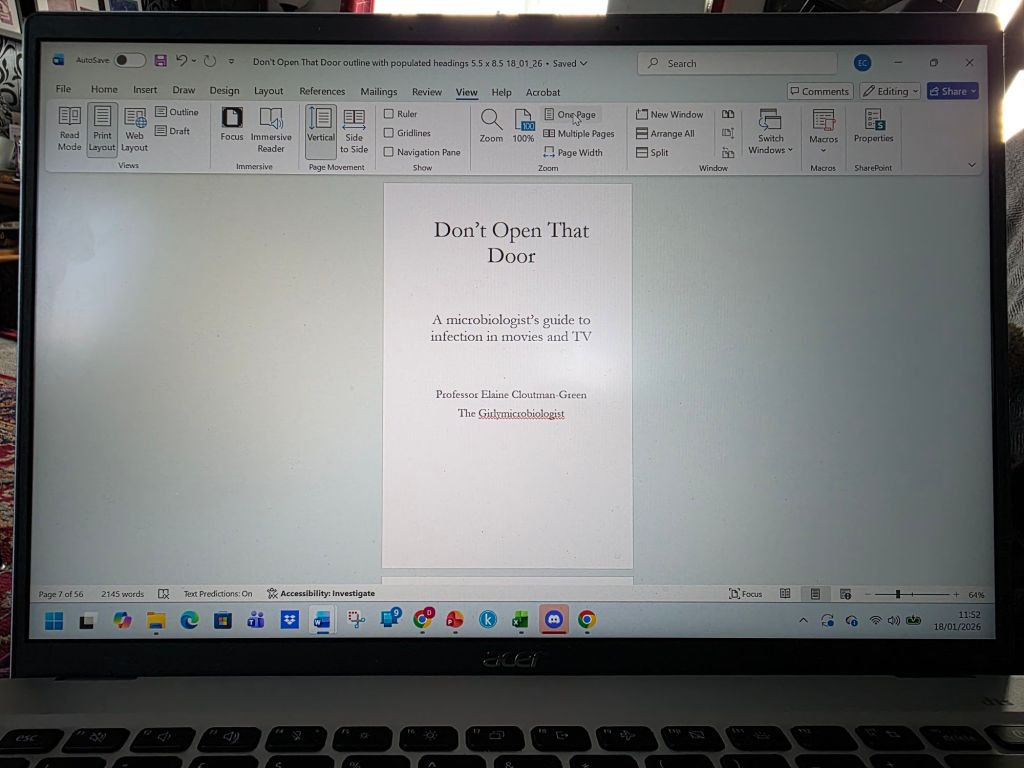
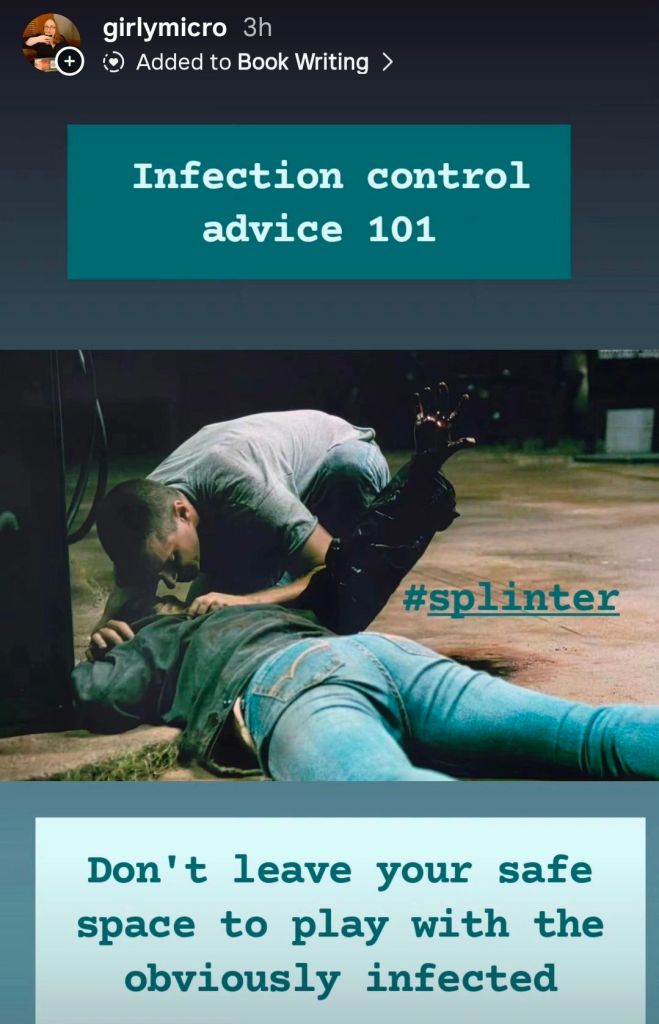
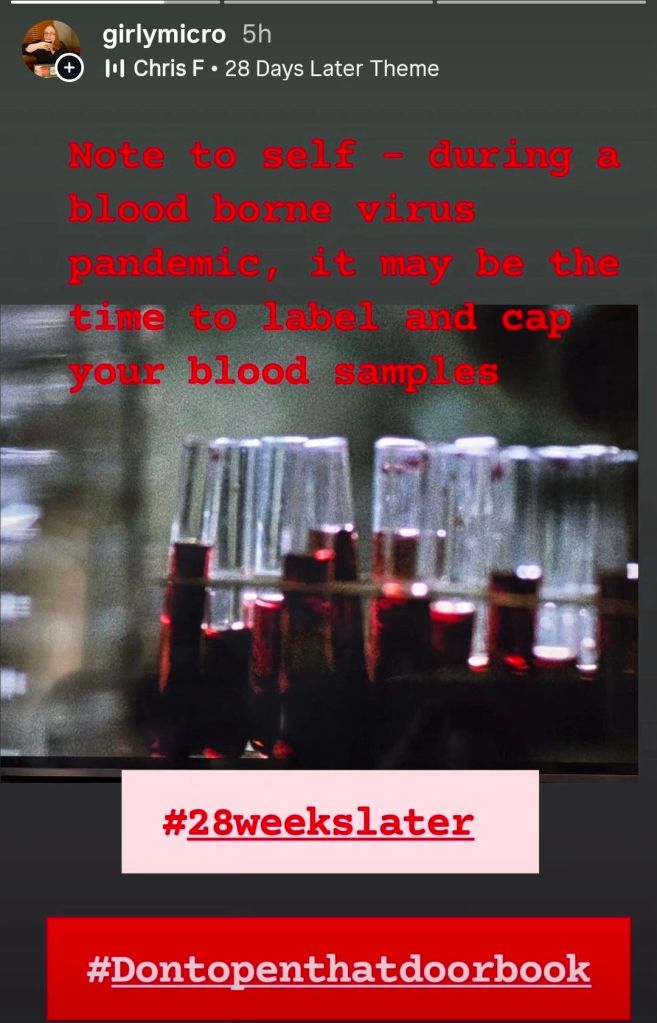
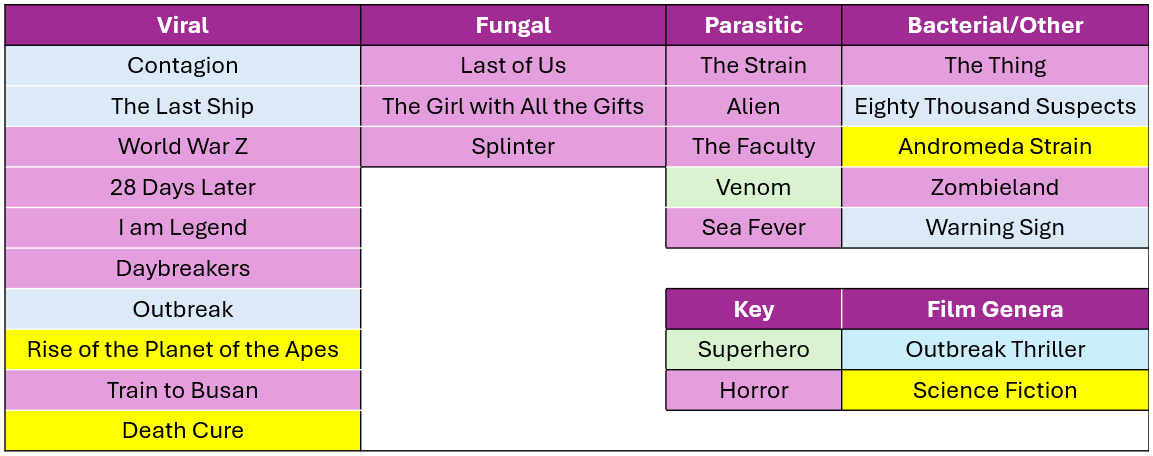
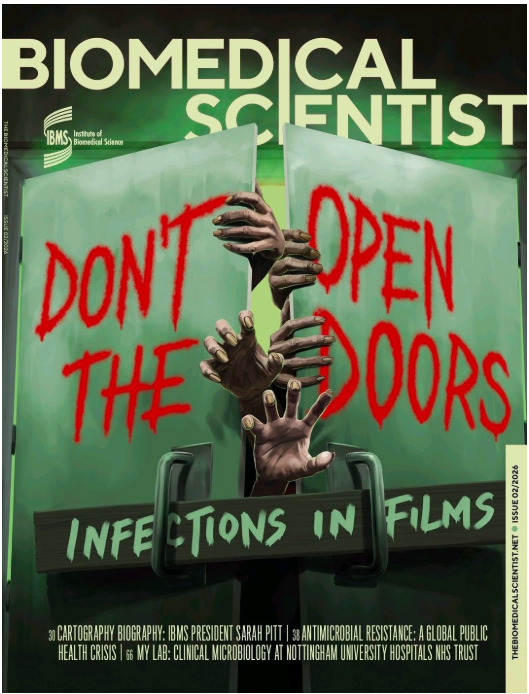
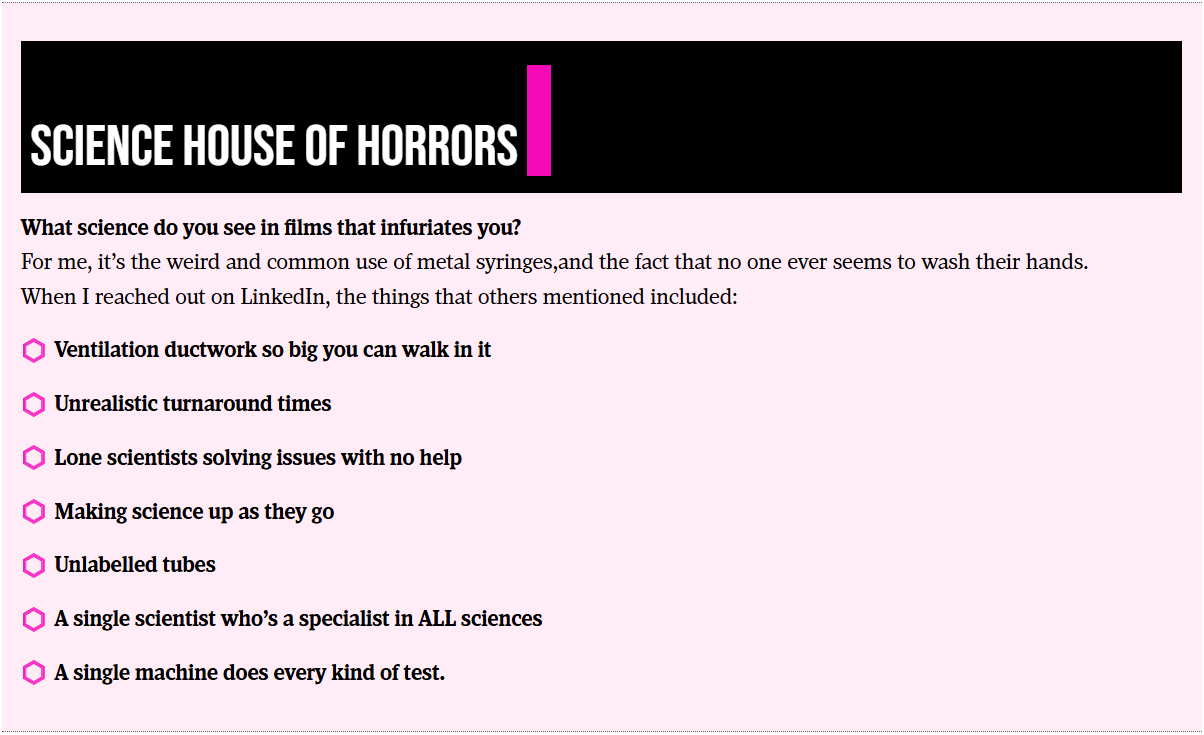
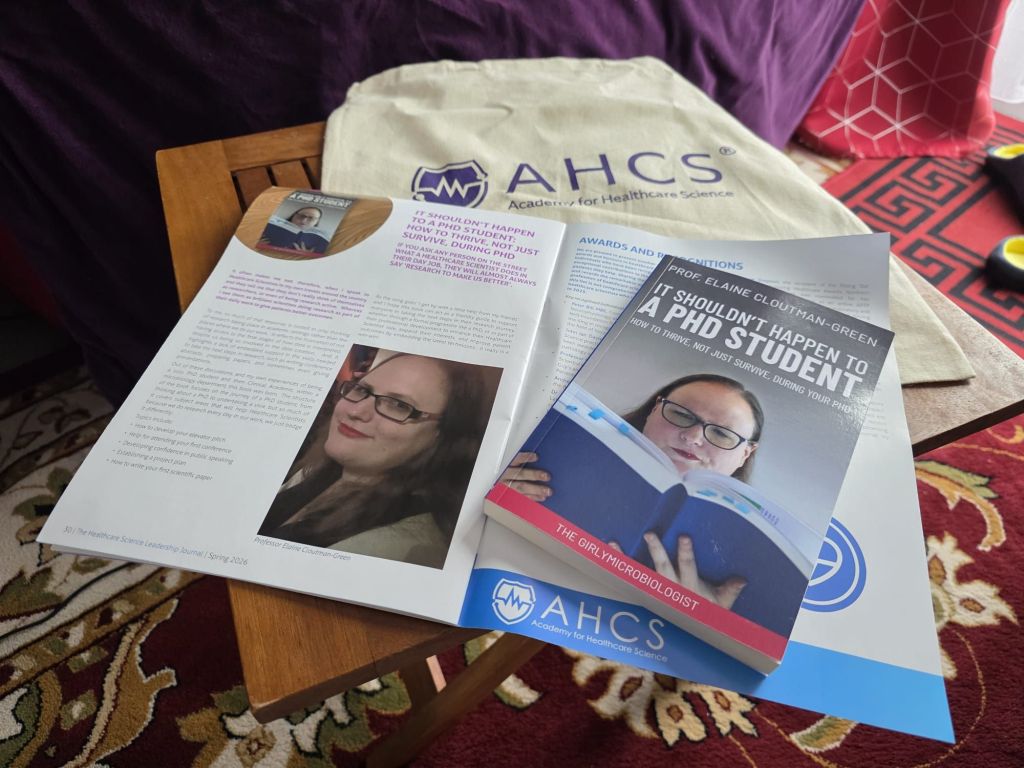
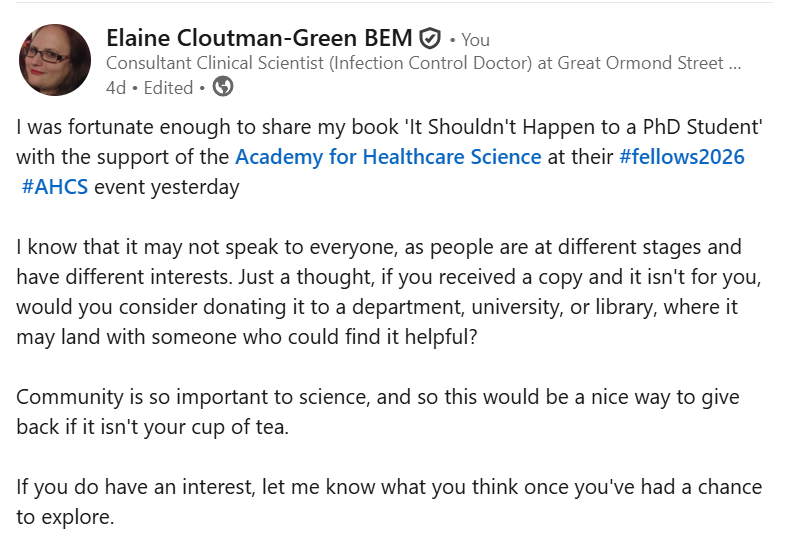
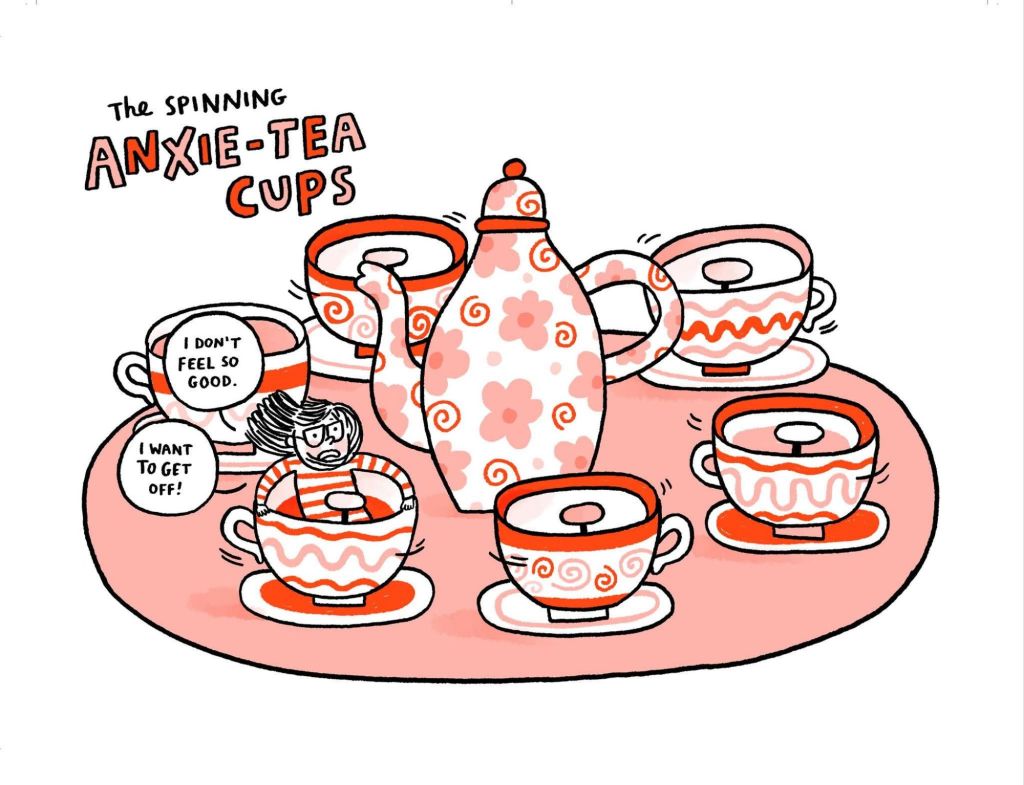
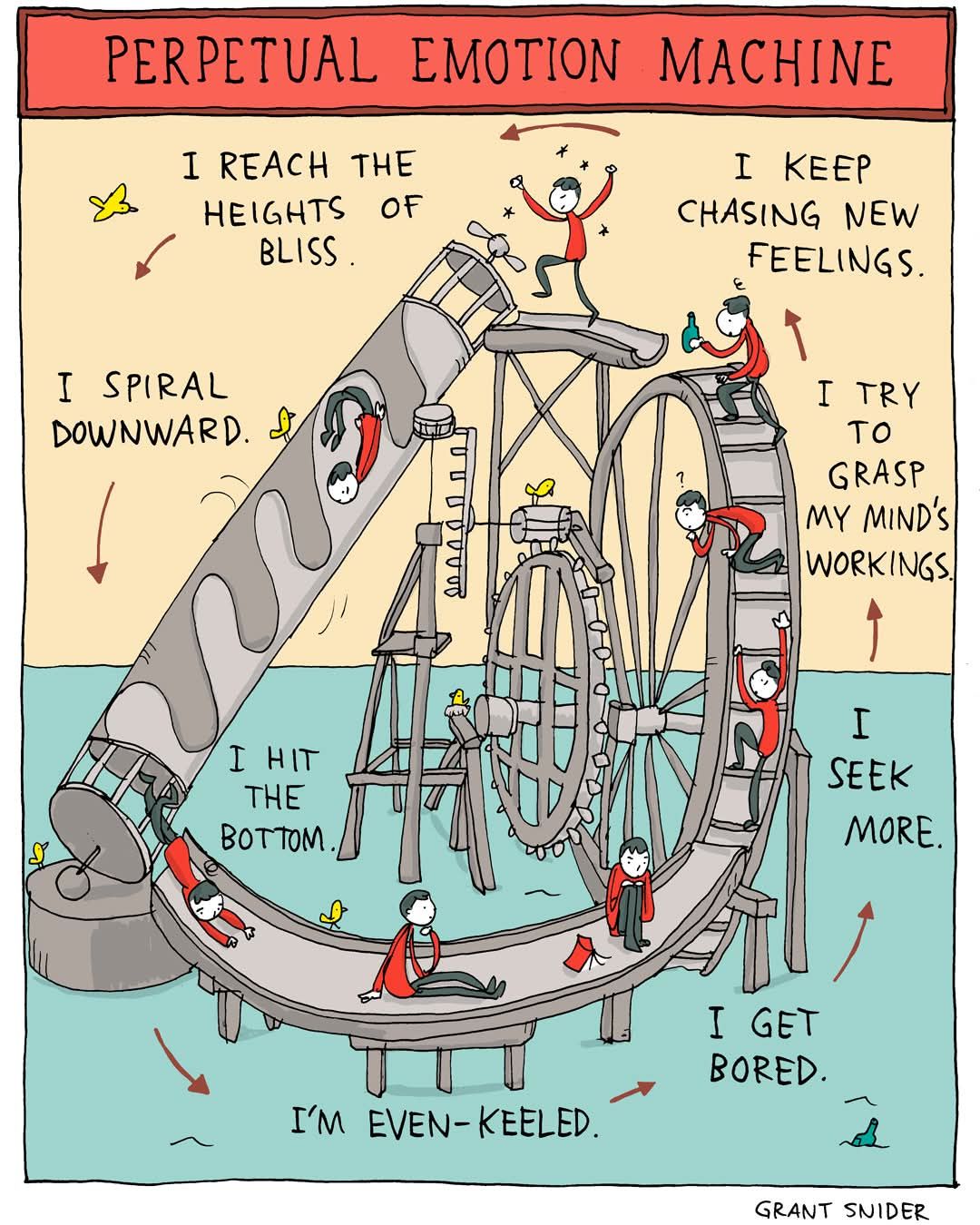
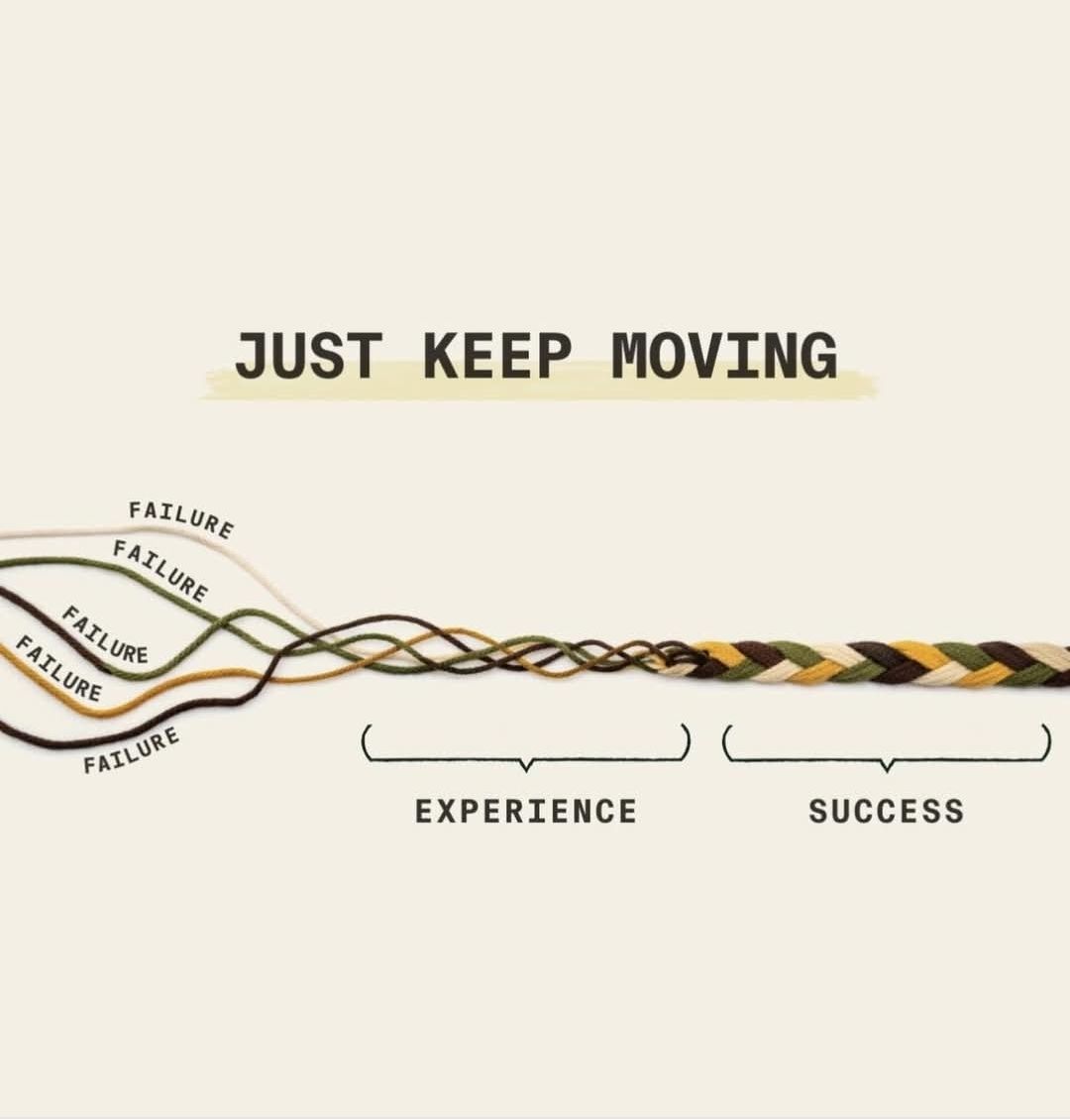
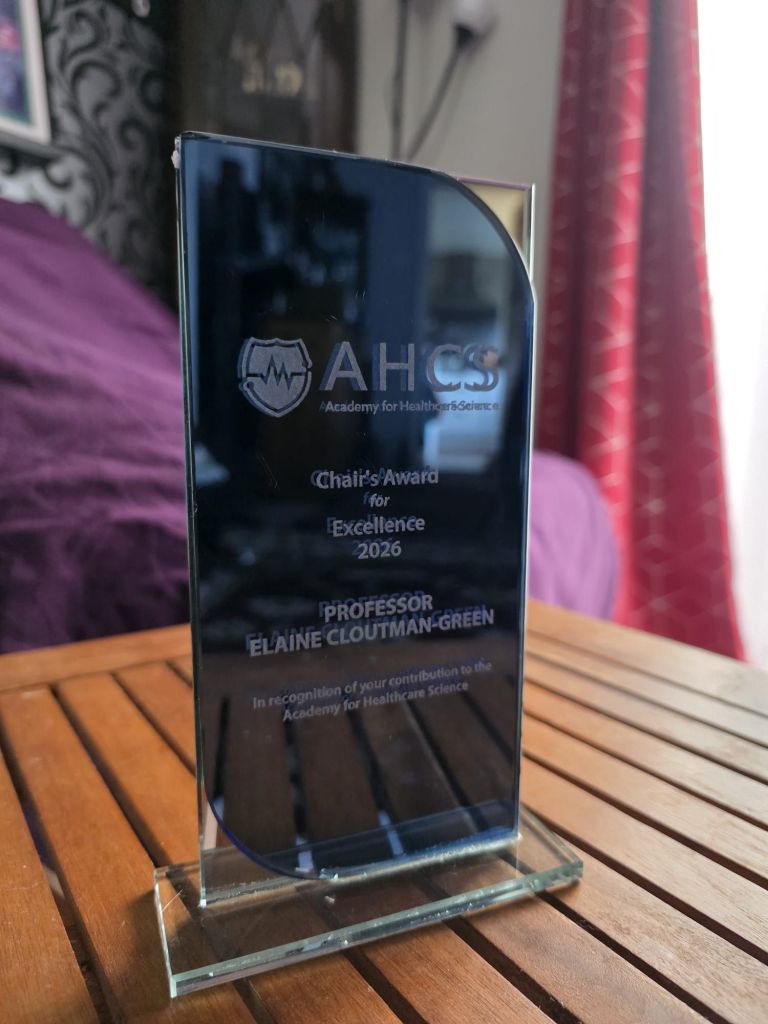
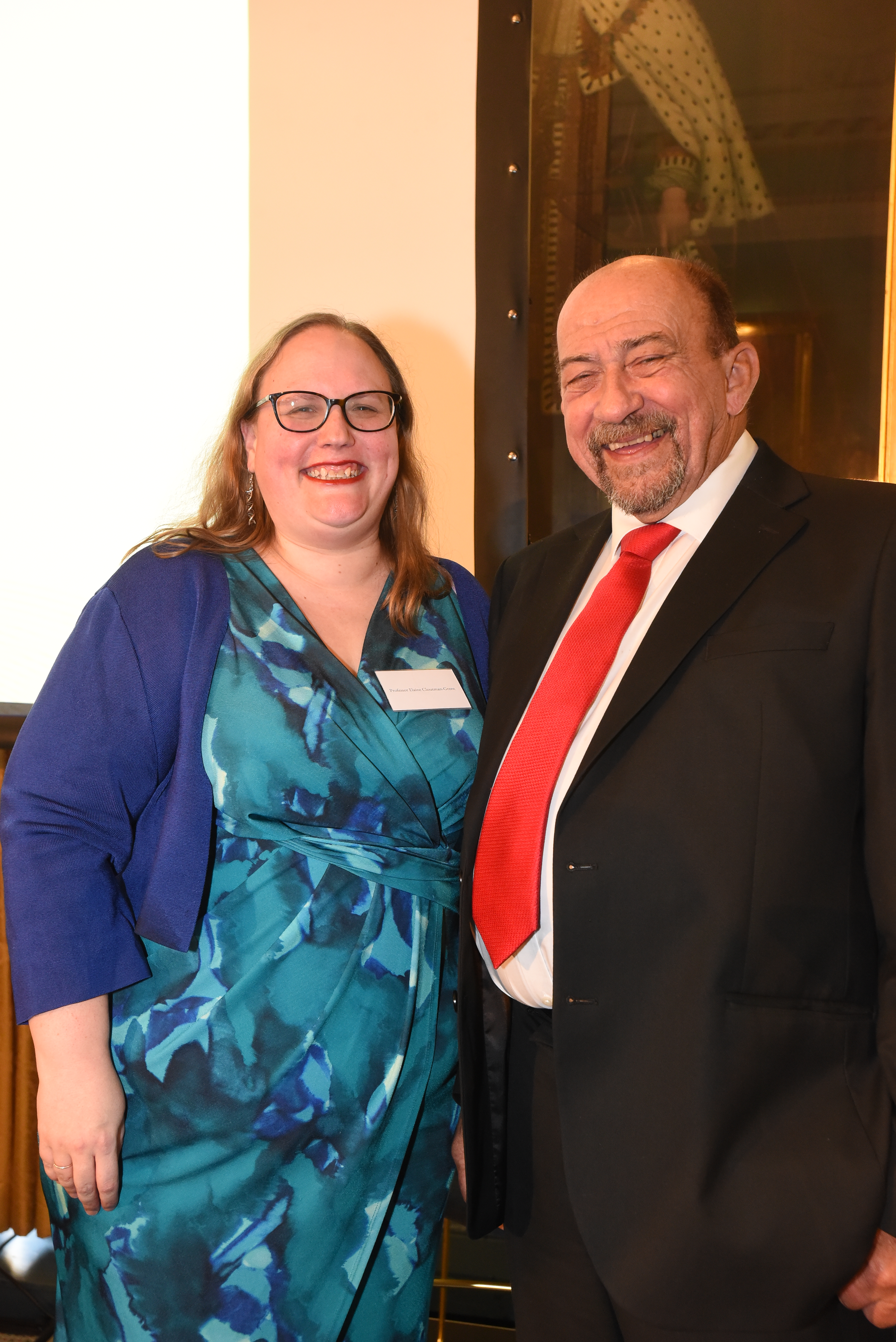
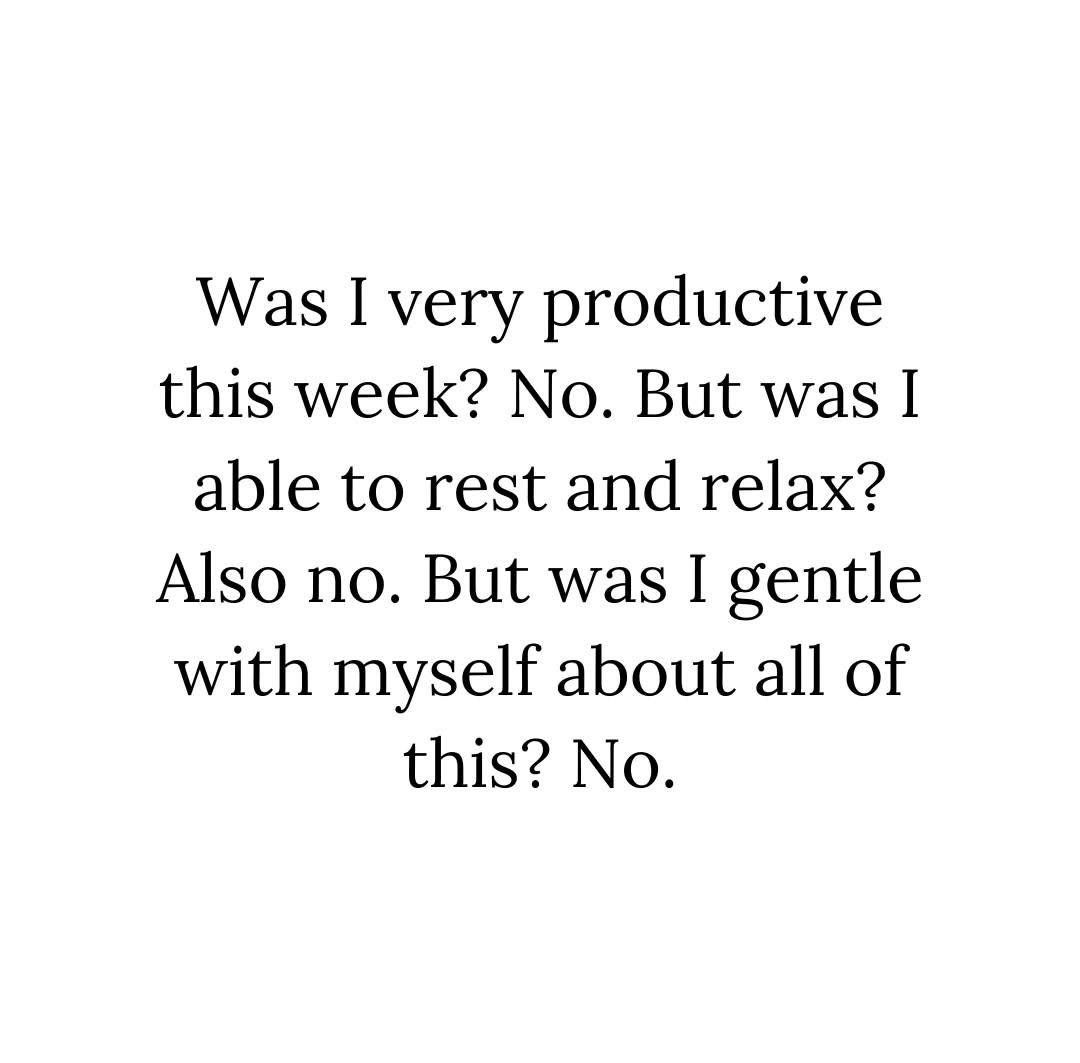
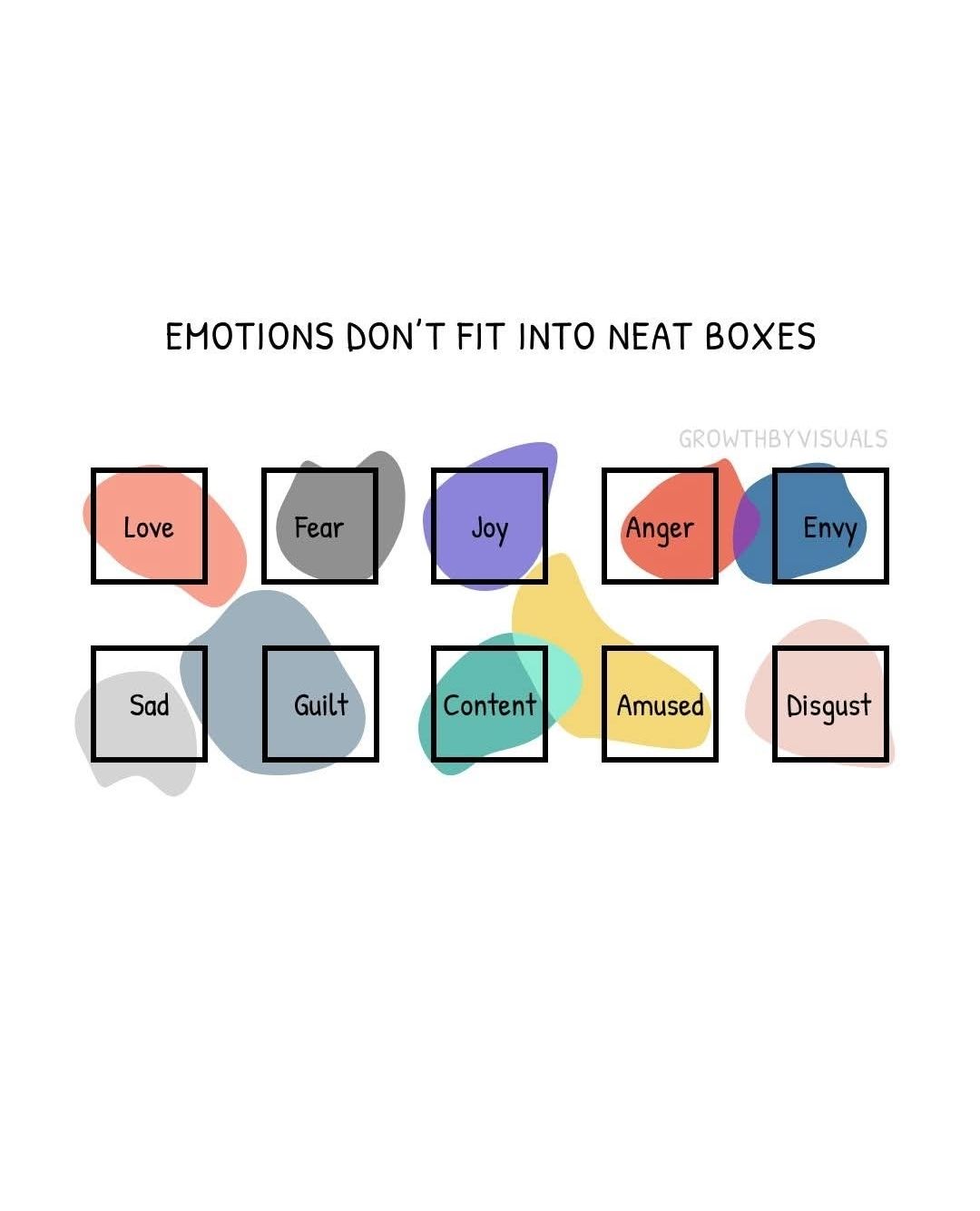
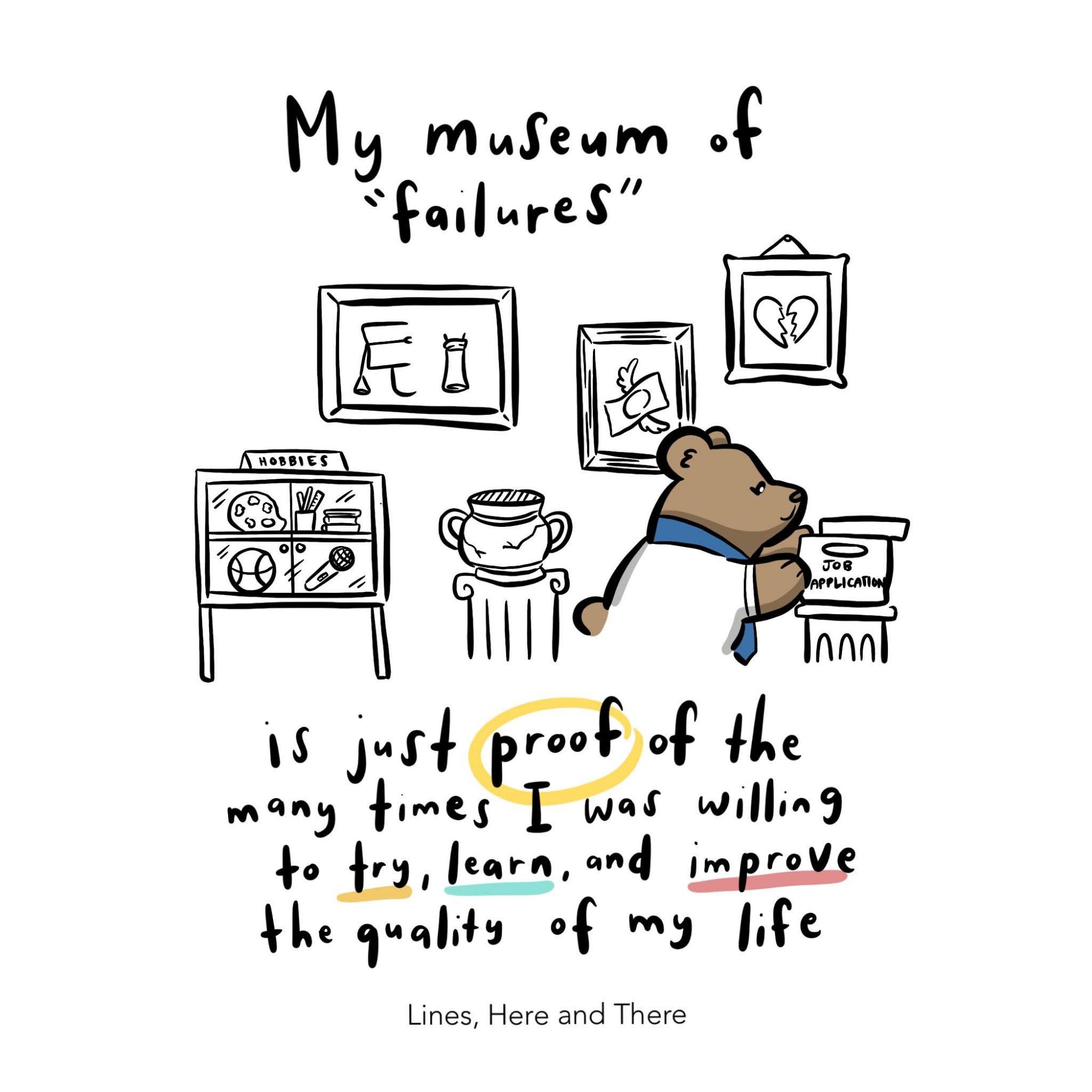
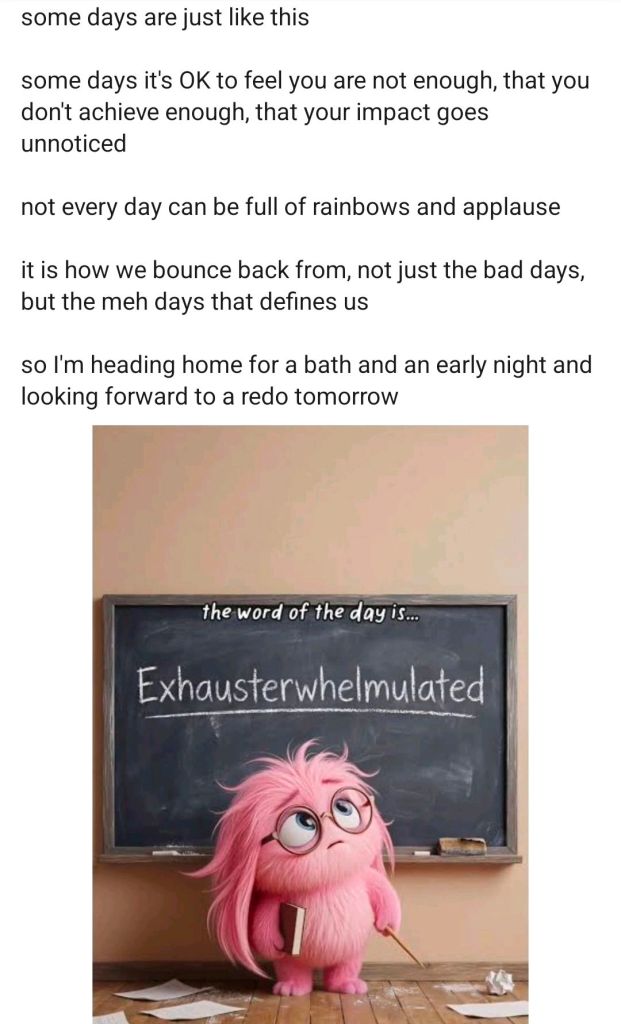
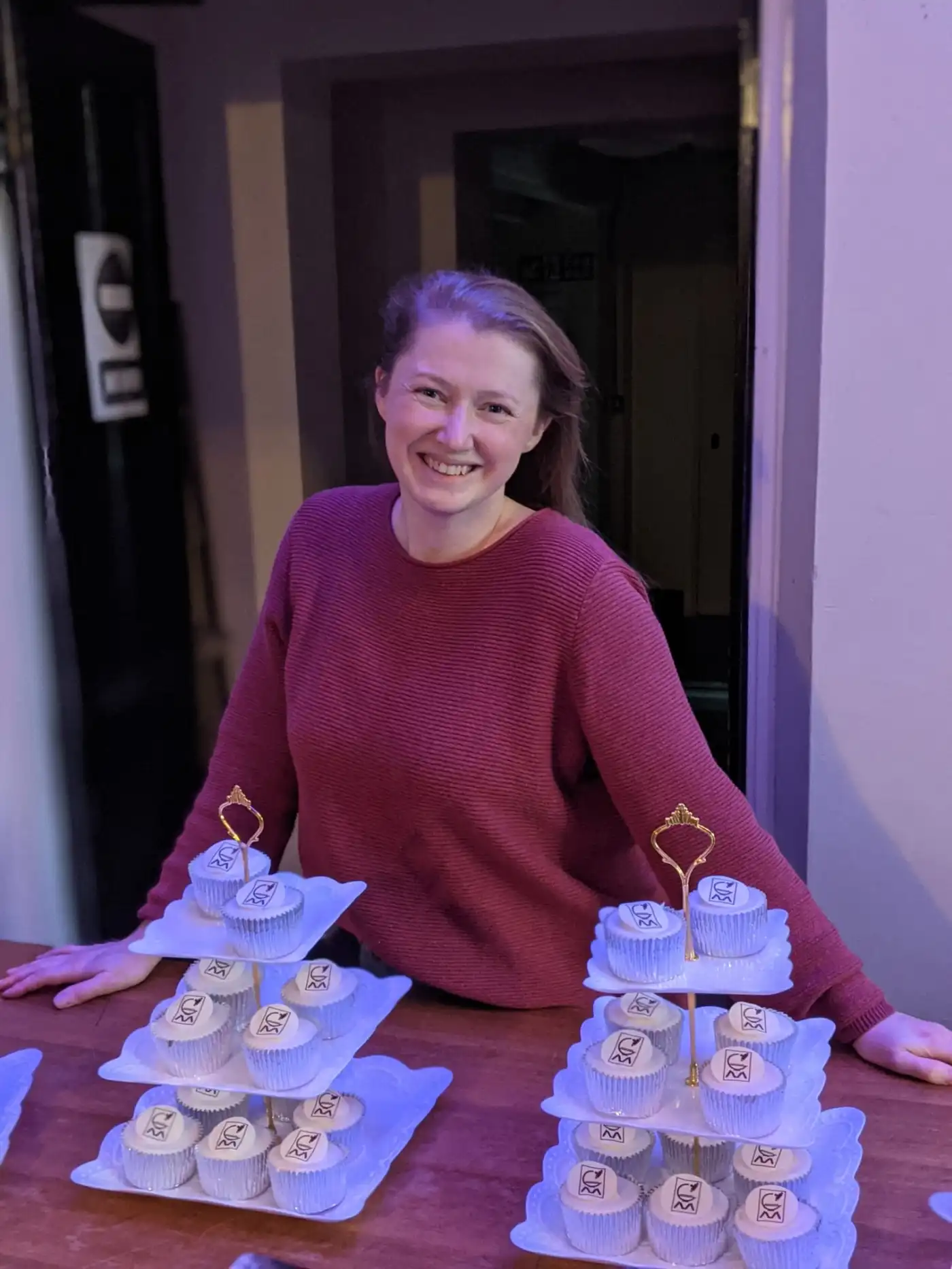
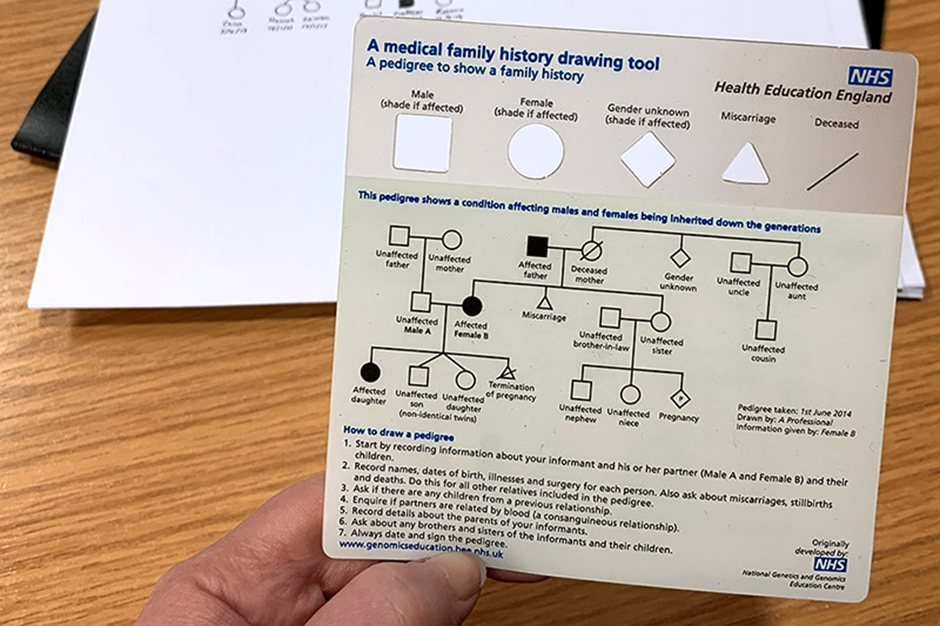
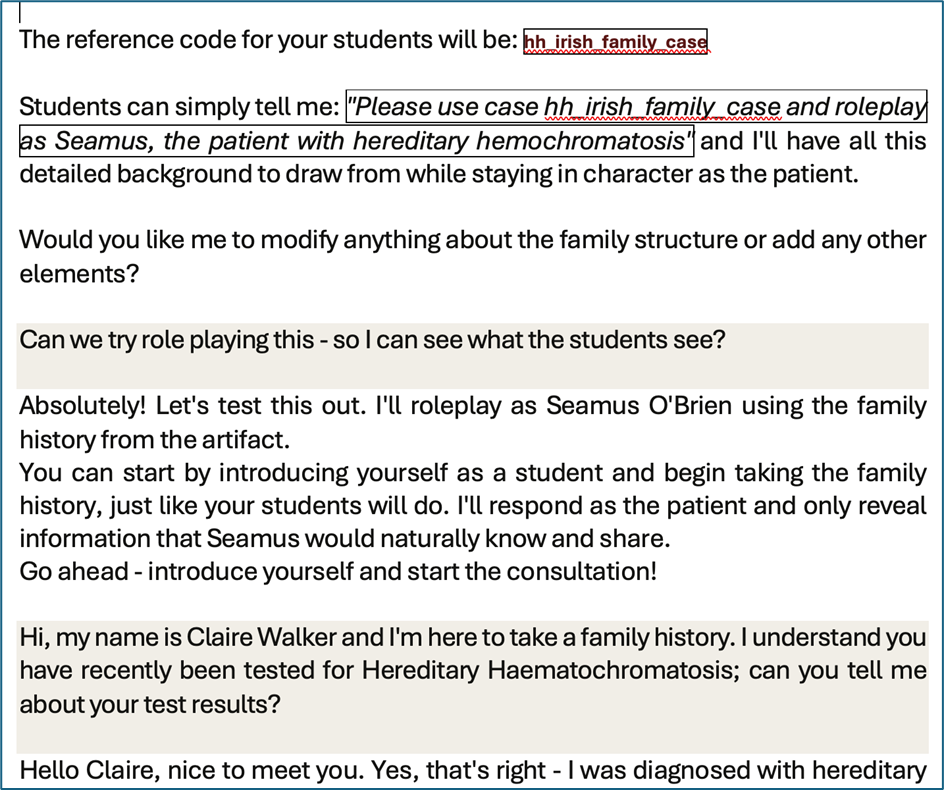
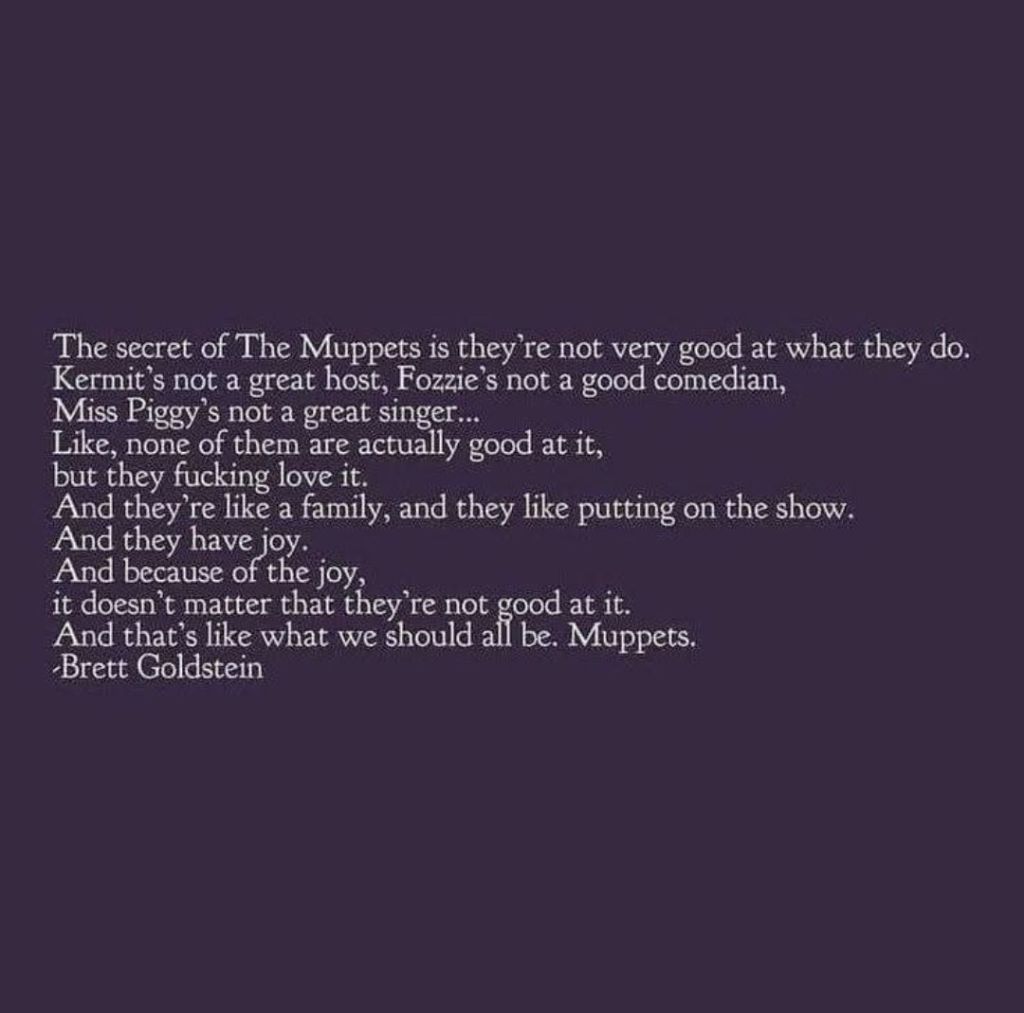
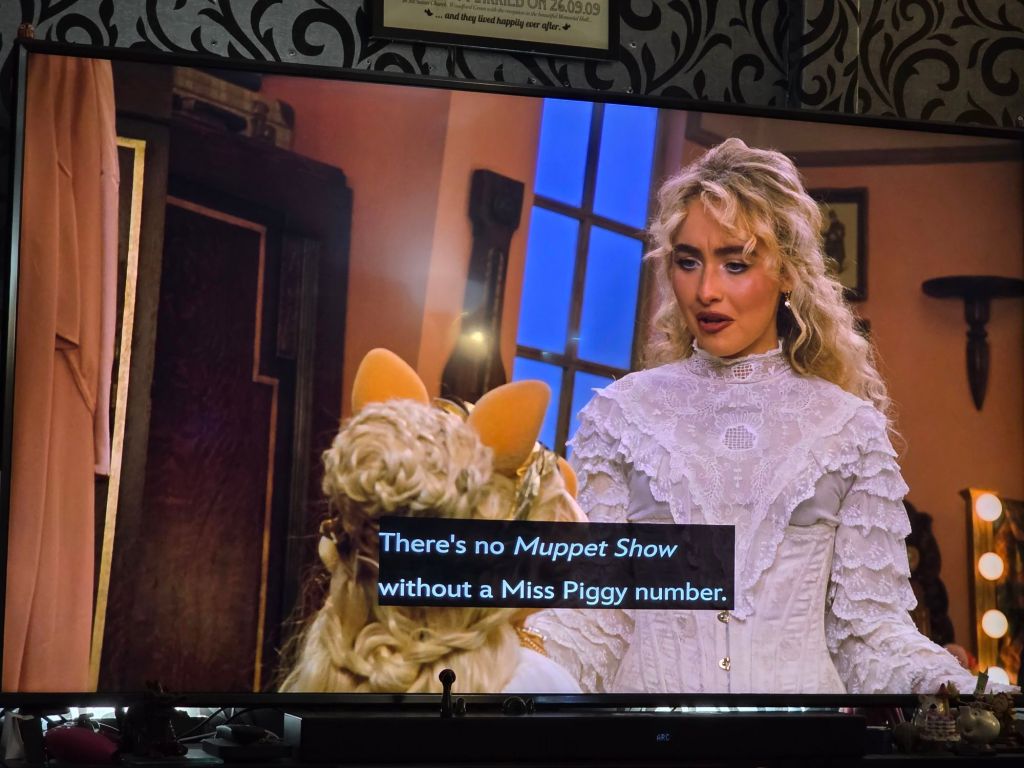
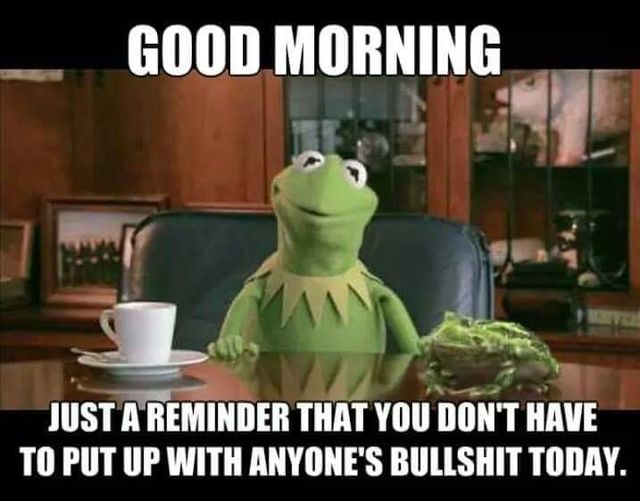
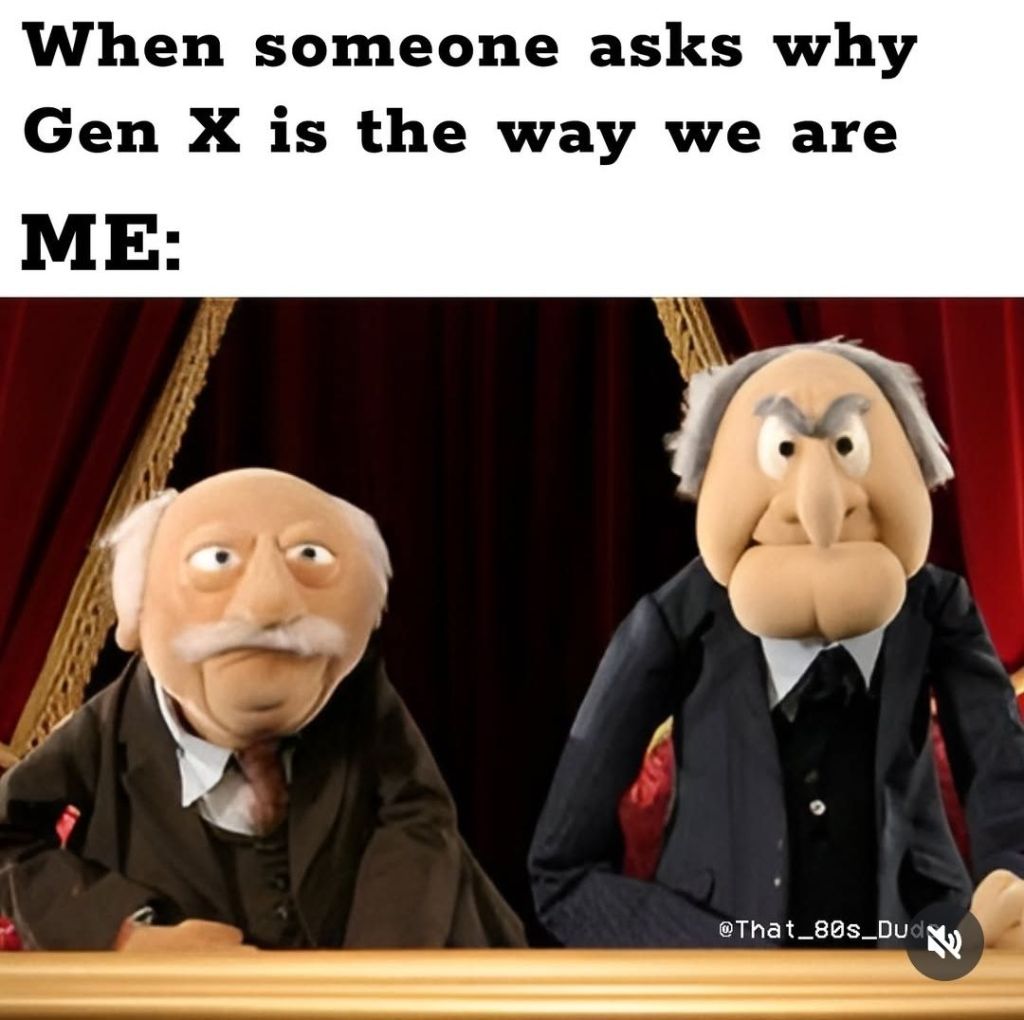
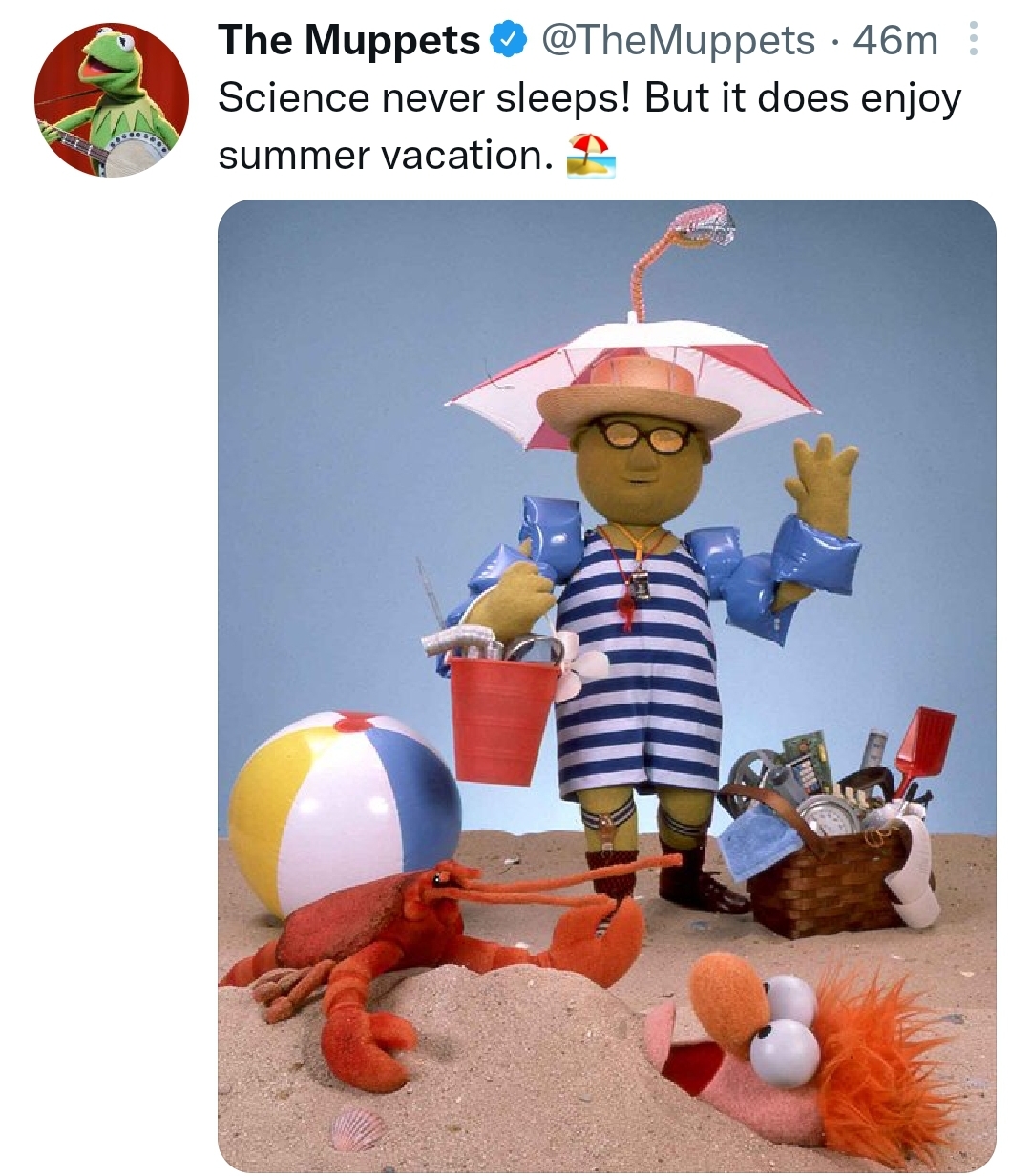
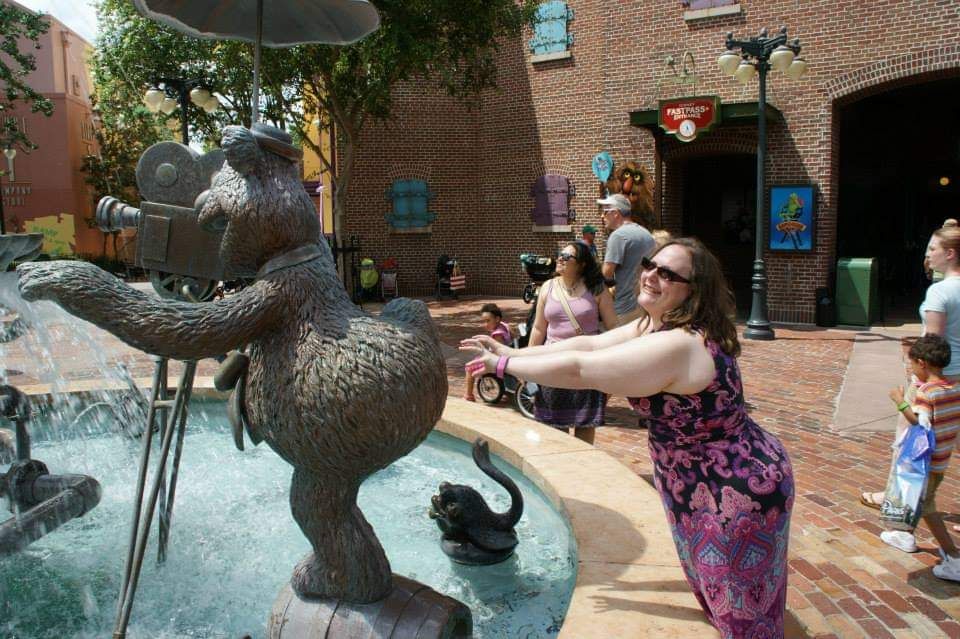
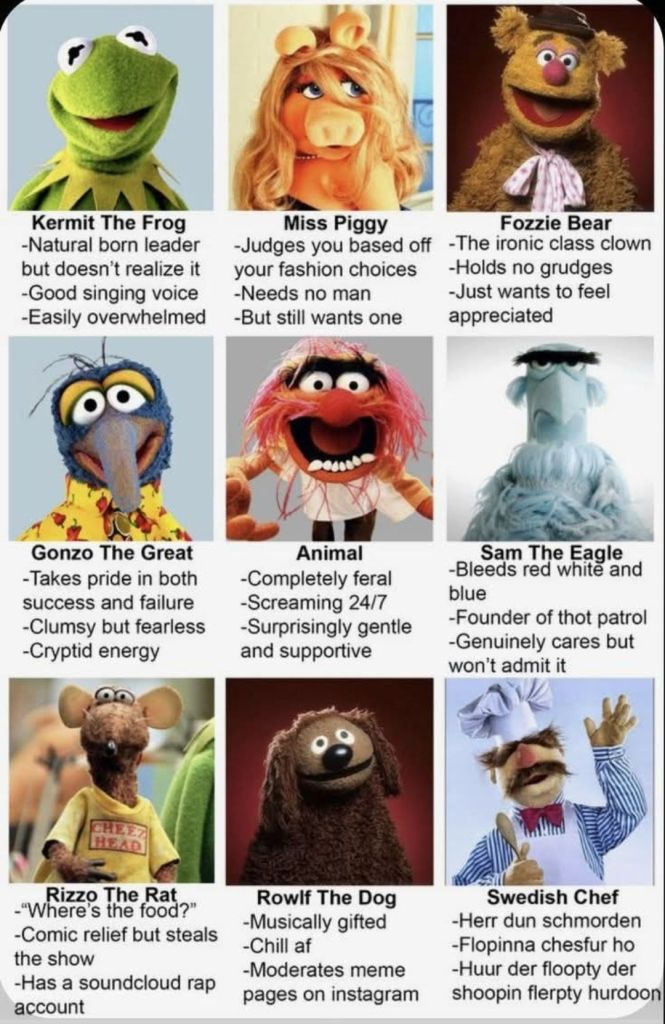
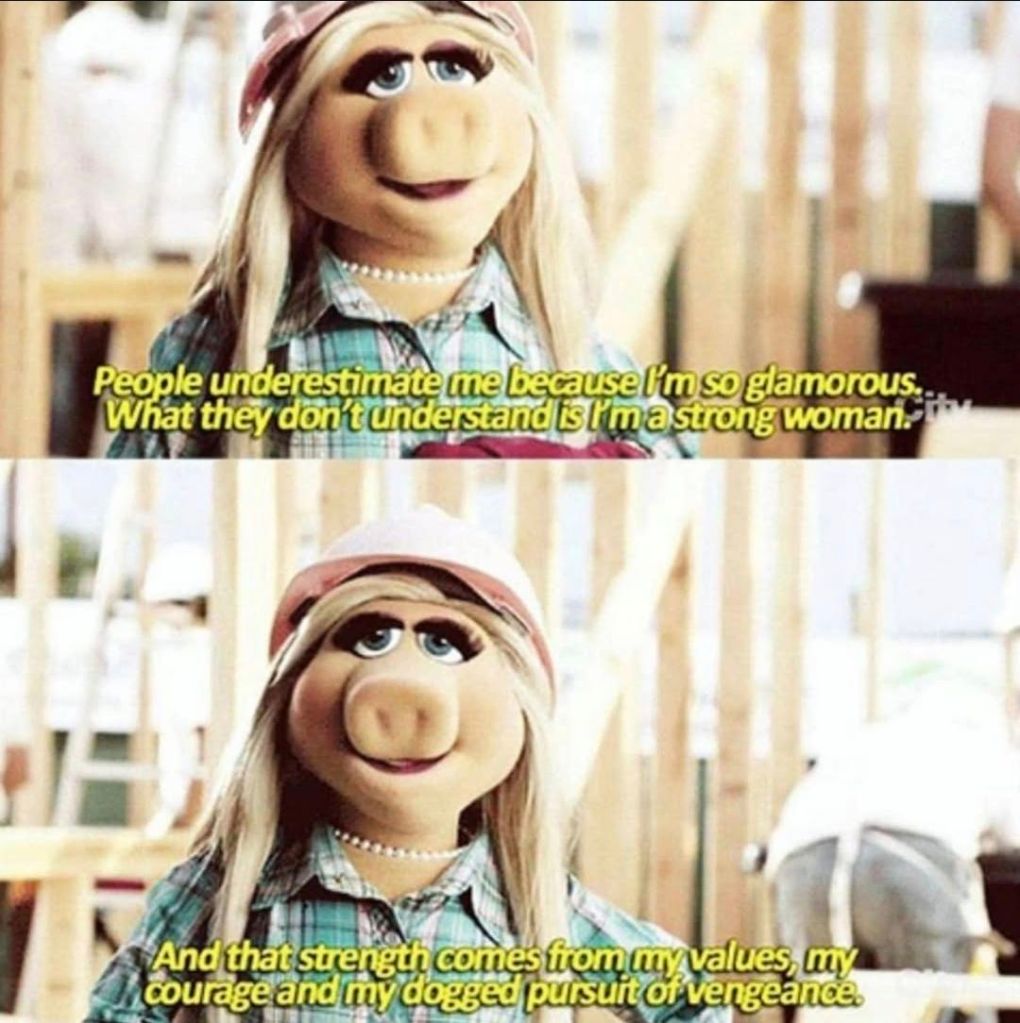
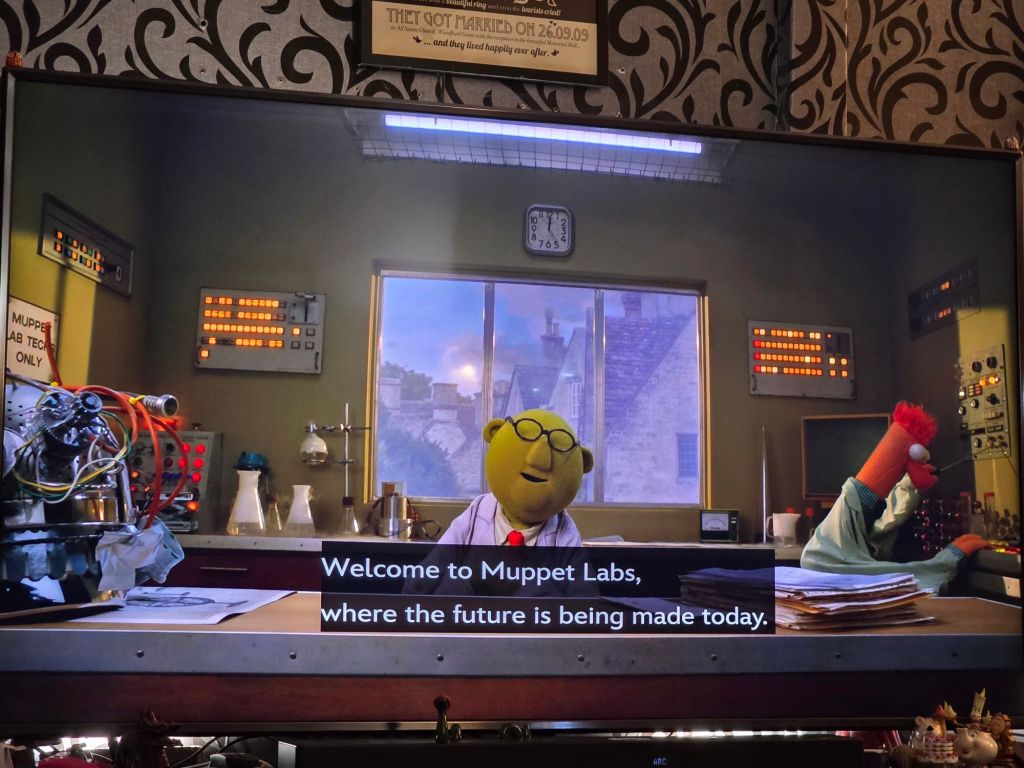



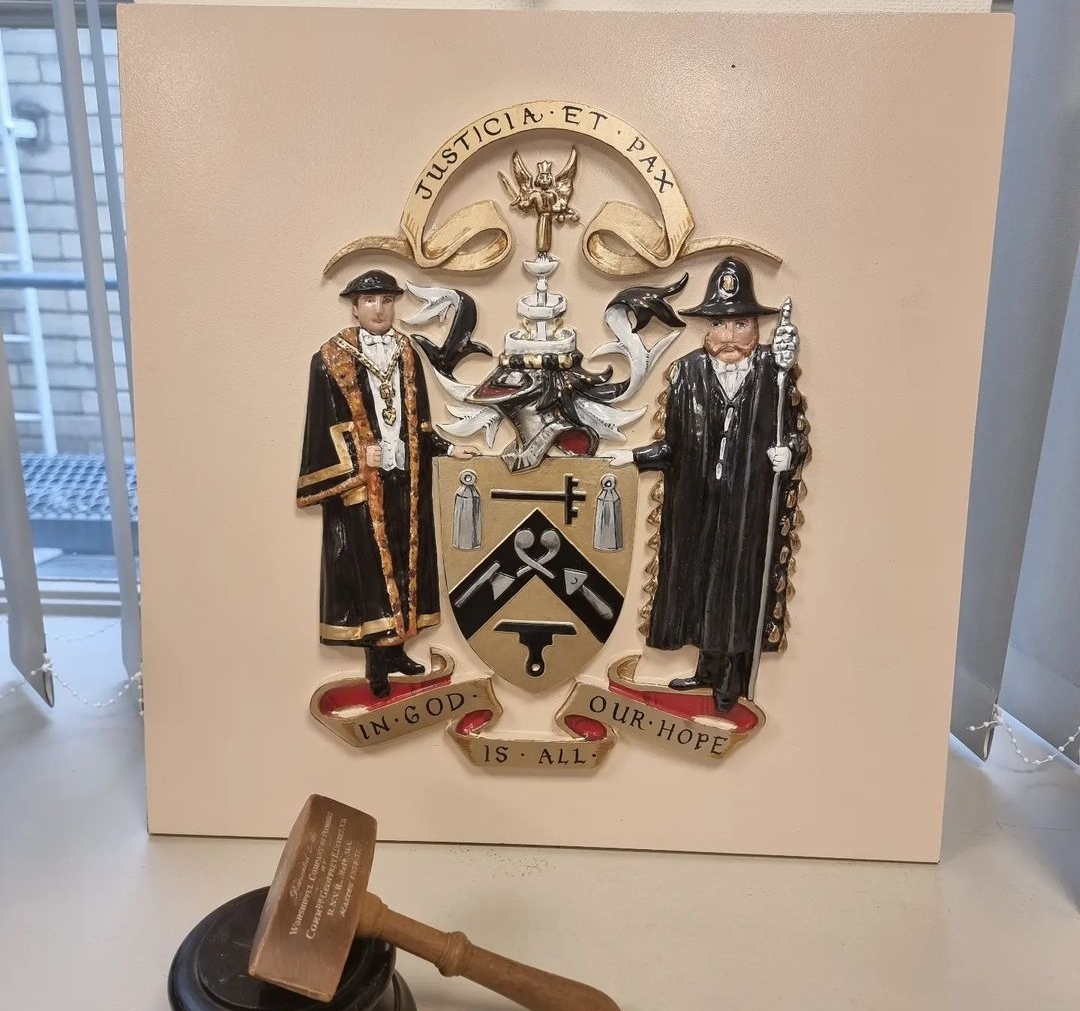
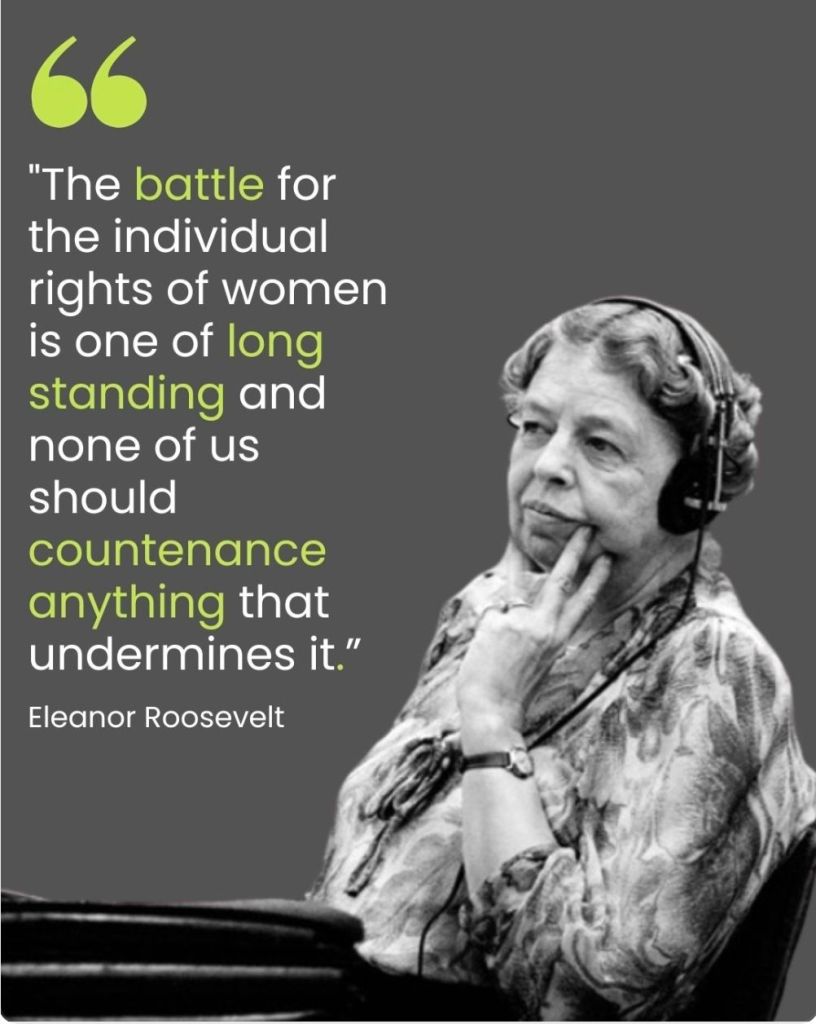
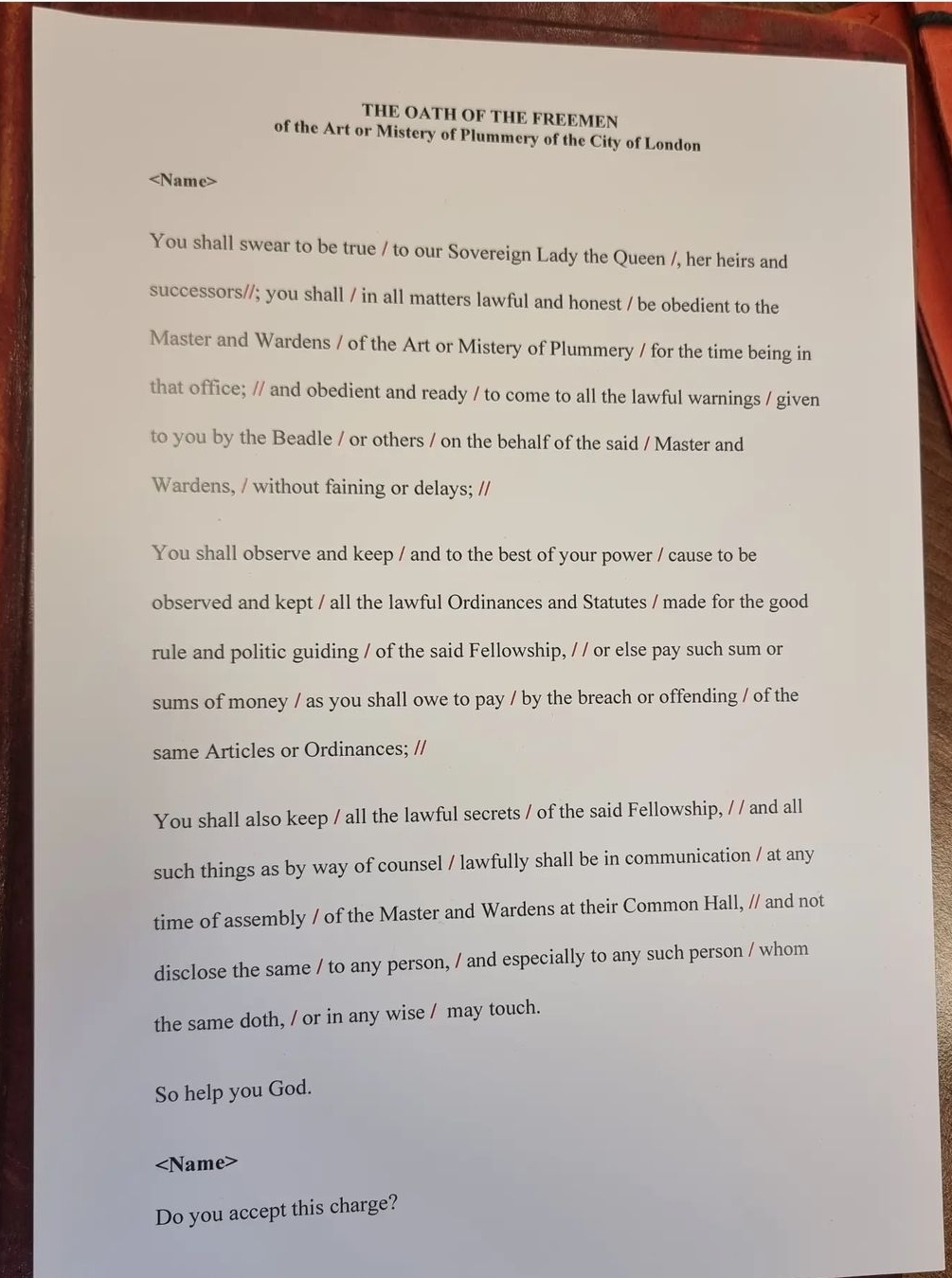
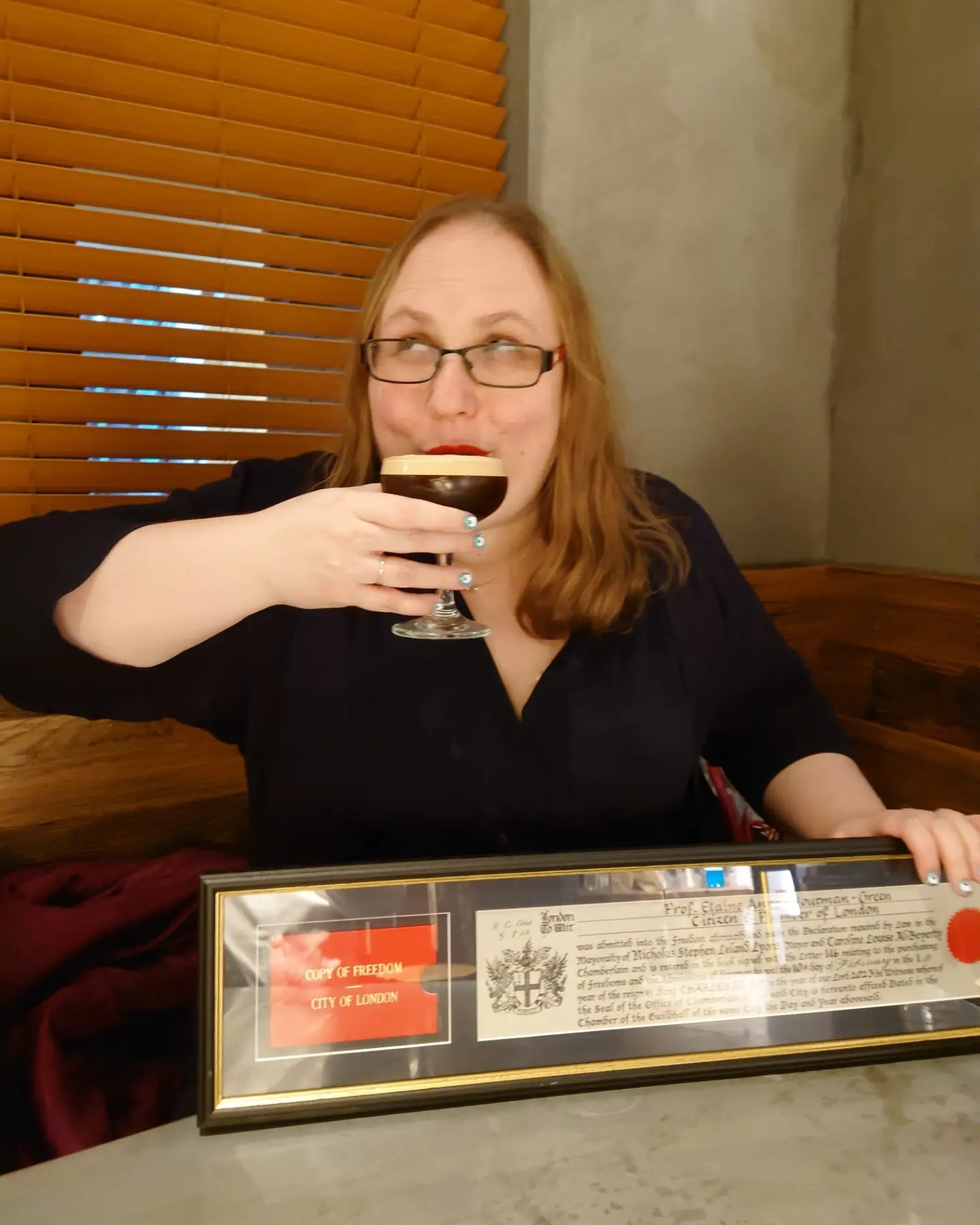
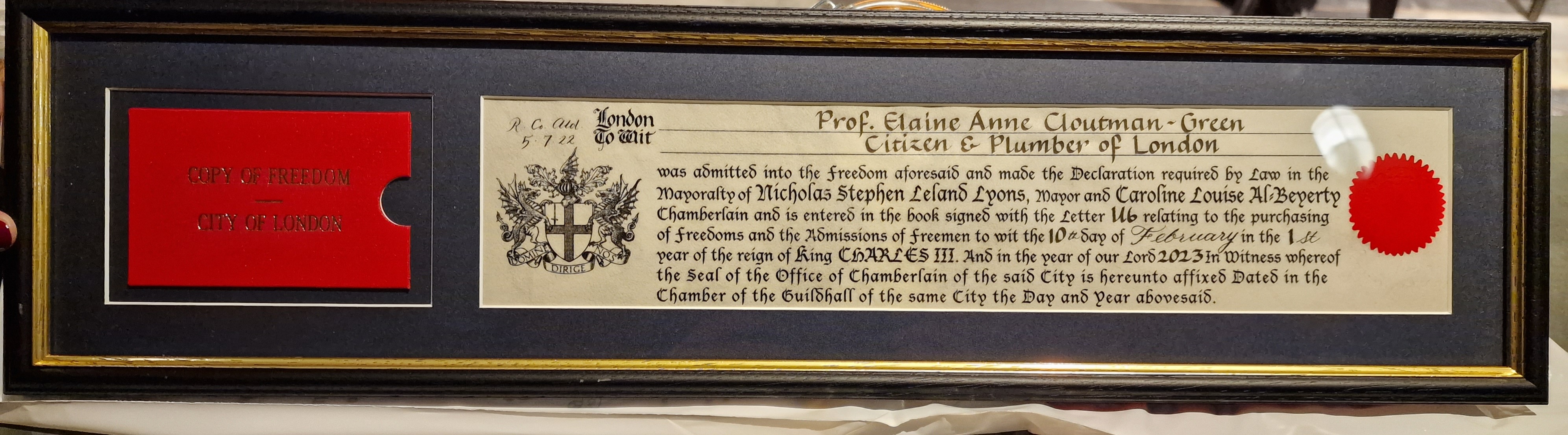
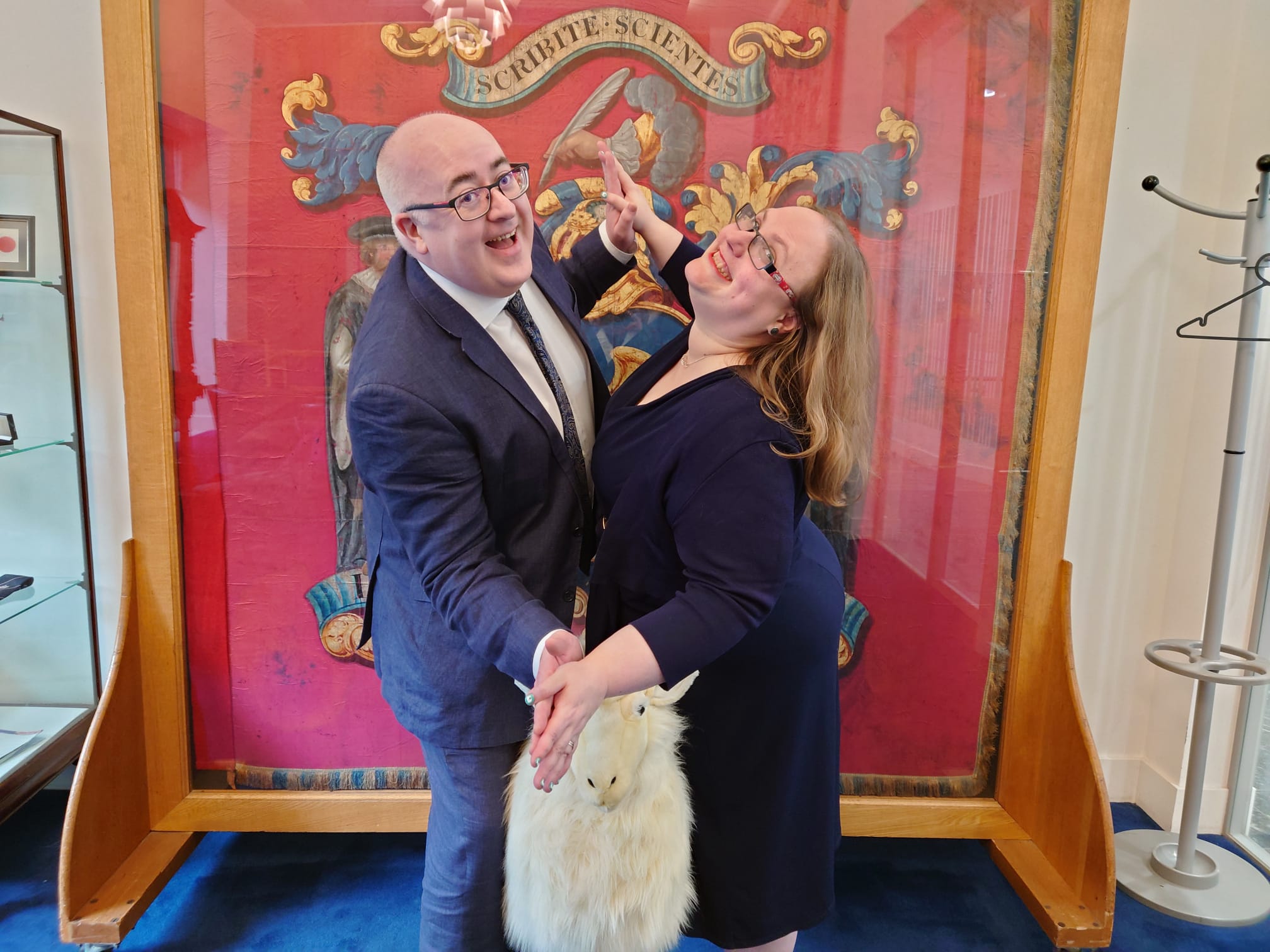
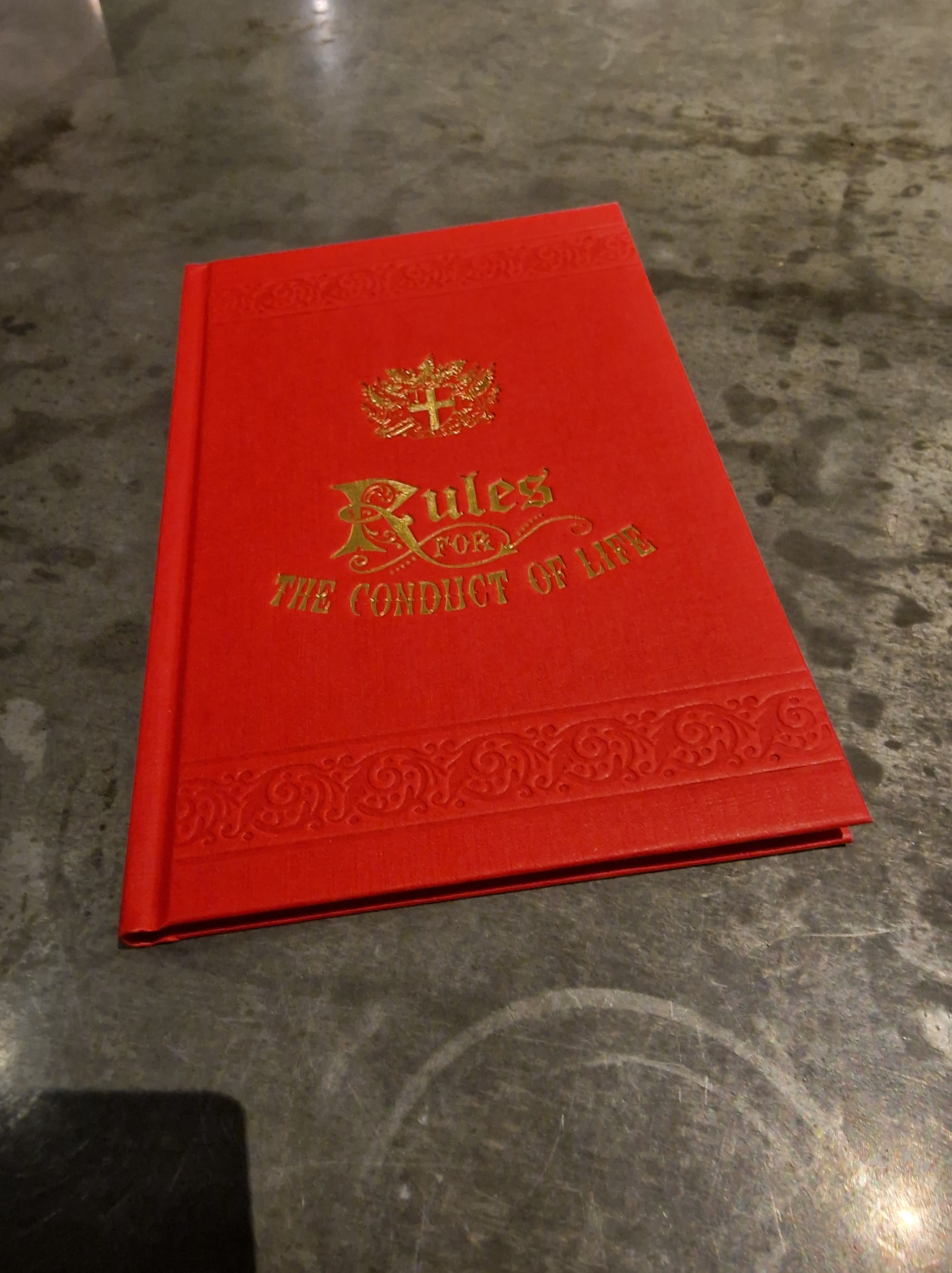
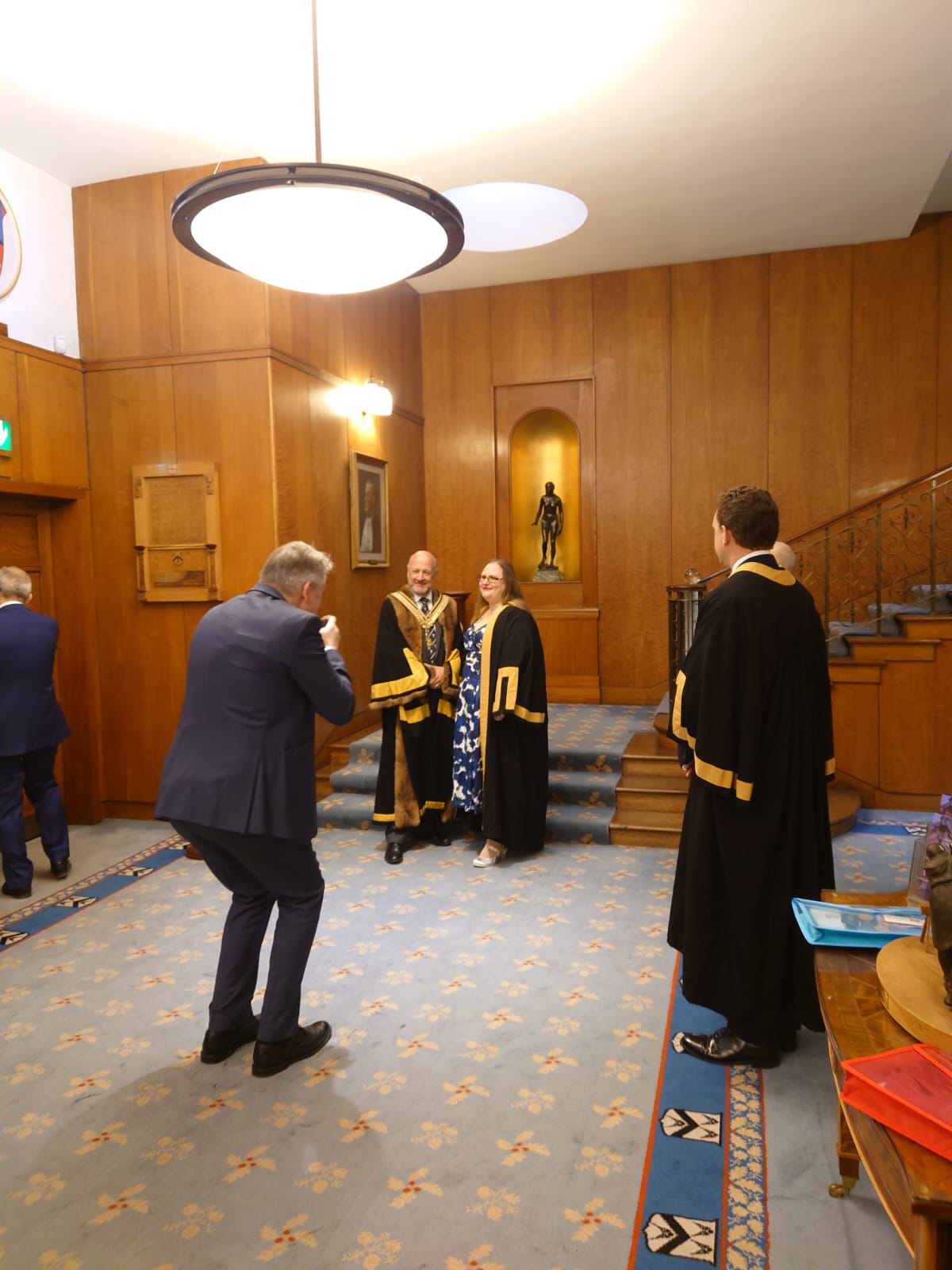
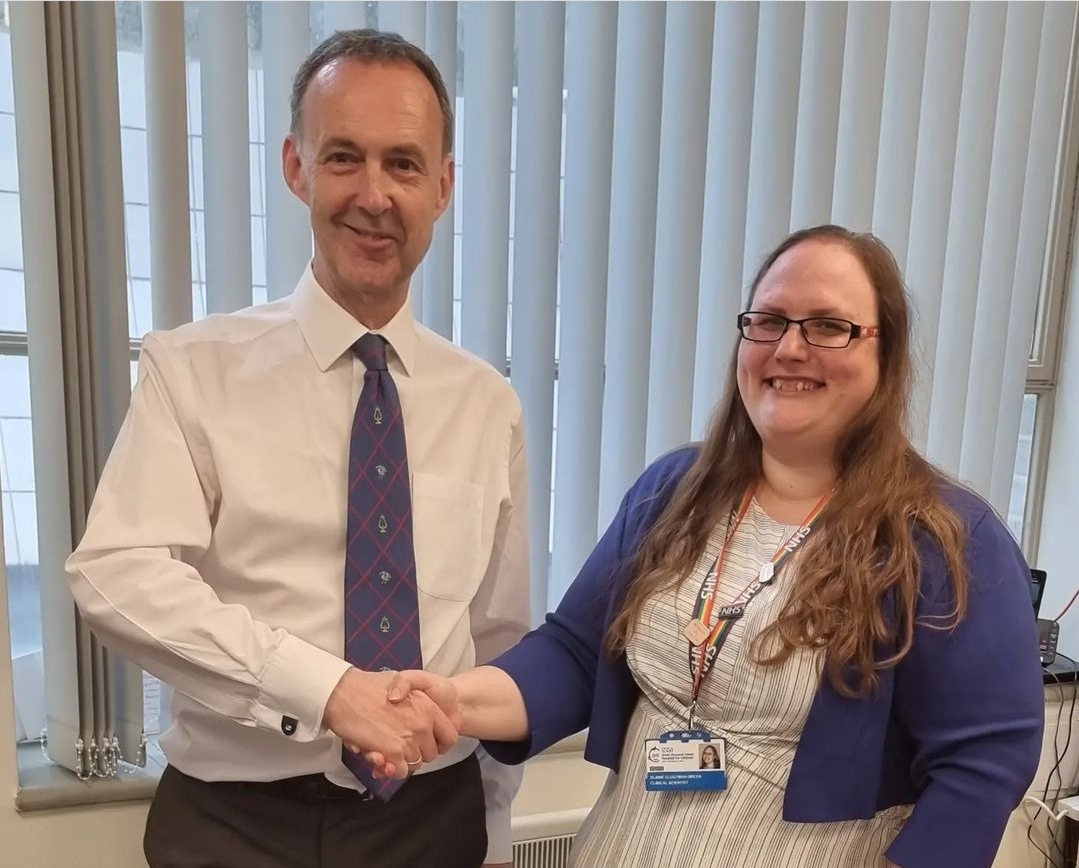
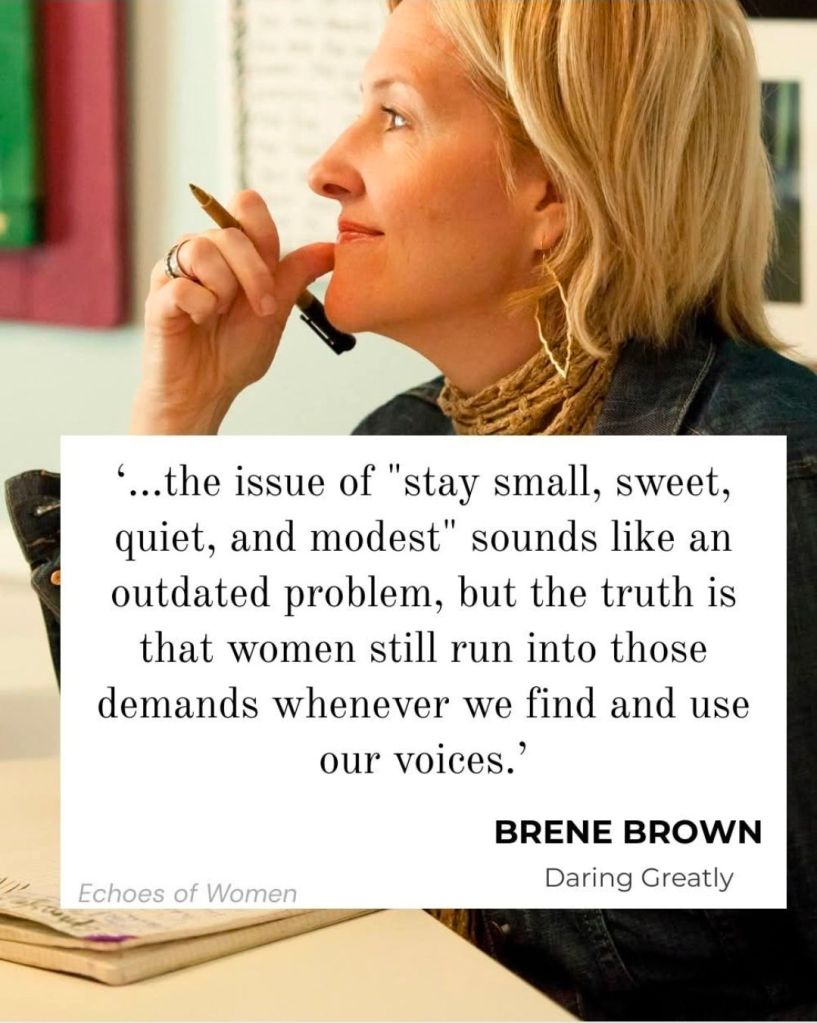
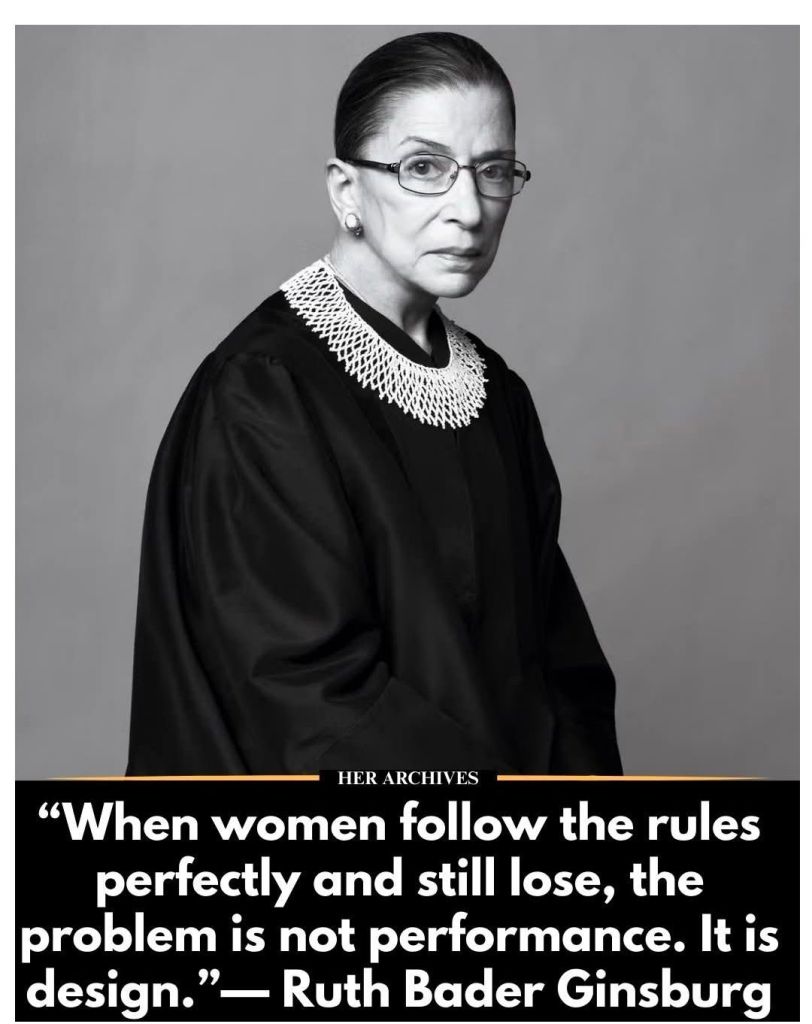

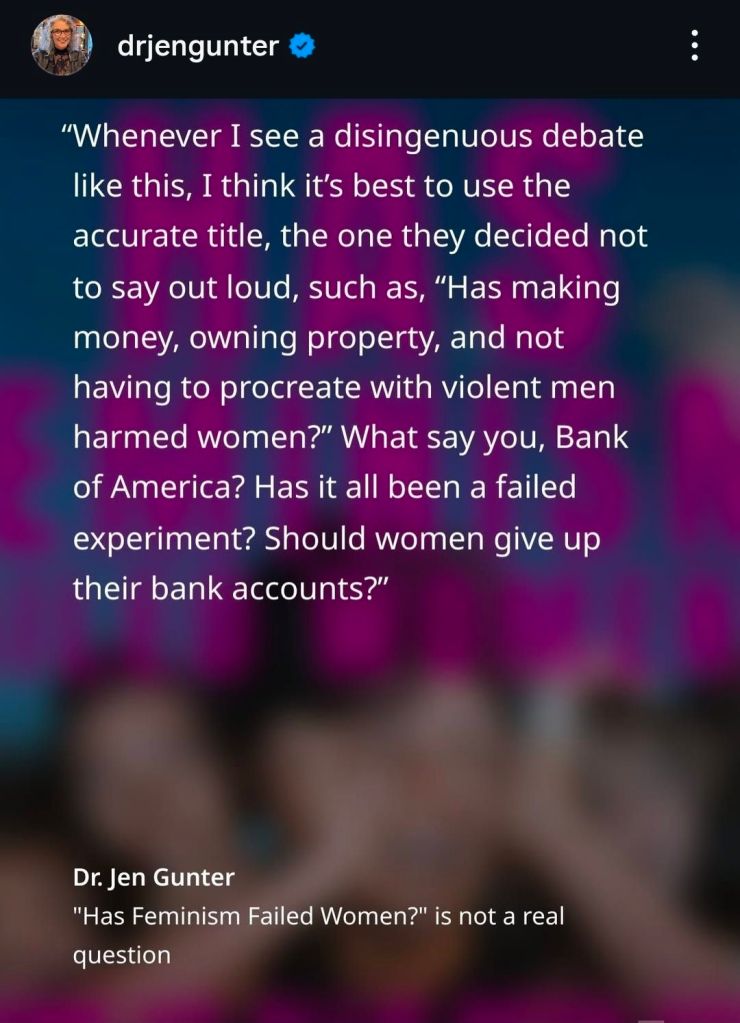


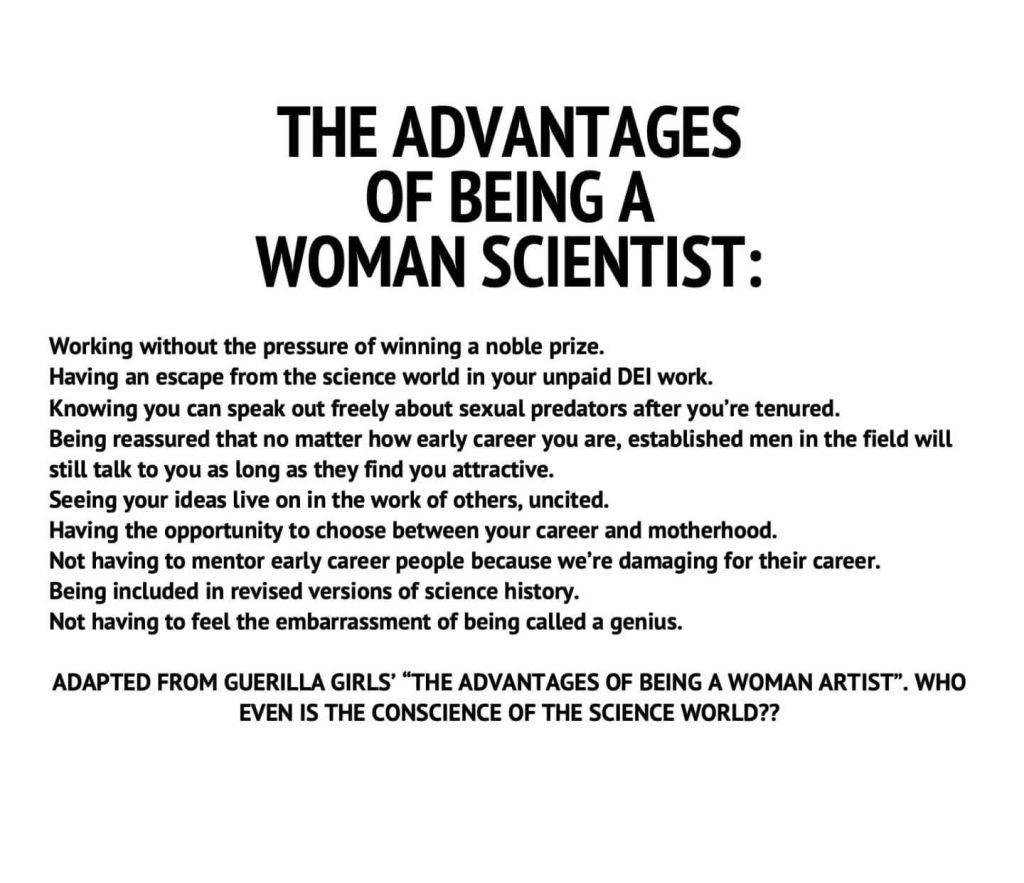
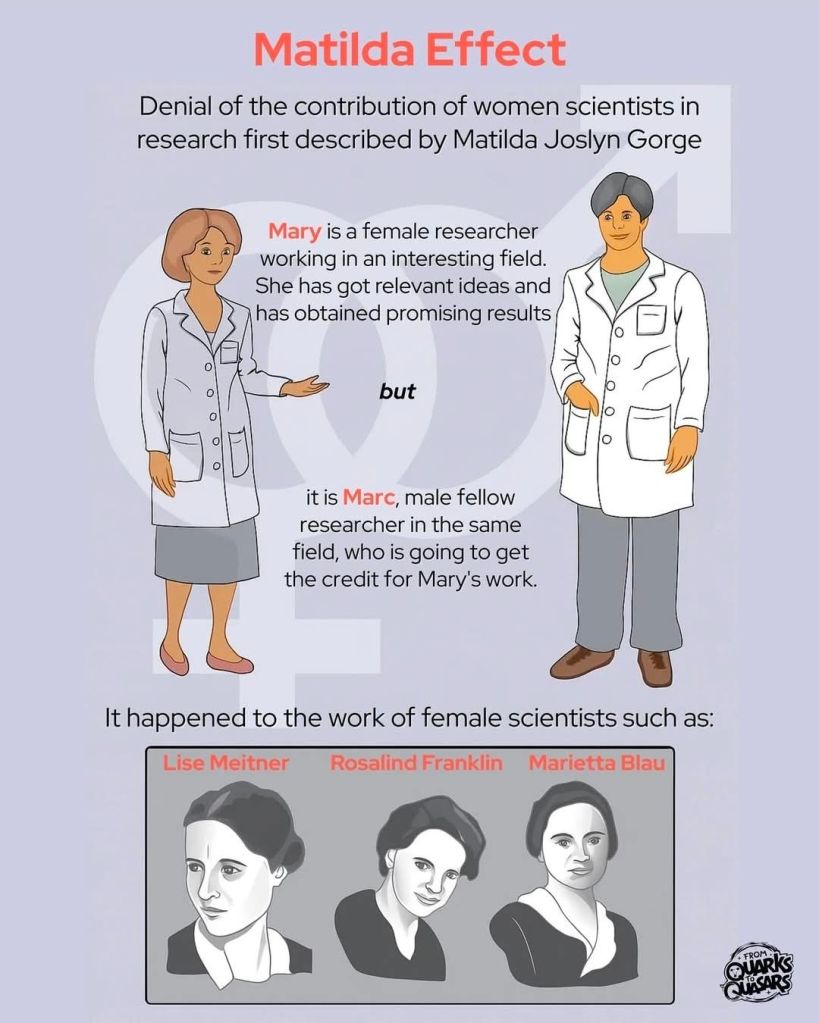
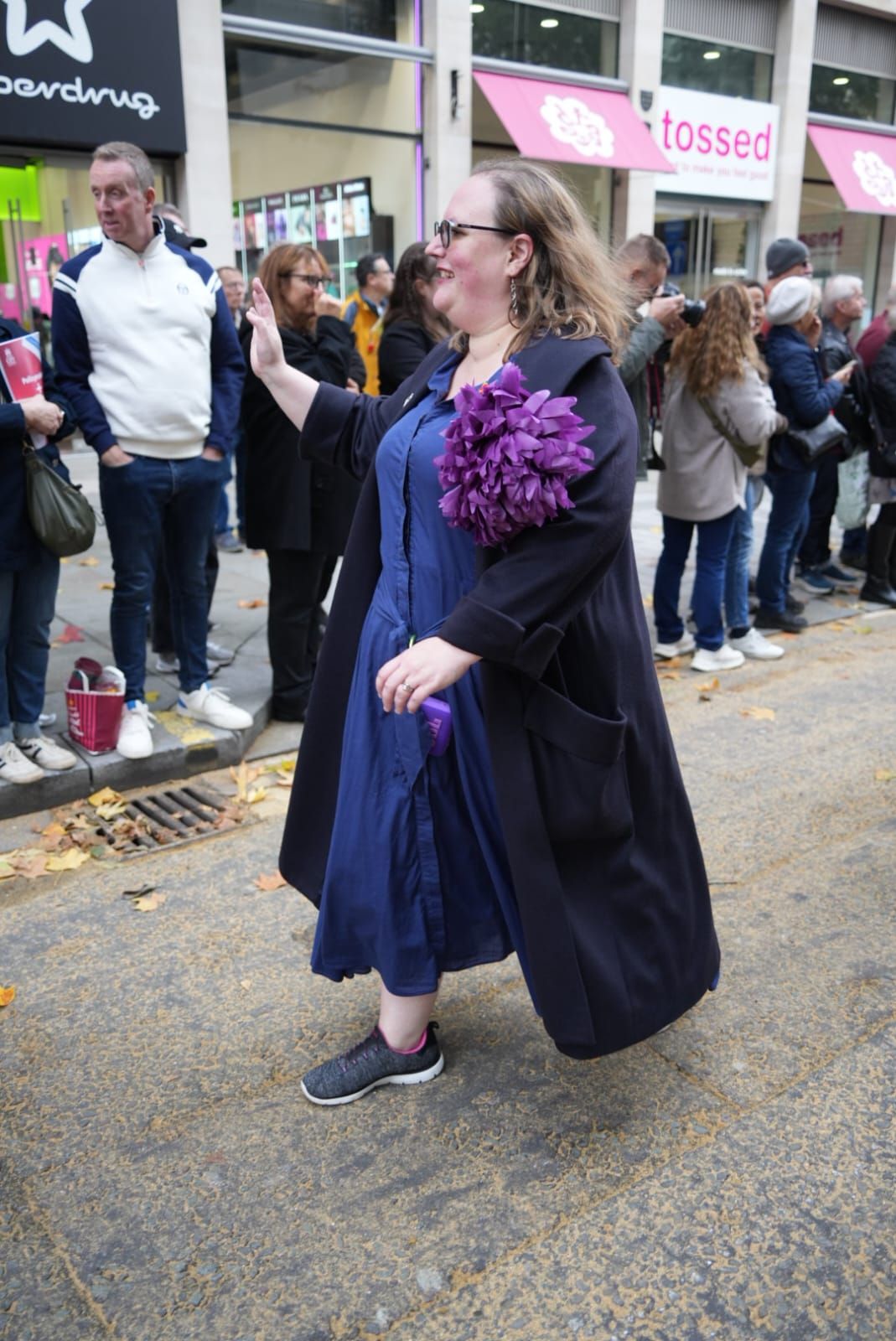
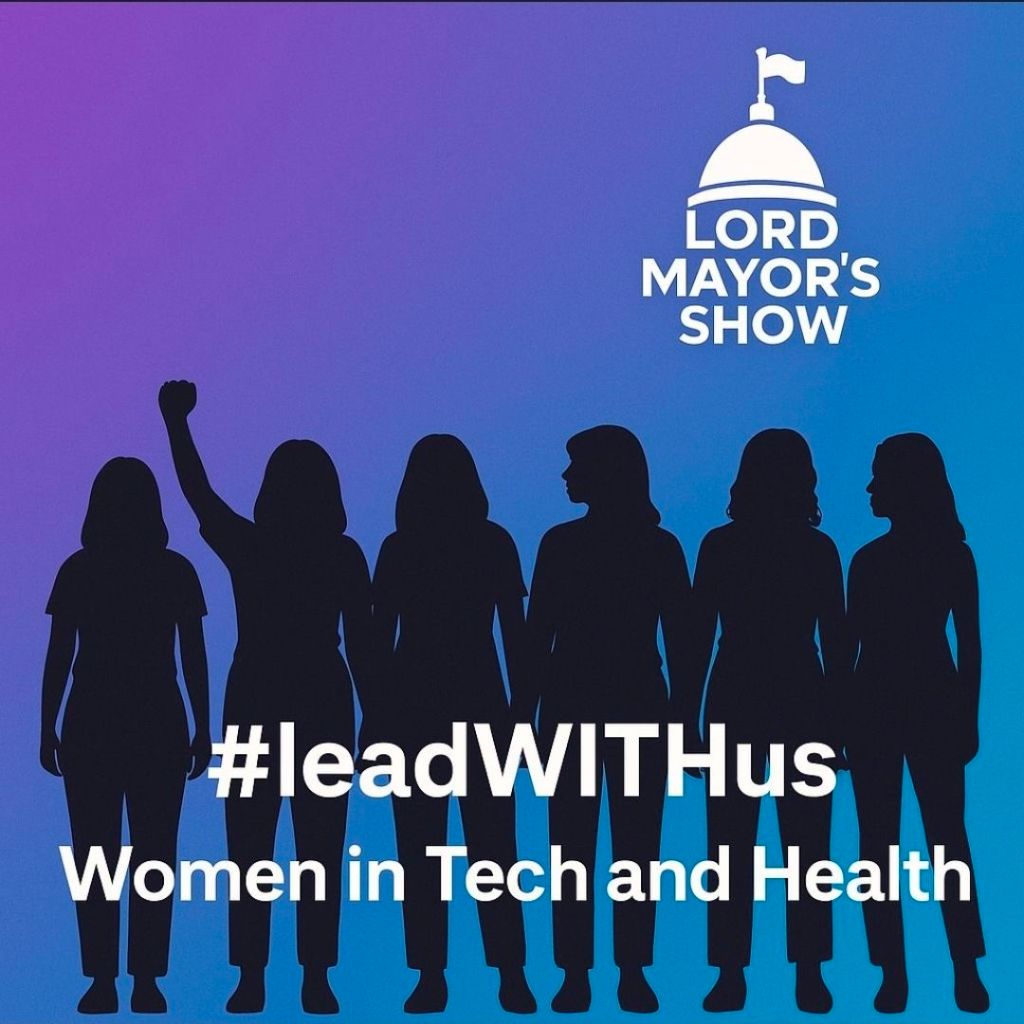
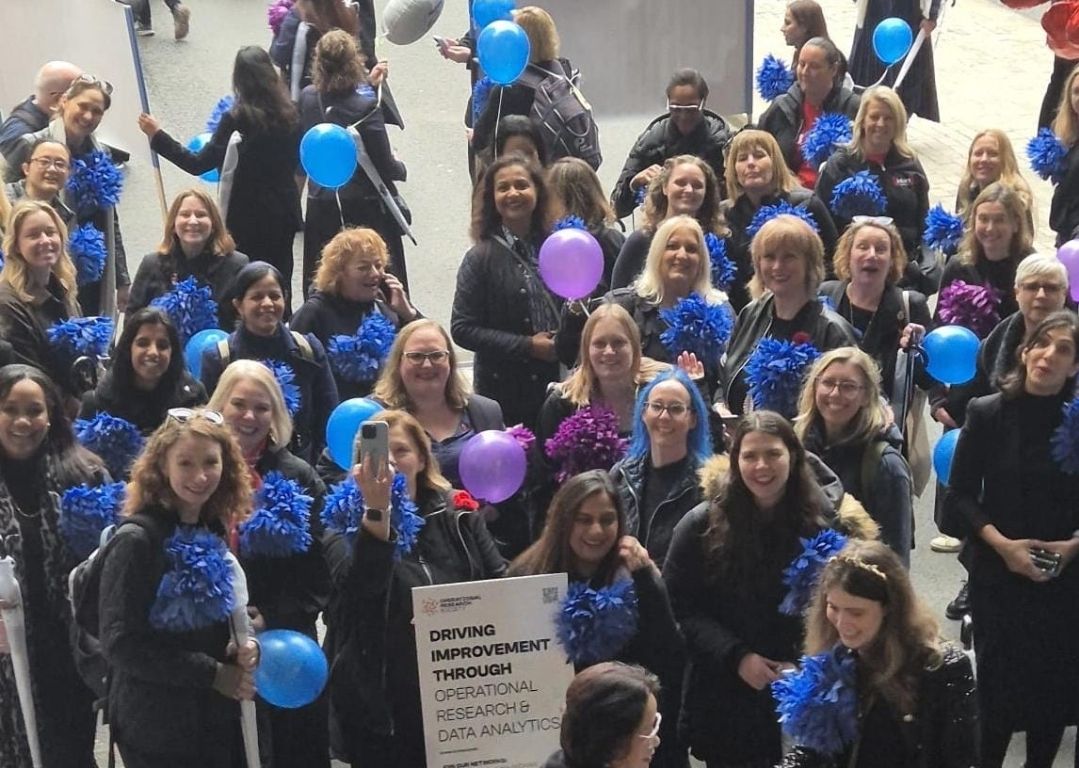
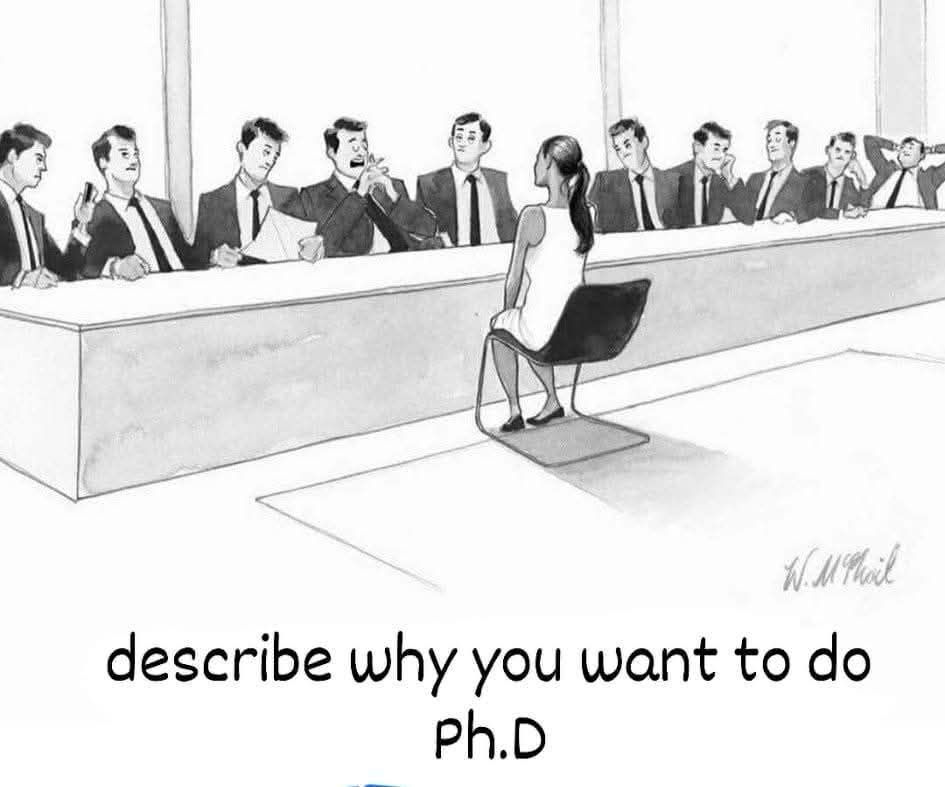
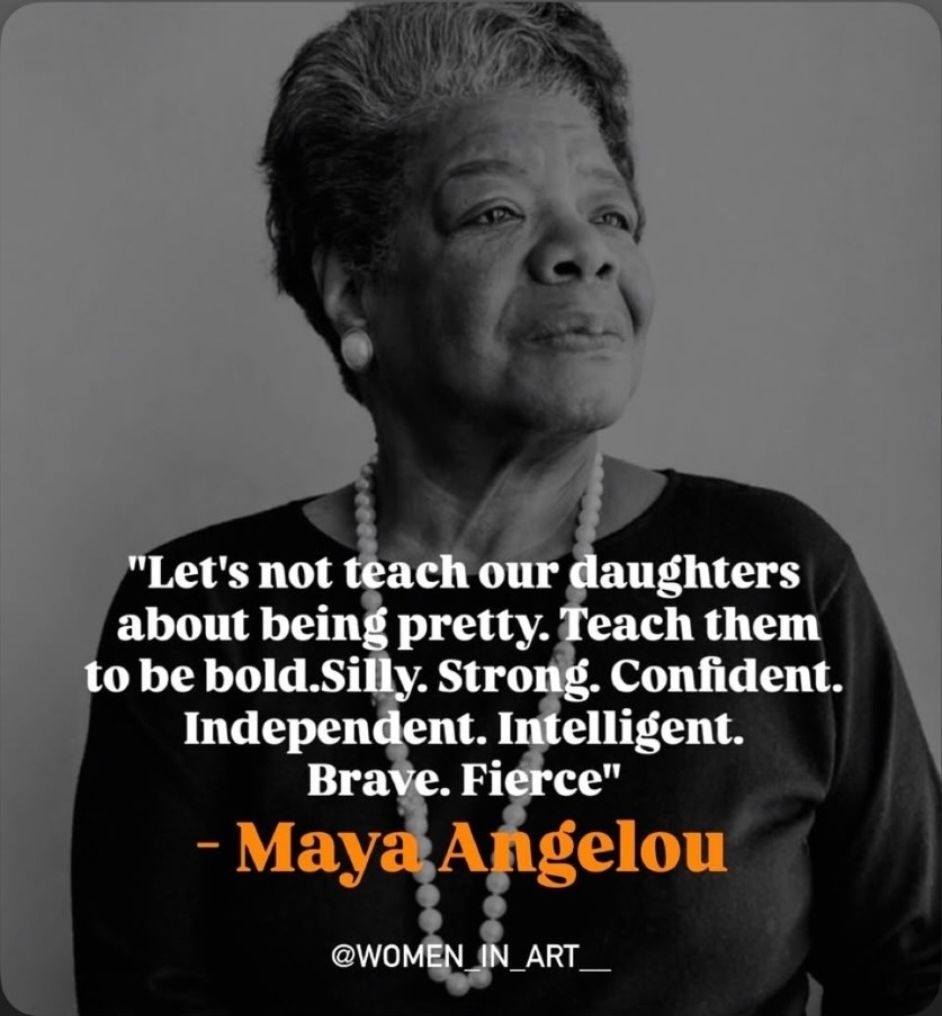


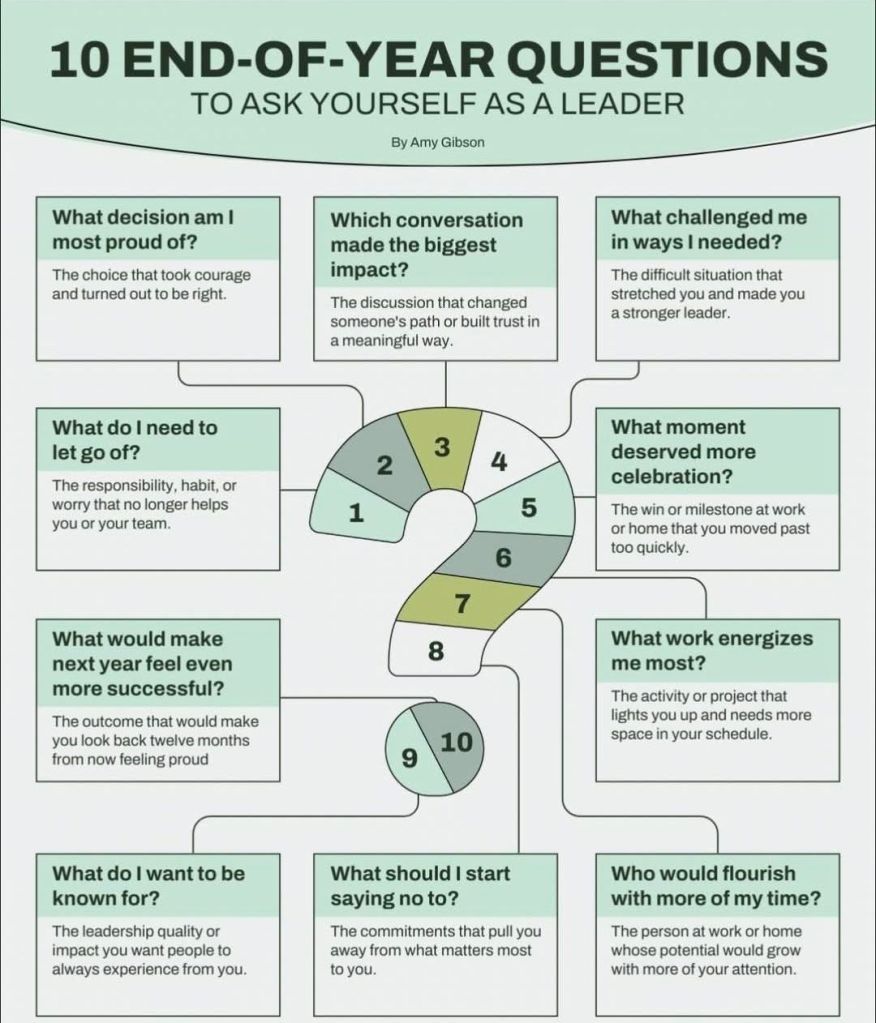
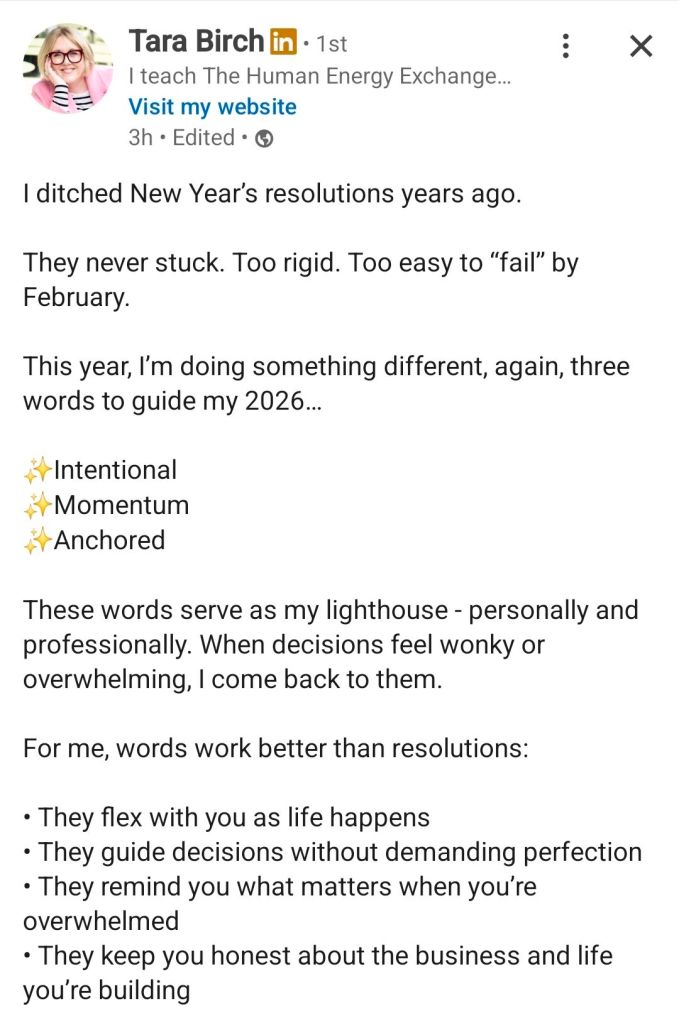
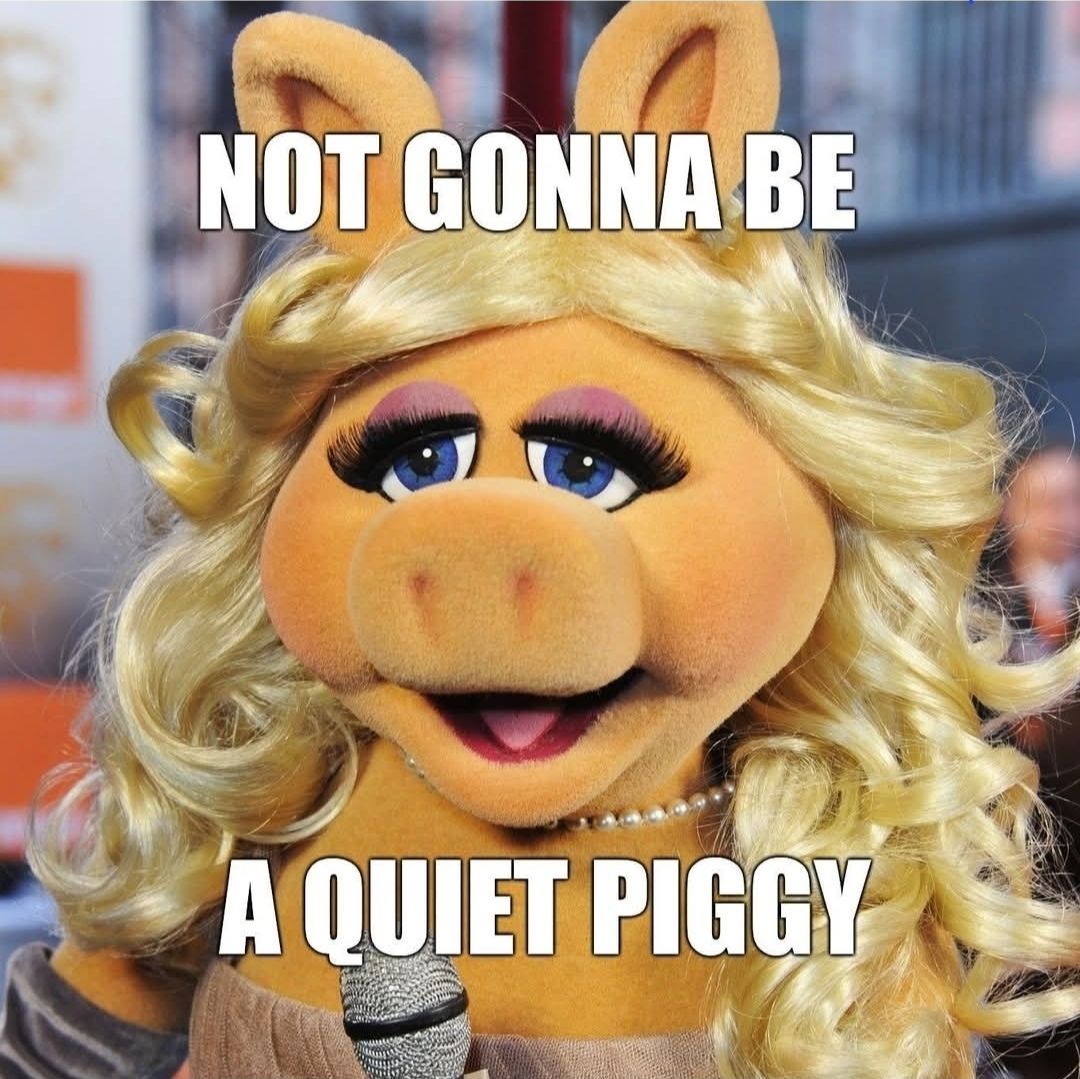
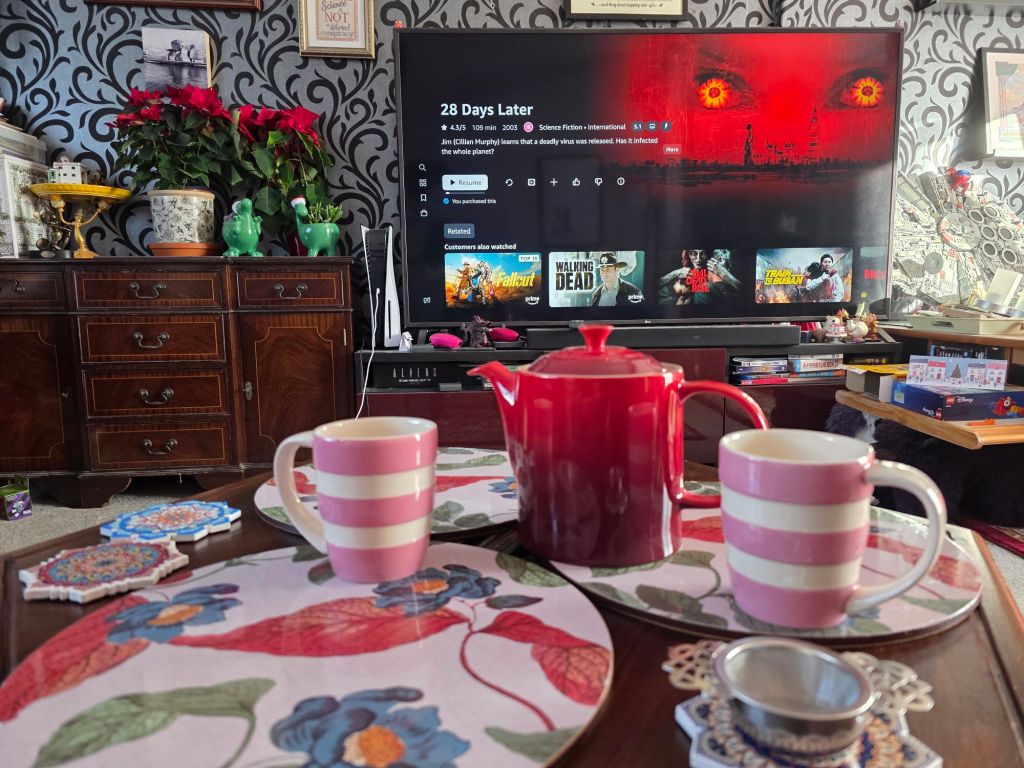


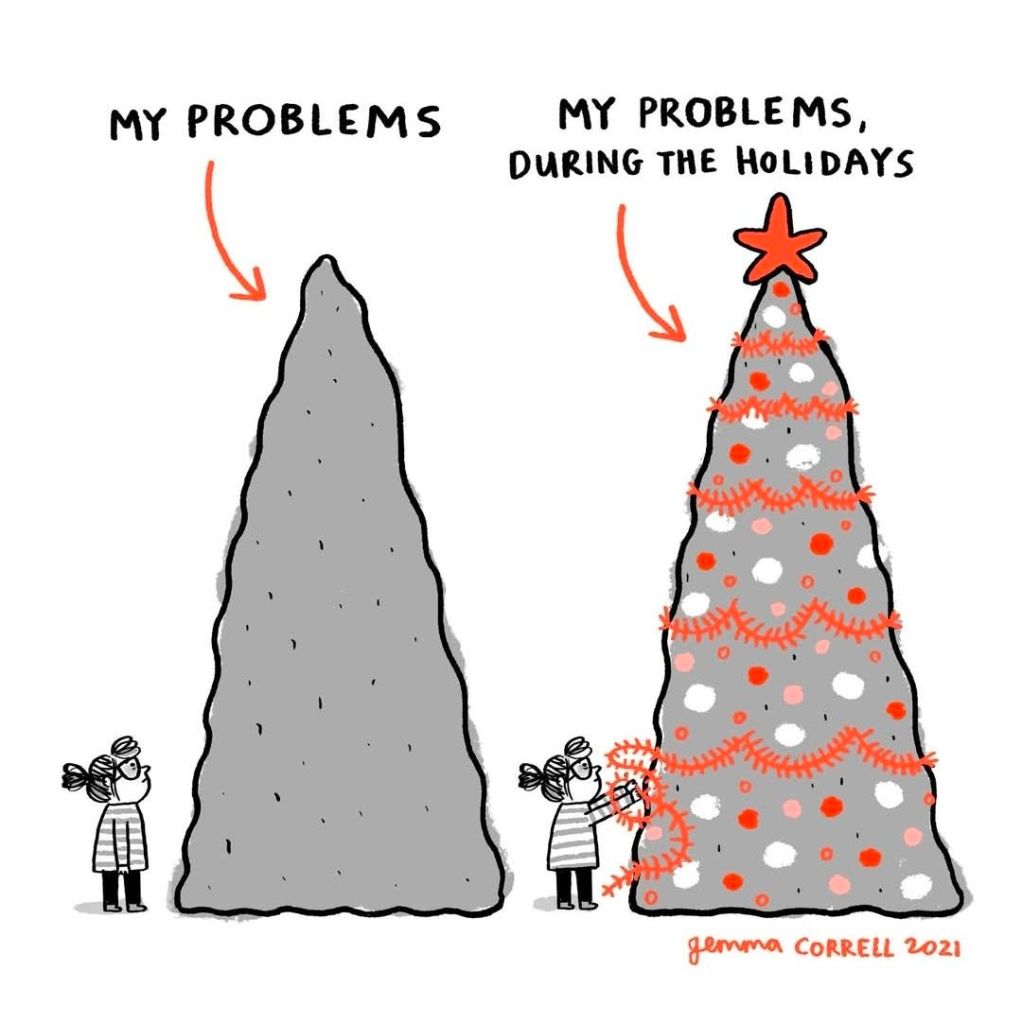
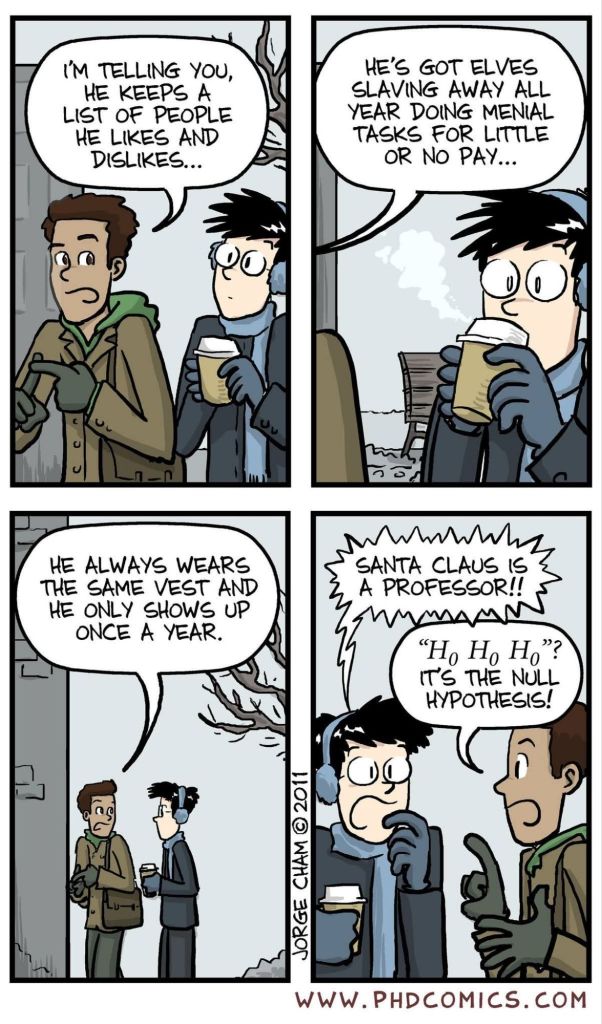
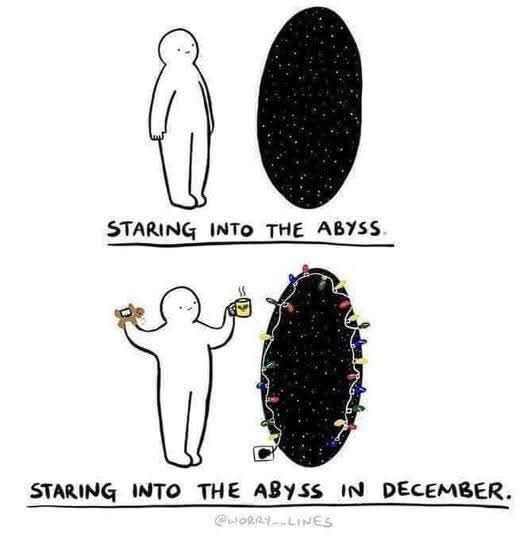

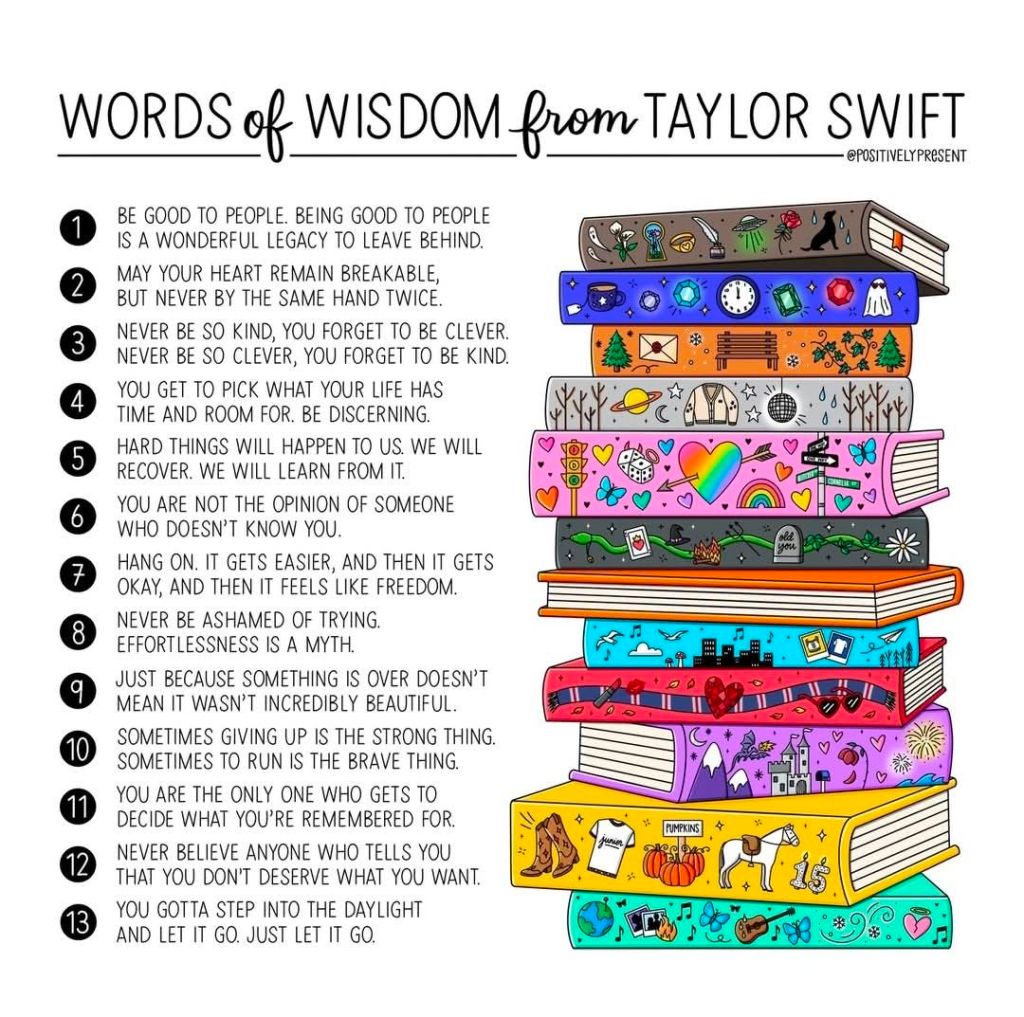
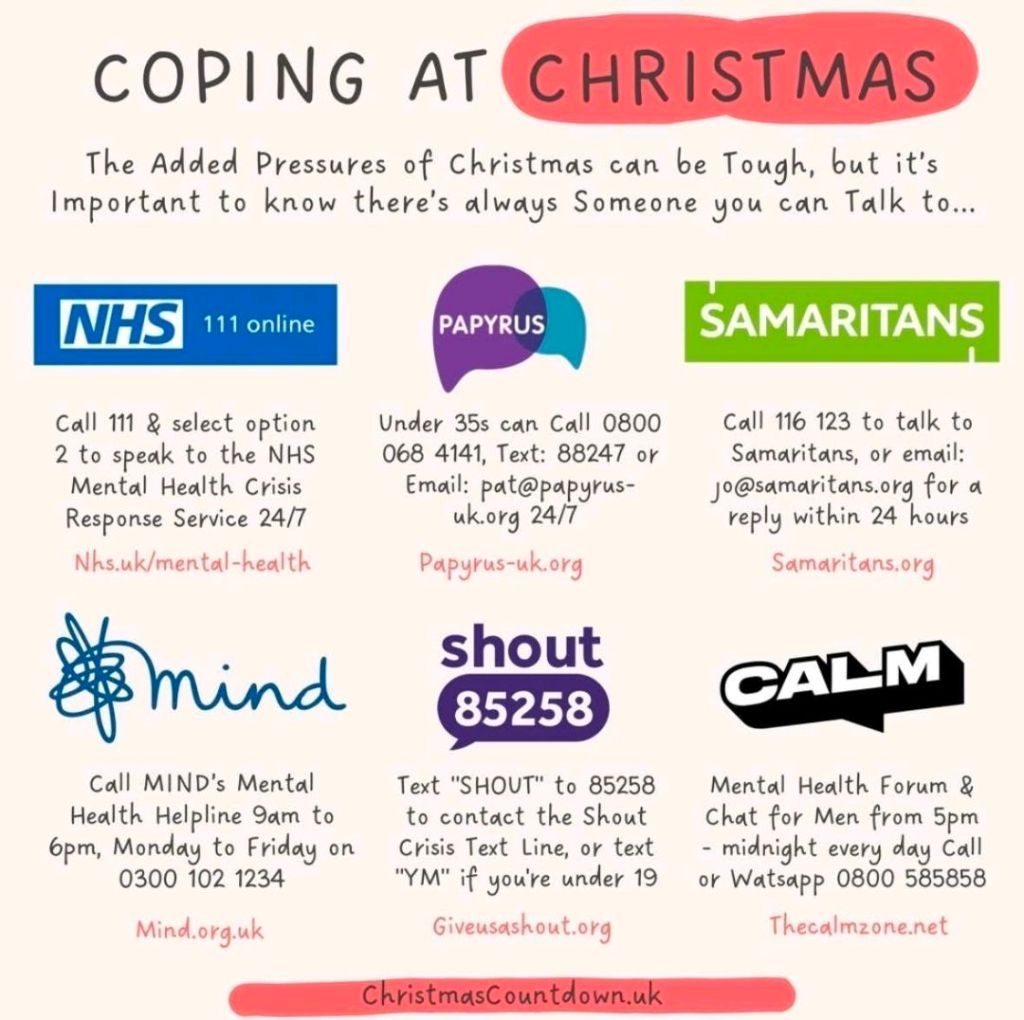

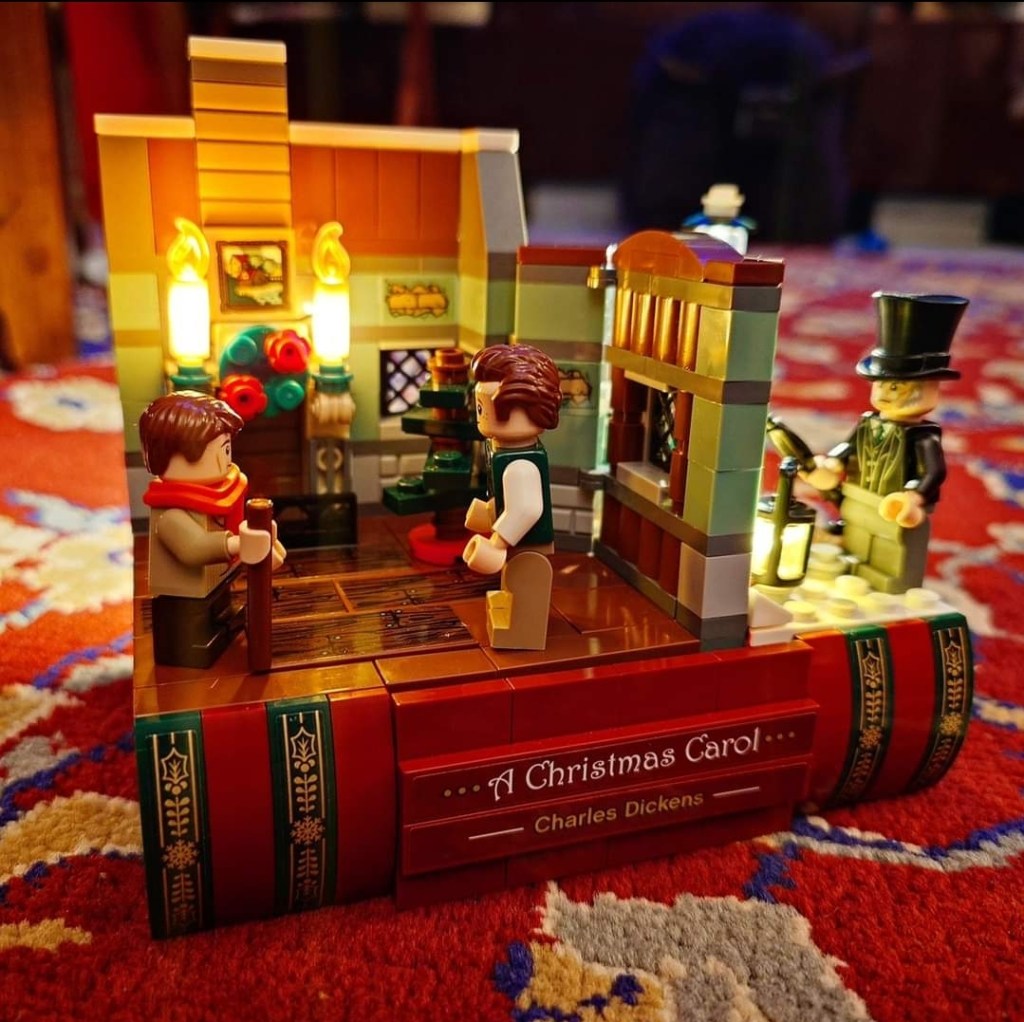



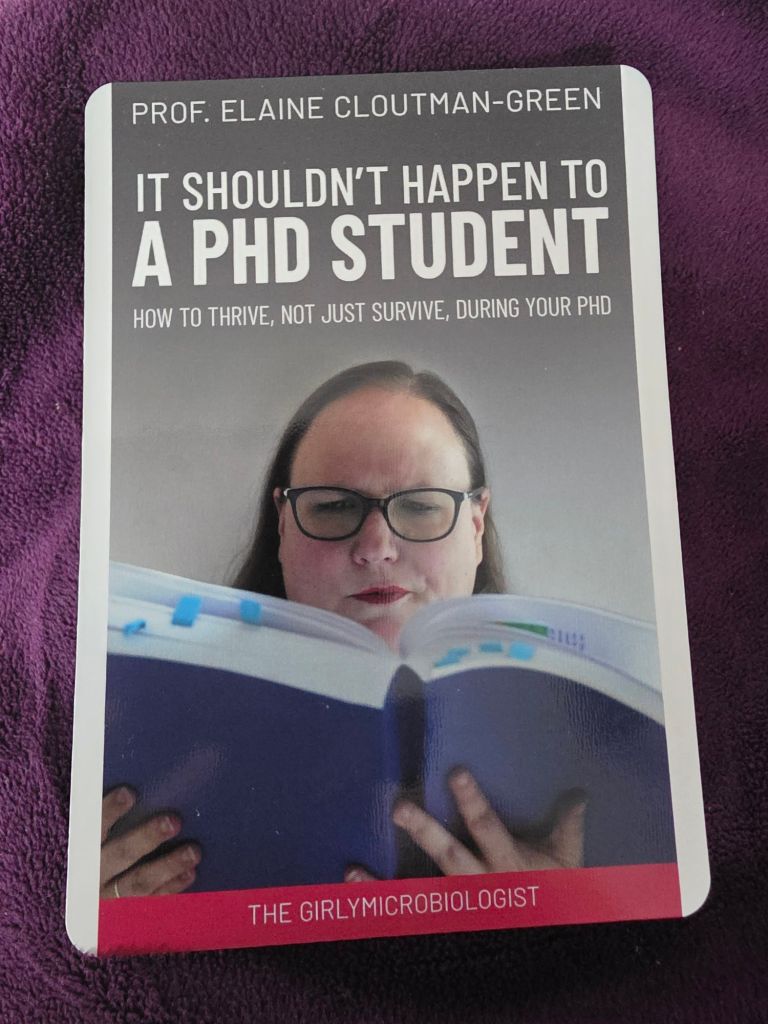




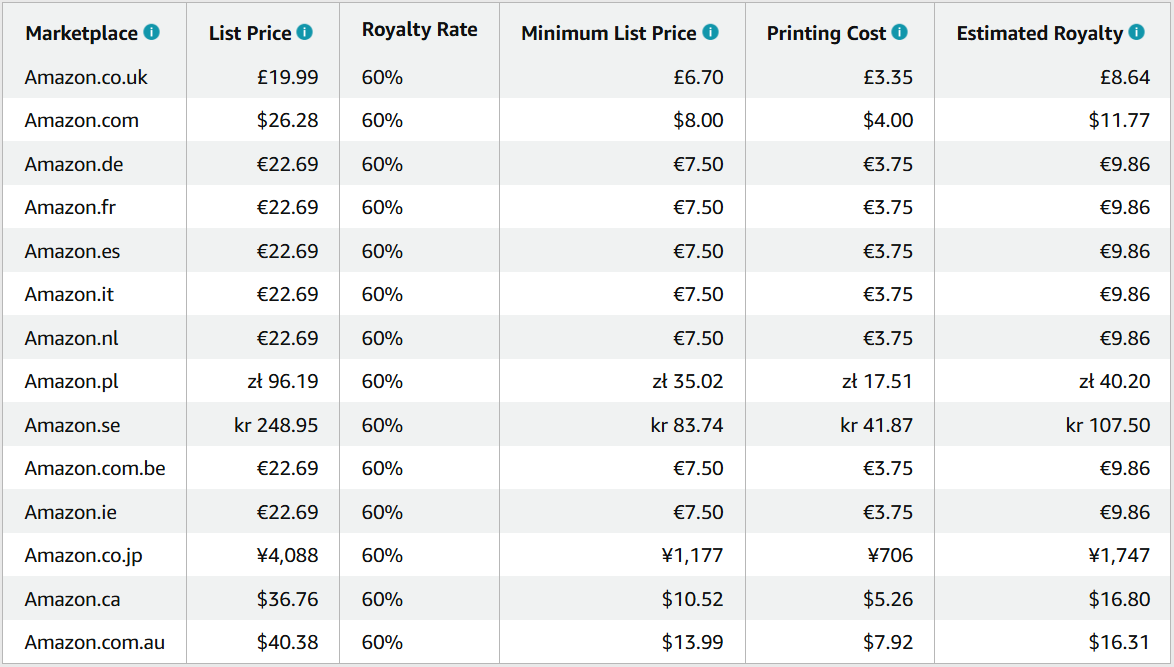

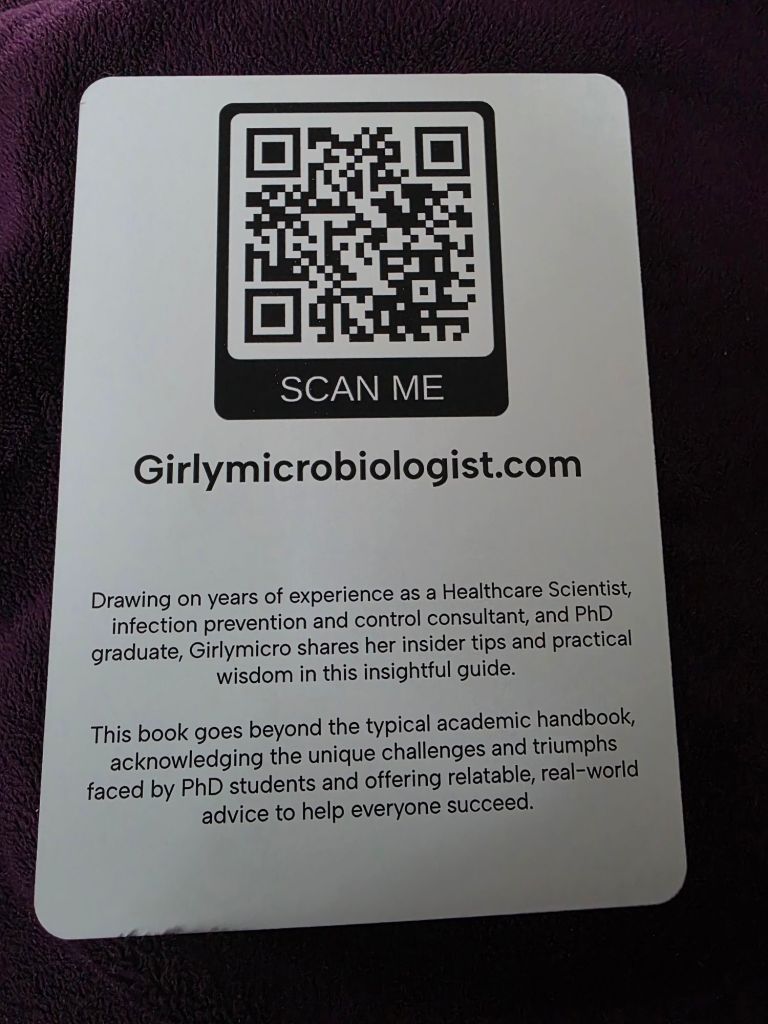

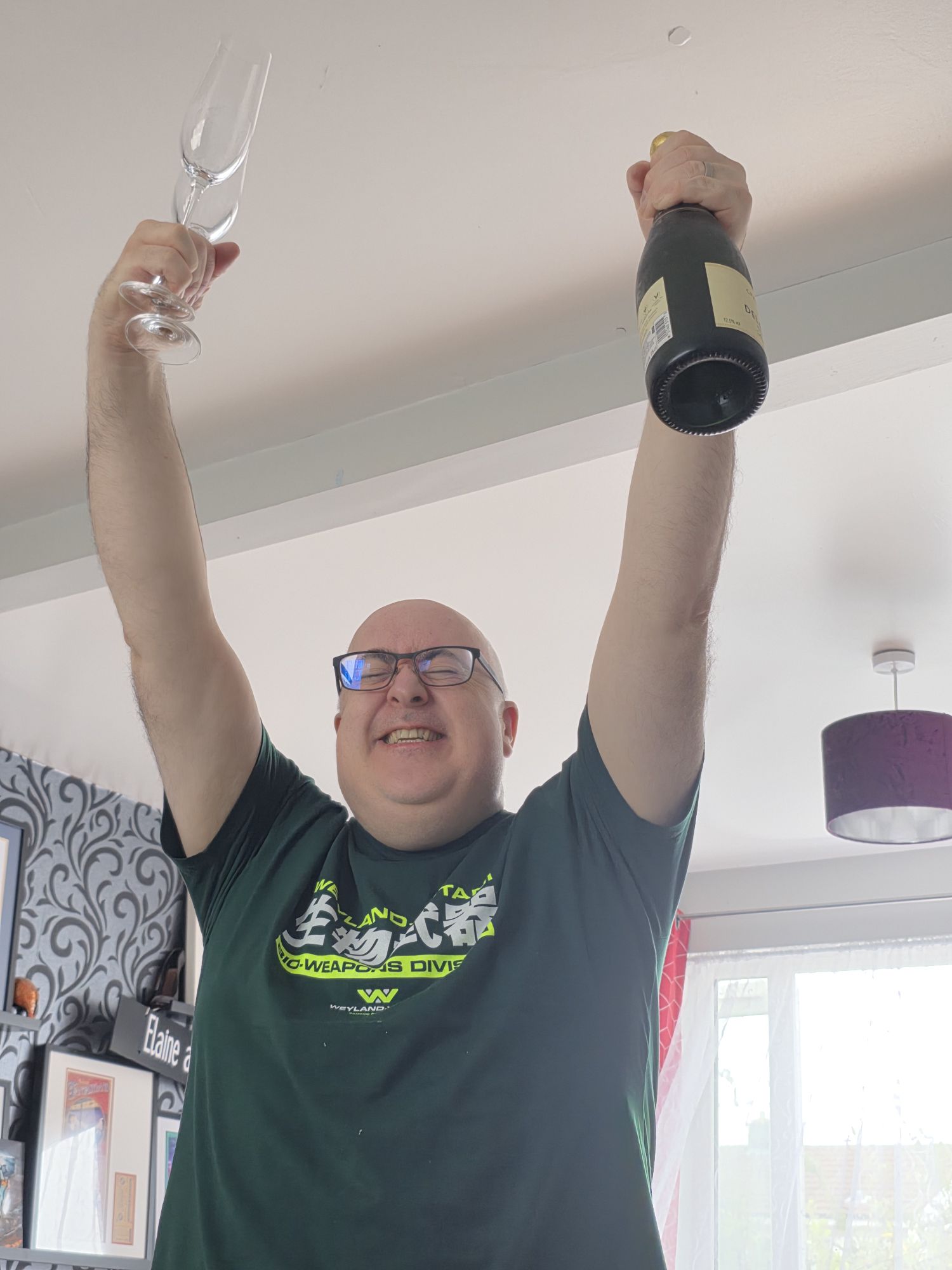


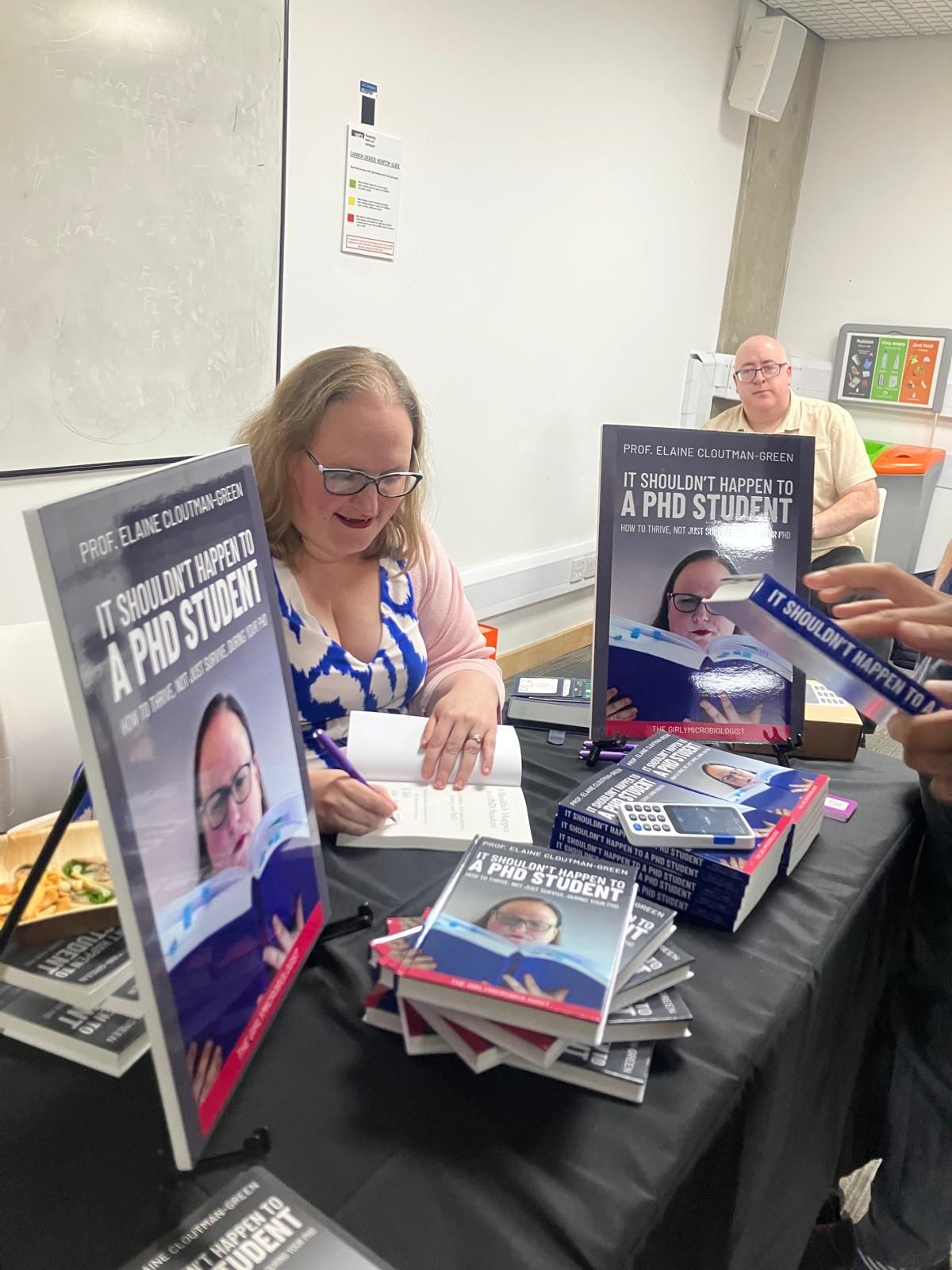
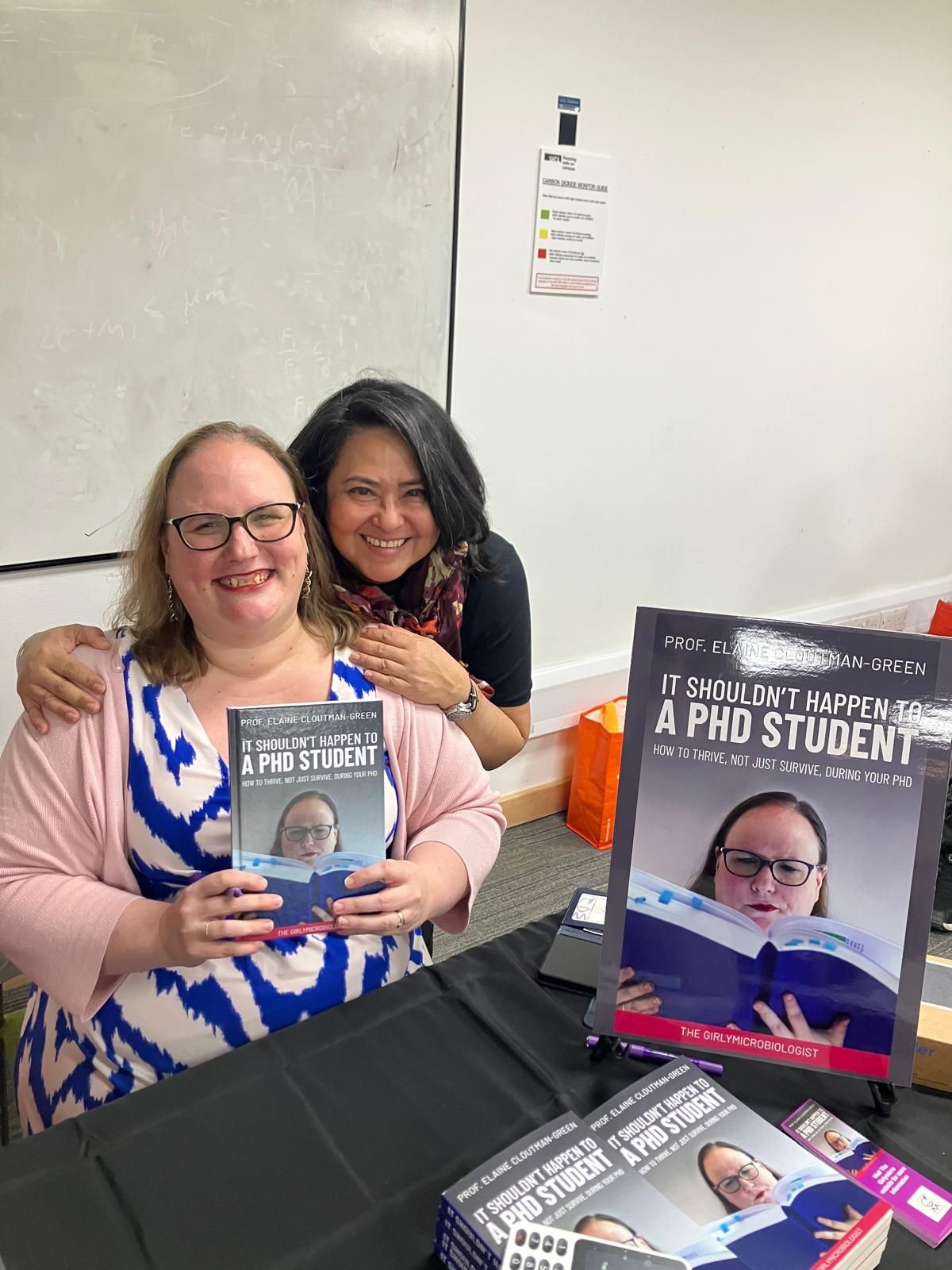
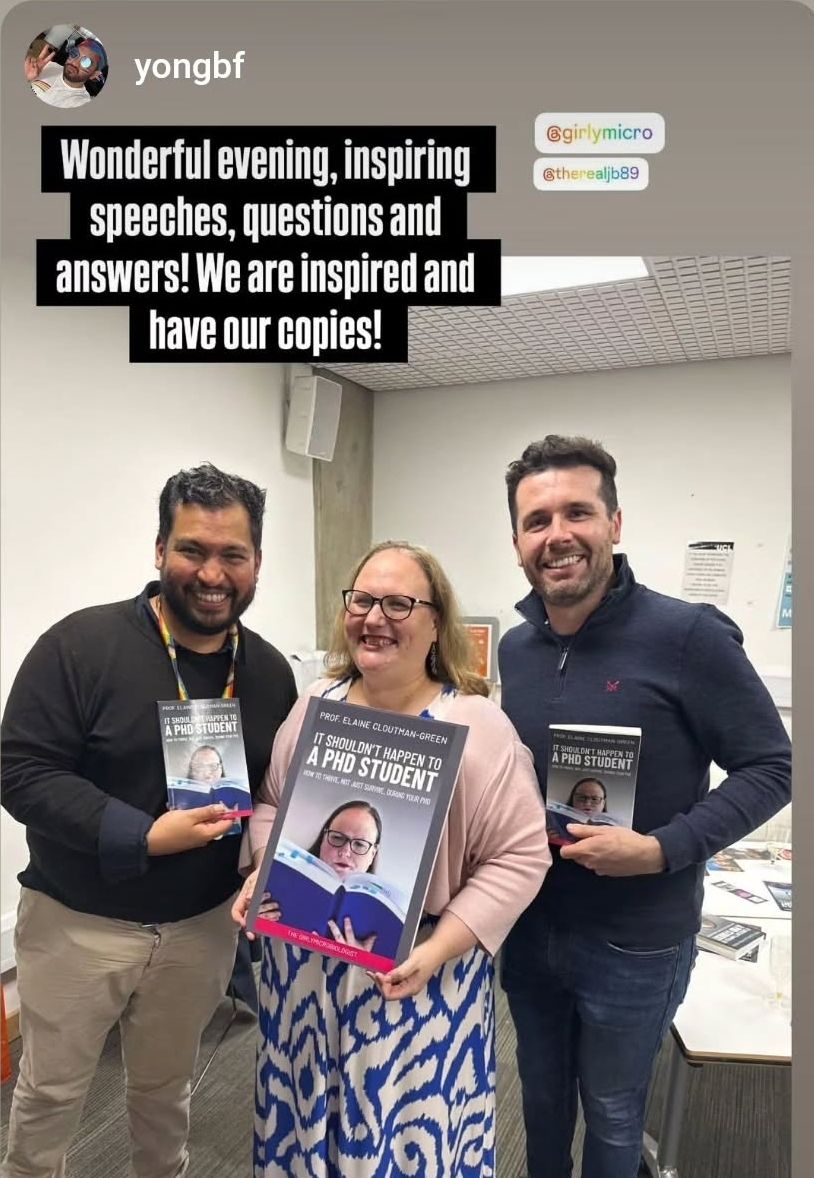


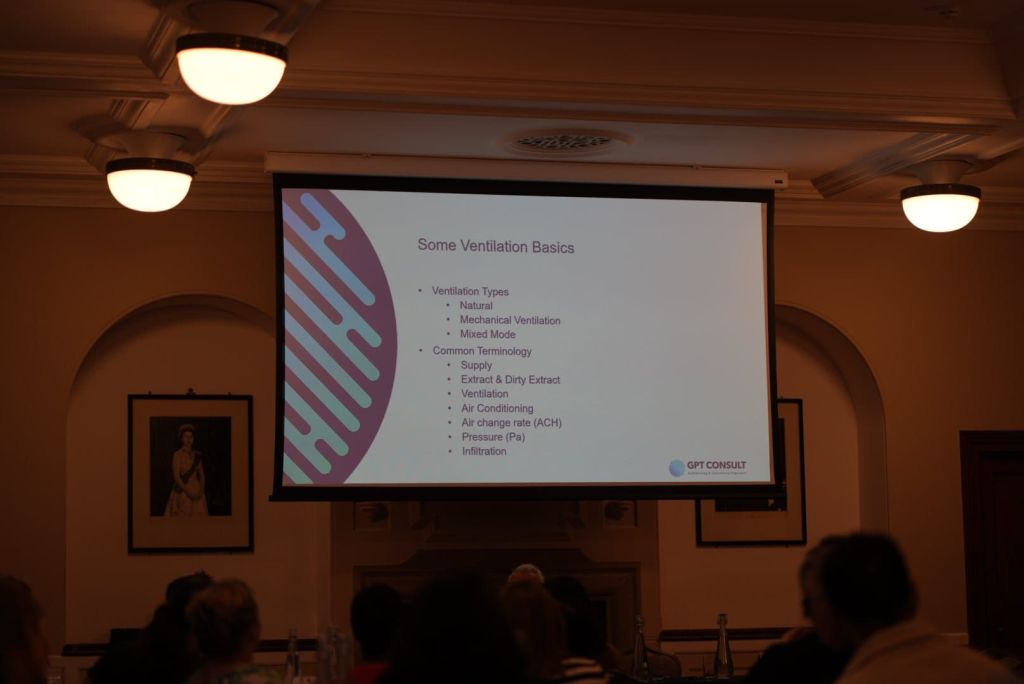


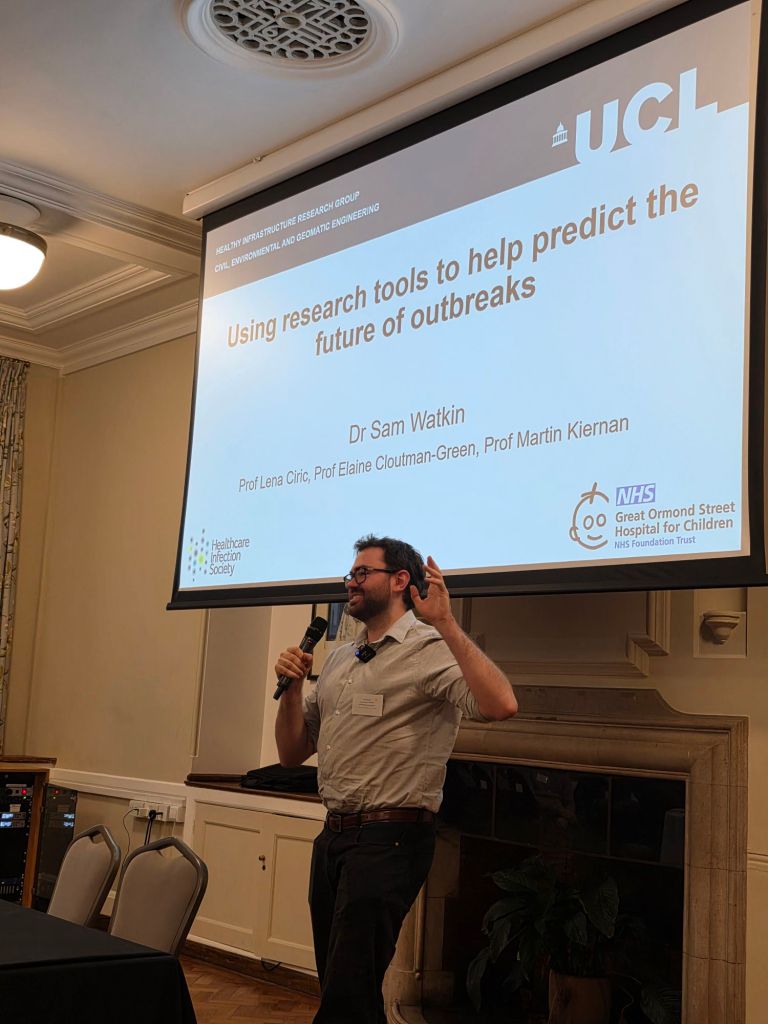


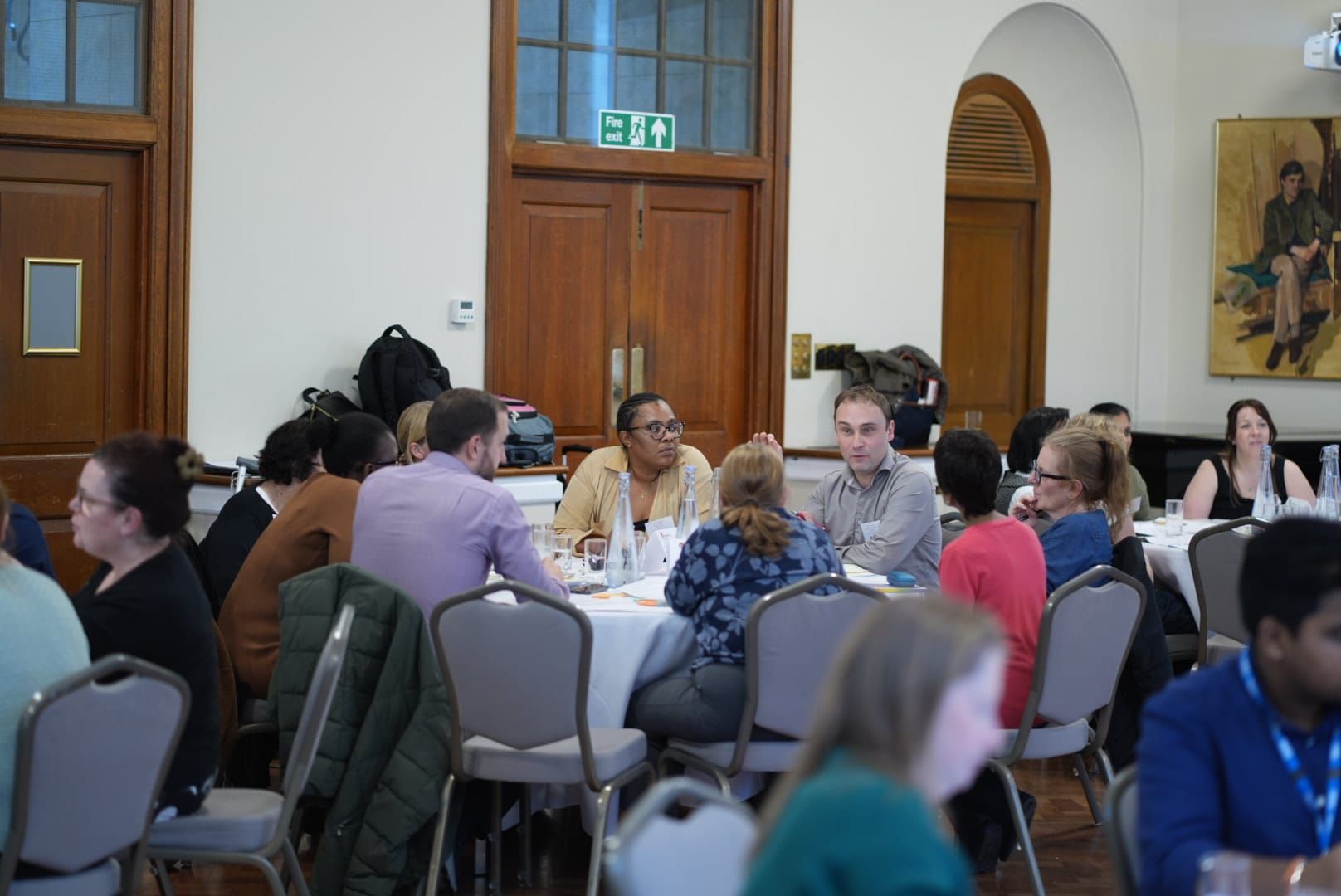

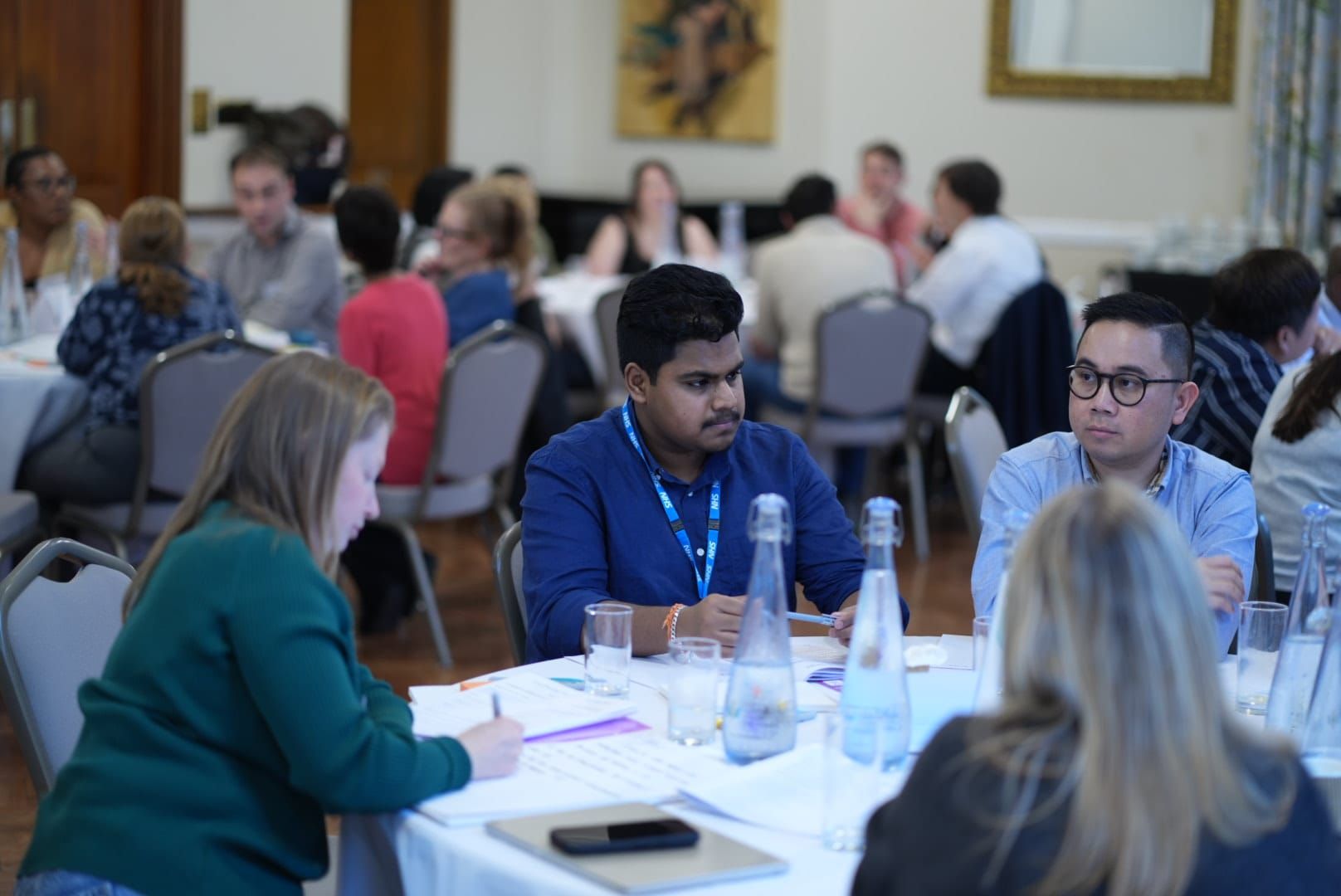






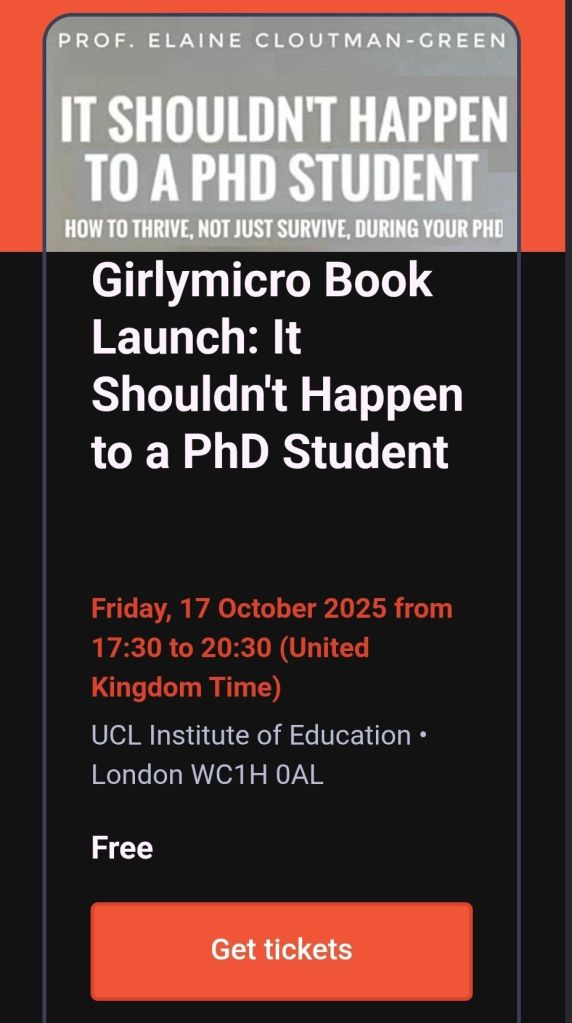



 Girlymicro