Guest Blog by Niloofar Amirian: Finding My Way, An International Student’s Journey to Biomedical Scientist Registration

A foundation of all good science is collaboration, and international collaboration has been a component of almost all breakthrough scientific processes. Science is a team sport after all. It is essential that we have processes for recognising the qualifications and experience of scientists across boarders, in order to support this core component of scientific work. Despite this, it can be a confusing process, especially in the realm of Healthcare Science, as it is crucial to both enable great science whilst ensuring that patients are protected by maintaining high standards of practice. It is a great privilege, therefore, to bring you a guest blog from Niloofar, who shares her experience of going through the international registration process.

Introduction by Dr Claire Walker

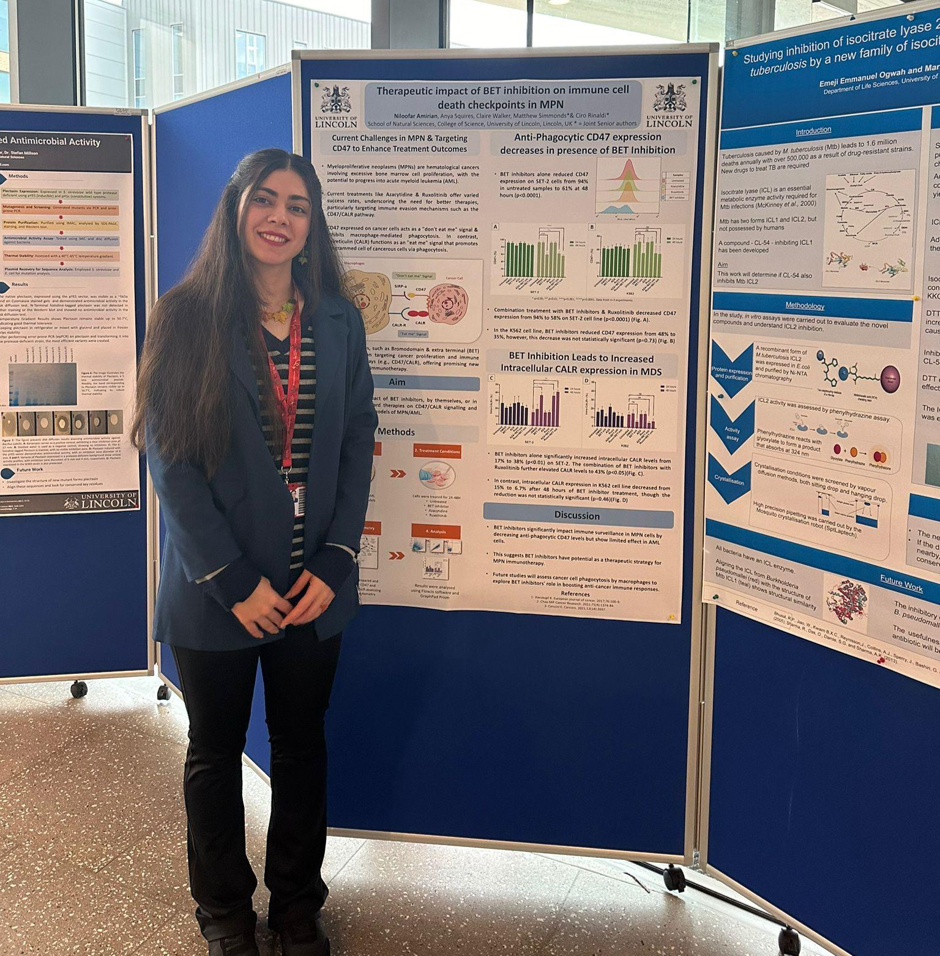
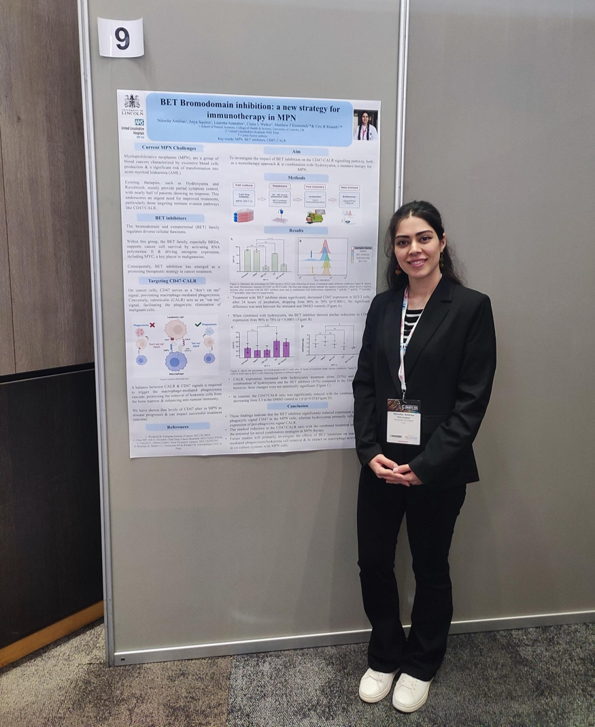
It is a real pleasure to introduce this post from my PhD student, Niloofar Amirian. Niloofar is one of those brilliant, inspiring students who is determined to make the most of every opportunity. Alongside undertaking her PhD research in Immunology, she has successfully navigated the process of becoming an HCPC registered Biomedical Scientist in the UK, no small achievement when your original qualifying degree was completed overseas. As if a PhD and professional registration weren’t enough to be getting on with, she has also recently won first prize in the IBMS Nottingham and Derby Branch research poster competition for her work on macrophages and immune checkpoint markers in myeloproliferative neoplasms. I am an incredibly proud supervisor!

Watching Niloofar work her way through HCPC registration also taught me something. I supervise many international students who are interested in becoming registered Biomedical Scientists in the UK and, when they asked me how to go about it, my well-meaning response had generally been to direct them to the HCPC website. The information was there, after all. What Niloofar’s experience showed me was the considerable difference between having access to information and actually knowing where to start, which route applies to you and what you need to prepare.

It inspired her to ask a simple question: what do international students actually need to know before they dive into registration? With support from a pedagogic innovation grant from our IBMS accredited Biomedical Science course here at the University of Lincoln, Niloofar brought a group of international students together to find out. We listened to their questions, explored where the confusion lay and combined this with Niloofar’s first-hand experience of successfully navigating the process. So, who better to explain it than someone who has been there and done that? Over to Niloofar to share what she learned, what she wishes she had known at the beginning and, hopefully, make the path a little clearer for the next international student wondering, “Where do I even start?”
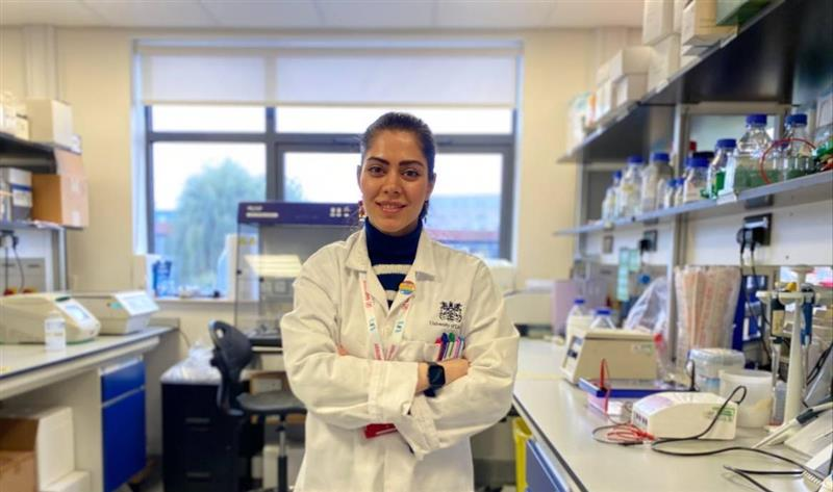
Guest blog by Niloofar Amirian

When I first moved to the UK as an international student, I carried a quiet dream with me: building my future here as a Biomedical Scientist. It sounded simple enough, but the moment I started looking for guidance, I realised how little clear information existed. I kept asking myself, and everyone around me. Where do I even start? What documents do I need? Which route do I take? For months, I felt stuck in a fog of confusing websites, contradictory advice, and missing details. My dream began to fade, and at one point, I genuinely thought about giving up!
Then something changed. I met an incredible international biomedical scientist, who had already navigated the system. She took the time to explain the routes, the requirements, and the steps I needed to take. That conversation saved me. It gave me direction, confidence, and a starting point. As I worked through my own registration process, I realised how many other international students must be feeling the same confusion I once felt. So, with the support of my supervisor, Dr. Claire Walker, we organised a session for international students at the University of Lincoln. I shared my experience, the mistakes I made, and the lessons I learned, hoping to make the path clearer for the next generation. Here’s a breakdown of our chat.

How Can You Work as a Biomedical Scientist in the UK?

Have you ever heard about HCPC registration? Do you know what the completing IBMS Portfolio is? Are you unsure whether you should follow the UK route and international route?

You’re not alone. Becoming a biomedical scientist in the UK feels complicated, but once you understand the structure, it becomes much more manageable. Here’s the strategy I used to successfully register and start working toward my dream job.

HCPC or IBMS, What is the Difference?

One of the first hurdles was understanding the roles of two key organisations:

  • HCPC (Health and Care Professions Council): This is the official regulator. You must register with HCPC to legally work as a biomedical scientist in the UK.
  • IBMS (Institute of Biomedical Science): IBMS supports you in meeting HCPC requirements. They assess your qualifications, guide you through the portfolio process, and help you understand whether your degree meets the standards.

It’s best to think of HCPC as the destination, and IBMS as the map that helps you get there.

International Route or UK Route?

This was the most confusing part for me. As an international student studying in the UK, I assumed I could apply through the UK route. Many students make the same mistake. But the truth is simple: Your route is determined by the degree that first qualified you to work in a laboratory. It goes without saying that the HCPC and IBMS websites were entirely unhelpful in providing any useful information. For me, that was my B.Sc. in Medical Laboratory Sciences, which I completed outside the UK. That meant I had to follow the international route, even though I was studying in the UK at the time.

If you’re unsure whether your degree is relevant, check your modules! Look for subjects like Biology, Medical laboratory sciences, Microbiology, Animal laboratory sciences, Biochemistry.

If your degree doesn’t fully match the required modules, IBMS can assess it through their Certificate of Competency. If gaps exist, you can complete a top-up portfolio to meet the standards and eventually qualify for HCPC registration. But fortunately, there is always a way forward!

Documents You’ll Need

Once I understood the route and requirements, the real challenge began: collecting documents. And in the UK, you always need documents! I had to gather all my degrees, detailed module descriptions, evidence of practical laboratory hours, proof of laboratory work experience, translations for every non‑English document, certified copies of absolutely everything. It felt like a marathon. But this step is crucial. HCPC takes documentation seriously, and honesty is essential. I’ve seen applicants submit fake documents, and it always leads to permanent rejection. Take your time, be precise, and make sure everything is accurate!
Final Thoughts

Becoming a registered Biomedical Scientist is not the end, it’s the beginning. Once registered, you can continue developing through specialist portfolios, advanced practice, and even consultancy roles. It takes time, patience, and determination, but the journey is worth it. Most importantly don’t give up on your dreams!! If I could find my way through the confusion, you can too. And now, you don’t have to do it alone!

All opinions in this blog are my own

Guest Blog: Co-creation made by students for students: deconstructing immunological techniques-ELISA

I am currently in the middle of secret project, which I hope to announce more about in late August/early September. I’m really excited about it but it’s taking a bunch of my time. I’m hoping that you will be just as excited when I can share more details. The wonderful Dr Claire Walker is helping me deliver my passion project by curating the Girlymicrobiologist blog for a few weeks. This means that I hope you all enjoy getting some great guest blogs from a range of topics. Girlymicrobiologist is a community, and all of the wonderful authors stepping up, sharing their thoughts and projects, to support me in mine means the world. I hope you enjoy this guest blog series. Drop me a line if you too would be interested in joining this community by writing a guest blog.

Dr Walker is a paid up member of the Dream Team since 2013, token immunologist and occasional defector from the Immunology Mafia. Registered Clinical Scientist in Immunology with a background in genetics (PhD), microbiology and immunology (MSc), biological sciences (mBiolSci), education (PgCert) and indecisiveness (everything else). Now a Senior Lecturer in Immunology at University of Lincoln. She has previously written many great guest blogs for the Girlymicrobiologist, including Simulating Success – Enhancing Biomedical Science Education through Clinical Simulation. This blog was written by a group of her final year students on their experiences of trying to teach differently.

Blog by Yvana, Nicole and Ellie

We were a small group of three final-year Biomedical students—Yvana, Nicole, and Ellie who were brought together by a shared goal to create something useful for other students by us students. In our final year at the University of Lincoln, we were offered the opportunity to work on a collaborative project focused on improving on how ELISA (enzyme-linked immunosorbent assay) is taught to students- a commonly used technique in the immunology department to quantify and detect biological molecules.

Meet the Team

Yvana

Hello, I’m Yvana – Three years ago, I began my journey as a Biomedical Science student at the University of Lincoln. Like many, I was unsure of the exact career path I wanted to follow, but I knew one thing for certain, I was deeply fascinated by diagnostics and disease. Over time, that interest developed into a love for laboratory work, especially when I had the opportunity to experience clinical simulation sessions led by Dr Claire Walker which stood out to me as they offered a taste of what a real-life clinical lab feels like beyond university.

One of the highlights of my third year was engaging in a unique series of laboratory-based activities known as Laboratory Skills, coordinated by Dr Andy Gilbert. These sessions were designed to strengthen our core technical abilities and confidence in the lab through a series of activities covering microbiology to biochemistry!. After completing 6 weeks of lab skills, Dr Andy Gilbert approached me with an exciting opportunity to collaborate with two other students, Nicole and Elle, also led by Dr Claire Walker on a co-creation lab skills project. Our task? To design a step-by-step resource that would deconstruct one of the most widely used techniques in immunology, ELISA – making it easier for students to understand and perform.

Ellie

Hi everyone, my name’s Ellie! I’m 1/3 of the amazing group that have carried out the ELISA workshop, led by students, for students. During my years at the University of Lincoln, I’ve grown to love the fascinating world of microbiology and I’m even going back this September to do a Microbiology Masters! I have really enjoyed my time at Lincoln and part of that is thanks to Andy Gilbert for putting on his extra lab skills sessions, which allowed me and other students to gain that vital extra laboratory knowledge and practice important techniques.

I’ve just finished the final year of my undergraduate Biomedical Science degree and throughout this year I was able to create something incredible. I, Yvana and Nicole, were given the opportunity to collaborate and develop a practical booklet as a building point of the skills needed to carry out an ELISA. The main reason I agreed to take part in this task is that we, as students, do not get many chances to have such a hands-on experience with many complex techniques, like an ELISA, during this degree. Because of this amazing opportunity, we were able to give students across all years at Lincoln the chance to gain more knowledge and extra practice in learning this crucial technique!

Nicole

Hi, I’m Nicole – one of the final-year Biomedical Science students behind this project. Starting at the University of Lincoln, I wasn’t entirely sure which direction I wanted to take within biomedical science. As the course progressed, I enjoyed the hands-on lab work, particularly how it transformed theoretical knowledge into practical application. This became evident in my second year during Laboratory Skills sessions led by Dr. Andy Gilbert. These weekly sessions focused on core techniques like centrifugation, microscopy, and microbiology.

Co-creating the ELISA workshop booklet felt like more than just a project; it was an opportunity to make lab-based learning more accessible and less intimidating. Since ELISA is a technique, we limited experience with as students, developing this protocol felt was crucial. Working with Ellie and Yvana to bring our ideas together was fulfilling. My favourite part was seeing the complete protocol, knowing it would support students to tackle the ELISA confidentially.

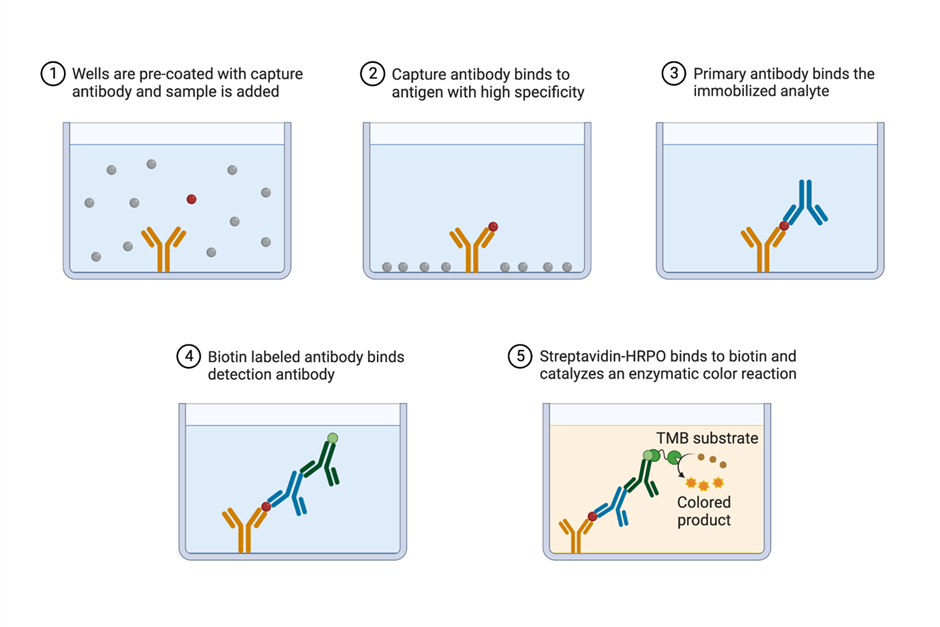
Figure depicting how ELISA works step-by-step

Building the booklet

This project was a collaborative effort and not something we did alone- we brought our own strengths together to create the now called ELISA Team (given by Claire Walker herself!). We spent countless hours in the lab, testing and refining each activity to make sure it worked as intended and delivered the essential skills students would need to confidently complete an ELISA in real time. We held regular meetings, worked on it during lectures (sorry Claire and Andy!), and genuinely had a lot of fun creating something meaningful that we hope will support future students just like us.

Under the guidance of Dr Claire Walker and Dr Andy Gilbert, we set out to create a resource that would feel practical, and genuinely useful for students. We didn’t want a booklet created from a lecturer’s perspective of what students might find helpful. We wanted to build something we would have found helpful when we first encountered ELISA, a step-by-step walkthrough from a student’s perspective.

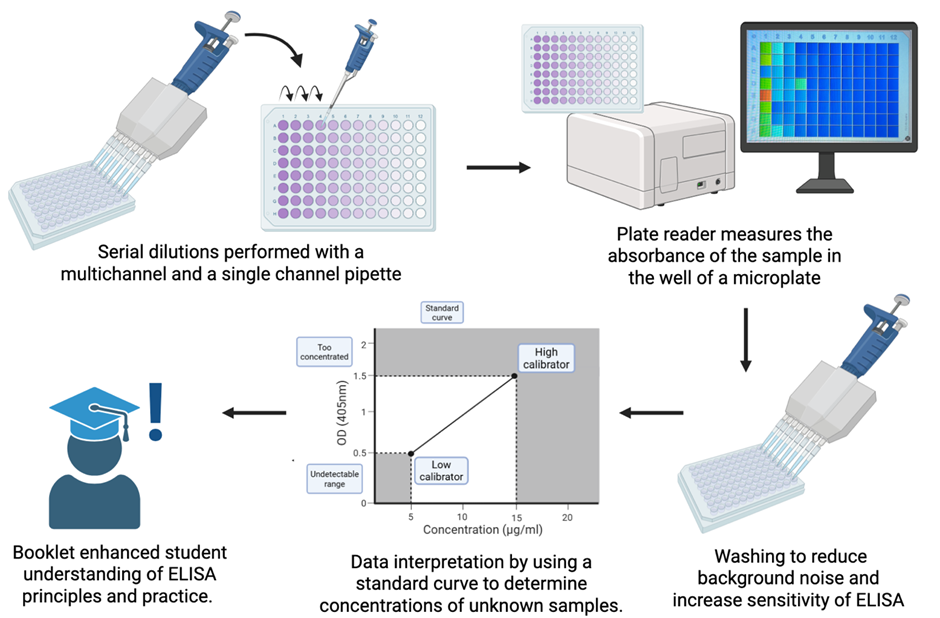
Overview of ELISA (Enzyme-Linked Immunosorbent Assay) booklet use to educate students

The booklet breaks down ELISA into its fundamental components, from how to properly use a multichannel pipette (which was a nightmare to handle!) to interpreting results and avoiding common mistakes students might fall for. For instance, one key focus was on the washing stages, an often-overlooked step that if done incorrectly, can lead to high background noise and inaccurate results, which in a diagnostic lab can be the difference between a patient receiving an accurate diagnosis or potentially missing one altogether.

What made this project especially rewarding was the opportunity to run our session with real students from first year undergraduates in Biomedical Science to postgraduates in Biotechnology. The feedback we received was overwhelmingly positive. Many said the booklet helped them better understand ELISA both in theory and in practice. We focused heavily on visual learning using diagrams, photos, and annotated guides because we knew from our own experience that clarity and visual support were essential when learning complex lab techniques.

Initial plate setup demonstrating serial dilutions and pipette accuracy during the first activity, comparing multichannel versus single-channel pipetting.

Our final thoughts

Our co-creation project not only gave us a chance to give back to the large community of students, but we were able to bridge a gap that many lectures hadn’t quite managed before, true co-creation between students and lecturers. Together, we created something that students appreciated and benefited from which was entirely made by their peers through mutual experience.

Looking back, we are incredibly proud of what we achieved as a team. It showed us how impactful student-led projects can be when they’re supported by passionate educators and built around supporting the educational needs of the community.

All opinions in this blog are my own
Guest Blog by Callum Barnes: Clinical simulation and virtual reality as a future tool to train biomedical scientists

I am currently in the middle of secret project, which I hope to announce more about in late August/early September. I’m really excited about it but it’s taking a bunch of my time. I’m hoping that you will be just as excited when I can share more details. The wonderful Dr Claire Walker is helping me deliver my passion project by curating the Girlymicrobiologist blog for a few weeks. This means that I hope you all enjoy getting some great guest blogs from a range of topics. Girlymicrobiologist is a community, and all of the wonderful authors stepping up, sharing their thoughts and projects, to support me in mine means the world. I hope you enjoy this guest blog series. Drop me a line if you too would be interested in joining this community by writing a guest blog.

Callum is a disciple of the biomedical sciences, current master’s student creating a more authentic lab experience for those after me, aspiring consultant microbiologist (the best discipline, sorry Claire – you see he understands, like me, that micro will always trump immunology).

Callum is supervised by Dr Walker who is a paid up member of the Dream Team since 2013, token immunologist and occasional defector from the Immunology Mafia. Registered Clinical Scientist in Immunology with a background in genetics (PhD), microbiology and immunology (MSc), biological sciences (mBiolSci), education (PgCert) and indecisiveness (everything else). Now a Senior Lecturer in Immunology at University of Lincoln. She has previously written many great guest blogs for the Girlymicrobiologist, including Exome Sequencing and the Hunt for New Genetic Diseases.

Blog by Callum Barnes

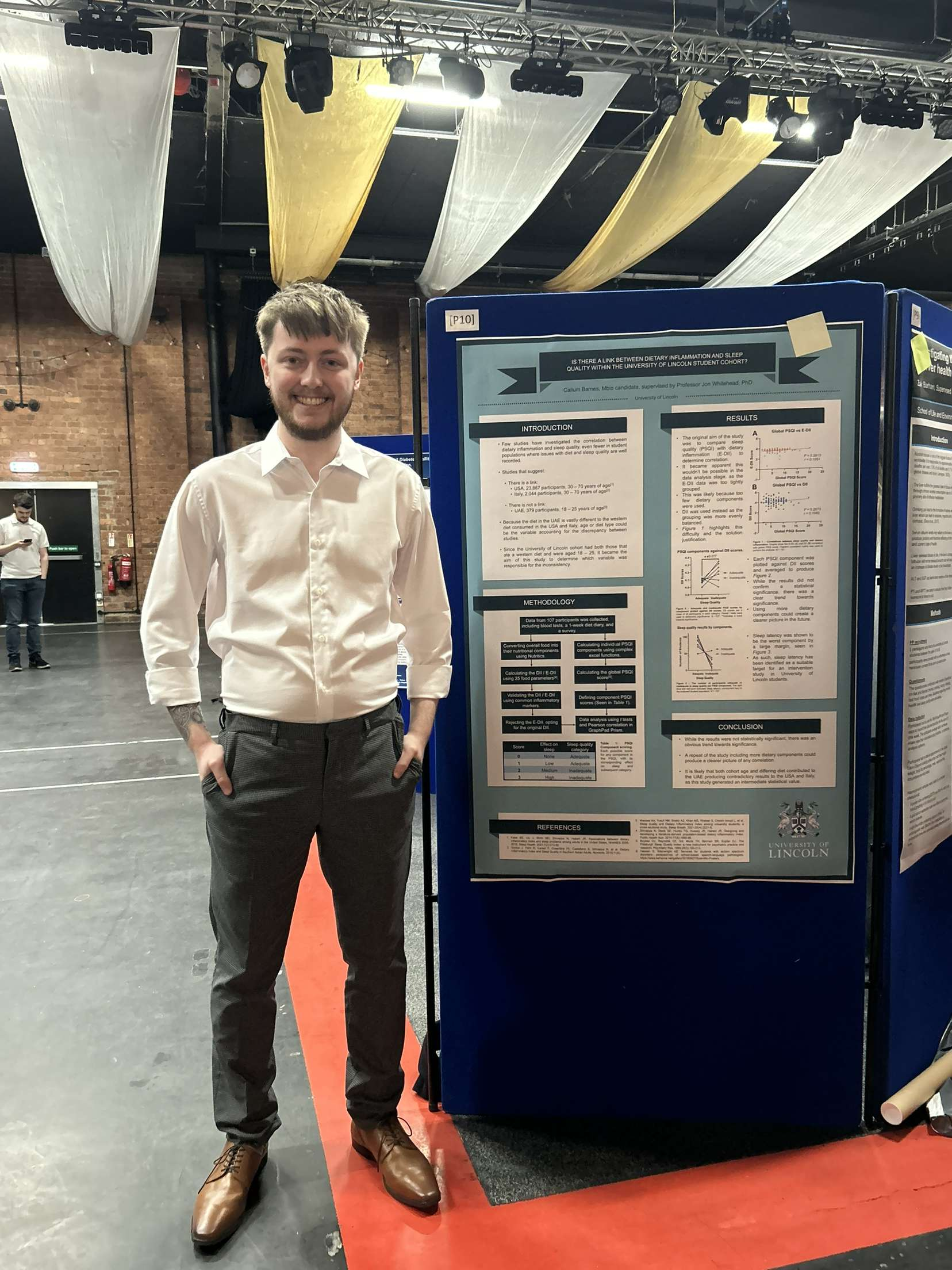
Hello again everyone! It certainly feels weird to be writing another one of these, but my supervisor the lovely Dr Claire Walker thought it would be a great idea considering the outcome of my research that I discussed here.

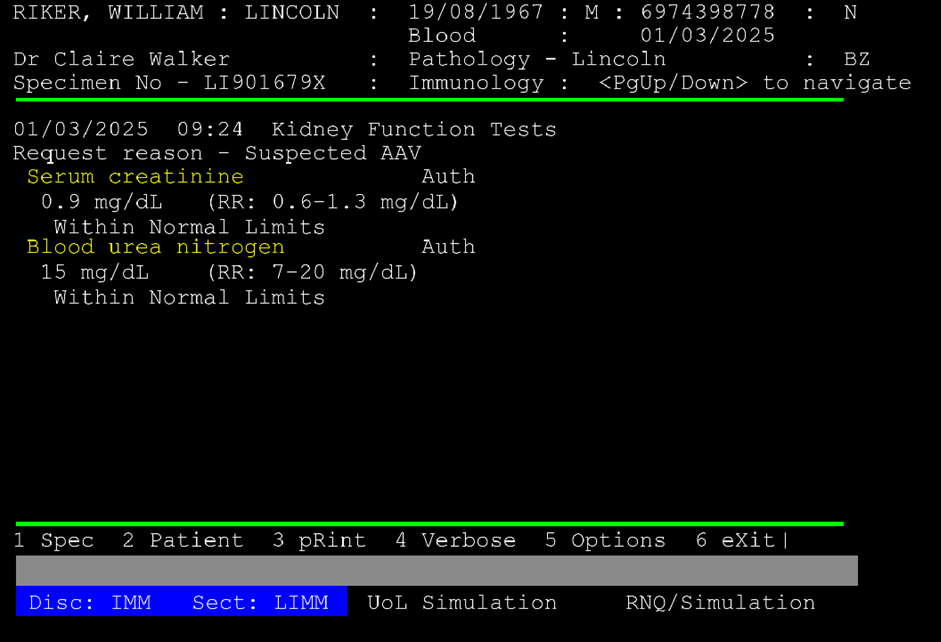
A small recap for those that don’t want to read two blogposts – I am an Mbio Biomedical Science student at the University of Lincoln and completed my portfolio on a placement year in a local microbiology lab. It was great and I became so much more confident in both my practical and theoretical work, which really showed me the value of clinical placements. The problem is that these placements are too few and too competitive nationwide, and only a fraction of those that want to join the biomedical workforce get to experience them despite their value. Long story short, we created a clinical simulation that was as authentic to a real pathology lab as possible, with patient request cards and a functioning (front-end) LIMS, both seen below:

Can you believe no one got the Star Trek references? Anyway. The results were honestly incredible, with basically everyone that participated getting value out of it. I can’t share too much as we are yet to publish, but here are some quotes that really highlight how the clinical simulation increased confidence and was effective as a learning tool.

“Getting hands on experience in the lab. It gave me the confidence to continue in the lab setting.”

“Overall, the lab practicals have been helpful. I think my lab skills have drastically improved, especially my microscopy skills and interpreting my lab results.”

“I like the opportunity we had to practice new skills and learn about it in the contrast of a case study.”

These results were really good, but during my background research I came to realise that other medical disciplines are ahead of us in utilising learning tools to teach university students – like really ahead. Trainee doctors have actors, manikins, and in the last decade have extensively integrated VR/AR/XR technologies into their teachings. We are left with a couple of practical sessions per discipline to cover the hundreds of different diagnostic processes that biomedical scientists go through. And this is almost entirely down to cost, practicals cost a fortune after all. They take setting up, and time, which staff don’t have enough of as is. Which brings us back to virtual reality…

Virtual reality (can be) cheap, accessible, and most importantly repeatable. Other medical disciplines have already identified this, and there is good data to back up the use of VR in those disciplines. But none in biomedical science, because clinical simulation is only just being recognised as a worthy endeavour.

And so, this is going to be my goal. I am going to develop software to train biomedical scientists in virtual reality. It’s going to be tough, but I do truly believe that this is a sorely neglected part of training the next generation of pathologists here in the UK, and honestly hopefully the world too. And if everything goes well (and even if it doesn’t), I’ll be back here in a year to let you all know how it went.

All opinions in this blog are my own
Guest Blog by Callum Barnes: Why the university lab is different to the pathology lab (and why we should plug the gap)

I’m back from a lovely week away at Disneyland Paris, celebrating Christmas and escaping reality (a post on Disney and denial as a coping mechanism is on its way). Whilst I am still struggling with the return to reality this weeks blog post is supplied by the wonderful Callum Barnes. Callum is a disciple of the biomedical sciences, current master’s student creating a more authentic lab experience for those after me, aspiring consultant microbiologist (the best discipline, sorry Claire – you see he understands, like me, that micro will always trump immunology).

Callum is supervised by Dr Claire Walker who is a paid up member of the Dream Team since 2013, token immunologist and occasional defector from the Immunology Mafia. Registered Clinical Scientist in Immunology with a background in genetics (PhD), microbiology and immunology (MSc), biological sciences (mBiolSci), education (PgCert) and indecisiveness (everything else). Now a Senior Lecturer in Immunology at University of Lincoln. She has previously written many great guest blogs for The Girlymicrobiologist, including one on turning criticism into a catalyst for change.

Two years ago, I began a placement year in the microbiology department of a pathology lab, unsure of what was to come, and unsure of myself and my skillset as a scientist. As I think every scientist feels at some point, I was mostly concerned that I would be a hinderance to all the wonderful staff that were just trying to get on with their jobs. Everyone was amazing though and helped me develop the skills and confidence I needed to successfully complete my IBMS portfolio verification. Returning back to university for my final year, I found the lab-based work so much easier than in my second year with my experience, but… something was different. This wasn’t the same stuff I just spent the last year working on, where was the LIMS? The booking in of the samples, the investigative process and the, frankly, the occasional chaos were missing. That’s not to say the labs weren’t good – they were great – and the staff that developed and ran them miles better, but something felt like it was missing. And that’s when my now supervisor Dr Claire Walker came to me with a project for my Mbio year.

Claire and I both have experience in the NHS, herself a lot more than me, but we have both felt and experienced the environment that a pathology lab has. It has a very unique feel to it, slightly alive in my opinion. This is not a very common experience to have in academia though as most academics have a research background, which means that the practical pathology side of things can sometimes get lost when students do their practical work. As such, Claire and I have been working on creating a lab experience that is as authentic to an NHS pathology lab as possible.

But why even bother? The students are learning the same things, just in a different way, so does it really matter? Well in fact, yes, it does! As Claire has said previously, the pilot study she did had very good results, so the data is there to back up our work. But imagine for just a second that you are looking at applying for medicine, and you have two offers. One university offers a fully simulated experience using manikins and actors – the whole shebang. And the other university teaches mostly through theory and shadowing – no practical experience is offered. I know which course I would enjoy and learn the most from. Medical schools know this too and is why most of them offer simulated teaching – it makes for better doctors too.

So, we should really ask, why isn’t this offered for biomedical scientists? Maybe it’s cost, maybe there isn’t the associated prestige. Whatever it is, I am sure that our work will guarantee a truly authentic clinical laboratory experience here on the iBMS accredited course at the University of Lincoln – something I know will provide the right skills for the pathologists of tomorrow.

All opinions in this blog are my own