
A foundation of all good science is collaboration, and international collaboration has been a component of almost all breakthrough scientific processes. Science is a team sport after all. It is essential that we have processes for recognising the qualifications and experience of scientists across boarders, in order to support this core component of scientific work. Despite this, it can be a confusing process, especially in the realm of Healthcare Science, as it is crucial to both enable great science whilst ensuring that patients are protected by maintaining high standards of practice. It is a great privilege, therefore, to bring you a guest blog from Niloofar, who shares her experience of going through the international registration process.
Introduction by Dr Claire Walker
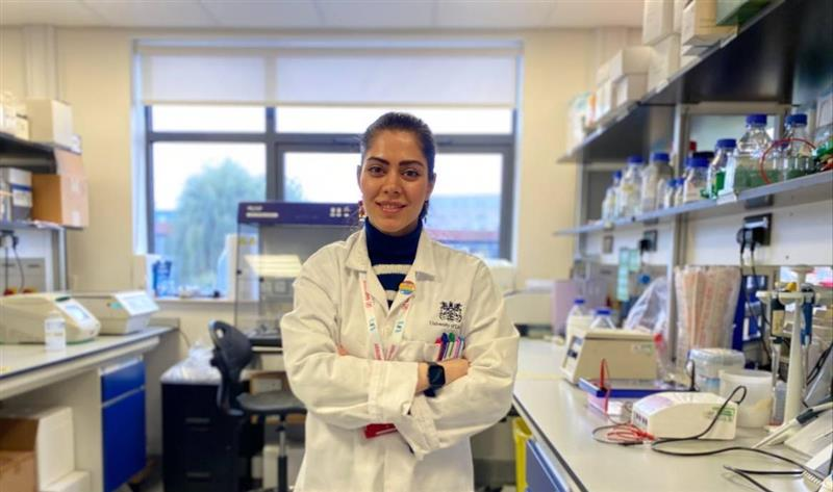
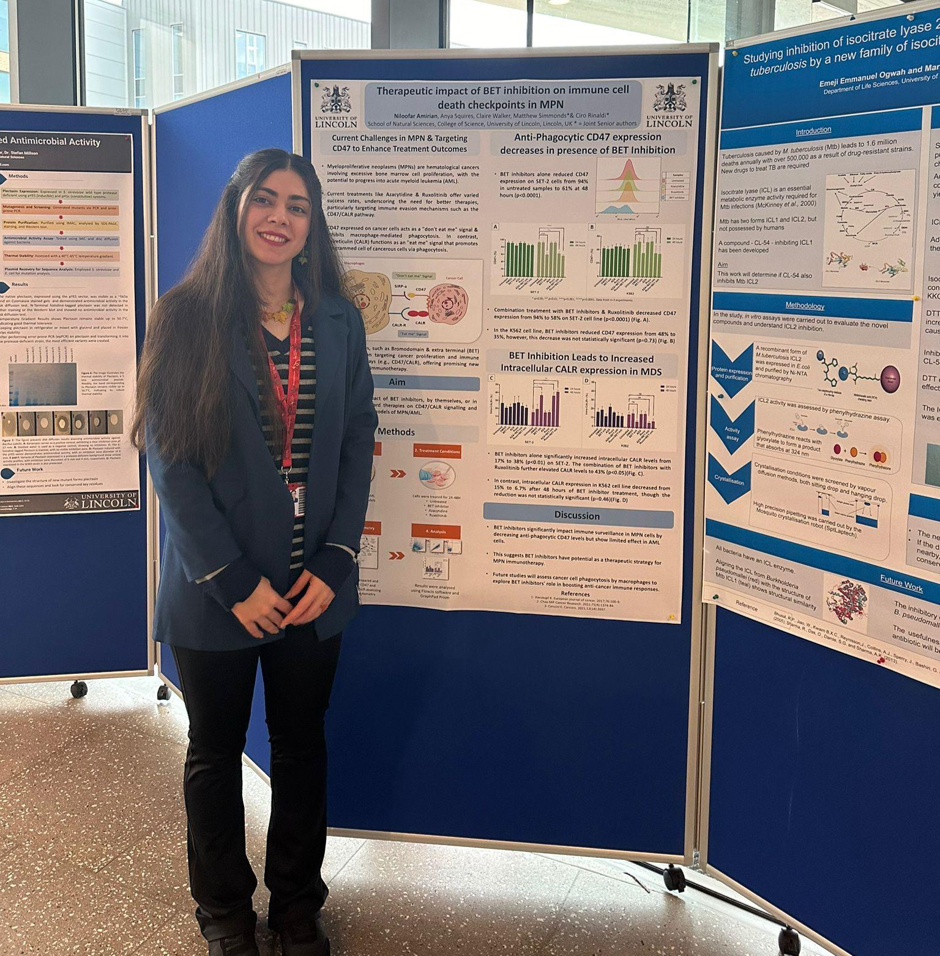
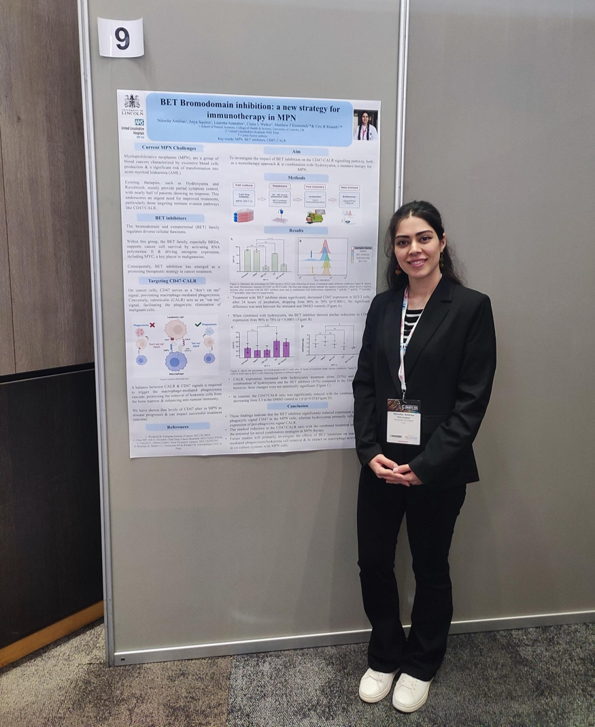
It is a real pleasure to introduce this post from my PhD student, Niloofar Amirian. Niloofar is one of those brilliant, inspiring students who is determined to make the most of every opportunity. Alongside undertaking her PhD research in Immunology, she has successfully navigated the process of becoming an HCPC registered Biomedical Scientist in the UK, no small achievement when your original qualifying degree was completed overseas. As if a PhD and professional registration weren’t enough to be getting on with, she has also recently won first prize in the IBMS Nottingham and Derby Branch research poster competition for her work on macrophages and immune checkpoint markers in myeloproliferative neoplasms. I am an incredibly proud supervisor!
Watching Niloofar work her way through HCPC registration also taught me something. I supervise many international students who are interested in becoming registered Biomedical Scientists in the UK and, when they asked me how to go about it, my well-meaning response had generally been to direct them to the HCPC website. The information was there, after all. What Niloofar’s experience showed me was the considerable difference between having access to information and actually knowing where to start, which route applies to you and what you need to prepare.
It inspired her to ask a simple question: what do international students actually need to know before they dive into registration? With support from a pedagogic innovation grant from our IBMS accredited Biomedical Science course here at the University of Lincoln, Niloofar brought a group of international students together to find out. We listened to their questions, explored where the confusion lay and combined this with Niloofar’s first-hand experience of successfully navigating the process. So, who better to explain it than someone who has been there and done that? Over to Niloofar to share what she learned, what she wishes she had known at the beginning and, hopefully, make the path a little clearer for the next international student wondering, “Where do I even start?”
Guest blog by Niloofar Amirian
When I first moved to the UK as an international student, I carried a quiet dream with me: building my future here as a Biomedical Scientist. It sounded simple enough, but the moment I started looking for guidance, I realised how little clear information existed. I kept asking myself, and everyone around me. Where do I even start? What documents do I need? Which route do I take? For months, I felt stuck in a fog of confusing websites, contradictory advice, and missing details. My dream began to fade, and at one point, I genuinely thought about giving up!
Then something changed. I met an incredible international biomedical scientist, who had already navigated the system. She took the time to explain the routes, the requirements, and the steps I needed to take. That conversation saved me. It gave me direction, confidence, and a starting point. As I worked through my own registration process, I realised how many other international students must be feeling the same confusion I once felt. So, with the support of my supervisor, Dr. Claire Walker, we organised a session for international students at the University of Lincoln. I shared my experience, the mistakes I made, and the lessons I learned, hoping to make the path clearer for the next generation. Here’s a breakdown of our chat.
How Can You Work as a Biomedical Scientist in the UK?
Have you ever heard about HCPC registration? Do you know what the completing IBMS Portfolio is? Are you unsure whether you should follow the UK route and international route?
You’re not alone. Becoming a biomedical scientist in the UK feels complicated, but once you understand the structure, it becomes much more manageable. Here’s the strategy I used to successfully register and start working toward my dream job.
HCPC or IBMS, What is the Difference?
One of the first hurdles was understanding the roles of two key organisations:
- HCPC (Health and Care Professions Council): This is the official regulator. You must register with HCPC to legally work as a biomedical scientist in the UK.
- IBMS (Institute of Biomedical Science): IBMS supports you in meeting HCPC requirements. They assess your qualifications, guide you through the portfolio process, and help you understand whether your degree meets the standards.
It’s best to think of HCPC as the destination, and IBMS as the map that helps you get there.
International Route or UK Route?
This was the most confusing part for me. As an international student studying in the UK, I assumed I could apply through the UK route. Many students make the same mistake. But the truth is simple: Your route is determined by the degree that first qualified you to work in a laboratory. It goes without saying that the HCPC and IBMS websites were entirely unhelpful in providing any useful information. For me, that was my B.Sc. in Medical Laboratory Sciences, which I completed outside the UK. That meant I had to follow the international route, even though I was studying in the UK at the time.
If you’re unsure whether your degree is relevant, check your modules! Look for subjects like Biology, Medical laboratory sciences, Microbiology, Animal laboratory sciences, Biochemistry.
If your degree doesn’t fully match the required modules, IBMS can assess it through their Certificate of Competency. If gaps exist, you can complete a top-up portfolio to meet the standards and eventually qualify for HCPC registration. But fortunately, there is always a way forward!
Documents You’ll Need
Once I understood the route and requirements, the real challenge began: collecting documents. And in the UK, you always need documents! I had to gather all my degrees, detailed module descriptions, evidence of practical laboratory hours, proof of laboratory work experience, translations for every non‑English document, certified copies of absolutely everything. It felt like a marathon. But this step is crucial. HCPC takes documentation seriously, and honesty is essential. I’ve seen applicants submit fake documents, and it always leads to permanent rejection. Take your time, be precise, and make sure everything is accurate!
Final Thoughts
Becoming a registered Biomedical Scientist is not the end, it’s the beginning. Once registered, you can continue developing through specialist portfolios, advanced practice, and even consultancy roles. It takes time, patience, and determination, but the journey is worth it. Most importantly don’t give up on your dreams!! If I could find my way through the confusion, you can too. And now, you don’t have to do it alone!
All opinions in this blog are my own

