Guest Blog by Dr Claire Walker: When a dust mite looks like a prawn – the weird world of allergy

It’s my birthday tomorrow and I am very fortunate to have been given a lovely birthday present by one of the best scientists I know…a guest blog! It may just be in my world, but all the best friends share science for celebratory events, and so I’m excited to share this one with you.

If any of you have ever attended a conference or event with me, you’ll know my body and I don’t always get on, I am intolerant to many things and so food can be challenging. Claire, as an immunologist, has a lot of specialist knowledge about intolerance and allergies, and puts you with me always trying to learn more. I ask her ‘why’ a ridiculous amount of times. To aid, not just me, in this she has written a post that talks about allergy works the way it does, when to many of us the process is somewhat baffling.

Dr Claire Walker has been a paid up member of the Dream Team since 2013, token immunologist and occasional defector from the Immunology Mafia. Registered Clinical Scientist in Immunology with a background in genetics (PhD), microbiology and immunology (MSc), biological sciences (mBiolSci), education (PgCert) and indecisiveness (everything else). Now a Senior Lecturer in Immunology at University of Lincoln. She has previously written many great guest blogs for The Girlymicrobiologist, including one on turning criticism into a catalyst for change.

A smiling woman with long, wavy hair, sitting indoors with a warm and inviting expression. The background features light-colored walls and a decorative lamp.

Blog by Dr Claire Walker

I love teaching allergy. As a Clinical Scientist in Immunology, we all have stories about the wonderful world of hypersensitivity. One Christmas Eve, an urgent request arrived in our laboratory for allergy testing to chocolate in a two-year-old. With Christmas Day looming, it was one of those samples you couldn’t help but become invested in and, to everyone’s relief, the result was negative. Christmas was saved! Most of us know someone with an allergy, from the friend who spends every summer sneezing through hay fever to the person who carries adrenaline because a trace of the wrong food could cause anaphylaxis. Few areas of immunology run such an extraordinary gamut in presenting symptoms whilst sharing a sole underlying pathophysiology. But what fascinates me most is the strange logic behind some of these reactions. Why can someone eat wheat unless they exercise afterwards? How can a tick bite make you allergic to red meat? And why might a house dust mite look remarkably like a prawn?

Comparison between a dust mite and a shrimp, highlighting the immune system's inability to differentiate between the two, with a barcode graphic and the text 'iDUST' above.

So, what actually is an allergy? It occurs when the immune system reacts to something normally harmless, such as pollen or food. In many allergies, an antibody called IgE recognises part of an allergen and triggers immune cells to release chemicals including histamine. Symptoms range from sneezing and itching to life threatening anaphylaxis. This differs from an intolerance, where the immune system isn’t driving the reaction. Lactose intolerance, for example, results from difficulty digesting lactose. Intolerances are fascinating too, but that’s one for another post.

Let’s start with perhaps the most familiar allergy, hay fever. It is easy to dismiss it as a minor inconvenience, but its timing is particularly unfortunate for teenagers. The UK grass pollen season coincides with GCSE examinations, just when concentration and sleep really matter. A study of 1,834 UK teenagers by Walker and colleagues (no relation!) found that those experiencing allergic rhinitis symptoms during their exams had 40% higher odds of unexpectedly dropping a grade between their winter mocks and summer exams. For those taking sedating antihistamines, the odds were 70% higher. Hay fever may be commonplace, but its effects can be far from trivial.

Now for one of my favourite examples of the peculiar logic of allergy: wheat dependent exercise induced anaphylaxis, or WDEIA. Imagine being able to eat toast without a problem and go for a run without a problem but combine the two and you can have a potentially life threatening allergic reaction. People with WDEIA are commonly sensitised to a wheat protein called omega-5-gliadin, but a reaction may only occur with a cofactor. Exercise is the classic example, although alcohol and anti-inflammatory drugs such as ibuprofen can also play a part. This makes WDEIA difficult to spot because the food responsible may have been eaten many times without incident. A UK study of 132 patients found that more than two thirds had waited at least a year for the correct diagnosis. Sometimes in immunology, it really is all about context.

Infographic explaining the relationship between decreased gastric acid production, increased gastrointestinal permeability, and mast cell degranulation in food allergies. It illustrates factors such as physical activity and substances affecting the severity of reactions, alongside biological processes leading to allergic responses.

Occasionally allergy feels less like laboratory medicine and more like detective work. One of my favourite cases, presented by Scottish colleagues at a conference some years ago, involved a little boy who mysteriously developed anaphylaxis only when he stayed with his grandparents. At home he was completely well. His parents were strict vegans, which eventually provided the vital clue. What was Grandma putting in those pies? Meat. Mammalian meat allergy, or alpha gal syndrome, is one of the strangest food allergies we encounter. Unlike most food allergies, IgE recognises a sugar called alpha gal, found in most mammals but not humans and other higher primates. Remarkably, sensitisation can follow a tick bite. Reactions to beef, pork or lamb can then occur several hours after eating, making the culprit particularly difficult to identify. In 2021, the first three cases linked to tick bites acquired in the UK were reported. One patient, a gardener who had experienced more than 100 tick bites, described reactions two to eight hours after foods including pork, roast beef and, appropriately, steak and kidney pie. When the trigger is a tick bite and the reaction comes hours after Sunday lunch, joining the dots is anything but straightforward.

And now to the question on everyone’s lips: when does a dust mite actually look like a prawn? To the untrained eye, obviously never. To an IgE antibody, however, they can look surprisingly similar. Antibodies recognise specific molecular structures, and if sufficiently similar structures occur elsewhere in nature, they can recognise those too. This is cross reactivity. House dust mites and crustaceans such as prawns share a protein called tropomyosin, allowing IgE against mite tropomyosin to cross react with shellfish. To our immune system, the distance between the bedroom and the seafood platter can be surprisingly small. An equally curious relationship exists between natural rubber latex and fruits including avocado, banana and kiwi, known as latex fruit syndrome. Again, the connection comes from related proteins found in both latex and plants. These unexpected relationships are a wonderful reminder that allergens are not defined by where they come from, but by the molecular structures our antibodies recognise.

A dust mite and a prawn sitting at a small table, sharing drinks and discussing their differences and similarities, with speech bubbles highlighting their habitat and protein content.

It’s this wonderfully weird logic that makes allergy such a joy to teach. Microbiology may have its charms, but can a bacteria make a dust mite look like a prawn? I rest my case.

(Note from Girlymicro – although I accept Claire’s idea that the prawn dust mite confusion is interesting, microbiology includes Tardigrades, need I say more! The war of which is the best discipline continues 🙂

All opinions in this blog are my own
Guest Blog by Niloofar Amirian: Finding My Way, An International Student’s Journey to Biomedical Scientist Registration

A foundation of all good science is collaboration, and international collaboration has been a component of almost all breakthrough scientific processes. Science is a team sport after all. It is essential that we have processes for recognising the qualifications and experience of scientists across boarders, in order to support this core component of scientific work. Despite this, it can be a confusing process, especially in the realm of Healthcare Science, as it is crucial to both enable great science whilst ensuring that patients are protected by maintaining high standards of practice. It is a great privilege, therefore, to bring you a guest blog from Niloofar, who shares her experience of going through the international registration process.

Introduction by Dr Claire Walker

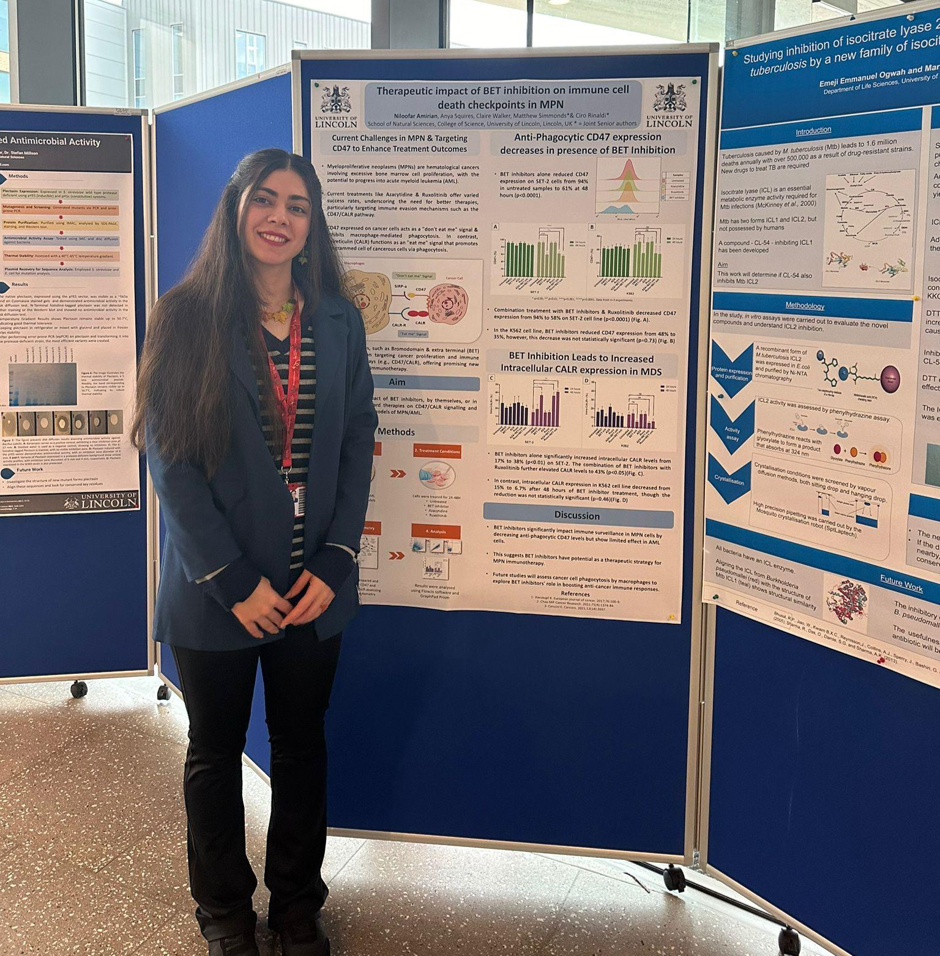
It is a real pleasure to introduce this post from my PhD student, Niloofar Amirian. Niloofar is one of those brilliant, inspiring students who is determined to make the most of every opportunity. Alongside undertaking her PhD research in Immunology, she has successfully navigated the process of becoming an HCPC registered Biomedical Scientist in the UK, no small achievement when your original qualifying degree was completed overseas. As if a PhD and professional registration weren’t enough to be getting on with, she has also recently won first prize in the IBMS Nottingham and Derby Branch research poster competition for her work on macrophages and immune checkpoint markers in myeloproliferative neoplasms. I am an incredibly proud supervisor!

Watching Niloofar work her way through HCPC registration also taught me something. I supervise many international students who are interested in becoming registered Biomedical Scientists in the UK and, when they asked me how to go about it, my well-meaning response had generally been to direct them to the HCPC website. The information was there, after all. What Niloofar’s experience showed me was the considerable difference between having access to information and actually knowing where to start, which route applies to you and what you need to prepare.

It inspired her to ask a simple question: what do international students actually need to know before they dive into registration? With support from a pedagogic innovation grant from our IBMS accredited Biomedical Science course here at the University of Lincoln, Niloofar brought a group of international students together to find out. We listened to their questions, explored where the confusion lay and combined this with Niloofar’s first-hand experience of successfully navigating the process. So, who better to explain it than someone who has been there and done that? Over to Niloofar to share what she learned, what she wishes she had known at the beginning and, hopefully, make the path a little clearer for the next international student wondering, “Where do I even start?”

Guest blog by Niloofar Amirian

When I first moved to the UK as an international student, I carried a quiet dream with me: building my future here as a Biomedical Scientist. It sounded simple enough, but the moment I started looking for guidance, I realised how little clear information existed. I kept asking myself, and everyone around me. Where do I even start? What documents do I need? Which route do I take? For months, I felt stuck in a fog of confusing websites, contradictory advice, and missing details. My dream began to fade, and at one point, I genuinely thought about giving up!

Then something changed. I met an incredible international biomedical scientist, who had already navigated the system. She took the time to explain the routes, the requirements, and the steps I needed to take. That conversation saved me. It gave me direction, confidence, and a starting point. As I worked through my own registration process, I realised how many other international students must be feeling the same confusion I once felt. So, with the support of my supervisor, Dr. Claire Walker, we organised a session for international students at the University of Lincoln. I shared my experience, the mistakes I made, and the lessons I learned, hoping to make the path clearer for the next generation. Here’s a breakdown of our chat.

How Can You Work as a Biomedical Scientist in the UK?

Have you ever heard about HCPC registration? Do you know what the completing IBMS Portfolio is? Are you unsure whether you should follow the UK route and international route?

You’re not alone. Becoming a biomedical scientist in the UK feels complicated, but once you understand the structure, it becomes much more manageable. Here’s the strategy I used to successfully register and start working toward my dream job.

HCPC or IBMS, What is the Difference?

One of the first hurdles was understanding the roles of two key organisations:

  • HCPC (Health and Care Professions Council): This is the official regulator. You must register with HCPC to legally work as a biomedical scientist in the UK.
  • IBMS (Institute of Biomedical Science): IBMS supports you in meeting HCPC requirements. They assess your qualifications, guide you through the portfolio process, and help you understand whether your degree meets the standards.

It’s best to think of HCPC as the destination, and IBMS as the map that helps you get there.

International Route or UK Route?

This was the most confusing part for me. As an international student studying in the UK, I assumed I could apply through the UK route. Many students make the same mistake. But the truth is simple: Your route is determined by the degree that first qualified you to work in a laboratory. It goes without saying that the HCPC and IBMS websites were entirely unhelpful in providing any useful information. For me, that was my B.Sc. in Medical Laboratory Sciences, which I completed outside the UK. That meant I had to follow the international route, even though I was studying in the UK at the time.

If you’re unsure whether your degree is relevant, check your modules! Look for subjects like Biology, Medical laboratory sciences, Microbiology, Animal laboratory sciences, Biochemistry.

If your degree doesn’t fully match the required modules, IBMS can assess it through their Certificate of Competency. If gaps exist, you can complete a top-up portfolio to meet the standards and eventually qualify for HCPC registration. But fortunately, there is always a way forward!

Documents You’ll Need

Once I understood the route and requirements, the real challenge began: collecting documents. And in the UK, you always need documents! I had to gather all my degrees, detailed module descriptions, evidence of practical laboratory hours, proof of laboratory work experience, translations for every non‑English document, certified copies of absolutely everything. It felt like a marathon. But this step is crucial. HCPC takes documentation seriously, and honesty is essential. I’ve seen applicants submit fake documents, and it always leads to permanent rejection. Take your time, be precise, and make sure everything is accurate!

Final Thoughts

Becoming a registered Biomedical Scientist is not the end, it’s the beginning. Once registered, you can continue developing through specialist portfolios, advanced practice, and even consultancy roles. It takes time, patience, and determination, but the journey is worth it. Most importantly don’t give up on your dreams!! If I could find my way through the confusion, you can too. And now, you don’t have to do it alone!

All opinions in this blog are my own
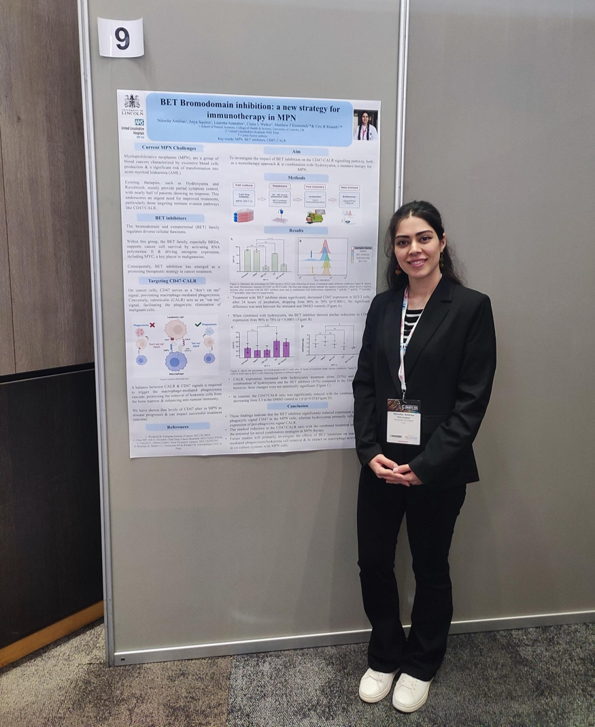
Guest Blog: Co-creation made by students for students: deconstructing immunological techniques-ELISA

I am currently in the middle of secret project, which I hope to announce more about in late August/early September. I’m really excited about it but it’s taking a bunch of my time. I’m hoping that you will be just as excited when I can share more details. The wonderful Dr Claire Walker is helping me deliver my passion project by curating the Girlymicrobiologist blog for a few weeks. This means that I hope you all enjoy getting some great guest blogs from a range of topics. Girlymicrobiologist is a community, and all of the wonderful authors stepping up, sharing their thoughts and projects, to support me in mine means the world. I hope you enjoy this guest blog series. Drop me a line if you too would be interested in joining this community by writing a guest blog.

Dr Walker is a paid up member of the Dream Team since 2013, token immunologist and occasional defector from the Immunology Mafia. Registered Clinical Scientist in Immunology with a background in genetics (PhD), microbiology and immunology (MSc), biological sciences (mBiolSci), education (PgCert) and indecisiveness (everything else). Now a Senior Lecturer in Immunology at University of Lincoln. She has previously written many great guest blogs for the Girlymicrobiologist, including Simulating Success – Enhancing Biomedical Science Education through Clinical Simulation. This blog was written by a group of her final year students on their experiences of trying to teach differently.

Blog by Yvana, Nicole and Ellie

We were a small group of three final-year Biomedical students—Yvana, Nicole, and Ellie who were brought together by a shared goal to create something useful for other students by us students. In our final year at the University of Lincoln, we were offered the opportunity to work on a collaborative project focused on improving on how ELISA (enzyme-linked immunosorbent assay) is taught to students- a commonly used technique in the immunology department to quantify and detect biological molecules.

Meet the Team

Yvana

Hello, I’m Yvana – Three years ago, I began my journey as a Biomedical Science student at the University of Lincoln. Like many, I was unsure of the exact career path I wanted to follow, but I knew one thing for certain, I was deeply fascinated by diagnostics and disease. Over time, that interest developed into a love for laboratory work, especially when I had the opportunity to experience clinical simulation sessions led by Dr Claire Walker which stood out to me as they offered a taste of what a real-life clinical lab feels like beyond university.

One of the highlights of my third year was engaging in a unique series of laboratory-based activities known as Laboratory Skills, coordinated by Dr Andy Gilbert. These sessions were designed to strengthen our core technical abilities and confidence in the lab through a series of activities covering microbiology to biochemistry!. After completing 6 weeks of lab skills, Dr Andy Gilbert approached me with an exciting opportunity to collaborate with two other students, Nicole and Elle, also led by Dr Claire Walker on a co-creation lab skills project. Our task? To design a step-by-step resource that would deconstruct one of the most widely used techniques in immunology, ELISA – making it easier for students to understand and perform.

Ellie

Hi everyone, my name’s Ellie! I’m 1/3 of the amazing group that have carried out the ELISA workshop, led by students, for students. During my years at the University of Lincoln, I’ve grown to love the fascinating world of microbiology and I’m even going back this September to do a Microbiology Masters! I have really enjoyed my time at Lincoln and part of that is thanks to Andy Gilbert for putting on his extra lab skills sessions, which allowed me and other students to gain that vital extra laboratory knowledge and practice important techniques.

I’ve just finished the final year of my undergraduate Biomedical Science degree and throughout this year I was able to create something incredible. I, Yvana and Nicole, were given the opportunity to collaborate and develop a practical booklet as a building point of the skills needed to carry out an ELISA. The main reason I agreed to take part in this task is that we, as students, do not get many chances to have such a hands-on experience with many complex techniques, like an ELISA, during this degree. Because of this amazing opportunity, we were able to give students across all years at Lincoln the chance to gain more knowledge and extra practice in learning this crucial technique!

Nicole

Hi, I’m Nicole – one of the final-year Biomedical Science students behind this project. Starting at the University of Lincoln, I wasn’t entirely sure which direction I wanted to take within biomedical science. As the course progressed, I enjoyed the hands-on lab work, particularly how it transformed theoretical knowledge into practical application. This became evident in my second year during Laboratory Skills sessions led by Dr. Andy Gilbert. These weekly sessions focused on core techniques like centrifugation, microscopy, and microbiology.

Co-creating the ELISA workshop booklet felt like more than just a project; it was an opportunity to make lab-based learning more accessible and less intimidating. Since ELISA is a technique, we limited experience with as students, developing this protocol felt was crucial. Working with Ellie and Yvana to bring our ideas together was fulfilling. My favourite part was seeing the complete protocol, knowing it would support students to tackle the ELISA confidentially.

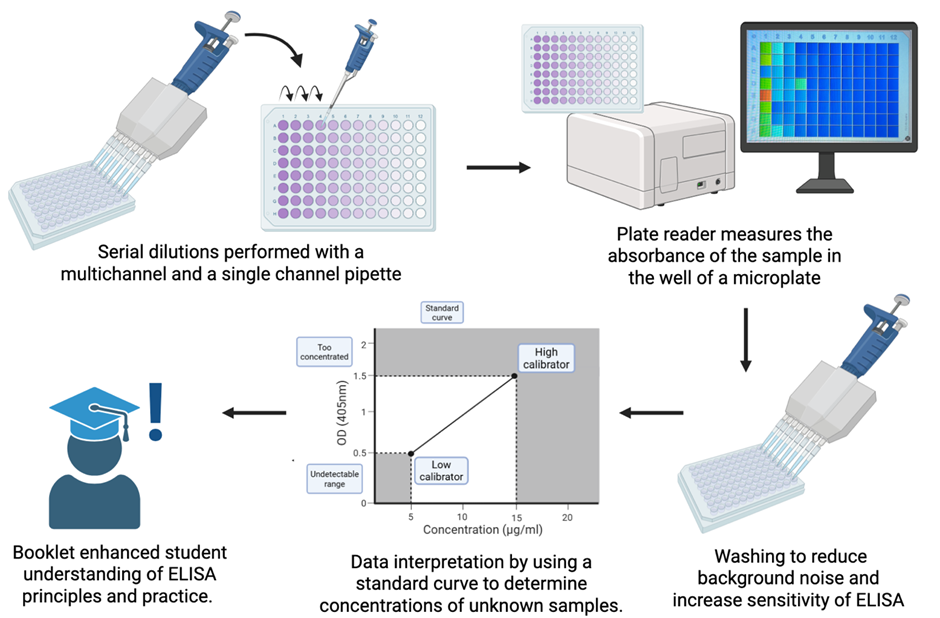
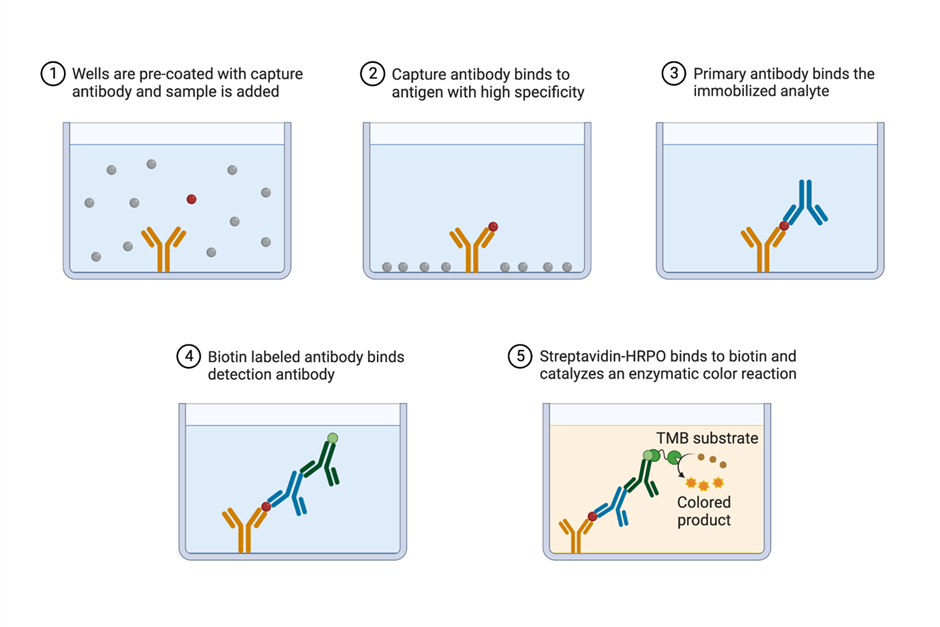
Figure depicting how ELISA works step-by-step

Building the booklet

This project was a collaborative effort and not something we did alone- we brought our own strengths together to create the now called ELISA Team (given by Claire Walker herself!). We spent countless hours in the lab, testing and refining each activity to make sure it worked as intended and delivered the essential skills students would need to confidently complete an ELISA in real time. We held regular meetings, worked on it during lectures (sorry Claire and Andy!), and genuinely had a lot of fun creating something meaningful that we hope will support future students just like us.

Under the guidance of Dr Claire Walker and Dr Andy Gilbert, we set out to create a resource that would feel practical, and genuinely useful for students. We didn’t want a booklet created from a lecturer’s perspective of what students might find helpful. We wanted to build something we would have found helpful when we first encountered ELISA, a step-by-step walkthrough from a student’s perspective.

Overview of ELISA (Enzyme-Linked Immunosorbent Assay) booklet use to educate students

The booklet breaks down ELISA into its fundamental components, from how to properly use a multichannel pipette (which was a nightmare to handle!) to interpreting results and avoiding common mistakes students might fall for. For instance, one key focus was on the washing stages, an often-overlooked step that if done incorrectly, can lead to high background noise and inaccurate results, which in a diagnostic lab can be the difference between a patient receiving an accurate diagnosis or potentially missing one altogether.

What made this project especially rewarding was the opportunity to run our session with real students from first year undergraduates in Biomedical Science to postgraduates in Biotechnology. The feedback we received was overwhelmingly positive. Many said the booklet helped them better understand ELISA both in theory and in practice. We focused heavily on visual learning using diagrams, photos, and annotated guides because we knew from our own experience that clarity and visual support were essential when learning complex lab techniques.

Initial plate setup demonstrating serial dilutions and pipette accuracy during the first activity, comparing multichannel versus single-channel pipetting.

Our final thoughts

Our co-creation project not only gave us a chance to give back to the large community of students, but we were able to bridge a gap that many lectures hadn’t quite managed before, true co-creation between students and lecturers. Together, we created something that students appreciated and benefited from which was entirely made by their peers through mutual experience.

Looking back, we are incredibly proud of what we achieved as a team. It showed us how impactful student-led projects can be when they’re supported by passionate educators and built around supporting the educational needs of the community.

All opinions in this blog are my own

Guest Blog by Kate Rennie: What am I growing in my kitchen… a gluten free sourdough journey through the eyes of an IPC nurse

I am currently in the middle of secret project, which I hope to announce more about in late August/early September. I’m really excited about it but it’s taking a bunch of my time. I’m hoping that you will be just as excited when I can share more details. The wonderful Dr Claire Walker is helping me deliver my passion project by curating the Girlymicrobiologist blog for a few weeks. This means that I hope you all enjoy getting some great guest blogs from a range of topics. Girlymicrobiologist is a community, and all of the wonderful authors stepping up, sharing their thoughts and projects, to support me in mine means the world. I hope you enjoy this guest blog series. Drop me a line if you too would be interested in joining this community by writing a guest blog.

Dr Walker who is a paid up member of the Dream Team since 2013, token immunologist and occasional defector from the Immunology Mafia. Registered Clinical Scientist in Immunology with a background in genetics (PhD), microbiology and immunology (MSc), biological sciences (mBiolSci), education (PgCert) and indecisiveness (everything else). Now a Senior Lecturer in Immunology at University of Lincoln. She has previously written many great guest blogs for the Girlymicrobiologist, including Microbial Culture: An Immunologist’s Side Project Gone Wild.

This weeks blog post continues this months fungal theme (all things yeast) and is from the absolutely amazing Kate Rennie. Kate is a born microbiologist, even if she was diverted by the world of nursing and has gone on to become a cracking Infection Prevention and Control nurse. Her curiosity and willingness to learn and expand her skill sets, makes it no surprise to me that when she decided to expand her hobbies, she decided to go down a route that touches on all things micro.

Before we get into the sour dough however, let’s start by talking what coeliac disease (the condition that leads to the requirement for gluten free bread) as written for us by Dr Claire Walker, our in-house immunologist:

Coeliac disease is a serious autoimmune condition where eating gluten, a protein in wheat, barley, and rye, triggers the immune system to attack an enzyme in the gut called tissue transglutaminase. This damages the villi, tiny structures in the small intestine that absorb nutrients. The result? Symptoms like bloating, diarrhoea, fatigue, and iron deficiency. But it doesn’t stop at the gut. Some people develop dermatitis herpetiformis, an intensely itchy, blistering skin rash. Others experience neurological symptoms such as brain fog, headaches, and numbness or tingling in the limbs. It’s often misdiagnosed or missed entirely.

Around 1 in 100 people in the UK have coeliac disease, but most remain undiagnosed. Diagnosis usually starts with blood tests (like the tTG-IgA), followed by a small bowel biopsy to confirm intestinal damage. These tests only work if you’re currently eating gluten. So if someone’s already gone gluten-free and are feeling better, they need to reintroduce it for several weeks which can cause symptoms to reappear and puts many people off testing.

There’s no cure and the only treatment is a strict, lifelong gluten-free diet. That means no “cheat days” as even tiny amounts can cause damage. It takes serious commitment: careful label reading, avoiding cross-contamination, and asking awkward questions when eating out. But for most, removing gluten thankfully leads to major improvements in symptoms and overall wellbeing.

Blog by Kate Rennie

What am I growing in my kitchen… a gluten free sourdough journey through the eyes of an IPC nurse

I’m Kate, I’m an infection control nurse at GOSH. I’ve worked in infection control since 2020 (1.5 years in primary care, 9 months in community/mental health and I’ve been at GOSH since April 2022). I was diagnosed with Coeliac disease in 2013 and decided 2025 would be the year of new hobbies and I am bored of gluten free bread that resembles cardboard.

I decided to embark on my sourdough journey (albeit slightly late to the party as I know this was a lockdown thing). I didn’t actually know what I was getting into with making sourdough, I read the first few steps and thought it sounded pretty simple, flour and water in a jar.

My flour and water sat on my kitchen side in a jar for 2 weeks (gross), and I named it Marilyn (Mondough)… I nurtured her and fed her daily, for those who may remember Tamagotchi’s, this is how I can describe it and as a previous Tamagotchi owner, I loved it.

Part of me was obsessed with what have created and look forward to waking up each morning to see how it’s looking (highlight of your late 20s) but the infection control nurse in me is slightly grossed out by it. I’ve read a bit more and learnt a lot, she just needed a little bit of extra love and care (troubleshooting) at a few days old.

HOOCH – I’ve only ever known hooch as this from my late teens/early 20s.

Fast forward to my late 20s, this is a sign that your sourdough starter is hungry, it’s eaten all its nutrients, and you must feed it more frequently. I was reluctant to throw her away and start fresh so I added teff flour in the hope she would perk up and SHE DID.

But she smelt disgusting… A familiar reminder of my 16 year old, pre-nurse self, having my long acrylic nails removed in the salon. ACETONE?? Apparently, it’s a byproduct of fermentation…

So, I wondered if this was actually safe to have something fermenting in my kitchen with absolutely 0 knowledge and thinking I’m probably going to poison myself. After a bit of research, I learnt this is normal and how to fix it, yet again, she’s hungry and I’m a rubbish mother.

Whatever is happening inside that jar is creating its own yeast to make it grow which is quite cool! I’m not sure how many people have actually gone this deep into the thought of a sourdough starter, but my IPC brain is fascinated yet disgusted and I want to know more. Do I want to culture it in the lab? Probably not. Am I going to eat it? Most definitely.

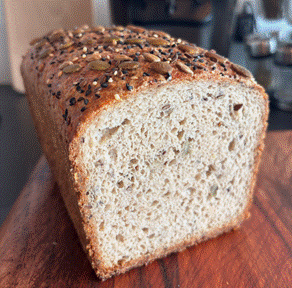
Fast forward 2 weeks… My sourdough journey ended abruptly after my first loaf. I felt disheartened that it didn’t turn out like the GF loaves I’d spent too much time obsessing over on Tik Tok.
The perfectionist I am wanted the perfect loaf to happen first time, so I abandoned sourdough and ventured into making non-sourdough gluten free bread. I popped Marilyn in the fridge for when I decided to revisit sourdough making and there she stayed for a good 3 months. Apparently, this puts it to sleep, and you can later revive it… but after pulling it out the fridge and seeing a layer of black liquid on top of the starter, my IPC brain got the better of me and I decided with my limited knowledge of sourdough and fermentation at home, it probably was best that I didn’t consume this and decided to throw it in the bin and I spared a brief thought for what Marilyn was and could have been if I had more patience.

I’d hoped this would be a success story about my gluten free sourdough rather than a failure but basically, sourdough isn’t easy and gluten free sourdough, really isn’t easy. It truly is a science.

Gluten free bread making in general is a delicate science because it lacks the key protein—gluten—that gives traditional bread its structure, elasticity, and chew. In wheat-based breads, gluten forms a stretchy network that traps gas bubbles from yeast, allowing the dough to rise and hold its shape. Without gluten, you have to rely on a blend of alternative flours—like rice, sorghum, or buckwheat—each contributing unique properties such as starch, protein, or flavour. Binding agents like psyllium husk are also essential to mimic gluten’s elasticity. No single gluten-free flour can replicate all the functions of wheat flour, which is why crafting a successful gluten-free loaf requires a carefully balanced mix rather than just throwing in a single substitute flour and hoping for the best.

I have been successful on a few occasions in making non-sourdough gluten free bread which has still been a real insight into science in everyday life.

To all life’s problems there are solutions if only we are curious and passionate enough to see them and change direction in order to maximise our successes. It appears Kates’ experience with sour dough as part of her coeliac journey is no different.

All opinions in this blog are my own

Guest Blog by Dr Claire Walker: Microbial Culture – An Immunologist’s Side Project Gone Wild

I am currently in the middle of secret project, which I hope to announce more about in late August/early September. I’m really excited about it but it’s taking a bunch of my time. I’m hoping that you will be just as excited when I can share more details. The wonderful Dr Claire Walker is helping me deliver my passion project by curating the Girlymicrobiologist blog for a few weeks. This means that I hope you all enjoy getting some great guest blogs from a range of topics. Girlymicrobiologist is a community, and all of the wonderful authors stepping up, sharing their thoughts and projects, to support me in mine means the world. I hope you enjoy this guest blog series. Drop me a line if you too would be interested in joining this community by writing a guest blog.

Previous mycology posts have covered how fungal mycotoxins can cause us harm, and how the new yeast on the block, C. auris, is causing problems in healthcare, but the next two posts will talk about how beneficial fungi can be in our every day lives.

The blog posts will look at how certain yeasts can be used in something that brings me a lot of joy, bread. Many of you will know I’m dairy free, and although I know I should cut down on carbs, you can take my bread from my cold dead hands. It’s one of the few things I can eat without fear and makes me happy. In celebration of this oft overlooked area of microbiology we shall be talking all things baking over the next two weeks.

The first of these posts is written by Dr Walker who is a paid up member of the Dream Team since 2013, token immunologist and occasional defector from the Immunology Mafia. Registered Clinical Scientist in Immunology with a background in genetics (PhD), microbiology and immunology (MSc), biological sciences (mBiolSci), education (PgCert) and indecisiveness (everything else). Now a Senior Lecturer in Immunology at University of Lincoln. She has previously written many great guest blogs for the Girlymicrobiologist, including Exome Sequencing and the Hunt for New Genetic Diseases.

Before I hand over to Claire though, I thought I would talk a little about baking and fermentation. About 50% of all the PhD students I speak to have dreamt at some point of throwing their research out the window, running away and starting a bakery. This may be because baking has a surprising amount of science within it when compared to some other forms of cooking, hence the need to closely align to a recipe. A lot of this is actually because you are working with yeast, a living organism, hence the fact that we are talking about this on the Girlymicro blog, as micro is just cool in so many ways

Fermentation is an anaerobic (occurs without the presence of oxygen) process where microorganisms, like bacteria and yeast, convert sugars into energy and various byproducts, like acids, gases, or alcohol. In baking, it causes yeast and bacteria to convert sugars into carbon dioxide, among other things. This is what causes the dough to rise, as well as adding flavour, and is therefore essential to all things yummy and bread related. The most commonly used yeast is Saccharomyces cerevisiae, and this is one of the reason baking can behave so variably on times of the day or seasons, as both temperature and pH can impact on how well the fermentation process works. It can also mean, if you are impatient like me, you add water at far too high a temperature and effectively kill off your yeast so it doesn’t work at all. Fermentation, and its use in food production, is one of the many examples of how microbiology and microbes impact our every day lives, and of how much poorer our lives would be without them. So I hope you’ll enjoy the next couple of blogs about how baking has both microbiological and immunological links.

Blog by Dr Claire Walker

As I’ve confessed on this blog before,I am, what I like to call, a ‘failed microbiologist’. Many moons ago I completed a master’s qualification in environmental microbiology and dreamed of a career tracking pathogens through our water systems guaranteeing safe water for all. However, I graduated during a recession and started applying for any job that would have me. As luck would have it, I ended up on the immunology clinical scientist training scheme (the story of that fateful application I will save for a later date), and the rest is history. However, I’ve always loved a bit of microbiology and my fascination with all things fermented has taken me on many adventures. Including baking afternoon tea for a GirlyMicro special event!

My treat for finishing my marking this year was a fermentation course at the Welbeck School of Artisanal food learning all about the transformation of food by microorganisms. The word fermentation comes from the Latin fervere meaning ‘to boil’ after Romans watched the bubbles forming when they fermented grapes into wine. Name a scientist who doesn’t love a bit of Latin?  There are several biological processes occurring when we ferment foods like grapes, but essentially it is a process by which large chains of molecules are broken down by enzymes into their smaller, tastier, more nutritious, and more easily digestible parts.

The area of fermentation about which I am really passionate is sourdough. Yes, I lived in East London for many years, and yes, I owned a banneton before it was cool. Sourdough doesn’t just indulge my microbiology side project; it became unexpectedly personal. After picking up a particularly unpleasant microbe while travelling in India, I developed amoebic dysentery, and my gut never fully bounced back. I couldn’t tolerate shop-bought bread or much of anything, really. It wasn’t until I began incorporating fermented foods, especially sourdough, into my diet that I noticed slow but steady improvement. (Though let me be clear: this is my experience, not medical advice – if you’re unwell, definitely speak to your clinician!)

For the uninitiated, a sourdough mother, or starter, is a living culture of wild yeast and lactic acid bacteria that needs regular feeding with flour and water to stay active. As a failed microbiologist, I found something oddly fulfilling about sustaining a microbial ecosystem especially one that produces bread with real health benefits. What’s not to love about a culture that feeds you back?

Of course, I’m a dyed in the wool clinical immunologist so I can’t finish up this post without waxing lyrical about the immunology of sourdough. What makes sourdough really special, from an immunologists perspective, is how it supports our gut, which is home to about 70% of our immune cells. By encouraging a healthy mix of gut bacteria, sourdough helps produce bioactive compounds that keep our immune system balanced, strengthening our defenses without overreacting. This means it can help protect us from infections while calming down low-grade chronic inflammation that might otherwise cause problems. So, sourdough isn’t just tasty, it’s a simple, natural way to support a well-regulated immune response. Of course, sourdough isn’t for everyone, especially not for coeliacs. After all, even the most dedicated immunologist moonlighting as a microbiologist hasn’t yet figured out how to turn gluten into something completely safe. Guess some mysteries are still off the menu!

All opinions in this blog are my own
Guest Blog Dr Claire Walker: The Quest for Answers – Exome Sequencing and the Hunt for New Genetic Diseases

Dr Claire Walker has been a paid up member of the Dream Team since 2013, token immunologist and occasional defector from the Immunology Mafia. Registered Clinical Scientist in Immunology with a background in genetics (PhD), microbiology and immunology (MSc), biological sciences (mBiolSci), education (PgCert) and indecisiveness (everything else). Now a Senior Lecturer in Immunology at University of Lincoln. She has previously written many great guest blogs for The Girlymicrobiologist, including one on turning criticism into a catalyst for change.

What may be less well known, even to regular readers of this blog, is that she did her PhD on finding genetic diseases, and as this ties in so well with the recent blog series I’ve been doing on DNA I thought having a guest blog from Claire might be the cherry on top of this particular ice cream sunday!

If you’ve missed any of the blog series of posts, especially if you want a refresher on how DNA works before reading about Claire’s work, I’ve included links to all the posts the below:

Having spent some time covering what is however, I thought I would follow up with a couple of book reviews that focus on how the world of DNA, DNA editing and DNA interpretation could change the lives of everyone involved.

The first of these was The One by John Marrs:

The second was for a book called Upgrade by Blake Crouch:

Blog By Dr Claire Walker

When I was 26 I finished my Clinical Scientist training and was offered a full-time position at the hospital I trained in, with a good pay increase and a view to becoming a laboratory manager in the next few years. It was a great gig with a lovely team, good earning potential and support to further my clinical training. Unfortunately for them, I had just completed a secondment to a famous children’s hospital and had my mind absolutely blown. I had seen how immunology was being influenced by the study of human genetics, at the forefront of the field with cutting edge techniques which seemed, frankly, indistinguishable from magic. Suddenly, working in adult rheumatology and learning how to manage NHS laboratory budgets just didn’t seem so interesting anymore. So I turned down the job, went home, looked my husband in the eye, and said the words he’d been quietly dreading ever since I’d first jumped from environmental microbiology to human immunology: ‘I think I want to retrain… again.’

I applied for a PhD in genetics and immunology at University College London Institute of Child Health. Specifically, I focused on children with rare syndromes that didn’t have a clear diagnosis often called “syndromes without a name.” These kids and their families had often been on a long and frustrating diagnostic journey, seeing specialist after specialist, with no real answers. That’s where exome sequencing came in. By reading the protein-coding parts of the genome — the exome — we hoped to find clues hidden deep in their DNA that could point to the cause of their symptoms. Think of it like a high-stakes game of genetic detective work. Each patient’s exome was a puzzle, and sometimes, we’d find that one variant that explained it all. Other times, we discovered new candidate genes that had never been linked to disease before. Conversely, we found that some quite well-known genetic diseases could have highly unusual presentations – what we call expanding the clinical phenotype of a condition.

Figure 1. How does next generation sequencing work? Image Credit – http://www.Biorender.com

The disease I was assigned to work on was the oh-so-easy to pronounce and explain, Haemophagocytic Lymphohistiocytosis (HLH). HLH is a rare but serious condition where the immune system goes into overdrive and won’t switch off. Instead of protecting the body, it causes severe inflammation and can damage organs including the liver, brain, and bone marrow. It can look like a really bad infection, but it’s actually the immune system attacking the body from within. Some cases are triggered by infections or cancer, but others are caused by inherited defects in genes like UNC13D or PRF1. The children in my student were amongst the big chunk of patients where none of the usual suspects showed up on molecular testing.

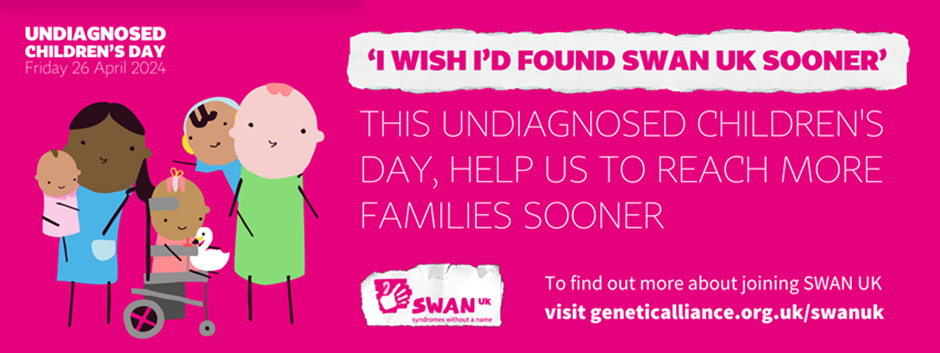
Figure 2 – Syndromes without a name logo. Image Credit – http://www.geneticalliance.org.uk

But finding a genetic change through exome sequencing was only the beginning — I still had to figure out if it actually meant anything. Not all changes in our DNA cause disease, so we looked for the presence of the mutation in healthy controls and used predictive software like PolyPhen2 to solve the first clue: what would this mutation do to the protein the gene encoded? Then came the hard part — proving it. I had to design and run experiments to test how the genetic fault affected the protein’s job in the immune system, and whether that could explain the symptoms we were seeing in the child.

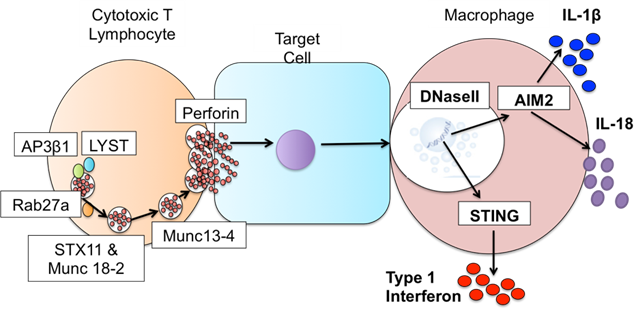
The hard work paid off, in my study we found: one case that was UNC13D protein defective HLH, but only affected the brain; one that turned out to be a totally different (and very rare) immune disorder; and one that revealed a brand-new genetic disease caused by defects in DNaseII resulting in something akin to HLH and another inflammatory condition. In all of these cases what this really gave us was the opportunity to get these kids an answer and onto treatment that could actually work for them.

Figure 3. Defects in DNaseII sit downstream of defects known to cause HLH. Image credit – Claire Walker, thesis.

For me what’s really fascinating about genetics is that what took me years of research is fast becoming a routine test – an incredible reminder of how quickly genetic technologies can evolve. What was once a complex puzzle of genetic mysteries is now providing families with the answers they’ve long needed, turning uncertainty into hope and paving the way for more personalized, effective care in the future. I think that alone was worth putting my husband through yet another ‘re-training’ episode, who knows what I’ll come up with next?

I hope this addition has given you an insight into why working to learn more about how our genes impact us is so important, but also how needed specialists like Claire are for us to do this safely and make the difference we want to make. Sometimes all patients need is an answer, a name to put to what they are going through, something that can provide a route forward even if it doesn’t provide a complete fix. Something so simple can be so difficult to achieve, but just because something is hard doesn’t mean that we shouldn’t try.

All opinion in this blog are my own

Guest Blog by Callum Barnes: Why the university lab is different to the pathology lab (and why we should plug the gap)

I’m back from a lovely week away at Disneyland Paris, celebrating Christmas and escaping reality (a post on Disney and denial as a coping mechanism is on its way). Whilst I am still struggling with the return to reality this weeks blog post is supplied by the wonderful Callum Barnes. Callum is a disciple of the biomedical sciences, current master’s student creating a more authentic lab experience for those after me, aspiring consultant microbiologist (the best discipline, sorry Claire – you see he understands, like me, that micro will always trump immunology).

Callum is supervised by Dr Claire Walker who is a paid up member of the Dream Team since 2013, token immunologist and occasional defector from the Immunology Mafia. Registered Clinical Scientist in Immunology with a background in genetics (PhD), microbiology and immunology (MSc), biological sciences (mBiolSci), education (PgCert) and indecisiveness (everything else). Now a Senior Lecturer in Immunology at University of Lincoln. She has previously written many great guest blogs for The Girlymicrobiologist, including one on turning criticism into a catalyst for change.

Two years ago, I began a placement year in the microbiology department of a pathology lab, unsure of what was to come, and unsure of myself and my skillset as a scientist. As I think every scientist feels at some point, I was mostly concerned that I would be a hinderance to all the wonderful staff that were just trying to get on with their jobs. Everyone was amazing though and helped me develop the skills and confidence I needed to successfully complete my IBMS portfolio verification. Returning back to university for my final year, I found the lab-based work so much easier than in my second year with my experience, but… something was different. This wasn’t the same stuff I just spent the last year working on, where was the LIMS? The booking in of the samples, the investigative process and the, frankly, the occasional chaos were missing. That’s not to say the labs weren’t good – they were great – and the staff that developed and ran them miles better, but something felt like it was missing. And that’s when my now supervisor Dr Claire Walker came to me with a project for my Mbio year.

Claire and I both have experience in the NHS, herself a lot more than me, but we have both felt and experienced the environment that a pathology lab has. It has a very unique feel to it, slightly alive in my opinion. This is not a very common experience to have in academia though as most academics have a research background, which means that the practical pathology side of things can sometimes get lost when students do their practical work. As such, Claire and I have been working on creating a lab experience that is as authentic to an NHS pathology lab as possible.

But why even bother? The students are learning the same things, just in a different way, so does it really matter? Well in fact, yes, it does! As Claire has said previously, the pilot study she did had very good results, so the data is there to back up our work. But imagine for just a second that you are looking at applying for medicine, and you have two offers. One university offers a fully simulated experience using manikins and actors – the whole shebang. And the other university teaches mostly through theory and shadowing – no practical experience is offered. I know which course I would enjoy and learn the most from. Medical schools know this too and is why most of them offer simulated teaching – it makes for better doctors too.

So, we should really ask, why isn’t this offered for biomedical scientists? Maybe it’s cost, maybe there isn’t the associated prestige. Whatever it is, I am sure that our work will guarantee a truly authentic clinical laboratory experience here on the iBMS accredited course at the University of Lincoln – something I know will provide the right skills for the pathologists of tomorrow.

All opinions in this blog are my own