I am currently in the middle of secret project, which I hope to announce more about in late August/early September. I’m really excited about it but it’s taking a bunch of my time. I’m hoping that you will be just as excited when I can share more details. The wonderful Dr Claire Walker is helping me deliver my passion project by curating the Girlymicrobiologist blog for a few weeks. This means that I hope you all enjoy getting some great guest blogs from a range of topics. Girlymicrobiologist is a community, and all of the wonderful authors stepping up, sharing their thoughts and projects, to support me in mine means the world. I hope you enjoy this guest blog series. Drop me a line if you too would be interested in joining this community by writing a guest blog.
Callum is a disciple of the biomedical sciences, current master’s student creating a more authentic lab experience for those after me, aspiring consultant microbiologist (the best discipline, sorry Claire – you see he understands, like me, that micro will always trump immunology).
Callum is supervised by Dr Walker who is a paid up member of the Dream Team since 2013, token immunologist and occasional defector from the Immunology Mafia. Registered Clinical Scientist in Immunology with a background in genetics (PhD), microbiology and immunology (MSc), biological sciences (mBiolSci), education (PgCert) and indecisiveness (everything else). Now a Senior Lecturer in Immunology at University of Lincoln. She has previously written many great guest blogs for the Girlymicrobiologist, including Exome Sequencing and the Hunt for New Genetic Diseases.
Blog by Callum Barnes
Hello again everyone! It certainly feels weird to be writing another one of these, but my supervisor the lovely Dr Claire Walker thought it would be a great idea considering the outcome of my research that I discussed here.
A small recap for those that don’t want to read two blogposts – I am an Mbio Biomedical Science student at the University of Lincoln and completed my portfolio on a placement year in a local microbiology lab. It was great and I became so much more confident in both my practical and theoretical work, which really showed me the value of clinical placements. The problem is that these placements are too few and too competitive nationwide, and only a fraction of those that want to join the biomedical workforce get to experience them despite their value. Long story short, we created a clinical simulation that was as authentic to a real pathology lab as possible, with patient request cards and a functioning (front-end) LIMS, both seen below:
Can you believe no one got the Star Trek references? Anyway. The results were honestly incredible, with basically everyone that participated getting value out of it. I can’t share too much as we are yet to publish, but here are some quotes that really highlight how the clinical simulation increased confidence and was effective as a learning tool.
“Getting hands on experience in the lab. It gave me the confidence to continue in the lab setting.”
“Overall, the lab practicals have been helpful. I think my lab skills have drastically improved, especially my microscopy skills and interpreting my lab results.”
“I like the opportunity we had to practice new skills and learn about it in the contrast of a case study.”
These results were really good, but during my background research I came to realise that other medical disciplines are ahead of us in utilising learning tools to teach university students – like really ahead. Trainee doctors have actors, manikins, and in the last decade have extensively integrated VR/AR/XR technologies into their teachings. We are left with a couple of practical sessions per discipline to cover the hundreds of different diagnostic processes that biomedical scientists go through. And this is almost entirely down to cost, practicals cost a fortune after all. They take setting up, and time, which staff don’t have enough of as is. Which brings us back to virtual reality…
Virtual reality (can be) cheap, accessible, and most importantly repeatable. Other medical disciplines have already identified this, and there is good data to back up the use of VR in those disciplines. But none in biomedical science, because clinical simulation is only just being recognised as a worthy endeavour.
And so, this is going to be my goal. I am going to develop software to train biomedical scientists in virtual reality. It’s going to be tough, but I do truly believe that this is a sorely neglected part of training the next generation of pathologists here in the UK, and honestly hopefully the world too. And if everything goes well (and even if it doesn’t), I’ll be back here in a year to let you all know how it went.
There’s a lot going on right now, and life is busy for everyone. Despite the challenges, this lack of time can mean that reflection and taking a moment to catch your breath can be even more beneficial. I can’t believe this is the 250th post on this blog and so, if you’ll forgive the indulgence, I’m going to be taking my own advice and spending a little time celebrating this milestone by remembering why I started, what I wanted to achieve, whether that has worked out, and where I would like Girlymicro to go in the future.
Where did it start?
When I chose Girlymicro as my twitter handle back in 2012 I had no idea of the decision I was actually making. I didn’t set out to have a ‘brand’, I never imagined that it would exist outside of a platform that I had newly encountered and was trying to learn how to use. That said Girlymicro was chosen with purpose even back then. I wanted something that allowed me to represent, and consciously go against some of the advice that I had heard during my career. Advice that said that I could be good but I would be better if I tried to fit in and not bring my whole self to the table. To accept that fact that I should be a scientist first and a woman second, and that by putting my femineity and female perspective forward I would isolate myself and limit my ability to succeed. That scientists didn’t look like me. I also wanted to show that I can be Girly in a non-traditional way, I don’t wear lots of makeup, I don’t worry about my appearance, but I enjoy being feminine despite all of those things. I wanted to say I like wearing pinks and purples, and I can also still be good at science. So, Girlymicro was born.
Roll forward to the end of my PhD and I had discovered a love for science communication, and how education can be done differently. It didn’t all need to be lectures, where someone knowledgeable stood at the front of the room and gifted knowledge to those who sat passively within the space. That knowledge could be co-produced instead of given.
This inspired me to start thinking about how I could make a difference in this space. In 2015 I didn’t really know what it was that I wanted, I was still very much thinking about options but I hadn’t pinned anything down. For me, looking back, this shows that sometimes having a passion is the best place to start. You don’t have to have all the detail mapped out, and sometimes knowing what you don’t want to do is almost as important.
When I started to investigate the science blogging space, a lot of the blogs were very technical, highly referenced, and very science forward. These were all brilliant blogs, the trouble was I was pretty sure they weren’t what I wanted to write. This was for a couple of reasons, I’d just finished writing a PhD thesis and a whole bunch of papers. I knew that I could write that kind of work but I was aware that writing that every week would be incredibly time consuming, not necessarily teach me new skills, and not reach the audience I wanted to speak to. I also knew that I wanted to keep the Girlymicro mentality of bringing my whole self and so something that felt one dimensional didn’t tick my boxes for a project that I knew would require a big time investment. I knew that wasn’t right for me, but I had yet to work out what right looked like.
Where have I been?
In 2015 I registered the Girlymicrobiologist domain therefore, whilst not completely sure what it was that I wanted to do. Sometimes I knew you just have to get started. I put out my first, very short blog post, and then frankly kind of chickened out.
It wasn’t until the pandemic that I finally crystalised what it was I wanted to write and who it was I wanted to speak to. By the time my second blog post was launched I’d worked with Nicola Baldwin, as a playwright, on the Nosocomial project. I’d really started to find my feet in terms of knowing who I was as a communicator. I had also spent over 6 months doing various radio and comms linked to the pandemic, and I was getting really frustrated at the fact that all of it boiled down to sound bite communication. I didn’t have a space where I could speak without an intermediary, or where I could explore the complexity of what was happening. That dissatisfaction combined with the fact that I was increasingly aware of the fact that there may be people who were interested in engaging with this kind of content, due to questions across social media and from my friends, meant that I finally got over my fear and put out my first real blog post.
You’ll see that these early blogs are all pretty short. They are definitely Girlymicro blogs, but they fit into the expectations of the time when they will written.
We all know I love a bit of research, and when I started writing regularly I obeyed the rules of the time. That was that blogs should be 500 – 900 words and three pictures. I also really felt the need to demonstrate my credibility, to show that I had the right to be writing. I felt I had to prove to people that I was worthy of their time (not that I don’t now, but it feels different). All of this means that the early blogs feel a bit different to the ones I post today.
It took me longer than I would have thought to get to the point where I could finally do what I had set up my Girlymicro twitter handle for back in 2012, and that was bring my whole self, good, bad and sometimes mortifying, to my blogs. To share weakness as well as strength, and on occasion to write blog posts that are about things I’m exploring and don’t have any answers to. It took me quite a while to be brave and find the courage to throw it out there and deal with whatever reception happened.
It also took me a while to share the big moments, and to think that was OK, rather than being considered boastful. I clearly remember the anxiety of posting about receiving a New Years Honour, and even making consultant. Despite that anxiety I have chosen to live by ‘you can’t be what you can’t see’. It’s really important to show that someone as normal as me can achieve, and that those routes are open to everyone. It’s not about being special, or exceptional, it’s about bringing your whole self and continuing to show up, even on the bad days. Therefore being out there and visible is important both to show what can happen and options to get there.
It took me even longer to think of myself (and I’m not entirely sure I still do) as a writer, rather than someone who writes. I don’t think of myself as a particularly good writer, my knowledge of grammar is super weak. What I’ve learnt though is that, if you write from the heart, if you have something to say that is well intentioned and written to support others, then people forgive you for any lack of skill. You also won’t learn and get better if you don’t practice, so I’m practicing in a safe space with a load of supporters who are prepared to think the best of me.
Over the last 10 years, whether actively writing or not, I’ve learnt a lot about myself, how I want to communicate, and who I want to communicate and build a community with. It is that learning that has helped me develop and build. The feedback and support has been invaluable, and it’s help me to know that it is OK to learn and evolve as I go. It’s then so important to share that learning so that the next person looking to start a blog can build upon knowledge already gained and make something that works for them.
Life gets busy for all of us, and it can be challenging sometimes to get a blog out every week, plus we all know that sometimes I fail to deliver. Frequency is key though, both because I don’t want to let everyone down, and because it is all too easy to fall out of the habit of writing if you start skipping weeks. Those were the reasons for posting regularly at the start anyway. If you read any ‘how to start a blog’ page it will tell you about the importance of regular content updates.
I don’t think that’s the reason why I post regularly now and feel unsettled if I miss posts these days however. I think that I have come to find writing an invaluable way of sorting through my thoughts and processing my responses. I started writing a blog for the benefit of others, but I have discovered how much creating a regular space for reflection, as part of writing, has massive benefits for me and my well being. It’s become a habit that I absolutely don’t want to break, plus I have 350 plus posts in draft so it’ll take me time to get through them.
I also feel that as you build and develop you are able to see the vision more and more clearly, and so what you build naturally changes. I didn’t deliberately set out to post on key topics such as Infection Prevention and Control, Healthcare Science, Leadership, Academia/research and personal growth, but looking back now I can’t see that Girlymicro could have been anything but what it is. It started from a place of authenticity, and so what has developed is something that is uniquely me, and I couldn’t be happier.
What’s my current reality?
Talking about what Girlymicro is now, in the world of AI I thought it would be interesting to see what Gemini (Googles AI) thinks of the Girlymicro blog. So If you hit up Google and ask ‘what is the Girlymicrobiologist blog’ it comes up (as of the 22nd June 2025) with the below:
The Girlymicro blog is a science blog written by a Healthcare Scientist and Infection Prevention and Control Consultant named Professor Elaine Cloutman-Green. It focuses on various topics including leadership, academia, Healthcare Science, infection control, and personal experiences, with a strong emphasis on community and raising awareness within these fields.
Here’s a more detailed breakdown:
Focus Areas:The blog covers a range of topics, including leadership, PhD tips, Healthcare Science, infection control and microbiology, personal experiences, and guest blogs/book reviews.
Purpose:The blog aims to demystify science, make it accessible to everyone, and build a supportive community for those working in or interested in these fields.
Community Engagement:The blog actively encourages interaction with the audience, featuring guest blogs to broaden perspectives and inviting feedback to improve content.
Author’s Perspective:The author, Professor Cloutman-Green, shares her expertise as a scientist and consultant while also offering insights into her personal journey and experiences.
Content Style:The blog features a mix of informative posts, personal reflections, and discussions on current issues related to science and healthcare.
Now I know that AI will scrape a lot of what I wrote and therefore may be seen as just posting positive reinforcement, but I have to say that summary did not make me miserable. I’m pretty happy that it covers a lot of what I hope it would cover. When it is hard to write, it is sometimes nice to reflect and see if whether what you are doing still fits your purpose and the reason you started, so that alignment with my ‘why’ feels pretty good.
What am I proudest of?
Talking about evolution, when I first started I had never considered guest blogs or what they could look like. It took about a year for me to feel like I knew what I was doing enough to put out a call for people who would be willing to write guest blogs. Now, out of the posts published, ~13% are guest blogs, This is so important to me. I’ve always wanted Girlymicro to be a community, a community where we listen to and support each other. Guest blogs are an important component of that as they work to offer others a voice, and to be able to practice within what I hope is a safe and supportive space. Writing guest blogs enables others to feel supported in sharing their views, but also to try out a type of writing that authors may not have done before, and to build confidence. I’m especially happy that many of those who write guest blogs are undergraduates or early post graduates, where developing these skills and potentially raising their profile, might help them in their future.
I know that I asked AI what they thought of the blog, but in order to be a little more thorough I also reached out across social media platforms in order to ask others what they thought. What they liked and found helpful, but also where it could get better. So whilst I’m talking about gratitude, I’m so proud and grateful for the responses received. When everyone is up against it, the fact that people took time to respond and give their thoughts means the world:
What are the lessons I’ve learnt?
One of the thing I’ve discovered when speaking to people about this blog is that people read blogs for all kinds of reasons. Now, I know I said that I don’t write Girlymicro as a hard science blog, but I do always want to include interesting other pieces of reading where I can. Apparently, according to the article below, people read science blogs for a variety of reasons, and you can either try to double down on one of them, or do what I do, and hope to achieve all of the different aspects but at different moments and in different articles. This is probably quite obvious if you spend time thinking about it, but it was not something I had particularly realised. It is however one of the reasons why posting a variety of different types of content seems to work. Every day is a school day.
I knew none of those things when I started, and I will always continue to write the things that speak to me in the hope it is helpful to others, rather than trying to hit an algorithm or meet requirements laid out by others. That said, and as food for thought, I thought I would shared some of the lessons I’ve learnt over the last ten years, many of which could be applied to just life in general:
You don’t have to have it all figured out, but you need to have a direction of travel and a purpose
Things will change so don’t cling to where you started, be open to learning and evolution
Just keep showing up, even when you don’t want to, especially when it’s hard
Sometimes knowing what you don’t want to do is helpful and shouldn’t be dismissed
Take the risk, and make the jump. Nothing is perfect, failure will happen, but you will end up better for it
Have a little faith. Have faith in your gut. Have faith that others will be there to catch you and support you when you need it
Try to think about your community and building your networks. Focus on what serves them than what serves you only
Everything takes longer than you think and nothing is ever finished. Starting a project like this is a commitment of years with no end date. Make sure you have the passion to see you through
If you bring your whole self it will always be a success, as it will be truly and uniquely you
What are my hopes and aspirations for the future?
I still aspire to turning the blog into a book, I’m still working on it. I have big dreams and I’m not done yet. Most of my hopes are about continuing to build community though, that’s where my dreams are all seated. What can we do better to learn from each other? How can I do this better in order to help? How can I reach people who might find this useful? People who don’t read blogs in this way or exist on the platforms I use? This blog, like me, is a work in progress, and long may that continue.
The one thing that I am certain of is that I want to continue to be grateful, to see what we are building together and to continue to experience awe that I get to be a part of it. Girlymicro was never meant to be a brand but I’m beyond grateful for the fact that, with the support of all of you, it kind of is, and it’s a platform that I commit to using for the good of all of us. To support, to inform, and hopefully to enable positive change. Thank you so much for being part of this and here’s to the next 250!
I am currently in the middle of secret project, which I hope to announce more about in late August/early September. I’m really excited about it but it’s taking a bunch of my time. I’m hoping that you will be just as excited when I can share more details. The wonderful Dr Claire Walker is helping me deliver my passion project by curating the Girlymicrobiologist blog for a few weeks. This means that I hope you all enjoy getting some great guest blogs from a range of topics. Girlymicrobiologist is a community, and all of the wonderful authors stepping up, sharing their thoughts and projects, to support me in mine means the world. I hope you enjoy this guest blog series. Drop me a line if you too would be interested in joining this community by writing a guest blog.
Dr Walker who is a paid up member of the Dream Team since 2013, token immunologist and occasional defector from the Immunology Mafia. Registered Clinical Scientist in Immunology with a background in genetics (PhD), microbiology and immunology (MSc), biological sciences (mBiolSci), education (PgCert) and indecisiveness (everything else). Now a Senior Lecturer in Immunology at University of Lincoln. She has previously written many great guest blogs for the Girlymicrobiologist, including Microbial Culture: An Immunologist’s Side Project Gone Wild.
This weeks blog post continues this months fungal theme (all things yeast) and is from the absolutely amazing Kate Rennie. Kate is a born microbiologist, even if she was diverted by the world of nursing and has gone on to become a cracking Infection Prevention and Control nurse. Her curiosity and willingness to learn and expand her skill sets, makes it no surprise to me that when she decided to expand her hobbies, she decided to go down a route that touches on all things micro.
Before we get into the sour dough however, let’s start by talking what coeliac disease (the condition that leads to the requirement for gluten free bread) as written for us by Dr Claire Walker, our in-house immunologist:
Coeliac disease is a serious autoimmune condition where eating gluten, a protein in wheat, barley, and rye, triggers the immune system to attack an enzyme in the gut called tissue transglutaminase. This damages the villi, tiny structures in the small intestine that absorb nutrients. The result? Symptoms like bloating, diarrhoea, fatigue, and iron deficiency. But it doesn’t stop at the gut. Some people develop dermatitis herpetiformis, an intensely itchy, blistering skin rash. Others experience neurological symptoms such as brain fog, headaches, and numbness or tingling in the limbs. It’s often misdiagnosed or missed entirely.
Around 1 in 100 people in the UK have coeliac disease, but most remain undiagnosed. Diagnosis usually starts with blood tests (like the tTG-IgA), followed by a small bowel biopsy to confirm intestinal damage. These tests only work if you’re currently eating gluten. So if someone’s already gone gluten-free and are feeling better, they need to reintroduce it for several weeks which can cause symptoms to reappear and puts many people off testing.
There’s no cure and the only treatment is a strict, lifelong gluten-free diet. That means no “cheat days” as even tiny amounts can cause damage. It takes serious commitment: careful label reading, avoiding cross-contamination, and asking awkward questions when eating out. But for most, removing gluten thankfully leads to major improvements in symptoms and overall wellbeing.
Blog by Kate Rennie
What am I growing in my kitchen… a gluten free sourdough journey through the eyes of an IPC nurse
I’m Kate, I’m an infection control nurse at GOSH. I’ve worked in infection control since 2020 (1.5 years in primary care, 9 months in community/mental health and I’ve been at GOSH since April 2022). I was diagnosed with Coeliac disease in 2013 and decided 2025 would be the year of new hobbies and I am bored of gluten free bread that resembles cardboard.
I decided to embark on my sourdough journey (albeit slightly late to the party as I know this was a lockdown thing). I didn’t actually know what I was getting into with making sourdough, I read the first few steps and thought it sounded pretty simple, flour and water in a jar.
My flour and water sat on my kitchen side in a jar for 2 weeks (gross), and I named it Marilyn (Mondough)… I nurtured her and fed her daily, for those who may remember Tamagotchi’s, this is how I can describe it and as a previous Tamagotchi owner, I loved it.
Part of me was obsessed with what have created and look forward to waking up each morning to see how it’s looking (highlight of your late 20s) but the infection control nurse in me is slightly grossed out by it. I’ve read a bit more and learnt a lot, she just needed a little bit of extra love and care (troubleshooting) at a few days old.
HOOCH – I’ve only ever known hooch as this from my late teens/early 20s.
Fast forward to my late 20s, this is a sign that your sourdough starter is hungry, it’s eaten all its nutrients, and you must feed it more frequently. I was reluctant to throw her away and start fresh so I added teff flour in the hope she would perk up and SHE DID.
But she smelt disgusting… A familiar reminder of my 16 year old, pre-nurse self, having my long acrylic nails removed in the salon. ACETONE?? Apparently, it’s a byproduct of fermentation…
So, I wondered if this was actually safe to have something fermenting in my kitchen with absolutely 0 knowledge and thinking I’m probably going to poison myself. After a bit of research, I learnt this is normal and how to fix it, yet again, she’s hungry and I’m a rubbish mother.
Whatever is happening inside that jar is creating its own yeast to make it grow which is quite cool! I’m not sure how many people have actually gone this deep into the thought of a sourdough starter, but my IPC brain is fascinated yet disgusted and I want to know more. Do I want to culture it in the lab? Probably not. Am I going to eat it? Most definitely.
Fast forward 2 weeks… My sourdough journey ended abruptly after my first loaf. I felt disheartened that it didn’t turn out like the GF loaves I’d spent too much time obsessing over on Tik Tok. The perfectionist I am wanted the perfect loaf to happen first time, so I abandoned sourdough and ventured into making non-sourdough gluten free bread. I popped Marilyn in the fridge for when I decided to revisit sourdough making and there she stayed for a good 3 months. Apparently, this puts it to sleep, and you can later revive it… but after pulling it out the fridge and seeing a layer of black liquid on top of the starter, my IPC brain got the better of me and I decided with my limited knowledge of sourdough and fermentation at home, it probably was best that I didn’t consume this and decided to throw it in the bin and I spared a brief thought for what Marilyn was and could have been if I had more patience.
I’d hoped this would be a success story about my gluten free sourdough rather than a failure but basically, sourdough isn’t easy and gluten free sourdough, really isn’t easy. It truly is a science.
Gluten free bread making in general is a delicate science because it lacks the key protein—gluten—that gives traditional bread its structure, elasticity, and chew. In wheat-based breads, gluten forms a stretchy network that traps gas bubbles from yeast, allowing the dough to rise and hold its shape. Without gluten, you have to rely on a blend of alternative flours—like rice, sorghum, or buckwheat—each contributing unique properties such as starch, protein, or flavour. Binding agents like psyllium husk are also essential to mimic gluten’s elasticity. No single gluten-free flour can replicate all the functions of wheat flour, which is why crafting a successful gluten-free loaf requires a carefully balanced mix rather than just throwing in a single substitute flour and hoping for the best.
I have been successful on a few occasions in making non-sourdough gluten free bread which has still been a real insight into science in everyday life.
To all life’s problems there are solutions if only we are curious and passionate enough to see them and change direction in order to maximise our successes. It appears Kates’ experience with sour dough as part of her coeliac journey is no different.
I am currently in the middle of secret project, which I hope to announce more about in late August/early September. I’m really excited about it but it’s taking a bunch of my time. I’m hoping that you will be just as excited when I can share more details. The wonderful Dr Claire Walker is helping me deliver my passion project by curating the Girlymicrobiologist blog for a few weeks. This means that I hope you all enjoy getting some great guest blogs from a range of topics. Girlymicrobiologist is a community, and all of the wonderful authors stepping up, sharing their thoughts and projects, to support me in mine means the world. I hope you enjoy this guest blog series. Drop me a line if you too would be interested in joining this community by writing a guest blog.
Previous mycology posts have covered how fungal mycotoxins can cause us harm, and how the new yeast on the block, C. auris, is causing problems in healthcare, but the next two posts will talk about how beneficial fungi can be in our every day lives.
The blog posts will look at how certain yeasts can be used in something that brings me a lot of joy, bread. Many of you will know I’m dairy free, and although I know I should cut down on carbs, you can take my bread from my cold dead hands. It’s one of the few things I can eat without fear and makes me happy. In celebration of this oft overlooked area of microbiology we shall be talking all things baking over the next two weeks.
The first of these posts is written by Dr Walker who is a paid up member of the Dream Team since 2013, token immunologist and occasional defector from the Immunology Mafia. Registered Clinical Scientist in Immunology with a background in genetics (PhD), microbiology and immunology (MSc), biological sciences (mBiolSci), education (PgCert) and indecisiveness (everything else). Now a Senior Lecturer in Immunology at University of Lincoln. She has previously written many great guest blogs for the Girlymicrobiologist, including Exome Sequencing and the Hunt for New Genetic Diseases.
Before I hand over to Claire though, I thought I would talk a little about baking and fermentation. About 50% of all the PhD students I speak to have dreamt at some point of throwing their research out the window, running away and starting a bakery. This may be because baking has a surprising amount of science within it when compared to some other forms of cooking, hence the need to closely align to a recipe. A lot of this is actually because you are working with yeast, a living organism, hence the fact that we are talking about this on the Girlymicro blog, as micro is just cool in so many ways
Fermentation is an anaerobic (occurs without the presence of oxygen) process where microorganisms, like bacteria and yeast, convert sugars into energy and various byproducts, like acids, gases, or alcohol. In baking, it causes yeast and bacteria to convert sugars into carbon dioxide, among other things. This is what causes the dough to rise, as well as adding flavour, and is therefore essential to all things yummy and bread related. The most commonly used yeast is Saccharomyces cerevisiae, and this is one of the reason baking can behave so variably on times of the day or seasons, as both temperature and pH can impact on how well the fermentation process works. It can also mean, if you are impatient like me, you add water at far too high a temperature and effectively kill off your yeast so it doesn’t work at all. Fermentation, and its use in food production, is one of the many examples of how microbiology and microbes impact our every day lives, and of how much poorer our lives would be without them. So I hope you’ll enjoy the next couple of blogs about how baking has both microbiological and immunological links.
Blog by Dr Claire Walker
As I’ve confessed on this blog before,I am, what I like to call, a ‘failed microbiologist’. Many moons ago I completed a master’s qualification in environmental microbiology and dreamed of a career tracking pathogens through our water systems guaranteeing safe water for all. However, I graduated during a recession and started applying for any job that would have me. As luck would have it, I ended up on the immunology clinical scientist training scheme (the story of that fateful application I will save for a later date), and the rest is history. However, I’ve always loved a bit of microbiology and my fascination with all things fermented has taken me on many adventures. Including baking afternoon tea for a GirlyMicro special event!
My treat for finishing my marking this year was a fermentation course at the Welbeck School of Artisanal food learning all about the transformation of food by microorganisms. The word fermentation comes from the Latin fervere meaning ‘to boil’ after Romans watched the bubbles forming when they fermented grapes into wine. Name a scientist who doesn’t love a bit of Latin? There are several biological processes occurring when we ferment foods like grapes, but essentially it is a process by which large chains of molecules are broken down by enzymes into their smaller, tastier, more nutritious, and more easily digestible parts.
The area of fermentation about which I am really passionate is sourdough. Yes, I lived in East London for many years, and yes, I owned a banneton before it was cool. Sourdough doesn’t just indulge my microbiology side project; it became unexpectedly personal. After picking up a particularly unpleasant microbe while travelling in India, I developed amoebic dysentery, and my gut never fully bounced back. I couldn’t tolerate shop-bought bread or much of anything, really. It wasn’t until I began incorporating fermented foods, especially sourdough, into my diet that I noticed slow but steady improvement. (Though let me be clear: this is my experience, not medical advice – if you’re unwell, definitely speak to your clinician!)
For the uninitiated, a sourdough mother, or starter, is a living culture of wild yeast and lactic acid bacteria that needs regular feeding with flour and water to stay active. As a failed microbiologist, I found something oddly fulfilling about sustaining a microbial ecosystem especially one that produces bread with real health benefits. What’s not to love about a culture that feeds you back?
Of course, I’m a dyed in the wool clinical immunologist so I can’t finish up this post without waxing lyrical about the immunology of sourdough. What makes sourdough really special, from an immunologists perspective, is how it supports our gut, which is home to about 70% of our immune cells. By encouraging a healthy mix of gut bacteria, sourdough helps produce bioactive compounds that keep our immune system balanced, strengthening our defenses without overreacting. This means it can help protect us from infections while calming down low-grade chronic inflammation that might otherwise cause problems. So, sourdough isn’t just tasty, it’s a simple, natural way to support a well-regulated immune response. Of course, sourdough isn’t for everyone, especially not for coeliacs. After all, even the most dedicated immunologist moonlighting as a microbiologist hasn’t yet figured out how to turn gluten into something completely safe. Guess some mysteries are still off the menu!
Following on from the wonderful fungal post on fungal toxins (mycotoxins) last week from Dr Sam Watkin, I wanted to follow up with a post on the latest fungi of interest from a clinical perspective, Candidozyma auris. This fungi is getting more and more coverage, as well as becoming more important in healthcare, so I thought I would take a moment to talk about what it is, what it does, how to find it, and what to do when you do.
In a pre-pandemic world, which feels like a long time ago, Professor Lena Ciric was working at a media fellowship, and as part of that work wrote an article for the BBC on Candida auris, which has subsequently been renamed to Candidozyma auris.
This article came out in 2019, so maybe C. auris is not so new but in terms of the numbers of cases we are seeing within the NHS, and the changing prevalence out in healthcare systems more widely, it is definitely more of a feature and a concern than it was back then. Reflecting this change the UKHSA guidance Candidozyma auris (formerly Candida auris): guidance for acute healthcare settings which was originally published in 2016, has been updated recently (19th March 2025). It feels timely therefore to put something out in order to raise awareness of this organism and the unique challenges it presents.
NB I can neither spell nor pronounce Candidozyma auris and so we’re sticking to C. auris from this point out.
Yeast are a type of fungus, and Candida species are often associated with colonisation (present without causing infection or symptoms) on skin, in the mouth or within the vagina. If they grow up to high levels they can cause an infection called candidiasis, which often causes symptoms like itching or discharge. Common infections include Thrush and nappy rash. Candida albicans is one of the most common yeast infections seen within the healthcare setting, and in this kind of environment more serious infections can be seen, especially those linked to the blood stream, and occasionally serious organ infections.
C. auris was originally believed to be a relatively new species of genus Candida, as it often behaves in a similar way to the other Candida species. The reason for the name change to Candidozyma auris, was because, although in many ways it behaves similarly to its Candida cousins, it does have some differences in the way it behaves. These include features such as intrinsic antifungal resistance and growth conditions, that make it useful to characterise in a way that acknowledges it as a novel genus in its own right.
What is the difference between C. auris and the other Candida species that you know?
Many Candida species can cause severe infections within specific settings, however C. auris has been known to not only cause a wide variety of infections (bloodstream, intra-abdominal, bone and cerebrospinal fluid (CSF) infections), but ones which lead to significant mortality rates, with an estimated rate of 30 – 72% in severe infection reported in the literature.
Infections can occur in any patient group, although UK outbreaks have been most frequent associated with adult settings. Augmented care settings (such as intensive care and transplant settings) are at highest risk due to the vulnerable, long stay nature of many of their patients. Management of any infection occurring is complicated by the fact that C. auris has developed resistance to many available classes of antifungals, with emergence of pan-resistant strains, which add to the mortality risk.
C. auris also appears able to both easily transmit and colonise the skin of patients, with most patients being colonised before they go on to develop any subsequent infection. These colonised patients can then contaminate their healthcare environments, and unlike other yeast species, C. auris is able to survive and represent a continued risk within the environment for prolonged periods, all of which contributes to outbreak risk.
It was first identified in the ear canal of a patient in Japan in 2009, but has since been found globally, and is now separated into six genetically distinct clades:
Clade I = the South Asian clade, first detected in India and Pakistan
Clade II = the East Asian clade, first detected in Japan
Clade III = the South African clade, first detected in South Africa
Clade IV = the South American clade, first detected in Venezuela
Within the UK from January 2013 – December 2024, 637 C. auris isolates were reported through laboratory surveillance in England, with 59 (9.3%) isolated from blood culture specimens. It should be noted that not all labs report, and for some time many labs could not accurately identify C. auris, or actively screened for it, and so this may represent under reporting. A routine whole genome sequencing service is not currently available for typing, although it can be undertaken linked to specific outbreaks. Hopefully this will be up and running soon to better understand how the different clades discussed above are represented in the UK, and whether any of them are linked to more challenging outcomes than others.
Due to its global distribution, overseas patients may also be at increased risk of introducing C. auris into UK healthcare settings, with one centre reported 1.6% of their overseas admission detected as colonised, with patients coming from the Middle East, India and Pakistan, showing higher levels of recovery.
UKHSA guidance suggests we should screen any patient who has had an overnight stay in a healthcare facility outside of the UK in the previous year, as well as patients patients coming from affected units in the UK. This sounds relatively straight forward, but it can be challenging to identify patients who have had an overnight stay overseas on admission if they are not being admitted from overseas. It also relies on clear communication from other centres that they have an issue, if we are to screen patients from impacted units. Many centres have therefore decided to screen all patients on high-risk wards, such as intensive care, to address some of this unknown risk.
Risk factors for developing C. auris colonisation or infection should be considered when deciding on screening strategies and the list within the UKHSA guidance includes patients who have experience:
healthcare abroad, including repatriations or international patient transfers to UK hospitals for medical care, especially from countries with ongoing transmissions
recent surgery, including vascular surgery within 30 days
prolonged stay in critical care
severe underlying disease with immunosuppression, such as HIV and bone marrow transplantation
corticosteroid therapy
neutropenia
malignancy
chronic kidney disease or diabetes mellitus
mechanical ventilation
presence of a central-venous catheter or urinary catheter
extra-ventricular CSF drainage device
prolonged exposure to broad-spectrum antibiotic or antifungal use
Screening is undertaken by taking swabs from the axilla (armpit), groin and nose, although different patient groups may require additional screening. Patient surveillance is important for two reasons:
1) to understand which patients are colonised in order to introduce additional precautions to limit risk of transmission to other patients or the environment
2) to support improved patient management but allowing patients to be put on the most effective antifungal if they go on to develop any signs of yeast infection, in order to improve outcomes
If a patient is detected as positive, other screening sites can help manage individual patients and so UKHSA say additional site screening should be considered:
urine (especially if there is a urinary catheter in-situ, including intermittent self-catheterisation)
throat swab
perineal swab
rectal swab (in paediatrics we would consider a stool sample instead)
low vaginal swab
sputum or endotracheal secretions
drain fluid (abdominal, pelvic or mediastinal)
vascular access sites
wounds or broken skin
ear
umbilical area (neonates)
Swabs should ideally be processed on chromogenic media (colour changing agar plates) and fungal colonies confirmed using MALDI ToF or a validated PCR (my previous post on PCR may help with this). It can also be helpful to incubate plates at 40oC, as C. auris can grow as much higher temperatures than its Candida cousins, which can help with identification. If grown then the yeast should be stored in case you need them for future typing to help in understanding transmissions or outbreaks.
Why should we care about it?
Due to the high mortality rates for patients who develop infections, and the issues with choosing antifungals that work, it is really important that we know when we have patients who are colonised with C. auris. Controlling spread, even if patients don’t become infected, is incredibly important for the individual. This is because if a patient is detected as positive they won’t be de-alerted (have IPC precautions stopped) at any point and so it will impact them for months, if not years. These IPC precautions include isolation (keeping separate from other patients), and sometimes only being nursed by specific members of staff. These patient and staff impacts are so significant they’ve even been acknowledged in popular media, with a three episode arch covering C. auris in The Resident on Netflix (season three, episodes 18, 19 and 20).
Are there differences in how you might treat?
As I’ve already said, C. auris is pretty resistant to treatment compared to its Candida cousins. UK data indicates that isolates are resistant (don’t respond to) to the normal first line treatment of fluconazole, and often to other antifungals within the azole class. Some isolates have been resistant to other commonly used antifungals, such as amphotericin B (20%) and echinocandins (10%). Resistance to other antifungals can also occur whilst infections are being treated, and so it is important to monitor sensitivities (whether the drug works) and send to reference labs in order to understand the most appropriate therapy. Its resistance profile is one of the reasons the WHO have highlighted C. auris as a priority fungal pathogen for further research and to highlight clinical risk.
Its not just antifungals that are important however, antimicrobial stewardship is important in general, as prolonged exposure to broad-spectrum antibiotics and antifungal agents are risk factors for both C. auris colonisation and infection (again this links back to the high risk patient groups impacted). Therefore, doing a better job of monitoring and controlling antimicrobials in general is likely to have a beneficial impact on C. auris risk.
Challenges with environmental control
One of the many things I love about the new C. auris guidance is its focus on multidisciplinary input ‘Healthcare workers are encouraged to work in multi-disciplinary teams, including Clinical Infection Specialists and IPC teams, to risk assess and support the management of patients infected or colonised with C. auris‘. I think this is so important, especially with an organism that is so challenging and can present such a high risk.
Environmental control is a particular issue for C. auris as we know it’s ability to survive and can grow at higher temperatures than many other fungi, means that it is likely to survive well in the environment. It also has the ability to form environmental biofilms, which can mean it is difficult to impact effectively using standard cleaning techniques, and once within the environment has been been detected for 4 weeks.
Within the UKHSA documentation, environmental contamination for C. auris has been found on the following surfaces during outbreaks:
beds, bedside equipment, bedding materials including mattresses, bed sheets and pillows
ventilation grilles and air conditioning units
radiators
windowsills and other horizontal surfaces
hand wash basins, sink drains and taps
floors
bathrooms doors and walls
disposable and reusable equipment such as ventilators, skin-surface temperature probes, blood pressure cuffs, electrocardiogram leads, stethoscopes, pulse oximeters and cloth lanyards
Basically most of your healthcare environment, whether fixed or movable features. In order to help stop the transfer from patients to the environment, via staff, the use of personal protective equipment is really important. Therefore the use of gowns and gloves is suggested. Single use and disposable equipment should also be used whenever possible, and patients should be kept in single, ensuite rooms, to minimise the risk of C. auris escaping from within the bed space to adjacent clinical environments. Any items within the space should either be cleanable with a disinfectant, or disposed of after a patient leaves. One thousand ppm of available chlorine should be used for cleaning, but needs to be used in concert with an appropriate contact time if it is to be effective.
WHO fungal priority pathogens list to guide research, development and public health action 2022
Outbreaks
Most detections of C. auris cases detected are colonisation rather than infection (though colonisations can lead to subsequent infections). Within the UK there have been 5 significant outbreak of C. auris, each with over 50 cases, in addition to many sporadic introductions of single cases, frequently from overseas. Many of these have been in London or the South of England, and have resulted in considerable disruption to services over a prolonged period of time. This disruption can, in itself, be a risk to patients as it can result in delayed access to care. Outbreaks are also financially significant, with outbreaks reported as costing over £1 million for a service impacted for 7 months.
Although outbreak numbers are currently small, they are becoming more frequent, and even if infrequent have significant impacts. The need to control this risk before it becomes endemic within the UK health system is therefore significant. It is crucial therefore to collect more data and understand transmission routes of C. auris better.
Despite probable under reporting, it is clear that C. auris is becoming more common within UK healthcare settings, and has the ability to both cause significant issues for both individual patients and for services, due to outbreak impacts. Although fairly new on the scene there is increasing recognition of how C. auris could change fungal risks within healthcare, and even long stay residential settings. If we are going to adjust approaches in order to react to the new risks C. auris represents we need to both update our current practices, and invest in research, in order to learn how to do things even better. This is the reason that it feels important to share a post that is a little more technical than normal, both to help myself by learning more, but also to ensure that we are having conversations about an organism that has the ability to impact us all.
I’m so excited by this weeks guest blog post. I’m a massive murder mystery fan, and from Agatha Christie onwards there have been multiple books where mushrooms and mushroom toxins (mycotoxins) have been used, either deliberately or accidently, as a pivotal component of the plot. In recent months however, mycotoxins have been in the news in a real world sense, as the case of Erin Patterson has been heard and the jury are deliberating as I write. Erin Patterson is accused of 3 charges of murder, and one of attempted murder, linked to feeding guests a poisonous dish of Beef Wellington at a dinner party.
This led me to speak to my go to guy for mushroom (mycological) based questions. Sam is in love with all things shroom, and even has a mushroom foraging based Instagram. Who better to go to with a request to write a blog post on mycotoxins and to learn more about this intriguing topic?
Blog by Dr Sam Watkin
Hello Girlymicro blog readers! I’m Sam, a previous PhD student of Elaine’s with research focused on investigating trends in microbial dissemination in hospitals. I’m taking the blog astray from the world of IPC however with this post, and instead will focus in on one of my other interests. As people who know me have probably come to realise, I’m a big fan of mushroom foraging. There is something so rewarding to me about finding excellent edible mushrooms that you just can’t buy in shops and exploring the different flavours they can add to food. My partner had to put up with me having a Cauliflower fungus (Sparassis crispa) the size of a football in our freezer for well over a year. We would break bits off and make fantastic soups and stew bases with it – it has a really unique nutty flavour. More than just the pursuit of a free dinner though, I find it very enjoyable finding fungi that I haven’t seen before, or that are particularly rare. I imagine it is similar to the enjoyment a twitcher gets from sighting a rare bird, although mushrooms tend to stay put so there is less pressure on being constantly focussed. Having said that, searching for fungi does often devolve into a game of looking at the brown forest floor trying to spot the slightly-different-brown mushroom. More than once have I run over to a promising shade of brown or yellow, only to be disappointed by a frustratingly deceptive leaf. It is nevertheless a pursuit I thoroughly enjoy, despite the frequent soakings in rain showers and occasional run-ins with brambles.
One aspect of foraging (and indeed looking to identify fungi) is being aware of what ones you can eat and what ones are to be avoided. The old adage “All fungi are edible, some fungi are only edible once” absolutely holds true. While my professional life involves researching microbial transmission and how best to prevent infection, I am fascinated by the toxic nature of fungi. I did consider becoming a toxicologist in my teens, but rapidly realised that the amount of chemistry required was simply not my idea of joy. I do find it very interesting however how fungi are capable of producing some of the most unpleasant, and also strangest, toxins that can be found in the natural world (or at least I think so). So here I am going to run through a few of the fungi that I find most fascinating when it comes to their chemical makeup and the influence they have had on humans through history.
A fairytale classic – Amanita muscaria
Few fungi are more iconic than A. muscaria (known in English as the Fly Agaric). Their characteristic red caps and white flakes are often illustrated in children’s books and are probably what comes to mind when one pictures a ‘toadstool’. They are in every respect the archetypal fungus. This being said; however, you absolutely would not want to eat one. If someone were unfortunate enough to eat a specimen on A. muscaria, they would most likely experience a range of unpleasant neurological symptoms. Confusion, dizziness, ataxia, hallucinations, muscle twitching are often reported, as well as nausea and vomiting. In severe cases, a loss of consciousness and dangerous decreases in blood pressure can occur. These unpleasant effects are due to the makeup of alkaloids present in the fungus, with ibotenic acid and muscimol being predominantly responsible for these effects. Muscimol has a similar molecular structure to GABA-A – the most abundant inhibitory neurotransmitter in the human brain. Ingesting a chemical which mimics such an important neurotransmitter as part of your supper is unlikely to be good news. It acts as an agonist for GABA-A receptors, causing a reduction in the excitability of neurons, causing the range of neurological symptoms. Muscimol is by no means alone here however – A. muscaria also contains ibotenic acid which further acts as an agonist of a host of neurotransmitter receptors (for instance metabotropic glutamate receptors – another widespread neurotransmitter receptor class. Oh, and ibotenic acid is metabolically converted to muscimol in the body. More fun to go around!
It’s not only the alkaloid balance or popular culture appearance of A. muscaria that makes it interesting however – it has had significant historical and cultural influences. It has been traditionally consumed by shaman in northern Europe as a part of winter solstice celebrations. This is due to the intoxicating effects of consumption, where the experience was likened to flying. Part of the rituals would involve the fungi being collected while wearing ceremonial red robes. The fungi were also often fed to reindeer before ingestion to metabolise out some of the more toxic components, with the hallucinatory agents collected in the reindeer’s urine which was then consumed. I’ll pass. But, an association with winter and red robes, feelings of flying and reindeer… these rituals have indeed been credited as a potential origin of the popular imagery of Santa Claus. I guess everything must start somewhere!
An explosive pufferfish – Gyromitra esculenta
I find this to be one of the most fascinating fungi in existence. Partly fuelled by the fact that I still am yet to find this species growing wild (one day my persistence will pay off) and partly by how unique these fungi are both in shape, cultural perceptions and toxicity. Looking like mini brains, they can be found under pine trees on sandy soil in autumn (or so I’m told… maybe they are deliberately avoiding me). They are found in Europe and certain parts of North America, and are called False Morels due to their relation and similarity to the delicious Morels.
Despite being well known as a poisonous fungus their name would suggest otherwise, with “esculenta” being Latin for “edible”. And these fungi are indeed eaten in large quantities! When prepared correctly. As such, they have been likened to the pufferfish of the fungal world, which is quite the title! Appropriately prepared they are supposed to be a delicacy – I can’t speak from experience on this one, my adventures into free fungal food doesn’t quite stretch this far – however raw or improperly cooked they can be fatal. This toxicity is down to the presence of a volatile toxin called gyromitrin. When ingested, gyromitrin is metabolised to monomethyl hydrazine. This goes on to wreak havoc on a wide range of enzymes and processes, inhibiting cytochrome P450, amine oxidases and preventing the formation of pyridoxal 5-phosphate. This compound is a key cofactor in the synthesis of our old friend GABA. This causes a reduction of GABA present, preventing neuronal inhibition and causing to a prolonged excitatory state in the brain – almost the opposite of the effect seen in A. muscaria. This is still not good news however, with symptoms including severe gastrointestinal distress, kidney and liver damage and seizures and death in severe cases. Interestingly, the toxic metabolite produced here is used amongst other chemicals as a rocket propellant. I can’t but help imagine a future where we have spacecraft fuelled by fungi (albeit from a poisonous metabolite of a mycotoxin). Somehow, I doubt it.
Building up to it – Paxillus involutus
Following on from the theme of the last fungus, P. involutus is no stranger to gastronomic controversies. This very common, fairly non-descript fungus is a rather boring shade of brown (sorry if this is your favourite fungus!), although its cap does have a uniquely rolled-over rim (hence the imaginative English name – Brown Roll-Rim). It has historically been considered to be an edible mushroom, with many guidebooks simply stating that once cooked, it was safe to consume. Needless to say, these guidebooks are now firmly out of date and it is now recognised as a deadly poisonous fungus. Unlike the previous two fungi I’ve described here, this fungus does not contain any psychoactive alkaloids or toxic rocket fuel precursors. Instead, this species contains some rather unpleasant irritants which, upon consumption of raw specimens, result in severe gastroenteritis. These toxins however are degraded on heating, hence why it used to be considered edible after cooking. No, the real toxins are much more sinister in this fungus.
True to the weird nature of fungi, this species rebels against the “only edible once” saying quoted earlier. This fungus can actually be edible quite a few times before it poisons you. Unlike other toxins which you may expect to have a rapid onset after consumption (maybe a few days after ingestion at the most), the compounds responsible for the fatal poisonings attributed to P. involutus can take months to manifest. This is because the toxic effects often become apparent after repeated exposure, usually through the repeated consumption of the fungus. This is because the toxic compound here is in fact an antigen, which the body becomes sensitised to over time. Once enough meals of P. involutus have been eaten, the antigen present stimulates a rare autoimmune response where the body produces antibodies which attach to and disrupt red blood cells (autoimmune haemolytic anaemia). This causes life-threatening reductions in red blood cell counts, kidney damage and multi-organ failure. There is no antidote. If in doubt…
So, there are three of the fungi that I find most interesting in terms of their toxicity. This only scratches the surface of the wild world that is mycotoxins – there are hundreds of others. From St Anthony’s Fire (a range of medieval diseases attributed to Ergot (Claviceps purpurea) to the near-certain fatality after consumption of Amanita phalloides or Amanita virosa (named the Death Cap and Destroying Angel respectively – foreboding!), mycotoxins are truly fascinating. These show the massive variety of toxins out there and how they influence both our health but our culture and relationship with wild foods. From a foraging perspective, the range of dangerous fungi out there clearly shows the importance of only foraging with an experienced guide and only collecting what you can identify with 100% confidence. If in doubt, leave it out!
NB from Girlymicro – Whilst we’re delving into some mycological (fungal) joy over a couple of blog posts I thought I would take the opportunity to re-share this four part article series on the fungi of The Last of Us, which was a real joy to be involved with, and a clinical article that may surprise you:
It’s a real privilege for me to share a guest blog today in continued celebration of Pride month and acknowledging the work that is left for us to do to address the ongoing impacts of discrimination and bias on the everyday lives of so many. Ant was the previous Chair of the GOSH Pride network, and in his role as Head of Healthcare Science Education, has also undertaken substantial work on tackling health inequalities through awareness of, and contribution to, the differential attainment toolkit.
We celebrate Pride month every June highlighting the need for visibility, acceptance and equality. This is marked by peaceful protest, a show of diversity in all its forms rising in unity providing a sense of belonging for those that belong to the LGBTQIA+ community as well as those who vibe with the same value set.
The feeling of belonging that is cultivated during pride, where flags are flying, culture and history is more visible etc can be eroded away by subtle moments throughout the day. Typically they arise in the form of everyday comments, assumptions or questions, often unintentional but always land uncomfortably. While these are called microaggressions, they can feel macro-aggressive.
What is a microaggression?
Microaggression as a term describes a form of discrimination that can be communicated through verbal, nonverbal and environmental messages often unintentionally. These in isolation can be relatively small, they hurt, kinda like a papercut which isn’t a huge deal. It stings, you heal, you move on. Having 10 or more papercuts over the day from the moment you wake up to the moment you go to sleep cuts a little deeper causing more distress. To an outsider your reaction to the tenth microaggression of the day may appear disproportionate but they won’t know what you’ve experienced thus far.
Here are some examples of microaggressions, this is not an exhaustive list:
‘So…. who’s the man in the relationship?’
‘I do not see colour’
‘We are all a bit autistic’
‘Do you not want any children?’
‘You are bisexual! Does that not make your partner feel insecure?’
‘You are too pretty to be a lesbian’
‘Your name is hard to pronounce. Can I call you Kerry’
‘You are not like other Muslim people’
‘You do so well for a disabled person’
‘You are so pretty. People have a hard time taking you seriously’
‘You do not look trans’
‘When was the last time you went ‘home’?
‘Given what your husband does, do you really need to work?’
In 2007 the term microaggression was subcategorised into types (microassaults, microinsults, and microinvalidations). The definition was also expanded to include any marginalised identity.
This past month I’ve experienced an increase in microaggressions or outright racism often in environments where it is hard to get away or confront without some sort of collateral damage to myself or others e.g. Intoxicated individuals/groups on trains. If I have had a challenging week at work or am dealing with a personal issue, I find my cognitive load is high making me feel more vulnerable to microaggressions and compounding their impact.
I, like others find it difficult to deal with microagressions as they are often not just directed at one aspect of myself, for instance my sexuality, and often we can experience these acts which relate to multiple parts of ourselves.
Growing up with brown skin and gay I’ve always felt different. This gets compounded when you or those that you relate to are treated adversely. This has really affected my feeling of belonging even into my adult years where my sense of self and place in society is constantly questioned especially when those in power use ‘otherness’ as a political tool legitimising people’s inappropriate behaviour. This can be further damaging when community spaces which should be safe for you are not, further leading to isolation.
So how can we deal with microaggressions?
Know your boundaries
Depending on the situation it may be more appropriate for you to respond in the moment, later on, directly, indirectly or not at all.
Addressing every microaggression can be exhausting and it may do you more harm to address them all.
Highlight what is under the surface
You can try ‘You’ll have to explain that one to me’
‘Can you explain what you meant by that?’
This may help the individual recognise and self correct.
Disarm and dismantle
Interrupt the individual before they get to finish, especially if it’s an inappropriate joke.
‘That is not an appropriate conversation’
Redirect the conversation
Express your discomfort – ‘Id rather not discuss that’
Educate the perpetrator
‘It may not be your intention, but this is how I perceive what you said, and this is how it makes me feel’
I used to say that or had that thought but then I learnt this.
‘I think you are trying to support me but when you say things like that it feels invalidating’
Focus on the impact not the intent – they may not have intended offense, but it is important to address its impact on you.
Use clear and direct language to explain how you felt but don’t use personal attacks in your response.
As a witness you can also
Validate their experience and highlight that you also witnessed and heard.
Ask if they need to vent or need any advice. Or simply ask what they need.
Ask if they’d like you to follow up with the person in question.
Even making eye contact helps
Physically positioning yourself next to the individual for a show of support
Intervening using some of the phrasing in the other sections.
Seek help
If you are in the work place you can get advice from HR, trainee networks or forums, freedom to speak up guardian.
Share your experiences with a friend over a coffee or a slice of pizza.
Going forward
I think it’s important to say whilst one can experience microaggressions we can all be perpetrators and need to be self-reflective in our verbal & physical language and our actions.
We can create a supportive environment building a culture of respect and inclusivity, we can speak up when we witness microaggressions even if directed at others, educate ourselves by learning about how microaggressions affect different people, try and understand and recognise your own internal bias.
If you found this helpful, below is a link to last weeks post on allyship, that may also be of interest:
I often worry about writing posts like this one, not because I’m worried about how needed they are, but because I’m not an expert. As a scientist I usually post in areas that I feel I have expertise in, and as Girlymicro I frequently post about my own lived experience. This post is different, as I’m in no way claiming any expertise on this, just a wish to do more and do it better.
The thing that led me to post is that I’ve been thinking about how many of us who are in influential positions, and placed to be better allies to make a difference to others, do not always feel like we know enough about how to be effective in that role. I tell myself that I will lead with intention in this area, and will just always try to do my best in every encounter and situation. Aiming for that rather than perfection. The problem with that entire sentence is that there are far too many I’s in it, however, and I feel like I’m missing the point. It should never be about me, but about the people I serve and those that I am in a position to support.
So, in that spirit, and after listening to a talk this month where BAME interviewees described that they felt they were not able to bring their 100% authentic selves to work, and in support of Pride month, I thought it’s time to stop making this about my uncertainty, stand up and post what I can about how we can be better allies.
Create safe spaces
I have a saying at work that what happens in the bathroom stays in the bathroom. Now, if you don’t read this blog regularly that sentence may make no sense at all. My office at work is a converted bathroom cubicle, and it still says on-call bathroom on the door. I wrote last week how I didn’t feel like I had a safe space to cry or express how I was feeling when I was a trainee. I hope that the bathroom is now that space. Anyone can come into the bathroom for a chat, and what happens during that chat stays within those 4 walls. Sometimes people need to vent. Sometimes people need a safe space to be upset. Sometimes people need a safe space to check in and see whether something that has happened is OK or not. To raise concerns or talk something through. I’m also happy to be booted out of it at any time so someone has a safe space to process and have some time alone as needed.
Safe spaces aren’t just physical however, they are more often what you can provide to someone else as part of your interactions. A place where anyone can bring what they need for discussion, but also a space where they can be fully themselves without fear of judgement. A safe harbour so that, even if it’s for a few minutes each day, they don’t have to wear a mask. A place where they will feel heard and validated. This can be 1:1, but also ensuring you have networks and other peer spaces that can provide support. It is also about making spaces for others, in terms of creating space for opportunities and progression, that feel open and inclusive to anyone who wants to take them up.
Call out in the moment
It’s all very well trying to create safe spaces, but how do people know about them or that you can help and support. This one is about walking the walk. Not just talking about action, but being the action. It’s about being the person in the room who is fortunate enough to have a voice and being able to challenge in the moment when behaviour happens. Challenging when someone makes a homophobic joke, or reaches out to touch the hair of a colleague without their consent. To challenge the person who refuses to use someone’s chosen pronouns, makes inappropriate comments about someone else’s appearance, or calling out microaggressions to make their behaviour visible. Challenging in the moment, rather than making excuses for the behaviour, or letting it go ‘as it was just a one off’.
For me, this one is about being prepared to experience one tiny component of the level of discomfort of the person being targeted, in order to challenge the behaviour and demonstrate both allyship and, hopefully, lead to behaviour change from the instigator. Having sat and been the target in moments like this and been so shocked that I couldn’t respond. Having felt voiceless to protect myself. I’m so aware of the importance of someone else stepping up in that moment and how it can completely change how you then feel about having to continue to exist in that dynamic after the moment has happened. We have the capacity to be the person that steps in and with one sentence shuts down the scenario, and then follow on by offering support to the person impacted. All of which is much more powerful if you do it as it happens rather than at a later date.
Challenge the status quote
Culture is a difficult thing to change. I’ve worked in environments like warehouses and pubs, during my student days, where certain ways of speaking to people or joking were common place, but I found them very uncomfortable. I’ve been there and not had the courage to speak out. Now that I am older, hopefully more confident, and certainly a little braver, I see it as my job to try to raise awareness and tackle some of those cultural norms, as and when I find them. Trying to remind others, and challenge in a consistent way to address the culture as a whole, in an attempt to help with making that culture feel welcoming to everyone.
Another part of trying to influence and impact cultural change is awareness about how I offer opportunities. I used to think that just asking for volunteers and being open about the fact that the opportunity existed was enough. I’m now very aware now that that isn’t enough, as if someone feels marginalised, or invisible, they are unlikely to step forward. This is a work in progress for me as I’m aware that tapping people on the shoulder for opportunities is also not fair and transparent. So I’m currently trying to support individuals and boost confidence to throw their name into the hat, whilst still retaining the openness of opportunities. I’m sure over time I’ll find better ways, but I think as a starting point we should be aware of the complexities and not assume we’ve ‘fixed’ the disparity by taking a single straight forward approach. It’s also about being very open to feedback and input into how to do this better.
Demonstrate curiosity
As part of the acknowledgement that I need to do better, I’ve been thinking a lot about and trying to engage with, how I can be better at tackling inequity in all the areas I’m involved with, and how to be a better ally. For me, at least, the first step is to always seating any change in openness and genuine curiosity. Curiosity and a wish to learn about different identities, biases, and how systemic issues impact the very people that the system should be set up to support.
Too often, as part of that wish to learn, we want to take the easy route and ask those most impacted to invest their time and energy to educate us, to tell us the answers, to validate that we are doing OK. This places a burden onto those who are already having to deal with the consequences of discrimination and bias, for the benefit of the very group that may be enacting the behaviour. If I want to know more about MRSA, I don’t ask the organism, and my starting place isn’t talking to others with the expectation that they will give me all their baseline knowledge. My starting place is to do my research, to read and access resources in order to give me the foundation to learn more. Being a better ally is no different. There are some great books out there. There is a trove of internet and other resources. More than that though, so much of this is about using that starting point to then undertake the self-reflection and self-work to start this journey. The more I think and explore, the more complex I realise this subject is, how much it depends on individuals and circumstances, and so being open to constant learning and development is key.
See with your eyes wide open
It is easy to be so focussed on your life, your lens, in the moment that you don’t pay enough attention to how others are acting and what they may be saying through actions other than words, that you aren’t present enough to be the ally that you want to be. You can fail to pay attention to the experiences of others, and fail to read their reactions, and thus fail to provide the support that is needed.
It is crucial that we challenge our own internal bias. There is so much from my position of white privilege that I need to recognise, that I need to actively be aware of and self monitor, as well as being aware of in others. It can be uncomfortable to turn that reflection onto ourselves, but to me that is a symbol of the very privilege we need to be aware of. Those from marginalised groups don’t have the option to choose to be uncomfortable or not, and so we need to be prepared to experience discomfort and face up to the fact that we will all have bias. There is often also a tendency to excuse or forgive behaviour that is linked to that privilege, and to impose standards or acceptance criteria on others based on that very biased starting point. We need to enter situations with our eyes wide open, prepared to fully see ourselves as well as others.
Own your own privilege
I come from a white middle class background. I am a female with a chronic health condition, but I would in no way consider myself to be disabled. I apply all of these labels to myself and I’m pretty certain that these and other labels are applied to me by others. I have experienced challenge because of those labels, but I am also aware of how much some of those labels protect me from the injustice, discrimination and physical risk felt by others. I’m aware of how much my privilege protects me and how much it has permitted me to have a voice that is not available to others.
No matter how much self reflection you do, it can be challenging to recognise your own bias, it’s referred to as hidden bias for a reason. You can reach out to peers, and those who know you well, but those responses often come with their own bias, and will be through a lens that probably takes into account your intent, rather than truly neutral. There are some good resources out there that you can use to recognise your own bias, and then include that awareness as part of your improvement journey. One of the big ones was developed by Harvard University, although there are plenty of other options out there:
Implicit Association Test (IAT): This is a widely recognised test developed by Harvard University that helps individuals assess their own hidden biases.
These tests are based on speed of decision making and can be really enlightening as to underlying levels of bias across all kinds of different characteristics.
Address the systematic issues
There is bias and discrimination in all settings. Some of it is embedded in the very systems that should be there to protect from and remove it. Some settings are definitely worse than others, and some characteristics are definitely more targeted than others. It is everywhere though, and we should all acknowledge that and actively look for it in order to tackle it, rather than sitting in our comfortable space as we are less impacted.
The start of this for me is to own the responsibility and look at policies and structure with fresh eyes to determine whether our systems actually are fit for purpose. Whether they are merely ticking boxes, or are actually set up in a way that excludes people, and then work to be the change and influence it to make those systems better. This can be everything from basic things, like are meetings routinely organised at 8am or 6pm, thus excluding people with caring commitments, or the lack of provision of prayer space, to the need to look at recruitment processes to remove the influence of intrinsic bias. There is so much that can be done, and we all have a responsibility to start somewhere and drive for continuous improvement.
Connect with other leaders
One key way to make sure that we make enough impact is to ensure that we are including these discussions in all the leadership spaces that we occupy. Making sure that it is including on evaluation and review criteria, as well as on agendas to support reflection and action. Collective leadership is much more likely to lead to sustained change, and so it is crucial to build the networks that will allow this change to happen. A word of warning on this one, if you look at the make up of equality, diversity and inclusion committees, they are often made up more of the individuals with characteristics that face the challenges than the allies that have power in places that would support improvements. As leaders, we need to be prepared to invest our time and energy, even in the spaces that may not benefit us as individuals, in fact, even more so if we are not the ones that will benefit. We also need to share the learning and data we get, so that the same lesson doesn’t have to be learned multiple times, but that a single experience leads to positive change for everyone.
Embrace advocacy
There are all kinds of ways to be an ally, but the most important thing is that you are consistent in your behaviour, and that you lead the way in behaving as you would want others to behave. Sometimes, the most appropriate kind of ally role will depend upon the situation and circumstance you find yourself in. Most types of behaviours, however, are ones that we should embed in all of our interactions. It is just good practice to acknowledge the work of others and give recognition of work done, so that it is recognised by everyone in the room. All of us should defer to individuals who have greater knowledge than ourselves, and hold spaces, so that the person with the most amount of expertise is able to fulfil that role. These behaviours are beneficial as a leader irrespective of scenario, but are especially important to ensure that those who are often overlooked, or silenced, are heard.
Consciously signal support
Finally, part of the power of leadership is the impact that conscious signalling of support can have, not just for individuals, but on changing culture. These can be small steps, like the inclusion of pronouns on your email signature, meaning that you are open to others sharing theirs with you in return. It can be something like wearing an inclusive lanyard or badge, that signals you are open and supportive. One of the big things for me is being clear that I am open to challenge and willing to learn and grow from my mistakes. I will, on occasion, mess up someone’s pronouns or name pronunciation, never on purpose. I will always try and clarify and act on the information received, but I am far from perfect. I want to accept criticism and correction, to hear it constructively and become better as a result. It is no good knowing you wish to be a safe space if you don’t let others know. People won’t give you constructive feedback if you don’t signal that you are open to the learning. Let’s make sure that we the only part of this conversation that is about us is on how we can do it better, in order to be better leaders, followers, and members of our communities.
I’ve been putting some work into trying to purposefully regain some work life balance, to re-find who I am outside of my work roles. It sounds easy but actually I’ve been so work focussed for so long I’ve been finding it pretty stressful. Trying to be at peace with not working every weekend, and therefore not being responsive or on top of my inbox, makes me feel an ongoing sense of panic. Nothing will change if I don’t however, so I’m making conscious steps to be aware of the anxiety but to carry on regardless.
Some of this had been about finding time for something as simple as having Sunday Tea Time with Mr Girlymicro, where we have a pot of tea and just spend some time together, enjoying each others company.
The other thing we’ve been trying to do is get out for a walk to also spend time together without the distraction of technology, as I’m a monster for always being on my phone or a laptop. Fully stepping away, removing the temptation to have ‘just one quick look’, helps me try to be fully in the moment with the man I love more than anything.
It has also, completely coincidentally, allowed me to discover a children’s book series called Brambly Hedge. On our walking route the council have commissioned wooden carvings of the characters, that then greet you as you walk around the lake, as the author was local to our home. Learning who all these woodland creatures are has also brought me great joy, and has reminded me how much we can learn and be inspired by, just by stepping out of our homes. In honour of this thought process on the benefit of taking a wander, I’ve included pictures of them in the hope they will bring a little of that joy to you when reading this post.
Counting to 10
When I was first a trainee, life was pretty tough. I wasn’t exactly welcomed in my department. I’d just moved down to London, and the learning curve was steep. My fellow trainee was also having a pretty hard time. There was no space we could go if were just having a moment, and there are only so many times a day you can cry in the toilets before someone notices. Thus the lap count was born.
The lap count was a numerical shortcut to being able to describe how your day was going. The lap in question was a full lap of the outside of hospital, and the count referred to how many of these full laps were required to enable you to pull yourself back together in order to carry on. In general, a one lap day was pretty good, and a four lap day was terrible.
Hopefully none of you need a lap count in your working lives, but the principle stands. Sometimes, walking away from a situation, and the act of being in motion, can enable you to remove yourself from a reactive space. Ideally before you react and say something that might not be pitched as well as you’d like.
Re-centering
There is something about being in motion that can also help to shake off the cobwebs or allow you to recentre yourself and decide whether things actually matter. It could just be me, but I find that I calm much more quickly if I am moving. It’s like the act itself enables me to shed unnecessary emotions and leave them behind as I walk. I don’t know if its because, when I walk to centre myself and my thinking, it’s a deliberate choice that means I’m ready to move on? Or whether it is the walking that helps, but the results are the same either way.
I suspect that part of it is because I’m removing myself from any of the external drivers of the emotion and am deliberately moving into a space that allows me to feel and process, rather than trying to ‘keep it together’ or ‘be on top of things’. The aim of the moment is to ride the wave and move through it so I can get to a logical rather than emotional place. Somehow doing this on the move, uninterrupted, feels better than trying to do it where someone could find and try to pep you up half way through. On occasion I just need to guilt free sit in my feelings, and ironically this happens best, for me, when I’m on the move.
Space for creativity
I don’t know about you, but I think for a long time I forgot the benefits of being aimless. If I do something it’s always linked to an outcome, as I’m so time limited and balancing more spinning plates than is physically possible to keep in the air. I’d forgotten that I’m pretty creative, intellectually that is, I have no capacity for practical acts. I had forgotten that if I just walk and let my mind drift the interesting spaces it will take me to. I think I have been a lesser me by not making room for that to happen.
Creating space for creativity helps me think about problems differently and gives me new insights when it comes to work, but it also enables me to be open to inspirations in my personal life, be that for this blog, cooking, or plotting a new murder for my future murder mystery writing ambitions. It may sound odd but it is in these moments that I feel fully myself and I am a happier better person for it. I guess I’m saying I need to be more purposeful about creating space for me to be aimless.
Removal of distractions
I’m a great prevaricator. If there is a way to be distracted I will find it. Sometimes, that distraction can actually help my thought process, as I continue to work through a problem without it being at the centre of my thinking. Sometimes, that’s just not an approach that will work. If I have a tricky problem that I am avoiding as I’m not sure I’ll be able to find a solution , and yet I really need to, I will find any route I can to avoid facing that possible issue as it triggers all of my fear of failure, however invalid. This can happen for work issues, like an experiment that just keeps failing, or for personal stuff where I’m trying to work out what the outcome I want actually is. In these settings sitting and staring is not helpful, as I have a tendency to create my spaces full of distractions as they please me. The best thing is to go to a new space where those things just don’t exist.
Don’t get me wrong, I think I could be distracted in a white empty box, but going to a space that isn’t mine and moving so that I don’t have time to focus on my surroundings enough to be distracted, is a great way of tricking my brain into being able to tackle the thing that needs to be resolved. It’s not that there aren’t distractions, it’s just that they aren’t ones that I’ve custom made to work for me.
Time to eat, drink and exercise
I spend so much of my time sitting and working at a laptop. I do so at work, and then when I’m at home, I’m usually writing this blog or working on other projects, such as papers, all of which include much sitting and very minimal movement. One of the things I love about walking this particular walk is that It makes me feel so much healthier, whilst enjoying myself so much feeding the ducks and other birds, sometimes even with tea. It’s many of my favourite things all rolled into one, especially when you throw Mr Girlymicro into the mix.
It’s so easy to forget that we have to find time to also look after ourselves, to move and get some steps in, as well as to look after the work stuff, or the house stuff. It’s easy to only make space in our lives for the box ticking. I know that exercise can also be considered box ticking, but if I can do it in a way that also brings me pleasure, it stops being the thing that I put off and can become something that I feel motivated to make time for, and embed in my every day approach. The more I have land on my plate the harder I find to make the time, and so making it easier and joyful is key.
Feeling the sun on your face
I work, when I’m on-site, in a windowless unventilated converted toilet as my office. I love it. I’ve written before about how much pleasure my space brings me. It does mean, however, that if I don’t find a reason to leave my office I will spend months of the year in darkness or away from natural light, as I arrive in the dark, sit in my delightful safe space, and then leave in the dark. There is always a moment in ~March where I step outside and I feel the sun, and I can quite literally feel the internal change in my mood. I always find January and February such hard going, and all of a sudden I feel energised and as if I can really tackle those changes I want to make. The sun just makes me feel like a different person.
This probably seems nonsense, but I only ever have the ‘aha’ moment in March that it is the lack of sun that has been driving my low spirits. I never seem to be able to remember when I’m in it that January and February are always grim. Knowing the difference this makes to me, and despite not really being an outdoor girlie, I am trying to remember the lesson. I am trying to remember to go out for lunch. To go for short walks if I can find a gap between meetings. I’m pretty sure that this impact probably happens all year, it’s just I recognise it more during the change from darker to lighter months. So, I’m trying to keep the sun on my face for a little every day to help cling to that feeling of being able to change the world.
Creates space for focus
I used to run, badly, and one of the things about it was that I hated the start so much that all I could focus on was putting one foot in front of the other. All other thoughts left my mind. It was like a mental stop gap, and when I got over the start, one of the things I loved about running was the mental freedom that intercept from spiralling and other thoughts gave me. I thought until recently that I’d lost that route to focus alongside losing my running confidence, but I think I’ve kind of got it back through walking.
Now, some of this will be down to the removal of distractions I’ve already talked about, but some of it is because that I find a place where the rhythm of walking can get me to the same mental headspace. Especially if I’m walking somewhere where I don’t have to worry too much about my surroundings and safety. It let’s me find a head space where I can locate the mental thread I want to pull on, and just keep pulling. I can walk until I’ve gone as far down the rabbit hole as I need to go. The only person placing limits is me, and that is tremendously freeing.
Dedicated time
I am a great one for doing multiple things at once. For instance, this blog gets written during the commute, or whilst Mr Girlymicro and I catch on movies/games/TV. That means I’m pretty appalling at spending focused one on one time with the people I love. My mind is always running 100 miles per hour or having a random debate with itself. One of the reasons we’re trying to get out for walks together is to allow that rare and precious one on one time with people we care about. Time without the distraction of devices (that would be me), or feeling like we should be doing chores rather than chilling out ( way more Mr Girlymicro).
Walking together and just valuing being in each others company, even after over 20 years together, really brings me a joy I find hard to describe. It is also a joy that is easy to miss out on if you don’t priorise and make time for it. The world screams and loads priorities upon us, and some days we just have to deliberately choose ourselves and each other, over all that noise.
Room for discovery
I like to walk in interesting places, places that have signs about wild life, places like museums, or interesting streets with Blue Plaques. Places where I will see things that make me think, remember old knowledge, or learn something new. I would never be writing a post centred around Brambly Hedge if I hadn’t stepped out for a walk. I like making space in my life for discovery and learning. I am a curious girl at my core. Walking in this way feeds into the core of who I am as a person. I’m sure many people walk outside because they like the outside. I am not an outdoor girly. I’m allergic to most of the outside world. Love of the outdoors is never going to be my motivation to get up and go for a walk, although I acknowledge that works for many people. For me, the motivation to step foot outside is that I can engage with a different kind of learning. The accidental kind, where I never know what I’ll discover. That speaks to me and who I am at my core.
Cortisol reduction
Speaking of walking in interesting places, I thought I would also share some of the evidence base, I am a scientist afterall.
There are some really nice studies out there that demonstrate the impact on cortisol, the stress hornone, from going to places like museums and art galleries, and just looking at the exhibits. I’m sure the same is likely to be true for looking at the real world exhibits outside if you go and take a walk somewhere interesting or beautiful. In the rather stressful world we live in currently, now of all times, it’s probably time to get our walk on, lower our stress and get back to the real us.
Dr Claire Walker has been a paid up member of the Dream Team since 2013, token immunologist and occasional defector from the Immunology Mafia. Registered Clinical Scientist in Immunology with a background in genetics (PhD), microbiology and immunology (MSc), biological sciences (mBiolSci), education (PgCert) and indecisiveness (everything else). Now a Senior Lecturer in Immunology at University of Lincoln. She has previously written many great guest blogs for The Girlymicrobiologist, including one on turning criticism into a catalyst for change.
What may be less well known, even to regular readers of this blog, is that she did her PhD on finding genetic diseases, and as this ties in so well with the recent blog series I’ve been doing on DNA I thought having a guest blog from Claire might be the cherry on top of this particular ice cream sunday!
If you’ve missed any of the blog series of posts, especially if you want a refresher on how DNA works before reading about Claire’s work, I’ve included links to all the posts the below:
Having spent some time covering what is however, I thought I would follow up with a couple of book reviews that focus on how the world of DNA, DNA editing and DNA interpretation could change the lives of everyone involved.
When I was 26 I finished my Clinical Scientist training and was offered a full-time position at the hospital I trained in, with a good pay increase and a view to becoming a laboratory manager in the next few years. It was a great gig with a lovely team, good earning potential and support to further my clinical training. Unfortunately for them, I had just completed a secondment to a famous children’s hospital and had my mind absolutely blown. I had seen how immunology was being influenced by the study of human genetics, at the forefront of the field with cutting edge techniques which seemed, frankly, indistinguishable from magic. Suddenly, working in adult rheumatology and learning how to manage NHS laboratory budgets just didn’t seem so interesting anymore. So I turned down the job, went home, looked my husband in the eye, and said the words he’d been quietly dreading ever since I’d first jumped from environmental microbiology to human immunology: ‘I think I want to retrain… again.’
I applied for a PhD in genetics and immunology at University College London Institute of Child Health. Specifically, I focused on children with rare syndromes that didn’t have a clear diagnosis often called “syndromes without a name.” These kids and their families had often been on a long and frustrating diagnostic journey, seeing specialist after specialist, with no real answers. That’s where exome sequencing came in. By reading the protein-coding parts of the genome — the exome — we hoped to find clues hidden deep in their DNA that could point to the cause of their symptoms. Think of it like a high-stakes game of genetic detective work. Each patient’s exome was a puzzle, and sometimes, we’d find that one variant that explained it all. Other times, we discovered new candidate genes that had never been linked to disease before. Conversely, we found that some quite well-known genetic diseases could have highly unusual presentations – what we call expanding the clinical phenotype of a condition.
The disease I was assigned to work on was the oh-so-easy to pronounce and explain, Haemophagocytic Lymphohistiocytosis (HLH). HLH is a rare but serious condition where the immune system goes into overdrive and won’t switch off. Instead of protecting the body, it causes severe inflammation and can damage organs including the liver, brain, and bone marrow. It can look like a really bad infection, but it’s actually the immune system attacking the body from within. Some cases are triggered by infections or cancer, but others are caused by inherited defects in genes like UNC13D or PRF1. The children in my student were amongst the big chunk of patients where none of the usual suspects showed up on molecular testing.
But finding a genetic change through exome sequencing was only the beginning — I still had to figure out if it actually meant anything. Not all changes in our DNA cause disease, so we looked for the presence of the mutation in healthy controls and used predictive software like PolyPhen2 to solve the first clue: what would this mutation do to the protein the gene encoded? Then came the hard part — proving it. I had to design and run experiments to test how the genetic fault affected the protein’s job in the immune system, and whether that could explain the symptoms we were seeing in the child.
The hard work paid off, in my study we found: one case that was UNC13D protein defective HLH, but only affected the brain; one that turned out to be a totally different (and very rare) immune disorder; and one that revealed a brand-new genetic disease caused by defects in DNaseII resulting in something akin to HLH and another inflammatory condition. In all of these cases what this really gave us was the opportunity to get these kids an answer and onto treatment that could actually work for them.
Figure 3. Defects in DNaseII sit downstream of defects known to cause HLH. Image credit – Claire Walker, thesis.
For me what’s really fascinating about genetics is that what took me years of research is fast becoming a routine test – an incredible reminder of how quickly genetic technologies can evolve. What was once a complex puzzle of genetic mysteries is now providing families with the answers they’ve long needed, turning uncertainty into hope and paving the way for more personalized, effective care in the future. I think that alone was worth putting my husband through yet another ‘re-training’ episode, who knows what I’ll come up with next?
I hope this addition has given you an insight into why working to learn more about how our genes impact us is so important, but also how needed specialists like Claire are for us to do this safely and make the difference we want to make. Sometimes all patients need is an answer, a name to put to what they are going through, something that can provide a route forward even if it doesn’t provide a complete fix. Something so simple can be so difficult to achieve, but just because something is hard doesn’t mean that we shouldn’t try.
I got a cab this yesterday, and I said good morning and asked how the driver was doing, as I always do when I grab a cab. They looked at me and said ‘you are a happy person, so many of my rides are not’. This really got me thinking about happiness and outlook. Life is challenging for a lot of us right now. The world is a scary place. A lot of the rules that we thought existed to manage how society works are being challenged, and for those of us who work in the NHS the job feels harder than it’s ever been. It is easy to fall into what Mr Girlymicro and I describe as the pit of despair. Some days, the only thing we can control is what that pit looks like. Can you line it with pillows, blankets and Darjeeling tea, to make it manageable until you find the ladder out? On days where I find myself within the pit I try to focus on what positives I can i.e. find my pillows, and use what comfort there is to ride the wave. Here are a few of my reflections from my recent pit time about my things to be grateful for, even on bad days in case anyone else is finding it hard right now.
Allows people to show you who they are
I like to think that I approach everyone with the same baseline attitude of trust and optimism. There have been a few times in my career where this may have been an approach that ended up costing me, either emotionally or professionally. I’ve made an active decision that this is how I want to continue however, as I don’t want to be someone who is forced into a cynical existence. I want to continue to think the best of everyone and their intentions.
If I then get caught out because of this ‘glass is half full’ approach I think there are still positives, even if it can come with a cost. It may not always feel like it but knowing who people are is a gift. Seeing the person behind the mask enables you to know what really motivates their behaviour, which only makes you more empowered to interact with them in the future. In this one, reality, no matter how painful, is better than existing in your previous delusion. That said, someone told me once ‘when someone shows us they are believe them the first time’. So I now try to face up to my new reality on first exposure rather than getting stuck in a loop of second chances.
Aids with learning more about who you are
When your back is against the wall, when resources are limited or you are in a place where every interaction feels like a battle, it’s tiring, it’s draining and boy is it depressing. Part of survival in these circumstances is choosing your battles, and often doing a lot of thinking about how to manage yourself within that space. If you’re like me, there will also be a lot of questioning about how you ended up in that difficult spot. All of this can feel a bit like self flagellation in the moment, but it actually fulfils an important purpose, and it’s not just about survival. All of this strategising and reflection is an essential part of learning.
The learning, for me, is always about which decisions did I make that led me to this place, and how can I make better choices and see red flags when I have previously missed them. When making decisions about which battles to go into, what do those choices say about my priorities and the things I value? How can I use this self knowledge better? The big one though, is also what was/is my role in where I’ve found myself. The ugly and oft unwanted truth is that I have always played a role, so where was I the protagonist is the piece? Where is my learning about how to be better? A better person? A better colleague? A better scientist? Learning is a gift and we should take it where we can find it.
Motivates you to channel creativity
You may not be able to control the external forces that feel like they are whipping your existence into a hurricane, but you can control some of your responses to them. Now, I’m an emotional person, and in my hurricane I often feel like Dorothy in her house as it’s flying to Oz. For me, I need to find a way to ground myself and my thinking. I need an outlet and something that I can focus on to stop my mind from running wild. During these times I have so many thoughts but also moments of inspiration.
If I were a more creative person I suspect I would paint or write poetry. It will surprise none of you though to find that instead I tend to list possible future blog titles based around what I’m processing. If a particular ideas seizes me I will just sit and write the whole thing but often it’s about capturing the moment in the form of titles. I know that 2024 and 2025 have been hard times by the fact that I have over 300 blogs in some level of draft. Some of those will get collated, some of them will go nowhere, and some of them will keep me busy writing for the next several years. Looking back on these titles shows me that positive things can come out of difficult times, and helps me process where I’ve been, where I am now, and where I’d like to get to.
Provides you with moments to practice responses
It’s not just practical skills where practice makes perfect, it’s also valid for our coping responses and communication skills. This can be anything from saying no or setting boundaries, to skills that help you manage emotional overwhelm or anxiety. No one wants to find themselves in difficult times or managing difficult relationships, but I don’t think I’ve ever met anyone who hasn’t gone through periods of challenge in their lives, so the sooner we get better at some of these responses the better we will manage when the bad times hit.
That said, you don’t want to be doing the self reflection or learning needed to identify what responses might help you when you are in the midst of things. It’s probably best to do your thinking in calmer times, and use the moments of trouble to practice applying them. I don’t want anyone to have enough of these moments to excel at the application piece, but the reality is you will hit difficult times and so having them as part of your toolbox can only help.
Helps you learn who your trusted friends are
I have a small number, and I mean below 10, of people in my life I trust with all of me. The people I trust to give me the difficult truth and help me through managing my response. The people I know who are always there to support and don’t have an agenda, or want anything from me for being in my life. When I was younger, like many of us, I thought it was nice to be popular, to have a long list of people I thought of as friends. It’s taken me time to realise that I have friends, and then I have the people I can call at the darkest and worst times in my life who would catch a flight to wherever I was and just give me a hug if that was what I needed. The people who would answer the phone if I needed them to at 3am and just listen to me cry it out. I am so grateful for these people, but you often only work out who’s who during the dark times.
Gives you an opportunity to review priorities
It is very easy to get into a vibe and just carry on down a pathway that you set your mind to without ever taking the time to review. This is especially true for healthcare careers, where you decide in your early 20’s the pathway of professional and educational development you will follow for the next 20 years. As you are going through difficult times and learning who you are however, it is also a good time to decide whether this is what you want any more? Is it worth the challenge? Is it worth the fight? Is it worth the energy you are putting in to keep going? Every time I’ve been through this exercise the answer has come back yes to the general sense of direction. I have come to a different conclusion about different components of the whole though. I’ve quit committees and other commitments, where the answer has come back as no. All to enable me to put more time and energy into the things have come back as yes. Not everything works at every phase, and so bad times give you an opportunity to drop those things that no longer serve your inner purpose.
Makes you focus on what is important
Dropping things leads me onto my next thought. Once you have reviewed yourself and your priorities the next question I ask myself is ‘what do I need to survive this?’. What are the important keystones of your life that you can focus on in order to ride out what is going on. Sometimes what you need are big things and big changes. Sometimes the thing you need is just something that will get you through the moment of struggle. For example, there are days where what I need more than anything in the world is to lie on my sofa with the lights out, the patios doors open, and to just listen and watch while the rain pours. It’s been something that calms my soul since childhood, where I would gather a duvet and sit on a swing wrapped up and warm while the rain fell all around me. It depends on the situation and the moment.
My responses to the hard moments have a tendency, in general, to be more insular. Some people, in these difficult circumstances, become extraverted and focus on spending time with people, be it for distraction or support. I tend to want to reduce my exposure to the outside world and outside stimulus, and retreat to my safe space, being at home in my castle with Mr Girlymicro. I want to pull up the drawbridge and immerse myself in things that will distract my mind, like movies and games, or calm my soul, until I’m forced to re-engage with the outside. There’s a lot to be said for understanding yourself enough to know what aids you when the world feels like it is crumbling around you. These moments can remind you of what you value, and the self care that you perhaps should have been doing more of.
Aids in future planning
I talked earlier about how being conscious of the decisions and things you prioritise during hard times in order to learn more about yourself, but I think it also goes beyond that. Bad times can provide moments where you can thoroughly review your life and start to refresh your thinking about who and where you want to be when you come out the other side. When the world is so shaken you lose your centre, it’s an opportunity to find a new balance that will enable you to strike out in a new direction when the clouds do eventually clear.
I often struggle to live in the moment. Even more so when I don’t like the moment that I am in. In order to escape the reality of where I’m at I will play with dreaming of different futures, like some people imagine outfits I imagine where I could be. If I find one that speaks to me I think ‘what do I need to find my route forward?’ ‘What could lead me there?’ Obviously a lot of this is just release via dreaming, but sometimes things stick and it can change how I plan my next steps. This is how I decided on writing a pathology murder mystery series when I retire, and how I’m even taking steps now to prepare for that aspiration as I pootle along in my everyday life. Using this method to review and map your ambitions can be a helpful use of your time, not just an escape.
Reminds you of what you are grateful for
As dear Taylor says ‘If you never bleed you’re never gonna grow.’ Growth is hard and sometimes unwelcome, but if we want to be better it is inevitably something that needs to happen. That said, we need something to get us through, and if I had to sum it up, that thing is gratitude. It’s remembering through the maelstrom who we are and what we value. Different people are grateful for different things but, for me, in terms of the big stuff, it always comes down to family. My family by blood, and my chosen family. Both of whom will be with me no matter what.
As for the smaller and everyday, during the pandemic friends of mine went out of their way to send me little gifts. A teacup to have my favourite tea in. A bottle of gin or champagne so I could enjoy what little down time I got. Many of those items sit on my dresser in the kitchen and remind me to be grateful. It’s often not the large gestures that stay with us, but the small things that remind us we are in peoples thoughts. The moments that remind us that we are seen by others, so we don’t succumb to feeling invisible in our gloom. Whatever you are grateful for though, make sure you pay it forward when you can, so your things can sit in someone else’s kitchen and remind them they matter.
Helps make you ready for what comes next
I wanted to finish with a reminder that getting through the hard times prepares us for the future. If you take on the learning, about yourself and others, you will walk out of that storm a better, more prepared person than when you entered it. There will be a future that will be brighter because of the darkness you’ve lived through it. That doesn’t make what you are experiencing right now better, it doesn’t make it fair, but sadly life is like that. What it enables you to end up being is a more defined version of yourself. A person who knows who you are and what you want. Hopefully a person who is able to go after those things. It can also help you to be a person who now knows what you don’t want, and what you are prepared to let go of carrying in order to improve your life. That too is a different kind of bonus.
When I’m deep in the darkness I tell myself if I can find my ‘second star to the right, and just keep on till morning’ I too will find my way out of the storm and end up where I want to be.
Today, I’m at the Advancing Healthcare Awards, as I’ve been shortlisted for an award from the Academy of Healthcare Science. It’s so lovely to be considered, especially as this nomination was linked to this blog, and it’s the first time I’ve ever been considered for something linked to Girlymicro. That obviously means an awful lot. In all honesty I’m highly unlikely to win, and that is nothing to do with modesty. If you don’t know the other people listed below, they are all pretty epic, and I think are much more aligned with the judging category.
The thing is for me, it’s not about the winning, it’s about sharing in the success of others, and that’s what I’m really looking forward to. Now, you may roll your eyes at me, and say that I am just saying that as everyone wants to win. I acknowledge that I won’t refuse the award if offered, but I can genuinely say that I’m OK to be the person that cheers loudly for others. I’m lucky enough to have won a number of awards in my time, and I’m even more fortunate to have been considered for many more.
At the start, I really did think it was about the winning, but over the years my appreciation of just being in the room has grown. Now, I consider the fact that someone has given their precious time to nominate me the real win. Time is the thing that no one has a lot of, and for someone to use it on something for me means the absolute world. This isn’t just true for awards, however, my point of view and how I celebrate has changed for most things, from grant writing and papers, to goals in my personal life. Doing my PhD, and writing my PhD thesis, really caused me to actively think about what works for me. So, I thought on a day like today I would share my thinking in case it helps others.
What success looks like feels different at different times
As I’ve said above, I haven’t always had the same attitude to marking progress and success as I have now. I think undertaking a PhD, and trying to make my way as a clinical academic, where so much of what happens results in failure, really caused me to actively think about how I maintained my motivation and marked progress. This is especially true for long terms goals, including those career milestones which occur over years rather than months, and where there are likely to be a lot of peaks and troughs along the way.
It’s important to also know that success feels different at different moments in life. There have certainly been times in recent years where the successes I’ve marked have not been about the big things. They haven’t been about winning large amounts of grant funding or awards. My successes have been about getting through the week, and to be honest, sometimes they have been about getting through the day. The pandemic hit me hard and I think I’m still in recovery mode. At these times, for me, it’s about finding and celebrating the small wins and setting myself small targets, in order to feel like I’m still moving forward.
If you only celebrate the successes you miss out
I wish I’d learn to change my attitude to success earlier. I feel like, in hindsight, I missed out on enjoying some of the journey of my career by being so target focused, and only appreciated the big mile stones. I’ve always been the same though. When I was at uni or doing my A-levels, I was so focused on getting through the exams, I never had the energy to go out and celebrate afterwards with everyone else. I would just go home and crash out. Making the shift to celebrating the steps along the way has made such a change to my perfectionism by making me appreciate the building blocks it takes to achieve. I also think it has made me a better mentor, supervisor and leader, as I now encourage others to do the same. Don’t just celebrate when you get a paper accepted. Celebrate when you have finished writing it and you are ready to submit. Celebrate getting a first draft of your thesis written, not just the day that you pass. Celebrate completing a section of your training portfolio, not just the day you get the completion certificate. Celebrate the fact that you have done the work, shown up and made the effort. Not just the outcome, about which you may have little control.
Acknowledge the work done
There are days when you will not achieve. That is just the reality. There will be days when you stare at the screen and manage to eek out 300 words, rather than finding your rhythm and getting down 2000 plus. To try to persuade yourself otherwise will just set you up for failure. It’s important to work out where the benchmark for celebration is, and also to match the reward to the benchmark. For me, some days that’s rewarding myself with a bubble bath if I finish a blog post early enough to make the time. Some days, it’s saying if I can make it through the next 30 minutes of meetings I’ll reward myself with a biscuit and a cup of tea. Other days, it will be that I can buy myself the dress I want if I can get back to running a continuous 5K. Not everything is worthy of a reward, in my world, I still have to set and meet a target. It’s just that target gets flexed these days based on the reality I find myself in. I still have to do the work, there is no free pass.
Marking progress in any form is worthwhile
The reason I now adjust my benchmarks is that I’ve learnt the value of movement, and not being paralysed by the size of the task ahead or the pressure I’ve placed upon myself. If you only celebrate the big moments, the end points, then in the times in-between it can be easy to feel like this movement doesn’t exist, as it’s harder to realise the progress you are making. This could just be me, but there is so much value to psychologically feeling like you have momentum. That even if the way up the hill is slow and painful, you are still getting closer to the summit. There’s a figure banded around that only 20% of grant submissions are successful. Most of the essays that get submitted will not get A’s, and for every successful interview candidate there will be multiple people that don’t get the job. If you don’t acknowledge and notice the progress it is easy to get overwhelmed by the failures. So mark progress where it happens so that you don’t just see the ‘no’s’.
There is always value in feeling seen
I’ve written before about all the reasons I think it is important to nominate others for awards. A lot of the reasons why you should nominate for awards also hold true for putting people forward for other opportunities, such as membership of committees, or inclusion on grants and papers. It can feel very lonely when you are carving out a path for yourself, especially if you are not following a well trodden path. Nominating and putting others forward can help them feel recognised, but the same is also true for you. Opening ourselves up to risk of failure, of not being chosen, or receiving feedback that may not be glowing can be hard. The thing is, this is how you build networks and get seen. This is how your name gets known. You may not get that opportunity, but it may be that the panel remember you for a future one where you may be more suited. This one comes back to celebrating the things that are in your power to control. You have control over the submission, over the putting yourself out there. You don’t have control over how your attempt lands (other than making sure you put in the work), or who you are competing against. So the success to celebrate here is the courage it took to take a chance, and step out of your comfort zone. Celebrate rolling the dice on yourself.
Feedback can be the greatest gift
I’ve received some pretty hard core feedback in my time, everything from ‘you contribute negligibly to infection prevention and control’ to ‘there does not appear to be anything that demonstrates this applicant has anything exceptional or above average for their future career trajectory’. I’ve had documents returned covered in red, comments about the fact that I can’t write, and grant rejections where I’m pretty sure they didn’t even open the form, despite the fact I’d sacrificed 6 months of my life to complete it. Needless to say, it is these comments I remember rather than any of the ones that said anything positive or nice about my submissions.
Now, I’m not saying that I celebrate the harsh ones right away, I permit myself a period of processing. This period of processing is easier and shorter if I’ve allowed myself to celebrate the work it took to get the submission in. After this period of processing/mourning, however, I make an active choice to go through and find the learning. I find the commentary that is based in fact, no matter how uncomfortable. The commentary that is actionable, and I reflect on how to make the change/improvement. I try to learn how to be better for next time. I then celebrate my engagement with the process. It may not be a party. It may be a ‘thank god that’s done’ drink, but I mark it. I mark the learning and I mark the fact that I had the courage to do the work that was hard/unpleasant. Celebration shouldn’t just be about joy. For me, it’s about acknowledgement of significant moments, and that includes failure as long as there’s learning.
Any journey worth taking is filled with moments of tantalising closeness
Traditionally, success is often seen as moving from point A to point B. In reality, in my experience, success is more like a series of concentric circles where improvement is cumulative, and often based on iterative improvement. Therefore any journey actually has a lot of near misses with success before success actually occurs. It’s actually important to notice when these near misses occur, rather than just discounting them as failures. These near misses represent huge steps of progress in themselves, and therefore deserve to be acknowledge as an important part of the journey. Not least because, by celebrating them, it can make it easier to take on and include the learning they provide, rather than discounting them as just another failure. The lens through which we see these moments can have a direct impact on how quickly we move from near miss to direct strike. Attitude is everything, and so make sure you embrace these as the opportunities they really are.
Sometimes the moments between successes can be protracted
There are things in life and professional practice that are the work of years, rather than weeks or months. Even if a project is over months, there can be moments when it is hard going. Writing a big report can feel soul destroying when you are on draft 54 and everyone has given conflicting feedback. Undertaking a professional portfolio can just be draining when you can’t get anyone to give you the time needed to sign off competencies or review sections. Then there are things like a PhD which run over years and are comprised of numerous stages, all of which are likely to rely on other people at various points, or to practice skills you are only just learning. All of this means the time from commencement to completion can be long, causing relying on internal motivation alone to be pretty hard going. By acknowledging that these bigger pieces of work are comprised of segments, and celebrating completion of these parts instead, can enable you to visualise progress made as well as to celebrate the learning gained along the way. It can also help you to regain momentum when you lose it.
The real learning occurs long before the end point
Talking about celebrating learning, this is an important point for me. It’s taken me a while to really stop and reflect on what ‘success’ really means. For a long time if you’d asked me I would have said it was the completion of something, but I’m not sure I would any more. The certificate at the end, or the gateway is symbolic of that completion, but for me now it’s more symbolic of the learning and change that occurred within me as part of the process. It’s the hard won changes, in either knowledge or outlook, that have been gained that are the real marker of change linked to the activity. This learning happens as you are involved in the process, and there is normally a fairly steep learning curve at the start. It therefore makes less and less sense to me to just celebrate at the end. Celebrating during the toughest moments, where the maximum learning is being gained, no matter where along the process that occurs, now makes the most sense. For me, success is getting to the point where I feel I do something better than I did before, be that decision making, leadership, or a practical skill, and so I celebrate when these breakthroughs occur, rather than relying entirely on an external evaluation of my progress.
Share the moments
This photo was taken at another Advancing Healthcare Awards lunch, many years ago. You can see all the smiling faces of people still involved in my life even now. The thing is, I didn’t win, but that is not what I remember about the day. I remember a glorious afternoon and evening with people that I admire and care about. I remember laughing so hard that one of us fell over. I know that we still talk about that day even now. I don’t even remember what I was nominated for, because it is the people I remember, not the lack of a win.
All of this is to say, it is the people in our lives that make life worth it. It is the people who pick us up and put us back together. It is the people that celebrate our successes and cheer us on. So why would I want to have less of that, and restrict my access to these moments. Share the joy, share the progress, and share the moments that matter in making us who we are. Life is short, so seize it.
Friday the 25th April, was World DNA Day. I’ve had a series of blogs that I’ve been playing around with for a while linked to what DNA is, how we look for and investigate it and how we are exploring DNA in our everyday lives. It felt like this was the time to put these blogs out there. Linked to this I’ve also had two books I’ve wanted to talk about that were set within worlds that have changed because of genetic testing and genetic manipulation. It was fun to share reviews of these in the context of talking about the current technology and scientific/ethical questions are to see what these fictional landscapes might add to the discussion. I hope you reading these as much as I enjoyed writing them.
This month I’ve been honouring of World DNA day 2025 by publishing a number of posts linked to what DNA is, how we look for it, and what it means to send it away.
Today I’m talking about Upgrade by Blake Crouch. In the story explored in this world, DNA based technology, although very obviously rooted in present day science, has evolved and so has the impact and access to this technology for both individuals and society. In this post I thought it might be interesting to explore ow much of this book is science, and how much of it is fiction? Before I get onto that however, here’s a reminder of the other posts that have been available in the DNA blog series:
One of the reasons I picked Upgrade for the final book review is that I thought it would be interesting, after discussing the current usage of DNA for testing and therapies in previous posts, to explore a book that covers a slightly further future, based in 2060, and what impact the use of DNA technologies could have on humanity in the future.
‘You are the next step in human evolution . . .’
What if you were capable of more?
Your concentration was better, you could multitask quicker, read faster, memorize more, sleep deeper.
For Logan Ramsay, it’s happening. He’s beginning to see the world around him, even those he loves the most, in whole new ways.
He knows that it’s not natural, that his genes have been hacked. He has been targeted for an upgrade.
Logan’s family legacy is one he has been trying to escape for decades and it has left him vulnerable to attack. But with a terrifying plan in place to replicate his upgrade throughout the world’s population, he may be the only person capable of stopping what has already been set in motion.
To win this war against humanity Logan will now have to become something other than himself . . .
In this world, DNA based technology, although very obviously rooted in present day science, has evolved and so has the impact and access to this technology for both individuals and society. It raises some interesting questions about what it means to be human. In this post I thought I would explore some of the science that is included, and what questions the use of this science brings into play.
Are visions of a world where DNA controls our lives unique?
Before I get into the science of the book however, I wanted to flag that visions of a world where the use of DNA testing, evaluation or modification, are not new. GATTACA (did you see what they did there……they are all DNA bases) have been around since the 90’s, when the technology we use clinically now was only in its infancy. Fear of how science could be used in the future is a pretty constant feature of this type of creative content, as it provides a safe way to explore these fears and ethical challenges. I suppose what I’m saying is that just because something is included in these kinds of visioning pieces does not make it bad, wrong or scary. It just means that we also need to think and reflect on what checks and balances are included as part of their introduction in order to make sure the world we create and influence based upon them is the one that we are aiming for, and we have taken steps that include the law of unexpected consequences rather than ignoring it. DNA editing is an amazing, technically complex and powerful tool that has the potential to be positively life changing, so please keep that in mind when you read the rest of this post.
The world of upgrade
In the world of Upgrade the impacts of climate change have really been felt. Entire cities have been flooded as the seas rise and access to food has become a real issue for vast portions of the worlds population. Logan, our protagonist is the son of a genius, a woman changing the face of science. Being the child of a world famous geneticist makes Logan feel the reality of being a normal person surrounding by an extraordinary vision.
I had extraordinary dreams but had been gifted only an ordinary mind
Sadly, as is often the case in these tales, his mothers (Miriam Ramsay) drive for change comes with a fair amount of hubris. In an attempt to address the food shortages Miriam, with Logan supporting as a junior scientist, develops a new gene editing tool called Scythe in an attempt to genetically enhance rice crops. The process goes wrong, and results in The Great Starvation that leads to the deaths of 200 million people.
As a result of the mass deaths, genetic manipulation using Scythe or related tools originating from CRISPR, are outlawed and their use results in a mandatory 30 year minimum jail term. Thus making the field of genetics either outlawed or suspect, and to the birth of the Gene Protection Agency, a police force which aims to track down those undertaking illegal manipulations or research.
Logan ends up going to prison for his work with his mother’s research, and his mother commits suicide. After serving his time Logan is released and joins the very agency that has been set up to prevent a repeat of the genetic manipulation that changed the world. At the start of the book Logan is investigating a scene where an explosion happens, his body is hit by shards of ice, and his life changes again…..forever.
My mother had tried to edit a few rice paddies and ended up killing two hundred million people. What havoc could she wreak—intentionally or through unintended consequences—by attempting to change something as fundamental as how Homo sapiens think?
So, what is gene editing?
I’ve already mentioned CRISPR but I’ve not described what it or gene editing actually are. Gene editing as defined by the World Health Organisation is:
A method for making specific changes to the DNA of a cell or organism. It can be used to add, remove or alter DNA in the genome. Human genome editing technologies can be used on somatic cells (non-heritable), germline cells (not for reproduction) and germline cells (for reproduction).
Before I go further I should probably talk about how CRISPR works and what it is used for. Tools like CRISPR/Cas9 are tools for gene editing, and are the present day origins behind the futuristic tools present in Upgrade. Emmanuelle Charpentier and Jennifer Doudna were awarded the Nobel Prize in Chemistry in 2020 for the development of CRISPR, commonly referred to as genetic scissors.
CRISPR allows you to design a targeted way of manipulating a gene section that you are interested in, and in some cases then replace it with an alternative gene section, which enables the gene to function in a different way. Being able to target and replace, or inactivate genes, in this way opens up a whole new world of possibilities, from health to industrial applications. There are three main approaches to gene manipulation:
Replacing a disease-causing gene with a healthy copy of the gene
Inactivating a disease-causing gene that is not functioning properly
Introducing a new or modified gene into the body to help treat a disease
Now, wearing my geek credentials on my sleeve, I wanted to share with you a music video that describes how CRISPR works. It’s set to the music of ‘Mr Sandman, bring me a dream’ and is retitled ‘CRISPR/Cas9 bring me a gene’. I love this as it I think it describes the history of the process really well. I will tell you now though, that when I made Mr Girlymicro watch this for the 5th time he could not get out the room fast enough, so this may just be a me thing.
Where is the science rooted in the present?
Having talked about the fact that gene editing isn’t the work of science fiction, I thought it would be useful to talk about how and where it is actually being used right now.
According to the Federal Drug Administration there are a variety of types of gene therapy products, i.e. products that manipulate genes, currently available:
Plasmid DNA: Circular DNA molecules can be genetically engineered to carry therapeutic genes into human cells.
Viral vectors: Viruses have a natural ability to deliver genetic material into cells, and therefore some gene therapy products are derived from viruses. Once viruses have been modified to remove their ability to cause infectious disease, these modified viruses can be used as vectors (vehicles) to carry therapeutic genes into human cells.
Bacterial vectors: Bacteria can be modified to prevent them from causing infectious disease and then used as vectors (vehicles) to carry therapeutic genes into human tissues.
Human gene editing technology: The goals of gene editing are to disrupt harmful genes or to repair mutated genes.
Patient-derived cellular gene therapy products: Cells are removed from the patient, genetically modified (often using a viral vector) and then returned to the patient.
There are a number of ways that gene therapy products are already being used for the clinical management of patients, including for patients with conditions such as HIV and sickle-cell disease. One big change that has occured during my clinical career is the use of CAR-T cell therapy for tackling some types of cancer. CAR-T cell therapy is a type of immunotherapy where a patients own T cells (type of white blood cell) are taken from a patient who has cancer, and the cells are then modified in order to better recognise and attack cancer cells within the patients body when they are then given back. So gene editing is already saving lives and in every day use, even if its roll out is currently limited.
Having established that gene editing is very much the next frontier for expansion in healthcare, it’s probably important to consider how stable these changes will be within the wider the gene pool. It’s worth noting that the human genome editing techniques that are being introduced in healthcare are linked to somatic cells, where changes would be non-heritable, rather than within germline cells, which are involved in reproduction, where any changes would be inherited by future generations. Most of the changes that are currently being targeted for gene therapy would not therefore cause the changes to be established within the gene pool. There is a question about whether the target genes, even for somatic changes, may become more established as some of those carrying them may not have previously survived to reproductive age, but to be honest this feels like the impact will be minimal and a price worth paying as a society for improving both quality and length of life in those impacted. Changing future generations of children is however a whole different ball game.
The technology discussed within Upgrade has moved on somewhat from CRISPR. It retains some features of current technology however, as the delivery of Scythe is via viral vector. The interesting thing about this form of delivery is that, in the world of Upgrade, the viruses have been modified and use their standard invasion routes to deliver the genetic material into cells, but, unlike the way that this is being undertaken as part of gene therapy in current healthcare, the viruses do not appear to have been fully modified to remove their ability to cause infectious disease. Some of the plot, therefore, is driven by the fact that it is possible to undertake wide spread indiscriminate gene editing within the human population. The modified viral cells retain their transmissibility alongside their gene editing functionality, and so a gene manipulation can spread in a similar way to any respiratory viral infection. The R0 within Upgrade is 8, which means that every person infected will infect, on average, 8 other people, which means the potential for spread within the population is massive. (If you want to know more about what an R0 is, I’ve covered it in a previous post here). It is not clear to me whether the gene targets within Upgrade are targeting just somatic changes, or a combination of somatic and germ line, but when you can spread so widely so quickly that is probably not the main consideration.
What questions does Upgrade raise?
Within the world of Upgrade, the gene editing doesn’t just target a single gene, but a whole suite of different genes for large scale changed. The problem with using gene manipulation that changes multiple gene targets, that are non-personalised to the condition/individual, and are highly transmissible, is that it is highly likely that the changes won’t work for everyone’s genome. There are going to be side effects or potentially significant impacts. Within Upgrade these are seen through errors that then occur in the brain due to protein mis-folding, very similar to how prion diseases work. The change in some people is catastrophic and there is no intervention available to reverse it. Using indiscriminate gene manipulation has the power to create mass disruption and change societies. It is this power for change that is the jeopardy that drives the novel. Is the cost worth the outcome, and who gets to decide? How much collateral damage would we be prepared to accept, even if the wider benefit to society is a positive one?
Prion diseases: A rare group of neurodegenerative disorders October 2022 In book: Viral, Parasitic, Bacterial, and Fungal Infections Antimicrobial, Host Defense, and Therapeutic Strategies (pp.651-662) Edition:1 Chapter: 53 Publisher: Elsevier: Academic Press
What does it mean to be human?
As part of this risk/benefit consideration, Upgrade asks a lot of questions of the reader, the main one of which, for me, is what does it actually mean to be human?
There is a genetic definition of what it means to be human, but the gene modifications within humans causes our protagonist Logan to ask some very valid questions about what it actually means to be human. Is it just about genetics? How much can we change not only our genes, but our outlook/perceptions, as people and still remain human?
The ‘upgrades’ received cause different characters in the book to judge humanity in general, and other human beings, in very different ways. Do genetic changes make you superior? Does being intellectually smarter permit you to make decisions for others for their benefit, as determined by the smarter individual? In many ways this brought to mind, for me, the old approach to clinical decision making, which was very paternalistic and the role of the person/people impacted was highly passive. I’d like to think we are now moving towards a much more patient focus decision making process, but this book made me think about what would happen if this model was used, not just for one to one interactions, but for the future of humanity.
The question about decision making is an interesting one however. There is plenty of data that demonstrates improved decision making in small groups, and if time is of the essence how would you engage with enough people for a decision to be valid? Especially a global decision? How many people would you need to interact with for a choice about changing the DNA of your species to be valid? How would you manage a lack of consensus? Would you let the world burn whilst the choice was being made, or would you accept that at some point someone would need to step in and lead the way forward? It’s the uncomfortable space between ethics and pragmatism, and definitely not something that is easy to answer, even conceptually.
Is intelligence the problem?
As discussed above, a lot of the plot driven by the counter to our protagonist in Upgrade, is based on the concept that if humans were smarter they would make better decisions. Therefore, by improving how people think and removing some of the emotional component the human race would be improved and therefore ‘saved’. This is especially important in the world of Upgrade, as because of the damage that is being done linked to climate change and other damage caused by humanity, the clock is ticking and Logan is very aware in his upgraded state that there is only 100 years left to save mankind.
The problem, as it plays out to me, is that it is very much not about intellect however, it’s about the ability of individual humans to care enough for others. For one person to make decisions that costs them rather than benefits them for the sake of someone that they do not know well if at all. This is especially true for problems that are going to impact future generations, like climate change, where the people most impacted have yet to be born. By the time we ‘meet’ those who will be most affected it will be too late to save them. Even for a present day context it raises questions, we all think of ourselves as having empathy and caring for others, so why does that not play out and allow us to care for the migrants that are dying trying to join us and share in our safety? Why is our compassion so limited?
One of the reasons for this has nothing to do with intellect, and would in no way be altered no matter how smart we become. It’s based on a theory known as the Dunbar number, which predicts that we can only empathise with a maximum number of 150 people, the number of people that would likely to have been the maximum size of our primate tribe. More than this, we can only truly care, to the point we may want to sacrifice, about a much smaller number of people. The book therefore postulates that we aren’t held back due to a lack of intelligence or innovation, we’re held back by a lack of compassion and the ability to truly care about people we don’t know and will never meet. If we are to change anything about ourselves in order to save mankind therefore, it’s not intellect we need more of, we need to find a way to increase our capacity for compassion and therefore change our Dunbar number, to adapt for the world we now find ourselves in. So maybe the answer to the problem is to become more ‘human’ rather than less.
Where do all of these questions leave today’s gene editing technology?
Gene editing technologies are making massive strides, saving lives, and positively helping people who have serious health conditions.
Somatic gene editing is well established, and has been developed over the last 20 years so that regulation is in place, and it being more and more routine rolled out in countries that have access to advanced scientific technologies. The problem is just that however, these interventions are technologically challenging and incredibly expensive, and therefore not universally available. This means that they also do not necessarily take into account the diversity of the human genetic population or the lived experience within different cultural communities. Regulation is also not present universally, with some people forced to access these therapies through the use of rogue clinics, or by undertaking medical tourism, which brings with it increased risk. There is also the potential for illegal, unregistered, unethical or unsafe research and other activities, including the offer of unproven so-called therapeutic interventions, as with any emergent technologies. Ensuring equity of access and appropriate regulation will be essential to ensure a safe global adoption of these therapies.
Germline gene editing is however in a very different place, as this would lead to the editing of DNA in a way that may be heritable across generations. There is an intense debate linked to its use as the the future generations that would be impacted would have no capacity to consent to the changes, and or risks, that are being made. There could be possible risks and consequences for offspring and for society in general, and once that genie is released it will not be possible to put it back in the bottle. Discussing what circumstances it would ever be appropriate to undertake these changes requires us all to be actively engaged in these discussions.
I hope you’ve enjoyed these series of blogs linked World DNA Day and taken some to celebrate the miraculous nature of just being you. I’ve really enjoying sharing some of the technical information, but also diving into some fictional worlds and discussing the thoughts that they provoke. With summer coming up I hope you may even pick up a copy of these great novels and dive into their worlds yourself. If you find any others in your reading adventures, return the favour and let me know. I may even include them in a future review. Happy reading.
This month I’ve been honouring World DNA day 2025 by publishing a number of posts linked to what DNA is, how we look for it, and what it means to send it away.
Having spent some time covering what is the current state of science in this area however, I thought I would follow up with a couple of book reviews whose fictional worlds focus on how the world of DNA, DNA editing and DNA interpretation could change the lives of everyone involved. The first of these is The One by John Marrs.
This book is set in the near future in a world very much like ours. It’s nice for me to review a book that is set in London, where I can also do a bit of location tourism and spot similarities between this fictional london and the London in which I live. The tech and the science in this book are very much just one step further open than some of the modern day science I covered, especially in part 2 of this blog collection. All this being said, this book is also a thriller and so not necessarily like life as we know it.
How far would you go to find The One?
A simple DNA test is all it takes. Just a quick mouth swab and soon you’ll be matched with your perfect partner–the one you’re genetically made for.
That’s the promise made by Match Your DNA. A decade ago, the company announced that they had found the gene that pairs each of us with our soul mate. Since then, millions of people around the world have been matched. But the discovery has its downsides: test results have led to the breakup of countless relationships and upended the traditional ideas of dating, romance and love.
Now five very different people have received the notification that they’ve been “Matched.” They’re each about to meet their one true love. But “happily ever after” isn’t guaranteed for everyone. Because even soul mates have secrets. And some are more shocking than others…
The One is set in a world where, instead of just sending off your DNA to find relatives or health characteristics, there has been a gene discovered that can be used to link you up to your one true biological match. The person you are supposed to fall in love with. This is because the discovered variant of this gene causes physiological changes and the production of a pheromone that is unique to you, and which is particularly attractive to (statistically) one other person, who has a complimentary version of this gene. Production of the pheromone means that when you encounter each other you immediately physiologically react, and experience a biological ‘love’ match. Within the setting of the novel, a company called Match You DNA, has been marketing a product where you send a swab and can be matched with the person you are genetically made for. Sending away for matching has become common, with over 1 million matches, but is neither universally undertaken or universally accepted as a good thing. The book starts with a number of characters taking their DNA tests, for various reasons, in the hopes of being matched with their soul mate. Five couples are then matched and the novel follows them through their matching journeys.
MatchYourDNA.com thanks you for choosing Match Your DNA the world 1st scientifically proven test 100% guaranteed to match you with the one and only person you are genetically designed to fall in love with. With 1.7 million people either matched or are already on our register, your perfect match is only 3 steps away:
1) Sign up here for free
2) Receive your free DNA test kit. Just send us the mouth swab in the provided container and we’ll use your DNA to find your match in our database
3) As soon as we’ve found your match we’ll contact you. For a one off fee of $9.99 we’ll put you in touch with each other. 82% of customers are matched within 7 days. If you don’t currently have a match do not worry. Thousands of new customers join match your DNA each week and 98% of matches are identified with 6 months of registering
Match Your DNA cannot be held responsible for any direct, indirect or consequential harm related to using this service including but no limited to dissolution of existing relationships, personal injury or death not resulting from.match your DNA negligence or misconduct
What about the science?
The world of The One includes science and technical details that bring up a heap of both scientific and ethical questions that I think are really important for us to think about, whether we work in science or not. Science impacts all aspects of our everyday lives, and so the more we know and think about how it impacts us, the better prepared we will be, both as individuals and as a wider society. I really enjoyed exploring this world and so wanted to share what questions the setting triggered for me, and how it relates to the world in which we currently live. If you have already read/listened to the book, or if this blog prompts you to do so, I would love to hear what it triggered for you.
How much can anyone own a gene?
The founding premise of the world building in The One is that a single company would have sole access to this form of specific DNA matching technology, I posit via some form of patent for the gene, although this isn’t really discussed. A gene patent is the exclusive rights to a specific sequence of DNA (a gene) given by a government to the individual, organization, or corporation who claims to have first identified the gene.
So can someone own a gene? It may surprise you that the answer is both yes and no. A company can patent specific DNA sequences, such as DNA sequences that have been manipulated and altered in a lab, making them different from naturally occurring DNA. This wouldn’t help in the case of The One, as the company cannot patent naturally occurring genes, such as the genes they would need to target, as they exist already in the human body. However, patents can, and have been granted, for specific uses of genes, such as diagnostic tests or therapies, even if the gene itself is not patentable. This has happened for diagnostic tests including those for the BRCA1 and BRCA2 genes, which are linked to hereditary breast and ovarian cancer, and for the area of the Staphylococcus aureus genome where the SCCmec gene cassette inserts, leading to S. aureus displaying resistance to methicillin (MRSA). It is therefore possible that a single company would be able to corner the market, for a period of time, and be the sole provider of this kind of service, and therefore have the kind of societal influence demonstrated within the novel.
Can there really only be one true gene match?
This book is very much based on an advancement of the kind of DNA sequencing that people can currently use to check on their ancestry and relatedness, as discussed in parts one and two of this blog series. How realistic is it that there is only one copy of a gene variant in the world for each of us however?
While the human genome is highly similar across individuals (99.8-99.9%), small differences do exist, totaling 3 – 5 million variations, some of which can have profound impacts. Studies like the All of Us Study, funded by the National Institutes of Health, have discovered over 275 million previously unreported genetic variants, showcasing the immense diversity within human genomes. Whether this variation would be localised to a specific gene with each variant being present at just the right kind of frequency that there would only one person in the world for us is yet to be mathematically modelled 🙂
It is also unclear exactly how the translation of this gene variation into physical expression via pheromones, which are chemical messengers that can influence attraction, would work. The extent of their impact would need to be the topic of further research. Pheromones are known to play a crucial role in mate selection and social behavior in many animals, but the evidence for their direct influence on human attraction is less conclusive. So this bit of the world building that is inspired by science, but definitely science fiction at this point.
How does nature vs nurture work?
The nature vs. nurture debate explores how much of an individual’s characteristics are determined by genetics (nature) versus environmental factors and life experiences (nurture)
At it’s very core, much of The One is about whether nature always trumps nurture. Are we slaves to our genes? Is the development of a loving relationship with someone who is not your genetic match, developed over years, always going to be trumped by a brief encounter driven by genetics?
One of the big dilemmas that some of the couples face, and a central theme discussed in the book, links to this debate and examines how the revelation of being matched impacts on characters pre-existing, as well as their new relationships. What if those who were already married and in happy relationships from before the existence of matching, decide to swab themselves and are not in fact each others matches? What if you run into your match as part of your normal life but are already dating, is cheating then OK? Are those with relationships that have not been validated by Match Your DNA of less value, both to individuals and society, than those that are biologically prescribed? Does nature automatically trump nurture?
If you start to extrapolate even further than this, does it mean if you can’t find a match that you default into being considered a second class citizen? A short step on from that, could you be compelled to take part in matching even if you don’t want to? These are some of the future possibilities hinted at during The One. Although these conundrums are very much science fiction, they are definitely rooted in other types of discussions that are happening even now, such as whether we should sequence the genome of every baby at birth in order to provide better preventative healthcare? In fact, it is a threat that is developed in another novel within the same world, called The Marriage Act, which points a lens at the role of government in handling these issues and how once individual decisions can suddenly be adopted by society as embedded behaviours, resulting in the loss of individual freedom to decide.
One of the other interesting threads, for me, is the question of is it OK to breach other societal norms because of a DNA match? Should an 18 year old (minimum age for matching) suddenly feel like they need to date a 90 year old? Should you leave behind all of your connections and stability to fly across the globe to be with someone you don’t know on the basis of a single gene? If your match dies, does that mean you will never find another true love?
On a wider societal scale the book triggered a number of other considerations for me. Such as, what would be the consequence of people no longer going through the dating process and leaping straight to a formulated relationship? Would it impact social skill and other development? What opportunities would we take away from people to learn about others, but also to learn lessons about themselves? How can impacts that appear to be at the individual level completely change the way society as a whole begins to function?
What about giving up on self determination?
Building on the above, one of the very interesting themes for me is what happens if the person you are matched with is just not a very nice person? Does you biological compunction overwhelm your personal choice? In other words, if nature trumps nurture, what happens to self determination?
Self determination theory includes three key components. The first is that of competence, where people need to gain the skills to control their lives. Second is autonomy, where people need to feel they have control over their choices, and finally, relatedness, where people need to feel connection and belonging.
The One raises interesting questions about which of these drivers may be the strongest. Finding your DNA Match leads to intense feelings of belonging and enhances feelings of security, as you’ve found your One, and it is not supposed to be reversible. It removes doubt, but does it also remove effort? Relatedness is definitely enhanced by the concepts of gene matching. However, the concept of DNA matching also directly reduces any sense of autonomy, as you are seeding control of a key relationship to your genetics, which you have no control over at all. The sense in the book is that this causes an understandable level of conflict and cognitive dissonance* that runs within all of the characters present.
*the psychological discomfort experienced when we hold two or more conflicting beliefs, attitudes, or values simultaneously
Another question that struck me linked to this is….which biological compunctions are the strongest? The bond with a child or the instinct to reproduce are both strong biological imperatives, so if these are placed up against a link with a DNA match, which would win out? For instance, would you walk away from your child and never see them again for the love of your life? Having spent a while pondering it, my thoughts on this are that these discussions are not as binary as I have perhaps presented them and that everything is likely to be combination of nature and nurture, and it is how these unique combinations come together that drive us and make each of us even more unique than we are on a genetic level. Still, I am intrigued about whether there would be a hierarchical determinant to some of these drivers, that is if they were all real.
What about informed consent?
Not to spoil the story but there seems to be a strong temptation for people in the world of The One to not only send swabs from people other than themselves, but to also access the results of other people and therefore control access to information that doesn’t belong to them. Now, I’ve already covered in part two why taking the DNA from other people for testing could have legal consequences, but why else could it be considered wrong?
I thought it might be important here to talk about the importance of informed consent, and why some of the consent gained could perhaps not be considered to be truly informed.
Informed consent has a number of key components to it, but some of the big ones are linked to open disclosure of both the benefits and risks of any test/procedure, alongside discussion of whether there are any alternative options, so that the person deciding whether to go ahead is making that decision with access to all of the best information, i.e. the decision is informed.
Now, obviously how much informed consent is needed does vary widely depending on what is being undertaken. As I said in part two, most of the common DNA tests to send away are not considered medical tests and are not therefore subject to these kinds of gate keeping. If the world changed so that this form of testing had such impacts on lives, then should that be reconsidered so individuals truly knew what they were signing up to? Would just ticking a box on an Internet form really provide sufficient levels of understanding that the consent could be considered informed?
There are also interesting questions raised in the book about the consent linked to use of data. Is it acceptable to collect data for one thing and then use it to develop a test that wasn’t part of the acceptable use criteria for that data? Is it OK to gather a whole heap of human genomes and then utilise them for research purposes if that wasn’t part of the consent for which they were collected? Is it OK as long as it is all anonymised? All of these things depend upon the type of consent that is given.
In part two I talked about the data that is being collected for current DNA testing for non-medical testing and that the resulting sewuences are likely to be used for other purposes, and that use is probably included in the terms and conditions you sign when you send off for testing. How obvious this is will probably vary between companies. As these are non-medical devices though, the consent is unlikely to need to be informed. Most people think about the swab, but not the DNA sequence that results. If you are making an entire business based on those sequences, such as in this book however, you probably need to be certain that their use is legitimate, and covered within the purpose for which they were collected. #nospoilers
Is a single company having so much power dangerous?
In a previous book review I wrote about the Theranos scandal and the impact of a single company with massive influence who didn’t follow good scientific practice had on the lives of the people they tested. Obviously the Theranos scandal is real life, real people were hurt, and real people went to prison. The One on the other hand is a work of fiction, and a space where some of these more ethical concerns about the impacts of scientific developments on the the life of people can be somewhat more safely explored. It does call into focus whether one company should have so much capacity to influence the lives of so many. It made me think, if this were to happen right now what kind of oversight would be required? How could lobbying and other practices mean that some of the neutrality of that oversight could be impacted? Also, how much oversight would be appropriate? How do we ensure quality without negatively impacting innovation? How do we allow the good whilst minimising the bad? This is something science is constantly struggling with and there are no easy answers, but the capacity for harm if you get it wrong should be something that all scientists should live with and actively reflect on.
Hopefully this blog, and going on to read the book, will help us all to take some time to think about some of the ethical considerations that this fictional world raises, and encourage us all to think a bit more about our own and societies role in DNA testing moving forward.
One last note, if you prefer your content as visual media, The One has also been made into a TV series which is currently on Netflix. Full disclosure, I’ve only seen a couple of episodes. The feel of the series seems pretty similar to the book but the actual plot lines seem to have been changed quite a lot. Pro of this is that you can quite happily enjoy both as the series gives new aspects to new enjoy. However you decide to explore it I would definitely recommend a dive into this world and enjoying the surprises that it brings and the thoughts that it provokes.
Friday just gone, 25th April, was World DNA Day. I’ve had a series of blogs that I’ve been playing around with linked to both DNA in our everyday lives and two book reviews where the world changes because of genetic testing and genetic manipulation. I thought I would write these posts, because as much as artificial intelligence could change the way we live and is frequently discussed, we are all accessing DNA based testing more and more, with many of us not really thinking about how this too is changing the world in which we live. Depending on how you feel about science and needing to have a refresher on what DNA and how we look for it and interpret it, you may want to hit up part one of this blog series first.
In part one I also introduced the kind of testing that DNA and DNA sequencing can be utilised for, not just in a accredited healthcare laboratories, but also linked to private companies who offer information on things like ancestry. In today’s blog I wanted to go a bit more into what can be the less thought about results of sending away your DNA, and also what kinds of things you might want to think about, or have in place, before you do.
Thinking unexpected consequences?
In part one I used this quote from a recent article:
As stated in a recent Independent article:
As they’re based on estimates, I suggest treating home DNA tests as a fun investigation to get to know your family history a little better rather than a to-the-letter representation of everything that’s ever happened in your gene pool – Ella Duggan Friday 28 March 2025
It describes sending away of your DNA as a fun investigation, and recommends not taking the results too seriously. This is definitely the right attitude in many ways, as you wouldn’t take key health guidance from a magazine quiz, you’d want to speak to a healthcare professional who can put your results in context. The problem with not taking the tests themselves too seriously is that we don’t really think about the consequences of taking them or where the results might lead. My family have been given these for Christmas, for instance, and it was seen as a fun piece of science that could be done after lunch. Taking and sending away your DNA, the thing that makes you you, however, should always be done with a little more consideration that that. So I thought it might be useful to use just a couple of examples of why.
Health services
Sending away DNA for health reasons to private companies has been controversial ever since it was introduced into the UK and there are a few reasons why this is the case.
Firstly, if you have health concerns, then really you should be accessing medical care through healthcare professionals who you’ll be able questions, and who can put your results into a risk context for you based on your own medical history, rather than just getting a list of genes in isolation.
One of the other reasons you should manage this form of testing through health providers is that you can then be linked into any medication or further testing that is required. The presence of a gene alone can be pretty meaningless, you need to then look for whether that gene is being expressed (see part one) in order to really understand it’s impact, and so there are likely to be follow up requirements to any results received.
If you are going through genetic testing, especially if it has impacts on decision such as reproduction, you would normally be supported through the process ahead of the testing, and when the testing is returned, through professionals such as genetic councillors. If you get your results by sending your DNA away you may get completely shocked and surprised by the results that you can get back, and may make some decisions based on the findings that may not be correct for you and require better input from someone more used to interpreting the results. It could feel like a really lonely way to hear bad news.
Finally, these tests are being sent off to laboratories that don’t require accreditation. They are acting as medical tests, without going through the rigor that is required for the equivalent tests in healthcare, and yet are interpreted, by some, in the same way, and therefore effectively out of context. They may also not have the required levels of validation linked to the information and interpretive guidance that is issued with a result, so that you know what being present or absent for gene X or Y actually means for you. It also means that there may be less processes in place to ensure that you get the result that is actually meant for you and not for Professor X down the road. If you are processing hundreds of samples this kind of error, without safety checks, can be easier than you’d think. Knowing the quality of the result you are receiving may be less than obvious.
Ancestry services
OK, OK, I can hear you say. I wouldn’t send my DNA off for medical testing, but surely sending it off for ancestry services is ‘no harm, no foul’ and just a bit of fun. My first caveat here is that not all ancestry services are the same and not all of them look at the same sections of your genome. Some will look at your mitochondrial DNA (which will always come from your mother and your maternal line) in order to give a view of where your ancestral DNA comes from over generations. This is often referred to ancestral origins, and is much less likely to hit you with real time life dilemmas. Many kits are also paired with items that look at wider genomic matches, or DNA matches, and so you may get back more than you bargained for if you didn’t look closely at what was going to be provided.
I’ve included just a couple of, extreme, examples of how these kinds of unexpected consequences can play out in real life. The first is a BBC News story that came about because a woman was contacted by a stranger after sending off her DNA via an ancestry site. From the results it eventually became apparent that she had been accidentally swapped as a baby in a hospital in her 50’s with another child. Thus having dramatic and rather unexpected consequences for her and her family.
The other example I’ve included links to a couple of documentaries where the use of DNA matching platforms has uncovered serious misdemeanors or crimes, including IVF undertaken using the sperm of medical professionals without the knowledge or consent of the parents involved, and sperm donors being involved in the insemination of more couples than disclosed, thus increasing the risk of their children potentially interacting/dating/mating in later life without knowledge of their genetic linkage. This is obviously not the fault of the DNA matching service, and is something that is beneficial to uncover and stop, but has hugely dramatic impacts on those involved without any prior warning or support in place. It certainly wasn’t what they expected when they sent away their swab.
Is it just human DNA that counts?
Finally, to follow up on the takes of the unexpected, and because infections are fascinating, I wanted to share a link to a video that I think is really great about the first time DNA testing of HIV was actually used to convict someone of a crime. This one isn’t a word of warning, as I suspect that none of us are going to decide to deliberately inject someone with HIV contaminated blood, but I wanted to end this section with something where the use of DNA testing in the hands of people who really know what they are doing is a powerful tool for good. Also, because I wanted to give a non-human example of where I think some of this may go in the future.
What do we need to know before we start to send our DNA away?
Having laid out my warning stall, I wanted to go through some things I think you should actively think about before sending your DNA away.
What is the legal situation?
First and foremost, the sending of DNA away for processing is covered under something called the Human Tissue Act or HTA (in England). I’m flagging this as the first thing as, unlike what you see on TV, you should not be taking DNA from other people and sending it off to see what it says, and especially not for any form of DNA match testing. In the UK, if you do take anyone’s DNA sample without them being aware of it, it is considered a violation and you are liable to prosecution which can result in up to 3 years imprisonment. It is not OK to steal someone else’s DNA without their consent! There’s a lot to this one and I’m not a legal expert, but it seems to be something that many people are not aware of and now you know.
What level of information will be gathered?
All of the different tests offered will do things, and companies interpret the results slightly differently. It’s incredibly important to know what you are sending your DNA away to be tested for, how it will be tested and what kind of information you can expect back.
The main types of DNA tests and the areas they analyse are:
Autosomal DNA Tests = examine the 22 pairs of autosomes and the X chromosome. Commonly used for ancestry testing and can help determine ethnic origins, identify genetic predispositions, and find relatives. Utilise single nucleotide polymorphisms (SNPs), which are variations in a single DNA base pair
Y-DNA Tests = analyze the Y chromosome, which is passed down from father to son. Used for tracing paternal lineage and can be helpful in genealogical research
Mitochondrial DNA (mtDNA) Tests = use mitochondrial DNA, which is inherited maternally (from your mother) used for tracing maternal lineage and can be helpful in genealogical research
Paternity Tests = examines specific regions (loci) on the chromosomes to look at parental relationships
Health-Related Genetic Tests = looks for specific genes or regions of the genome that are associated with certain health conditions to try to identify genetic risks, diagnose genetic disorders, or assess treatment options
You may need to read the small print to really understand how the testing will be undertaken and to manage your expectations. If you can, make sure you look up examples of what the results you will receive will look like, and if there would be any follow up support given. Also, crucially see if there will be additional funding required to get access to the full data set you are expecting so you don’t get hit by any unexpected requirements.
How will data be used?
The next few sections are all linked to what happens to the results of your testing that you are sending away.
The first thing to check before you send off your test is how long will your data be stored for once. This is important for you in terms of being able to access reports, but also about how long your legacy data will be available. Will you have access to wider information if you request it to be passed to your healthcare provider? Is there any information on the data analysis tools used? Are you even allowed to ask questions or is all patented and under intellectual property rules, which is reasonable but you should know what the boundaries are. Most healthcare reports should be kept for at least 10 years, but as these are covered under different guidance, will you only have access to download your data for a set period of time? Will it be possible to get your own local back up of your data? Once you know the answers to these questions you can then make active choices and comparisons about which aspects are important for you.
The article below is a little old, as it’s from 2018, but many of the questions still stand. How carefully will your data be ring fenced? You may not think about it much, as your DNA may hold little financial value to you, but DNA databases are one of the main assets that companies who process your DNA have, and why the testing is actually relatively cheap. Having access to thousands of DNA sequences, along with medical histories sometimes, means that data is incredibly value for scientific and commercial development. This is OK, we need sequences to develop new testing. Pharmacy companies also need access to sequences to develop and model new medicine. Therefore, it is likely that your data monetised and used for other purposes, which may or may not be OK with you. The big question to ask is whether it will be anonymised and how it will be used. Knowing this information before you commit allows you make informed choices, as not all companies are likely to be identical in how they handle things.
Another aspect that you might not think about is data security. If your data is of value to the company, and therefore is a potential asset, then it may be of interest to others. This can make data security to prevent things, such as hacking, important. This could be especially true if your DNA reveals linkages of significance, or things that you might not wish disclosed, such as cancer risk. Doing some research to ensure the security of any data that is held is important, but not often high on the list of questions that people ask.
Who can data be released to without my knowledge?
I’ve talked above about who will have access to your data, but mostly I talked about your anonymised data. It may not just be anonymised data that you are concerned about by however. If you are sending off for testing that relates to cardiac, cancer, diabetes or other risks, than this can have much wider impacts if shared. The legal landscape in relation to this is very much changing and catching up with the concept of genetic information as a protected asset is slow. Also, warning, I’m no expert in this. However, when sending away for this kind of testing it is important to know that it is often not covered by medical confidentiality, as it’s not considered a medical test when conducted via private companies. Being aware of how this impacts the rules around your data and what the company will or will not release is key. Why is it key? Well, it can impact all kinds of insurance schemes, from requirements to declare for holiday insurance if you are seen as ‘knowing’ a risk, to life insurance changes in cost or profile if released directly to the company. Knowing whether your personal, non-anonymised data can or will be released is essential before choosing whether or to whom you’re prepared to send you swab away to.
I suspect that this last point will probably impact those of you reading this blog less, but for to complete this list…….your DNA can also be released to law enforcement, depending on the country, so if you’ve secretly been a mass murderer then maybe don’t send your swab away and get your DNA added to a mass database.
What will happen if the company is sold?
As I said earlier, one of the biggest assets these companies hold is the databases of DNA sequences which we provide them. When something happens to the company therefore, it is this asset that many of those interested in the company might be after, and they may have nothing to do with the purpose you sent your testing for. Reading the small print before you send away your sample may not be able to prepare you for what happens when those rules change and you are no longer dealing with your original commercial provider. The one thing you can do in these circumstances in understand what access and rights you have to request that your data is deleted, or to delete it yourself, in the case that circumstances change.
I’m aware that the section above on what you might need to think about is pretty heavy and so I wanted to finish part 2 on something a little more population level and upbeat in relation to why having access to this testing is a good thing for science in general. For instance, we know that the ability to undertake ancestral testing was a reason that the bones of Richard III were identified and confirmed, which had big impacts for history buffs. It show that the use of wider availability of testing has all kinds of benefits, and not just to science. In terms of wider science, being able to look at bones using DNA testing has supported identification of Mycobacterium tuberculosis as present in Egyptian mummies which has helped us understand the evolution of this infection over centuries. More recently, looking at the development of Homo sapiens and how we became the human beings we are today has been forever changed by wider applications of these methods. Use of these technologies can therefore impact all aspects of our lives moving forward, and it really is up to us, both as individuals and as a society, about where they work for us.
Parts three and four of this blog series will be linked to book reviews that explore what those futures could looks like if the use of DNA testing and genetic manipulation change how we look at ourselves and others. So join me in continuing to explore the power of DNA.
Friday just gone, 25th April, was World DNA Day. I’ve had a series of blogs that I’ve been playing around with linked to what DNA is, how we look for and investigate it and how we are exploring DNA in our everyday lives. Linked to this I’ve also got two book reviews coming where the world changes because of genetic testing and genetic manipulation. So this is the first of four part DNA bonanza.
I thought I would write these posts, because as much as artificial intelligence could change the way we live and is frequently discussed, we are all accessing DNA based testing more and more, with many of us not really thinking about how this too is changing the world in which we live.
I remember really clearly the first time I actively came across the concept of DNA, DNA testing and DNA manipulation. It was in Jurassic Park, when Mr DNA pops up at the start of the film to talk you through how they used DNA and cloning in order to make the dinosaurs. This film came out in 1993, I was 13 and I just remember how all of my class were queuing up to get tickets. It was the first film I really remember there being hype about, well that and Aladdin which was a different kind of seminal moment. It was the first film I remember watching and thinking just how cool science and scientists were.
In fact I talk about Mr DNA so much that the wonderful Mr Girlymicro brought me a Mr DNA Funko pop which lives on my desk at work and reminds me that the impression we make on people stays with them.
What does all this have to do with how we use DNA now? Well, in 1990 when Jurassic Park came out, the routine use of DNA, even in research, was still pretty much science fiction. The structure of DNA had only been described in 1953. Polymerase Chain Reaction (PCR), which is the main way we investigate DNA, had only been developed in 1983, and was only starting to become more widely available in the 1990’s. When I started working within healthcare in 2004, we were only really just starting to move from PCR being something that was used in research to something that was common place in clinical diagnostics. The leap from there, to a world where thousands of us can swab ourselves at home and post samples off to be diagnosed with SARS CoV2 during the pandemic, or to get information on our genetic heritage, would have sounded like something that would only occur in a science fiction novel if you’d mentioned to me back theb.
Just a flag, this part one post has a lot of the technical stuff linked to what DNA is and how we investigate it. You may want to skip this post and head directly for part two if you don’t want to be reminded of secondary school science, but if you can bear with me I think it will help some of the context.
What is DNA?
DNA, or to give it its full name Deoxyribonucleic acid, is commonly referred to as the building block of life. The structure of DNA consists of a double-stranded helix held together by complementary base pairs. The nucleotides that form the base pairs are adenine, thymine, guanine or cytosine. These nucleotides act to link the two strands together via hydrogen bonds, with thymine always pairing with adenine (T-A) and guanine always pairing with cytosine (G-C).
Sections of DNA then combine together together to code for genes, which are sections of DNA that work together in order to code for proteins, that then permits the expression of our DNA in physical form.
Genes are organised into chromosomes or packages of DNA. Each chromosome is formed from a single, enormously long DNA molecule that contains a strand of many genes, with the human genome containing 3.2 × 10⁹ DNA (3,200,000,000) nucleotide pairs, divided into 46 chromosomes formed from 23 pairs (22 pairs of different autosomes and a pair sex chromosomes).
So how do we get from DNA to proteins? The specific sequences of nucleotides that form our DNA are arranged in triplets (groups of three). To turn DNA into protein, it gets transcribed into RNA (ribonucleic acid) within cells, with each of these triplets coding (translating) into an amino acid, which then get combined together to form proteins. The amino acids combined dictate what form and function the resulting proteins takes. Proteins then serve as structural support, biochemical catalysts, hormones, enzymes, and building blocks for all the processes we need to survive as humans.
Long and short, everything comes from your DNA, it’s super important, and is unique to you, but it’s structure is complex and there’s a lot of it in each of us.
How do we investigate DNA?
Now that we know about what DNA is, and how important it is for life, not just for humans but for all living things, it makes sense why so much time and energy has been deployed into understanding more about what it means for us as a species, as well as for us as individuals.
I’ve mentioned that PCR was first developed in the 80’s but didn’t really come into routine clinical testing until the 2000’s. What is PCR though and how does it work?
I often describe PCR as a way to look for DNA that is similar to looking for a needle in a 25 story block of flats sized haystack. The human genome is 3.2 billion base pairs, and we are often looking for a fragment of DNA about 150 base pairs in length, 1/21 millionth of the genome. It’s quite the technical challenge and you can see why it took quite a while to be able to move from theoretically possible to every day use. What makes it even more complicated is that you need to know what that 150 nucleotide fragment is likely to contain or where it is likely to be positioned within those 3.2 billion base pairs to really do it well. The human genome was not fully sequenced, and therefore available to us to design against, until the year before I started my training at GOSH, 2003. The progress therefore in the last 20 years has been extraordinary, and I can only imagine what will happen in the next 20 years. Hence the book reviews that will be coming as parts 3 and 4 of this blog.
So, how does PCR work? Well the first thing to say is that there are actually a number of different types of PCR, although the basic principles are the same. For example, there are some types of PCR that target RNA. There are also types of PCR that are used more frequently within clinical settings for things like SARS CoV2 testing, that are called Real Time PCR, called that as results become available in real time rather than waiting for the end of the process. It is for Real Time PCR that the small ~150 nucleotide fragment length is an issue. So all of these processes have their own pros and cons. Like many things in science, you have to use the right process to answer the right question.
The basic principles shared between types of PCR are as follows:
Designing your primers:
Primers are the pieces of DNA that you design and make that will stick to your target piece of DNA you are interested in. The reason this works is because of the fact that the nucleotides that make up DNA are complimentary and so A binds to T, C binds to G. As DNA is double stranded you can design your primers (your equivalent to the magnets to find you needle in your haystack) so that they will bind to your specific target (the piece of DNA you are interest in). If you want to have your primer stick to a piece of DNA sequence that reads AAG CTC TTG, you would design a primer that ran TTC GAG AAC using the complementary bases, make sense?
You design one set of primers for one strand, this is called your forward primer (moving from 5′ to 3′), and then you design your reverse primer at the other end of your target for the opposite DNA strand (moving from 3′ to 5′). Doing it this way means that when you start your PCR process you end up with complete copies of your target. You will then successfully have pulled the needle from your haystack using you targeted magnets.
Undertaking the PCR:
Once you’ve got your primers (which you can just order in once designed) you can then get onto the process of the PCR itself. You combine your sample that you think might contain the DNA target you are looking for (be that human, bacterial, environmental etc) with the reagents (chemicals) that you need to make the process work all in a single small tube. This tends to be a delicate process that needs to be undertaken at controlled temperatures as the protein that runs the process (Taq polymerase) is delicate and expensive. To do this we combine:
DNA Template: This is the sample that contains the DNA target you want to amplify
DNA Polymerase: Almost always this is Taq polymerase which is used due to its heat-stability as it originates from a bacteria that lives it deep sea vents. This allows it to function at the high temperatures required for PCR and is used to make the new DNA copies
Primers: These are the short, synthetic DNA sequences that you design to attach to either end of your target DNA region. These then allow the DNA polymerase to add nucleotides to create the new DNA strands
Nucleotides (dNTPs): These are single nucleotides (bases) that are then used to build the new DNA strands (adenine, thymine, guanine, and cytosine)
Buffer Solution: This solution provides the optimal conditions (pH, salt concentration) for the enzyme to function properly
Once you have your reagents you then put them on a platform that heats and cools for different steps to allow the enzymes to work and for the new DNA strands to be created:
Denaturation: The double-stranded DNA template is heated (typically to 95°C) to separate it into two single strands. This step ensures that the primers can access the DNA sequence of interest
Annealing: The temperature is lowered (typically to 50-60°C) to allow primers to bind to their complementary sequences on the single-stranded DNA. This is the step where your magnets find their needle
Extension: The temperature is raised again (usually to somewhere around 72°C, the optimal temperature for Taq polymerase activity). Taq polymerase extends the primers by adding complementary nucleotides based on the DNA sequence to create new copies of the original DNA target
These three stages are repeated in cycles, typically 20-40 times, which results in thousands and thousands of copies of the original target to be created, so that eventually your 25 storey haystack is made up of more needles than it is hay, and therefore it is easy to find what you are looking for.
Interpreting your results:
At the end of your PCR step, if you are using traditional PCR, you run what is now called your PCR product or amplicon (the things you’ve made) through something called a gel. This is just a flat jelly made of agarose (or seaweed) which also contains a dye that binds to DNA and allows to separate your DNA based on size. This allows you pick out where you have samples that have the massive amplification you are looking for, as you can see it as a band within the gel. If a band is there and the right size (as you know how big your target was supposed to be) this is a PCR positive.
If you need to know more detail than whether something is present or absent, for instance if you need to know not just that a gene is there but which variant of a gene is present, you need to be able to tell what the nucleotides that were added between your two primers actually were. To do this, you will follow up PCR with a process called sequencing.
You take your target PCR’d section and then put it through a process to work out what the nucleotides added were. This involves doing the PCR process again, to make even more copies, but the nucleotides added into the reagent mix have fluorescence attached so you can tell which ones have been added during the PCR process. G’s often produce a black colour when hit by light, A’s green, T’s red and C’s blue.
For our original sequence we talked about, AAG CTC TTG, the sequence would read Green, Green, Black then Blue, Red, Blue followed by Red Red Black. Colours are then back interpreted into a DNA sequence (a series of letters) and there you have it, you know what the DNA is between your primers and you can then interpret your sequencing result. If you have large fragments of DNA you are interested in, you may have to do this in overlapping segments and put it back together, something like a jigsaw, before you can get your answer, but the basic process is the same.
What can DNA tell us?
As I’ve said, the search for DNA and specific genes has become an increasingly normal part of providing diagnostics in healthcare. Most of us will have sent off a swab for a PCR at least once during the COVID-19 pandemic. PCRs are frequently used in my world of infectious diseases to see if a bacteria is present or absent. They are also used so that I am able to see if a bacteria will respond to an antibiotic, by seeing if they carry antibiotic resistance genes, which can be crucial to getting patients on the right treatment at the right time.
Looking for specific variants of genes is also key to making sure that the treatments we give also don’t cause any unexpected consequences. A good example of this is when we use PCR and sequencing to look at genetic variants of a gene called MT-RNR1. A specific variant in this gene, m.1555A>G, is known to increase the risk of aminoglycoside-induced hearing loss. Aminoglycosides are a crucial antibiotic class that are used pretty widely, but especially in management of some conditions such as cystic fibrosis and certain types of cancers. A small number of people have a gene that makes them prone to something called ototoxicity as a result of taking these antibiotics, resulting in hearing loss. If we know a patient has this gene variant we can then choose to use different antibiotics, improving patient outcomes and avoiding a life long hearing impact.
Outside of screening linked to patients presenting with specific conditions, the use of DNA sequencing is being utilised more widely to look for genes or conditions before they even present with symptoms, in order to reduce time to diagnosis, and hopefully to be able to find patients and start management before they’re impacted or even present as unwell. A great example of this is the newborn screening programme that started last year. This screens newborns using the heel pricks of blood taken at birth so that rare diseases that could take months or years to diagnose by traditional means are picked up early in life, therefore allowing appropriate treatment to start earlier and hopefully saving lives.
DNA is fascinating and I love knowing about it. It’s not just me though. In recent years there has been an increasing trend for people to send off their DNA for other purposes than to hospitals for clinical testing. I’m not going to say too much about this in part one, but it was this that really inspired me to write these posts in the first place and is the main focus of part two of this blog series.
Just a quick google however provides a wide number of different companies offering a variety of DNA testing services outside of the NHS (NB I don’t advocate for any of them):
Crystal Health Group: Operates a network of DNA testing clinics, offering relationship testing and other services.
23andMe: Provides DNA testing for health, ancestry, and other personal insights.
Living DNA: Focuses on both ancestry and wellbeing-related DNA testing.
MyHeritage: Provides DNA testing, particularly for ancestry research.
AncestryDNA: Company specialising in DNA testing for ancestry discovery.
The complication with all of this type of provision of testing is that outside of the clinical world in the UK, where testing should be undertaken in accredited laboratories and reporting of the results must meet certain standards, sending off DNA to private companies is much less monitored.
I hope you can see by some of the technical descriptions just how complicated these DNA processes can be. How time consuming, and how expensive to get right. There is also a lot of nuance about the different types of PCR, sequencing, gene targets, and results analysis that can be offered under the umbrella of ‘DNA testing’. Without the right people involved to make sure that there is embedded quality assurance challenges could arise, depending on what kind of testing is undertaken.
As stated in a recent Independent article:
As they’re based on estimates, I suggest treating home DNA tests as a fun investigation to get to know your family history a little better rather than a to-the-letter representation of everything that’s ever happened in your gene pool – Ella Duggan Friday 28 March 2025
The devil for all of these things really is in the detail, and we’ll get into that detail much more in part two! For those of you interested in learning more about the history of DNA testing, I’ve included a talk below. Happy World DNA Day
Being present on social media or even listening to the news right now can be hard and take me into a pretty dark head space. It’s easy to write negative posts as a result of this head space and to give energy to the people or situations that make life challenging, or who make us feel badly about ourselves. Those people get to spend enough free time in my mind, however, without me giving them more air time or more of my energy than they already have. So, in the spirit of active rebellion, let’s turn the world around and talk about the people who do deserve the energy and recognition. The ones who give liberally, support unconditionally, and act as the cheer leaders that we all need in our daily lives to just get through the week. Let’s focus on the good rather than being drawn into the dark.
Thank you to the people who catch us when we spiral
We all know that I have a strong tendency to spiral, especially linked to event triggered anxiety. I’ve written about it before. I wanted to take a moment to thank those people out there who recognise and actually help flag to me when I’m spiralling, as sometimes it can take me some time to even notice the deterioration in my thinking. Just recognising that you have fallen into that head space can be challenging, but recognition is the first step in managing and exiting the spiral.
The second reason having ‘spiral friends’ is super helpful is that I have a very very small list of friends who I can call (and they can call me) and say ‘I’m in a spiral’. We then support each other by talking through the source of the anxiety, the validity of the anxiety, and if there are any actions that are valid/required. People who take time out to talk through and validate responses when needed and dispel irrational thinking as required, give the greatest gift in terms of time and support.
To the people who listen to the repetitive statements until we’ve worked through our process
I not only have a tendency to spiral, but to sometimes get stuck in my thinking. When I’m fixated on something, I can be one of the most annoying people in the world to be around. Becoming hyper focussed is one of my greatest gifts, as it means that I can just sit down and write 5000 words or focus for hours at a time. It’s also one of my greatest curses, as when that fixation falls onto something that I have no control over or is more of an emotional block, it can be really challenging to stop that focus becoming an unhelpful fixation.
When I fixate on something I just can’t let it go. I have to process my way through it. Sadly for those around me that processing tends to take the form of a very repetitive conversation cycle, whilst I try to talk my way through the weeds I have gotten caught up by. This means, for Mr and mummy Girlymicro, and my besties, they get stuck also having to have these conversations with me. On repeat. I do eventually get to the point where I come out the other end, but I know it would be easier for everyone around me if I could just put it in a box and move on without the thorough exploration this process requires. So thank you for your patience and generosity with your time, I know you all have other things to do and I owe you a lot of champagne in return.
To those who love us, not grudgingly, but because they truly accept our imperfections
Having just read the last two paragraphs it should come as no shock at all that I am far from perfect. I annoy myself sometimes, let alone anyone else. The thing is, I have some people in my world that truly love me. They don’t love me despite my flaws. They love me because of them. They love all I am, despite how challenging that person can be. Knowing that is the most empowering thing I can wish for someone. It makes me feel safe enough to express and face my fears. It empowers me to share my failures, challenges and learning, through things like this blog. It is my greatest hope for all of you that you also find your people who make you feel this way, whether they are your family by blood or by choice. These people enable us to be the best versions of ourselves, and I couldn’t be more grateful.
Shout out to those who truly embrace difference as a positive
Humanity is tribal. Most primates are. That means that we can have a tendency to like people who act like us and hold similar values. The thing is, our diversity and difference is what makes us stronger, and should be something that is embraced rather than suffered. As someone who holds a rather weird and wonderful mind, that may not process and see the world in the same way as others, I sometimes really feel how I am seen at ‘other’. I often just don’t fit in and, even more than that, I frequently want to walk a path that is not valued or trodden by others. There are people out there, who rather than being baffled or thrown by this approach, fully embrace it and what this difference offers. Instead of trying to make me fit into a box that doesn’t feel comfortable, they support and encourage the risk taking that is required to walk my own path. They do not find my difference a challenge or a threat, but an inspiration and a positive trait. They see value in me as me, and that is not so common. These people are the ones that have the ability to change the world by expanding acceptance and re-defining normal. We need to find them, honour them and celebrate their vision.
Thank you to those who remind of our strengths rather than focusing on our flaws
Part of learning and growing as an individual is having the self reflection to understand our flaws as well as our strengths. It’s easy to lose perspective, as our area of change is often linked to the things we want to fix, to the extent that out flaws loom large and we forget about the strength side of the equation. Many of us are perfectionists who struggle to come to terms with the fact that we are, and always will be, a work in progress. It is also easy, therefore, to lose sight of how far we’ve come and to just see how far we have yet to go. So, this one is a shout out to the people who help us re-focus, and bring back into perspective all that is positive about ourselves. The ones who help us bench mark that, actually, we’re doing OK.
To those people who will hold us while we cry it out
I wear my heart on my sleeve, I always have. I’ve lost count of the number of times I’ve felt judged for this and when I’ve received comments such as ‘you’re too emotional to be a leader’ or other judgements that indicate you cannot be emotionally expressive and be good at your job. Comments that indicate empathy or emotional intelligence may actually be a risk rather than something to be developed. For a long time this meant that I tried not to fully engage or bring that part of myself to my working life, to try to be more remote and not express how I was feeling. Now, I’m not saying we should scream and shout, but I do think that I am a rounded individual who is not a robot, and neither are the people I work with. Therefore, to be my authentic self I need to acknowledge that I come with feelings, beliefs and biases, which need to be noted and managed, but also make me a better human being if handled appropriately.
Outside of work especially, I’m such a crier. I weep at movies, I cry with both sadness and joy, and don’t get me started on my behaviour at weddings. I am so grateful to have friends and family who allow me to safely experience all the peaks and troughs of these emotions, and know that a box of tissues or three may be required if we are going to Les Misérables.
I am beyond grateful to those who give us courage to be the true versions of ourselves
Speaking of my emotional side brings me onto authenticity. When I started my job I wouldn’t talk about being a gamer. I wouldn’t talk about movies, or other things that interested me, as people would comment ‘geek’ and roll their eyes. Over the years since I’ve realised how important it is to fully show up, and to bring my whole self to spaces, especially when in a leadership role. If I don’t lead the way, how can I expect others to. It’s not always easy however. Sometimes the comments cut deeper when they are made at our authentic selves rather than at a protective shell. It can be easier for others to try and bring us down when we offer so much of ourselves as a target. There are definitely times when I just want to retreat into my shell and take the easy road.
Even when writing these blog posts, there are times when it would be easier to hide from some of the challenges, especially when there are comments made linked to my choices. I stand by those choices however, I stand by sharing the highs and the lows, and by showing my flaws as well as my strengths. It takes courage some days. Some days more than I have available. So I want to say how grateful I am to those of you who lend me courage on days when I lack it. I look back on the many of the positive comments on this blog when I start to doubt myself, and use them to give me clarity and strength to move forward when it might be easier not to.
No matter how hard it gets, if you can find these people in your life it’s worth fighting for
It took me a long time to feel (mostly) comfortable in my own skin, and so much of that progress has been due to me finding the people in my life who told me that it was OK to be me. I’m fortunate to have a great family by blood, but I also have key members who are my family by choice. No matter where you find them, treasure them. In these difficult times, when the world can feel like you could be swallowed by quick sand any second, use them to anchor you. Use them to reflect. Ask, will this matter in 6 days, 6 weeks, 6 months or 6 years? Use them to help gain the perspective you need to pull yourself up and get out there to fight the good fight and stand up for what’s right. Just don’t forget to also thank them for the amazing role they have in your world and pay it forward so you can be that same person for others. The world is always darkest before the dawn, so lets get through this time together.
I got an alert of my phone last week that I set up this blog on WordPress 10 years ago! That was a bit of a shock I can tell you. That said, as I posted about in 2020, although I set up the blog and made my first post as I finished my PhD in 2015, I didn’t start posting regularly of another 5 years. I started it as I was looking for my next passion project but I didn’t really know what I wanted to say for quite a while. Despite the gap between starting and regular posting however, 10 years still feels like a gateway and something worth marking. I thought therefore that I would write something that reflects how I, my practice, and in someways the world, feels like it has changed in the last 10 years to mark the event. On the back of that, it also seemed fun to embed a few of the blog posts that have been put together since Girlymicrobiologist began in order to show how this blog too has changed and grown.
Apologies, this turned into a bit of a long one.
Microbes have changed
In 2015 I had finished my PhD in January, as well as a PGCert in Teaching and Learning in Higher and Professional Education. I had just taken my final clinical exams (Fellowship of the Royal College of Pathologists) in September and found out I’d passed them in November. After a decade of focus linked to completing what felt like an unachievable list of academic steps I was done. The question therefore was………what’s next? So, in December 2015 I started my first ever blog post, although I had been sitting on the web page for 6 months not knowing how to begin. This is how that Girlymicro blog began:
So, this is my first ever blog post. Bear with me as I don’t really know what I’m doing.
I’m what is know as a Clinical Scientist and I work in Infection Control.
Most people don’t know what a Clinical Scientist is so I thought I should briefly explain.
Most scientists that work within hospitals are involved with imaging (X-rays, CTs etc) or processing patient samples. We all work to support diagnosing patients. Did you know that scientists are involved with >80% of all diagnoses within the NHS? Their work is crucial to improving patient care, but the scientists are often unsung heroes as they often never meet the patients they help.
I do not work in the lab all the time like many scientists. I’m a clinical scientist, so half my time is spent working in a patient facing role within infection control and the other half involves bringing science to infection control to make it more efficient/evidence based. I work within a hospital with a team comprised of nurses, doctors and scientists. I have a PhD in infection control. I am also working towards my final clinical qualification (Fellowship of the Royal College of Pathologists) which is the same as my medical colleagues. My job is to help the translation of the science into a form that healthcare professionals can work with. Sometimes this means working with language so we are all on the same page. Other times this means working with the latest science and technology and developing new tests that will help.
I’m passionate about my job, but I’m also aware that many people don’t know that it exists and I’m hoping that this blog will help to change that. I plan to share a bit about what my day to day life is like as well as the science which I hope will inspire others to become healthcare scientists. After all, I have the greatest job in the world. And that is worth shouting about.
During the 10 years between setting up the website, with a world of good intentions, and writing today, many things have changed. Not least of all are the organisms people care about and the way transmission is understood. My PhD thesis was on the role of the environment in transmission of healthcare acquired infection. In many ways, getting papers published out of it was a struggle as very few journals were interested in the built environment and Infection Prevention and Control (IPC). Now organisations such as the Healthcare Infection Society run entire events linked to it, and I run something called the Environmental IPC Network, as the topics impacts so many of us. On a national level I’m now involved in writing guidelines to help support environmental IPC, all of which was a pipe dream when my thesis was being written. It felt like a very lonely area to be working in, but over the last 10 years it feels like the built environment is finally being recognised as an important component to how we keep patients safe in the world of IPC. I’ve now even had my own PhD students continue the work.
The other thing that has changed are the organisms that are perceived as being important. Even more though, there are organisms that were not even thought about in 2015, or didn’t exist, that can or are impacting so many lives, for instance Candida auris is a new kid on the block, and Mpox was called something completely different. Few people cared about Gram negative bacteria when I started my PhD, let alone Adeno. This was true even to a certain extent when I finished. I’ve worked on Adenovirus for over 2 decades, so it feels especially vindicating to see it make it onto the UKHSA priority pathogen list for research. All of this is to say, you don’t need to follow the crowd, if you find a problem that you believe is important enough, stick at it. Gather the evidence and put it out there. Eventually you’ll find others that join you in seeing the significance of your direction of travel.
Speaking of organisms, in 2015 we testing for the odd Coronavirus, and of course the severe acute respiratory syndrome (SARS) outbreak had happened, and the Middle Eastern Coronavirus (MERS) outbreak was ongoing. Many of us had been concerned with the potential of Coronaviruses to cause a pandemic, but most of the planning was still linked to Influenza based risks, as that was what had been seen historically. Awareness sadly does not necessarily link to preparedness, and as lived experience shows, the SARS CoV2 pandemic was both fast and devastating. We were unprepared, but I don’t know that we ever could have been.
Outbreaks with a worldwide distribution are not unusual and the table below shows just how many have happened or have been ongoing from 2015 onward. It also shows that not all outbreaks with world wide spread are considered to be pandemics, and not all pandemics have death tolls in the millions. In fact a pandemic is defined as “an epidemic occurring worldwide, or over a very wide area, crossing international boundaries and usually affecting a large number of people”. With this classical definition including nothing about population immunity, virology or disease severity. So, preparing for a pandemic is not as simple as it can initial appear.
NB for ease I grabbed this list from Wikipedia, please don’t judge me for it
The table also shows quite how hard life can be in the world of IPC as the organisms don’t stop because we are tired and need a break. In fact the world re-opening post pandemic, combined with some of the scientific distrust that the political handling of the pandemic created, and the fear people experienced, means that managing outbreaks since has been an ongoing struggle. Vaccine hesitancy is having a real impact on transmission and making a key line of defense less effective. Many experienced experts in this field and others related to infection and public health have now retired or moved away due to the ongoing personal impacts. This means it’s more important than ever to turn up, be seen and to have engaged conversations across boundaries and silo’s in order to develop trust and support patient safety. No matter how hard it feels, it is still worth it.
My clinical world has changed a lot, partly because of the changing organisms and the pandemic, but also because the patients and healthcare are changing. It can take quite a lot to keep up with all of these changes, and you have to be fully engaged with an approach that aligns with continuous learning to stay up to date. On top of this, when you start out as a trainee with over a decade of training ahead of you, you have also got a list of key education targets to prioritise. It can therefore feel very much like you are just working your way through a list of items that need to be ticked off so you can eventually get to the finish line. There is a lot of ‘onto the next thing’ as soon as you manage each key milestone because otherwise it can feel overwhelming. One of the key things I’ve realised since 2015 is the importance of cherishing the moment and recognising the importance of progress, rather than rushing from one thing to the next with my entire focus about keeping an eye on the prize.
Passing FRCPath first time is still one of the most challenging things I’ve done in over 2 decades in healthcare. To be honest, I’d rather do another PhD than take FRCPath again, any day of the week. I wish that I could have found a way forward where I didn’t let my ability to pass, or risk of failure of an exam define me, but for many years it did. I’m pretty sure that telling my younger self this would have achieved nothing, as it takes time and distance to be able to understand that the tick list isn’t everything, but just in case it helps anyone reading this……you are more than the sum of the exams you sit, the letters after your name or the achievements on your CV. You have value no matter where you are on the pathway, no matter how many diversions you have taken, and to be honest, it’s OK to also decide the end destination is no longer for you. Who you are matters more than any tick list.
Part of the way I’ve gained perspective on my own training is by supporting others now through theirs. Seeing PhD students go through their own trials and tribulations, and sharing in their eventual successes., has given me insight I couldn’t have gained any other way. Supporting Healthcare Science training, everywhere from writing curricula to mentoring individuals at all stages of their careers, has allowed me to see things from all kinds of different perspectives. It’s given me so much insight, as well as time to reflect on how I felt and what might have helped me along the way, in order to try to help others better.
I feel more seen as a Healthcare Scientist than I ever have. I feel that Healthcare Science as a discipline and a profession is more seen than it ever has been. There are so many more routes into Healthcare Science these days, with so many more options. This is a truly brilliant step forward from when I joined, when there really was only one route as a Clinical Scientist and having to really fight to show that you could do things differently if you wanted to go another way. As the same time however, all that choice can feel a bit overwhelming, and in some cases paralysing, as people just don’t know where to start. In order to reach more people and support them in navigating this changing landscape though does require a willingness to be visible, to bring ourselves and our stories, in order to show others what an amazing profession this is. To show the openness and diversity of the workforce, in order to make sure everyone knows this can be a profession that is welcoming and open to everyone. You can’t be what you can’t see, so let’s make sure we are seen!
I have been fortunate enough to have experienced opportunities that I never believed would be open to someone as normal as me. I don’t come from a privileged background. I didn’t go to private school or attend Oxbridge. I don’t have connections, or a rich family to bail me out and pay for my exams/conference fees/fancy memberships. So when I get invited or asked to do amazing things, I of course say yes, but I’d think to think I’m saying yes for more than just me. I’m going into spaces and having conversations with people so that I can represent. Represent my workforce. Represent my gender. Represent my background and represent my family. To do so is an immense honour and a privilege that I don’t ever lose sight of.
No one I knew, outside of work, had ever had a New Years Honour, so it never even occurred to me I would get one. Being able to undertake work in Africa which aims to reduce infant mortality by 20% in high mortality settings, is not work that I thought I would ever get involved with, it felt too big for someone like me. That’s just it though, ‘someone like me’. We put so many labels and restrictions on ourselves. We limit our own vision. If the last 10 years have taught me anything it’s that you probably can’t see where you will end up, there’s too much joyful chaos in life for that, but you can control saying yes. Saying yes to things that scare you. Saying yes to rooms that may intimidate. Saying yes to being open to opportunities and changes in direction, even when you have no idea where they might lead you. Half the joy is in the discovery, so put on that adventure outfit and head out the door.
I’ve talked about the tick list and why visibility matters, and not just for you as an individual. Now I want to talk a bit about glass ceilings and choosing to do things differently. I have, over the years, lost count of how many times I have been told that something wasn’t for me. Not for me because of my background, profession or gender, or maybe just because I didn’t fit in. I used to hear a lot of ‘no’ and I used to feel like others could define me. The thing I’ve learnt is, that the only person who can define you is you. You can give away your power to others and let them made those choices for you, or you can own your path, your career and your choices, in order to define yourself. I’m not saying any of this is easy. I’m not saying it is fast or straight forward. I am saying it is a choice.
I became the first non-medical Infection Control Doctor (that I know of), because I worked to create the path to get there, which hopefully others will now follow. I didn’t know that was possible when I started, and it came with a goodly number of fights along the way. There were days when I definitely believed the ‘no’s’ and didn’t think it would happen, but I kept trying, I kept showing up. It became clear that I would never make Professor at my original home within UCL, due to long standing bias for medical over scientific backgrounds. So I pivoted and found a new academic UCL home that welcomed me and supported me in my journey instead. Things that are worth fighting for take time and commitment, and nothing is guaranteed. Paths are often not well trodden, and so finding the right people to support you along the way is key. Don’t drift. Make your choices consciously. Know what you are willing to fight for. Know also what you are prepared to let go of. When things come together share the knowledge, share the path, and make it easier for others to follow. Drop that ladder down or prop the doorway open.
I had thought it was post pandemic blues but I think it’s just transitioning to another phase of life and career that got me thinking about this one. I’ve been working at GOSH for 21 years this year, pretty much my entire working life. During this time there have been two mentors that have pretty much introduced me to and gotten me through everything. In my clinical life it has been Dr John Hartley, and in my academic world it has been Professor Nigel Klein. Now, John retired part way through the pandemic, and he really is the reason I have my Consultant post, as I took his Infection Control Doctor role. Nigel sadly passed away last year, before he had the chance to retire. In my head, I’m still the new girl on the block, the new person in the department, the young upstart. It is a shock to look around and realise I am now one of the people who have been there longest and I have very large shoes to fill, knowing how unprepared I feel to fill them. The giants that have gone before have left, but I wasn’tt prepared for them to leave. I think the biggest shocker has been that there are some who now look at me in the same way that I looked at John and Nigel, when I don’t feel like I am even in the same league. I think they will always loom large in my mind, and I honour what they taught me by embedding it in my practice.
Your career can feel like such an open pathway ahead of you. Then you wake up one day and realise you, probably, have less than a decade left. It’s at moments like that you really need to think about what it is that you want to achieve, what you want to prioritise, in order to maximise the impact of the time you have left. Ten years feels like a long time, but its really just 2 cycles of PhD students, 2 large project grants and only 3 trainee Clinical Scientists. It’s no where near as long as it feels and so planning ahead takes on an all new perspective. If your a planner like me, now is the time to plan for this new phase of your career.
Learning that you can’t fix everyone or everything
Part of that planning for the future is also knowing what not take on. I am a simple soul, I like being liked. It’s taken me a long time to grow in my leadership to the point where I acknowledge that I not a god, and I don’t have a magic wand, therefore I can’t fix everything or everyone. Nor can I be liked by everyone. Part of being a leader is making tough decisions, part of being a leader is also about honesty and not saying the easy things, just to be liked. Sometimes, I have learned, putting off the difficult conversations and the difficult decisions does no one any favours and so it’s best to have them early. As a mentor, you are there to advise, but the decision are owned by the person making them. You are not people’s parents and they are not children, we should therefore be aiming for adult adult conversations. Acting like a White Knight can actually do more harm than good, as you are removing learning opportunities for those you swoop in and save. It is a difficult balance to know when to step in and when to maintain a pure supporting role. It is one that I will continue to get wrong. All I can do is learn, do my best, own the consequences, and aspire to be better.
The flip side of learning you can’t fix everything is being aware of your duty to try to make things that are in your remit of control or influence as good as they can be. As I’ve said, I have a decade left in all likelihood, and therefore my job is to ensure that I maximise the opportunities for others until the day I don’t have the ability to influence any more. My career is very much no longer about me, it’s about those who I will be leaving behind to carry on once I’m writing murder mysteries and drinking martinis at three in the afternoon. My job is to support as many people as possible to be in the best position possible when I walk out the door for the last time. I realise it’s now my job to keep the doors open and assist people through them. Whether it’s mentorship, nominations, or speaking peoples names in rooms they haven’t been invited into, I plan to do all I can to make sure that I pay it forward every opportunity I get.
I have the job I planned for and dreamt about for 2 decades. It is my dream job and I love it I wouldn’t change it or my decision to go for it for the world. There is no doubt however that post pandemic it has been hard. I don’t know if it’s because I’m getting older, because the job and the world right now feels pretty intense and hard core, or because my body still kind of hates me for what I put it through during the pandemic, but I definitely feel burnt out and recognise that even a dream job can be a lonely place to be.
The thing is, not every day is going to be a great day. Even in a dream job there will be bits that are harder or speak to you less. It’s also OK to not be OK. The world, and especially those of us in infection control, have been through a prolonged period of pretty significant stress and trauma. We are not going to be the same people we were going in. You don’t have to change the world every moment of every day, sometimes showing up and doing your best is enough, and what your best looks like will be different at different times. I have learnt the importance of asking myself, what would I say to a friend in this situation, and to show myself the kindness that I would show to others rather than acting as my own harshest critic. Try to take a step back and give yourself the prospective you need to find a route forward.
Just the act of writing this post has made me realise how far I’ve come. If you’d asked me in 2015, I would have said being a leader is about setting an example, about getting things right, about showing competence and keeping a cool head. I’m sure leadership is about some of those things, but what I have learnt, for me, is that leadership is about authenticity.
It’s about prioritising bringing my whole self to every encounter. It’s about saying sorry when I make mistakes, rather than pretending to always be right. It’s about sharing that I too am finding it hard, rather than pretending to be OK, but that success is about showing up anyway. It’s about the fact that some people will find this bringing of self about sharing of weakness and use it as a route to criticise, not everyone will like or even ‘get’ what you bring to the table. It is also about knowing that you don’t have to like or be liked to work with others, but that it is instead about developing shared goals, and that diversity of thought makes us stronger and not weaker. Finally, it’s about knowing that it can be scary to share who you truly are as the comments and the insults hit harder without having an armoured shell in the way. However, if you don’t show that you can bring your whole self to a space others will feel less able to do so. Creating safe spaces where people can truly be themselves is one of the greatest things we can do, and so we need to model the way forward so that others don’t have to take that risk instead of us.
Of all the posts I was most scared to share when I wrote it in April 2021 was the one where I talked about losing my sister and how it felt to know that I wouldn’t be able to have children on top of losing her. It was one of the first really personal and vulnerable posts that I put out and I was really scared of what the response might be, both from family and from strangers. Instead, it was shared more times than any other post, and people still come up and talk to me about it, my sister, and Morgan my niece, who we also lost. Something that terrified me, led me to being able to talk about something that impacts so many and is talked about so little. Sharing, was a bravery I don’t think I would have managed in any other way than on this blog, and having conversations with people who read it are so meaningful to me, even now.
More recently I shared a post about what it feels like now, over 10 years since losing my sister. I really wanted to post how something that feels so insurmountable, in terms of not having children when you wanted them, can actually turn into something where your life still has so much meaning and joy. A position I could not have even imagined in 2010 when I lost them. I truly, honestly, love my life. My life has meaning and I have achieved things that I’ve been forced to admit would not have been possible if my life had taken a different course. I hope that sharing this can help others who are not there yet to know that there is a future where they will smile, laugh and feel valued again, no matter how dark the moment feels.
I’ve always been a family girl, but I’ve not always prioritised them in the way that I should. I’ve missed funerals and weddings for work. I’ve cancelled dinners and missed trains home. The pandemic, and life in general, has made me decide that I need to put my family first, and thus myself. There needs to be balance to make it through the marathon of a healthcare career, and some of that balance requires that the job cannot always be the thing that defines who we are. Mummy and Mr Girlymicro are my world, and every moment spent with them makes me a better person and thus better at my job. Bringing my whole self to my job and my leadership requires me to nurture precisely that, my whole self. So credit where credit is due. My family support me in being able to do what I do. They make me martinis when I’ve had a bad day, give me water when I’ve forgotten to drink, and feed me when I’ve inevitably forgotten to eat. They love me for my flaws as well as my strengths, and put me back together when I break. They are my everything, and so they need to feel like my priority in life. I guess my learning is this, don’t become so focused that you forget to acknowledge the people that got you there, and don’t be so ‘eyes on the prize’ that you forget to enjoy the journey with those who care.
Last, but by no means least. I have learnt to embrace the unexpected. I’m a planner but when I started posting on this blog I didn’t really have a plan. I had no idea where I was going or what I was doing. I just knew that it felt like it was something that was needed and had been asked for as part of a challenging time when people were looking for information. It was something that was supposed to be a little hobby that unexpectedly became a central rhythm of my life. Something that is a focus of a little time every day. Something that feels mine when less and less of my working life feels that way. It’s a space where I really feel I can connect, in a way that is probably a little insane for something I throw onto a page and don’t see people read. None of this was planned, and yet it has changed my world. It has changed my plans for the future. It has given me a creative outlet, and some hope in pretty dark times. So, if I have a thought at all for you to take from this overly long blog post, it is this. Embrace the random moments that come your way. Embrace the actions that you roll a dice on and don’t think will lead you anywhere, because every once in a while, without you even being aware of the whys or the how, they may change your life for the better.
This weekend I’m off to Torquay for the Agatha Christie Spring Literary Festival. It will involve talks, a statue unveiling and even a ball! Some of you will know that I’m a massive Agatha Christie fan and love a good murder mystery. It’s part of the reason my ambition for when I retire is to finally have time to write some of the pathology murder mysteries that I have drafted out. I’m planning a three book series called The Murder Manuals. Anyway, that’s some way off but I still love to indulge in a bit of Agatha joy.
Whilst thinking about it this weekend, when I should have really been packing instead, it occurred to me that maybe one of the reasons that I love my job so much is because, in many ways, working in Infection Prevention and Control (IPC) is like working to solve real life mysteries and challenges on a daily basis. You come into work every day not really knowing what the future will hold and spend your days trying to uncover who the criminals (microorganisms) are and how to prevent future ‘crimes’, in the form of infections. This feels even more true having recently posted about how a forensic science lecture I went to looked at solving crimes. So, whilst my head is all linked to the detective process (I suspect I’m more Miss Marple than Hercule Poirot, although really I’d love Mr Girlymicro and I to be Tommy and Tuppence) I thought I would write about why I believe IPC professionals make the best healthcare detectives.
Beginning at the end
Like most good crime dramas, we in IPC, often make our entrance towards the end of a story when we things have already happened. We then have to work backwards to understand what’s happened as well as working forward to prevent any future risk (‘crimes’). Now, the point we get involved can range a bit. Just like in detective dramas, if the crime is obvious the police get involved early. Sometimes however, Miss Marple suspects a crime has occurred (think Sleeping Murder) but everyone else can be slow to get onboard.
In the world of IPC sometimes there are very clear events that need to be looked into. An outbreak for instance is traditionally described as 2 cases linked in person, place and time, or a single case of a significant infection, such as Ebola. This works pretty well most of the time but there are circumstances where using this definition can mean it takes you longer to identify an outbreak, or ‘crime’, has occurred. An example of this is when outbreaks are linked to an intermediate environmental source. This means that you may have low level numbers of cases which don’t appear to be linked in time, or even person, but are just linked to location. I’ve written about the importance of environmental IPC before, but this is one of the reasons it can be particularly tricky.
Need to understand the rules
In every detective story there are rules. If you’re in a Christie novel there will be a denouement, if you’re watching Columbo you will always see the murder at the start, and if the murderer is a female she will always be the person Morse tries to flirt with badly at least once. Infection Prevention and Control is no different. There are unwritten rules that you need to learn and which will help guide you on your way. Vancomycin Resistant Enterococci outbreaks will often have an environmental component. Norovirus outbreaks within staff often have a secret staff member who vomited in the toilet and told nobody. Pseudomonas aeruginosa outbreaks make people ask ‘have you checked your water?’ All of these things give you a way to start investigating and a set of questions to begin with.
Now, here comes the word of warning. Just like The Murder of Roger Ackroyd broke the rules, so do bacteria and other outbreak causes not always behave the way they are supposed to. Just like any good police drama with a rebellious detective, you need to know the rules but also know when to ignore them. Know when to switch tack and think that your MRSA outbreak may actually be linked to your ventilation system, not direct hand to patient transmission. Be neutral enough when looking at your data to not ignore the clues that are there. Red herrings will be present and distract you, so know when to call a fish a fish.
Start broad and narrow down
One of the best ways, with any investigation, is to start broad and narrow down. This enables you to avoid diving down rabbit holes and missing other pathways that should be investigated. Very rarely can you turn up to a country house murder and exclude most of those present, and as Hercule Poirot famously states “it is always wise to suspect everybody”, and the same is true with IPC investigations.
Ask yourself, why do I think that there’s something happening? How do I know that cases occurring at the same time are actually linked? How are my surveillance systems set up to support identification of low levels of cases over prolonged periods? How sure am I then that a ‘crime’ has actually been committed? Once the body as been found, in terms of looking for sources, where do I get my information from? Do I consider just other patients, or patients and families, or patients, families and the environment, or even patients, families, environment and staff. This, all before you even start to consider how different organisms behave in different types of patients. In a country house murder you need to consider those above stairs as well as those below, and in stories like the A.B.C. Murders, you even need to consider those who came and rang your doorbell.
There are so many moving parts within healthcare and we need to ensure that we are capturing as much of that landscape as possible when we start our investigations. Starting broad supports this, but you also then need to know the key moments to start excluding options so that you can eventually get to the depth needed to support interventions and change. Eventually you have to have the scene where you commit and name the murderer. Within IPC, events such as outbreak meetings can really help with this, as unlike our favourite detectives, we can’t keep all the information to ourselves right to the very end. These meetings bring people together to both help gathering information but also to decide on how to focus next steps.
A plethora of unreliable witnesses
In A Murder is AnnouncedMiss Marple states, ‘Please don’t be too prejudiced against the poor thing because she’s a liar. I do really believe that, like so many liars, there is a real substratum of truth behind her lies’. One of the things that is often quite difficult to pin down during IPC investigations is….what is the truth? Truth is often seen as definitive but in reality truth relates back to the lens through which the individual sees the world. For instance, if you asked me what I was doing at 7am last Wednesday I wouldn’t lie, but I would have to offer some form supposition as I can’t actually remember precisely. The other complication is that those directly involved may be even less able to recall their own roles. If I’m sick in hospital days can merge into one and I’m focussed on my physical reality rather than taking in my environment. This is all before we take into consideration the fact that we may be providing sedatives and other medications that could impact recall. Would I remember that one of my visitors mentioned my niece had diarrhoea……..probably not.
Within IPC investigations no one is likely to remember every physical action, which is why audit can be a helpful addition, in order to have an external person capture trends. In other scenarios the actual witnesses to the event can’t speak, for instance ventilation gauges that may have fluctuated or alarmed (is that a voice?) to an event that no one wrote down or reported. This is especially challenging when you are trying to get to the bottom of grumbling outbreaks that have been going for some time, but also is a particular challenge linked to infections with organisms that may not become apparent for months, such as some surgical site infections or infections with pathogens like Aspergillus. Memory can make individuals particularly poor witnesses in these scenarios and good record keeping and notes are essential to support look back investigations (investigations where you are looking back to capture risks and event detail).
Need to know which tools to use
If you only interview half of the witnesses in your case, you’ll be lucky to get even half of the story, as it will all depend on which people hold the information. On some occasions you will luck onto all the answers with the first witness, but is this a risk you want to take? The same can be true in IPC investigations if you don’t think about the tools or sampling methods you want to access from your toolkit. Is your main focus on using bacterial culture? Do you have a method that will work even if the patient is on antibiotics? If you are looking for a viral cause, what method is best? PCR is not PCR is not PCR. You can look for RNA, or DNA, you can extract from different volumes and different types of samples. The pros and cons of all of which need to be considered. Putting together a sampling strategy in response to an investigation is like choosing the pieces of a jigsaw puzzle whilst knowing that you are not going to have all of the bits. You want to choose pieces that give you the best chance of accurately guessing what the picture is.
In IPC there are various pieces of documentation that will help with thinking in this area. Documents like the UK Standards for Microbiology Investigations (UK SMIs) can help guide thinking linked to which samples might be useful to take. UKHSA also has various documentation linked to outbreak investigation with specific organisms and interpretation criteria, such as measles, C auris, and TB. At the end of the day however, just like your detective walking into a murder scene, you will need to work out how to apply that guidance to what you see in front of you.
It’s all about the clues
Once you have investigated and questioned your witnesses then you need to be able to work out from your clues which pieces are useful and which are your red herrings and may lead you astray. Like all investigations the most important thing is to be methodical but you then need to make time to be able to think and reflect. Poirot famously once solved a case without leaving his front room, just by being able to sit and question those involved. I’m not saying that this is something we should try in terms of IPC, but I do think it holds some lessons for us about the power of thinking time. Especially when you are in the midst of an outbreak there is often a real drive to be seen to be doing something, responding to everything, and constantly doing more. After 20 odd years in micro/IPC I think I’m beginning to think that Poirot may have been onto something.
If you are constantly changing or adding in responses it can be really difficult, even if you reach resolution, to know which thing you did made the difference. Early on in an outbreak it can be easy to rush into making recommendations prior to having gathered all the information you need. It sometimes feels good to call an exposure meeting the minute you get the information that an event has happened. For instance, you may have days to respond in the case of something like a chickenpox (incubation period 8 – 21 days), before those patients become a risk to anyone else. Therefore waiting to call a meeting until you have gathered all the clues, until you know everyone’s immune status, levels of exposure etc, can mean that your meeting is so much more effective in managing any risk. Waiting until you have a decent action plan for where you might search for clues, i.e. sample, may mean you find the answer so much more quickly then having to go in for multiple attempts. Taking a breath and putting thought before action may mean you get to the final result so much faster. So utilise those Little Grey Cells!
Not everyone takes kindly to be investigated
IPC should not be about blame, but just like the house guests in a country house murder may not take kindly to a visit from Inspector Japp, some occupants of your ward may be less than happy to see IPC walking up to the nurses station. Although I talk about the similarities between IPC and detectives, we should not be feared and act like police, or worse than that judiciary. Often the reason why Jessica Fletcher gets further faster in finding the murder than the police at the scene is because she is seen as just another friendly visitor rather than someone looking to find fault. Her focus is on building and utilising relationships in order to gather information. She is often seen by the other witnesses involved as being part of their team, and the outputs of her investigations are often linked to co-production of outcomes by sharing information, rather than going it alone.
In general, as in many areas of working life, relationship building is key. You see Jessica all the time in Cabot Cove, not just when there’s been a murder. That means that by the time she finds the body she already knows most of the players and has built up relationship capital with those involved. This enables her to sometimes ask the challenging questions. I believe the same needs to be true for IPC. If clinical teams only see us when things go wrong, they are automatically going to be somewhat defensive. If they see and work with us when times are going well, as well as less well, they are more likely to feel we’re in it together with shared ownership. All of which means we may also get to the source that much faster when we need to.
Sometimes there’s a twist in the tail
There are a number of famous Agatha Christie stories where the murder victim turns out to not actually be dead, I won’t spoil them here. The same can be true for IPC cases. There are certain organisms, of which Adenovirus is my personal favourite, that can both cause primary infection and then go latent and reactivate later. Often this reactivation is linked to immune status, and of course many patients in hospital have immune systems that are doing less well. These present challenges as you can look like you have a cluster of cases but, due to the type of patient, they can all be independent findings that happen to cluster together. So, without the right investigations you can call ‘murder’ when actually there is no corpse. Being happy to hold your hands up and step down when you have new information is an important trait, but knowing to get the testing done to enable you to do so is even more so.
The other scenario that can happen is, as Sherlock Holmes famously said, “When you have eliminated the impossible, whatever remains, however improbable, must be the truth“. There will be things that have been done, behaviour that has occured, that you would never imagine or predict. Over the years I’ve found a lizard in a bathtub, olive oil used as skin care by parents, and all kinds of things in fridges and freezers, just as the tip of this iceberg. Things that out in the real world would probably not be a risk, but in the healthcare world can lead to all kinds of issues, none of which would be on my primary list of questions when trying to identify a source. The world continues to surprise me, and therefore in the world of IPC keeping enough of an open mind to to respond to the unexpected is essential.
It’s a team sport
Poirot has Hastings. Morse has Lewis. Sherlock has Watson. Tuppence has Tommy, and Jessica has most of the population of Cabot Cove. Solving crimes benefits from teamwork and IPC is no different. I’ve spoken about the importance of relationship building but doing IPC investigations well benefits from more than even that. One of the key ways these partnerships work is by creating the space where the discussion and reflection we’ve already talked about can happen. In healthcare, which is far from a contained setting with only a handful of key players, being part of a team can also provide vastly more eyes and insight into what happens in reality.
The Hawthorne effect is a type of human behaviour reactivity in which individuals modify an aspect of their behaviour in response to their awareness of being observed
One of the reasons that it’s important to undertake a team response within IPC is that if I turn up, a stranger or less frequent visitor on the ward, then those on the unit may behave differently because I’m there. If you see IPC hanging around a sink, for instance, then you may suddenly focus way more on your hand hygiene efficacy then you would otherwise. If I go to speak to a family, they may say different things to me than they would to the bed space nurse they see everyday. In order to get the full picture I may not always be the right person to ask the questions. Being fully integrated, being seen as part of the team, or having relationships with people that are, can make all the difference in terms of the success of your activity. Everyone benefits from having a Hastings to send in to ask questions from time to time.
No greater satisfaction than being part of the denouement
I don’t know about you but I just love the moment that everyone gathers at the end of a Christie novel and detective starts the process of walking everyone through all of the different clues, red herrings, and witness statements. The moment when you discover if you’ve picked up on everything that was on offer to you, and even more than that, the anticipating of waiting to hear if you’ve put it all together in a way that a) works and was b) actually correct.
I feel the same way when I finally have that moment when I crack the case, when I find the source, or even just get to the point where I understand a tricky result. The hallelujah moment when you look down at the jigsaw pieces you have and you can finally see the full picture. It’s the reason that some of our favourite investigative successes live on for years in teaching and case studies. I will talk about the case of the Norovirus and Biscuit Tin to anyone who will listen even now. The settings may be different but every detective, whether in a novel or in healthcare, loves to regale others with their exploits. We just can’t help ourselves. My excuse is that sharing the learning helps is all. That said I’m off to attend a talk called ‘How to kill people for profit’. I’m assuming it will give me all the tips I need to be the next cozy murder success and maybe even weave in the odd IPC detective drama moment into the mix.


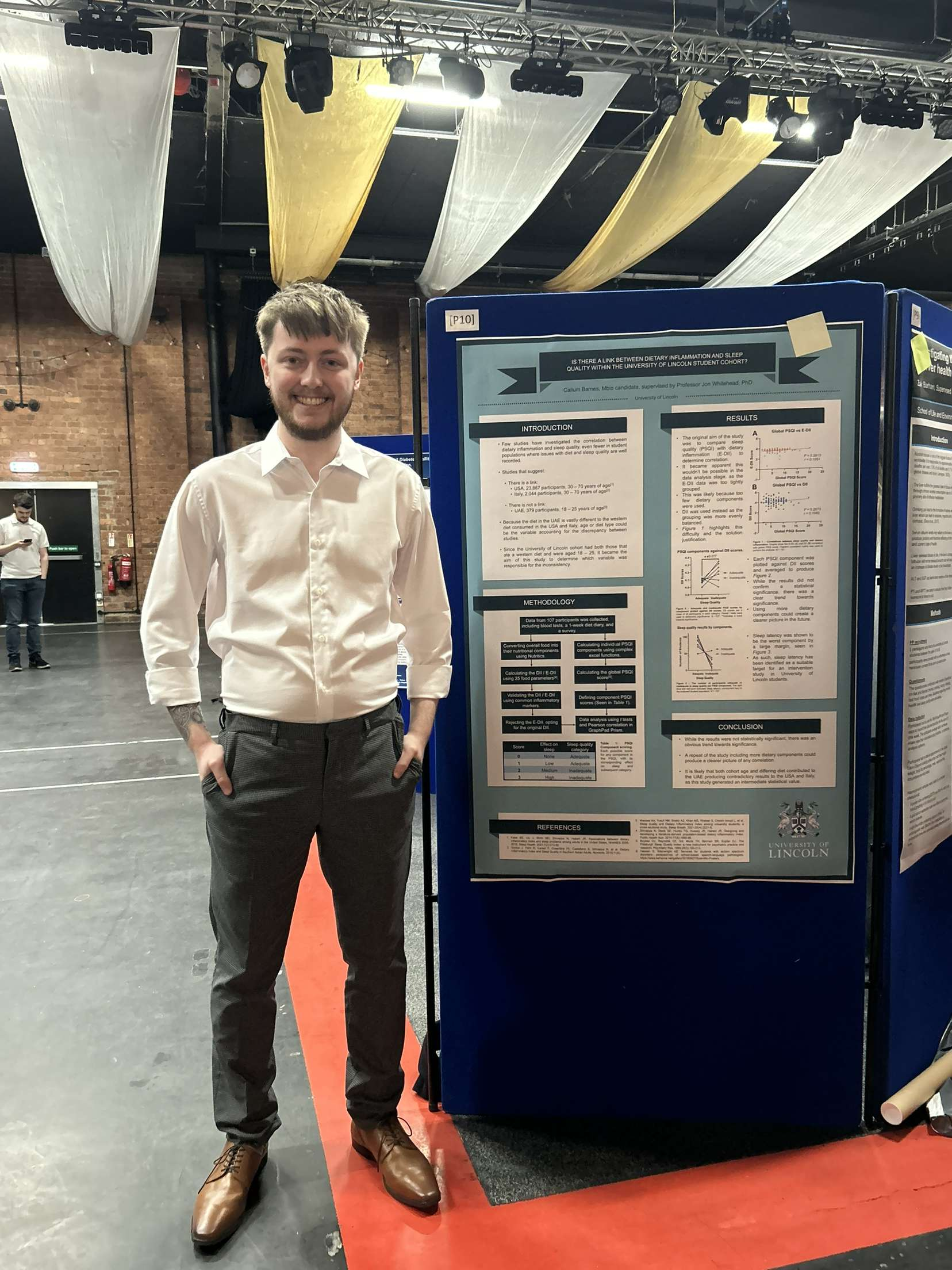

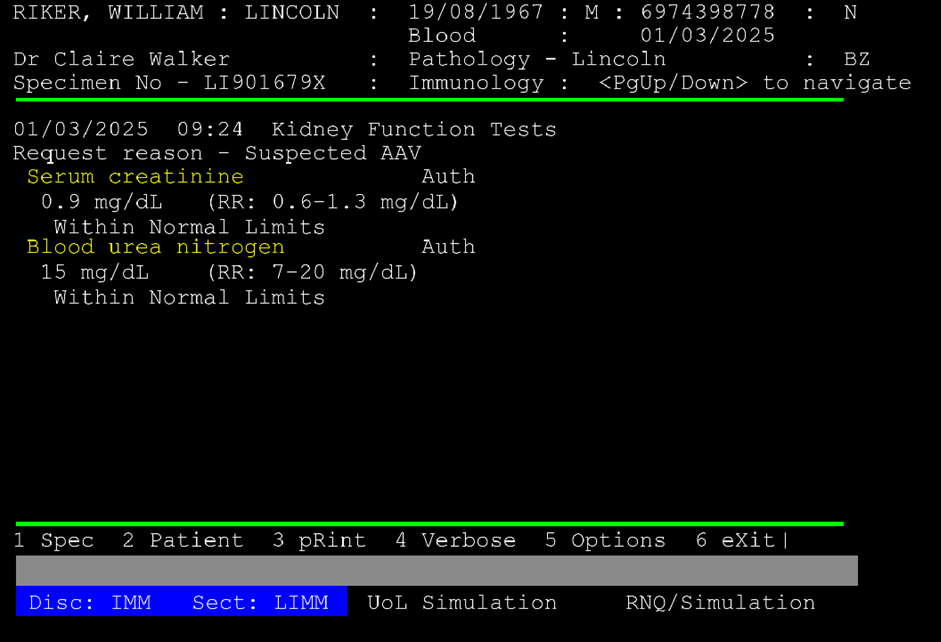


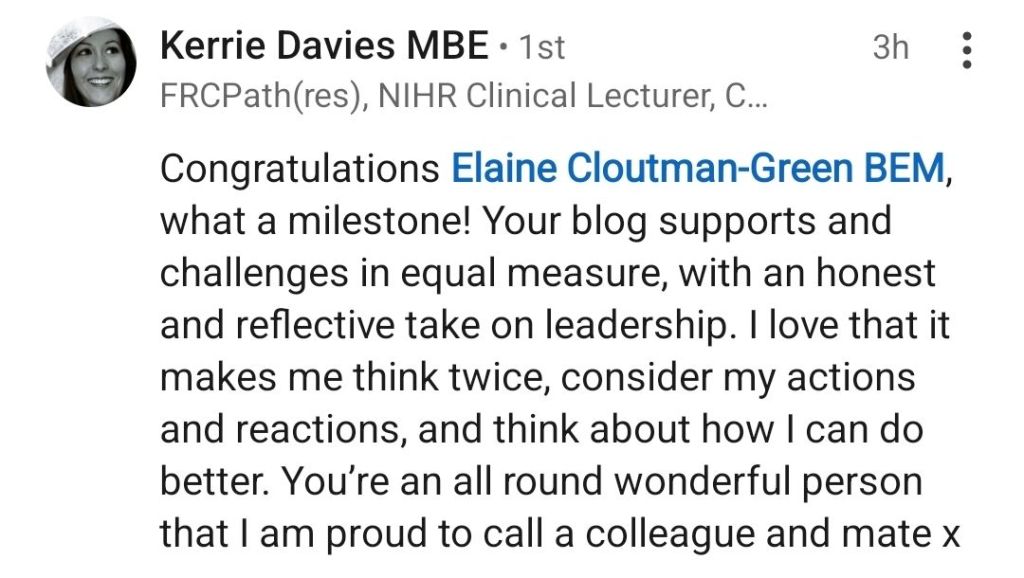
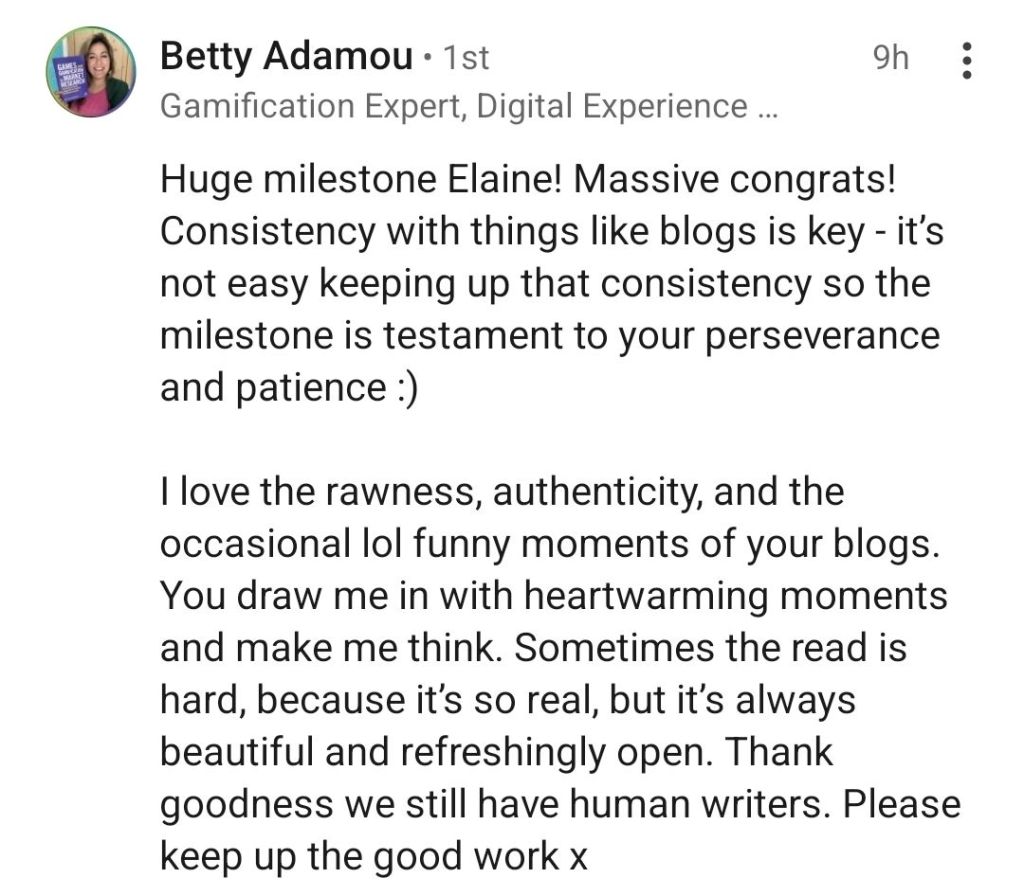

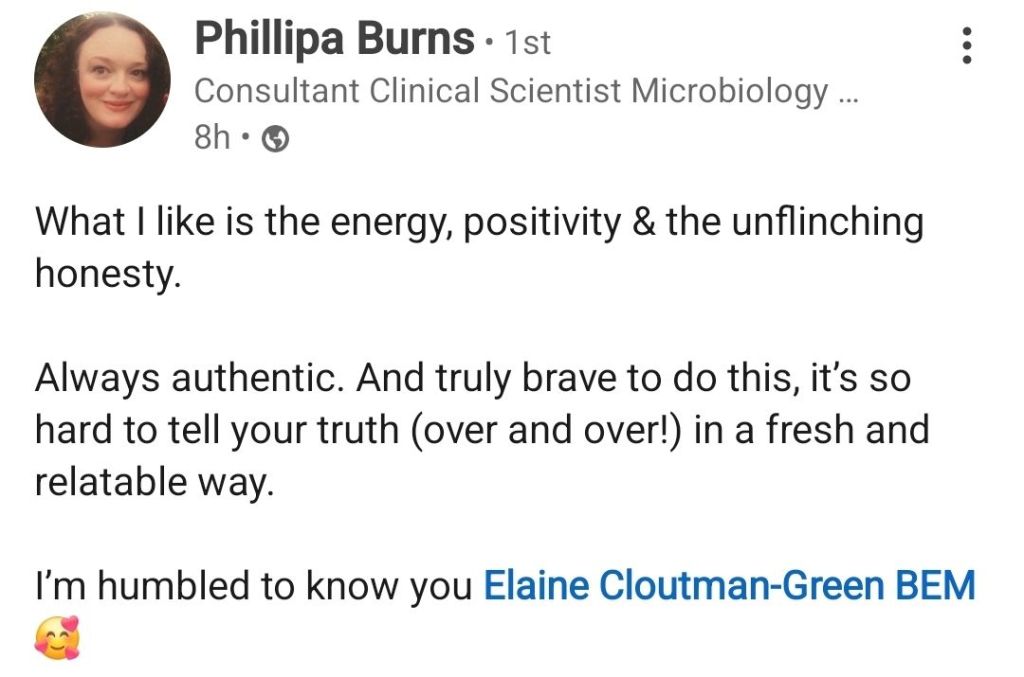

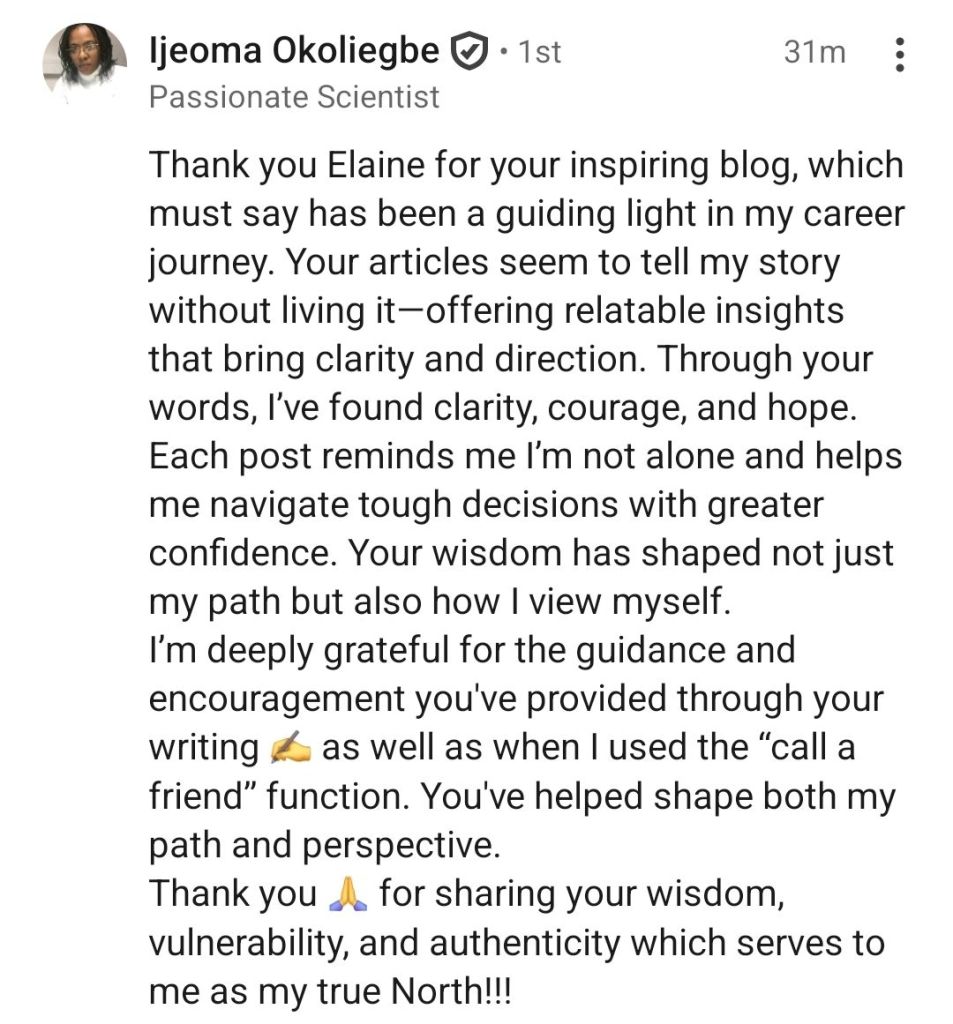
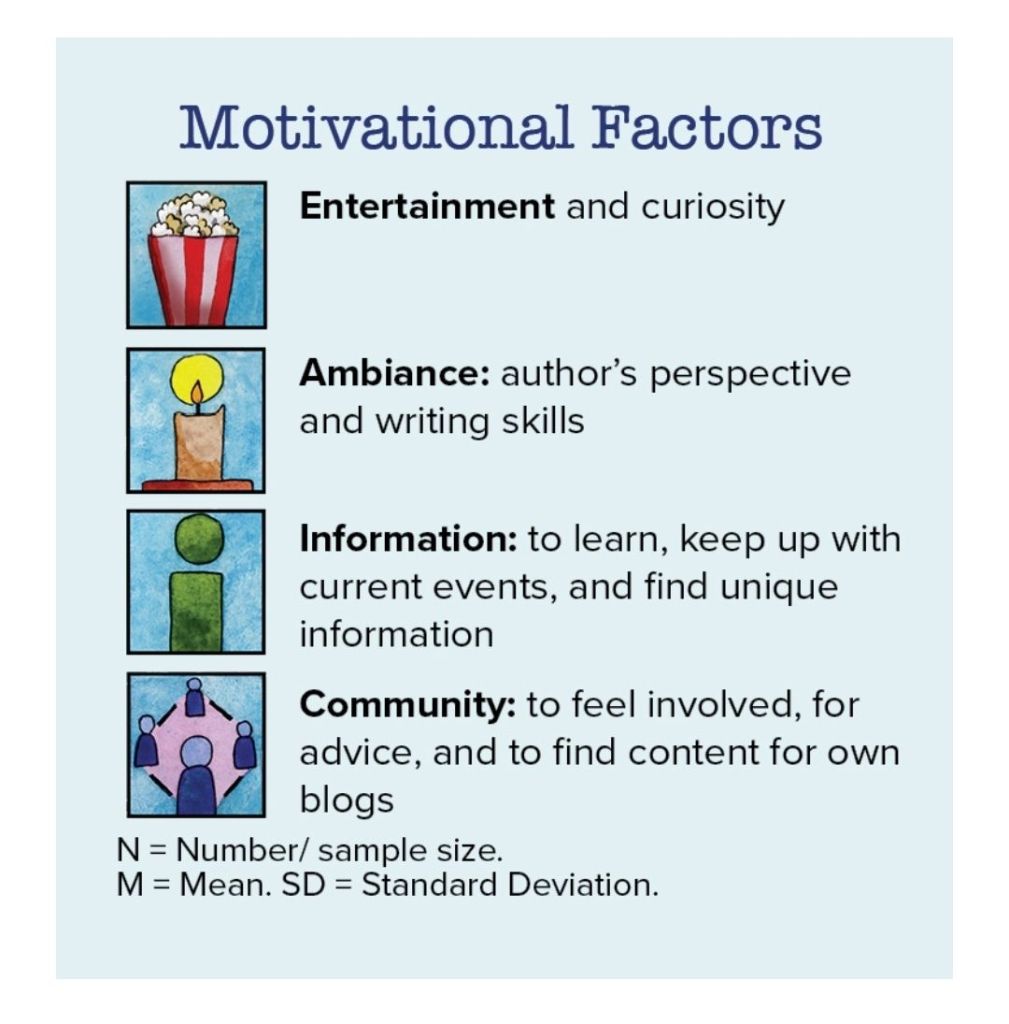



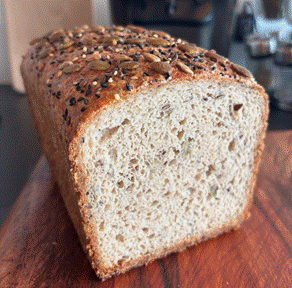


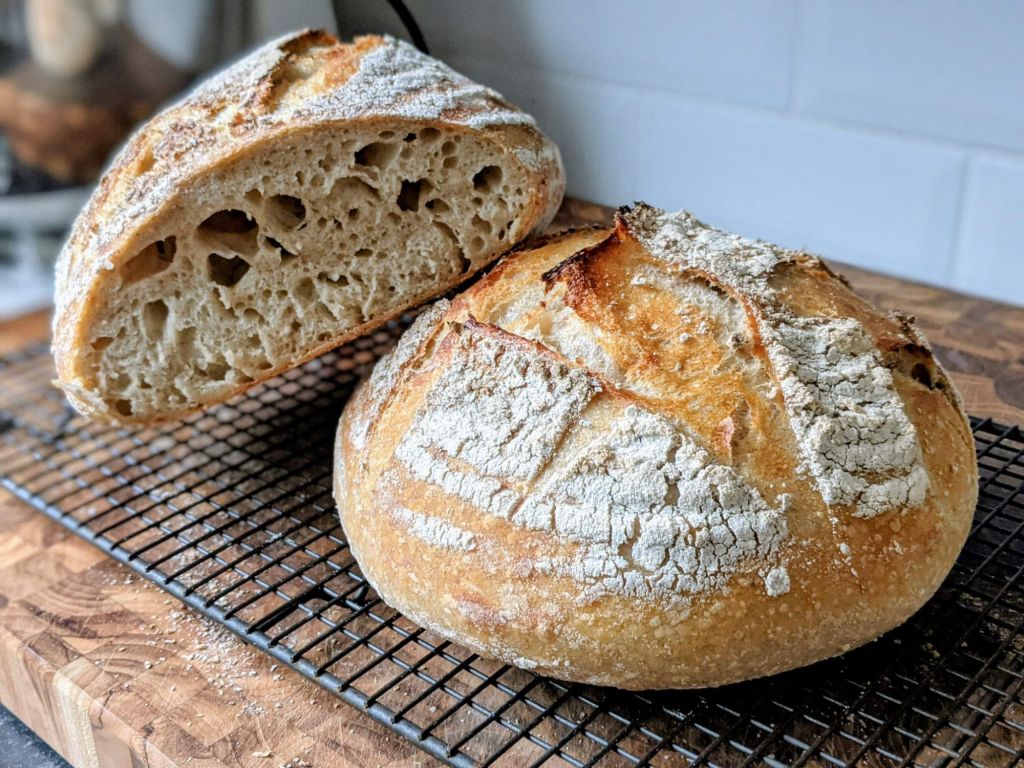

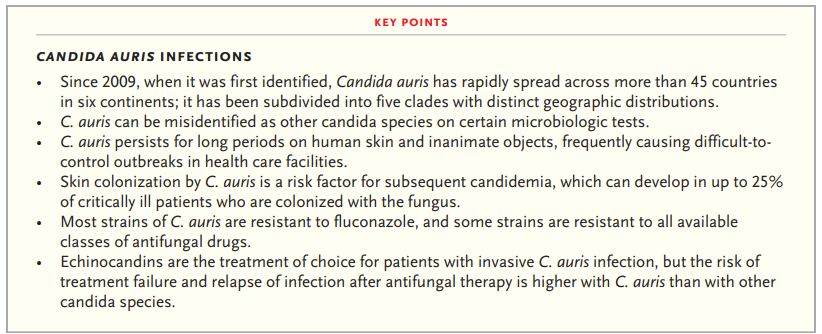


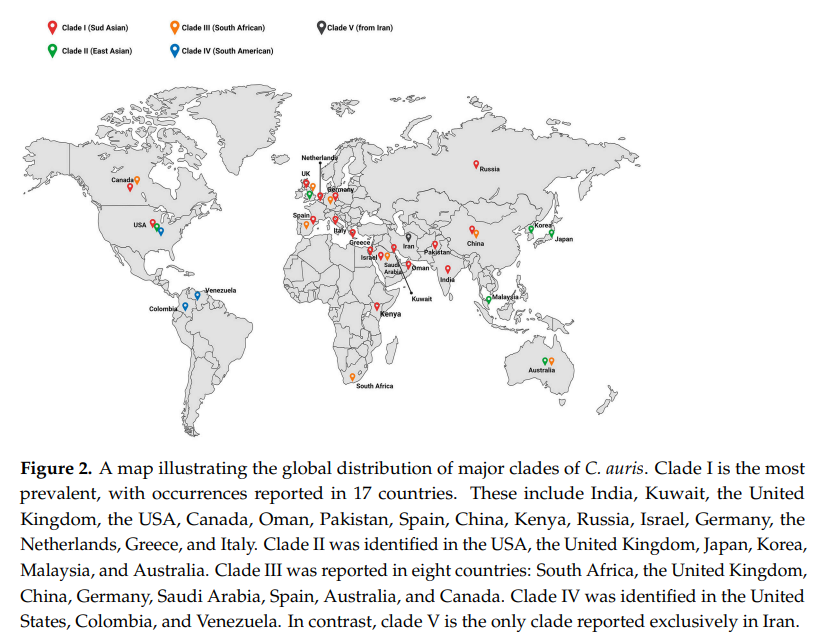

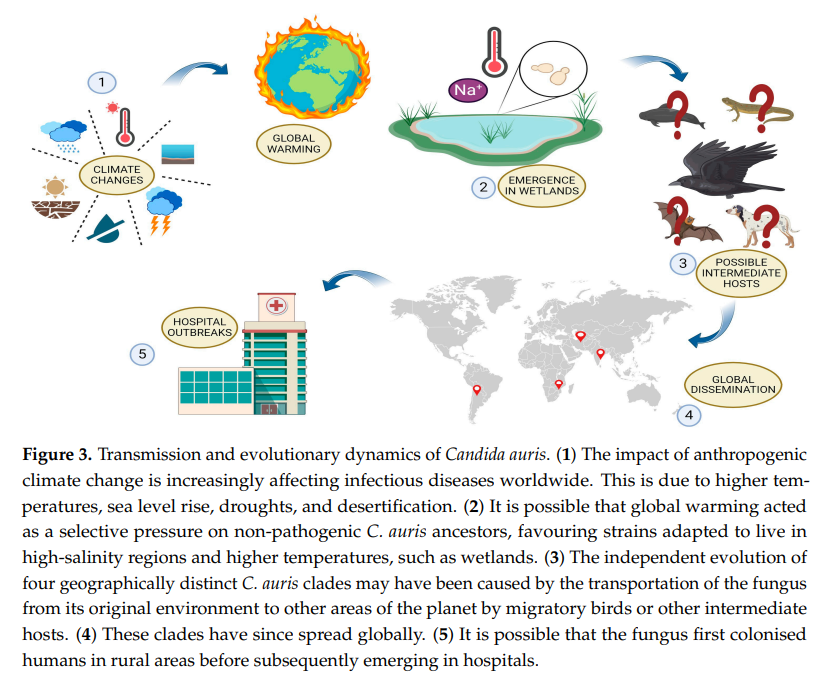


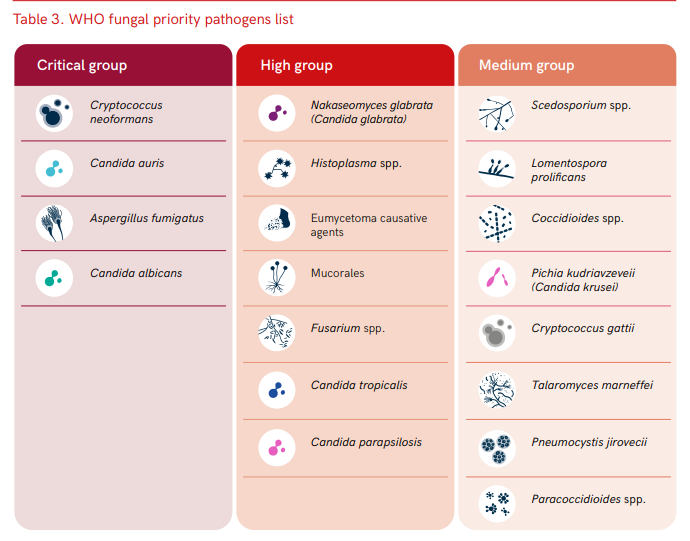







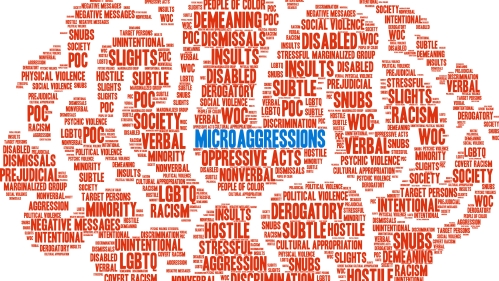


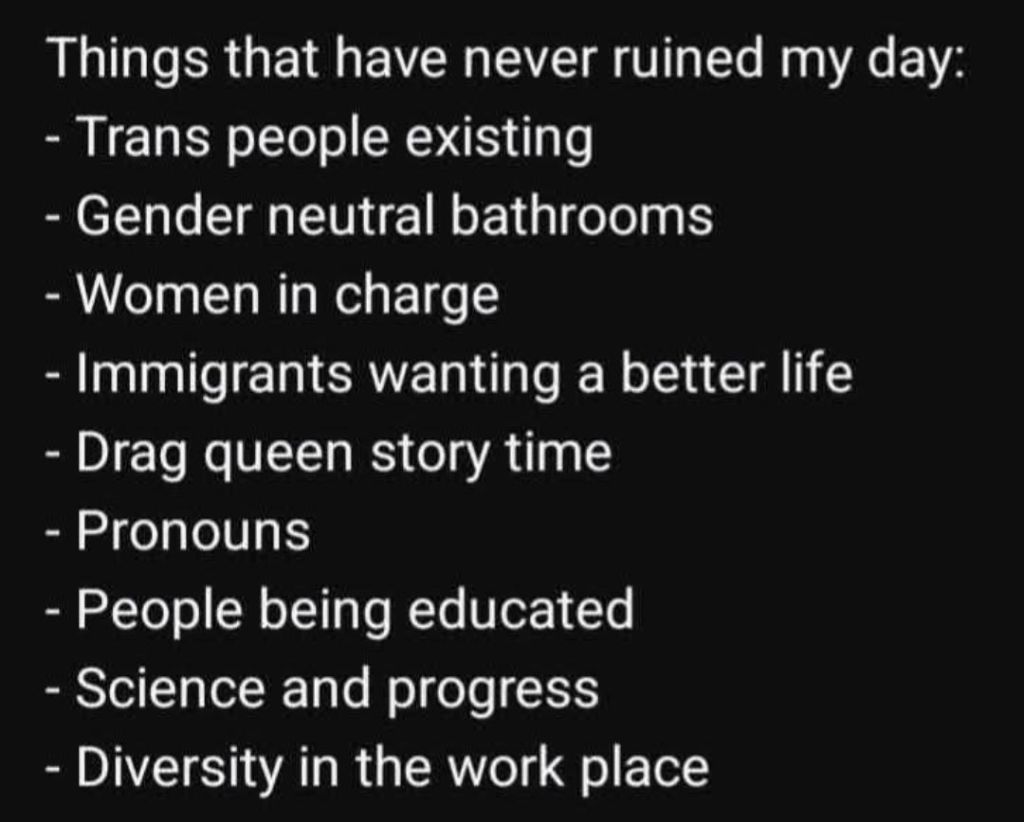
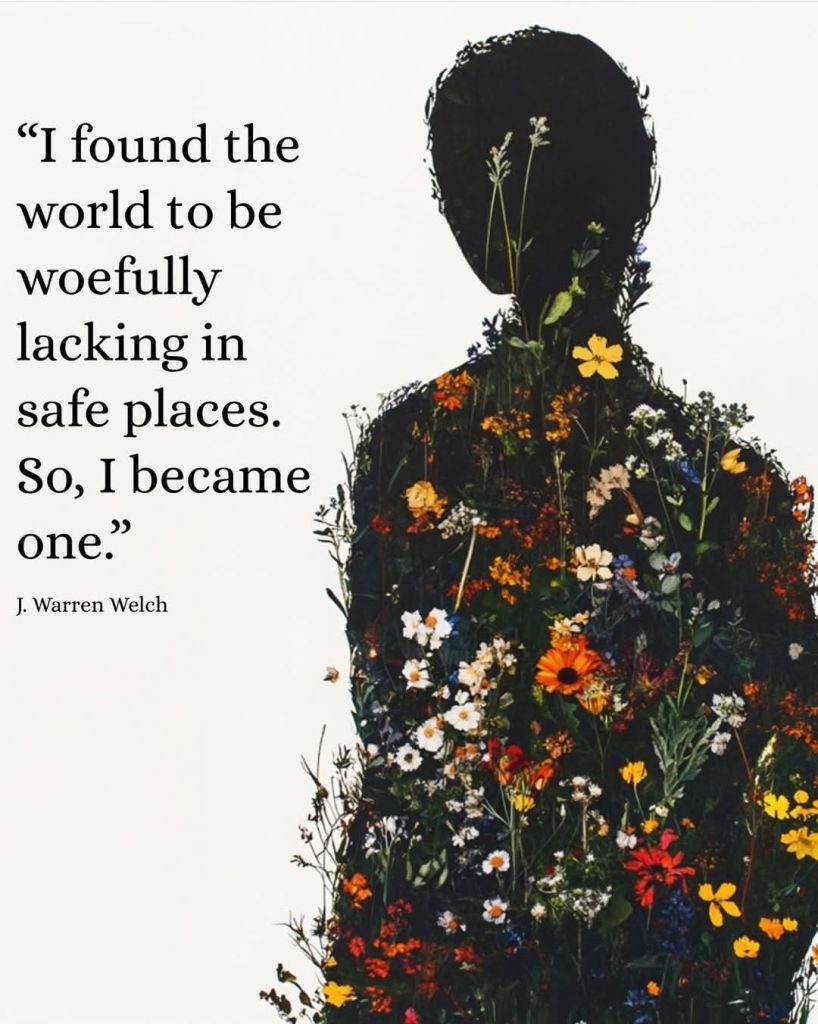
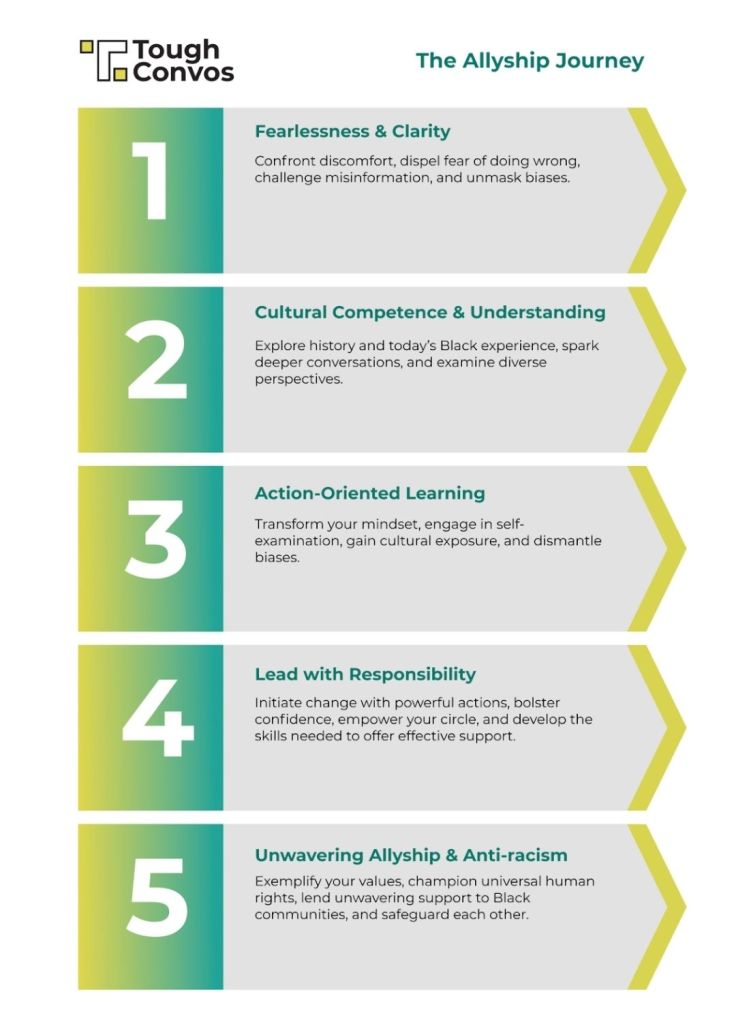


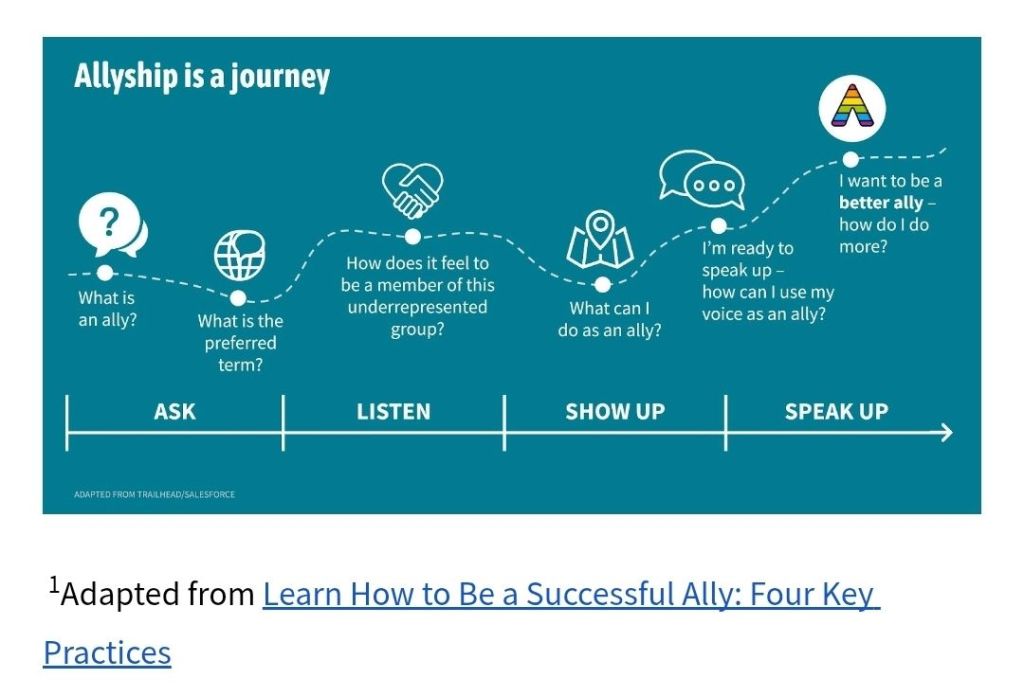
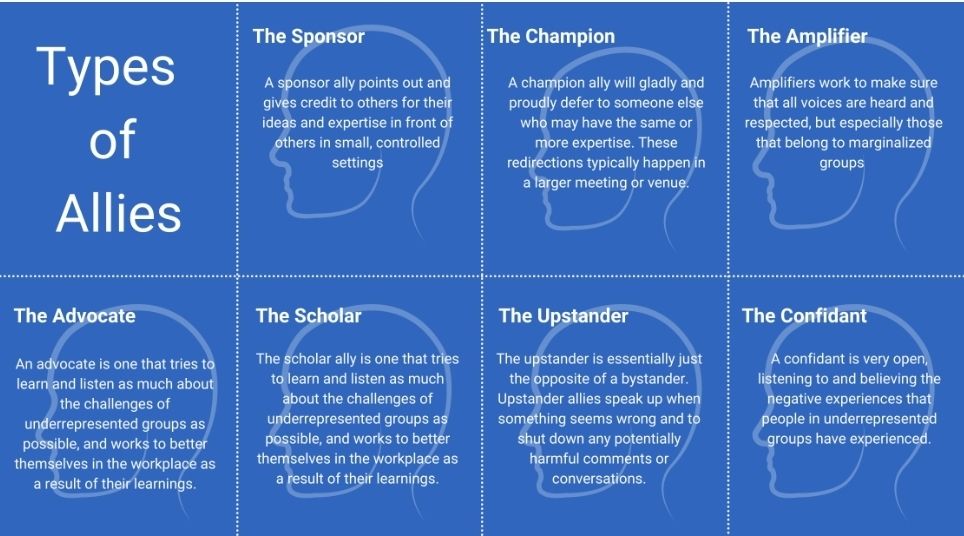








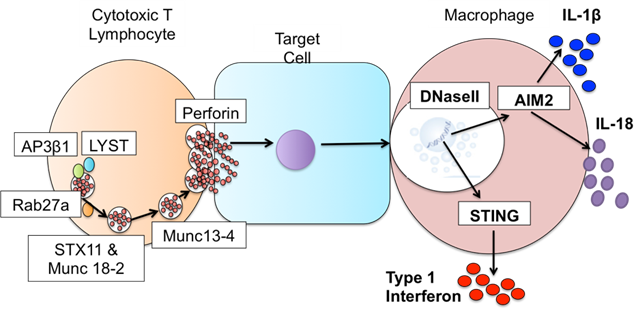



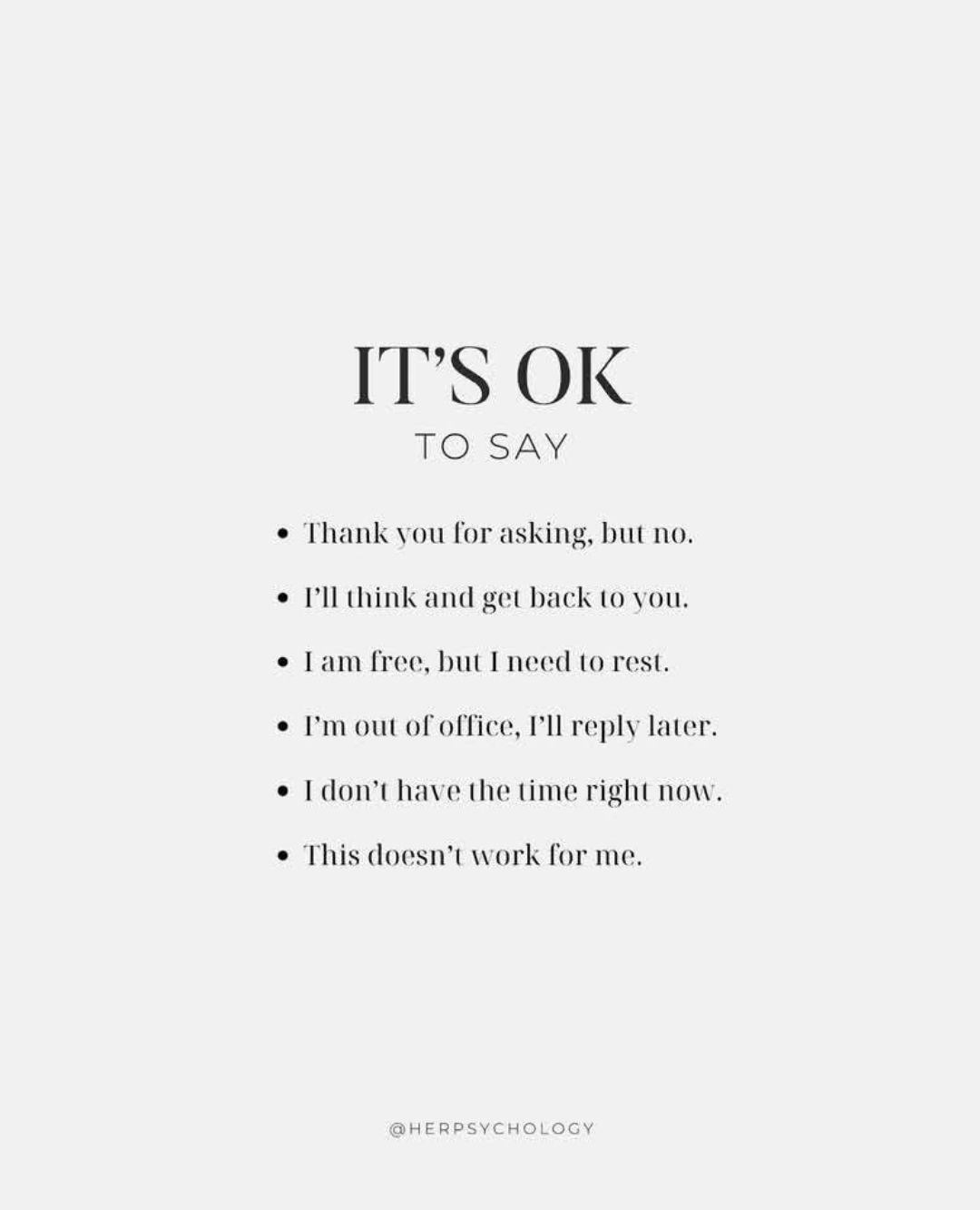







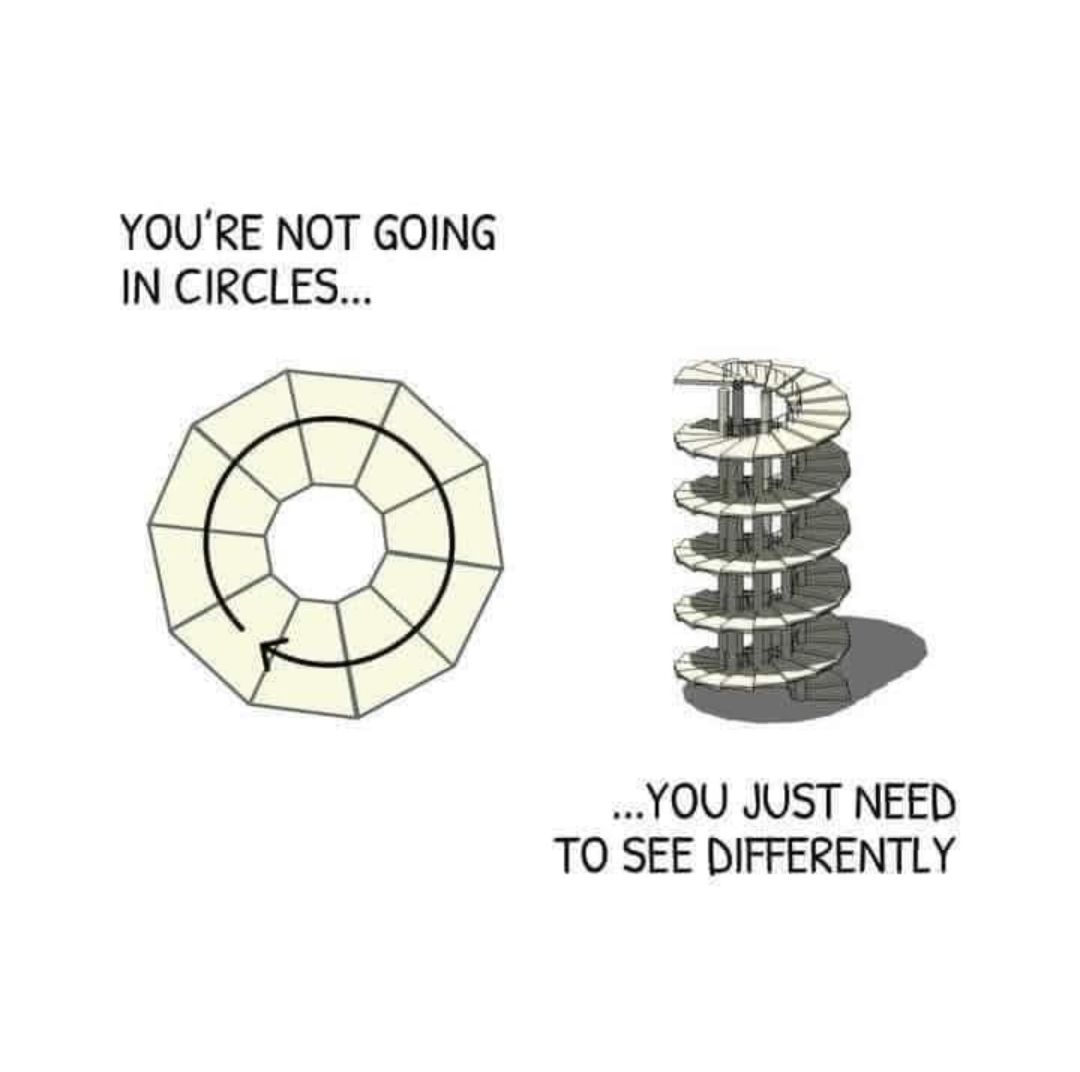


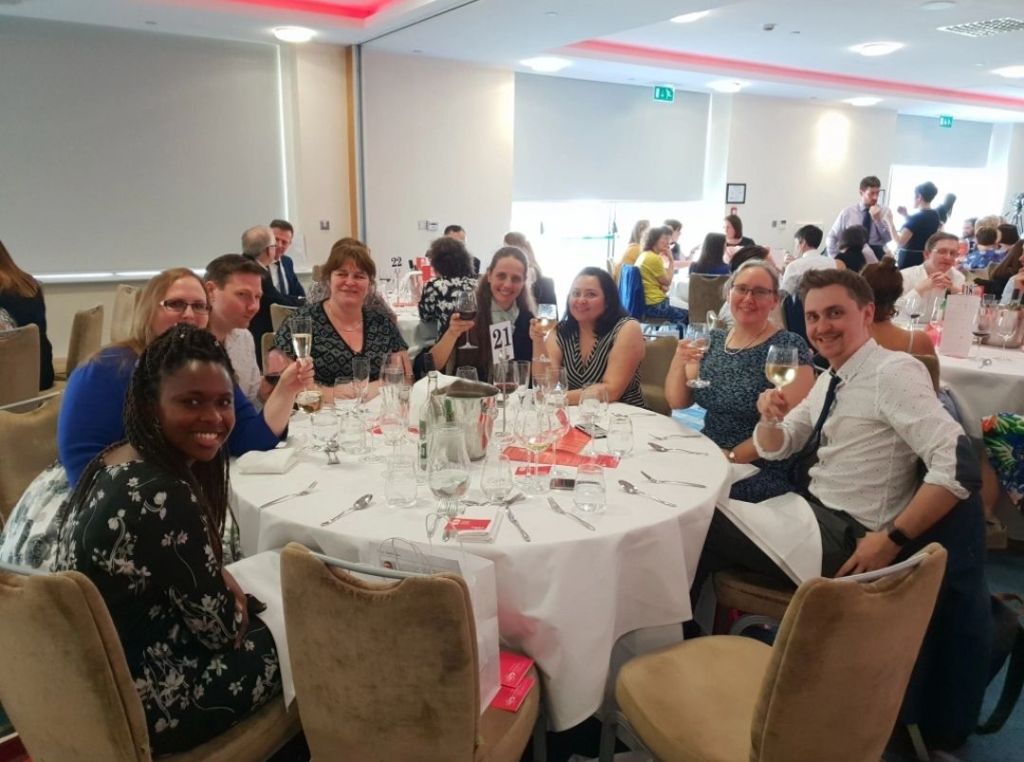


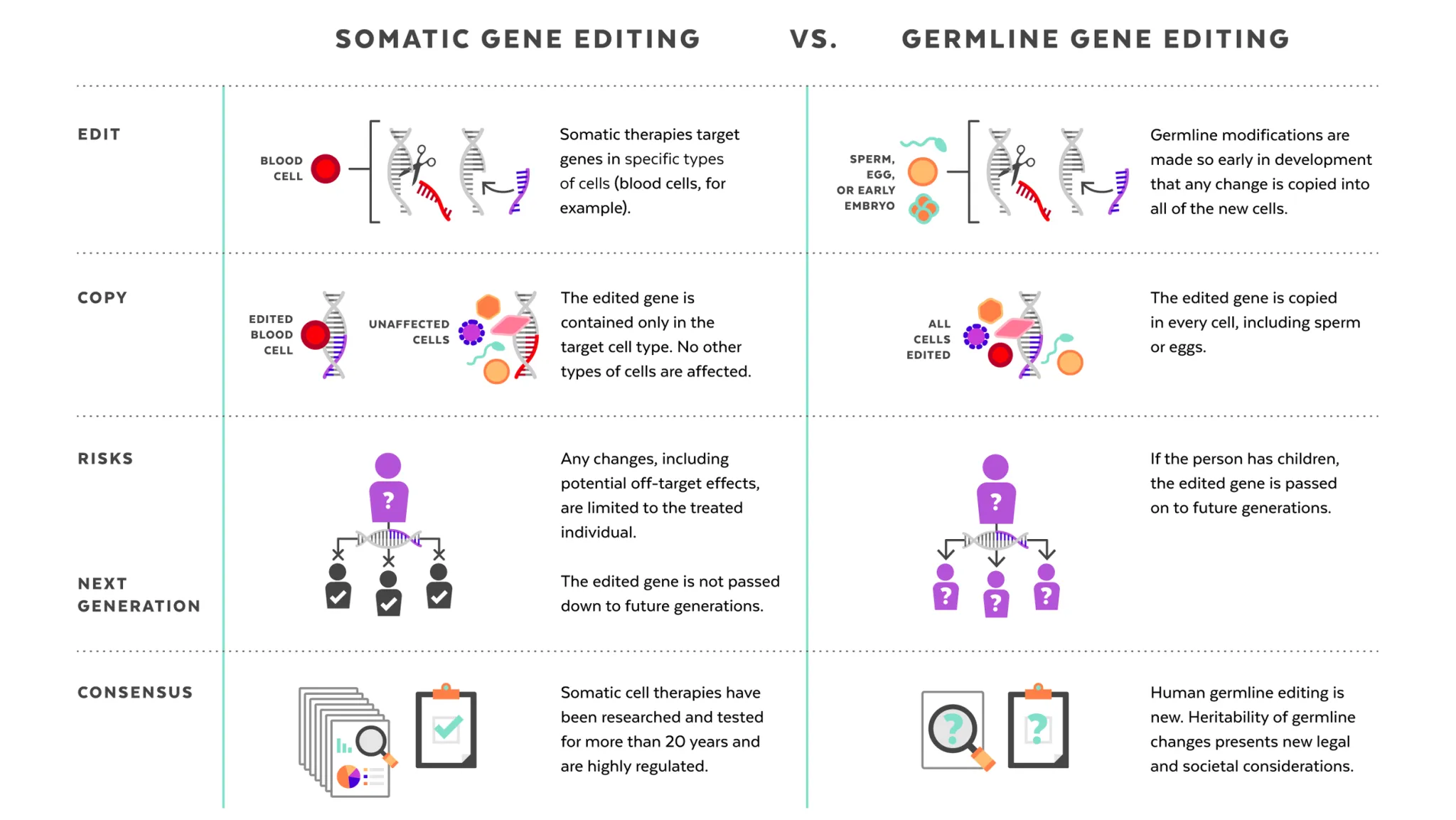
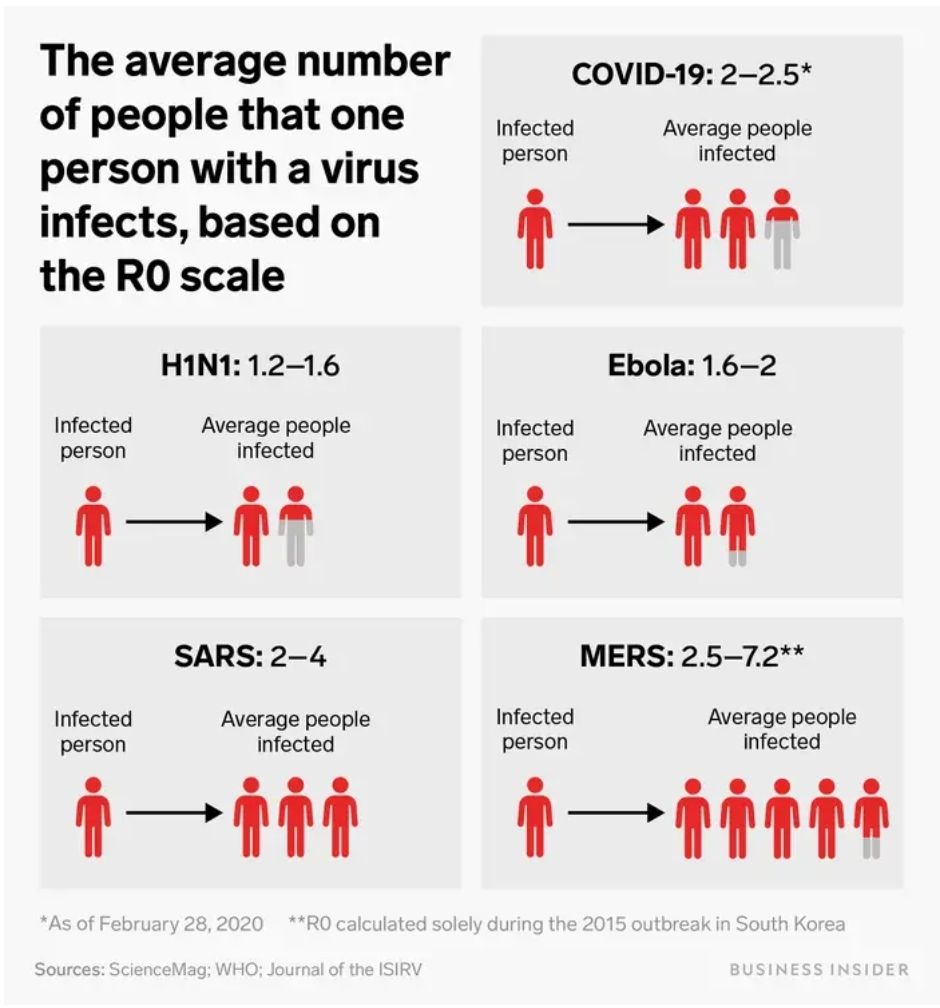

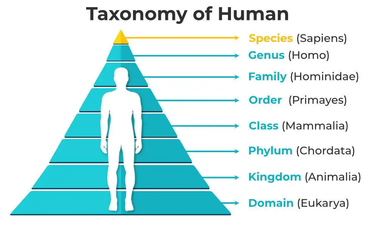




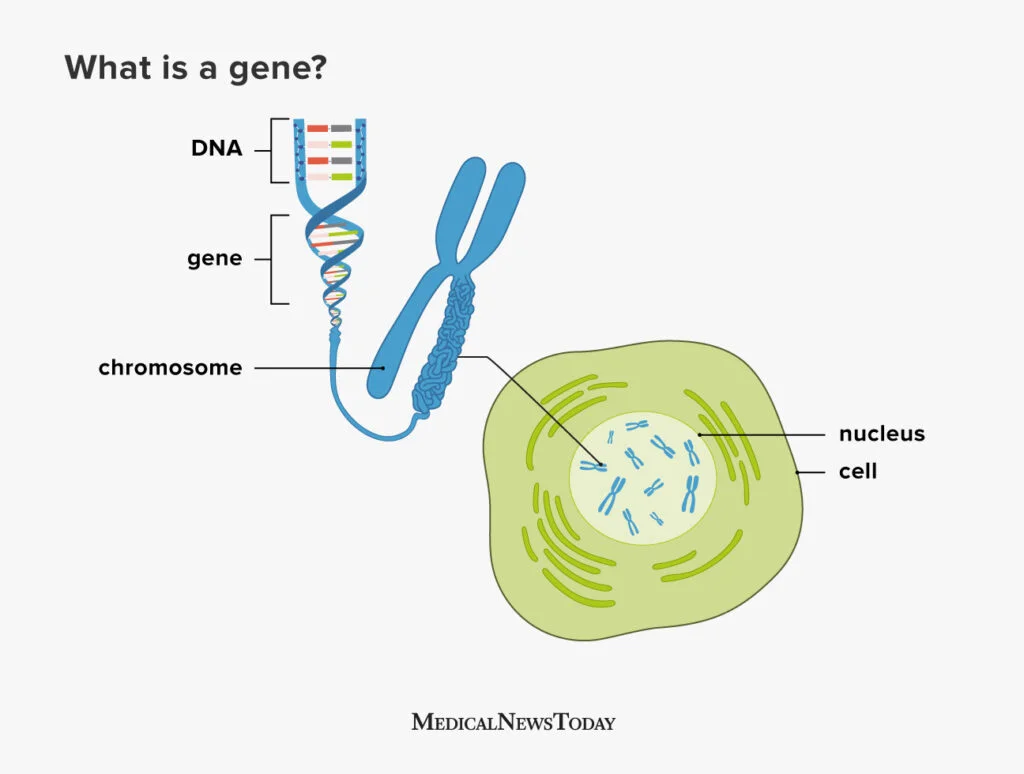


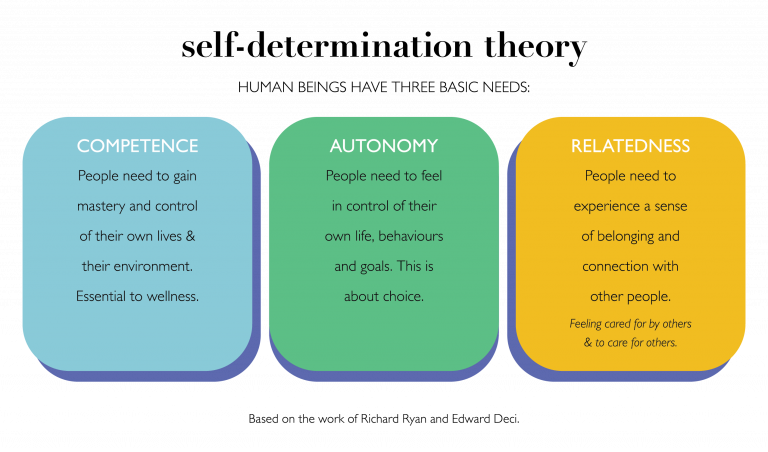



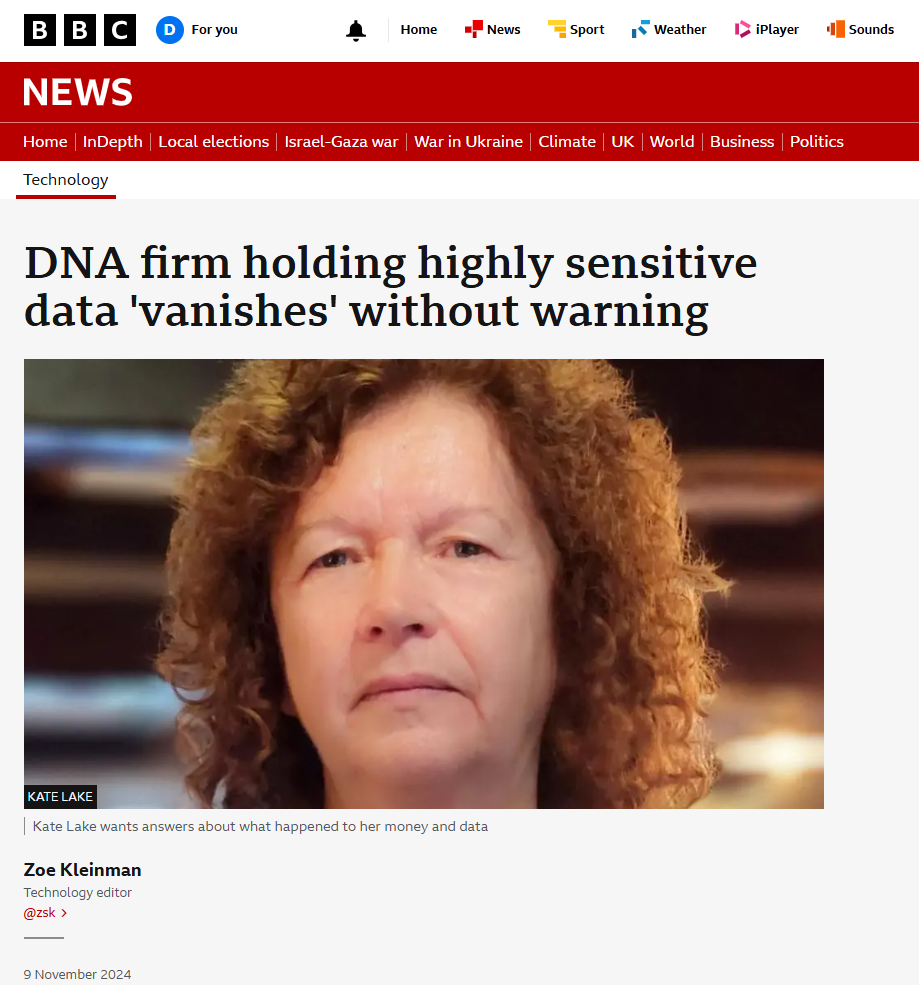
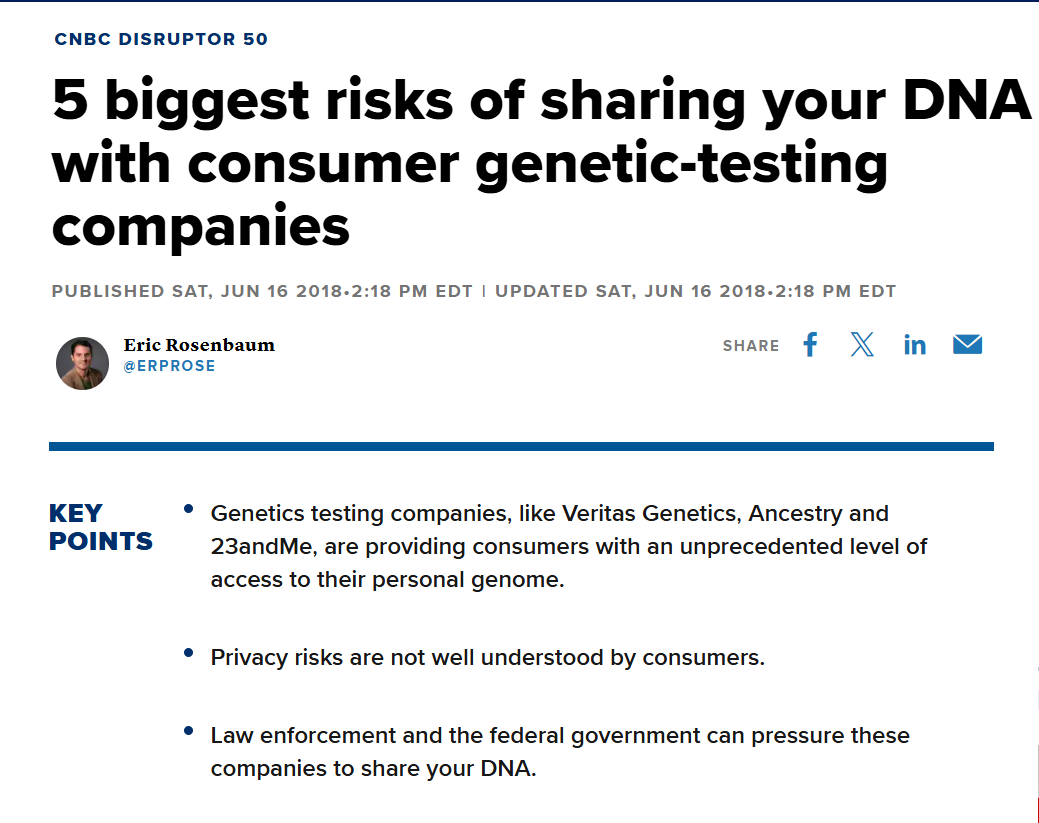


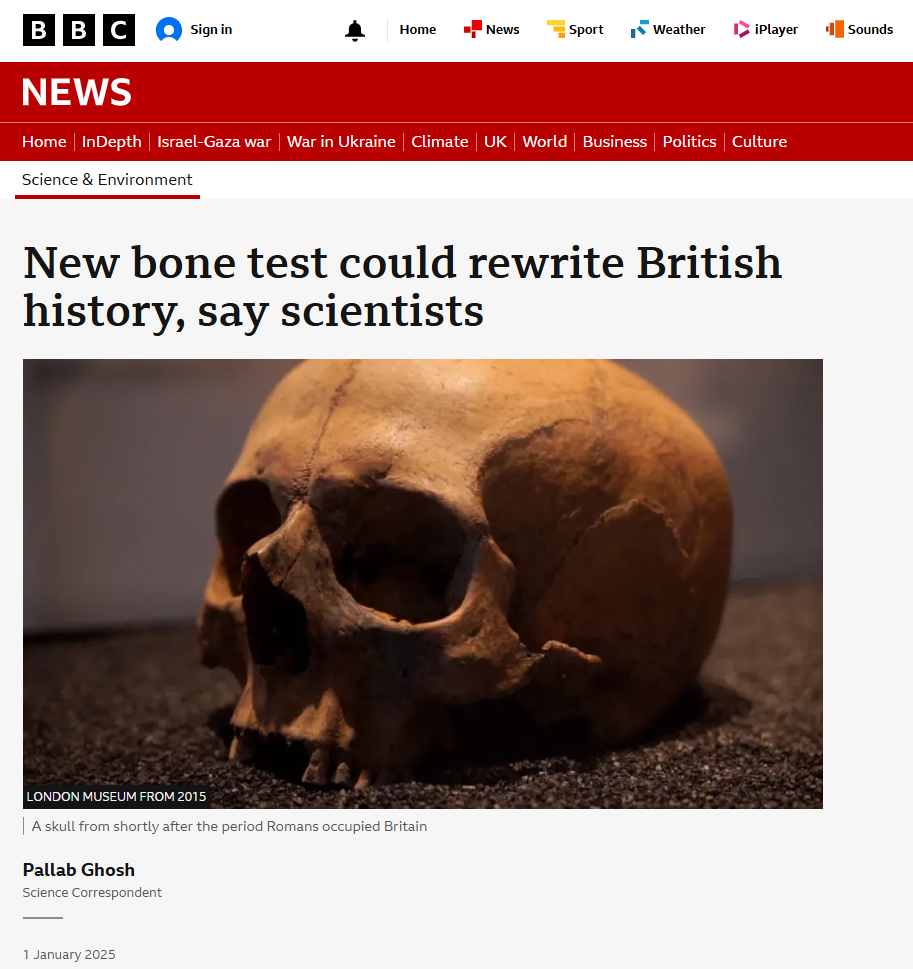


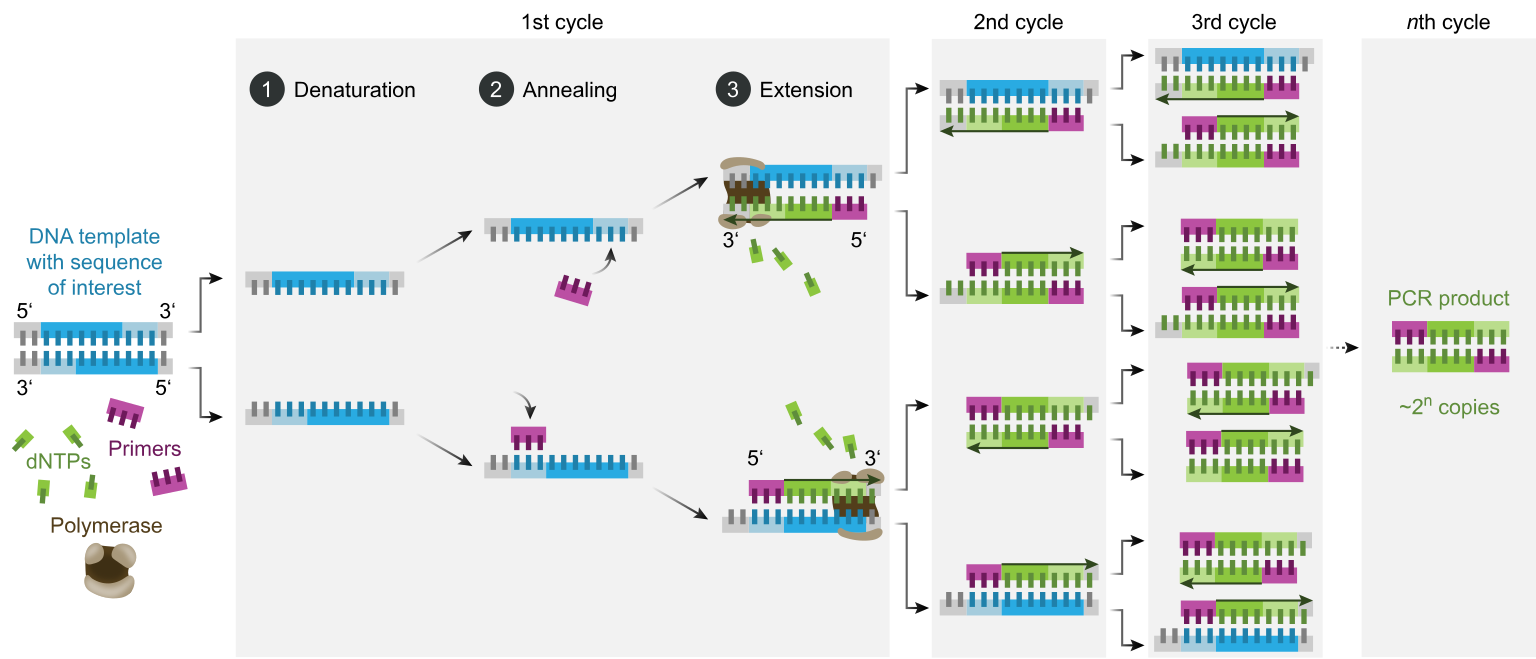
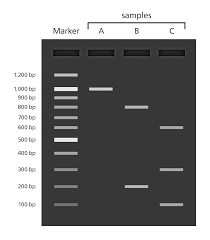





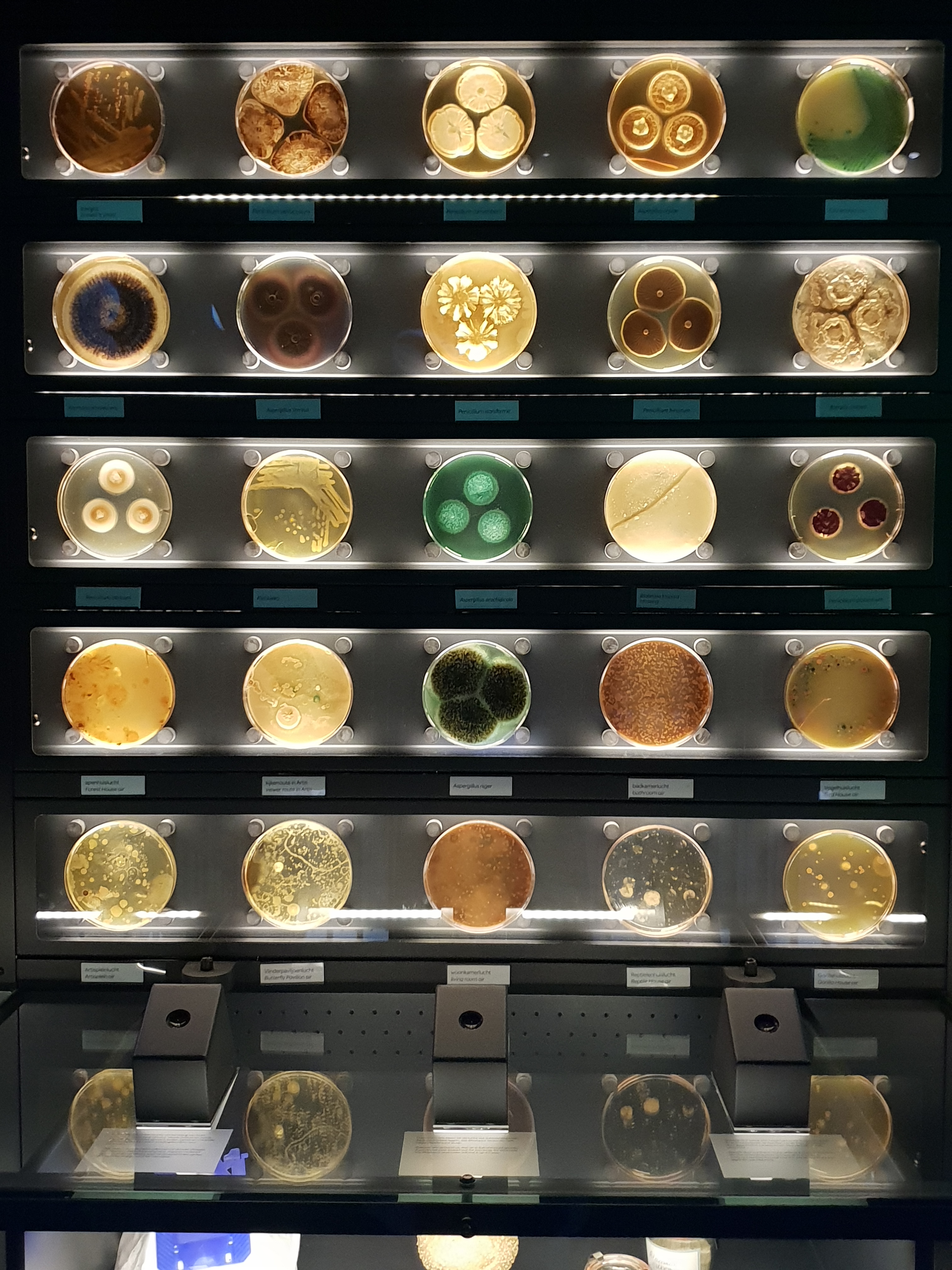



 Girlymicro