It has been an amazing week (despite this post being late as I was unexpectedly struck down unwell). Last week, I was fortunate enough to attend the Academy for Healthcare Science Honorary Fellowships and Chair Celebration, which was a joyous way to celebrate the contribution that Healthcare Scientists make to the Academy, but also to acknowledge the impact that Healthcare Scientists make across the healthcare landscape. This week has been Healthcare Science week, and it’s been a delight to see the posts shared, and hear about the great work and impact of Healthcare Scientists.
It’s been especially poignant for me personally, as the AHCS had also been liaising with me to support my book, It Shouldn’t Happen to a PhD Student. They were generous enough to allow me to share copies of the the book as part of the goodie bag for their Fellowship event, as well including an article about why I felt it necessary to write the book within the Spring 2026 edition of the HCS Leadership Journal.
All of which got me thinking…it got me thinking about how it feels to have people step up to support you. It got me thinking about privilege and the importance of knowing where you have it, and where you may lack it. Finally, it got me thinking about the importance of using that privilege recognition to actively engage with others, and decide how to utilise it both for impact and the benefit of others.
Awareness of privilege
We all have privilege, even if it doesn’t always feel like it. If you are reading this blog you have some form of privilege, even if that is just that you aren’t in digital poverty. I have privilege. I am white, middle class, European, and in a heterosexual marriage. I also lack privilege in some ways, being a woman who came from a state education background, and work in a professional structure that is dominated by my medical colleagues. Organisations are the same, they will have spheres of influence, and areas where they are trying to expand that influence.
It is obviously helpful to know where you have influence, and where you may lack it. This is essential to allow informed decision making about where to devote your energies, but more than that, it is important to know where you can expend energy for the benefit of others. There is more danger than we sometimes acknowledge in not understanding, and spending time reflecting on, our privilege. Not doing this can result in making assumptions that can harm ourselves and others.
Awareness of the priviledge gap
What does that privilege awareness look like? I am never going to be able to run an invite only event for 200 people. I have a fair level of of influence, due to you lovely people reading this blog and interacting with me on social media, but I am only one person. I will never have the influence, impact or resources of an organisation or group. Therefore, the privilege I am able to harness for the benefit of others will also be limited. This is why I want to discuss the importance of gestures, such as those made by the AHCS. I am able to reach a certain percentage of Healthcare Scientists that I’m personally connected with across platforms. The Academy in contrast has thousands of members across their registers. They have thousands of followers across social media platforms, and they also have reputation impact, as they are have intrinsic legitimacy due to their role providing professional accreditation.
The AHCS supporting me, by allowing me to share my book and by including an article in their journal, substantially increases my reach, and the chance of something I hope to have impact, getting into the hands of someone who may find it useful. It also lends their validation to that reach as, I hope, they wouldn’t support sharing details of the book if they thought it was rubbish. It gets my book into the hands of people who may never have picked it up otherwise, from students to senior leaders. I’m so grateful to them for using their privilege to support something that means so much to me, and that I hope will support the profession I love. Gestures can be big or small, but the impact of them should never be underestimated.
Support without asking
Now, I’ve talked about the fact that I do have privilege. That said, I don’t have the kind of privilege I’ve seen in some of my academic or medical colleagues. The kind of privilege where doors are just opened, or barriers are just removed. I don’t have a problem with this, I feel like I have proven myself every step of the way. Every promotion I’ve had has been a competitive process. Every committee I’ve sat on I’ve either had to apply for or prove my credentials as part of joining. The support for my book is the first time ever that someone has come to me and asked how they can help. Not just the Academy, but places like Applied Microbiology International. The Academy really followed through, and did not just ask the question, but helped me work out ‘the how’. They don’t know this, but when I got off the call, and recovered from the shock of their kindness, I actually had a little happy cry. There is nothing like people stepping up and showing their faith in your by offering the kind of support you would never have asked for. It is a rare event, and it’s made me determined to do what I can for others in order to make it a little less rare.
Support without conditions
Often when people have offered support for me in the past there has been a certain level of quid pro quo. A level of you scratch my back and I’ll scratch yours. If you’ve followed this blog for any length of time, you’ll know that my leadership style is much more around authentic leadership than transactional leadership. There is nothing wrong per se, with transactional leadership, there is definitely a place and time, but it doesn’t feel the same as someone offering their support with no ties or limitations. There is something special about someone offering unconditional support, support that you don’t feel like you have to pay back or pay off. Now having said that, I’m not saying you shouldn’t try to live up to the generosity being offered you, just that it’s different when that’s a decision you make rather than one that is a condition of the support to begin with.
Support without comeback
The other interesting form of support is that type that comes freely at early stages of your career, but has ramifications later on. I think many of us have probably experienced this one, where you have had mentors or supporters who offered great support, until the point at which you reach a similar level of career progression. At this point the support becomes more transactional, or worse, relationships become less constructive and more distant. Opportunities taken can be greeted with commentary, or judgement. This can be a very confusing scenario if you haven’t encountered it before, or seen it happen to others.
People who offer support irrespective of career stage, or perceived risk to position, are worth their weight in gold. Those individuals and organisations who support others, not for benefit to themselves, nor affected by positionality, are both investing in relationships for the long term and build trust based on consistency. This is one of the best ways to maximise impact over time, both for the person supporting, but also for those offering aid.
Acceptance without doubt
This isn’t just about those offering the support however, no matter how wonderful. It is also about how we receive the support and opportunities that we are offered. It can be easy to question whether to accept unconditional support by wondering what’s the catch? If you have been submerged in a culture where you are surrounded by transactional relationships, or where cultures have become challenging due to resource scarcity, it is both understandable and predictable to question support when offered. It is essential however that we get out of our own way. This can be a challenge if you are in a position where you lack privilege. When working with, and offering support to others who have dealt with a lack of privilege long term, building trust may be a required step prior to acceptance of any support offered.
We can all have a tendency to say ‘why me’ for both good and ill. This can obviously be context dependent, as well as depending on whether we are in a place of pessimism or optimism when the offer is made. It is important to have the self awareness to know when we are drifting to skepticism when we should be embracing opportunity. When we are driven by factors from our past instead of embracing our future.
Acceptance with gratitude
Instead of questioning when we are offered support, it is important to move to a space where we accept with gratitude rather than anxiety. I think it’s key to talk about what I mean by gratitude, I’m talking about gratitude without submission. I have a tendency to over correct on this one. I tend to be so grateful for the support that I can come across as sycophantic, without meaning to. I think the best way you can be grateful however, is to make sure you learn the lessons from being offered the support and ensure that you incorporate it into your practice by role modelling that behaviour yourself. As you are being supported without conditions, you should be thankful and stop looking for some unwritten cost that doesn’t exist. Embrace the opportunity and then make sure you do the same for others.
Delivering on the commitment
The biggest demonstration of gratitude you can give, I believe, is by delivering on the faith that others have placed in you. If someone goes out of their way to show you support, then deliver. Deliver on whatever that may be. It could be by putting in the work to achieve a goal. It could be by working to ensure that the advantage they’ve given you isn’t wasted and allows a next step to be taken. It could just be by embedding the same values in your leadership to benefit others. Actions speak louder than words, and so if given an opportunity act to maximise the outcome.
Paying it forward
I’ve mentioned the importance of making sure that you increase the legacy of any kindness you are shown by role modelling that moving forward, but it’s so important that I wanted to state it again. Not all gestures require large resource or commitment. It can be as simple as stating someone’s name in a room that they are not in, or passing on an opportunity that you may believe would be of benefit. Knowing where our privilege and influence lie, not taking it for granted, and utilising it for the benefit of others in whatever way we can, is such an important part of how we move forward as a profession and lift people up as individuals. Especially at the moment, when resources are limited and times are hard, it can be easy to forget what is in our gift to do, and I think now more than ever it’s crucial to realise that we all still have the capacity to positively impact on others.
A final thank you
So, I wanted to end by saying thank you again to the Academy of Healthcare Science. Not only have they really impacted me by showing such by in with a book that means a lot to me, but they were also kind enough to present me with an extra surprise, the Chair’s Award for Excellence. It’s made a real impact on me, and now all I can hope to do is pay it forward and show the same faith and impact in others.
I’ve always been a massive Muppets fan, from their original films through to one of my favourite films of all time, The Muppet Christmas Carol. It’s a family tradition and you all know how much I love Christmas. Picture my joy then when the news was released that this week there would be a new, original, episode of The Muppet Show released on Disney+.
Watching it gave me such joy. Miss Piggy is, after all my hero, but I started to try to think why? Why do The Muppets bring me such joy? What is it about them and their interactions that really speaks to me? Especially as I’ve been writing about the role of women in the work place recently, what is it about how Miss Piggy functions that I admire and wish I could channel more? Then I found this quote below and it felt so genuine to me.
When thinking about their traits more, I couldn’t help but come up with a fairly substantial list that made me want to be ‘more Muppet’ and I thought that in honour of their new moment in the sun I would share the list with you in case you want to join me on a Muppet adventure.
Self advocacy
I don’t care what you think of me unless you think I’m awesome. In which case, you are right
As a female scientist there have been more times than I can count when I wish I’d had the courage to speak up, be seen, and be heard. In fact this is one of my themes and aspirations to be braver about in 2026. Miss Piggy is never afraid to stand up and be counted. She knows her value, and she knows what she brings to the table. More than that she’s not afraid to let others know it and to hold them to account when they under value or under estimate her.
We are often trained that it isn’t a good look to be too confident, or come across as too challenging. That it is better to fit in then to stand out, and that standing out will only cause us trouble. Miss Piggy stands out proudly and isn’t afraid of the consequences of making her presence known. I wish that I too could hold my space without being worried about how others see me for doing so, and I too should maybe care a little less what others think of me.
Boundaries
One of my favourite parts of The Muppet Christmas Carol is when Kermit negotiates for Christmas Day off work:
Mr Cratchit (Kermit): Mr Scrooge it appears to be closing time.
Mr Scrooge: Very well. I’ll see you at 8.00 tomorrow morning.
Kermit: Tomorrow’s Christmas.
Mr Scrooge: 8.30 then.
Kermit: If you please Sir. Half an hour off hardly seems customary for Christmas Day.
Mr Scrooge: How much time off is customary Mr Cratchit?
Kermit: Uh. Why. Um. The whole day.
Mr Scrooge: The whole day! – The entire day?
Kermit: If you please Mr Scrooge, why open the office tomorrow? Other businesses will be closed. You’ll have no one to do business with. It’ll waste a lot of expensive coal for the fire.
Mr Scrooge: It’s a poor excuse for picking a man’s pocket every December the 25th. But as I seem to be the only person around who knows that… Take the day off.
There are moments like this time and time again in The Muppets, be they in the movies or on the small screen. Moments where they gently but firmly set boundaries. Boundaries on good behavior. Boundaries for each other. Boundaries linked to kindness, both to themselves and others. Kermit holds a quiet confidence that permits him to set boundaries that protects both himself and others, without making drama or conflict out of the act. As someone who struggles to say no, and protect her well being on occasion I admire this so much.
Loyalty
The Muppets are a family. They have disagreements. They consist of very different personalities. Yet they love each other unconditionally, and always turn up for each other when it matters. Their love and loyalty isn’t transactional. It’s not performative. It’s the kind of loyalty I look for in those people who are my ride or dies. The ones who would take a call from you at 3 in the morning, just because you need to make it.
They have the kind of loyalty to each other in a work space that allows them to disagree, to argue about the order of the set list, but also lets them arrive at a moment where they all pull together for the absolute best they can achieve as a group, which is always better than any of them could achieve alone. I count myself so lucky to have an IPC team where I feel like we are always there for the finale together.
Respect without hierarchy
I don’t do hierarchy, I don’t do respect just for the sake of it. For The Muppets, Statler and Waldorf are the epitome of that approach, they are there to remind people that there is always a reason to laugh at ourselves, and not to get too caught up in position or reputation.
Waldorf: Well, you gotta give them credit Statler: Why’s that? Waldorf: Well, they’re gonna keep on doing it till they get it right
Although The Muppets have big personalities, and a leader in Kermit, that leadership is quiet and is not based on titles. It’s based on respect for how he handles situations and the relationship capital he has built. Miss Piggy may run wild, but always pulls back just in time because of her respect and love for him. Mr Girlymicro is very much a Kermit like personality, and it’s one of the many reasons why being married to him makes me a better person. He knows when to call me on my shit, and I respect him enough to hear it.
Living in the moment
I’m a planner. I have a ten year plan. I have a plan for the next 10 minutes. All of that planning can mean that I lose sight of the now. I can struggle to ever truly be in the moment. I love the fact that no matter the chaos that features in a Muppet episode, they can come together in the moment to experience the true joy of achieving a goal or being in each others company. They are aware of the challenges that the future holds, but are able to still live in the moment and enjoy the now. Be that for a musical number, or to cheer each other on. It is so easy to let the now pass whilst aiming for a better future, when really there is a lot to be said for enjoying the moment that you are in.
Appreciation of the good things
Living in the moment brings me onto appreciating the good things. One of my very early experiences as the UK Ambassador for the Society of Healthcare Epidemiology of America was to attend a conference held in, of all places, the Contemporary Hotel at Disney World in Florida. I’d never been to Disney before. In fact I’d never considered going, but I was paid to go and that meant I could also take Mr Girlymicro, and Mel (my science work wife).
It happened to be Star Wars weekend, and I had a whole day where I could explore and make memories with people who mean a lot to me. In those days a mock up of The Muppet Theatre was there, along with The Muppet courtyard. The three of us made some wonderful memories, and had so much fun. That ride is no longer there, and there has not been another conference held there. If I hadn’t decided to try something I’d never done before I would never have become the Disney fan I am today. If I hadn’t been on that ride and to that place, I would never have had the opportunity, as I’ve not been back to Florida and The Muppet Theatre closed last year. The Muppets embrace all there is in life, and sometimes I have to remind myself to do the same.
Give permission to feel
One of the other things that I love about The Muppets is that they express all of the emotions. Miss Piggy expresses both love and rage. Kermit exhibits leadership and frustration. Fozzy expresses bravery and self doubt. None of them are perfect, nor do they try to be. They have songs about joy, but they also have songs about heartbreak and sorrow, and don’t try to hide from either. They travel the gamut of human emotions and don’t try to claim that one is more valuable than another. I think sometimes it is important to be reminded that it is OK to not be OK. We can’t have it together all the time. Occasionally it is alright to sit on your lily pad in a state of ennui, as long as you also know that at some point you have to get up, dust yourself off, and get back in the fight.
Born out of that acceptance that all emotions matter, or maybe because of it, is the fact that The Muppets accept and demonstrate complexity. Miss Piggy is a strong independent pig who still loves a frog with all of her heart. Kermit has a quiet confidence that emanates, but is still easily overwhelmed and loses that central calm. They show that none of us is just one thing, nor should we aim to be.
I may be the person who has published >40 scientific papers, but I’m also the person who got locked in her own bedroom recently as she couldn’t get the door nob to turn. Competence in one area does not equal competence in another. I can be someone who loves reading about the history of the Silk Road, and also someone who enjoys watching Below Decks or Love is Blind. No person is all good, or all bad, and this is especially important to remember in a leadership context. There may be people that we don’t understand how they think, or their processes, but that doesn’t make them bad it people, it just makes them different, and we should embrace that difference as variety makes the whole better.
Fearless in response to challenge
Every Muppet episode or film is always centred around challenge, there would probably not be much plot otherwise. The challenge is often insurmountable, or at least incredibly intimidating. There’s a reason they will all need to come together to overcome it. The amazing thing, to me, is that they never waste a lot of time bemoaning the challenge, they just get on with it. They don’t ever really consider what will happen if they don’t succeed. They don’t waste energy on fear or overwhelm. As someone who wastes a LOT of energy in catastrophising, and in fearing failure, I really do think this is an area where I need to be more Muppet. They have such faith in each other to carry them through, even when they lose faith in themselves. Being a little more task rather than ‘what if’ focused would certainly help me.
Refuse to be defined by others
One of the reasons The Muppets weather any storm is that they know who they are and don’t let others define them. It is so easy to be a passive passenger in our own lives. Humanity works based on silo’s and putting each other in boxes, and it is sometimes easy to go along with those definitions that used by others for us. One of the things this blog has gifted me, is that I feel much more comfortable defining myself and my own narrative than I did for the first decade of my career. Finding your voice may not be the easiest process, but it one that is worth investing in as early as you can. Define yourself so that others have a harder time doing so on your behalf.
Defy convention
When we let others define us, we also let them limit us. The Muppets defy convention. They say that you can be anything you want to be. The Muppet Babies encourages you to dream. The Muppet Christmas Carol encourages you to be kind and to value things outside of the conventional, and a Muppet Treasure Island tells you it’s OK to be a pirate. All joking aside, Miss Piggy shows that ambition is not a dirty word. Why not dream of being a pop star? Why not aim to win an Academy Award? Why not dream bigger than we’ve been told we are allowed, rather than believing being told to think small. Aspirations are not a bad thing. Miss Piggy works hard towards her dreams, even if they never fully happen. It shows us that it is the journey rather than the gateway or the destination that is most important. Judging ourselves on what we learn rather than attaining tick boxes is something that we could all benefit from embracing.
Anyone can be a scientist
Finally, I wouldn’t be me if I didn’t mention how much joy Bunsen and Beaker bring me. No, I don’t ever want to work in their lab. No, I’m not sure they comply with any health and safety guidance ever written. They do however completely change how people normally see scientists. They are not distant. They are not ‘other’, other than being puppets. They have joy in their work. Things go wrong, regularly, and yet they are always there the next week trying something new. They embody the joy of exploration, well at least Bunsen does, I think Beaker probably needs some time off to recover. In a world where science is either vilified or portrayed as being undertaken by people so intellectual we can’t envisage knowing them, The Muppets still being me joy by offering a grounded view of the joyful chaos that being a scientist can bring.
The truth of it all, even if we learn nothing else from them, is that The Muppets tell us that if you are doing what you love everything will find a way to being OK.
As for Miss Piggy, I salute you! Let me know how I can be as stylish as you!
The start of 2026 has me thinking a lot about perceptions of women in science, and after my dive into women in the workplace and the importance of female visibility last week, I thought I would write something on a related topic, both in terms of London history and in terms of relatively recent changes to reflect the diversity of the city in which it is based. So today I’m talking about how I became a member of the Worshipful Company of Plumbers, what Worshipful Companies are, why they still matter, and why I decided to become involved. It felt timely to write this off the back of the one about the Lady Mayor’s parade, as it is the Worshipful Companies that elect the Lord/Lady Mayor and so it may also help you enjoy that post more.
There are 113 Livery Companies as of 2026. The term livery originated in the designed form of dress worn by retainers of a nobleman and then by extension to special dress to denote status of belonging to a trade. They are unique to London and began to be established in the 12th century as a way to guarantee that those who members hired were qualified and the goods they produced were reputable. Not only this however, being a Liveryman offered protection and had added benefits, such as the right to trade within the City of London, now commonly described as the Square Mile, an area of central London around Chancery Lane. The reason that Livery Companies are also known as Worshipful Companies, is because early companies also had religious ties, with a chosen Patron Saint and association with a local church/monastery.
Due to the reason for their creation, most of the Ancient Livery Companies are associated with specific crafts, and were formed from ‘mysteries’ or fellowships of craftsmen. For this reason they also had a role in training, where they oversaw the progression of pathways from apprentice to master craftsman. They also always had a charitable arm, where they cared for members in sickness and old age by providing alms (money, food, clothing, or other necessities given as charity to people in poverty or need, often considered a religious or moral duty).
Ancient Livery Companies continued to be established until the 17th century (1848) when a combination of civil war and growth of trade outside of the Square Mile meant creation of new companies became less viable. A number of companies have been created subsequent to 1926. The term used for these newer Livery Companies is Modern Companies, and their precedence starts with the Worshipful Company of Master Mariners (granted Livery in 1932). The newest Livery Company is the Worshipful Company of Communicators, and was granted livery status in March 2025 making it the 113th City livery company in order of precedence.
The Great Twelve Livery Companies
The Great Twelve Livery Companies were the ones that were considered the most prestigious, ancient, and historically wealthy trade guilds in the City of London, when they were ranked by the Mayor of London in 1515. At that time there were 48 companies and ranking was mostly based on both levels of wealth and level of influence.
One of the most interesting things about the order of precedence of the Great Twelve, is that numbers 6 and 7 alternate each year. Both the Worshipful Company of Skinners and the Worshipful Company of Merchant Taylors were incorporated in the same year (1327) and grew to be among the most powerful “Great Twelve” guilds. This led to intense rivalry over which should be ranked higher in civic processions and violence broke out in 1484 during the Lord Mayor’s river procession. In order to resolve the dispute, the Lord Mayor (Lord Mayor Robert Billesden) who was a Haberdasher, settled the dispute by requiring that the companies alternate their positions each year, traditionally at Easter. This is supposed to be where the term ‘at sixes and sevens’ originates.
History of the Livery Companies and the Royal Family
The British Royal Family maintains close, historical ties with the Worshipful Companies, with many members serving as Royal Patrons, Liverymen, or Honorary Freemen of these ancient trade guilds. These, often ceremonial, relationships involve Royal charters of incorporation, attendance at banquets, and support for the City of London’s philanthropic and civic initiatives. The relationship between the Liveries and the Royal Family date back to their creation and were an important component of the the Crown interacted with craftsman at the time.
Worshipful Companies with Royal Family Members:
Worshipful Company of Shipwrights: King Charles III is the Patron, succeeding the late Queen Elizabeth II in 2024. The Permanent Mastership is also merged with the Crown.
Worshipful Company of Brewers: King Charles III is a Liveryman of this company.
Worshipful Company of Butchers: The Princess Royal (Princess Anne) is a Past Master.
Worshipful Company of Carmen: The Princess Royal is also a Past Master of this transportation-focused guild.
Worshipful Company of Saddlers: The Princess Royal holds the unique status of Yeoman.
Worshipful Company of Fan Makers: Queen Camilla was clothed as an Honorary Liveryman in 2024.
Worshipful Company of Basketmakers: The Duchess of Gloucester serves as an Honorary Liveryman.
Worshipful Company of Coachmakers and Coach Harness Makers: The Duchess of Kent is a Liveryman. Historically, this company has included the late Duke of Edinburgh (Prince Philip) and Prince Michael of Kent as Royal Liverymen.
Worshipful Company of Drapers: This company has a long history of royal members, including King George VI and King William III.
Worshipful Company of Mercers: Liverymen include various members of the royal family, continuing the tradition of the company that ranks first in the order of precedence.
Worshipful Company of Master Mariners: King Charles III is the Patron, and the late Duke of Edinburgh served as Admiral and Past Master.
Her Majesty The Queen (formerly HRH The Duchess of Cornwall) was admitted to the Worshipful Company of Plumbers on 26th January 2017.
Worshipful Company of Plumbers
As I said, there are a total of (as of 2026) 113 Worshipful Companies within London, with the Worshipful Company of Plumbers sitting at number 31 in the order of precedence. For interest to see the scope of crafts included, here is the list of the 48 Ancient Livery Companies by Precedence. excluding the Great Twelve:
13 Dyers
14 Brewers
15 Leathersellers
16 Pewterers
17 Barbers
18 Cutlers
19 Bakers
20 Wax Chandlers
21 Tallow Chandlers
22 Armourers and Brasiers
23 Girdlers
24 Butchers
25 Saddlers
26 Carpenters
27 Cordwainers
28 Painter-Stainers
29 Curriers
30 Masons
31 Plumbers
32 Innholders
33 Founders
34 Poulters
35 Cooks
36 Coopers
37 Tylers and Bricklayers
38 Bowyers
39 Fletchers
40 Blacksmiths
41 Joiners & Ceilers
42 Weavers
43 Woolmen
44 Scriveners
45 Fruiterers
46 Plaisterers
47 Stationers and Newspaper Makers
48 Broderers
The company was formed in 1365 in order to regulate plumbers in London and to ensure the quality of the crafting linked to cisterns and sanitation in order to support public health. It was subsequently granted a royal charter in 1611. As well as ensuring quality by providing oversight, and by punishing poor work and ‘unruly behaviour’, it also had an educational role in overseeing the 7 year term of apprentices.
As it is Worshipful Company, it is associated with St Michael as its patron Saint and the St Magus the Martyr church. It retains a focus on charity and education. There are five major committees that form the work of the company: Education & Technical, Finance, Freedom & Livery, Membership, and Social, each chaired by a Court Member
Like most Livery Companies, the Plumbers’ Company has a number of different levels of involvement, consisting of:
Freemen – this category recognises that some individuals may not be able to make a full commitment to become a Liveryman when they initially apply. The Freeman membership category limits the functions you can attend, however it gives a good insight into being a full Liveryman and Freeman are encouraged to become a full Liveryman at an appropriate time. Freeman can attend all visits and activities, but not the formal Company functions, unless invited as a guest by a Liveryman. They also cannot vote in the City of London elections.
Liverymen – there are ~three hundred and fifty members of the company, the vast majority of whom are Liverymen. About 70% are connected with the plumbing craft and allied disciplines. The remaining members cover a wide spectrum of interests and professions including engineers, scientists, architects, builders, accountants, lawyers and many others.
Court of Assistants – drawn from within the Livery, it reflects in its membership those disciplines which are needed for the Court to advise and help the Officers of the Company to run its affairs
Officers of the Company – the Master, Upper Warden, and Renter Warden are installed annually in October and serve for one year
Stewards– led by the Senior Steward, they help to ensure the smooth running of functions and organise Company visits. Stewards serve initially for three years, and then either stand-down, or continue on to become Senior Steward.
Although traditionally London based, a third of Liveryman live over 100 miles from London, and charity work is undertaken globally.
There are a number of routes to admission:
Redemption: The most common method for new members, where an application is made followed by an interview.
Patrimony: If a parent was a Freeman at the time of the applicant’s birth.
Young Entry Scheme: Discounted rates (50% off) for those aged 21–40.
Applying involves being proposed and seconded by existing Liverymen, and potential members must be involved in or connected to the plumbing industry. Applications can be made online via the Company website.
How and why did I get involved?
I have been involved in looking at the role of the built environment in transmission of infection, mainly in healthcare, since before doing my PhD. In recent years I’ve been actively involved in writing a number of pieces of water based national guidance, as well as running the Environment Network and associate courses. You can see some of the papers that have come out of this work on the publications page. I also get to put some of this theory into practice by being involved in providing guidance about the design and commissioning of new buildings (hence the delightful cover picture :).
Despite working in this area for over two decades I hadn’t really heard of any Worshipful Companies, let alone the plumbers specifically. I had done a few internationally webinars for the Royal Society of Public Health and linked to this I was fortunate enough to be invited to an awards ceremony, where I met Elaine Waggott, who had just become a Liveryman herself. We started talking and she told me about the Worshipful Company of Plumbers, the work they were doing, and their ambition to get more women involved. The company was one of the first to admit women, and there has been an active push to recruit women from a variety of backgrounds. Elaine talked about the Women in Livery and Diversity (WILD) team as a determined group of members leading a drive to improve the gender balance and increase diversity in the Company, and across the Livery. As someone who cares deeply about female representation this aspect of the company really resonated. This plus both their charitable and education focus really spoke to me and so I decided to throw my name into the hat.
Stages of involvement
Once I decided to get involved there were a number of stages that I needed to progress through in order to become a Liveryman of the Worshipful Company of Plumbers.
First I needed to apply to be a Freeman, have the support of several Liverymen, and go through an interview process. After which I swore the Oath of the Freemen.
Once I became a Freeman, I then had to apply and be awarded Freedom of the City of London. The Freedom of the City of London is a symbolic honour dating back to 1237, originally granting citizens rights like trading within the City and freedom from feudal service. Today, it is a largely ceremonial title recognizing high achievements, contributions to public life, or association with the City (such as being part of a Worshipful Company), and is granted by the City of London Corporation to nearly 2,000 people annually.
This was such fun, the ceremony felt really meaningful, and Mr Girlymicro and I even got to hang out with Florrie the sheep. Recipients are often humorously cited as having the right to drive sheep across London Bridge, carry a sword in public, or be “drunk and disorderly” with safe passage home. The main thing is that being granted Freedom of the City of London is a requirement before being accepted as a Liveryman for a Worshipful Company.
The Freedom process involves completing paper work that is included in the National Archives, as well as agreeing to follow a set of rules of conduct. Both of which give it a very historic feel.
Once all of the prior stages are completed you can then be invested as a Liveryman of the Worshipful Company of Plumbers.
Women in the Livery
By 2020, all City Livery Companies and guilds opened their membership to women on equal terms with men, you read that right, 2020.
Like many surprising parts of the history of women at work I discovered as part of my Lady Mayor’s post, the first female Master was not elected until 1983 (Sylvia Tutt, Chartered Secretaries & Administrators). It feels like the 80’s were the beginning of a watershed change. Another milestone was passed around 2015 when the association of Female Past Masters achieved 100 members – significant because progression to Master often takes 20 years in a Livery Company (irrespective of gender), so these women started their journey to the chair of their respective companies well before the topic of gender inclusivity among the Livery Companies was widely understood or recognised.
There have been three female Masters in the history of the Worshipful Company of Plumbers in the 650 years since its charter. The first of which came into place in 2015:
Erica Stary (2015–2016): The first woman to serve as Master of the Company
Dame Fiona Woolf (2018–2019): The second female Master; she also served as the second female Lord Mayor of the City of London
Sandra Raine (2025–2026): The current Master of the Company
Additionally, Janet Rivers is presently serving as the Upper Warden for the 2025–2026 term, and so is a candidate for election as the next Master,. Every woman makes it easier for the one to follow. As with the Lady Mayor, progress is happening, but the fact that much of this change has happened in the last decade just goes to show both how recent this change in approach has been, and also how far we have left to go.
So why does any of this matter?
Institutions that go back, and are as part of the cultural structure of places like London matter. They matter because they have influence. They matter because they have the capacity to drive change. As organisations with such history are often the slowest to change, the fact that change is now occurring is significant. These groups are involved in electing roles, such as the Lady Mayor, they have the capacity to drive inclusion via their education and charitable work, and they lend legitimacy to wider changes in attitude and position. Being visible matters, being accepted matters. Being both of those things in an organisation that has established links to other established institutions, such as the Royal Family, can only help to move dialogue forward.
I am probably not your typical member. I don’t have a private school education. I am not associated with the armed forces. I am not a lawyer. Yet I have been welcomed. I have been especially welcomed by Sandra Raine both before and now she is Master, who has taken such a lot of time to help me network, to include me, to help me feel like I fit in. There is a lot we can learn from the mentorship and support offered. Having Liverymen who do not fit the mold is important. Changing perceptions of what a Liveryman looks like is key to ensure that the company continues to support the workforce as it looks like now, and that it’s charity and education work remain fit for purpose.
It is easy to think that these types of organisation are not for us. To think of them as part of an establishment that doesn’t have room for someone who looks different, or who comes from a different place. There are however people working actively, passionately, to change the trajectory, whilst still maintaining the history and values that drove the organisation to exist. I for one count myself lucky to have met some of those individuals, and hope to build on the legacy they are putting in place.
On 8 November 2025, 200 women from across the worlds of tech and health walked together in the Lady Mayor’s Show answering Dame Susan Langley’s 697 call for change. They formed part of 697 women walking to support the historic shift that Dame Susan is introducing as the 697th Lord Mayor of London.
This post was just going to be about the privilege of being involved in walking in such an amazing historic event, but then an article was published by the New York Times on the 6th November which both changed what I wanted to say, the context of why I think the walk was important, and also required a few weeks of calm reflection before I felt I was ready to write it.
Reading and processing my response to both the article and the coverage led me down a number of rabbit holes, both about the history of women in the work place, and women’s right to equality linked to both work and the money acquired as a consequence of that work. Some of which shocked me.
History is important, as it leads us to the present. It also means that we acknowledge the fight it took to get to our current ‘normal’ and prepares us for the role we need to play to make the changes for those that will follow. So, before I talk about how this ties into the Lady Mayor of London and the Lead WITH Us movement, I thought it was important context to share.
Why does having women in the workplace matter?
Access for women to work has not been an easy path, many women had to stand up, be seen, and be counted in order for progress to occur. In my mind, most of this change happened when Queen Victoria was on the thrown, but that assumption was far from correct. Here are some key points of that history:
Elizabeth Garrett Anderson was the first female doctor allowed to train and become legally qualified in 1865, no British hospital would accept her qualifications however and so she studied in Paris to gain her formal degree and was eventually admitted to the British Medical Register in 1870. She then worked to bring in the Medical Act of 1876 to formally open the medical profession to women, and co-founded the London School of Medicine for Women which now forms part of UCL
The first female MPs were permitted following the Parliament Qualification of Women Act in 1918. The first woman elected was Constance Markievicz, but she didn’t actually take her seat. The first woman to actually sit as an MP was Nancy Astor. Despite this, women could not sit within the House of Lords until after the Life Peerages Act 1958 that permitted Baroness Swanborough, Lady Reading and Baroness Wooten to take their seats
Women were not allowed to serve as magistrates or on juries until 1919. Even when the law changed however, juries remained predominantly male for another 40 years. The same act permitted women the right to undertake professional careers, such accountant, or vet, but women did not have protection for the income they earned until much later
Women were not allowed into ground combat roles in the UK military until 2016, with the RAF opening up roles in 2017, and the wider military 2018. Women had served in combat prior to this, but were banned from serving in front line military units
Unless you have women in the rooms where decisions are made the voices of women will never truly be heard. This is why the role of women in the workplace is so key. Much of the change that has occurred has been incremental, as it was only when women made it into positions where they could influence change, that that change occurred for the wider population. Even when laws change, culture change takes longer, and so embedded change requires conscious effort for decades after the first shift occurs. We have all seen recently how quickly rights can disappear that had been considered to be part of day to day life, and so there is a continuing need to not take rights that were hard earned for granted.
Why is women working important for both them and society?
Access to work supports both financial and societal freedom, supporting autonomy and decision making. When looking into the history of how work placed change impacted on financial autonomy I was pretty shocked by the fact that the timeline for some of these changes occurred within my lifetime.
The first petition for women’s suffrage in parliament was in 1867, but it wasn’t until Parliament Qualification of Women Act of 1918 (the same act that permitted female MPs) that eligible women were granted the right to vote. It wasn’t until 1928 that the Equal Franchise Act passed that gave women equal voting rights to men, making 15 million women eligible to vote
The Married Women’s Property act passed within the UK in 1870, which allowed women to become the legal owners of any money they earned. Women could not however inherit property on the same terms as men until 1922, when a property act change meant that that a husband and wife could inherit each others property. Prior to this, women had to give up all rights to their property when they married
Women had no legal right to equal pay until the 1970 Equal Pay act which came into being after 850 female workers went on strike at Ford Motor factory in Dagenham. Even so this allowed men to be paid no more than 15% more than women. The Equal Pay amendment act (1983) allowed women to be the paid the same as men for equal work – the pay gap however remains ~15%
It took until 1975 for women to be allowed bank accounts in their own names with no counter signatories (when the sex discrimination act came into law). Before then, although no law forbade women from having their own accounts, but many banks and financial institutions still required a male guarantor to open accounts, access credit, or get a mortgage
It was not until 1982 that the law changed to mean it was illegal to refuse to serve a woman a drink if she was unaccompanied by a man
Statutory maternity introduced in 1987 permitted eligible women to have 6 weeks leave at 90% of their usual earning. This wasn’t expanded to all working women until 1993 as a result of a European directive
It is no coincidence that the right of women to work in professional spaces changed alongside the right of women to have representation and the right to vote. Change often comes with privilege, and not everyone benefits from the changes initially, this can be seen in some of the step wise changes above. It is beholden on those who have access via that privilege to continue the work to ensure that access is widened and available to all, rather than a select few.
What’s the Lady Mayor’s Show and how does this tie in?
The role of Lord Mayor of London has been in place since 1189 when Henry Fitz-Ailwyn first took it up, although the holder wasn’t referred to by the title of Lord Mayor until 1354. Since then there have been 697 Lord Mayors, of which only three have been female.
The first two were:
Dame Mary Donaldson, in 1983, who famously fined people for referring to her as Lady Mayoress
Dame Fiona Woolf, in 2013, who focused on trying to promote women into senior roles within the City of London
The role of Lord Mayor, these days, changes annually and is based upon an annual election held by the Liverymen (more on that in a separate post to come) who are members of the City of London’s Livery Companies. The process involves Aldermen presenting two candidates, followed by a vote by Liverymen to select the new Lord Mayor, who then serves a one-year term as an ambassador for UK financial services. Only sitting Aldermen are eligible for election, and so even to even be in a position to be nominated is a feat within itself, especially when many Livery Companies are still male dominated. In 2025, Dame Susan Langley was elected at the third ever female Lord Mayor.
It took until my lifetime to have a woman serve as Lord Mayor, and until 2025 to have a Lord Mayor who was happy to represent female visibility enough to call herself Lady Mayor, and set out to embrace difference in order to increase visibility and impact. The parallels between this change and some of those linked to female autonomy and role acceptance have not been lost on me. This change was celebrated as part of the annual parade at the start of the Lord Mayors term, when the parade was renamed the Lady Mayor’s Show.
As part of the principles of her term Dame Susan has focused on something called the “697 call for change” which refers to the fact that she is the 697th person to hold the office of Lord Mayor of the City of London, and the first to use the title “Lady Mayor”. This call includes:
Adopting the Title “Lady Mayor”: While she is the third woman to hold the post, she is the first to be officially known by the title of “Lady Mayor”. This decision reflects a commitment to modernising the role and promoting diversity and inclusion within the City’s traditionally male-dominated institutions.
The “Lady Mayor’s Show”: In another historic first, the traditional Lord Mayor’s Show was renamed the “Lady Mayor’s Show” for her procession in November 2025.
Inclusion in the Parade: The show included 697 women from various City sectors walking in the parade with her, symbolically representing her position as the 697th holder of the office and highlighting women’s roles in the City.
“Modern Mayoralty” Initiative: Dame Susan is committed to introducing a “Modern Mayoralty” initiative, a long-term vision to ensure the role’s ongoing relevance and to “un-square the Square Mile” by championing innovation, prosperity, and inclusion.
Having talked about historically why having women visible and in positions of influence matters to supporting changes and improvement for women more widely, the shift to clearly embracing diversity and incorporating female visibility, feels like an important declaration. It should not be a news worthy moment to include reference to Lady rather than Lord within a title, but it is indicative of a wider agenda which is significant for a role that has existed for 836 years.
Why does it matter?
We may say, well why does this matter? I certainly don’t face the same barriers as a woman of my grandmothers generation, or even those that impacted my mother. I have never been stopped from having a bank account, no one has ever stopped me having a drink in a pub. Those barriers were present in my lifetime however, and just because they are gone does not mean that other barriers do not exist. Within STEM (science, technology, engineering and maths) careers women are still under represented at senior levels, with women making up only 28% of the overall workforce in 2024. Women are still on average paid ~15% less than colleagues for the same job, and so the pay gap is certainly still present and there is still work to do.
Even in my career I have encountered numerous incidents where being a woman was included as part of a value judgement of my career trajectory, including a male colleague congratulating me when they discovered I couldn’t have children as it meant that ‘they could continue to invest in my career’ as I wasn’t going to disappear off and have children. There have been decades of my career where I was utilised to write grants and other work for my male professors, and my name was never included. Some of this is earning your way, but I am aware that there was a definite difference between how some of their male students were treated in comparison. This isn’t whinging, I found my own way. I learnt lessons. I also had the privileged (if you can call it that) to not be managing a family or caring issues which would have meant that life was harder.
This attainment difference due to lack of recognition in science linked to gender is so common that it even has a name, the Matilda Effect. This makes it even more important that women are represented at senior positions within science and tech, not just to show that it is possible, but also to change the dynamics so that some of the embedded cultural norms are subject to change.
Why did I think it was important to walk?
All of this brings me onto why I believed it was it important to walk as part of the 200 women representing science and technology. As the wonderful guys at Lead WITH Us state:
‘This isn’t just a float. It’s a signal. A collective act of visibility. 200 women. One shared purpose. Infinite possibility. A reminder that leadership takes many forms and that women are already leading, shaping, coding, building, healing, innovating, and challenging systems in ways that often go unseen.’
That was the reason that I chose to walk, but the experience was so much more than I had predicted. We walked for 3 miles along a route that was lined with people of all ages, backgrounds, and reasons for being there. The smiles of the children we encountered, the number of high fives requested and given. Walking as a group of women in science and tech, flying my geek flag proudly, being surrounded by a wonderful group of women who shared a goal and were there to support each other. Role modelling leadership in action. Hearing the cheers and feeling the welcome was an amazing reminder of the difference that science makes and how much it is appreciated.
Representation matters
The other great thing about walking with this group of women, was that the group itself was as diverse as those who lined the streets. People brought their parents, sisters, children, friends. I even brought Mr Girlymicro to help with tech and take some photos.
We come from different disciplines and backgrounds: Some of us are Healthcare Scientist, Allied Health Professionals, nurses and clinicians working in the NHS. Some are immersed in data and code. Some lead strategy or drive system change. Others are disrupting the infrastructure across delivery and design. And some are just starting out but already creating waves.
We were walking to be visible, but more than that we were walking so others can re-imagine the future. We walked standing on the shoulder of giants who came before. Those who created a momentum. A momentum we want to continue. So much of what we do builds upon the work of those who came before.
There is still change that needs to be made. Representation still needs to be improved so that it leads to real change and that the barriers faced by those that come after us are different again from the ones that we are overcoming.
What will the legacy be?
Plenty of work will be ongoing in 2026 during this one year term and it is well worth keeping an eye on the City of London website. More than that though, there is a real hope that the 697 will become a movement and a legacy of this year. Certainly the 200 of us who walked are still linking in and a community is forming. From Whatsapp groups to a LinkedIn page, spaces are being made where we support each other, share successes, and form connections that will help everyone in their roles and ambitions. If you know a woman in Tech or Health who’s made a difference in your life or career, or if you would like to be involved yourself, then follow the links and get involved. Change can happen, but it happens best and last longest when we make it together.
It’s the Sunday between Christmas and New Year. In theory it was supposed to be a chilled out, relaxed and refuelling week off work. Instead, due to no fault of anyone, it’s been a week full of chaos, and disruption linked to illness, house moves and life changes. All of which will fade into memory but for now are quite at the forefront of my thinking. Subsequently this means that I am entering 2026 less rested and more discombobulated than I had hoped, feeling very much like a Gemma Correll picture.
For full disclosure, it’s not just 2026 I have entered this way. It feels like every New Year since 2020 I have become less and less likely to greet it with joy and moved more and more towards greeting it with a timid ‘hi’ from behind the curtains. It feels like we’ve all been bitten once too often by providing an optimistic welcome and seeing the resulting 12 months turn into another year of trial and trauma, whilst our resilience is no longer worth writing home about.
Add to this the ever present commentary on all social media platforms, where my professional and social peers list all of their successes, the languages they’ve learnt, the places they’ve been, and the skills they’ve picked up, whilst I rot with unwashed hair and wallow in exhaustion. Life can start to feel hard or like you’re failing in comparison, all of which can make it feel difficult to roll out the red carpet to another New Year.
In order to centre myself and navigate through the triggering level of self proclaimed positivism out there I thought that this year I would not focus on making a list of New Years resolutions, but reflect on what went well in 2025. The aim of this is not to make life worse for others by screaming about my successes, but to remind us all that progress is more impactful than tick boxing, and that the small things count, some days even more than the big things. Fair warning, this post contains a lot of ‘I’s, as it is about how I see the world. I hope that despite this it may still be useful to you all.
My big aim for 2025 was to try and feel more like the 2019 version of me. Someone who had hobbies, friends, and could even find time to spend with them, as well as family. To feel like a whole person, and not just a professional avatar, so this is the benchmark I shall be measuring 2025 success against.
I spent time with Mr Girlymicro and my wider family
This sounds like a basic thing, but I had gotten into the habit of working every weekend, catching up on emails or catching up on work in general. I began to have a lot of anxiety if I didn’t, in case there was something life/job ending between Friday night and Monday morning. This has been the year that I deliberately faced that anxiety and forced myself to work through it by not reacting to it, and allowing it to drive me to work more. It’s meant that I have had to find coping mechanisms. At the moment they could be healthier as they involve doing work adjacent things, such as book writing, but they have enabled me to step away. I have also been forced to accept that things will happen, but that I can’t work 24/7, and attempting to do so was leaving me in a very unhealthy place.
The payoff for this has been being able to spend more time with my family. Now, some of this is because Mummy Girlymicro and my brother moved in with us (hence the Xmas house moving chaos as they moved out) but a lot of it was me prioritising spending time on non-work. Mr Girlymicro and I have been able to have, at least, protected movie time on a Sunday, and we’ve even managed some date nights. I need more of this in 2026, just spending time together is healing and I can’t wait to spend more and improve on my 2025 efforts.
I managed to finish a non-work based project (Mr Girlymicro would scream work adjacent at this header)
Talking about that work based distraction and anxiety management, I decided to do something for me, based on my passion. Now, I acknowledge that deciding to write a book in 4 months may not be the healthiest of anxiety managing techniques, but it enabled a fire break, where I could focus that anxiety on something productive and was sufficiently distracting to allow a re-focus away from work. It was also nice to be able to visualise something productive coming out of that anxiety, seeing the word count increase little by little. A lot of my day job is responsive or constantly writing and changing written guidance, it can sometimes be hard to see what you’ve achieved at the end of a day, week, month, and so to see a book come together from a concept felt incredibly validating.
The other opportunity that writing the book gave me, was that it started, alongside spending time with family, to allow me to form a new identity. I’ve been in work mode for 5 years, and have become so locked in that I almost couldn’t remember the pre-pandemic me. Developing a project that wasn’t directly linked to work allowed me to ask questions like ‘what brings me joy?’ and ‘what message is it that I have to share?’, ‘what can I add?’, ‘what can I do to make the world easier/better?’. This book on a small scale was the answer to those questions. More to follow though, this was a starter for ten.
I acknowledge that I will not return to who I was before
A key part of building a new identity is acknowledging change and letting yourself grieve for your previous one. 2025 was the year that I finally acknowledged that those of us who worked through the pandemic, lost loved ones and colleagues, probably do carry a certain level of trauma with us. I probably don’t see the world the same way now as I did before. The circle of friends that I hold close is much smaller than before, and they have seen all the sides of me. They are the people I trust to always take a 4am call from me. To let me come and crash at their place with 30 minutes notice, just because I need to escape. They are my ride or dies, and I value them so much.
I think I will be sad for the loss of some of the innocence I had before the pandemic, some of the faith and trust in systems. I think I will continue to miss the naivety. I believe I have emerged on the other side better at my job however, and for those I’m close to a better friend. I see the change as an opportunity to re-define who I want to be and where I want to go. It’s hard to know how much of this is truly pandemic, or just hitting peri-menopause and realising I need to be better at setting boundaries. Either way, although I have moments where I reminisce about hopeful past me, I think I am a better person for the journey. I still have hope, it just lands differently.
I spent time focusing on re-connection
Having said that my world had grown fairly small over the past 5 years, and my social circle really limited to those who I knew love all the sides of me, I’m fortunate in my pre-pandemic life to have had a wide circle of lovely people who occupied all kinds of different hobby/interest spaces. All of whom challenged me, cheered me, and helped me grow as a human being. It felt important to saunter back into those spaces, especially as they would be useful in discovering the new me.
I did things that are probably normal for most of you reading. I went out for drinks. I met people for dinner. I even returned to conventions and shared spaces, which have been triggering for me having spent so much time avoiding crowds for the last several years. I remembered that, although these activities and spaces can make me feel anxious at times, the pay off is so very worth it. I’m not sure I will be returning to hosting afternoon tea for 30+ people any time soon, but I’m certainly up for small group activities and have committed to not defaulting to no or an excuse. I also discovered that many lovely people had kept a door open for me to return, and that was a really meaningful thing to discover.
I returned to some pre-pandemic activities
On the back of this re-connection, I also went back to some of the activities that I used to take for granted pre-pandemic. I went to a literary festival, I went to science events, and I even returned to a gaming convention. These events reminded me of how much joy I find in learning, being intellectually curious and exploring. They reminded me of why I became a scientist in the first place, because even when not science related they reminded me of the joy of being inspired by others.
Being at a gaming convention was both so much scarier, and so much more fun than I remembered. It was lovely to take off my head, my identity, my thought processes, and step into those of someone else. I played a modern day police office in the Rivers of London universe, a teenage aristocrat in musketeers France, and a political leader in 1930s Europe. I dealt with murders, magic, and revolution, and not a single virus or infection was in sight. The experience reminded me that it was OK to prioritise both breaks and escapism, and of the benefits they can lead to in terms of reflection and re-fuelling.
I gave myself permission to feel
Speaking of gaming, it’s a great sandbox to explore emotions and feelings in response to stimuli for you character. It’s a safe space and time limited, so anything you dive into can be dropped at any point, and you will move onto a new character in 4 hours anyway. Life isn’t quite like that and exploring emotions, be they positive or negative, can take its toll. In 2025 I specifically gave myself permission to feel. To stop saying ‘I’m fine’ to those close friends and family who I know would be there come what may.
Sometimes the best way forward is through, and I found that being in responsive mode for so long at work had meant I had stopped processing a lot of the emotional side of what had gone on. I’m normally pretty optimistic and I know that things will be fine, but in 2025 I gave myself permission to acknowledge that the route to fine sometimes sucks, and that that is OK. I reminded myself that it’s OK to just acknowledge the moment and have a good weep, before getting it together and moving on.
BTW it appears that Taylor Swift songs are my favourite weeping companions, for both sad and happy tears, according to Spotify in 2025.
I started to try and look forward
Acknowledging that I have work to do in my emotional processing also enabled me to start to look forward, rather than being stuck in a loop. It enabled me to think about what I want, and where I want to be. What fuels me rather than draining me. I am fortunate enough to have the most amazing husband who will always pick me up, dust me off, and put me back together. So these considerations were mostly work related.
I know it’s a shocker, at least it was a surprise to me, but I’m getting older. I turned 46 this year, which is no age, but as I’m planning to retire and explore new directions at 55 that is an ever shrinking time period to make change and have impact. Don’t worry, this blog, my writing, public engagement and microbiology are going nowhere. I still want to work post NHS retirement, but maybe not the 12 hour days that add to my current exhaustion.
A dear colleague passed away just before Christmas and that brought this message home to me even more strongly. We can often approach all aspects of our lives as if we have all the time in the world. The reality is that that is never true, and a lot less of it is in our control than we believe. So, I’m giving some time to thinking what is on my list to accomplish and trying to make sure that it doesn’t just drift because of competing demands. This is a newer focus, but one that will definitely continue in 2026.
I expended effort in trying to find my joy
This has all sounded a bit bleak but the truth about authenticity is that includes sharing all aspects of the truth. even those that are not full of pep. The reality is not as bleak as all that, by doing this hard work I have been able to find true unadulterated joy in a number of moments in 2025. Joy I haven’t been able to feel for a long time. Joy so strong that it made me cry happy tears. Joy so real it reminded me why it is important to connect and follow your passions.
The move from survival mode into engaging with life has not been an easy one. There is still a lot of work to be done, and space for recovery needed. The joy however reminds me of why all of that work is worth it, and at a time when working within the NHS can feel even more challenging than during the pandemic, that joy is needed. So give yourself the gift of compassion you would give others. Offer yourself the space you need to heal, and then be brave about stepping into the world as the new (possibly wiser) version of you. I hope the rest of 2025 is kind to you, and that you too will be able to find joy as we enter 2026.
All opinions in this blog are my own
If you are finding this time of year difficult, and you are in the UK, here are some contact details that I hope may help. No one should need to struggle on their own:
For my birthday in 2014, I celebrated by submitted by PhD thesis for printing. I ripped off the band aid and committed.
For this birthday, 11 years later, I’m taking another leap of faith, and once more rolling the dice on myself. This time it’s still PhD related, but rather different. This time it’s to let you all know that I have written a book, which will hopefully go live on Amazon on Friday the 17th October.
It feels like birthday launches could become a tradition.
I’ve been talking about a super secret project for a while now, and the wonderful Dr Claire Walker has been taking on some heavy lifting in terms of arranging some guest blogs, so that I could write a book on my weekends rather than writing a blog. But what is the book, and why did it come about?
The Book
The book is entitled ‘It Shouldn’t Happen to a PhD Student: How to thrive, not just survive, during your PhD’. It has 40 chapters that take you all the way through from deciding you want to do to PhD, and thinking about where and what type, to submitting your thesis, and what kind of skills you may need to develop during your PhD to maximise your career success after it is done.
Professor Elaine Cloutman-Green, otherwise known as “The Girlymicrobiologist”, is a clinical academic with over 2 decades of experience leading research projects and supporting students at all levels, including PhDs. She also runs the popular Girlymicrobiologist blog, which aims to de-mystify science and support those wanting to engage with academic careers from A-level all the way through to career enrichment.
In this book, Girlymicro talks about the reality of what it is like to study for a PhD, what gateways you may need to pass through, and how to manage key relationships in order to achieve success.
This book starts at the very beginning, with why you might want to do a PhD, how you might decide what route to PhD is right for you, and what a successful application might look like.
It then takes you through your PhD journey, year by year, with tips about how to approach and succeed during significant moments, such as attending your first conference, or writing your first academic paper.
Finally, you will discover what other skills you need to develop during your PhD to give you the best route to success after your viva. All of this supported by links to activities on the Girlymicrobiologist blog, to help you with practical exercises in order to apply what you have learned.
Whether you’re planning your PhD, a healthcare professional looking to develop, or simply curious to know about how the world of academia works, The Girlymicrobiologist offers a refreshing blend of knowledge and relatable experiences. Get ready to laugh, learn, and be inspired to find a way into, what she describes as the best job on the planet.
This is the book I wish that someone had given me when I started on my PhD. I was pretty clueless and spent a lot of time finding my way, and making heaps of mistakes. It seemed only fair to write all of my learning down so that I can share it, not just with my own students but more widely, so that everyone is free to make their own new mistakes, not just repeat ones I’ve already made.
The Why
I’ve been talking about writing a book for ages, and I still have the original Girlymicro book I’d planned going on in the background. I was prompted to do this book now though, after spending an afternoon at an awards event and realising that I could tell you every person who was going to win in every category before the dinner even started. It made me think a lot about access and privilege. That night I came home and I was really glum, and I couldn’t quite process why I was feeling that way.
I slept on it and spent some time speaking to Mr Girlymicro the next day to process my thoughts. I talked about how much access to healthcare professions and even academic training schemes are now based on who you know, to describe the best way to get through gateways like applications and interviews. How, even once you are in them, to feel like you understand how things work and the undisclosed boxes that need ticking, you need to have someone who will let you in and tell you the unwritten rules, and frankly not all supervisors see that as their role. This means that I really feel like we are missing out on some amazing talent. People who would make wonderful PhD students, or academics, because they can’t get across the threshold or see themselves in the role.
Not everyone has strong connections with a university. Still fewer people know someone who has a PhD. The way the system currently feels is that if you can access information you really have such an advantage over those that don’t. I therefore see a lot of my medical colleagues getting access to PhD funding, and yet fewer and fewer of my nursing and scientific colleagues. I increasingly encounter more and more undergraduates who are reaching out because they need help to know why they aren’t being successful, because they don’t know what is expected of them. It has always been hard to get onto PhD programmes, and it should be. What it shouldn’t be is hard because you don’t have access to the right people to give you the knowledge you need to level the playing field.
I realised that was why I was feeling upset and unsettled. I don’t like unfairness. I don’t like inequity. I don’t like realising that I’m part of the problem. Mr Girlymicro commented, as I was off loading, that I had plenty of blog posts that talk about how to apply for and do a PhD, and so why didn’t I take the way I was feeling and turn it into something positive. A book. So, this book concept was born. A book where I set out to play my role in fixing the disparities as I see them.
The Vision
That conversation happened right at the end of May. I gave myself 3 months to take some content form this blog, as well as creating new content, to come up with a book of ~80,000 words that captures the advice I give to my PhD students, and those approaching me floating the concept of applying for a PhD.
Why 3 months? Well, if I allowed myself a year, I would take a year, and remember that other book? I still want that to happen at some point. The other thing was that I wanted it finished as close to the start of the academic year as possible, so that it could start benefiting people right away. We all also know that I have no patience, and so using my birthday as a cut off always felt right.
The book was finished at the end of August, and I’m in final edits before upload at the end of the month. I want it to be the kind of resource that people can dip in and out of, whether they are doing a PhD or not. Chapters, such as developing goals, or on public speaking, should stand alone to benefit even those who are not in academic study. The activities that can be accessed alongside the book, to help things like developing your elevator pitch, should only grow in number over time, and hopefully will be a good general resource for anyone that finds them, not just for those who are studying for a PhD.
My main hope however, is that people who are on a PhD will find it not only helpful, but something that will help them feel a little less alone in the process. There were times, as I was doing my PhD outside of a standard academic department, that I felt really lonely, and sometimes even very lost. Not everyone has a super supportive supervisor, not everyone finds those peers that keep you going. I was lucky that I had great colleagues who picked me, not everyone has that. I hope that this book can act a little like the friend you need, who you can turn to for advice, and to know that others have been there before and found a way to succeed.
What to Expect
I don’t know what to expect to be honest. I’ve never written a book entirely alone before, with thanks to Dr Helen Rickard and Dr Sam Watkin who have contributed text. I know why I needed to write this book, and as I say in the first chapter, knowing your why is the most important thing. I don’t expect it to be perfect, nothing is, but as I say to my students, the main thing is that it is done.
The book should go live on Amazon (depending on their turn around time) on Friday 17th October. It should be purchasable in 3 forms:
Ebook for £2.99 or included in your ebook subscription if you have one and free to download
Paperback for £9.99
Hardback for £15.99
None of this is about making money for me, but Amazon have minimum costs, especially if you want it to be available widely, so there we go.
To mark the occasion, although it is terrifying me at the moment, I’m holding a small book launch event at UCL on the same night. If you fancy, come and join me. After all, we should all do a little something that scares us, and I’m hoping if I feed you wine you will forgive any deficiencies knowing the reasons why this book came into being in the first place.
If you like, I’m kinda hoping you might also tell your friends…
I often worry about writing posts like this one, not because I’m worried about how needed they are, but because I’m not an expert. As a scientist I usually post in areas that I feel I have expertise in, and as Girlymicro I frequently post about my own lived experience. This post is different, as I’m in no way claiming any expertise on this, just a wish to do more and do it better.
The thing that led me to post is that I’ve been thinking about how many of us who are in influential positions, and placed to be better allies to make a difference to others, do not always feel like we know enough about how to be effective in that role. I tell myself that I will lead with intention in this area, and will just always try to do my best in every encounter and situation. Aiming for that rather than perfection. The problem with that entire sentence is that there are far too many I’s in it, however, and I feel like I’m missing the point. It should never be about me, but about the people I serve and those that I am in a position to support.
So, in that spirit, and after listening to a talk this month where BAME interviewees described that they felt they were not able to bring their 100% authentic selves to work, and in support of Pride month, I thought it’s time to stop making this about my uncertainty, stand up and post what I can about how we can be better allies.
Create safe spaces
I have a saying at work that what happens in the bathroom stays in the bathroom. Now, if you don’t read this blog regularly that sentence may make no sense at all. My office at work is a converted bathroom cubicle, and it still says on-call bathroom on the door. I wrote last week how I didn’t feel like I had a safe space to cry or express how I was feeling when I was a trainee. I hope that the bathroom is now that space. Anyone can come into the bathroom for a chat, and what happens during that chat stays within those 4 walls. Sometimes people need to vent. Sometimes people need a safe space to be upset. Sometimes people need a safe space to check in and see whether something that has happened is OK or not. To raise concerns or talk something through. I’m also happy to be booted out of it at any time so someone has a safe space to process and have some time alone as needed.
Safe spaces aren’t just physical however, they are more often what you can provide to someone else as part of your interactions. A place where anyone can bring what they need for discussion, but also a space where they can be fully themselves without fear of judgement. A safe harbour so that, even if it’s for a few minutes each day, they don’t have to wear a mask. A place where they will feel heard and validated. This can be 1:1, but also ensuring you have networks and other peer spaces that can provide support. It is also about making spaces for others, in terms of creating space for opportunities and progression, that feel open and inclusive to anyone who wants to take them up.
Call out in the moment
It’s all very well trying to create safe spaces, but how do people know about them or that you can help and support. This one is about walking the walk. Not just talking about action, but being the action. It’s about being the person in the room who is fortunate enough to have a voice and being able to challenge in the moment when behaviour happens. Challenging when someone makes a homophobic joke, or reaches out to touch the hair of a colleague without their consent. To challenge the person who refuses to use someone’s chosen pronouns, makes inappropriate comments about someone else’s appearance, or calling out microaggressions to make their behaviour visible. Challenging in the moment, rather than making excuses for the behaviour, or letting it go ‘as it was just a one off’.
For me, this one is about being prepared to experience one tiny component of the level of discomfort of the person being targeted, in order to challenge the behaviour and demonstrate both allyship and, hopefully, lead to behaviour change from the instigator. Having sat and been the target in moments like this and been so shocked that I couldn’t respond. Having felt voiceless to protect myself. I’m so aware of the importance of someone else stepping up in that moment and how it can completely change how you then feel about having to continue to exist in that dynamic after the moment has happened. We have the capacity to be the person that steps in and with one sentence shuts down the scenario, and then follow on by offering support to the person impacted. All of which is much more powerful if you do it as it happens rather than at a later date.
Challenge the status quote
Culture is a difficult thing to change. I’ve worked in environments like warehouses and pubs, during my student days, where certain ways of speaking to people or joking were common place, but I found them very uncomfortable. I’ve been there and not had the courage to speak out. Now that I am older, hopefully more confident, and certainly a little braver, I see it as my job to try to raise awareness and tackle some of those cultural norms, as and when I find them. Trying to remind others, and challenge in a consistent way to address the culture as a whole, in an attempt to help with making that culture feel welcoming to everyone.
Another part of trying to influence and impact cultural change is awareness about how I offer opportunities. I used to think that just asking for volunteers and being open about the fact that the opportunity existed was enough. I’m now very aware now that that isn’t enough, as if someone feels marginalised, or invisible, they are unlikely to step forward. This is a work in progress for me as I’m aware that tapping people on the shoulder for opportunities is also not fair and transparent. So I’m currently trying to support individuals and boost confidence to throw their name into the hat, whilst still retaining the openness of opportunities. I’m sure over time I’ll find better ways, but I think as a starting point we should be aware of the complexities and not assume we’ve ‘fixed’ the disparity by taking a single straight forward approach. It’s also about being very open to feedback and input into how to do this better.
Demonstrate curiosity
As part of the acknowledgement that I need to do better, I’ve been thinking a lot about and trying to engage with, how I can be better at tackling inequity in all the areas I’m involved with, and how to be a better ally. For me, at least, the first step is to always seating any change in openness and genuine curiosity. Curiosity and a wish to learn about different identities, biases, and how systemic issues impact the very people that the system should be set up to support.
Too often, as part of that wish to learn, we want to take the easy route and ask those most impacted to invest their time and energy to educate us, to tell us the answers, to validate that we are doing OK. This places a burden onto those who are already having to deal with the consequences of discrimination and bias, for the benefit of the very group that may be enacting the behaviour. If I want to know more about MRSA, I don’t ask the organism, and my starting place isn’t talking to others with the expectation that they will give me all their baseline knowledge. My starting place is to do my research, to read and access resources in order to give me the foundation to learn more. Being a better ally is no different. There are some great books out there. There is a trove of internet and other resources. More than that though, so much of this is about using that starting point to then undertake the self-reflection and self-work to start this journey. The more I think and explore, the more complex I realise this subject is, how much it depends on individuals and circumstances, and so being open to constant learning and development is key.
See with your eyes wide open
It is easy to be so focussed on your life, your lens, in the moment that you don’t pay enough attention to how others are acting and what they may be saying through actions other than words, that you aren’t present enough to be the ally that you want to be. You can fail to pay attention to the experiences of others, and fail to read their reactions, and thus fail to provide the support that is needed.
It is crucial that we challenge our own internal bias. There is so much from my position of white privilege that I need to recognise, that I need to actively be aware of and self monitor, as well as being aware of in others. It can be uncomfortable to turn that reflection onto ourselves, but to me that is a symbol of the very privilege we need to be aware of. Those from marginalised groups don’t have the option to choose to be uncomfortable or not, and so we need to be prepared to experience discomfort and face up to the fact that we will all have bias. There is often also a tendency to excuse or forgive behaviour that is linked to that privilege, and to impose standards or acceptance criteria on others based on that very biased starting point. We need to enter situations with our eyes wide open, prepared to fully see ourselves as well as others.
Own your own privilege
I come from a white middle class background. I am a female with a chronic health condition, but I would in no way consider myself to be disabled. I apply all of these labels to myself and I’m pretty certain that these and other labels are applied to me by others. I have experienced challenge because of those labels, but I am also aware of how much some of those labels protect me from the injustice, discrimination and physical risk felt by others. I’m aware of how much my privilege protects me and how much it has permitted me to have a voice that is not available to others.
No matter how much self reflection you do, it can be challenging to recognise your own bias, it’s referred to as hidden bias for a reason. You can reach out to peers, and those who know you well, but those responses often come with their own bias, and will be through a lens that probably takes into account your intent, rather than truly neutral. There are some good resources out there that you can use to recognise your own bias, and then include that awareness as part of your improvement journey. One of the big ones was developed by Harvard University, although there are plenty of other options out there:
Implicit Association Test (IAT): This is a widely recognised test developed by Harvard University that helps individuals assess their own hidden biases.
These tests are based on speed of decision making and can be really enlightening as to underlying levels of bias across all kinds of different characteristics.
Address the systematic issues
There is bias and discrimination in all settings. Some of it is embedded in the very systems that should be there to protect from and remove it. Some settings are definitely worse than others, and some characteristics are definitely more targeted than others. It is everywhere though, and we should all acknowledge that and actively look for it in order to tackle it, rather than sitting in our comfortable space as we are less impacted.
The start of this for me is to own the responsibility and look at policies and structure with fresh eyes to determine whether our systems actually are fit for purpose. Whether they are merely ticking boxes, or are actually set up in a way that excludes people, and then work to be the change and influence it to make those systems better. This can be everything from basic things, like are meetings routinely organised at 8am or 6pm, thus excluding people with caring commitments, or the lack of provision of prayer space, to the need to look at recruitment processes to remove the influence of intrinsic bias. There is so much that can be done, and we all have a responsibility to start somewhere and drive for continuous improvement.
Connect with other leaders
One key way to make sure that we make enough impact is to ensure that we are including these discussions in all the leadership spaces that we occupy. Making sure that it is including on evaluation and review criteria, as well as on agendas to support reflection and action. Collective leadership is much more likely to lead to sustained change, and so it is crucial to build the networks that will allow this change to happen. A word of warning on this one, if you look at the make up of equality, diversity and inclusion committees, they are often made up more of the individuals with characteristics that face the challenges than the allies that have power in places that would support improvements. As leaders, we need to be prepared to invest our time and energy, even in the spaces that may not benefit us as individuals, in fact, even more so if we are not the ones that will benefit. We also need to share the learning and data we get, so that the same lesson doesn’t have to be learned multiple times, but that a single experience leads to positive change for everyone.
Embrace advocacy
There are all kinds of ways to be an ally, but the most important thing is that you are consistent in your behaviour, and that you lead the way in behaving as you would want others to behave. Sometimes, the most appropriate kind of ally role will depend upon the situation and circumstance you find yourself in. Most types of behaviours, however, are ones that we should embed in all of our interactions. It is just good practice to acknowledge the work of others and give recognition of work done, so that it is recognised by everyone in the room. All of us should defer to individuals who have greater knowledge than ourselves, and hold spaces, so that the person with the most amount of expertise is able to fulfil that role. These behaviours are beneficial as a leader irrespective of scenario, but are especially important to ensure that those who are often overlooked, or silenced, are heard.
Consciously signal support
Finally, part of the power of leadership is the impact that conscious signalling of support can have, not just for individuals, but on changing culture. These can be small steps, like the inclusion of pronouns on your email signature, meaning that you are open to others sharing theirs with you in return. It can be something like wearing an inclusive lanyard or badge, that signals you are open and supportive. One of the big things for me is being clear that I am open to challenge and willing to learn and grow from my mistakes. I will, on occasion, mess up someone’s pronouns or name pronunciation, never on purpose. I will always try and clarify and act on the information received, but I am far from perfect. I want to accept criticism and correction, to hear it constructively and become better as a result. It is no good knowing you wish to be a safe space if you don’t let others know. People won’t give you constructive feedback if you don’t signal that you are open to the learning. Let’s make sure that we the only part of this conversation that is about us is on how we can do it better, in order to be better leaders, followers, and members of our communities.
I got a cab this yesterday, and I said good morning and asked how the driver was doing, as I always do when I grab a cab. They looked at me and said ‘you are a happy person, so many of my rides are not’. This really got me thinking about happiness and outlook. Life is challenging for a lot of us right now. The world is a scary place. A lot of the rules that we thought existed to manage how society works are being challenged, and for those of us who work in the NHS the job feels harder than it’s ever been. It is easy to fall into what Mr Girlymicro and I describe as the pit of despair. Some days, the only thing we can control is what that pit looks like. Can you line it with pillows, blankets and Darjeeling tea, to make it manageable until you find the ladder out? On days where I find myself within the pit I try to focus on what positives I can i.e. find my pillows, and use what comfort there is to ride the wave. Here are a few of my reflections from my recent pit time about my things to be grateful for, even on bad days in case anyone else is finding it hard right now.
Allows people to show you who they are
I like to think that I approach everyone with the same baseline attitude of trust and optimism. There have been a few times in my career where this may have been an approach that ended up costing me, either emotionally or professionally. I’ve made an active decision that this is how I want to continue however, as I don’t want to be someone who is forced into a cynical existence. I want to continue to think the best of everyone and their intentions.
If I then get caught out because of this ‘glass is half full’ approach I think there are still positives, even if it can come with a cost. It may not always feel like it but knowing who people are is a gift. Seeing the person behind the mask enables you to know what really motivates their behaviour, which only makes you more empowered to interact with them in the future. In this one, reality, no matter how painful, is better than existing in your previous delusion. That said, someone told me once ‘when someone shows us they are believe them the first time’. So I now try to face up to my new reality on first exposure rather than getting stuck in a loop of second chances.
Aids with learning more about who you are
When your back is against the wall, when resources are limited or you are in a place where every interaction feels like a battle, it’s tiring, it’s draining and boy is it depressing. Part of survival in these circumstances is choosing your battles, and often doing a lot of thinking about how to manage yourself within that space. If you’re like me, there will also be a lot of questioning about how you ended up in that difficult spot. All of this can feel a bit like self flagellation in the moment, but it actually fulfils an important purpose, and it’s not just about survival. All of this strategising and reflection is an essential part of learning.
The learning, for me, is always about which decisions did I make that led me to this place, and how can I make better choices and see red flags when I have previously missed them. When making decisions about which battles to go into, what do those choices say about my priorities and the things I value? How can I use this self knowledge better? The big one though, is also what was/is my role in where I’ve found myself. The ugly and oft unwanted truth is that I have always played a role, so where was I the protagonist is the piece? Where is my learning about how to be better? A better person? A better colleague? A better scientist? Learning is a gift and we should take it where we can find it.
Motivates you to channel creativity
You may not be able to control the external forces that feel like they are whipping your existence into a hurricane, but you can control some of your responses to them. Now, I’m an emotional person, and in my hurricane I often feel like Dorothy in her house as it’s flying to Oz. For me, I need to find a way to ground myself and my thinking. I need an outlet and something that I can focus on to stop my mind from running wild. During these times I have so many thoughts but also moments of inspiration.
If I were a more creative person I suspect I would paint or write poetry. It will surprise none of you though to find that instead I tend to list possible future blog titles based around what I’m processing. If a particular ideas seizes me I will just sit and write the whole thing but often it’s about capturing the moment in the form of titles. I know that 2024 and 2025 have been hard times by the fact that I have over 300 blogs in some level of draft. Some of those will get collated, some of them will go nowhere, and some of them will keep me busy writing for the next several years. Looking back on these titles shows me that positive things can come out of difficult times, and helps me process where I’ve been, where I am now, and where I’d like to get to.
Provides you with moments to practice responses
It’s not just practical skills where practice makes perfect, it’s also valid for our coping responses and communication skills. This can be anything from saying no or setting boundaries, to skills that help you manage emotional overwhelm or anxiety. No one wants to find themselves in difficult times or managing difficult relationships, but I don’t think I’ve ever met anyone who hasn’t gone through periods of challenge in their lives, so the sooner we get better at some of these responses the better we will manage when the bad times hit.
That said, you don’t want to be doing the self reflection or learning needed to identify what responses might help you when you are in the midst of things. It’s probably best to do your thinking in calmer times, and use the moments of trouble to practice applying them. I don’t want anyone to have enough of these moments to excel at the application piece, but the reality is you will hit difficult times and so having them as part of your toolbox can only help.
Helps you learn who your trusted friends are
I have a small number, and I mean below 10, of people in my life I trust with all of me. The people I trust to give me the difficult truth and help me through managing my response. The people I know who are always there to support and don’t have an agenda, or want anything from me for being in my life. When I was younger, like many of us, I thought it was nice to be popular, to have a long list of people I thought of as friends. It’s taken me time to realise that I have friends, and then I have the people I can call at the darkest and worst times in my life who would catch a flight to wherever I was and just give me a hug if that was what I needed. The people who would answer the phone if I needed them to at 3am and just listen to me cry it out. I am so grateful for these people, but you often only work out who’s who during the dark times.
Gives you an opportunity to review priorities
It is very easy to get into a vibe and just carry on down a pathway that you set your mind to without ever taking the time to review. This is especially true for healthcare careers, where you decide in your early 20’s the pathway of professional and educational development you will follow for the next 20 years. As you are going through difficult times and learning who you are however, it is also a good time to decide whether this is what you want any more? Is it worth the challenge? Is it worth the fight? Is it worth the energy you are putting in to keep going? Every time I’ve been through this exercise the answer has come back yes to the general sense of direction. I have come to a different conclusion about different components of the whole though. I’ve quit committees and other commitments, where the answer has come back as no. All to enable me to put more time and energy into the things have come back as yes. Not everything works at every phase, and so bad times give you an opportunity to drop those things that no longer serve your inner purpose.
Makes you focus on what is important
Dropping things leads me onto my next thought. Once you have reviewed yourself and your priorities the next question I ask myself is ‘what do I need to survive this?’. What are the important keystones of your life that you can focus on in order to ride out what is going on. Sometimes what you need are big things and big changes. Sometimes the thing you need is just something that will get you through the moment of struggle. For example, there are days where what I need more than anything in the world is to lie on my sofa with the lights out, the patios doors open, and to just listen and watch while the rain pours. It’s been something that calms my soul since childhood, where I would gather a duvet and sit on a swing wrapped up and warm while the rain fell all around me. It depends on the situation and the moment.
My responses to the hard moments have a tendency, in general, to be more insular. Some people, in these difficult circumstances, become extraverted and focus on spending time with people, be it for distraction or support. I tend to want to reduce my exposure to the outside world and outside stimulus, and retreat to my safe space, being at home in my castle with Mr Girlymicro. I want to pull up the drawbridge and immerse myself in things that will distract my mind, like movies and games, or calm my soul, until I’m forced to re-engage with the outside. There’s a lot to be said for understanding yourself enough to know what aids you when the world feels like it is crumbling around you. These moments can remind you of what you value, and the self care that you perhaps should have been doing more of.
Aids in future planning
I talked earlier about how being conscious of the decisions and things you prioritise during hard times in order to learn more about yourself, but I think it also goes beyond that. Bad times can provide moments where you can thoroughly review your life and start to refresh your thinking about who and where you want to be when you come out the other side. When the world is so shaken you lose your centre, it’s an opportunity to find a new balance that will enable you to strike out in a new direction when the clouds do eventually clear.
I often struggle to live in the moment. Even more so when I don’t like the moment that I am in. In order to escape the reality of where I’m at I will play with dreaming of different futures, like some people imagine outfits I imagine where I could be. If I find one that speaks to me I think ‘what do I need to find my route forward?’ ‘What could lead me there?’ Obviously a lot of this is just release via dreaming, but sometimes things stick and it can change how I plan my next steps. This is how I decided on writing a pathology murder mystery series when I retire, and how I’m even taking steps now to prepare for that aspiration as I pootle along in my everyday life. Using this method to review and map your ambitions can be a helpful use of your time, not just an escape.
Reminds you of what you are grateful for
As dear Taylor says ‘If you never bleed you’re never gonna grow.’ Growth is hard and sometimes unwelcome, but if we want to be better it is inevitably something that needs to happen. That said, we need something to get us through, and if I had to sum it up, that thing is gratitude. It’s remembering through the maelstrom who we are and what we value. Different people are grateful for different things but, for me, in terms of the big stuff, it always comes down to family. My family by blood, and my chosen family. Both of whom will be with me no matter what.
As for the smaller and everyday, during the pandemic friends of mine went out of their way to send me little gifts. A teacup to have my favourite tea in. A bottle of gin or champagne so I could enjoy what little down time I got. Many of those items sit on my dresser in the kitchen and remind me to be grateful. It’s often not the large gestures that stay with us, but the small things that remind us we are in peoples thoughts. The moments that remind us that we are seen by others, so we don’t succumb to feeling invisible in our gloom. Whatever you are grateful for though, make sure you pay it forward when you can, so your things can sit in someone else’s kitchen and remind them they matter.
Helps make you ready for what comes next
I wanted to finish with a reminder that getting through the hard times prepares us for the future. If you take on the learning, about yourself and others, you will walk out of that storm a better, more prepared person than when you entered it. There will be a future that will be brighter because of the darkness you’ve lived through it. That doesn’t make what you are experiencing right now better, it doesn’t make it fair, but sadly life is like that. What it enables you to end up being is a more defined version of yourself. A person who knows who you are and what you want. Hopefully a person who is able to go after those things. It can also help you to be a person who now knows what you don’t want, and what you are prepared to let go of carrying in order to improve your life. That too is a different kind of bonus.
When I’m deep in the darkness I tell myself if I can find my ‘second star to the right, and just keep on till morning’ I too will find my way out of the storm and end up where I want to be.
I got an alert of my phone last week that I set up this blog on WordPress 10 years ago! That was a bit of a shock I can tell you. That said, as I posted about in 2020, although I set up the blog and made my first post as I finished my PhD in 2015, I didn’t start posting regularly of another 5 years. I started it as I was looking for my next passion project but I didn’t really know what I wanted to say for quite a while. Despite the gap between starting and regular posting however, 10 years still feels like a gateway and something worth marking. I thought therefore that I would write something that reflects how I, my practice, and in someways the world, feels like it has changed in the last 10 years to mark the event. On the back of that, it also seemed fun to embed a few of the blog posts that have been put together since Girlymicrobiologist began in order to show how this blog too has changed and grown.
Apologies, this turned into a bit of a long one.
Microbes have changed
In 2015 I had finished my PhD in January, as well as a PGCert in Teaching and Learning in Higher and Professional Education. I had just taken my final clinical exams (Fellowship of the Royal College of Pathologists) in September and found out I’d passed them in November. After a decade of focus linked to completing what felt like an unachievable list of academic steps I was done. The question therefore was………what’s next? So, in December 2015 I started my first ever blog post, although I had been sitting on the web page for 6 months not knowing how to begin. This is how that Girlymicro blog began:
So, this is my first ever blog post. Bear with me as I don’t really know what I’m doing.
I’m what is know as a Clinical Scientist and I work in Infection Control.
Most people don’t know what a Clinical Scientist is so I thought I should briefly explain.
Most scientists that work within hospitals are involved with imaging (X-rays, CTs etc) or processing patient samples. We all work to support diagnosing patients. Did you know that scientists are involved with >80% of all diagnoses within the NHS? Their work is crucial to improving patient care, but the scientists are often unsung heroes as they often never meet the patients they help.
I do not work in the lab all the time like many scientists. I’m a clinical scientist, so half my time is spent working in a patient facing role within infection control and the other half involves bringing science to infection control to make it more efficient/evidence based. I work within a hospital with a team comprised of nurses, doctors and scientists. I have a PhD in infection control. I am also working towards my final clinical qualification (Fellowship of the Royal College of Pathologists) which is the same as my medical colleagues. My job is to help the translation of the science into a form that healthcare professionals can work with. Sometimes this means working with language so we are all on the same page. Other times this means working with the latest science and technology and developing new tests that will help.
I’m passionate about my job, but I’m also aware that many people don’t know that it exists and I’m hoping that this blog will help to change that. I plan to share a bit about what my day to day life is like as well as the science which I hope will inspire others to become healthcare scientists. After all, I have the greatest job in the world. And that is worth shouting about.
During the 10 years between setting up the website, with a world of good intentions, and writing today, many things have changed. Not least of all are the organisms people care about and the way transmission is understood. My PhD thesis was on the role of the environment in transmission of healthcare acquired infection. In many ways, getting papers published out of it was a struggle as very few journals were interested in the built environment and Infection Prevention and Control (IPC). Now organisations such as the Healthcare Infection Society run entire events linked to it, and I run something called the Environmental IPC Network, as the topics impacts so many of us. On a national level I’m now involved in writing guidelines to help support environmental IPC, all of which was a pipe dream when my thesis was being written. It felt like a very lonely area to be working in, but over the last 10 years it feels like the built environment is finally being recognised as an important component to how we keep patients safe in the world of IPC. I’ve now even had my own PhD students continue the work.
The other thing that has changed are the organisms that are perceived as being important. Even more though, there are organisms that were not even thought about in 2015, or didn’t exist, that can or are impacting so many lives, for instance Candida auris is a new kid on the block, and Mpox was called something completely different. Few people cared about Gram negative bacteria when I started my PhD, let alone Adeno. This was true even to a certain extent when I finished. I’ve worked on Adenovirus for over 2 decades, so it feels especially vindicating to see it make it onto the UKHSA priority pathogen list for research. All of this is to say, you don’t need to follow the crowd, if you find a problem that you believe is important enough, stick at it. Gather the evidence and put it out there. Eventually you’ll find others that join you in seeing the significance of your direction of travel.
Speaking of organisms, in 2015 we testing for the odd Coronavirus, and of course the severe acute respiratory syndrome (SARS) outbreak had happened, and the Middle Eastern Coronavirus (MERS) outbreak was ongoing. Many of us had been concerned with the potential of Coronaviruses to cause a pandemic, but most of the planning was still linked to Influenza based risks, as that was what had been seen historically. Awareness sadly does not necessarily link to preparedness, and as lived experience shows, the SARS CoV2 pandemic was both fast and devastating. We were unprepared, but I don’t know that we ever could have been.
Outbreaks with a worldwide distribution are not unusual and the table below shows just how many have happened or have been ongoing from 2015 onward. It also shows that not all outbreaks with world wide spread are considered to be pandemics, and not all pandemics have death tolls in the millions. In fact a pandemic is defined as “an epidemic occurring worldwide, or over a very wide area, crossing international boundaries and usually affecting a large number of people”. With this classical definition including nothing about population immunity, virology or disease severity. So, preparing for a pandemic is not as simple as it can initial appear.
NB for ease I grabbed this list from Wikipedia, please don’t judge me for it
The table also shows quite how hard life can be in the world of IPC as the organisms don’t stop because we are tired and need a break. In fact the world re-opening post pandemic, combined with some of the scientific distrust that the political handling of the pandemic created, and the fear people experienced, means that managing outbreaks since has been an ongoing struggle. Vaccine hesitancy is having a real impact on transmission and making a key line of defense less effective. Many experienced experts in this field and others related to infection and public health have now retired or moved away due to the ongoing personal impacts. This means it’s more important than ever to turn up, be seen and to have engaged conversations across boundaries and silo’s in order to develop trust and support patient safety. No matter how hard it feels, it is still worth it.
My clinical world has changed a lot, partly because of the changing organisms and the pandemic, but also because the patients and healthcare are changing. It can take quite a lot to keep up with all of these changes, and you have to be fully engaged with an approach that aligns with continuous learning to stay up to date. On top of this, when you start out as a trainee with over a decade of training ahead of you, you have also got a list of key education targets to prioritise. It can therefore feel very much like you are just working your way through a list of items that need to be ticked off so you can eventually get to the finish line. There is a lot of ‘onto the next thing’ as soon as you manage each key milestone because otherwise it can feel overwhelming. One of the key things I’ve realised since 2015 is the importance of cherishing the moment and recognising the importance of progress, rather than rushing from one thing to the next with my entire focus about keeping an eye on the prize.
Passing FRCPath first time is still one of the most challenging things I’ve done in over 2 decades in healthcare. To be honest, I’d rather do another PhD than take FRCPath again, any day of the week. I wish that I could have found a way forward where I didn’t let my ability to pass, or risk of failure of an exam define me, but for many years it did. I’m pretty sure that telling my younger self this would have achieved nothing, as it takes time and distance to be able to understand that the tick list isn’t everything, but just in case it helps anyone reading this……you are more than the sum of the exams you sit, the letters after your name or the achievements on your CV. You have value no matter where you are on the pathway, no matter how many diversions you have taken, and to be honest, it’s OK to also decide the end destination is no longer for you. Who you are matters more than any tick list.
Part of the way I’ve gained perspective on my own training is by supporting others now through theirs. Seeing PhD students go through their own trials and tribulations, and sharing in their eventual successes., has given me insight I couldn’t have gained any other way. Supporting Healthcare Science training, everywhere from writing curricula to mentoring individuals at all stages of their careers, has allowed me to see things from all kinds of different perspectives. It’s given me so much insight, as well as time to reflect on how I felt and what might have helped me along the way, in order to try to help others better.
I feel more seen as a Healthcare Scientist than I ever have. I feel that Healthcare Science as a discipline and a profession is more seen than it ever has been. There are so many more routes into Healthcare Science these days, with so many more options. This is a truly brilliant step forward from when I joined, when there really was only one route as a Clinical Scientist and having to really fight to show that you could do things differently if you wanted to go another way. As the same time however, all that choice can feel a bit overwhelming, and in some cases paralysing, as people just don’t know where to start. In order to reach more people and support them in navigating this changing landscape though does require a willingness to be visible, to bring ourselves and our stories, in order to show others what an amazing profession this is. To show the openness and diversity of the workforce, in order to make sure everyone knows this can be a profession that is welcoming and open to everyone. You can’t be what you can’t see, so let’s make sure we are seen!
I have been fortunate enough to have experienced opportunities that I never believed would be open to someone as normal as me. I don’t come from a privileged background. I didn’t go to private school or attend Oxbridge. I don’t have connections, or a rich family to bail me out and pay for my exams/conference fees/fancy memberships. So when I get invited or asked to do amazing things, I of course say yes, but I’d think to think I’m saying yes for more than just me. I’m going into spaces and having conversations with people so that I can represent. Represent my workforce. Represent my gender. Represent my background and represent my family. To do so is an immense honour and a privilege that I don’t ever lose sight of.
No one I knew, outside of work, had ever had a New Years Honour, so it never even occurred to me I would get one. Being able to undertake work in Africa which aims to reduce infant mortality by 20% in high mortality settings, is not work that I thought I would ever get involved with, it felt too big for someone like me. That’s just it though, ‘someone like me’. We put so many labels and restrictions on ourselves. We limit our own vision. If the last 10 years have taught me anything it’s that you probably can’t see where you will end up, there’s too much joyful chaos in life for that, but you can control saying yes. Saying yes to things that scare you. Saying yes to rooms that may intimidate. Saying yes to being open to opportunities and changes in direction, even when you have no idea where they might lead you. Half the joy is in the discovery, so put on that adventure outfit and head out the door.
I’ve talked about the tick list and why visibility matters, and not just for you as an individual. Now I want to talk a bit about glass ceilings and choosing to do things differently. I have, over the years, lost count of how many times I have been told that something wasn’t for me. Not for me because of my background, profession or gender, or maybe just because I didn’t fit in. I used to hear a lot of ‘no’ and I used to feel like others could define me. The thing I’ve learnt is, that the only person who can define you is you. You can give away your power to others and let them made those choices for you, or you can own your path, your career and your choices, in order to define yourself. I’m not saying any of this is easy. I’m not saying it is fast or straight forward. I am saying it is a choice.
I became the first non-medical Infection Control Doctor (that I know of), because I worked to create the path to get there, which hopefully others will now follow. I didn’t know that was possible when I started, and it came with a goodly number of fights along the way. There were days when I definitely believed the ‘no’s’ and didn’t think it would happen, but I kept trying, I kept showing up. It became clear that I would never make Professor at my original home within UCL, due to long standing bias for medical over scientific backgrounds. So I pivoted and found a new academic UCL home that welcomed me and supported me in my journey instead. Things that are worth fighting for take time and commitment, and nothing is guaranteed. Paths are often not well trodden, and so finding the right people to support you along the way is key. Don’t drift. Make your choices consciously. Know what you are willing to fight for. Know also what you are prepared to let go of. When things come together share the knowledge, share the path, and make it easier for others to follow. Drop that ladder down or prop the doorway open.
I had thought it was post pandemic blues but I think it’s just transitioning to another phase of life and career that got me thinking about this one. I’ve been working at GOSH for 21 years this year, pretty much my entire working life. During this time there have been two mentors that have pretty much introduced me to and gotten me through everything. In my clinical life it has been Dr John Hartley, and in my academic world it has been Professor Nigel Klein. Now, John retired part way through the pandemic, and he really is the reason I have my Consultant post, as I took his Infection Control Doctor role. Nigel sadly passed away last year, before he had the chance to retire. In my head, I’m still the new girl on the block, the new person in the department, the young upstart. It is a shock to look around and realise I am now one of the people who have been there longest and I have very large shoes to fill, knowing how unprepared I feel to fill them. The giants that have gone before have left, but I wasn’tt prepared for them to leave. I think the biggest shocker has been that there are some who now look at me in the same way that I looked at John and Nigel, when I don’t feel like I am even in the same league. I think they will always loom large in my mind, and I honour what they taught me by embedding it in my practice.
Your career can feel like such an open pathway ahead of you. Then you wake up one day and realise you, probably, have less than a decade left. It’s at moments like that you really need to think about what it is that you want to achieve, what you want to prioritise, in order to maximise the impact of the time you have left. Ten years feels like a long time, but its really just 2 cycles of PhD students, 2 large project grants and only 3 trainee Clinical Scientists. It’s no where near as long as it feels and so planning ahead takes on an all new perspective. If your a planner like me, now is the time to plan for this new phase of your career.
Learning that you can’t fix everyone or everything
Part of that planning for the future is also knowing what not take on. I am a simple soul, I like being liked. It’s taken me a long time to grow in my leadership to the point where I acknowledge that I not a god, and I don’t have a magic wand, therefore I can’t fix everything or everyone. Nor can I be liked by everyone. Part of being a leader is making tough decisions, part of being a leader is also about honesty and not saying the easy things, just to be liked. Sometimes, I have learned, putting off the difficult conversations and the difficult decisions does no one any favours and so it’s best to have them early. As a mentor, you are there to advise, but the decision are owned by the person making them. You are not people’s parents and they are not children, we should therefore be aiming for adult adult conversations. Acting like a White Knight can actually do more harm than good, as you are removing learning opportunities for those you swoop in and save. It is a difficult balance to know when to step in and when to maintain a pure supporting role. It is one that I will continue to get wrong. All I can do is learn, do my best, own the consequences, and aspire to be better.
The flip side of learning you can’t fix everything is being aware of your duty to try to make things that are in your remit of control or influence as good as they can be. As I’ve said, I have a decade left in all likelihood, and therefore my job is to ensure that I maximise the opportunities for others until the day I don’t have the ability to influence any more. My career is very much no longer about me, it’s about those who I will be leaving behind to carry on once I’m writing murder mysteries and drinking martinis at three in the afternoon. My job is to support as many people as possible to be in the best position possible when I walk out the door for the last time. I realise it’s now my job to keep the doors open and assist people through them. Whether it’s mentorship, nominations, or speaking peoples names in rooms they haven’t been invited into, I plan to do all I can to make sure that I pay it forward every opportunity I get.
I have the job I planned for and dreamt about for 2 decades. It is my dream job and I love it I wouldn’t change it or my decision to go for it for the world. There is no doubt however that post pandemic it has been hard. I don’t know if it’s because I’m getting older, because the job and the world right now feels pretty intense and hard core, or because my body still kind of hates me for what I put it through during the pandemic, but I definitely feel burnt out and recognise that even a dream job can be a lonely place to be.
The thing is, not every day is going to be a great day. Even in a dream job there will be bits that are harder or speak to you less. It’s also OK to not be OK. The world, and especially those of us in infection control, have been through a prolonged period of pretty significant stress and trauma. We are not going to be the same people we were going in. You don’t have to change the world every moment of every day, sometimes showing up and doing your best is enough, and what your best looks like will be different at different times. I have learnt the importance of asking myself, what would I say to a friend in this situation, and to show myself the kindness that I would show to others rather than acting as my own harshest critic. Try to take a step back and give yourself the prospective you need to find a route forward.
Just the act of writing this post has made me realise how far I’ve come. If you’d asked me in 2015, I would have said being a leader is about setting an example, about getting things right, about showing competence and keeping a cool head. I’m sure leadership is about some of those things, but what I have learnt, for me, is that leadership is about authenticity.
It’s about prioritising bringing my whole self to every encounter. It’s about saying sorry when I make mistakes, rather than pretending to always be right. It’s about sharing that I too am finding it hard, rather than pretending to be OK, but that success is about showing up anyway. It’s about the fact that some people will find this bringing of self about sharing of weakness and use it as a route to criticise, not everyone will like or even ‘get’ what you bring to the table. It is also about knowing that you don’t have to like or be liked to work with others, but that it is instead about developing shared goals, and that diversity of thought makes us stronger and not weaker. Finally, it’s about knowing that it can be scary to share who you truly are as the comments and the insults hit harder without having an armoured shell in the way. However, if you don’t show that you can bring your whole self to a space others will feel less able to do so. Creating safe spaces where people can truly be themselves is one of the greatest things we can do, and so we need to model the way forward so that others don’t have to take that risk instead of us.
Of all the posts I was most scared to share when I wrote it in April 2021 was the one where I talked about losing my sister and how it felt to know that I wouldn’t be able to have children on top of losing her. It was one of the first really personal and vulnerable posts that I put out and I was really scared of what the response might be, both from family and from strangers. Instead, it was shared more times than any other post, and people still come up and talk to me about it, my sister, and Morgan my niece, who we also lost. Something that terrified me, led me to being able to talk about something that impacts so many and is talked about so little. Sharing, was a bravery I don’t think I would have managed in any other way than on this blog, and having conversations with people who read it are so meaningful to me, even now.
More recently I shared a post about what it feels like now, over 10 years since losing my sister. I really wanted to post how something that feels so insurmountable, in terms of not having children when you wanted them, can actually turn into something where your life still has so much meaning and joy. A position I could not have even imagined in 2010 when I lost them. I truly, honestly, love my life. My life has meaning and I have achieved things that I’ve been forced to admit would not have been possible if my life had taken a different course. I hope that sharing this can help others who are not there yet to know that there is a future where they will smile, laugh and feel valued again, no matter how dark the moment feels.
I’ve always been a family girl, but I’ve not always prioritised them in the way that I should. I’ve missed funerals and weddings for work. I’ve cancelled dinners and missed trains home. The pandemic, and life in general, has made me decide that I need to put my family first, and thus myself. There needs to be balance to make it through the marathon of a healthcare career, and some of that balance requires that the job cannot always be the thing that defines who we are. Mummy and Mr Girlymicro are my world, and every moment spent with them makes me a better person and thus better at my job. Bringing my whole self to my job and my leadership requires me to nurture precisely that, my whole self. So credit where credit is due. My family support me in being able to do what I do. They make me martinis when I’ve had a bad day, give me water when I’ve forgotten to drink, and feed me when I’ve inevitably forgotten to eat. They love me for my flaws as well as my strengths, and put me back together when I break. They are my everything, and so they need to feel like my priority in life. I guess my learning is this, don’t become so focused that you forget to acknowledge the people that got you there, and don’t be so ‘eyes on the prize’ that you forget to enjoy the journey with those who care.
Last, but by no means least. I have learnt to embrace the unexpected. I’m a planner but when I started posting on this blog I didn’t really have a plan. I had no idea where I was going or what I was doing. I just knew that it felt like it was something that was needed and had been asked for as part of a challenging time when people were looking for information. It was something that was supposed to be a little hobby that unexpectedly became a central rhythm of my life. Something that is a focus of a little time every day. Something that feels mine when less and less of my working life feels that way. It’s a space where I really feel I can connect, in a way that is probably a little insane for something I throw onto a page and don’t see people read. None of this was planned, and yet it has changed my world. It has changed my plans for the future. It has given me a creative outlet, and some hope in pretty dark times. So, if I have a thought at all for you to take from this overly long blog post, it is this. Embrace the random moments that come your way. Embrace the actions that you roll a dice on and don’t think will lead you anywhere, because every once in a while, without you even being aware of the whys or the how, they may change your life for the better.
I’ve been finding myself in a bit of a hole recently where my first response to anything, and the first words out of my mouth, are always an instinctive ‘I’m sorry’. Whether I have done something wrong or not, whether someone is accusing me of something or not, I just can’t get the words ‘I’m sorry’ not to be the first ones that immediately leap to my lips. Now, owning when you need to apologise is a really important thing. The thing is, that there are a lot of consequences to unnecessary and anxious apologising that I don’t think we necessarily recognise. After all, what does it matter if we say sorry too much? No one is hurt by the words ‘I’m sorry’. Is that true though? After a particularly anxious weekend last week I spent some time thinking about how apologising too much can actually be a leadership issue, and what steps you can take to reduce the downsides if this is something you are impacted by, like me.
It can make you come across as weak
Leadership can be challenging at the best of times, but in a resource limited setting with competing pressures, it can feel more challenging than ever. Those you are leading need to feel secure in your direction of travel and protected in your leadership.
Despite authenticity being important, being an anxious apologiser can come over as weakness and something that can be exploited by others. It can come over as not owning your time, boundaries, responsibilities, or actions. Worse than that, it can also make those you lead feel more uncertain, depending on the context of the apology. Owning up to mistakes and proportionate apologies are great, inappropriate ones, very much less so.
Makes setting boundaries more challenging
One of the things that I am super aware of is that my anxious apologies make boundary setting less easy. I am allowed to take time off sick or to be on holiday, I should not feel the need to apologise for it. Doing so makes others feel less able to also take the time they are owed. I am an emotional person. I wear my heart on my sleeve. In many ways, I believe that makes me a better leader. I, therefore, need to stop apologising for trying to be myself rather than attempting to fit some predetermined mould. If I don’t feel I can be authentic, it makes me a lesser leader and means others will also feel like they need to hide who they are.
You may accept culpability even when you don’t
Another thing about anxious apologise is that your immediate response can end up making it look like you are taking responsibility for something which you actually aren’t. A recurrent example of this one, for me, is when someone takes action and ignores advice/guidance, and I end up apologising for not providing sufficient clarity. In reality, it was up to the individual to seek additional clarity if required, not for me to be psychic and try to predict their actions. Just one example of an easy trap to fall into.
It can make genuine apologies feel less authentic
This is a big one for me. If you apologise all the time, as an auto response, it can make those moments when you choose to do so consciously feel like it has less impact for the person receiving it. Making sure those moments where you need to own your actions and learning are undertaken with sufficient thoroughness helps, but avoiding using apologies as punctuation is a longer-term change.
You may end being annoying to be around
Speaking as someone who does this a lot, I hear from many of my friends just how annoying it is. A favourite quote of Mr Girlymicro to me when I get in a particular space where I constantly need to be told it’s OK is ‘stop apologising, it’s a sign of weakness’ from the film Little Miss Sunshine. It makes me laugh every time and reminds me of how much the required back and forth is an energy drain on everyone involved. Take a deep breath and step away from the spiral, and acknowledge the costs you are placing in others.
May make your leadership confusing
Another way that anxious apologies can make your leadership confusing it that they can work to actively derail trains of thought. They can end up de-railing conversations, so they become all about a single thing rather than the original focus of the discussion. They can make your communication less clear and end up meaning that key points are obscured, or worst of all, forgotten by all involved. As clear communication is a key foundation of good leadership, this is good for no one.
Conversations that are not about you can pivot
I had a moment last week when I got hit from out of the blue with an emotional response to a conversation. This meant that a conversation that should have been about me offering support, guidance, and clarity, became all about the people involved comforting me. This is a disastrous thing to have happen. My immediate response is then to apologise more for letting it occur, but this then drives the cycle. Stepping away from it. Knowing you should do better and reflecting with yourself why it occurred is the only real remedy you can offer.
So, how can we do things differently?
Acknowledging that this is not a healthy habit or coping strategy is a start, but what we actually do about it in order to do it less or limit the impacts on our leadership?
Listen to your frequency
One of the primary actions is to be aware of the frequency of your anxious apologies. For me, at least, this isn’t an always-on/always-off thing. It comes in waves depending on other things that are happening and my general levels of anxiety or confidence dips. Knowing when you are going through a bad patch enables you to focus some resource on reduction, especially in risky or high stakes moments. Doing the constant apologising at home may be annoying. Doing it in the wrong situation at work could have much bigger consequences.
Be aware, especially during high stakes moments
There are moments, for both you and your leadership, where being perceived as weak or accepting ownership when you don’t, can have significant impacts. In these moments it’s crucial to be aware of where your head is at and your tendency to undertake this behaviour. These high stakes moments tend to also be high risk moments, so if you apologise as a stress response, you are even more likely to fall into an apology during these encounters.
In order to help with this, one of the main things I try to do is just take a beat before I open my mouth. Those of you who know me probably know this isn’t my strongest skill. Mouth open, should be shut. At times like these, though, it is so important. That breath allows me to sense check my response and remove the work ‘sorry’ from my automatic vocabulary. It allows me a moment to try and re-phrase my immediate thoughts or dialogue to make it more in line with my core meaning. It helps me avoid throwing myself and others into an unnecessary bear pit.
Don’t let others take advantage
It is also worth remembering that it is not just you that notices this behaviour. In the past I had a colleague, who was perhaps not my biggest fan, who I realise in hind sight would almost set me up in scenarios to take advantage of my tendency to accept responsibility readily. If your apologies do come across as a sign of weakness, and you work in a high competition environment, then this is a risk. Taking time to understand how others respond to your anxiety trait (irritated, sympathetic, exploitative, etc) is an important part of learning how to manage your own behaviour. Know when to bite your tongue and stay silent despite all of your instincts telling you otherwise.
Try to embed change
One of the easiest ways (although still far from easy) to manage this tendency is to try to find other ways to respond. Ways that still allow you to feel you have responded but that are less likely to be interpreted as you taking ownership all the time. Embedding these changes consistently, even if you are going through a particularly bad spell, can make it easier. Language is a learnt response, and much of it is based on habit. Getting into a space where you only apologise consciously for things that actually require it is a habit worth gaining.
I’m still not good at this. I think it’s an area of constant improvement. I have found it is easier to try and embed this shift in written communication first, and then it comes a little easier with verbal reinforcement later. Just take it one conversation at a time and see what works best for you.
Find trusted friends
For me, one of the best ways I have to manage this is to find my people, my trusted friends. There are two main reasons for this. One, Mr Girlymicro loves me enough to cope with me apologising, me talking about apologising, and me agonising about whether I need to apologise, for the hours it sometimes takes to get me to work through what is going on, and to then move past it. I also have some key people in my life who I know I can text and be ‘this happened, do I need to worry’, and who I 100% trust in their response to guide my actions. The second area where I find these people really useful in my life is that they will flag to me, when I lack the self awareness to notice, when I’m starting to increase my anxious apologising, so that I can be more aware of my own emotional state and the impact it is having. Knowing that others have your back, and can support you, even when you are not aware that you need support, is a real gift in this life and if you have access to those people make sure you hear what they have to say.
Be OK with not always getting it right
You are not going to get this right all the time. There are times in my life when I don’t manage to get it right even most of the time. Treat yourself with the grace that you would give to others. Anxious apologising is driven by, guess what, anxiety. Don’t drive your anxiety further by diving deeper into the rabbit hole and stressing about things you can’t control. It happened. You may be able to fix it, you may not. Nothing is to be gained by stressing about it, and the best cure for some of that anxiety is to take action if you calmly decide there is an action to be taken. The irony of me writing these words is in no way lost on me, as I can never stop the resulting panic, that doesn’t mean that the logical part of my brain does not acknowledge that it is the right move however. Try choosing grace over guilt whenever possible, as you will be a better person as a result.
Invest your energy based on circumstance
Having acknowledged that you won’t get it right all the time, a key thing is to know when you MUST get it right, or when to invest energy in order to bring your best self. We’ve talked about being aware of your high risk moments, and if you only have a certain level of energy resource to invest, then this is where to choose to spend what you have. When I’m working through a significant anxious period I can’t keep it together at all times, I just don’t have that level of cognitive resource. I have to have my safe people who I can spend time with, so I have periods where I can just let myself be and work through how I’m feeling. I also tend to stay away from people or situations who I don’t need to interact with at that time and tend to make me feel less safe/triggered, in order to not fuel the situation I find myself in. No matter what is going on, trying to be self aware enough that you make good decisions to help yourself through is definitely worth the resource requirement.
Don’t forget to deal with the underlying drivers
At the end of the day, however, it’s important to remember that anxious apologising is a symptom and not the cause. It’s really easy to focus on the symptom that is taking up you energy and cognitive space, when really we need to be stepping back and seeing what is driving the current situation. In my case, it’s often when I’ve not recognised that my health is not great and anxiety is often secondary to flares, lack of sleep and generalised discomfort. That said, I am also of an age where being peri-menopausal is definitely a thing, and my hormones are definitely writing their own story right now, with little input from me. Whatever the reason, making sure that you try to understand what is driving you means that you can start to focus on the root cause of the problem, not just react to the moment, giving you both actionable intel and hopefully a way out of the way you are feeling. None of this stuff is easy, but know that you are not alone in managing it or finding a way forward. If you need one, I’m always happy to be your safe space.
With the news of the Oscar nominations for Wicked Part 1 coming out, I thought it was finally time to dust off this post that has been languishing in draft for over a year. I guess it will surprise none of you dear readers, that I am something of a musicals fan and Wicked is one of my favourites. I saw it for the first time on honeymoon in New York with Mr Girlymicro and knew very little about it going in. Whilst watching it, the song Popular rapidly became one of mine and Mr Girlymicro’s favourite tunes (alongside What Is This Feeling?).
The words have always triggered something in me in terms of thinking about leadership, especially the line ‘It’s not about aptitude, it’s the way you’re viewed’. With everything going on in the world right now, it feels like a really important concept to explore. Is leadership all just really all about being popular? And what does that actually mean?
When I see depressing creatures With unprepossessing features I remind them on their own behalf To think of Celebrated heads of state Or specially great communicators! Did they have brains or knowledge? Don’t make me laugh! They were popular! Please! It’s all about popular It’s not about aptitude It’s the way you’re viewed So it’s very shrewd to be Very very popular Like me!
What’s makes someone popular?
I’d like to start this by saying that I don’t really think I would know what makes someone popular from first principles. If I was in a 90s school based movie, like Mean Girls or Clueless, I would definitely be the girl who hides out in the library rather than being an IT girl or one of the popular kids. So, I’m probably not coming from a position of expertise on this one. I have however put those library skills to use and come up with this from those with greater expertise:
This popularity doesn’t just impact how we interact with others, it also impacts how we are treated, opportunities that we are offered, and helps reduce negative emotions linked to social rejection. This may seem self evident but it is also backed up by research with one study defining popularity as ‘generally accepted by one’s peers’.
How we are perceived by others can, therefore, definitely impact on our working lives and likability, or popularity. Whilst how we are liked one on one is referred to as inter-personality, popularity is determined at the group, rather than the individual level, and is related to a person’s ability to make others feel valued, included, and happy on a more general level. The question is………is all popularity therefore about making others happy, and is leadership therefore all about attempting to make the most people happy in the widest possible way? Does getting ahead professionally mean that you need to be part of the ‘in crowd’ in order to succeed.
Is it all about people pleasing?
If you’ve seen Wicked, there is a great scene where The Wizard talks about how he wants to be seen. A lot of the plot across the entire musical is about superficial appearances rather than the ‘truth’. A lot of sub-par decision making within the plot is hidden behind the mask of popularity, and poor leadership is permitted because of the wide spread popularity of those making the choices.
I’ve written previously about the challenges of being a people pleaser and how it is impossible to please everyone. One of the challenges, in terms of leadership, is that if popularity is considered to be the way forward, in terms of being a good leader, you will be forced to chase good opinion rather than focusing on strategic or other vision. It also inevitably leads to your leadership being less and less authentic as you try to follow, not your central ethos, but a diluted version based on the perceived views of others.
What are the advantages of being civil?
So am I saying that it is not necessary to be nice? Just being ‘nice’ is often considered to actually be a disadvantage within work place settings, it is often good for making friends in a 1:1 setting, but as I’ve said popularity is determined on the group rather than the individual level. Within this context being nice or perceived as ‘warm’ can actually have a negative impact on careers, as warmth is often considered to be inversely associated with competence i.e. you can’t be nice and good at your job. According to Porath (2015), being seen as considerate may actually be hazardous to your self-esteem, goal achievement, influence, career, and income. So being nice alone is not enough. What does allow the switch from nice to being popular?
According to the same paper by Porath, it is about not being considered nice, but is actually linked to respect, and in this context civility, which comprises of both warmth and perceived competence:
“Civility is unique–—it leads people to evaluate you as both warm and competent. Typically, people tend to infer that a strength in one implies a weakness of the other. Many people are seen as competent but cold: He’s really smart . . . but employees will hate working for him. Or as warm but incompetent: She’s friendly . . . but probably is not smart. Being respectful ushers in admiration–—you make another person feel valued and cared for (warm), but also signal that you are capable (competent) to assist them in the future.”
Civility, in this professional context, demonstrates benefits that being nice alone does not, especially in the context of leadership, where those who reported feeling respected by their leader reported 89% greater enjoyment in their work and 92% more focus. So maybe less about pop…u…lar and more about civ…..ili….ty? Or maybe they are one and the same thing?
I do have quite a significant word of warning linked to this linking however and that is, is the ability to be civil linked to privilege? If being considered civil, and gaining the associated advantages, linked to not having to fight or voice unpopular opinions? Anything that requires warmth as part of the algorithm risks benefiting those who are in a position where they can court popular support, rather than feeling like they need to make a stand. Having the energy and resources to be able to invest in being seen as civil is in-itself linked to privilege. If you are working part time or under resourced, you are unlikely to have the time resource to invest in some of the relationship building needed to be identified as both warm and competent. There are also people who believe that they cannot invest because of the risks to their careers in coming off as warm without the associated benefits of being seen as competent. The costs in terms of income or self esteem are not ones that everyone can risk in case it goes wrong.
Is civility just another way of benefiting those already in positions of seniority?
Is it therefore that civility, and it’s associated popularity, are just another route that benefits those that are already in a position of privilege. Is popularity linked to status? Traditionally status is based on attention, power, influence, and visibility, rather than acceptance from peers, and so popularity may be more significant in informal vs formal leadership settings. This isn’t saying that senior leaders shouldn’t be civil, and that they shouldn’t come across as warm. It does mean that they are probably at lesser risk from the disadvantages and risks once they are in a formal leadership position, where they are able to draw upon different markers of power and visibility to gain influence. This can give the false impression that you need to be popular in order to be a senior leader, whereas the reality may be that you can afford to be popular as a senior leader as you are less at risk of any of the negative consequences of you only being viewed as part of the equation.
What is the difference between being nice and being kind?
So, I’ve talked about being nice as not always a risk free move in terms of career progression, but what about kindness? I’m a massive advocate of kindness, but sometimes I wonder if people have the same understanding of the term as I do or whether they use it as a proxy marker for other things. For instance, we often talk about kindness and niceness as if they are interchangeable, but I’ve been wondering if the difference between the 2 is where the perception of warmth vs civility (combined warmth plus competence) actually sits.
I have certainly met people who believe that being kind and supportive means always being in agreement or always saying yes, whereas I believe that this is more acting from a position of people pleasing and being nice. In contrast I believe that sometimes the kindest thing that you can do is to say no, either because you’re not in a position to deliver what they want or that saying yes would put the other person in a challenging position. Nice can often feel right in the moment, whereas kind considers the wider, and sometimes longer term, implications.
How do we manage kindness in a way that is authentic?
Being kind can be challenging as it is not always about taking the easy route, sometimes it’s about making hard choices in order to help yourself, others or the organisation, to be the best version of itself. It can challenge some of the behaviours linked to people pleasing in order to move towards authenticity in terms of interactions and leadership. For me, kindness is very much about doing the right thing instead of the easy thing, but to really deliver on your values, you need to invest the time to understand what those values are first. What do we stand for? What three words would we assign to our core descriptors of self? Knowing what your core values are enables you to have a self check benchmark to help identify when we are being nice over kind.
Where does social capital fit in here?
Obviously, civility and kindness are not the only factors that come into play in the ‘popular’ discussion. There are all kinds of other forms of social capital that can impact on how successful we are at network building, influencing and leadership. Especially in the world of science and healthcare, expertise comes into play quite significantly, and access to funding can never be under estimated, in terms of providing leverage and empowerment.
It is always worth being aware of, and investing in, all of these different strands for long term success. Having said that, all of these also require you to have the capacity to invest. As someone who can’t have children, and therefore have greater freedom to balance my work and home life, I’m aware that I probably wouldn’t have been able to build a clinical academic career if my life had been different. If I’d had to leave on time for school pick up or had to be lead carer on the weekends, I wouldn’t have been able to publish the papers or apply for the grants required. There is inbuilt privilege in my being able to prioritise my career at times. This blog requires hours every week. Hours that I enjoy investing and which I reap the benefits of in terms of networks and connections. These are things that I wouldn’t be able to do if I needed to pick up a second job or was caring for a parent. When we ask people to have these additional pieces of capital to progress, we need to be aware that we are putting barriers in place so that not everyone can make the most opportunities. We need to make the most of the tools we have available to us, but as leaders, we also need to understand how to support people to access opportunities in a way that doesn’t disadvantage them in relation to others.
Let’s not forget that leadership is hard
I think that one of the things that it is often easy to forget is that leadership is hard, in some ways, if it’s easy you probably aren’t doing it right or stretching yourself enough. Part of leadership is making the unpopular and challenging decisions, and sometimes there are no win wins. Being popular, being considered empathetic is always a nice thing but it is not the only thing that makes your leadership successful. So is it, in the end, actually all about popular? If you were to ask me it is instead all about authenticity. The key thing, from my perspective, is to let people know who you are, connect with people as much as possible and share/co-create the vision. Then they can make informed decisions about whether to get on board the Girlymicro train or not! On this one, I may be with Elphaba.
It’s been a tricky few weeks health wise, hence the lack of posts. I managed to come down with Norovirus, after writing a blog post about how much of it was out there. Post infection it sparked a whole world of inflammatory cascade symptoms that definitely did not bring me joy. I then followed it up by passing it onto Mr Girlymicro, who really wishes I’d stop bringing my work interests home with me.
All of this meant that I ended up having to take 3 days off work sick. During this time and for the week after, whilst feeling still pretty wiped out, every single little word in any messages from work, or even a lack of any, led me into a spin. Were people angry because I was off? Had I messed anything up that people were now having to fix? Was I being judged for not being on full form? The levels of anxiety that being away induced were so high, but let’s face it, in reality no one was really thinking about me.
Now I’m feeling better I am so aware of the fact that everyone was just focused on getting through their own days, dealing with their own challenges. My ability to rationalise and manage my perceptions were just highly impacted in those moments, and I lost the ability to remember that the Spotlight Effect is a thing. In light of this, and having just ridden the roller coaster of forgetting how this can impact, I thought it was worth taking some time to talk about the Spotlight Effect and its possible real world impacts on our leadership and decision making.
What is the Spotlight Effect?
We are the lead in our own dramas. By definition we should have ‘main character energy’. Being focused on self is therefore understandable. We are programmed to be the center of our own universe. It does need to be acknowledged, however, that this very positioning can bring with it a biased world view and set of perceptions.
Due to this natural tendency to be self centered we tend to interpret our worlds through the lens of ‘self’. We interpret communication and interactions with other people in a way that up playing up our importance in their worlds and down playing their own real life demands on how they interact with us. This is known at the Spotlight Effect.
This happens in positive situations, where we believe that colleagues may be more impressed by things that mean a lot to us, or over estimating relationships and the amount of influence we may have. The inverse is also true in terms of negative situations, where we believe that our failures or mess ups are noticed by others way more than they really are.
What does it mean for how you see the world?
This tendency to over estimate how much others notice or are impacted by us can really impact how we see the world. It means that we can end up agonising over an off hand comment, believing that we have offended or pitched something incorrectly, when the other person has not even noticed that the moment happened. I’ve written previously about how much I can spiral, and there is no doubt that the Spotlight Effect can mean that I spiral, wasting time and energy on something that is objectively not real. Wasting energy and focus on things that aren’t real means we can miss the real opportunities for change and learning in our lives, as well as meaning we are less able to live in the moment and really appreciate the good things we have going on. Plus, let’s be honest, the stuff is exhausting and I don’t know about you, but I don’t have energy to waste right now.
What does it mean for our interactions with others?
It isn’t just spiraling and anxiety that can result as a consequence of mis-interpretation of social cues linked to the Spotlight Effect. It can actively impact how we engage with our daily lives and relationships. It may mean that we avoid others unnecessarily, as we are keen to not have to deal with the imagined slight we caused. It may also mean that we hinder relationships by talking too much about our lives and our successes, and therefore fail to demonstrate enough interest in the lives of other people. Being unaware of how this ego centric approach can impact not just ourselves but others can mean that connections are driven towards the superficial, and that our ability to lead and influence is negatively impacted.
How does it impact bad days?
There are some really concrete ways that the Spotlight Effect impacts me. For instance, I should probably have taken the whole week off work as I was in a really bad state. Instead, due to the fear of phantom errors and fictional judgement I made myself go back early, thus continuing to drive the issue. There are definitely other ways that this phenomenon impacts me in general life, if sense checking doesn’t occur. I have a tendency to hide and withdraw from interactions, as I fear judgement. It’s easy for me to assume that someone being quiet or not interacting with me is because I’ve offended them or done something, when in reality they are just busy with their own lives, and if I reached out everything would just be as it always was.
It can also impact on how I handle conflict, partly because I will usually have played out all of the different conversations in my head beforehand, and yet somehow expect the other person to have been part of those imaginary conversations. This can, if unchecked, mean that my actions can cause conflict resolution to not go the way I’d hoped because I’m listening to social cues in my head instead of the ones that are present in front of me.
How does it impact good days?
You would have thought that the Spotlight Effect would have it’s biggest impact on bad days and when you were already feeling anxious. I think the truth may be that actually the most damage can be done, if not aware, when things are going well. It can mean that just because life is going well for us, we assume that a) everyone else recognises and is similarly pleased for us and b) that life is the same for those around us, with everyone experiencing contentment.
In reality, this may lead us to not hear clearly enough what others have to say or think. We may miss clues that would have enabled us to understand challenges and anxiety in others. Thus losing the opportunity to address issues early. It can also mean that we feel over looked, as our accomplishments feel like they should be obvious to others, when in reality we just have assumed that everyone is paying as much attention to our careers as we do, which is obviously not the truth.
When does it mean for your leadership?
How we communicate as leaders and decision makers is always important. Understanding how that communication is going to be received and processed, not just based on our intent, is a crucial factor that we often forget to evaluate as we focus so much on the message itself. The Spotlight Effect means that we need to think about how others receive the message, both when things are going well and when the individual may be in a more anxious state. In order to do this effectively, timing, word choice and content are all key. Choosing words that are unambiguous and judgement free is important. Taking time to explain decision making, so that individuals don’t feel like they are over looked, unrecognised, or punished, can avoid mis-understandings. Reading your audience, so you are having the communication at a time when people are able to engage with it, can also be crucial.
When individuals are interacting and responding to us, we should be cognisant of how their current thought processes are influencing how they react. It is critical to not fall into spotlight behaviours ourselves, and therefore focus on really listening to responses and actively checking on our perception of what it is that we are being told. Sub-text is key, especially if others feel like they aren’t in a position where they can be heard.
What can it mean for your well-being?
Like many moments in life, self awareness is key. Understanding and questioning how your perception of situations and your sense of self is driving your behaviour is critical to trying to make the best decisions for yourself, both personally and professionally. I think I’ve covered in this post that I am far from perfect in this regard. I can often recognise that my perceptions are skewed but cannot always enable the next step of putting that to one side and so still feel the resulting anxiety and other effects. The thing that I can usually manage, is to be aware enough that I don’t make decisions or actions on the basis of what I know is inefficient thought processes.
As well as being aware of your thought processes it is also worth being aware of your areas of focus. Are you spending a lot of time placing resource into any one thing? Is this use of resource appropriate or is it due to obsessive or faulty thinking? It’s easy to get drawn into something without realising how much energy it’s taking or quite how far down the rabbit hole you’ve travelled. A level of self-check in terms of being conscious about where you’re investing your focus and energy can save you from wasting what resources you have on a problem that may not be as you perceive.
None of us get this right all the time. When you find yourself realising you’re staring into the glare of the spotlight and all that comes with it, the most important thing is to give yourself a break by being kind to yourself. We all have moments where we’ve mis-read situations, been deaf to the commentary of others, or reacted based on an ego centric focus. It happens. The key things are the actions we take as a result of the realisation of the bias we’ve engaged with and how we develop the self awareness to do better next time. Accepting that the lessons learnt are the most constructive way forward, rather than wasting more energy on self recrimination.
How do we sense check?
Knowing that we are unreliable witnesses to our own lives can offer a major step forward in being able to improve our insight into the reality of our situations, rather than interpreting it so strongly through our own glasses, be they rose or darkly tainted. I find there are three key moments when active engagement with self reflection is key in order to try to reduce ego centric bias from my thinking:
Checking expectations
Checking perception
Checking responses
Having clear stop and reflect moments at these key points can help reduce the Spotlight Effect, but also enable me to realise when I’ve already veered into spotlight territory to support me in trying to step out of the glare. I would also flag here, not to under estimate how much other people can help with these moments of reflection. I drive Mr and Mummy Girlymicro crazy with my constant need to talk through my thought processes, especially when I’m struggling to gain clarity or re-frame my thinking from a less ‘me’ focus. Having those trusted companions who can assist, and if needed call you out on your ego centrism, for me, is just an important thing in all aspects of my life.
How can understanding lead to better conversations?
One of the major interventions we can build into our interactions in order to prevent the Spotlight Effect impacting our leadership and decision making is trying to ensure that we have better conversations, in order to understand the drivers of others and embed their life experience in our relationship building and social interactions. So how do we have better conversations? How do we ask better questions that enable us to engage better in order to truly be interested rather than trying to be interesting. The main switch is to the use of open ended questions so our conversations can be driven by curiosity, not by the need to re-enforce concepts we already hold.
Focus on the use of questions that start with:
How?
What?
Why?
You can even frame questions by saying ‘tell me about’ or ‘describe’. By actively listening to the responses and following up with appropriate further open questions based on the answers, you can build both a deeper understanding and trust.
Embedding curiosity at the heart of our leadership leads to unexpected insights and outcomes that you couldn’t achieve alone. So, whenever you find yourself too focused on how you believe the path should be walked, phone a friend and ensure that you step out of the spotlight in order to see what different routes may be available in order to move forward in ways that benefit everyone involved. Only then can we demonstrate leadership which aspires to help everyone, rather than choosing pathways that benefit us alone.
Buckle up, this is a long one, but I hope you’ll enjoy reading it as much as I enjoyed writing it.
Many moons ago, I did an A-level in psychology. I enjoyed it so much that I even took some modules during my degree. During my A-levels, I still remember how much I enjoyed the section on group decision making and the different roles that both exist and can influence. During my degree, some of my favourite parts were linked to evolutionary psychology but also game theory and how mathematics and behaviour combine to impact how we should make decisions.
Now, many of you will know that I am a gamer and love all things from board and computer games through to tabletop role playing and free forming.
N.B. Some of you might not know what free forming is, so a quick description is that it is like the murder mystery games you can play, unscripted, but generally much more in depth. I like to think writing them is like writing a novel, but each character only gets their bit
Over the years I’ve had plenty of time to both write and play around within the free forming space using influencing/manipulations linked to group decision making but low and behold watching The Traitors is like all my experiments rolled into one and I LOVE IT!
What is The Traitors anyway?
For those who have managed to avoid getting hooked, first of all, congratulations, as I watch not just the British but also the overseas versions and just can’t help but get sucked in. But what is it? Launched in 2022 and is presented by Claudia Winkleman, it is a TV series where the aim of the game is to find the murderous Traitors in your group before they kill you all. Have any of you played the game Werewolf, either old school or the newer card game? At its very core, The Traitors is like werewolf with the option of extra wolves and the addition of afternoon tea.
There have now been three UK seasons, and for context, I’ve included the trailer for season one below:
The structure goes something like this. Between 20 and 25 people arrive at a pretty glorious castle in the Highlands. On arrival they spend a day getting to know each other. That evening, they meet for a gathering around a ’round table’. Whilst blind folded, at that meeting, the Traitors (usually three) are chosen, and the game then begins. The rest of the players become what is known as Faithfuls. During the days, the group then as a whole compete to add money to the prize fund which will be won at the end of the game, and at night, the Faithfuls try to find the traitors by banishing a person they believe is part of the Traitors group. If there are any traitors left after the banishment phase, the traitors choose one person to murder. Everyone meets for breakfast the next day and finds out who is left, and the cycle begins again.
Over the next few weeks, the numbers are whittled down until there are a handful (5 ish) left. The game ends at the point the group banishes all the people they believe are traitors until there are only those perceived as Faithfuls left. They can choose to end the game at any point once down to these last few, but if, when they choose to end the game, there are any traitors left in the group, the Faithfuls leave with nothing and any Traitors split the remaining money between them.
There are only two ways to leave the show
Banishment
Murder
Both are based on some form of group decision making. Over the course of the game, banishment starts with a large group of poorly linked individuals and progresses to a small group of highly linked individuals in a competitive space. Whilst decisions about murder are made in a small group based on trust and risk based decision making. The dynamics of both can, therefore, change over time. To understand the challenges behind these decisions, it is key to understand that group decision making can be more nuanced and complex than it may initially appears.
Let’s talk group decision making
Two heads are better than one…..right? The basic principle of why we should use groups to make decisions is that a group will make better decisions over time than an individual alone, especially during complex decision making.
There are a number of steps that can be used to support sharing and evaluating of ideas, to support improvement in the decision making process over that available to single individuals. There are also a number of possible ways that the ‘decision’ part can be undertaken, consensus, majority, unanimity, etc. The thinking behind using these processes is that each person comprising part of the group then becomes additive, and therefore, more is better.
These aspects to group decision making can, if used consciously, really help bring about the most positive aspects of any decision making process. However, they all require certain things to be in place for them to actually work in the way that permits the best possible outcome, and so group decision making is predicated on how individuals work within the group to actually support its success.
What are the particular challenges of group decision making?
We all like to think that we are smart, independent thinkers who can bring something unique to the table. Partly because, as individuals, we tend to believe that we will accept and weigh all of the different perspectives that will be brought to the table equally and therefore act inclusively and positively contribute. Is this true however?
In 1981 Meredith Belbin came up with a view of how team roles. the roles that we may default into in a team, can impact how teams work and relate to each other. People generally have a preferred role that they will fall into, but roles may change based on the needs of the group and the relationships that exist, especially as these can be dictated by how the group is working.
The truth is, as demonstrated within The Traitors, we don’t necessarily value all of these roles equally. Within The Traitors, often the people centred roles are valued more highly, especially early on, and so people who are ‘different’ such as plants or ‘challenging’ such as shapers may be prone to banishment early in the process rather than being valued due to the different perspective they bring. Other roles, such as the implementer or monitor evaluator, may become isolated as too focused on task and therefore ignore the social niceties required to build social capital, which is important to be able to call on when you inevitably come under suspicion.
We see those not like us as being a source of risk or difference that can lead to distrust, which makes those that could be highly valuable, linked to their differences in perspective or approach, actually to be seen as individuals to remove from the group early. Thus making the whole task of finding the Traitors to actually become more inefficient early in the process. These challenges aren’t just present in The Traitors decision making though, and so Belbin encourages self reflection to understand the roles we take and what benefits and disadvantages they hold.
How does voting impact and a lack of facilitation impact?
We often like to think that we are useful and can actively contribute. In the case of The Traitors, participants like to believe that they know, or can spot things that others cannot, and therefore can make themselves valuable members of the group. For the Traitors, all scenarios will feel like a risk as we like to believe that others are as obsessed with us as much as we are focused on ourselves, something called the Spotlight Effect. In recent seasons, there has also been a focus from the Faithfuls on obsessing about why they have been kept in and not murdered, hence placing increased focus on themselves and the importance they play within the group. All of this plays out around the round table linked to the fact that a single round of majority voting is utilised in order to enable the group to make a decision.
Other types of voting would have different impacts on the group and how they made decisions, but may not be as dramatic, and in most cases would take longer. The issue with many of these other types of voting is how dissent and intransigence is managed in order to move discussions forward and ensure that the beneficial aspects of group decision making are actually realised.
One of the reasons that these alternate methods would be challenging, even if included, is that they really rely on facilitation in order to work. In The Traitors, there is no external group facilitation, all roles are held by people in group who are driven by both group and individual needs and have an embedded interest in the selected outcome. The host acts merely as a neutral observer to the process. If setting up your own group, evaluating the success of groups you are part of, or thinking about processes, it is worth being aware of how decision making tools influence both group behaviour and group effectiveness, and ensure that the right structures are put in place to support both.
Why can the voting shift so rapidly?
As the Faithfuls become more developed as a group, or at any point where they feels like there is a dominant voice/person demonstrating confidence in their opinion, it can be surprising how quickly the conversations and prior decisions made before going into the round table can change. There is usually plenty of hanging around and talking during the day, where people get to know each other, voice suspicions, and try to capture evidence, which is usually in limited supply. The number of times this happens, and someone sounds like they are doomed to be banished, then everyone sits around the round table and suddenly everyone is voting for someone else entirely may appear surprising, but how often is group decision making truly group decision making? How often does it become the echoing of a dominant voice?
What is group think?
Groupthink was first coined as a term in 1952 but the first real published book investigating it was published by Janis in 1972.
Groupthink is a phenomenon that occurs when a group of well-intentioned people makes irrational or non-optimal decisions spurred by the urge to conform or the belief that dissent is impossible
The need to be part of the majority when voting, the need to be seen to be part of the consensus, makes the voting process and group decision making in The Traitors particularly at risk of Groupthink. This is where the desire for group consensus and harmony leads to poor decision-making. Within the round table at the traitors, especially at the start, no one wants to draw attention to themselves. You want to be middle of the road initially, as you neither want to draw the attention of the Faithfuls, thus standing out and being at risk of banishment, or of the Traitors, putting yourself at risk of murder. No one wants to be an outlier.
As time goes on, and the numbers decrease, individuals need to be seen to have a voice as not having an opinion increasingly raises suspicious. At the same time, there always seems to be a couple of players who become dominant, often due to the random luck of having found a Traitor previously, and are seen as being somehow more competent to find Traitors than others. Groupthink therefore definitely starts to play a more significant role in the middle stages of the game due to the changes group dynamics. How this Groupthink plays out can happen in a number of ways from collective rationalisation during discussions that one person is definitely a Traitor, normally based on fairly flimsy evidence, to some people being almost immune to accusations as they have come to be seen as such good Faithfuls, for equivalent light levels of data. It is often only when players reveal whether they are actually Faithful or Traitor, when banishment decisions have been made, that some members will then voice the fact that they didn’t support the wider decision or that they wish they had had the capacity to speak up.
The other interesting thing that comes into play during round table discussions, is that there are obviously traitors who are deliberately muddying the waters or throwing in dissent in order to disrupt the group decision making process. These members act like ‘mindguards’ who are group members that limit information and control dissent to influence the decision-making process. It is interestingly not only the Traitors who do this however, in varying seasons there have also been cliques that develop who have also acted in a similar way, but claim it is to protect themselves and improve the ability to identify those they perceive as untrustworthy. This tends to benefit the individuals but does not necessarily act to benefit the group as a whole, in terms of decision making quality.
Let’s talk treachery
The show wears its truth on its sleeve, it is called The Traitors after all. Trust plays a fundamental role in both individual relationships and on group dynamics. Therefore the role of trust and how this level of trust varies across the period of the show is an essential part of the entertainment factor and impacts on how successfully the group complete the given task of trying to find the Traitors in their midst. In a normal setting, trust is built over time as the group establishes itself. In the case of The Traitors, this process deliberately erodes trust, as the more the group establishes the smaller it becomes, and it becomes more likely that the person you are left talking to is actually a traitor whose considering your death. All of this leads to an ever building sense of paranoia.
The other reason that paranoia can be rife is that the role of Faithful is not static. You could therefore be sure that you had a relationships with someone based on the fact that they were ‘clearly’ Faithful, but it is possible that something could happen which means that they changed from being a Faithful to a Traitor during the course of the game. There are also moments when new group members are added later on, which means that members, and the group as a whole, lose their equilibrium and then need to re-establish. This also means that those players who are introduced later can also struggle to ever be seen as part of the group in the same way as the original players.
The reasons that players can change to become Traitors are three fold:
Original selection as a Traitor on day 1 (change from unassigned to Traitor)
Seduction – if a Traitor is banished, the Traitors can choose to recruit from the remaining Faithfuls. The Faithful can choose to join or refuse, but often even admitting that someone has tried to recruit you can lead to an increased risk of banishment
Ultimatum – if at any time there is only one Traitor left in the game, the remaining Traitor selects on member of the Faithful and they are given an ultimatum. They can either join the Traitor or they will be murdered. Needless to say, under these circumstances players almost always choose to join rather than die. This can impact dynamics later however and mean that the ‘forced’ Traitor may be more likely to turn on their fellow Traitors
The Traitors therefore have their own group dynamics that are playing out in secret amongst all of the dynamics of the wider group. All of which can impact how wider decision making processes occur, as some individuals may choose to sacrifice a Traitor to the wider group in order to establish themselves as more trusted or to change group dynamics.
So what is game theory and how does it apply here?
All of this brings us to game theory, and more specifically to the Prisoner’s Dilemma
Game theory is the branch of mathematics concerned with the analysis of strategies for dealing with competitive situations where the outcome of a participant’s choice of action depends critically on the actions of other participants.
When The Traitors is described as a game, it very much is, both as a whole and with every single decision made. The Traitors within the group are playing something called the Prisoner’s Dilemma, pretty much throughout as they decide every round table whether to support each other or sell each other out. At the end game, however, everyone ends up playing this particular example of game theory, whether they are a Traitor or a Faithful, as banishment’s continue until everyone believes there are only Faithfuls left.
Two bank robbers, Elizabeth and Henry, have been arrested and are being interrogated in separate rooms.
The authorities have no other witnesses, and can only prove the case against them if they can convince at least one of the robbers to betray their accomplice and testify to the crime.
Each bank robber is faced with the choice to cooperate with their accomplice and remain silent or to defect from the gang and testify for the prosecution.
If they both co-operate and remain silent, then the authorities will only be able to convict them on a lesser charge resulting in one year in jail for each (1 year for Elizabeth + 1 year for Henry = 2 years total jail time).
If one testifies and the other does not, then the one who testifies will go free and the other will get five years (0 years for the one who defects + 5 for the one convicted = 5 years total).
However, if both testify against the other, each will get three years in jail for being partly responsible for the robbery (3 years for Elizabeth + 3 years for Henry = 6 years total jail time).
Therefore the best move, for either Elizabeth or Henry is to defect, as this is the move with highest payoff, either because they both defect, in which case they only serve a year in jail, or because the other person doesn’t, in which case they walk away completely free and the other person pays the entire cost. This is what is known as the Nash equilibrium, where both parties should defect in order to maximise their individual benefit.
Within the context of The Traitors, this means that at some point, when the heat is on your fellow Traitors too much, you should join the rest of the group in order to banish them as a Traitor in order to validate yourself as a Faithful. It also means that during the end game phase, when players can continue to banish down until they reach the final 2, as long as you are sure that you are not one of the ones at risk of banishment, you should always continue to decrease the group to the smallest numbers possible in order to try to ensure that no Traitors are left. It is the balancing that with your individual banishment risk that is the biggest challenge however. When there is money at stake, when there is an actual individual cost to decision making, then the maths is clear about what you should do next.
What does all of this teach us, and how can we apply some of what we’ve learnt?
Apart from being a cracking piece of entertainment, I hope that this post about The Traitors has made us think that group decision making may not be as simple and issue free as we sometimes like to believe. There are a number of actions required of us as individuals in order to make it an group decision making the improved option, and a lot of individual responsibility that must not be forgotten as part of becoming a collective. When undertaking your role as a decision maker within a group setting it is worth being aware of the need to:
Self reflect on the roles you take when in groups, especially how these change depending on stress levels and how comfortable you are with other members
Actively evaluate how well your group decision making processes are supporting or impeding the effectiveness of the decisions
Not just default to majority voting because it is a) what you are most familiar with or b) quickest and perceived as easiest
Think about when to use facilitation to improve the quality of any group actions
Be aware of groupthink and attempt to have measures in place in order to reduce its impact
Know that, if the individual costs and consequences are high enough, the best mathematical choice is to defect (I say this tongue in cheek in terms of the maths, please also remember the human cost in any decision making)
Anyway, season 3 of the US version of The Traitors is just dropping now on BBC iPlayer, and so I’m off to see whether my thinking holds even if there are cultural differences. Just to finish though, I’d also like to end with flagging one of the best film examples of group decision making and how group dynamics can be utilised to impact outcomes. If you’ve never seen 12 Angry Men, it’s a masterclass, and I’d highly recommend you take some time out of your life to check it out and to think how you might respond if placed in a similar situation.
For regular readers of this blog, the fact that I adore Christmas probably comes as no surprise. It contains everything I love, time with people I care about, movies, heaps of romance, and an excuse to indulge in lots of lovely food and drink. I’m not religious. I embrace the shamelessly commercial, and I dive right in. I make Christmas puddings the week after Halloween. My Christmas tree gets delivered on the last weekend in November, and from that point on I’m full blown carols and Christmas cheer for as long as I can get away with. So, in this, my last post before Christmas, I wanted to share all of the reasons why I love it and explain, even as someone who won’t be at church on Christmas Eve, all of the benefits I think the season can provide!
Time for reflection
Number one on my list (that’s definitely not hierarchical) is the fact that this time of year encourages me to spend some time on active reflection. I spend so much of my working life in responsive mode and fire fighting, that it can feel like I achieve nothing and go no where. When looking at what I need to close off before the end of 2024, I am also trying to take some time to actively reflect. What did I actually achieve? What went well? What have I learnt, especially from the things that didn’t go so well? What do I want to take with me in terms of life lessons and priorities into 2025? Almost more important, what do I need to let go off? What baggage am I leaving in 2024 in order to leave me with room for grow moving forward? This is the time when I review what’s happened, take both the learning and the good, and leave the rest in the frozen tundra so it doesn’t start to define me or weigh me down.
Time to review progress
As the nights draw in, I, like most of us, desperately try to close off some of my outstanding work list. I am, therefore, almost forced to give some of my focus into what that list will look like going into the next year. The thing that I’ve tried to do is to review whether things that are going to roll into 2025 are a) still needed or b) still serve me in my direction of travel. There are always going to be jobs that are still needed and not optional (so many apologies for not getting these done in 2024), but there are other goals, such as writing an environmental IPC textbook, were worthy of review to see if they were still something I wanted. If you are wondering the answer is yes to both the textbook and the book of this blog, both of which fell by the wayside due to limitations in capacity in 2024. I refer to this period of activity as my Christmas mental cleansing, and I find it both a helpful and comforting process that can be undertaken under a blanket with a warm cup of tea. This is also the time where I make an active choice to celebrate my successes and forgive myself for everything else.
Time for joy
Another of my favourite things at this time of year is to give myself permission to make time for joy. It’s probably no surprise to anyone that my life is pretty work heavy and there isn’t a lot of space for downtime. At this time of year I have a list of things that bring me joy that I actively schedule in and am determined to find time for. Christmas movies make up a lot of this. Watching a Muppet Christmas Carol, either on Christmas Eve or when decorating the tree. Sobbing to Love Actually and Serendipity as I take a moment to remember happy times with my sister. Indulging in the delights of spending time with my husband whilst watching Die Hard, which is a Christmas movie, on Christmas Eve. Carols whilst cooking and sitting together to highlight the Christmas Radio Times. There is never enough time to do all that I would wish, but these stolen moments make my soul feel lighter and instil every day with an extra level of joy that means I value every single single hour in the run up to the main event.
Time to indulge
OK OK, I acknowledge we all need to be healthier. I’m aware that I do not ‘need’ another cocktail, piece of chocolate, or an extra roast potato, but I am a lover of all things food and sparkling, so what’s a girl to do. Don’t get me wrong, I don’t just indulge in edibles, I also indulge in Christmas experiences, like theatre shows and more shopping than is probably good for my bank balance. I usually don’t like crowds or areas with lots of people, Christmas is the exception. I love the buzz, the feel of the atmosphere and lights whilst carols play in the background. For me, even the provision of time to shop that isn’t time restricted and just has plenty of browsing time without any time pressure built in is an indulgence. It’s a time where I allow myself to prioritise enjoyment and experiences, not just tasks. For me it’s about, for a short while, experiencing the joy of living in the moment and what it feels like to live a life without a deadline.
Time for family
It shouldn’t count as an indulgence, but sadly sometimes I am aware that I can be so focused on work and task that I forget to make room for the most important thing in my world, my family. I’m aware that I am really fortunate to have such a great relationship with my family, but I also include here the family we have by choice, not just by blood. In general my family put up with a lot; lateness, lack of focus, even the odd missed event. At this time of the year, despite the fact that it should be all year, I really do try to ensure that my priorities are in order and that they come first. It’s one of the reasons that the indulgence part is important to me, as it also involves making room and time for those indulgences and experiences to be shared. To build new memories together and to celebrate both each other and each others company. I’ve lost too many people I love in recent years to not realise what a precious gift this is and would encourage us all to take the time to slow down and smell the poinsettia.
Time to remember
My sister and I felt the same way about Christmas. It was always important to us, as well as to mummy and Mr Girlymicro. So much so that when life at Christmas meant that we had too much on and couldn’t celebrate ‘Goosemas’ together we have been known to celebrate Christmas in September, or actually at many other times of year, when we could still get together and cook a goose in each others company. You see, fundamentally, it isn’t about the date for us, it’s about the company and the time spent together. Now she’s gone we keep my sisters memory alive by watching the movies we always used to watch together, like Serendipity. This one was so much a feature of our Christmas celebrations that when Mr Girlymicro and I got married, our wedding present from my sister was to spend 3 nights at the Waldorf Astoria in New York, purely so we could re-create the lift scene from the start of the film, and visit Serendipity 3. Unlike the couple in the movie, Mr Girlymicro and I both picked the same floor (our wedding date) and manage to move direct to our happy ever after. I cry buckets every time I watch these films, but making space to remember the loved ones we’ve lost along the way, and to remember the joy they brought, is an important part of my Christmas experience.
Time to take a break
One of the reasons that any of this is possible is because this is the time of year where I always prioritise taking a break. It feels easier to do as many people are doing the same, so the addition to the email mountain is never quite as much as when you are the only one fleeing with an out of office on. It is also important for me as I know that I am going to find the months from January to March really hard. I work in a windowless converted toilet cubicle as my office, I love it, but it means that in the darker months I barely see sunlight, and after a while it gets to influence my mood. Having this little bump of joy is the foundation I use to get me through till when the flowers start to bloom and my heart starts to lift again. It’s like I’m creating a festive battery to serve until that time.
Time to reconnect
The very act of having a period of days off, when other people are often more available, means that there is an opportunity to really reconnect with people. I have very patient friends and family. I am lucky to have people in my life who I may not see for months, or even years, and yet once we hear from each other it’s like no time has passed. These people are both precious and rare in life, and so I try to ensure that this is the time that I at least reach out, even if I can’t meet up as time is short and we are geographically far away. Time is the resource that I have least of, so using it at Christmas is actually the most valuable gift I can give.
Time to feel re-inspired
A side consequence of taking a break and doing some processing is that I genuinely always come out of this time so re-invigorated and inspired. I feel like I have permission to have conversations with others about what I still want to achieve, and these very conversations give my brain all kinds of ideas. It’s so nice to have time to bounce ideas around, and feel like you are truly having time to have dialogue, rather than the sometimes perfunctory task based thinking that is all there is normally time for. The excitement that comes from these conversations really does fuel me and these things can’t happen without space and connection, and so inspiration really is a gift I give myself at this time of year.
Time to show gratitude
It’s so easy to take people for granted. I do it all the time, even though I really don’t want to. Life is run at pace, and in that rush it is easy to believe we acknowledge and thank others more than we really do, and more than they may have time to hear. My life functions because of Mr Girlymicro. He makes untold sacrifices so that I have time to sit here on the sofa writing, rather than partaking in my share of chores. Mummy Girlymicro does not get the devoted daughter she deserves, as I’m always focusing on too many things at once. This is before you bring me onto colleagues, that cover so I can undertake teaching and research, or my other friends and family, who put up with cancellations either due to work or exhaustion. I owe so many thanks to so many people. They really do make my life a blessed existence. This time of year I hope that I shout my thank you’ s loud enough to be heard and recognised, and that I put down the laptop down for long enough that, for once, I am the one taking care of others, rather than the other way around. I also want to say thank you for reading this blog. It’s come to mean so much to me, and I know that everyone has so many other options about what to do with their time. So thank you. Thank you for reading. Thank you for commenting. Thank you for liking. Thank you for coming on this journey with me.
Time to look to the future
All of which brings me to my final point. The things this season provides enables me to lift myself up and look to the future. It enables me to do so free of the baggage that has built up in the previous 12 months. It lets me do so with a focus born of reflection as to what I want and what needs to be done. It grounds me in connection and means that I remember the core values that drive me. It supports me in entering 2025 in an inspired mindset, which acts as a spring board for everything else. So I will enter my future with optimism, a clear sense of direction and the certainty that I will not be travelling alone as I move forward.
Who doesn’t love a Christmas game!
Now, if as Mr Girlymicro has stated, that was a little motivational speaker, lets bring it back to the real spirit of Christmas, festive games!!! I, being a gamer, love a festive game and so here is a fun one to kick off your day.
All opinions in this blog are my own
I know that not everyone loves this time of year or finds it easy. Please don’t feel alone and reach out for any support you need to make it through the season.
I’ve been thinking a lot about pathways in healthcare lately, from having conversations about T-levels and apprenticeships this week, to equivalence and Higher Specialist Scientific Training (HSST) posts. It’s made me reflect a lot on my own training pathways and the fact that the majority of the advice I received was that the only option, in terms of approach, was to work harder and do more. Now, don’t get me wrong, there is some merit to that, and there is also some truth, but I had it drilled into me that you can’t be successful if you do a 9 – 5. You must always do more. You must always over deliver. You must always be adding to and diversifying your CV.
This advice and approach has been key to me developing into the person I am now. I am objectively successful and so grateful for the support I’ve received along the way. I have the long dreamed of Consultant post, and my dream job. I was made a professor within 10 years of finishing my PhD. I’ve held multi-million pound grants and have over 50 publications. The other side of the coin is that, despite being exhausted, I can never sleep for the number of things I haven’t finished, and I constantly feel like I’m not doing or achieving enough. I’ve also written before about the impact of my anxiety levels when I’m tired or try to step away. So, as new starter season comes upon us, I wanted to take a moment to really talk about the messages we are giving our trainees, and ourselves, to think about how true they are for current training opportunities and what we can do better for those that follow us.
Let’s start with a bit of history and the messaging that we used to focus on as part of training
Goal orientated view of the world
During my first week as a trainee Clinical Scientist, I was sat down and told that it was an 11 year training scheme to Consultant, but it was up to me to put in the work and make it happen. Well, I worked pretty damn hard, including not having a weekend off at one point for 3 years, and it still took me 16 years. Does that make me a failure? I don’t think so. Does that mean that I should have worked hard to make it happen in 11? I’m not sure of how I could. In fact, I don’t know of anyone who made it happen in 11 years. Of the 4 of us who started, only 3 are now Consultants, and we were a pretty committed bunch. So were we all set up to fail?
The whole scheme was designed with that 11 year target in mind. I understand it from a strategic point of view. There are a lot of boxes to be ticked. Our situation was made even harder as there were only 3 years’ worth of funding for a scheme that required 4 years of professional practice to gain registration. That meant you also had to prove yourself worthy and useful enough that someone would decide to fund you for that extra year. Otherwise, everything had been a waste, and you would walk away unregistered and unlikely therefore to get a job.
My main problem with this approach is that it doesn’t really allow scope for exploration, and it really doesn’t allow time for creativity. It trains you into the ‘onto the next thing’ approach. I certainly had no time for celebration or reflection between stages. I was always trying to make sure that I was useful enough to remain employed, and in later stages, as it took me 13 years to be made permanent, I had to also ensure I was bringing in sufficient money to cover my salary so I would be kept in a job. It also means that when you finally do get all those boxes ticked and get your dream job, you are so trained into the tick box way of life that you are left searching for what the next box should be, rather than embedding and celebrating what you have achieved.
There is nothing that cannot be fixed if you work hard enough
When I started work, I used to read a book at my desk during my lunchtime, like I had when I worked at Birmingham City Council. It would always be some variety of fiction novel. I came into work one day during my first few months, and a pile of textbooks had been left on my desk with a post-it note suggesting that maybe I should read these instead. The implication, to me, was that it was not acceptable to have downtime, that any moment I had should be used to continuously work and improve myself. In short,’I must try harder’ ‘I must work more’ in order to justify the privileged position I was in. If I wasn’t going to lunchtime talks, the time should be used for other improving activities.
I also remember clearly listening to amazing female Healthcare Scientists talking at events about how, to achieve as a woman, you always had to work harder and do more than anyone around you. It was made very clear that it was required to constantly go above and beyond if you wanted to reach their position, if you wanted to succeed, if you wanted to make a difference.
The messaging has always been pretty clear. No matter how hard you are working, it probably isn’t enough, and you must work harder. Otherwise, you will fail and let everyone who had faith in you down, as well as yourself. If experiments fail, you don’t go home, rest and reflect, and come back tomorrow. You stay and set it up again. There were just too many midnight finishes to count during my journey to Consultant. If you want it, you will just work harder until it happens. I submitted my PhD a year early in order to achieve FRCPath whilst on my fellowship. At the same time, I took a PGCert in education because I recognised that it was important for my career path and my interests. Looking back, doing those three things simultaneously was foolish beyond measure. At the time, I thought I was just demonstrating that I had what it took.
Effort must be continuous
At the very start of training, I remember sitting over a bunsen burner crying. I was so ill, but no one around me ever took any time off sick, and it was just not considered to be OK. Eventually, I was sent home as I just couldn’t breathe, but it was very much ‘see you tomorrow’. Having an ‘off day’ was not something that happened. The hard earned truth I’ve learned to accept is that my best looks different from day to day. Some days, I could take on the world. Other days, I struggle to crawl across the line at the end of the day. Especially with a health condition made worse by stress, the idea that I can just ignore it, carry on, and always achieve amazing things every day is sheer madness. This was how I tried to work, however, and it took seniority and growing older to come to terms with the fact that this was just not achievable.
The thing about seniority is interesting. There is something about seniority and being able to give yourself permission to do things differently, which is worth mentioning. That’s not the real difference, though. I think the real difference is in the expectation setting. I try to be the person who gives others permission to acknowledge that some days are harder than others. Who checks why people are still there when they should have gone home. Doing this for others has the side benefit of reminding me that sometimes it’s OK to also do this for myself. It is not possible, nor is it necessary, to work at 100% all of the time. There will be days when you absolutely need to bring it, but there will be recovery days when what you should do is catch your breath, and if possible, do some reflection in order to make things better long term. A career is a marathon and not a sprint, after all.
There is no room for failure
This one isn’t just a work thing. It’s definitely a family thing too. My father is infamous for saying that no child of his has ever failed anything, and we weren’t about to start now when I was worried about FRCPath.
The Clinical Scientist training programme has always been competitive. Getting into the programme was competitive, but even when you were in it, my experience was that the programme itself was pretty competitive. The people on it were used to being at the top of their class, and I experienced a fair amount of posturing throughout my first 4 years. Far from being tackled and a focus placed in peer support and collaboration, I feel like the rhetoric around the programme added to this. The focus on there not being enough places for us all to get posts when we finished, and the constant commentary on only the best of the best being able to get Consultant posts, placed us in direct competition with each other from day one. Therefore, you couldn’t talk about challenges for fear of disclosing weakness that would impact your future. That atmosphere is one of the reasons I’m so passionate about talking about the reality of the job on this blog, both the highs and the lows, as I didn’t have any way to normalise my experiences when I was training and in the midst of them. I hope posting will help others in finding a benchmark for ‘normal’ that I didn’t have.
Even on a day to day basis failure was not an acceptable part of training. To this day, I remember that one of my fellow trainees reported a NEQAS result (part of a quality control scheme), and she got it wrong. The result got reported, and the department lost a point on the national scheme. In reality, it should have been checked by someone else before it went out, but it happened. The virology consultant at the time never spoke to them again. We would sit in joint tutorials, and he would ask a question, he would then wait for my response even if I was just repeating what my colleague just said. He would respond to my answer but not theirs. There was never a review of what had happened and how the mistake had occurred. There was no acceptance of the fact that being part of a quality scheme is there to support learning and to identify where improvements can be made. There was just a long-term change in the way that trainee was seen and how they were then supported. It was a clear demonstration of what would happen if a mistake was made and that it would impact how your working life would be from that point on.
Quitting is not an option
The same trainee went through a hard time during her final year. She basically spent a lot of her time crying, and the response was that she was allowed to come in 30 minutes late. She started to see a therapist, and even though we never met, I owe that therapist a lot. Her therapist pointed out that in the three years she had been in post she had never been out for a cup of tea with a colleague, so she was given homework to ask someone out for tea, and she asked me. This was a real turning point for me. We went for tea, and we had a real conversation about the things that were both hard and good. It was the first time that I felt less alone. It was also the start of a conscious decision I made to take people off site for tea, to support better conversations, that I’ve continued to this day.
Later that year, she walked away. She made a decision to go a different way. It took enormous strength to do it, and even now, I have enormous admiration for her. Until that point, I hadn’t known anyone make a decision that prioritised their wellbeing rather than the CV tick boxing. The general attitude was that Healthcare Science is a small world, and you were incredibly fortunate to be a part of it. It was so hard to get into, and you had put in so much that you would be crazy to walk away. There was judgement linked to failed experiments, let alone walking away from the programme. Seeing someone break that mould was incredibly powerful.
The truth is none of these messages are entirely true, so how do we do a better job of messaging for current training programmes?
Training is just that, a learning programme, a time to explore, fail, and reflect on those failures in order to learn to do things better. If the messaging I experienced as a trainee now feel less than ideal, what messages should we be encouraging? I’ve been having a think and these are some that I would like us to have better conversations about:
We are more than the sum of our qualifications
Not everyone is going to become a Consultant. Not everyone is going to get FRCPath and a PhD. You know what, that’s perfectly OK. It doesn’t stop you aspiring for those things if that’s what you want. However, our trainees are not in a Hunger Games style competition to be the last one standing. More than that, how good you are at your job is not dictated by how many qualifications you pick up along the way. Some of the most amazing Biomedical Scientists I know and have the privilege to work with don’t have a masters degree. It’s OK to be a brilliant band 7, and be satisfied and fulfilled by the role you have. Your qualifications don’t define your worth, and it’s OK to make choices that aren’t about playing CV bingo. It is also OK to decide that those things matter to you, you still aren’t defined by them. They have the value you choose to give them.
It’s OK to pause and reflect
No career is a straight path, no matter how it looks from the outside. There will be bumps along the way and the odd hill/mountain to climb. You will reach the destination better for it. You will be able to handle the journey a whole lot better if you allow yourself time to pause and reflect along the way. A big part of development is about making time to reflect on where you are and where you are going to, but also asking the big questions about whether those decisions and reflections you’ve made previously are valid for where you are now. You will be working for decades, and the decisions you make in your 20s are unlikely to reflect the decisions you might make in your 40s, so making time for active reflection isn’t a luxury, it’s an essential part of a professional career.
Knowing when to change direction requires courage
In many ways, I’ve been pretty fortunate, the things that I’ve wanted have aligned with my values and have stayed pretty consistent. This could easily have changed, however. I suspect that if I’d been able to have a family, my focus may have altered somewhat. Knowing when to change your focus or direction is important. This a balancing act between knowing when you just need to double down because things are getting difficult, or when you have truly shifted as a person and that you have to change direction to reflect this. Mentorship and coaching can really help with both this and the reflection that may get you to that moment. Acknowledging that continuing down a path ‘just because’ may not be the right thing and that it requires courage to sometimes jump off a cliff and make a big switch is a step that may require additional support.
Your value is not defined by your productivity
This is the one that I struggle with most and therefore know I probably fail to provide the best leadership around. I often feel that ‘I’m do what I say’ not ‘do what I do’ in this area. I often feel defined by my to-do list, and when that gets out of control, as it often does, I place a LOT of judgement on myself. The thing is, if I get hit by a car tomorrow, no one is talking about my to-do list failures at my funeral. I hope that they will talk about how I made them feel, and maybe even this blog. It is hard, but we can choose what defines us. You have that power. One of the reasons this blog is ‘Tales of a recovering workaholic’ is because I recognise I need to change, and I’m hoping to do a better job of playing this on forward and encouraging our trainees to be defined as well rounded individuals with interests outside of work. We need to encourage a holistic view of value in ourselves and others.
There is no prize for working the hardest
The biggest lie I felt that was embedded in my original training programme was that if you just worked hard enough and ticked the required boxes, the prize was there at the end of the race. The hard truth is working hardest does not get you the job. Ticking all the boxes makes the outcome more likely, but it doesn’t guarantee you anything. There is no prize for the most midnight finishes. Trust me, I’ve done enough of them to know. To a certain extent, the prize for working hard is more work. If you set the bar at working most weekends, then your work just expands, so you have to work most weekends in order to keep on top of everything. If you require external validation, like me, this can be a really dangerous game to get into. If we see this in our trainees or ourselves, I think it’s important to recognise and actively find other ways to find that validation before it becomes built in or results in negative consequences.
The next generation of trainees deserve to benefit from the experiences of those that came before, both in terms of knowledge and in learning how we could do it differently. The working environment has changed, as have our trainees and training pathways. By thinking more about our messaging we can make the work place right now more suited to where we want it to be, rather than relying on chance to make it better. Everyone has a role to play, but we, as leaders and educators, should be prepared to lead by example and own the change we wish to see.
Over the weekend, whilst I was playing email catch up, Mr Girlymicro headed off do a museum tour with our long-term friend. Whilst he was wandering he fell upon part of the Taylor Swift songbook trail and sent me this picture:
Now, everyone globally now seems to be a Tay-Tay fan, but she and I go all the way back to FRCPath revision tracks. I’m currently obsessing about the track Anti-hero, which has the following bridge:
It’s me, hi, I’m the problem, it’s me (I’m the problem, it’s me) At tea time, everybody agrees I’ll stare directly at the sun but never in the mirror It must be exhausting always rooting for the anti-hero
Whilst working on a Saturday, when I would have preferred to be the one taking the photos in the Victoria and Albert Museum, these words really struck a cord. I was making my way through over 2000 emails, and it’s true, I am the problem, it is me. I am the one who apparently spends most of her time asking the questions people don’t want asked or holds the line saying ‘none shall pass’ (and not in a cool way like Gandalf).
This can feel really soul destroying. It can be hard to be perceived as the person ‘who always says no’ or the person ‘who is just being difficult’, especially when you are undertaking that role with patient safety and the best practice of all involved as your priority. So for this week’s delayed post I thought it might be useful to remind myself, and you if you need it too, why sometimes being difficult just means we’re doing the job we’ve been employed to do.
Needing to understand before agreeing
I’ve talked before about how important it is to understand what your role in the room is. Are you there as an advisor or a decision maker? Either way, I’d like to think it is crucial to understand what is being suggested in a thorough way before either advising or making a decision. This is important as Group Think is something you can see happening in a lot of rooms across the different types of spaces I work in.
Groupthink is a phenomenon that occurs when a group of well-intentioned people makes irrational or non-optimal decisions spurred by the urge to conform or the belief that dissent is impossible. The problematic or premature consensus that is characteristic of groupthink may be fuelled by a particular agenda—or it may be due to group members valuing harmony and coherence above critical thought.
We’ve all been there. There is one dominant or senior member in the room, and they speak first. Instead of engaging in discussion or unpicking the components, other people in the room then just agree. This unchallenged agreement can come from all kinds of individual drivers:
Not really being engaged in the issue
High levels of respect and low wish to challenge
Avoidance of challenging as may impact on relationship capital
Lack of understanding combined with a wish to not draw attention
Absence of empowerment to question
Time pressures
There are obviously plenty of other reasons, and every group is slightly different. What doesn’t change, however, is that if we are in the room, we have the responsibility to ensure that the evaluation process is as effective as possible, and sometimes that requires us to be the ‘difficult’ person who drives the discussion to go that bit deeper before decisions are made.
Asking the annoying questions
One of the key ways to drive discussions to a deeper level is through the use of questions. These can help in the obvious ways to gain a greater understanding of process, evidence, or data. They can also help in other ways by increasing your understanding of the drivers behind positions and eliciting responses from those who are participating less actively.
The way in which this is done can be very audience dependent. If a rep from a company comes to see me selling a product, I will feel I am licensed to ask probing questions linked to their evidence, as they have come to me and my job in that space is to thoroughly evaluate their claims. In a room where I may not fully understand a process that is being suggested, then my questions will be aimed at clarity and come from a place of curiosity so that I can feel I have everything I need to comment. I’m quite far past a fear of looking stupid at this point. I’m OK with appearing foolish as long as it gets us to the right place. Questions are key to avoiding group uncertainty and Group Think, so buckle up, we may be here for a while.
Standing against the tide
This all sounds pretty straightforward, right? Sadly, I’ve been in rooms where it has been anything but. There are quite a lot of ways where meeting structures themselves can be manipulated, either by design or unintentionally, to make discussion and questioning difficult. A really simple example of this is the allocation of timings to agendas. This is, in general, a really great thing and allows significantly improved Chairing of a meeting. If an agenda item has only been given a 5 minute slot however, it is unlikely to get a decent level of discussion associated with it. It can then require commitment and bravery to ask the Chair for it to be re-tabled at a later date with increased time allowed. Chairs, in meeting settings, are key to facilitating good decision making. It is a hard and often thankless job. The problems really tend to happen when your dominant voice is also the Chair and doesn’t recognise the need to flex their style whilst they are in this different role. At this point making requests to change agendas, or increase discussion time can be challenging, as it depends on the Chairs appetite to support.
Pointing out the obvious
Earlier in my career, I sat in many of a room where I felt I could see obvious flaws or issues, but kept quiet as everyone else seemed OK with it, and I therefore felt I was just missing something. I’d then leave the room and point out what I’d noticed, and invariably, someone else in there had been thinking the same thing, but was also reticent to speak up, or saw things differently after the discussion. This taught me how important it is to own your role in the room. If you are there, you have a responsibility to understand and then speak up if needed.
This isn’t easy. It isn’t comfortable. If you don’t do it, however, then you are complicit, and you have to own any negative outcomes. I find this one particularly hard when you are pointing out fundamental flaws in a passion project or where others are highly invested, and therefore may only be seeing the positive aspects rather than a holistic view. Being the lone voice in this setting can be incredibly hard, but that doesn’t make it any less necessary and probably makes it more important.
Holding your ground
I’ve been called a lot of names for trying to ensure the best possible outcome, with difficult and obstructive probably being the nicest version of them. The thing is, I’m never doing this for the sake of doing it. I welcome innovation. I’m excited by change. I’m not interested in either at ‘any cost’, especially working in healthcare. For example, adding a beautiful ‘green wall’ makes complete sense from a mental health point of view, but no sense from a patient risk perspective in an immunocompromised setting. My job is to articulate that, and both draw and hold the line where needed. So, sometimes, I can be pretty intransigent on the big issues. That’s because big issues can have big consequences if we get them wrong, and my role is to put patients before my ego or comfort. To me, that’s what working in Infection Prevention and Control is all about. I suspect it’s also why I don’t get sent boxes of chocolates from other departments at Christmas.
Keeping others to account
One of the other reasons it’s important to be able to hold your ground and bring discussion to the table is that Group Think is not just how you react as part of the table, it’s about how the whole group is working. The way groups develop and work changes over time, as there are different phases of group formation, according to Tuckman’s model:
Forming
Storming
Norming
Performing
Adjourning
Depending on where the group is, in terms of its development, can influence how comfortable members are with communicating, but also how at risk of Group Think the group is.
Being a conscious participant in this process so that you can raise awareness of how well decisions are being made and how the structure of the sessions are set up to, either to help or hinder, is a key responsibility of being part of any group. Groups can become pretty toxic or non-performing, but they tend to do so by inches, and that sometimes means it takes time to notice or a big act/decision for it to become apparent.
It takes bravery to stand out and be the one who says that things aren’t working well, but it is better than becoming complicit in the process by knowing and not doing something. It can be even harder during the initial phases of a group becoming less effective, as this is often more of a feeling than a tangible change. Finding the right time and the right way to talk about it is therefore key. I often think that it is, at times like these, encouraging an active group effectiveness review is a good way to start, where you look at what the group is trying to achieve and how well they are achieving it, combine with some anonymous survey questions to capture the ‘feeling’ component. Building these reviews in from the start at period intervals can also enable any creep to be captured without relying on individuals to put their heads above the parapet.
Speaking your truth
I know I’ve said this before, but sometimes, at its most basic, it’s OK to disagree. You are allowed your opinion, and you shouldn’t have to feel silenced, or that your opinion doesn’t matter, just because you are not the most senior/dominant person in the room. You and your voice matter.
I had an interesting conversation with a colleague a few weeks ago who pointed out that from their perspective, we never agreed. Now, putting aside the dialogue about whether this is true, I don’t think that disagreement is a fundamentally bad thing, especially if it’s handled with mutual respect. We don’t want clones of each other in a room. We want diversity, we want different lenses and visions of the world, we want different lived experience, and different ways of thinking. It is only through that constructive challenge that we may find the route forward that no one can see on their own, or from their own perspective. Good discussion, good collaboration enables us to make better decisions, that’s why we have groups in the first place.
All of this is a long way of saying that I think it is crucial to speak your truth, to offer your opinion and insight, as long as you don’t believe it is the only truth or way forward. It’s OK to be the person who disagrees as long as you are doing it for the right reasons.
Keep it classy
This brings me on to the fact that I think there are different ways of handling how you speak up and associated discussions, and they can impact how the situation feels for all involved. One of the reasons that I think it’s important to start with curiosity and questioning, is not only to gain information, but to show you are not starting out with judgement. The other thing that I find helpful is to keep the focus on the task, process, object in question, rather than letting it drift into me and them territory. This can be so hard because people are often deeply invested in their position and view points. I’m no different. It can also be hard as it can feel, when someone is questioning, like the individual is being attacked rather than the item in question. This can lead to an emotional, rather than logical response on all sides and mean that discussions become much less productive. Being aware of this and how choices of approach and word selection can impact is crucial to outcome.
One of the reasons that I’m emphasising this, is because when we are worried about speaking out, we, at least I, can work myself up prior to it happening, because I expect the worst. You can then enter the scenario is a defensive stance, when really you need to focus on being as open as possible in order to facilitate the discussion. The balance between openness and holding the line can be a difficult line to walk, but both are important. I’m still learning and trying to be better at this one, but where you can, leave your emotions at the door.
Keep the faith
At the end of the day, when you get home and look at yourself in the mirror, you need to be able to face what you see. For me, although I’m a people pleaser, I also know that I need to put that aside and be OK with being uncomfortable, in order to deliver on my role and ensure that patients are the constant focus. Does that mean it is easy? No. Does that mean I should stop doing it? Hell no. Nothing in this life that is worth doing is easy. Do I sometimes wish that others would appreciate what it takes to sit as the lone woman in a room and voice an opinion that does not align with the rest? All the time. No one is going to give you a medal for the kind of bravery this takes however, the reward is knowing that you left things just a smidgen better than how you found them. So keep the faith. Keep the faith in the system, but most of all, keep the faith in yourself. You are able to make great change and achieve great things, you just have to keep going, keep moving, one step forward at a time.
I was having a retro moment recently, and I happened to hear The Mending Song from Bagpuss. It landed with me in a way that it hadn’t before. Many of us are ‘fixers’, that’s probably the reason we ended up working in healthcare. We are focussed on trying to make everything better, be that people, organisations, cultures or situations. There is no challenge that many of our ‘fix it’ nature’s won’t try to tackle.
This seemed especially poignant, as I posted last month about approaches when work life becomes challenging. A key aspect that struck me when I was writing that post was about really understanding what sits within our scope to impact and what doesn’t. There’s a really clear reason why it is important to understand this. If the thing you are trying to impact or ‘fix’ is outside your scope of impact or control, no matter how much you want it to be otherwise, you are setting yourself up for failure if your success criteria include change. You are setting yourself up for disappointment, stress, and frustration before you even start. This doesn’t mean that you can’t work to change your scope of influence or set a different set of success criteria, but that is really a different thing. If just just dive right in there, without first addressing this fundamental barrier, all you will impact is your blood pressure.
We will find it, we will bind it We will stick it with glue, glue, glue We will stickle it, every little bit of it We will fix it like new, new, new.
So, how do we understand what is in and out of our scope to impact or control. Well, there are layers to this, and it does truly depend on whether you are trying to influence or whether you are going as far as trying to control.
In terms of true control, the only person is we can exert that on is ourselves. Trying to control anything else sets us up for failure. So why did we try?
Impact and influence are a bit different. I think deep down we know the piece about control, but we are less good at having the conversation with ourselves about impact and influence. We start trying to ‘fix’ things and then see ourselves as failures when it doesn’t happen. The years during and since the pandemic have been a real life lesson in this area for me. So, in this post I’m going to talk about 6 areas where I’ve sought to undertake ‘the fix’, failed, and learnt why I’d set myself up with expectations that could not be achieved.
You can’t always ‘fix’ people
Throughout my life, I have been a somewhat collector of lost souls. From early boyfriends to PhD students who have had supervision issues, I’m a real believer that we should always be there for others and take situations as we find them, rather than judging based on hearsay or prior scenarios. Before I get started here, I’d like to say that I still strongly believe in this. What I have learnt the hard way though is that a certain percentage of time, the prior experiences of the person are so strong that patterns cannot be altered. If you take the open door approach, there will, therefore, be times when you can’t change the outcomes in the way you’d like.
When this happened to me recently, I wasted a lot of time agonising about what I should have done differently, where my flaws were in terms of response, where I had failed. I have come to realise that that time was wasted emotional energy that removed my focus from other important things. Don’t get me wrong, I think active reflection is always important, but there is a difference between that and entering into a self flagellation pity party. One is essential and productive, and the other leads to spirals and self recrimination.
Once I exited the spiral I realised I had fallen into thinking I had control rather than understanding my influence on another person, especially a person who is not a close friend or family, is always going to be highly limited. You can offer support, and you can change environments within your influence, but the person who actually has the control is the individual you are aiming to support. The work has to be done by them and not you. You can’t work harder as a surrogate for them.
As a result of this, I’m trying to be much more self-aware of where my control actually sits and using this to support my thinking in terms of boundaries and expectation setting. I’m giving myself permission to avoid entering into relationships that extend beyond support into ‘fixing’ territory. I’m also learning that this is important in maintaining my mental health and well-being. It is hard to see how badly those can be impacted until the situation is resolved, but I can’t help anyone else if I am not in a good space, and so sacrificing my mental well being is actually a short sighted response that leads to no one getting a good outcome in the end. It feels selfish, but sometimes you have to put yourself first.
You can’t always ‘fix’ situations
There are plenty of times when people come to you as someone in a leadership position and want you to ‘fix’ something. Sometimes, this is possible, often, more often than I’d hoped, you can make or help someone to make a step, but the ‘fix’ is out of your control.
On a large scale, I have previously written about some of the decision-making during the pandemic. It was a really humbling and eye opening experience to discover how quickly scope of influence can expand and contract, and how much that scope of influence changes based on whether you are currently acting in the role of decision maker or not. Having people come to you and advocate for vastly different positions, combined with actually having a time limited ability to influence, made me realise how important it is to face up to the reality of where your scope lies. It also made me realise how much you may need to review where those zones lie in rapidly changing situations. Relationships and scopes of influence are never static and so always require periodic review, but this is even more important in changing or high stakes situations.
On a one to one level, I often experience this, not about organisational but about individual situations. A common one is the ‘I want to do a PhD’ approach. This happens multiple times each year. Sometimes, people just want more information about the pathway or what the options are. I’ve written a blog about this as I get asked the question a lot. Other times, it’s framed more like ‘what can you do to get me a PhD?’. In these circumstances, I give the information, but I often get stared at towards the end as if I’m not delivering. I then have to enter the discussion that acquiring a PhD is a self driven process and needs the individual to drive it. The same is true with a lot of postgraduate training pathways or career opportunities. I can help and support, but I can’t do it for them. I can’t ‘fix’ the holes on CVs that need filling. Only they can do that. I can open doors, but they are the ones that need to choose to walk through them.
You can’t always ‘fix’ injustice
Sometimes, when I’m approached, it is about a situation, but just on the surface. When you dig deeper, it’s not about someone not stepping up and doing the work. It’s about a whole bunch of barriers they didn’t know about or haven’t been able to fix. Individuals either then reach out or I become aware, and of course, what I want to do is ride into those barriers, sledge hammer swinging, and break them down to bring equity and justice to the situation. This is definitely one where I thought, and do, have more influence over as I get more senior. The sad news is that although I can do more, I’m discovering I still can’t ‘fix’ everything.
I have a great number of examples on this one, anything from male colleagues not having to apply for or be interviewed for roles when female colleagues are made to jump through hoops, to scientists getting paid a third less to do the same jobs as medical colleagues. I wish I didn’t have so many, but if I started listing, I would be here all day.
So if I can’t fix it, what are my other routes of action. Well, firstly, writing things like this blog enables me to shine a light and at least raise awareness of the injustices I can’t ‘fix’. Then there are a whole bunch of active positions I can take with my leadership, even if the issue is too big for me to ‘fix’ alone. Actions such as advocacy and saying people names in rooms where they are absent in order to increase access. Being brave enough to call things out as they happen, challenging that misogynistic, racist or homophobic comment in the moment, and taking a stand. Being accountable and actively demonstrating my values, and by doing so, hopefully offering a safe space to those who might need it. Being there to support, whilst acknowledging that no sledgehammer wielded by a single person is going to be enough, so you have to lift up others so you can hammer those walls together.
You can’t always ‘fix’ cultures
Organisational cultures bring with them different values and different aims. They are complex and act almost like living beings, in that they develop and change over time. If ‘fixing’ individuals is difficult, then ‘fixing’ cultures can come with mind-boggling complexity.
One of the things I’ve found challenging is when I’ve been part of a group or organisation which started off with values that were completely aligned with my personal value set, which is the reason I joined, and then morphed into something where those two things were far from the same. It is also complicated even further when the espoused values do match, but the values demonstrated by the group decision making tell a different story.
There are a few different choices I’ve made at various points in my life and career, depending on how much continued participation mattered to me. The big one is always do you stay or do you go. Do you stay and try to influence internally, or do you call it quits and move on to something that is better aligned. The right decision, for me, is based on a) how committed you are to the purpose of said group and b) how much influence do you have to affect the change you want to make?
Large-scale organisations are even more complex as they not only have an overall culture, but they will also consist of a number of smaller subcultures, which may be easier to change or influence. I count myself fortunate to be part of a team that I feel is super aligned with my values and beliefs. It hasn’t always been that way however. I’ve been part of other teams that haven’t been the same. On one occasion, many moons ago, my then team mates and I even had to escalate that we would leave if a change in leadership did not occur as the disconnect was so pronounced. This was one of the most powerful examples of collective action I’ve been involved with, and it succeeded because our point of escalation was also aligned to our values and purpose. Knowing your scope of influence and the landscape you are navigating can therefore be incredibly powerful, but understanding that scope is key to success.
You can’t always ‘fix’ the way others see the world
Firstly, and I cannot say this strongly enough, just because someone holds a different opinion, view, or vision of the world to you does not automatically make them wrong. There is room for diversity of thought in this world, and the very presence of that diversity makes us stronger as a whole. This is especially true when that diversity of thought is not causing anyone harm and drives us to better evolve our thinking in response.
The ‘not causing harm’ component of this one is key for me. If that world view is harming others by restricting access to care or opportunities, for example, I will always endeavour to challenge, as already discussed. What I’m having to learn, though, is that that challenge does not necessarily lead to changes in behaviour, no matter how many facts you put behind the discussion. Human beings are complex, and they have both intrinsic and extrinsic beliefs. Sometimes, it’s not even those that are proclaiming their beliefs that are the ones who are most firmly set in their world view and then it can be difficult to even identify where to start your discussions.
I think accepting our scope of influence in these cases is crucial to understand in order to not get disheartened. In a world of spiralling conspiracy theories and loss of faith in science, it is important to know that it is not just a case of sitting someone down with a bunch of evidence and having a single good discussion. Changing someone’s beliefs or understanding of the world requires you to understand where the origin of those beliefs lies, and it may be no where near as obvious as we’d like to think. Additionally, long-term change is usually not seated in facts but in emotion, and that’s a whole different ball game that we may not be equipped to play.
Interestingly, for me, this ‘not causing harm’ component also extends to harm to self and links nicely back to not being able to change individuals. I’ve had people I’ve thought of as friends, who were so locked into self-destructive patterns of behaviour, based on their view that the grass was always greener elsewhere, that they couldn’t stay in any one situation long enough to start to ‘fix’ those patterns. I discovered the hard way that no matter the presented evidence you couldn’t get them to see the world in a different way. Sometimes, an external lens is just what someone needs to see themselves enough to spark change. Sometimes, that view is just so alien that discover you are not even speaking the same language.
You can’t always ‘fix’ yourself
Talking about changing people, we are not ourselves above having the same light cast upon us, and in theory, this is the one area where our scope should include control and not just variable levels of influence. The problem with discussion about ‘fixing’ ourselves is the mistaken assumption that some form of perfection can or will be able to exist. I have to tell you, as a recovering perfectionist, there is no such thing, and this is one of the biggest lies we tell ourselves. Worse than that, by aiming for such a lie, we set ourselves up to fail, over and over again.
None of us are, or can be perfect, we are constant works in progress. Perfection indicates some form of static existence, whereas that cannot be the reality. Life is change, and we need to change and adapt with it. We learn and grow, and with that comes failure and the ability to do better next time. So my view on this has become: accept your flaws, and own your areas for improvement. After all, we are humans, not machines. The most powerful thought that I’m striving to embed is that I need to acknowledge there is sometimes beauty in both the flawed and the broken. If it is necessary for me to ‘fix’ parts of myself, as part of striving for improvement and healing, it is because I am better for it rather than because of punishing myself with the myth of perfection.
The one thing I hope we all take away from this blog is to not confuse the reality that change is outside of our area of influence with powerlessness. We always have the power to change. To change ourselves, to change our scope of influence, and eventually, if it matters enough, to work towards collective bigger change. Until then, treat yourself with the compassion that you would offer others and learn to not set yourself up for failure and distress by understanding where your current boundaries and influence lie. Stop trying to ‘fix’ what cannot be fixed, and try learning to love the flawed and different when it is right to do so.
Today is a bit different, today is about celebrating all of who we are and what we bring to everything we do. Friday was also the day for Healthcare Science Education 2024 (#HCSEd24) which was conveniently titled ‘Embracing your authenticity’. As I know that not everyone could make it I thought it might be useful to share what the sessions contained. To do this, the organising team have come together to each blog about their key take aways from each session. So grab yourself a cup of tea and have a read, and hopefully you will finish reading this post as inspired and as happy as the day made me.
Barriers and facilitators in Healthcare Science careers – Aimee Pinnington (Keele University)
Aimee gave a superb talk covering her diverse career pathway, from her experience as a Biomedical Scientist to transferring to a professional doctorate. Despite a long list of achievements, unfortunately there was a lack of support from the department, building in barriers. After a move to a teaching fellowship, this lack of support continued, with additional barriers becoming apparent. This prompted a further move to a full time lectureship, Aimee began her PhD looking at how to improve biomedical science as a profession and empower the workforce.
Her PhD research focuses on the impact Biomedical Scientists have on the patient, with there being a lack of direct evidence on the quantifiable impact on diagnostic pathways on patient outcomes. Furthermore, a lack of training posts and placement opportunities can hamper progression. There is further ambiguity of how to progress through the Biomedical Scientist profession to advanced roles. Her research has so far highlighted accreditation, registration, student preparedness, training capacity, clinical impact and career advances as key area of importance to the profession as part of focus groups.
Her research has focused on career advances in the biomedical science profession, which when done well and encouraged, can benefit all areas of the profession and support students entering clinical laboratories. To address this, the project is looking deeper into investigating behavioural traits that impact career progression. Are the opportunities clearly available? Do staff members feel empowered within their departments to take on opportunities for progression? It is also important to consider how barriers to progression change as someone moves through the profession, looking at how a trainee may feel compared to a more senior staff member.
Getting the room actively engaged in the session, a poll identified management support as a key barrier when done poorly, and excellent facilitator for progression when done well. One comment stated how there can be an expectation from managers for staff to progress, without actively facilitating this progression.
The students dilemma: how to reduce bias in student peer and self-assessments – Dr Neil Holden (University of Lincoln)
Neil brings a fresh perspective to the conference with a background of academia and international pharmaceutical industry experience. He’s passionate about what placements can bring to the academic journey. A key theme developing through our talks this morning is finding our barriers and how we can overcome them. Neil has been asked to talk today about authentic assessment and how to engage our students in this work. How we might bring them into the fold of University culture. We need to acknowledge how education is changing and how we can keep up. Neil feels an essential part of this is bringing the students into the process, and learning how they might assess themselves. The view inwards is becoming more important in this modern AI generated world.
Neil has instigated a peer review assessment in his popular Pharmacology and Toxicology module. Peer review is hugely beneficial – it has enhanced performance, and it massively helps with social skills and ownership. It can have greater impacts than even the lecturers feedback, when it is done well. But how can we ensure that it is done well? How do we identify and overcome bias to create an authentic assessment?
Neil’s approach to this covers around 180 students per year from a really wide range of disciplines – Bioveterinary through to Chemistry students. He makes use of real-world toxicology case studies and asks students to work on a group presentation in small seminar groups. Neil walks us through an arsenic poisoning case as an example of the materials the students engage with – it’s surprising just how funny the odd case of poisoning can be (!)
In this approach three different assessors are used; the tutor, their peers and self assessment. They all mark on a number of criteria, with the opportunity to add in constructive peer comments to justify their responses. To avoid bias in the marks the tutor mark, the median peer mark and the student’s self mark are all recorded. Calculation of the final mark is a fairly complex process! If all three marks are within 5% of each other, they get the highest of the three marks. But if they are >5% but lower than 10% they get the average of the three marks. Furthermore, if the self mark is >10% but the tutor and peer marker are within 10%, the mean of the tutor and the peer is awarded. This inventive process really encourages self reflection, and an understanding of the students skills in the difficult area of group presentation. and it works! Last year half the students were within 5% of Neil’s mark, whilst only 7 were awarded with the outlier removed. It’s amazing to see how rarely students are inclined to massively over or under estimate themselves.
Student feedback – they feel engaged, and just about all of them come out of it with a net positive experience. This is a second year module which really helps develop the students skill prior to their third year work. What a nice note to end the final session of the morning on! Authentic assessment leading to such positive benefits to our next generation of pathologists.
Navigating educational comfort zones for impactful teaching – Dr Claire Walker (University of Lincoln)
We are all being asked to do more with less, but that means we may need to acknowledge that this will require us to step out of our comfort zone. Comfort zones are about delivery teaching in areas where we feel relaxed and at ease – either linked to topic or style. Many of us who are of a Healthcare Science background feel comfortable delivering 1:1 training or teaching within the lab, this is less possible however if you end up teaching tens or hundreds of students. Claire is a paediatric immunologist, but acknowledges that in her current lecturing role she will only get to give teaching on that topic once a year, all of the rest requires her to become comfortable with stepping out of her preferred teaching area.
Although stepping out of your comfort zone has many benefits, as it expands and supports your learning, that doesn’t stop it being challenging. So how do you create an authentic learning experience? How does this relate to the education and learning that most of us experienced during our training, where most of us learnt from a didactic teaching i.e. standard lecture style, but that often doesn’t work for the topics or students of the day. Claire’s comfort zone is narrative style teaching where she uses stories to communicate, weird wonderful and gross stories, although memorable however it could still be considered didactic. Students love it, but sometimes they find it difficult to tie the stories they remember to the facts that they will need to be able to answer assessments and therefore apply it in practice.
It was suggested by Neil (previous speaker) that it might be worth using an interactive learning approach based on a top trumps style gaming method. It was so out of her comfort zone that when it was first run she ran the game as effectively a lecture, that sat within her comfort zone, delivering for eight hours with limited engagement. It made her reflect that her comfort was actually impacting on what students’ experience of the session actually was. Some of the student feedback was positive, but some of it included that watching someone passively playing a game was not engaging, or that they felt uncomfortable interacting in big groups, which limited their participation. So, for the same session the next year she acknowledged that it did need to truly change. Therefore Immunity: the race to the cure was born. She made it really clear to students that this was an experiment and tried again. Students fed back that they really like the engagement but also gave extra feedback about how it could improve.
Version 3, Claire changed the way the session was constructed again, and put students much more in control of the session and the game. It vastly improved the student feedback, it improved their comfort and feeling of safety. The students now play the game in order to revise in small groups where they full interact with each other. Although, it still feels out of her comfort zone, the feedback makes it worth it. There is also a shared understanding that this is an iterative process where both Claire and her students need to reflect on the session and improving it, with Claire also focusing on why it felt so uncomfortable in the first place. It’s about expanding your comfort zone, but also about understanding yourself. As part of this process it’s really important to take on the feedback. Growing with that feedback, even if it’s bad, and even if it isn’t pleasant to hear. It is an essential part of any process. Learning to take on what serves you and using it to develop is the best possible approach for both yourself and for those you teach/train.
Blogged by Girlymicro
The London Healthcare Science (HCS) collaborative project – Ant De Souza (Great Ormond Street Hospital)
Anthony De Sousa (Lead Educator for HCS at GOSH) gave a wonderful presentation updating us around the work of London Healthcare Science Education Collaborative Project. This is a consortium of HCS at various London NHS Trusts who have secured funding to provide opportunities for HCS workforce education across NHS sites, with a focus on bringing people together to develop networks and to actively form collaborations. Ant illustrated the impact and reach this approach has had for London HCS.
Ant told us that the collaborative formed in 2018 as a result of a Healthcare Science Education event. Post pandemic it is has provided opportunity to re-engage with each other. He showed how, when viewed through the lends of authenticity, there were four key pillars of authenticity: Self Awareness, Unbiased processing, behaviour, rational orientation.
The first event was led by Dr Jo Horne where the concepts of buddying, coaching and mentoring (team mentoring) were introduced. There was small and large group working, alongside individual activities and reflection and listening activities. Ant showed that the learners feedback was overwhelmingly positive. He also discussed how many HCS have never been exposed to mentoring or coaching.
Event two was led by a playwrite called Nicola Baldwin. Nicola explored ways of communicating, encouraging reflection on strengths and weaknesses, and building confidence when communicating in all its forms. Challenging role play was utilised alongside small/large group and individual activities. The key points from learner feedback was that HCS already communicate in different ways in different situations but had never reflected on this and understanding how those decisions were made. Overwhelmingly, learners felt reassured that others were in similar situations with in difficult communicative arenas.
Event three focused on the pillars of professional development:
Leadership
Education
Scientific
Clinical
Research
Key points included:
Senior staff wanted more strategic leadership, educational development and inter-professional education
Juniors wanted sessions on career pathway progression, technical and digital skills, resulting and analytical skills
Event 4 on women in leadership was led by Betty Adamou and Dr Claire Walker. This session aimed to tackle impostor syndrome, encouraging women to say sorry less and to celebrate more. Sessions aimed to enable connection, collaboration, ownership, and encouragement of success. Ant shared that learners at this event felt empowered and had never encountered a celebratory event like this before.
Ant summarised the benefits felt by HCS learners who attended all the events:
Self-awareness – learners worked out how they react, what their values are, and how not to work against themselves (Johari Window)
Unbiased processing – learners were able to objectively self-assess without blame or denial. He showed how attendees learned to hold themselves to accountability and to not to get in their own way and filter out noise
Behaviour – Learners explored their values and if they were crossed how they would react. They learned how to be aware of the way they are reacting
Rational Orientation – attendees learned how to develop close relationships & have difficult conversations.
Ant summarised that learner feedback during these sessions indicated that they:
To close the day we had the incredibly inspiring duo of Jane and Kerrie talking about how we are more than the sum of the professional hats we wear, and why it’s important to acknowledge who we are as people, not just professionals. They also emphasised the importance of giving yourself time and the use of tools to reflect on who you are, both as individuals and leaders. Not just because this is important in allowing you to find your place, but also in order to understand how it might impact how we interact with others. It’s also important to appreciate how much strength there is in diversity and bringing all sorts of different approaches together for the best possible outcomes.
This was such a brilliant way to end the day and to encourage us to think more, strive more and be more. Thank you to everyone who contributed to the day, but also to those who guest blogged today. You guys are the best! We hope you can join us next year for #HCSEd25!
Someone said to me a few weeks ago that the story of my career is to ‘have good ideas and then to have them taken’. This was an interesting comment made spontaneously, and to be honest, I’ve never really thought about it in that way. So I’ve taken a few days to reflect on it as it obviously resonated enough with me to stick in my mind, and this is what I’ve landed on. We don’t own anything, at least when it comes to concepts and innovations at work, and I’d rather see any transition as a gifting than anything negative.
There will always be competing circles, hierarchies, or priorities, which means that things you developed sitting within one may be better placed or coveted by somewhere else. Workplaces are dynamic, and there is always flux. Denying that will just result in additional stress and tension. Sometimes, you just have to have a little faith. Faith that handing something off is the right thing to do, and faith in yourself that you will always have another idea or innovation, nothing is ending, this is an opportunity for new beginnings. Despite having come to terms with it now I found this very challenging early on in my career and so I thought it was worth exploring more, in case the journey I’ve been on is helpful to others in developing their own coping mechanisms for dealing with this reality.
The academic challenge
Academia is a strange and unusual world and, although I love it, it can be baffling and difficult to understand how it works, especially when you first join. When working clinically, you are generally in a scenario where you are responsible, and therefore in some way ‘own’, the results you are working with, even if you are not the one giving actionable advice. The same is often not true in an academic context. When you are starting out, your Primary Investigator (PI) has a lot of control over the work, and owns both the risk linked to any given project and the data. As a result, I think many of us have experienced a scenario where a PI has taken either our data or our ideas and utilised them without our inclusion or consent. I once found a paper that had a bunch of my data in it, interpreted incorrectly, that had been published by a Professor in my department without my knowledge. I’ve also popped in whilst I was on leave to find a different Professor going through my lab books to see my data when they were nothing to do with me.
These are extreme examples of not great behaviour, but the principle is still present. You don’t own what you produce in academia until you get to the point where you are the one who is bringing in the money that pays for the production, and even then your funder could be considered the owner. There are lots of ways to improve this, and there are plenty of people who behave better despite this scenario. It is important to understand the dynamics and drivers in order to be able to come to terms with some of the unwritten rules however. Once you have understanding, you are in a position where you can learn to navigate the challenges.
It’s less about seniority than you’d think
I used to think that the more senior I became the more I would have the freedom to own my initiatives. That I would no longer set things up to have them taken once the majority of the work had been done or the risk managed. This is true in some ways but not in quite a lot more. The last 20 years have shown me that the difference is less about seniority and more about advocacy. If you have people in the room who will challenge and speak up for you that is more important than status alone. For instance, if a project is being discussed then the meeting will hand designated responsibility for it to someone in the room. If you are not in that room, you need someone who is to go ‘Elaine has been doing a great job on this, I’ll feedback on how it’s going right now and make sure I continue support. Elaine will have more details so how about we invite her to the next meeting in order to give us an update?’. One of the problems with working between worlds (in my case scientific, clinical and academic) is that you have fewer people invested in this kind of exchange, as you don’t sit with any particular group in a way that feels like you are a full member. You therefore have less people who are prepared to take those steps to advocate for you and your work without significant prior campaigning. I now sit in a lot more meetings, and have a much closer team, and that advocacy pathway is easier, so seniority plays in, but is not always the main driver.
Be prepared to have hard conversations with yourself
It can be tempting to play the victim. It can be tempting to see the world as unfair and that things should be different. I hate to break it to you, and I am often forced to remind myself, it’s not about you. Very few things that happen in a professional context are truly personal. We work within systems, and those systems have rules, some of which are obvious and some of which are less so. If something works, if an idea is good, and it serves the system, sometimes people will just take it. If the idea is to benefit patients, or to serve a change, then maybe we can’t ‘own’ anything, as it belongs to the system we are working within. It can feel really tough whilst you’re in it. It can feel pretty dreadful to have something you’re invested in taken away.
Sadly, ideas are not toys, and we are not in nursery, rarely is someone going to sweep in and return things to us. So you need to be able to take a reflective step back and decide how important this particular moment is. When I sit in meetings, and yet again someone is claiming ownership of a research idea, or I feel pushed out, I consciously ask myself will this matter? Will this matter tomorrow? Will this matter next week? Will this matter in six months? Will this matter next year? I do it in precisely this order, almost as a mantra, and I often find that the answer is no to at least one of these questions. This calms me in the moment and enables me to react in a logical mind set rather than an emotional one. You need to find a way to get into the right mind set to serve you, not be the servant of an emotion in that moment. Otherwise you won’t get the outcome that you are striving for.
Battles inhibit creativity
One of the reasons I try to get myself to a space where I can rationalise and move on is because it helps me. I’m not doing it for anyone else. If you are spending time fighting every battle, I find, that it means I have less band width for creativity, for new ideas, to be inspired. Frankly, I’m not interested in giving other people enough space in my head to mean that I can’t be the best version of me. There are definitely times that you need to suit up and go into battle, but most of the time it isn’t worth the impact. Keeping yourself focused on why it is that you decided to do what you are doing, and making sure you can do it in the best way possible is the best version of success. You have to let go of the fear and the protectionism in order to enable you to succeed in the long term, rather than always having a short term focus.
Assess whether you are still the right person
One of the other reasons to move to a rational space is to enable you to make balanced assessments. One of these assessments is to evaluate whether you are clinging to things for the right reasons. Sometimes we have invested so much of ourselves, of our energy, into a project that it is hard to let it go. That doesn’t mean that we are always the right person to continue. There are plenty of times when the right decision for the work is for it to pass to someone else or another group. You may have too many other projects to give it the focus it needs, or you may have upcoming work which means it will have less investment in the future. It may be that the project now needs to be advocated for at a different level, and therefore expansion requires it to be taken over by a senior leader. A really common one is that you don’t have the CV or track record to be able to be PI on the grant that is needed to take it to the next level, and therefore you need to hand over primary responsibility in order for it to succeed. Not all handing over is linked with loss, sometimes you have to let go of control of an idea or piece of work to enable it to flourish. In these moments it’s important to recognise that the handing over is something to be celebrated, rather than mourned, and seen as a sign of how far it’s come.
Know what matters to you
If, when you ask yourself the does this matter questions, you answer yes, then you need to decide if the potential costs are worth it. There are definitely times that you will recognise that something does truly matter, and when that happens you need to be able to come up with a logical plan of response. Who can you speak to? Where can you build support? How much impact can you have and will that be enough? I’m very lucky to have a great team around me who will not only advocate when I’m not in the room, but will also offer peer support. If you are not in the place to influence and you decide that it matters, you have to maneuver yourself into a position where you can. This takes time, it takes investment, it requires the expansion of social and other capital. You can’t do this for everything and so you have to be selective. The other thing that you may learn, is that during the early stages of a project that is significant to you, you can take proactive steps in order to determine the future pathway and therefore reduce any challenges before they become insurmountable.
Keep the faith
Not matter how bad it can feel in the moment, know this. You will have a new idea. You will find a new challenge. You will be inspired again. This is not the end, this is a window to a different beginning. Be honest with yourself about your personal drivers, why is this so important? Take these moments and challenges as learning opportunities. I have found people that I am over the moon to collaborate and work with long term, but they can be counted on the fingers of one hand. I have collaborated and worked with vastly more, where I have completed the work, taken the learning, but know that I would prefer not to repeat the experience. All of that is OK. Building trust takes time. Sometimes you need to work with people that have different values and drivers to you, and often once you understand those you can deliver, but every now and again it doesn’t work. You have to have the courage to keep going, the courage to keep trying, and the courage to let go of failures and difficult experiences. You have what it takes to come out of this particular crucible so much stronger. So keep the faith in yourself and you will climb mountains!
All opinions in this blog are my own
If you would like more tips and advice linked to your PhD journey then the first every Girlymicrobiologist book is here to help!
This book goes beyond the typical academic handbook, acknowledging the unique challenges and triumphs faced by PhD students and offering relatable, real-world advice to help you:
Master the art of effective research and time management to stay organized and on track.
Build a supportive network of peers, mentors, and supervisors to overcome challenges and foster collaboration.
Maintain a healthy work-life balance by prioritizing self-care and avoiding burnout.
Embrace the unexpected and view setbacks as opportunities for growth and innovation.
Navigate the complexities of academia with confidence and build a strong professional network
This book starts at the very beginning, with why you might want to do a PhD, how you might decide what route to PhD is right for you, and what a successful application might look like.
It then takes you through your PhD journey, year by year, with tips about how to approach and succeed during significant moments, such as attending your first conference, or writing your first academic paper.
Finally, you will discover what other skills you need to develop during your PhD to give you the best route to success after your viva. All of this supported by links to activities on The Girlymicrobiologist blog, to help you with practical exercises in order to apply what you have learned.
I’ve been fortunate enough to win a few awards in my time, but I count myself even more fortunate to have seen the great work and inspirational people in my science and Infection Prevention and Control (IPC) communities get recognised. Seeing the joy and the difference it has made to individuals and projects has really made me an awards convert.
I haven’t always been so supportive of them, as it some times feels like the same people, or groups, get recognised all the time. Now, having been on judging panels, I realise the reason for this is that they are the ones who are actively involved in nominating each other. So it’s less awards bias, more nomination limitations. So, for this weeks post, I wanted to try and persuade you all to remove some of that limitation by talking through both why and how you should nominate others, not only to show your appreciation but to enhance our communities.
Raises awareness
There are really three components to this one, linked to individuals, work, and the community. I think we often think of the person or project when people win awards and the benefit it provides to them. I think this misses out on what may be a cumulative, even larger, benefit. That is raising awareness of the community in which they sit. One example of this that I’ve experienced personally was last year when I was the first woman and scientist to be awarded the HIS Early Career Award. I was given a platform to be able to talk about my work at a national conference. As part of that session, I spent time talking about career paths in Healthcare Science. I got so many messages afterwards where people talked about how much that meant to them. It helped them feel seen and raised the profile of what scientists can bring to the world of microbiology and IPC. I’ve felt the same way when I’ve seen other IPC professionals win at mixed discipline awards. Any time a Healthcare Scientist or IPC professional is up for anything, no matter how well I know them, I will always be screaming at the top of my lungs if they even get nominated. Their visibility increases all of ours, and so by working together and supporting each other, we all flourish.
Acknowledges good work
Everyone works hard, I get that, so why should some people get awards for it and others not? Well, actually, in my ideal world, we would all get nominating for lots of different things and that hard work would be recognised more widely. It’s not just hard work that we are acknowledging in awards categories though. There are awards for those people who are not just great scientists but are also great leaders/educators/advocates/engagers/mentors, or even for bloggers. Sometimes, it’s an opportunity for us to express gratitude for that person who always throws themselves in to help or who we recognise is always there to support their peers. There are limited ways we can do this is a way that is visible or concrete in the NHS. Yes, we should always acknowledge and thank on a 1:1 basis, but sometimes it’s nice to go above and beyond as part of recognising others, just like the people we are celebrating.
Provides encouragement
I’m writing this as someone who weekly writes blogs and throws them out into the world and hopes that they make the tiniest bit of difference to a single person, acknowledgement is the most amazing encouragement to keep doing what you are doing. When I’m so tired or stressed out that I don’t have the energy to pull this weeks blog out of my brain, seeing previous comments/DMs/emails can be the thing that helps me get it done.
It’s the same with my projects, science related or not. Every project will go through challenging times, with trouble shooting, funding, or one of another 100 issues. If that project has been recognised, especially if recognised for the science or making a difference to patients, then that can be the pick me up required in order to persevere and take it to the next level, where that impact could be even greater. So if you see a project you admire, instead of saying, ‘I wish I’d thought of that’ say ‘I WISH I HAD THOUGHT OF THAT!!!’, and celebrate that joy by nominating it so others can have the same reaction.
Aids prospects
There is no getting away from it, money and positions can be difficult to find. Project funding especially is not as easy to come by, not matter how great the idea. Everyone says the average grant success rate is only 20% after all. Combine that with the fact that very few business cases are approved on a pure quality basis these days, and the landscape is pretty rough. Projects often need a something extra to stand out from the pack, especially when reviewers are often looking at a pile of papers and skim reading for initial comparison. Winning a national award can make the project, or those involved with it, stand out from the others. So nomination doesn’t just recognise current work, but can really help to ensure projects can get taken to the next level.
Supports individuals so they are seen
The principle of standing out works not just for projects but for people too. There’s a lot about who you know and your connections in health. It shouldn’t be the case, but it definitely is. Networks mean you hear about opportunities, can reach out for coaching and mentorship, or have your name recognised when it’s mentioned by others in the room. All of these things are really helpful when developing careers. One of the things that winning any award gives people is visibility. Those who win are often asked back to be judges, which enables you to spend one on one time with others. It may also mean your Trust decides to celebrate the win. At a minimum, it can be a talking point on your CV and helps open doors you didn’t even know existed. These are things that should be open to everyone, but unless we get our nomination heads on, it will continue to be the realm of the few.
Enables continuation
This may sound a little odd, but without nominees awards just doesn’t exist. I’ve held roles in numerous societies and sometimes it has been so hard to get any nominations submitted for some awards. Everyone thinks they are not good enough or that it will be too competitive, and frankly talk themselves out of nominating. What doesn’t seem to be so well understood is that awards have to be seen to add value by Trustees and other members of governance committees, and if no one is being nominated they will invest that resource elsewhere. This is even more true for awards, such as the AHAwards, which are not linked to charitable societies. There aren’t that many awards that recognise the small worlds I inhabit as a Healthcare Scientist in IPC. If I don’t nominate, there will be even fewer opportunities to raise the profile of both of these professions. I suspect the same will be true for many of the people reading this blog and your specialisms. If we don’t nominate, these opportunities will decrease, so if we want to continue to have the option, we have to seize the day no matter how competitive we believe it might be.
Practice makes perfect
I always worry when I nominate someone that I won’t do them justice and that my lack of skill at writing the piece will be the reason they don’t get recognised. I’ve written some top tips at the bottom of this blog, which I hope will help, but the bottom line is that practice makes perfect. Like everything in this life, you get better by doing, and the best way to learn is to start. From a purely selfish point of view, getting good at writing nominations will also have other benefits for your general working life. It will mean that you get better at the art of pitching, which helps with business cases and influencing skills in general. So really it’s a win win that we should all embrace.
Don’t be scared to self nominate
There are some awards that you have to self nominate for, and others that actively encourage it. There are also some that don’t permit self nomination. It is, in many ways, perfectly acceptable to nominate yourself. That said, I tend to find it a pretty uncomfortable process as it’s hard to shout about yourself the same way you’d shout about others. For this reason it certainly doesn’t give me the same pleasure as when I’m doing it for someone else. In contrast I’m happy to provide extra info about myself, if asked, as this is almost always necessary for someone else to be able to write in sufficient detail to do the nomination justice.
One of the main reasons why being able to self nominate is important is that we are not always networked enough, or in the lucky position where people think of us to nominate, or to even have people around us who know about the wide variety of awards out there to consider. It is sometimes the most sensible option, and I don’t think there is any shame in that. I would however always suggest a rule, and that is you always nominate others more than you nominate yourself. See it as a deliberate act of giving back to your community and building those networks that were lacking and meant you needed to self nominate in the first place.
If you get nominated, pay it forward
One of the more unanticipated consequences of being nominated for an award is that you are often then able to glimpse behind the curtain, as it were, to gain a greater insight into how that award works. If you have to attend an award interview, you gain insight into what kinds of questions they ask, which can in turn help you understand what they are looking for. If you are fortunate enough to win, you may get an even greater insight by being invited to become a judge, or have the opportunities to speak to the judges afterwards about what struck them about your nomination. All of these moments can really help increase your chances of success. This is your time to seize the moment and make sure that you capitalise on those insights to support others and make your own nominations. Someone nominated you after all, time to pay it forward.
Bring a little more joy into the world
Finally, I’d just like to be clear that this is not about the winning, it’s about finding joy in process of supporting and recognising others. Just being considered by someone else as worthy of nomination should make the nominees day a little bit brighter. If they get shortlisted, that is amazing! Winning is great, but all of the other parts are probably more important, winning is just the cherry on top of a pretty amazing cake. I also have one note of caution here, if you nominate and that person does well, feel good for them, enjoy the joy you have helped bring about, but try and not make their success about you. I have been to a few ceremonies where the nominators acted like they themselves had won the award. I think being able to write a good nomination is a skill, and I don’t want to take anything away from that. The nominee however usually did a lot of work to be worthy enough of being nominated, shortlisted and then possibly winning the award. Let’s make sure that we keep the focus on the brilliant nominee and keep the moment about raising them into the spotlight and recognising all they have done.
Here are some good examples of annual awards that you might want to consider (they’ll update links annually, and not all will be open right now, but these should sign post you in the right direction):
Please link to any others you know in the comments
Top tips for completing award nominations
Read the guidance – it will usually tell you how they are scoring
Check eligibility – both for you nominating and the nominee, sometimes you need membership
Take the time to choose the best category – there’s little point nominating a Clinical Scientist for an award sponsored by the IBMS for instance, or a scientist for the Nursing Times awards, even if they were in theory eligible it’s probably not the best choice
Don’t be worried about asking the nominee for more details – you’ll probably need more detail than you have to write something that does them justice
Be prepared – always look up the sections needed ahead of time and the word counts required
Spread the love – see if you can find some nomination buddies
Do you research – if you can look up previous winners, the details may help you focus the details of your nomination
So please please do me a tiny favour. Pick one award, any one, and ensure that some time this year you support someone or a great project by throwing their name into the pot! It won’t take long and you won’t regret it.

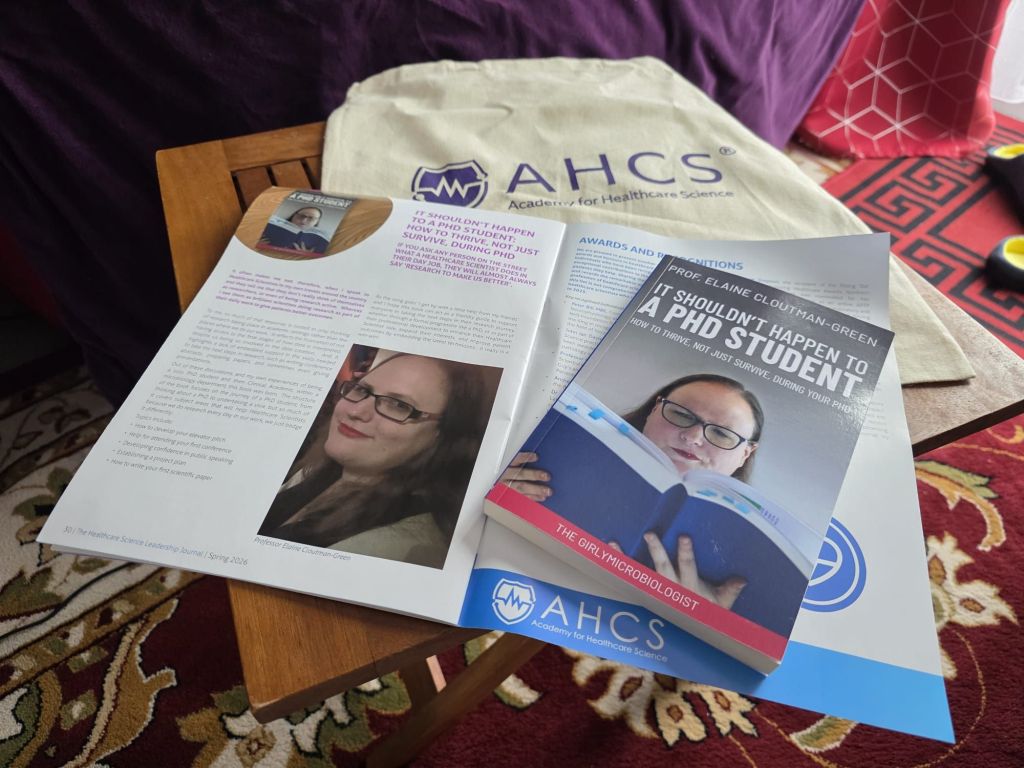
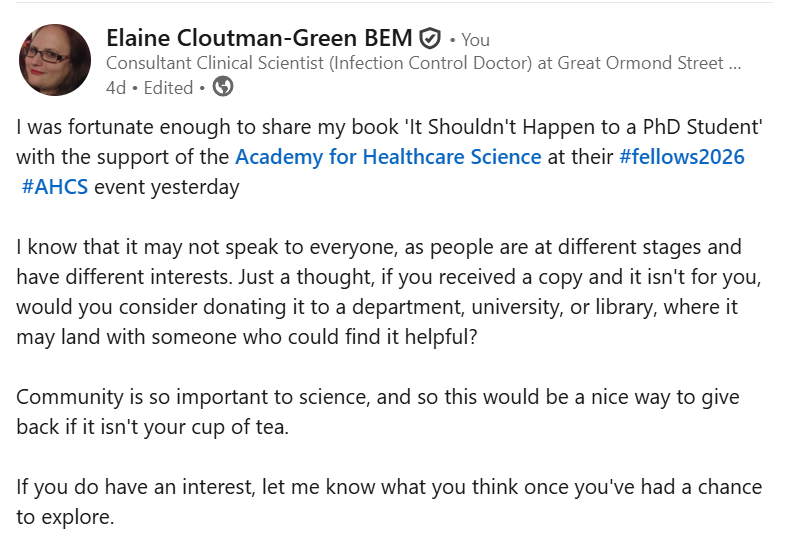
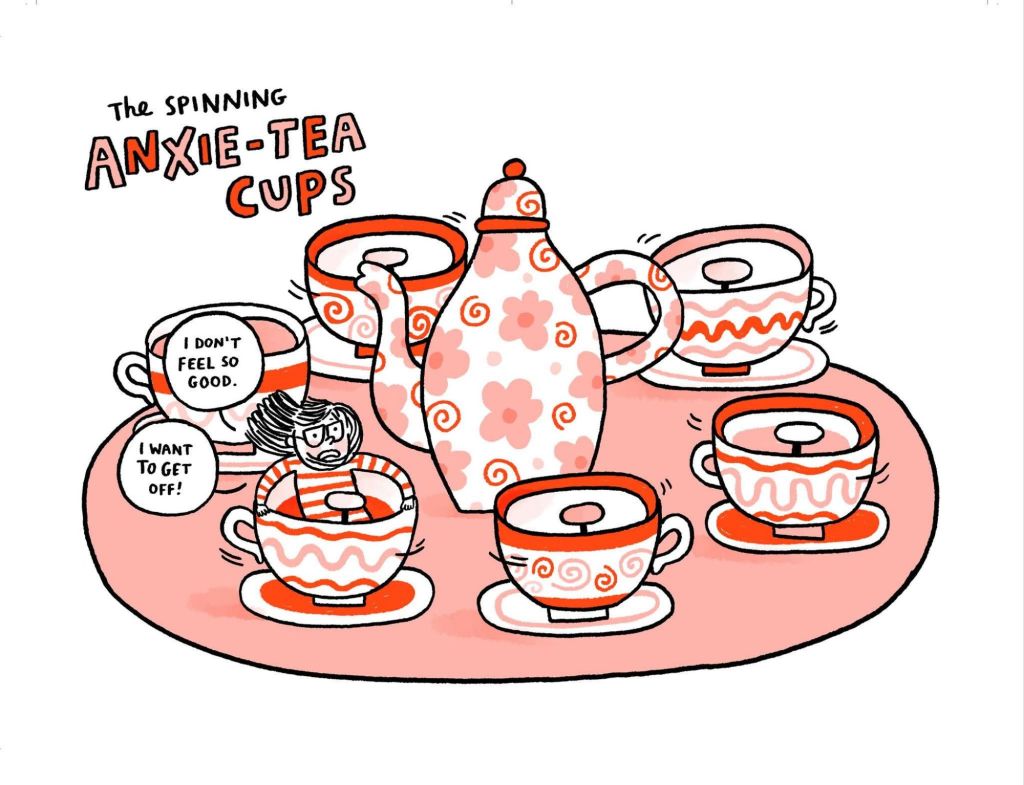
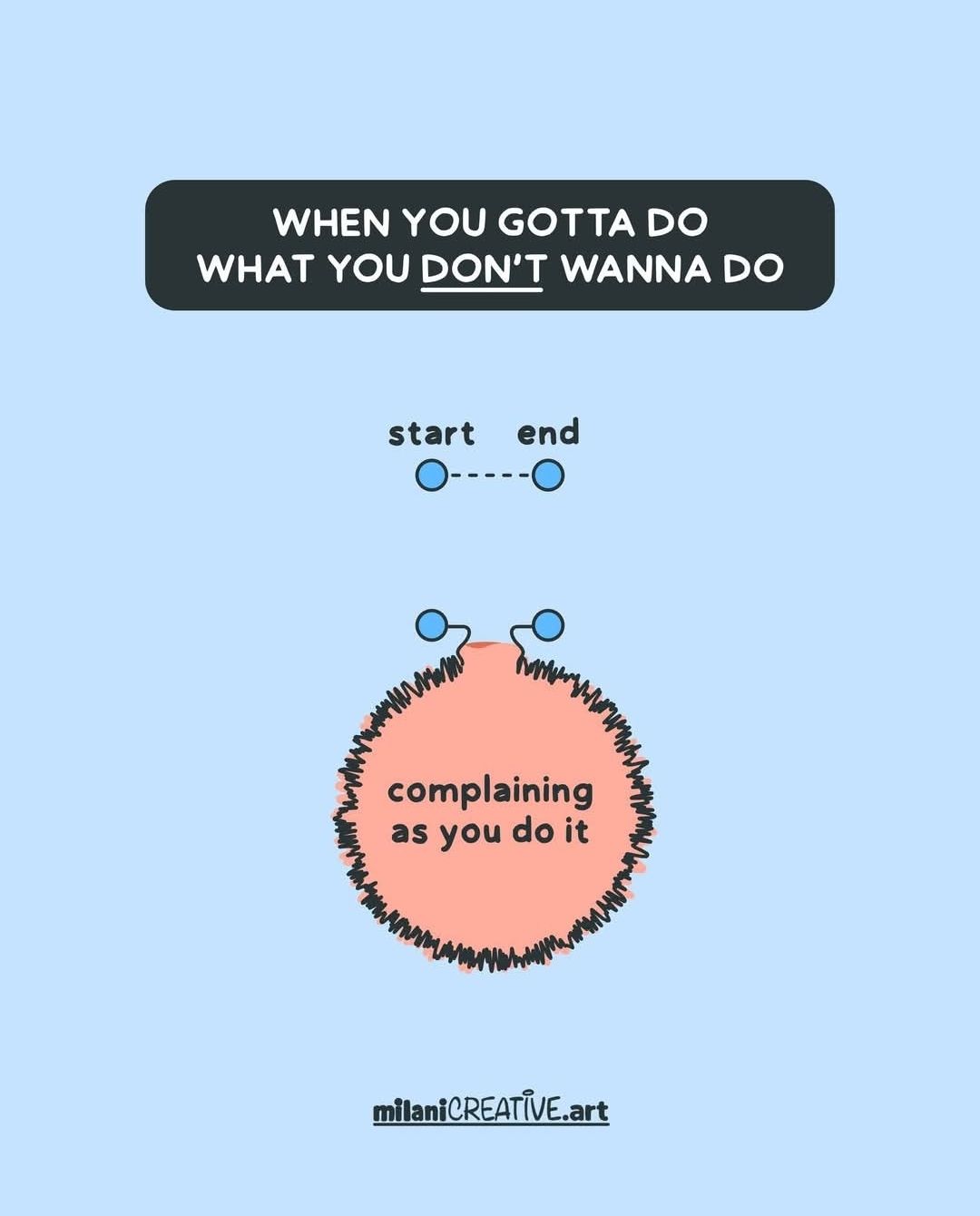
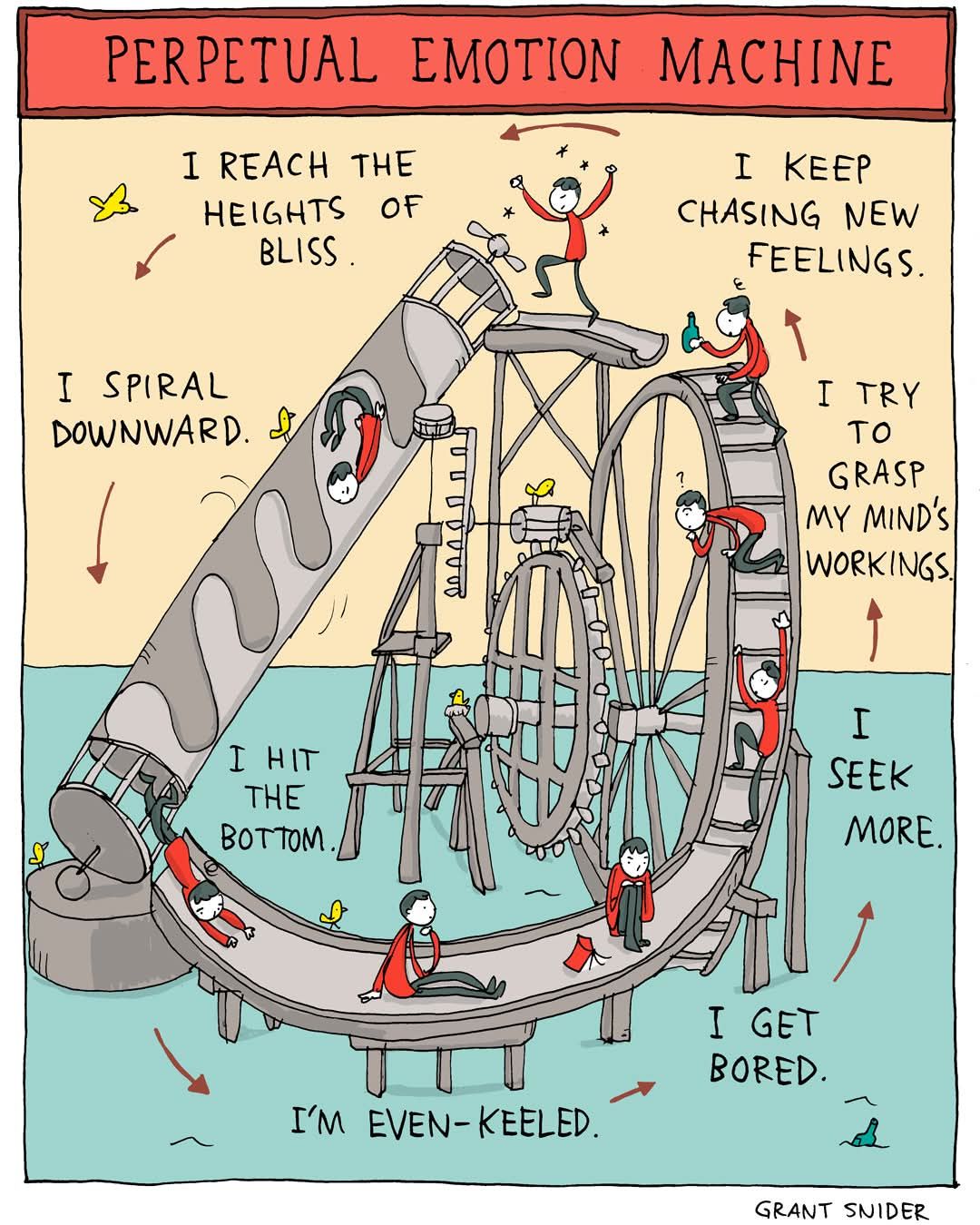
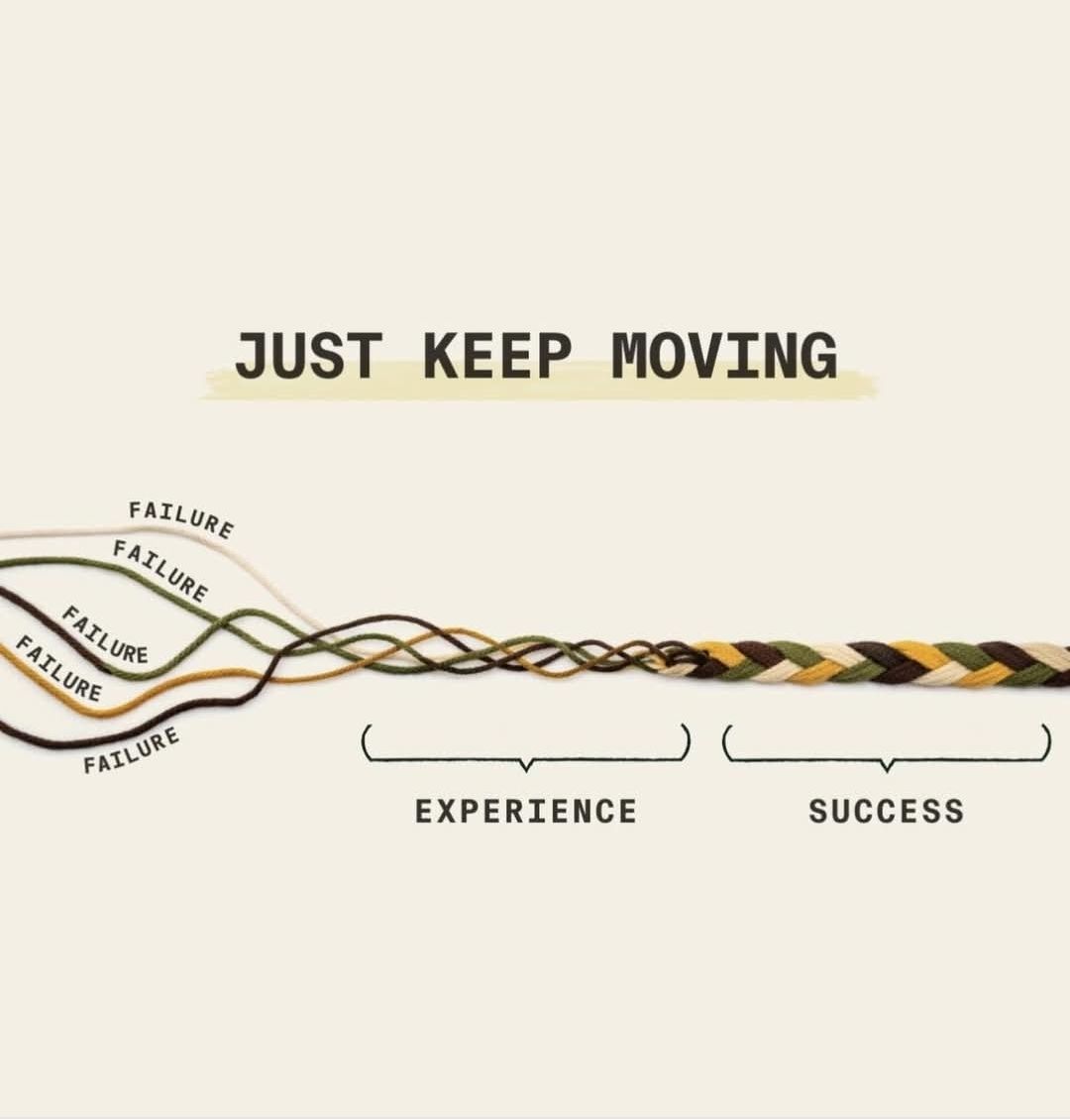
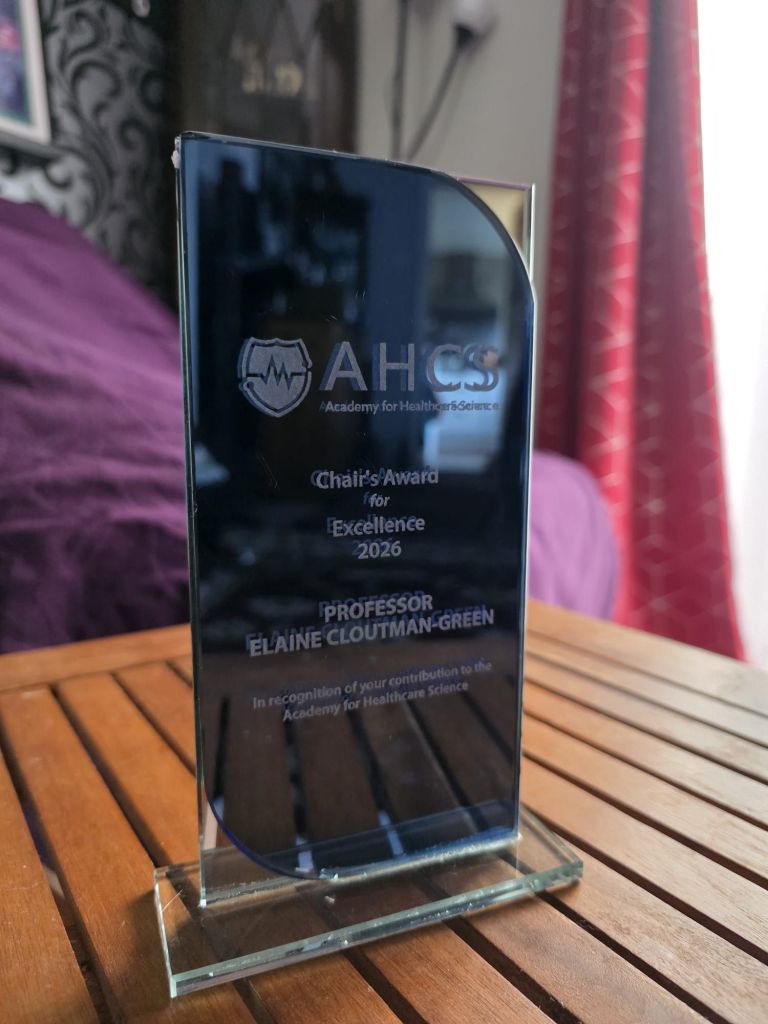
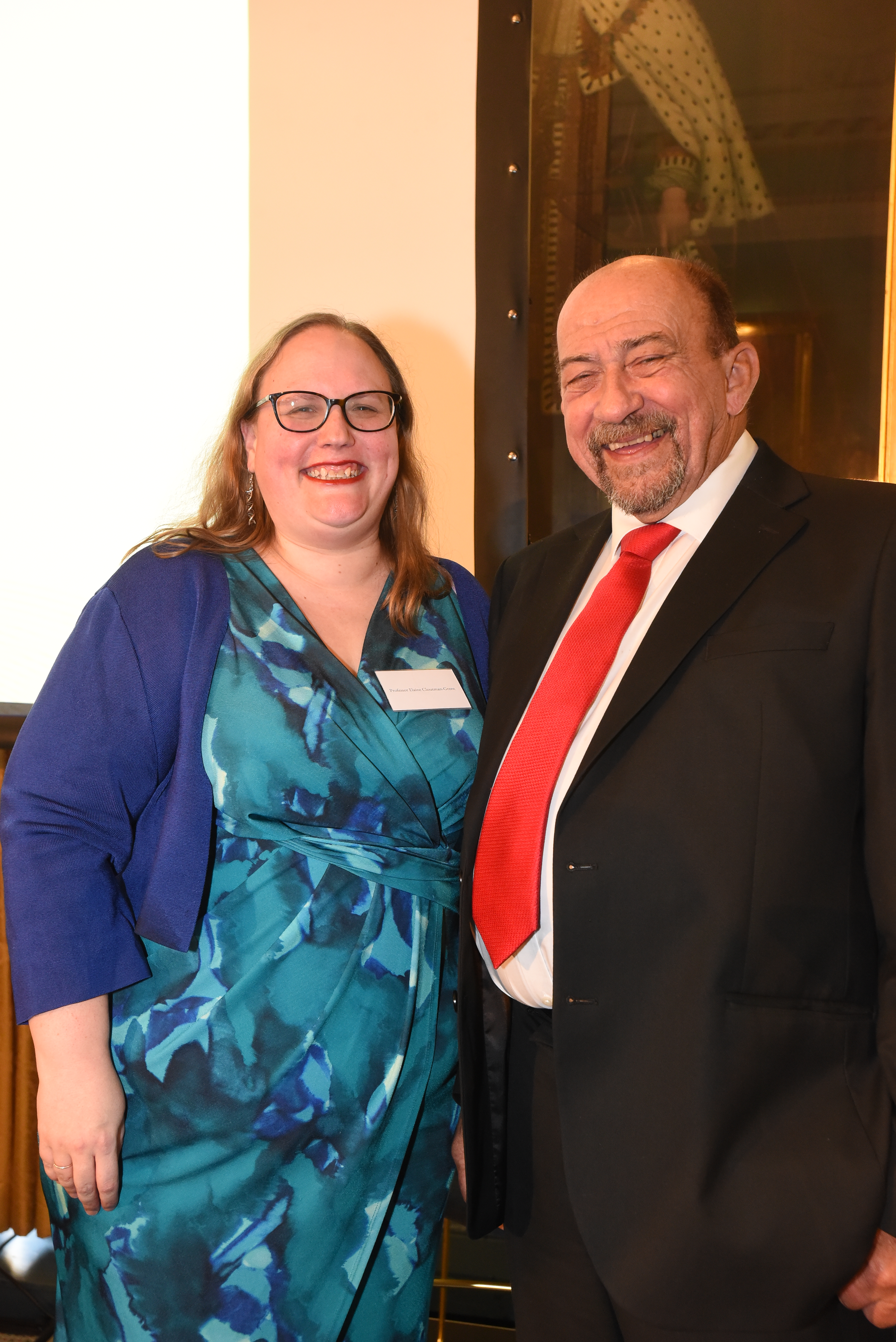
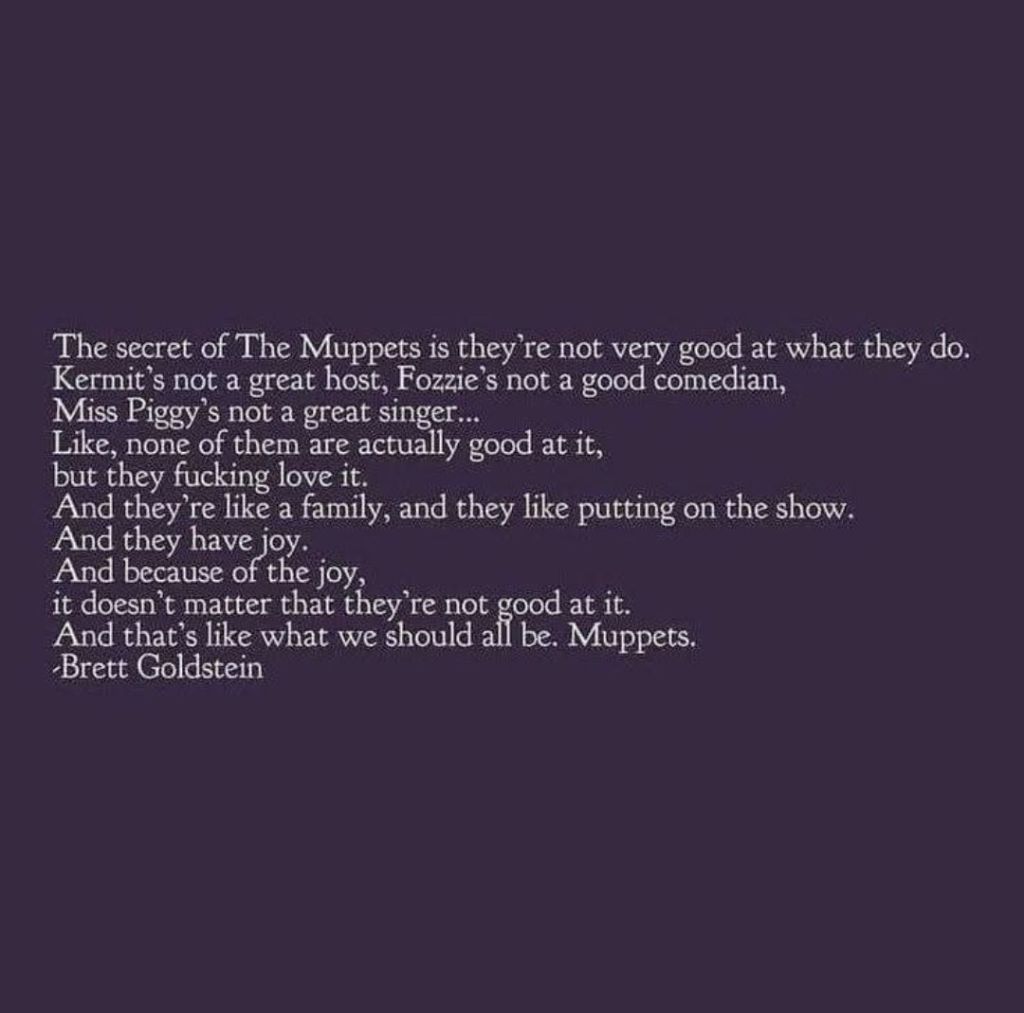
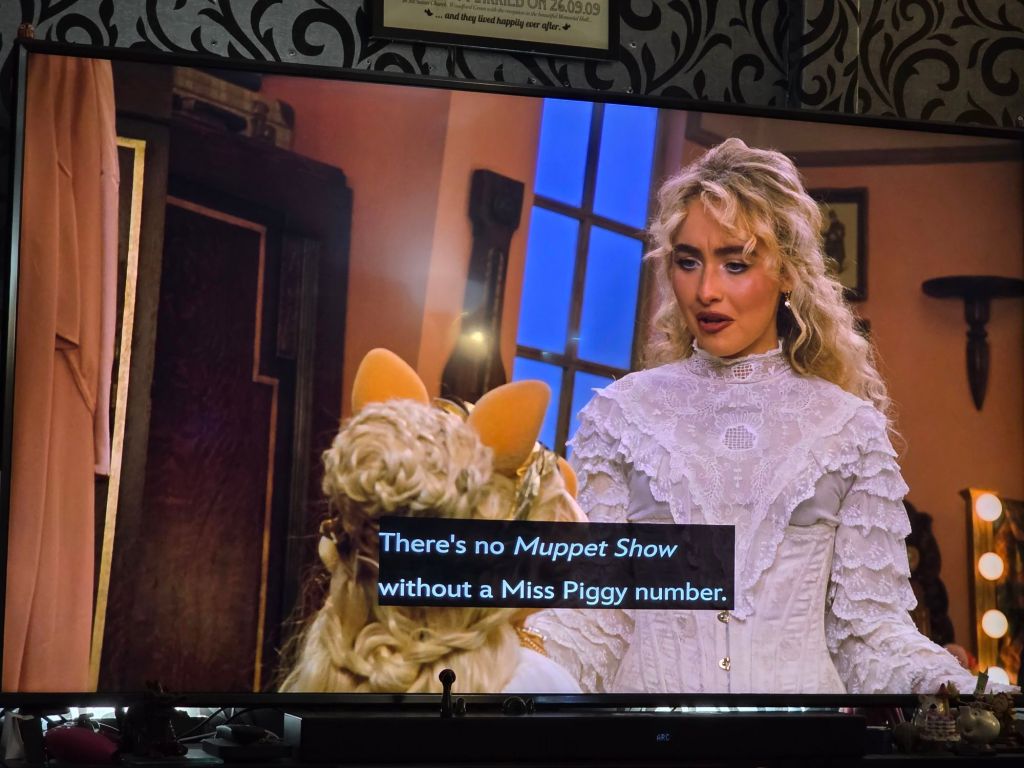
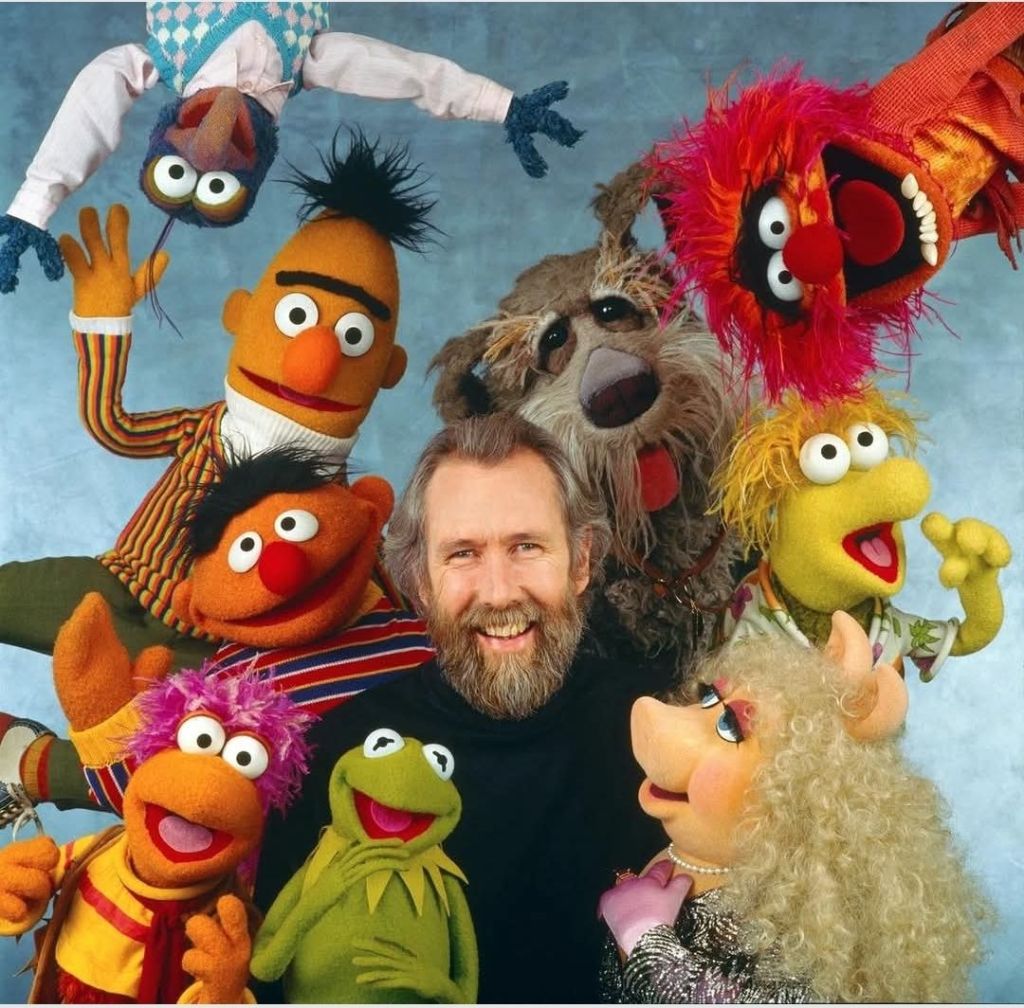
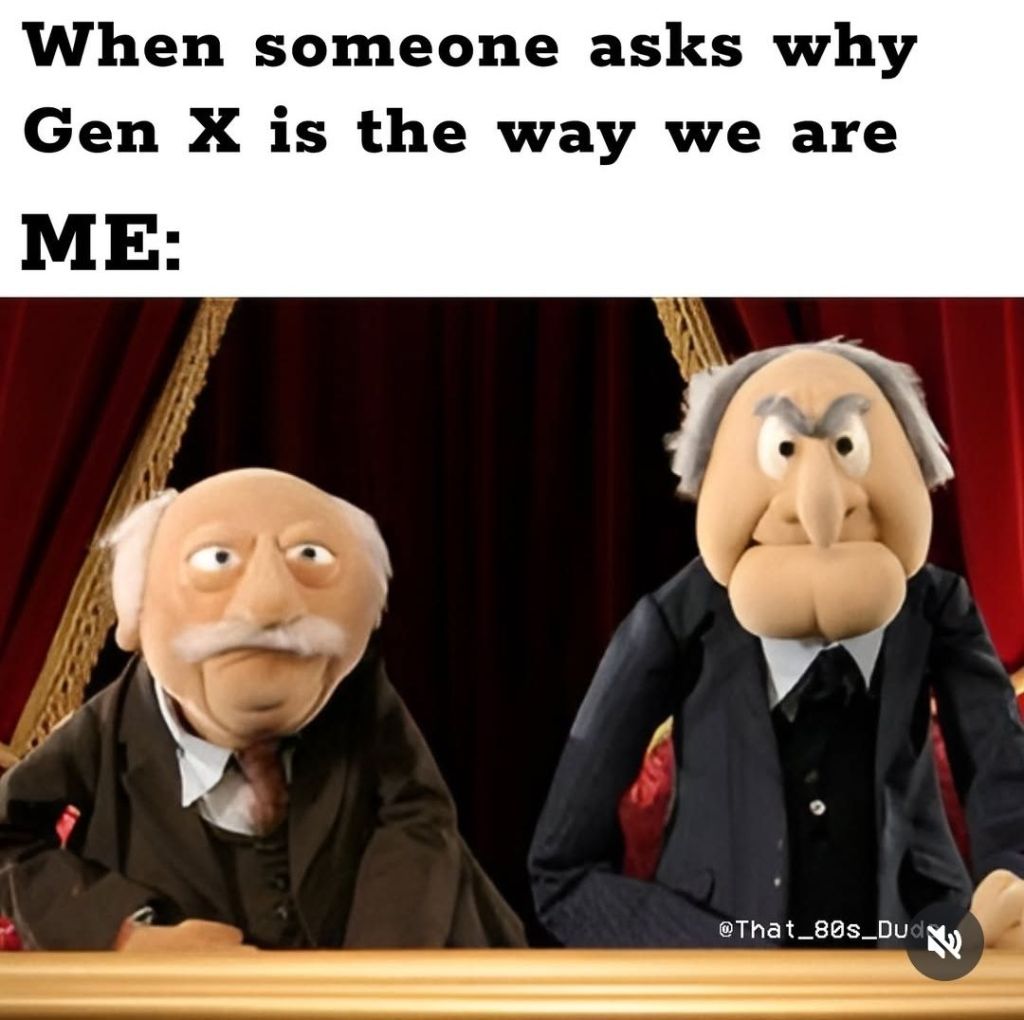
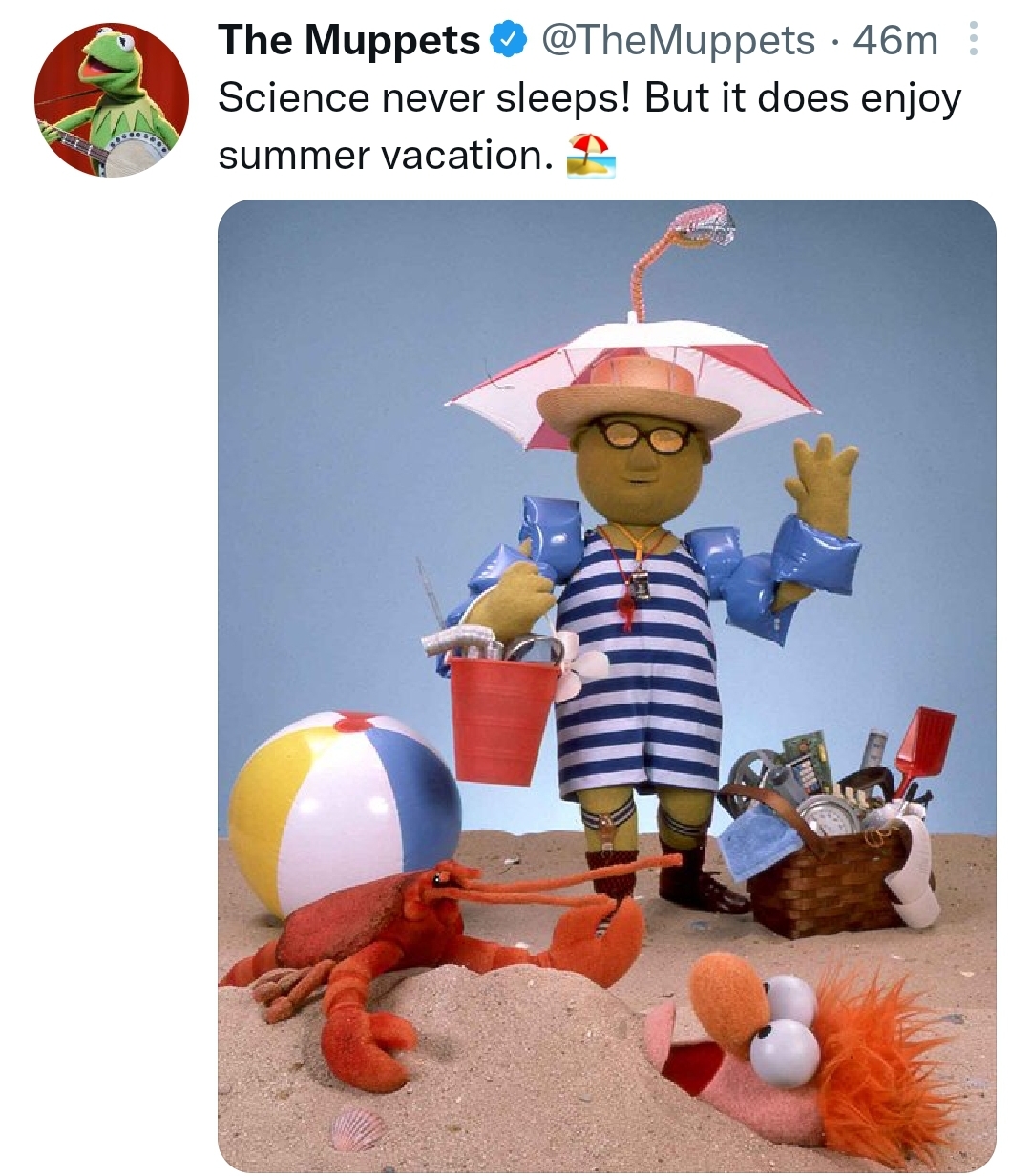
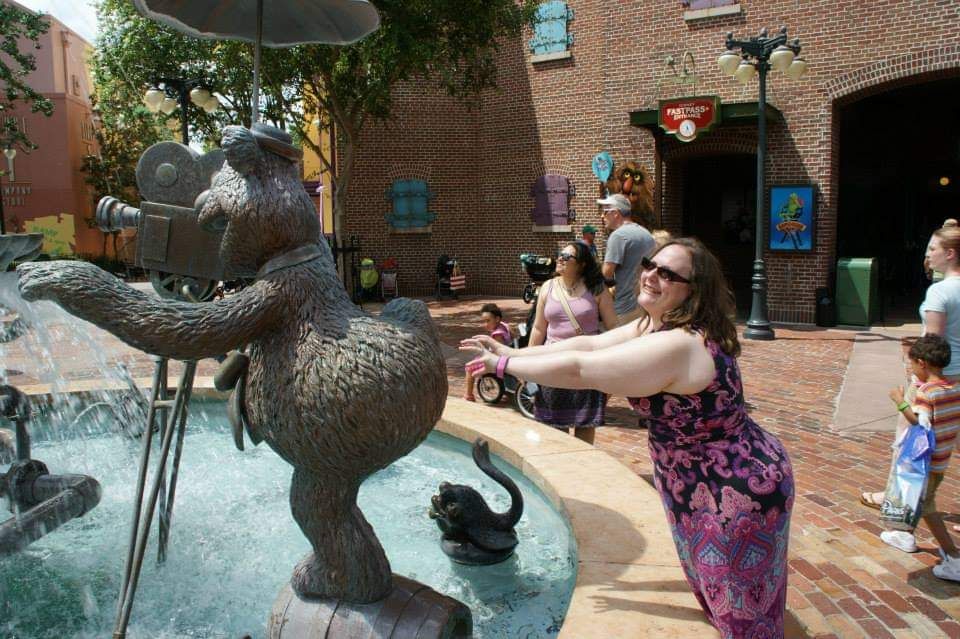
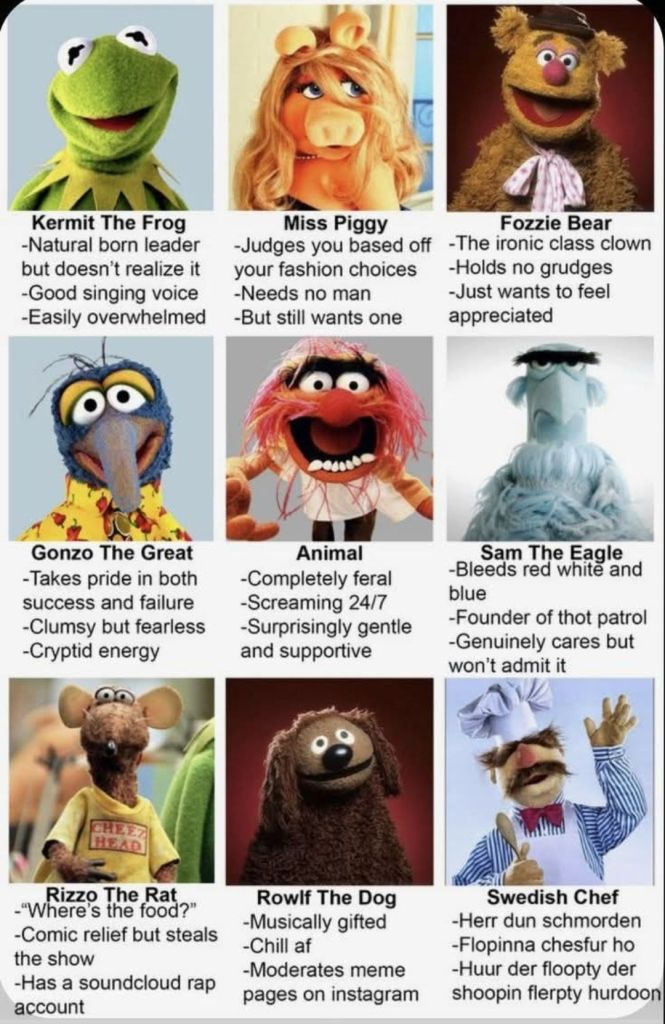
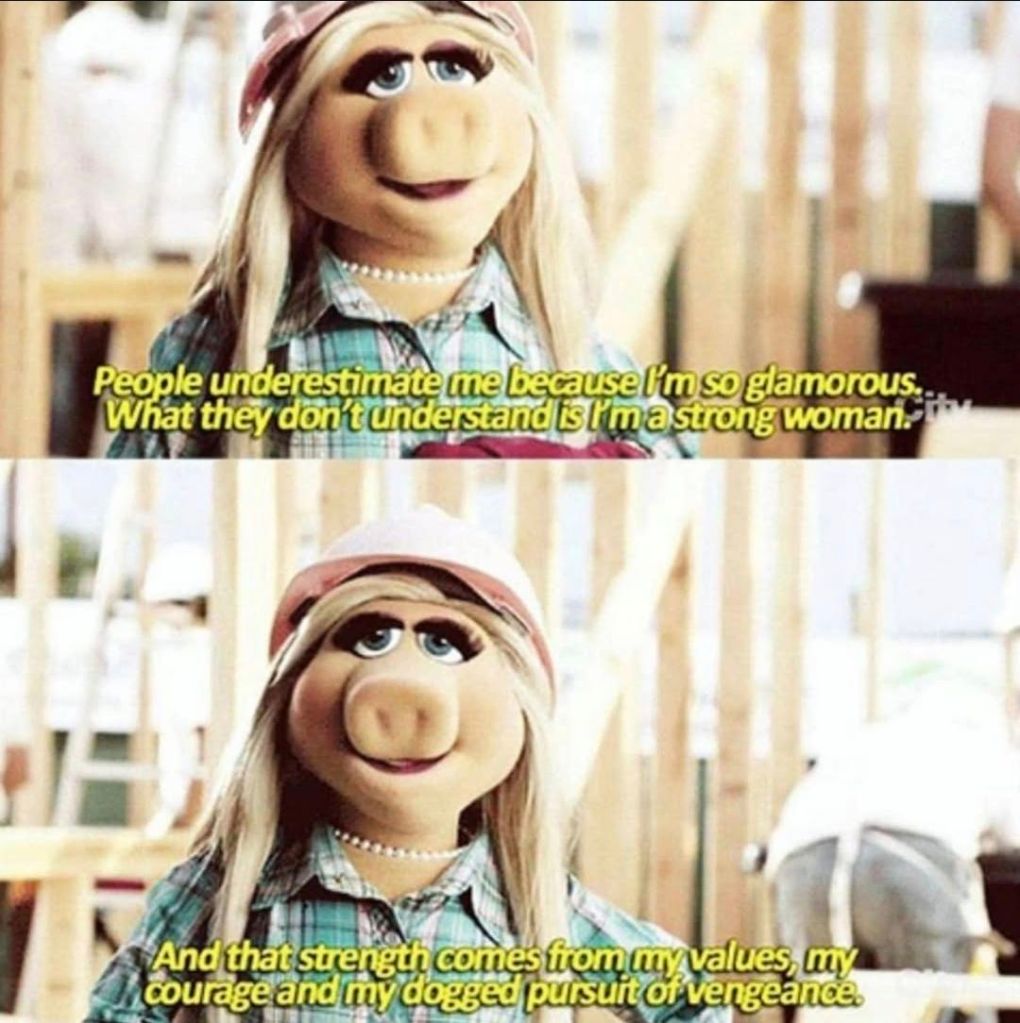
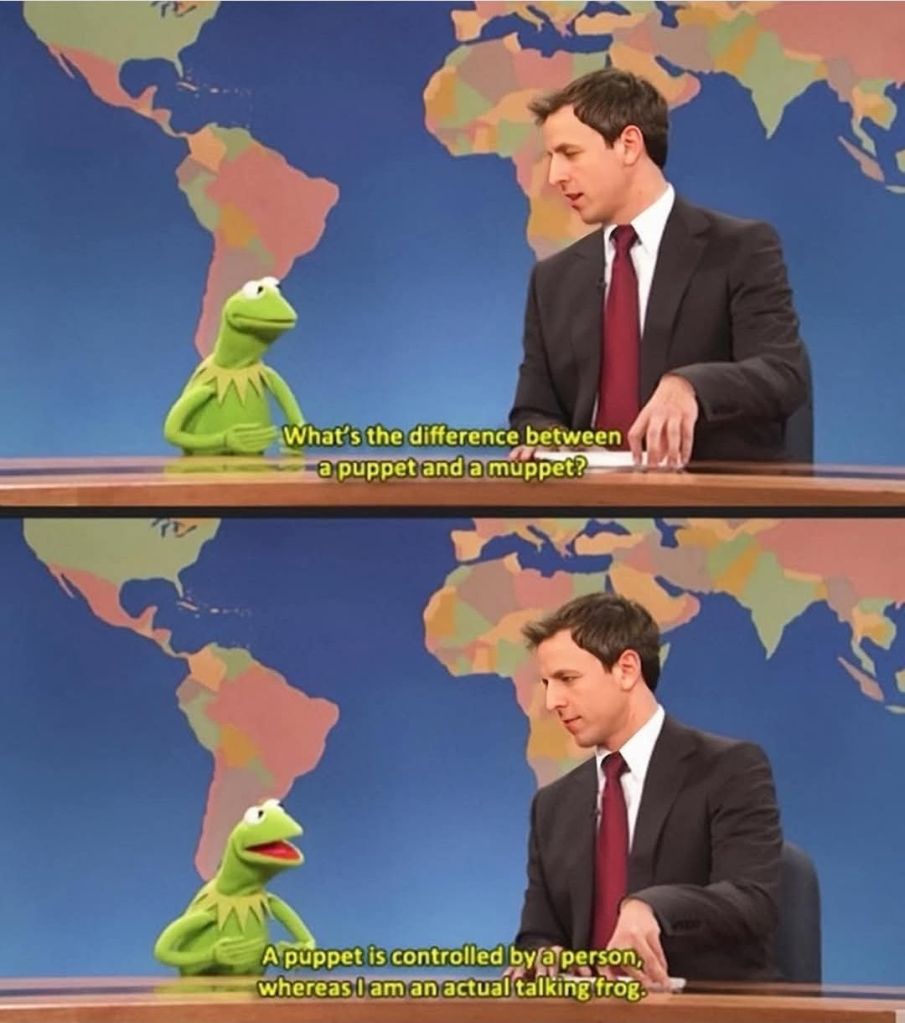
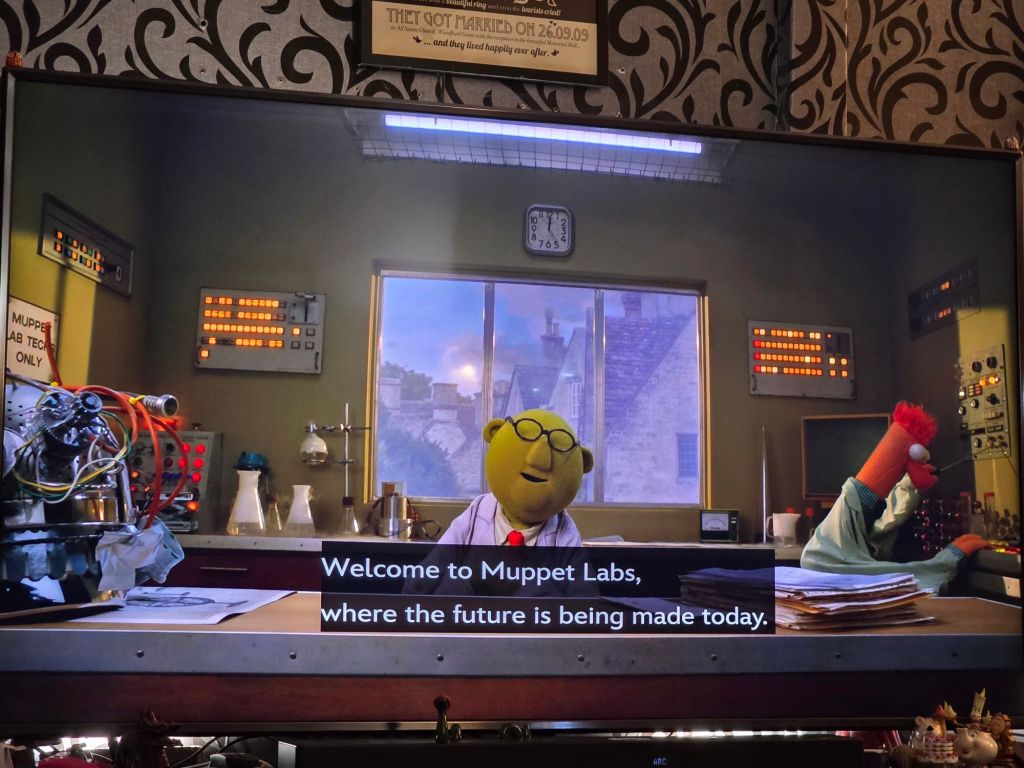



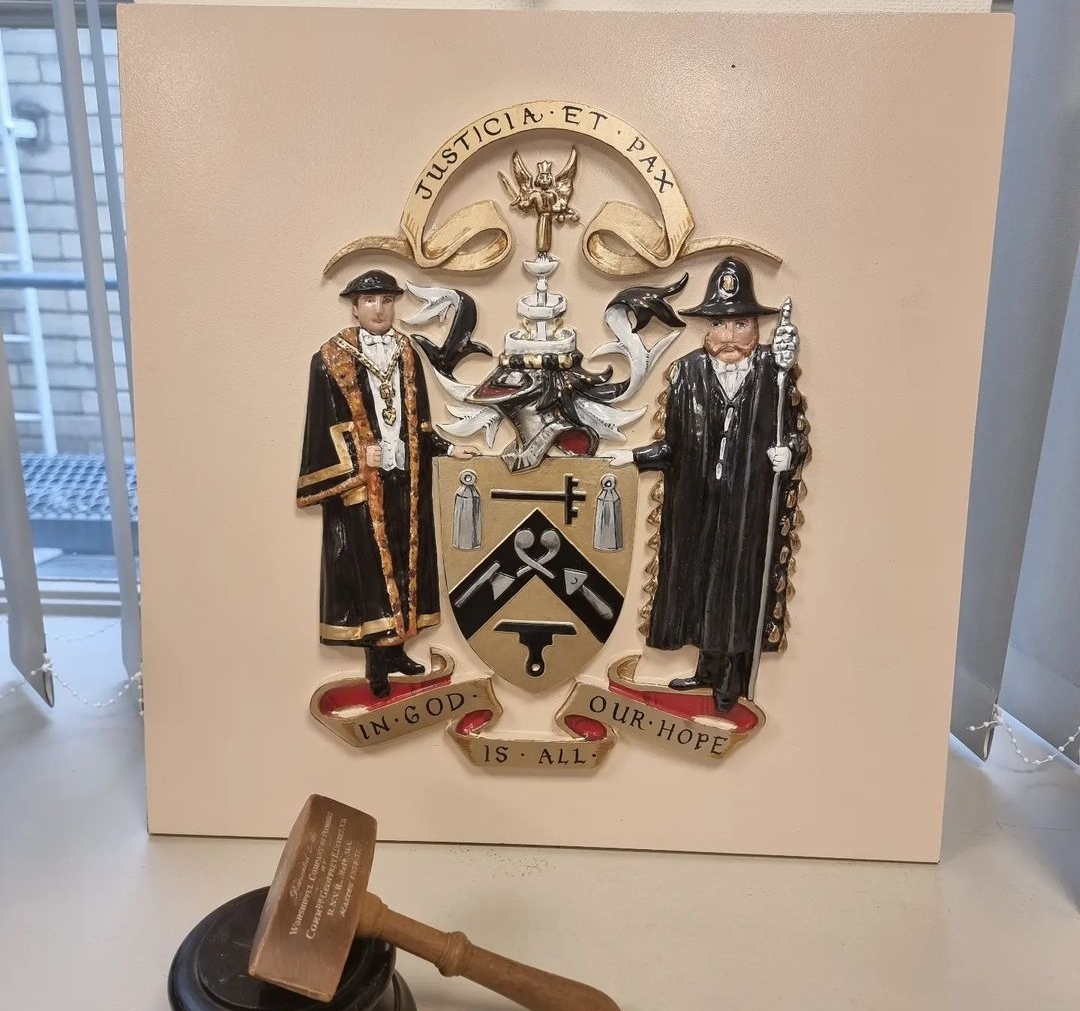
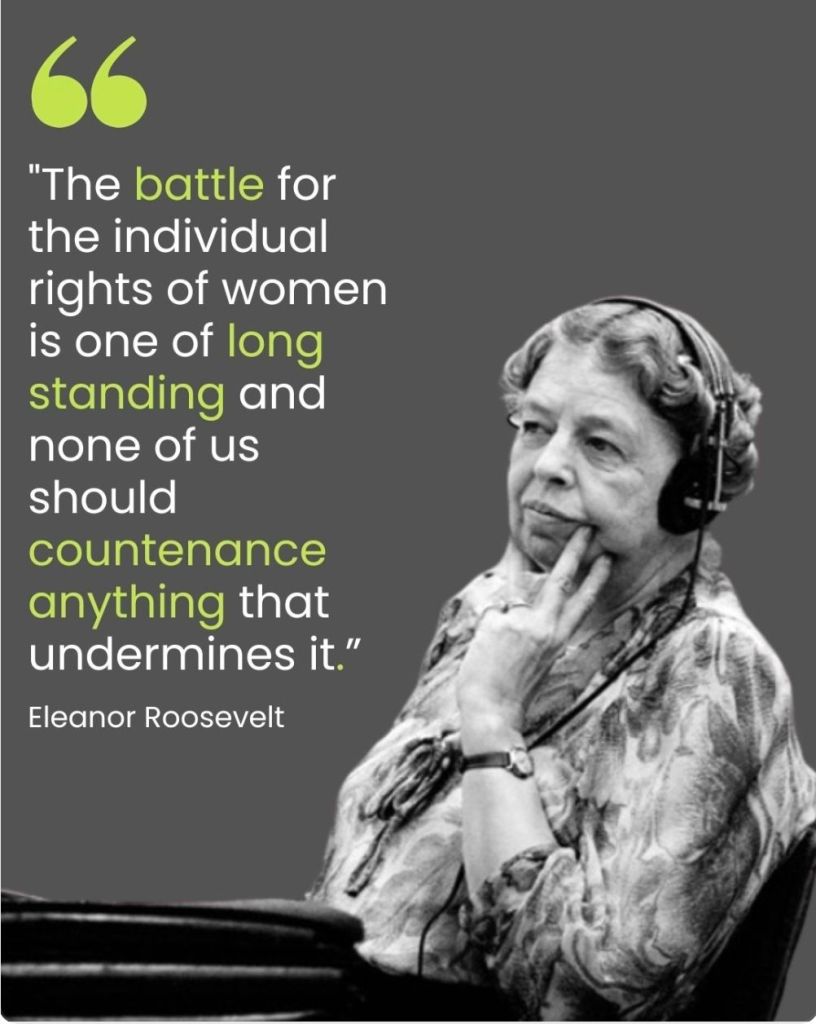
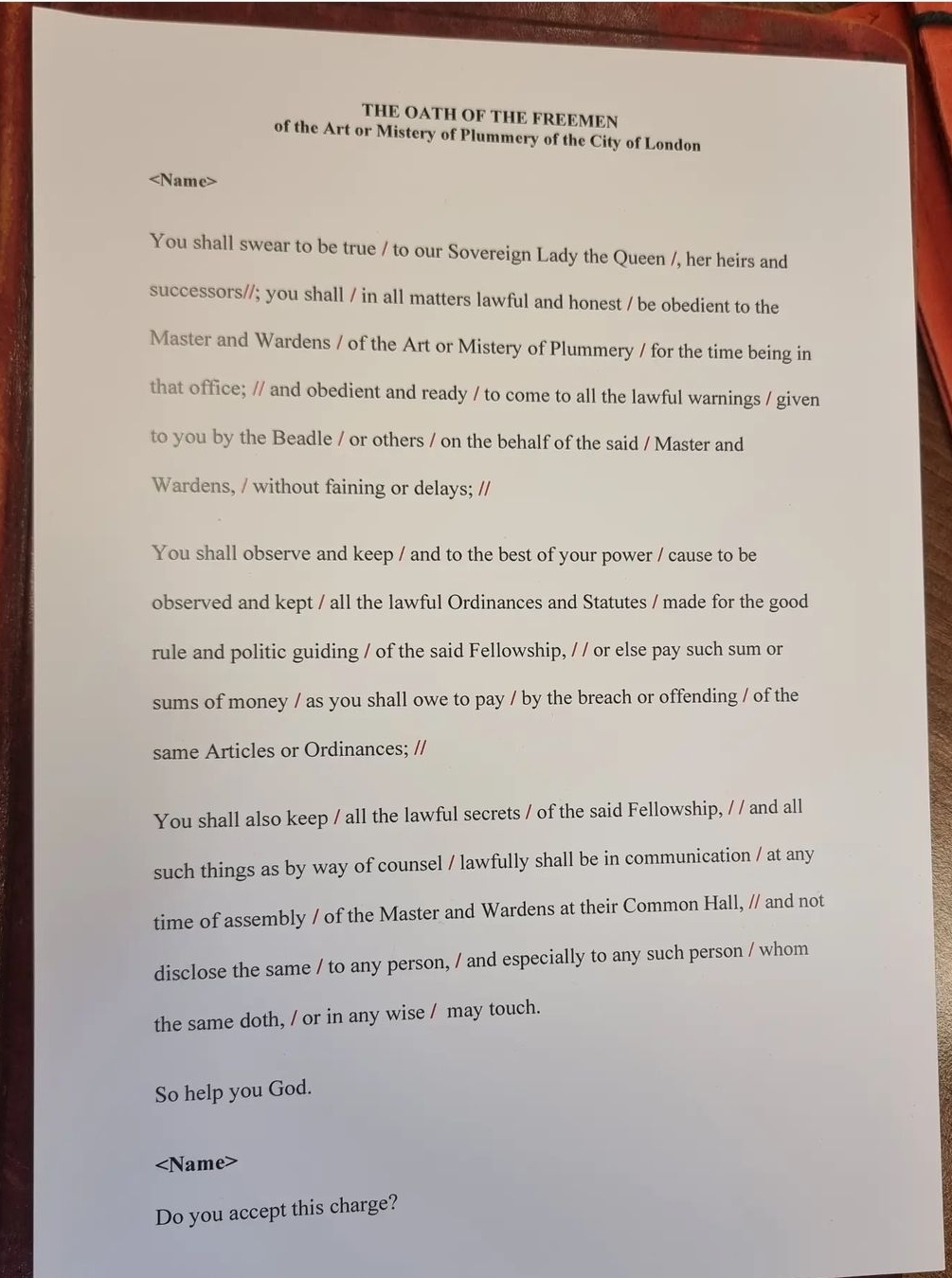
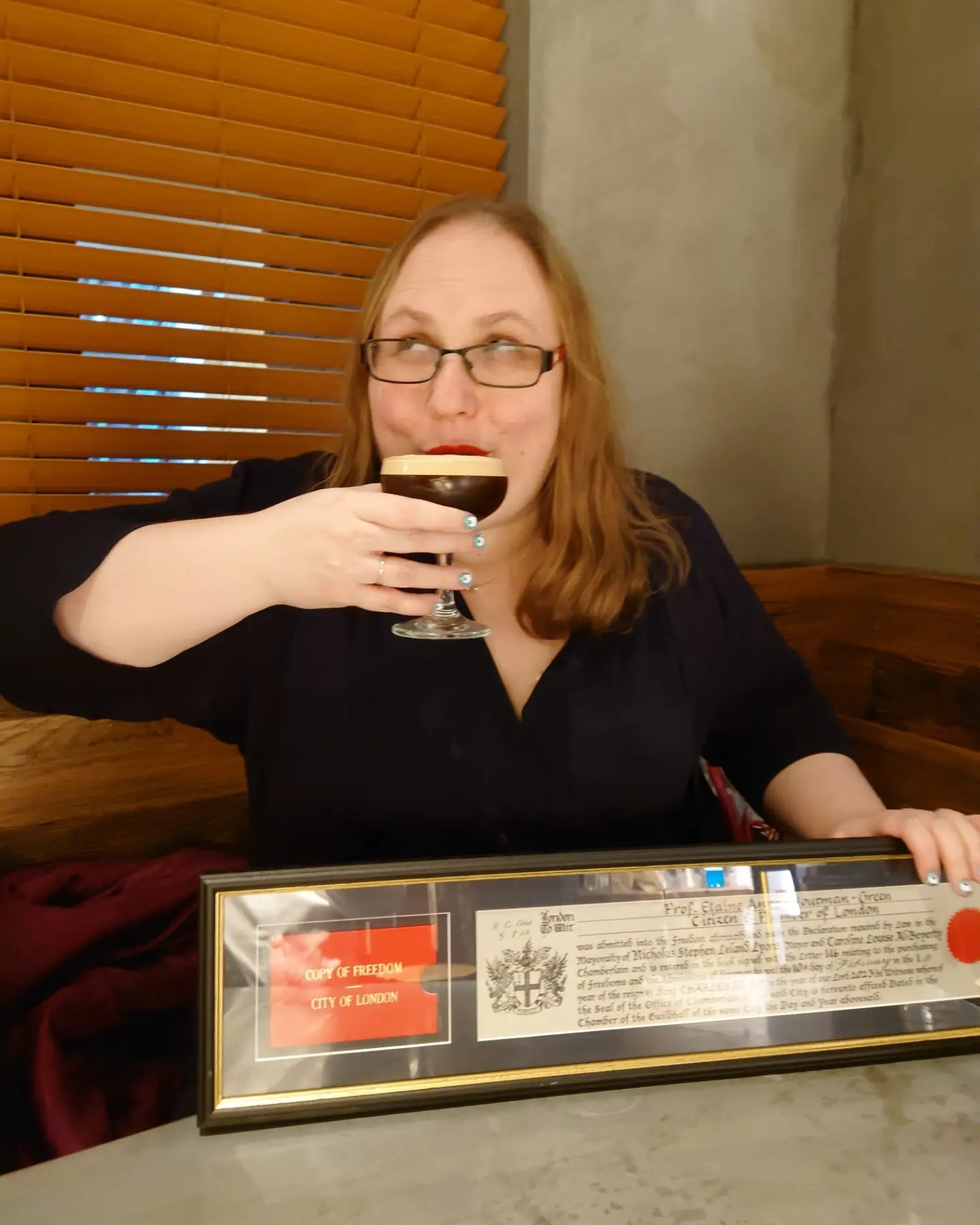
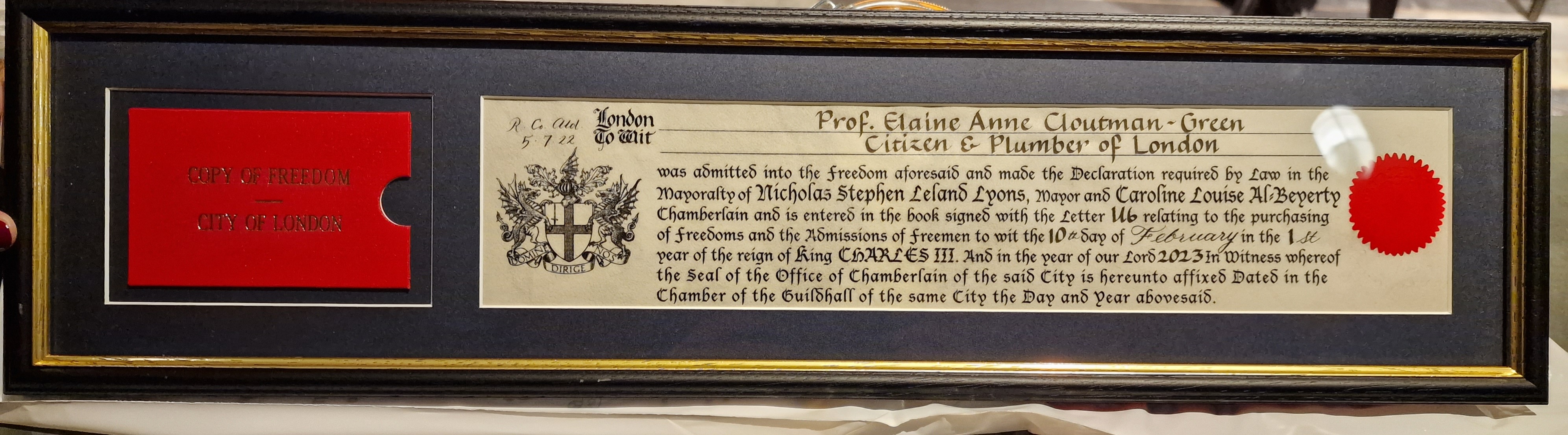
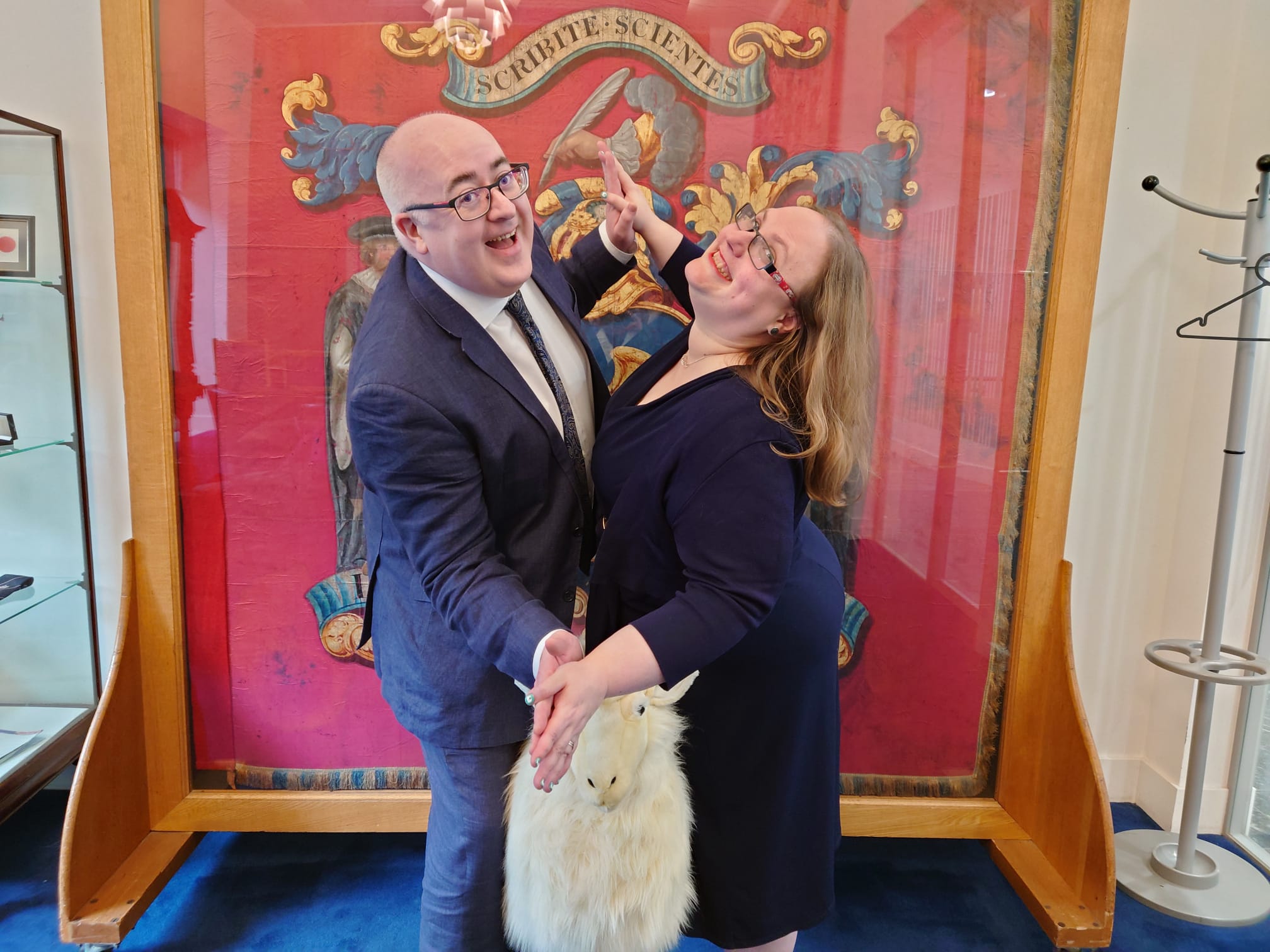

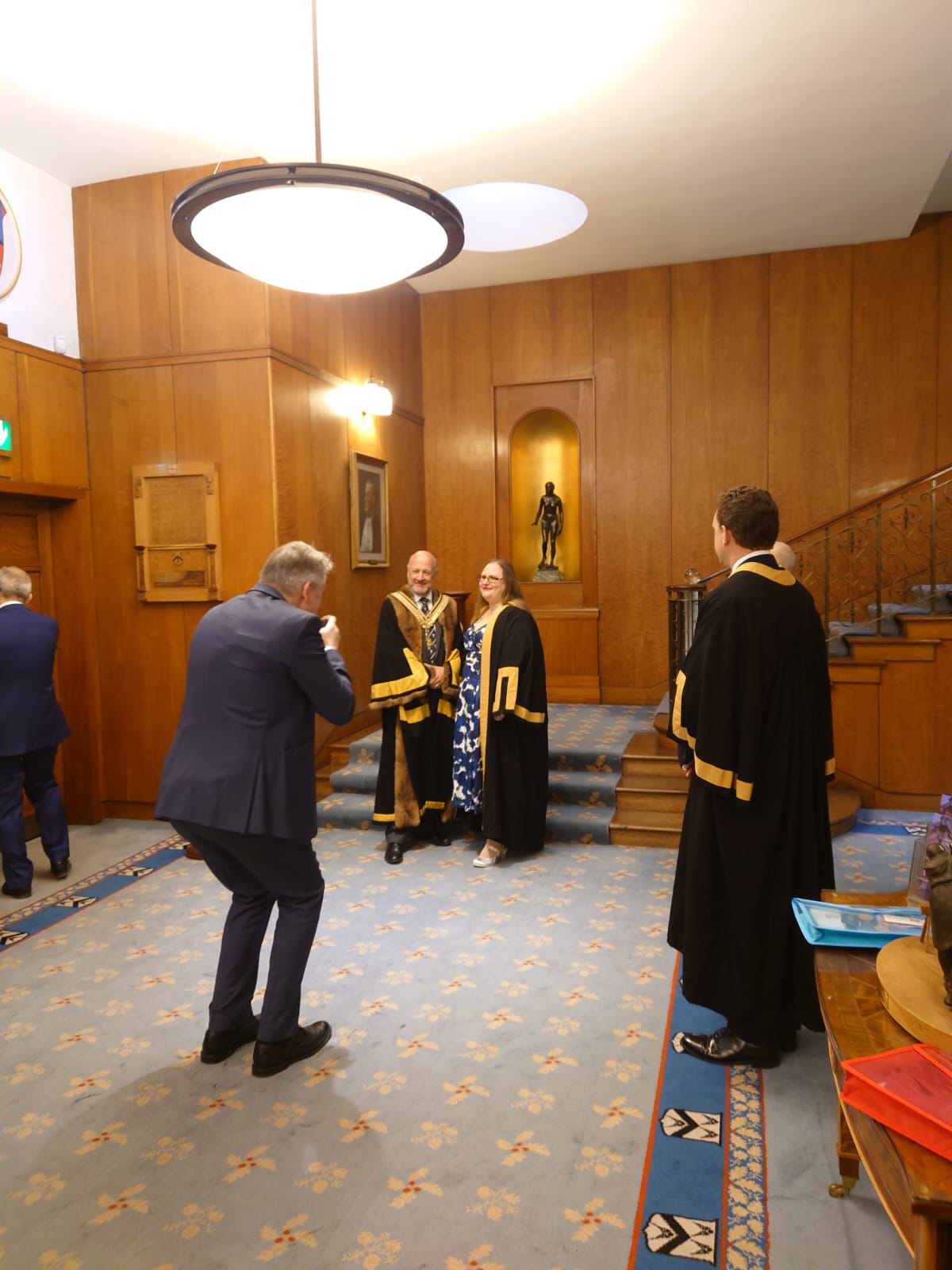
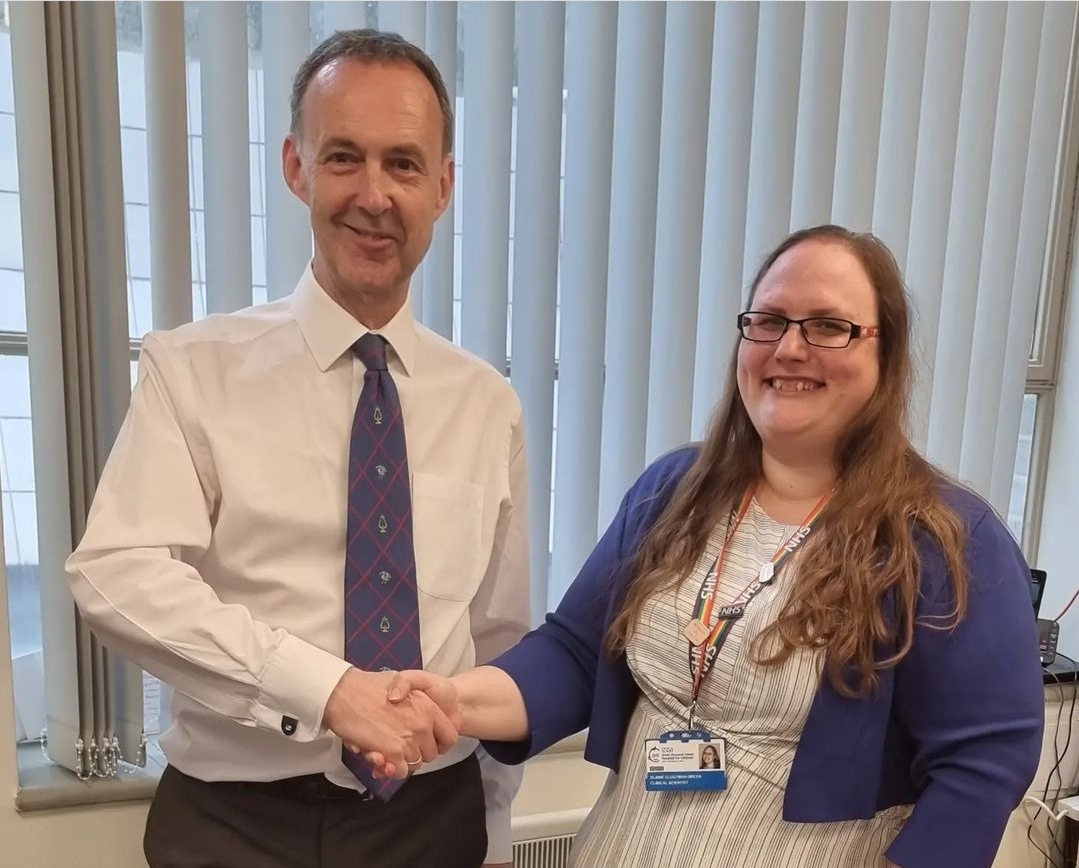



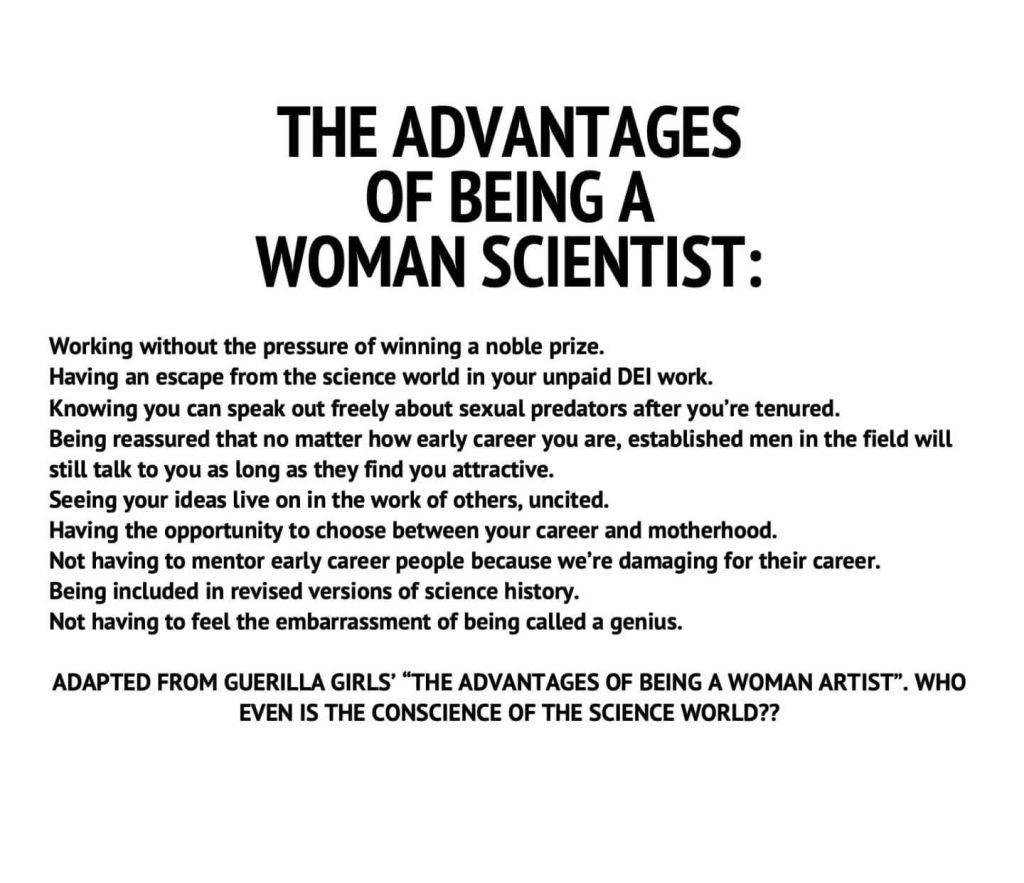
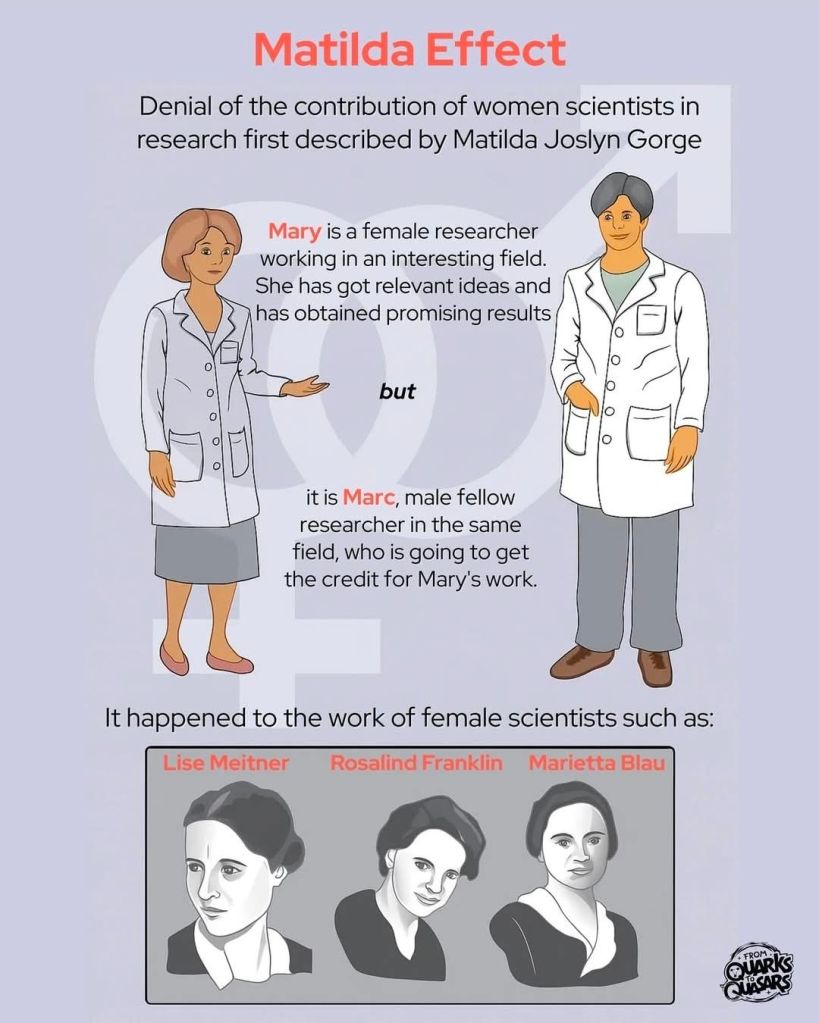
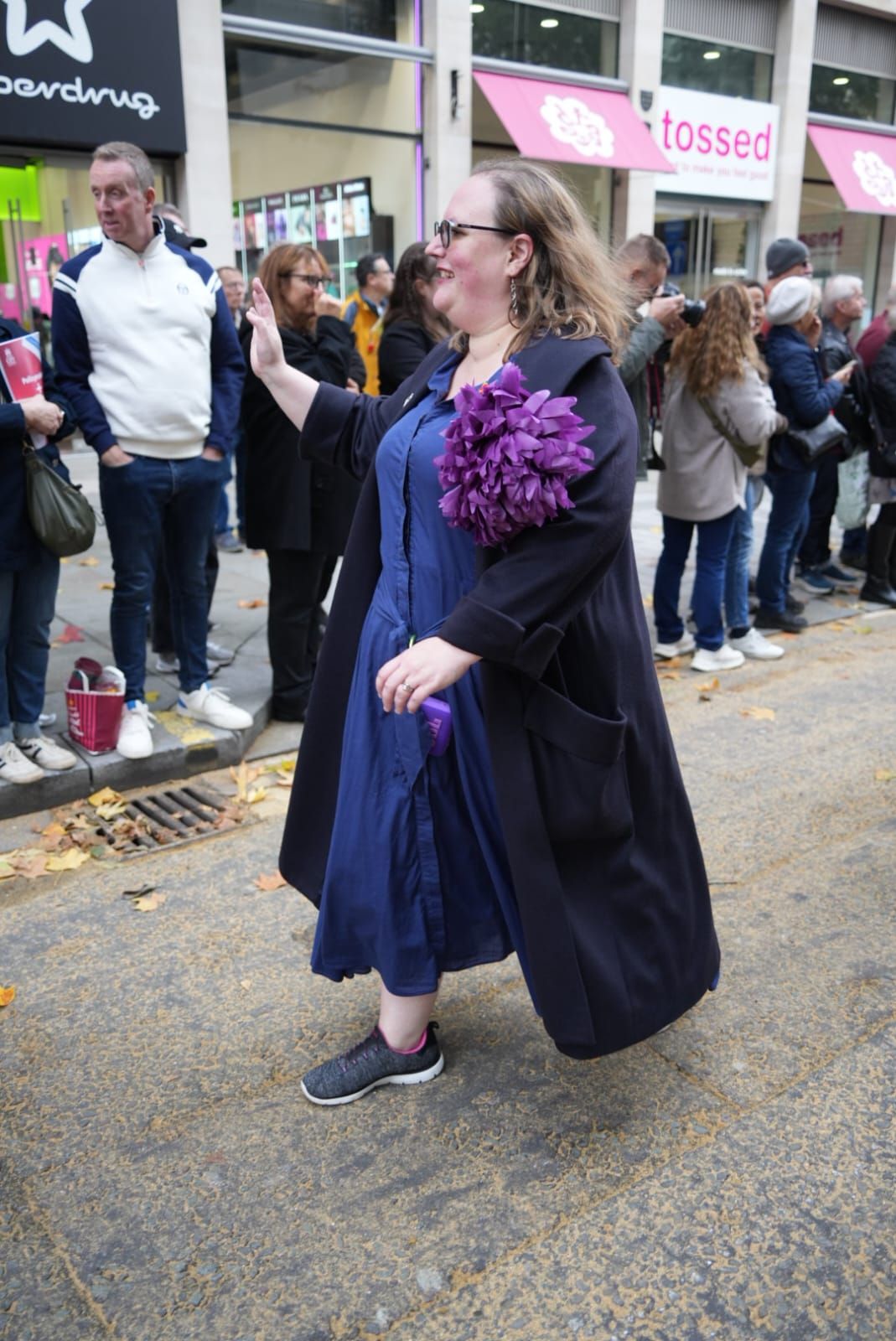
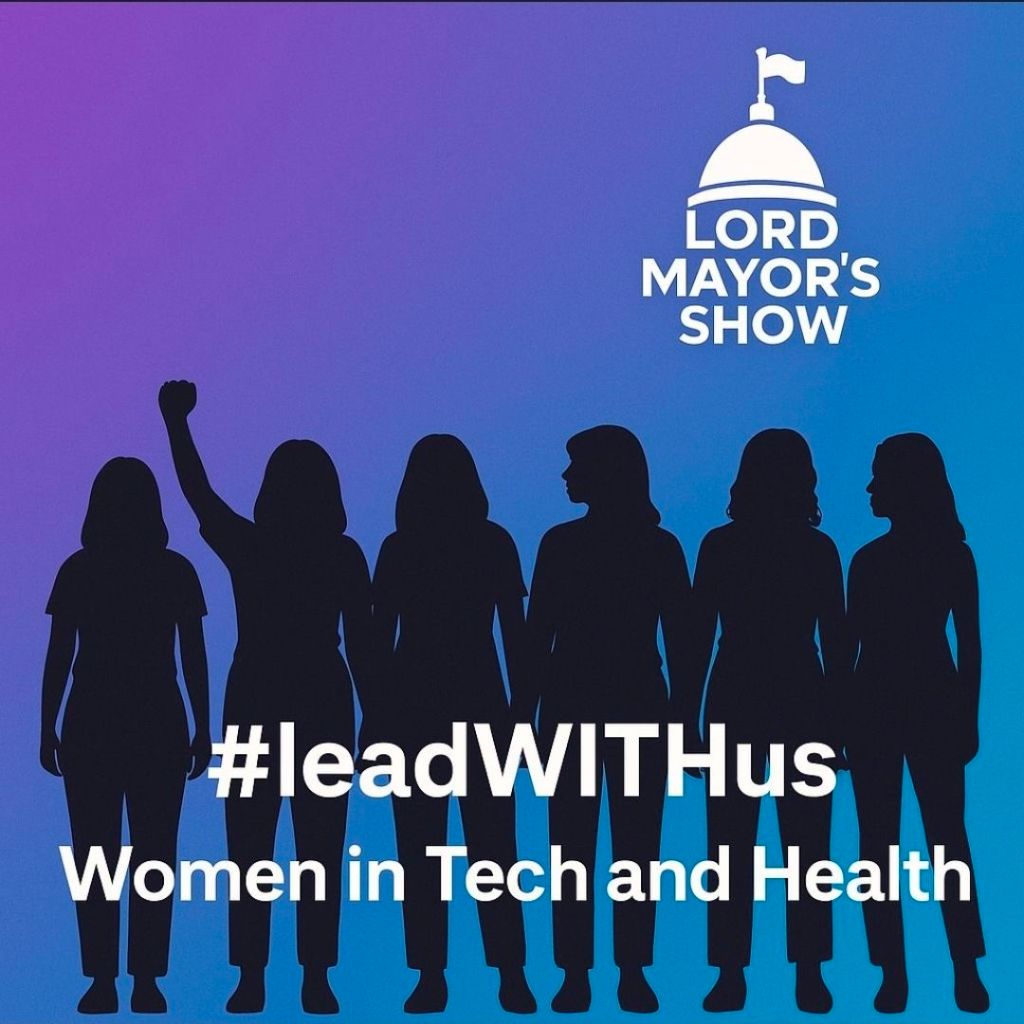
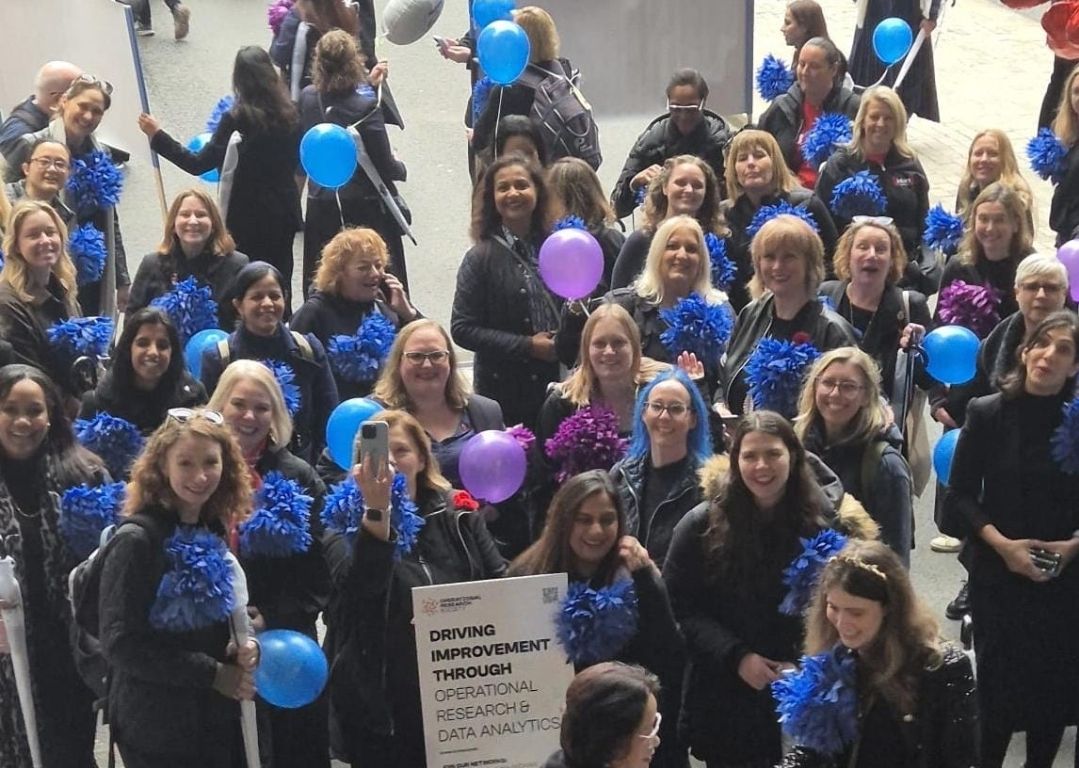
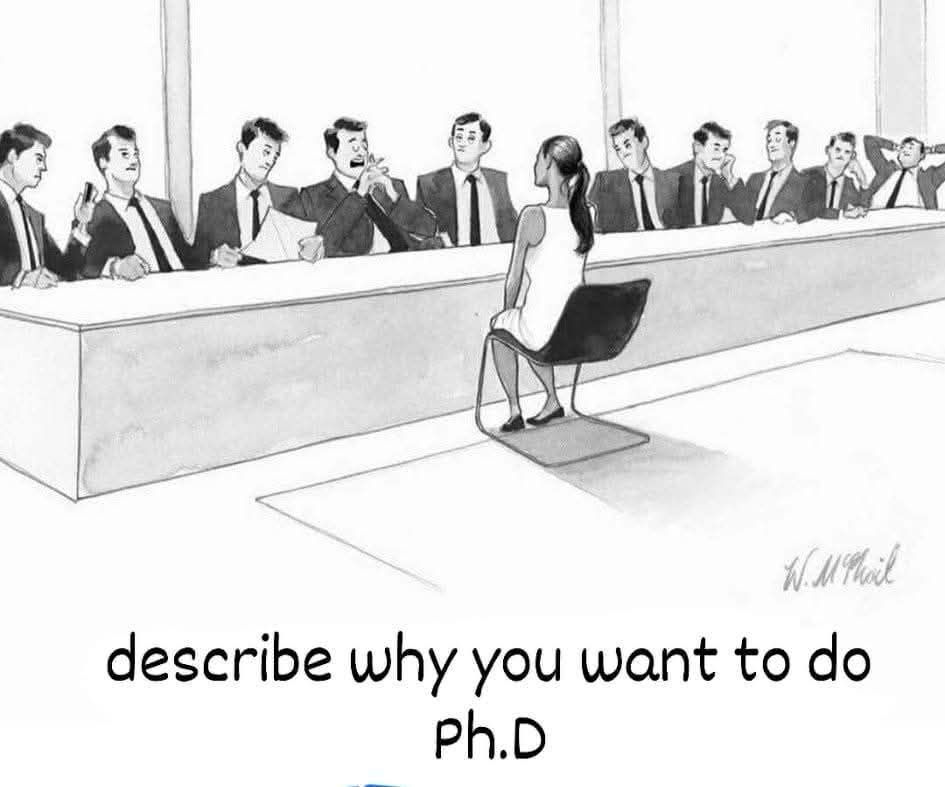
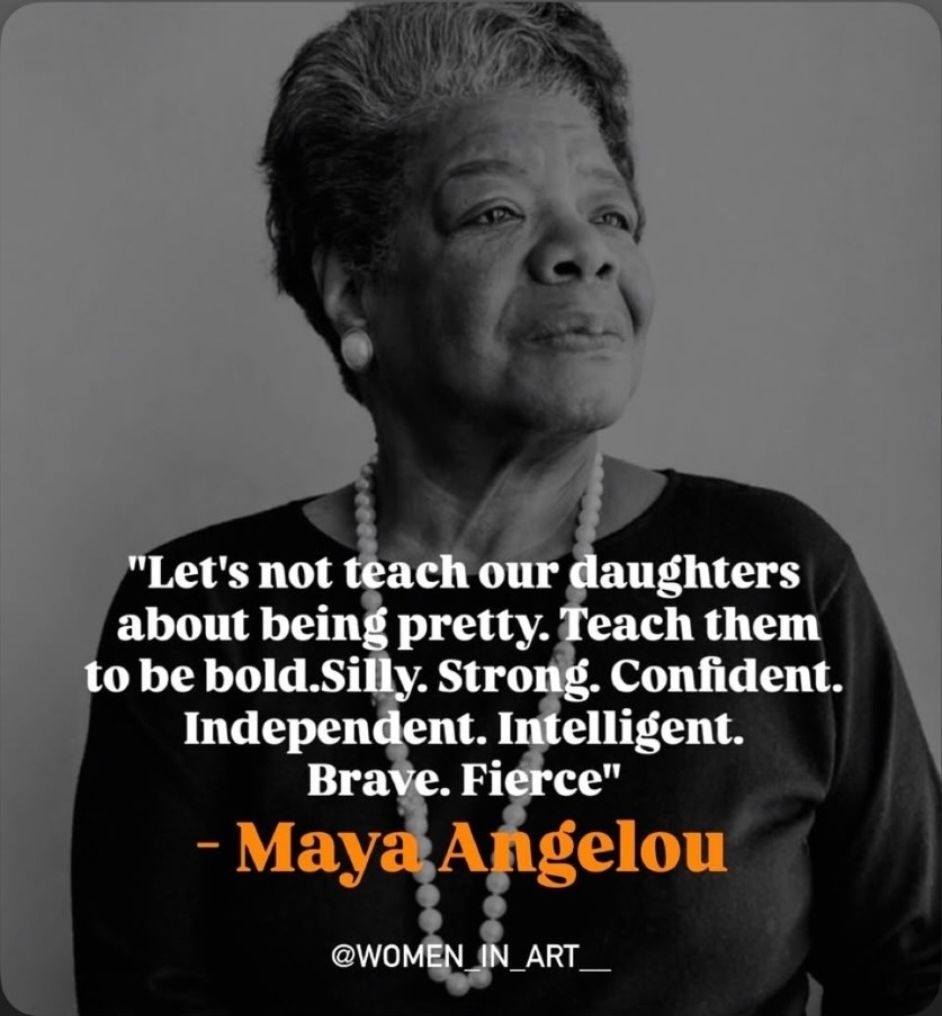

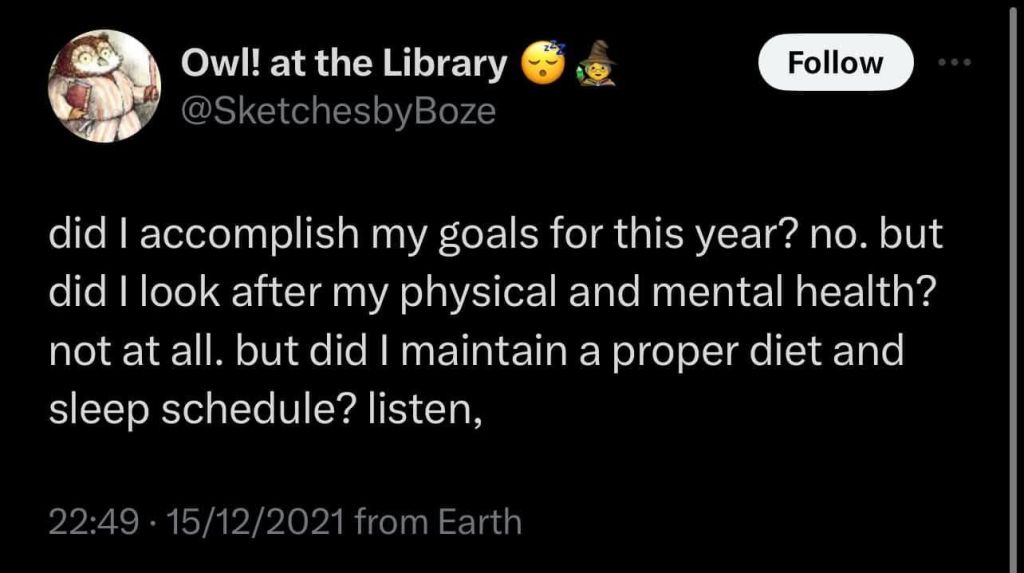
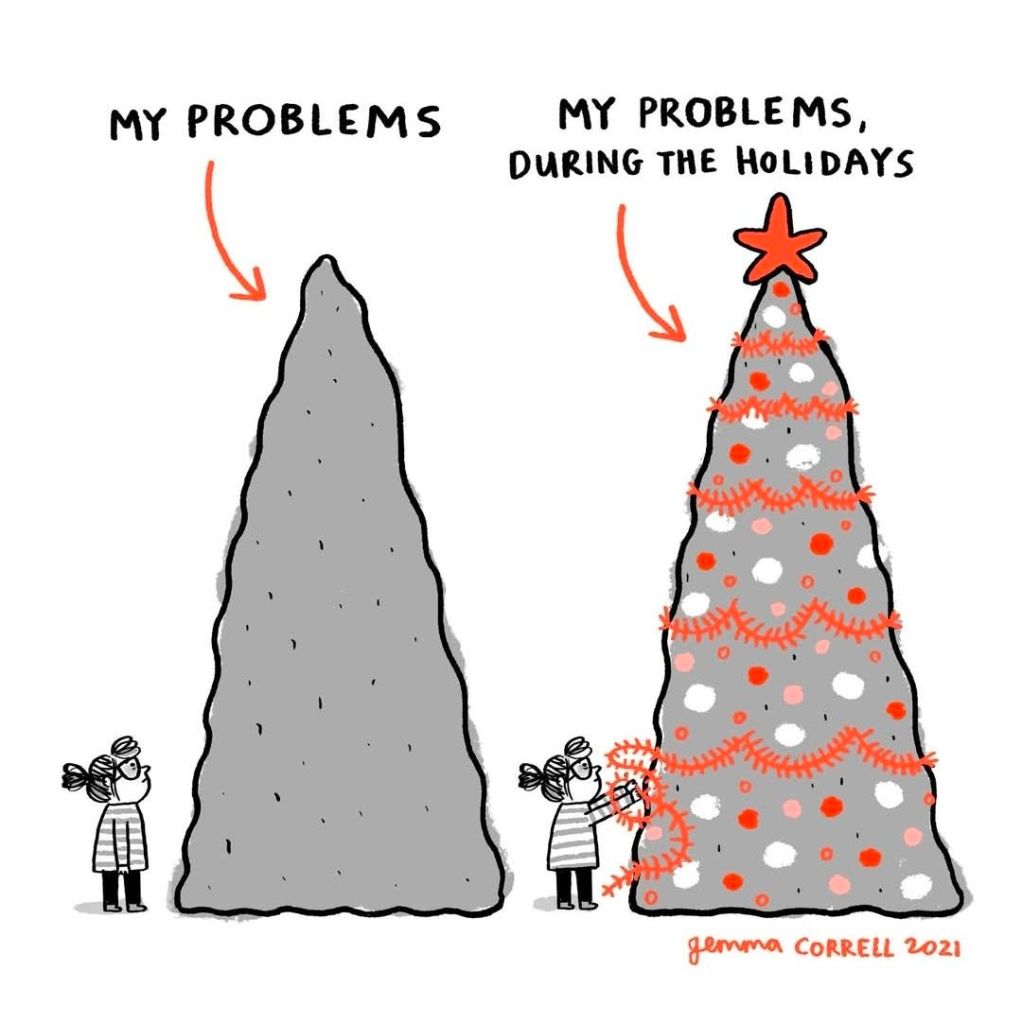


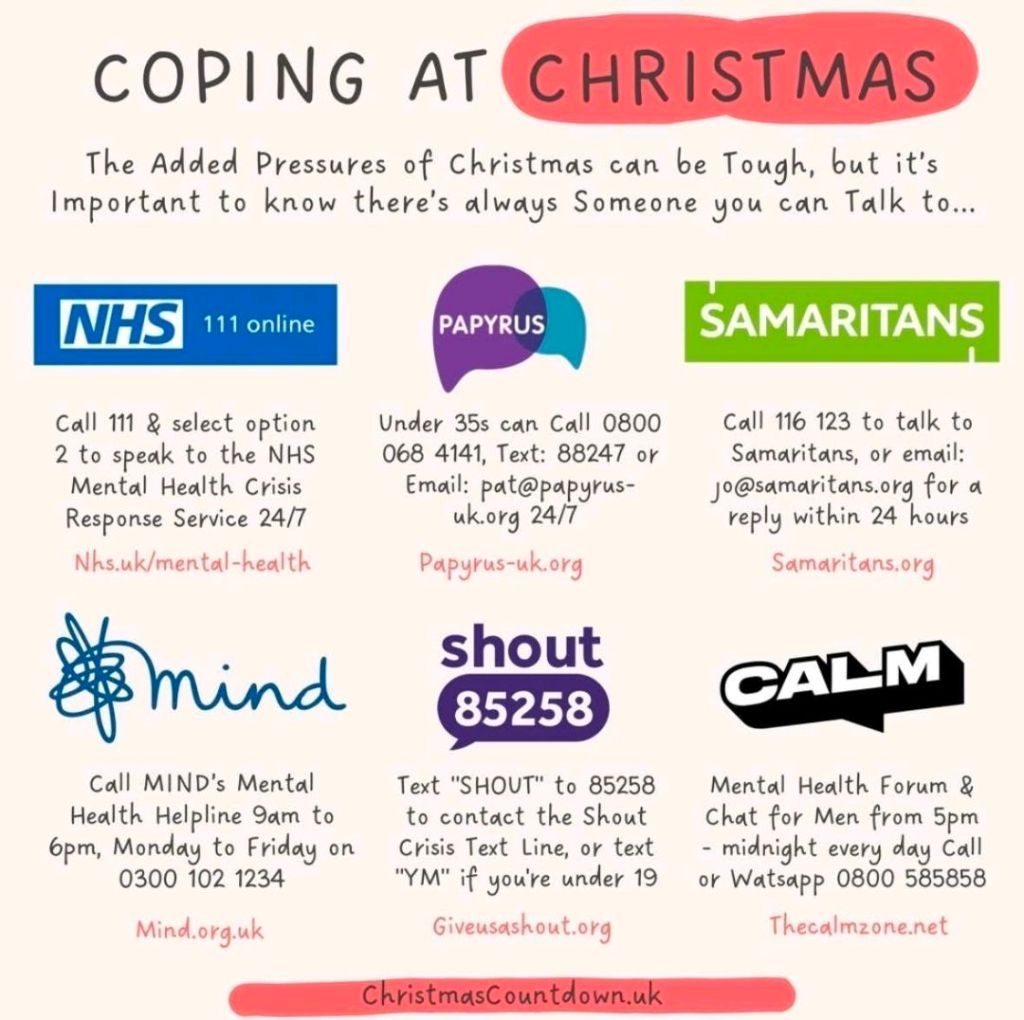


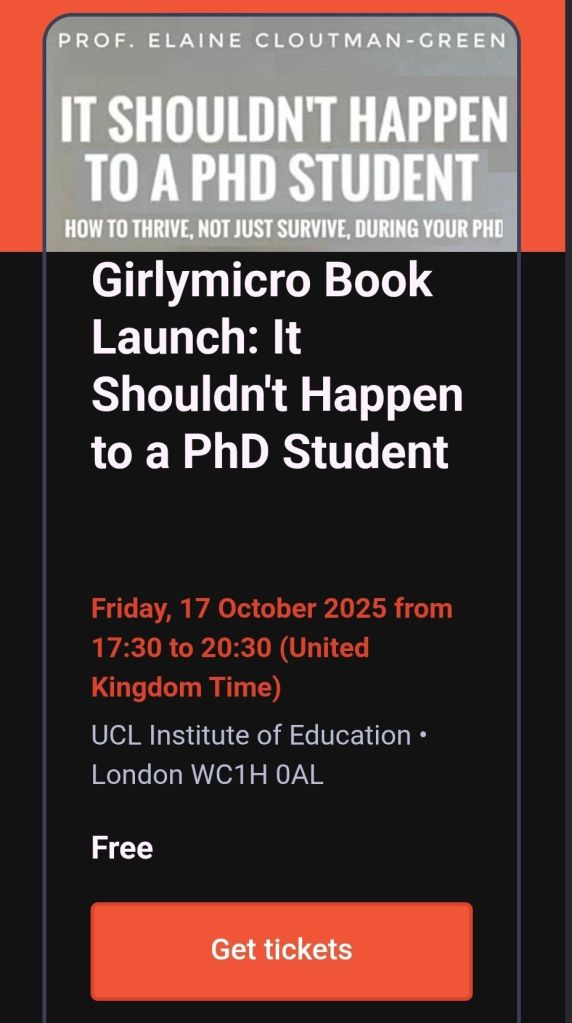
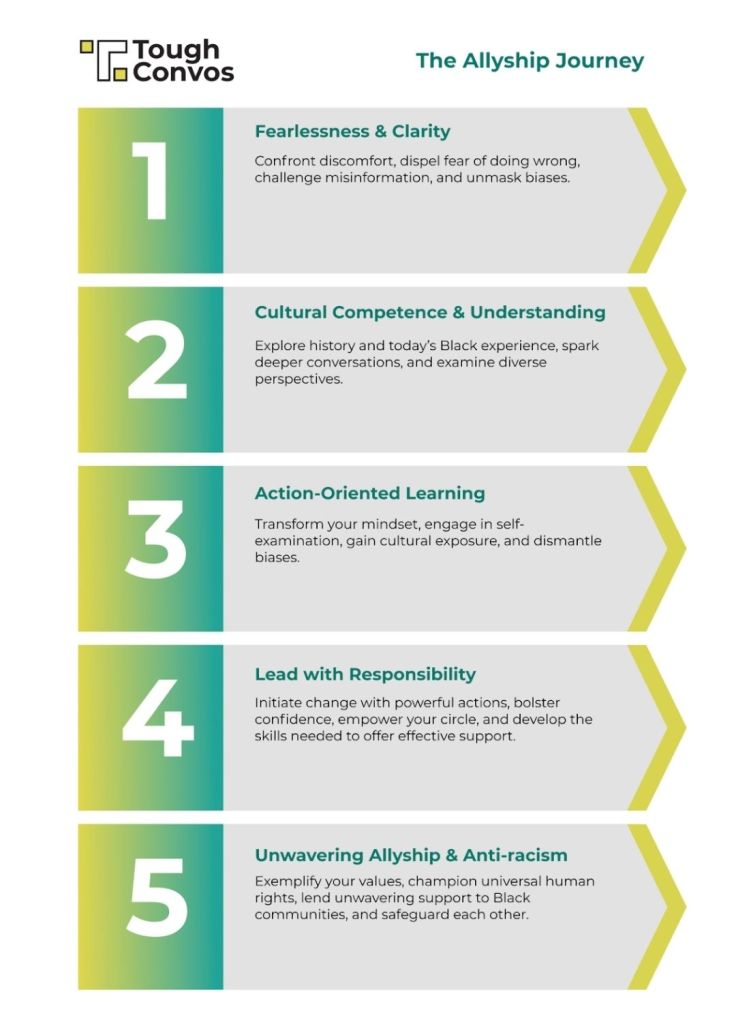


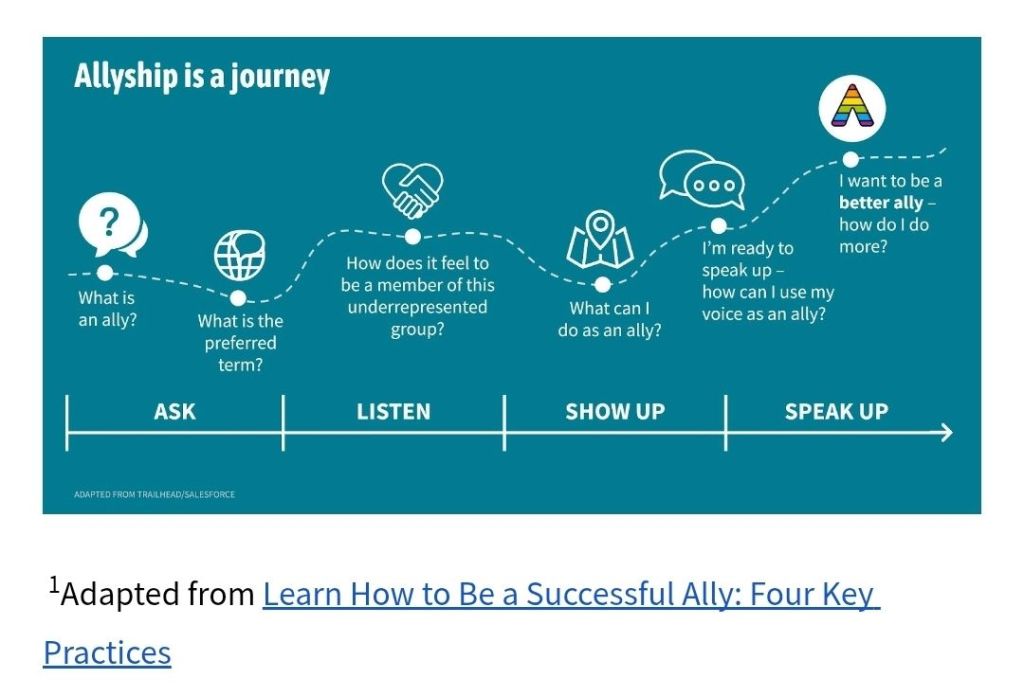
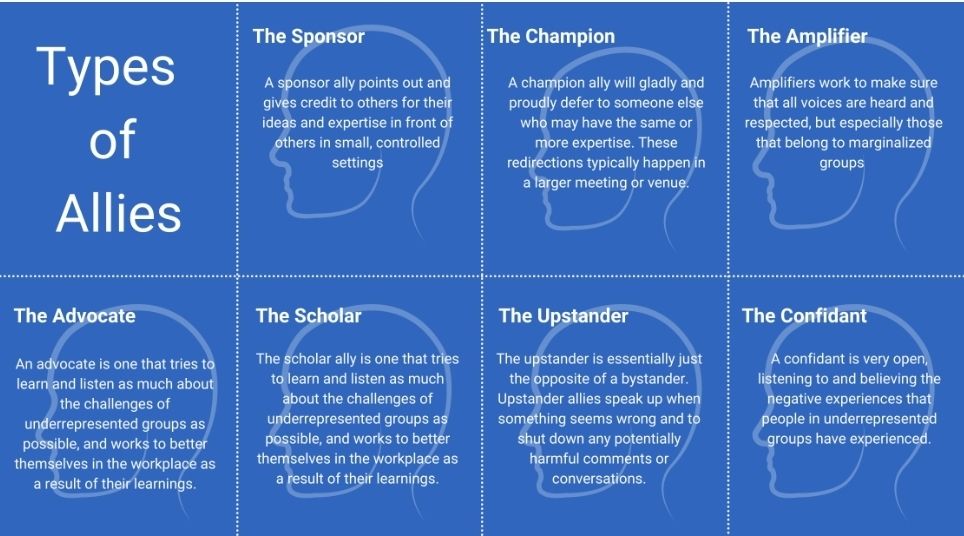




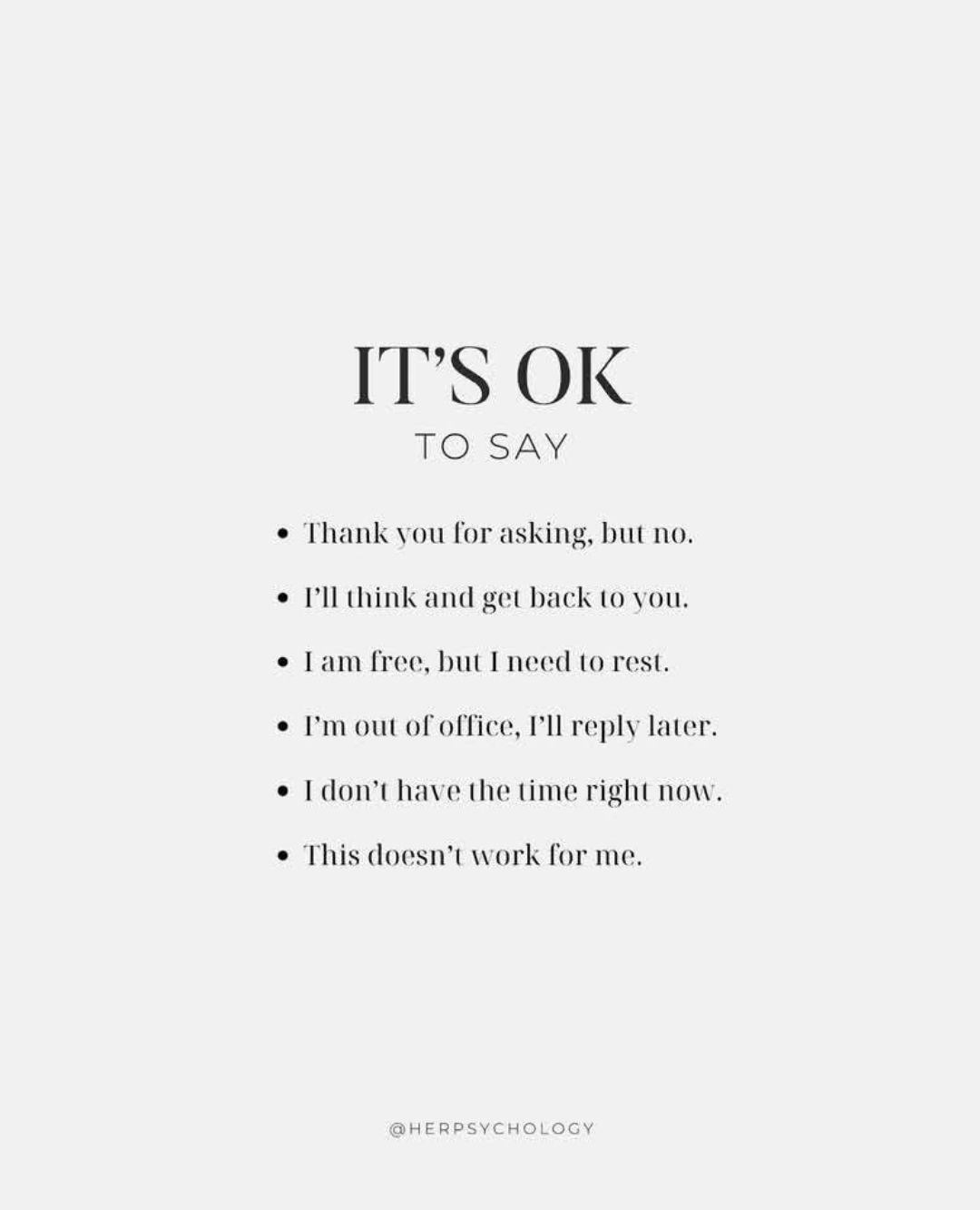



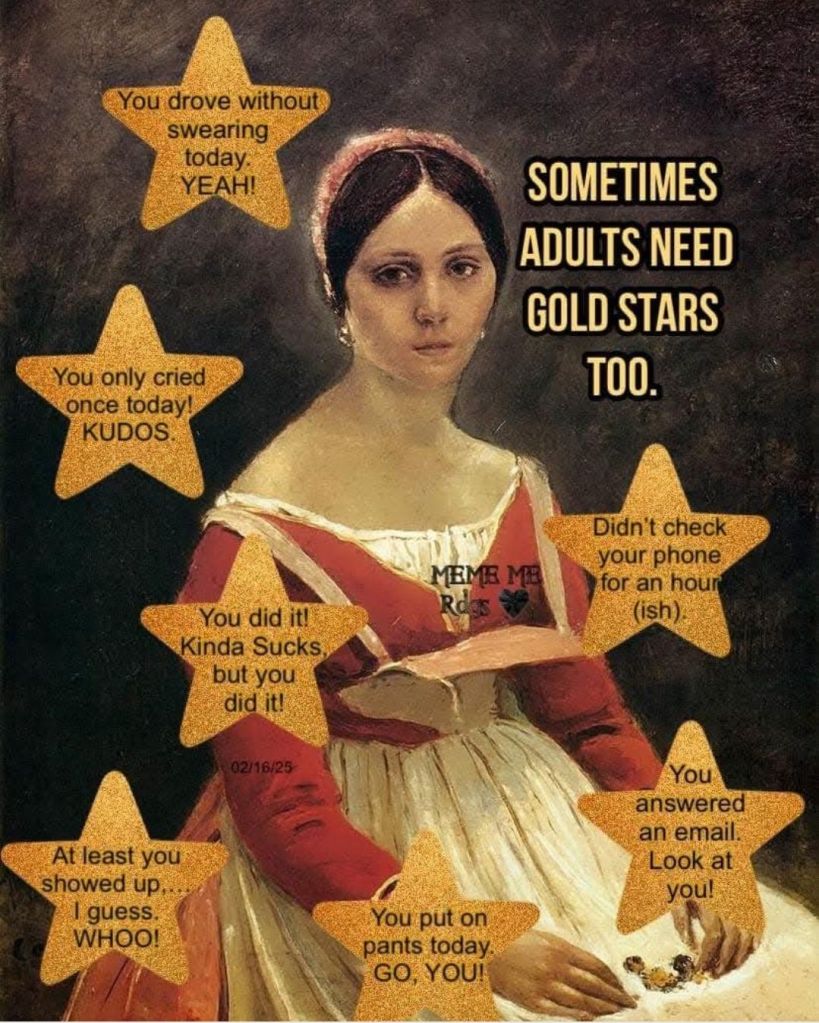



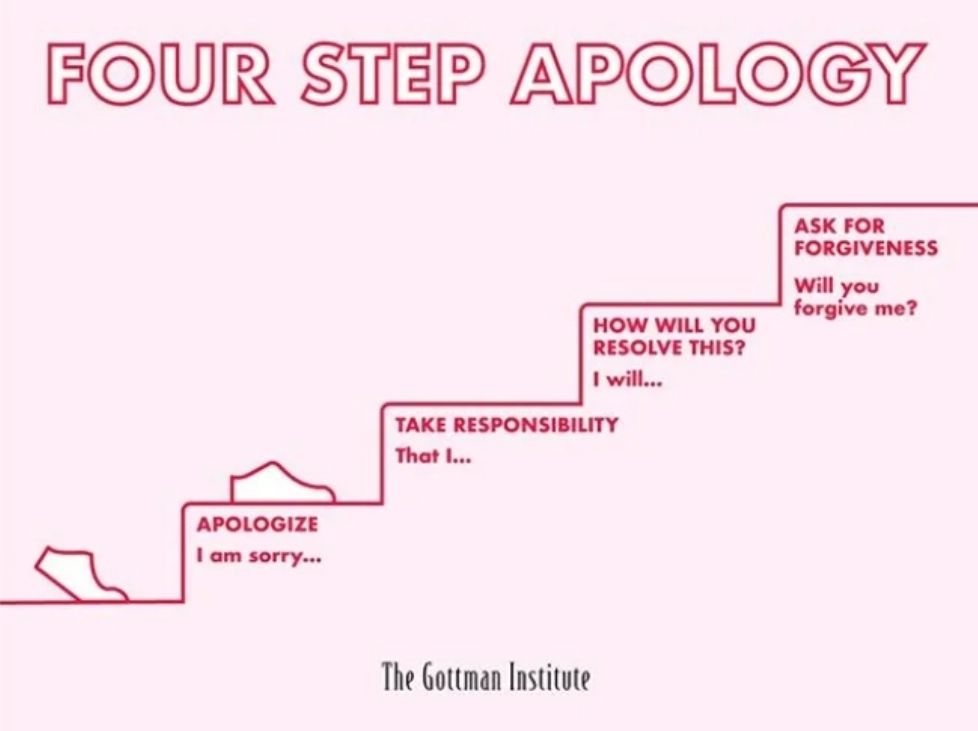
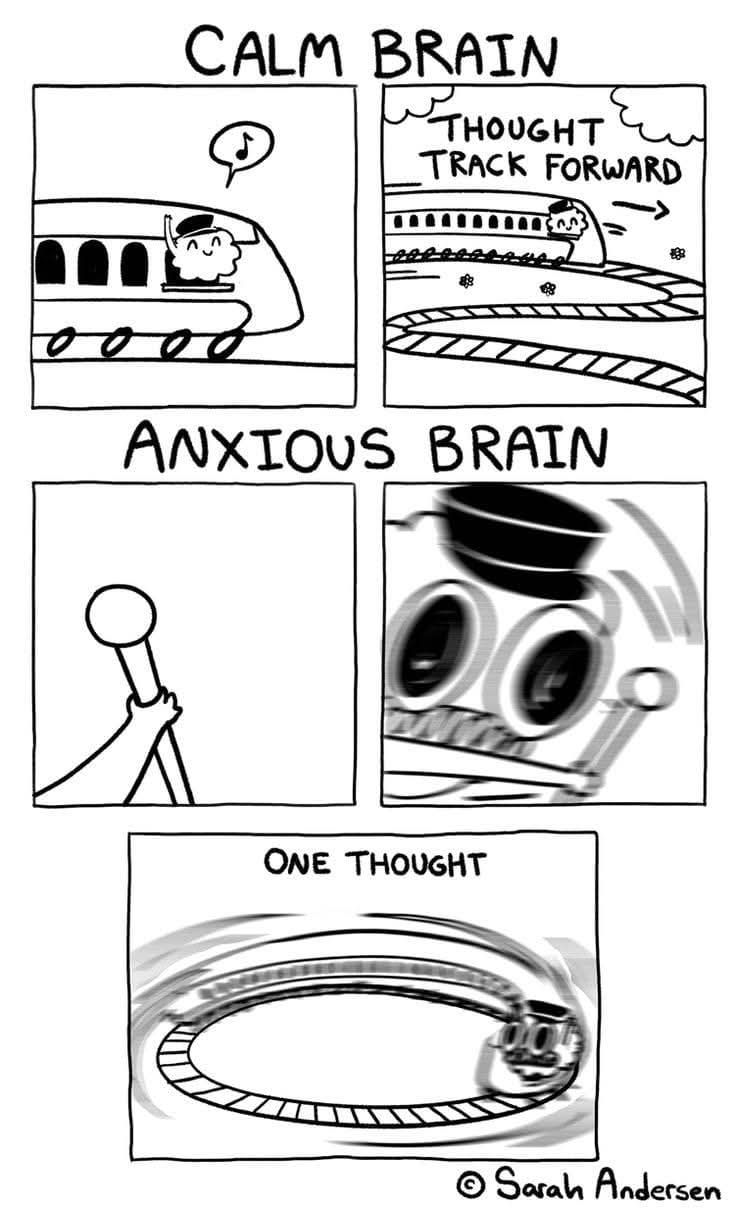






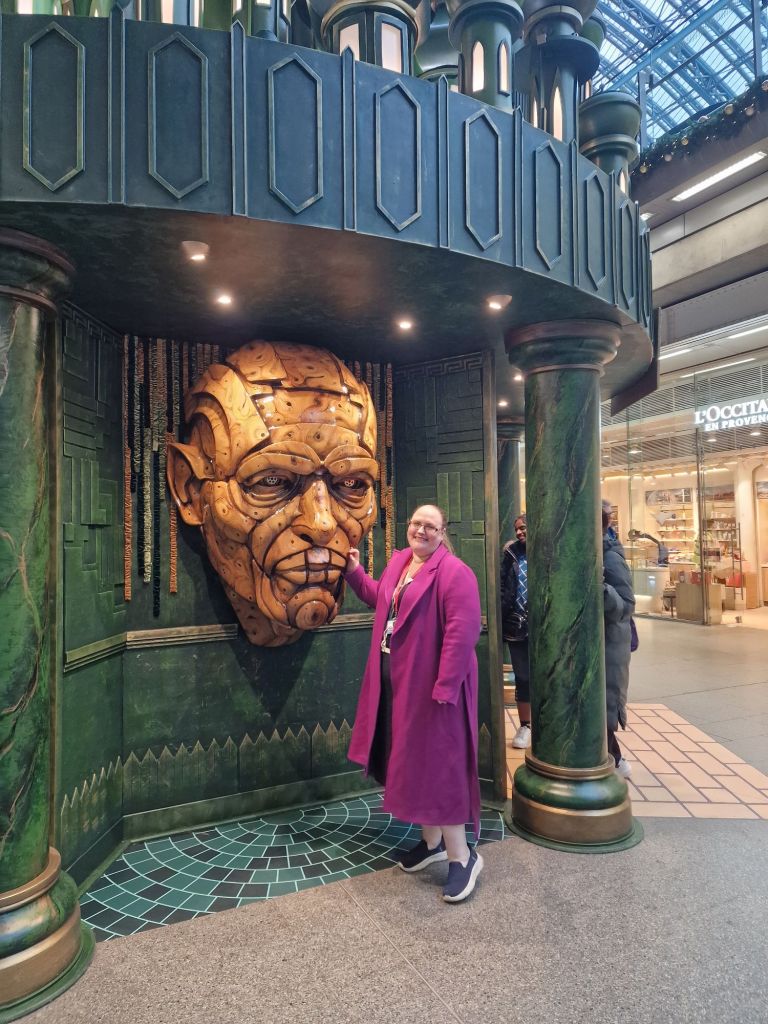


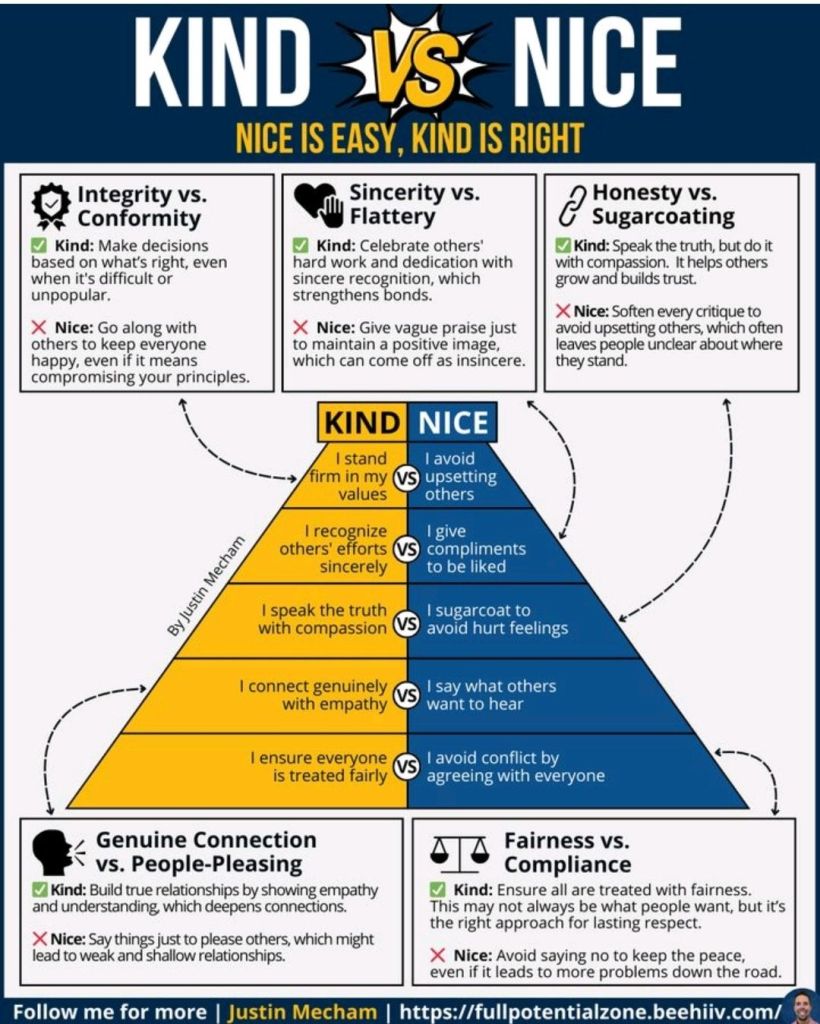




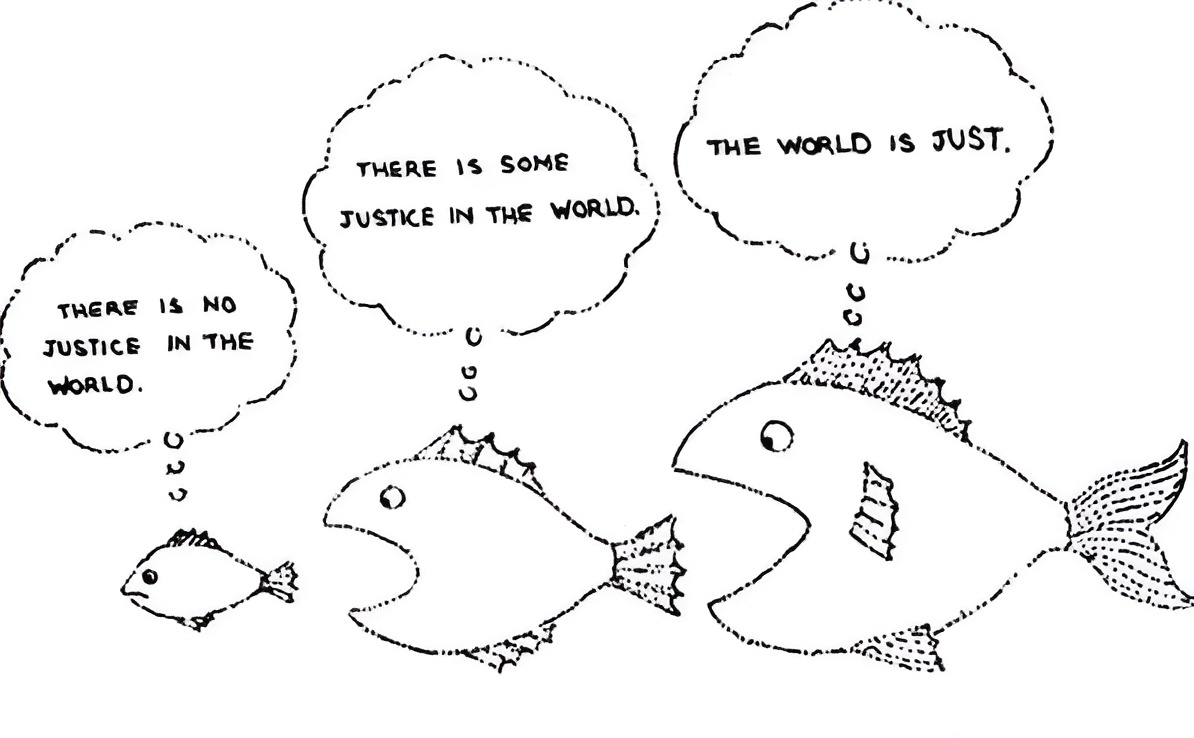






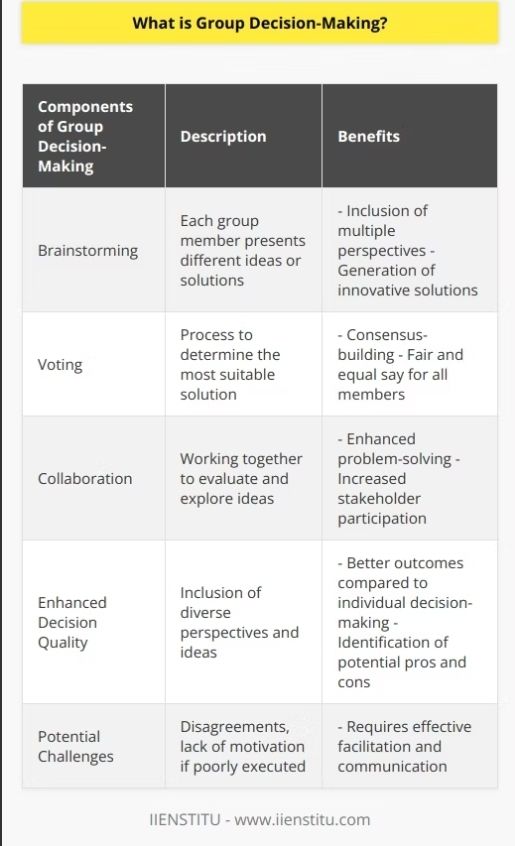


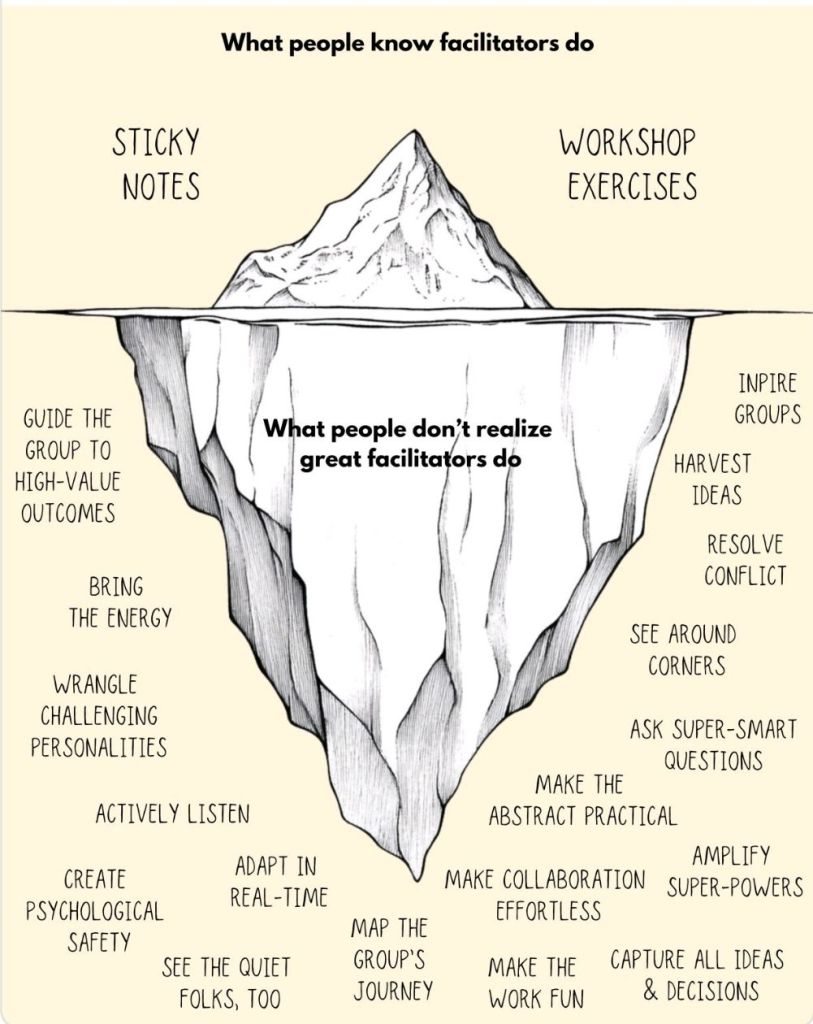










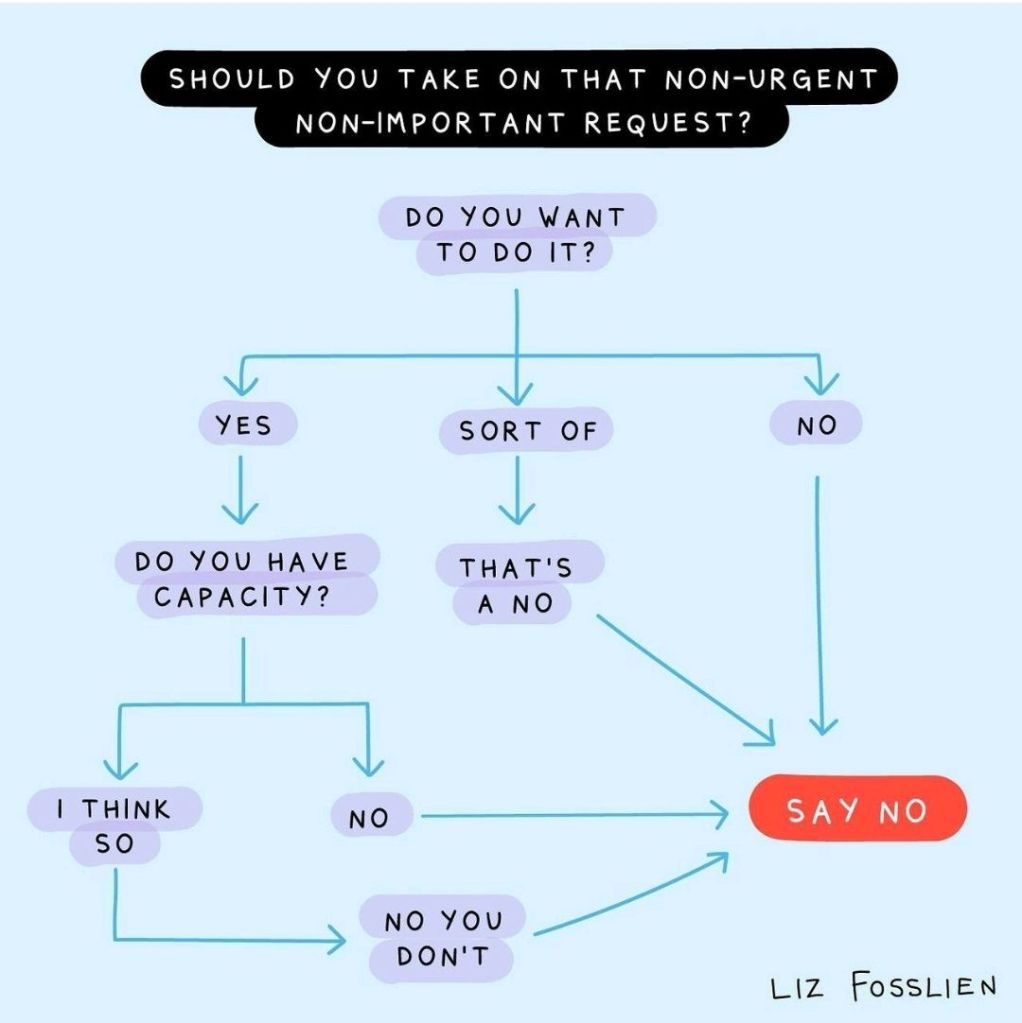




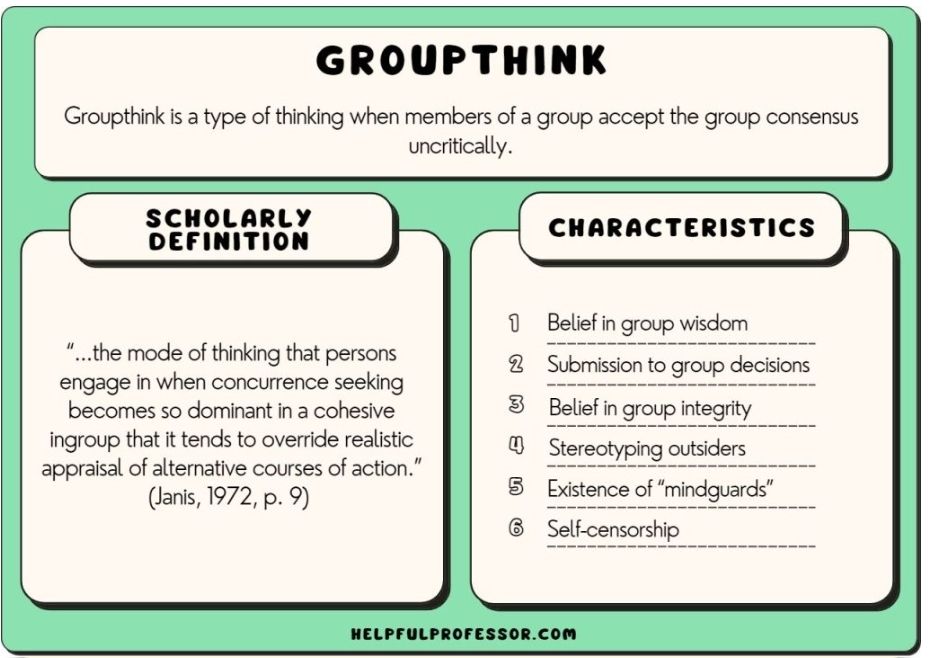

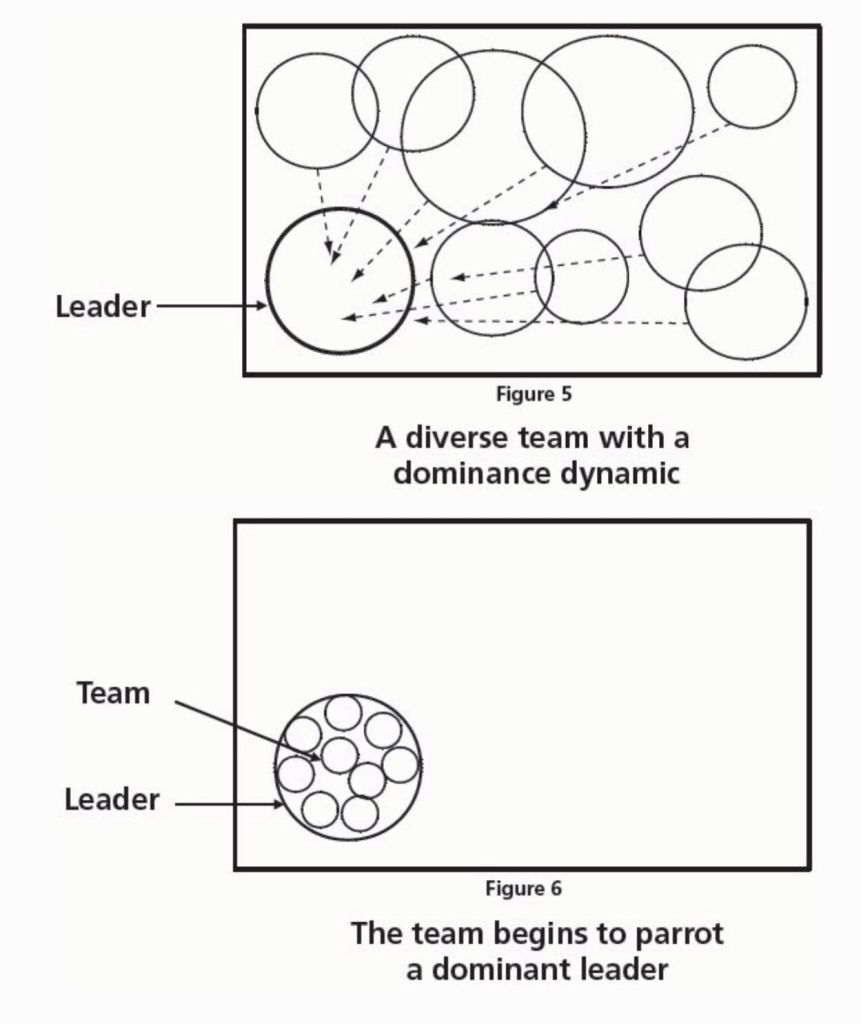

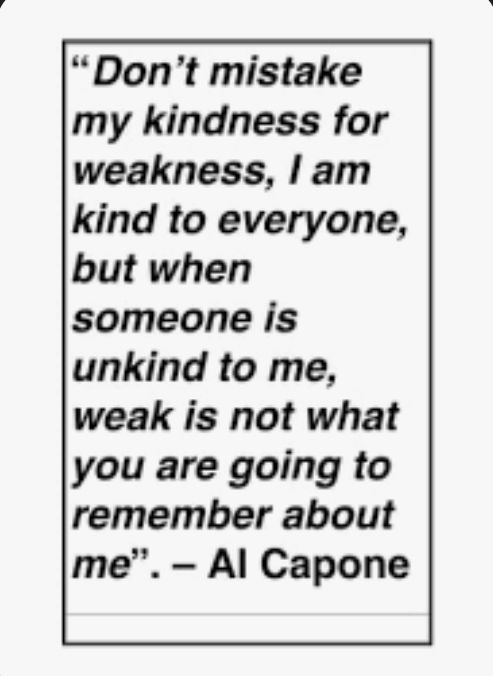
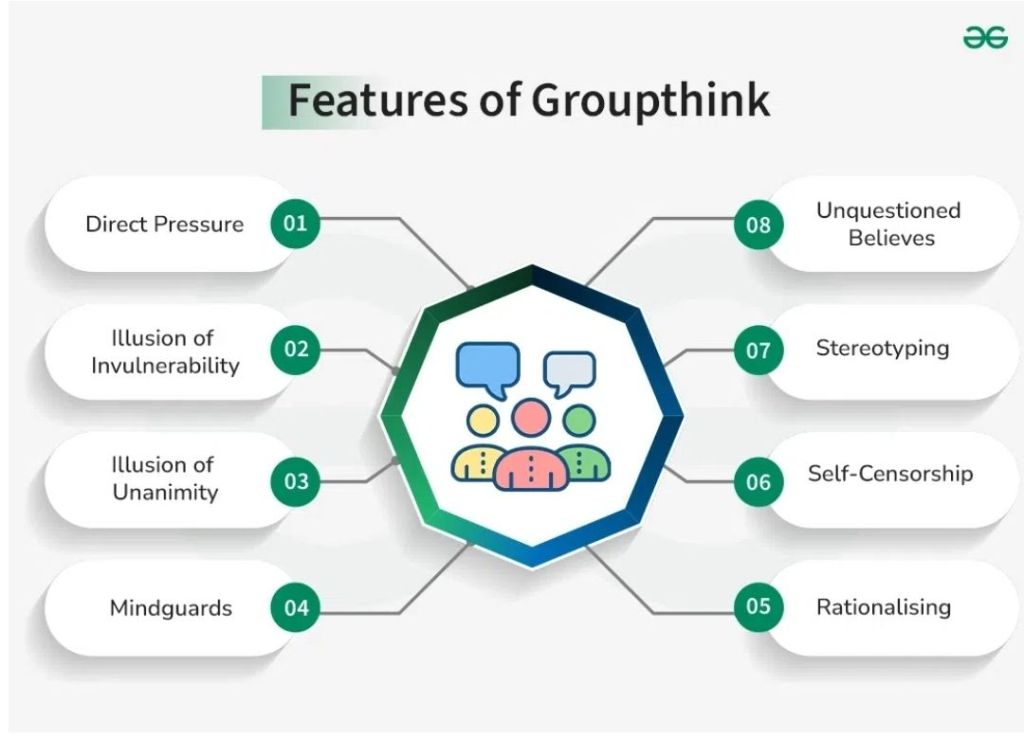


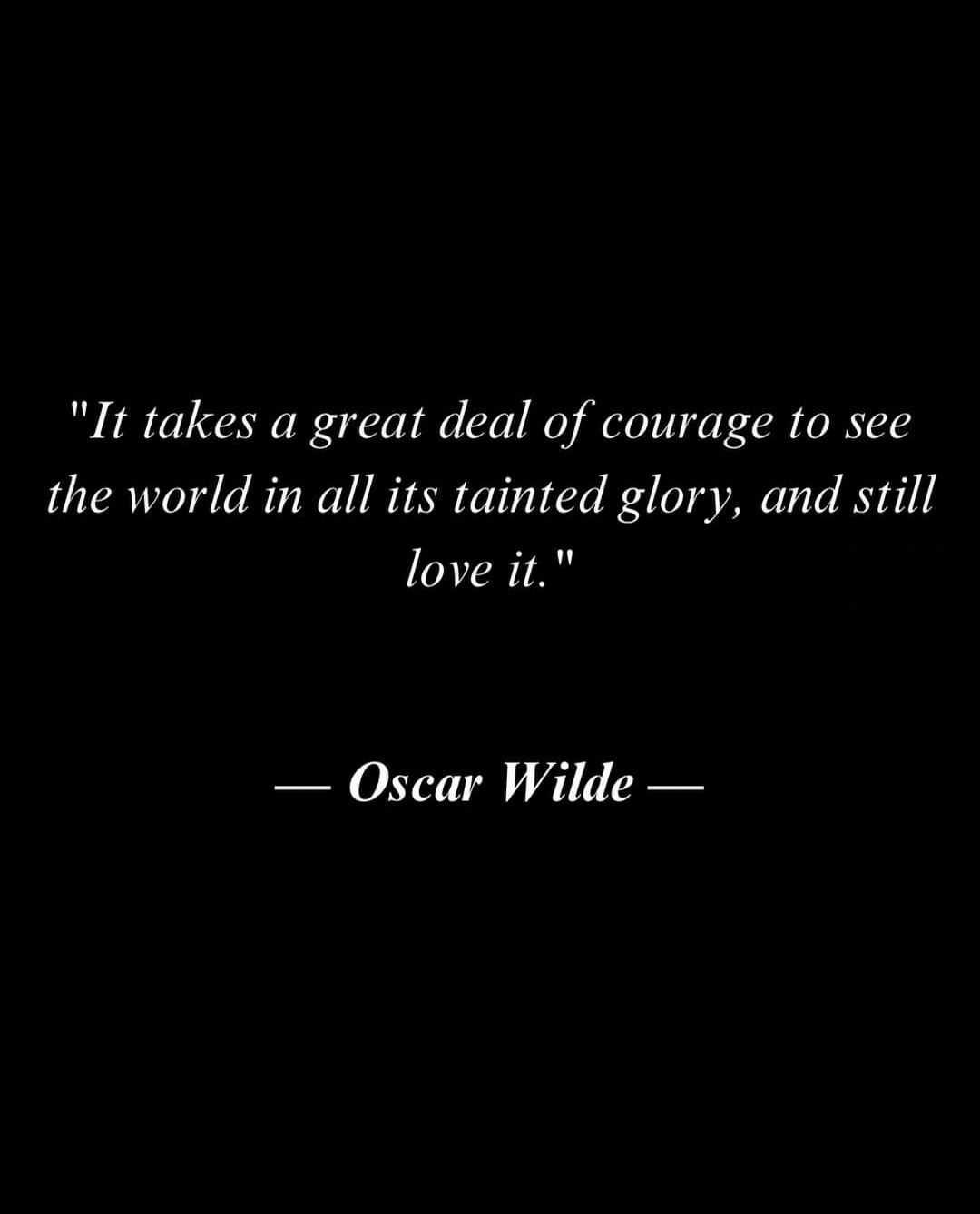





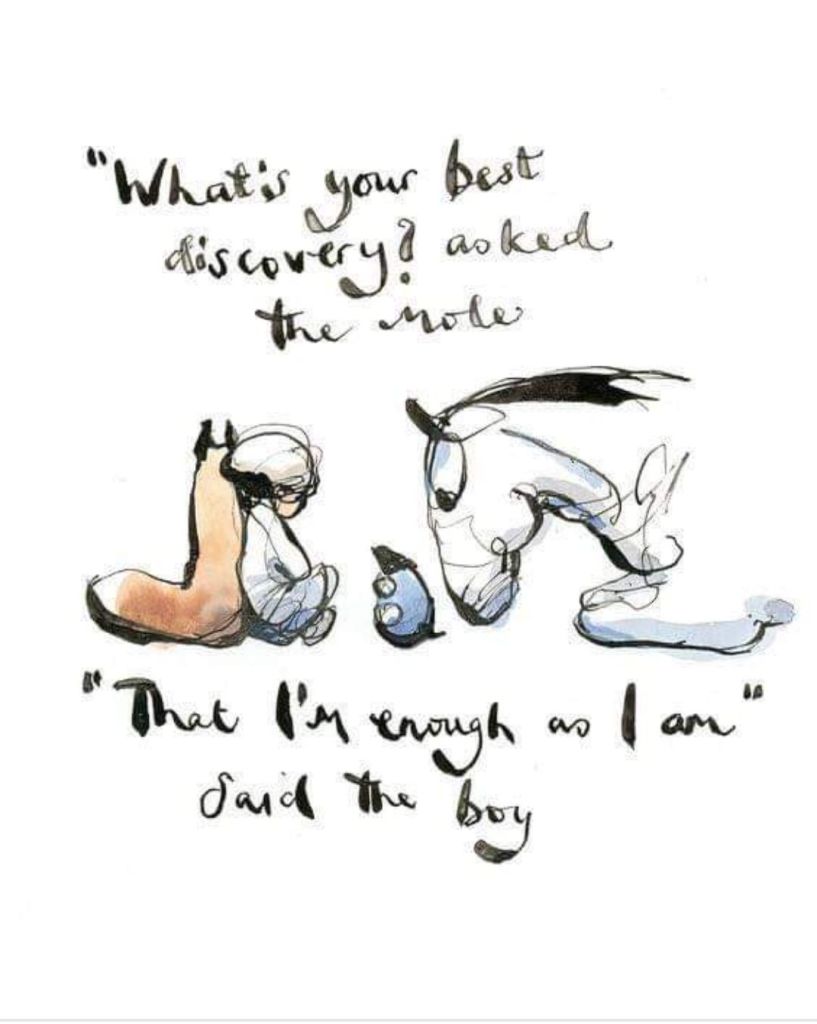
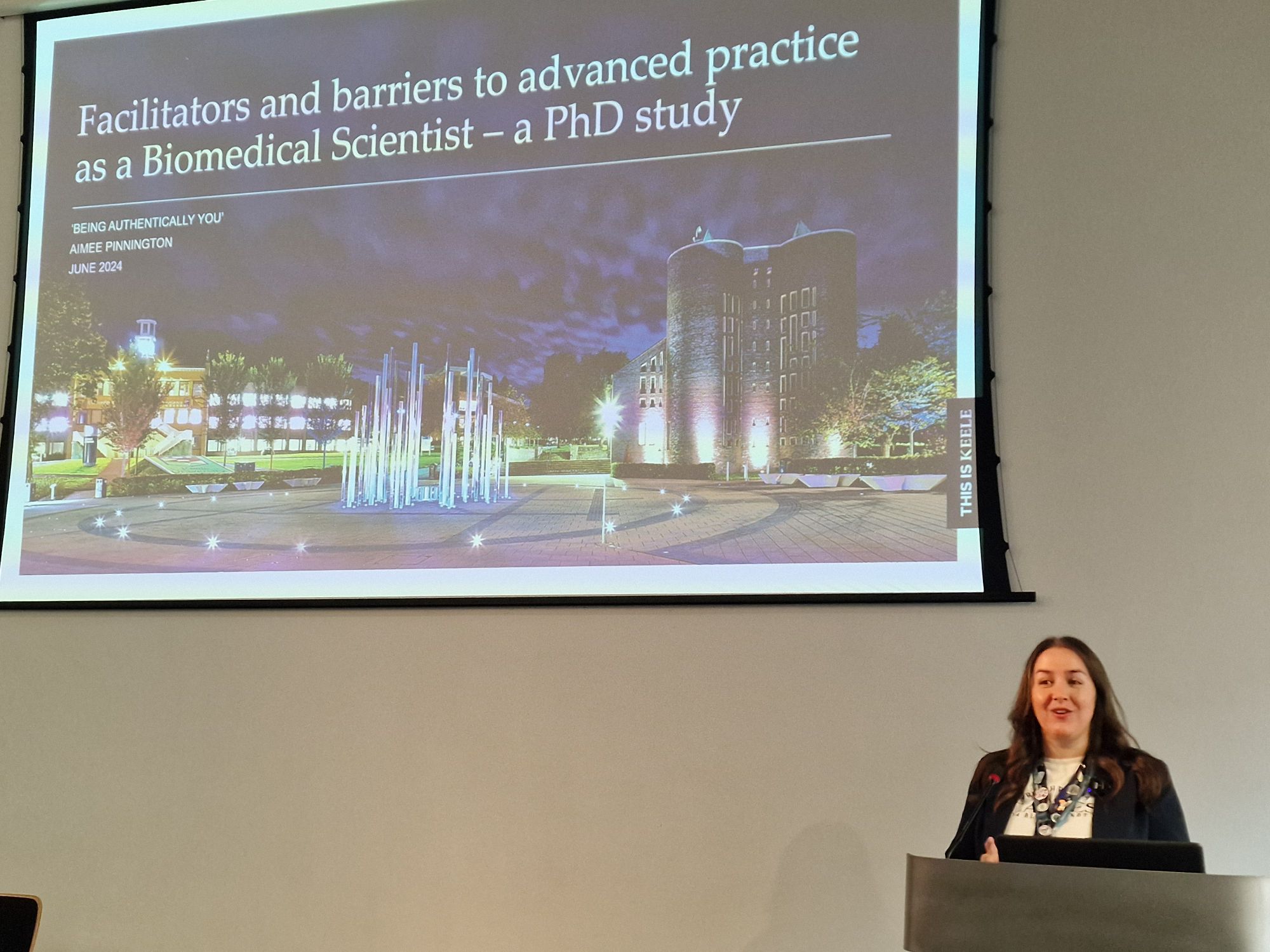
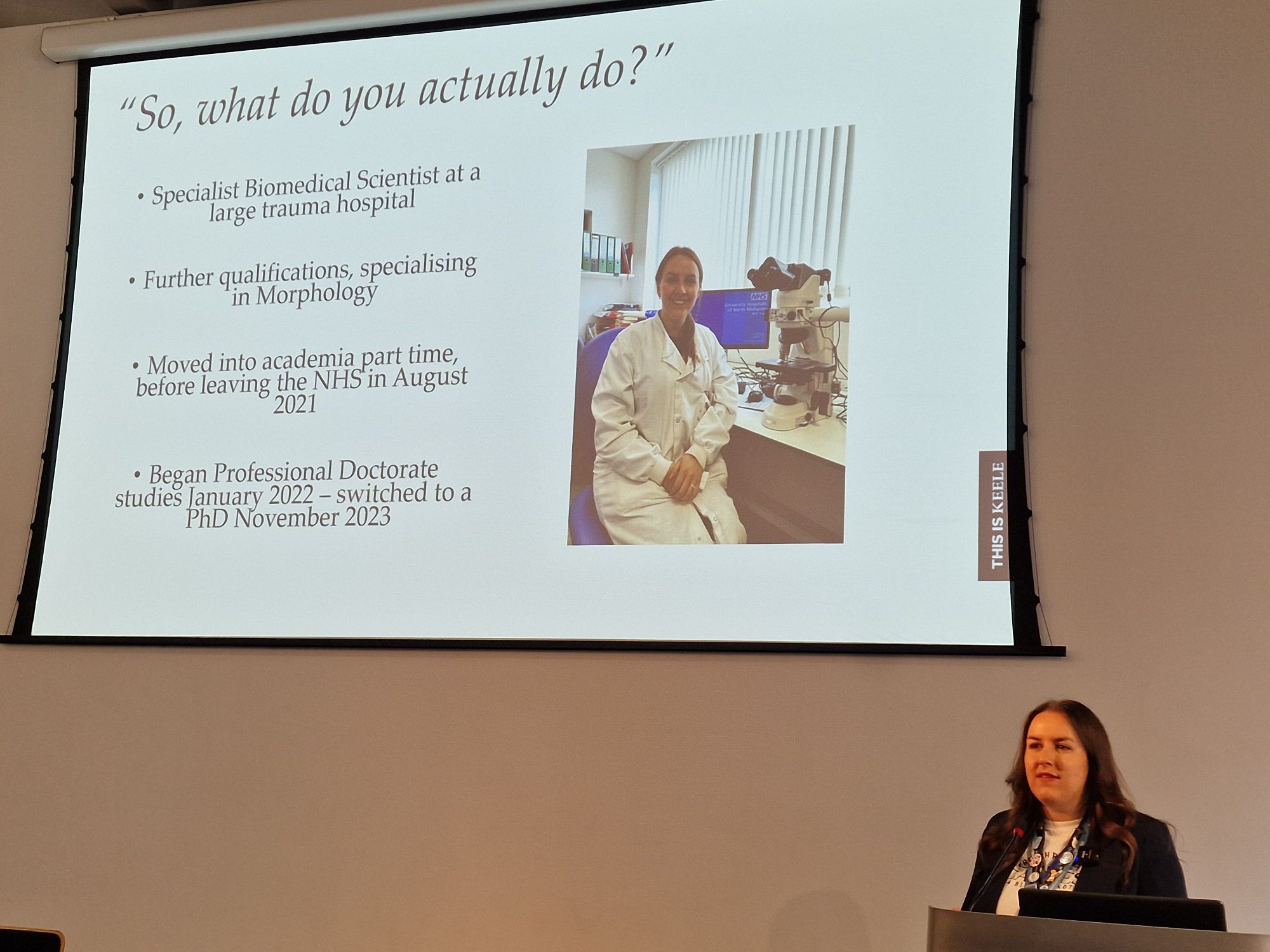
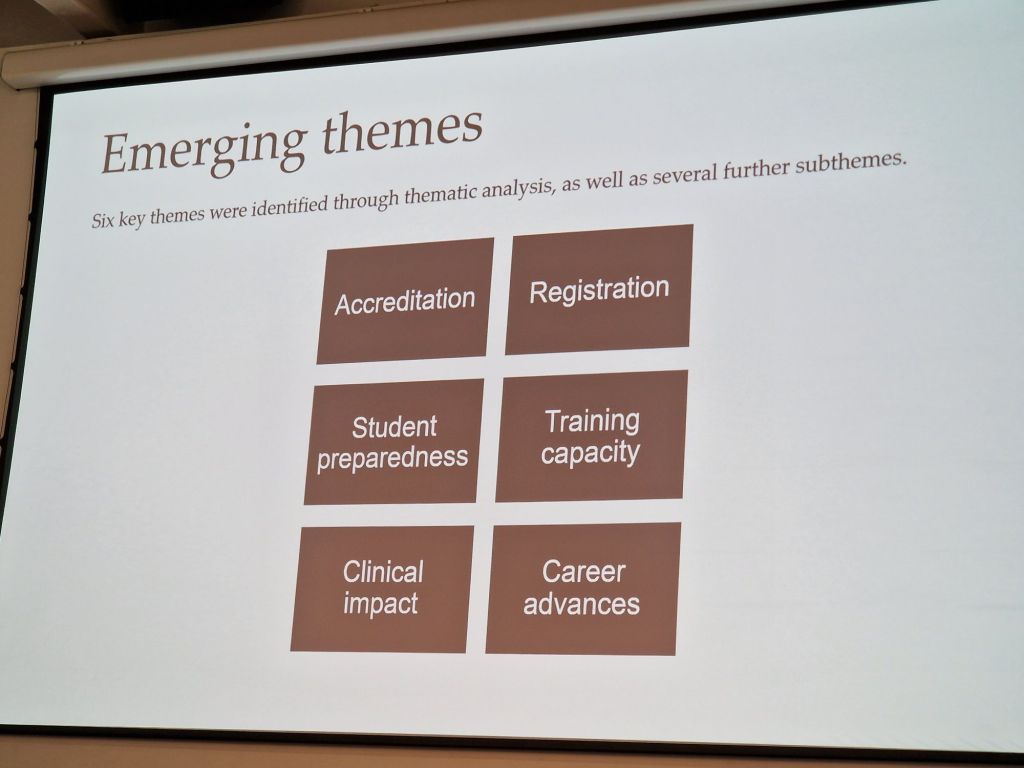
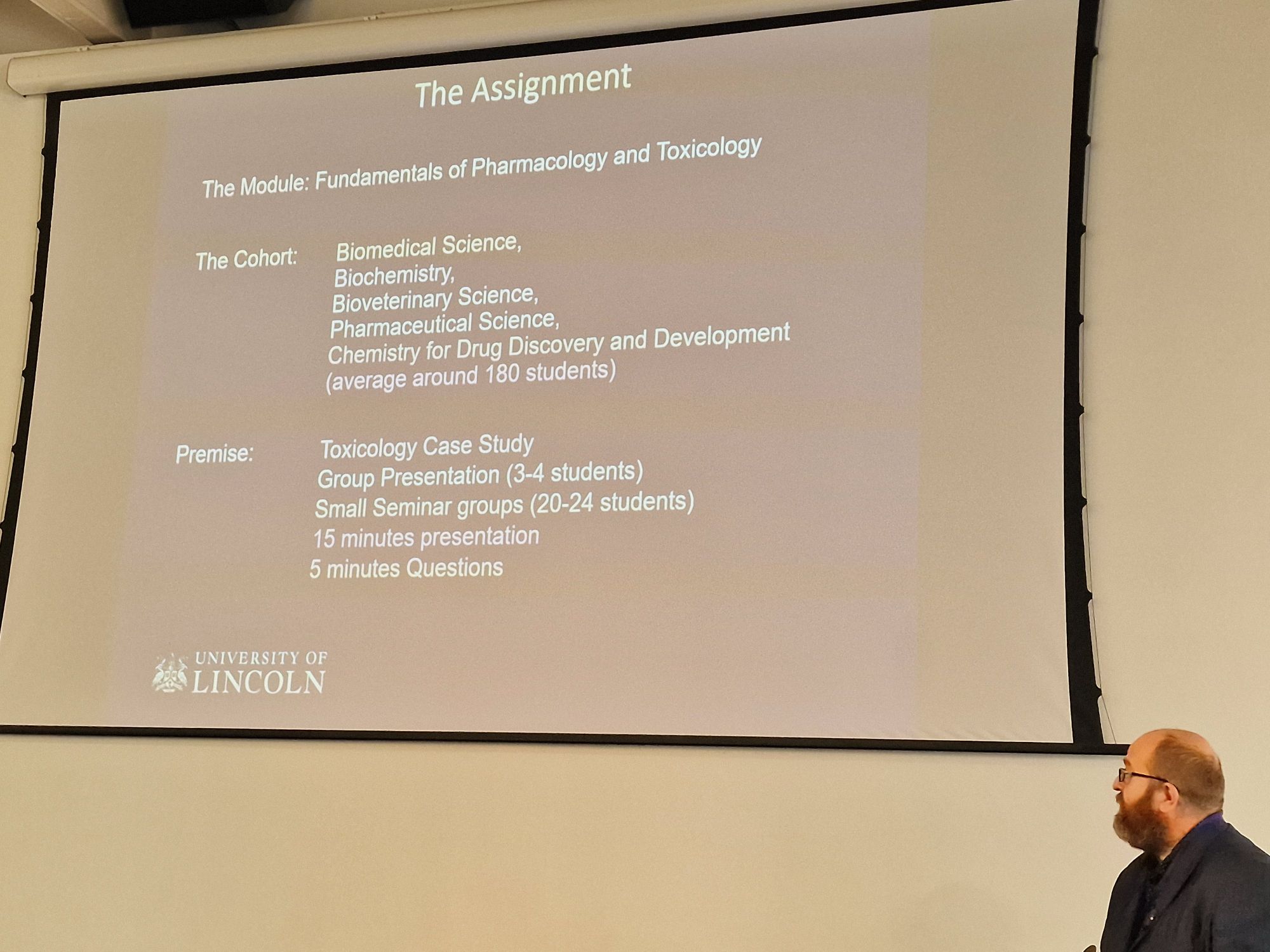
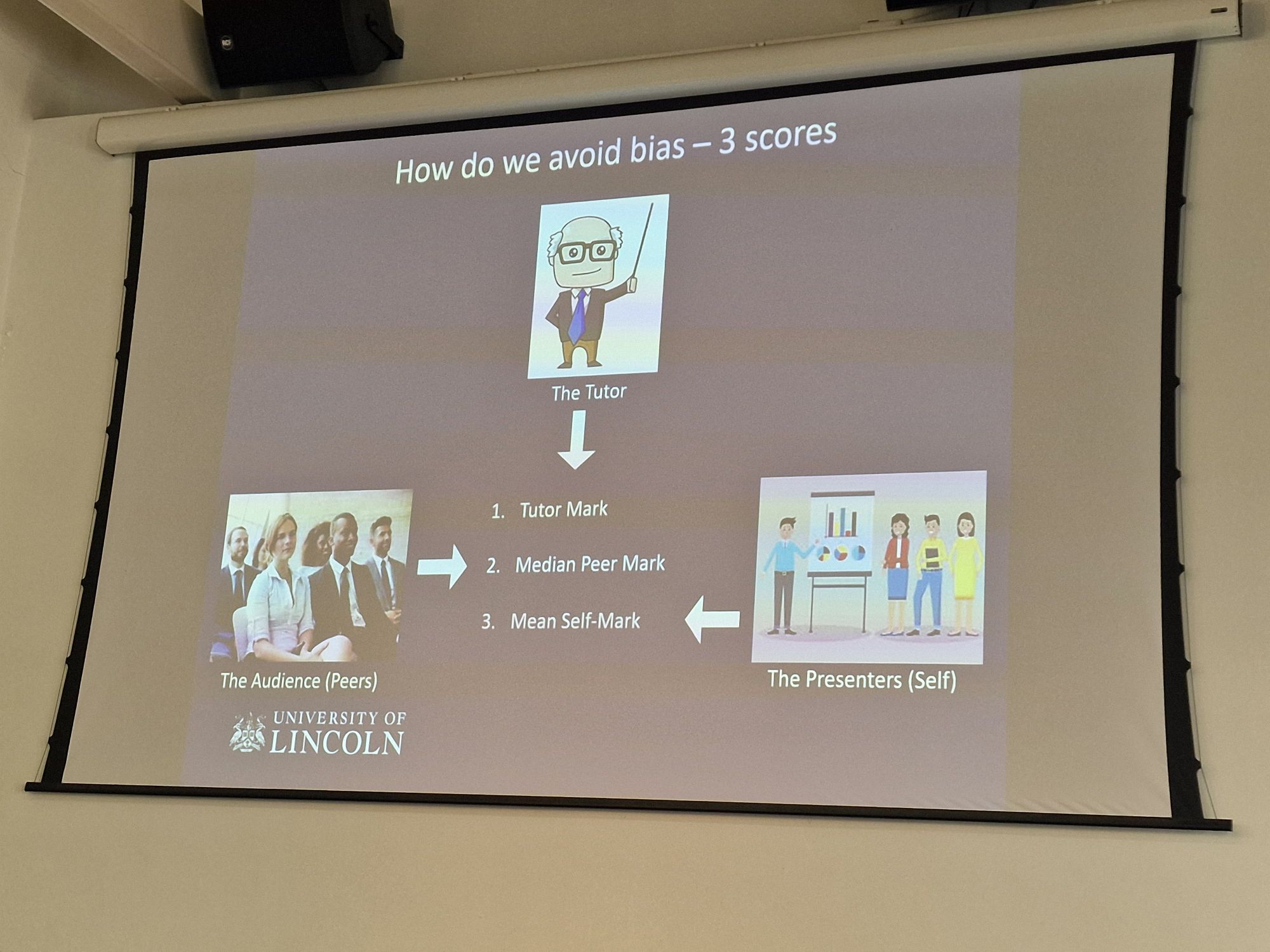
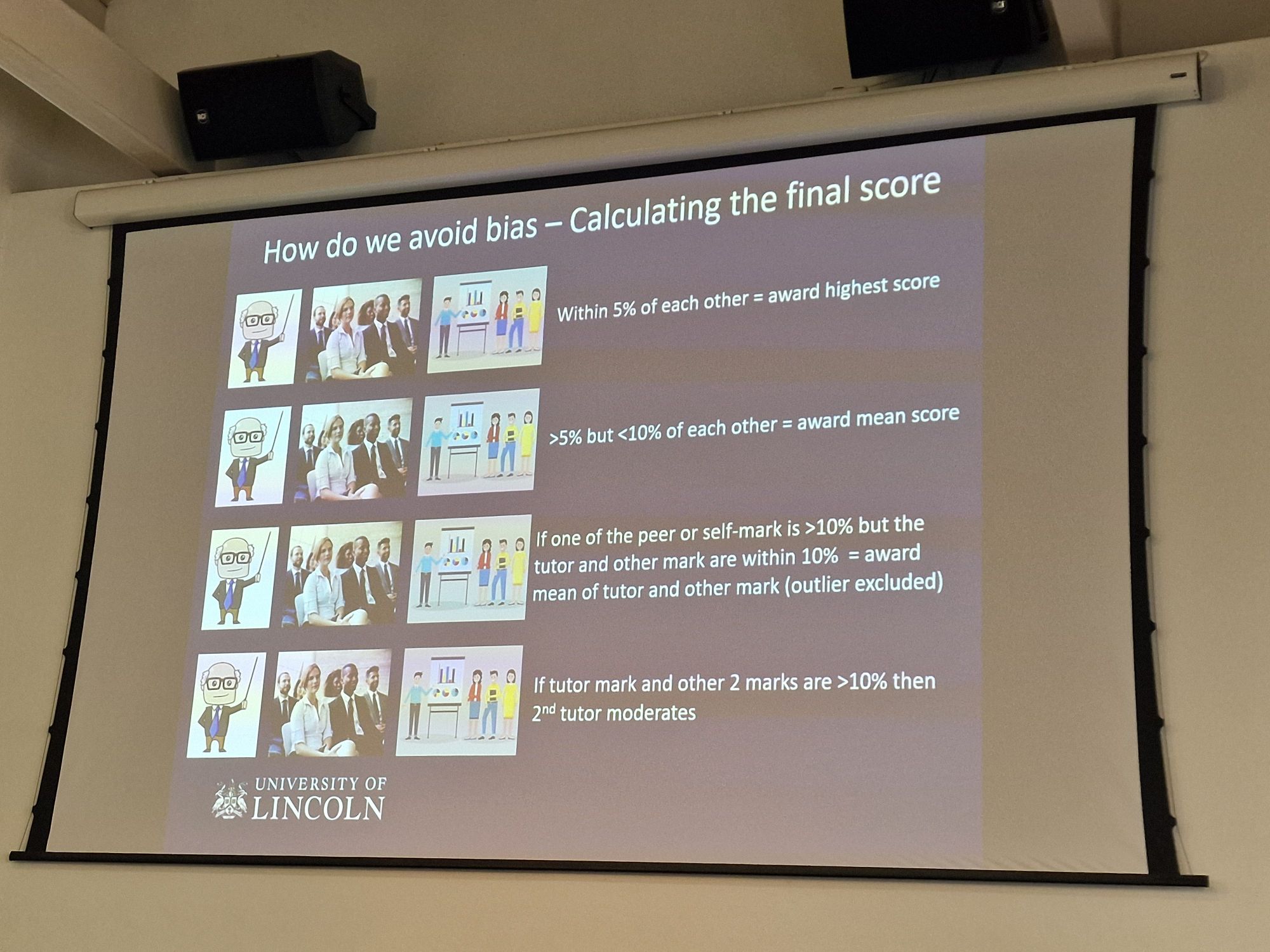
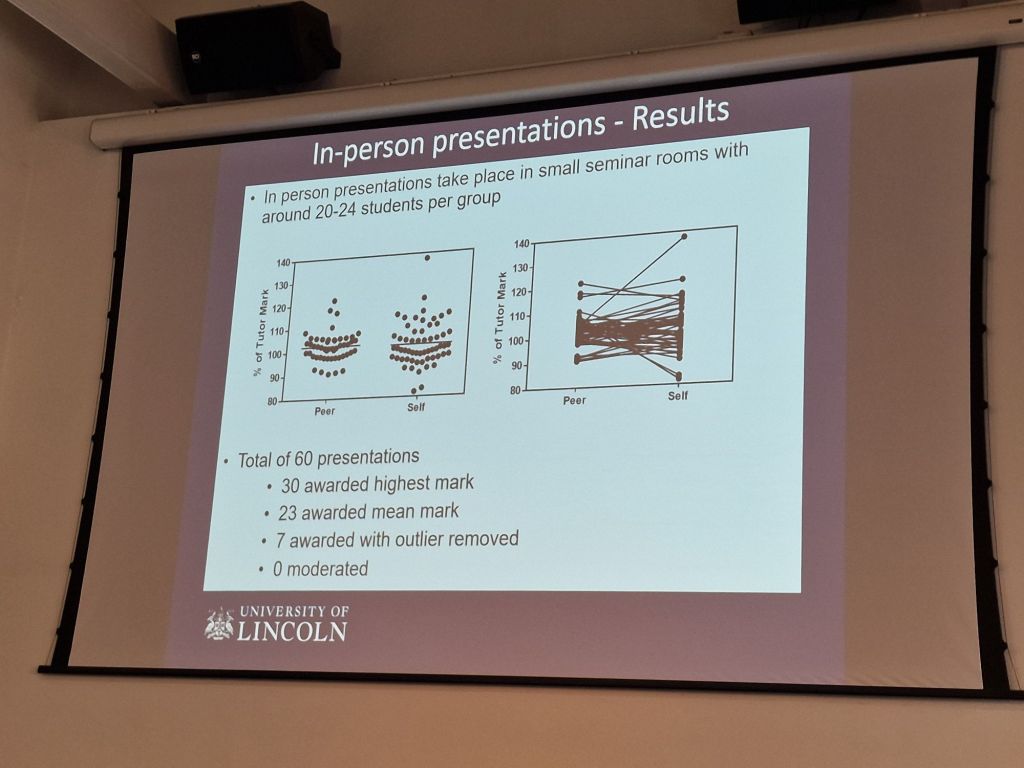
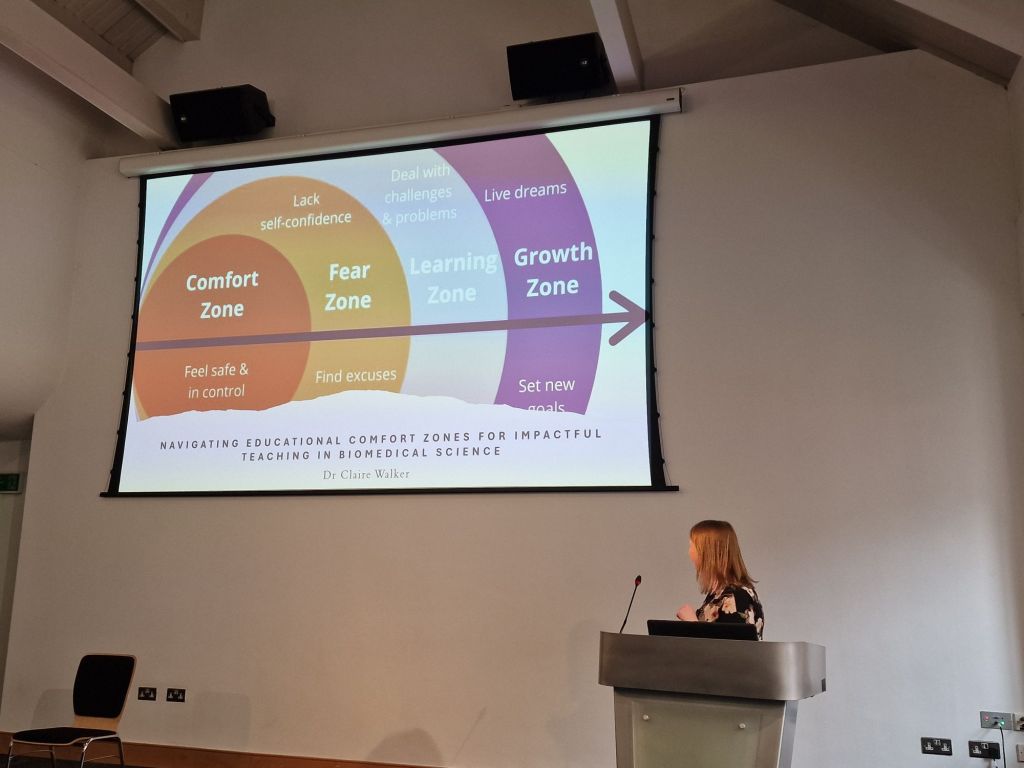
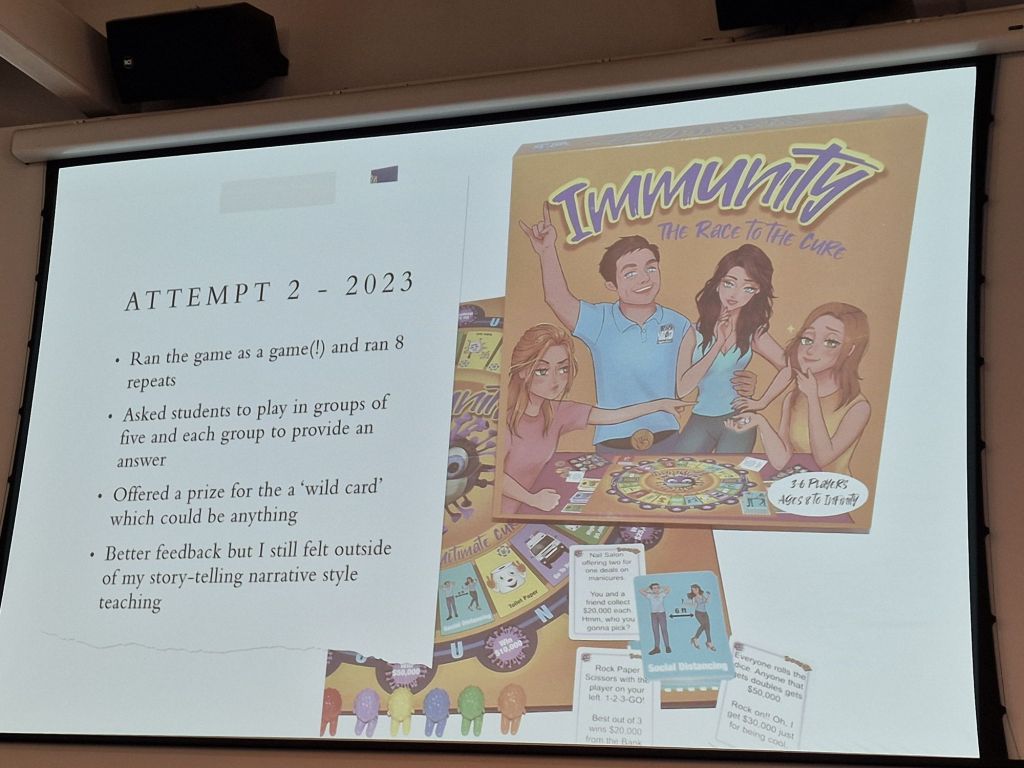
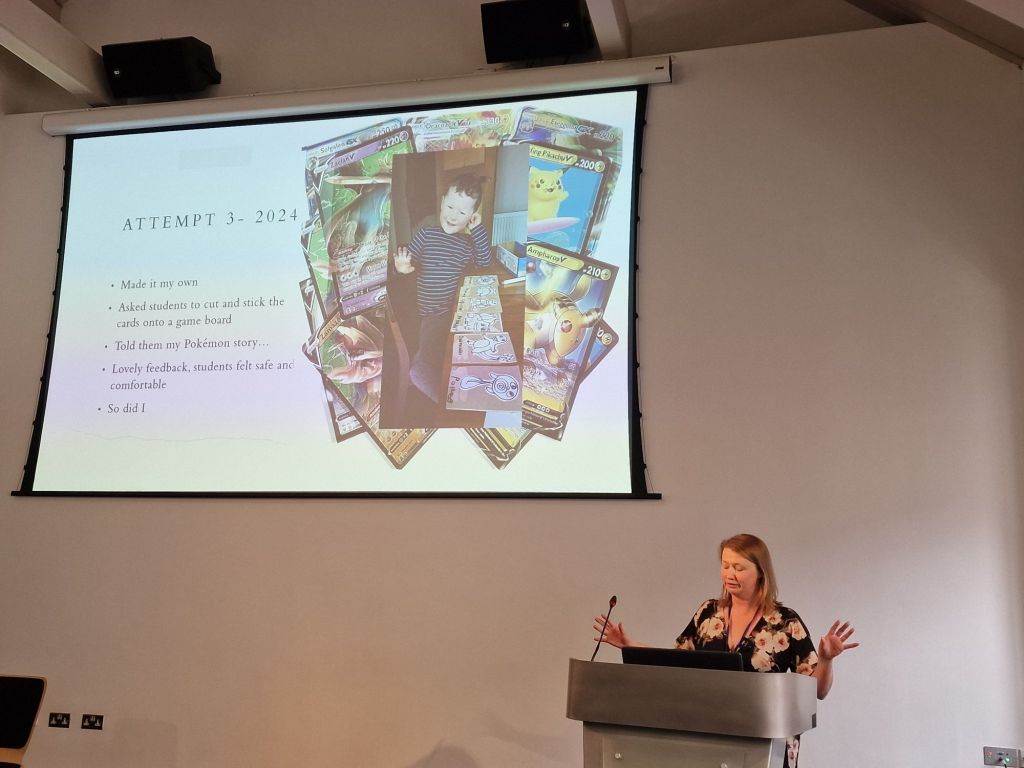
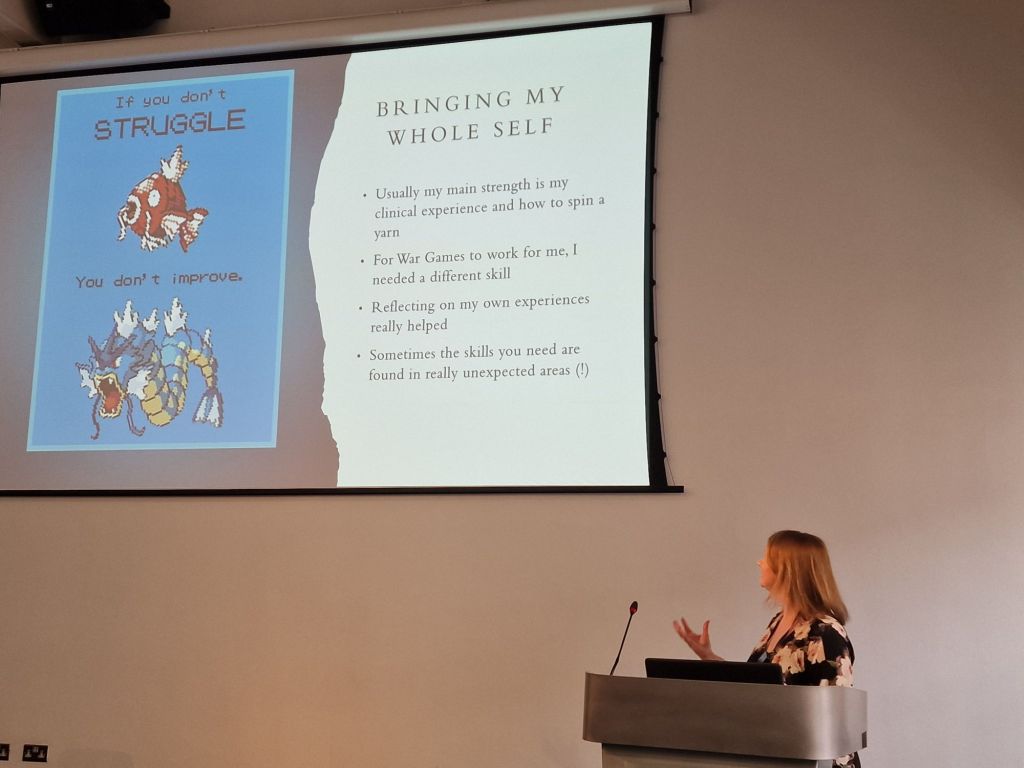
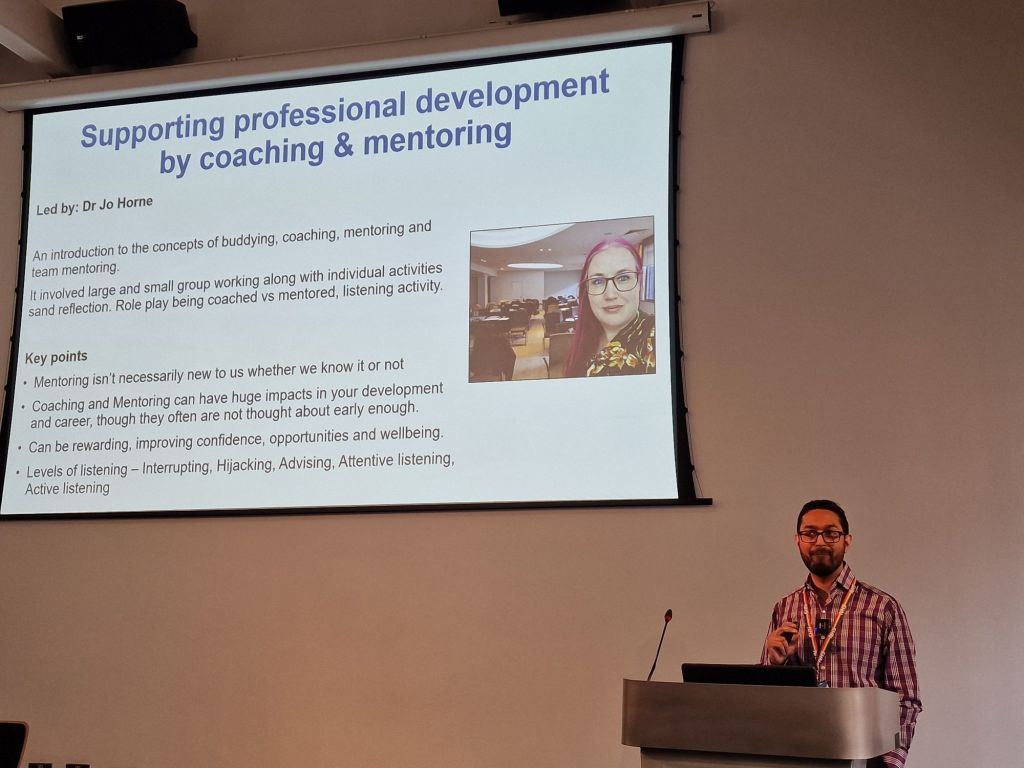
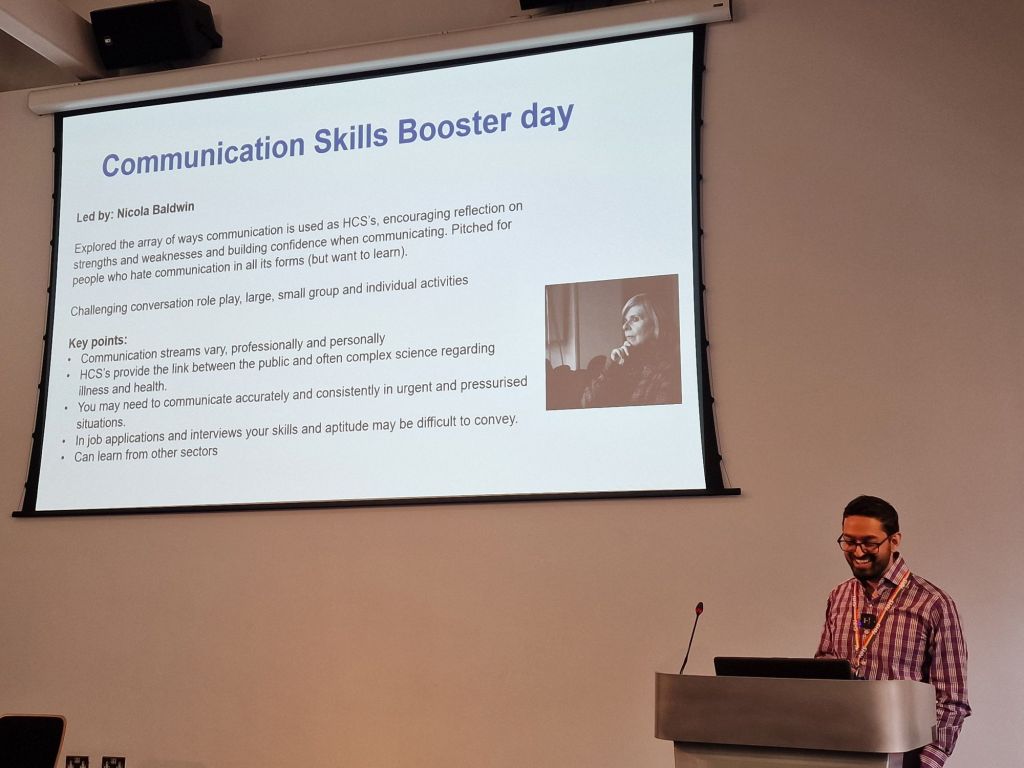
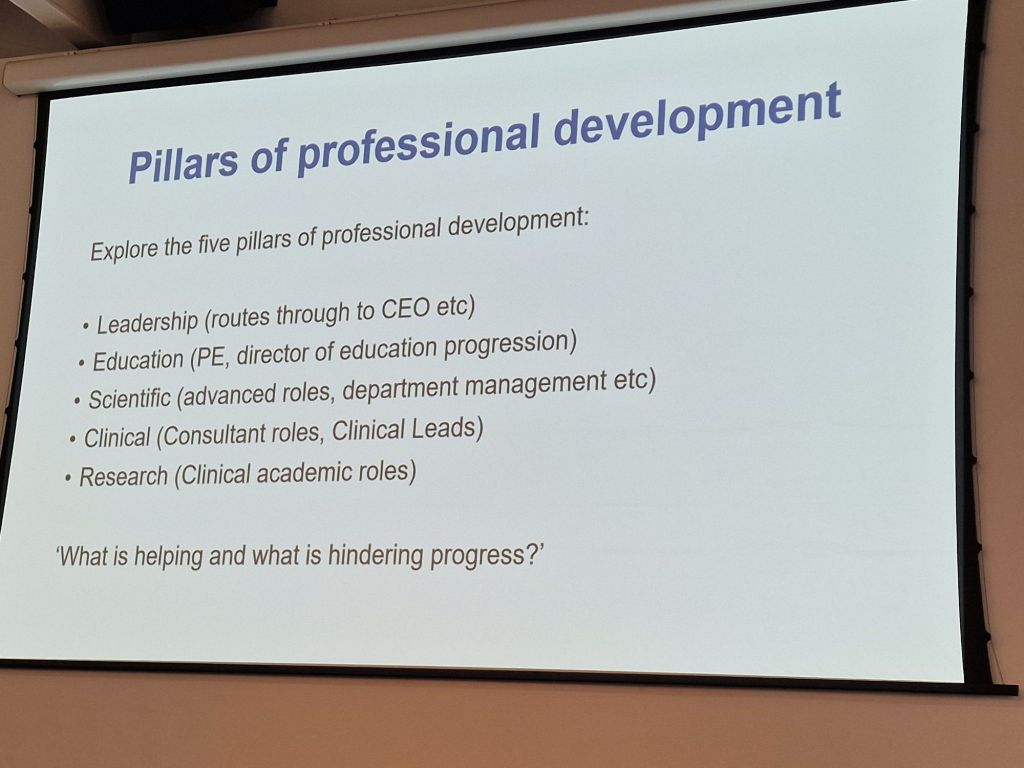
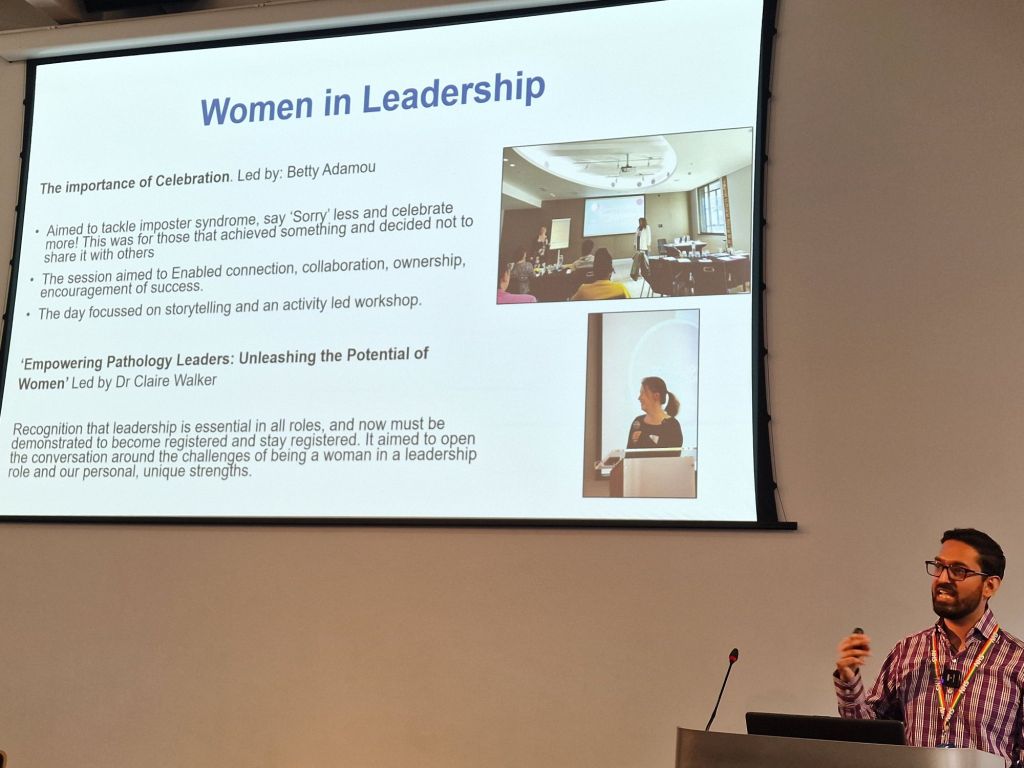
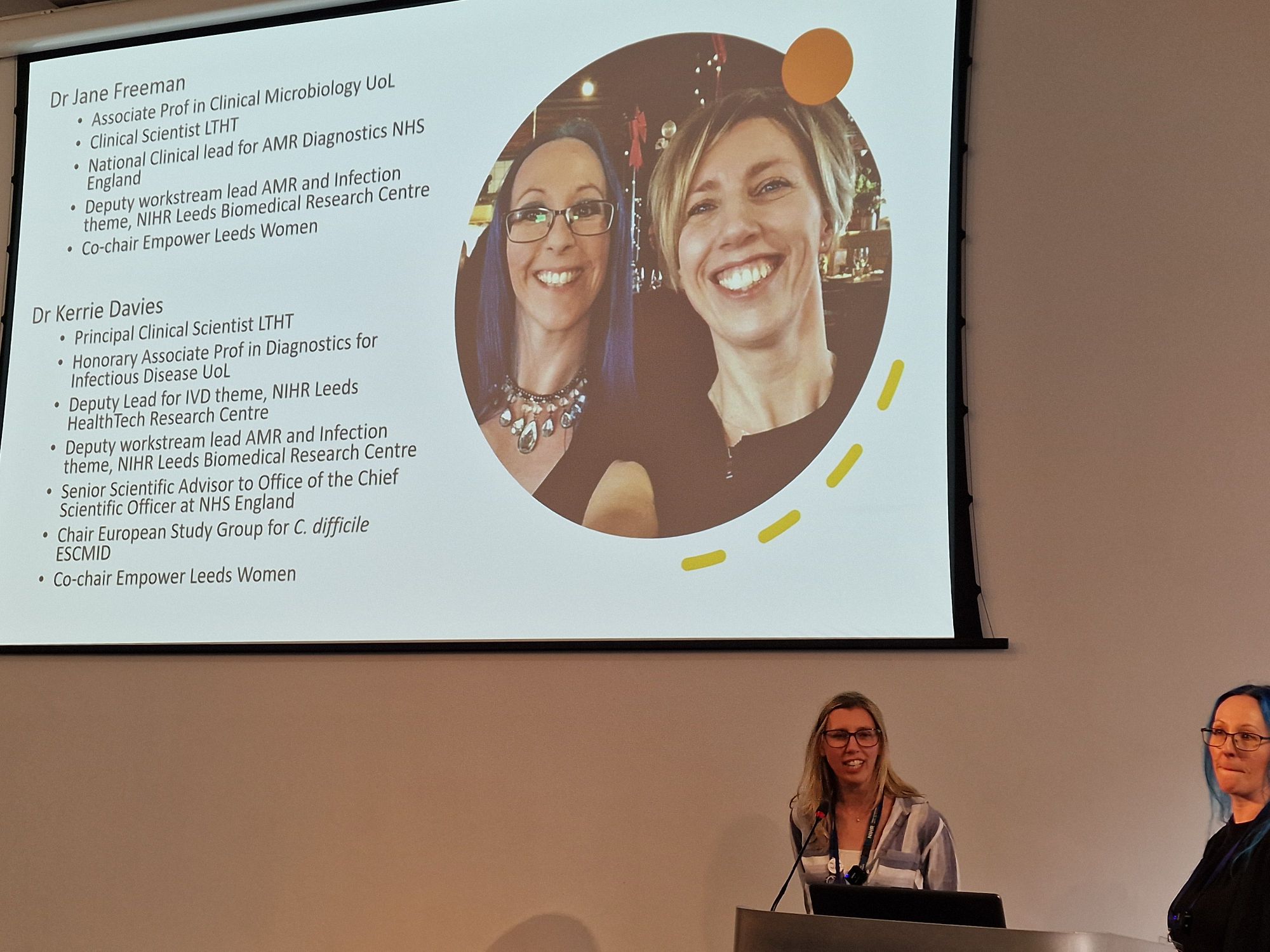


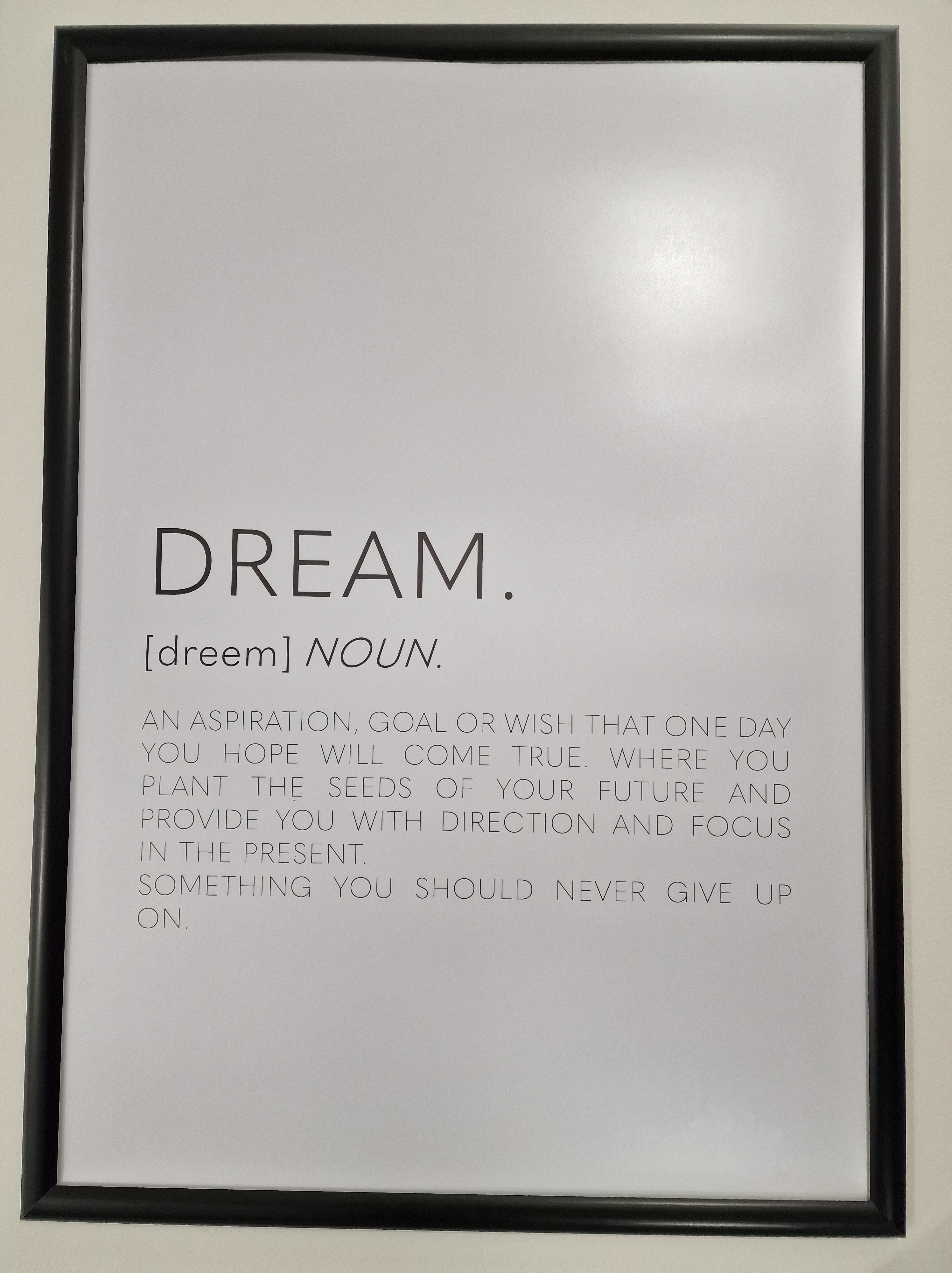





 Girlymicro