
It’s that time of a year, the time of year when I get a number of appointments put into my diary from people who want to talk about doing a PhD. This will range from undergraduates, where I’ve taught on their course, to established healthcare professionals with over a decade worth of lab or clinical experience. I thought it might be useful, therefore, to write a post where I go through some of the stages of discussion that take place in these meetings in order to help anyone else thinking about the same thing.
Over the last decade I’ve spent time talking with a lot of people who come to me saying they want a PhD and my first question is always why? I ask this not just because it is the question you will always get asked in your PhD interviews but because your answer will determine a number of things, some of which I’ve covered below.

How much thinking have you done?
Starting a discussion with someone where you ask why they’ve decided to do a PhD is a good way to check how much thinking they’ve done about a) what a PhD actually is and b) how it will enable to them to achieve their aspirations, a PhD is not the end game after all, it’s a step on a pathway. Now, if someone is an undergraduate, they may be focussed on a PhD as the next educational step and not yet have clarity about where it will lead. However, for someone whose already a working scientist, this question holds a lot more weight as they are more resource limited (in terms of time) and probably need higher levels of clarity prior to committing. The way someone answers this question (and it’s one I also use in interviews) helps me gauge how far along in the thought process someone is. In an interview, it also helps me gauge how committed someone is, as they have invested the time to really think about their why and how it serves their purpose and values.
This then leads onto some more specific questions:
- What subject of PhD? are you looking to progress via a scientific route or via other channels in leadership or education.
- What type of PhD – if you are coming to me as a Healthcare Scientist looking to progress a traditional research doctorates are no longer your only option. You can now undertake a professional doctorate via a number of different routes.
- Where do you see a PhD taking you to in 15 years time? Which doors will it open? Are any of these restricted by doctorate type?
- Why now? What are the opportunities or support you have available to you now. How have these changed (if you’ve been in post) to allow this to be an option now and how might they change in the future? Could any of these changes impact you in the time course of the PhD?

Thinking about what route to PhD you will want to follow is key. Some, like fellowships, come with substantial resource in terms of matched salary and both educational and consumables funding, but are highly competitive and will likely take you over a year to prepare. Others are much more under your control, like self funded, but require you to have resource of your own to begin with.
The route that might work best will therefore depend a bit on where you want to end up, but also on personal factors, such as finances and available time. Some of these routes may also limit progression down certain pathways, if you want to become a full research academic for instance you will probably need a research PhD rather than a taught doctorate. If you choose your route without knowing your why you could therefore close off some possibilities without truly being aware at the time:
- Unfunded route, where you register but undertake an unfunded PhD alongside your post. Often your employer will pay your PhD fees and you apply for consumables money
- Self funded route, where you take time out to do your PhD but you fund your own fees and consumables, usually in an academic department
- Stipend funded, the route most people think of when undertaking a PhD. You apply for a project where the funding and requirements of the PhD have been set out by a supervisor. These are more like fixed term jobs where you deliver on a set of parameters
- Fellowship, this route in probably the most competitive and requires substantial preparation. On the other hand it can offer a route by which you can undertake a PhD whilst still retaining your salary, and have access to funding for training and consumables
- Training post, this route will often offer a taught doctorate rather than a traditional research PhD. It is also a way in which you may be able to develop clinically at the same time as developing leadership and research skills, and so might be the most appropriate route if you are aiming to undertake a PhD in order to get a specific role

How much research have you done?
When I talk about research here, I’m not talking about the academic kind, I’m talking about the fact finding and speaking to people kind. One of the ways I can often judge how seriously someone has thought about undertaking a PhD, and establish how far they are along with the process, is talking in a little more detail about what kind of research questions they are thinking of and the practicalities of undertaking a PhD in that area, such as what institution? or what supervisors? This is where the nitty gritty really starts to matter:
What thinking have you done on your research question, how far is it progressed? Do you have a broad subject like Clinical Microbiology, a more specific subject area such as Gram negative sepsis, or something really developed, such as comparison of molecular detections of antimicrobial resistance techniques and their impacts on antimicrobial prescribing decisions. There are pros and cons about having reached different levels of thought. It is good to leave enough conceptual room where your supervisors can support you in ensuring that your research question is both achievable and of PhD level. Coming in with only the broadest level of thinking however, tends to imply you may not have thought about it enough and may limit how much support and sign posting someone can give you, as it will be harder to tell which funders might be interested or academically where it might sit.
Who are you thinking in terms of supervision? Have you approached anyone? Making the right supervision decision is key, not just in terms of topic but also in terms of PhD experience. It is therefore always worth doing your due diligence in terms of research who is working in the area, but also in asking what is their working style? What is the experience of others in their lab? Can they help you in the kind of career path you are envisioning for yourself? If you want a clinical career you may not want to go and work with a fundamental scientist, as their networks will be different and may not support your trajectory.
What institution are you thinking of? Have you read up or spoken to others about what is like to study there? Institutions, like supervisors, tend to have a specific style, and it may be one that works for you but it also may be one that doesn’t. Your institution in some ways may be determined by your supervisors, but you may have the option if you are doing a combined clinical/academic placement to choose. You may also want to bear the institution in mind when identifying your supervisors in the first place and use it as part of your matching criteria. Sometimes, you may also have no choice in institution, especially if you are studying linked to a training scheme – in which case, be aware of travel or other requirements, when decided your route to PhD, as it may impact your experience.
Have you thought about the realities?
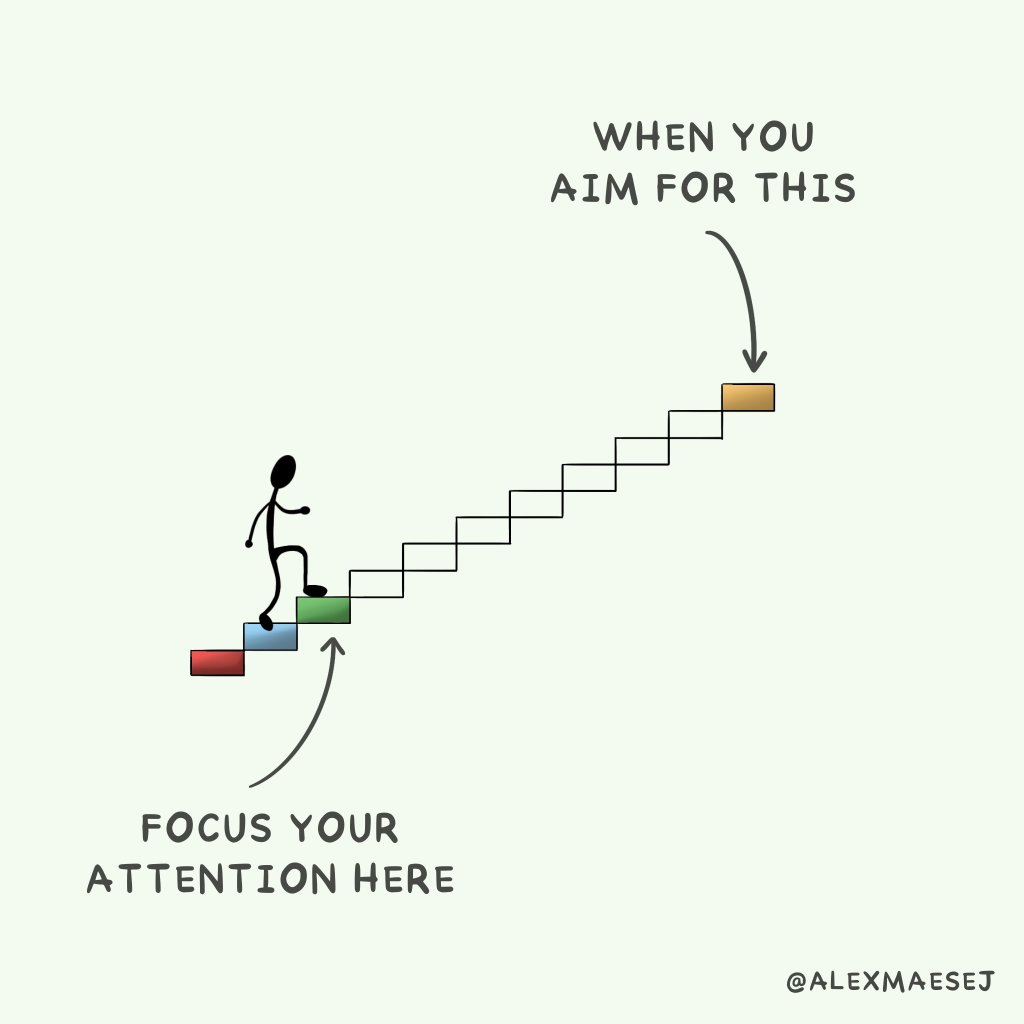
PhDs can often be idealised as experiential learning, the reality of them can be very different however, and I’ve already posted about the challenges of the second year slump. The truth of it is that all PhDs are challenging, and sometimes I think that achieving a PhD is more a measure of stubbornness and refusal to give up than of academic competence. There are some things that can be made much easier if you think about them and how they will work for you and your life style before you embark on this particular journey.

The first of this is how will you balance a PhD with your other life commitments? Each of the routes to a PhD have different pros and cons. If you don’t have loads of money in the bank, and like me don’t have a lot of savings, then doing a self funded PhD may not be an option for you. Other options, like a PhD with a stipend, may also be off the table, if you need your current salary to make ends meet. This in itself may determine which route you take. You may have resource in terms of finance but not in terms of time, you may therefore want to self fund or do an unfunded PhD, in a way that enables you to stretch the process out over several years, so your annual time commitment is less. On the other hand, you may be time limited and need to get it done in the next 5 years, and therefore not have the time resource to put all your eggs into the same basket and apply for a fellowship that takes a year to prepare and has a 20% success rate. Being honest with yourself about the different drivers is essential so that you can make the right choices in terms of route.
It is also key to know what kind of learner you are, I’ve already posted a bit about learning agreements, but even in the absence of one you still need to be aware of your needs. Do you need a supervisor who is going to have a lot of pastoral time? Do you want to be in a group with plenty of other PhD students so you have access to peer support? Do you hate micro management and pretty much want high level accessible support when you need it, but a light touch the rest of the time? These things will determine what kind of supervisor and setting you will need to identify, and the questions should be asking (outside of the scientific) in the process.
Finally, and this one is oh so important, what’s your end game? If you want to end up as a Consultant Clinical Scientist but have little interest in a research career, a taught doctorate may be right for you, it will not be the right choice if you want a Clinical Academic career however. If you want to follow a clinical pathway you may want to ensure that this aspect is retained in your research question, to enable follow on post docs and other progression that supports your clinical role. Not to harp on, but if you don’t know your why no one else can, and it can mean that you make decisions that close future routes rather than keeping progression pathways open. Also, did I mention doing a PhD is hard? If you don’t know your why it can be super challenging to just keep going when the tough times do arrive. If you know your why however, at least you can cling to that vision and end game in order to get you through.

I hope this post helps show that there are many different choices open to you if you are thinking about undertaking a PhD, but that it’s worth doing some thinking and fact finding as part of the process to make sure you make the decisions that are right for you and your life style. For those of you who decide to jump down this particular rabbit hole here are some things I wish I had known when I started, and good luck, you will rock it!
All opinions in this blog are my own
If you would like more tips and advice linked to your PhD journey then the first every Girlymicrobiologist book is here to help!
This book goes beyond the typical academic handbook, acknowledging the unique challenges and triumphs faced by PhD students and offering relatable, real-world advice to help you:
- Master the art of effective research and time management to stay organized and on track.
- Build a supportive network of peers, mentors, and supervisors to overcome challenges and foster collaboration.
- Maintain a healthy work-life balance by prioritizing self-care and avoiding burnout.
- Embrace the unexpected and view setbacks as opportunities for growth and innovation.
- Navigate the complexities of academia with confidence and build a strong professional network
This book starts at the very beginning, with why you might want to do a PhD, how you might decide what route to PhD is right for you, and what a successful application might look like.
It then takes you through your PhD journey, year by year, with tips about how to approach and succeed during significant moments, such as attending your first conference, or writing your first academic paper.
Finally, you will discover what other skills you need to develop during your PhD to give you the best route to success after your viva. All of this supported by links to activities on The Girlymicrobiologist blog, to help you with practical exercises in order to apply what you have learned.
Take a look on Amazon to find out more


[…] PhD Top Tips: So you’ve decided you want to start a PhD Things I Wish I’d Known When I Was a Trainee: My top ten tips for making the most of your journey Clarity is Key: The role of learning agreements in supporting learner success […]
LikeLike
[…] talked in previous posts about the need for you to show me your why when discussing undertaking a PhD. There are lots of reasons why you might decide that a PhD is the […]
LikeLike
[…] each year. Sometimes, people just want more information about the pathway or what the options are. I’ve written a blog about this as I get asked the question a lot. Other times, it’s framed more like ‘what can you do to get me a PhD?’. In these […]
LikeLike