PhD Top Tips on Managing Your Supervisors: Love em or hate em, there’s no completion without them

I posted a couple of weeks ago about application tips when applying for a PhD. In that post, I talked a bit about researching the supervisors in order to be able to talk about their work and department. In all honesty, though, there is a much stronger reason to start early on understanding your supervisor. They can make or break your experience during your PhD.

It’s no secret that I did not have the best supervisory experience during my own PhD, and there are plenty of reasons for that, but one of the main ones was that I didn’t start off understanding enough that there is a requirement to curate and nurture the supervisor – student relationship. I didn’t know what questions to ask, what clarity to seek, or frankly even what was normal. The relationship therefore broke down, and I retrospectively had to unpick why. Having learnt the hard way, and now having sat on both sides of the table, I thought I would share some thoughts about how to get the most out of your relationship with any academic/educational supervisor, PhD or not.

Do your research

As I’ve said, doing your research should probably start before you even have the post. It’s worth reaching out and speaking to previous and current students so you can to get an idea of what their experience has been. If you are already in post, it’s still worth speaking to people to find out as much as you can about what kind of supervision style they’ve experienced. Every supervisor is different, just like every leader is different. The more you know, the better placed you are to understand what the dynamics of your relationship might look like, and importantly whether there are any possible pitfalls which you could then address early, preventing then becoming something more. In this one, knowledge really is power. So get as much knowledge as you can as early as you can.
Expectations matter

We all enter relationships and situations with expectations, but too often, these are internalised and therefore opaque to both ourselves and others. Not getting these into the open where they can be discussed and expectations clarified can be a key reason for relationship breakdown, at least it was for mine. One of the reasons I think this happens is because, as students, we are often entering a completely new arena, and so we just don’t know the unwritten rules. I’d like to think that most supervisors know this and will therefore spend time at the starting point of the relationship to talk through what their expectations are. I’ve previously written about the use of learning agreements to help this process. Sadly, I’m all too aware that this is often not the case, and supervisors, who live in this different world, often forget that others don’t come with all the information they may need to deliver what is expected.
Get to know their work and working patterns

My inbox is the place where emails go to die, and my diary is a horror show. These are facts. No matter how much I try to keep up, I get hundreds of emails every day, and to be honest, I can’t. If you only send me a single email, it will get lost. If you try to get a same day meeting with me, you will fail. I therefore ask that, if it is important, you email me three times and make it high priority. This vastly increases the chance that I will see it. If you want to see me every 2 weeks, then let’s get a regular slot in, which will move, but at least it’s there. All of this is not because I don’t care, it’s just the only way I can manage multiple competing priorities. Everyone is different. You will have your own way of working, as will your supervisor. There is no point in being passive in the process and miserable about the outcome. If you have needs, you have to actively work to find the best way that they can be met.
Be aware that you are the one driving your work

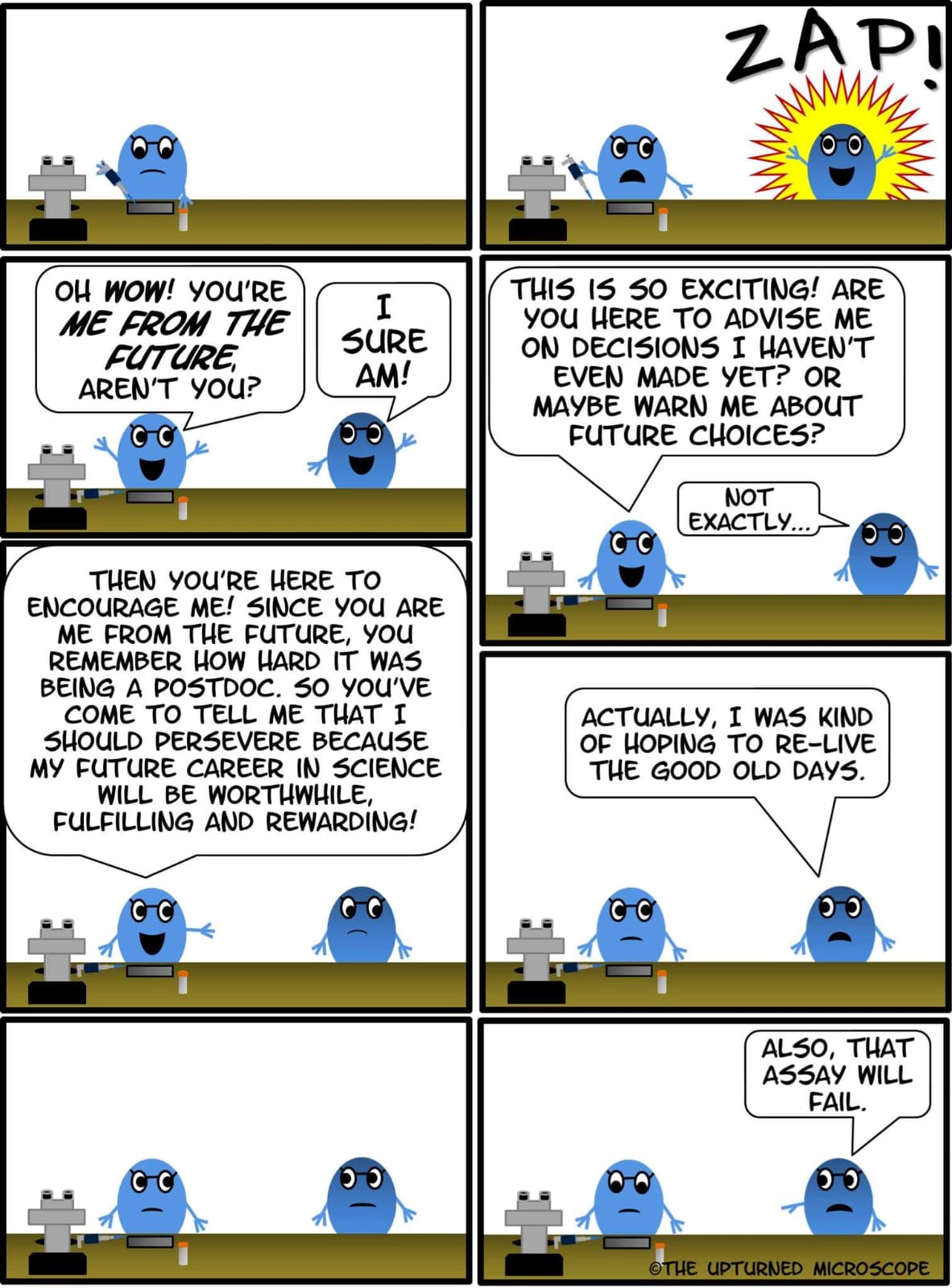
One of the largest changes when you start a PhD is that it is YOUR PhD. You are in the driving seat. A PhD is effectively a job, and the switch up to the responsibility sitting with you can be a challenging shift. No one is policing deadlines, and in fact, you are the one that should be setting them. No one is prioritising your workload. You need to work out, with support, what needs to come first at any given time. The lesson about not being passive is important across all aspects of your PhD. You are no longer in a taught process. A PhD is effectively an apprenticeship in research, and like in any job, there are expectations placed on the employee in terms of delivery and performance. The earlier you can come to terms with this the easier your pathway will be.
Identify peer support

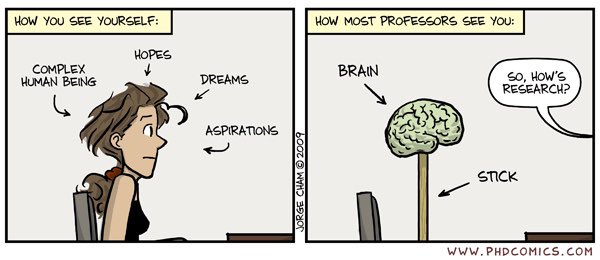
All of this change can make the start of any PhD stressful, and you will need to find sources of support outside of your supervisor.  Even if you have a great relationship with your supervisor, even if everything is going well, there will be times when you dislike them or part of your PhD. In these circumstances, you need to have safe spaces to vent and seek support alongside benchmarking from others. It’s important to invest some time early on to build wider relationships with your peers and, if in a small lab, potentially seek out groups or networks. These will stand you in good stead during your PhD, but also in your future career, as learning to build networks is a key skill to be invested in.
Know your benchmarks

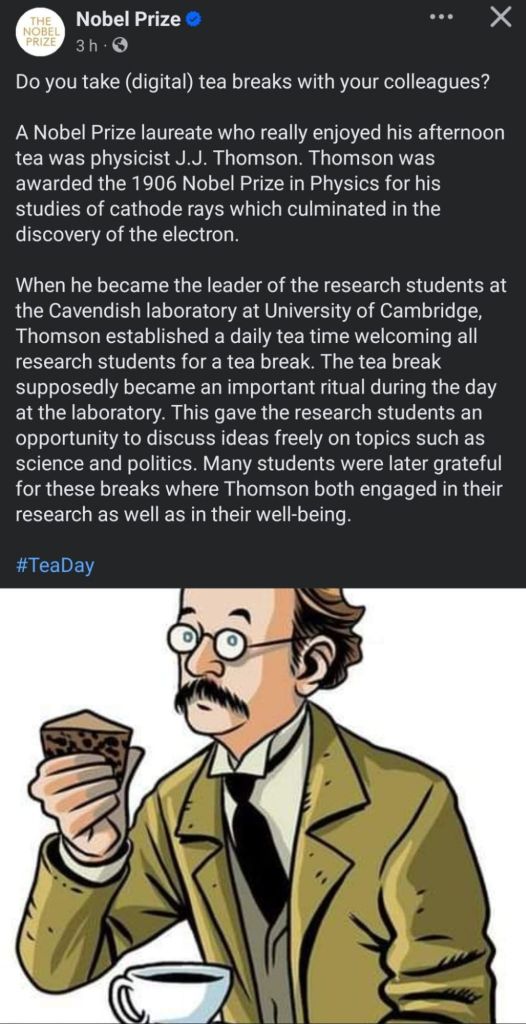
Everyone enters a PhD at a different place. The same is also true for PhD projects, some are more developed on day one than others. It can be hard therefore to work out how you are doing, especially if you haven’t established supervisor expectations. There are some useful tools out there to help. Every University should have some form of pathway which lays out the dates and timelines that PhD students need to deliver on, from reporting and upgrade to final submission. These are invaluable in making sure that you are on track and on target for your work. Projects will often have individual timelines, if they are grant funded, that you need to maintain. Grant funded projects will usually have milestones, reporting, and dissemination deadlines, which need to be kept to. It is worth noting that some of these things mean that it is not always so meaningful to benchmark against your peers. I would always advocate using them as a source of support rather than self judgement, as you may not be comparing like with like.
Manage your relationship

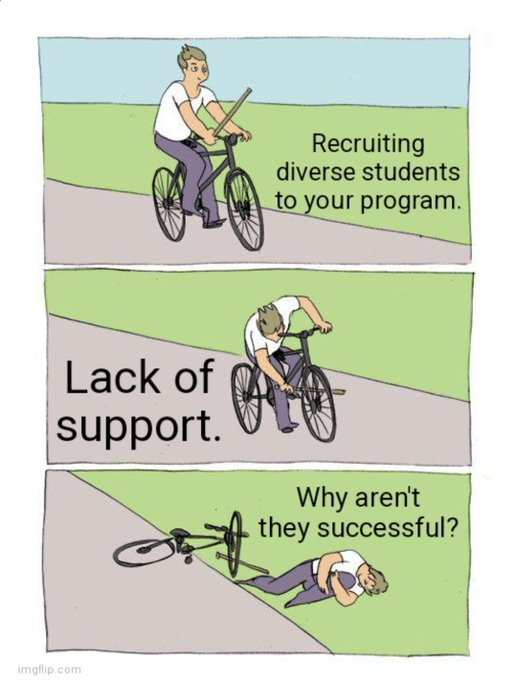
All relationships require work. All relationships, especially ones that last years, will go through peaks and troughs. Your relationship with your supervisor is no different, and because of this, communication is key. This sounds easy enough, but sadly, it is often not. Finding the balance between being that student who needs supervisor input into ever thought/decision, meaning you don’t find independence, and being that student who never speaks up and therefore ostriches on issues, meaning that issues don’t get addressed, is not an easy one. It requires the pair of you to build trust, and that is a gradual process. A lot of this is helped by laying the groundwork and having open discussions about expectations. Being open to supportive feedback, asking questions, and owning your work by doing things like reading and coming prepared to meetings goes a long way towards making these relationships flourish. Also, being transparent about challenges and identifying issues early can mean that both sides are facilitated in addressing issues. Your supervisor can’t help if they don’t know.
Friendly is not the same as friends

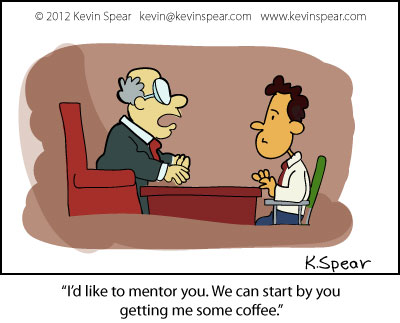
I’m going to say this here, being friendly is not the same as being friends. We all hear great tales of supervisors and students being best friends. I’m sure that happens after the PhD is over, but I’ve never known it happen during. I’d like to say I get on really well with most of students. I’m invested in them. I care about them. I will happily buy them a beer in the pub. We are however not friends. My wellbeing is not on them. It is not an even relationship. I am there to support them, but I am also their boss. In a friendship, if we went to the pub, my friends and I would take turns buying in rounds and discussing our problems.  I’m pretty open about my work based challenges, but I don’t expect my students to take them onboard. I don’t ever expect them to buy me a drink. I personally don’t think that’s how these things should work. When they are done being my students, when I no longer have responsibility for them, then the relationship can become more bi-directional. Until then I have a duty of care which means I should put them first.
Know the rules

These next few ones are for if, like mine, your relationship takes on a less healthy trajectory. The first thing I learnt was that I really needed to understand the rules. That’s both the formal written rules and the informal social academic rules. It’s only by knowing these that you can judge whether the breakdown is precipitated by a valid breach. If you don’t know the rules, how can you tell if you’ve broken them? If you have broken them, then we all need to act like adults, hold up our hands, and seek forgiveness whilst taking corrective action. The other reason to know the rules is that you may need the information.  My primary supervisor refused to sign off on allowing me to submit my thesis. As I’d done my research, I knew that I didn’t need supervisor sign off, it just meant I couldn’t sue the University if I failed. Hopefully, you will never get to a similar point, but knowing your parameters will never do you any harm. This one is back to knowledge is power, and so gain as much of it as you can.
Keep up your end of the bargain

It takes two to tango, and knowing the rules won’t help if you don’t keep up your end of the bargain. Grant deadlines, if you are externally funded, are often immovable, and so if you are required to get data or reports out by a certain date it can hold ramifications, not just for you, if you don’t deliver. Even if you are not grant funded, you need to deliver on the agreed timelines you made with your supervisor. This may all sound really simple, but you would be shocked at the number of students who don’t seem to grasp this fairly straightforward concept. PhDs are not like undergraduate work where you can ask for an extension on every piece of work or merely have an assignment capped. This is your first job in research,  and like any job, if you keep missing deadlines, then eventually you will get fired. I had one PhD student who kept missing all deadlines because they believed no one would ever be allowed to fail a PhD or would be removed from the course. I had to explain to them that this was not true and show the mechanisms that existed to do just those things. After which we got on much better and they re-focussed on the task in hand. It’s obviously better if things don’t reach that point before being addressed, and so it is key both sides bear in mind the social contract they have made.
Have a plan B

If academic life has taught me anything, it’s that you should always have a plan B, and I think it’s a sensible approach no matter what stage you’re at. Hopefully, you will never need it, but strategic thinking is a good skill to develop regardless. You should always have more than one supervisor, even if the others have variable involvement. If you can, it’s always worth trying to include them and investing in developing relationships with them as well. They can provide a counterpoint view on your work, and they can help with benchmarking your relationship and expectations with your primary. Your secondary supervisor is also likely to be involved at times, such as your upgrade viva, and so understanding their expectations can be really helpful. In the unlikely event that your relationship with your primary is not great, they can also take on a mediation role to help both sides gain clarity and hopefully move forward. If you hope for the best and plan for the worst, you should have all sides covered and hopefully have the most fulfilling experience possible during you PhD.
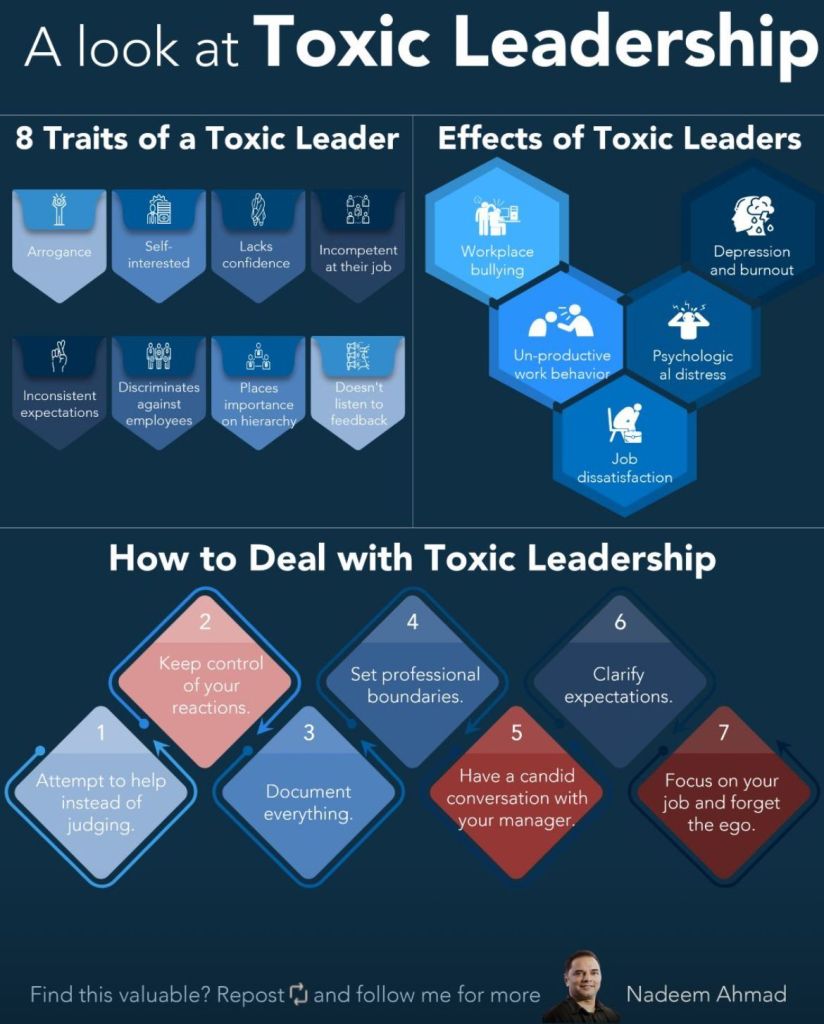
Finally, it’s worth remembering that supervisors are people too. They have good days and bad days. They have personal stuff going on that can impact their mood and decision-making. They will make mistakes and hopefully apologise for them. They will aim for perfection and always fall short. What I hope more than anything is that you will find a supervisor who wants and drives for you to reach your potential and who always has your best interests at heart. Sometimes, that means that there will be hard conversations, and sometimes that means they will push you, as they have faith in your ability to improve. I want all of my students to grow to be better than I am. I want them to know that I have faith in them even when they feel lost and can’t find faith in themselves. So do your research and find a supervisor who works for you and the way you work. Find that supervisor who will make you better than you could be on your own.

All opinions on this blog are my own

If you would like more tips and advice linked to your PhD journey then the first every Girlymicrobiologist book is here to help!

This book goes beyond the typical academic handbook, acknowledging the unique challenges and triumphs faced by PhD students and offering relatable, real-world advice to help you:

  • Master the art of effective research and time management to stay organized and on track.
  • Build a supportive network of peers, mentors, and supervisors to overcome challenges and foster collaboration.
  • Maintain a healthy work-life balance by prioritizing self-care and avoiding burnout.
  • Embrace the unexpected and view setbacks as opportunities for growth and innovation.
  • Navigate the complexities of academia with confidence and build a strong professional network

This book starts at the very beginning, with why you might want to do a PhD, how you might decide what route to PhD is right for you, and what a successful application might look like.

It then takes you through your PhD journey, year by year, with tips about how to approach and succeed during significant moments, such as attending your first conference, or writing your first academic paper.

Finally, you will discover what other skills you need to develop during your PhD to give you the best route to success after your viva. All of this supported by links to activities on The Girlymicrobiologist blog, to help you with practical exercises in order to apply what you have learned.

Take a look on Amazon to find out more

PhD Top Tips: What do you need to think about when applying for a PhD?

Spring has sprung and that means academic application time has also begun. I’ve already had a number of queries about what it is that I look for when I receive PhD applications. Selfishly, I therefore thought I might write this post so that I can refer people here to read it. Don’t worry if you’re not applying for a PhD though. I’ve just interviewed for a senior role and had to go through a LOT of applications when shortlisting. It’s probably obvious, but worth stating, that a lot of these tips are also relevant to when you are pulling together any personal statement or piece where you need to sell yourself. So, good luck, and I hope these help.

Understand what’s being asked of you

The first thing is to really understand what is being asked of you. A PhD application, although in many ways a job application, is also much more than that. It’s less about where you are at right now and more about where you could be at the end. There’s a lot more in the assessment about being able to demonstrate the way you think, your aspirations, and your passion, therefore, than the box ticking against a job spec that is often required for other posts. Your cover letter is therefore critical in order to help you stand out from the crowd and a generic letter that you’ve sent to 20+ options just won’t cut it, if like me you’re are getting tens to hundreds of applications to shortlist. Your generic version just won’t pass the skim test. Below are the kinds of things I want to see if I’m glancing over your application in order to put it in the consider pile.

Be specific, details matter

Having looked at a LOT of applications over the years for PhDs and other roles, my first big tip is that details matter. Making statements like ‘I have good communication skills’ won’t tick any of my boxes.  I need to have it followed up by a concrete example such as ‘this was shown by me winning X poster prize at X conference’ or ‘me being asked to lead our group presentation on X, where received a distinction’. Your examples don’t have to be revolutionary, but you do need to back up your statement with something concrete. You are applying for a science post after all, so evidence matters.

Show what got you here

It’s easy to think you have to be exceptional to succeed, but the truth is most of us aren’t exceptional. We just have a passion, interest, or tenacity that gets us somewhere. My father recently referred to me as ‘an academic late bloomer’, and I’ve written before that we are all more than the sum of our grades. Because of this, when I’m looking at applications, I’m most interested in the person behind the grades and the details. Some people will be exceptional undergraduates but will hit a ceiling when it comes to postgraduate study. Some of us dealt less well with the thought constrictions at that level and only really grew into our potential when the safety wheels were removed. I’m looking for your application to show me what makes you tick, how you think and approach challenges, and how you ended up sitting in front of a computer writing this application.

Be clear about where you want to go

I’ve talked in previous posts about the need for you to show me your why when discussing undertaking a PhD. There are lots of reasons why you might decide that a PhD is the right next move for you, and it doesn’t just have to be that you want a future career in academia. In some ways, the reason doesn’t matter as long as it’s thought out. What does matter is that you’ve taken the time to do that thinking and have the skills to be able to communicate it. PhDs are not a walk in the park. There will be hard days and challenging periods where you question whether this was the right move. Your motivation, whatever it is, has to be strong enough to get you through those dark days. It’s also important, that if you get the role, I understand how to support you in your future goals, and I can’t do that if you don’t know what they are.

Why this PhD

There are PhDs advertised all the time. One of the top things I want to have jump out of your letter is why you think this particular PhD is the one you want to do. What is it about the topic that interests you? How does this fit in as a logical next step from what you’ve been doing so far? Where is your passion or interest in this particular topic? PhDs with me will always have a clinical aspect, so what is it about this rather than primary science PhD that speaks to you. I want to know that you have considered, in my case, what it will be like to do research in healthcare and the benefits and challenges of the setting. I also want to know how it fits in with your goals as described above. This needs to be done in enough detail that I know you have thought about it and that it’s specific to the PhD I have advertised. Anything generic is a real turn-off at this point.

Why this supervisor

Supervisors make or break your PhD. It’s the honest truth. Demonstrating you have awareness of how important this relationship is to your PhD goes a long way to show that you understand the challenge you are choosing to take on. I would always recommend reaching out to the primary supervisor ahead of applying therefore. You can then make an informed choice about whether this person will be the right support for you. Every supervisor has different styles and you as a learner have different needs. Understanding whether those 2 things will mesh is so important.  You can then address why the supervisory team on offer is the right choice for you in your application.

Why this university

The other thing that is worth including is why the university you’re applying for is the right choice for you. Each university has a slightly different ethos or feel, and so why does the one you are applying to match your requirements? Is is because it has an associated medical school or strong pre-existing links to local hospitals? Is it because you really like the structure of the PhD programme? Is that they have a doctoral school or other funding that links into a research council you are particularly interested in working with? It’s always worth looking up what the PhD structure is actually like, some will require you to submit regular essays, others will just have an ongoing log, each is likely to have different upgrade windows and structures. State why this university works for you and your learning style. This not only makes it clear that you’ve done additional reading to understand the programme, but that you’ve also done the reflective thinking to see how you would fit into what is being offered.

What skills do you have

Let me be clear, no one expects you to have all the skills to do a PhD when you apply, otherwise you wouldn’t be doing a PhD you’d be doing a post doc. That said, on the advert there will be some skill requirements that you will be expected to meet or be on the pathway to meeting. It’s key that you cover these off in your application, either in the covering letter or CV. One of the key errors I find people make when putting together their applications is that they think all of the skills and experience listed have to come from their scientific or academic backgrounds. This really isn’t true, especially for an early career post. Leadership skills can be demonstrated from volunteer or other work experience, such as helping out at Scouts, Guides or Duke of Edinburgh. Conflict resolution skills can include things like bar work on a Saturday night. Time management could include how you helped your parents manage your 6 younger siblings when it came to after school activities. As part of you bringing your entire self to the post you should feel free to include all of the skills developed as part of the route that brought you to making the application.

What experience do you have

It can be challenging to split out skills from experience, but if you have any, experiences can go a big way to demonstrating your commitment to the career you are hoping to embark upon. Have you attended seminars or other voluntary activities as part of your time at university? Have you arranged to shadow or undertake placements within a laboratory to gain extra experience? Did you engage in weekend or other field trips? These help demonstrate interest, but they can also help to round out some of the short listers’ understanding of what you may be bringing in terms of scientific experience, and how that might benefit the initial phases of your PhD. I also always appreciate the way that applicants introduce items like these into the application, as it also helps me start to get a feel for how they think and approach challenges, which is one of the things I’m looking for to help an application stand out from the rest.

Ensure you use the literature

Another way you can show what you thought process is and how you might develop as a scientist is by making sure you use the scientific literature in developing your application. I want applicants to reference a couple of key pieces of literature when they talk about why this PhD interests them. It also makes the application stand out if you reference published literature from the group or supervisors when you talk about why you are interested in working with them. Finally, if the PhD is funded by a particular funder, or through a particularly funded centre then I would also expect the application to reference what the funders remit is and what they aim to achieve. Demonstrating that you’ve taken the time to understand the context in which your research will be undertaken shows, to me, that you have the beginnings of the strategic awareness you will need to develop future funding applications during an academic career.

Demonstrate your added extra

I hate it sounding like I’m saying that everyone has to go above and beyond, because that’s not really what I’m saying. What I think you need to do is embed something that makes your application stand out. That can be by including a lot of reading and referencing in your application, if that’s the kind of thing you enjoy. It can also be about sharing a story about why you have always wanted to work in this kind of research. One application I recently reviewed, focussed on the applicant talking about how much they wanted to engage with dementia research as their grandmother had been in a care home linked to dementia, and they they had spent a lot of time therefore getting to know individuals with dementia and had personally witnessed the impacts on their families. They then followed it up with information linked to dementia UK, showing they had both the drive and ability to find information. There are many different ways to make an impression. Your application is a blank slate but making sure that it has enough detail to show that you have thought through what might help you stand out is key. How you do that is completely up to you. Think of it as getting a head start on developing your scientific elevator pitch!

Follow the rules

Having said that PhDs are different, in terms of not being so tightly tied to a person specification, there were still be boxes you need to tick that are listed on the advert details. Please please therefore make sure that you do maintain enough focus to be certain to cover off the stated requirements. You want to weave in the other aspects that will make you stand out linked into what is being asked for. One thing it is always worth asking, is for someone else to read your application against the requirements, preferably a none expert, to get a neutral assessment of whether you have clearly covered off everything that is needed.

I do have one personal plea linked to this though. Please do not send a 90 page attachment with all of the certificates you have ever achieved and every paper you have ever written in full. It is possible to go too far the other way and send too much. I will tell you honestly, if your combined letter and CV for a starting level post is more than 5 pages I will start to become less and less engaged with the application. If you send me more than 10 pages, I will not consider it for shortlisting. A key skill as a scientist is being able to engage with a question, shift information to identify what is relevant, and build an evidence based response. If you send more than 10 pages it signals, to me, that you are unable to manage at least one of these steps in an efficient manner, and therefore cannot meet the person specification.

Have a little faith in yourself

My final tip is this, have some faith in who you are and your ability to succeed. If you write your application from a position of confidence rather than imposter syndrome, you will use words like ‘will’ and ‘can’, rather than using works ‘like’ and ‘attempt’. It seems a small change but there is a subconscious difference that is detected by the reader when someone writes in a definitive style that inspires confidence. It will not be the only thing that gets you across the finishing line, but it can definitely help. You have achieved so much to get you to the point where you are qualified to apply for a PhD. You deserve to give yourself the same self belief and encouragement that you would offer friends and family if they were in same situation. Remember. You are braver than you know, and so much stronger and more able than you believe, so take that leap and fly.

All opinions in this blog are my own

If you would like more tips and advice linked to your PhD journey then the first every Girlymicrobiologist book is here to help!

This book goes beyond the typical academic handbook, acknowledging the unique challenges and triumphs faced by PhD students and offering relatable, real-world advice to help you:

  • Master the art of effective research and time management to stay organized and on track.
  • Build a supportive network of peers, mentors, and supervisors to overcome challenges and foster collaboration.
  • Maintain a healthy work-life balance by prioritizing self-care and avoiding burnout.
  • Embrace the unexpected and view setbacks as opportunities for growth and innovation.
  • Navigate the complexities of academia with confidence and build a strong professional network

This book starts at the very beginning, with why you might want to do a PhD, how you might decide what route to PhD is right for you, and what a successful application might look like.

It then takes you through your PhD journey, year by year, with tips about how to approach and succeed during significant moments, such as attending your first conference, or writing your first academic paper.

Finally, you will discover what other skills you need to develop during your PhD to give you the best route to success after your viva. All of this supported by links to activities on The Girlymicrobiologist blog, to help you with practical exercises in order to apply what you have learned.

Take a look on Amazon to find out more

Greetings from the Laziest Girl on the Internet: Living with a mind that won’t stop in a body that doesn’t want to begin

I woke up at 5 this morning, the alarm wasn’t set to go off until 6:15. I am desperately tired and in need of more sleep. Instead of allowing me this simple luxury my brain decided to a) run through an experimental protocol, b) draft a paper I need to write, and c) plan a conference presentation. Sadly, my body wasn’t in alignment with this and so none of it has been written down or recorded anywhere. I am therefore exhausted still and have no concrete outputs to balance it out. I’d like to state this was a one off, but it is in fact my life and daily existence.

People often ask me how I manage to ‘do’ so much. The sad fact is that I really don’t think I manage to ‘do’ very much at all. I’m always a chapter behind on my ‘to do’ list. That combined with the fact that I only manage to get as much done as I do because Mr Girlymicro keeps our lives together by making everything happen at home, means that I thought I’d write something that talks openly about what the reality of having a mind that just doesn’t stop looks like.

I only have 2 speeds

I think those people who think I achieve a lot only see me in ‘doing’ phase. Running around spinning multiple plates at the same time and being totally ‘eyes on the prize’ focused. The other side to this is that when this Duracell bunny phase is over, I become the sloth girl who inhabits the sofa and doesn’t contribute to house work or the want to leave the house. The challenge is that work generally gets the Duracell bunny which means there is very little left over for real life. Hence Mr Girlymicro deserving the husband of the year award 15 years running, and the fact that I need to find a way to split my energy better.

My mind can’t switch off

One of the reasons for the enormous to do list, is that although my body switches off, my mind really doesn’t. I would really love it if it did. Today is Easter Monday, it’s before 9am, and I would really love to be able to sit and chill out. Instead I’m writing this blog as my mind is so full of stuff that this is my equivalent of relaxing as it enables me to focus, and thus relax a little. I don’t know if this is how everyone lives? I really don’t. I have so many thoughts, I remember so many things I should have done, things I should be doing. My mind can make my life a less than relaxing existence. Lovely Mr Girlymicro has brought me some Lego for later though so that I can use it to help, as the process of doing something whilst watching a movie or listening to an audio book, is basically my relaxed happy place. It’s important to have a strategy when my head is spinning out of control.

I find it very uncomfortable to only do 1 thing at a time

This leads me onto another thing. I need to be doing at least 2 things at once to feel comfortable. I’m writing this blog whilst watching CSI on Netflix, later I’ll be putting together Lego whilst enjoying a movie, I even need an audio book to sleep. One of the reasons I’m so happy to have my little bathroom office is that I find it really challenging to work in silence and so it means I can have music or a book running as background audio. I really find it helps me focus. The advantage to this way of living life is that does it enable me to plan talks in my head whilst doing other things, or to plan a text book or blog outline whilst writing a policy. This adds to my ‘to do’ list but also helps keep my head above water when I’ve made too many commitments.

I’m physically lazy and don’t pull my weight

For all that my mind is active I am physically lazy. I always joke that I was born to lounge on a chaise lounge with a book in my hand surrounded by my library with someone to bring me Darjeeling on request. I know that I must be challenging to live with. I get so focused on things, that without adult supervision, I have a tendency to forget to eat or drink, one reason that I am much healthier when I work from home. When I work on-site I tend to come home in a ball of flames, exhausted by my working life and physically broken, and therefore contribute negligibly to doing any form of physical chores. I’m working on it, but saying that, whilst Mr Girlymicro is working upstairs here I am writing this blog instead of tidying the kitchen. I did say he deserves awards, and I am a work in progress.

My mind doesn’t let me rest

One of the other factors that contributes to my physical laziness is that I am so tired all the time. I rarely get a decent nights sleep. If I wake up between one and three to go to the bathroom, my brain kicks in as I’ve had just enough sleep. It’s then fully engaged, whilst my body remains sleepy, with things I should be doing or random thoughts. The same is true even if I get back to sleep, I rarely if ever manage to sleep to the alarm. I do all the tips that everyone talks about, I keep a notebook by the side of my bed, I make notes into this blog so get things out of my mind, but I find switching off really hard. Some of this is because I should probably just take some painkillers/antihistamines, to manage other things, but some of it is definitely the fact that my brain just doesn’t want to play normal.

I am a starter not a finisher

Another side effect of having a mind that is constantly full of ideas, is that it can be challenging to bring any of them to completion. I am very much a starter not a finisher. Finishing anything requires a lot of active effort, otherwise I have a tendency to get distracted by the next good idea that comes along. I think it’s one of the reasons that over the years I’ve become slightly obsessed about keeping my promises and deadlines if I’m given them, even if it means I work weekends and evenings, as I’m hyper aware of my natural tendency to drift. If I make a commitment I can be pretty over the top and harsh with myself about delivering on time. As a people pleaser, this has gotten me into trouble in the past due to over committing to too many things. There have been a lot of very late nights and lost weekends. These days I’m trying to not over commit, whilst using this particular fear of failure to ensure that I still finish things on occasion.

I find focusing on being in the moment incredibly challenging

I am aware that some people are able to really ‘be’ in the moment. When they achieve something, when they have successes, they are able to really be fully present in the moment and enjoy the depth of emotions that that presence achieves. Don’t get me wrong, I enjoy the moment, but my brain is always onto the next thing. I’m always planning and looking forward. In many ways this is a really useful trait, but it means that I’m pretty rubbish at stopping and smelling the roses. I think this is another contributor to why I find it so hard to relax, as even when I’m having a lovely time I’m planning for the next thing. When I’m on holiday, I find it hard not to be planning for how I need to address work when I get back. When I’m at work, it’s always about how to keep us moving forward, and what needs to happen next. I need to make more run for tea 🙂

I spend my day being reactive when I would love to be visionary

My tendency to plan is one of the reasons that I find the current state of the NHS and my role within it so stressful. I want to be planning how to make us better, but because we are still recovering from the pandemic, even if the outside world has moved on, I spend a lot of my time still in reaction mode. It’s one of the reasons that research is so very important to me. In that aspect of my role, as well as in education, I feel like I can be focused on how to make things better and move things forward, whereas that can be more challenging clinically. It is why I love and value the different aspects of my role, education, research and clinical, as they balance each other off for the different needs that I have personality wise. It’s why my role is perfect for me and I’m so grateful that I have been able to develop it the way I have.

I feel I should be doing so so much more

All of this leaves me with a continuous general underlying feeling that I should be doing so much more, that there is so much more to do, and that I need to be better. There’s a lot about this which is good, especially when I was training and it could be channeled into ticking off the necessary boxes. Frankly, it was also easier to work full force and recover when I was in my 20’s and 30’s. I don’t think I had the self awareness, or self reflection skills I have now to understand my drivers in the same way back then. I also don’t think I had the self forgiveness to handle my lack of perfection and therefore be open to change. Now, although looking in the mirror and seeing my flaws can be challenging, it also inspires me to be better and I try to treat myself with the kindness I would offer to others. All traits have a light side and a dark side. My brain means that I am more physically broken and can make the lives of those around me harder by not contributing as much as I should. It also enables me to create change and make the lives of others better. It has been the enabler and the driver to allow me to reach where I am today, and to do things like start this blog. Although peculiar, it is of more benefit than it is harm, and after 44 years in each others company, we have finally reached an en tant cordial, where we still strive for improvement but also live in acceptance of the reality of what the day to day looks like. So my advice, learn to love yourself for who you, whilst striving to be better.

All opinions in this blog are my own

Handling Criticism with Grace: Top tips for responding to reviewers’ comments

One of my brilliant PhD students had his first experience of responding to reviewers comments last week, and as we sat and talked it through I thought that it might actually be a useful topic to write a blog about. Now, Sam was responding to reviewers comments on a review, but I think a lot of the principles stand no matter the response is linked to. I feel the same way about responding to comments and reviews on any piece of work I’ve poured my heart and soul into, be that manuscripts, grants, a piece of guidance, a policy or a business case, or my current horror – book submission. It might be that I need to remind myself of this advice as much as I wanted to share it with you 🤣.

Getting the opportunity to respond to reviewers is a success in itself

No matter how rough it feels in the moment when you first open the email/attachment and read all those comments where the reviewers have blatantly failed to read your carefully crafted wording in the way it was intended remember this. Being able to respond to reviewers is itself worthy of celebration. It means you haven’t got a full on NO. It means that the people see there is value in what you have done, even if they believe that it could be improved with some tweaking. Anything that isn’t a rejection is worthy of allowing yourself a mini celebration, chocolate bar, glass of wine, cup of tea, before you tackle the trauma of starting to make the changes.

Put on your positive specs

Whilst I drink my celebratory cup of tea I always take a moment to remind myself that this is actually an opportunity, an opportunity to make something I care about better than it would be without this process, that it’s an opportunity for improvement, and that this opportunity is something to be seized and embraced. Who doesn’t want to deliver the best thing they possibly can?

Always be polite

Now, it can also be said that sometimes recognising that opportunity for improvement can be challenging. Sometimes, those responding can have missed something that you clearly stated in both paragraphs X and Y. The thing is, they won’t have spent hours and hours reading your writing, and they are unlikely to have come to know it in the exquisite detail that you do. I tell you this as the person who blocks out only an hour to review your precious creation as that is all my diary allows. The thing is, most reviewers are doing it for the good of the community/trust/committee. They are, in essence, doing us all a favour. Therefore, when responding to what they have said its important to recognise that, and always always be polite in your response that you write. You are a professional after all.

The moral high ground gives combat bonuses

I have, on occasion, seen reviewers’ comments that shouldn’t have gotten by the editor or panel. Comments that could be considered racist or sexist, or to be honest, blatantly are. I’ve also seen responses where editors return those comments and just added a comment of their own to say ignore them and don’t respond in the review. This later one is interesting to me, I feel editors shouldn’t return these comments and should really respond to the submitter to say they are not acceptable.  When responding to these, I think it’s even more important to respond with grace. I separate out the science and deliberately respond to these with my science head. I then flag and escalate the rest of it, as if it’s a completely separate incident.

Don’t respond immediately

This is my top tip, my one thing if you only take one thing from this blog post. Never ever respond immediately. Open the email, read it once, maybe twice, to really ascertain what’s been said and see the response deadline, then close it and walk away. Nothing good ever comes from responding in the moment. I personally have a 48 hour rule. I will leave that email closed for at least 48 hours before I open it again, during which time I will drink that celebratory cup of tea and try not to dwell. After 48 hours, I’m allowed to re-open and read it again. If at that point I can read it without an overt emotional response I’m ready to respond. If not, I will give it another 48 hours. Almost always, after 48 hours, I open it and it’s nowhere near as bad as I had originally perceived with my emotional goggles on and I can just get on with a response.

Bite the bullet and get on with it

I know, I know. I just told you you need space to switch from emotional to logical response and to read what’s there in an analytical way, but you also can’t wait too long to respond. This is for a number of reasons. One, there will be a deadline for you to accept or reject what you’ve been asked to do, and you have already invested a LOT of time to get to this point. Two, you want to draft your response when the original submission is still relatively fresh in your mind as it helps with rebuttals and references. Finally, if you need more than two 48 hour breaks to get your head in the right space it’s likely that this is feeding into something bigger and you probably need to find a coping mechanism and to start processing what that is, and responding is a good way to start unpicking and reflecting on what’s driving how you feel.

Decide on the structure of your response

You’ve finally got to the point where you are going to sit down and start drafting your response.  There are lots of ways that you can do this, everyone is different, but in case you haven’t had the opportunity before, I thought I’d share how I do it in case it helps.

There are two main pieces that I would work on in parallel, the response to reviewers document and the in-text changes.

Response to reviewers:

  • I do this in Word and always have my paper title as the header.
  • I open with a paragraph where I thank my reviewers for their helpful comments (whether you truly feel it or not, this goes back to always being polite, but in all honesty there’s usually a lot of good to be thankful for)
  • I then break my responses down by reviewer, so I will have a section headed reviewer 1, another headed reviewer 2 etc, also a general one for the editors comments if there are any
  • Within each section for each reviewer, I will copy and paste over the comments I have received. I then break down these comments. Some reviewers give you a lovely bullet pointed list, sometimes with line numbers, and so this is easy. Some will give you paragraphs of text where you then have to extract each point and effectively make a bullet pointed list out of it.
    • At this stage, I tend to remove commentary, things where they is no change requested. This gives me a working list to work from, and I will colour code this text so it stands out from my responses, which I will write under each bullet point. I tend to make the reviewers comments red, I don’t know why I just do. Then, when I start writing my responses, I do these in black.
    • You can also, at this point, identify whether several reviewers have given similar comments, and then you can cluster those changes.

It’s only really at this point that I can see the wood for the trees, and generally, it’s much less bad than I had initially thought.

In-text changes:

This one is pretty straight forward. You may not have this if you are responding to a business case or grant review as they will want all the information contained in the response document. This additional document is mainly for manuscripts and contains the changes that you make in response to the review in your original paper. I tend to highlight changes to the text in yellow and then make sure I cross reference back in my response to reviewers with line numbers, as well as any commentary, so they are easy to find. The main thing to remember here is, once you’ve completed your response, save off a ‘clean’ copy without the highlights as well as the highlighted version as some places will want you to upload both.

Read what is there not what you think is there

So, the above information is about how you prepare to respond, but how do you actually respond? The first thing, and I think this is key, is to read what they have actually said, not what you think they have said. This is where I find splitting the points to be addressed up really helps, as it enables you to read them in a different way.

Common features that reviewers want added/addressed include:

  • addition of references
  • spelling mistakes
  • improvements in unclear sentence structure
  • other nuance changes

For all of these the action is fairly straight forward, you just make the changes within the original document and write a comment in your response to reviewers stating ‘changed in text – line XX and YY’. If you get similar comments from more than one reviewer, I would address them in the order in which they occur. So reviewer 1 has a similar comment to reviewer 3, I’d respond in the reviewer 1 section and in the reviewer 3 section state, for instance, ‘already addressed under reviewer 1 in line XX’.

Decide where you line is

It’s actually quite lovely if you just get quick responses as described above, sometimes however the comments require a little more. Sometimes the reviewers will want new points addressed, or occasionally fresh data included. At this point you need to decide how much the paper in it’s current format is important to you to maintain. This has happened to me a few times. Normally the additional points made actually really strengthen the paper and I am more than happy to spend the few extra hours to add in, especially as they tend to be points I already had in drafts but was forced to lose due to word count. There have however been occasions where I disagreed with the reviewer on either the fact that certain points should be included or the way they had suggested that they be done. On these occasions you are entitled, and I have done, to include commentary under the reviewers’ comment where you state why you don’t feel that it would be a suitable edit. You will need to be polite and clear, and ideally evidence, why you don’t agree. The decision will then lie with the editor as to whether they agree or not.

Get a second opinion

Once you’ve completed your response, or earlier if you are deciding to rebut points, it’s valuable to get a second opinion. You should send your response documents to your other authors for sign off, but if you are a sole author you should still find someone to sense check. This process is important, both to help ensure that you have actually addressed all the points raised, but also to help ensure that your arguments are robust where needed. I have been on papers where the first author has returned the response to reviewers without showing it to the other authors, and on reading it I have seen the response hasn’t fully addressed the reviewers which has then led to another round delaying paper submission. Some papers have loads of authors and you, with their support, may not need all of them to comment, but they should have sight prior to submission and at least the 1st and senior authors should have fully reviewed.

Learn lessons for when you are reviewing in the future

My final point is that this is a great learning opportunity, not just on the subject matter, but on what and what not to do when you are reviewing papers, grants etc. I always try to review and write comments in a way that is clear and actionable for those receiving the comments, in a way that I would like to receive them if the submission was mine. I also think it is so important to consider what should and should not be included in your review. Most journals, for instance, want to know whether the level of writing is good enough for publication but I would never cross the line into making comments about the English skills of the authors, I personally don’t feel that’s appropriate, for me, I’m there to comment on the science. It’s crucial to consider what it constructive and what is not as part of this process. When writing a review it is so important to think ‘is it helpful?’ ‘is it kind?’.

I hope all of this helps you when you are thinking about the best way to take onboard comments as they come in. I would also plea that you aim to see them as an opportunity to improve and learn rather than something that puts you into a spiral and causes you distress. Just getting the opportunity to respond is a success after all!

All opinions in this blog are my own

If you would like more tips and advice linked to your PhD journey then the first every Girlymicrobiologist book is here to help!

This book goes beyond the typical academic handbook, acknowledging the unique challenges and triumphs faced by PhD students and offering relatable, real-world advice to help you:

  • Master the art of effective research and time management to stay organized and on track.
  • Build a supportive network of peers, mentors, and supervisors to overcome challenges and foster collaboration.
  • Maintain a healthy work-life balance by prioritizing self-care and avoiding burnout.
  • Embrace the unexpected and view setbacks as opportunities for growth and innovation.
  • Navigate the complexities of academia with confidence and build a strong professional network

This book starts at the very beginning, with why you might want to do a PhD, how you might decide what route to PhD is right for you, and what a successful application might look like.

It then takes you through your PhD journey, year by year, with tips about how to approach and succeed during significant moments, such as attending your first conference, or writing your first academic paper.

Finally, you will discover what other skills you need to develop during your PhD to give you the best route to success after your viva. All of this supported by links to activities on The Girlymicrobiologist blog, to help you with practical exercises in order to apply what you have learned.

Take a look on Amazon to find out more

One Year On: What has making professor actually meant for my day to day

It’s been just over a year since it was confirmed that I’d been made an Honourary Professor at UCL. It’s such an odd and yet brilliant thing to achieve the thing you never really believed would happen. Also, because I had dreamed but never thought it would be a reality, I don’t think I’d ever thought about what difference, if any, it would actually make. I thought I would, therefore, write this blog post to help all the dreamers, like me, who might benefit from some details about what it feels like after you’ve finally crossed the finish line.

Everything and nothing

I suppose the first thing to say is both that everything has changed, but in many ways nothing has. My job for all intents and purposes is exactly the same as it was, do clinical work and try to embed research along the way.

The biggest change is probably the level of respect you get from some people based on title alone. This happened to me when I made Consultant as well. You still get dismissed, or challenged (which isn’t a bad thing), but it happens less and somehow is generally done in a nicer way. This isn’t universally true of course, but the majority of interactions are smoother. In some ways this fascinates me, as I’m the same person. The social interplay linked to this hierarchy is something I’d love to go into more at some, but as much as it’s nice I’m not sure it’s how we should work.

The other thing has made my heart full on multiple occasions. I’ve had a number of people come up and tell me spontaneously how happy they are for me, which is lovely, but they’ve followed up with ‘you making professor makes me think it’s something that I can aspire for’, which is even better! I’ve had other people say I can’t be a professor because of my age, background, or gender, but not in a bad way, in a way where their eyes were opened as I didn’t fit the image they had in their mind. Frankly, I think this in itself is brilliant, being able to hold this space whilst being who I am and changing expectations is one of the reasons I fought so hard to get here. So thank you, thank you for helping me get here. In case you are fighting your own fight, and in case it helps, whatever happens next, the fight was worth it.

A world of unexpected opportunities

There are a few key ways that change has happened that I thought it would be worth talking about. Most of these are internal, but this first one is not. I do feel like I get offered more opportunities now. Now, I don’t know for definite that this is a consequence of me making professor, but the timing feels coincidental.

Within weeks of it being official, I received my first requests for commissioned articles from journals. I’ve never had these before, and it was so exciting I accepted the first three without realising that this wasn’t a one-off and that they’d all result in a heap of extra work. I’m glad I did. It’s been nice to spread the opportunity by picking awesome co-authors who haven’t had paper writing opportunities previously or where it benefits most, like my PhD students. The ones I’ve done have been brilliant learning and fun, but to be honest, are too much on top of an already full-on job. Writing them on top of this blog has been fairly challenging as I don’t get a lot of time at home as it is.

I also get a lot of invites to attend events and sit on committees, etc. These have always happened, but they happen much more frequently now. The same is also true with paper and grant reviews for organisations. The irony of some of this is that many of these opportunities are probably much more needed for those who are working to get established or still ticking the essential boxes rather than being wasted on me. I’m honoured, and I still get a lot out of them and feel I can contribute, but I’m not sure we should focus so much on defaulting to including the already embedded, maybe we should be opening those doors wider? That said, I’m frequently the only woman or scientist in those rooms, and so maybe these invites are just that? Still, I will try to pay it forward and spread the inclusion if I can by sending others and stepping back.

A certain kind of freedom

Most of the changes, as I said above, have been in how I feel and see myself. There is a freedom in feeling you’ve achieved something that felt out of reach. It validates the dream, and the sheer act of achieving one means that it inspires you to dream more and dream bigger. It also provides a level of freedom in terms of academic thought and process. I feel there is less justifying my research interests, removing some of the early hurdles you have to get over when starting any project.

There is also freedom to have a voice and express your opinions. Now, I’ve never been exactly meek about this. You read this blog after all. Being called a disrupter and boat rocker in the past is one of the reasons I didn’t think making professor would happen. Now I’m on the other side of the line, I feel even more empowered to stand tall as it would have been easier to not give it to me than it is to take it away. I think secretly everyone loves a little bit of disruption to the status quo.

A need to change my automatic yes

One of the things I still need to get better at and embrace more is the art of saying no. Interestingly, becoming a professor has really helped with this. All of the reasons why are touched on in the following sections, but this sits as an aspect within all of them. It’s changed my thinking about saying no as a negative thing, which I need to justify and flagelate myself over. Saying no to things I’ve come to realise can be an incredibly positive choice, both for myself and others. I’m embracing the power of no, and I would encourage you to do the same.

A need to change my mindset

One of the things that I wrote about in the original post when I made professor was about the fact that you have to demonstrate that you have achieved and ticked a fairly large number of boxes, from publications and grant funding to teaching and public engagement. In all honesty, some of these boxes will appeal to each person more than others. Many of them I love, and some of them are just key parts of the job. There are others however that I can now be more selective about.

I’ve always struggled with feeling like I have to cover all bases, as I didn’t have certainty about where I would end up. Career pathways in Healthcare Science were not very obvious when I started, and so you had to maintain and develop all aspects in case that’s where the job or opportunity would be. There is so much joy in knowing where that path has led, but also in having certainty about the fact that I have the power to now make informed choices about my next steps, as I know where I’ve ended up. Nothing in life is guaranteed, but being the master of your own destiny gives you the ability to choose steps that serve your purpose rather than trying to be everything to everyone. It provides freedom from the constant striving to please.

A redefinition of identity

Something that has been a challenge for me over the last few years has been linked to whether I’m still a scientist. This may sound odd, as of course, I still do a lot of scientific activities: writing papers, reviewing grants, sorting protocols etc, but I don’t DO science any more. I’m not in the lab wearing a lab coat processing specimens, I’m also not often there undertaking experiments. It’s taken me a while to come to terms with the fact that all of the activities that don’t take place in a lab are still part of what makes me a scientist. I find this one fascinating, as it took me ages to ‘feel’ like I was a scientist, and I went through a complete panic at the thought of no longer being considered one. The process of redefining my identity to include these new aspects has been been important, but not always straight forward.

A stronger sense of self

Titles shouldn’t change how you feel about yourself, they shouldn’t, your sense of self should not be dependent on labels. The thing is though, those labels sometimes make life easier. I’m still the same person I was before I became a consultant or a professor. I’ve not morphed overnight into someone different. It does however remove some of that constant need I have to prove myself and show to others I’m good enough, whatever that means. When I’m questioned and challenged, which of course does and should happen, it enables me to have slightly less self doubt. I’m not saying that questioning yourself is not a useful reflective tool, everything is good in moderation, but sometimes I can lean too far into that questioning. I feel like having gone through the external review process, by people who have never met me, and been assessed as reaching this level of knowledge and experience does give me a baseline level of confidence that I didn’t have before. This confidence translates itself into an improved sense of self assurance which is really helpful across my professional practice.

An increased sense of responsibility

Now, I’m not old and dead yet, but crossing this milestone has really made me think about what I want next, and what the next phase looks like. Over the last year I’ve come to realise that the crucial thing for me is about opening doors for others. I want others to be able to progress in a more defined way than I did, and to find some of the doors already ajar. They will face different obstacles, but I feel like that is how we move forward. I really feel that increased sense of responsibility to help those who will come after to me, and to pay forward the support that I have had along the way to others. Having ticked my boxes it’s time to help others tick theirs.

A new sense of direction

All of this has given me a sense of direction, one that involves not being afraid to be seen, and of embracing sticking my head above the parapet for the sake of change and for the sake of others. For the first time in my career I have a stable permanent post which means that I can afford to take risks in a way that I couldn’t have really contemplated before. I have privilege, that I recognise, own, and want to harness for the benefit of others.

I want to be in this position and still be me. I want to wave my geek flag, hold my head high as an obstinate head strong girl, and show that you don’t have to fit the mould in order to be successful. It’s one reason that this blog continues to be important to me. I want to show you can have self doubt and still progress. That you can make mistakes and learn from them, and that that’s OK. I want to stand tall and embrace being ‘Too Much’ to show you don’t have to compromise who you are to make things happen. That you can aspire and achieve more than you dreamed possible by being entirely, authentically you. I want to use the platform I’ve been given and hope that you will all join me along the way,

All opinions in this blog are my own

If you would like more tips and advice linked to your PhD journey then the first every Girlymicrobiologist book is here to help!

This book goes beyond the typical academic handbook, acknowledging the unique challenges and triumphs faced by PhD students and offering relatable, real-world advice to help you:

  • Master the art of effective research and time management to stay organized and on track.
  • Build a supportive network of peers, mentors, and supervisors to overcome challenges and foster collaboration.
  • Maintain a healthy work-life balance by prioritizing self-care and avoiding burnout.
  • Embrace the unexpected and view setbacks as opportunities for growth and innovation.
  • Navigate the complexities of academia with confidence and build a strong professional network

This book starts at the very beginning, with why you might want to do a PhD, how you might decide what route to PhD is right for you, and what a successful application might look like.

It then takes you through your PhD journey, year by year, with tips about how to approach and succeed during significant moments, such as attending your first conference, or writing your first academic paper.

Finally, you will discover what other skills you need to develop during your PhD to give you the best route to success after your viva. All of this supported by links to activities on The Girlymicrobiologist blog, to help you with practical exercises in order to apply what you have learned.

Take a look on Amazon to find out more

My (possible) Mid-Life Crisis and Me 2023 Edition: Entering 2024 has left me questioning….have I peaked at 44?

Heading into 2024 is a slightly odd event for me. Let me tell me why. 2023 ticked boxes for me I had never imagined existed, let alone had on my list. I attended the King’s Coronation. I got to fulfil a lifelong dream and go to Eurovision. I even managed to tick off the last remaining thing on my professional wish list and made professor.

Coming hard on the back of 2022 and 2021, I just don’t really have words for how privileged I feel to have had the experiences I’ve had. This is all amazing and mind-blowing. When you take a moment to breathe and reflect on all of this, however, it leaves me with one over whelming thought. What next?

I’m 44 years old. This year will be my 20th as a Healthcare Scientist, my 20th year working in the NHS. I have at least another 10 years of service in me. But what does that look like? I could never imagine where I am now, so how do I envision what’s to come? How do I therefore make it happen? I, like many others, have always kind of joked about people having a mid-life crisis, but for the first time ever, I can see how people get there. I’m super fortunate that I love my job, and I don’t want a change. At the same point, I also don’t want to stagnate. I want to keep on pushing. I want to keep getting better as a person and moving things forward for others.

Recently, though I have to admit, I am recognising how much I also need to get some rest and recognise how far I’ve come. I went from finishing my PhD to making professor in 8 years. Things have happened at pace. Part of my brain screams its time to sit back and smell the roses for a while and mentally catch up with all thats happened. The other part is saying that I need a plan to climb the next mountain, whatever that might be. I enter 2024 therefore in somewhat of a no man’s land, trying to work out who I want to be as I turn 45 and enter the next phase of my career. I don’t have much of this figured out yet, but I thought I would start by talking about the few things I do know.

It’s about giving back

For me, tunnel vision was very much a thing during the early stages of my career. I knew where I was going and what I wanted to achieve. In the last year or so I’ve very much had a change of perspective. I’m lucky enough to be offered a lot of opportunities, previously when I would have said yes or thrown my hat into the ring I’ve had a change of heart. When these opportunities come up, quite a lot of the time, I actively decide to not take them up, or to pass them on. It’s hard to gain experience and make connections when you are early in your career. I never really had that person in my career who would push me into the limelight, or pass things my way. I am aware, from seeing this happen with medical colleagues, quite what a difference it can make to someone’s career progression. I want to be the person who makes conscious decisions to do that now, and to pay things forward. I also want to still be open to mentorship and coaching opportunities where I can support others to take these steps. I feel like it’s not about me anymore, it’s about growing the people who will replace me, and do the job I’m doing even better, who will grow the change even further.

It’s about inspiring others

It’s so much harder to become something if you don’t know it exists. How do you follow a road map to a destination that you don’t have a location for. Everyone has their own pathway, but it’s so much harder if you can’t make informed choices about what your options could be. I struggled with this so much for a very long time. I was lucky, in that I could picture what I wanted, but as there was no one I could find in that space I just didn’t know how to get there. It must be even harder if you dont have that strong sense of where you want to be. Now, I don’t know that I’m particularly inspirational, but what I can be is visible and work to be even more so. Visible enough so that people feel they can reach out and ask questions, visible enough that I can show possibility for those thinking about future destinations.

I still remember the scientist who came into my primary school classroom. I have so much love for all the people, like Ruth Thomsen and others, who are living embodiments of the possibilities that are available for scientific careers. I want to continue to ring fence time so that I can live up to those examples. Although I took a while to realise it, I think that visibility is another reason why this blog is so important to me and why I hope that it will continue to grow and be useful to others. So, every day I want to consciously be trying to do better and inspire more.

It’s about opening doors

I have been blessed to have a career that both challenges me and fulfils me. I have also been fairly successful and managed to tick my personal tick boxes, becoming a Consultant Clinical Scientist, maintaining a clinical academic career, and making Professor. That’s great for me, but I think that if I don’t make it so that others can achieve those things or make the pathway easier, I will actually have fundamentally failed in my goals. Now I’ve finally managed to get over the line I’ve realised that the goal was never just about me. It was about making sure that anyone who had those aspirations had a pathway that they could follow, rather than wandering in the darkness and making it up as they went alone, like I did. So that’s the job, sharing my mistakes and learning so others don’t have to repeat them and can start a bit further along the pathway. 

It’s also my job to put a wedge in the door so that others don’t have to push anywhere near as hard to get it open as I did, and by using what level of influence and privilege I have to serve those who will follow. I am fortunate enough to have access to some resources that mean I can make practical contributions to this, not just work as a mentor or from an individual standpoint. I sit on national groups and run national meetings, which I really hope means that we can build networks and change things together. We are always stronger as a group. This is something that is really important to me, and a priority I want to continue to pursue.

It’s about trying new things

Now, when I say I’m passing on opportunities, it’s not that I don’t want to be challenged or to stagnate. I still want to take on new challenges, develop skills and take on new things. I’m just aware that there are experiences I’ve already had that could benefit others more. Some of the things I want to do are work adjacent, rather than purely work based skills. I’d like to get better at doing things like this, writing my blog, structuring it into something new, but also other things like science communication. I’d also like to be a better leader and communicator in general. I think, for me, it’s about moving from pure knowledge acquisition to pass exams etc, to skill/tool acquisition and application to help me implement change. I’m still passionate about my job and excited for the scope it gives me, I just want to gain the skills to do it better in the broadest possible sense.

It’s about knowing myself

All of this change has come from feeling like I’m growing into my own skin and learning to be unapologetically me. That doesn’t mean I’m a saint, I have so so many flaws, but it’s a growing acceptance that I’m a work in progress and that that is OK. Being open to that knowledge and that improvement is something I want to embrace. The more I get to know me, flaws and all, the more I can understand my drivers and responses. The more I do that the more I can reduce the noise, the more clarity I can have to embrace where I want to move towards. In my 20s and 30s I think I was scared to look and really see myself as I was clinging to ideas of perfection. Now in my 40s I just want to be the best authentic version of myself, and that’s the journey I’m on now.
It’s about finding time and balance

Part of that knowing myself is acknowledging that I use work as a way of feeling worthy and marking progression. There is so much more to me, and my sense of self worth cannot rely on numbers of papers published, or my professional reputation. Finding value in myself through work drives a fairly unhealthy relationship, where it’s difficult to step away and leads to working an excessive amount of hours. At one point prior to the pandemic I didn’t have a weekend off for 3 years, Weirdly I was OK with this, but now I have staff and students, I’m aware of how toxic an example this is to set. Also, as my health gets more challenging, I just can’t maintain it. I need rest and relaxation. I need to have periods where I completely step away, for both my physical and mental health. I want to learn to read books for fun again and take long bubble baths. To move away from my work being quite so core to my identity for the good of everybody, especially Mr Girlymicro.

It’s about allowing time for celebration and joy

The other part of allowing space to relax and enjoy life is finding time to celebrate. I’ve been very much ‘onto the next thing’ for so long that I’ve forgotten what it’s like to really sit back and smell the roses. I’ve always been the same. I never managed to celebrate GCSE results, degree results etc. By the time I finished the exam I was so burnt out and broken all I could do was crawl into my bed to recover. Having posted last year about the importance of celebration, I want to try to learn a new healthier habit where I do celebrate things, both large and small.

Again, this is something having students and teams has taught me. I want them to embrace their successes and take time to really recognise what they have achieved. It’s not therefore just about taking time to recognise my own progress but really ensure I put a focus on celebrating the progress of others. It’s so easy to put it off and say we will do it another time, then nothing ever happens, it’s time to prioritise joy.

It’s about staying brave

Finally, I want to make sure that I stay open to failure. I don’t want to avoid trying things or embracing experiences just because I fear I will fail or what others will think of me. I want to stay brave, I want to be fierce. Being fortunate enough to have reached a position of some privilege I want to also ensure I own that position and continue to speak my truth, even if that comes with risk or discomfort, for the benefit of others. I want, when needed, to know that I will always stick my head above the parapet, be seen, be part of the conversation, and use what voice I have for the benefit of people other than myself.

I may not know where this next phase will lead me, but there is joy in the not knowing as well as fear. I genuinely think that as long as I keep to the list of the things that I do know as a cornerstone of my decision making, it will all work out. I want to strive to be kind, I want to know myself better, and I want to leave this world a better place than I found it. I hope whatever part of the journey you are on you are able to find your own signposts to the life you want to lead. Welcome to the mid-life, it’s not so scary as it seemed!

All opinions in this blog are my own