
There’s been a bit of a delay posting this one, as it was supposed to come out a couple of weeks ago, but I ended up needing to take a bit of a well-being break. Healthcare Science week was a brilliant blur but full on and, for once, when I went on leave I decided that all work, yes even this blog, needed to be put on hold so I could have a complete break. I hope absence has made the heart grow all the fonder……
Now, onto the science
At the start of Healthcare Science week, my family and I, because they love me, went for a night out to experience a different type of science…..forensic science. I wanted to go to see ‘Walking into a Murder Scene: an evening with Simon Fowler‘ by First Forensic Events for 3 reasons:
The first is that I think it is really helpful to engage with science beyond your discipline for inspiration and ideas. In this case, I’m not a big true crime fan or anything like that, but I was interested in how they deal with technical challenges we both share, such as low volume detection of targets by PCR amplification from human blood, as this could help with sepsis detection in clinical settings.

The second is that I have a long-term plan to write some pathology murder mysteries, by long term, I mean it’s my retirement plan, and so I also thought making some science notes could be helpful as success is mostly in the preparation.
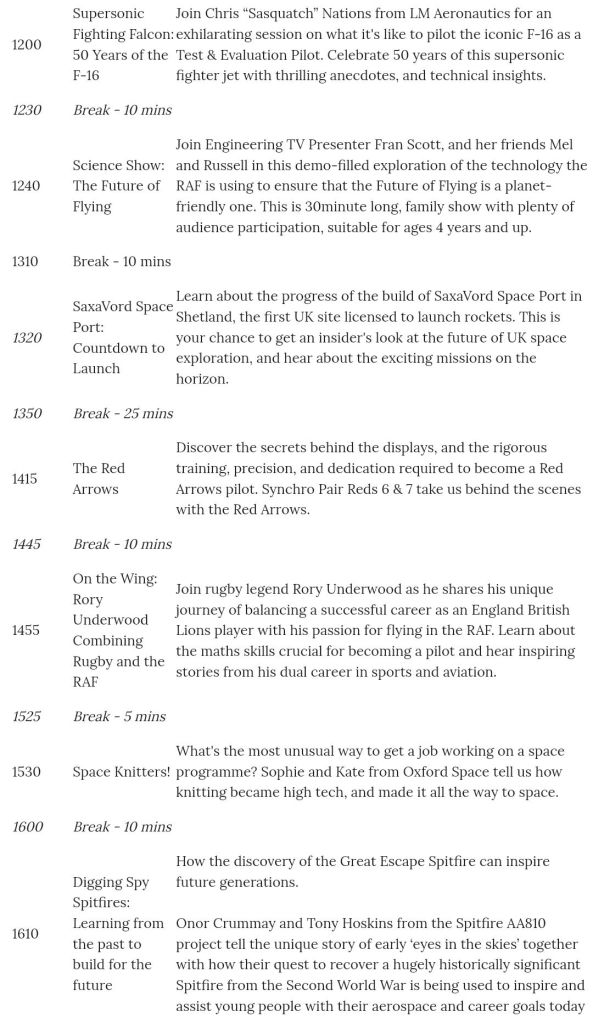
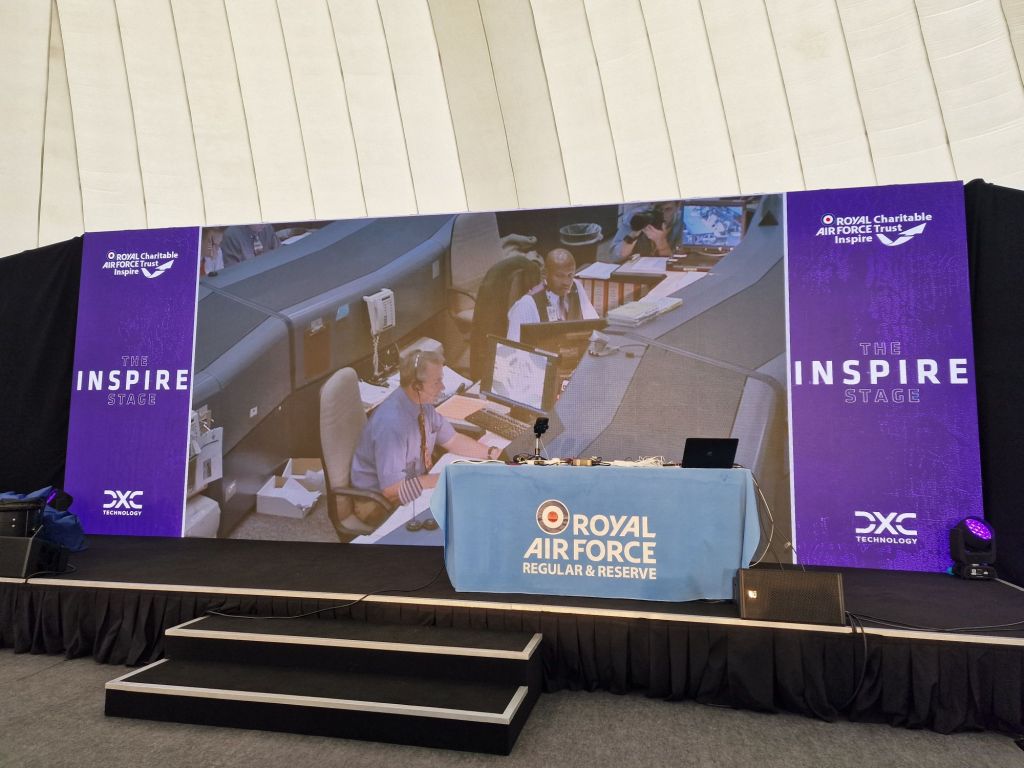
Finally, I try to engage with science outreach wherever I can, no matter what the topic. I wrote a blog here last year about aviation outreach at a massive airshow known as RIAT and what learning that triggered for me. I really believe in seeking out and engaging with these opportunities, firstly because they do a lot to inspire me as to what more I can do. Secondly, because why reinvent the wheel? Learn from others about what works well and how I could switch up what I do. Last and by no means least, if we don’t support these people and these events, they may cease to happen. Finances are tight everywhere, and outreach is increasingly seen as a ‘nice to have’. Numbers talk, and so taking some time out of my day to be there to support others talking science is the least I can do.
The event was the first ones from a group known as First Forensic Events and was, in many ways, a trial run. The house was packed, though, and there was an obvious interest from those attending to just find out more about a world that most do not have access to. It got me thinking and as a result I thought I would focus this blog on what I took away in terms of how we, as scientists and Infection Prevention and Control professionals, could do more in terms of reaching out to a different audience and shedding some light on what we do to lift the veil in a similar way. I often think we don’t talk enough about the fascinating aspects of what it is we do for a living and this event made me realise that we are in position to share that with others and there are people out there who may want to learn more.
Location location location
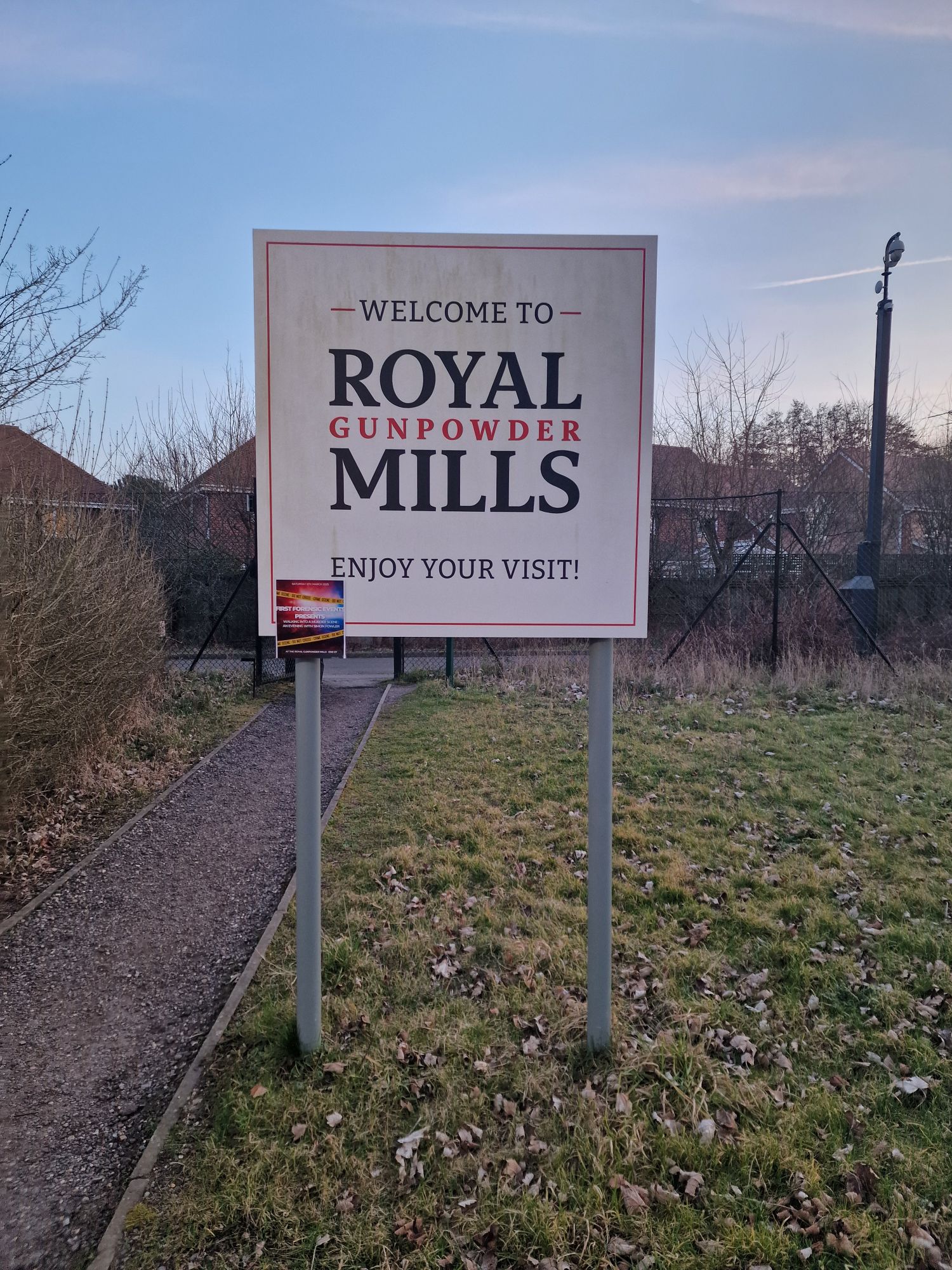
The first thing I want to talk about is location. This event took place at the Royal Gunpowder Mills, which was objectively brilliant. One, it is not a place that is open that much to access, and so to be able to attend for an event already felt special. Two, it’s a place that’s interesting and quirky, and so even if people aren’t leaving and talking about how great your content is, they are likely to still be talking about what an interesting night they have had. I get pushed all the time to have events in cheaper and less interesting spaces because the costs need to be justified. The truth is, as much as we may dismiss them, locations can make or break events. Therefore, investing in them makes complete sense to me.
One of the reasons that location choice is so important is that it gives you the opportunity to really demonstrate that you have thought about the comfort and experience of your audience. Are there drinks available? What about food? How will people find their way to seats etc? Attendees will focus better on the content if they are not distracted by feeling hungry or thirsty or trying to understand where they need to be. They are also more likely to linger and talk to each other, which is key to both creating a buzz about the event and to permit natural network creation which will encourage future support.

A clear sense of identity
All things tend to be easier or work better if you have a clear sense of identity or what you want to achieve. This works for everything from advertising events and getting people into the room, to how people respond to the event itself. It is therefore worth investing a lot of time in both thought and planning in order to get this right, before diving deep into the practicalities and details.
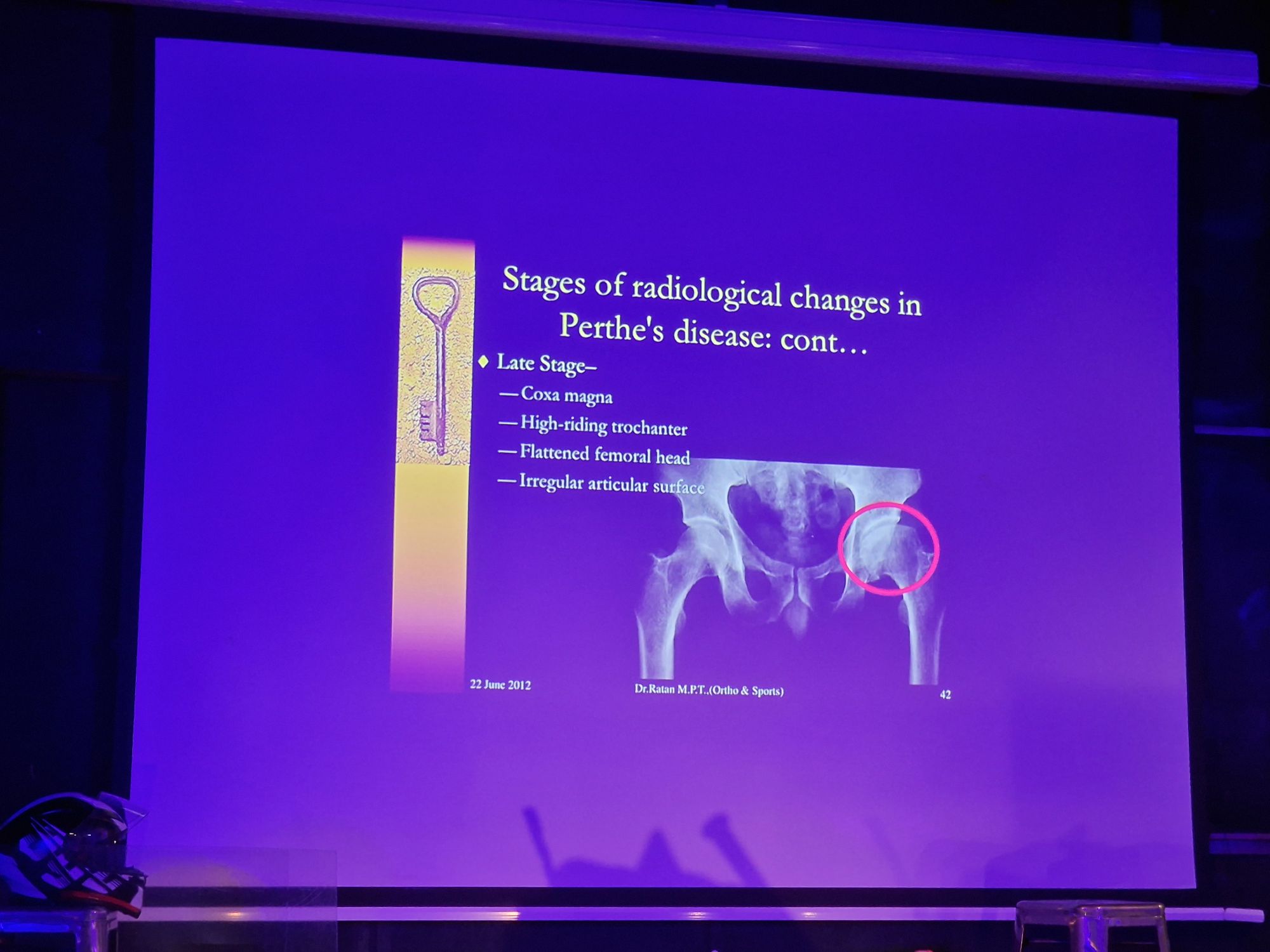
When we spoke after the session it was clear that Simon’s focus was linked to training. His unique selling point (USP) for the session was to demonstrate not only some of the interesting cases he’d been involved in but also why and how he got into the work he did. He was also very clear that, in the same way we always want to focus on the patient, he wanted to make his sessions about the victims. Simon started off his session by talking about his core values and where he came from, in his case it was that he wanted a military career but that life turned out somewhat differently. He was diagnosed with Perthe’s disease which meant he was no longer eligible for military service, and so he then had to re-focus and choose a different life path. He built the start of his session up around his personal journey into science.
If we were to do something similar for health I think the need to be clear about our USP holds true, and for me, the things that seemed to engage the audience most were a focus on clear story telling with outcomes to show your role and it impacts i.e. what did you do and how did it change things? The other thing that seemed to really fascinate those present was discussion about prioritisation, outcomes and decision making. How do you decide what to do, in what order? How do you make decisions and how did those choices impact the end result? I suppose I’m talking about making thought processes an object of active discussion and raising awareness, rather than maintaining mystery or focusing purely on events. The stuff someone can’t find out by reading up about something on the internet and can only be got from a more intimate discussion based setting.
Back to the fundamentals
Keeping to the basics and planning, lets talk set up. Location is important but so is the staging. Everything from what you are planning to wear, to props and the tech that you will use. Is your outfit comfortable and accessible? Are you going super smart/business, that could be seen as hierarchical? Will you go branded or display your geek like tendencies with, for instance, a CSI T-shirt? All options are fine but they need to fit with your USP. Who are you selling up on that stage? Choose an outfit that fits with deliberation rather than as an accident.
Making the staging visually interesting is useful, especially if people are sitting for a while before everything kicks off. Offering an intriguing set up means that people will engage before you even start, as well as allowing people to speculate what might happen later. Having props that you will use draws your audience in.

It is important at the planning stage to also be considering accessibility. Too many people believe they have a loud enough voice that they don’t need mics etc. That works for some people but there will be people in the audience who you don’t reach and who will find it a barrier to engagement. Mics also allow nuance in terms of being able to go both loud and quiet as needed, rather than focusing constantly on projection. The same with slides if you are using them. Will they be accessible to people who are colour blind? What level of text is appropriate? What fonts may permit engagement? Should you be image heavy? In the case of something linked to criminal cases or health, how much do you show? Gore, surgery, infection etc can be triggering, so consider what level may be needed/appropriate. If you are recording (pictures, video etc) think how this might impact your staging and movement and if it will change your lighting requirements.
During the show itself, when we attended, there were some technical issues as the laptop running the slides stopped working. I think this is everyones worst nightmare, but has also happened to us all at some point. It reinforced for me that if you are relying on tech as part of your staging, you always need to have a plan B about how you will handle things if something happens to that tech. How you will you pivot? Having a plan means that you will be less flustered and therefore impact the experience less for those attending.
Selling credibility
Credibility is everything, whether we realise it or not. Setting up and selling your credentials is an important thing to do both before the event and early on during the establishment phase. Why should we listen? What do you know? What’s your experience….really? There are multiple ways that you can both do this and embed it. Thinking about how you are going to both establish and sell your credibility is something we don’t often consider and may take for granted, but if you are trying to speak to new people, especially outside of your field, it is something to really think about.
One of the great ways that it was done at the First Forensic Event was that someone else whom people may be familiar with, in this case Donal Macintyre, introduced Simon linked to both the event and by covering his skills and expertise. We all use testimonials in every day life and this setting was no different. I’d heard of Macintyre Investigates but as someone who doesn’t engage with a lot of true crime work the name didn’t mean much. It did however mean something to most others there, and he also talked about the TV work and others things Simon had been involved with in order to try to establish wider credentials. This is no different really to someone reading out your bio at a conference, but re-pitched to make it useful to a different crowd, and still well worth doing.

The other thing that Simon did was to acknowledge the other members of his crew. This was important for two reasons. One, because we should acknowledge that we are not single person armies and the work and support provided by others. It makes you not only more approachable but also acknowledges the work undertaken by other people to get us to where we are. In this particular case however there was another important purpose in acknowledging the other people who were involved, and that was to enhance the credibility of the event itself. The other people involved in First Forensic Events are other forensic scientists and police detectives, which aid to further establish credibility by inclusion in networks and experience. If others are willing to add their names to your events then it also demonstrates their backing and investment in your undertaking.
A story in three acts
We’ve reached the nitty gritty. How will you actually structure your event to achieve your outcomes? What are you trying to achieve? Simon was clear that it wasn’t just about factual presentation, but about him and his journey as a scientist. I think that was a really good decision and something that many of us as scientists should consider when working up our presentations. We are not science in isolation from ourselves, and so bringing your full self to these events is bound to be more impactful, and also helps to engage your audience more. For this purpose the session was structured around stories, stories about self, stories about action, and stories about impact. This kind of story based structure enabled the audience to really engage as the human ability to engage with oral tradition goes back to us sitting around campfires and learning through listening to tales.

The first third was based around learning who Simon was, what drove him and how he got into his work as a scientist. Fundamentally this section is about building of rapport as well credential building. It also enables the audience to settle in and for an expectation setting phase to be undertaken. The second third was a practical session. This is where Simon demonstrated some practical aspects of what a bludgeoning event could cause in terms of blood splatter, and scene investigation. This enabled a change in pace and energy, which breaks things up for people as they will have been sitting for some time at this point and changes it from being a didactic slide presentation. It also means people go into the break with a level of introduction of what may be discussed in more detail post break and therefore your audience can choose how much information they are comfortable with, and gives an exit opportunity if needed. This gives detail without inclusion of people or actual harm, and therefore allows engagement without emotional risk. The final section, post interval, was based on actual cases, still rooted in technical discussion, which supports focus on facts rather than emotion. This type of structure supports engagement and gradual submersion rather than attempting to shock.
Speaking to the room
This brings us onto the audience. How do we speak in a way that allows the audience to truly engage. I’ve talked about structure but there are other things that can help. The first thing we can do is do some scene setting. Making sure at the start of the session that everyone know how the event is going to work and what the rules are. This includes some basic things like telling people that there will be an interval, what time it will be and how long it will run for, so everyone can make sure they know how long they’ll need to engage. In the case of this particular event it also included scene setting around what might be shown and discussed, making clear the level of imagery etc in order to reassure and expectation manage. It also included being very clear that it was completely OK for people to leave and return at any point, as people may be triggered by different things, different memories, in order to reduce distraction by discomfort or concern about whether removing yourself would be acceptable. It also included the fact that there would be a Q and A, and that Simon and his team would be available for questions both within the event and during the breaks.
As with any science event it is worth doing what you can to avoid exclusion of your audience by thinking about how you will use technical terms and being weary of abbreviations. Many of us use abbreviations without even thinking about it as part of our engagement (I used the term PCR earlier) as it is part of our language. Those in the audience are less likely to have the same shared language however, especially if you are reaching out to a new audience. Making sure you allow time to explain any technical terms you are going to utilise is a key thing to practice. When you think you have explained enough you are likely to need to explain even further. As someone who doesn’t work in law enforcement some of the terms and abbreviations used in this event didn’t mean anything to me. That didn’t really impact my understanding or get in the way of the outcomes however, but made me remember how healthcare is filled with exactly the same barriers to full understanding, and that I need to be more careful about how I talk about my job also.
One way to make sure that you get feedback on how to improve and make tweaks on things like language is by making sure that the first time you do anything you add plenty of cheer leaders/critical friends into your audience. These people can flag and help you improve for future events, as well as providing some reassurance and friendly faces in the room to help alleviate your anxiety.
Maintaining accessibility
I’ve talked about accessibility already in terms of supporting your audience to logistically engage, but now I’m talking about connection. How do we make sure that we allow participants to connect with us, feel engaged with us, and fully share in the event. There are some key ways that I think this can be done, although sometimes it can be scary. I think the key one for me is allowing yourself to show vulnerability. Sharing enough of yourself that others can start to see you as a person. This includes sharing things such as values and drivers, but also sharing failure and things that did not go so well. Allowing people to see you as a person and not just a role.
The other part of this is being open and able to laugh at yourself, and allowing others to join you in that moment. All of this can be really shown in less structured moments. Moments where you make yourself available to engage 1:1 in breaks etc. Also, in a more open way by including moments where audience members can fully participate in things like Q and A’s. I always find it helpful to set parameters for these. Being open about the fact that there is nothing off limits, especially with kids. So they can ask what my favourite colour, is or how much I earn, or what I find the hardest, without restricting them to the science. Setting boundaries and expectations in general means that everyone knows what the rules are. Can you use your phone? Can people take pictures? Can people leave? All of which enables people to focus on engagement rather than attempting to predict what’s in or out of scope.

Pitching your future
How does it end? You’ve made it through, you’ve shown your full self. Hopefully you’ve felt that the audience engaged. You’ve made it through the Q and A. What do you do now? You need to make sure that you provide another opportunity to engage in the future whilst everyone is still paying attention. This is the moment to link to other opportunities, but this means you need to have those other opportunities set up and ready to share. What I’m saying is, as much as it’s crucial to focus on the right now, to make a real success out of events like these you need to be able to provide the next thing. So making sure you’ve planned ahead and have something else to sign post to is a key stepping stone to success.
Even if you don’t have another event planned you need to make sure you are thinking about marketing. What is your social media? Do you have a web page? Where can people go to find out more, either about you or about your future planning? Making sure that you have these things set up so that people can continue the engagement that they’ve started means that this is less likely to be a one off and more something that will be a stepping stone to future engagement. Having shown who you are and having brought people into your world, the logical thing is to make sure you have a plan for showing people what’s next.

So much that links us
So after all that, what did I think of forensic science. When I go to any of these things, what always strikes me is that we have so much that links us. Whether we are acting as detectives in finding an infection or a criminal linked to a crime scene, we are actually following very similar thinking and processes. We even use some similar techniques. I walked away thinking that I had been involved in a super cool event, but also struck by how brilliant it would be to do something similar for healthcare, and whether there would be anyone out there interested in setting something up. I left, as I almost always do, with my mind on fire with ideas and inspiration, and I wish to do so much more than I currently do. It reminded me how much we need to put ourselves out there and be brave. More than that even, it reminded me of how much the work we do is fascinating, and how interesting it would probably be to those that have never traveled in our footsteps. Perhaps even more so after the pandemic. So step up and step out, your audience awaits you!
All opinions in this blog are my own






























 Girlymicro