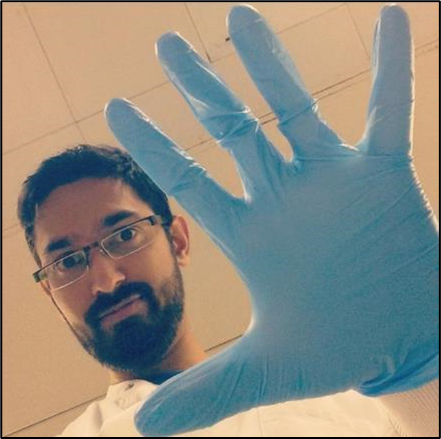
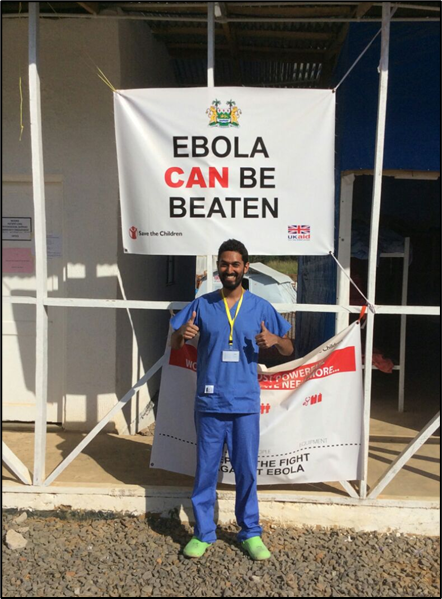
Last week I wrote about the challenges of the current Ebola virus outbreak, talking about some details linked to the virus itself, and also some challenges that mean this outbreak may be more challenging to manage. I was involved in previous outbreaks, but definitely in a peripheral support capacity, because of my underlying autoimmune condition I did not travel to Sierra Leone. Context and learning from previous events is important however, so I tapped my good friend and colleague Ant De Souza, who was directly involved in supporting diagnostics, to write me a guest blog of his experiences.
Anthony De Souza is an award-winning Healthcare Science educator with over a decade of experience as Biomedical Scientist in microbiology. He was the first Healthcare Scientist to gain a permanent Practice Educator post, a post he has only continued to develop and expand since its inception. Ant’s transition into strategic education leadership has empowered the Healthcare Science workforce to improve patient outcomes based on his approach; which links strengthening multidisciplinary collaboration, expanding clinical capabilities, and elevating the profile of the healthcare science workforce to ensure they are invited to have a seat at the table. The impact of this has been recognised not just by me, but by him being named on The Pathologist’s Power List for his outstanding contributions to the field.
Ebola Deployment, Sierra Leone – A Personal Reflection
In 2015, when an urgent appeal was issued by Public Health England (now UKHSA) for scientists to support the Ebola crisis in West Africa, I didn’t hesitate—I knew I had to go.
In the past, I’d seen similar calls for volunteers and questioned whether my skills were enough to make a meaningful contribution. The last thing I would ever want was to become a burden on a mission of such importance. But this time felt different. For the first time, my experience, confidence, and mindset aligned with what was needed. I was working as a Band 6 Biomedical Scientist at Watford General Hospital, in a busy microbiology department delivering a 24/7 service. I was used to working under pressure, and I felt ready to contribute.
Before committing, I spoke with my colleagues. A five-week deployment would mean they would take on additional workload, and it was important to me that I had their full support. With their encouragement, I signed up.
Preparation and training
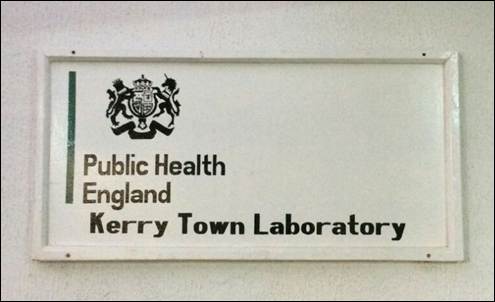
Preparation for deployment was thorough and, at times, intense. I travelled to Porton Down in Salisbury for specialist training, where we learned how to work safely with high-risk pathogens such as Ebola. This included simulation exercises in a laboratory environment designed to mirror the Kerrytown facility, where we practised managing realistic scenarios, including equipment failures and power outages.
We also completed security awareness and hostage survival training, alongside a series of vaccinations for diseases such as yellow fever, cholera, and typhoid. Anti-malarial medication was essential. The preparation highlighted not only the scientific challenges ahead, but also the environmental and personal risks we would face.
The journey
Getting to Sierra Leone was a journey in itself. We travelled by plane, transferred in Morocco, then boarded another flight to Freetown. From there, the journey continued by minibus to a port, a boat crossing, and finally another minibus to the site.
It was a strange experience travelling with a group of people I had never met—yet over the course of five weeks, these individuals would become a close-knit team.
Arrival and first impressions
On arrival, small behavioural changes immediately became part of daily life. Handshakes were replaced with elbow taps, a simple but important measure to reduce transmission risk. Regular temperature checks became routine, particularly at checkpoints when travelling to and from the treatment centre.
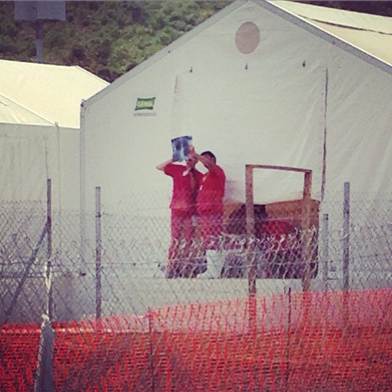
We were based at the Ebola Treatment Centre (ETC) in Kerrytown, outside of Freetown—a facility built by the British Army Royal Engineers and funded by the Department for International Development. The scale of the operation was impressive, and there was a strong sense of shared purpose. People from different organisations and backgrounds worked together with a single goal.
The ETC was divided into zones based on risk, from green (low-risk areas) to red (high-risk patient areas). Full personal protective equipment (PPE) was mandatory in higher-risk areas.
Working in the laboratory
Our laboratory was located centrally within the site, shared with the Ministry of Defence. After donning PPE, we met the outgoing team and received a rapid but essential handover. For a few days, we worked alongside them before taking full responsibility.
Our role was to test blood and swab samples from individuals suspected of having Ebola. We operated six days a week, with two teams of six covering shifts from 06:00 to 22:00.
Many samples came from community settings, including remote villages. A significant proportion were post-mortem samples, taken to determine whether Ebola had caused the death. The high number of samples from children and infants was particularly difficult to process emotionally.
Specimen reception took place outside the lab. Samples were placed into chlorine solution for decontamination before being handled further. Wearing full PPE in the heat of the sun was physically exhausting, and the need for constant vigilance—checking for incorrectly packaged samples or hidden sharps—added to the pressure.
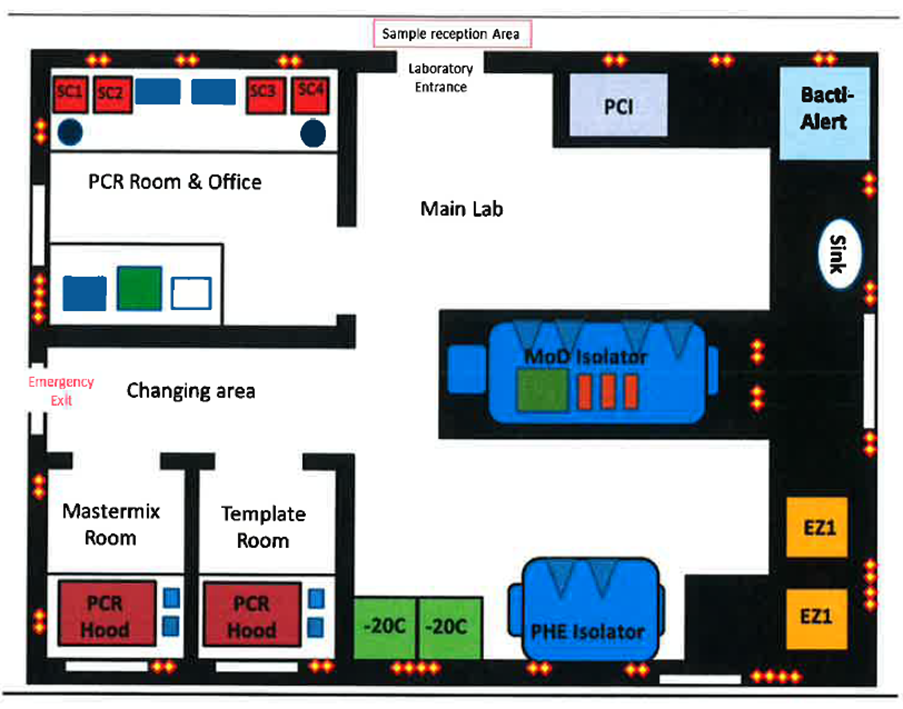
Inside the lab, resources were basic but functional. The space had sealed cement benches, limited air conditioning, and no negative pressure system. Testing was carried out using PCR techniques for Ebola, alongside POCT testing for malaria. A flexible film isolator was used to safely inactivate the virus before analysis.
Life beyond the lab
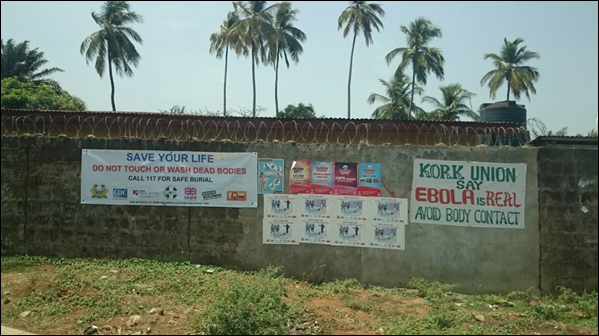
Outside of the laboratory, the scale of the public health response was visible everywhere. Posters, radio messages, and community outreach efforts aimed to educate people about Ebola transmission, safe burial practices, and how to protect themselves.
Strict measures were in place:
Large gatherings were prohibited
Schools and religious services were disrupted
Curfews were enforced
Checkpoints monitored movement and health status
Movement restrictions between districts
Daily life, as it once was, had largely come to a standstill.
Cultural challenges and adaptation
One of the most striking aspects of the outbreak was its impact on traditional burial practices.
In Sierra Leone, burial rituals are deeply rooted in cultural and religious beliefs. Traditionally, families wash, dress, and physically say goodbye to loved ones. However, in the context of Ebola, these practices posed a significant risk, as the virus remains highly infectious after death.
To reduce transmission, specially trained burial teams were introduced. These teams worked closely with communities and religious leaders to adapt traditions safely. While physical contact was removed, efforts were made to preserve dignity—allowing families to view the body from a distance, limiting attendees, and involving community leaders in the process.
This collaboration was essential. Without it, there was a real risk that families would carry out burials in secret, increasing the spread of the virus.
Reflections
There is much I could say about my time in Sierra Leone—far more than can fit into a single blog. The work was challenging, both physically and emotionally. There were moments of exhaustion, uncertainty, and sadness.
But above all, what stays with me is the resilience of the people.
In the face of immense hardship, communities adapted their traditions, supported one another, and worked alongside international teams to combat the outbreak. It was a powerful reminder that effective public health is not just about science or medicine—it is about trust, collaboration, and cultural understanding.
This experience reshaped my perspective on global health, teamwork, and the role we each play in times of crisis. It remains one of the most challenging and meaningful periods of my career.
Infectious diseases have been in the news a lot over the last few months, between Hantavirus, Listeria and raw milk, and even Screwworm in cattle, it is hard to ignore the headlines, and after the pandemic it feels like every news article declares a risk to all human life. Ebola is, however, an incredibly difficult virus to manage, with devastating consequences for both countries and communities and so despite the instinct to hide from the reporting we need to continue to engage with the information that is coming out.
From an infection point alone this outbreak is worth discussing, but it is especially pertinent because aside from the impact it has locally, is the fact that the number of people currently dying and infected has likely been directly impacted by global policy choices linked to de-funding United States Agency for International Development (USAID). Combine this with the US decision to pull out of the World Health Organisation (WHO) reducing funding for international health responses, has resulted in a public health emergency that took longer to detect, and now requires managing with both less resources, and less available expertise of previous pandemics. All of which lead to making an already difficult and dangerous situation considerably more challenging.
We live in a global community, and the idea that you can step away from global responsibilities without consequence is more than delusional, it is dangerous, so ‘sorry, not sorry’ for the politics in this one, I think it’s too important to ignore.
Previous outbreaks
There have been a number of Ebola outbreaks since the Ebola virus was first identified in 1976. The initial outbreak included two near-simultaneous outbreaks in Central Africa: one in Yambuku, Zaire (now the Democratic Republic of the Congo), near the Ebola River, and the other in Nzara, Sudan (now South Sudan). The largest outbreak, and the one many of us will remember due to both the substantial media coverage and global health response, occurred in and around Sierra Leone. This 2014–2016 outbreak had more than 28,600 cases reported.
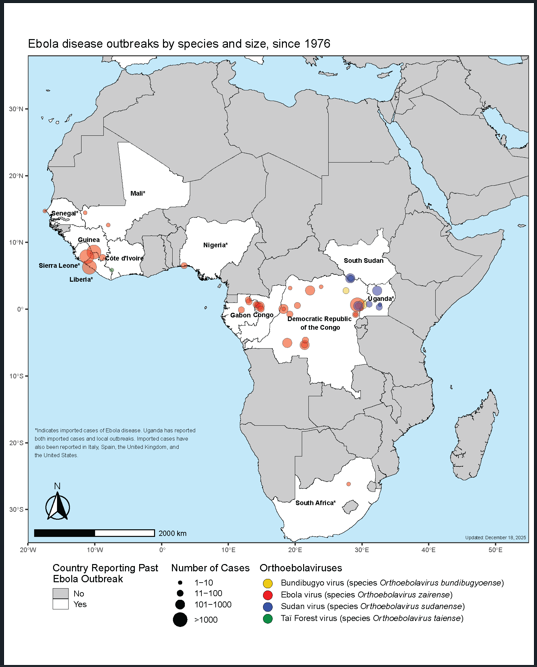
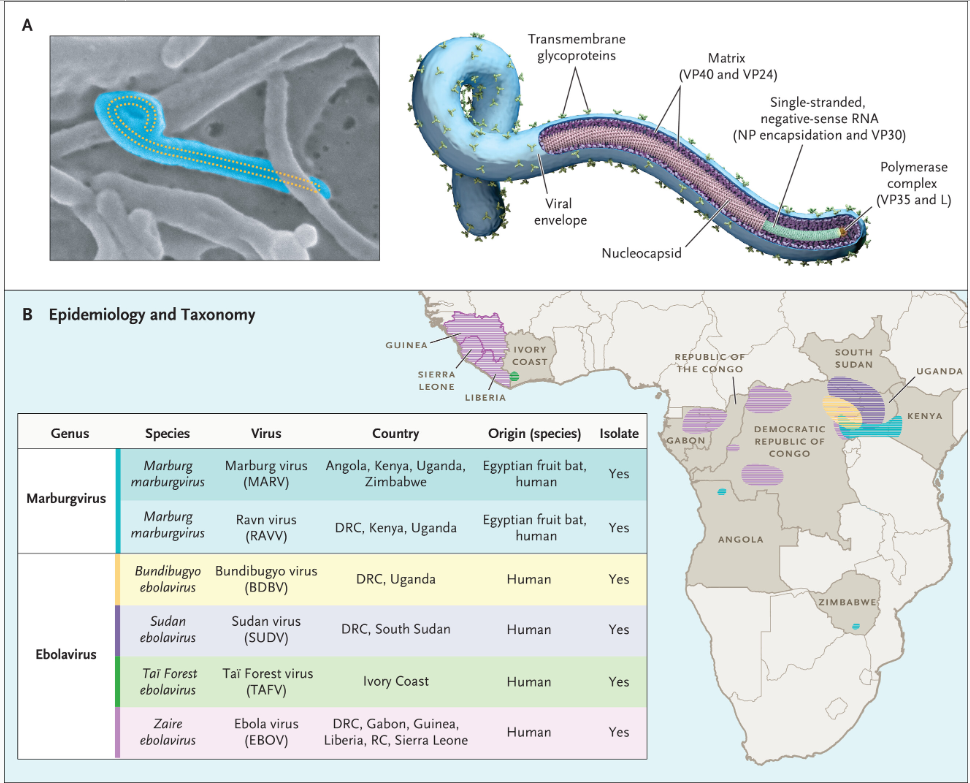
The Centres for Disease Control (CDC) figure show these outbreaks, and the causative Ebola virus (see Ebola virus section below for more details on viral species).
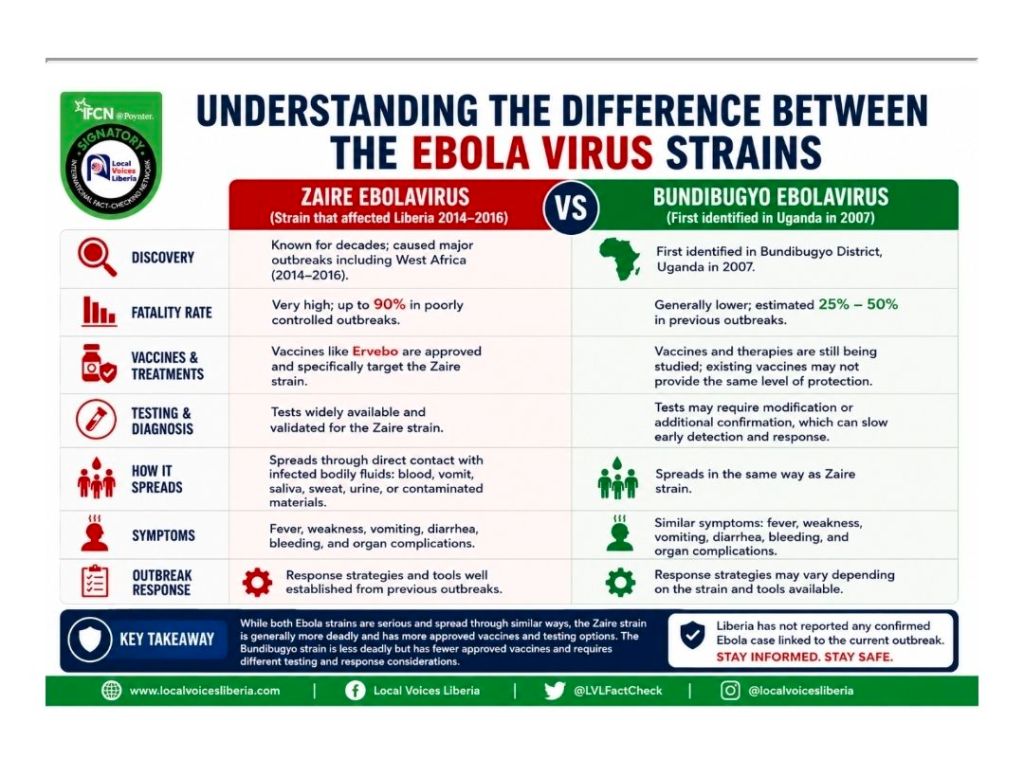
The key takeaway is that the virus causing this outbreak, the Bundibugyo virus, is a rare cause of Ebola virus outbreaks, with considerably less know and understood about how the virus is transmitted, and how it can be detected and managed. This leads to an even greater need for a rapid global response, both in terms of public health, but also in terms of research focus. Making the delay in both even more impactful, and the need for us to get on top of it even more urgent. Some of our prior learning can be ported, but so much of it cannot.
On the 17th May the WHO declared the current scenario in the Democratic Republic of the Congo (DRC) and Uganda a public health emergency of international concern, but what does this mean? Well, the WHO defines it as of an extraordinary, sudden, or unexpected public health event with a risk to other countries through the international spread of disease, potentially requiring a coordinated global response.
On the 5th June the African Centres for Disease Control and WHO launched a joint Ebola continent preparedness and response plan of $518 million to support African countries to prepare for, rapidly detect, and respond to the outbreak.
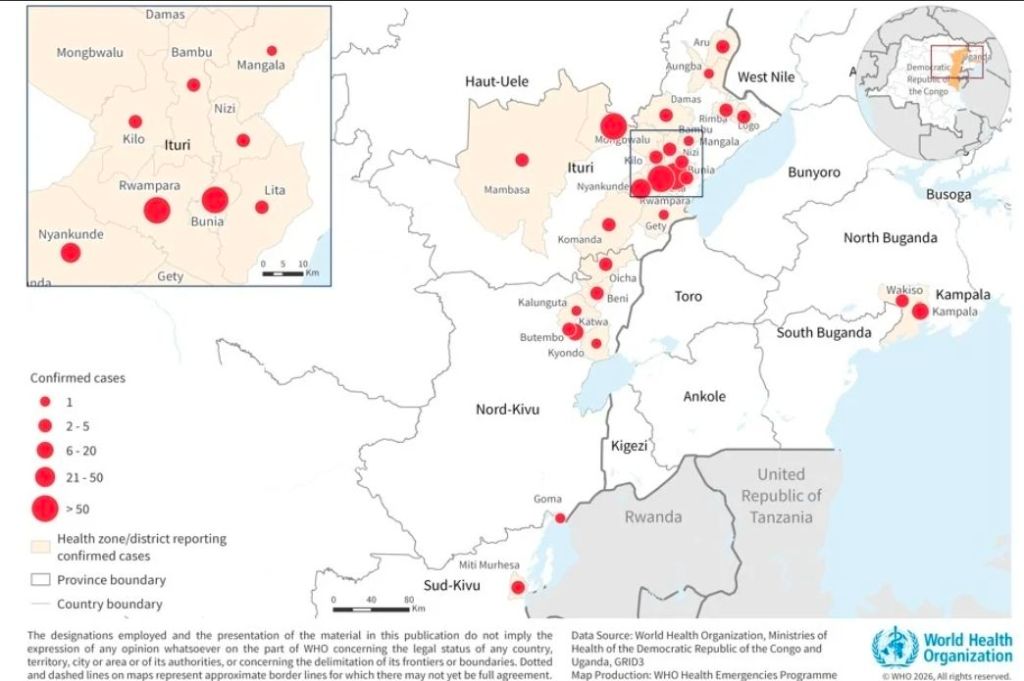
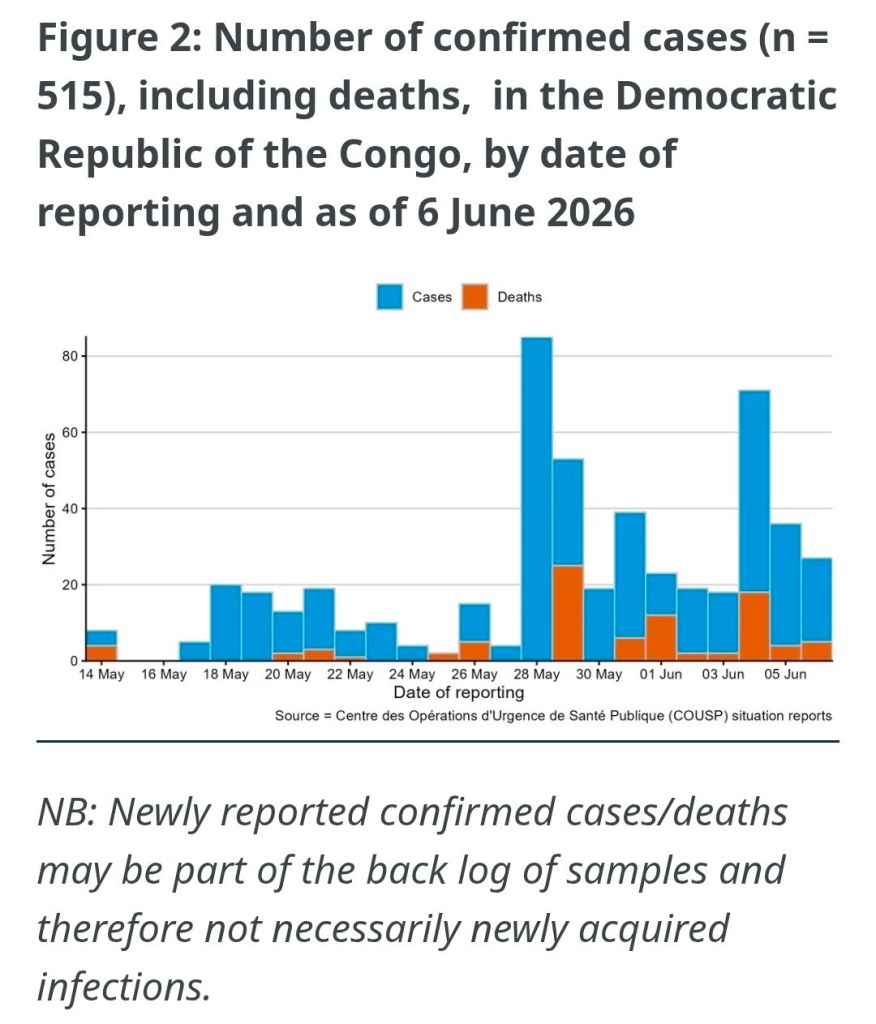
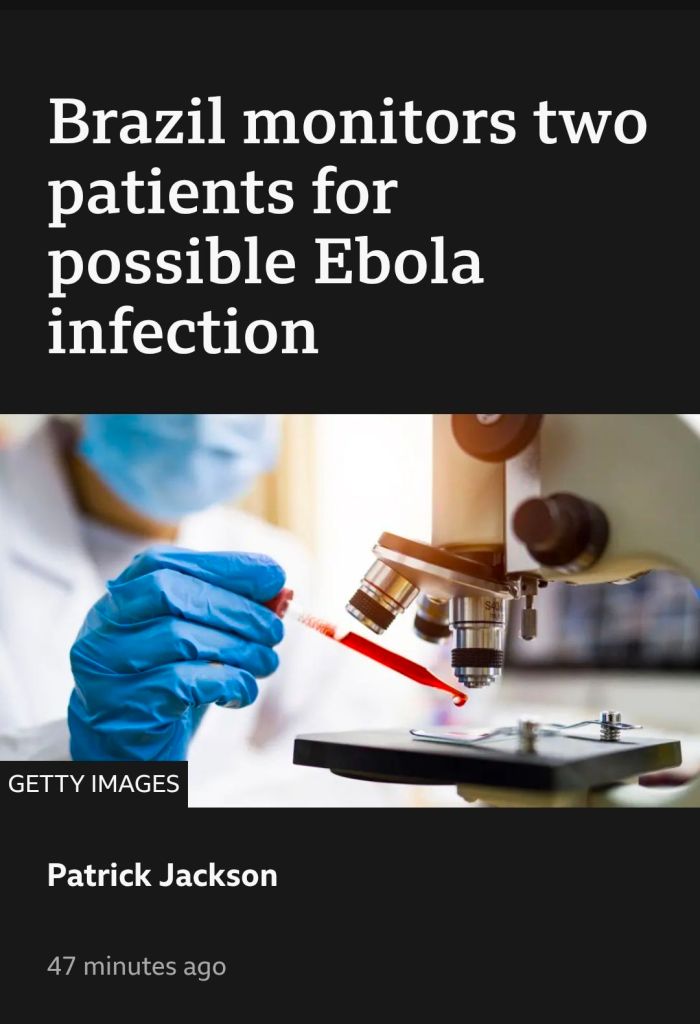
Ebola virus has a number of different variants, and the current outbreak is caused by the Bundibungyo virus. As of the 6th June there have been 515 confirmed cases, with 91 deaths (17.7%). Uganda has 19 confirmed cases and 2 deaths (10.5%). It is worth considering that these numbers are likely to be a significant under estimate, as laboratory backlogs, plus some level of distrust in healthcare systems, are likely to lead to a reduction in confirmed cases, but I’ll discuss the difference between confirmed, probably, and possible cases later. At the moment, all onward cases are still linked with travel to DRC, but patients are currently being treated or followed up in a number of countries outside of Africa, including in Brazil, Germany, and Italy.
Well, the first thing to realise is that it is not a single virus. Ebola viruses are part of the filoviridae family, most commonly referred to as Filoviruses. They are zoonotic pathogens (associated with animals) that survive in what are known as reservoir species. These are non-human reservoirs, possibly bats, where the virus can circulate without harming the host and leads to occasional spillover into humans where disease is then detected. Ebola disease (EBOD) is a rare and often severe illness in humans that is frequently fatal.
Ebola disease is caused by a group of viruses that belong to the Orthoebolavirus genus of the filoviridae family. Six species of Orthoebolaviruses have been identified to date,with 4 causing disease in humans, three of which are known to cause large outbreaks: Zaire Ebola virus, Sudan virus and Bundibugyo virus. The zoonotic reservoirs are not well understood for Ebola viruses, unlike those for Marburg viruses where a host reservoir has been established by direct isolation from bats.
NB Marburg disease (MARD) caused by Marburg virus was the first filovirus to be discovered in 1967 and also causes disease in humans, but is not an Ebola virus. Ebola Reston virus (RESTV), is another Ebola virus that has been detected in humans but appears to infect them sub-clinically i.e. with no symptoms, and so transmission routes and impacts are not well understood. It does however cause EBOD disease in non-human primates and has been detected in animals such as pigs in the Philippines and China, so there may be a zoonotic reservoir for this virus similar to other members of the genus. This is the virus that featured in The Hot Zone book by Robert Preston, based on the New Yorker article Crisis in the Hot Zone (1992).
Filoviruses are enveloped, non-segmented, negative-sense RNA viruses. The genomes between Bundibugyo and Zaire Ebola species differ by about 30%, and the pathogenesis and clinical outcomes also appear to differ, but there is still limited information regarding the viral mechanism/s that lead to these differences. Importantly, it is worth noting that the cause of the current outbreak, Bundibugyo Ebolavirus, behaves differently in terms of mortality than the more commonly detected outbreak species. Vaccines and other targeted therapy are also not yet established, as the virus has been seen much less frequently.
What are the symptoms?
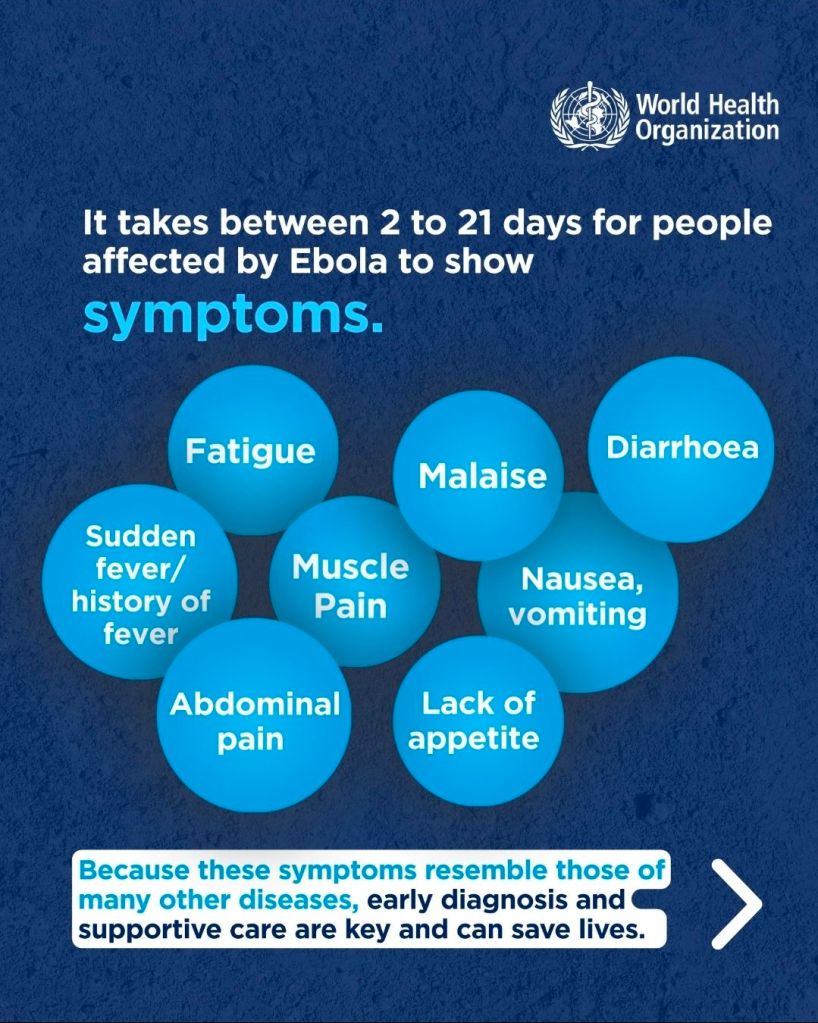
Patients usually have an initial non-specific presentation which includes fever with malaise (discomfort/unease), fatigue, and myalgia (muscle pain). A few days after this, patients may develop gastrointestinal infections that can include anorexia (loss of appetite), nausea, vomiting, and diarrhoea. Although many people associate EBOD with haemorrhagic fever (i.e. temperatures and bleeding), bleeding abnormalities actually occur in less than half of patients. If bleeding is present, it is usually linked to bleeding from the gums, subconjunctival haemorrhage (broken blood vessels in the eye), and blood in vomit and stool.
The incubation period is between 2 to 21 days (typically, 6 to 10 days) and probably depends on the Ebola virus, as well as the exposure dose and route.
Diagnosis and patient management
Diagnostic testing for Ebola is mainly via reverse transcription–polymerase chain reaction (RT-PCR) targeting the RNA of the virus, but it is made more challenging because it can only be detected in blood once symptoms appear. It is also possible to use Antigen-Capture Enzyme-Linked Immunosorbent Assay (ELISA) tests, these are often less sensitive but easier to implement. Point of care tests, finger prick tests, can also be used but they again have much lower sensitivity than PCR. Many of these tests have been designed for the main outbreak strains of Ebola, and so modification may be needed to allow detection of the Bundibugyo virus, or test sensitivity may be further reduced.
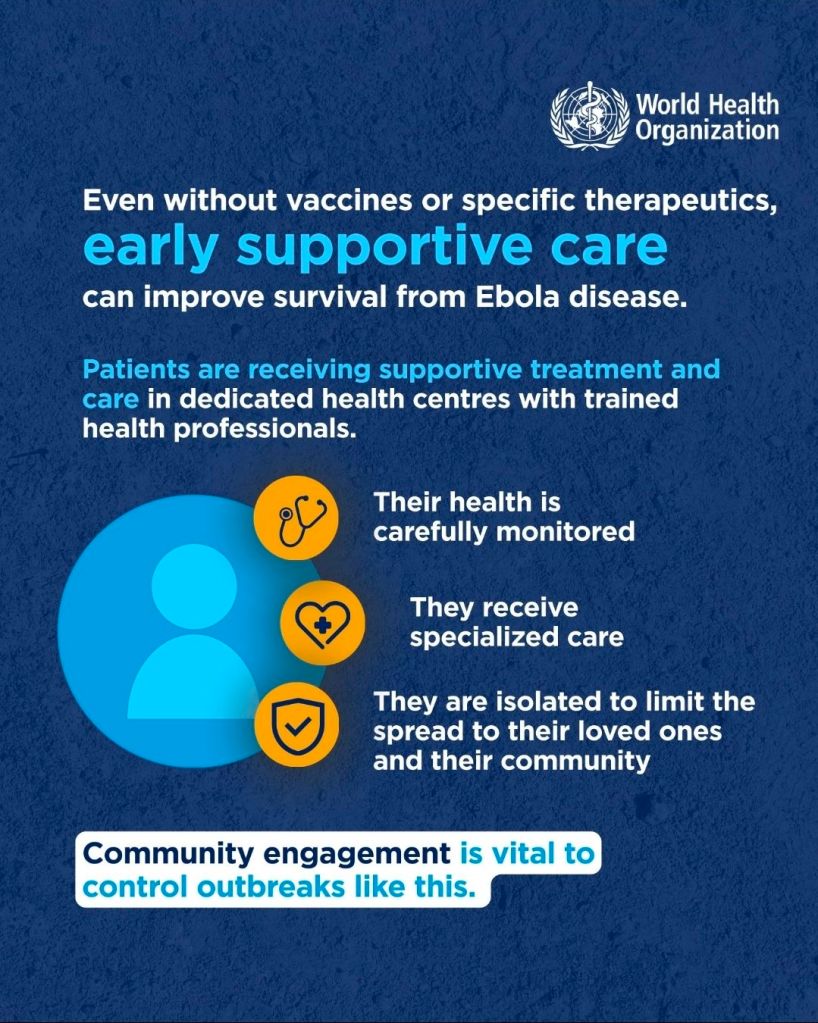
Once patients have developed symptoms, especially during this outbreak as there is a lack of specific treatment options, the main response is linked to supportive care:
Fluid & electrolyte resuscitation as patients have severe fluid loss from diarrhoea and vomiting
Cardiovascular support as patients frequently go into shock
Respiratory support, as patients enter respiratory failure, using equipment such as ventilators
Symptom management as patients may end up needing dialysis for renal failure
Most of which require complex medical equipment which may not be available, or available in large enough numbers within local treatment centres. Lack of equipment availability and access to supportive treatments directly impacts clinical outcomes. The mortality (death) rates without treatment also show a great disparity between Ebola viruses:
Ebola Zaire: 90% (20 – 40% with early treatment and supportive therapy intervention)
Sudan virus: 50% (no approved vaccines or specific antiviral therapeutics available)
Bundibugyo virus: 30% (no approved vaccines or specific antiviral therapeutics available)
Although there isn’t currently an established treatment for Bundibugyo virus, Peter Stafford, the US doctor who contracted Ebola in DRC and was flown to Germany, has been treated with an experimental antibody MBP-134. The BBC has also reported that three vaccines are currently in development which would target the glycoprotein of the Bundibugyo Ebola virus.
Each vaccine aims to train the body to spot the same structure on the surface of the virus but each uses a different technology in order to support an immune response. All three still require testing using clinical trials, and so although it is good that vaccines are being developed, their ability to influence the outbreak is currently still unknown.
For patients that recover, post infection morbidity (long term effects) have not always been well captured due to the devastating impacts of the outbreaks themselves, but during the 2014–2016 EBOV epidemic caused by Ebola Zaire, musculoskeletal pain, headache, encephalitis, and ocular problems were noted in survivors and were referred to collectively as the “post-Ebola syndrome.” Recovery, therefore, can be a protracted process and is likely to vary by causative species.
One challenge for outbreaks on this scale, and for Ebola viruses in particular, is the fact that cases occur throughout communities as well as in healthcare settings. Some of the people most needed to stop spread and to care for patients are the ones at the highest risk of acquisition. Those caring for the living, and the dead, as well as those who are going into homes and other environments to make them safe again for others. The level of selflessness required is huge, especially when you are having to step up knowing that the equipment and support you need to keep you safe may not be there.
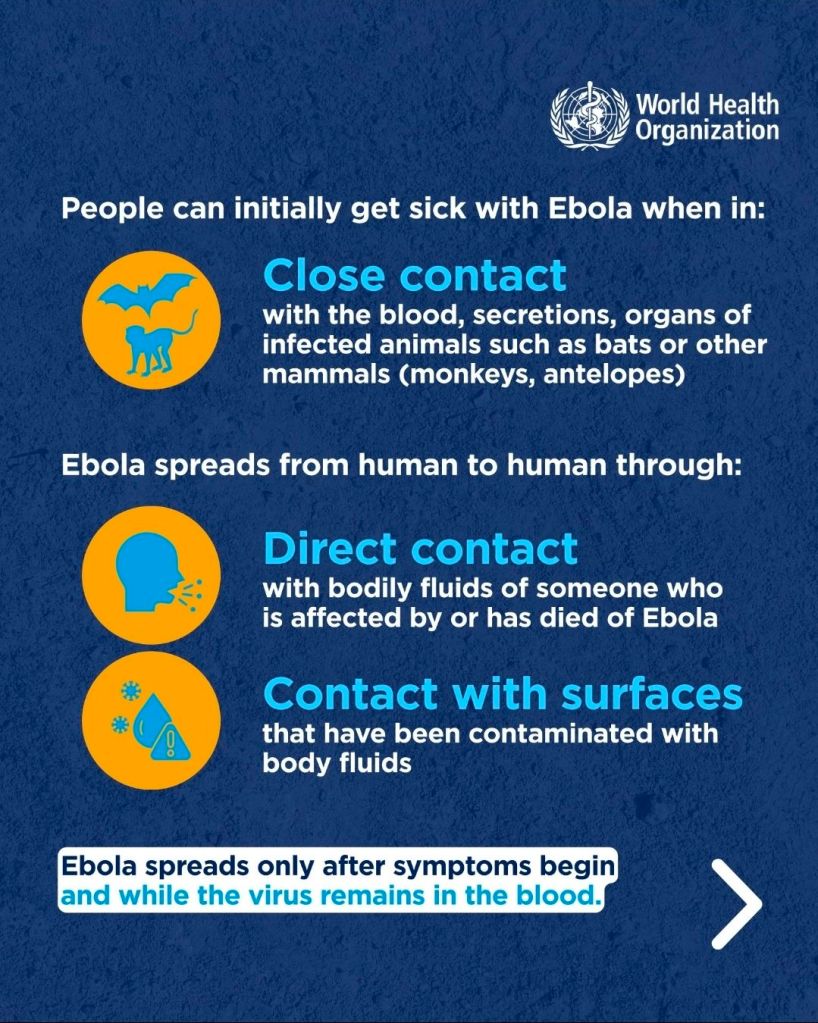
During this outbreak there have been numerous reports of people putting themselves at risk to do their roles as items like personal protective equipment (PPE) are just not available. This happens because, although Ebola is spread by close contact with blood and bodily fluids, those infected produce significant amounts of excretions that are also likely to be heavily viral loaded. I talked in the patient management section that one of the biggest challenges is fluid loss via diarrhoea and vomiting and all of those fluids contain risk for those caring for them, or their environment.
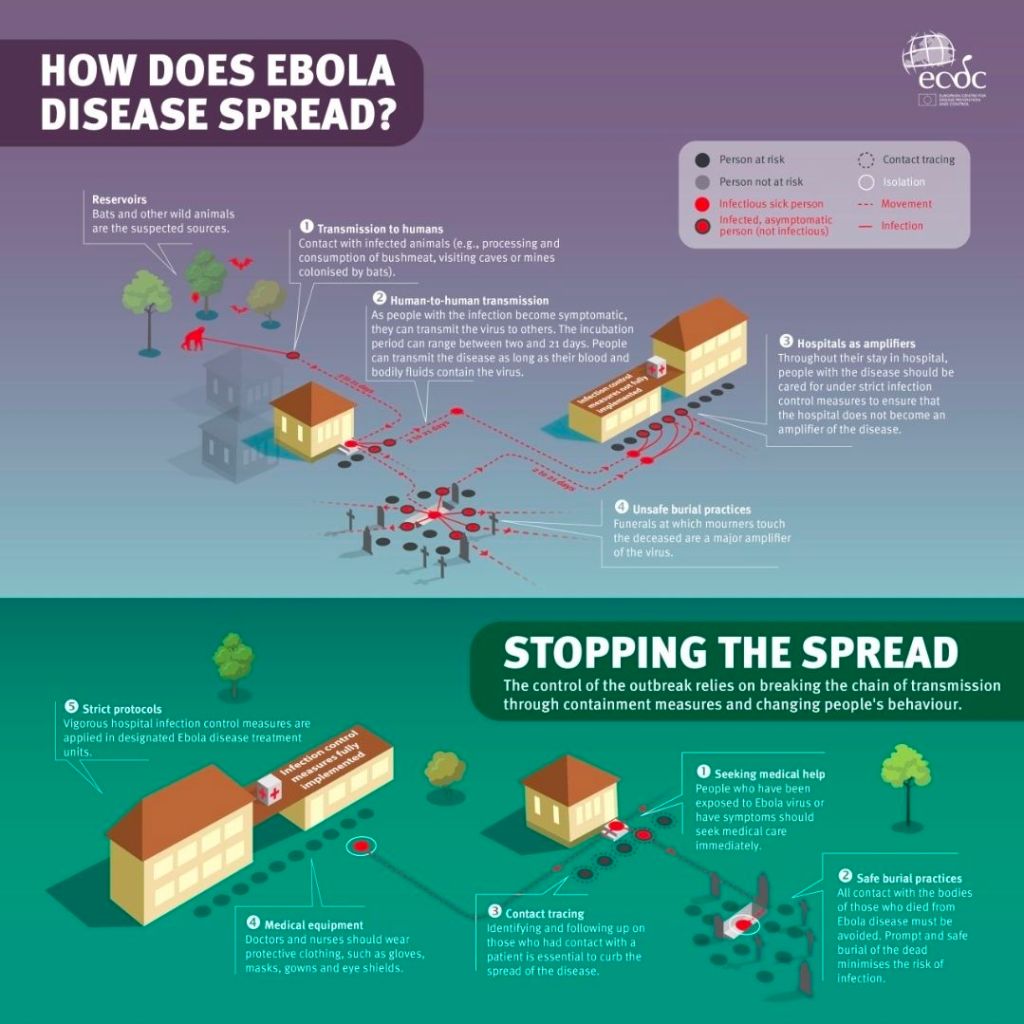
Some of the additional challenges that occur during Ebola outbreaks are linked to how it impacts communities. Traditional burial practices often require kissing or interacting with the dead. In many Congolese communities, physical contact with the body is seen as a vital, respectful “final farewell”. This isn’t just a ‘nice to have’ it’s part of embedded in ritual and is highly significant as a way of saying goodbye to loved ones. There are also components that include family members washing the deceased. This is obviously a significant risk moment for transmission.
During significant outbreaks bodies may be disposed of using safe and dignified burial protocols, meaning funerals are undertaken using no touch protocols (the family cannot see or touch the body), bodies are sealed and specially transported, and bodies are buried in deep graves of at least 2 meters deep. Funerals themselves are events where people gather, which may be impacted public heath regulations, so at a time where people are most vulnerable they may expected to manage without support of friends and family, or the rituals traditionally used to help process loss. This can cause to distrust of authority and can lead to clashes between communities and those enforcing the protocols.
On final thing to consider for filovirus spread is that they have been detected in multiple body fluids, including breast milk and semen, in survivors of infection. The persistence in semen, with the potential for sexual transmission has been noted for more than 500 days after disease onset, amd is a serious concern for recovering individuals. However, onward transmission this long after disease onset is very rare with undetermined effects. Even so, this means that survivors and communities may need to consider transmission for protracted periods post recovery and it can represent a source of anxiety.
How is it managed differently?
Ebola is classified as a Risk Group 4 (or Biosafety Level 4, BSL-4) pathogen, meaning that is requires the highest level of biological containment This impacts everything from the way patients are diagnosed and managed in clinical environments, to what kind of laboratory facilities are required to work in developing vaccines and other treatments.
Within the UK it is referred to as a high consequence infectious disease (HCID) which is defined based on the following criteria:
Requires an enhanced individual, population and system response to ensure it is managed effectively, efficiently and safely
Acute infectious disease
Typically has a high case-fatality rate
May not have effective prophylaxis or treatment
Often difficult to recognise and detect rapidly
Ability to spread in the community and within healthcare settings
Local guidelines for those managing these kinds of outbreaks evolved a lot as a results of the 2014 – 2016 Ebola Zaire outbreak, where the CDC modified guidance, in part due to the number of healthcare worker acquisitions early in the process.
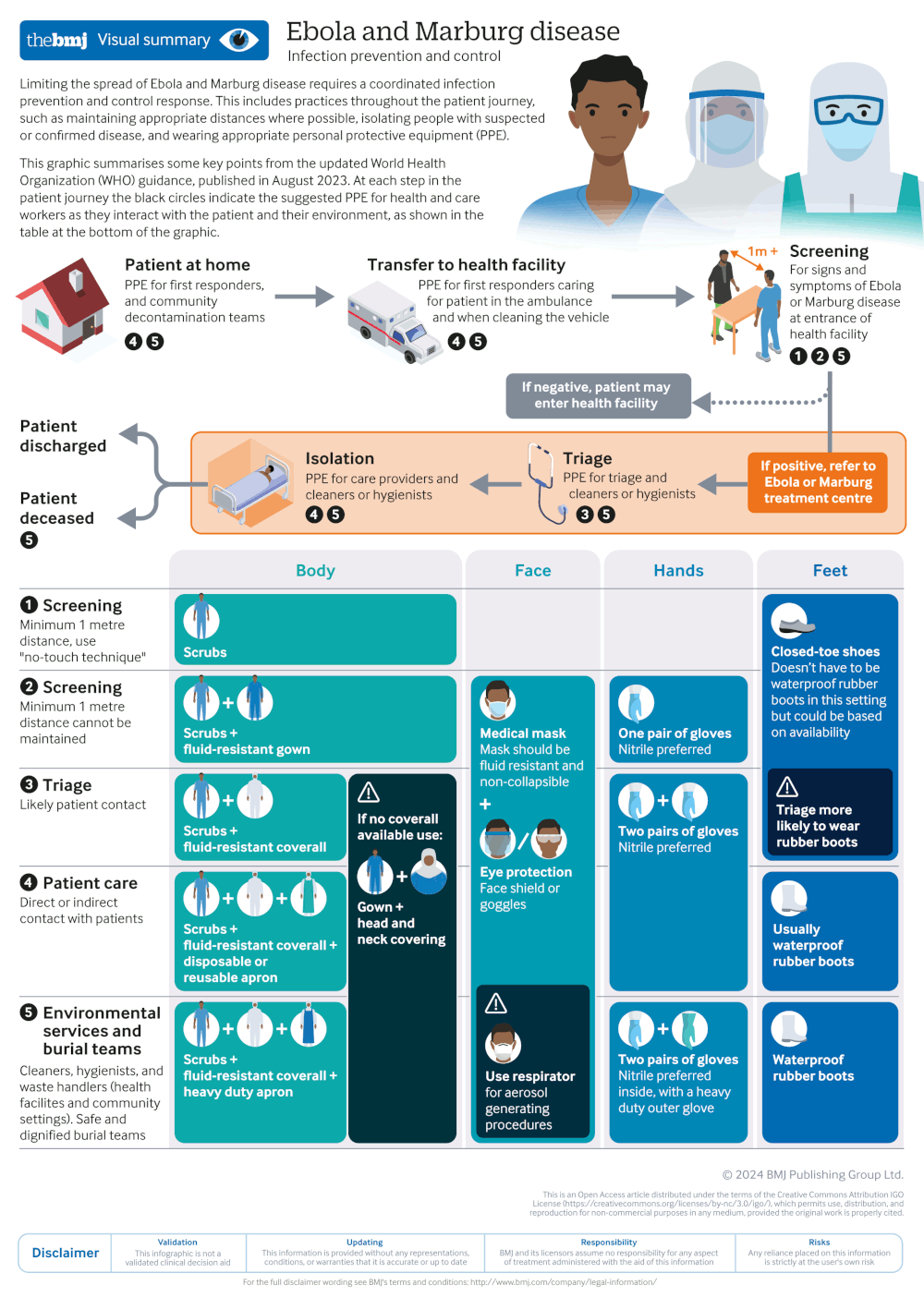
As it is not just those in hospitals that require PPE to protect staff, the WHO have also released guidance to aid decision making about what kind of PPE is needed for different workers and interactions across the patient pathway. This obviously has a caveat that if the PPE is not available you are not able to wear it.
Key infection prevention and control measures in the World Health Organization (WHO) guideline for Ebola Willet V et al. BMJ 2024; 384 :p2811
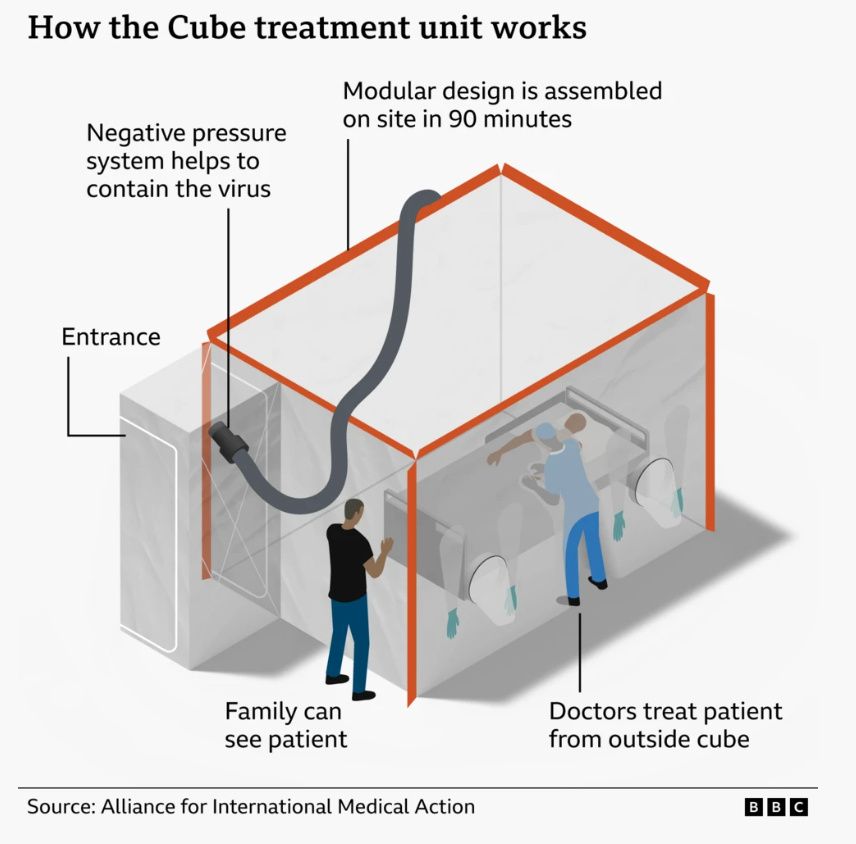
There are also some fantastic design solutions that can enable patients to be cared for in a way that limits the exposure of those undertaking that caring. These solutions also support patients having continued access for families, where they can be seen and communicate. This is also important as families may be expected to continue to provide food, even during hospitalisation, meaning they need to ve able to visit safely.
From the videos that I have seen, these facilities do not seem to be widely accessibly within the DRC, but the scenario might quickly change with the increasing recognition of the need for a global response to the outbreak.
Although it would be nice to imagine that everyone is being cared for in facilities, like those pictured above, many of the reports I have seen are much more similar to the New York Times video pictured below, which is really night and day to what we would wish for patients, staff, and families in terms of infrastructure access.
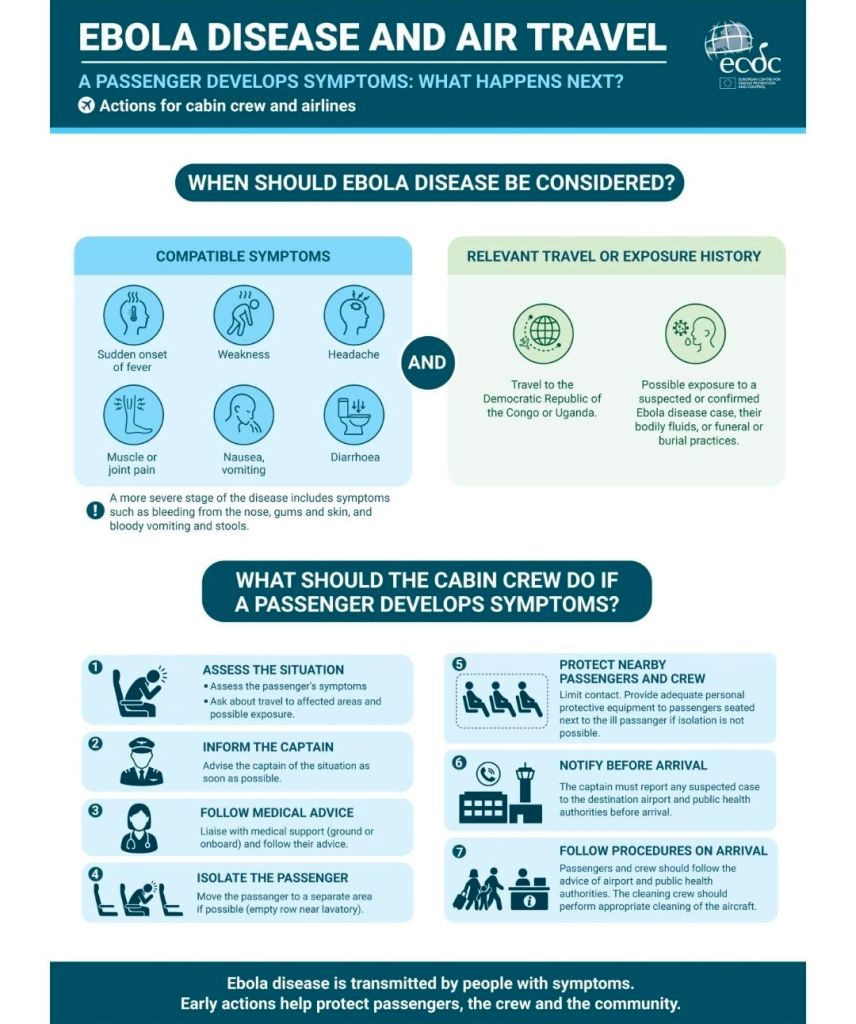
The world cup has just started. People are travelling from all over the world to the USA, Canada, and Mexico. The report below shows some of the challenges that this kind of travel can lead to.
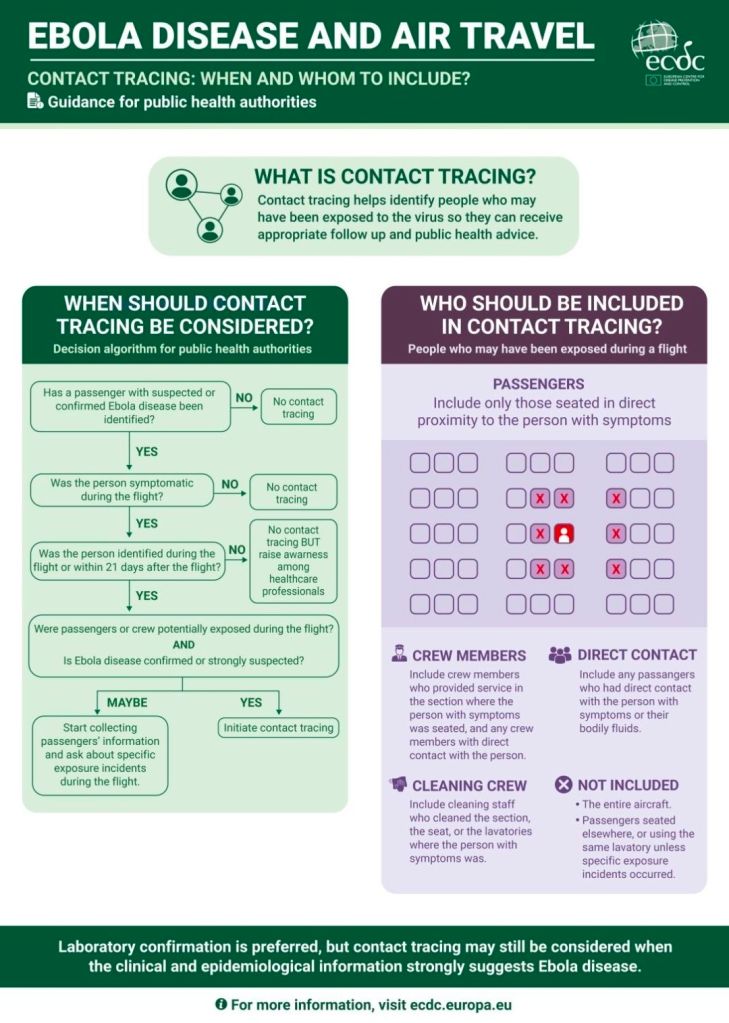
Events like these have led to places like the European Centres for Disease Control (ECDC) to issue guidance on what to think about if a passenger develops symptoms on a flight. This is so crucial because, as discussed, the initial symptoms are pretty non-specific, and if someone has a possible contact history it can be difficult to separate EBOD from a number of other infections that could initially present the same way.
They have also issues guidance about who might need to be followed up after an exposure event. Anxiety can drive extreme responses to having a probable/confirmed case, and so having guidance in these circumstances is key. As Ebola is transmitted by direct contact it is important to be able to differentiate those who are contacts from others who will have just been in the same space but are not at minimal to no risk (contact free exposure has a risk if <1%).
Terminology is key
As I’ve been talking about possible/probably/confirmed cases I thought it was important to include what those definitions actually mean within the UK health setting at least:
Confirmed case
An individual (alive or dead) with a positive laboratory test result (real time polymerase chain reaction (PCR)) from a blood or other body fluid sample.
Probable case
An individual for whom no laboratory results are available (for example waiting for testing or results), who meets both of the following criteria:
Clinical illness compatible with EBOD including any of the following symptoms:
fever (temperature greater than 37.5°C)
severe weakness
severe headache
myalgia
abdominal pain
sore throat
vomiting
diarrhoea
unexplained haemorrhage
PLUS
Contact with an Ebola virus in one or more of the following ways in the 21 days before the onset of symptoms:
contact with an identified potential source of EBOD (for example, direct contact with a probable or confirmed case without wearing adequate PPE or where there were breaches in PPE
exposure to an Ebola virus-infected body fluids or tissues without wearing adequate PPE or where there were breaches in PPE
direct handling of bats, antelopes or primates, from Ebola affected areas without wearing adequate PPE or where there were breaches in PPE
Possible case
A possible case is a deceased individual with epidemiological risks for EBOD
OR
An individual for whom no laboratory results are available (for example waiting for testing or results), but who meets both of the following criteria:
Clinical illness compatible with EBOD including any of the following symptoms:
fever (temperature greater than 37.5°C)
severe weakness
severe headache
myalgia
abdominal pain
sore throat
vomiting
diarrhoea
unexplained haemorrhage
PLUS
One or more of the following epidemiological criteria in the 21 days before the onset of symptoms:
history of travel to EBOD affected areas
direct contact with a confirmed case of EBOD,
or their body fluids (including laboratory staff), but trained and wore appropriate PPE, and had no known breaches in PPE
direct contact with a confirmed case of EBOD, or their body fluids (including laboratory staff), but trained and wore appropriate PPE, and had no known breaches in PPE
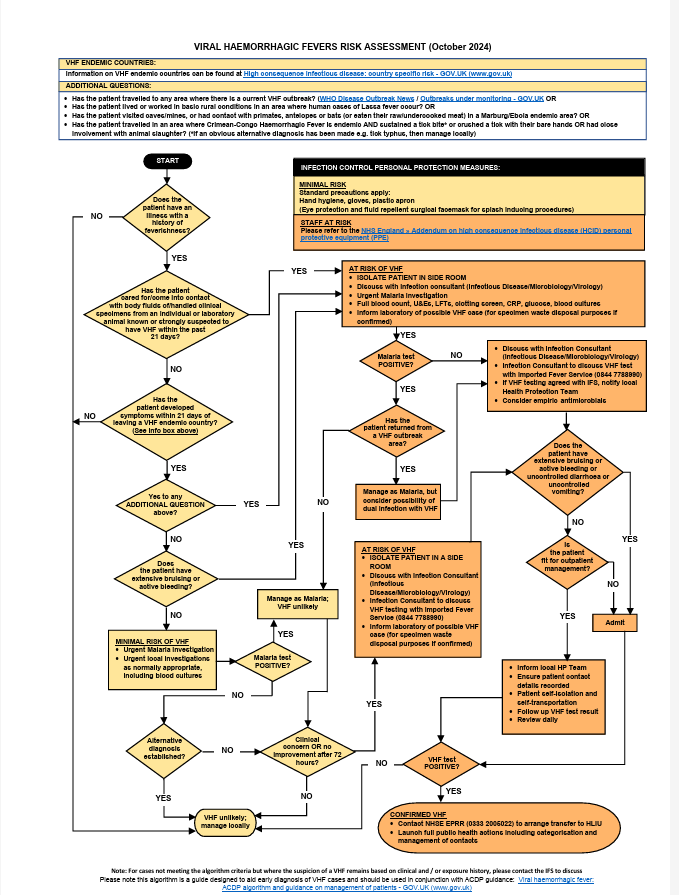
For someone arriving into the NHS, the application of these terms in linked to the flow chart below (https://www.gov.uk/government/collections/ebola-virus-disease-clinical-management-and-guidance) with the guidance last updated 4 September 2025. This also helps to remind people to go through steps such as ruling out other possible causes for the symptoms present, such as malaria.
Being able to use precise case definitions means that healthcare staff can ensure that the level of PPE and other protections are matched to the likelihood of risk being present.
As discussed at the start of this post, returning travelers or healthcare workers are already being monitored in numerous countries outside of the outbreak zones, and this is only likely to increase within the next 21 days, linked to the incubation period of the virus.
Until the infrastructure is present to support prevention of onward transmission the risk of global spread will continue to be present. Let me be honest here, I don’t think this is turning into a pandemic. I think there may be risk of acquisition to a small number of healthcare workers if for any reason communication linked to prior travel history fails. This isn’t the point though. We should not just mount public health responses because of a fear that they may impact us personally. I think we have an obligation to utilise the knowledge, experience, and resources available to help save, potentially, thousands of lives.
The time of it taking months of sea travel to get from point A to point B are far behind us. You can be anywhere in the globe in 24 hours, far shorter than the shortest incubation period for most infectious diseases. If the COVID-19 pandemic taught those of us working in the world of infection anything it was that global networks can make a real difference. A difference is the time it takes to recognise that there is a problem to be addressed. A difference in the number of people who are impacted. A difference in the time it takes to take a possible solution to an infectious problem, like vaccines, to a state where they are ready to be implemented.
We cannot live in a world where we think in terms of them and us. Where we think something isn’t happening in our back yard and therefore we don’t need to get involved. The truth is so far from this. Global health has the word global in it for a reason, and the eco systems we live in are global. We need to make networks and connections stronger, not let them be degraded.
So let’s put the pressure on where we can, use what influence we have, and try to ensure that the outcome of this outbreak is not determined by what resources are lacking and who makes the expertise available to help. Let’s behave as we hope someone else would in return, step up and be counted in order to save lives. Let’s be the global family that the pandemic showed us we could be if we tried.
Cruise ships and cruise ship outbreaks have been in the news a lot this month. So much so, that I’ve already posted about the Hantavirus outbreak that was associated with a cruise ship in South America:
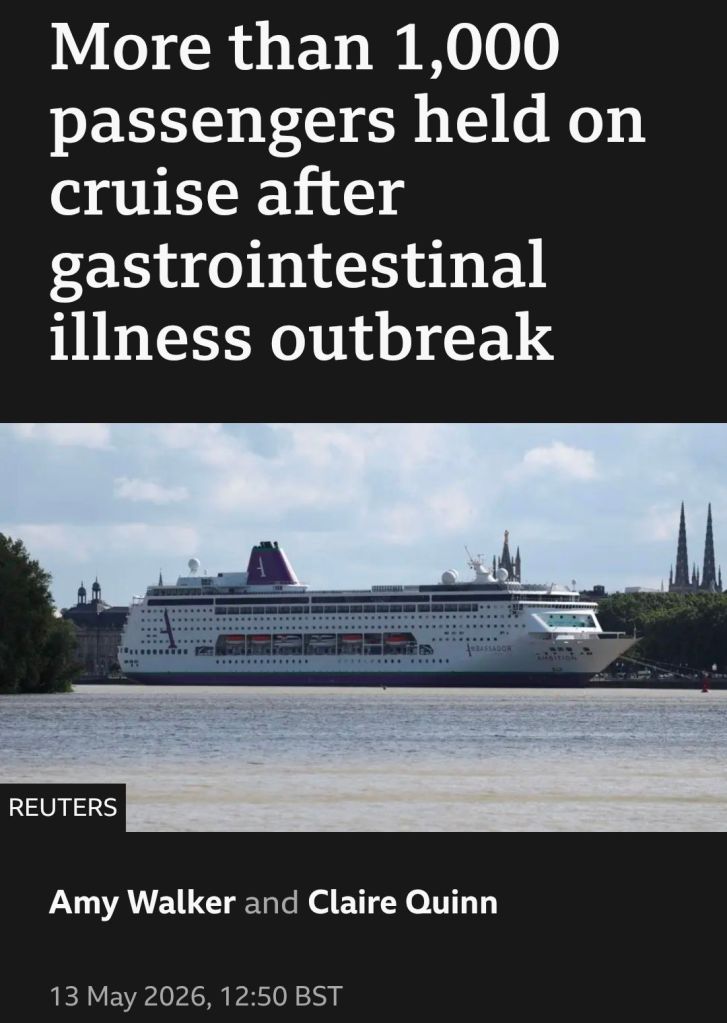
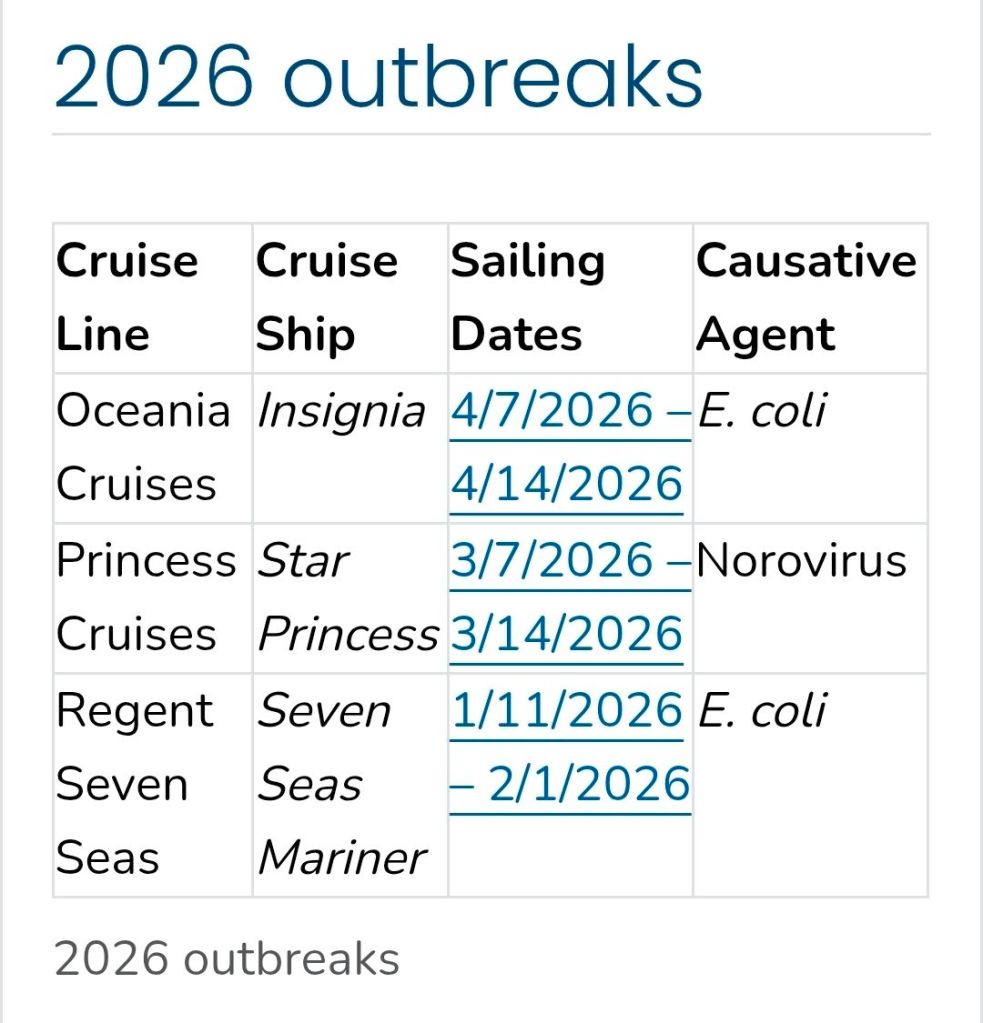
There have also been headlines, however, linked to 48 passengers displaying symptoms consistent with gastrointestinal illness, as well as one crew member, that has led to another cruise ship asking passengers to isolate.
This second kind of cruise ship outbreak isn’t all that unusual, and I wonder if it would even have reached the headlines if it hadn’t happened during the same month as everyone was talking about Hantavirus. Cruise ships are mobile cities, with large numbers of people confined within a limit space, usually drawn from all over the world. Places where everyone is outside of their ‘normal’, eating different food together, spending time in close quarters with strangers, and sometimes reticent to lose holiday time if they start to feel unwell. That’s without throwing in sea sickness as an alternate reason for nausea and vomiting, which may mean people don’t realise they are ill with something infectious as early as they may do at home.
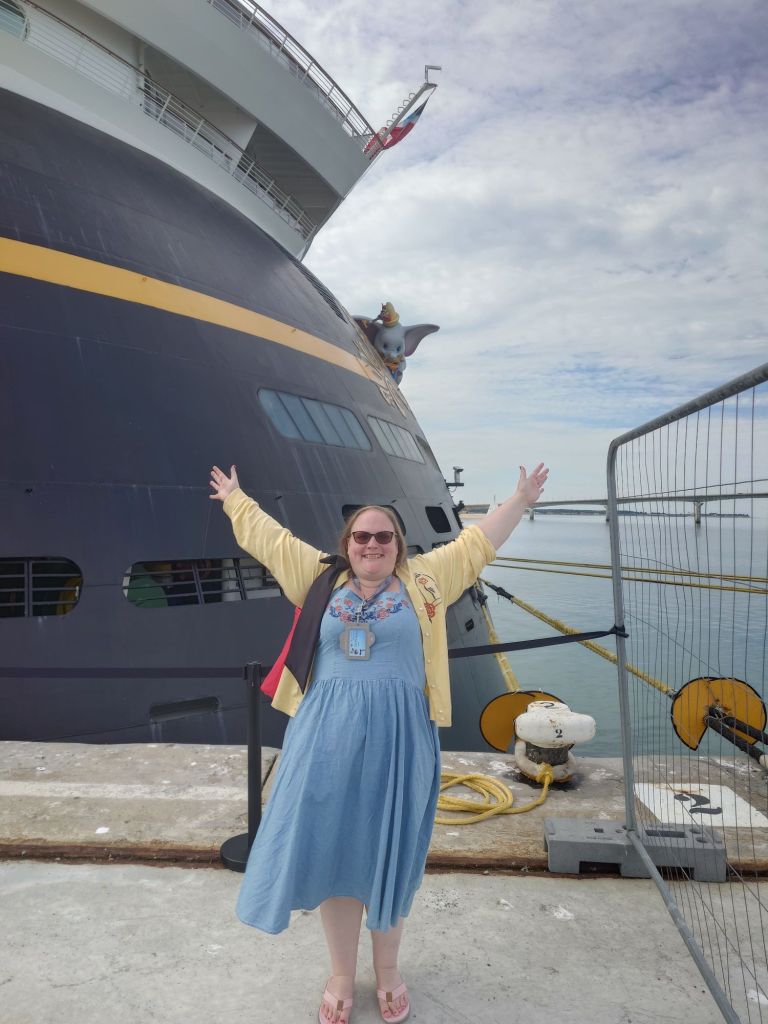
I’ve always sworn, for all of these reasons that I would never go on a cruise. I’ve spent way too many hours in lectures listening to outbreak stories related to ships, and yet, due to a birthday surprise, I went on my first ever cruise in 2025 and it surprised me, so I thought I would spend this week talking about a few of the reasons why, but first some outbreak context.
Multi-Year Outbreak Comparison (2019–2026)
According to historical Centres for Disease Control (CDC) data tracking of official gastrointestinal outbreaks across major cruise lines, the frequency of notable incidents varies dramatically by cruise line brand:
Princess Cruises: Highest frequency with 14 outbreaks
Holland America Line: 13 outbreaks
Royal Caribbean International: 10 outbreaks
Celebrity Cruises: 6 outbreaks
Carnival Cruise Line: 2 outbreaks
Disney Cruise Line: 1 outbreak
It’s worth noting, however, that different cruise lines not only have very different numbers and types of ships, with wildly different passengers numbers, but they also have very different passenger profiles. Some, like Virgin, host adult only cruises. Others, like Viking, serve older passenger demographics and undertake river cruising rather than ocean based cruising. Then you have lines like Disney, that focus on family centered cruising, and so will have a high proportion of families and young children as part of their passengers. Some cruises are also much longer than others, with cruises over six months becoming more common, and some cruise ships now consisting of passengers who have permanently brought cabins as their primary homes. All of which is to say, that numbers alone may not tell the whole story, and it is probably important to compare like with like.
NB Interestingly, as the recent Hantavirus outbreak did not impact 3% of passengers, I don’t know believe it would be reported via this system, and I suspect that they only manage US related outbreak numbers.
Outbreak Organisms (CDC list 2023 – 2026)
When you are training in microbiology, virology and infection prevention and control, you study A LOT of outbreak scenarios. Some of theses are almost always linked to outbreaks on cruise ships and/or navel carriers. Studies of re-supply and bringing in vegetables used for salads that took down 2/3 of the ship cohort with multiple organisms. I thought it might, thereofore, be interesting to look at the CDC data related to some recent outbreaks and see what the causative organisms actually are.
From 2023 – 2026 (to date) there were 54 reported outbreaks on the CDC website reaching the 3% of total passengers threshold. The causative organisms, where known, included:
Norovirus
Salmonella
E. coli
Combined Salmonella and E. coli
Now, I’ve previously posted about Norovirus, and how difficult it can be to control, especially the challenges of getting it out of environmental reservoirs (carpets, curtains, bedding) and so I’m not surprised that it is on the list.
I was interested to see how dominant norovirus was compared to other causes. When you look at the numbers it shows that norovirus really does seem to be as dominant as I was taught, with nearly 90% of outbreaks due to noro:
Norovirus: 48 outbreaks
E. coli: 4 outbreaks
Salmonella: 1 outbreak
Combined Salmonella and E. coli: 1 outbreak
Whilst noting that this feels like a lot of cases, it is also worth considering that the CDC states that cruise ship outbreaks account for just 1% of all reported norovirus cases globally. The other interesting thing is that the numbers seem to be pretty stable year on year, whereas out in the community I would expect there to be a significant rise in norovirus cases every 2 – 3 years, as strains change due to mutation, this doesn’t seem to be the case within the cruise data available.
Disney cruise line specific outbreaks
Having noted that Disney had only 1 outbreak listed recently on the CDC site, I thought I would investigate a little further. Disney Cruise Line has had two major officially documented gastrointestinal illness outbreaks that reached the CDC mandatory reporting threshold of 3% or more of passengers or crew, one in 2016 and one in 2002, each on a different ship:
Disney Wonder:
April–May 2016 (Official CDC Outbreak): During a 4-night Bahamian itinerary heading into a Panama Canal cruise, 131 of 2,680 passengers (4.89%) and 14 of 991 crew members (1.41%) fell ill with laboratory-confirmed norovirus.
Disney Magic:
November 2002 (Official CDC Outbreak): A total of 175 passengers and crew members out of 2713 passengers and ~950 crew, contracted norovirus during a Bahamian voyage. Disney temporarily pulled the ship from service for a week to break the infection cycle through a deep chemical sanitation.
Not all ships are equal
Something that struck me, is the outbreaks listed for Disney are to do with the two older ships in the Disney Cruise Line fleet, as they are both part of the Classic Class. This is interesting for 2 reasons:
Is there an accumulation of outbreak risk due to age? Especially for organisms like norovirus which can be linked to environmental reservoirs
The oldest 2 Disney Cruise Line ships were early custom Disney build and so lack some of the specific design features that may support risk reduction on the newer ships
To aid with understanding this, it is noteworthy Disney has built a number of custom ships since the production of the Classic Class, and therefore have had the opportunity to include many more custom features in the later classes of ships.
The Classic Class – purchased by Disney but built in a different ship yard and to a different design than the other ship classes
Disney Magic (1998) ~2700 passengers
Disney Wonder (1999) ~ 2700 passengers
The Dream Class – commissioned by Disney for Disney
Disney Dream (2011) ~4000 passengers
Disney Fantasy (2012) ~4000 passengers
The Wish Class – commissioned by Disney for Disney
Disney Wish (2022) ~4000 passengers
Disney Treasure (2024) ~4000 passengers
Disney Destiny (2025) ~4000 passengers
The Global Class – purchased by Disney but part built before acquisition
Disney Adventure (2026) ~6700 passengers
One thing I didn’t realise, until I started to investigate this area more, is that cruise ships need to go into dry dock at least twice in every 5 year period by maritime law. Obviously mostly this is to do with safety, linked to the hull etc, but most cruise lines will use this opportunity to re-fit and manage any fittings and soft furnishings, which can aid with managing ongoing outbreak risk.
Why does Disney Cruise Line have to do things differently?
Full disclaimer here, I haven’t been on cruise lines with anyone else, but I have done a lot of talking to people and watching videos to enable some comparison, but my only first hand knowledge is from what I have experienced. I have only been on the Fantasy, and there are other classes of ships, obviously if Disney Cruise Line would like me to travel on them all to do an infection control audit, I’d be happy to, they wouldn’t even have to pay me.
I think, from my experience, one of the reasons that Disney Cruise Line is different, and has to be different, is because of the passenger demographic they serve. Their passenger number contain a huge amount of children under the age of ten. Children who may be shedding high viral loads, and carrying asymptomatic infection. Children who may also be too small to be able to communicate how they are feeling when symptoms come into play, and who may also not be compliant with hand and other hygiene practices, and are likely to be in close contact with others when playing etc. The ships are therefore at higher risk, potentially, than other cruise lines of having significant spread once a virus is onboard. It is also much harder to be able to isolate small children, and they are much more likely to need clinical support if they become unwell, which is a risk to the child and logistically complicated to manage. It is therefore much better to invest in steps to prevent infection spread.
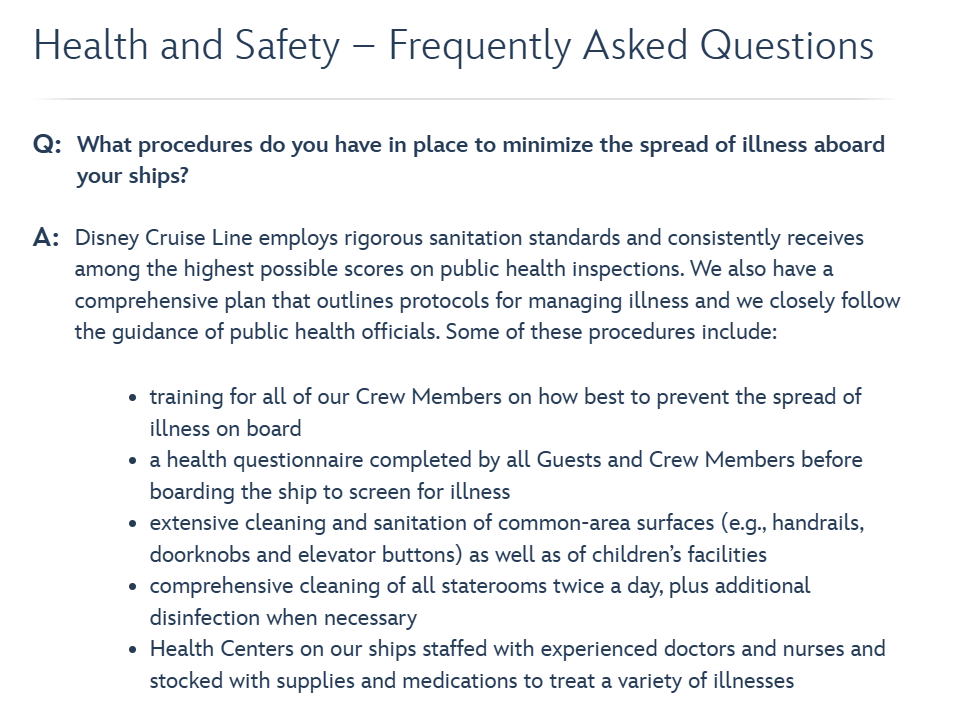
What does Disney Cruise Line say they do to prevent the transmission of infectious disease?
Disney consistently ranks in the top five cleanest cruise lines globally. Their fleet frequently achieves perfect 100 scores during unannounced CDC sanitation inspections. They also have an advantage as they are an independent fleet, they don’t rent their ships out to others for events or specialist cruises, where they would have periods of time where they couldn’t control their risk. This allows them to maintain control of their fleet, what activities are undertaken, and ongoing control methods. The ships are also on the smaller size in terms of passenger numbers compared to some of the very large cruise ships managed by other companies (~2,700 to ~6,700 guests compared to ~5500 to ~7600 on some other lines).
Below is what Disney Cruise Line states about how they control their infection risks:
Key Quarantine and Isolation Protocols
Mandatory Isolation: If you test positive for COVID-19 or another contagious illness during your cruise, you and your stateroom occupants will likely be required to isolate in your stateroom or a specially designated, safer area of the ship.
Medical Evaluation: Shipboard medical centers are staffed with experienced doctors and nurses to provide care, and you may be required to quarantine at the sole discretion of the shipboard physician.
Disembarkation/Evacuation: If necessary, you may be required to disembark early for medical reasons, which could occur in a foreign port.
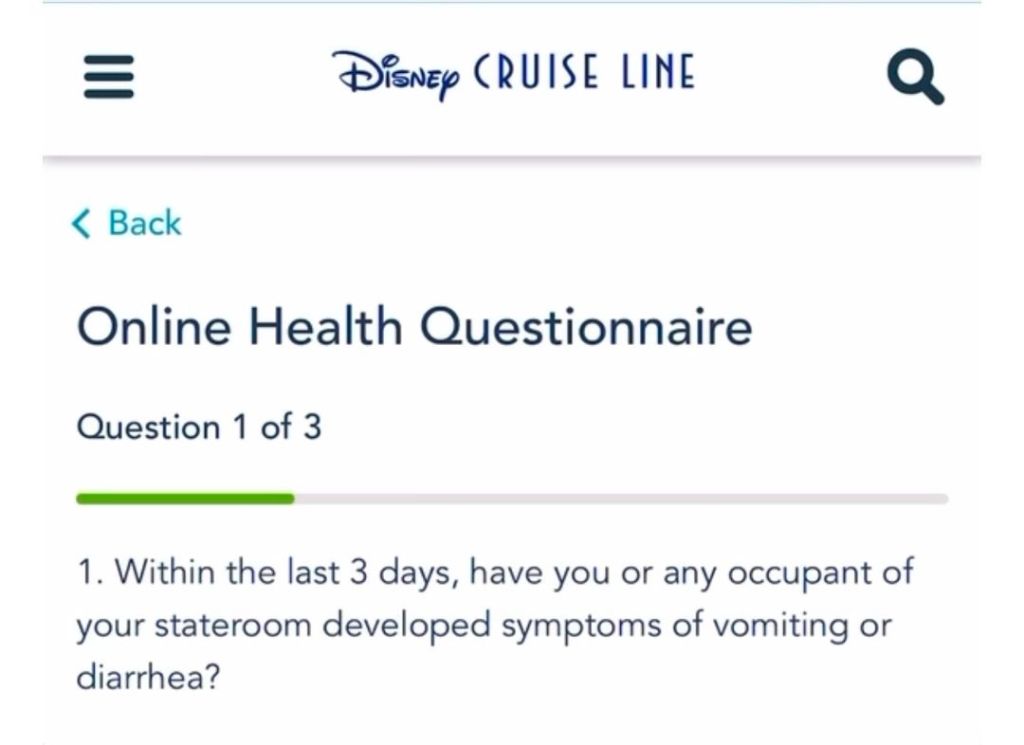
Pre-Boarding Screening: While pre-boarding testing is not always required, all guests must complete a mandatory health questionnaire before boarding, which includes screening for symptoms like fever, cough, vomiting, or diarrhea.
Compliance: You are required to abide by all health safety protocols, which can change without notice, and failure to comply may result in denied boarding or forced disembarkation.
Stateroom Support: If you are required to isolate, Disney provides necessary support, including food delivery and medical check-ins.
Illness Prevention: The crew conducts extensive cleaning and sanitization of common areas and staterooms
Now, luckily for me, I didn’t experience any sickness onboard and so I can’t testify to the accuracy from all of these portrayals. I can, however, attest to many of other aspects, such as pre-screening, cleaning, and hand hygiene support.
Operational approaches
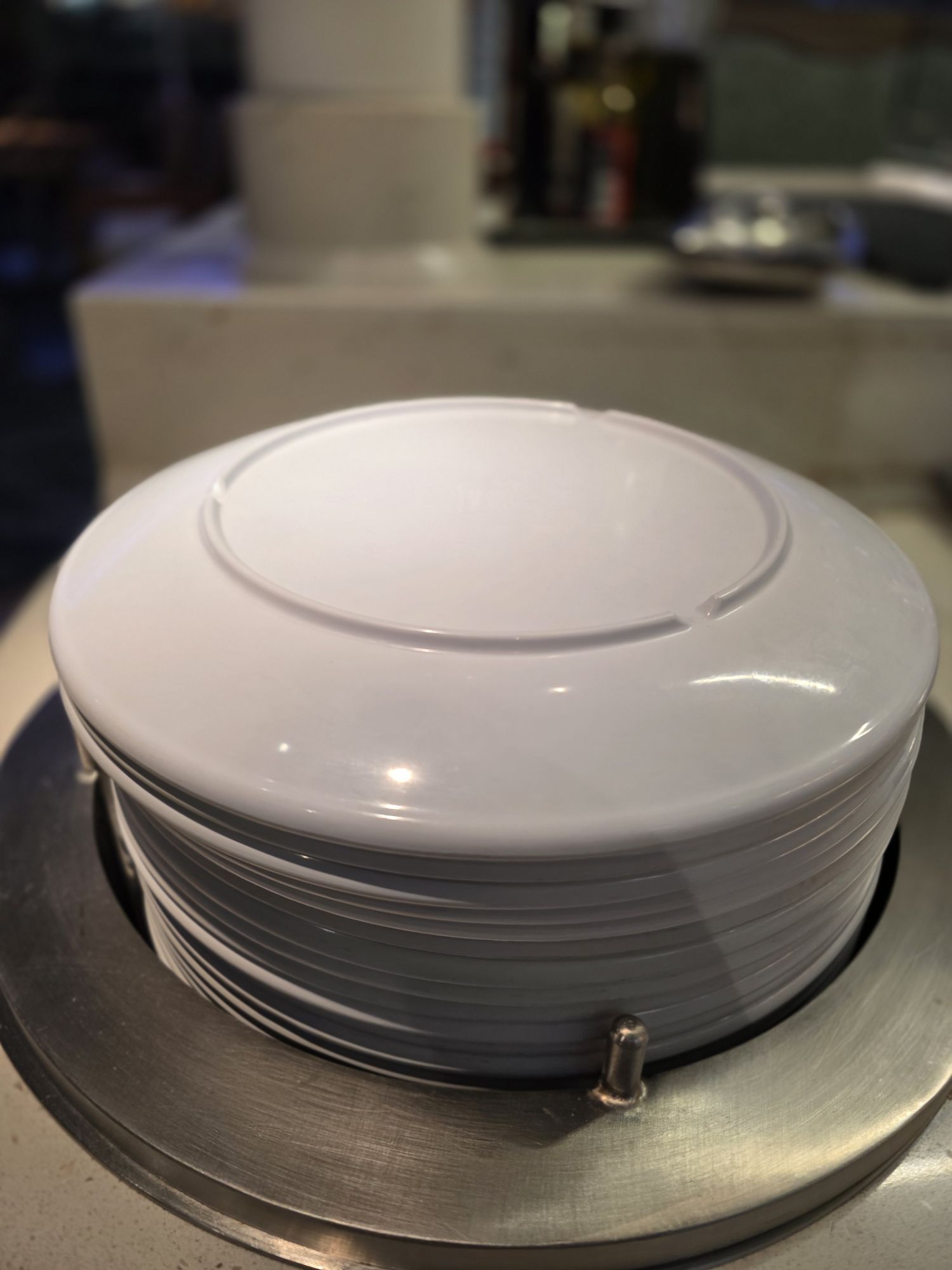
There were some brilliant operational choices that made me both happy and also surprised me. There were also some really simple design decisions, which now I’ve seen I don’t understand why they aren’t present everywhere. The best example of this was the way that plates on the buffet were stored upside down. This means that no one is in contact when taking a plate with the surface that someone else will then eat off. This is such a simple change but makes so much sense in terms of infection control I can’t believe I have neither thought about it myself or seen it elsewhere.
Other simple things included the fact that all cutlery was left fully wrapped, and so no one was touching the implements that anyone else was going to eat with. This fully enclosing, rather than just wrapping, is another easy way of prevention cross transmission routes, as asymptomatic, or even symptomatic excreters, are not in a position to pass on their organism to others. It also prevents deposition on cutlery from other routes, such as when people sneeze, effectively providing a protective barrier.
Self serve vs cast member led
Another key thing, on some ships, is that the buffet is served by cast members rather than self serve. This means that the food is kept behind screens and significantly lowers contamination risk. All main meals are served plated by cast members, which also reduces reduces the risk. Even self serve items, have guidance linked to risk reduction. For instance the fizzy drink dispensers advice people not to use reusable cups, so that the dispenser outlet does not risk re-contamination after someone has drunk from the cup.
Keeping hand hygiene easy
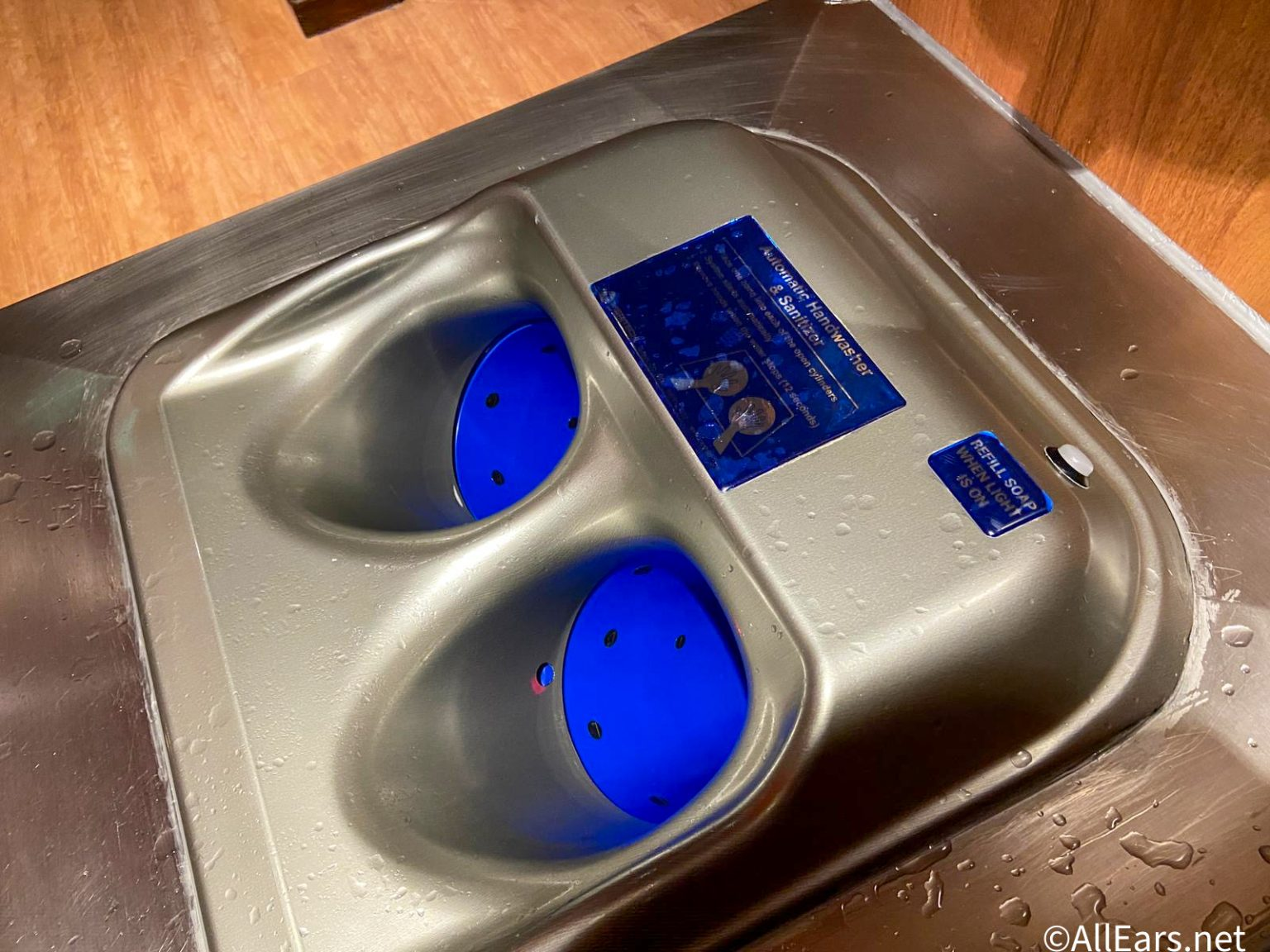
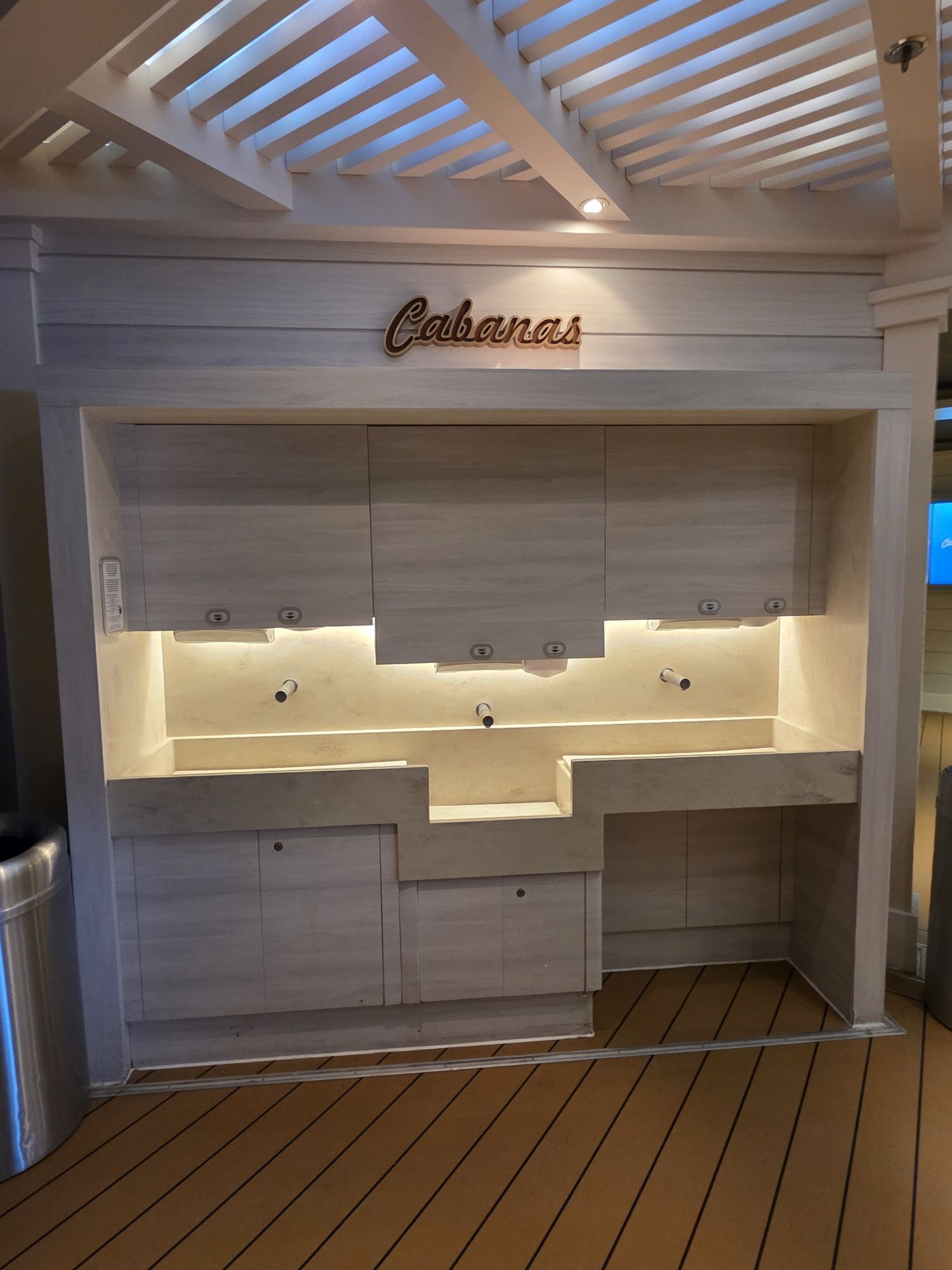
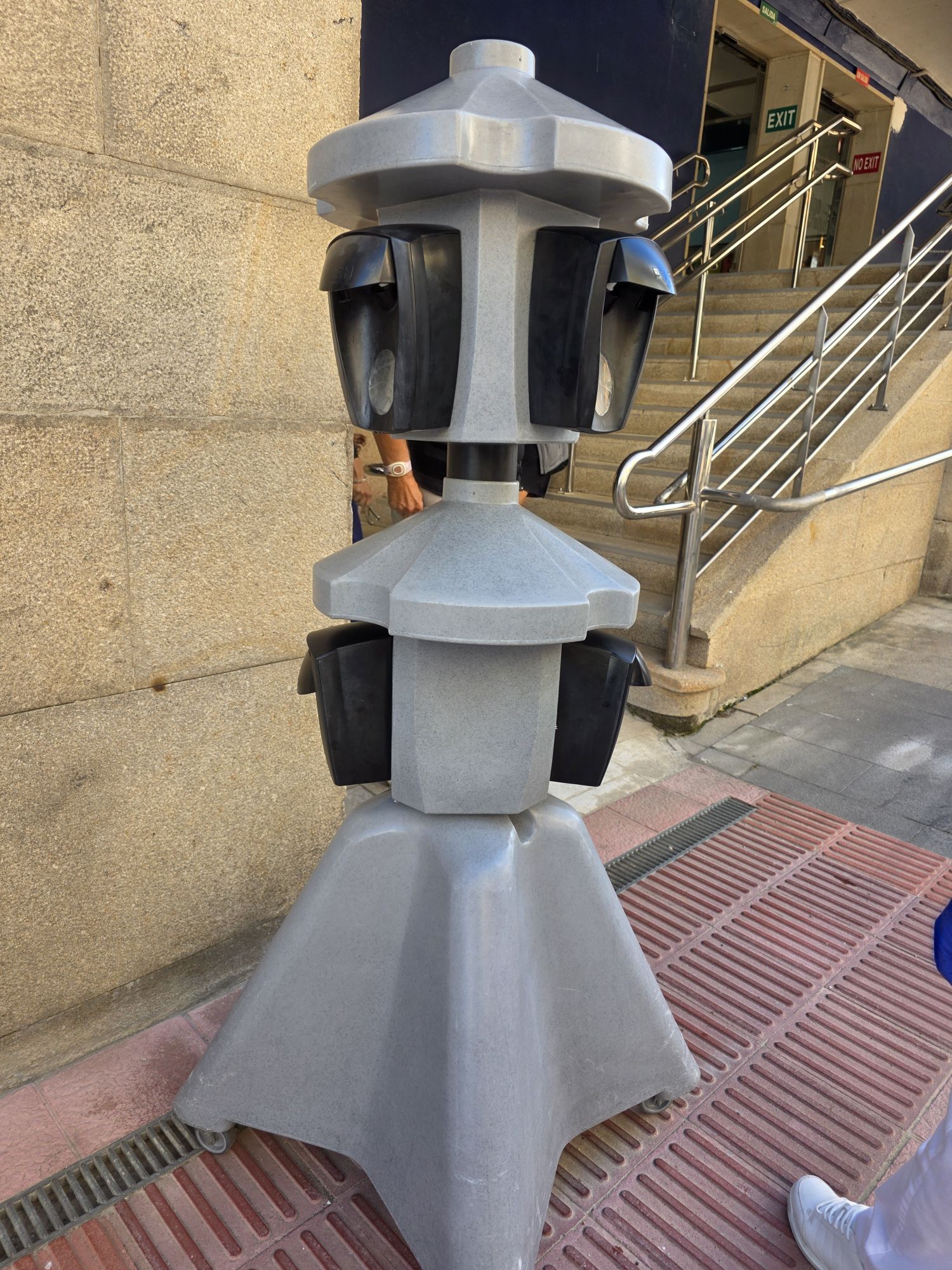
Something else, that is very prominent, is the emphasis placed on hand hygiene wherever you go onboard. Hand hygiene stations are conspicuously present with both adult and child height basins. Special sinks are also present in all the child specific areas that can help children with hand hygiene, as all they have to do is submerge their hands and the sink itself undertakes the agitation. This helps hygiene efficacy for children who younger or less engaged.
Multiple hand hygiene stations are available at the entrances to the buffet, and there are enough of them that no one should skip unintentionally because they haven’t seen them, or because people are off-put because of queues. Making hand hygiene easy and visible has been found to be key from healthcare studies, and I imagine cruise ships are no different.
Gatekeeping
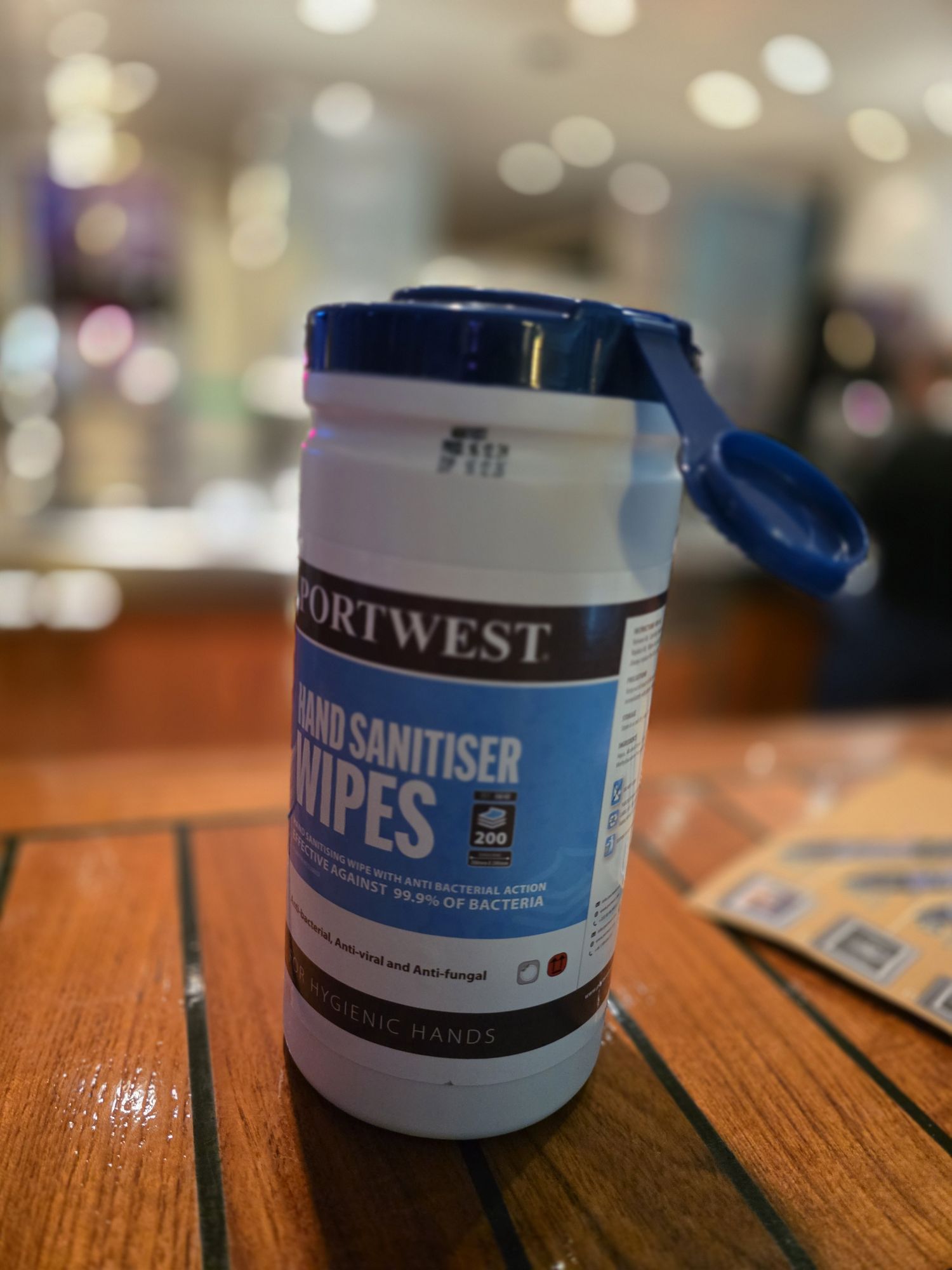
At main dining room meals, in the evening, hand hygiene is actively enforced. As there are too many people entering the dining rooms at each sitting (as everyone eats at either early or late dining) Disney enforce hand hygiene by having crew members physically hand out hand sanitising wipes directly to each passenger as they enter the dining room. The same happens at the buffet at busy times. This is very different (from what I can tell) to other cruise lines and definitely contributes to risk reduction. Having these multiple points, every day, where hand hygiene is enforced really helps to impact the collective risk level onboard.
Bathrooms
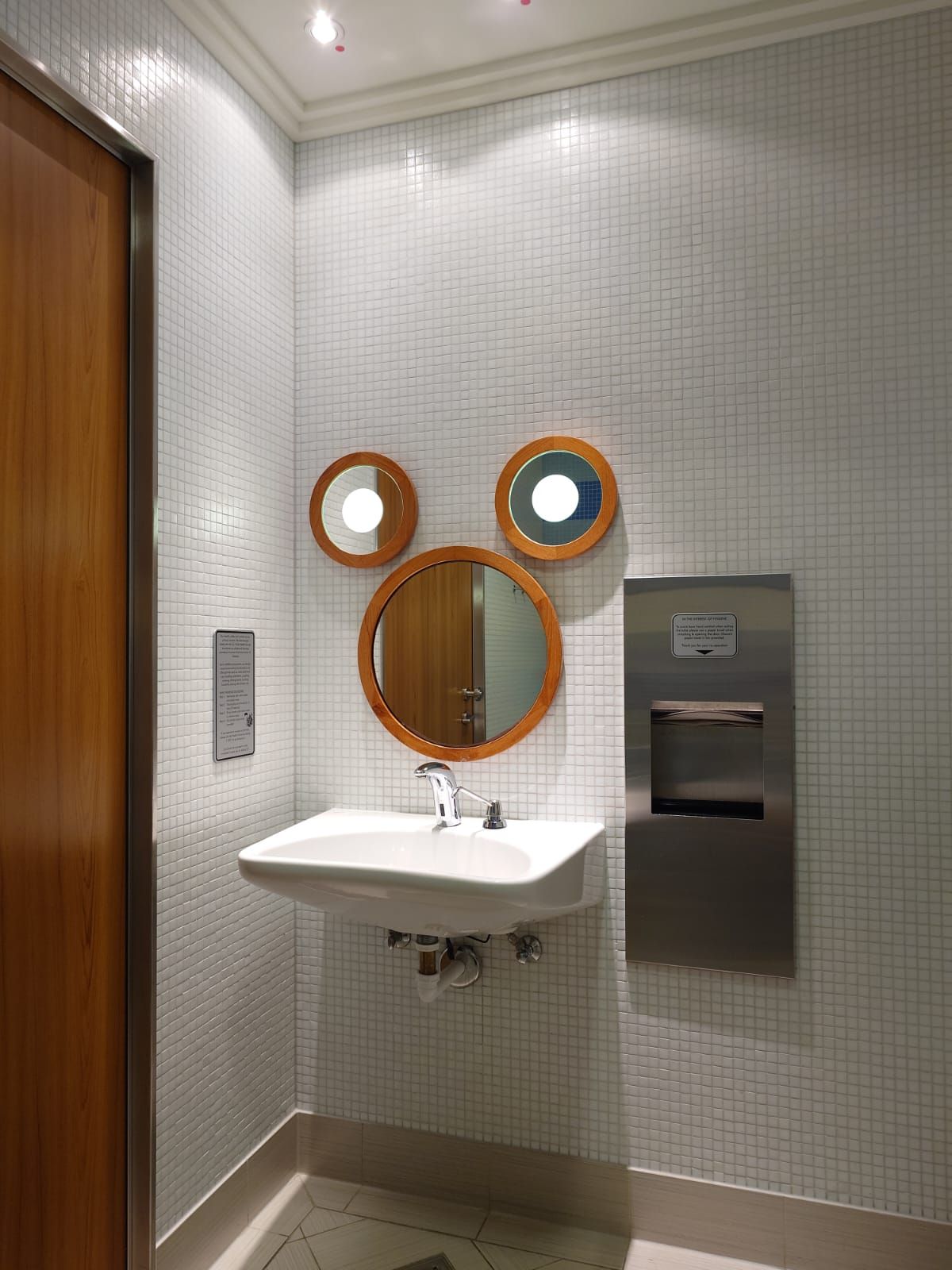
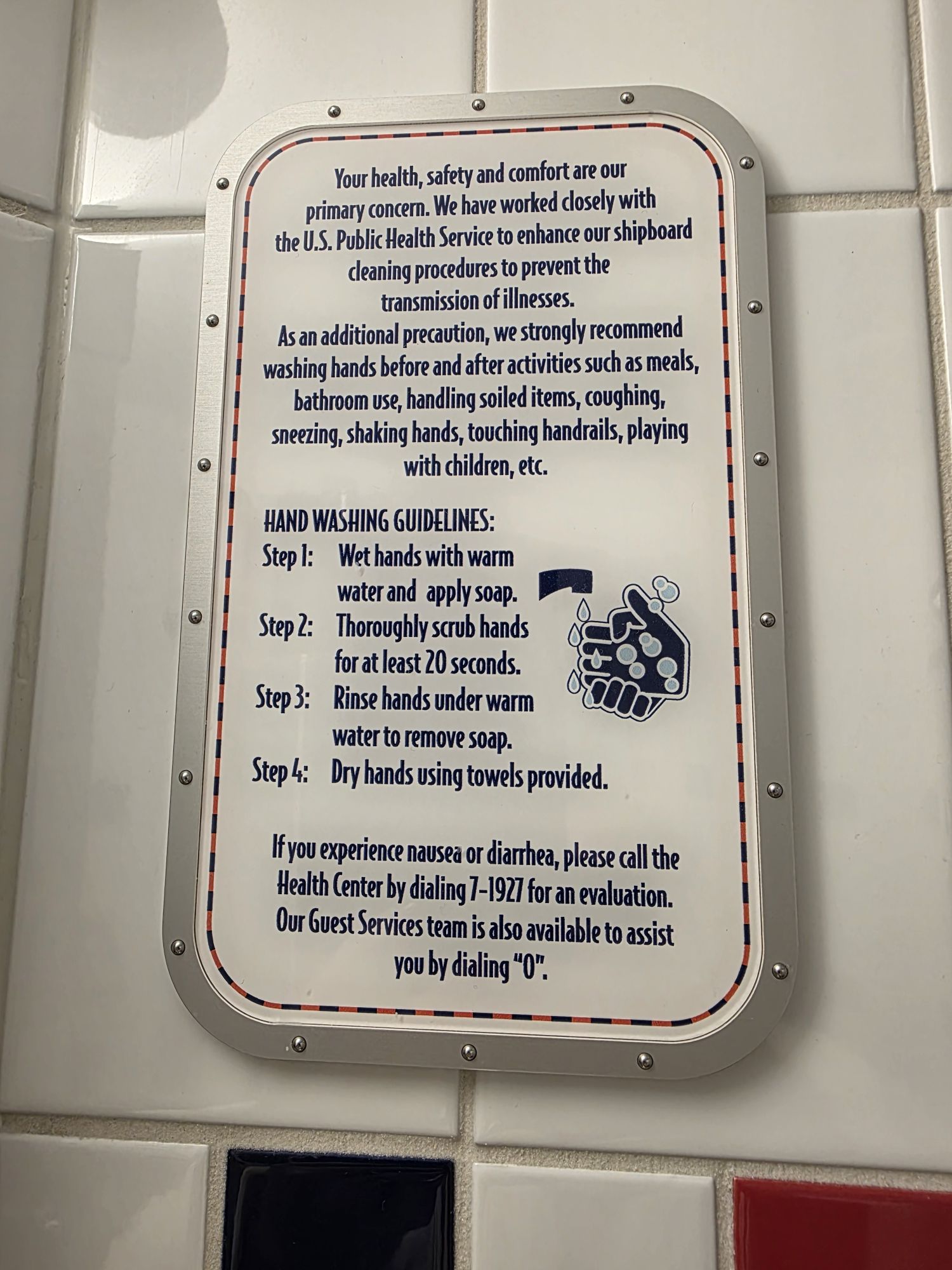
Even the bathrooms pleased me, and not just because of the Mickey shaped mirrors. Having a feature that attracts people towards the sink does help with hand hygiene compliance, however. They also have signage on how to wash your hands by every sink, to encourage that it is done appropriately. Additionally, many have access to hand hygiene in areas after you have exited the bathroom door, to manage any exit contamination risk, as an additional option.
Domestic cleaning
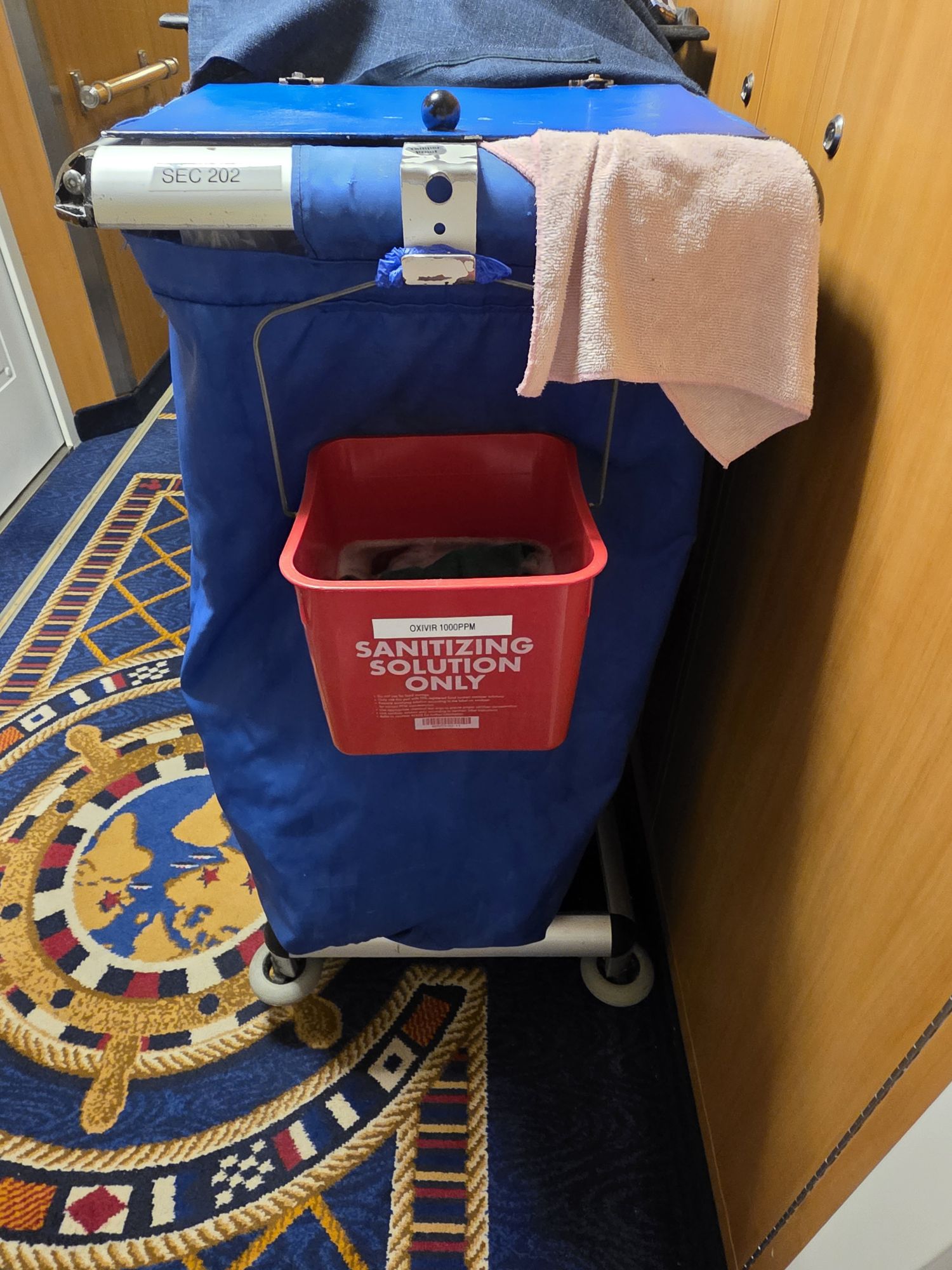
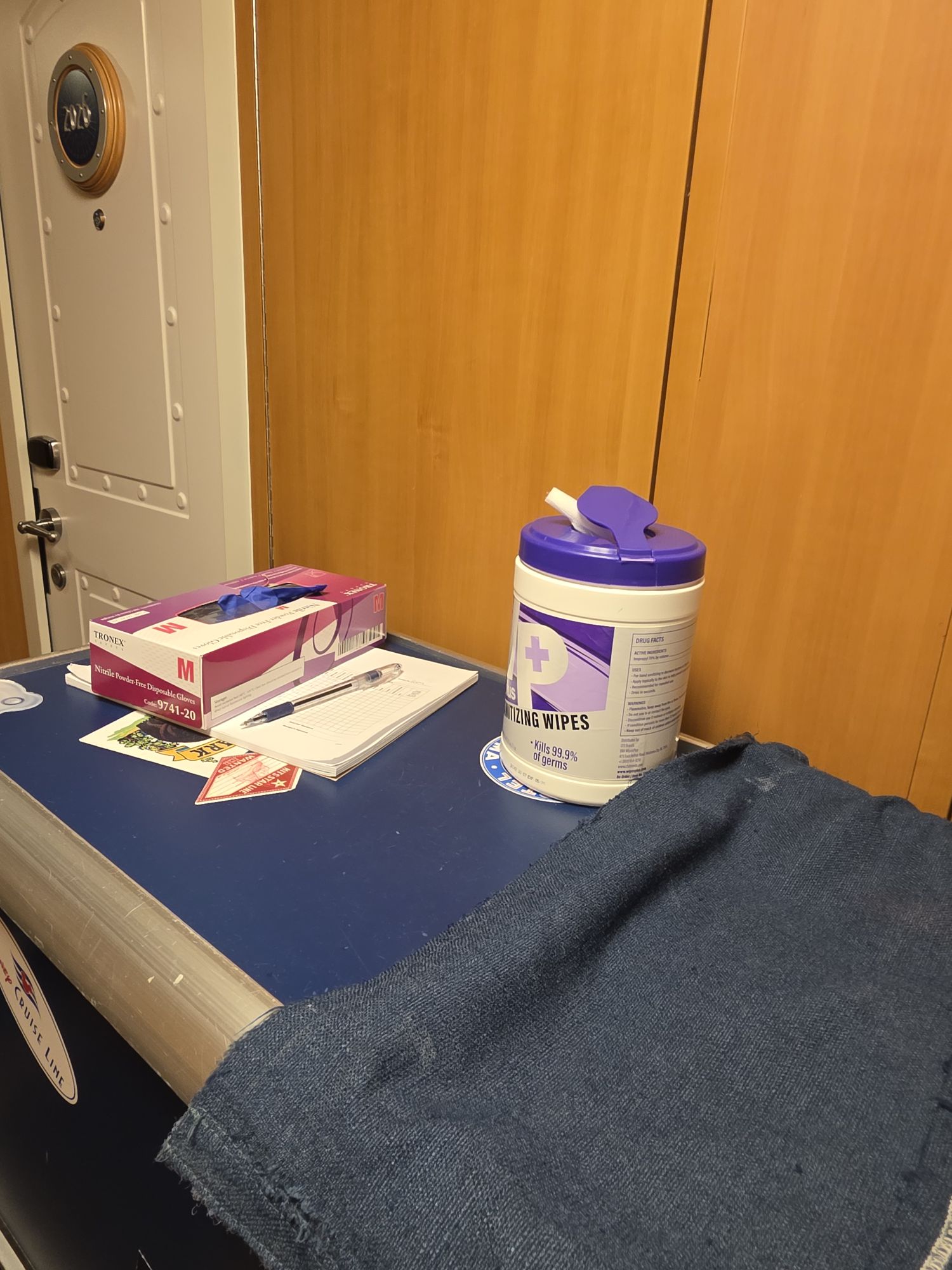
Cleaning is obvious everywhere you go. I may have been the only person on that cruise who spent time photographing the cleaners trolley rather than the ‘big five’. All rooms got cleaned at least once a day, but in my experience many rooms got cleaned twice a day, as they get a morning clean and an evening turn down. Eating areas are also rotated and open at different times which allowed cleaning to be supported. Spending so much time auditing, I am often super aware of environmental grime, and no once was I brought out of the magic of being onboard by seeing anything that triggers my IPC brain.
Cleaning trolleys have freshly made up cleaning solution, alongside cleaning wipes. Fresh cloths and easy access to gloves. The level of cleaning we experienced was immaculate, and this does seem to align with the CDC audit scores.
Pre boarding
There are steps taken to reduce risk, however, before you even get on board. Disney Cruise Line requires all guests to complete a mandatory, online health questionnaire on the morning of embarkation, typically arriving via email between 5:00 a.m. and 6:00 a.m. The is pretty brief and asks a series of “Yes/No” questions regarding recent fever/respiratory symptoms, gastrointestinal issues, and pregnancy status (specifically for those 24 weeks or more). Although not infection related the pregnancy question is an interesting one and often catches people out. Disney, like many cruise lines, won’t let women sail if they are over 24 weeks pregnant. This appears to be standard across the industry because , if a medical emergency or preterm labour occurs, ships do not carry the specialized equipment or staff required to safely manage delivery or provide neonatal care for a premature infant.
If you reply in the positive to any question, other than the pregnancy question which is an immediate no board, then you will usually be reviewed prior to boarding and a risk assessment performed.
During cruising
If you develop symptoms of any kind, once you are onboard, there is support available from the medical team. It may be hard to distinguish between gastrointestinal symptoms and sea sickness, and everyone is encouraged to flag anything in order to ensure the right risk review is undertaken. If it is felt to be an infectious cause, passengers will be asked to isolate, and enhanced cleaning is undertaken.
Not only is hand hygiene reinforced during signage, by telling you not only how but when to wash your hands, it also clearly flags that you should contact medical support staff if you experience symptoms, and helpfully even flags what they are. All of this means that they are multiple contact points every day where passengers can access information that may be helpful in reducing infection risk (also, how clean are those tiles).
During excursions
Hand hygiene is also enforced after excursions before you get back onboard the ship. Alcohol gel dispensers are brought out by the crew, and cool towels, as well as water, are available to aid passengers stay cool and hydrated. I’m sure if you were in colder climes these would be aimed at warming you up.
Signage is also placed outside of disembarkation points that can help guide whether special measures may be needed or advised before you start on excursions. I think most people are more concerned with COVID still than norovirus, whereas I am very much concerned about diarrhoea and vomiting as part of my ship board experience.
Visible prioritisation
In general the communication of the need for hand hygiene is ubiquitous onboard. The signage below was part of the display in the lifts on the Fantasy. Embedding this guidance, and having it reinforced by cast members, means that for the most part everyone just complies without the need for prompting. I suppose it should be no shock that Disney do communication well, so much so I think there are some things we could learn in hospitals about how it is approached.
Design led solutions
The other area that healthcare could learn from is some of the design based solutions. We obviously have a lot of hands free options in healthcare but it was great to see these design points across the ship to minimise areas where hand contact is concentrated by needing to touch single points. A lot of thought has been given to pinch points in the system, and actions like manually supporting hand hygiene using wipes really also helps to address these.
Things I still can’t get over
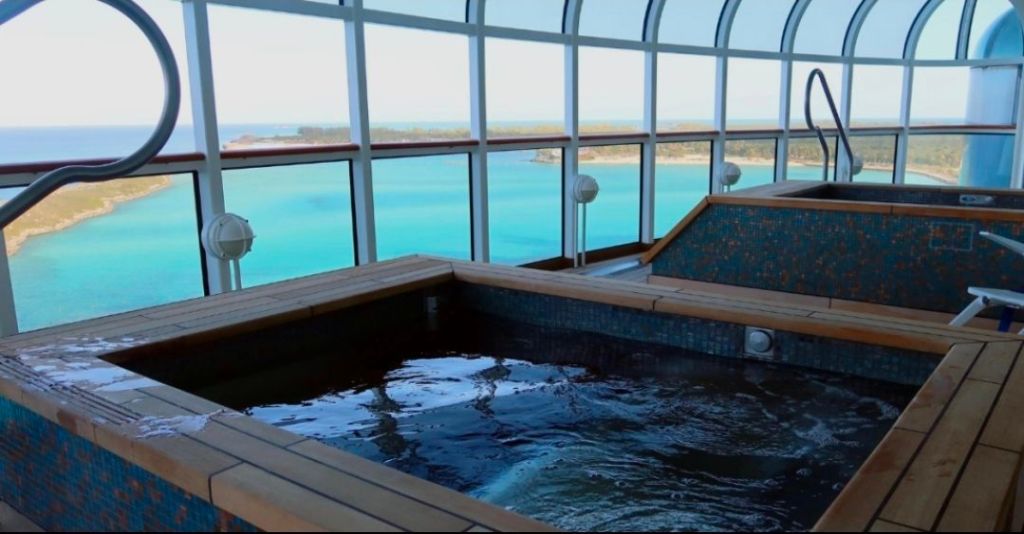
Having talked about everything I loved, there is one thing that I don’t think I’ll ever get over, the people soup that are shared spa pools. The idea of sharing warm bubbling water with strangers and imagining our shared bacteria growing is something I can’t get passed. Also, I need to see the Pseudomonas testing certificates. This isn’t a Disney specific aversion, I just don’t think I can get my head around them anywhere. Nothing is perfect.
Where can I learn more?
I was taking on my cruise as a surprise, but Mummy and Mr Girlymicro has done a LOT of research before we want, so much so they even had to delete their YouTube histories so I wouldn’t notice. All lines have different risks, so I would advise doing some research to see which ones have risks that you are prepared to engage with. For me, I’m a Disney girl and I’m yet to see information from any other cruise line to temp me into doing something different. What can I say, I’m a convert to cruising, but only under a very specific set of parameters, and if Disney ever need infection control support, all they have to do is call me.
If you want to learn more, or check out your own cruise line of choice, the CDC website that contains a lot of info:
Norovirus is estimated to cause more than 21 million cases every year worldwide and to cost the NHS over £100 million every year. Because of its impacts, there’s been a fair amount in the news related to Norovirus recently as the numbers have been up this year. I thought the timing might be good, therefore, to talk about this clever and tricky virus, and why we should care about it even if it is not likely to result in significant harm to most people.
In their recent blog post the UK Health Security Agency (UKHSA) have listed a number of reasons why levels might be higher at the end of 2024 than in recent years:
Post-pandemic changes in population immunity
Changes in diagnostic testing capabilities
Changes in reporting to national surveillance
A true rise in norovirus transmission due to the emergence of GII.17
I’ve written a post before about food poisoning and food borne outbreaks, but as Noro (Norovirus) is the queen of this particular court, I thought it was high time I gave her the recognition she deserves and explain some of the reasons they’ve listed in more detail so that the reasons might become clearer.
What is Norovirus?
So, let’s start by talking some virology. Feel free to skip this section if the technical stuff doesn’t really appeal to you, I’ll try to include plenty of context in the other sections so they still make sense.
Norovirus is a single-stranded positive sense non-enveloped RNA virus, but what is that, and what does it mean?
RNA (ribonucleic acid) – We talk about DNA being the building blocks of life but viruses act a little different as they are able to take over the mechanics of the cell/host they invade. This means they dont have to have DNA to function. Their genomes (the code for what they are) can be made from RNA alone.
RNA molecules range widely in length and are often less stable than DNA. RNA carries information that can then be used to help cells build proteins using the machinery in the host, which are essential for replication and other steps
Single stranded – RNA is frequently single stranded, versus DNA, which is normally double stranded (there are however examples of single stranded DNA viruses, such as Parvovirus)
Positive sense – Noroviruses use their own genome as messenger RNA (mRNA). This means the virus can be directly translated (tell the cell what to do) into viral proteins by the host cell’s ribosomes (cell machinery) without an intermediate step
Non-enveloped – This refers to a virus that lacks the lipid bilayer that surrounds enveloped viruses, meaning that they are sometimes called ‘naked’. These viruses are more resistant to heat, dryness, extreme pH, harsh treatment conditions, detergents, and simple disinfectants than enveloped viruses.
Noro is part of the family Caliciviridae, and human Norovirus used to be commonly referred to as Norwalk virus. As genetic information has become more available, it is now known that there are 7 common genogroups or G types of norovirus (GI – GVII), only some of which can infect humans (GI, GII and GIV).
Representative virus strains and their known carbohydrate ligands are shown in orange. Data are adapted from PLoS ONE 2009, 4, e5058.
Within these main genogroups, GI and GII contain a number of different genotypes, which will circulate at different amounts across different years and cause most of the infection we see in the population. You can also probably see that, although we use numbers to talk circulating strains, they also commonly have names, often based on the city or area where they were found. This can make everything a bit confusing, so I’ll mainly just use numbers here. This year, as talked about by UKHSA, the primary culprit is a rise in GII.17.
Symptoms/presentation
Noro is interesting as it frequently presents as something known as ‘Gastric flu’. This means that initial symptoms are often linked to a headache and feeling generally unwell, potentially with a fever. So, not just the diarrhoea and vomiting that people often think of associated with this virus.
That said, you also get the perfectly well to sudden projectile vomiting type of presentation, which is what people think of. Norovirus is the reason I once sat at a train station and vomited on my own shoes, as it just came out of nowhere. There is often a very short, intense spike in temperature, and then it is upon you. This form of intense and sudden presentation is just one of the reasons for the transmissibility of this particular virus. The lack of warning means that it is almost impossible to get away from others, and you won’t have ‘taken to your bed’ before the acute symptoms start.
It is worth noting that as well as these differences in adult presentations, presentations in young children are often also different, with more diarrhoea rather than vomiting. This means that Noro in young children can slide under the radar until adults caring for them then start to feel unwell.
The incubation period is pretty short (a couple of days), and so transmission windows in close quarters can be pretty intense. The duration of illness in most people is also pretty short, although symptoms tend to come in waves, and so it can be difficult for individuals to predict in some cases when it will finally be over. All of this is true for your standard healthy immunocompetent adult, but it is worth remembering that in both children and immunosuppressed adults, presentations, severity of illness, and length of infectivity can be very different.
Diagnosis
Most diagnoses of Norovirus within the community are going to be based on symptoms and presentation, as in most cases, any management is going to be symptom relief by maintaining fluid balance, etc. More specific diagnostics therefore only tend to be undertaken within healthcare environments, where it is important to know viral details to help inform risk assessment linked to transmission, as well as to monitor recover and inform epidemiology (what strains are spreading and if any of them are cause more severe disease).
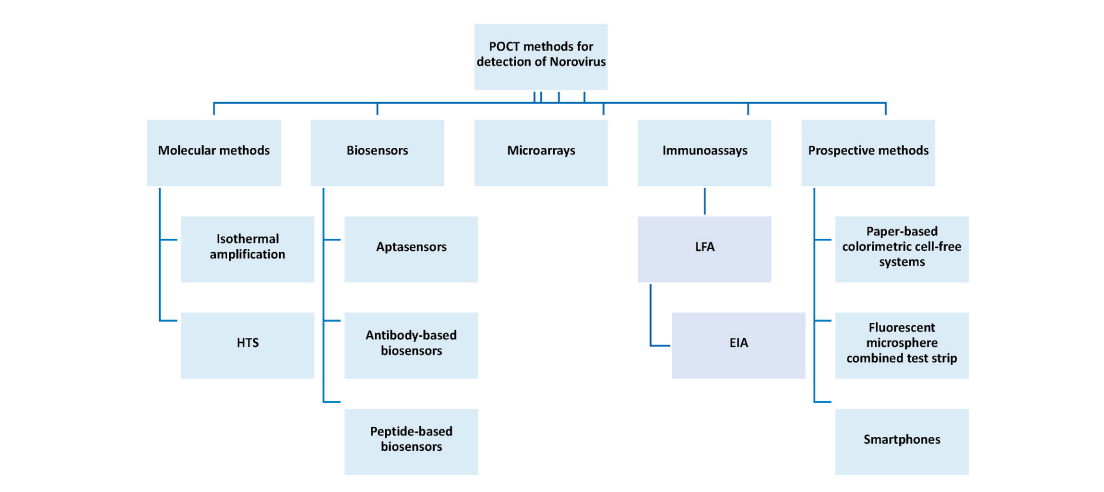
There are many possible ways to diagnose Norovirus in the lab, from routine diagnostics using molecular methods and immunoassays, to how people are looking to diagnose using Norovirus in areas like care homes in the future using smart phones and other novel methods.
Maja A. Zaczek-Moczydlowska, Azadeh Beizaei, Michael Dillon, Katrina Campbell. Current state-of-the-art diagnostics for Norovirus detection: Model approaches for point-of-care analysis. Trends in Food Science & Technology, Volume 114, 2021, Pages 684-695
In terms of immunoassays, there are a couple of commonly used tests. The first are lateral flow assays (LFA), which most of us will be familiar with in terms of the lateral flow assays used for SARS CoV2, and the principles are similar. Enzyme immunoassays (EIAs) follow similar principles but are usually undertaken in the lab with many samples being processed at the same time, allowing much more widespread testing to be undertaken.
Which diagnostic test is most appropriate depends on how frequent cases are. In outbreak or high prevalence settings, then EIA has sufficient sensitivity to detect most cases. If circulating levels are not very high, i.e. outside of the standard season or outbreaks, or in high risk settings where missing cases could have severe patient impacts, such as some healthcare settings, then most publications suggest molecular methods are the most appropriate way to test.
The molecular methods listed include isothermal amplification, with Loop-mediated isothermal amplification (LAMP) being a common method that was recognised during the pandemic for detecting SARS CoV2, and can be used outside of the traditional lab environment. I, in fact, validated a LAMP test for Noro when I was a trainee, so it’s been around for a while. The other listed is high throughput sequencing (HTS), which is a much more demanding technique requiring specialist skills and equipment, but also gains you all kinds of info, including that linked to strain and transmission data.
The most common molecular diagnostic test for Norovirus in high-risk settings is actually via polymerase chain reaction (PCR). This will usually target roughly a 130 base pair section of the Norovirus RNA genome out of the (on average) total 7500 base pairs of the virus, roughly 1.7% of the genome. This target area will usually enable differentiation between the common GI and GII species, which helps with monitoring and is chosen based on being present in all of those types in order to maximise sensitivity. Further differentiation into genogroups requires HTS but is often not needed outside of outbreaks and public health level epidemiology.
Norovirus is traditionally thought to be spread via what is known as the ‘faecal-oral’ route. That means that bits of poo and diarrhoea end up being swallowed by the person who then gets infected. This is because if someone has diarrhoea and goes to the bathroom, they will have up to 100,000,000 copies of the virus. This can then land in the area of the toilet, especially if the toilet seat isn’t closed on flushing, contaminating the surrounding area for anyone who goes into the bathroom and uses it afterwards. If someone then enters that bathroom and is susceptible to the virus, it is thought you then only need to swallow 10 – 100 copies of those 100,000,000 to become infected, and so only a very little is needed to spread the virus onward.
This isn’t the only route however. One of the issues with the acute vomiting phase of Noro is that someone vomiting can also vomit 30,000,000 copies of Noro. As the vomiting can be projectile, and come with a lot of force, this is ejected at high speed and can form what is known as an aerosol. This means the invisible vomit ‘cloud’ can hang around in the air for some time after the original vomit, meaning that anyone walking into the room where the vomit occurred for some time afterwards, or is present when it happens, can breath in the virus, and thus get infected that way.
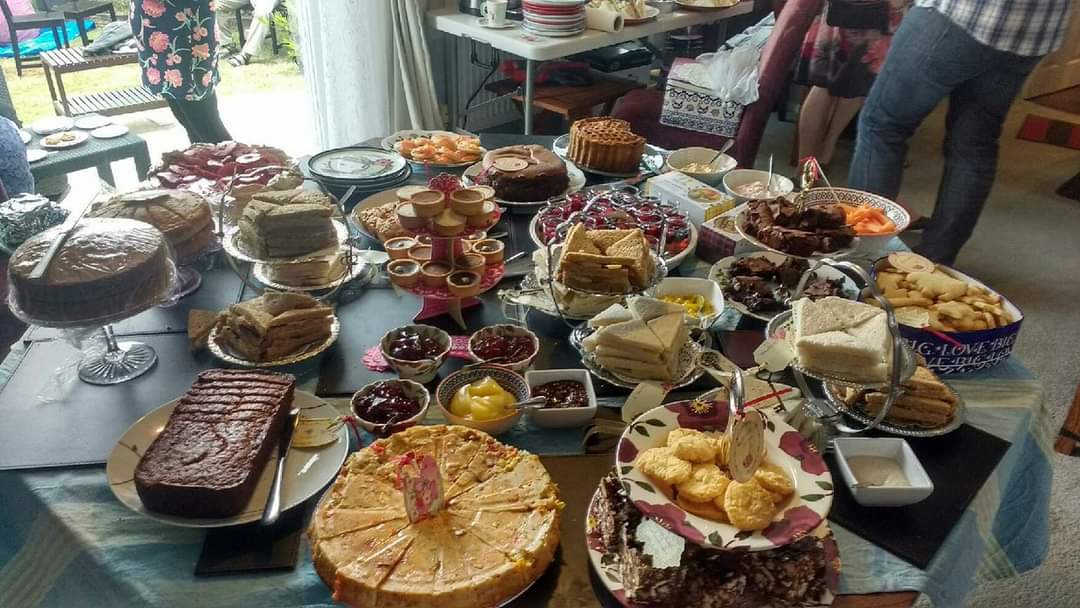
As people can be infectious for some time after they’ve had acute infection (at least 48 hours) or when they have initial gastric virus symptoms before becoming acutely unwell, spread can commonly occur due to contamination of food products prepared by those infected. The common example is self catered events, such as weddings and birthday parties, where someone made a load of food on the morning and didn’t start to feel unwell until later in the day. 24 – 48 hours later a lot of the guests then suddenly start to feel unwell. This is a route via which lots of people can get sick from a single event and is known as a point source. Hand hygiene is always key, especially so when dealing with food, but the viral loading of people who are unwell with Norovirus means that avoiding being involved with food may be the only option, as there may just be too much virus present on hands etc to remove all of it easily.
The final route to consider is indirect spread. All of the circulating virus that’s in the air or in water droplets from the toilet flush, then will eventually come down and land on surfaces. Therefore those surfaces end up having a lot of virus upon them, and the virus, as non-enveloped, can survive on surfaces for some days. This means that then interacting with those surfaces can be a transmission risk, and so cleaning, and again hand hygiene, is really key to stopping ongoin spread.
Outbreaks
As those infected can be become unwell suddenly and spread lots of virus in a short period of time, Norovirus can be difficult to contain. Once an event occurs, all of the various transmission routes mean that Norovirus outbreaks can be difficult to control, and management is based upon rapid identification of cases and, if in hospital or even on a cruise ship, restricting contact to other people in order to reduce risk of spread.
The biggest issues occur in the kind of areas where lots of people get together, high densities of people in physically confined areas. Everywhere from military training camps to schools and nurseries can be affected. As mentioned before, centres where people may present in atypical ways due to age or underlying condition can also make it more complex to contain infections and prevent spread. Hospitals have high population densities with restricted space for movement, combined with patients that are high risk as they already have conditions that impact immune function or make them more vulnerable.
Outside of traditional health and residential areas, such as care homes, cruise ships are at high risk as passengers can feel fine when they get on board and then experience symptoms in a confined space, with little room to spread out.
Even once recovered from symptoms, some of the passengers are also likely to continue to shed the virus (one adult study suggested for 182 days) and therefore some of those who get sick early on and recover may continue to be a silent source and risk for other passengers if they don’t have good general hygiene practices.
It can also be a challenge to decontaminate some of the surfaces, as they are often predominated by soft furnishing where it can be difficult to use cleaning agents with sufficient activity as Noro can be resistant to disinfection and present in such high loads it can be hard to remove. This has led to the surfaces in cruise ships being a continued risk even when all of the original passengers have departed and a completed fresh set has boarded.
Seasonality
Norovirus outbreaks are seasonal, with the peak occurring in the winter months. This is partly because, as humans, we tend to spend more time indoors in close quarters with each other during the colder months. We get together for the festive season, and because the nights draw in earlier. This means that we tend to spend more time in higher density interactions than in the summer, where we might be out eating alfresco or going for evening walks, or in my case, cocktails. We also tend to travel to other households and cook for each other as part of the seasonal festivities, which means the food borne route definitely comes into play. Finally, as temperature and humidity impact on the indirect surface route, environmental conditions mean that the viruses survival on surfaces at this time of year is probably more prolonged. Norovirus never really goes away, but the number of cases definitely spikes during the winter.
Strain variance/immunity
The UKHSA mentioned that one of the reasons that there may be more Norovirus cases around now is because one of the current predominant strains is GII.17. The chart below is linked to circulating Norovirus in China, so not the UK, but you can see, even over a few years, how the levels of different circulating strains changes, and that within years there are normally a few strains that co-circulate with a predominate strain type.
Cao, R., Ma, X. & Pan, M. Molecular characteristics of norovirus in sporadic and outbreak cases of acute gastroenteritis and in sewage in Sichuan, China. Virol J 19, 180 (2022)
GII.17 is a less common strain and so many people will not have experienced it recently, if at all. If you haven’t had GII.17 before you won’t have immunity and therefore are susceptible to infection. Even if you have had GII.17 before, one of the reasons control of Norovirus is hard is that immunity is short lived. Even if you have experiences GII.17 before, therefore, the data shows that immunity lasts for anywhere from 6 months to 4 years, and therefore only relatively recent infection is protective. Finally, there is no cross strain immunity, so if there are three circulating strains of Norovirus in a season, unless you have experienced each of them in the relatively recent timeframe, it is possible to get multiple episodes, 1 from each strain, in a short period of time.
Prevention/Actions
Norovirus particles retain infectivity on surfaces and are resistant to a variety of disinfectants. This means that not only direct transmission routes (such as person to person) but indirect transmission via surfaces can be important. Interventions therefore need to take into account all of these different routes. Some common recommendations include:
Hand hygiene with soap and water (alcohol gel is less effective as Noro is a non-enveloped virus)
Staying away from other people until 48 hours after symptoms have ceased (as you often get a second wave of symptoms which increases risk of spread)
Avoid cooking or preparing meals for other people until at least 48 hours after symptoms have ceased, and ensure good hand hygiene when you re-commence
Cleaning with disinfectants (bleach etc at home) may be required, and multiple cleans may be needed due to the amount of virus present
Time cleaning so there is enough time for any virus in the air to settle on the surface, so a re-cleaning after 2 hours will probably be needed
Avoid going into a space where someone has vomited for 2 hours if possible to reduce the risk of inhaling virus
Ensure you are aware that Noro can present with gastric flu type symptoms, headache and temperature, before gastric symptoms start, and so be weary of seeing high risk individuals if you have any symptoms present (especially those in hospitals or immunocompromised)
Due to the challenges with short lived immunity and high viral loading, you won’t be able to avoid getting Norovirus into confined areas and high risk settings, so rapidly identifying when you have cases and making sure that your interventions enable you to stop secondary spread is key. If you get sick, stay home, ensure you keep hydrated, and don’t let the virus fool you into thinking it’s done when you are feeling that little bit better on day 2, it’s Noro’s way of tricking you into going back out into the world an spreading it further. The queen of the gastric viruses is super clever and so we need to be even smarter to prevent her spread.
This month is the start of a painful re-entry into normal life. Normal life in terms of work demands, normal life in terms of commuting and normal life in terms of getting back to not eating party food and leftovers for at least 50% of our meals. Now, mummy Girlymicro, Mr Girlymicro, and I have done our fair share of celebrating over the last few weeks, including eating out at large catered events and throwing our own parties for friends. Clinically, norovirus is now giving us its cyclical peak, and there was also a lot of food related outbreak news over the holidays. I thought, therefore, that I would start this years IPC related posts with one on foodborne outbreaks and the kinds of organisms involved.
Food related sickness and outbreaks can be caused by a number of different microorganisms and through a few different routes. The two main routes are infection and intoxication, and these are related to the organisms that tend to be the causative agents. The foods that are linked to these routes are also different, and if investigating can give you an idea of what you might be looking for, especially when combined with presentation, both in terms of clinical symptoms and speed.
Infection vs intoxication
Intoxication based food poisoning is usually linked to rapid onset symptoms following the ingestion of the food i.e. a matter of hours. This is because the symptoms aren’t related to an infection based process, where symptoms are linked to the invasion and replication process of the organism. There are two main types of toxins, heat stable and heat labile toxins. Heat stable toxins can be problematic, as once present in food these cannot be removed purely by re-heating to an appropriate temperature. Heat stable toxins, such as those produced by Bacillus cereus, are produced when the bacteria are present, hitting the right temperatures then kills the bacteria but the toxins remain. This process can be exacerbated when foods are not rapidly chilled or are left at a temperature where the bacteria could grown, there is therefore a prolonged period when toxins could be produced. Toxin related food poisoning (intoxication) can be caused by both bacteria and fungi.
Infection based food poisoning is linked to the ingestion of the organism itself, and presentations are therefore usually delayed as the organism needs to infect the gut mucosa. Many organisms that produce toxins can also cause infection related symptoms if present in high enough loads, and if suitable temperatures for bacterial kill are not met. Infection based food poisoning can be due to viruses, such as norovirus, parasites, such as E. histolytica, as well as bacteria, and the risks are often related to food hygiene efficiency as well as production factors.
Patient management
Most food related illness self resolves and management is mainly focussed on maintaining hydration and electrolyte balance. There is usually a requirement to undertake a minimum isolation period of 48 hours post symptoms in order to prevent any ongoing risk of person to person transmission, even if the original acquisition is thought to be via a food related source. Isolation may need to be prolonged in relation to certain groups because of the risk of ongoing to spread to others, either through personal hygiene awareness or through work based activity.
Recommendations for the Public Health Management of Gastrointestinal Infections 2019: Principles and Practice has a lot more detail on the main organisms associated with foodborne illnesses and some of these requirements for isolation. I’ve attached a copy below, but the link is also here in case it’s useful.
If symptoms continue for period of a week or are especially severe it may be necessary to take samples in order to identify a causative organism in order to support patient management. When taking a patient history it’s important to capture any patient specific risk factors (see below section on risk groups), travel history, recent event attendance history and details of hobbies (such as preserving) that may impact of food ingestion patterns. Additional individual management options can include antimicrobials (antiparasitic or antibacterial) and for non-bloody diarrhoea without fever antidiarrheal agents.
How do these organisms get into food?
Organisms can get into food from numerous sources. They can be present in the environment in which the food comes from, such as manure that is used to fertilise salad plants can contain organisms, like E. coli, even more so if human waste is used. Food, such as oysters, can be contaminated as part of their life cycle as filter feeders if they are growing in an environment where they are exposed to animal or human waste, and so can harbour organisms like norovirus and become highly loaded. Food can also become contaminated as part of the production or manufacturing process, contaminated from other items that are produced in the same facility, contaminated from the processes, such as the water or preservatives utilised, or from failures in the preservation process that would normally have removed organisms that are naturally present linked to food.
Organisms can also come from the humans involved in the process. Those manufacturing or handling the food may be carrying or infected with organisms, whether symptomatic or not. A Staphylococcus aureus colonised person making sandwiches may contaminated the food they are making. An asymptomatic norovirus infected canteen worker could expose those being served food by unwittingly contaminating food and/or serving implements. In the case of bacteria, low level contamination from those producing the food may then be able to grow up to levels where ingestion results in symptoms if the processes are not well enough controlled.
Food processing and manufacturing
Most food preserving techniques aim to ensure that if contamination occurs during production or manufacturing it is not able to replicate to the point where the organism would cause symptoms in those who ingest them. Many preserving techniques aim to control organism survival or replication/loading via either temperature, cell lysis/resource availability or both. There are two main groups of techniques, either physical or chemical.
Some of these processes are more prone to risk of failure than others, both depending on the process and where is it being undertaken. When undertaken in food manufacturing, these techniques are usually undertaken under highly controlled conditions using the HACCP process in order to manage some of this risk variance:
Food preparation in the home
Obviously, none of us are following HACCP processes when we are preparing food at home, that doesn’t mean that there isn’t any risk to home cooking. One of the hazards linked to cooking at home can be the home environment itself. I’m still aware of people who wash out chicken or turkey cavities in their kitchen sink, unaware of the droplets that are produced and how they can then deposit on other surfaces, which are now contaminated whilst appearing visibly clean. Other hazards can link to the fact that most of us don’t have access to rapid (blast) cooling, and therefore when cooking big batches of food and putting in the fridge, the cooling process may not be fast enough to prevent bacterial growth. Also, in terms of equipment, I work in IPC and I’m a bit of a control freak so I possess things like meat thermometers, in order to ensure that meat has reached appropriate safe temperatures. I am aware that not everyone lives in this particular world, and so may not have some of these pieces of kit lying around.
Most of the time if you end up preparing food less well at home the consequences are non-ideal but not massively serious, however, if you have an ‘at risk’ member of your household or visiting then it becomes more important to focus on controlling these risk, both through the food that is brought and how it is prepared.
Food preparation (catering)
We’ve already talked a little about the HACCP processes that are put in place to control risk in formal settings. Catering can be a tricky area of risk, even if undertaken by professionals. It is one thing to undertake catering in your restaurant or a space you work in all the time. Catering however, is often undertaken in sites that are not the ‘home’ of either the professional or the average person. Catering equipment can be hired to serve food in church halls, for weddings or other special events. It can also be undertaken on beaches, in forests and other remote locations with variable levels of power to support refrigeration. This can mean that control processes, such temperature control, are undertaken in atypical ways, such as temperature control using ice packs, which will have variable efficiency depending on external factors, such as ambient temperature.
Home catering for parties also brings risks. I love to throw an afternoon tea party for charity, but that means that I am suddenly trying to put waaaaaay more in the fridge than I normally would. Food may be out on a table for a number of hours. Some of the food may also be high risk, such as cheese or smoked fish, and it will be next to less high risk foods. Also, if you are not used to prepping food for large groups, you may inadvertently increase risks by the order in which food it prepped. That is without the risk of people bringing food to contribute to yours which you don’t know the origins of, or people picking up food with fingers and therefore increasing risk of spread if they have anything onboard.
Food storage
Once all of that catering is done, you are then left with a decision, what do you do with all the food that is left? Do you then try and shove it all in your fridge or freezer? Do you give it people to take home in Tupperware pots? How much have you taken into account the length of time that food has been non-temperature controlled? What does that do to the use by? Is everyone aware of any re-heating requirements or the dangers irrespective of re-heating of intoxication?
Issues with food storage are true not just for party catering, but also for batch cooking, something a lot of us are doing more and more of now the weather is colder and because food it more expensive. Foods like stews and rice dishes, which are high risk for intoxication, are also the kinds of foods that fulfil a lot of batch cooking requirements. It is really important to bear these risks in mind, ensuring rapid cooling and that temperature is monitored appropriately.
This also extends to ensuring that even dry goods are stored appropriately. We’ve all been there when we’ve found the pack of spice that 15 years old. Spices, canned goods and other preserved food have been identified as the source of outbreaks, and even when originally in good condition can become a risk if not well maintained, such as dented cans or if moisture has gotten into packets.
What kind of incidences are we talking about?
Over the Christmas period there have been two well publicised food related outbreaks, one linked to E.coli in cheese and one linked Cronobacter sakazakii (previously Enterobacter sakazakii) in infant formula.
BBC News – One dead after E. coli outbreak linked to cheese
This outbreak was linked to the presence of STEC toxin producing strain of E. coli. This leads to an intoxication that can impact of kidney function. Although not stated, elsewhere it was reported that the cheese may have been made from unpasteurised milk, removing one of the stages used to control organism risk in food production.
Advice for individuals from UKHSA included:
“Washing your hands with soap and warm water and using bleach-based products to clean surfaces will help stop infections from spreading. Don’t prepare food for others if you have symptoms or for 48 hours after symptoms stop.
“Do not return to work or school once term restarts until 48 hours after your symptoms have stopped.”
The other recent recall was linked to possible contamination of infant formula detected at manufacturing. Formula feed outbreaks linked to Cronobacter sakazakii have been noted in the past, with a large outbreak in France being the last large scale event. Infection does not just lead to GI symptoms but is associated in some patients with presentations such as blood stream infection and/or meningitis.
The formula included in this recall is mostly used in healthcare or is prescribed to individuals. This makes it critical as it is likely to have been given to an ‘at risk’ population. Milk related contamination is particularly challenging as heating impacts the nutritional content of the milk and so use of thermal risk reduction is not straight forward. Some hospitals, such as the one where I work, undertake an additional step, pasteurisation, for any formula feeds due to be given to high risk infants because of this well acknowledged risk in order to support infection risk reduction.
BBC News – Baby formula recalled over bacteria contamination fears
Current and Future Perspectives on the Role of Probiotics, Prebiotics, and Synbiotics in Controlling Pathogenic Cronobacter Spp. in Infants October 2021 Frontiers in Microbiology 12
There are obviously multiple examples every year of foodborne risks linked to contamination at source or HACCP failure, but these are the ones that have been most recently featured in the national press.
Are any groups at higher risk?
Although food related infection or intoxication can impact anyone, certain groups are more at risk of significant symptoms requiring treatment or are more at risk linked to certain organisms in terms of presentation. These groups are your very young, very old, the immunosuppressed and pregnant women. The very young and very old are more likely to need support linked to dehydration, and all 4 groups are likely to be less able to mount immune responses to invasive infection. The immunosuppressed and pregnant women have specific guidance linked to avoiding high-risk food groups because of severity of impact if infection occurs.
One particular organism linked with significant infection risk for pregnant women and the immunosuppressed is Listeria monocytogenes.
Microorganisms 2022, 10(8), 1522
Listeria crosses the gut wall at locations known as Peyer’s patches, and from there invades lymph nodes and blood. Once in the bloodstream, it can progress to cause meningitis/encephalitis by infecting the brain. In pregnant women it can also cross over into the placenta, where it can cause infection in the foetus/unborn child. Foodborne listeria outbreaks have been associated with a wide variety of foods, but are often linked to preserved foods and cheese.
There are a number of stages to investigating foodborne outbreaks. Initially, there will need to be some sort of flag to suggest an outbreak event. This is usually a number of people attending GPs or A&E linked to a single event, an uptick in samples positive for a specific organisms that is noted through lab reporting, or any cases of specific reportable organisms which will then get followed up.
Depending on the circumstances, a combination of the following steps will be undertaken:
Patient questionnaire (case)
Questionnaire of those who attended the same event but did not get sick (control)
Sampling and microbiological testing of possible implicated food, if still available
Sampling of the production environment, such as factories or restaurant kitchens
Investigation needs to be undertaken to identify the target food or batch as most production facilities will make more than one kind of food and will have multiple batches. If the outbreak is linked to a specific event, multiple types of party or other food is likely to have been available. Getting more information about what those who got sick ate vs the others enables you to narrow down what the culprit might be.
Once you have your questionnaires, it’s time for a little bit of stats. This enables you to calculate something called the relative risk for the cohort. The cohort being all those people who were at the same event, ate at the same restaurant, brought food from the same factory etc. This will include those who became unwell and those who did not. For each type of food or batch you can calculate a ratio of the risk of disease (infection/intoxication) in people who have been exposed (ate that food) compared to those unexposed (decided that food was not for them).
You then get a list of risks for different food types eaten. So if the following food was available at our event you can then undertake the calculation:
pigs in blankets
mini fish and chips
turkey and stuffing roulade
mini pavlova (with cream)
cheese pinwheels
If the number if >1 then it indicates and increased risk, if RR = 1 then it doesn’t impact on risk, and if RR <1 then there is a risk reduction. So in the case of our party food:
pigs in blankets RR = 1
mini fish and chips = 0.98
turkey and stuffing roulade = 1.73
mini pavlova (with cream) = 1.1
cheese pinwheels = 0.99
In conclusion………the turkey probably did it!
I hope that’s helpful, I know there’s loads more that could be covered, and if you are interested in anything in particular drop me a comment and I’ll see if I can post a follow up. The main take away is that there are multiple organisms that can cause foodborne infection/intoxication, and whether it’s home or out and about we can all be impacted. For most of us, it’s an unpleasant but low consequence event, but there are are people and populations where the outcomes can be much more severe. So, if you’re ever asked to complete a questionnaire please do so, and don’t ignore those news articles that tell you to throw an item away as it’s not a risk worth taking.