Paralysed by Career Indecision? My top tips for career development after a PhD

This time of year is always special to me. Not only do I adore all things Christmas, but 10 years ago on the 10th December, I passed my PhD viva, and so it holds some pretty significant memories.

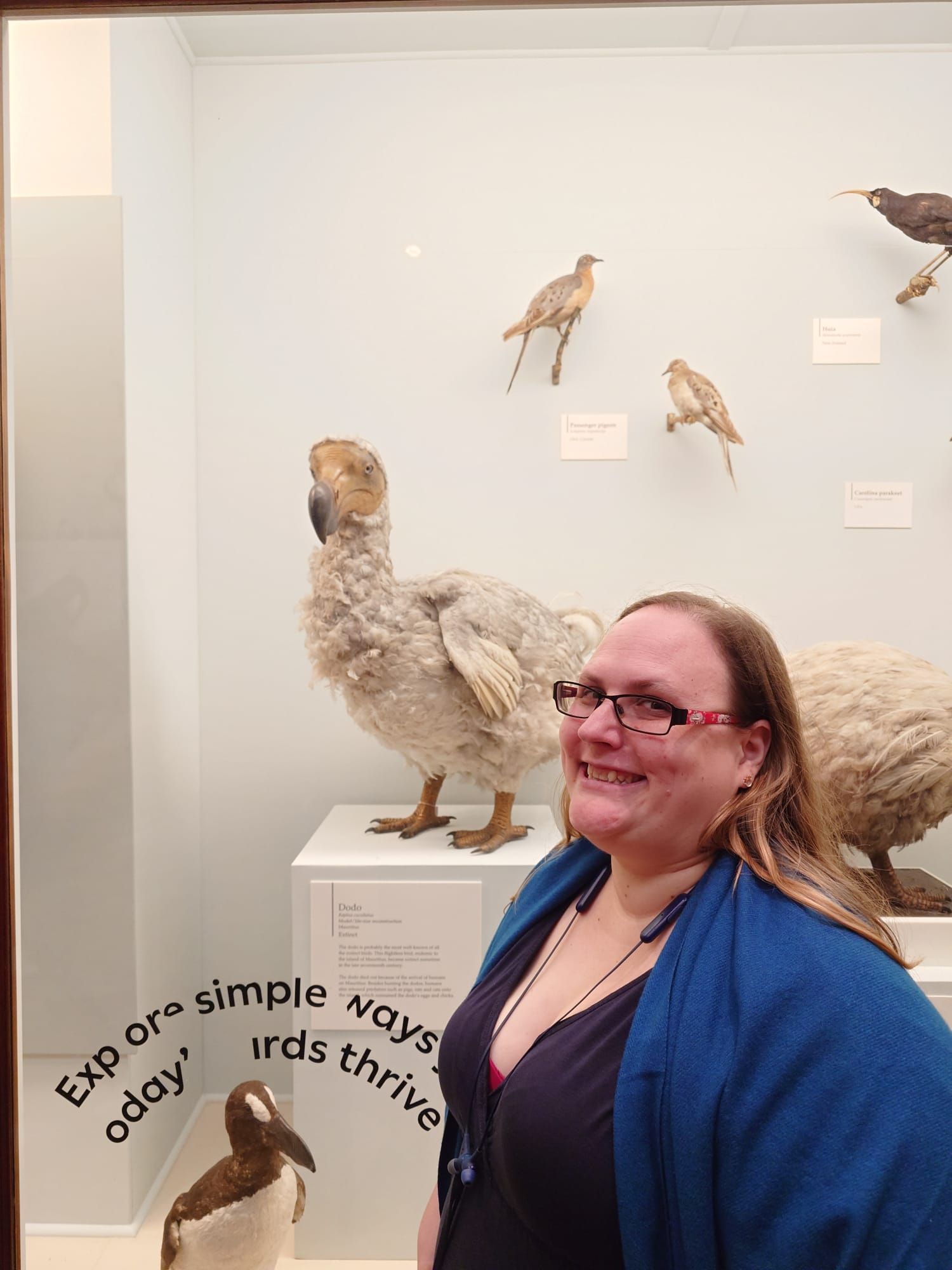
The thing is, and what I did not fully realise in the moment when this awesome photo and meme were made by Mr Girlymicro, was that although it felt like the end of something, it was really just a brilliant beginning.

Now, I say a brilliant beginning, but since this picture was taken there has been my fair share of being lost in the wilderness. There has been a chunk of self-doubt. There’s been plenty of agonising about career decisions and next moves. When you are working towards a PhD, although challenging, the end point is clear and there’s plenty of sign posting along the way. When working towards a career, all of those things are much more amorphous, and it’s much harder to know whether the decisions you are making are either right or significant, in any given moment.

In light of all of us I thought, to celebrate being 10 years on, now might be a good time to share some of what I’ve found to be helpful in navigating the forest of decision-making that comes with entering your post doctoral era.

Take time to know yourself

When you finish any big piece of career development it is both joyous and, for me, confusing. You have been running head long towards a goal for years, laser focussed on crossing that finish line. If, like me, you focus so much on the target you forget to think about what comes next, the end can actually be quite jarring. So, I think it’s actually important to build in time to review throughout the process if possible, but definitely at the end. Which aspects did you really enjoy and would like to ensure you include as a priority in any future career planning? Which bits did you not enjoy? Can the bits you didn’t enjoy be avoided or reduced by making decisions linked to next steps? Bearing in mind we all have bits of any job we don’t adore…….If the bits you dislike are a feature of academia, then maybe also think more widely about where your science might fit.

Another thing that it is worth doing, is really taking some time to map and focus on your skill gaps. The great thing about entering a different career phase it that it is an opportunity to really re-invent yourself and re-set. The next thing you do, science wise, after a PhD might actually be pretty different. Choosing a post doc is an opportunity to take all you’ve experienced during your PhD and use it make a more informed decision about your future. It may be that you, for example, had never had the opportunity to undertake bioinformatics before your third year, and now it really interests and inspires you. What skills would you need to develop to have this as a more dominant feature in your career? What further experience do you need to make you competitive in the job market? Then use this reflection to make informed choices when you are developing your next steps.

The final thing to really take some time to review will be your personal priorities. I don’t want the same things now that I did in my twenties. To be honest I don’t really want the same things now that I wanted before the pandemic, my priorities have definitely changed. When you reach the end of a big career stage it is worth doing a piece of reflection, as you may have been working towards something for a period of years whilst life went on around you. I’ve had plenty of friends who were super career focussed and then reached a point, post 1st post doc, where their priorities changed and they wanted to focus more on their families for a while. Giving yourself some time to decide what work life balance looks like for you, and what your priorities are, will mean you maintain yourself as well as your career along the way.

Foster the old

It can be tempting, especially if you didn’t have the greatest experience, to walk away from everything linked to what you’ve just completed, like a PhD, into the sunset and never look back. Some people have great PhD experiences, some have awful ones, and most people have a time of both highs and lows. No matter how tempting it is to close the door on this chapter of your life this is my plea to you to consider maintaining those links. You will have spent years working in an environment where you will have invested in networks, relationships and learning. Utilising that foundation, even if not all of it, to support your next steps is one of the best things that can come out of your PhD. It doesn’t have to be via your supervisor, but through the peers you bonded with, or even other academics you encountered during the way. Invest a little in making sure that you don’t lose the things you have already put a lot of energy into when you start to move into something new.

Find your people

Now, having said about maintaining the old, we all know people who’ve clung so tightly to where they’ve come from that they never really move forward. This is also not great. You’re entering a new phase and you can’t truly maximise on the potential of that if you carry over too much of where you’ve been. If you want to continue to thrive, this is the time to expand and find your new tribe.

This can be an intimidating time but there are often routes out there within your organisation that really support you in doing this. I would advocate that, during any career transition phase, it is worth taking some time to see if you can find a mentor or get access to coaching, in order to help you through the reflection and to maximise the opportunity.

A key early focus should always be to get out there and start making your own connections, building your own relationships, and start stepping into that independent researcher space. Mentorship can really help with this, as its an intimidating thing to need to do, and it’s important to not shy away from. If you are not the best networker, like me, one of the things that I found really helpful for this was joining and becoming an active participant in professional bodies/societies or other opportunities that may exist within your organisation. This provides an organic way to meet people and build relationships, whilst also undertaking activities that interest you and service your CV. The people I met early on are not only my colleagues but many are now my friends. They are the people I call who keep me sane. So it’s time well spent.

Be prepared for the studying to continue

You reach the end of your PhD and most of us say that’s it, we are never studying again. Then, within a fairly short time, reality makes a liar of us all. If you want an academic career then the studying will continue. There will be a need to become a better educator, as well as researcher, with things like working towards Fellowship of the Higher Education Academy (FHEA) to support how well you teach, and ensure you remain competitive in the job market. There are always new techniques and specialist skills to pick up, and I would make a plea that we could all do with spending some time on developing our communication skills. I’m talking everything from grant writing skills, to media training and public engagement skills. No matter how little you think you need some of these things, you will always need them more than you predict. The added bonus is that they will also beneficially impact on other parts of your work, for instance things like public engagement skills make your general presentation skills better.
Throw your hat into the ring often

We all have moments of high and low confidence. One of the things that I’ve learnt is how important it is to notice and acknowledge whatever period I’m in, but not let it impact my activity, as how I’m feeling personally does not really alter my chances of success on any given thing as that it usually linked to external factors. It is also easy to not be applying for grants and other things if you are in a comfortable place, because you have funding etc. The thing is, the most important thing, for both your CV and your development is consistency. You won’t get better at writing grants, papers etc if you aren’t doing it, so even if you don’t ‘need’ to do it as you have funding that doesn’t mean that you shouldn’t. You may choose to apply for a public engagement or development grant instead, but you should still do it.

The same is true for throwing your hat into the ring for roles and other opportunities, you often don’t know where they will lead you, but if you don’t do it you’ll never know. Practice makes perfect, and you won’t always succeed in the moment, but the experience gained will always stand you in good stead.

Learn how to process failure

I’ve posted plenty about failure before, and why I actually think I’ve learnt more from my failures than my successes. The truth of it is that academic feels like it is 80% failure and rejection, and it is, if you only focus on the outcome instead of the process. The learning is in the experience. In producing the work. So yes, by throwing your hat into the ring you are opening yourself up to a lot of failure when it comes to outcomes, but there is a lot less uncertainty linked to the fact that you will develop as a consequence. Each of us has to come to terms, and find a way of thinking about and dealing with the outcome failures in a way that supports our personal thinking and processing. Yours is likely to be different to mine, but investing some time working out how best to manage yourself in these moments will be ones of the best investments in time you can make if you want to maintain an academic career.

Practice all forms of communication

I’ve mentioned this a little all the way through, but I’m going to re-state it here as it’s important. Take every opportunity you are offered to practice and improve your communication skills. Every chance to write a lay summary, or patient information leaflet. Every chance to present, small or large, no matter how terrified you are. Every opportunity to copy edit someone’s grant or paper. Every chance to be on an interview panel, or review committee. All of it will enable you to see how other people communicate and find new ideas for things you like, or get you to put your research dissemination in a new way to a different audience, and therefore be able to see it in a new light. The only way you get better at any of this stuff is by putting in the hours, there are no short cuts.

I’m not the best writer, but it’s not about skill, it’s about putting in the time and practicing. I write every week, and hope that I get better by doing so. Some people may have an initial talent, but even they need to do the work. So take every opportunity you can to develop your skills early so that you can maximise the benefit during your career.
Don’t be tempted by rabbit holes

Coming out of something, like a PhD, where the your focus has had to be on a single very defined goal, it can be tempting to approach the next phase of your career in the same way. I don’t think it hurts to have focus, to have your list of gaps to address, and the things you’ve identified that you want to include and prioritise. I also want to state here that unlike your PhD phase, you might want to consciously keep the next phase broad and ensure that you maximise your opportunities to try and experience a breadth of options. Not just to help inform future decision making, but also because, as I’ve posted linked to making professor, you can’t progress on the basis of one area of interest alone. You may be an amazing researcher, but you also need to know how to communicate your research. You may be a wonderful teacher, but you also need to develop your strategic awareness skills in order to understand how best to navigate the system you find yourself in. Be aware of your future career needs and make sure you don’t close doors without realising it by failing to maintain and grow across development areas, and know how much these areas cross support each other to make you the best scientist you can be.
Be prepared to be flexible

I’ve discovered that pathways are never as direct as I once believed them to be, and I have previously struggled to be kind to myself in understanding that the most direct path is not always the correct one for me. I failed to see the joy in the diversions for a long time. Looking back on it though, this diversions and deviations have frequently ended up in giving me the experiences and opportunities where I’ve learnt most about myself or gained most in terms of career progression. Being open to the less travelled path can reap unexpected rewards. Being open minded when presented with choices, and sometimes over looking short term gain, can have great career benefits in the long term.

Sometimes this flexibility is also about allowing yourself to choose to prioritise your personal priorities at times over career ones. It can feel like, if you are making a choice, it is a permanent closing of a door but more often than not it is a choice you are making for right now based on what works for you. Being mindful of when choices are permanent or for ‘right now’ can be really helpful in evaluating next moves. Also, knowing that your choices are about you and what’s right for your life, and not listening too much to outside distractions can be helpful. It may be right for you to move into industry, to step back from clinical, to move into strategy or policy, only you can judge. There can be perceived judgement linked to leaving a standard academic path, but career paths are so much more diverse and flexible than they used to be, and so we should not just accept but embrace the freedom that creates.
Define yourself, don’t let others do it for you

The truth is, if you don’t define yourself you will be defined by other people. It is natural for human beings to want to put each other into boxes, that’s how we process and see the world, but you need to step up and choose which boxes are right for you and not be scared if they are perceived as different or unusual. Knowing how to communicate who you are, your unique selling points, and almost developing your own brand, can also help others understand and support you.

If others start to define you it can be easy to become a passenger in the early stages of your career, and then once you’ve established yourself enough to know who you are you’ve travelled down a path that takes time to re-set. Being able to communicate your values, beliefs and core vision, is essential in so many different interactions, be they in your personal or professional life. Doing this well means you are less likely to swayed or worse mis-labelled, leading you to end up somewhere that is out of alignment with who you are and where you want to be. This path leads to unhappiness and real issues with career satisfaction and fulfilment. Don’t be a passenger in someone else’s story, or an imitation of someone else’s aspirations, work hard to ensure you are the leading character in your own life. That is the path to real satisfaction in your career and supports you finding the happiness you deserve in your day to day life.

All opinions in this blog are my own

If you would like more tips and advice linked to your PhD journey then the first every Girlymicrobiologist book is here to help!

This book goes beyond the typical academic handbook, acknowledging the unique challenges and triumphs faced by PhD students and offering relatable, real-world advice to help you:

  • Master the art of effective research and time management to stay organized and on track.
  • Build a supportive network of peers, mentors, and supervisors to overcome challenges and foster collaboration.
  • Maintain a healthy work-life balance by prioritizing self-care and avoiding burnout.
  • Embrace the unexpected and view setbacks as opportunities for growth and innovation.
  • Navigate the complexities of academia with confidence and build a strong professional network


This book starts at the very beginning, with why you might want to do a PhD, how you might decide what route to PhD is right for you, and what a successful application might look like.

It then takes you through your PhD journey, year by year, with tips about how to approach and succeed during significant moments, such as attending your first conference, or writing your first academic paper.

Finally, you will discover what other skills you need to develop during your PhD to give you the best route to success after your viva. All of this supported by links to activities on The Girlymicrobiologist blog, to help you with practical exercises in order to apply what you have learned.

Take a look on Amazon to find out more
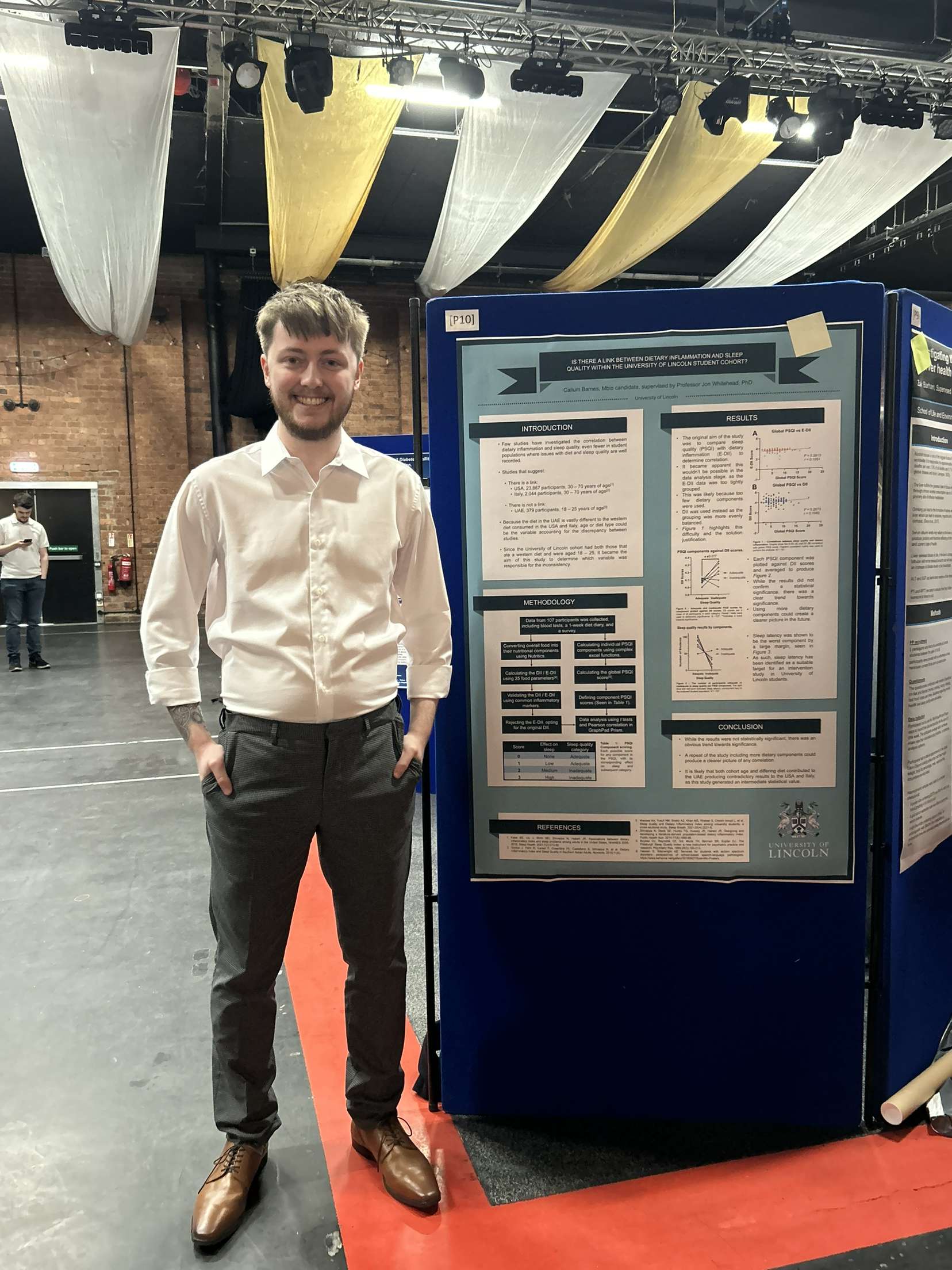
Guest Blog by Callum Barnes: Why the university lab is different to the pathology lab (and why we should plug the gap)

I’m back from a lovely week away at Disneyland Paris, celebrating Christmas and escaping reality (a post on Disney and denial as a coping mechanism is on its way). Whilst I am still struggling with the return to reality this weeks blog post is supplied by the wonderful Callum Barnes. Callum is a disciple of the biomedical sciences, current masterโ€™s student creating a more authentic lab experience for those after me, aspiring consultant microbiologist (the best discipline, sorry Claire – you see he understands, like me, that micro will always trump immunology).

Callum is supervised by Dr Claire Walkerย who is a paid up member of the Dream Team since 2013, token immunologist and occasional defector from the Immunology Mafia. Registered Clinical Scientist in Immunology with a background in genetics (PhD), microbiology and immunology (MSc), biological sciences (mBiolSci), education (PgCert) and indecisiveness (everything else). Now a Senior Lecturer in Immunology at University of Lincoln. She has previously written many great guest blogs for The Girlymicrobiologist, includingย oneย on turning criticism into a catalyst for change.

Two years ago, I began a placement year in the microbiology department of a pathology lab, unsure of what was to come, and unsure of myself and my skillset as a scientist. As I think every scientist feels at some point, I was mostly concerned that I would be a hinderance to all the wonderful staff that were just trying to get on with their jobs. Everyone was amazing though and helped me develop the skills and confidence I needed to successfully complete my IBMS portfolio verification. Returning back to university for my final year, I found the lab-based work so much easier than in my second year with my experience, butโ€ฆ something was different. This wasnโ€™t the same stuff I just spent the last year working on, where was the LIMS? The booking in of the samples, the investigative process and the, frankly, the occasional chaos were missing. Thatโ€™s not to say the labs werenโ€™t good – they were great – and the staff that developed and ran them miles better, but something felt like it was missing. And thatโ€™s when my now supervisor Dr Claire Walker came to me with a project for my Mbio year.

Claire and I both have experience in the NHS, herself a lot more than me, but we have both felt and experienced the environment that a pathology lab has. It has a very unique feel to it, slightly alive in my opinion. This is not a very common experience to have in academia though as most academics have a research background, which means that the practical pathology side of things can sometimes get lost when students do their practical work. As such, Claire and I have been working on creating a lab experience that is as authentic to an NHS pathology lab as possible.

But why even bother? The students are learning the same things, just in a different way, so does it really matter? Well in fact, yes, it does! As Claire has said previously, the pilot study she did had very good results, so the data is there to back up our work. But imagine for just a second that you are looking at applying for medicine, and you have two offers. One university offers a fully simulated experience using manikins and actors โ€“ the whole shebang. And the other university teaches mostly through theory and shadowing โ€“ no practical experience is offered. I know which course I would enjoy and learn the most from. Medical schools know this too and is why most of them offer simulated teaching โ€“ it makes for better doctors too.

So, we should really ask, why isnโ€™t this offered for biomedical scientists? Maybe itโ€™s cost, maybe there isnโ€™t the associated prestige. Whatever it is, I am sure that our work will guarantee a truly authentic clinical laboratory experience here on the iBMS accredited course at the University of Lincoln โ€“ something I know will provide the right skills for the pathologists of tomorrow.

All opinions in this blog are my own

Lions and Tigers and Bears, Oh My! A flash back in time to re-visit my zoological science origin story

Back in the mists of time, before she really knew what microbiology was, there was a girl who just knew that she liked science. Now, this girl had a father who liked physics, a sister who liked chemistry, and a brother that liked both. This girl was not particularly found of mathematics however, and chemistry was a foreign language, and so she starred in the lab and wondered,’What kind of science is right for me?’.

I have previously posted about having missed so much school and not really being prepared to go to university. I didn’t, therefore, have exactly the most normal build-up to uni as I didn’t think it would happen. In a rather spectacular science irony, when it suddenly turned out I might be able to go, I just hadn’t done my research. I didn’t have much of a clue what my options or routes to a scientific career might be. Hopefully if past me found my how to be a scientist blog it would be a useful starter for 10. In my defence, at least I acknowledged this, and so I chose a degree that allowed me to specialise after my 1st year, when I would have had time to try out a few potential options.

One of the other things I should probably admit at this point, is that lab work terrified me. I hadn’t been in the class room when people were shown how to use microscopes or pipettes, and I was just too embarrassed to ask as I already felt both stupid and so behind everyone else. I’d done very little lab work as I’d missed most of my 5th year at school, and during my A-levels I had to undertake condensed study to make sure I had enough points to go to uni. So the idea of spending a lot of time outside a traditional lab space definitely held appeal, as it felt like I was finally starting at the same point as everyone else.

So this girl finally chose her specialty and worked super hard to be accepted onto the zoology course.


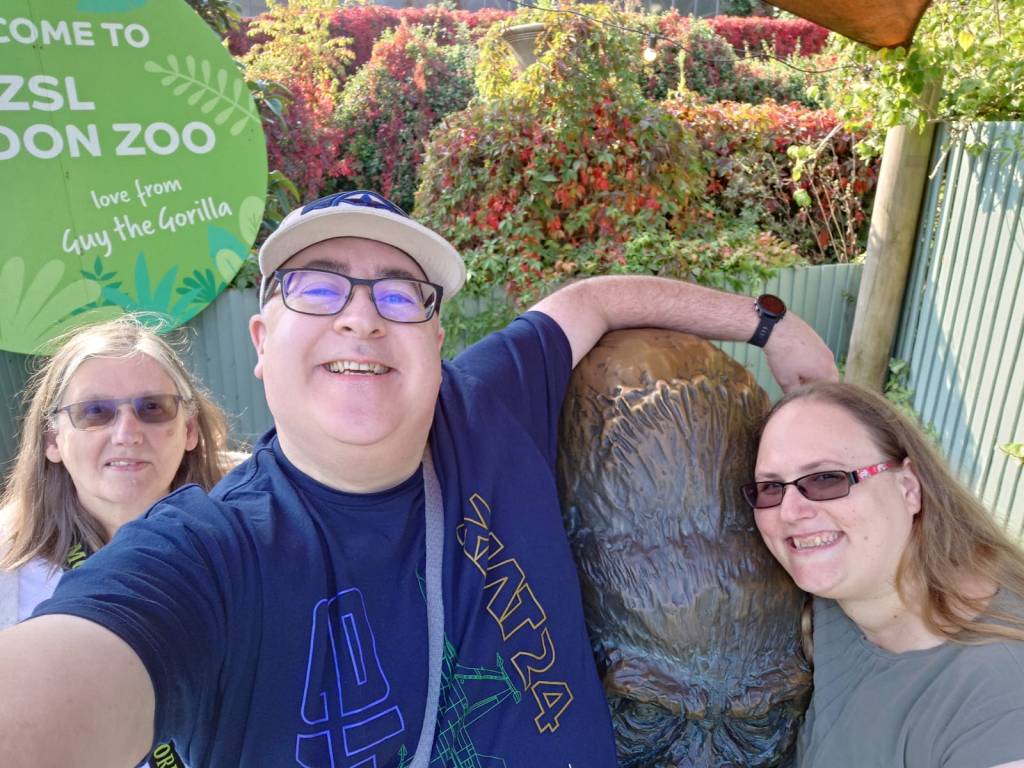
All of this feels like a different world at this point, over 20 years on. As some of my team love to point out, I started uni when they were still at primary school (1999). These years were so formative however for how I developed as both a scientist and a person, I was so excited to be able to revisit the subject when I spent a night at ZSL London Zoo with Mr and mummy Girlymicro and remind myself of days of science past.

What is zoology anyway?

When you say Zoology, I suppose the first thing that springs to mind are zoos. Now, you may find quite a lot of zoologists in and around zoos, but this is actually just one place place where the study of Zoology happens. In fact, zoology is so much more than the study of animals in zoos. It is, in fact:

The scientific study of the behaviour, structure, physiology, classification, and distribution of animals

I was aware that the area of animal behaviour really interested me. It was something that I’d touched on during psychology A-Level, and that then extended into human behavioural modelling with things like group decision making. Comparison of group behaviour between primates and other animals and how attachment develops between adults and infants was something that I found fascinating. This was, for me, the gateway that made me think about choosing Zoology, but there was so very much more to it than I knew at that point.

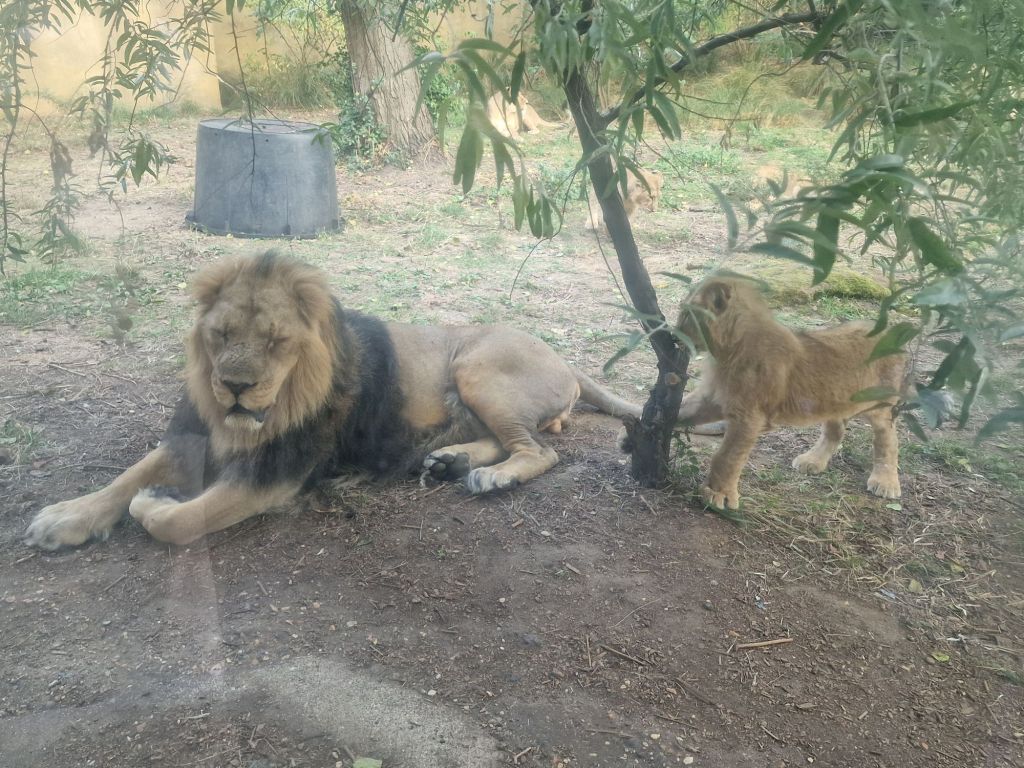
Because of this, when we arrived to spend the night at London Zoo, I was particularly excited as the lion enclosure had just welcomed three cubs, one girl and two boys. Mali and Syanii and girl Shanti were born at London Zoo on 13 March 2024ย to seven-year-old mum, Arya, and 14-year-old dad Bhanu. The first thing we got to do was to spend some time after the zoo had closed watching them at their most active, as it was evening, in a small group with one of their keepers. We got to drink prosecco, take all the photographs we wished, hear a talk, and pepper them with questions. It was a truly wonderful way to kick off the evening. It was also as far away from my old zoology field trips as you can imagine, where as a student I would find the most comfortable spot on the ground I could in order settle in for the next eight hours, with a pile of stationary and a timer, nursing a bottle of water and a sandwich so I didn’t have to leave my space until I was done.

What was the degree like?

One of the great things about the degree was that, as long as you took the correct modules for your target specialism, you could try all kinds of science topics, especially early on. So, as well as modules on invertebrates and ecology, I also took modules on psychology and microbiology. In my first year, although I feel it disliked me as much I disliked it, I also took mandatory modules, which included Biochemistry. That first year was a whirl wind of things I was unfamiliar with. It was also the year that, although I thought I liked human genetics, I discovered that it really wasn’t the field for me. I learnt a lot about how I think and what kinds of topics align better with how that process works for me. A version of the course exists even now if anyone is interested, although I suspect it has moved on somewhat:

https://www.liverpool.ac.uk/courses/2025/zoology-bsc-hons

Now, I was still terrifed of lab work and so the fact that some modules came with weekend field trips rather than traditional lab work made me very happy. There were also other kinds of ‘labs’ which involved a lot of drawing of skulls and anatomy, where I discovered I hadn’t missed my calling as an artist.

There were also some super super fun exercises that I remember fondly even now. At one point we were sent out to learn how to capture and undertake population statistics by recording taxi cab license plates (as they link to age) and working on the population stats of births and deaths using this. I found a lovely window in a McDonalds and stared at a taxi rank for a day chatting with my friends, and it was great. These moments really taught me that science was not all about lab work, as I had previously thought, but it could be undertaken anywhere and in a way that was not only interesting but also enjoyable and fun.

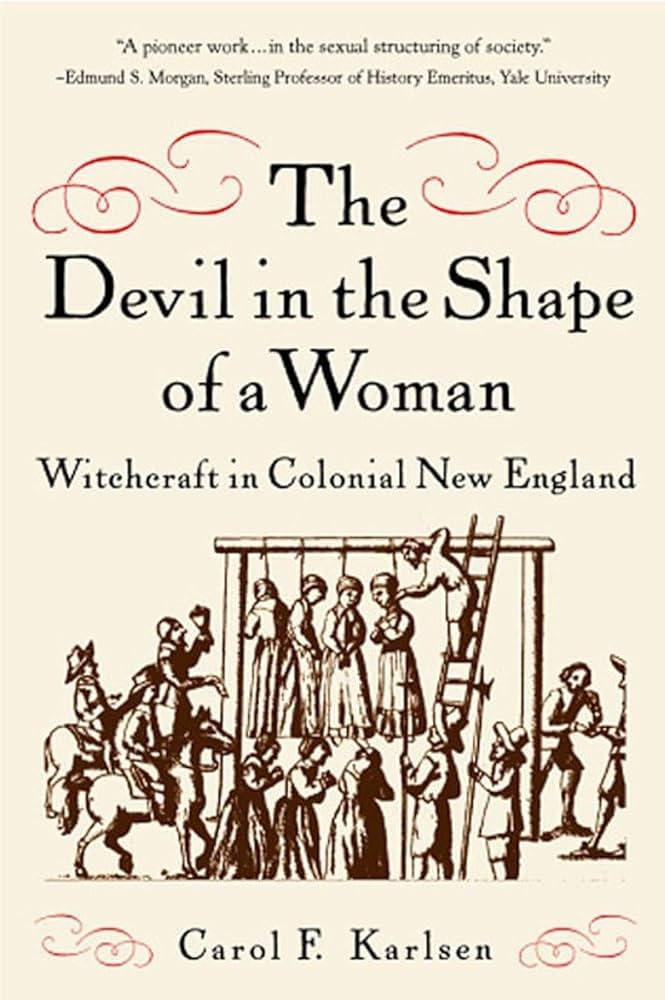
One of the other things this course taught me about myself was that I like to take the less trodden path. For my final year dissertation, I could have taken a lab based project, but I still wasn’t that confident. Instead, I chose to do a library based project with a twist. The library was the British Library (https://www.bl.uk/), and the project was based in evolutionary psychology looking at The Demographics of Witchcraft Accusations (1625 – 1720). I got to go through every documented witchcraft trial in England and then look at the legal changes that drove resource competition and compare it with the US and Europe, where the drivers were different. This exercise stays with me, as it showed that no matter what the outward appearance, you always need to understand the underlying drivers to fully investigate a situation.

Moments that stay with you

I’ve already said that my aim was always to choose Zoology because of my interest in animal behaviour, but it was a pretty competitive selection process. Places were allocated to specialisms on the basis of a combination of choice and grade. So the top person in the year was guaranteed their choice of degree, if you were 300th, not so much. I believe my 1st year had over 1000 combined students, and the bottom 50% were dropped every year, so the year group size got smaller but was still competitive. Dissertation topics were given out in the same way. So there was an ever-present motivation to work hard, not just so you didn’t get booted, but so you could have the best chance to influence your future. I suspect it’s all very different these days with tuition fees, but it was pretty brutal for some people.

If you secured the grades you progressed and specialised. This meant we got to do some zoo visits and start exploring topics like animal behaviour and undertake behavioural observation studies. Several of these were zoo based and included observing primates, but also Giant Tortoises. We also did a fair amount of non-zoo based observational studies, including undertaken observations in the uni canteen looking into group and sentinel behaviour.

I loved this mix. I love the fact that it really embedded science for me as a team sport, as so much of it you couldn’t accomplish on your own. It also taught me how much I value both collaboration and variety in what I do, a valuable lesson in choosing my future career.

In all honesty, over time, despite loving the science I grew to believe that sitting in fields in the lake district wearing water proofs for weeks at a time was less aligned with my future life choices, but at least it gave me fun memories that years later I could turn into a comedy sketch as part of public engagement work.

How did all of this help with the day job?

This was all very fun, but how does any of that help me now?

Well, I obviously covered a certain amount of animal related infection, which is still useful, but I think it was the wider stuff that gave me such a good foundation for every day working life as a scientist.

Firstly, there was always a strong focus on group communication. You just couldn’t succeed on the course without developing your group work and collaboration skills. Almost everything we did required multiple people to support. You can’t observe a group for 8 hours on your own, at least not efficiently. This meant the planning and analysis stages also involved a lot of group discussion. Being young and enthusiastic, there were lots of strong and differing opinions. Learning to manage in those environments has been a crucial skill that has supported working in healthcare and multi-disciplinary environments later on.

Due to the variety of different types of work, I also got used to needing to access information from all kinds of different resources and from a lot of different disciplines. One day, I would be accessing psychology or physiology papers, and the next, I would be in a field reading ecology guides or in the British Library accessing centuries old court records. This also taught me the value of being a generalist with a solid supporting skill set. I don’t feel like I will ever be a real ‘expert’ in anything, but I learnt to take things from 1st principles and rationalise my way through. This is an approach I will be forever grateful for as so much of what I see in my day job I haven’t experienced previously. Getting back to 1st principles is something I have to do often and this training enabled me to do that without fear of the unknown.

Finally, the whole process of struggling to get to uni when it was generally considered to be ‘not for me’ and spending a lot of my time there feeling behind and playing catch up taught me a lot of things that are so valuable in my day today. It taught me to see science as a puzzle, and that to solve something you sometimes have to give it space and come at problems from different angles. During these periods it also taught me to be comfortable with being uncomfortable, and knowing that uncertainty is OK, in fact it is often essential. The very way the course was structured also gave me permission to mix up my science and follow routes that interested me, not some pre prescribed path. I think keeping to this principle has been key to me ending up where I am career wise. Follow your passion and the rest will work out, has become a guiding principle when I’m undertaking decision making.

What is a zoonosis?

Speaking of things that help the day job, I spent plenty of time in my third year studying infections related to animals and animal to human interaction. One of the other great benefits of a background in Zoology is the fact that, having learnt things from the animal side, I can combine that learning with the info I now have from the human side. Zoonosis are an increasingly important part of health based conversations, especially in light of increased travel, climate change, and urban expansion. So, what is a zoonosis?

A zoonosis is an infectious disease that can spread from animals to humans, or vice versa. Zoonotic diseases can be caused by a variety of pathogens, including bacteria, viruses, fungi, protozoa, and prions. 

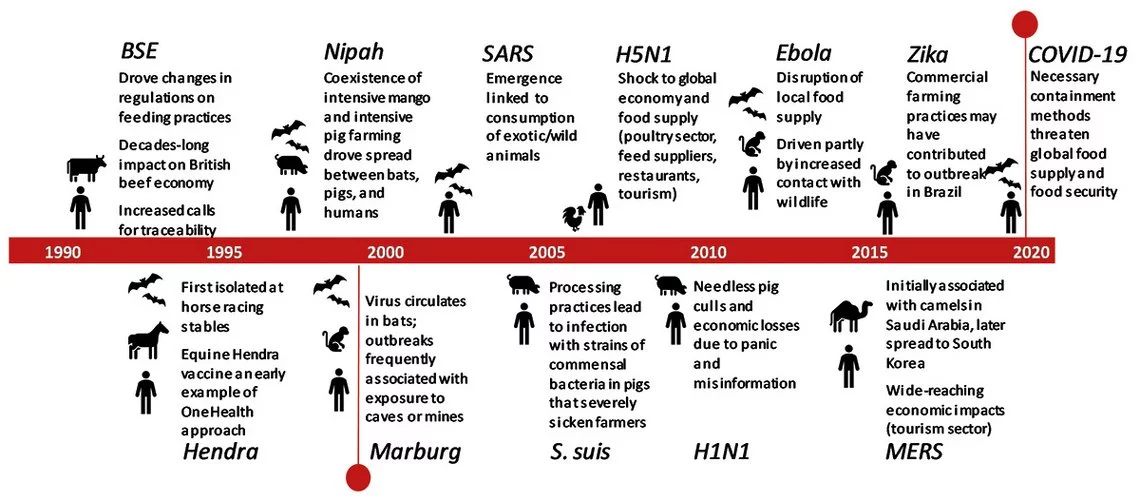
There have been multiple occasions during my career where zoonosis have been flagged as causing wider public health implications, and some of the big hitters are listed below:

https://www.rural21.com/english/news/detail/article/countering-the-double-whammy-of-zoonotic-diseases.html

One of the other reasons why zoonoses and a background in Zoology are increasingly important is linked to the One Health approach to antimicrobial resistance (AMR). This requires us not to look at AMR from a purely human or animal perspective, but that we need to look at food production/agriculture, human and animal, as a holistic whole. I’ve recently been involved with a podcast series that involved discussing One Health issues with a vet, Simon Doherty, called going Macro on Micro, and hearing the veterinary perspective has been really helpful and eye opening.

Embedding public engagement

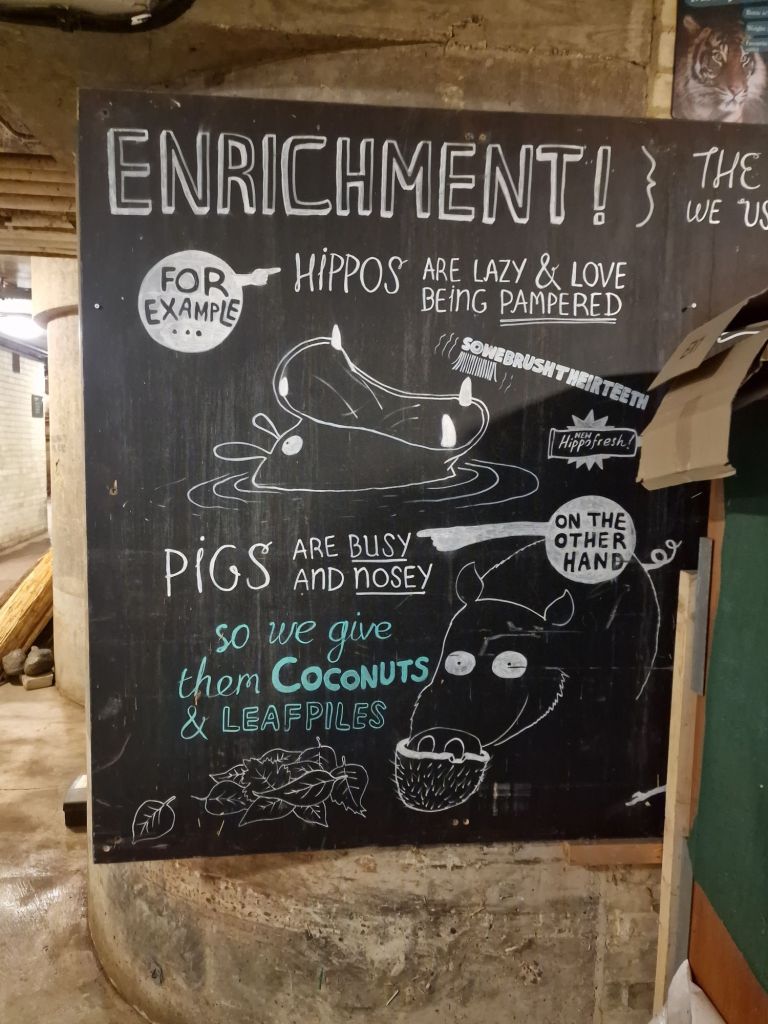
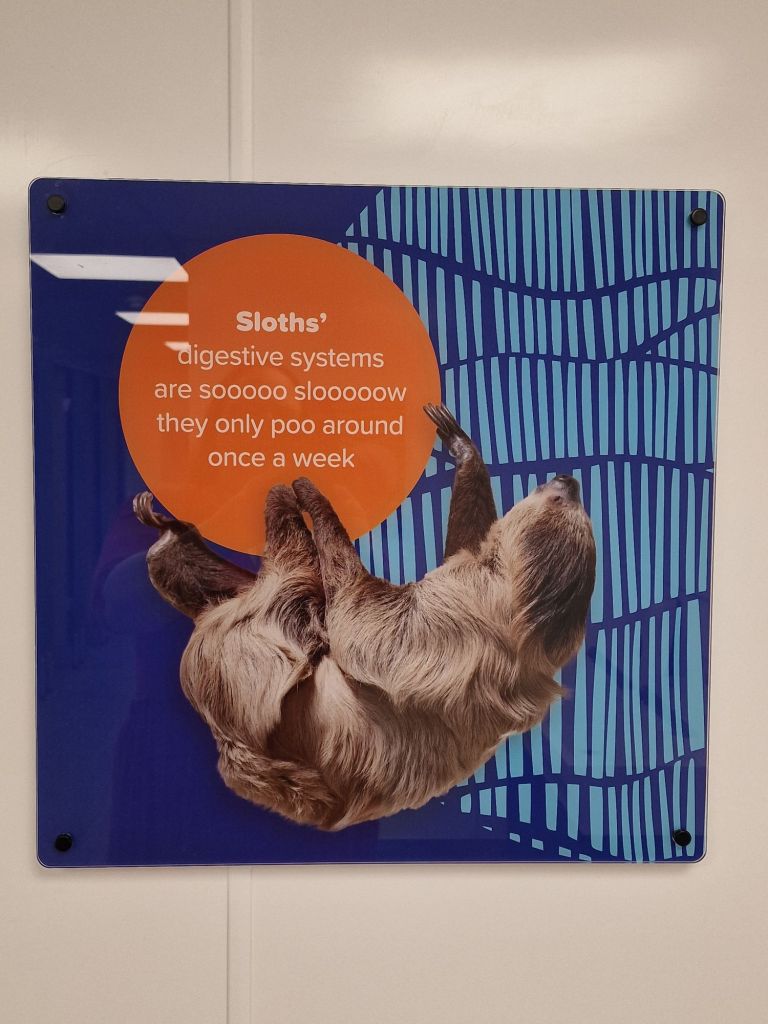
One of the things that I loved about staying overnight at London Zoo, apart from it reminding me of a joy for science and of fond memories, was the way that science and science engagement was embedded wherever you went, from the toilets to the canteen. Not only was information wherever you looked, but it was done in such a fun variety of ways, including an entire focus on poo, which was brilliant to see. It was science delivered in an accessible, engaging way that didn’t feel like you were being ‘taught’ but that you learnt through play and exploration.

This is such a great lesson for all of us involved in teaching and education, in both formal and non-formal settings. Learning can be achieved without it being arduous and by enabling those visiting to understand that science can be fun without it feeling ‘other’ or out of reach. It is the best way to introduce a generation of future scientists to the subject. Work such as this, also goes a long way to break down stereotypes of what science is (often considered to only be lab based) and what a scientist looks like (often considered to be the realm of older white men). In reality, science is for everyone, undertaken by everyone, and takes place everywhere. Embedding this concept early is the best way to change how science will be perceived in the future.

A peaceful escape

To end, I just wanted to quickly talk about what a delightful experience staying over night was. I am not a camper, and I am barely a glamper. I want an en-suite bathroom and a proper bed, with the ability to have tea whenever I want it. Fortunately, the cabins at London Zoo provide all of these things.

They are set in a zone of tranquillity, that whilst surrounded by the zoo, do not in any way feel impacted by the hustle and bustle of those visiting. That said, you are also in the centre of the zoo, so all of the walking tours around do not feel like you are walking miles im order to explore. You also get to undertake some activities that you simply wouldn’t be able to do any other way, including preparing enrichment activities for the animals and feeding some of the nocturnal species.

Whilst staying over you get full access to the zoo the day before, and on the following day. You also get to have dinner together after the zoo closes and breakfast together before the zoo opens. There are two different groups of bookings, one that includes kids of all ages, and one that is targeted at older kids and adults. This enables some of the tour content to be targeted, and for our tour, the group consisted entirely of adults. It was such fun, I can’t recommend it enough, and it was great to share it with mummy and Mr Girlymicro. It books up fast though, so if you want a chance at this unique insight, it’s worth booking several months ahead.

All opinions in this blog are my own