Call for Lay Members to Support the Healthcare Infection Society – Contact us to find out more!

An opportunity to get involved in case any of you have a wish to apply.


Are you a patient or carer who has lived experience of healthcare infection?


Waterborne bacteria are common in hospitals. While these bacteria may not be a threat to the majority of the patients, they pose a serious threat to those who are more vulnerable. Healthcare Infection Society (HIS) is currently in a process of developing guidelines for prevention and management of waterborne infection and are looking for lay members to join their panel of experts. Lay members offer a different point of view from the people who provide or commission services.


HIS uses the NICE definition of โ€˜lay memberโ€™ to refer to a member of a committee who has personal experience of using health or care services, or is from a community affected by the topic area. A lay member can also be someone with experience as an unpaid carer, an advocate, or a member or officer of a voluntary organisation.


HIS is a charity (no.1158172) whose objectives are to advance knowledge of, foster scientific interest in, and disseminate information about the prevention and control of hospital and other healthcare-associated infections (HCAIs), to medical and allied professionals for public benefit.

Please contact Dr Elaine Cloutman-Green Elaine.Cloutman-Green@gosh.nhs.uk or Dr Aggie Bak aggie.bak@his.org.uk for further information and details of how to apply for the role.

Call for Lay Members to Support the Healthcare Infection Society – Contact us to find out more!

An opportunity to get involved in case any of you have a wish to apply.


Are you a patient or carer who has lived experience of healthcare infection?


Waterborne bacteria are common in hospitals. While these bacteria may not be a threat to the majority of the patients, they pose a serious threat to those who are more vulnerable. Healthcare Infection Society (HIS) is currently in a process of developing guidelines for prevention and management of waterborne infection and are looking for lay members to join their panel of experts. Lay members offer a different point of view from the people who provide or commission services.


HIS uses the NICE definition of โ€˜lay memberโ€™ to refer to a member of a committee who has personal experience of using health or care services, or is from a community affected by the topic area. A lay member can also be someone with experience as an unpaid carer, an advocate, or a member or officer of a voluntary organisation.


HIS is a charity (no.1158172) whose objectives are to advance knowledge of, foster scientific interest in, and disseminate information about the prevention and control of hospital and other healthcare-associated infections (HCAIs), to medical and allied professionals for public benefit.

Please contact Dr Elaine Cloutman-Green Elaine.Cloutman-Green@gosh.nhs.uk or Dr Aggie Bak aggie.bak@his.org.uk for further information and details of how to apply for the role.

All at Sea Again…We Are All in the Same Storm but are Existing in Very Different Boats

How are you? No, really. How are you?

I’m asking because we all have a tendency to just reply and say ‘oh fine’. It’s pretty much a reflex.

In the interests of full disclosure, and in the hope of encouraging others to do the same, I’m just going to throw this out into the world: I’m broken. I’m pretty sure I’m not alone. I’m pretty sure that if we were to be completely honest with each other, most of my colleagues would say that they are too.

Partly this is because I have a very exciting condition which reacts badly to stress. Its called Angio Oedema and makes my face and hands swell at random moments and has some very exciting gastric symptoms. Apparently working in Infection Prevention and Control during a pandemic does not lead to a particular zen existence. Who knew!?

Nothing sums up my life more than a picture of some of my daily pills on one of many to do lists

My world is pretty much all pandemic all of the time. To try to step away from this, I’ve been listening to a podcast by Sandi Toksvig called ‘We will get past this’. Mostly because it focuses on women doing cool things in history, with a good dose of literature. It therefore ticks many of my boxes.

This morning on the way into work I was listening to episode 12, ‘Sandi’s Spicy Slow Pour from Sudan’, which talked about being in lockdown (the episode is from last April) and the joy of using it as time for reflection. It also talked about the freedom of, for once, not being so tightly controlled by time. It sounded joyous and the more I listened the more jealous I became. It really struck me just how vastly different our experiences of lockdowns and the pandemic are.

Listen to the last 4 minutes or so in relation to time in lockdown (although the first 10 minutes are also great)

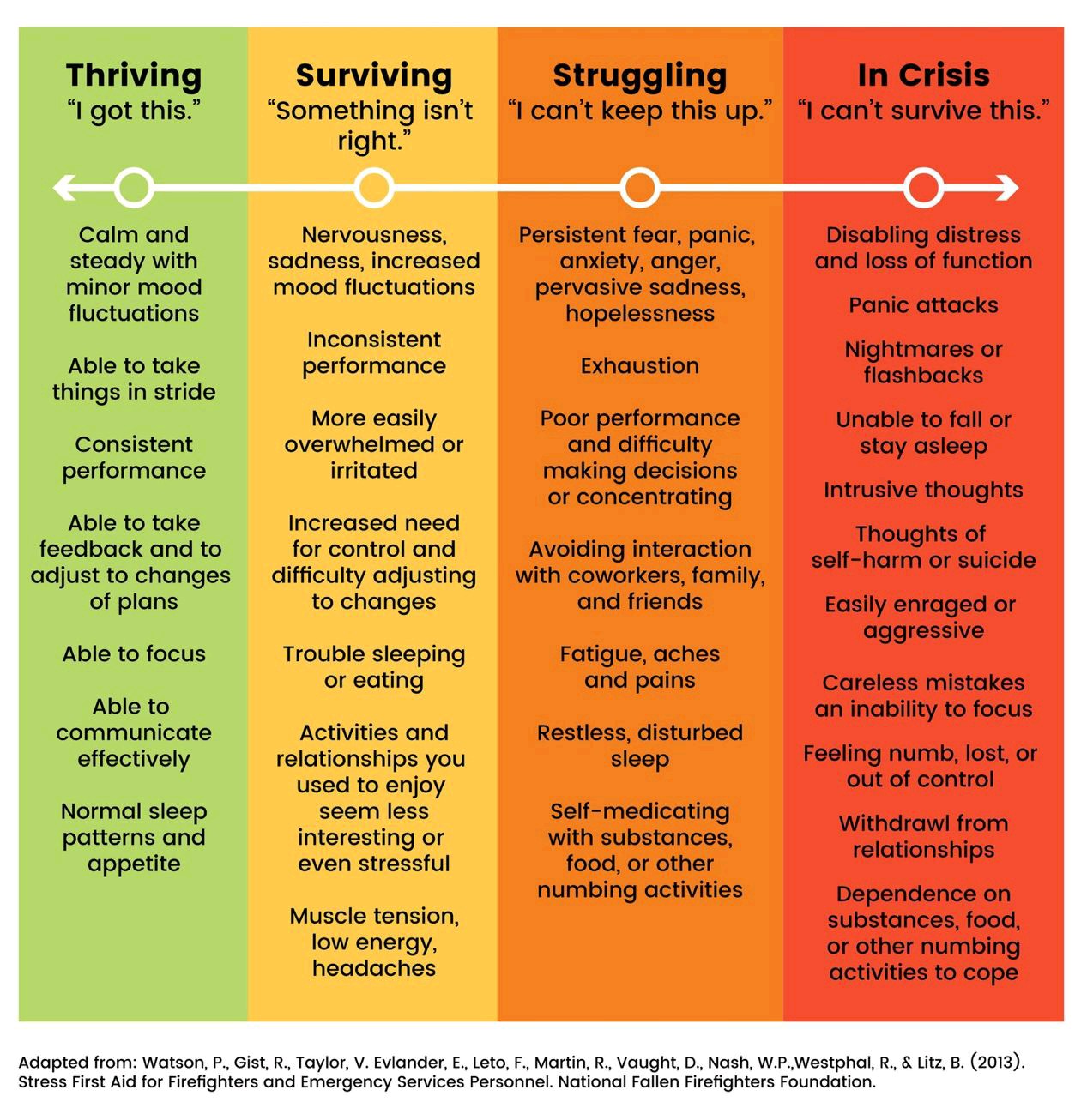
With that in mind, it’s probably worth all of us taking some of the limited time we may or may not have to reflect on where we are at. Maybe, when we are speaking to our friends and colleagues, we should take the time to really pay attention to the questions and answers we are involved in. Maybe follow up the ‘How you doing?’ with a, ‘No really, how are you doing?’ and making it ok to not be ok. I’m definitely living in the world of surviving, with the occasional slip into struggling (usually health driven: see below). Somehow I don’t feel like this is something I can admit to. There are are posters displayed all around my Trust telling me that I should, but the immediate response would be: ‘Have you tried the wellness app?’ This may just be me, but am I the only person on the planet who cannot get on with the idea that if I just tried a wellness or a mindfulness app that my life would be transformed *looks around*? Nope, just me then. Maybe it’s because I can’t stop thinking…

In contrast to my working life, which feels constant and never ending, I have friends who declare how bored they are via social media. Other friends talk about the amazing skills they have learnt or how healthy they have now become. I feel I will come out the other side of this with no new skills, pounds heavier, and in need of six months off just to put myself back together again. That said, I think it’s becoming quite universal across my networks that, no matter where we started out, we are all beginning to feel the strain.

Photo by Kammeran Gonzalez-Keola on Pexels.com

So what am I getting at? I think that no matter where we started out, we all now feel we are well into stormy weather and that the resilience we had at the start, for almost everyone I know, is beginning to fade. When that happens, it is human to start judging everything from our own perspective and to feel that others have it easier or worse than ourselves. What I think we lose is the ability to truly reflect on where we are at, and try to view the situation of others with empathy and through another lens beyond our own. My friends who are bored are no less stressed than I am. Their pressures are just different. My friends who’ve picked up skills are also struggling, it’s just they are using a different process to deal with their challenges. One that their own circumstances permit. The storm is the same, it’s only our perspective of it that is different.

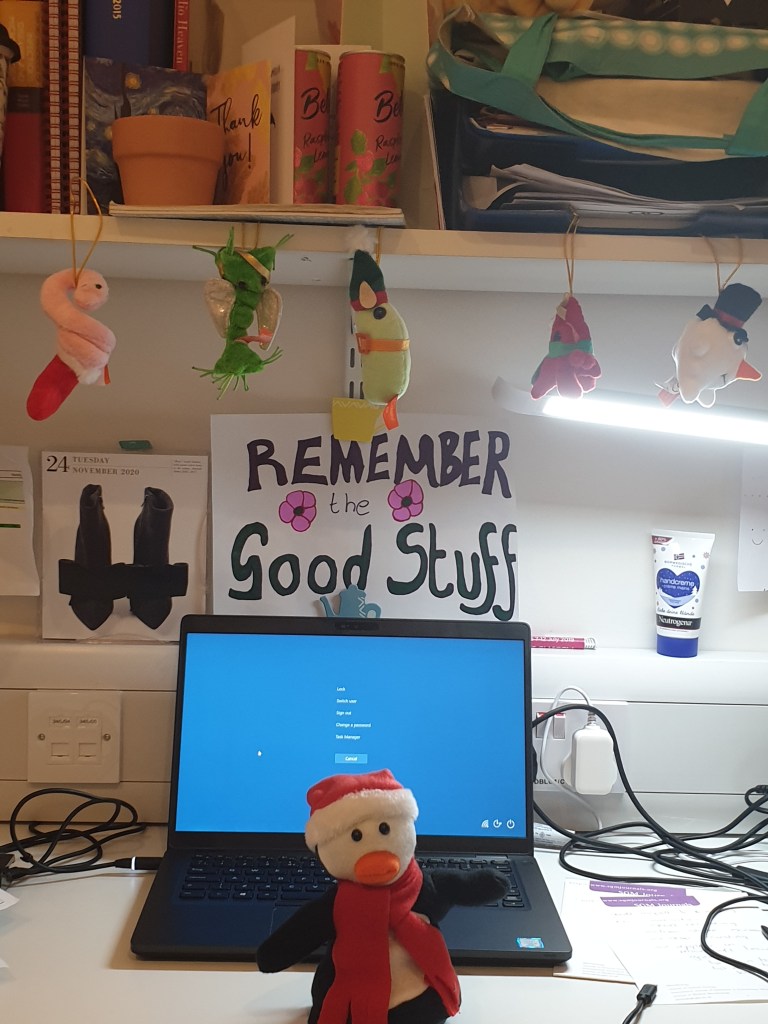
So, as mindfulness does not seem to work for me, I decorated my desk over Christmas and my eyeline is filled with things I love: like tea and shoes. I also have a sign to remind me that, like all things, heavy storms pass. The weather will clear and sometime soon our view will be of bluer skies, rainbows and crystal days, rather than of stormy seas.

So this is my plea: ask your friends and colleagues how they are, whilst knowing you can probably fix neither ‘it’ nor them. Sometimes knowing that someone cares is enough. Also, when the dark clouds surround us, try to be kind and not judge the boats that others are in. We don’t know if they have sprung a leak, no matter how luxurious they appear. It’s only by being kind to ourselves, and each other, will we get through this.

All opinions on this blog are my own

Guest Blog by Dr Claire Walker: A clinical immunologist’s thoughts on lateral flow antibody testing for SARS CoV2

By Dr Claire Walker

Paid-up member of the Dream Team since 2013 (as discussed in a previous post, in her personal life most people call her Girlymicro Dream), token immunologist and occasional defector from the Immunology Mafia. Registered Clinical Scientist in Immunology with a background in genetics (PhD), microbiology and immunology (MSc), biological sciences (mBiolSci) and indecisiveness (everything else). Now a Senior Lecturer in Immunology at University of Lincoln.

A clinical immunologist’s thoughts on lateral flow antibody testing – this post follows on from Dr Dreamโ€™s awesome post on testing for the virus – concerns my thoughts on COVID-19 antibody testing by lateral flow technologies.

โ€˜The LEDs on the top of the box turned on, one red, one green, beginning to flash in an alternating patter. The flashing slowed and finally stopped as the red light went out, leaving the green. Still clean.โ€™

‘Feed’ by Mira Grant 2010 (see Newsflesh book review for some more on the series)

Whilst some days it might feel like the end of the world during the COVID19 Pandemic, we arenโ€™t quite living through the zombie dystopian vision of the future described in Mira Grantโ€™s Feedback trilogy. However, much like in the world envisioned in Feed, point of care testing has become part of many peopleโ€™s lives. A friend recently received a lateral flow anti-SARS CoV-2 antibody test and sent me his result saying, โ€œturns out I never had it, 80-90% confidentโ€. It sounds like quite good odds, doesnโ€™t it? If you happen to like gambling, and someone told you to bet on a horse with an 80-90% chance of winning, itโ€™d be tempting to have a flutter. But when it comes to clinical testing, a 1 in 5 chance that that result is inaccurate is far less appealing.

What are the tests?

Antibody tests, unlike testing for the virus itself, detect the antibodies produced by our immune systems in response to infection. To envisage a lateral flow test, think about a pregnancy test. Instead of urine, a few drops of blood from a finger prick are mixed with a solution and applied to the device.

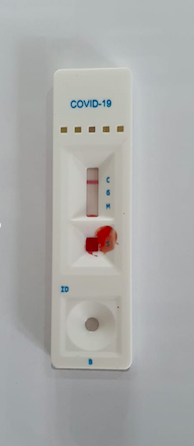
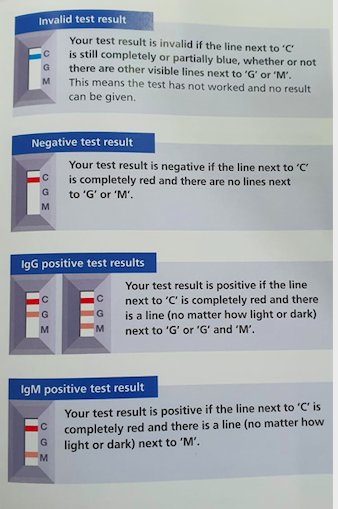
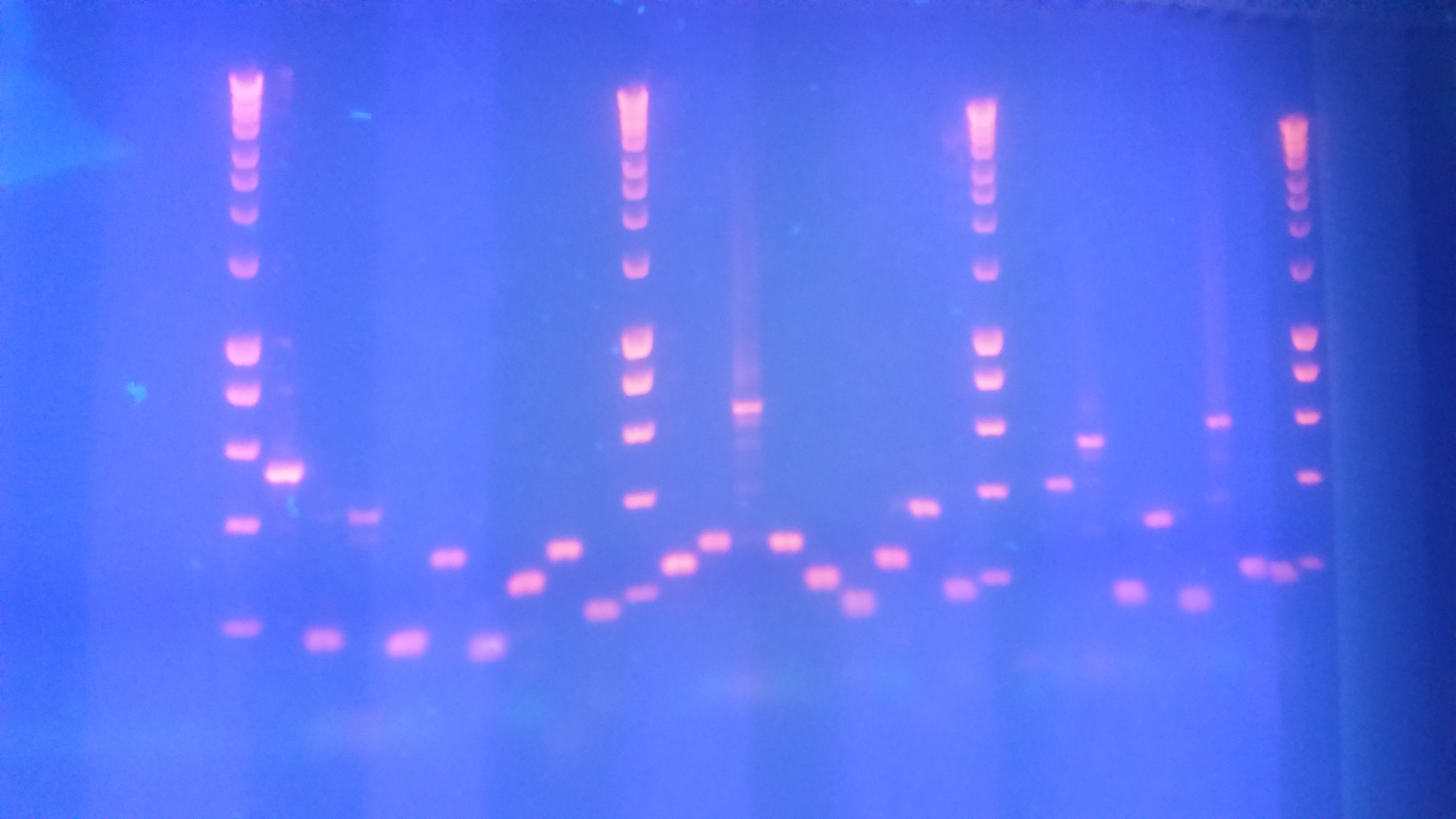
You then wait 10-15 minutes and the results can be read in the result window (image 2). There are many different versions of these tests out there, but the underlying principle is much the same. If you have the antibodies in your blood sample, they bind to viral proteins attached to gold particles. This forms an antibody-antigen-gold-particle complex which can be seen as the positive test line.

How good are the tests?

โ€˜Confidentโ€™ isnโ€™t a term we like to use in clinical science: we like the terms โ€˜sensitiveโ€™ and โ€˜specificโ€™. We also like to use statistics to describe the sensitivity and specificity of a test. In the case of COVID-19, the sensitivity of the test is the proportion of people with COVID-19 that have a positive blood test. A test which is 100% sensitive means that all individuals with COVID-19 are correctly identified as having the disease. Conversely, specificity is the proportion of individuals without COVID that have a negative blood test. A test that is 100% specific means that all healthy individuals are correctly identified as not having COVID-19. Itโ€™s pretty hard for any clinical test to be this wonderful, but we are trying to get as close to this ideal as possible. The MHRA recommends these tests have a sensitivity of >98% and specificity of >98% (1). To date, none of the lateral flow assays to detect antibodies have met these criteria.

What are we using them for?

Testing for antibodies isnโ€™t the same as testing for virus. A positive result means you were likely infected with COVID-19 in the past. This result should not be used to diagnose a current COVID-19 infection because it can take 1-3 weeks after infection for your body to make antibodies. We arenโ€™t sure how long these antibodies are going to stick around either. Some viruses are very memorable to the immune system. Unfortunately, coronaviruses are pretty forgettable, and the โ€˜immunological memoryโ€™ โ€“ the antibodies against the SARS CoV-2 virus – may disappear in a matter of months. In the case of my friend, who took his antibody test in October to find out if he had COVID-19 in February, that negative result doesnโ€™t mean very much.

This test only tells you that youโ€™ve made antibodies to the virus, not how many are there and if they can stop reinfection. We donโ€™t know if these antibodies are protective or if that makes you immune to the virus. You can also test positive for the virus and positive for antibodies at the same time, meaning you are still infectious. Best not to use the result to decide whether or not to visit Grandma.

The Bottom Line

Whilst I donโ€™t love these tests for individual use, they are useful. By monitoring the prevalence of antibodies against SARS CoV-2 at a population level, we get a snapshot of what is happening in the country in the moment the test is taken. It tells us something about the antibody status of a community of individuals, helping to monitor the COVID-19 pandemic at a population level and more data will hopefully help immunologists better understand what on earth is going on with the immune response to this virus.

TLDR. Lateral flow tests for antibodies are best left for community studies and arenโ€™t going to let you know if you had COVID-19 in January. Youโ€™ll just have to keep wondering.

Reference

  1. MHRA. Target product profile antibody tests to help determine if people have immunity to SARS-CoV-2, 2020. Available: https://assets.publishing.service.gov.uk/government/uploads/system/uploads/attachment_data/file/883897/Target_Product_Profile_antibody_tests_to_help_determine_if_people_have_immunity_to_SARS-CoV-2_Version_2.pdf

NB from Girlymicro. If you’d like to submit a guest book review or guest blog, drop me a line on the links on the right of the page

All opinions on this blog are my own

Book Review: What I Love About the Science in the Newsflesh Series by Mira Grant

I’ve been having trouble sitting down to read actual paper books for a while now. The pandemic has my mind kind of worn out and, although I always used to have 4 or 5 paper books on the go at one time, right now I don’t have a single one. That’s not to say I’m not still getting my fiction/non-fiction fix. It’s just that right now it’s happening via audiobooks as I can just close by eyes and be transported.

This brings me onto a slightly new thing I’m going to try out: reviewing and giving some love to books that have science within them to aid that escape rather than making me irritated. I read the whole of the Newsflesh series by Mira Grant a few years ago at the suggestion of the wonderful Dr Claire Walker. As part of my insomnia strategy, I’ve rediscovered it and my love for the science within it.

The Newsflesh series consists of three main novels: Feed, Deadline and Blackout, as well as some short fiction.

Mira Grant describes the premise of the novels as:

“The zombie apocalypse happened more than twenty years ago. Contrary to popular belief, we didnโ€™t all die out, largely because weโ€™d had years of horror movies to tell us how to behave when the dead start walking. We fought back, and we wonโ€ฆsort of. The dead still walk; loved ones still try to eat you if youโ€™re not careful; the virus that caused the problem in the first place is still incurable. But at least we lived, right?”

Nothing is impossible to kill. It’s just that sometimes after you kill something you have to keep shooting it until it stops moving

Mira GrantFeed (Newsflesh Trilogy, #1)

Most zombie fiction is either set during the rising itself, that moment when the dead rise, or during a post-apocalyptic future where the worst of humanity is on display. Within the Newsflesh series, and especially Feed, this isn’t the case. It’s set 26 years after the rising in a world that lives with the ever present nature of having the undead on your doorstep. This is partly because of the way the rising occurred.

The Virus

As in most zombie fiction, the rising was caused by science that went wrong. In this case a modified virus known as Marburg-Amberleeย (Marburg EX19), invented byย Daniel Wells, was designed to cure leukaemia. It was first tested onย Amanda Amberlee, a young leukaemia patient in Colorado, and it succeeded in curing her, after which it remained dormant in her cells and those of others given the cure. A second genetically modified virus was also being developed, known as the ย ‘Kellis cure’/’Kellis flu’. The aim of the Kellis cure was to provide a universal cure for the common cold. It contained a mix of coronavirus and rhinovirus proteins, with a fifth man-made protein that was designed to increase the virus’s ability to invade. When the Kellis cure is stolen from the research lab, where it is being developed by a group of activists who believe that this universal cure is being ‘held’ from the world and should be freely available, disaster occurs. The activists believe that the virus should be freely available to aerosolise the virus. The two RNA viruses underwent a combination event in those humans who had been treated with Marburg-Amberlee initiating a new infection, a virus now know as Kellis-Amberlee.

Now every mammal on the planet over 40lbs can convert into a zombie on reactivation of the latent virus in their cells. This can happen as a result of trauma, death or, like many latent viruses, due to failure of the immune system.

The World

This is the truth: We are a nation accustomed to being afraid. If Iโ€™m being honest, not just with you but with myself, itโ€™s not just the nation, and itโ€™s not just something weโ€™ve grown used to. Itโ€™s the world, and itโ€™s an addiction. People crave fear. Fear justifies everything. Fear makes it okay to have surrendered freedom after freedom, until our every move is tracked and recorded in a dozen databases the average person will never have access to. Fear creates, defines, and shapes our world, and without it, most of us would have no idea what to do with ourselves. Our ancestors dreamed of a world without boundaries, while we dream new boundaries to put around our homes, our children, and ourselves. We limit our potential day after day in the name of a safety that we refuse to ever achieve. We took a world that was huge with possibility, and we made it as small as we could.

Mira GrantFeed (Newsflesh Trilogy, #1)

I think we’re all living in small worlds right now, as I write this on the sofa during yet another lockdown. The think I loved when I first read the novels, and actually love even more re-discovering them in a lockdown world, is how society has adapted to answer the challenges of infection.

All areas of the country (it’s set in the States) are split into hazard categories. If you want to live in an outside space, where mammals could roam and it’s harder to control the movements of the walking dead, you have to accept higher levels of Infection Prevention and Control. Every car door has an antigen test that makes sure you are not in active viral replication before it will open so that you don’t risk fellow passengers. Every door into a home has the same risk. The world is split into those who have completely locked down and live for all intents and purposes an entirely virtual life. Whilst others, determined to have the right to maintain their freedom to keep animals such as horses, or other life styles choices, put their lives at risk to do so and also potentially risk others. Entire areas of the country have been declared ‘lost’, as the movements of the undead cannot be controlled. If you go into high-risk zones, all your clothes must be destroyed or, in less restrictive zones, sanitised whenever you leave the house. Every time you go outside you must be washed with dilute bleach on return. The rules are the law and following them is not supposed to be optional, although, as we are currently seeing, there are always those who will fall into the extremes of the two camps.

The Truth

The other thing that really resonates right now is the distrust of the media. During The Rising, the news is felt to have let down the public by being too much controlled by governments and institutions. The books themselves follow the Mason siblings, reporters Georgia and Shaun, as well as their news crew covering how a presidential election is run in this new world.

News is done differently in this new world because of the reaction to the number of deaths that were caused by the slow response of traditional media to covering the rapidly changing situation. Information is delivered by:

  • Newsies (of which Georgia is one), who aim to deliver neutral fact-based coverage of the news via blogs and websites.
  • Irwins (like Shaun Mason which are named afterย Steve Irwin), who seek to educate and entertain by going into areas that are off limits to non-reporters in order to give a true view of the world.
  • Stewarts, who aim to collate and curate the reports of newsies, pretty much a ‘one site for all things’.
  • Aunties, who share personal stories, recipes, and other content to keep people happy and relaxed.
  • Fictionals (like ย Georgette “Buffy” Meissonier), who write poetry and fiction in order to explore everything that has happened to humanity since the rising.

One of the things that I currently worry about is how we will rebuild the trust and faith in science that may have been damaged by science becoming so politicised during the current pandemic. Although, in many ways, we’ve also seen the damage that going to individual blogs and echo chambers can do to the concept of evidence-based science. Re-engaging with the series right now does make you think about how difficult it is to communicate widely, and how important scientists having conversations across boundaries is.

In (not so, this post is longer than it should be) short, if you haven’t read Feed then you should. Read it because the virology is sound, and the Infection Prevention and Control makes me super happy. Mostly though, read it because it may give you a different lens through which to see our current situation, as well as being super entertaining.

All opinions in this blog are my own

Dr Cloutman-Green B.E.M. Who thought a thing like this could happen to someone as normal as me? (Hint: not I)

I spent a long time agonising about whether I should publish this post. I really felt that it would come off as boastful and all about me, me, me. The main reason I wanted to post it, however, is that it is absolutely not all about me. Too often science is played as a solo event, when nothing could be further than the truth. Science is a team sport and no one can succeed as a scientist without untold others getting them across the finish line.

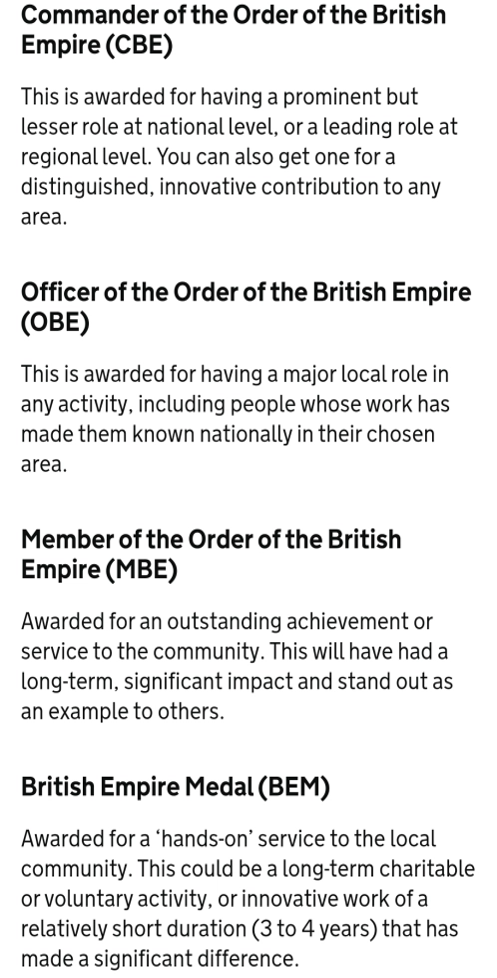
I should probably start by saying what a B.E.M. is. It stands for British Empire Medal, and I’m lucky enough to be awarded it as part of the New Year’s Honours scheme for services to Healthcare. I had to look it up as it wasn’t a name I was familiar with, but it’s basically one down from an M.B.E. Just typing that makes me feel a little stressed out…

So here I sit on the 30th December 2020, writing this and thinking about how my scientific, Infection Prevention and Control and Healthcare Scientist career is filled with wonderful individuals and teams who have enabled me to end up where I am today. I’ve tried to capture a gallery of just a few of these amazing people below but there are more, such as my IPC team and brilliant HSST Francis, that I don’t have team photos of.

How Did This Happen?

On the 9th December, at 16:30, my husband phoned me at work. He was concerned that he had received a call on our landline. This never happens as we don’t really use it and, to be honest, I don’t even know the number. What was even more unusual was that he answered it. Mostly we never hear it and would check the messages once or twice a year. The reason he answered was because he happened to walk into the room as the message kicked in. It said the call was from the Cabinet Office. He picked it up, curious, and the woman on the phone said she’d been trying to get in touch with Dr Cloutman-Green and had failed to do so. Was it possible for him to give them my work email? He then phoned me at work to tell me he’d given it out and we both immediately thought it was a scam. So much so that I got him to give me the number of caller ID and then phoned back. When the phone was answered by the Honours office I nearly fell off my chair. They asked me if I wouldn’t mind staying close to my email for another hour or so as they were going to send an email which required a quick response, but that it was going to be nice (I was concerned I,d accidently broken some form of rule). Anyway, I stayed around until 6pm and below is what I was sent:

I then promptly fell into the cycle that I tend to do when something amazing happens that I feel undeserving of:

For the last three weeks I’ve been going through these loops, much to the understandable exasperation of my husband who believes I should hit excitement and stay there.

I’ve been wondering:

  • What happens if this upsets other people?
  • What if this isn’t the big deal it feels like it is?
  • What will people think if I celebrate this? Will they think I’m arrogant and big headed?

Some of this is from experience. The first time I won an award at work, I was asked to put the trophy away out of sight as my ‘success makes other people feel uncomfortable’. Some of it is from cultural norms that make it embedded that celebrations are seen as arrogant: we should gracefully nod our acceptance and not make a big deal out of these things.

The thing is I want to celebrate is this. It is unlikely to ever happen to me again. I want to celebrate it for me, but I also want to celebrate it with all the vast numbers of people who have got me to this place. My amazing colleagues who make things happen. My friends and family who have put up with the missed events, forgotten birthdays and just being absent as work has been a focus. Most of all to my mum and husband who have always kept the faith, hugged me as I cried and held me up when I questioned if I was good enough to be a scientist, let alone be recognised.

I also want to support others to feel like they can celebrate when they get recognised, with the joy of us lifting each other up, not the fear of it making us a target to be torn down. Change starts with action and so this is mine.

So here I am waiting for this to be announced on New Year’s Eve. I’m hoping you’ll excuse me for trying to celebrate this one, for trying to sit back and smell the roses, and – for once – being in the moment rather than moving onto the next thing.

I’m also hoping that you’ll all realise that if someone as normal as me can be recognised, then we should all realise just what we can achieve and that our only limits are the ones we put on ourselves. Dream big and learn to fly.

All views on this blog are my own.

Dreams in the Time of COVID-19: Science Meets Art

For those of you that know me only as Dr Cloutman-Green, you probably won’t know that, in my life outside of the hospital, most of my friends call me Dream. I’ve been called this since I was a teenager. I’d like to say there was a super cool reason for this, but the real reasons are twofold:

  • I have always had very vivid dreams and I have them pretty frequently.
  • Even now, but especially as a young child, I am/was so caught up in thought that I will/would tend to wander into things whilst walking: like lamp posts!

I got my PhD. Then a shy, retiring drunk from Birmingham – in a rare moment of sobriety – designed the Dr Dream logo as a gift and it’s kind of stuck.

During the last year I have not slept well and my dreams have been especially intense. I dream a lot when I’m solving problems and will often perform experiments or clinical scenarios in my sleep. In many ways these have helped me as they often lead to what I call my 3am ‘moments of clarity’: those moments when I wake up and I’ve finally worked out the solution to a problem or a new approach so I can see it from a different angle. The problem this year has been that those 3am moments are no longer ‘moments of clarity’, as the problems we’re facing cannot be solved by just me. They are too big. They are now 3am ‘moments of panic’ or ‘moments of frustration’.

In April I posted about a particularly strange dream I’d had and, via the magic of twitter, I was put in touch with Professor Mark Blagrove, Dr Julia Lockheart and the DreamsID team. The team are interested in how COVID-19 is impacting on dreaming. They have an amazing process, where Julia uses her creative skills to combine art and science in order to produce imagery of the dream onto pages from the first English translation of The Interpretation of Dreams.

The Process

The discussion of a dream follows the dream-appreciation method devised for dream discussion groups by psychiatrist and psychoanalyst Montague Ullman. Further information about Montague Ullman can be seen on the website https://siivola.org/monte/. The method is described in his 1996 book Appreciating dreams: A group approach (Thousand Oaks, CA: Sage). The method comprises the following stages:
โ€ขThe dreamer reads aloud their dream.
โ€ขThe group asks questions about the dream so that it is described as fully as possible.
โ€ขThe group members, except the dreamer, briefly describe how they would relate the dream to their own lives, as if the dream were their own.
โ€ขThe dreamer responds to what the other group members have said.
โ€ขThe dreamer describes their own life circumstances, with emphasis on recent waking life concerns and recent emotional or important events.
โ€ขThe dream is read back to the dreamer in the second person.
โ€ขThe group and dreamer make or suggest connections between the dream and what the dreamer has said about events and concerns in their recent waking life.

My Dream

The Setting

My office is a converted bathroom.  Itโ€™s pretty small and still has a sign saying ‘bathroom’ on the door (in purple).  Itโ€™s pretty small: it has room for one desk chair and an L-shaped desk across from the door and running down the right hand side of the space. Itโ€™s a totally white space with no natural light or ventilation. It has quite bright white lighting: an LED lamp on the L intersection that lights my main workspace where I work with my back to the door.

The Dream

In my dream, I am working at my normal workspace (the desk part opposite the door) in my desk chair, which is’ a ‘Bond villain’ desk, large and black mesh.ย  Unusually, I also have the purple furry blanket that normally lives on my sofa across my knees. It’s trailing onto the floor, so I’m slightly trapped where I am.ย  My desk is clear apart from the lamp of the normal bits and pieces, although there are still my post-it notes under the shelves above my head, which remind me of what I need to be doing, and my shoe a day calendar that sits in front of me on the shelving.ย  Behind the lamp, however, the hatch that is normally solid and leads to the electrical space has a transparent door with a handle and looks like the pass hatch into a medical safety cabinet.ย  On the left of me where my in-tray normally sits is now a scientific water bath, white outside, full and bubbling, with a box of blue nitrile gloves sitting next to it.ย  Floating within the water bath in the floatation tray, instead of the normal reagents, is a set of a dozen quail eggs.ย  The back of my desk is covered with electronic timers.ย  At the start of dream, Iโ€™m wearing a pair of gloves and I have a set of eggs in front of me (in what looks like a standard Waitrose quail egg box). Iโ€™m trying to peel the eggs, wearing gloves (I donโ€™t remember having anywhere to discard the shells so donโ€™t know if they are all around me?).ย Iโ€™m finding it really difficult to get enough grip on the eggs; Iโ€™m rolling them gently to try and make some cracks appear but I just canโ€™t manage to get a grip on the cracks in the shell in order to get them off cleanly.ย  Iโ€™m getting there, but it is taking me ages.ย 

The timer starts going off and Iโ€™m trying to get the eggs out of the water bath whilst still having the previous batch on the go.ย  Then the phone rings.ย  I didnโ€™t know who it was. I know there was a discussion about needing them to treat a patient and being asked a bunch of questions that I thought I knew the answers to but not being sure that these eggs were going to do what was needed, despite how important they were.ย  I shove the first lot of eggs into the clear door of the hatch, aware that they need more, and so get on with trying to do the ones that have just come out of the water bath.ย  Iโ€™m also looking around as I know I need to get the next batch on. I canโ€™t see any and thereโ€™s no time toย  get any.ย  I change my gloves and start trying to peel the next batch, but they’re still warm and they are hurting my fingers.ย  Not only that, but because they are still hot they are too soft and some of them start to implode as Iโ€™m trying to peel.ย  Iโ€™ve got yolk all over my gloves and I need to save as many as I can.ย  Then the phone starts ringing and I canโ€™t answer it as Iโ€™m covered in yolk and bits of shell.ย  I sit there crying, at my desk, trying to peel the rest, pushing my glasses up with my wrist so I donโ€™t get yolk on my lenses.

The wonderful thing about this process, for me, was that I didn’t see the art being produced. I was on the phone talking to Mark but very specifically not seeing what Julia was producing. I only got to see that at the end and when watching the YouTube video later. I got to be an active part of the creation of a piece of art and that was a wonderful thing. They’ve even now sent me that final piece of art work, which is now going to hang in the on-call bathroom and will be something really concrete for me that has come out of 2020.

It’s a reminder to both take opportunities as they come, and to think about how we can communicate our work in creative and inspiring ways, to reach new audiences, and to work across boundaries.

So, I wanted to take a moment to say a massive thank you to the DreamsID team for including me in this work, and for including me in their article, as this is the one and only time anything linked to me is ever likely to feature in New Scientist! My family finally think I’m a rock star as that’s a science publication they’ve heard of!

Read more: https://www.newscientist.com/article/2242379-how-coronavirus-is-affecting-your-dreams-and-what-to-do-about-it/#ixzz6i63ukNsa

All opinions in this blog are my own

If you would like more tips and advice linked to your PhD journey then the first every Girlymicrobiologist book is here to help!

This book goes beyond the typical academic handbook, acknowledging the unique challenges and triumphs faced by PhD students and offering relatable, real-world advice to help you:

  • Master the art of effective research and time management to stay organized and on track.
  • Build a supportive network of peers, mentors, and supervisors to overcome challenges and foster collaboration.
  • Maintain a healthy work-life balance by prioritizing self-care and avoiding burnout.
  • Embrace the unexpected and view setbacks as opportunities for growth and innovation.
  • Navigate the complexities of academia with confidence and build a strong professional network

This book starts at the very beginning, with why you might want to do a PhD, how you might decide what route to PhD is right for you, and what a successful application might look like.

It then takes you through your PhD journey, year by year, with tips about how to approach and succeed during significant moments, such as attending your first conference, or writing your first academic paper.

Finally, you will discover what other skills you need to develop during your PhD to give you the best route to success after your viva. All of this supported by links to activities on The Girlymicrobiologist blog, to help you with practical exercises in order to apply what you have learned.

Take a look on Amazon to find out more

My Sunday Afternoon Rage – The Mask Goes Over the Nose, People!

You may or may not know this about me, but I’m a pretty big sports fan. Not the kind that remembers statistics or can quote drivers/players, but a screaming-at-the-TV-or radio in-support-of-my-team kind of fan. When I lived at home in Birmingham, I had a season ticket for the Holte End at Villa Park to see my boys (Aston Villa); now the main live sport I get time to see close up are the London Games when the NFL comes to town (I’m a Green Bay Packers fan and they’ll never visit). Sport is a massive release for me: Watching Sunday night NFL football and F1 is something that my hubby and I really enjoy doing together as these are our shared passions (N.B. in our household, I’m the big general sports fan rather than him).

So imagine what my Sundays in 2020 have become. Imagine that at the end of every race you sat and watched images of Max Verstappen engaging in face-touching whilst wearing a mask that is barely positioned to cover his nose.

The content of the interview is not important, but he rubs the edge of his mask, then moves his finger to his eye, then messes with the vent, then re-positions it by touching the front. All in a video that lasts less than 55 seconds.

The NFL is even worse. At least in F1 drivers are – for the most part – wearing masks, even if they appear to not know how to control their face-touching impulses. Within the NFL, the numbers of coaches not wearing masks at all has led to fines for individuals and for clubs. The NFL is big money in the US. A number of teams have been shut down for SARS CoV2 outbreaks, and yet the behaviour has continued.

So, Why I am Writing this Post?

Every week I get on tube trains to travel to work. During the first lockdown there was ~90% compliance with appropriate mask wearing. In recent weeks, compliance was less than 50% and I’ve seen all the variations in the image below and more. All this whilst I’m having to live with increasing numbers of clinical cases and receiving daily reports of the same elsewhere. I’m writing this as, although some of it is because of a decision to be non-compliant, I think a lot of it is about the fact that we are not really getting the message out about why appropriate mask wearing is important: not just box-ticking to have one near your face. I don’t think we’ve taught people about which bits of masks are contaminated and that touching those areas is where a big portion of the risk lies. This is why I was pretty much against selective mask use when it was introduced. Universal mask use is much more scientifically valid, but it’s not a panacea and actually increases personal risk if not done appropriately.

I’ve seen all of these variations and more

Why Does it Matter That I Wear My Mask Like a Necklace?

We know respiratory pathogens on the outer surface of masks may result in self-contamination. In my PhD thesis back in 2015, I discussed this as a potential route for hand/face contamination. However, in the context of a respiratory pandemic, and mass mask-wearing without training, the implications are much more significant.

The T-zone includes the mucous membranes within the eyes, nose and mouth.ย  It has been noted that, even within a healthcare setting, members of staff engage in frequent face-touching, with one study noting that healthcare workers touched the T-zones a mean number of 19 times over a two-hour period, which may place healthcare workers at risk of organism acquisition/transfer.ย  Additionally, organisms could survive on the skin for minutes to hours and thus present a source of hand contamination when touched in the future, with a possible spread to patients and surfaces.(Journal of the American Board of Family Medicine. 2014;27(3):339-46)

My thesis (2015)
BMC Infectious Diseases volume 19, Article number: 491 (2019) 

Fabric masks can protect by filtering up to 50% of particles, reducing exposure. The risk from inhalation is not the only one, however: viruses can survive on skin, paper and fabric, for hours in the case of SARS CoV2. The virus can also infect by self-inoculation into the eyes and contact with other mucous membranes, for instance people rubbing their nose after removing the mask. The above paper used fluorescent particles to demonstrate how contamination of the external of a mask works, and to help visualise the risk of moving that contamination around the mask and skin. If masks are not put on and taken off appropriately, if they are not worn the right way, and if we don’t wash our hands and think about how we touch our faces, we put ourselves at risk. We make the problem worse.

Back to Sport

Role modelling is so important in raising awareness. Teams and individuals have a massive platform to get this message out. People will say that sportsmen and women are not medically trained, so why should they take responsibility to get this message out? I would say that sports like F1 and NFL have huge levels of access to the worlds best clinicians; they have huge levels of medical investment and there is no doubt that these individuals will have been trained and taught. So they need to lead by example and enable me to get back to using Sunday afternoon sport as an escape, rather than a lesson in IPC failures.

Top tips for safe mask wearing:

  • Wash your hands or use a minimum 70% alcohol gel before putting on (donning) and removing (doffing) a mask.
  • If using a fabric mask, ensure that you are washing between each use.
  • If you remove a disposable mask, throw it away: both sides will be contaminated and if you store it you just move that contamination around.
  • Make sure your mask covers your nose and mouth.
  • Be aware of face-touching and use hand hygiene if you accidently contaminate.
  • Know that the outside of your mask is NOT CLEAN!

All views on this blog are my own

I Passed my PhD 6 Years Ago This Week: What Tips do I Have for Those Who Are in the Process?

On my Facebook page, it popped up that I had passed my PhD viva 6 years ago this week. I undertook my PhD in a slightly unusual way, as I did it as part of the National Institute for Health Research Doctoral Fellowship scheme. This meant that I undertook a PhD 50% of the time as part of my day job in Infection Prevention and Control. It also meant that I didn’t start my PhD until I was 30 and, although I was linked to an academic department, I was not really embedded within one. I was pretty much in a team of one. This has its advantages but it also meant that I didn’t really have the peer support of being in a department with lots of PhD students. It also meant that it was hard to benchmark whether I was doing OK. For people who are also undertaking a PhD without lots of peer support, or are thinking of doing one, I thought I would use this blog post to talk about some of the things I wish I had known.

Project Manage Yourself

A PhD is the biggest single project that most people will ever manage on their own as a continuous piece of work. It feels like a huge undertaking and it can often feel overwhelming. Like any project, therefore, it benefits from being split into more manageably-sized chunks. This can feel difficult when you don’t yet have a feel for where you need to end up. It’s often helpful to think of it in three main themes and to set targets for each of them:

  • Project milestones i.e. literature review, initial data collection, key project themes.
  • Personal objectives i.e. developing communication skills, developing teaching skills, adapting to academic and scientific culture.
  • Professional objectives i.e. building networks, learning techniques.

Use these objectives and milestones to create a working document. Know that it is a working document and that everything will shift and change. This shouldn’t be a millstone: it should be something where you tick off the components you’ve achieved so that in the dark days, when you forget what progress you have made, you have something that reminds you of how far you have come. It can also be a really useful tool to help you re-focus when you have a lot of options or things available to you. Use it to prioritise and to decide whether your choices are moving you towards your goals.

Actively Manage Your Relationship with Your Supervisor

Not everyone has a great relationship with their supervisor: some people have supervisors who will take them for cake and a pick-me-up, others have a supervisor who they don’t see for months at a time or who may appear overly critical. Whatever your relationship with your supervisor, there are some things worth considering early on in your PhD:

  • Understand the context – Unfortunately for you, most PhD supervisors do not have supervision as their main job. In healthcare, this is mostly their clinical work; even in academia it’s often the need to apply for funding for their group and publications for their progression. If you can understand the drivers on your supervisor’s time then you will be better able to work with them.
  • Be clear about your needs – I would always advise developing a learning agreement with your supervisor very early on in your relationship/project. Everyone learns in different ways and your supervisor is not a mind reader. By developing a learning agreement, you and your supervisor can work out what works best for you both. Do you want regular contact, or does micromanagement drive you mad? What’s the best way to communicate? Email? Face to face? Phone? How often will you sit down and have a project review meeting? What information will they expect you to have? Do their aims for you align with your goals?
  • Don’t be afraid to ask for help – Understand that a PhD is an apprenticeship in research: you don’t need all the answers. It may turn our that your supervisor may not be the best person to answer all of your questions, some of them may be too technical, or they may not be available enough to assist. Despite that, they should still be your first port of call and should be able to signpost you to assistance if they can’t provide it themselves.

Find Your Tribe and Learn to Speak their Language

The last bullet point brings me onto this point. For many many reasons you will need more than your supervisor to get you through a PhD. You may be like I was and pretty much alone, or you may be surrounded by other PhDs. Whatever your circumstances you will need to find support. You won’t be able to ask your supervisor every time you need to order lab books or where the pipette tips are stored – sadly, they are unlikely to know.

Getting out and attending lab meetings, or other teaching, can be a great way to not only meet people but also to develop the subject specific language you’ll need to succeed. If, like I was, you’re alone, then your funders will hopefully be able to signpost you to other people on similar schemes, and don’t forget about your postgraduate tutor (you should have one) who may be able to make connections for you across departments/buildings. If you are doing a PhD and are part of a professional group (or even if not), social media is often your friend. There are lots of good twitter accounts that can be a valuable source of information.

Do Your Homework

Every University has different processes and management expectations. It is worth understanding early on what these are and what you need to do about them. Is there an electronic log? How many lectures etc. outside of your PhD do you need to attend? What evidence do you need to collate? Do you need supervisors to sign off for specific things? My supervisors didn’t know any of these things and it proved crucial for me to not only be aware of them but to understand how to traverse them. This is especially true if you also have an external funder to satisfy and returns that are expected.

Take the time to learn your cultural norms and consider what authorship order is normal for the subject area. How often are you expected to present? How can you involve public engagement in your work? Are you expected to apply for further funding and to whom?

Learn Your Process

Not everyone works the same way. My amazing colleague, Melisa, will tell you that we often do our best work when just talking through ideas over lunch. This means that my lab book often has many serviettes stuck into it, waiting to be written up. Many people carry notebooks (Mel does) but, for me, this has just ended up the way it works: I can then write it up neatly and in a structured way – that additional process helps me.

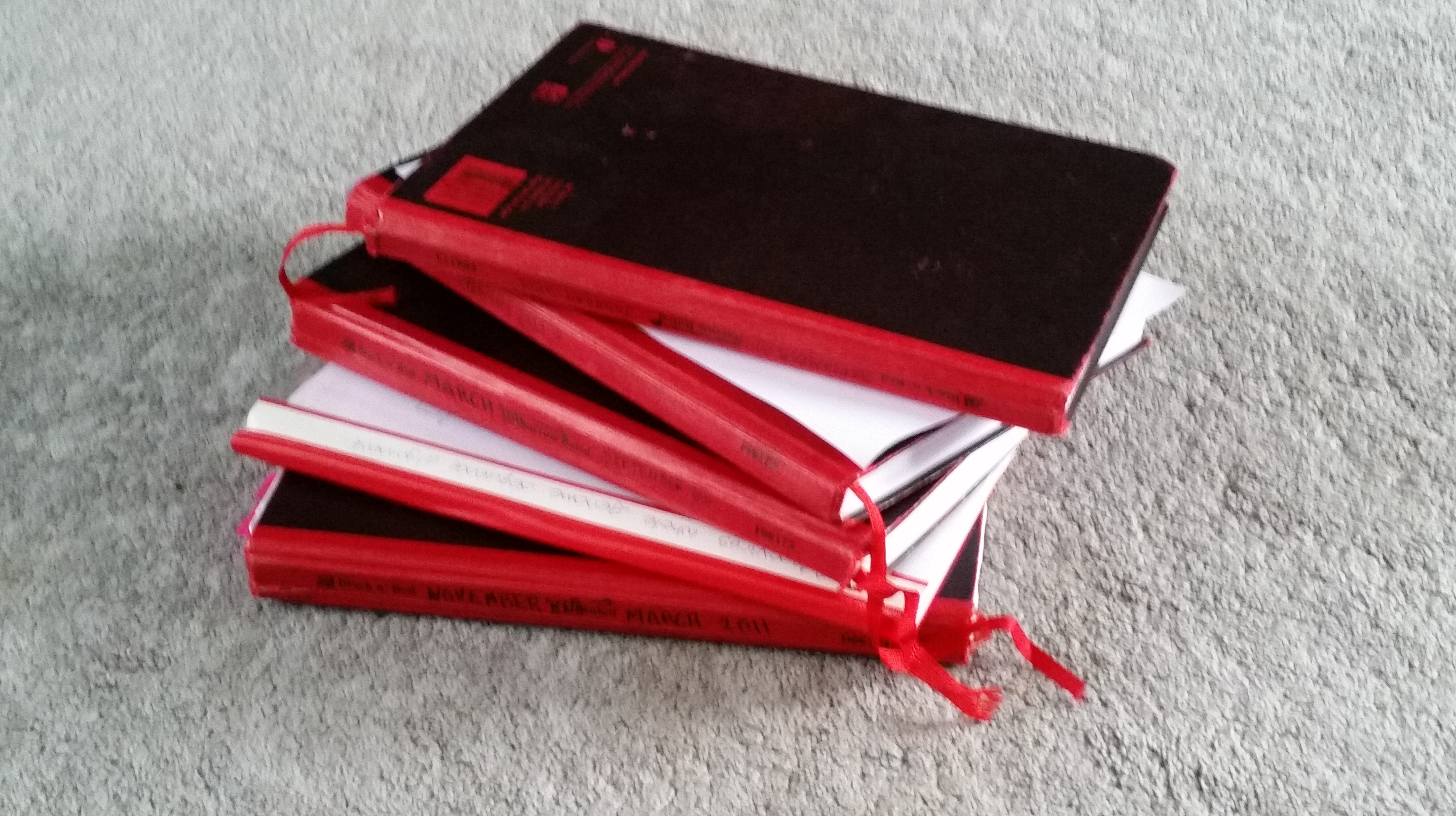
Talking of lab books, make sure you have them and that you keep them. Have a structured way of recording information so that you make sure you have everything down and don’t miss crucial details which were blatantly obvious at the time. I can promise you that when you come to look at them three years down the line you will have no idea what that obvious information was. I also colour code mine for different types of work (viruses = purple headers, bacteria = green etc.) because it helps when you’re flicking through years of books towards the end.

It’s also worth knowing what your writing process involves. For a long time I beat myself up for not being able to get on and write straight away. I would berate myself for prevarication as I would tend to cook, run or even, god forbid, clean rather than start to type. Then, after about three days, I would sit down and I would write something like a paper in full. It took me forever to realise this was my process. I would spend time percolating things over, deciding my story, thinking about structure, even if I wasn’t specifically thinking I was processing in the back of my mind. It was all still work and made my writing more efficient and so I have learned to accept that writing is not JUST sitting in front of a computer screen. It’s everything that leads up to those words.

I also want to quickly note here that my process is not going to be the same as yours. You will find your own, but be aware of it and learn to be comfortable with it.

Finally, Give Yourself a Break

All projects are different, and not all subjects are the same. Although I talked earlier about benchmarking you really do need to bear this in mind. Use benchmarking to help you, not break you. You are on your own journey and it will be different from everyone else’s. Also be aware that there are some things that seem to happen to everyone, like the second year slump. No one told me about this and I struggled for ages thinking it was really abnormal. I finally confessed and was told that it happens to just about everyone. The second year slump is where you are far enough into your PhD to have a good feeling for where you need to end up and of the work involved, but you are too far from the end to have really started ticking off the achievement boxes and it all stills feels far away and overwhelming. The second year slump can happen at different times to different people, especially if you’re part-time, but this is just one example of knowing that this is a learning process and sometimes you just have to go with it.

All opinions in this blog are my own

If you would like more tips and advice linked to your PhD journey then the first every Girlymicrobiologist book is here to help!

This book goes beyond the typical academic handbook, acknowledging the unique challenges and triumphs faced by PhD students and offering relatable, real-world advice to help you:

  • Master the art of effective research and time management to stay organized and on track.
  • Build a supportive network of peers, mentors, and supervisors to overcome challenges and foster collaboration.
  • Maintain a healthy work-life balance by prioritizing self-care and avoiding burnout.
  • Embrace the unexpected and view setbacks as opportunities for growth and innovation.
  • Navigate the complexities of academia with confidence and build a strong professional network

This book starts at the very beginning, with why you might want to do a PhD, how you might decide what route to PhD is right for you, and what a successful application might look like.

It then takes you through your PhD journey, year by year, with tips about how to approach and succeed during significant moments, such as attending your first conference, or writing your first academic paper.

Finally, you will discover what other skills you need to develop during your PhD to give you the best route to success after your viva. All of this supported by links to activities on The Girlymicrobiologist blog, to help you with practical exercises in order to apply what you have learned.

Take a look on Amazon to find out more

What Is Antimicrobial Resistance and What Might It Mean for Me?

I’ve been talking to quite a lot of people about antimicrobial resistance lately. Partly because I’m involved in a big clinical trial called LAKANA, but also because I’ve been recording some content for the Department of Education and school teachers linked to Infection Prevention and Control. What has struck me is that something that has such a massive day to day impact on my working life hasn’t really made its way into the public consciousness just yet.

As last week was antimicrobial awareness week, I thought I should take the opportunity to talk about antimicrobial resistance and why I think we should be working hard to talk about it more: in the pub with our friends, with our families over Christmas, and with our patients and students.

Photo courtesy of Anthony De Souza

What Is Antimicrobial Resistance?

When I go into classrooms and speak to members of the public they sometimes think that antimicrobial resistance is when our bodies become ‘immune’ to antibiotics. This isn’t the case. When we talk about antimicrobial resistance or, for the rest of this blog post, antibiotic resistance (as I’m talking about bacteria) is when the individual bacteria are not affected by the antibiotic or it works less well (see my introduction to antibiotics post for a bit of background).

Antibiotics work in two main ways. They are either:

  • Bacteriostatic = inhibits the growth of bacteria.
  • Bactericidal = kills bacteria.

The way the antibiotic works against the bacteria can be linked to the way that the bacteria become resistant to the antibiotic. I’m going to do another blog post with some of the technical details of how this works and how we detect it, so bear with me for a couple of weeks. For this post, the main thing is to know that it is the bacteria that become resistant, not us, and that there are a number of different ways that this can happen:

  • Intrinsic resistance = the antibiotic will never work against that particular bacterial species because of the characteristics that species has. This includes things like Vancomycin not working against Gram negative bacteria as the molecule is so large.
  • Selective resistance = where a mixed population of resistant and sensitive bacteria are impacted by antibiotic use and the resistant ones survive and therefore become dominant.
  • Acquired resistance = where previously sensitive bacteria acquire the ability to resist the effect of an antibiotic, often through acquiring genes, which allow them to change the way they function or replicate.

What has antibiotic resistance got to do with me?

The Review of Antimicrobial Resistance (2016)

Levels of antibiotic resistant bacteria are being detected in increasing numbers in food (linked to farming), in the environment, and within humans: both in hospitals and in the community. It’s for these reasons (and others) that it has been modelled that more people will die linked to antimicrobial resistance than cancer by 2050. If, as a population, we have more resistant bacteria onboard as part of our normal flora, it is increasingly more difficult to treat us when we need it. It will also become increasingly more difficult to do ‘standard’ surgeries such as hip replacements, tonsillectomies etc. as these require us to give prophylactic antibiotics when you’re in surgery in order to reduce infection risk. This means we may have to live with long-term conditions that currently we would surgically correct.

Most of us think about antibiotics as being something that we either give to really sick people in hospitals or a fairly harmless way to get back to our every day lives when we’re feeling unwell at home. In many ways that is true. Most of us will have had multiple courses of antibiotics during our life and have never given it much thought. Some women may have had the odd bout of thrush when they’ve taken antibiotics for a urinary tract infection and that is the closest they’ve seen to side effects. The case of a woman getting a fungal infection (thrush) because they’ve taken antibiotics that have wiped out the non-harmful colonising bacteria in their vagina is a pretty good example of exactly what can happen in less obvious sites when we take antibiotics. For example, there’s plenty of data that the use of antibiotics can impact on the bacteria in your gut, providing selective pressure and changing what the population of bacteria looks like. Usually this returns to normal over time. However, in a world where the bacteria we encounter are increasingly resistant, that return to normal could take longer; if they got out of the gut to another location due to surgery during that time they could be more difficult to treat.

Colonisation vs Infection

Most of the time if we have resistant bacteria onboard we would never know. They are colonising us, just like our normal bacteria, and not causing us any harm. There’s good data to show now that when we travel abroad to countries with a high prevalence of antibiotic resistant bacteria in food or the environment, that we may exchange some of our sensitive bacteria for resistant ones. You’d never know, especially as when we get home they will usually be replaced again with sensitive versions. However, if you happen to get an infection whilst you have them onboard because you’ve had an accident on holiday, or you’ve travelled for medical care overseas, then the infection may be more difficult to treat.

It’s not just the antibiotics we use in humans that can make this situation worse. Antibiotics are used as growth promoters in farming. We use antibiotics to treat our pets. Because of how expensive and difficult antibiotics are to develop, we are not really developing new ones and so the pool of available antibiotics is getting smaller.

Because antibiotics are used in so many different ways in solving the issue of how to impact levels of antibiotics, resistance is complicated. It requires us to be able to diagnose and detect resistance faster, to work with drug companies in order to tackle the drug development pipeline, and to take a ‘One Health’ approach, looking at farming and veterinary approaches as well human.

So, what can I do?

  • Be aware that not all mild respiratory and other conditions require antibiotics. Many are viral and will improve with rest and hydration. Therefore, consider waiting before requesting a prescription for antibiotics.
  • If given a prescription, make sure you complete the course. Do not just stop because you start to feel better. Stopping early might mean that you have not completely treated the infection and the remaining bacteria can grow back and sometimes develop resistance.
  • Do not buy antibiotics when you are abroad in a country that permits an over-the-counter purchase.
  • Do not store antibiotics and use them at a later date. Neither should you use antibiotics that were prescribed for a family member or (and I know people have done this) a pet.
  • Think carefully about whether travelling abroad for healthcare is the right choice; make a risk assessment about where you are planning to travel.

If we want to continue to experience healthcare in it’s pre-COVID-19 form, we all need to work together to change the way we use antibiotics so that the modelling predictions do not come true

All opinions on this blog are my own
A Short Post Written for my Facebook Friends on the Welcome News of the Approval of a SARS CoV2 Vaccine

Content Warning โ€“ this was a post written for my friends on Facebook who have been super-excited about the vaccine and what it might mean. This is a non-referenced post, written on a tube train, which may or may not be of interest to the wider world

There’s lots of stuff flying around about vaccines at the moment. I don’t know if its useful, I don’t know if anyone cares anymore (I would forgive you if you didn’t), but here are some thoughts/comments. They will be an oversimplification as I can teach whole modules on this but there we go.

Vaccines have 2 main functions:

  • 1 – to prevent or, more commonly, reduce transmission risk.
  • 2 – to attenuate infection, i.e. you still become infected but will get less sick and, therefore, your risk of mortality (death) or morbidity (long term consequences) is reduced.

Almost all vaccines are a combination of both of these aims but they are often focused more on one than the other. Most people seem to be commenting thinking that the main aim of the SARS CoV2 vaccines is mainly number 1, when in reality the main thing we’re trying to achieve is actually to reduce mortality and long term health consequences.

The vaccine is much more likely to function like the flu vaccine where you are given it at six month or 12 month intervals depending on whether you are currently in a group where your risk indicates that aim 2 might be helpful. It will inevitably have an impact on aim 1. However, you will, from the current predicted vaccinable groups, have a large reservoir where the virus will still be actively circulating and will be for the foreseeable future.

BBC News 02/12/2020

In addition to that, we will still have some vaccinated people who acquire infection and actively shed virus, they just get less ill. This is to not even mention vaccine failures, of which there will be some as with other vaccines.

What does this mean?

Well, the availability of a vaccine is great news. It will help in reducing deaths, preventing healthcare associated cases and will be a step back towards normality. It sadly does not mean that it is the only step back to normality or that those steps will happen a lot more quickly. It just means that hopefully less people will die along the way. I don’t think we are talking enough about the new normal, but that is where the vaccine will lead us, not to where we were before. Obviously everything is speculation until the peer-reviewed studies are out and this is just me. I am only one person so my crystal ball could be wrong. Be hopeful, look to the future but also know that our personal responsibility for controlling spread and protecting others will not end with one or two injections.

Anyway, what do I know…?

All opinions of this blog are my own

Musings for my Facebook Friends on SARS CoV2 Testing

Content Warning – This was a post written for my friends on Facebook who have been discussing testing a great deal; this is a non-referenced post written on a tube train which may or may not be of interest to the wider world

I’m on a tube so this will, again, be stream of consciousness, but I’ve seen multiple conversations about testing in recent days and so here are a few comments/thoughts:

Testing is undertaken for 2 separate, but linked, reasons:

  • 1 – epidemiological testing in order to control transmission risk and instigate additional measures such as isolation.
  • 2 – clinical management so we know what your viral load (we’ll come back to this term) is doing and how you may be responding to medication.

The testing that is being done for SARS CoV2 testing in the community is called Pillar 2 testing. The testing in hospitals is called Pillar 1 testing. Most of the testing undertaken in hospital labs is logically much more focused on aim 2 rather than aim 1, although we care about aim for prevention of hospital outbreaks. The main function of Pillar 2 testing is based around aim 1, but it also acts to give information if you present at a hospital. Clinical management is not the main aim of Pillar 2: most of your healthcare management will be based on symptoms, irrespective of a positive result, and on physiological measurements such as 02 Stats.

Back to how testing works.

The gold standard test for SARS CoV2 is polymerase chain reaction or PCR, where we look for fragments of the virus, and then create replicates of this original fragment until we have enough to detect. This means that if you have more virus on board you make the number of replicates needed to be detected as positive quicker than someone who is shedding only a low level of the virus.

We normally deal with positive tests in terms of cycle threshold (CT). This is the number of replication cycles required to detect the virus. If your CT value is very low i.e. 20 cycles then you had millions of viral particles present in your sample. If your CT is 38, you had hundreds and it took a lot longer to replicate enough to detect. Still with me? As that was the technical bit! The thing to take away is (counter intuitively) a low CT = lots of virus, a high CT = low levels of virus. This is important because every test has a limit to its sensitivity. PCR can detect down to a few hundred or few thousand copies of the virus but it has its limits.

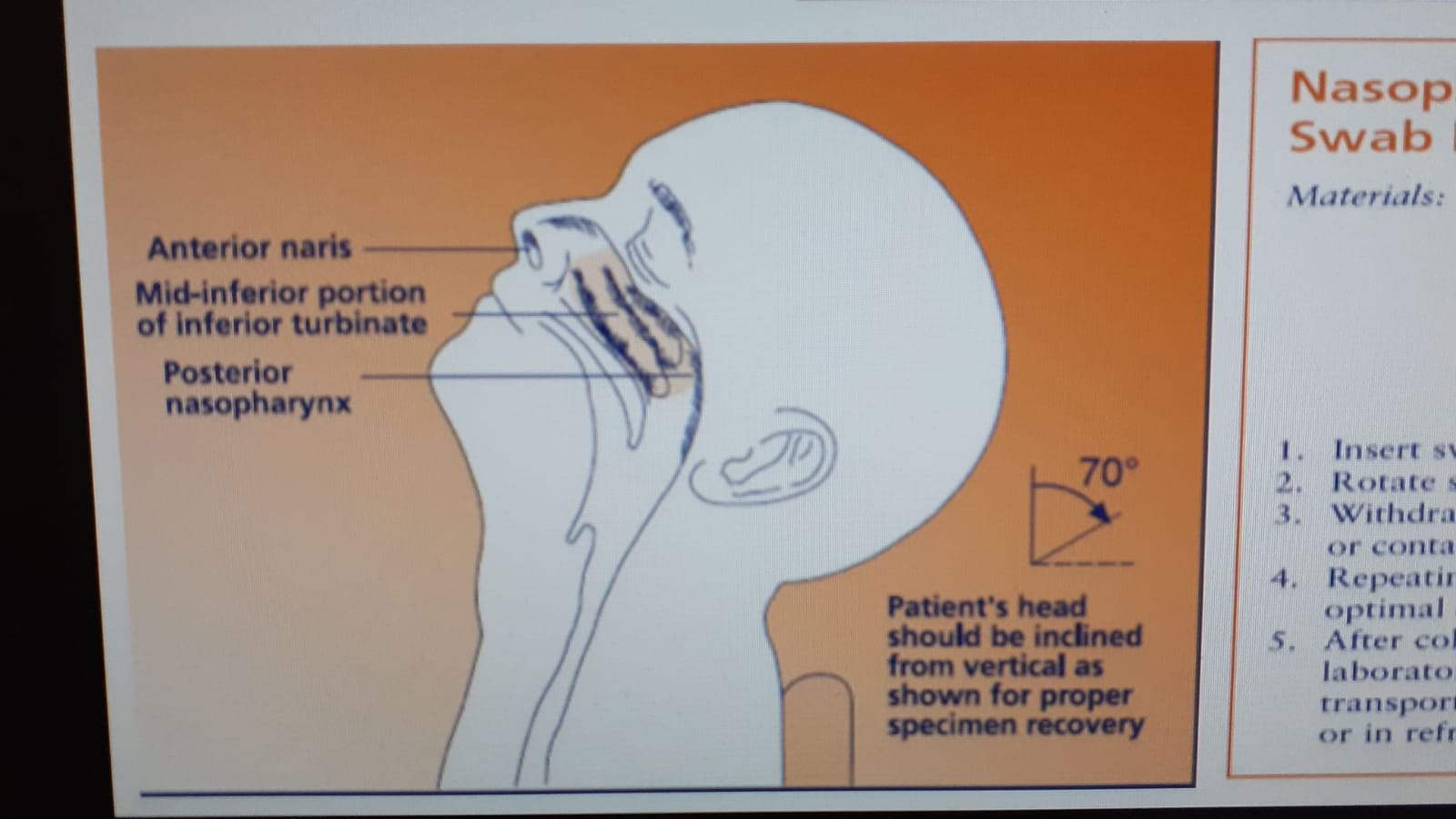
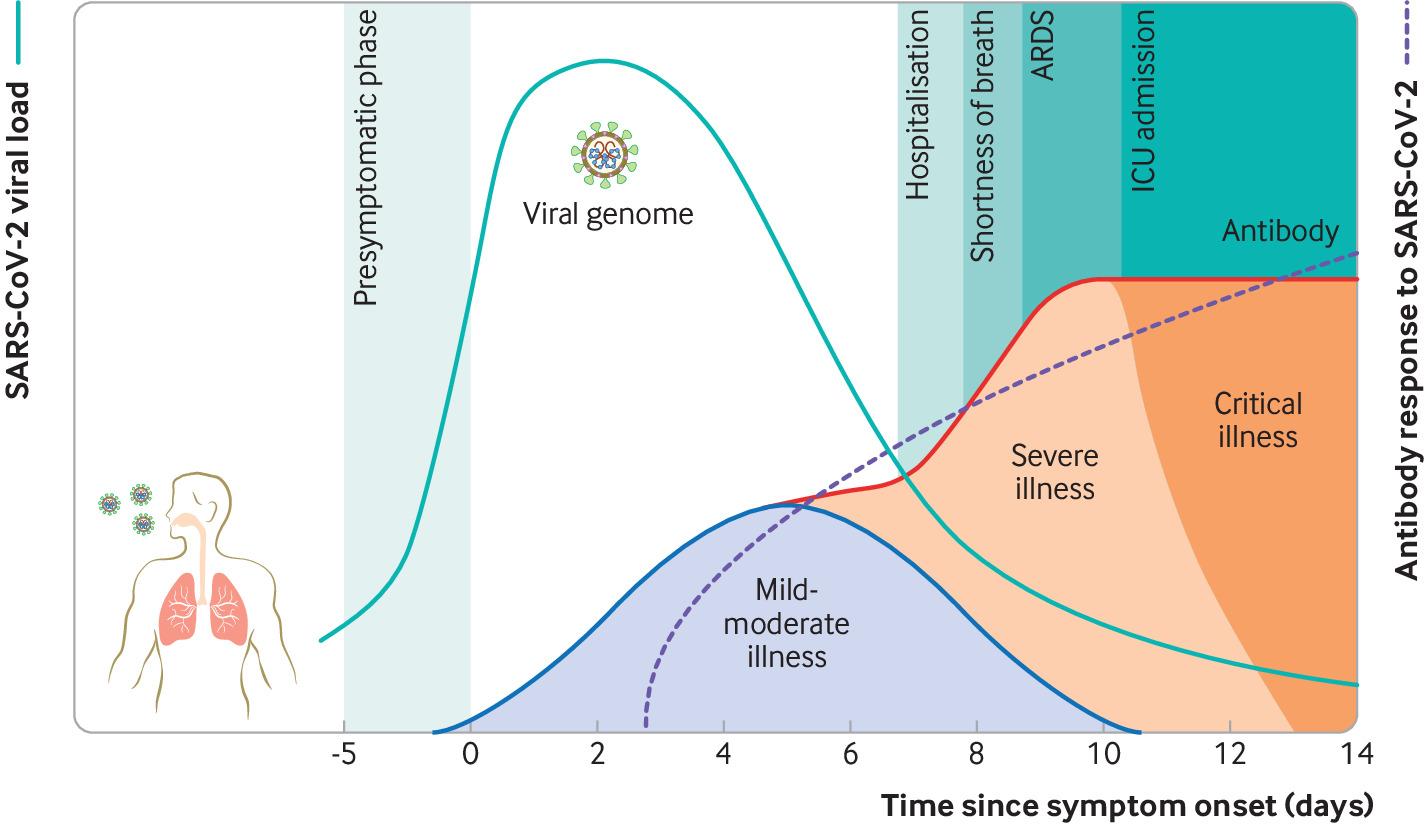
One of the problems with SARS CoV2 is where the virus initially does most of its replication, i.e. in the nasopharynx: the back of your throat and upper nose. That means to try and get a good sample to enable the testing you need to get into there which is not only uncomfortable but pretty hard to do to yourself in terms of visualisation. This means that, even though the test process itself is pretty good, the samples we put into it are often not that well taken (which is why in hospitals they are taken by someone else) and so you may not have enough virus present to count as positive when the PCR is run. This brings me onto the picture below and asymptomatic testing. The first thing I want you to remember is that a test is only valid at the moment it is taken. It does not (if negative) represent what will happen 5 minutes or an hour later. Therefore taking a screen when you are asymptomatic has very limited value to either of our aims. Within healthcare and for contact tracing purposes, we default to the fact that you could be asymptomatically shedding virus for 48 hours before you develop symptoms but that brings us onto viral load. This is called the pre-symptomatic phase.

Virology, transmission, and pathogenesis of SARS-CoV-2 BMJ 2020; 371

Viral load is a term we use to talk about how much virus you are shedding or have in your cells. The viral load gradually increases in the asymptomatic phase of infection BUT, and there is a BUT, not everyone will shed virus as the same level even when symptomatic. Some people will control the virus better in terms of replication and will therefore not be detected positive in the pre-symptomatic phase or even on day one of symptoms. The most sensitive day to test is actually on day three after symptom onset. Therefore an early negative test is not helpful. Yes, if positive it means you can put your actions earlier but it is not reliable. Therefore asymptomatic testing needs to always be undertaken with caution and is only valuable in very specific settings. The reason we talked so much about asymptomatic transmission earlier in the pandemic is that we didn’t have our symptoms right. We were looking for flu-like symptoms and ignoring things like anosmia (loss of taste and smell) and, now we’re including it, we don’t see much that meets asymptomatic transmission outside of the 48 hours before symptoms develop. As time goes on replication can predominately move into the lower respiratory tract, i.e. lungs etc. and then you may get negative nose and throat swabs where as deeper samples taken from the lungs are positive.

What does this mean?

  • If you are asymptomatic please don’t request a test as it probably doesn’t give you the information you think you are getting.
  • If someone has been asked to isolate as a contact that doesn’t mean they have exposed you, it means we are asking them to isolate to reduce the risk of them exposing you in the pre-symptom 48-hour phase and so there is no alerting necessary until they have symptoms.
  • If you’ve been exposed to a positive test: work on the isolation guidelines, based on symptoms not just on the test results.
  • Samples can be taken in a way that doesn’t capture the true picture: they may be taken too early and/or be below test sensitivity Pillar 2 testing aims to support stopping transmission and not clinical management, so bear that in mind

Right, back to the coal face

All opinions on this blog are my own

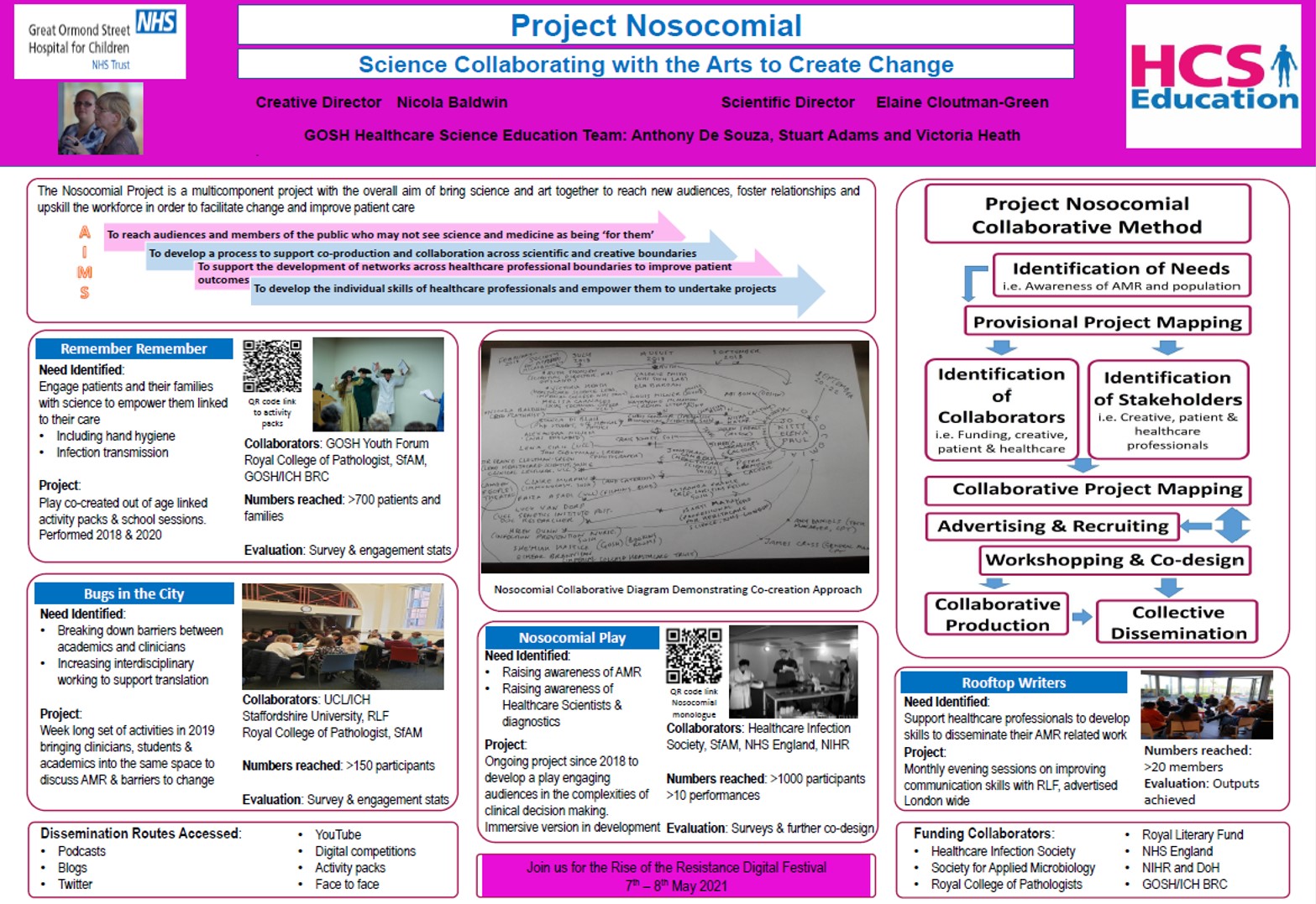
The Nosocomial Project

In 2018, Nicola Baldwin and I met when I gate-crashed a public engagement event on Antimicrobial Resistance as a member of the public. Nicola was helping facilitate the session. I was immediately inspired by how she enabled conversations to happen between different people of very different backgrounds in the room.

We agreed to meet up for coffee and a lab tour, as Nicola was just as interested in the science as I was in using drama and stories to communicate our message. In that moment, the Nosocomial Project was born.

Why am I writing about this today? Well, for three reasons:

  • Firstly, I don’t think we talk enough about the power of stories to support change: change in behaviour, change in communication and change in the kind of science and research we might undertake.
  • Secondly, it’s the Antibiotic Guardian awards tomorrow and we’ve been fortunate enough to be shortlisted in the Public Engagement category.
  • Finally, it’s the last day of antimicrobial awareness week and so it felt very timely.

The project has included a lot of different events and subprojects and has reached over 2000 people over the last couple of years. Although the projects all have slightly different target audiences, and are delivered in different ways, the main thing is how they develop.

The process is about collaboration and co-production. It’s about trying to give everyone a voice and finding innovative ways to reach out and find new stories, along with new participants. The team is about providing funding and stakeholders to support bringing people into a room (virtual or digital), as the collective leads to more than could be produced by any individual.

The core team work with creatives, scientists, health professionals and members of the public, with >50 collaborators so far. With the Rise of the Resistance Festival, scheduled for May 7th and 8th 2021, we are hoping to grow that number even more. So, if you want to join us in using drama to create impact and change, tweet us @girlymicro @NosocomialThe

Why I Think It’s Important to Talk About Failure (and other stories of Imposter Syndrome)

I was intending to post about what it’s like to be back on Infection Prevention and Control clinical this week, and what a day in the life looks like. And I will. However, it popped up in my Facebook timeline that it was five years ago today that I found out I’d passed FRCPath. Now that was a pretty momentous day in my life, but it struck me how sure everyone else was that I would pass and how crippled with doubt I was in comparison.

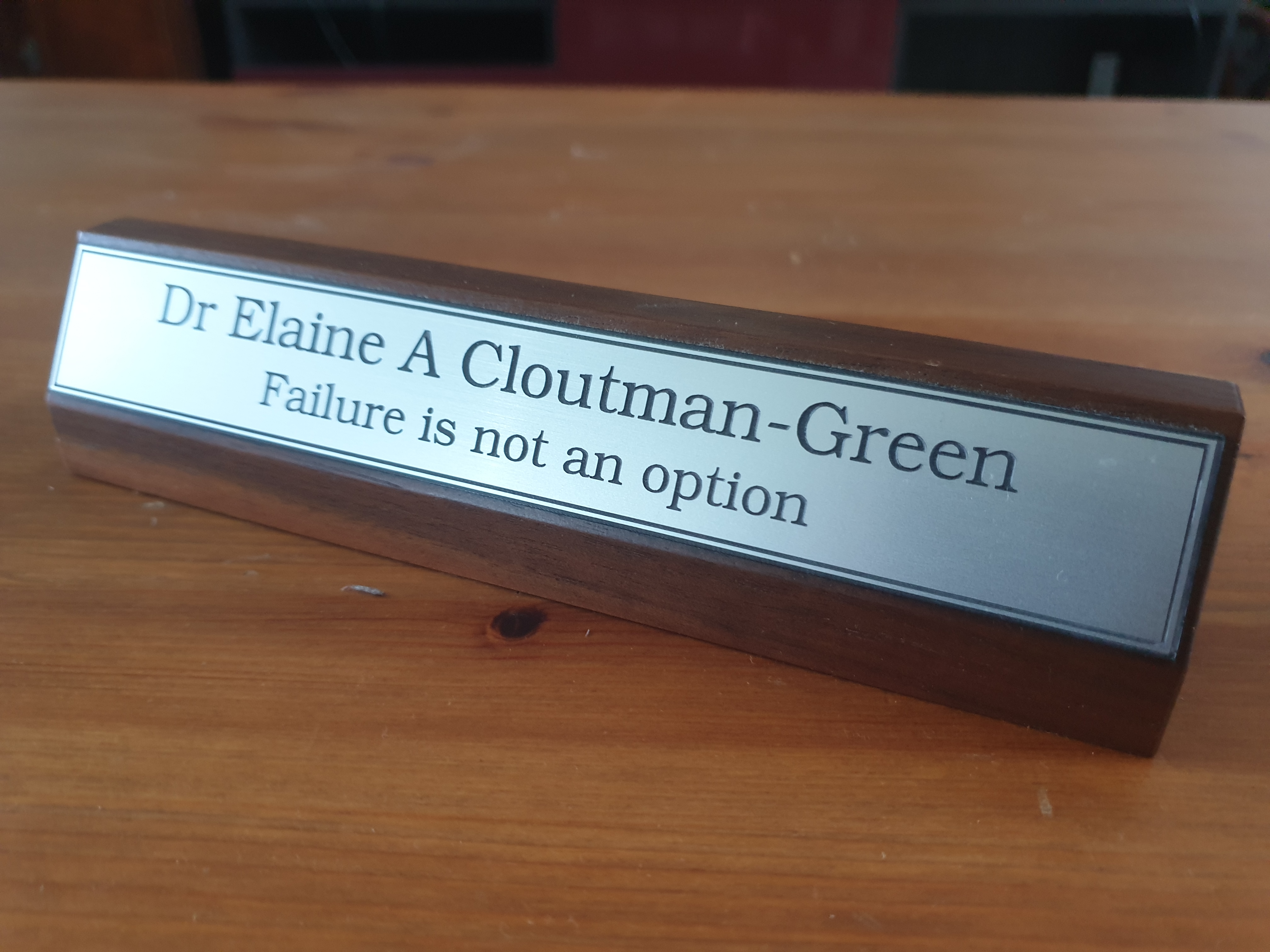
When I started studying for Fellowship of the Royal College of Pathologists, my father sent me this name plate for my desk. No child of his had ever failed anything and he didn’t believe we were about to start now. I think this probably sums up in one image why I’ve found this week re-starting clinical I used to do 10 years ago so hard. I’m terrified of being judged for making mistakes. Now, my father has got a lot of things right (and that plate was definitely a useful motivator) but I think that on one thing we have to disagree: Failure is important: we need to acknowledge it, learn from it and share the lessons. That said, I think this in my mind; The overwhelming panic I feel at the concept of failing shows me I don’t feel it in my soul.

One of the big problems with working in a Clinical Academic career (although I suspect they exist elsewhere) is that we work alongside people who appear very successful. I am surrounded by world-leading experts in X and Y. In this setting, it can be very tempting to try and benchmark yourself against others and to feel that you don’t match up. This is especially true in a Clinical Academic career: you sit in two worlds and so are never going to be productive in the same way as if you only sat in one.

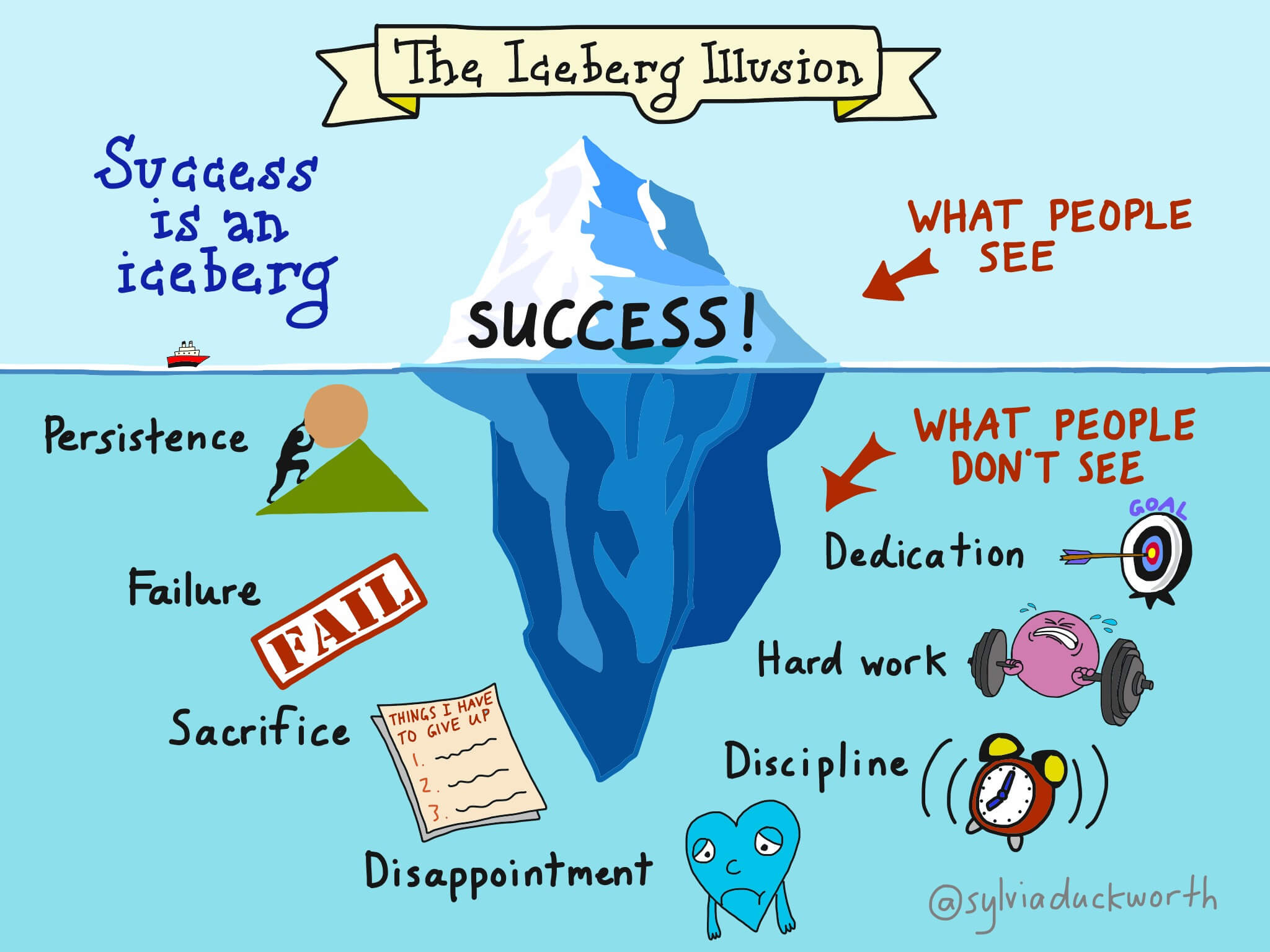
I am, if you look at my CV, objectively pretty successful. Last year I won three national awards and was awarded >ยฃ20 million pounds worth of grant funding. In the same year, I managed to break my arm in two places getting out of a lift, had three papers that were rejected/required serious edits, failed to get four much smaller grant pots, and was told in a meeting I was of negligible value to my Trust, Leading me to consider whether I had what it takes to continue. The point being is that no matter how successful someone appears, it’s rarely the whole story. It’s a fine line to walk between believing in yourself and not getting sucked in by the successes or taking on board the negative comments.

It is worth knowing that all of us have CVs of failure and there is value in letting people know that everything doesn’t always go well. Not just because sharing our failures is where the learning is, but also because I don’t want people to see me as a successful Clinical Academic who is ‘other’. I want them to see me as Elaine, who is human and has her ups and downs. If you want to see proof of one of my more stupid moments, make it through the Stand up for Healthcare Science comedy set and wait for the punch line.

So, having established that I do fail, regularly, and also have a massive fear of that failure, I wanted to take a moment to talk about that and imposter syndrome. I’ve put a link to a Ted Talk by Amy Cuddy who talks about some interesting research, but also talks about the difference between ‘fake it until you make it’ and ‘fake it until you become it’. The first version indicates that at some point you can stop; The second means that it results in a shift in identify and, therefore, permanent change. Sometimes you just have to wear the identity for long enough that you truly become the identity and wait for ‘the imposter’ to leave.

When I was doing my GCSEs, I was pretty ill and couldn’t attend school for a year. When I was doing my A-levels, I was still recovering and could only manage a couple of hours a day. Most people acknowledged that university just wasn’t on the cards for me and that my academic success was going to be limited. This was hard (you saw the plate from my father, right?) and meant that I had to make a decision about what my identity would be. Could I be me and not be a good student? I was pretty scared and thought, in that teenage way, that life was over. Then I picked myself back up and decided I was going to try for university anyway. I acknowledged I would be behind. I acknowledged I wasn’t going to be the best and that I might just fail horribly. I decided to do it anyway. I chose to ‘fake it until I became it’.

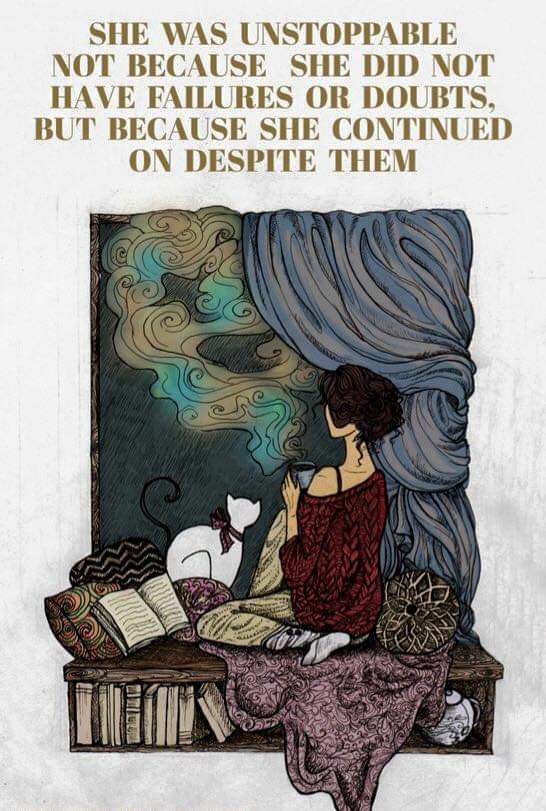
My point? It’s OK to be scared. It’s OK to worry. It’s important to acknowledge all of that and then do it anyway. I could never have imagined being where I am today, for all of the self-doubt I still carry with me. Success is rarely the result of a single moment, it’s the result of a series of moments where we make the decision to carry on trying. So, join me in taking life one day at a time, acknowledging our failures, sharing our doubts and persisting towards success.

All opinions on this blog are my own
Saturday Morning Zombies: how infection is portrayed in the genre

It’s Saturday morning and I’m spending my day watching zombie movies. There is a reason that I watch in the morning… I’m a complete scaredy-cat and so I don’t want to watch these before I go to sleep. Also, I don’t really like horror movies. Correction: I only like horror movies with plot, i.e. Get Out.

So, why am I spending Saturday exploring the world of zombie horror?

Three reasons:

  • Despite not liking horror movies as such, I’m intellectually obsessed with how infection is portrayed in them and debating whether the infectious cause would result in different types of zombies.
  • Nicola Baldwin and I, because of our shared obsession with the genre (albeit for different reasons), are going to create a new piece of work on zombies and infection for the Rise of the Resistance Festival (online 7th and 8th May 2021). I therefore need to do some homework.
  • My husband really really likes zombie movies: he is super-stoked that this is my weekend homework, rather than writing papers or analysing data

My friends and I talk about this so much as part of our ‘pub conversations’ that we honestly do have a zombie survival plan. So much so that one of my best friends included saving her husband ‘during the zombie apocalypse’ as part of her wedding vows. This may sound silly and, believe me, it is; But there is some interesting and philosophical stuff in here:

  • Where is the best place to run to (cities vs country)?
  • What would you do in the 1st 24 hours, 1st week, 1st month?
  • Who would you get to join your party? Why? What skills do you need?
  • Do you take people along for the ride because you like them, or does everyone have to have purpose?
  • What rules of society might you abandon for the sake of saving the human race, i.e. monogamy, patriarchy?
  • How much aid would you offer to strangers ‘Good of the Many’?
  • Would you opt to die as you or turn if infected? ‘Survival at any cost and in any form?’
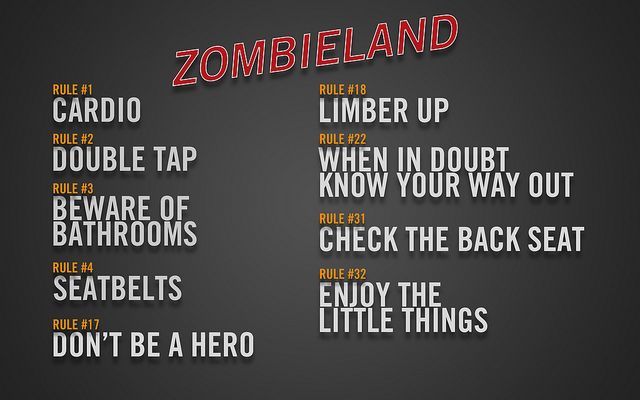
  • What would your ‘rules’ be?

These questions are all about how we, as humans, would react to a zombie outbreak. However, the thing that really fascinates me is how the zombie might change based on the cause of the zombie infection.

There are real life instances where infection can result in behaviour change. As part of my interest in this, I created the activity at the bottom of the page called ‘Zombie Island’. It was one of the first public engagement activities I designed and ended up being turned into a live action takeover event in the city centre of Toronto, where visitors had to solve different clues and challenges in order to cure themselves before they became zombies. The activity in Toronto was called Zombie Rendezvous and the link to the booklet is below:


Zombie Island – How Will You Save your Tropical Island Home?

The first thing you need to do is design your zombie. Will it be due to:

  • A virus?
  • A bacteria
  • A fungus?

This decision will affect not only how your zombie transmits infection, but also how fast and easy/hard to kill it is.

How do infectious causes affect zombie characteristics?

Slide taken from Design You Zombie Activity (see downloads below)

Once you have your zombies designed you can then play the scenario. Each different type of zombie requires different infection control and public health decisions/prioritisation. Make the wrong choices and the zombies will reach the port or airport and get off your island to infect the outside world. They can also infect your food supply, take down your military, or cause mass point-source outbreaks if you fail to shut down public events. All decisions aren’t equal, so make your choice…+

More on all of this later when I’ve watched some movies. Remember – aim for the head!

All opinions on this blog are my own.

Celebrating National Pathology Week: What is a clinical microbiologist?

To celebrate this week being National Pathology Week , I thought I should take some time to post about what a clinical microbiologist is. I do this because, when I was at university, I really didn’t know that this career path existed. So here is a shout out to all those students who are trying to decide their next steps. You too will find your way.

When I googled microbiologist this is the first item that comes up

Microbiologists study microorganisms (microbes) in order to understand how they affect our lives and how we can exploit them

Prospects.ac.uk

This seems like a pretty good cover-all description. It goes on to discuss that there are microbiologists in many different areas:

  • medicine.
  • healthcare (I’m not sure how they differentiate this from medicine or visa versa).
  • research.
  • agriculture and food safety.
  • environment and climate change.

I must admit that when I was at university most of the options I encountered were linked to the food and drink industry or pure research. I think that their list missed things like Pharmaceuticals (although they may count that as medicine) and other forms of production, i.e. cosmetics.

At university I only did one module of microbiology (I was reading Zoology) and that module was about environmental bacteria and plating out bacteria onto agar plates to see what grew.

How did I go from Zoology to Microbiology?

I really wanted to work in an area of science where I could work to make a difference. I wanted to work somewhere that I could see that difference being made. Working in research felt too abstract to me. When I discovered, through a friend, that I could become a scientist in healthcare I knew it was what I wanted to be.

The National Careers service says you need to have two to three A-levels to become a microbiologist, plus a post-graduate degree. That is mostly true. However, in a world of apprenticeships and T-Levels, that is no longer the only route.

When I became a Healthcare Scientist I became a Clinical Microbiology trainee. So, what was the difference between that and what I’d done at University? The main difference with clinical microbiology is that I focus on organisms that cause infection: parasites, viruses, fungi and bacteria.

I also discovered that there was so much more to microbiology than agar plates. Although – don’t get me wrong – agar plates are still a mainstay of life within the bacteriology laboratory.

One of the techniques I learnt to love was polymerase chain reaction (PCR), which enables us to look for the DNA or RNA of a microorganism instead of growing it. Viruses and parasites don’t grow on agar plates and bacteria and fungi may not grow well if exposed to antibiotics or if present in low levels. PCR allows us to diagnose patients with infections that would not be diagnosed otherwise, or to speed up the process so patients get put on the right treatment faster.

Variable number tandem repeat typing of Klebsiella pneumoniae

PCR also enables us to do things that are harder to do using traditional bacterial techniques such as culture. The picture is of patterns that are like bacterial fingerprints so that they can be clustered into similar groups. This enables me, as a clinical microbiologist, to tell whether bacteria within the same species are the same or not. This is important when deciding whether a bacteria has spread from one patient to another. It helps in acting like a hospital detective, which is a lot of my work in Infection Prevention and Control.

As a trainee I spent four years rotating within laboratory settings. I spent one year in a molecular laboratory, diagnosing patients using PCR. I then spent six months rotating between benches (each sample type has its own laboratory bench) in bacteriology: wounds, respiratory samples, faecal samples, blood cultures, urines, fluids (cerebral spinal fluid etc.) and the primary bench where samples were put onto agar plates. Six months in virology, a year in research and time in food and water, parasitology and mycology (fungal) labs.

The diagnostic process is pretty similar in principle between the specialisms:

  • collect specimen from possible site of infection.
  • select the most appropriate test to detect any organisms (agar plate for bacteria, PCR primers for viruses, etc.)
  • evaluate whether the result (positive or negative) is accurate and whether there are other tests that should be done, i.e. further characterisation of positives such as antimicrobial sensitivity.
  • decide on treatment or management of the infectious cause, i.e. antimicrobials or non-antibiotic management such as surgery.
  • advise on infection control if actions are needed to investigate where the infection came from or to protect others from risk.

During my first four years I spent most of my time in the laboratory doing the first three bullet points.

Time goes on. I’ve been in the NHS for 16 years. Most of my time is spent at my desk in the on-call bathroom. Not so much at the moment, due to the pandemic, because I’m working from home more.

Since 2010, most of my time has been spent either in Infection Prevention and Control undertaking the final bullet point or increasing my skills by gaining Fellowship of the Royal College of Pathologists to do bullet point four.

I still support the lab and, occasionally, get my lab coat on – but not as much as I’d like. It is, therefore, possible to be a clinical microbiologist and be anywhere on the spectrum. You can go as far as you’d like and do the type of work that makes you happy. It’s why being a clinical microbiologist is a great career!

Modernising Scientific Careers Framework

Remember, Remember! See the play, read the script and do the activities here!

See the original blog post about Remember, Remember here

Join Us to Help Celebrate National Pathology Week 2020!

Remember, remember the fifth of November

Gunpowder, treason and plot

We see no reason

Why gunpowder treason

Should ever be forgotโ€ฆโ€ฆ

What can you do to help our scientists who’ve been sucked back in time to 1605 to find the gunpowder plotters and help Princess Elizabeth?

Complete the activity packs below and watch the play or order to help them

Watch the play whilst completing the activity packs


In Chapter One our scientists find a strange message from the past, but what does it mean?

In Chapter Two our scientists find a Princess in need of assistance!

In Chapter Three our scientists get access to the scene of the crime, but what will they discover?

In Chapter Four our scientists try to persuade Princess Elizabeth that science is useful

In Chapter Five our scientists teach a Princess about infection and hand hygiene, as well as finding time to save the day

Thank you to our amazing cast:

Tara Kearney (PRINCESS ELIZABETH)   

Jonny Wright (FRANK & GUY FAWKS) @xymyorkrapper

Jennifer Daley (LILY & SIR JASPER) @jennifer_daley

Becky Simon (ROSA & GUARD) is @beckybsimon

Credits
Written by playwright Nicola Baldwin with Dr Elaine Cloutman-Green, Lead Healthcare Scientist at Great Ormond Street Hospital. Created for patients, families and staff at Great Ormond Street Hospital. First performed at GOSH for Pathology Week, November 2018. Director, Hannah Jones. Our project was funded by SfAM; the performance at GOSH was also supported by the Royal College of Pathologists. Thanks to: Abi Bown, Melisa Canales, NT Costumes, Rachel McInery, Sheโ€™miah Hastick, Miranda France, Polly Cheeseman, Anthony Manuel DeSouza (EDUCATION RESOURCES), Fionnuala Wilkins (GOSH SCHOOL), Amy Sutton (GOSH YOUTH FORUM), Laura Walsh (GOSH PLAYTEAM), Andrew Roast (GOSH DIGITAL), Royal Literary Fund. Photography by Rabbit Hole Photography.

This play is for performing at home

All opinions on this blog are my own

Quality Control in Scientific Publishing: what is it actually like to review papers?

It’s Friday evening and because I’m so rock and roll, or, actually, because I’m so very far behind with jobs, I’m supposed to be spending this evening reviewing papers for four different journals. Confession: I’m actually watching The Craft and writing this instead. I’m hoping it will inspire me to get on with the task at hand.

PhD Comics = So true it’s painful

What is paper reviewing?

Manuscripts (scientific papers/articles) go through a process called ‘peer review’ as part of the publication process. It’s a key part of ensuring the quality of published work, which is then going to reach a much wider and, sometimes, ‘non expert’ audience.

My job as a reviewer is to do a few key things (from my position as a life scientist):

  • Help the editor ensure that the paper is ethical. For instance, I didn’t use animal models when other methods would be more suitable, or that clinical data was misused without permission.
  • Ensure that the paper is reproducible. Is there enough information in the methods that I could take them and try to reproduce the experiment to ensure that it works and can apply to other samples/data?
  • Confirm whether the work is novel and that it adds to the body of scientific work out there. This also means we attempt to identify plagiarism, but I would never claim to be able to know all of the literature out there to ensure this.
  • Respond to whether the work is of a suitable standard for publication. This is very open, but mainly means: is the question they’ve asked of the data the right one? is the experimental design able to answer the research question posed? is the literature and justification presented for interpretation appropriate? Have they correctly reported on the flaws and biases that are inevitably present in any piece of work?
https://blogs.egu.eu/divisions/sm/2016/11/18/harsher-than-reviewer-2/

What is the peer review process?

Once you submit a paper (see my post on Writing and Publishing Scientific Papers), your submission will be allocated to an editor. That editor will then select reviewers from (usually) a combination of the reviewers you’ve suggested when you submitted and the list of reviewers they have on file. One of the reasons it’s so important to choose a journal that matches what you’re submitting is that you want to make sure the reviewers they have on file are going to have the knowledge and expertise in your topic area.

Once the editor has picked their reviewers they will then email out an invitation to review to those scientists. Usually, at this point, the invitee can see the abstract and make a decision whether they have the knowledge and skills to be useful in undertaking the review. I get some truly random invites that I turn down linked to topics I know nothing about and so it is really important that as individuals we’re aware of the scope of our practice and don’t overstretch. Once the reviewer has accepted they then get access to the whole paper and a deadline for submitting their response, usually ~ 2 weeks.

When you submit your review you have to justify your responses and give specific feedback for the authors to address. There are four main categories of response:

  • Accept without revision
  • Accept with minor revisions
  • Accept with major revision (maybe able to request that the paper is re-reviewed as part of this)
  • Reject

Now this is where I have to fess up! I am great at the accepting the invite part. I am not as good at getting the job done because of my other work load. I am probably one of the reasons that your paper reviews take AGES to come back. Sorry about that.

What is it like to review papers and how do I start?

To be honest, I usually have a feel for how it’s going to play out from the abstract. This is why a well-written abstract is so crucial: it gives a really good idea about how the author is going to be able to present their chain of thought and to be succinct in what is a relatively short format of ~4000 words for most papers.

If the paper has good concepts but it needs extra data or re-writing to get there, I will usually take a fair amount of time to give a lot of comments. I know this sounds perverse. However, the more comments I give you, if I give major corrections, the more worthy I think your paper is. It takes time to give feedback and I don’t put in the energy if it doesn’t have merit.

I’m not a rejecter. I don’t often completely reject papers unless they are clinically unsafe. This sometimes happens when non-clinical researchers make clinical suggestions in terms of antibiotic use when they are not qualified to do so.

Two final things.

One – If I spend a lot of time giving a heap of comments to try and make the submission better and it comes back to me without any attempt being made at most of them, I will a) remember as not that much time will have passed and b) not be very happy that my time spent trying to make the work better has been ignored.

Two – Lots of people believe we are paid or get some benefit from reviewing papers. We don’t. We don’t even get a discount for submitting to the journals we review for. The benefit you get is learning and reflecting about what makes a good article and therefore how to make your own work better.

Right! I’d better get on with reviewing those papers now………………….

Top Tips:

  • Think carefully about who you suggest as reviewers.
  • Some submission pages have options to list people who you don’t want to review as they are competitors within your field. This isn’t such a big deal in my world but, if you’re doing pure research, it’s worth considering.
  • Take the opportunity to start reviewing papers early in your career. It will help you think about your own writing and will improve your submissions.
  • Don’t take reviewers’ comments personally – use the gin and tonic method described under Don’t Get Disheartened in my previous post. They are there to help you, so take the constructive and let the rest wash over you.
  • If you are a reviewer remember our job is to be constructive, try not to be ‘Reviewer Three’.

All blog opinions are my own

If you would like more tips and advice linked to your PhD journey then the first every Girlymicrobiologist book is here to help!

This book goes beyond the typical academic handbook, acknowledging the unique challenges and triumphs faced by PhD students and offering relatable, real-world advice to help you:

  • Master the art of effective research and time management to stay organized and on track.
  • Build a supportive network of peers, mentors, and supervisors to overcome challenges and foster collaboration.
  • Maintain a healthy work-life balance by prioritizing self-care and avoiding burnout.
  • Embrace the unexpected and view setbacks as opportunities for growth and innovation.
  • Navigate the complexities of academia with confidence and build a strong professional network

This book starts at the very beginning, with why you might want to do a PhD, how you might decide what route to PhD is right for you, and what a successful application might look like.

It then takes you through your PhD journey, year by year, with tips about how to approach and succeed during significant moments, such as attending your first conference, or writing your first academic paper.

Finally, you will discover what other skills you need to develop during your PhD to give you the best route to success after your viva. All of this supported by links to activities on The Girlymicrobiologist blog, to help you with practical exercises in order to apply what you have learned.

Take a look on Amazon to find out more

A Week With Antimicrobial Resistance on my mind

This one gets a bit technical in places. Bear with me – the next one will be less so. Pinky swear.

This month has been a pretty one big for me. Last week, a clinical trial I’m involved with kicked off in Mali. 10% of Malian children die before their fifth birthday and this trial aims to reduce the level of infant mortality. The study is called the Lakana Trial and aims to recruit 100,000 infants born in Mali over the next three years.

In a separate post, at some point, I’ll tell you the ‘Mali not Bali’ story, but I’ll need a double G&T in front of me first. (Or register for free for Stand up for Healthcare Science on 6th November.)

At this point you’re probably thinking what on earth does this have to do with antimicrobial resistance (AMR)?

The thing is, to save all these lives, we’re giving antibiotics to every child (some will get a placebo). Nothing special about that, you might be saying, we give antibiotics to children all the time.

This is different because we aren’t treating symptoms of a known infection. We are giving antibiotics in order to reduce infection risk/inflammatory response in asymptomatic (symptom free) children under one.

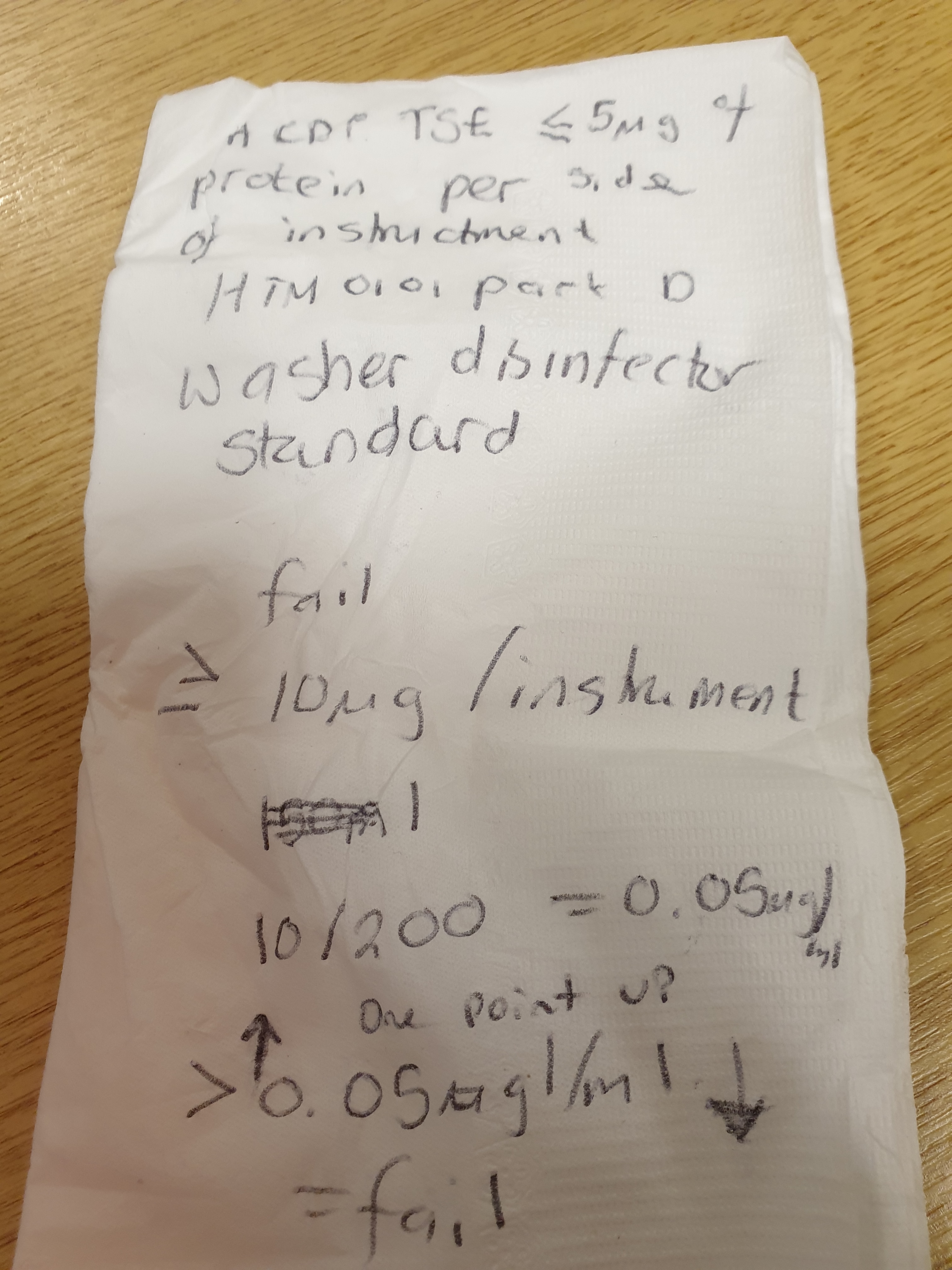
The antibiotic we’re giving is a drug called azithromycin and it’s from a class of antibiotics called the macrolides (see my A Starter for 10 on Antimicrobials post).

The LAKANA study follows on from the MORDOR study (the best study name in the world, in my personal opinion!) which gave two doses of Azithromycin/placebo to >190,000 children born in Malawi, Niger and Tanzania. The difference between that study and ours: they always gave two doses and the infants recruited were up to 59 months.

Mortality in the MORDOR study was 13.5% lower overall in communities receiving azithromycin vs those that were given the placebo (paper link here if you’d like more detail). Interestingly, there were differences in the survival increase by both country and by age group, with the highest mortality reduction seen in Niger. The greatest effects were seen in the one-to-five month age group which is why the under ones were selected for the LAKANA study.

To decide how many doses of azithromycin are needed to reduce infant mortality, the LAKANA study will gather evidence to answer three specific research questions:

  1. Does biannual azithromycin MDA (Mass Dosing of Azithromycin) to 1-11 month old infants reduce their mortality?
  2. Does quarterly azithromycin MDA to 1-11 month old infants reduce their mortality?
  3. Does quarterly azithromycin MDA result in a greater reduction in mortality than biannual MDA?

What has this got to do with antimicrobial resistance?

The AMR component of this study is the part that is being lead by UCL and the Institute of Child Health and so is sitting with me as a co-applicant. As we are giving antibiotics to children (and not treating a specific infection), it is crucial to understand whether this will impact on the level of antimicrobial resistance detected in them, their families and their communities.

Questions that we’re looking to answer (and that are currently running around my brain:)

  • If we do detect antimicrobial resistance is it stable? (I’ll explain this in a future post.)
  • Does detectable resistance return to baseline after a period of weeks, or does it lead to a permanent shift in their colonising bacteria?
  • Does any resistance detected make a difference to clinical treatment options? Macrolide resistance is usually due to accumulation of single nucleotide changes (single letters in the DNA code changing). This doesn’t necessarily mean the antibiotic will stop working.
  • Is resistance detected only in the Macrolide class of antibiotics, or does it lead to selective pressure that causes other resistance changes?
  • (Not AMR, but fascinating to me) How does azithromycin work? What is the mechanism? You would have thought this is well understood but, despite being available for decades, how it works as an anti-inflammatory is really not understood. Is the reduction in mortality because of its use as an antibiotic or because of this anti-inflammatory action.

What is incredibly important when doing this kind of work is that the first priority is to maintain the safety of participants. To that end we are working closely with the The World Health Organization who have recommended consideration of azithromycin MDA to under-one-year old infants, in areas with high childhood mortality.

Reducing infant mortality is so important: not just to survival but to quality of life and prosperity within these communities. These kinds of studies also need to be aware of their legacy. We are all incredibly keen to build laboratory capacity and infrastructure, not just in terms of equipment but also in terms of skills and skill infrastructure.

It’s early days and we won’t have any results from the AMR section for at least a year. I mostly wanted to record that this work is going on and the questions I have at the start. I also have some questions about balancing clinical outcomes which are pretty philosophical in my mind right now. If we see development of AMR, especially if it’s non-stable, but mortality is decreasing, where is the balance between those two things? How do you perform the risk assessment for the individual about short-term vs long-term outcomes? These thoughts convince me that this study is just the next step on a journey and that (as always) we have a lot to learn and a long way to go.

LAKANA team – Paris December 2019

All opinions in this blog are my own