This week marks the 5th anniversary of regular posting on Girlymicrobiologist.com. I can’t believe that time has flown by so quickly. I also can’t believe that something that started out with such small expectations has grown to play such an important part in my life, and in my sense of identity. This was all really cemented for me in something that also happened this week, the publication of my first ever book.
Now, it’s been no secret that I have been putting some time aside to try and write something for the last few months. You have all been very patient with me whilst I posted a little less frequently, and I cannot help but give a massive thank you shout out to Dr Claire Walker who has curated some wonderful guest blogs in order to keep the content flowing. It’s a world of different having an idea and starting to write it, to holding the real thing in your hand, and so my brain is still catching up to the reality. I plan to write a bit more of a step by step guide to what the experience has taught me about self publishing, and why I thought self publishing was the right choice for this particular book, but for today I wanted to focus on moving something from a vague wish to a reality you can hold in your hand.
So how did I get here?
Back in 2022 I wrote a post about the fact that I was playing with the idea of writing a book, although I wasn’t quite sure about the direction that book would take, and listing a number of steps:
Further formulate the concept i.e. what kind of book? I actually have 2 ideas. One is turning this blog into a book format. The second is that I also have an outline structure for a Pathology murder mystery. I’m excited by both, but right now I think option 1 is more achievable with my current resources
Review what I already have. If I go for a non fiction book I need to undertake a gap analysis of what I have, what can be modified and what new content is needed. For the fiction version I need to start getting my concepts down so that I know how viable they are
What good resources are available to me? This is an ambition of plenty of people and there is a wealth of information out there. I need to explore, quality assess and curate what there is so I don’t waste time and energy making unforced errors. There is no point in reinventing the wheel, modify it so it works for me, but let’s not start from square one.
Undertake some appreciative enquiry. Success is often about asking the right questions and making the right connections in order to increase your odds. I have some friends in this field but not in the area I’m thinking of working in. I need to be brave and put myself out there to gain insight into the ‘Known Unknowns’
Use the knowledge and information gained to put together a project plan. Establish some small steps that can make the project as a whole less overwhelming
Establish my success criteria. What does success look like? For right now it’s the process of creating that will feel like a success with a stretch goal of sharing what is produced, but that might change based on what I discover
Research your audience. If I decided to include sharing what is produced as part of my success criteria who would like to see such a book? If I were to share the content what would that look like and what would be needed?
You’ll notice that those early steps involved a lot of information gathering, and reflection before formulating a plan. Writing that blog post encouraged me to do just that, but more than that it meant that I had made a declaration to all of you and started talking about what the next steps would look like, so I could be held to account by others as well as myself.
One of the things that my research led me to understand with greater clarity, is that to get from where I was to publishing a book required both the formulation of a plan, but also the development and practicing of skills. To a certain extent, the project plan was the easy bit, as long as my research was effective. The skill development piece was harder. It seemed to me, that the best way to go about this was to support others by being involved with their work in order to learn and develop more.
This led to me being involved with everything from textbooks, to a book on the impact of waste on our society. Every encounter taught me something. Every encounter helped me to refine what I was interested in and how I was interested in working. It also supported me in developing an author page so that I had a place where I could sign post others to the work.
Fairly early on I realised that I didn’t have the time or bandwidth to develop my pathology murder mysteries right now, although I am still drafting plot on the side. The writing style is just too different for me to be able to dip in and out of , and I need to put in many hours of practice to get that style to a point where it would be acceptable.
That left me with content linked to this blog. Many of you will know that I started drafting, and am still working on a book called White Coat Syndrome (or similar). This is still in the works but a wise friend suggested that I keep working on getting it traditionally published, so I need to give it some focussed time. That left me with looking at the content I already have for trying out what the self publishing process could look like. Over 90% of non-fiction books are self published these days, and of the ones that are traditionally published still, most are linked to people in the public eye or with social media followers in the millions. It will be a surprise to no one that I do not fall into either of those categories, and so exploring the process of self publishing felt like the right move, not just for this book but to understand more moving forward.
So why this topic? In a moment of frustration about life, the universe, and everything, I was having a late evening rant and Mr Girlymicro and he said ‘Why don’t you write a book on how to do a PhD? You talk about it all the time. You spend lots of time supporting others through it, and you have already written thousands of words on your blog linked to it’. I just looked at him, went to bed, and woke up with a 40 chapter book outline. It just felt right. Something in my brain just clicked, and so the writing in the end was the easy part. After all, Mr Girlymicro is pretty much always right, and yet again he proved it.
Once the topic and method of publishing was chosen, then all that was left was pulling it together. It was so important for me that this book came from a place of authenticity, a place where I don’t pretend that things are easy, perfect or even equitable. In fact, it was that sense of inequity as I was writing that became a real motivator for finishing the book. As I reflected and wrote I became increasingly aware of how inequitable access to PhD programmes have become. How the way access routes are set up to be even more challenging if you have health or caring needs, but also if you don’t have access to someone who has done one to advise you on how to apply and what factors might be significant to talk about.
The next factor was to to decide on a time scale. Now, this part might be a little piece of madness but I know how busy IPC gets once we hit winter, and so allowing a 4 month time frame in order to get the book out before winter pressures and to align the release with the start of the academic year seemed like a good idea. I’m not saying that it was a good idea…just that it felt like one at the time. I think tasks take up the time that is allowed to them, however. I think if I’d allowed a year it would have spread to take that much time. It is sometimes better to set a tight timescale and stick to it, rather than allowing a window which could extend the project for longer than is really needed.
I also gradually became aware that providing some practical exercises would add value in a way that I could not include in a book format, and so decided early on that several of the chapters would have these hosted on the Girlymicro website so they would be free to access and download. Providing a holistic, interactive approach was key to my thinking, as was making sure that at its heart the book is about community and supporting each other, the same as this blog. I didn’t want to pretend to be someone else, or write in a way that was more academic, as I think there are enough of those styles of books out there. I wanted this book to support everyone to bring their whole selves to their PhD and their topic, and so it was important to me to write in a way that I also did the same.
Now the book is ready. Now that it is a real thing that I can hold in my hand. There are two main tasks taking up my thinking. The first is trying to work out how to get it to people that it might help, something that I would be grateful for any advice that you can give to me. The second is about how I can help others by sharing the knowledge I’ve picked up myself as part of going through the writing and self publishing process, to make it easier for others to get their voice out there. There are benefits to both ways of publishing, but there is something empowering about being able to feel like you can speak directly to your readers by maintaining more control over the content, rather than it being seen through a commercial lens. I’m not in this for the money after all.
There is still one thing that I talked about on my list of steps, way back when, and haven’t yet addressed, and that was success criteria and decided how to benchmark what success looks like. As I’ve said, I’m not doing this to make money, I’m doing this in the hope that it might assist others, and so for me it has never been about a commercial approach. I still need some way of judging progress however. On doing some reading I discovered that many books never sell more than 20 copies, and most others don’t sell more than 250 copies in their first year. My aspirations are pretty small therefore, as this is something I’m just beginning. I would consider the book a success if I sold more than 20 copies. I would be over the moon if I sold anywhere between 50 and 100 copies in the first year. The topic is fairly niche after all. Mostly I just want to mark the event and use it as my own benchmark for improving during future projects. We all have to start somewhere.
If however, you’d like to add to those 20 I’ve included the link for purchasing below:
Thinking about what’s next
Like everything is life, my first thought when I finish something is to think…what’s next? I have learnt so much and my plan is to take a little time to reflect on that learning and to enjoy focussing on blog writing for a while. That said, I am now going to return some of my focus to the book pitch for the Girlymicro general book, and I do have to admit I have the title of my next book in mind if I decide to try another self publishing exercise. Mostly I would like a few weekends off as it’s been a while since I could embrace the sofa and fully rot for a weekend. So while I cogitate, I intend to treat myself with some truly awful reality TV, and spending quality time with mummy and Mr Girlymicro.
Taking a moment to enjoy, celebrate, and mark the occasion
Before I slob off to the sofa though…you all know that I am a strong believer in celebrating and marking the moments that impact our lives, and this book is no different. To mark the moment I’m a having a small, low key book launch on Friday 17th October and there are just a couple of free tickets still available if you’d like to join.
Whether you can make it or not, I’d love to hear what you think as I’m all about improvement and learning. If you do get the book it would also be amazing if you could leave a review on Amazon with your honest thoughts. Apparently reviews really help increase visibility, whether good or bad, and so it would be wonderful to think that this book is finding its way to those who would need it.
I want to sign off with a thank you. I would never have gone through the process of thinking about writing a book if it wasn’t for all your support. I wouldn’t have had the content or undertaken the self reflection needed to know what to write if you hadn’t kept reading this blog. Finally, I wouldn’t have had the motivation to get through writing it and working out so very many templates and decisions if I didn’t know you would support me in the effort. So thank you. I appreciate every read, every interaction, and every conversation we have.
For my birthday in 2014, I celebrated by submitted by PhD thesis for printing. I ripped off the band aid and committed.
For this birthday, 11 years later, I’m taking another leap of faith, and once more rolling the dice on myself. This time it’s still PhD related, but rather different. This time it’s to let you all know that I have written a book, which will hopefully go live on Amazon on Friday the 17th October.
It feels like birthday launches could become a tradition.
I’ve been talking about a super secret project for a while now, and the wonderful Dr Claire Walker has been taking on some heavy lifting in terms of arranging some guest blogs, so that I could write a book on my weekends rather than writing a blog. But what is the book, and why did it come about?
The Book
The book is entitled ‘It Shouldn’t Happen to a PhD Student: How to thrive, not just survive, during your PhD’. It has 40 chapters that take you all the way through from deciding you want to do to PhD, and thinking about where and what type, to submitting your thesis, and what kind of skills you may need to develop during your PhD to maximise your career success after it is done.
Professor Elaine Cloutman-Green, otherwise known as “The Girlymicrobiologist”, is a clinical academic with over 2 decades of experience leading research projects and supporting students at all levels, including PhDs. She also runs the popular Girlymicrobiologist blog, which aims to de-mystify science and support those wanting to engage with academic careers from A-level all the way through to career enrichment.
In this book, Girlymicro talks about the reality of what it is like to study for a PhD, what gateways you may need to pass through, and how to manage key relationships in order to achieve success.
This book starts at the very beginning, with why you might want to do a PhD, how you might decide what route to PhD is right for you, and what a successful application might look like.
It then takes you through your PhD journey, year by year, with tips about how to approach and succeed during significant moments, such as attending your first conference, or writing your first academic paper.
Finally, you will discover what other skills you need to develop during your PhD to give you the best route to success after your viva. All of this supported by links to activities on the Girlymicrobiologist blog, to help you with practical exercises in order to apply what you have learned.
Whether you’re planning your PhD, a healthcare professional looking to develop, or simply curious to know about how the world of academia works, The Girlymicrobiologist offers a refreshing blend of knowledge and relatable experiences. Get ready to laugh, learn, and be inspired to find a way into, what she describes as the best job on the planet.
This is the book I wish that someone had given me when I started on my PhD. I was pretty clueless and spent a lot of time finding my way, and making heaps of mistakes. It seemed only fair to write all of my learning down so that I can share it, not just with my own students but more widely, so that everyone is free to make their own new mistakes, not just repeat ones I’ve already made.
The Why
I’ve been talking about writing a book for ages, and I still have the original Girlymicro book I’d planned going on in the background. I was prompted to do this book now though, after spending an afternoon at an awards event and realising that I could tell you every person who was going to win in every category before the dinner even started. It made me think a lot about access and privilege. That night I came home and I was really glum, and I couldn’t quite process why I was feeling that way.
I slept on it and spent some time speaking to Mr Girlymicro the next day to process my thoughts. I talked about how much access to healthcare professions and even academic training schemes are now based on who you know, to describe the best way to get through gateways like applications and interviews. How, even once you are in them, to feel like you understand how things work and the undisclosed boxes that need ticking, you need to have someone who will let you in and tell you the unwritten rules, and frankly not all supervisors see that as their role. This means that I really feel like we are missing out on some amazing talent. People who would make wonderful PhD students, or academics, because they can’t get across the threshold or see themselves in the role.
Not everyone has strong connections with a university. Still fewer people know someone who has a PhD. The way the system currently feels is that if you can access information you really have such an advantage over those that don’t. I therefore see a lot of my medical colleagues getting access to PhD funding, and yet fewer and fewer of my nursing and scientific colleagues. I increasingly encounter more and more undergraduates who are reaching out because they need help to know why they aren’t being successful, because they don’t know what is expected of them. It has always been hard to get onto PhD programmes, and it should be. What it shouldn’t be is hard because you don’t have access to the right people to give you the knowledge you need to level the playing field.
I realised that was why I was feeling upset and unsettled. I don’t like unfairness. I don’t like inequity. I don’t like realising that I’m part of the problem. Mr Girlymicro commented, as I was off loading, that I had plenty of blog posts that talk about how to apply for and do a PhD, and so why didn’t I take the way I was feeling and turn it into something positive. A book. So, this book concept was born. A book where I set out to play my role in fixing the disparities as I see them.
The Vision
That conversation happened right at the end of May. I gave myself 3 months to take some content form this blog, as well as creating new content, to come up with a book of ~80,000 words that captures the advice I give to my PhD students, and those approaching me floating the concept of applying for a PhD.
Why 3 months? Well, if I allowed myself a year, I would take a year, and remember that other book? I still want that to happen at some point. The other thing was that I wanted it finished as close to the start of the academic year as possible, so that it could start benefiting people right away. We all also know that I have no patience, and so using my birthday as a cut off always felt right.
The book was finished at the end of August, and I’m in final edits before upload at the end of the month. I want it to be the kind of resource that people can dip in and out of, whether they are doing a PhD or not. Chapters, such as developing goals, or on public speaking, should stand alone to benefit even those who are not in academic study. The activities that can be accessed alongside the book, to help things like developing your elevator pitch, should only grow in number over time, and hopefully will be a good general resource for anyone that finds them, not just for those who are studying for a PhD.
My main hope however, is that people who are on a PhD will find it not only helpful, but something that will help them feel a little less alone in the process. There were times, as I was doing my PhD outside of a standard academic department, that I felt really lonely, and sometimes even very lost. Not everyone has a super supportive supervisor, not everyone finds those peers that keep you going. I was lucky that I had great colleagues who picked me, not everyone has that. I hope that this book can act a little like the friend you need, who you can turn to for advice, and to know that others have been there before and found a way to succeed.
What to Expect
I don’t know what to expect to be honest. I’ve never written a book entirely alone before, with thanks to Dr Helen Rickard and Dr Sam Watkin who have contributed text. I know why I needed to write this book, and as I say in the first chapter, knowing your why is the most important thing. I don’t expect it to be perfect, nothing is, but as I say to my students, the main thing is that it is done.
The book should go live on Amazon (depending on their turn around time) on Friday 17th October. It should be purchasable in 3 forms:
Ebook for £2.99 or included in your ebook subscription if you have one and free to download
Paperback for £9.99
Hardback for £15.99
None of this is about making money for me, but Amazon have minimum costs, especially if you want it to be available widely, so there we go.
To mark the occasion, although it is terrifying me at the moment, I’m holding a small book launch event at UCL on the same night. If you fancy, come and join me. After all, we should all do a little something that scares us, and I’m hoping if I feed you wine you will forgive any deficiencies knowing the reasons why this book came into being in the first place.
If you like, I’m kinda hoping you might also tell your friends…
I got an alert of my phone last week that I set up this blog on WordPress 10 years ago! That was a bit of a shock I can tell you. That said, as I posted about in 2020, although I set up the blog and made my first post as I finished my PhD in 2015, I didn’t start posting regularly of another 5 years. I started it as I was looking for my next passion project but I didn’t really know what I wanted to say for quite a while. Despite the gap between starting and regular posting however, 10 years still feels like a gateway and something worth marking. I thought therefore that I would write something that reflects how I, my practice, and in someways the world, feels like it has changed in the last 10 years to mark the event. On the back of that, it also seemed fun to embed a few of the blog posts that have been put together since Girlymicrobiologist began in order to show how this blog too has changed and grown.
Apologies, this turned into a bit of a long one.
Microbes have changed
In 2015 I had finished my PhD in January, as well as a PGCert in Teaching and Learning in Higher and Professional Education. I had just taken my final clinical exams (Fellowship of the Royal College of Pathologists) in September and found out I’d passed them in November. After a decade of focus linked to completing what felt like an unachievable list of academic steps I was done. The question therefore was………what’s next? So, in December 2015 I started my first ever blog post, although I had been sitting on the web page for 6 months not knowing how to begin. This is how that Girlymicro blog began:
So, this is my first ever blog post. Bear with me as I don’t really know what I’m doing.
I’m what is know as a Clinical Scientist and I work in Infection Control.
Most people don’t know what a Clinical Scientist is so I thought I should briefly explain.
Most scientists that work within hospitals are involved with imaging (X-rays, CTs etc) or processing patient samples. We all work to support diagnosing patients. Did you know that scientists are involved with >80% of all diagnoses within the NHS? Their work is crucial to improving patient care, but the scientists are often unsung heroes as they often never meet the patients they help.
I do not work in the lab all the time like many scientists. I’m a clinical scientist, so half my time is spent working in a patient facing role within infection control and the other half involves bringing science to infection control to make it more efficient/evidence based. I work within a hospital with a team comprised of nurses, doctors and scientists. I have a PhD in infection control. I am also working towards my final clinical qualification (Fellowship of the Royal College of Pathologists) which is the same as my medical colleagues. My job is to help the translation of the science into a form that healthcare professionals can work with. Sometimes this means working with language so we are all on the same page. Other times this means working with the latest science and technology and developing new tests that will help.
I’m passionate about my job, but I’m also aware that many people don’t know that it exists and I’m hoping that this blog will help to change that. I plan to share a bit about what my day to day life is like as well as the science which I hope will inspire others to become healthcare scientists. After all, I have the greatest job in the world. And that is worth shouting about.
During the 10 years between setting up the website, with a world of good intentions, and writing today, many things have changed. Not least of all are the organisms people care about and the way transmission is understood. My PhD thesis was on the role of the environment in transmission of healthcare acquired infection. In many ways, getting papers published out of it was a struggle as very few journals were interested in the built environment and Infection Prevention and Control (IPC). Now organisations such as the Healthcare Infection Society run entire events linked to it, and I run something called the Environmental IPC Network, as the topics impacts so many of us. On a national level I’m now involved in writing guidelines to help support environmental IPC, all of which was a pipe dream when my thesis was being written. It felt like a very lonely area to be working in, but over the last 10 years it feels like the built environment is finally being recognised as an important component to how we keep patients safe in the world of IPC. I’ve now even had my own PhD students continue the work.
The other thing that has changed are the organisms that are perceived as being important. Even more though, there are organisms that were not even thought about in 2015, or didn’t exist, that can or are impacting so many lives, for instance Candida auris is a new kid on the block, and Mpox was called something completely different. Few people cared about Gram negative bacteria when I started my PhD, let alone Adeno. This was true even to a certain extent when I finished. I’ve worked on Adenovirus for over 2 decades, so it feels especially vindicating to see it make it onto the UKHSA priority pathogen list for research. All of this is to say, you don’t need to follow the crowd, if you find a problem that you believe is important enough, stick at it. Gather the evidence and put it out there. Eventually you’ll find others that join you in seeing the significance of your direction of travel.
Speaking of organisms, in 2015 we testing for the odd Coronavirus, and of course the severe acute respiratory syndrome (SARS) outbreak had happened, and the Middle Eastern Coronavirus (MERS) outbreak was ongoing. Many of us had been concerned with the potential of Coronaviruses to cause a pandemic, but most of the planning was still linked to Influenza based risks, as that was what had been seen historically. Awareness sadly does not necessarily link to preparedness, and as lived experience shows, the SARS CoV2 pandemic was both fast and devastating. We were unprepared, but I don’t know that we ever could have been.
Outbreaks with a worldwide distribution are not unusual and the table below shows just how many have happened or have been ongoing from 2015 onward. It also shows that not all outbreaks with world wide spread are considered to be pandemics, and not all pandemics have death tolls in the millions. In fact a pandemic is defined as “an epidemic occurring worldwide, or over a very wide area, crossing international boundaries and usually affecting a large number of people”. With this classical definition including nothing about population immunity, virology or disease severity. So, preparing for a pandemic is not as simple as it can initial appear.
NB for ease I grabbed this list from Wikipedia, please don’t judge me for it
The table also shows quite how hard life can be in the world of IPC as the organisms don’t stop because we are tired and need a break. In fact the world re-opening post pandemic, combined with some of the scientific distrust that the political handling of the pandemic created, and the fear people experienced, means that managing outbreaks since has been an ongoing struggle. Vaccine hesitancy is having a real impact on transmission and making a key line of defense less effective. Many experienced experts in this field and others related to infection and public health have now retired or moved away due to the ongoing personal impacts. This means it’s more important than ever to turn up, be seen and to have engaged conversations across boundaries and silo’s in order to develop trust and support patient safety. No matter how hard it feels, it is still worth it.
My clinical world has changed a lot, partly because of the changing organisms and the pandemic, but also because the patients and healthcare are changing. It can take quite a lot to keep up with all of these changes, and you have to be fully engaged with an approach that aligns with continuous learning to stay up to date. On top of this, when you start out as a trainee with over a decade of training ahead of you, you have also got a list of key education targets to prioritise. It can therefore feel very much like you are just working your way through a list of items that need to be ticked off so you can eventually get to the finish line. There is a lot of ‘onto the next thing’ as soon as you manage each key milestone because otherwise it can feel overwhelming. One of the key things I’ve realised since 2015 is the importance of cherishing the moment and recognising the importance of progress, rather than rushing from one thing to the next with my entire focus about keeping an eye on the prize.
Passing FRCPath first time is still one of the most challenging things I’ve done in over 2 decades in healthcare. To be honest, I’d rather do another PhD than take FRCPath again, any day of the week. I wish that I could have found a way forward where I didn’t let my ability to pass, or risk of failure of an exam define me, but for many years it did. I’m pretty sure that telling my younger self this would have achieved nothing, as it takes time and distance to be able to understand that the tick list isn’t everything, but just in case it helps anyone reading this……you are more than the sum of the exams you sit, the letters after your name or the achievements on your CV. You have value no matter where you are on the pathway, no matter how many diversions you have taken, and to be honest, it’s OK to also decide the end destination is no longer for you. Who you are matters more than any tick list.
Part of the way I’ve gained perspective on my own training is by supporting others now through theirs. Seeing PhD students go through their own trials and tribulations, and sharing in their eventual successes., has given me insight I couldn’t have gained any other way. Supporting Healthcare Science training, everywhere from writing curricula to mentoring individuals at all stages of their careers, has allowed me to see things from all kinds of different perspectives. It’s given me so much insight, as well as time to reflect on how I felt and what might have helped me along the way, in order to try to help others better.
I feel more seen as a Healthcare Scientist than I ever have. I feel that Healthcare Science as a discipline and a profession is more seen than it ever has been. There are so many more routes into Healthcare Science these days, with so many more options. This is a truly brilliant step forward from when I joined, when there really was only one route as a Clinical Scientist and having to really fight to show that you could do things differently if you wanted to go another way. As the same time however, all that choice can feel a bit overwhelming, and in some cases paralysing, as people just don’t know where to start. In order to reach more people and support them in navigating this changing landscape though does require a willingness to be visible, to bring ourselves and our stories, in order to show others what an amazing profession this is. To show the openness and diversity of the workforce, in order to make sure everyone knows this can be a profession that is welcoming and open to everyone. You can’t be what you can’t see, so let’s make sure we are seen!
I have been fortunate enough to have experienced opportunities that I never believed would be open to someone as normal as me. I don’t come from a privileged background. I didn’t go to private school or attend Oxbridge. I don’t have connections, or a rich family to bail me out and pay for my exams/conference fees/fancy memberships. So when I get invited or asked to do amazing things, I of course say yes, but I’d think to think I’m saying yes for more than just me. I’m going into spaces and having conversations with people so that I can represent. Represent my workforce. Represent my gender. Represent my background and represent my family. To do so is an immense honour and a privilege that I don’t ever lose sight of.
No one I knew, outside of work, had ever had a New Years Honour, so it never even occurred to me I would get one. Being able to undertake work in Africa which aims to reduce infant mortality by 20% in high mortality settings, is not work that I thought I would ever get involved with, it felt too big for someone like me. That’s just it though, ‘someone like me’. We put so many labels and restrictions on ourselves. We limit our own vision. If the last 10 years have taught me anything it’s that you probably can’t see where you will end up, there’s too much joyful chaos in life for that, but you can control saying yes. Saying yes to things that scare you. Saying yes to rooms that may intimidate. Saying yes to being open to opportunities and changes in direction, even when you have no idea where they might lead you. Half the joy is in the discovery, so put on that adventure outfit and head out the door.
I’ve talked about the tick list and why visibility matters, and not just for you as an individual. Now I want to talk a bit about glass ceilings and choosing to do things differently. I have, over the years, lost count of how many times I have been told that something wasn’t for me. Not for me because of my background, profession or gender, or maybe just because I didn’t fit in. I used to hear a lot of ‘no’ and I used to feel like others could define me. The thing I’ve learnt is, that the only person who can define you is you. You can give away your power to others and let them made those choices for you, or you can own your path, your career and your choices, in order to define yourself. I’m not saying any of this is easy. I’m not saying it is fast or straight forward. I am saying it is a choice.
I became the first non-medical Infection Control Doctor (that I know of), because I worked to create the path to get there, which hopefully others will now follow. I didn’t know that was possible when I started, and it came with a goodly number of fights along the way. There were days when I definitely believed the ‘no’s’ and didn’t think it would happen, but I kept trying, I kept showing up. It became clear that I would never make Professor at my original home within UCL, due to long standing bias for medical over scientific backgrounds. So I pivoted and found a new academic UCL home that welcomed me and supported me in my journey instead. Things that are worth fighting for take time and commitment, and nothing is guaranteed. Paths are often not well trodden, and so finding the right people to support you along the way is key. Don’t drift. Make your choices consciously. Know what you are willing to fight for. Know also what you are prepared to let go of. When things come together share the knowledge, share the path, and make it easier for others to follow. Drop that ladder down or prop the doorway open.
I had thought it was post pandemic blues but I think it’s just transitioning to another phase of life and career that got me thinking about this one. I’ve been working at GOSH for 21 years this year, pretty much my entire working life. During this time there have been two mentors that have pretty much introduced me to and gotten me through everything. In my clinical life it has been Dr John Hartley, and in my academic world it has been Professor Nigel Klein. Now, John retired part way through the pandemic, and he really is the reason I have my Consultant post, as I took his Infection Control Doctor role. Nigel sadly passed away last year, before he had the chance to retire. In my head, I’m still the new girl on the block, the new person in the department, the young upstart. It is a shock to look around and realise I am now one of the people who have been there longest and I have very large shoes to fill, knowing how unprepared I feel to fill them. The giants that have gone before have left, but I wasn’tt prepared for them to leave. I think the biggest shocker has been that there are some who now look at me in the same way that I looked at John and Nigel, when I don’t feel like I am even in the same league. I think they will always loom large in my mind, and I honour what they taught me by embedding it in my practice.
Your career can feel like such an open pathway ahead of you. Then you wake up one day and realise you, probably, have less than a decade left. It’s at moments like that you really need to think about what it is that you want to achieve, what you want to prioritise, in order to maximise the impact of the time you have left. Ten years feels like a long time, but its really just 2 cycles of PhD students, 2 large project grants and only 3 trainee Clinical Scientists. It’s no where near as long as it feels and so planning ahead takes on an all new perspective. If your a planner like me, now is the time to plan for this new phase of your career.
Learning that you can’t fix everyone or everything
Part of that planning for the future is also knowing what not take on. I am a simple soul, I like being liked. It’s taken me a long time to grow in my leadership to the point where I acknowledge that I not a god, and I don’t have a magic wand, therefore I can’t fix everything or everyone. Nor can I be liked by everyone. Part of being a leader is making tough decisions, part of being a leader is also about honesty and not saying the easy things, just to be liked. Sometimes, I have learned, putting off the difficult conversations and the difficult decisions does no one any favours and so it’s best to have them early. As a mentor, you are there to advise, but the decision are owned by the person making them. You are not people’s parents and they are not children, we should therefore be aiming for adult adult conversations. Acting like a White Knight can actually do more harm than good, as you are removing learning opportunities for those you swoop in and save. It is a difficult balance to know when to step in and when to maintain a pure supporting role. It is one that I will continue to get wrong. All I can do is learn, do my best, own the consequences, and aspire to be better.
The flip side of learning you can’t fix everything is being aware of your duty to try to make things that are in your remit of control or influence as good as they can be. As I’ve said, I have a decade left in all likelihood, and therefore my job is to ensure that I maximise the opportunities for others until the day I don’t have the ability to influence any more. My career is very much no longer about me, it’s about those who I will be leaving behind to carry on once I’m writing murder mysteries and drinking martinis at three in the afternoon. My job is to support as many people as possible to be in the best position possible when I walk out the door for the last time. I realise it’s now my job to keep the doors open and assist people through them. Whether it’s mentorship, nominations, or speaking peoples names in rooms they haven’t been invited into, I plan to do all I can to make sure that I pay it forward every opportunity I get.
I have the job I planned for and dreamt about for 2 decades. It is my dream job and I love it I wouldn’t change it or my decision to go for it for the world. There is no doubt however that post pandemic it has been hard. I don’t know if it’s because I’m getting older, because the job and the world right now feels pretty intense and hard core, or because my body still kind of hates me for what I put it through during the pandemic, but I definitely feel burnt out and recognise that even a dream job can be a lonely place to be.
The thing is, not every day is going to be a great day. Even in a dream job there will be bits that are harder or speak to you less. It’s also OK to not be OK. The world, and especially those of us in infection control, have been through a prolonged period of pretty significant stress and trauma. We are not going to be the same people we were going in. You don’t have to change the world every moment of every day, sometimes showing up and doing your best is enough, and what your best looks like will be different at different times. I have learnt the importance of asking myself, what would I say to a friend in this situation, and to show myself the kindness that I would show to others rather than acting as my own harshest critic. Try to take a step back and give yourself the prospective you need to find a route forward.
Just the act of writing this post has made me realise how far I’ve come. If you’d asked me in 2015, I would have said being a leader is about setting an example, about getting things right, about showing competence and keeping a cool head. I’m sure leadership is about some of those things, but what I have learnt, for me, is that leadership is about authenticity.
It’s about prioritising bringing my whole self to every encounter. It’s about saying sorry when I make mistakes, rather than pretending to always be right. It’s about sharing that I too am finding it hard, rather than pretending to be OK, but that success is about showing up anyway. It’s about the fact that some people will find this bringing of self about sharing of weakness and use it as a route to criticise, not everyone will like or even ‘get’ what you bring to the table. It is also about knowing that you don’t have to like or be liked to work with others, but that it is instead about developing shared goals, and that diversity of thought makes us stronger and not weaker. Finally, it’s about knowing that it can be scary to share who you truly are as the comments and the insults hit harder without having an armoured shell in the way. However, if you don’t show that you can bring your whole self to a space others will feel less able to do so. Creating safe spaces where people can truly be themselves is one of the greatest things we can do, and so we need to model the way forward so that others don’t have to take that risk instead of us.
Of all the posts I was most scared to share when I wrote it in April 2021 was the one where I talked about losing my sister and how it felt to know that I wouldn’t be able to have children on top of losing her. It was one of the first really personal and vulnerable posts that I put out and I was really scared of what the response might be, both from family and from strangers. Instead, it was shared more times than any other post, and people still come up and talk to me about it, my sister, and Morgan my niece, who we also lost. Something that terrified me, led me to being able to talk about something that impacts so many and is talked about so little. Sharing, was a bravery I don’t think I would have managed in any other way than on this blog, and having conversations with people who read it are so meaningful to me, even now.
More recently I shared a post about what it feels like now, over 10 years since losing my sister. I really wanted to post how something that feels so insurmountable, in terms of not having children when you wanted them, can actually turn into something where your life still has so much meaning and joy. A position I could not have even imagined in 2010 when I lost them. I truly, honestly, love my life. My life has meaning and I have achieved things that I’ve been forced to admit would not have been possible if my life had taken a different course. I hope that sharing this can help others who are not there yet to know that there is a future where they will smile, laugh and feel valued again, no matter how dark the moment feels.
I’ve always been a family girl, but I’ve not always prioritised them in the way that I should. I’ve missed funerals and weddings for work. I’ve cancelled dinners and missed trains home. The pandemic, and life in general, has made me decide that I need to put my family first, and thus myself. There needs to be balance to make it through the marathon of a healthcare career, and some of that balance requires that the job cannot always be the thing that defines who we are. Mummy and Mr Girlymicro are my world, and every moment spent with them makes me a better person and thus better at my job. Bringing my whole self to my job and my leadership requires me to nurture precisely that, my whole self. So credit where credit is due. My family support me in being able to do what I do. They make me martinis when I’ve had a bad day, give me water when I’ve forgotten to drink, and feed me when I’ve inevitably forgotten to eat. They love me for my flaws as well as my strengths, and put me back together when I break. They are my everything, and so they need to feel like my priority in life. I guess my learning is this, don’t become so focused that you forget to acknowledge the people that got you there, and don’t be so ‘eyes on the prize’ that you forget to enjoy the journey with those who care.
Last, but by no means least. I have learnt to embrace the unexpected. I’m a planner but when I started posting on this blog I didn’t really have a plan. I had no idea where I was going or what I was doing. I just knew that it felt like it was something that was needed and had been asked for as part of a challenging time when people were looking for information. It was something that was supposed to be a little hobby that unexpectedly became a central rhythm of my life. Something that is a focus of a little time every day. Something that feels mine when less and less of my working life feels that way. It’s a space where I really feel I can connect, in a way that is probably a little insane for something I throw onto a page and don’t see people read. None of this was planned, and yet it has changed my world. It has changed my plans for the future. It has given me a creative outlet, and some hope in pretty dark times. So, if I have a thought at all for you to take from this overly long blog post, it is this. Embrace the random moments that come your way. Embrace the actions that you roll a dice on and don’t think will lead you anywhere, because every once in a while, without you even being aware of the whys or the how, they may change your life for the better.
This time of year is always special to me. Not only do I adore all things Christmas, but 10 years ago on the 10th December, I passed my PhD viva, and so it holds some pretty significant memories.
The thing is, and what I did not fully realise in the moment when this awesome photo and meme were made by Mr Girlymicro, was that although it felt like the end of something, it was really just a brilliant beginning.
Now, I say a brilliant beginning, but since this picture was taken there has been my fair share of being lost in the wilderness. There has been a chunk of self-doubt. There’s been plenty of agonising about career decisions and next moves. When you are working towards a PhD, although challenging, the end point is clear and there’s plenty of sign posting along the way. When working towards a career, all of those things are much more amorphous, and it’s much harder to know whether the decisions you are making are either right or significant, in any given moment.
In light of all of us I thought, to celebrate being 10 years on, now might be a good time to share some of what I’ve found to be helpful in navigating the forest of decision-making that comes with entering your post doctoral era.
Take time to know yourself
When you finish any big piece of career development it is both joyous and, for me, confusing. You have been running head long towards a goal for years, laser focussed on crossing that finish line. If, like me, you focus so much on the target you forget to think about what comes next, the end can actually be quite jarring. So, I think it’s actually important to build in time to review throughout the process if possible, but definitely at the end. Which aspects did you really enjoy and would like to ensure you include as a priority in any future career planning? Which bits did you not enjoy? Can the bits you didn’t enjoy be avoided or reduced by making decisions linked to next steps? Bearing in mind we all have bits of any job we don’t adore…….If the bits you dislike are a feature of academia, then maybe also think more widely about where your science might fit.
Another thing that it is worth doing, is really taking some time to map and focus on your skill gaps. The great thing about entering a different career phase it that it is an opportunity to really re-invent yourself and re-set. The next thing you do, science wise, after a PhD might actually be pretty different. Choosing a post doc is an opportunity to take all you’ve experienced during your PhD and use it make a more informed decision about your future. It may be that you, for example, had never had the opportunity to undertake bioinformatics before your third year, and now it really interests and inspires you. What skills would you need to develop to have this as a more dominant feature in your career? What further experience do you need to make you competitive in the job market? Then use this reflection to make informed choices when you are developing your next steps.
The final thing to really take some time to review will be your personal priorities. I don’t want the same things now that I did in my twenties. To be honest I don’t really want the same things now that I wanted before the pandemic, my priorities have definitely changed. When you reach the end of a big career stage it is worth doing a piece of reflection, as you may have been working towards something for a period of years whilst life went on around you. I’ve had plenty of friends who were super career focussed and then reached a point, post 1st post doc, where their priorities changed and they wanted to focus more on their families for a while. Giving yourself some time to decide what work life balance looks like for you, and what your priorities are, will mean you maintain yourself as well as your career along the way.
Foster the old
It can be tempting, especially if you didn’t have the greatest experience, to walk away from everything linked to what you’ve just completed, like a PhD, into the sunset and never look back. Some people have great PhD experiences, some have awful ones, and most people have a time of both highs and lows. No matter how tempting it is to close the door on this chapter of your life this is my plea to you to consider maintaining those links. You will have spent years working in an environment where you will have invested in networks, relationships and learning. Utilising that foundation, even if not all of it, to support your next steps is one of the best things that can come out of your PhD. It doesn’t have to be via your supervisor, but through the peers you bonded with, or even other academics you encountered during the way. Invest a little in making sure that you don’t lose the things you have already put a lot of energy into when you start to move into something new.
Find your people
Now, having said about maintaining the old, we all know people who’ve clung so tightly to where they’ve come from that they never really move forward. This is also not great. You’re entering a new phase and you can’t truly maximise on the potential of that if you carry over too much of where you’ve been. If you want to continue to thrive, this is the time to expand and find your new tribe.
This can be an intimidating time but there are often routes out there within your organisation that really support you in doing this. I would advocate that, during any career transition phase, it is worth taking some time to see if you can find a mentor or get access to coaching, in order to help you through the reflection and to maximise the opportunity.
A key early focus should always be to get out there and start making your own connections, building your own relationships, and start stepping into that independent researcher space. Mentorship can really help with this, as its an intimidating thing to need to do, and it’s important to not shy away from. If you are not the best networker, like me, one of the things that I found really helpful for this was joining and becoming an active participant in professional bodies/societies or other opportunities that may exist within your organisation. This provides an organic way to meet people and build relationships, whilst also undertaking activities that interest you and service your CV. The people I met early on are not only my colleagues but many are now my friends. They are the people I call who keep me sane. So it’s time well spent.
Be prepared for the studying to continue
You reach the end of your PhD and most of us say that’s it, we are never studying again. Then, within a fairly short time, reality makes a liar of us all. If you want an academic career then the studying will continue. There will be a need to become a better educator, as well as researcher, with things like working towards Fellowship of the Higher Education Academy (FHEA) to support how well you teach, and ensure you remain competitive in the job market. There are always new techniques and specialist skills to pick up, and I would make a plea that we could all do with spending some time on developing our communication skills. I’m talking everything from grant writing skills, to media training and public engagement skills. No matter how little you think you need some of these things, you will always need them more than you predict. The added bonus is that they will also beneficially impact on other parts of your work, for instance things like public engagement skills make your general presentation skills better.
Throw your hat into the ring often
We all have moments of high and low confidence. One of the things that I’ve learnt is how important it is to notice and acknowledge whatever period I’m in, but not let it impact my activity, as how I’m feeling personally does not really alter my chances of success on any given thing as that it usually linked to external factors. It is also easy to not be applying for grants and other things if you are in a comfortable place, because you have funding etc. The thing is, the most important thing, for both your CV and your development is consistency. You won’t get better at writing grants, papers etc if you aren’t doing it, so even if you don’t ‘need’ to do it as you have funding that doesn’t mean that you shouldn’t. You may choose to apply for a public engagement or development grant instead, but you should still do it.
The same is true for throwing your hat into the ring for roles and other opportunities, you often don’t know where they will lead you, but if you don’t do it you’ll never know. Practice makes perfect, and you won’t always succeed in the moment, but the experience gained will always stand you in good stead.
Learn how to process failure
I’ve posted plenty about failure before, and why I actually think I’ve learnt more from my failures than my successes. The truth of it is that academic feels like it is 80% failure and rejection, and it is, if you only focus on the outcome instead of the process. The learning is in the experience. In producing the work. So yes, by throwing your hat into the ring you are opening yourself up to a lot of failure when it comes to outcomes, but there is a lot less uncertainty linked to the fact that you will develop as a consequence. Each of us has to come to terms, and find a way of thinking about and dealing with the outcome failures in a way that supports our personal thinking and processing. Yours is likely to be different to mine, but investing some time working out how best to manage yourself in these moments will be ones of the best investments in time you can make if you want to maintain an academic career.
Practice all forms of communication
I’ve mentioned this a little all the way through, but I’m going to re-state it here as it’s important. Take every opportunity you are offered to practice and improve your communication skills. Every chance to write a lay summary, or patient information leaflet. Every chance to present, small or large, no matter how terrified you are. Every opportunity to copy edit someone’s grant or paper. Every chance to be on an interview panel, or review committee. All of it will enable you to see how other people communicate and find new ideas for things you like, or get you to put your research dissemination in a new way to a different audience, and therefore be able to see it in a new light. The only way you get better at any of this stuff is by putting in the hours, there are no short cuts.
I’m not the best writer, but it’s not about skill, it’s about putting in the time and practicing. I write every week, and hope that I get better by doing so. Some people may have an initial talent, but even they need to do the work. So take every opportunity you can to develop your skills early so that you can maximise the benefit during your career.
Don’t be tempted by rabbit holes
Coming out of something, like a PhD, where the your focus has had to be on a single very defined goal, it can be tempting to approach the next phase of your career in the same way. I don’t think it hurts to have focus, to have your list of gaps to address, and the things you’ve identified that you want to include and prioritise. I also want to state here that unlike your PhD phase, you might want to consciously keep the next phase broad and ensure that you maximise your opportunities to try and experience a breadth of options. Not just to help inform future decision making, but also because, as I’ve posted linked to making professor, you can’t progress on the basis of one area of interest alone. You may be an amazing researcher, but you also need to know how to communicate your research. You may be a wonderful teacher, but you also need to develop your strategic awareness skills in order to understand how best to navigate the system you find yourself in. Be aware of your future career needs and make sure you don’t close doors without realising it by failing to maintain and grow across development areas, and know how much these areas cross support each other to make you the best scientist you can be.
Be prepared to be flexible
I’ve discovered that pathways are never as direct as I once believed them to be, and I have previously struggled to be kind to myself in understanding that the most direct path is not always the correct one for me. I failed to see the joy in the diversions for a long time. Looking back on it though, this diversions and deviations have frequently ended up in giving me the experiences and opportunities where I’ve learnt most about myself or gained most in terms of career progression. Being open to the less travelled path can reap unexpected rewards. Being open minded when presented with choices, and sometimes over looking short term gain, can have great career benefits in the long term.
Sometimes this flexibility is also about allowing yourself to choose to prioritise your personal priorities at times over career ones. It can feel like, if you are making a choice, it is a permanent closing of a door but more often than not it is a choice you are making for right now based on what works for you. Being mindful of when choices are permanent or for ‘right now’ can be really helpful in evaluating next moves. Also, knowing that your choices are about you and what’s right for your life, and not listening too much to outside distractions can be helpful. It may be right for you to move into industry, to step back from clinical, to move into strategy or policy, only you can judge. There can be perceived judgement linked to leaving a standard academic path, but career paths are so much more diverse and flexible than they used to be, and so we should not just accept but embrace the freedom that creates.
Define yourself, don’t let others do it for you
The truth is, if you don’t define yourself you will be defined by other people. It is natural for human beings to want to put each other into boxes, that’s how we process and see the world, but you need to step up and choose which boxes are right for you and not be scared if they are perceived as different or unusual. Knowing how to communicate who you are, your unique selling points, and almost developing your own brand, can also help others understand and support you.
If others start to define you it can be easy to become a passenger in the early stages of your career, and then once you’ve established yourself enough to know who you are you’ve travelled down a path that takes time to re-set. Being able to communicate your values, beliefs and core vision, is essential in so many different interactions, be they in your personal or professional life. Doing this well means you are less likely to swayed or worse mis-labelled, leading you to end up somewhere that is out of alignment with who you are and where you want to be. This path leads to unhappiness and real issues with career satisfaction and fulfilment. Don’t be a passenger in someone else’s story, or an imitation of someone else’s aspirations, work hard to ensure you are the leading character in your own life. That is the path to real satisfaction in your career and supports you finding the happiness you deserve in your day to day life.
All opinions in this blog are my own
If you would like more tips and advice linked to your PhD journey then the first every Girlymicrobiologist book is here to help!
This book goes beyond the typical academic handbook, acknowledging the unique challenges and triumphs faced by PhD students and offering relatable, real-world advice to help you:
Master the art of effective research and time management to stay organized and on track.
Build a supportive network of peers, mentors, and supervisors to overcome challenges and foster collaboration.
Maintain a healthy work-life balance by prioritizing self-care and avoiding burnout.
Embrace the unexpected and view setbacks as opportunities for growth and innovation.
Navigate the complexities of academia with confidence and build a strong professional network
This book starts at the very beginning, with why you might want to do a PhD, how you might decide what route to PhD is right for you, and what a successful application might look like.
It then takes you through your PhD journey, year by year, with tips about how to approach and succeed during significant moments, such as attending your first conference, or writing your first academic paper.
Finally, you will discover what other skills you need to develop during your PhD to give you the best route to success after your viva. All of this supported by links to activities on The Girlymicrobiologist blog, to help you with practical exercises in order to apply what you have learned.
I’m off to the Federation of Infection Societies (FIS) conference this week. I’m involved in 3 sessions over 2 days, and in many ways, these types of events are a complete highlight for me. I get to be inspired by hearing new science, I get to catch up with wonderful colleagues who I don’t get time to see very often, and I get to immerse myself in all things microbiology without the distraction.
There is another side to this coin, however, and that is both the anxiety that builds before I go, and that can last throughout the whole event. The ever-present spirals of ‘do I know anything?’, ‘will I say something stupid?’, ‘will I know anyone?’, and the classic ‘do any of these people actually like me?’.
The combination of this social anxiety with the, sometimes long, very peopley days, can mean that I hit spirals pretty easily and the lack of solo recovery time means that I can find it pretty exhausting by the end.
Now, I’m obviously not talking about extreme cases of social anxiety that may require informed medical or long-term support. I’m talking about situational anxiety that most of us may find ourselves in from time to time.
Just in case there is anyone out there in a similar boat, I thought I might put together some things I’ve learnt along the way that help manage some of my anxiety traits and enable me to actually enjoy the experience rather than dreading it.
Do your prep work ahead of time
The first thing I’ve had to learn is that I can’t just pretend that doesn’t happen. I can’t wish it away. What I can do is be prepared and make sure that I have made the process as trigger free as possible.
For me, this is about simple things, like getting a hotel as close to the venue as possible. It means that if I just need a 30-minute alone break, I can take one. It removes anxiety about getting lost or forgetting something crucial and not having time to go back for it, which, although minor, can be the final straw. It’s also about making sure that I have pre-found all the rooms I need to locate ahead of time, so I know where I’m going, and that ahead of multi-day meetings I have a plan for which sessions I’m going to before I even travel to the event.
Know your triggers
I know that I have a few things that really lead to anxiety, but perhaps more unique to me, is the fear that I was have an auto immune attack and won’t be with people who understand what is needed. I learnt early that the best way to cover this one off is that I very rarely travel alone, especially over seas. I often travel with my mum or one of a very small list of truly trusted people, who I know would understand how to get me help if required.
Something that is more likely to strike a cord with others, is that I am also the girl who has walked into conference rooms, spent 15 minutes and walked out, as I knew no one and was just overwhelmed. I’m not proud of these moments, but I think it’s important to acknowledge that they have occurred. Although, to be honest, when they’ve happened, I mostly felt invisible, so I doubt anyone noticed.
I have discovered that I need to know that the space is one where I feel welcome for me to perform at my best. This sense of welcome can be either intellectual, because of the topics covered, or because of feeling a sense of community, as the room contains people within my field or in strong alignment with my values. I’ve found the overwhelming feeling hits most strongly when I’ve been in very large political or strategic sessions, where I felt out of my comfort zone on both intellectual and community counts.
That said, I’m not too bad in the sessions themselves, I’m there to learn something new, and learning excites me even now. It’s the breaks that are my nemesis, especially when large groups all surge into a space at the same time, and the weight of expectation that you must now network lands. The seconds that feel like hours of desperately searching for faces you recognise and being forced to face the fact that yes, you really should go up and speak to that absolute stranger, as it’s the right thing to do. It’s these moments that can cause me to bolt for the nearest bathroom.
Carve out time for yourself
One of the key mechanisms I’ve identified to help with my triggers is that I make sure I have enough time to myself, be that eating food away from the venue so I feel more certain what it contains and less at risk, to making sure I have evenings to myself to process and unwind.
I usually come over as really social, and really into spending time with people, and I am both of those things. I also only have a limited amount of social battery, and so in order to maintain that extrovert part of myself I have to have recharge time. I love talking to people about this blog, I love hearing about and responding to other peoples work, but at a certain point I need to sit down with an audio book and a cup of tea in order to do it well. This means that when I go through the brochure ahead of time, and plan my sessions, I make sure that I have enough blocks of time to enable me to be my best self when I’m in the space with others. Sometimes all you need is a walk to a local coffee shop and back to give you the perspective you need.
The wonderful thing about having hit my 20th year as a Healthcare Scientist, is that I now also know quite a few people, some of whom I’ve known for well over a decade. This means that at most events, there are also people who I count not only as colleagues but as friends. People that I can just go and spend time with that doesn’t include social commitment. Those friends you have that you can just be in the same space without any demands being made. If I’m at an event where these people are also attending, then I know that I have someone I can just excuse myself to catch up with if I’m having a moment. It’s also the great thing about ensuring that you have a hotel room nearby. Your safe bolt hole is only minutes away.
Make an agreement with yourself about how much is enough
The fact that you have social anxiety does not provide a free pass to escape one of the fundamental purposes of attending conferences, networking. It’s key to your career, it’s key to your development, it needs to happen. The thing is that there are varying degrees of what networking can be, and before you’re in the space, you need to decide what level you are aiming for and will therefore achieve. For me, my deal is that I will, on each day, speak to one person I don’t know. I am not allowed to finish my day without this happening, but once I have had that one daily interaction, then any further moments are a bonus. Once that one challenging moment is over with the pressure is off, and then I almost always over achieve on my goal.
Be realistic about how much you can expect of yourself
The key thing I’ve learnt is that I have to realistic when I’m making that deal with myself and deciding on achievable targets. For me, there is not point is saying I will speak to five people I haven’t met before, as I’ll just be setting myself up for failure. You will also find that I rarely sign up for conference dinners, as I have over the years found that if I’m in a space with other people from 08:00 – 18:00 I will really struggle to then spend yet more time with other people, no matter how lovely or interesting those people are. All I will want at that point is room service, tea, and a movie in my room.
Everyone will have their own tolerances and lines. The important thing is to have enough self reflection to know what yours are. Otherwise, you just add guilt into the anxiety mix, which is not much fun for anyone.
Learn how to work a room using tools you are comfortable with
One of the other things that I’ve learnt about myself, is that although I get super anxious standing in a room trying to approach someone at the coffee table, I am much much more comfortable moving around the exhibitor stands. The guys at the exhibitor stands are motivated to speak to those who approach, and there are usually science based discussions that I am eager to have. This, for me, is a match made in heaven, as it breaks me into the speaking to people I don’t know in a very gentle way. If I’m lucky, I will also meet others when I’m wandering around, which will allow me to tick my ‘speak to one stranger box’ as exhibitors do not count on that front. The added bonus is that I also often manage to find cool new stuff I’m interested in or develop collaborations whilst this is happening, so it’s a no lose scenario for me.
The other thing that having worked for 20 years has given me is the opportunity to be asked to be involved with sessions. For this girl with social anxiety, this is actually a great thing, despite the fact that it sounds like it should be stressful. I’ve never minded public speaking in the same way as I worry about 1:1 interactions. When I speak, all I can do is put my best foot forward and hope that others will be interested in what I have to say. For the most part, if people don’t engage they will just leave and not give it another thought. On the positive side though, if people find what you say interesting enough to want to speak to you afterwards, this a great way to tick the ‘speak to one person you don’t know box’ and as they are approaching you all you have to do is respond. I find this so rewarding, but I also appreciate how fortunate I am to have this type of opportunity and how much it helps me manage to get the most out of events.
Prepare your exit strategy
One of the important things to bear in mind, and which I often forget, is that others do not necessarily feel the same way about social requirements. I struggle when people arrange evening meals at meetings when you’re already booked to spend a full day together. I understand the purpose, it’s lovely to build bonds and memories, and logistically it’s easier. I rarely, if ever, hit the end of the meeting day and wish to spend the few hours downtime I have with others, over reading in the bath however. There are frequently times I can’t opt out of these moments, but where I can, I will often have a pre planned reason to excuse myself. Often, this is work related, as I will always genuinely need to do some email catch up, and doing this after dinner means working till midnight. I don’t lie but I may pre-plan my rationale for not being available to support both my work load and my mental well being. I will never not pre-inform, as that is rude. People will have budgeted and made arrangements, so I will never last minute drop, but if the option arises I may flag unavailability at the planning stage.
Don’t succumb to expectations and pressure
People are amazing and much more welcoming than you expect. I’m always counting myself as so fortunate is be asked to unexpected drinks, meals and catch ups at conferences. I have learnt that I need to not get caught up in the moment and end up crossing the carefully curated boundaries I have put together, in order to ensure that I can last the social distance of the conference. I’m a planner for a reason and I don’t riff off the plan well. I also struggle with saying no. This means that there have been multiple times when I’ve said yes to that dinner, or those drinks, and have then suffered the consequences afterwards. Now, I work hard to keep to my boundaries so that I don’t make life harder for myself. This can be surprisingly difficult as all these invites are inclusive and well intended, I just have to remind myself to make the sensible choice to enjoy the entire event, rather than burning out after a single evening.
Know that this is an essential part of the job, so invest in coping strategies early in your career
The truth is that networking and attending these kinds of events is essential. They are a fundamental way of hearing the latest science and expanding your knowledge. They are also key for collaboration and building your networks, as well as dissemination of your work. No matter what anyone says, I have found that science fields tend not to be meritocracies, there’s plenty of ‘who you know’ involved, and the only way to address that is to get yourself out there. So you will need to learn how to navigate these settings, and the earlier in your career you manage that, the more rewards you will reap.
I’ve talked about some of my own pitfalls and things that I’ve implemented to help me, but you will have your own triggers, and each response will need to be customised to yoi and your needs. What is true for all of us is that you are not alone, and if you are in need of someone to speak to during the horror of a break, then I am always happy to be your person. This is what I look like and I will never turn you away.
Know that it gets easier
The longer you hang on in there, the easier it gets, honestly. I haven’t walked out on an event in a decade, although the toilet hiding is still a little more frequent 🤣
Pre manage your expectations of yourself and make sure they are reasonable
Book with a group or a friend if you can to take the edge of socialising with strangers
Join a social network, as you can use it to find like-minded people, and it can give you a virtual introduction rather than the cold approach
Similarly, join a society. Societies often have small meet-ups either before events or at meetings, and so you can make connections in a smaller, less intimidating space
Submit work. It’s much less intimidating if people come and speak to you rather than the other way around
Know it’s absolutely OK to need to tap out and have your own space, but make sure this is pre-planned so you don’t miss the reason you came to the event
Right, well, having talked about the need to be prepared. I haven’t even packed yet, so I’d better get on that. If any of you are Liverpool bound, make sure you come and say hi. I’m there Wednesday and Thursday.
All opinions in this blog are my own
If you would like more tips and advice linked to your PhD journey then the first every Girlymicrobiologist book is here to help!
This book goes beyond the typical academic handbook, acknowledging the unique challenges and triumphs faced by PhD students and offering relatable, real-world advice to help you:
Master the art of effective research and time management to stay organized and on track.
Build a supportive network of peers, mentors, and supervisors to overcome challenges and foster collaboration.
Maintain a healthy work-life balance by prioritizing self-care and avoiding burnout.
Embrace the unexpected and view setbacks as opportunities for growth and innovation.
Navigate the complexities of academia with confidence and build a strong professional network
This book starts at the very beginning, with why you might want to do a PhD, how you might decide what route to PhD is right for you, and what a successful application might look like.
It then takes you through your PhD journey, year by year, with tips about how to approach and succeed during significant moments, such as attending your first conference, or writing your first academic paper.
Finally, you will discover what other skills you need to develop during your PhD to give you the best route to success after your viva. All of this supported by links to activities on The Girlymicrobiologist blog, to help you with practical exercises in order to apply what you have learned.
I posted a couple of weeks ago about application tips when applying for a PhD. In that post, I talked a bit about researching the supervisors in order to be able to talk about their work and department. In all honesty, though, there is a much stronger reason to start early on understanding your supervisor. They can make or break your experience during your PhD.
It’s no secret that I did not have the best supervisory experience during my own PhD, and there are plenty of reasons for that, but one of the main ones was that I didn’t start off understanding enough that there is a requirement to curate and nurture the supervisor – student relationship. I didn’t know what questions to ask, what clarity to seek, or frankly even what was normal. The relationship therefore broke down, and I retrospectively had to unpick why. Having learnt the hard way, and now having sat on both sides of the table, I thought I would share some thoughts about how to get the most out of your relationship with any academic/educational supervisor, PhD or not.
Do your research
As I’ve said, doing your research should probably start before you even have the post. It’s worth reaching out and speaking to previous and current students so you can to get an idea of what their experience has been. If you are already in post, it’s still worth speaking to people to find out as much as you can about what kind of supervision style they’ve experienced. Every supervisor is different, just like every leader is different. The more you know, the better placed you are to understand what the dynamics of your relationship might look like, and importantly whether there are any possible pitfalls which you could then address early, preventing then becoming something more. In this one, knowledge really is power. So get as much knowledge as you can as early as you can.
Expectations matter
We all enter relationships and situations with expectations, but too often, these are internalised and therefore opaque to both ourselves and others. Not getting these into the open where they can be discussed and expectations clarified can be a key reason for relationship breakdown, at least it was for mine. One of the reasons I think this happens is because, as students, we are often entering a completely new arena, and so we just don’t know the unwritten rules. I’d like to think that most supervisors know this and will therefore spend time at the starting point of the relationship to talk through what their expectations are. I’ve previously written about the use of learning agreements to help this process. Sadly, I’m all too aware that this is often not the case, and supervisors, who live in this different world, often forget that others don’t come with all the information they may need to deliver what is expected.
Get to know their work and working patterns
My inbox is the place where emails go to die, and my diary is a horror show. These are facts. No matter how much I try to keep up, I get hundreds of emails every day, and to be honest, I can’t. If you only send me a single email, it will get lost. If you try to get a same day meeting with me, you will fail. I therefore ask that, if it is important, you email me three times and make it high priority. This vastly increases the chance that I will see it. If you want to see me every 2 weeks, then let’s get a regular slot in, which will move, but at least it’s there. All of this is not because I don’t care, it’s just the only way I can manage multiple competing priorities. Everyone is different. You will have your own way of working, as will your supervisor. There is no point in being passive in the process and miserable about the outcome. If you have needs, you have to actively work to find the best way that they can be met.
Be aware that you are the one driving your work
One of the largest changes when you start a PhD is that it is YOUR PhD. You are in the driving seat. A PhD is effectively a job, and the switch up to the responsibility sitting with you can be a challenging shift. No one is policing deadlines, and in fact, you are the one that should be setting them. No one is prioritising your workload. You need to work out, with support, what needs to come first at any given time. The lesson about not being passive is important across all aspects of your PhD. You are no longer in a taught process. A PhD is effectively an apprenticeship in research, and like in any job, there are expectations placed on the employee in terms of delivery and performance. The earlier you can come to terms with this the easier your pathway will be.
Identify peer support
All of this change can make the start of any PhD stressful, and you will need to find sources of support outside of your supervisor. Even if you have a great relationship with your supervisor, even if everything is going well, there will be times when you dislike them or part of your PhD. In these circumstances, you need to have safe spaces to vent and seek support alongside benchmarking from others. It’s important to invest some time early on to build wider relationships with your peers and, if in a small lab, potentially seek out groups or networks. These will stand you in good stead during your PhD, but also in your future career, as learning to build networks is a key skill to be invested in.
Know your benchmarks
Everyone enters a PhD at a different place. The same is also true for PhD projects, some are more developed on day one than others. It can be hard therefore to work out how you are doing, especially if you haven’t established supervisor expectations. There are some useful tools out there to help. Every University should have some form of pathway which lays out the dates and timelines that PhD students need to deliver on, from reporting and upgrade to final submission. These are invaluable in making sure that you are on track and on target for your work. Projects will often have individual timelines, if they are grant funded, that you need to maintain. Grant funded projects will usually have milestones, reporting, and dissemination deadlines, which need to be kept to. It is worth noting that some of these things mean that it is not always so meaningful to benchmark against your peers. I would always advocate using them as a source of support rather than self judgement, as you may not be comparing like with like.
Manage your relationship
All relationships require work. All relationships, especially ones that last years, will go through peaks and troughs. Your relationship with your supervisor is no different, and because of this, communication is key. This sounds easy enough, but sadly, it is often not. Finding the balance between being that student who needs supervisor input into ever thought/decision, meaning you don’t find independence, and being that student who never speaks up and therefore ostriches on issues, meaning that issues don’t get addressed, is not an easy one. It requires the pair of you to build trust, and that is a gradual process. A lot of this is helped by laying the groundwork and having open discussions about expectations. Being open to supportive feedback, asking questions, and owning your work by doing things like reading and coming prepared to meetings goes a long way towards making these relationships flourish. Also, being transparent about challenges and identifying issues early can mean that both sides are facilitated in addressing issues. Your supervisor can’t help if they don’t know.
Friendly is not the same as friends
I’m going to say this here, being friendly is not the same as being friends. We all hear great tales of supervisors and students being best friends. I’m sure that happens after the PhD is over, but I’ve never known it happen during. I’d like to say I get on really well with most of students. I’m invested in them. I care about them. I will happily buy them a beer in the pub. We are however not friends. My wellbeing is not on them. It is not an even relationship. I am there to support them, but I am also their boss. In a friendship, if we went to the pub, my friends and I would take turns buying in rounds and discussing our problems. I’m pretty open about my work based challenges, but I don’t expect my students to take them onboard. I don’t ever expect them to buy me a drink. I personally don’t think that’s how these things should work. When they are done being my students, when I no longer have responsibility for them, then the relationship can become more bi-directional. Until then I have a duty of care which means I should put them first.
Know the rules
These next few ones are for if, like mine, your relationship takes on a less healthy trajectory. The first thing I learnt was that I really needed to understand the rules. That’s both the formal written rules and the informal social academic rules. It’s only by knowing these that you can judge whether the breakdown is precipitated by a valid breach. If you don’t know the rules, how can you tell if you’ve broken them? If you have broken them, then we all need to act like adults, hold up our hands, and seek forgiveness whilst taking corrective action. The other reason to know the rules is that you may need the information. My primary supervisor refused to sign off on allowing me to submit my thesis. As I’d done my research, I knew that I didn’t need supervisor sign off, it just meant I couldn’t sue the University if I failed. Hopefully, you will never get to a similar point, but knowing your parameters will never do you any harm. This one is back to knowledge is power, and so gain as much of it as you can.
Keep up your end of the bargain
It takes two to tango, and knowing the rules won’t help if you don’t keep up your end of the bargain. Grant deadlines, if you are externally funded, are often immovable, and so if you are required to get data or reports out by a certain date it can hold ramifications, not just for you, if you don’t deliver. Even if you are not grant funded, you need to deliver on the agreed timelines you made with your supervisor. This may all sound really simple, but you would be shocked at the number of students who don’t seem to grasp this fairly straightforward concept. PhDs are not like undergraduate work where you can ask for an extension on every piece of work or merely have an assignment capped. This is your first job in research, and like any job, if you keep missing deadlines, then eventually you will get fired. I had one PhD student who kept missing all deadlines because they believed no one would ever be allowed to fail a PhD or would be removed from the course. I had to explain to them that this was not true and show the mechanisms that existed to do just those things. After which we got on much better and they re-focussed on the task in hand. It’s obviously better if things don’t reach that point before being addressed, and so it is key both sides bear in mind the social contract they have made.
Have a plan B
If academic life has taught me anything, it’s that you should always have a plan B, and I think it’s a sensible approach no matter what stage you’re at. Hopefully, you will never need it, but strategic thinking is a good skill to develop regardless. You should always have more than one supervisor, even if the others have variable involvement. If you can, it’s always worth trying to include them and investing in developing relationships with them as well. They can provide a counterpoint view on your work, and they can help with benchmarking your relationship and expectations with your primary. Your secondary supervisor is also likely to be involved at times, such as your upgrade viva, and so understanding their expectations can be really helpful. In the unlikely event that your relationship with your primary is not great, they can also take on a mediation role to help both sides gain clarity and hopefully move forward. If you hope for the best and plan for the worst, you should have all sides covered and hopefully have the most fulfilling experience possible during you PhD.
Finally, it’s worth remembering that supervisors are people too. They have good days and bad days. They have personal stuff going on that can impact their mood and decision-making. They will make mistakes and hopefully apologise for them. They will aim for perfection and always fall short. What I hope more than anything is that you will find a supervisor who wants and drives for you to reach your potential and who always has your best interests at heart. Sometimes, that means that there will be hard conversations, and sometimes that means they will push you, as they have faith in your ability to improve. I want all of my students to grow to be better than I am. I want them to know that I have faith in them even when they feel lost and can’t find faith in themselves. So do your research and find a supervisor who works for you and the way you work. Find that supervisor who will make you better than you could be on your own.
All opinions on this blog are my own
If you would like more tips and advice linked to your PhD journey then the first every Girlymicrobiologist book is here to help!
This book goes beyond the typical academic handbook, acknowledging the unique challenges and triumphs faced by PhD students and offering relatable, real-world advice to help you:
Master the art of effective research and time management to stay organized and on track.
Build a supportive network of peers, mentors, and supervisors to overcome challenges and foster collaboration.
Maintain a healthy work-life balance by prioritizing self-care and avoiding burnout.
Embrace the unexpected and view setbacks as opportunities for growth and innovation.
Navigate the complexities of academia with confidence and build a strong professional network
This book starts at the very beginning, with why you might want to do a PhD, how you might decide what route to PhD is right for you, and what a successful application might look like.
It then takes you through your PhD journey, year by year, with tips about how to approach and succeed during significant moments, such as attending your first conference, or writing your first academic paper.
Finally, you will discover what other skills you need to develop during your PhD to give you the best route to success after your viva. All of this supported by links to activities on The Girlymicrobiologist blog, to help you with practical exercises in order to apply what you have learned.
Spring has sprung and that means academic application time has also begun. I’ve already had a number of queries about what it is that I look for when I receive PhD applications. Selfishly, I therefore thought I might write this post so that I can refer people here to read it. Don’t worry if you’re not applying for a PhD though. I’ve just interviewed for a senior role and had to go through a LOT of applications when shortlisting. It’s probably obvious, but worth stating, that a lot of these tips are also relevant to when you are pulling together any personal statement or piece where you need to sell yourself. So, good luck, and I hope these help.
Understand what’s being asked of you
The first thing is to really understand what is being asked of you. A PhD application, although in many ways a job application, is also much more than that. It’s less about where you are at right now and more about where you could be at the end. There’s a lot more in the assessment about being able to demonstrate the way you think, your aspirations, and your passion, therefore, than the box ticking against a job spec that is often required for other posts. Your cover letter is therefore critical in order to help you stand out from the crowd and a generic letter that you’ve sent to 20+ options just won’t cut it, if like me you’re are getting tens to hundreds of applications to shortlist. Your generic version just won’t pass the skim test. Below are the kinds of things I want to see if I’m glancing over your application in order to put it in the consider pile.
Be specific, details matter
Having looked at a LOT of applications over the years for PhDs and other roles, my first big tip is that details matter. Making statements like ‘I have good communication skills’ won’t tick any of my boxes. I need to have it followed up by a concrete example such as ‘this was shown by me winning X poster prize at X conference’ or ‘me being asked to lead our group presentation on X, where received a distinction’. Your examples don’t have to be revolutionary, but you do need to back up your statement with something concrete. You are applying for a science post after all, so evidence matters.
Show what got you here
It’s easy to think you have to be exceptional to succeed, but the truth is most of us aren’t exceptional. We just have a passion, interest, or tenacity that gets us somewhere. My father recently referred to me as ‘an academic late bloomer’, and I’ve written before that we are all more than the sum of our grades. Because of this, when I’m looking at applications, I’m most interested in the person behind the grades and the details. Some people will be exceptional undergraduates but will hit a ceiling when it comes to postgraduate study. Some of us dealt less well with the thought constrictions at that level and only really grew into our potential when the safety wheels were removed. I’m looking for your application to show me what makes you tick, how you think and approach challenges, and how you ended up sitting in front of a computer writing this application.
Be clear about where you want to go
I’ve talked in previous posts about the need for you to show me your why when discussing undertaking a PhD. There are lots of reasons why you might decide that a PhD is the right next move for you, and it doesn’t just have to be that you want a future career in academia. In some ways, the reason doesn’t matter as long as it’s thought out. What does matter is that you’ve taken the time to do that thinking and have the skills to be able to communicate it. PhDs are not a walk in the park. There will be hard days and challenging periods where you question whether this was the right move. Your motivation, whatever it is, has to be strong enough to get you through those dark days. It’s also important, that if you get the role, I understand how to support you in your future goals, and I can’t do that if you don’t know what they are.
Why this PhD
There are PhDs advertised all the time. One of the top things I want to have jump out of your letter is why you think this particular PhD is the one you want to do. What is it about the topic that interests you? How does this fit in as a logical next step from what you’ve been doing so far? Where is your passion or interest in this particular topic? PhDs with me will always have a clinical aspect, so what is it about this rather than primary science PhD that speaks to you. I want to know that you have considered, in my case, what it will be like to do research in healthcare and the benefits and challenges of the setting. I also want to know how it fits in with your goals as described above. This needs to be done in enough detail that I know you have thought about it and that it’s specific to the PhD I have advertised. Anything generic is a real turn-off at this point.
Why this supervisor
Supervisors make or break your PhD. It’s the honest truth. Demonstrating you have awareness of how important this relationship is to your PhD goes a long way to show that you understand the challenge you are choosing to take on. I would always recommend reaching out to the primary supervisor ahead of applying therefore. You can then make an informed choice about whether this person will be the right support for you. Every supervisor has different styles and you as a learner have different needs. Understanding whether those 2 things will mesh is so important. You can then address why the supervisory team on offer is the right choice for you in your application.
Why this university
The other thing that is worth including is why the university you’re applying for is the right choice for you. Each university has a slightly different ethos or feel, and so why does the one you are applying to match your requirements? Is is because it has an associated medical school or strong pre-existing links to local hospitals? Is it because you really like the structure of the PhD programme? Is that they have a doctoral school or other funding that links into a research council you are particularly interested in working with? It’s always worth looking up what the PhD structure is actually like, some will require you to submit regular essays, others will just have an ongoing log, each is likely to have different upgrade windows and structures. State why this university works for you and your learning style. This not only makes it clear that you’ve done additional reading to understand the programme, but that you’ve also done the reflective thinking to see how you would fit into what is being offered.
What skills do you have
Let me be clear, no one expects you to have all the skills to do a PhD when you apply, otherwise you wouldn’t be doing a PhD you’d be doing a post doc. That said, on the advert there will be some skill requirements that you will be expected to meet or be on the pathway to meeting. It’s key that you cover these off in your application, either in the covering letter or CV. One of the key errors I find people make when putting together their applications is that they think all of the skills and experience listed have to come from their scientific or academic backgrounds. This really isn’t true, especially for an early career post. Leadership skills can be demonstrated from volunteer or other work experience, such as helping out at Scouts, Guides or Duke of Edinburgh. Conflict resolution skills can include things like bar work on a Saturday night. Time management could include how you helped your parents manage your 6 younger siblings when it came to after school activities. As part of you bringing your entire self to the post you should feel free to include all of the skills developed as part of the route that brought you to making the application.
What experience do you have
It can be challenging to split out skills from experience, but if you have any, experiences can go a big way to demonstrating your commitment to the career you are hoping to embark upon. Have you attended seminars or other voluntary activities as part of your time at university? Have you arranged to shadow or undertake placements within a laboratory to gain extra experience? Did you engage in weekend or other field trips? These help demonstrate interest, but they can also help to round out some of the short listers’ understanding of what you may be bringing in terms of scientific experience, and how that might benefit the initial phases of your PhD. I also always appreciate the way that applicants introduce items like these into the application, as it also helps me start to get a feel for how they think and approach challenges, which is one of the things I’m looking for to help an application stand out from the rest.
Ensure you use the literature
Another way you can show what you thought process is and how you might develop as a scientist is by making sure you use the scientific literature in developing your application. I want applicants to reference a couple of key pieces of literature when they talk about why this PhD interests them. It also makes the application stand out if you reference published literature from the group or supervisors when you talk about why you are interested in working with them. Finally, if the PhD is funded by a particular funder, or through a particularly funded centre then I would also expect the application to reference what the funders remit is and what they aim to achieve. Demonstrating that you’ve taken the time to understand the context in which your research will be undertaken shows, to me, that you have the beginnings of the strategic awareness you will need to develop future funding applications during an academic career.
Demonstrate your added extra
I hate it sounding like I’m saying that everyone has to go above and beyond, because that’s not really what I’m saying. What I think you need to do is embed something that makes your application stand out. That can be by including a lot of reading and referencing in your application, if that’s the kind of thing you enjoy. It can also be about sharing a story about why you have always wanted to work in this kind of research. One application I recently reviewed, focussed on the applicant talking about how much they wanted to engage with dementia research as their grandmother had been in a care home linked to dementia, and they they had spent a lot of time therefore getting to know individuals with dementia and had personally witnessed the impacts on their families. They then followed it up with information linked to dementia UK, showing they had both the drive and ability to find information. There are many different ways to make an impression. Your application is a blank slate but making sure that it has enough detail to show that you have thought through what might help you stand out is key. How you do that is completely up to you. Think of it as getting a head start on developing your scientific elevator pitch!
Follow the rules
Having said that PhDs are different, in terms of not being so tightly tied to a person specification, there were still be boxes you need to tick that are listed on the advert details. Please please therefore make sure that you do maintain enough focus to be certain to cover off the stated requirements. You want to weave in the other aspects that will make you stand out linked into what is being asked for. One thing it is always worth asking, is for someone else to read your application against the requirements, preferably a none expert, to get a neutral assessment of whether you have clearly covered off everything that is needed.
I do have one personal plea linked to this though. Please do not send a 90 page attachment with all of the certificates you have ever achieved and every paper you have ever written in full. It is possible to go too far the other way and send too much. I will tell you honestly, if your combined letter and CV for a starting level post is more than 5 pages I will start to become less and less engaged with the application. If you send me more than 10 pages, I will not consider it for shortlisting. A key skill as a scientist is being able to engage with a question, shift information to identify what is relevant, and build an evidence based response. If you send more than 10 pages it signals, to me, that you are unable to manage at least one of these steps in an efficient manner, and therefore cannot meet the person specification.
Have a little faith in yourself
My final tip is this, have some faith in who you are and your ability to succeed. If you write your application from a position of confidence rather than imposter syndrome, you will use words like ‘will’ and ‘can’, rather than using works ‘like’ and ‘attempt’. It seems a small change but there is a subconscious difference that is detected by the reader when someone writes in a definitive style that inspires confidence. It will not be the only thing that gets you across the finishing line, but it can definitely help. You have achieved so much to get you to the point where you are qualified to apply for a PhD. You deserve to give yourself the same self belief and encouragement that you would offer friends and family if they were in same situation. Remember. You are braver than you know, and so much stronger and more able than you believe, so take that leap and fly.
All opinions in this blog are my own
If you would like more tips and advice linked to your PhD journey then the first every Girlymicrobiologist book is here to help!
This book goes beyond the typical academic handbook, acknowledging the unique challenges and triumphs faced by PhD students and offering relatable, real-world advice to help you:
Master the art of effective research and time management to stay organized and on track.
Build a supportive network of peers, mentors, and supervisors to overcome challenges and foster collaboration.
Maintain a healthy work-life balance by prioritizing self-care and avoiding burnout.
Embrace the unexpected and view setbacks as opportunities for growth and innovation.
Navigate the complexities of academia with confidence and build a strong professional network
This book starts at the very beginning, with why you might want to do a PhD, how you might decide what route to PhD is right for you, and what a successful application might look like.
It then takes you through your PhD journey, year by year, with tips about how to approach and succeed during significant moments, such as attending your first conference, or writing your first academic paper.
Finally, you will discover what other skills you need to develop during your PhD to give you the best route to success after your viva. All of this supported by links to activities on The Girlymicrobiologist blog, to help you with practical exercises in order to apply what you have learned.
As I continue the slow road to feeling more like myself again I thought it might be nice to have a guest blog from the wonderful Sam Walker on some of the things that have been happening in the research Girlymicro world, so you know I haven’t been entirely resting on my laurels and eating copious amounts of chocolate. One of my favourite papers ever is based on the release of cauliflower mosaic virus DNA into a ward space, to support prospective tracking of where organisms go, instead of trying to guess based solely on where we find them without origin data. Due to a number of technical factors this approach to improving environmental transmission pathways hasn’t widely been repeated………..until now!
Sam is a Doctoral Research Student whose research focusses on the development for environmental surface monitoring protocols to inform clinical risk assessments and infection control procedures. His project aims to develop an evidence base for the presence of nosocomial pathogens in the hospital environment, as well as model the transmission of pathogens in clinical spaces. He obtained an MBiol degree from Aston University in 2020, with projects focusing on C. difficile spore germination.
Infection Control Research
“I imagine the swabbing part will be easy, it’s the data processing I’m worried about”. I think I said this about a month before the largest, and final, sample collection campaign in my PhD project. Famous last words.
A little bit about me – my name’s Sam and I’m one of Elaine’s PhD students. I’m finishing off my third year now (crunch time!). My project focusses on developing evidence-based surface sampling guidance to inform infection prevention and control practice. Practically, this involves collecting a range of samples from different clinical spaces and seeing that they can tell us in terms of microbial communities and microorganism dissemination, then using this information to target guidance for designing the most effective surface sampling protocols. In order to best inform this, we designed a study which looks at the movement of microbial surrogate markers through several different wards at Great Ormond Street Hospital. This involved a lot of preparation and many evenings swabbing sites across four wards. As of last week, all this sampling work has finished and I thought I’d share a few reflections on what the experience of conducting research in an active clinical space was like.
Working across settings is amazing!
For many projects focusing on clinical practice, particularly ones relating to IPC, working in collaboration with a clinical institution is absolutely essential. As my project involves collecting evidence from clinical settings to then process and develop into guidance, in my case this work wouldn’t be possible without this collaborative approach. As the end goal of my project is guidance that will inform clinical practice, not only is it important that the evidence is gathered from clinical settings, but it’s essential we understand the routine challenges faced by IPC teams. We can design the best set of guidance with all the technical detail in the world, but if we don’t take into account every day IPC challenges and what implementing this guidance will actually look like, then in a way it would fall flat. Being in the clinical space also opens up the possibility for conversations with the people who live and breathe IPC all day – the hospital staff! Informal discussions we have had over the course of this most recent sampling project have given me completely new insights and ways to view the work we’re undertaking which I never would have thought of otherwise! Getting this insight from working in clinical settings will ultimately improve both the quality and utility of the work we produce.
Stepping out of my comfort zone
As a lot of project is lab-based, the trips outside of this setting into clinical environments can be a bit of a shock to the system. I’m used to, and probably most at home in, a quiet laboratory space with a few other people at the most, maybe the odd visitor and the trusty PCR machines. The majority of the time I make the journey from UCL to GOSH, it’s to meet either with Elaine or other members of the IPC team, or maybe to pick something up from the microbiology labs there. When it’s time to collect samples however, this is a completely different experience.
The units we looked at in this most recent piece of work we did were two outpatient and two inpatient wards, serving different patient populations. One of the first things I really noticed was just how different these wards all were. I knew that there would be some big differences, for example I knew that the cardiac intensive care unit would be a very different experience to the oncology day care unit. What I didn’t necessarily expect however, was just how different the two outpatient wards would be from each other, and how different the same ward could be on different days.
With these differences came a different way to approach the research at hand. For the outpatient units, that often meant waiting until all the bed spaces were free so we could go in and collect the samples from the environment. This wasn’t always possible though, and sometimes we just had to accept that we weren’t going to get all of the samples we set out to gather. This took quite a while to get used to – my inner laboratory scientist was wincing at the thought of lost data points. Being able to put this to one side and carry on was a skill that took a while to master, particularly when sampling with a team. No-one will thank you when you’ve been on the ward for an hour and a half and you propose “just waiting a few more minutes” to see if a bed space will become free. Having that skill to just move on however turned out to be very useful when collecting the data, as it meant we could focus more effort in the areas we could collect samples from.
All this boils down to how the space is used completely differently. The hospital is first and foremost for providing care to patients, and as a researcher I have to acknowledge that I am a guest in the space. Understanding and accepting that we won’t always be able to collect all of the 65 or so samples we planned to on a given day is just part of the process when conducting sampling in the real-world hospital setting. At first, I remember feeling like this may be frustrating when it came to analyzing the data, and that it would make interpreting my results harder due to data gaps. However, looking back on it now, I actually feel it makes understanding the story the data tells easier, and much more insightful. Being able to relate the information we gathered to how the space was used at the time of collection, even where samples could not be obtained, just makes the story all the more applicable to real clinical practice and, in this case, how microbes could move through the clinical space under all sorts of conditions.
Anticipate the challenges
While embracing the dynamic environment of the clinical space is really important for putting data gathered in these settings into context, it doesn’t mean that there isn’t a fair share of challenges with it. Before I began the sampling campaigns, both my supervisors absolutely insisted that I pre-planned every tiny detail. Down to the exact number of extra swabs I would take for each day. And I cannot think of better advice when it comes to performing this sort of work. Planning is absolutely everything. One of the reasons missing some data points during collection didn’t impact the overall quality of the data was because we anticipated that we may miss some points each day, so planned to take extra to account for this. We planned a detailed sampling sheet, so we could not only check off samples as we took them, but could make notes as we went around the ward on the environment to help with the downstream analysis. I cannot stress it enough; thorough planning made the whole experience so much better.
One challenge of conducting this piece of work was the intensity of the settings. I have a very much academic background, having done my MBiol degree and gone straight into my PhD. In other words, I have no clinical training whatsoever. This wasn’t so much of a problem in wards which were not high dependency, however I really noticed this lack of clinical exposure when we did the sampling in the cardiac intensive care unit. I knew it may be a difficult experience, given the nature of the ward we were going in to, but it still was a shock the first day of sampling there. I’m incredibly grateful for the team I did this part of the work with, who had the experience to navigate the space as well as make sure I was alright being in the setting. I think that this support, alongside taking some time to reflect on the overall experience, was invaluable for this particular component of the work.
This leads me on to the other absolutely key point for doing this sort of research – having the right people with you. As academics, we often won’t have been trained in clinical practice. This can not only make some clinical spaces quite intimidating, but also can make them hard to read. For example, without a clinical understanding of what is going on in a bed space, it can be hard to know whether to ask if it’s alright to take a swab of the bed rail quickly, or if you should leave the space and move on. Having people with you who can help read these situations is so important, both for help with collecting the data but also for supporting the researcher. Another massive benefit I noticed was the links formed between me, the researcher, and the ward staff. Having someone involved who has experience in both worlds can really help break down any barriers on entering the space and help everyone understand the work that is being done, and how it relates to the ward.
Top tips for laboratory researchers gathering samples from clinical spaces
So, having said all that, my top tips on performing research in clinical spaces as an academic are:
Planning is everything!
Anticipate and embrace the unique challenges of this sort of research
Have a good team who can support you in the clinical space
And finally, get involved! Undertaking research in clinical settings is very rewarding and I would highly recommend it wherever possible!
Rejection and my ability to deal with it have been on my mind a lot lately. This is because I finally got over myself and started submitting a book proposal linked to this blog and feel like I’ve now become the Bridget Jones of the submission world, overly obsessed with approval and external validation. The thing is only 1 – 2% of books get picked up, which shocked me as it’s even worse than the success for grants, which is about 20%. However, having lived in an academic world filled with rejection for almost 20 years now, it is not like rejection is new to me.
I blogged a bit about the idea of writing a book when I first started playing with the idea, but it’s been a while, and it’s hopefully progressed on a bit. I ummmm’d and ahhhhh’d about keeping the details of this phase to myself, as there is a literal 99% chance of failure, but that doesn’t really align to my values. It’s also caused me to actively reflect on rejection and how I manage it. As rejection is prominent across all areas of science (and life), I hope by talking about my tips for dealing with it, that I can share my learning and support others who may be going through similar things, whatever the source of the rejection.
Acknowledge that failure/rejection hurts and that’s OK
Let’s start by being honest. Failure hurts. It does. There’s no way around it. If it didn’t hurt, so many of us wouldn’t fear it so much. I have begun to think, however, that the reason it hurts as much as it does is because it forces us to have a look in the mirror and reassess, often with increased clarity. It forces introspection upon us, and that can be a challenging thing.
Failure is inevitable however, it’s a key part of the learning process, and the sooner we embrace that inevitability, the better placed we will be to deal with it when it arrives. Developing coping strategies and knowing yourself enough to manage your response is key. For instance, I have 2 key methods. First, I never only have a single plan. Therefore, if grant A is rejected, I will always have hope that grant B is still making its way through the system. Not having all my eggs in one basket keeps me sane. Second, I allow myself an indulgent 48 hour grieving period for failure. I allow myself to feel, to feel disappointed, to move through the self critical emotions without further self critique by forcing denial. 48 hours. That’s it. After that, I move to a more forward focused place. What’s next? What have I learnt? If I try this without the grieving period, I carry it with me, so I’ve learnt I need to move through the emotional aspects before my logical brain can kick in.
Find your support
As I’ve said, failure and rejection hurt, and like other forms of emotional trauma, your recovery is quicker with friends. From going out for cocktails during a breakup, to tea and cake when a paper is rejected, support is key. During the 48 hour grieving period, I may quite frankly need some bitching time. Some time to make the rejection about ‘the system’ rather than myself, to move towards depersonalising the failure. I may also need someone who can point out that the failure is definitely not as bad as it first appears and that the world is, in fact, not actually ending.
Put it into context
The reason the 48-hour grieving period is key for me is because all failure and rejection come with learning opportunities. The challenge is to get to the point where you can make the most of these. For me, I have to move from an emotional headspace to a growth mindset that’s more based in logic in order for this to happen. My emotions and passion drive my creativity, but when out of control, they act as barriers to seeing the big picture and where the learning lies.
Once I’m in a place where I can undertake a true review, there’s always something I can learn. Be that based on feedback I’ve received, be that based on how I’ve handled either the initial experience or my response to it, or the onboarding of more knowledge linked to the strategic landscape which will enable me to do better next time. Being open to this learning is what moves failure iteratively towards success, and if we don’t find a way to engage with it, we’re just doomed to repeat the outcome.
Evaluate when a ‘no’ is a ‘not for us’ – taking yourself out of the mix
Context is key. Without it, you can’t truly get to a place where you can understand feedback. There is, for instance, a big difference between a no and a not for us. I mean, I know the outcome is the same, but the process of moving forward is different. If something is ‘not for us’ it feels different. A flat ‘no’ can feel like a value judgement. It can feel like the idea/work is bad. A ‘not for us’ doesn’t feel the same. It means that the drivers and vision of the people who are assessing don’t align with your proposal. There are always more people, though. There are always other visions, and so this type of rejection is actually an opportunity, an opportunity to find someone who better aligns with where you want to be. I find one crushes my dream, the other opens a different set of doors.
Focus on what you can control
So much of the scientific and writing process ends in a place where we are not fully in control of the outcomes. That said, in the process, there is so much that you can control. You can control your approach, who you are submitting to, what your aspirations for the work are, and how you balance that with other pieces of work that you have in process. I find I need to trick my brain so that when I have something that has reached the part of the process that I have little or no control over, I am still working on another piece of work where I am still in control of the process, be that a paper, grant, blog post etc. This helps to stop me spiralling and obsessing about something I can no longer influence.
Have a plan A, B, and C
One of the key ways I’ve developed to maintain a sense of control is to understand there is never a single route to getting things done. There are always multiple ways to approach any aspiration and once you acknowledge this, you can make sure you include some of these alternatives in your planning.
The other component of this is to make sure that ‘the plan’ is rooted in realism, in both approach and time scale. There is nothing more disheartening than having a plan/approach that fails due to a lack of research/understanding. This is where your baseline skills as a researcher will come into their own. No matter the task, take the time to familiarise yourself with the barriers and options to ensure your plan is up to scratch.
Take inspiration from those who have succeeded
Big steps take time, and how you feel during this period is rarely static. There are times when I will love a paper, feel completely prepared for an exam, or feel like my dream could be a reality. Then, there are moments when I hate everything I’ve done and question why I thought I could ‘do it’.
At times like these, it’s worth looking to others for inspiration. For instance, Professor Julia Lockheart and Professor Mark Blagrove from DreamsID (https://dreamsid.com/index.html) invited me to their book launch earlier this year. Seeing their dreams made real was really inspiring and provided an extra push to just get on with following my own. When everything feels too far from reality, look to those who can demonstrate the outcome you are aspiring for.
When it’s all too much focus on associated goals
Sometimes, the dream itself is not enough. Running head-on at goal can, at times, be both painful and exhausting. When this becomes overwhelming, it’s sometimes better to choose to come at things sideways or progress associated goals for a while. For instance, if that paper has been rejected for the 4th time, it might be time to write a blog post on it and use that as a different opportunity to think about the core message.
This can be a really useful approach for the lulls that will inevitably occur, either because you’re waiting on responses or because you have to build yourself up to try again. These periods can feel like ‘dead time’, and trying to make more direct progress can just leave you feeling despondent. Understanding this and knowing how you can keep going in a different way helps.
Press the reset button – Decide whether it’s worth the pain – Return to your why
Despite all of these thoughts about how to manage rejection and carry on, I want to make clear that it is also OK to think about quitting. This sounds a bit strange doesn’t it, after all, in science we don’t quit. Except we do. Part of our growth is being able to reexamine our work, be that an experiment, paper, or project in light of new information. When you get rejections, then it is important to decide whether someone has spotted a fundamental flaw that you just can’t fix or takes the work in a direction you just don’t want to follow. This isn’t encouragement to throw the baby out with the bath water, but an acknowledgement that there are times when the right decision is to pause or discard a piece of work and that it’s important to acknowledge that as part of our processing.
Evaluate progress made
Once you’ve decided that you are still invested or that the piece of work you are doing still has value, to you or others, then it’s important to remind yourself of how far you’ve come. It will always be further than you think. This is easier if you had a plan when starting out, but even if not, you can spend 10 minutes just listing all the steps you have proactively taken in moving towards your goal. Listing your rejections and the learning from them is a key part of this evaluation process. Putting everything down in one place may enable you to see opportunities you might have missed or help develop your plan B and C options further. I would advocate doing this regularly, even in the absence of rejections, but it can be a particularly useful re-centering process when things feel hard.
Understand that the only way is through
Finally, if you’ve decided that what you are undertaking still matches your why, and that it is not flawed enough to walk away from, the only thing to do is JFDI (just f**king do it). Keep the faith, both in the work and yourself, and go all in despite how hard it can feel. Have a plan and take a single step at a time, until, before you know it, you’ve reached your destination. Anything worthwhile is worth the effort, and future you will thank past you for your persistence and determination. Have a hard conversation with yourself, and just keep going.
All opinions in this blog are my own
If you would like more tips and advice linked to your PhD journey then the first every Girlymicrobiologist book is here to help!
This book goes beyond the typical academic handbook, acknowledging the unique challenges and triumphs faced by PhD students and offering relatable, real-world advice to help you:
Master the art of effective research and time management to stay organized and on track.
Build a supportive network of peers, mentors, and supervisors to overcome challenges and foster collaboration.
Maintain a healthy work-life balance by prioritizing self-care and avoiding burnout.
Embrace the unexpected and view setbacks as opportunities for growth and innovation.
Navigate the complexities of academia with confidence and build a strong professional network
This book starts at the very beginning, with why you might want to do a PhD, how you might decide what route to PhD is right for you, and what a successful application might look like.
It then takes you through your PhD journey, year by year, with tips about how to approach and succeed during significant moments, such as attending your first conference, or writing your first academic paper.
Finally, you will discover what other skills you need to develop during your PhD to give you the best route to success after your viva. All of this supported by links to activities on The Girlymicrobiologist blog, to help you with practical exercises in order to apply what you have learned.
During July I’ve posted a series of articles aimed at supporting PhD students and those thinking about entering research or undertaking a PhD. So that you can access them more easily, along with an example of some other posts that might also help, I’ve collated them all for you as a series of links here in a single post. Hope they help.
If you would like more tips and advice linked to your PhD journey then the first every Girlymicrobiologist book is here to help!
This book goes beyond the typical academic handbook, acknowledging the unique challenges and triumphs faced by PhD students and offering relatable, real-world advice to help you:
Master the art of effective research and time management to stay organized and on track.
Build a supportive network of peers, mentors, and supervisors to overcome challenges and foster collaboration.
Maintain a healthy work-life balance by prioritizing self-care and avoiding burnout.
Embrace the unexpected and view setbacks as opportunities for growth and innovation.
Navigate the complexities of academia with confidence and build a strong professional network
This book starts at the very beginning, with why you might want to do a PhD, how you might decide what route to PhD is right for you, and what a successful application might look like.
It then takes you through your PhD journey, year by year, with tips about how to approach and succeed during significant moments, such as attending your first conference, or writing your first academic paper.
Finally, you will discover what other skills you need to develop during your PhD to give you the best route to success after your viva. All of this supported by links to activities on The Girlymicrobiologist blog, to help you with practical exercises in order to apply what you have learned.
In the last of July’s posts focussing on PhD tips, I thought I should probably spend some time focusing on research questions and creating an environment that supports having ideas. This sounds like the simplest thing, but I think it’s often an undisclosed struggle for many and a source of silent pressure that might benefit from being acknowledged, especially when you’re just starting out.
I think this area probably ties into who you are as a person. I, for instance, have never found ideas to be a particular issue, but I think that’s because I’m by nature a starter and not a finisher. I often have too many ideas in my head to be efficient in any form of implementation. You may, however, be the other end of the scale, great at implementation, but struggle at the start with staring at a blank sheet of paper. Both of these traits have their unique challenges when it comes to finding ideas and taking them through to realisation. As with so much else, knowing how you interact with the world will probably help in finding the best pathway to success.
So whether you are being over or underwhelmed by inspiration and ideas, I hope this week’s post may help you navigate some of the challenges of finding your next research question.
Science is a creative process
As Scientific Director of the Nosocomial Project, I’ve spent a far amount of time now working with people who are based in what is acknowledged as a creative industry. I think one of the things that has struck me is that there is more that is similar in some of the processes within the Arts and Science than is different. Although science is often seen from the outside as a process driven area, at its very heart, and to be successful, it is actually based around ideas, questions, and developing concepts. Both areas require us to be able to ask new questions and sometimes see the world or challenges in a different way to those who’ve come before.
Creativity in itself is a process. It’s something that requires the identification of time in order to allow ideas to be inspired, developed and reflected on. This is true whether you are a natural ideas person, who needs this time to be able to sort and feel less overwhelmed, or someone who needs space to allow the ideas themselves for formulate.
Now, I’m not going to say good ideas because I believe you don’t know whether an idea is good or bad until much further down the line, ideas aren’t weighted at the start, they are just ideas. Sometimes, the most far out one’s turn out to be best and sometimes the most solid appearing ones turn out to be a waste of time. Which brings me to thought number one: inspiration shouldn’t involve a value judgement. Being open to ideas requires time and occasionally bravery, but the shifting process, where you consider whether an idea has legs, comes later.
Make time for inspiration
One of the biggest challenges I’ve found with the way I see this and even when I’ve been writing this blog, is the temptation to describe and discuss productive time. The thing is, the creation of time for ideas is key but often doesn’t feel productive. I think this is because the very word productive links the time to a value judgement about the ideas produced, whereas creating the time for ideas is where the value lies, whether those ideas end up being genius or merely a stage in process.
This is one of the challenges with science being a process driven environment, with a focus on outputs. If we are not ‘doing science’ time is considered to be wasted. One of the things I try to encourage in my students is that a walk in the park just letting your mind wonder, or staring at the rain through a window to free your mind, is sometimes the most valuable time you will spend during your PhD. Especially if you’ve come up against a tricky problem. Staring at something head on can only get you so far.
Sometimes it’s hard to be passive, I’m really not that great at just ‘being’. If you are like me therefore you may decide a kitchen disco is the best way to free your mind or to go for a run. Finding a way that allows you to distract your mind to enable you to see things in a different way, whatever way that works for you, is the main thing.
Spend time reading and reflecting
Occasionally, the pressure to solve things or come up with ideas can feel a lot like writers’ blocks. Staring at empty screens, lab books, or grant templates. Although space often helps, sometimes you need a kick-off point. I find reading (or going to listen to people speak) can often be helpful at this point. I’m not talking about reading for critique here but reading for inspiration.
Often, when we are reading papers etc we are reading it to evaluate how good it is or to support technical understanding. I think reading for inspiration is probably a different skill. It’s the opposite of the trying to focus on the details we normally do. It’s reading and almost actively listening and recognising those little side tracking ‘what if’ thoughts that we would often try to ignore.
When reading for inspiration, you may also want to try different content that you would normally engage with. You might want to read about your subject from a different disciplines perspective, for instance, infection control but from a human factors perspective. If you are working in a translational area, you might want to read about another use of the technique that isn’t within your specialism or some fundamental science papers. You may even want to read articles and blog posts from patients or advocacy groups in order to get a different perspective. The main thing is to be cognisant in your approach and be open to going down some mental rabbit holes to see where they lead.
Sometimes, you need to act on your thoughts
Once you’ve done your reading for inspiration and have your thoughts the next step is deciding what to do with them. This requires some form of action, often doing some further reading or sitting down to grow that thought, and specifically reflect and write about how that germ of an idea might grown into a more fully formed question or piece of work.
This step is not always easy, but I think it is the part that most of us are more used to as scientists. That said, there are some days where my mind is a hell to me, and I think if it was visualised, it would just be a cloud of buzzing flies. On days like this, I write. I write blog posts. I write postit notes. I scribble notes in books. Writing things down, even if not to do with my research thoughts, creates a little space so that I can see the wood for the trees. It empties my mind on specific topics so I can gain clarity on other things and do the development work needed.
If being overwhelmed isn’t your issue, this is probably the time to hit the reading for research portion of development. This is where you would read more closely around the idea itself and start to see what others have done, undertake your gap analysis, and begin to think about the practicalities of undertaking the work.
Be prepared for failure
A wise person once told me that ‘science is 80% failure’ and that ‘the earlier I got used to that concept, the easier my journey would be’. As you hit the evaluation phase of idea development, you need to be OK with throwing out or needing to redefine a bunch of the thoughts you had in the earlier phases. This is the phase where you take your researched concept and try to change it into a fully formed research question or practical experiment. It is also the phase where you find out whether your idea truly translates into something workable.
Although this part can feel painful, it’s actually the core part of being a scientist and where a whole heap of the learning that occurs. The more you do it the better you get at spotting a good idea in the earlier stages, and actually the easier it is to be inspired and have ideas as it’s a skill that needs to be developed like anything else.
Sometimes it’s better to just start
Because the question develop part can be painful it’s something that, if you are like me, you may procrastinate over. You may just want to sit in the lovely inspiration phase where all your thoughts are still possibilities. The truth of the matter is that it is easy to justify staying in the thinking phase as it can be hard to know when you’ve done enough thinking and prep to move an idea to the next stage. However, if you never try moving from an idea to a reality you will also never succeed, and so sometimes we all need to pull off the psychological band-aid and just try it out. There are also times when you just frankly need to stop being scared and JFDI it to see where it goes.
Appreciate the role of translational reasearch
In my kind of research, which is clinical as part of Infection Prevention and Control, I have found something else that sometimes helps. Sometimes it can be easy to become hyper focussed on scientific issues and challenges. On days when I’m stuck and just don’t feel a way forward I play a little mental game with myself. Now, it’s no secret that I spent a bunch of time in hospital and experiencing healthcare as a child, and I now work in paediatrics. I therefore run myself through different scenarios as a paediatric patient visiting or being admitted to hospital. Scenarios with different incidences, organisms, and experiences. Sometimes inspired by real patient challenges I’ve been involved with, sometimes entirely theoretical. I then try to use that process to better understand what might be important to me, what the significant moments may have been and where we could do better. I find that running this from a patient centred viewpoint can provide me fresh perspectives, which in turn enables me to have better ideas. If you don’t work an environment where you meet patients, but your work is on a specific organism for example, maybe reach out to an advocacy or similar group, to help you also get a fresh perspective, or even just speak to family and friends about their lived experience.
Don’t worry too much about everyone else
I wanted to finish by talking about something that has been a bit of a theme in my academic life and the main thing I have learnt to manage it. That is the fear or reality of ideas being taken by either those more senior or those with more power/access. I don’t think I can say with any good conscience that this doesn’t happen, I have myself previously come in to access my desk to find a senior PI searching it for my lab books containing data they weren’t working with me on.
The thing I’ve learnt is not to hold onto any one thing too tightly. This isn’t justifying the fact that this behaviour exists, it’s just the way I have learnt to maintain my mental health and wellbeing. There are times when you need to defend and maintain ownership of concepts, especially if something is key to your PhD. For the most part, however, I’ve discovered that I will always have other ideas, and there will always be different ways I can spin the original concept. Some of my best work has actually come because of the external push due to someone published some of our shared work as a solo author instead of together. It forced me to take the next thought step and develop more than I may have otherwise.
So I’d like to finish on the note that no matter where you are on your scientific journey, trust yourself. Trust your instincts. Trusts you will always have another idea. Trust that you will always be able to come up with a plan B. Trust that there are people out there who will want to help and support. Sometimes, developing and maintaining that trust is our biggest challenge as individuals working in science, but it is worth doing the work as it will provide long-term dividends both in and out of work.
All opinions in this blog are my own
If you would like more tips and advice linked to your PhD journey then the first every Girlymicrobiologist book is here to help!
This book goes beyond the typical academic handbook, acknowledging the unique challenges and triumphs faced by PhD students and offering relatable, real-world advice to help you:
Master the art of effective research and time management to stay organized and on track.
Build a supportive network of peers, mentors, and supervisors to overcome challenges and foster collaboration.
Maintain a healthy work-life balance by prioritizing self-care and avoiding burnout.
Embrace the unexpected and view setbacks as opportunities for growth and innovation.
Navigate the complexities of academia with confidence and build a strong professional network
This book starts at the very beginning, with why you might want to do a PhD, how you might decide what route to PhD is right for you, and what a successful application might look like.
It then takes you through your PhD journey, year by year, with tips about how to approach and succeed during significant moments, such as attending your first conference, or writing your first academic paper.
Finally, you will discover what other skills you need to develop during your PhD to give you the best route to success after your viva. All of this supported by links to activities on The Girlymicrobiologist blog, to help you with practical exercises in order to apply what you have learned.
Dear gentle reader, let me tell you a tale, a tale of a naive PhD student and of her nemesis, the notorious villain known as The Thesis. Grab a comforting beverage, as this tale is filled with both thrills and peril for your delectation.
The final 12 months of my PhD were tricky. I had simultaneously signed up to do FRCPath and a PGCert in education on top of thesis writing, which in hindsight was beyond stupid, but made a strange sense at the time. So I was writing not only a thesis, but a Fellowship of the Higher Education Academy (FHEA) portfolio as well, and trying to submit my thesis a year early in order to allow revision time for my final clinical exams. I’d also run into supervision challenges as my primaries vision of my thesis, both in the required level of content and how that content was presented, was different to mine. Needless to say, it was a bit a grim time.
Fast forward to my viva, I have submitted my thesis without supervisor sign off, and to be honest, there was a good chance I was entirely wrong and had set myself up for failure. The viva had lasted an hour, including having a cup of tea with my examiners. This is either a really good or hella bad sign, right? I’m standing outside the room whilst they deliberate, and I am seriously considering just running away as I’m in the midst of a full-on panic with my rational brain having entirely left the party. Suddenly, I hear them laughing, and I know that I am doomed. I’m about to just leave when the door opens, and they are standing there, staring at me expectantly. I have no choice, I enter the room to hear my fate.
The first words out of their mouths are “can you take a seat, we have some bad news for you and it’s probably better that you’re seated whilst we go through it”. At this point, I almost vomit, and it takes everything I have not to cry. I had been wrong. My primary was right, I’m a disaster, what was I thinking. I sit, and all I can think is that I just need to get out of this room and back to Mr Girlymicro, and the sooner I get it over with, the better. They look at each other and then at me, the external says “we have to ask for some changes and I’m afraid that they are substantial” they look at each other again pausing for what felt like forever before continuing “we need you to add an extra page of conclusions and it MUST NOT be more than 350 words”. They burst into laughter and shake each others hands and then mine. I stare at them blankly and ask them to repeat. When they are done laughing with each other they say, “also, when you have PhD students NEVER show them your thesis, show them a chapter of your thesis, that’s what a thesis should look like”. They then dump the examiner copies of my thesis into my hands to carry from the room so I can experience the weight….still smiling at each other, and the whole thing is over.
I therefore include my PhD thesis below not as an example of the thesis you should write, but perhaps as an example that is so long you might get away with a short viva and the examiners saying they never want to see it again. I also thought that this week I might include some of the lessons that that 12 month period taught me, as well as what I have learnt since from being both a supervisor and examiner.
Your thesis should tell a story, so be aware of what serves the tale
You may have a much better vision for your thesis than I did for mine, but whatever that vision is, it needs to involve telling your reader/examiner a coherent story. You may have done 20 small bits of work that you did because they were individually interesting, but when it comes to your thesis it’s time to put those together into chapters that read like you’d planned all of them together and a tale that hold logical progression from 1 chapter to another.
There are plenty of different ways to do this, and you can take any approach that makes sense for your work, but there are a few things to consider:
Think about having a thesis structure diagram so how your work hangs together doesn’t have to be intuited by your examiners, but is clearly laid out
Think carefully about the number of chapters and chapter order to ensure they are supporting the overall tale you are telling, be that of scientific discovery or adversity over failure
Try to embed being clear about your why and impact throughout, especially if you are doing a clinical PhD. Be conscious about picking the points where you can make your ‘so what’ clear
Rationalise what you should include to serve the story you are telling. You do not need to include every single thing you’ve done, in fact it could make it harder to read
Think about what purpose your thesis will serve
This one may sound a little weird, as surely everyone’s thesis serves the same purpose, to convey the work done during the PhD and provide a route for assessment. That is true. However, in terms of longevity, some thesis serve a different purpose. For me, as my research area is also in my area of work, my thesis is a manual I still go back to to remind myself of how to do pieces of work, such as decontamination validations. This won’t be true for some people. Some people write a thesis that will never be read again, and so the thesis is written to please their examiners as a primary function. Mine, as you’ve read, was less pleasing to my examiners, but acts as a reference text for me to this day, and so fulfils the purpose that I had in mind when I wrote it.
Know your process
We all work differently, but the more you understand how you work the more you will reduce your stress around thesis writing. Are you a, write it up as I go kind of person? Are you a, I need to have all the info to decide what my story it before I start gal?
My process was that, because I was still working clinically part time, I took a month for each chapter of my thesis. Week 1 I undertook a literature search and collated all the relevant papers, read them and made bullet points, week 2 I created figures and started writing, week 3 I finished writing the chapter, week 4 I edited and sent it out for comment. Repeat for 5 months, and I was pretty much done.
My PhD students are far superior to me, they are well read, keep spreadsheets of notes, as well as writing up as they go along. As I was balancing responsive IPC and my PhD that just never worked out for me. There’s no point in pretending to be in a category that you aren’t or wishing it were different. Discover how you work, acknowledge it, and then find a practical framework where you can use it to your advantage.
Do your research
Now we are getting the nitty gritty of what I had wished I had known before I started, and this part all comes down to research. There are a few things which I wish I’d invested more time in before I even started writing my thesis as they would have removed a bunch of the wall contemplation and anxiety, as well as saving a heap of time:
There are lots of different ways to structure a thesis, and as long as you obey the broad university rules, the detail of how you do it is up to you. Spend time looking at other people’s, as the best flattery is to borrow, to identify the bits you like, the bits you don’t like, and find inspiration for what works for your way of thinking. All of the UCL ones are available online, and I’m sure many other universities are the same
Learn how to make/edit writing templates, or find ones that are pre-done. This may be the old person in me but I just didn’t know enough about how to set up word or other document templates to auto generate lists. My poor friend came in at the end and spent 8 hours correcting my thesis so all of it would work and I didn’t have to manually change my indexing
Find reference software that you like and spend time making sure your inputs are high quality and not missing details. The last thing you want to do for hours pre submission is to correct hundreds of incomplete references as you didn’t check on upload
Know your university submission rules inside and out. You will hopefully never be in the position I was in, where I had to know what would happen if I submitted without supervisor sign off, but even so it is worth familiarising yourself. These rules will help you choose examiners, understand time scales, and be sure your thesis structure is acceptable. Best always to be prepared.
More is not always better
As much as my thesis was long at 95,000 words plus references, for a short time it looked like it might be even longer and I was going to struggle to keep it under the 100,000 word limit. I had an entire other data chapter to put in and just had a lot of self doubt about dropping it as I thought it was the ‘lazy’ option (BTW I often struggle as I think of myself as a pretty lazy person and so find it difficult to self check). The thing is, it didn’t serve my story, and I would have been adding it in just to show how much work I’d done. That really isn’t the purpose of a thesis so in the end I was persuaded to edit and drop it out. It was such a good call but required the help and support of others. Making sure that you are either able to do a brutal edit yourself, or can call in the support of someone else who can, will make your thesis so much better.
Find a critical friend
Which brings me onto having critical friends. These are the people you like and trust to tell you the things you may not want to hear but will make your work better. You need to find a couple of these who will read though and discuss your work with you, preferably ones who will also help edit as they go. You need people doing this who understand what you are doing and you have pre-existing relationship capital with, so it won’t destroy your friendship when they point out that something isn’t making sense and you haven’t slept for a week. Pre build these relationships ahead of time during your PhD, nurture them, they will stand you in good sted, not just for your thesis but for life.
Take advice, but have the courage of your convictions
Writing a thesis is like planning a wedding, once you mention it everyone will just start offering you advice. I understand the irony of this statement in the context of this blog post, but it’s true, and honestly no one is forcing you to read these words 😉 All of this advice can become very challenging, as the likelihood is that some, if not all of it, will end up being conflicting, especially if you have too much of it. It’s one of the reasons I suggest having just a couple of good critical friends, obviously in addition to your supervisors.
I would also suggest reviewing all of the advice you receive on the basis of three things before you take it onboard:
The level of knowledge and experience of the person giving it you in the specific task you are doing – accepting a history PhD’s thoughts on your genomic thesis may not be that helpful, although they may inspire a new approach that could work
Understand the drivers behind the advice – some people will give you advice just because they feel they have to contribute, and some people will genuinely want to help. Not all advice is benign, however, and so understanding the drivers behind it is key
Evaluate whether the suggestion works for the way your mind works – some people will have really good suggestions that don’t work for the way you process the world or your vision – ideas are like dresses, the same ones don’t fit everyone
Be prepared to find your own way forward as you are the person who needs to write it. Keep enough of an open mind to accept a challenge that will lead to improvement, but don’t try to incorporate everything, otherwise you will lose your voice at the centre of it.
Be prepared for revisions
It’s so tempting to think that if you put enough time into your first draft that you will be saving time further down the line. The problem is that that is not always true. Sometimes, spending a lot of time on your first draft just means you go further down an inappropriate rabbit hole. You can lose not only lose a lot of time when you have redo it, but it can also become challenging psychologically to make the change. Think me and the Adenovirus chapter, unnecessary agonising occurred which took up emotional band width and time. In the initial structural work up phase, it is probably worth therefore getting early commentary before you are too attached to a specific approach, so that if you have to pivot you can do more easily.
The other thing to note is that it will always take you waaaay longer to edit than you anticipated. For most of us, we have never had to work on a document this long, and so don’t generally have good projection skills for the length of time it will take. You will also want so many more versions and edits of your thesis than of any other document you’ve done, as you won’t want all those spelling mistakes coming back as corrections, and I for one didn’t realising I would be on ‘final version’ 20 something.
Finally, your supervisors and others reading and editing it will take much longer to get it back to you than other things you’ve sent on because they also have to find larger chunks of time than they normally would. It is also worth knowing ahead of time how many times your supervisors are prepared to look at it, so that you make the most of the opportunities you have and pick the key moments for input. Make sure whatever time you think you’ll need for editing is probably tripled on your project plan.
Remember to take time to decompress
I write this as someone who quite literally lost her hair and developed a bald patch during her PhD, make sure you take breaks. Your brain is processing vast amounts of information during your writing up period and it is easy to become laser focussed. That’s good but it can also be trouble. You need to walk away from a piece of work to see the problems and the gaps within it. From a basic point of view, you will get to the point where you read what you think is there rather than what it actually is there, and that is no good to you in the long run.
So, from someone who didn’t and still lives with the physical consequences, make sure that both your mind and body are able to do what it needed of them by ensuring you rest. Sometimes, all you’ll need is a day in the lab away from the laptop, but some days you will need to have a long soak or a walk in the woods to enable your mind to see what’s right in front of it when you return. Also, I highly recommend booking a holiday between submission and your viva date so you walk into that viva room in the best physical and mental shape you can.
Your thesis is YOUR thesis
Your thesis, like your PhD is one of the few times in your career where the work should be entirely yours, and at the end of the day you will be the person sat alone in a room to defend your choices. I’m not advocating ignoring your supervisors, they will have huge amounts of experience and it is always worth getting the benefit of what they have to say. If the crunch time happens however you can’t use the ‘my supervisor told me to’ defence when you are sat in that room and looking your examiners in the eye. Your work has to make sense to you and be presented in a way that you can walk someone else through and defend it, there’s a reason a viva is called a defence in the US. So, as much as it’s important to get the best possible advice, input and support, when it comes to being in that room you are alone, and so you have to own the decisions you’ve made and the work you’ve done. You will come out of that room all the more developed as a scientist because of it, and whatever happens you should be proud of what you’ve done.
In the end, this princess and general could have chosen to slaughter the villainous Thesis, but instead she adopted it and made it her friend. Now it serves her as a memory charm and library guardian for all the work that came before, and acts as a reminder for her to be kind to all those that are following in her footsteps.
All opinions in this blog are my own
If you would like more tips and advice linked to your PhD journey then the first every Girlymicrobiologist book is here to help!
This book goes beyond the typical academic handbook, acknowledging the unique challenges and triumphs faced by PhD students and offering relatable, real-world advice to help you:
Master the art of effective research and time management to stay organized and on track.
Build a supportive network of peers, mentors, and supervisors to overcome challenges and foster collaboration.
Maintain a healthy work-life balance by prioritizing self-care and avoiding burnout.
Embrace the unexpected and view setbacks as opportunities for growth and innovation.
Navigate the complexities of academia with confidence and build a strong professional network
This book starts at the very beginning, with why you might want to do a PhD, how you might decide what route to PhD is right for you, and what a successful application might look like.
It then takes you through your PhD journey, year by year, with tips about how to approach and succeed during significant moments, such as attending your first conference, or writing your first academic paper.
Finally, you will discover what other skills you need to develop during your PhD to give you the best route to success after your viva. All of this supported by links to activities on The Girlymicrobiologist blog, to help you with practical exercises in order to apply what you have learned.
The thing is, it will not have been the only bad science day I will have posted about. You see, science is wonderful, but some days, it can also be heartbreaking. Before the breakthroughs, there is often a period where it feels like nothing is ever going to work again. I currently have a few PhD students who are in the ‘I just need data phase’ and so I thought I would take this week to acknowledge how challenging it can be and share some things I learnt that got me through.
The results of your experiment do not define you as a scientist
I want to say this first, and I want to say it loudly and on repeat, especially for all of those PhD and other scientists who are currently struggling with experiment failure – failed experiments DO NOT make you bad scientists! I shall say it again – failed experiments DO NOT make you bad scientists! All scientists fail, some of us have failed for months at a time, and challenging science is the name of the game. If you were doing something that had been done before, you wouldn’t be doing PhD level work. Therefore, failure, far from being a flaw, is to be expected. The sooner this is accepted, the better your mental health will be.
It’s incredibly challenging some days, but we all have to remember that our success at ticking actions off our list does not define who we are as people. Science is also far more than undertaking experiments. Did you sign up and deliver some kick ass outreach? Did you ask a great question in lab meeting? Did you make your struggling peer a cup of tea or help them with a figure they couldn’t get right? Sometimes, when the thing we’re obsessing about doesn’t go right, that is all we can see, and we ignore all the rest that is going well, make sure to acknowledge the good stuff.
Sometimes, you need periods of failure to get to the success
PhD’s are apprenticeships in research, and all of the failed experiments are far from a waste. They are part of the learning. You will use them to create your method development sections of your thesis, and they will give you great discussion points for your viva. In fact, if you had a completely clean sailing PhD that might be the more unexpected thing if I was your examiner, I’d be forced to dig more about where your learning happened.
Also, and I hate to do this as it’s the most trite thing ever, but some of the best science comes from mistakes and screw ups. Think Fleming and penicillin. The main thing is the mind set through which we view the failure. If we take it personally and let it get in our heads, all we can see is failure. Some of my best science has happened when failure has made me take a step back and pause, and suddenly I’ve seen the problem in a new light, or it’s forced me to make connections I wouldn’t have normally thought about. Sometimes, we need to be sure we see the failure as an opportunity rather than the end of hope.
It can be soul destroying when an experiment you’ve worked on for weeks or months crashes and burns, but the thing I’ve learnt is that often that happens when I push through too much, or don’t give it the attention it deserves. For me, experimental failures can also be warning signs about the pace and intensity of my work and can, in the end, offer a useful way to self check and force me to review my working patterns to give me a better more sustainable pathway to success. If you are crying over a failed run, it’s probably an indication that you need a break or to work differently.
Know when to continue down the rabbit hole and when to pivot
One of the biggest lessons I’ve learnt during my time working in science and doing research is that sometimes you have to be prepared to stop what you’re doing. During my PhD I spent 18 months trying to separate Adenovirus from viro cells using centrifugation to reduce whole genome sequencing read loading towards monkey rather than viral DNA. You know what, I got a bit of a reduction, but not enough to make a real difference, and to get that I worked till midnight for months as that was the only time the ultra centrifuge was available. What I didn’t do was a) set some success criteria b) stick to them and c) have a cut off that was based on effort vs reward. I just carried on…..and on……and on for very little payoff when I should have just stopped.
There will be times when you just need to persevere, as the work you are doing in central to the project and definitely achievable (anything core should be designed at the project level as attainable). There will, however, always be other aspects that need to be evaluated for the resource they are requiring (time, money, etc) vs what they are adding to your body of work. There is no point in spending 18 months on something that will be 2 pages in your thesis, there is point in spending 12 months fixing something that will be a chapter or more.
So one of the main skills I’ve had to develop is the ability to step back and see where the piece I am currently working on fits into the whole, and I can then evaluate what level of effort it is worth. If you haven’t set your success criteria etc beforehand it can be super painful to reach this decision and to walk away. This can be why having a good project timeline for your work/project/PhD can be really helpful. It helps you make pragmatic decisions and gets you out of the weeds in order to help you move forward with a view of the work as a whole.
Some days, you need to walk away to gain clarity
One of the things that has helped me with the ‘rabbit hole or pivot’ conundrum is getting to know myself enough to understand when I am in a spiral. My willpower and persistence are probably the only reasons I’ve managed to get as far as I have. The downside to these aspects of my personality is that I become hyper focused on a goal and the fact that it has to happen, I get in my own way and can’t always do the needed reflection piece. The end result of this is that it takes me longer than it should to realise I should have stopped (this is true of everything for me, not just experiments).
Believe when I say that it is worth developing the self-awareness to be better at this, as combined with the self reflection skill described above, it will be a powerful tool throughout your career. For me, this involved knowing when I need to walk away and distract my brain with some trashy TV or process it by writing a blog. My husband wishes it was the decision to go and load a dishwasher or clean, but no one can have everything. Pre-pandemic it was also things like going for a run, although I have to be honest and say I haven’t got back there. Whatever your technique, it took me a long time to realise this was a key part of my process. I needed to distract my brain, and the very process of doing this enabled me to gain clarity. Far from berating myself for my prevarication, it was actually key to achieving my aims and objectives.
Know when to get support
Frankly, sometimes you can’t manage alone. In fact, in my case, I hardly ever can. It’s why I really believe that science is a team sport. Sometimes, you will need someone else to help you recognise that it’s time to evaluate. Sometimes, you will need the support of others as part of the reflection process, and when it comes to troubleshooting why things are not working, two heads are definitely better than one. Far from being a sign of weakness, seeking support and building networks so you have identified that support are key parts of your career development. There will always be people out there who have more experience than us and learning from them so we don’t just replicate each others mistakes is just good resource management.
Always have a plan b, and ideally c and d
As I’ve already said, failure is just part and parcel of science. There’s no escaping this fact. What I have learnt though is there are routes to being more savvy about anticipating that failure. I had a fairly horrid experience during one of my masters degrees, where the project was designed as just one thing that either worked or it didn’t. Inevitably it didn’t, and I was forced to write 10,000 words on 3 results. This taught me 2 valuable lessons, 1) never blindly follow a project designed by someone else, if you feel it isn’t right for you own the fact that it is your project and you need to input to get it where it needs to be, and 2) never design a project that is entirely dependent on plan A working, as the chances are it won’t.
Taking a modular approach to any project design will enable you to combine parts that work and still have an over arching narrative that makes sense and enable you to succeed, even if individual components fail. If you are designing a project around a core component that you are then attaching spokes to, that component needs to be guaranteed in terms of process success, even if not result outcomes, as you can discuss the results in the context of your work, but you can’t risk not being able to get them. Take time to map this out and to undertake a SWOT analysis, so you can pre-plan for how you will manage any failures. That way you won’t lose time panicking when things go wrong, as you will have a defined pathway already.
Don’t benchmark against the success of others
A lot of the way in which we experience failure is defined by how we emotionally respond to the context of that failure. Sometimes benchmarking against others can be helpful, but more often than not if you are already feeling challenged it can just add to the pressure you are already feeling. I think this especially true when taking a PhD, as both you and your project are highly individual. It can be to look at others and their outputs and not compare, but the truth of the matter is you are likely comparing apples and oranges. PhD’s by their very nature need to be unique pieces of work, and so someone can appear to be killing it but their track record will look different to yours as they might face their challenges in the future, or may have to justify their work in a different way. So look to peers for support rather than affirmation of your progress, as every pathway in different. Otherwise you can make a challenging time even worse for yourself.
Know that we have all been there
I started out by saying that failed experiments do not make you a bad scientist and I want to finish by saying that the way I know this to be the case is that I have yet to meet any scientist who hasn’t spent dark days dealing with failed experiments, or just failure in general. No matter how lonely it feels in the moment, know that we have all been there. That may not make it feel any better, but I hope it empowers you to reach out and let your supervisors/peers know how you are feeling in order for them to support you through it. No one should judge you in this, because in judging you we would be judging ourselves. Science can be a really lonely profession, but it doesn’t have to be, and so reach out to your networks, and if you can’t reach out to them reach out to me. The better job we do of supporting each other the better placed we will be to create work that matters and improves the world just a little bit.
All opinions in this blog are my own
If you would like more tips and advice linked to your PhD journey then the first every Girlymicrobiologist book is here to help!
This book goes beyond the typical academic handbook, acknowledging the unique challenges and triumphs faced by PhD students and offering relatable, real-world advice to help you:
Master the art of effective research and time management to stay organized and on track.
Build a supportive network of peers, mentors, and supervisors to overcome challenges and foster collaboration.
Maintain a healthy work-life balance by prioritizing self-care and avoiding burnout.
Embrace the unexpected and view setbacks as opportunities for growth and innovation.
Navigate the complexities of academia with confidence and build a strong professional network
This book starts at the very beginning, with why you might want to do a PhD, how you might decide what route to PhD is right for you, and what a successful application might look like.
It then takes you through your PhD journey, year by year, with tips about how to approach and succeed during significant moments, such as attending your first conference, or writing your first academic paper.
Finally, you will discover what other skills you need to develop during your PhD to give you the best route to success after your viva. All of this supported by links to activities on The Girlymicrobiologist blog, to help you with practical exercises in order to apply what you have learned.
It’s that time of a year, the time of year when I get a number of appointments put into my diary from people who want to talk about doing a PhD. This will range from undergraduates, where I’ve taught on their course, to established healthcare professionals with over a decade worth of lab or clinical experience. I thought it might be useful, therefore, to write a post where I go through some of the stages of discussion that take place in these meetings in order to help anyone else thinking about the same thing.
Over the last decade I’ve spent time talking with a lot of people who come to me saying they want a PhD and my first question is always why? I ask this not just because it is the question you will always get asked in your PhD interviews but because your answer will determine a number of things, some of which I’ve covered below.
How much thinking have you done?
Starting a discussion with someone where you ask why they’ve decided to do a PhD is a good way to check how much thinking they’ve done about a) what a PhD actually is and b) how it will enable to them to achieve their aspirations, a PhD is not the end game after all, it’s a step on a pathway. Now, if someone is an undergraduate, they may be focussed on a PhD as the next educational step and not yet have clarity about where it will lead. However, for someone whose already a working scientist, this question holds a lot more weight as they are more resource limited (in terms of time) and probably need higher levels of clarity prior to committing. The way someone answers this question (and it’s one I also use in interviews) helps me gauge how far along in the thought process someone is. In an interview, it also helps me gauge how committed someone is, as they have invested the time to really think about their why and how it serves their purpose and values.
This then leads onto some more specific questions:
What subject of PhD? are you looking to progress via a scientific route or via other channels in leadership or education.
What type of PhD – if you are coming to me as a Healthcare Scientist looking to progress a traditional research doctorates are no longer your only option. You can now undertake a professional doctorate via a number of different routes.
Where do you see a PhD taking you to in 15 years time? Which doors will it open? Are any of these restricted by doctorate type?
Why now? What are the opportunities or support you have available to you now. How have these changed (if you’ve been in post) to allow this to be an option now and how might they change in the future? Could any of these changes impact you in the time course of the PhD?
Thinking about what route to PhD you will want to follow is key. Some, like fellowships, come with substantial resource in terms of matched salary and both educational and consumables funding, but are highly competitive and will likely take you over a year to prepare. Others are much more under your control, like self funded, but require you to have resource of your own to begin with.
The route that might work best will therefore depend a bit on where you want to end up, but also on personal factors, such as finances and available time. Some of these routes may also limit progression down certain pathways, if you want to become a full research academic for instance you will probably need a research PhD rather than a taught doctorate. If you choose your route without knowing your why you could therefore close off some possibilities without truly being aware at the time:
Unfunded route, where you register but undertake an unfunded PhD alongside your post. Often your employer will pay your PhD fees and you apply for consumables money
Self funded route, where you take time out to do your PhD but you fund your own fees and consumables, usually in an academic department
Stipend funded, the route most people think of when undertaking a PhD. You apply for a project where the funding and requirements of the PhD have been set out by a supervisor. These are more like fixed term jobs where you deliver on a set of parameters
Fellowship, this route in probably the most competitive and requires substantial preparation. On the other hand it can offer a route by which you can undertake a PhD whilst still retaining your salary, and have access to funding for training and consumables
Training post, this route will often offer a taught doctorate rather than a traditional research PhD. It is also a way in which you may be able to develop clinically at the same time as developing leadership and research skills, and so might be the most appropriate route if you are aiming to undertake a PhD in order to get a specific role
How much research have you done?
When I talk about research here, I’m not talking about the academic kind, I’m talking about the fact finding and speaking to people kind. One of the ways I can often judge how seriously someone has thought about undertaking a PhD, and establish how far they are along with the process, is talking in a little more detail about what kind of research questions they are thinking of and the practicalities of undertaking a PhD in that area, such as what institution? or what supervisors? This is where the nitty gritty really starts to matter:
What thinking have you done on your research question, how far is it progressed? Do you have a broad subject like Clinical Microbiology, a more specific subject area such as Gram negative sepsis, or something really developed, such as comparison of molecular detections of antimicrobial resistance techniques and their impacts on antimicrobial prescribing decisions. There are pros and cons about having reached different levels of thought. It is good to leave enough conceptual room where your supervisors can support you in ensuring that your research question is both achievable and of PhD level. Coming in with only the broadest level of thinking however, tends to imply you may not have thought about it enough and may limit how much support and sign posting someone can give you, as it will be harder to tell which funders might be interested or academically where it might sit.
Who are you thinking in terms of supervision? Have you approached anyone? Making the right supervision decision is key, not just in terms of topic but also in terms of PhD experience. It is therefore always worth doing your due diligence in terms of research who is working in the area, but also in asking what is their working style? What is the experience of others in their lab? Can they help you in the kind of career path you are envisioning for yourself? If you want a clinical career you may not want to go and work with a fundamental scientist, as their networks will be different and may not support your trajectory.
What institution are you thinking of? Have you read up or spoken to others about what is like to study there? Institutions, like supervisors, tend to have a specific style, and it may be one that works for you but it also may be one that doesn’t. Your institution in some ways may be determined by your supervisors, but you may have the option if you are doing a combined clinical/academic placement to choose. You may also want to bear the institution in mind when identifying your supervisors in the first place and use it as part of your matching criteria. Sometimes, you may also have no choice in institution, especially if you are studying linked to a training scheme – in which case, be aware of travel or other requirements, when decided your route to PhD, as it may impact your experience.
Have you thought about the realities?
PhDs can often be idealised as experiential learning, the reality of them can be very different however, and I’ve already posted about the challenges of the second year slump. The truth of it is that all PhDs are challenging, and sometimes I think that achieving a PhD is more a measure of stubbornness and refusal to give up than of academic competence. There are some things that can be made much easier if you think about them and how they will work for you and your life style before you embark on this particular journey.
The first of this is how will you balance a PhD with your other life commitments? Each of the routes to a PhD have different pros and cons. If you don’t have loads of money in the bank, and like me don’t have a lot of savings, then doing a self funded PhD may not be an option for you. Other options, like a PhD with a stipend, may also be off the table, if you need your current salary to make ends meet. This in itself may determine which route you take. You may have resource in terms of finance but not in terms of time, you may therefore want to self fund or do an unfunded PhD, in a way that enables you to stretch the process out over several years, so your annual time commitment is less. On the other hand, you may be time limited and need to get it done in the next 5 years, and therefore not have the time resource to put all your eggs into the same basket and apply for a fellowship that takes a year to prepare and has a 20% success rate. Being honest with yourself about the different drivers is essential so that you can make the right choices in terms of route.
It is also key to know what kind of learner you are, I’ve already posted a bit about learning agreements, but even in the absence of one you still need to be aware of your needs. Do you need a supervisor who is going to have a lot of pastoral time? Do you want to be in a group with plenty of other PhD students so you have access to peer support? Do you hate micro management and pretty much want high level accessible support when you need it, but a light touch the rest of the time? These things will determine what kind of supervisor and setting you will need to identify, and the questions should be asking (outside of the scientific) in the process.
Finally, and this one is oh so important, what’s your end game? If you want to end up as a Consultant Clinical Scientist but have little interest in a research career, a taught doctorate may be right for you, it will not be the right choice if you want a Clinical Academic career however. If you want to follow a clinical pathway you may want to ensure that this aspect is retained in your research question, to enable follow on post docs and other progression that supports your clinical role. Not to harp on, but if you don’t know your why no one else can, and it can mean that you make decisions that close future routes rather than keeping progression pathways open. Also, did I mention doing a PhD is hard? If you don’t know your why it can be super challenging to just keep going when the tough times do arrive. If you know your why however, at least you can cling to that vision and end game in order to get you through.
I hope this post helps show that there are many different choices open to you if you are thinking about undertaking a PhD, but that it’s worth doing some thinking and fact finding as part of the process to make sure you make the decisions that are right for you and your life style. For those of you who decide to jump down this particular rabbit hole here are some things I wish I had known when I started, and good luck, you will rock it!
All opinions in this blog are my own
If you would like more tips and advice linked to your PhD journey then the first every Girlymicrobiologist book is here to help!
This book goes beyond the typical academic handbook, acknowledging the unique challenges and triumphs faced by PhD students and offering relatable, real-world advice to help you:
Master the art of effective research and time management to stay organized and on track.
Build a supportive network of peers, mentors, and supervisors to overcome challenges and foster collaboration.
Maintain a healthy work-life balance by prioritizing self-care and avoiding burnout.
Embrace the unexpected and view setbacks as opportunities for growth and innovation.
Navigate the complexities of academia with confidence and build a strong professional network
This book starts at the very beginning, with why you might want to do a PhD, how you might decide what route to PhD is right for you, and what a successful application might look like.
It then takes you through your PhD journey, year by year, with tips about how to approach and succeed during significant moments, such as attending your first conference, or writing your first academic paper.
Finally, you will discover what other skills you need to develop during your PhD to give you the best route to success after your viva. All of this supported by links to activities on The Girlymicrobiologist blog, to help you with practical exercises in order to apply what you have learned.
This post is in honour of international women’s day, I hope by talking about this and sharing some thoughts it will make us all more able to stand up for ourselves and support others in moments like the one below, when we encounter the mansplainer in their natural habitat.
I was at a conference last week, and I was struck yet again by the number of questions that were asked that were commentary and not indeed questions. I paid attention, and, in this case, 100% of those undertaking this behaviour were older men. The reason I started to pay attention was because the first session I attended was filled with a panel of young female scientists. The Chair of the panel, however, was an older man, and when this commentary occurred from one of the attendees, instead of shutting it down, he actively participated and even exacerbated the issue. Not only that, but the commentary was also inherently incorrect and was not even helpful. I must admit I found myself becoming pretty infuriated and later found other women who’d been in the room who found it equally maddening. So this week I thought I would channel some of that science rage into a productive place and talk about survival in the world of the mansplainer.
NB please note I recognise that there are also some women that exhibit these behaviours routinely (and we probably all do periodically). In this post I talk about mansplaining as the behaviour and not linked to gender, unless I’m recounting specific personal experiences.
In the interests of full disclosure, I’ve also had a fair amount of men recently lecturing me about what it is I do and do not know, as well as some ‘interesting’ comments on my blog. I therefore may not be feeling as balanced about this topic as I would otherwise. The thing is, it’s not like it is as unusual as it should be, and you would think, therefore, that I should be less bothered by it. In fact, the opposite is true. Now I’m aware and see it happen to others. I’m even less tolerant. I’m pretty fortunate that it only happens to me 3 or 4 times a year to a level that irritates me. It happened less when I became a Consultant, and I suspect that it will happen less (to my face) now I’m a Professor. Even so, with all of these benchmarks of knowledge and experience, it still happens. So here are my thoughts on living in the world of the mansplainer and how we might all work together to make it more tolerable.
Don’t worry little lady
Let’s start with talking about some classic mansplaining that has happened to me. I’m partly starting out with this because I had a really lovely male boss who just didn’t believe that these things happened as no one had talked to him about it. By putting it down here prior to talking about what we can do in response, I hope to contextualise some of what it’s like for any allies out there who have experienced it less as individuals.
My all-time ‘favourite’ example of mansplaining that has happened to me was an email sent to myself and a female colleague that actually started with the words ‘don’t worry little ladies’. The email in question was sent in response to a query about engineering standards. Now, these days I would respond with ‘that’s Professor Little Lady and I am worried so please explain………and what you are going to do about it’. At the time, though, I was completely thrown by how 4 words could effectively minimise my years of experience, my authority to ask the question, and impact my feelings about my ability to follow up. In my defence, I did follow up and insist on further information and a review, but something so small could actually have impacted my ability to do my job and would never have been undertaken with my male consultant boss. These comments, therefore, are not insignificant when, especially in healthcare, they could lead to a reduction in safety. That said, did I escalate? No, did I forward the email to his boss and explain? Also, no. It’s so normal that it never even occured to me. I suspect if I had, it would have just been called ‘banter’ and waved off.
One of my other favourite things (not really) is when I’m called into a room to have a technical discussion, and when it becomes apparent I’m not convinced by the argument, the room full of men call in yet more men, not to enhance or bring more information to the discussion, but because they somehow believe that having more men in the space repeating each others words will somehow intimidate me or force me into conceding that their science is suddenly correct. I do not enjoy conflict and I generally believe it’s bad form to point out the flaws in someone’s argument in front of others, in a way that could be seen as aggressive or embarrassing for the individual. However, if you pull >20 men into a room to lecture me on, for instance how HPV works, when you are neither a microbiologist or have any experience with viral loading or kill, and think that calling in a further 10 will change the underlying fact that I have just finished writing about it for my thesis, my argument is unlikely to change. All that will happen is that I will cease trying to cover up my level of knowledge in order to play nice and I will quote papers and research at you until you let me leave.
Have you thought about?
One of the other scenarios I’ve found where some interesting male commentary occurs is on some of my blog posts. Now, don’t get me wrong a) most of the commentary I receive on my blogs is super supportive and is what gives me the impetuous to continue to write them and b) I acknowledge that by writing and (over)sharing the way I do I also invite engagement and discussion of the content I put out. Every now and again I get a comment that I don’t approve for public sharing and just leave in the archives as I’m not sure that they are part of the discussion I want to have.
When I posted earlier this year about being overwhelmed and shared some tips that have helped me to get through I received some comments from various male subscribers. These comments were very different from those of my female subscribers, who shared how grateful they were that we were talking about the fact that everyone has days when they struggle and that coping mechanisms are key. These comments all came from a place which I assume was kind and supportive, but ran along the lines of ‘if you feel overwhelmed maybe you should have spent the extra time working and clearing your emails rather than writing this blog’.
On the surface I kind of get it, but also a) it is my right to choose how I spend what free time I manage to have for myself, without commentary from others as long as I’m breaking no laws and hurting no one b) blog writing, for me, has become a method of processing my work load and stress levels and therefore suggesting I abandon it would be removing a key coping strategy I utilise c) the blog post was about sharing experiences and methods to move through feeling over whelmed, not a pity party post about how it sucks, therefore the suggestion that I focus my time on not supporting my community is against the ethos of what this blog is about and frankly kind of sucks and finally d) the assumption that I wouldn’t have considered doing less and not over stretching myself probably doesn’t give me very much credit in terms of self reflection or self awareness. So, I suppose my point is this, sometimes by stating the obvious and your opinion about it, it can come over as pretty patronising, as if it wouldn’t have occured to me and I haven’t done the thinking myself. That said, intent matters, and I don’t believe that these are often meant with any ill intent, so I leave them as unapproved and a source of future consideration and move on.
If you look for it, you will see it
Frankly, some of this is insidious, as I discussed in the intro, I only really started paying attention at the conference because there was such an extreme version of it that it drew my attention and I became deliberately aware of it. Sadly, when I posted about it on twitter the almost universal response was ‘only one’ to my retelling of the male commentator. It’s so universal as a stereotype that we laugh about it, but my thinking is also what can we do to challenge it or support others when we see it.
Summary.
Role incredulity is a form of gender bias where women are mistakenly assumed to be in a support or stereotypically female role — an administrative assistant, nurse, wife, or girlfriend, for instance — rather than a leadership or stereotypically male role, such as CEO, professor, lawyer, doctor, or engineer. While this slight or mistake might seem innocuous, it can have real ramifications for women. Women must expend extra energy and time to assert and prove their role. Their words may lack the credibility and authority inherent in their position. And when women are not seen as a leader, they may be less likely to be hired into male-dominated roles or to be considered for promotions.
While the real issue of role incredulity is systemic, there are steps organizational leaders, workplace allies, and women themselves can take to prevent and correct it., including setting organizational norms, being an ally, owning your mistakes, and, if you’re a woman, proactively identifying your role.
I suspect there are few women amongst us who haven’t been asked to ‘sort the coffee’ despite being one of the most senior people in the room, or who haven’t had their bank card saying Dr handed back to their partner. These are little things, and I for one am completely OK with getting coffee, but not because I’m a woman, but because I think we should all take our turn and hierarchy shouldn’t remove us from that. I find it hard therefore to know when to draw the lines over such things, I’m a team player and want to do my part, but I also don’t want to sustain a stereotype that might negatively impact others. Honestly, even thinking about these things in the moment and having that constant dialogue with yourself can be pretty exhausting when it happens over years or decades.
Do these things actually matter?
Even though I feel that I own my place and have so much more strength than I did when I was younger, these comments, decisions, and moments still take up cognitive space. I may rebound more quickly but I still go through the ‘experience-self recrimination spiral-replay’ cycle in order to process it and decide where fault may lie with me or where the learning is.
“What we found was that women largely had negative outcomes as a result of being mansplained to, whereas it didn’t affect men as much,” said Briggs, whose research was published in the Journal of Business and Psychology. “They tended to register that their competence was being questioned more than men did, and to attribute this to a gender bias – so, maybe this person doesn’t think highly of me or doesn’t like me because of my gender.”
This feeling wasn’t shared by male volunteers who were given a condescending explanation by a woman. “Maybe they perceived it as ‘this person is being rude to me’, but they didn’t perceive it any differently if it came from a man or woman, and they didn’t attribute it to a gender bias,” Briggs said.
It may be therefore that we have to acknowledge the role we play in how we receive the information and the fact that some of the behaviour we experience really does not have any ill intent. However, that also doesn’t mean that those undertaking such behaviours don’t equally have a responsibility to understand how their behaviour impacts others, and in some cases leads to the active detriment of the women who are the recipients. Especially if this behaviour is endemic in institutions/settings or originates from the same individual over protracted periods of time.
So, how do we handle it?
I’ve previously posted about how I learnt to own the place I found myself in with some tips on managing this as individuals. I do think that dealing with direct interactions rather than our own imposter syndrome needs a different set of skills, ones that may indeed help with how we see the world over all. It all starts with being conscious of ourselves in the moment, where do we sit, what do we say when we introduce ourselves, how do we respond in the moment and how do we let our view of ourselves drive these dialogues?
Below are some areas of thinking that have helped me and I hope might also help you in traversing the particular challenge.
Decide which truths to believe
I am often considered over emotional because I wear my heart and values on my sleeve. It’s a running joke within my team that I have absolutely no poker face, and the time to be concerned when in a room with me is when I stop being expressive, as it probably means I have become coldly annoyed.
For a long time, I thought that this was the biggest weakness. I had many a person (male and female) explain to me that I couldn’t be successful as I was and that to proceed I really needed to change and fit the stereotype of what a boss/consultant/professor should be. Well, frankly, screw that. Hiding who we are and pretending to be someone else should not be the only path to success. Being open and honest about my values and who I am is not a weakness. It requires integrity and fairly often bravery to function openly as who you are. We are supposed to be assertive but not too assertive, smart but modest about it, passionate but not emotional. I, for one, don’t want to play that game and, in many ways, just opted out and found ways around it. I strongly believe that we no longer need to play by the rules of those who came before us, let’s set our own rules, let’s choose our own truths and empower the future to be different and better for those who will follow on behind us. Choose your own path and let that be your truth.
Practice makes perfect
Now, I’m not sure I would be comfortable saying any of the below as they are written, I think I would be too scared of coming off as aggressive. For all you women out there who could and own being that assertive, I am not worthy. That said, I have used many of these responses, if not these exact words, in order to manage conversations.
The thing for me is you need to know what language you are comfortable with and practice it before you need it. In the moment I am often surprised and lose my mental footing, therefore if I haven’t practiced how to hold my ground and be assertive I lose it to hesitancy and upset. Practicing enables it to almost be a reflexive approach that you can draw on, so that you don’t have the cognitive additional load of making those nuanced word choices in the moment. So the sentences above may not fit you, but find ones that do and try them on for size well before you need them.
One of the things that also helps me is wearing a different head space when I go into rooms where this is likely to be an issue. ‘Dream’ would never hold up in these spaces, and when I leave them, she often crumbles in the replaying of the moment. Professor Cloutman-Green, however, is much more able to hold her own. It’s almost like my science shield enables me to suffer less from impact in the moment and so allows me to maintain or re-establish myself in that moment much more readily. This is different from not being my authentic self in a space, I am still me, but it gives me the emotional distance to process things later rather than being overwhelmed in the moment.
Self-awareness is key
Ever walk into a room, and there’s a single chair left and you offer it to everyone else who comes in after you? I do this all the time. It’s just polite, right? Absolutely. However, if you are in a room that internalises hierarchy and everyone sitting is a Consultant like you and everyone else standing is more junior, by undertaking this action you are unconsciously giving away your seniority in the room. You are signally you’re difference to your other consultant colleagues. Being aware of your surroundings and what cues you are sending out is important.
Ever sat listening whilst a colleague towered above you? The person who deliberately chooses to lean against your door frame whilst you sit in order to explain X or Y to you. Dominance positioning is a thing, we are primates after all. If we have small and closed body language it says a lot more than our verbal responses in the conversation. Sometimes, when you find yourself in a mansplaining situation the mere act of repositioning yourself can impact the conversation. Stand up, gesticulate using wide body language when speaking. It may be that this merely changes the way you receive the exact same dialogue, but sometimes that is half of the battle. If it also supports you in using some of your practiced dialogue, all the better!
How do we help others?
When sat in the conference room mentioned at the start of this article, I had so much rage at the way these young scientists were being treated. My PhD student who saw and understood my response asked ‘are you going to say something?’. I responded ‘no, these girls are going to handle it’, and they did. They did so perfectly. I think one of my biggest pieces of learning over recent years is not to run in like an amazon warrior to save people, as this can in actual fact be diminishing and takes away their opportunity to act. My response now is to be there as a back up if they signal they need help and to offer support and reinforcement with ‘you were amazing in how you handled that’ afterwards to let them know how successful they were from an independent observer view. By rushing into save we can be as bad as the mansplainer as it indicates we don’t have faith in their ability to handle the moment. That said, if I’d had an official role, such as Chair, I feel it would have been my responsibility to stop the situation from happening in the first place. My take home is this, how you respond has to depend on your role and the situation.
I still love the females from the Obama administration who used their voices to amplify those of other women in the room. Not all actions need to be direct or confrontational, sometimes just being there to repeat the voices of others is enough. I wish that I had been able to breath through my rage and find an amazing follow up question to allow that panel to shine even more in that moment, but I didn’t and that’s my learning. That moment wasn’t about me, it was about them and next time I will have practiced how I can then act to amplify them better in the moment, rather than worry so much about the mansplainer in the room and giving him my energy. Every day I learn a little more.
Right, I’m off to the growlery until I find myself in a better mood. See you on the other side.
While I was away on holiday, I got some pretty amazing news, and now that the contract is in and signed, I finally feel like I can share it. I made Professor! You may think that as I’ve known for a couple of weeks this is coming, this blog post would have already been written, but I didn’t really believe it would come through until I got the official letter so I’m afraid I’m playing catch up.
As you may have picked up, I am still blown away by the fact that this has happened and because I genuinely never thought that someone like me would get here, I thought I would share a little about what it means, why it means so much and how it happened. I do this to inspire others to follow, not to crow, although in the spirit of full disclosure, I am super happy that it’s happened. Also, a warning, I can only talk from my experience, and that is linked to a somewhat unconventional path. Please read the below in that light.
What is an Honorary Professor anyway?
Now, before I go any further, it is an Honorary Professorship as I’m still employed by my Trust rather than UCL, and because of that, it is also not a Chair. It is a title given to someone, who is not employed by a university, but who contributes to the work of that university, in my case via grant funding, paper writing, lecturing and student supervision, but unlike a Chair I am not involved in management. It is also worth noting that, like the academic professional pathway itself, it changes between universities and my only experience is with UCL.
In the UK, this (Honorary Professor) is the highest title to be awarded to individuals whom the university wish to appoint, honor, and to work with. These individuals are not university staff nor employees. An external person is usually recommended by an internal university academic staff, and recommended for approval by the head of department, for which the documents are then forwarded to faculty dean, vice president and president (or deputy vice chancellor) for approval.
As the title is Honorary, I’m allowed to use the title, but no, I do not get an office, a pay rise, or anything other than a webpage 🙂 My father may have asked me a few times. The success is more about reaching an academic benchmark and achieving recognition for both your work and it’s impact. It also is the final significant step on my journey as a Clinical Academic. I was always told that I should try to ensure that I move up both professional ladders in order to demonstrate success in this area, and so for me, this is as big an achievement as when I became a Consultant in my clinical work.
Why the surprise?
Let me start out by talking about why this felt unattainable and why, therefore, it is such a surprise. I’ve been developing a Clinical Academic career since 2008, so the best part of 15 years. In that time hardly anyone has suggested that making Professor could be something I should aim for. Worse than that, it is in fact an aspiration that I have been told more times than I can count is out of reach for ‘someone like me’. Now, the ‘someone like me’ description changes between the advisors, but a sample have been: you’re a scientist in a medics world, you’re too emotional, you’re too open/honest, you don’t play enough politics, you’re too young, you’re a woman, you will never publish in good enough journals as you work in Infection Prevention and Control.
To put this in context, my medical colleagues automatically make Associate Professor the moment they become consultants, irrespective of their publication or funding track records. They are therefore lined up for the next step and the pathway is fairly established. That said, very few of them go on to take it, partly because that next step is more like climbing a mountain. Put that together with the fact that only 3% of people who graduate with a PhD get to be a professor, and you can see why many people may not decide to pursue it, and why this moment feels momentous to me. Being able to show the world that this is actually what a professor CAN look like is really important to me. To be able to show you can not fit into the stereotype and still get there.
It’s not just about time served
Meeting the criteria to become a professor is not about length of time in post or time served post PhD, there’s quite a lot more to it. You have to be able to demonstrate a diverse portfolio that ticks a number of boxes. One example below is for progression linked to research, but as you can see, you also have to demonstrate not only suitability in the research domain but also in at least 2 other domains.
Progression through the above grades might be expected to be attained by demonstrating an ability to meet:
the threshold research criteria at the next level; and
several of the core and/or specialist research criteria at the next level; and
at least the threshold education criteria or some of the criteria in either of the two other domains (enterprise and external engagement; institutional citizenship) at the next level.
Along the way, you will meet a LOT of people who will have an opinion on how you should develop the CV to enable you to eventually apply. One of the things I learnt early was to not listen to those who just said I shouldn’t do try. That’s different from not taking advice. It’s different from heeding the advice of people who say not yet, because there is more to do that will increase your chances of success. These people are often the ones who are wishing you well on the pathway and have some knowledge of the process requirements. The ones who can’t share your vision are the ones to thank for their input and move along. The ones who contribute to your process are incredibly valuable, even if sometimes the truth is hard to hear.
Education thresholds
I’m only an Honourary Professor, but even so, I have to meet the same thresholds as my full-time colleagues, as there is only a single standard. As I said above, the Honourary bit really links into your employer rather than the standard you have to attain.
What kind of things do you need to do?
It was International Women and Girls in Science Day this weekend, and I wanted to take a moment therefore to recognise why it can be much for challenging for women and people of colour to attain a Professorship, why it can be difficult for women to find the support they need. I mentioned that some of the stats say that only 3% of PhDs become professors, but the numbers are significantly worse if you are female, and worse still if you are a female person of colour. I’m no expert in this area, but I think it’s worth talking about and raising awareness. There are articles from those better informed than I to talk about it:
One of the first lessons I learnt was that you are going to struggle to get to the finish line if you try to do it alone. I’ve said it before, and I genuinely believe it, science is a team sport. It will be that team who enables you to demonstrate the breadth, as well as the depth needed. I have a wonderful academic colleague who supported my application, and my research group have always pushed and supported me to aim for the sky. That said, it strikes me that when I say science is a team sport, and that a team is what is required to get you to the finish line, sometimes women are not invited into the same rooms that support others. I’m so aware of the pub nights, meeting clubs, etc, that I’ve been briefly involved in, where names are thrown around prior to meetings, where relationships are built and plans are made. The hours I work generally preclude me from the ‘just popping to the pub’ crowd and the ‘medical discussion groups’ I’ve been to were just too linked into the Old Boys Network tradition for me to feel comfortable. I’m lucky though, at least occasionally I get asked, and therefore I could make an active choice about my path. That isn’t true for everyone. I chose to make my own path, I chose to play with a team that works for me. The word choice is key, and it speaks to my privilege that I get to use it.
The other factor is that women often have ended up being the ones that do the majority of some of the ‘non core’ activities, such as chairing diversity committees or undertaking public engagement. These activities are often things I love and the breadth they provide have always been important to me. The problem is that you have to have enough ‘core’ to secure promotion. You have to be getting grants, publishing papers, and supervising PhD students. Without these, you won’t be able to move forward, no matter how wonderful or talented you are. There are only 2 ways to handle this, keep doing more (and therefore having no time to be ‘in the club’) or be really clear with your boundaries to maintain time for core activities, and this can be easier said than done. To change the stats we have to support each other enough to be able to help with this. Someone’s worth for progression shouldn’t depend on their ability to say no!
It’s a marathon and not a sprint
There are so many boxes to tick and things to be achieved that making Professor is definitely a task of years, on average 15 years post completion of a PhD. I can’t say it enough times, however, that it is not merely about years and time. There are so many things to learn about yourself and your work before it becomes a possibility. What kind of supervisor are you? What is the work that inspires you? Even before you start on the knowledge accumulation.
As I said above, there is also a lot of growing to be done, and I’m nowhere near finished yet. Being able to set boundaries, being able to say no, knowing when to say yes, all of the leadership challenges you can imagine, on top of trying to be creative and deliver new thinking in order to move your research area forward. Just making the networks and finding your collaborators in order to make this happen will take years, and it takes time to build trust and relationships. So buckle in for the ride, and know there is no shortcut for gaining experience.
You will fail and fall many times, but like most challenges in life, it’s about having the passion and persistence to just keep turning up. To turn up after the failures and the difficult conversations. To turn up and take the learning and the growth. To always see the opportunities and develop the knowledge of how to circumvent the barriers. Keeping true to who you are and your values in the face of that failure and the criticism that sometimes comes with it. All of these things, if you don’t let them change you and make you bitter/cynical, will make the successes oh so sweet. Then it’s your job to pay it forward.
Take the time to know you
Like every long-term career journey, becoming a professor requires you to take some time to also know yourself. I’ve said that I got a lot of advice and one of the things I took away from it was that, because it’s a process of years, no 2 people will go about it the same way. From the criteria listed, you can see that you can put a lot of the puzzle pieces together in different ways. Therefore, it’s important to develop in a way that works for you as an individual. What aspects of the role bring you joy? What helps you thrive instead of feeling burnt out? It’s OK to focus on these things and maintain them within your portfolio of practice.
I also think knowing what you are not good or are weak at is also key. None of us are good at everything. None of us enjoy everything. You will have to pick up some core tasks that may not intuitively suit you, but knowing when they are core and when they are not will help you make better judgements. Also, being aware of your weaknesses will enable you to approach those areas more strategically in order to allow you to overcome.
It’s not just what it means to me
I actually don’t have words to express how grateful I am for the responses I’ve had since I shared the news. Part of me always worries about the fact that I might get ‘well why you’, I think it’s the imposter syndrome. Everyone has been so supportive, more than that, a lot of comments have talked about it showing to others that it can be done. This, to me, is SO important. There are so many wonderful Healthcare Scientists out there, so many wonderful Clinical Academics, but so few of them are Professors. It may sound trite, but you can’t be what you can’t see. If you don’t know this is an option, it’s hard to aspire to it as a path. So thank you for your support. Thank you for being my cheer leaders and for sharing what is such a joyful moment for me. In return, I share with you the email my father sent out to my old school teachers and his friends, in order to demonstrate that I know both what this means and how fortunate (or badass) I am. I’m off to break open a bottle of bubbly!
Congratulations to Elaine Cloutman-Green
Thank you to anyone and everyone who has contributed to Elaine’s development by offering advice, education, knowledge, guidance, comfort, discipline!!!!!!!, culture, sophistication!!!!, fellowship and friendship.
Especially her soulmate, mentor and amazing husband Jon.
Plus a small contribution of determination, intelligence, gin!!, character, industry, more gin!!, worldliness, industry, even more gin!!, nouse and a chunk of good, old fashioned, inherited Yorkshire grit from herself.
Who would think that a coalminer and car worker’s grand daughter, born in Good Hope Hospital of common stock, Villa Holt End season ticket holding fan, whose education was via Northfield Manor Junior, Hillcrest and Shenley Court Secondary Schools, then Liverpool University Biology (BSc 2.1), Physics(MRes) departments, UCL (Msc Queen Mary’s Med Sch) and PhD Who could forget reading her thesis “The role of the environment in the transmission of Healthcare Associated Infection”? Fellowship of the Royal Society of Pathologist could achieve such high academic status.
Deputy director of Prevention and Infection Control at Great Ormond Street Hospital, Pathology consultant British Empire Medal in the New Year’s Honours List for work on Covid Freman of the Worshipful Company of Plumbers (I would not let her turn on a tap!!!!)
Now UCL, University College London have for her research work on the prevention of the spread of water bourne diseases and academic teaching programmes about Virology and reducing the spread of disease have in their infinite wisdom have honoured and rewarded her making her:
PROFESSOR ELAINE CLOUTMAN-GREEN
Very well done Eeh ba gum, sh dun reyt gud tha’ nose!, anno we’er chuffed to bits, Her sister Claire would have been even prouder of Elaine than her Dad of her success
Dr Alan Green January 2023
All opinions in this blog are my own
If you would like more tips and advice linked to your PhD journey then the first every Girlymicrobiologist book is here to help!
This book goes beyond the typical academic handbook, acknowledging the unique challenges and triumphs faced by PhD students and offering relatable, real-world advice to help you:
Master the art of effective research and time management to stay organized and on track.
Build a supportive network of peers, mentors, and supervisors to overcome challenges and foster collaboration.
Maintain a healthy work-life balance by prioritizing self-care and avoiding burnout.
Embrace the unexpected and view setbacks as opportunities for growth and innovation.
Navigate the complexities of academia with confidence and build a strong professional network
This book starts at the very beginning, with why you might want to do a PhD, how you might decide what route to PhD is right for you, and what a successful application might look like.
It then takes you through your PhD journey, year by year, with tips about how to approach and succeed during significant moments, such as attending your first conference, or writing your first academic paper.
Finally, you will discover what other skills you need to develop during your PhD to give you the best route to success after your viva. All of this supported by links to activities on The Girlymicrobiologist blog, to help you with practical exercises in order to apply what you have learned.
It’s that time of year again and many of us will be taking on new trainees, getting to know new students or supervising new PhDs. I thought it was time therefore to share something that I’ve found increasingly useful and have now set out to cover in initial meetings with learners, and that is the development of learning agreements.
What is a learning agreement and why is taking this time worth while? Surely everyone knows what they’ve signed up for when they take a training place? The truth of the matter is that students often know the logistics of what they’ve signed up for, but any learning placement is a whole lot more than just the nuts of bolts of the curriculum. There’s a lot of expectation setting/management required for one thing. We’ll cover what learning agreements look like in a bit, but in short they are agreements based on conversations between the learner and their supervisor where they actively set out the expectations and boundaries of their relationship.
At STP/HSST and PhD level it can be the learners first experience of formal education routes within a professional setting. As supervisors we often expect learners to be able to undertake independent study at this point, identifying their own learning objectives and being responsible for any escalations. If this is the students first experience however, they may believe it will follow the pattern of the prior learning they have experienced, which may have placed a lot more focus on structure and consistency.
What is a learning agreement?
In light of these complexities what is a learning agreement and how can it help? Well they take quite a few different forms depending on what it is that you want them to fulfil. In short they are a working (and therefore dynamic) agreement between you as the supervisor/education officer and your new student/trainee. I tend to refer to them as learning agreements rather than contracts as the term contract to me implies penalties and learning contracts are what I escalate to if challenges occur during the time someone is with me.
They can include all kinds of things:
What topics are in or out of the learning objectives
How deadlines will be set and a broad plan of work
Expectation setting around students identifying additional learning objectives
Ideas for how the learner will benchmark their progress and/or learning
How the educator will assess progress/learning
Although the above is often the framework the most valuable parts of a learning agreement for me are less structural. It is my time to ask:
What kind of learner are you?
What kind of support do you prefer (close vs supportive supervision)
What are your main objectives that may or may not be topic based?
What are you hoping this will lead to?
How do you prefer to communicate, face to face, email etc?
Why this course? Why this training? What attracted you? In order to understand their drivers
Making the implicit explicit
In general I think most of us are good about talking about the nuts and bolts of what a course/placement entails. We are good at giving the ‘this is the bathroom’ tour and ‘this is where your desk is’ plus ‘our supervisor meetings are on Tuesday’ type of information. What I have discovered over the last few years however, is that imparting curriculum or logistic based information just isn’t enough to support a good supervisor-learner relationship, where both get what they want out of it.
I think as supervisors we have quite a lot of expectations that we don’t necessarily voice, after all for many of us this is something we do a lot of. It can therefore be easy to make assumptions about the level of awareness of these expectations from someone coming into that supervisor-learner relationship with us. The thing is, you may have been doing this a loooooong time, but your learner almost definitely hasn’t. They won’t have that implicit and often organisational linked cultural knowledge that you have been embedded in for so long. Worse than that even, they are likely to have a whole lot of different assumptions based on their last educational experience that they are bringing with them. Unless we all work therefore to make things that we implicitly understand explicit, you won’t know where those differences in practices and expectations lie. It is when this happens that problems often occur that could easily have been addressed early on, but have significant impacts on learner experience and supervisor stress levels.
Supports orientation to a new field/culture
As I’ve said a few times culture matters, as culture and cultural norms are intrinsically linked with the expectations we all have. Having these conversations is about more than expectation management however. Learners are coming into an environment that may be pretty alien to them. This can make students feel like they are floundering, right from the start, meaning that they don’t feel like they fit. A small percentage of students are likely to walk away because of this, not really understanding the cause. This is often combined and amplified by the fact that they may have moved or lost their support networks in the transition.
Talking about your role (and similar roles) with learners helps, not only to build your relationship and set expectations, but also to support them in making the transition into being a scientist in practice, not just in name. It took me years to feel like a scientist, to feel comfortable calling myself that, to feel like I belonged. Having conversations where students understand what it takes to succeed as a scientist, not just in a placement, can be invaluable to learners re-establishing support networks. Also, supporting learners to find other trainee groups, to join twitter, or of timings for lunch clubs, can help them settle into their new role and their future profession.
Setting matters
Having these conversations can feel uncomfortable and challenging, mostly because of the fear of the unknown. They may also take time we may not have. All of these are reasons to make sure they are done correctly and given the time required. If you are nervous having them with your learner then imagine how nervous they may be to have them with you. You are asking for a lot of honesty and self reflection from someone who doesn’t know you well, in a relationship where trust may not yet have been built. Furthermore, you are asking for all of this in a relationship where you probably have all the power and where your learner is likely to be highly keen to please, rather than representing their true self..
So how do we hold these conversations and support them getting the best outcomes? I think there a couple of things we can be mindful of. The first is not dropping them on the learner. If we want the conversation to deliver we both need to do the work. I need to be honest with myself about time and also what kind of supervisor I am. The student needs to be given the questions or a framework beforehand and supported to have time to reflect on themselves to be able to answer the questions asked. They may need to be encouraged to speak to friends or family to support them in this reflection if they’ve never done it before. They can then start the process of reflection by thinking in the presence of people they trust, if needed.
Think about where you physically want to have the conversation. I tend to take learners out, to a none Trust space where we can have tea and cake (or other suitable consumables). I’ve written before about the power of tea. The main reason that I do this is that it means we are no ones turf, we are in a neutral space, and the provision of food further helps to reduce/remove hierarchy. When thinking about where however, you need to consider privacy. Your learner may need to share things that are private or important to them, and so considering the type of location is also important.
The other important thing about getting the conversation right is setting the conversational scene before you start the conversation itself. You need to be clear about the objectives that you want to achieve, why they are helpful to both parties and set some ground rules. It’s key to say that honesty is the most important part of this process. It’s OK to have styles that don’t match, by knowing this early you can sign post and find additional support to ensure that the learning process itself still works.
What happens when the expectations don’t match
Hopefully by going through the process of creating a learning agreement you will avoid any significant bumps along the way later on. The process needs to be done thoroughly though, so you don’t just hear what you’d like to hear. As stated above it’s ok to have areas of difference, it’s what you can flex in response to that information and how you respond that matters.
For example, I am never going to be a good micro manager, I have neither the time or personal inclination to work this way. I have fallen foul of not having had the learning agreement conversation and subsequently had learners who felt they were inadequately supported. If I find out that I have a learner who feels they need close support I need to therefore make some pragmatic choices. Is it they will need close guidance for the transition period? If so I can likely change my style for a period of a couple of months in order to support that orientation to a new location. Is it that this is their learning style long term? In this case I need to think about pairing them up or seeking support from a colleague who is better able to provide that close support during the periods in between our catch up sessions.
I have also struggled previously with learners who have not met the outputs that I had expected. This may be more of an issue with PhD students, but to be honest if I’m not clear about publication expectations how will they know? Therefore if it becomes apparent that the timeline expectations don’t match it is worth considering drawing up a broad, high level, delivery plan so you are both working towards the same mental models
Finally, it may be that learners make it clear that they have pastoral care expectations that you may or may not be able to support. Prior to going into these sessions it is important to be aware of the different additional support services that learners have available to them. Whether they need them or not in the moment it is crucial that you sign post to these, especially if you are not the kind of supervisor who will take on this kind of support role. Additionally, there are likely to be plenty of networks that offer peer support that you can sign post learners to. There will always be things that they want to talk about that they won’t want to talk to you about. Let’s be honest, no matter how well you get on there will be times they need to moan about you as a minimum. Being open about this being OK and linking them into peer groups can be incredibly valuable
No matter what you hear in this space it’s important to be open and judgement free, in order to support honest sharing. If you hear something you don’t agree with it’s important to take a beat and try to understand the drivers of that view point. By being open to opinion and challenge now you are investing in success later on. I don’t know about anyone else but I studied in a different time, my undergraduate degree finished 20 years ago. My expectations of learners and learner experience therefore is, to be frank, well old. I’ve also worked in one place for 18 years. It is naïve therefore to believe my experience and expectations are going to perfectly match the learners who are coming through now.
There is a big difference between being someone’s educational supervisor and someone’s manager. In some cases we are both, but we need to understand that they are different roles with different requirements on both sides, and be aware of what hat we are wearing when. Techniques such as learning agreements can help make sure that we do the ‘education’ part better by having the kinds of conversations you would not have with someone you just had a managerial relationship with. It encourages self reflection, expectation management and consensus forming. All of which are skills that we should be modelling for those learners we are supporting. If you don’t ask, you’ll never know. So let’s start this new academic year by having conversations better and talking about how we can all be the best we can be.
Its 6am and I’m sitting listening to fire alarms go off in my hotel room at FIS/HIS. I’ve been up since just before 3 in a shame spiral of all the stupid things I said during day one of the conference and only just got back to sleep at gone 5am when the alarms started sounding. Frankly this feels like a metaphor for how my life has felt for the last 2 years, long and short the constant sound is exhausting and stressful. An hour later the alarms are still going and I’m now doing the only thing possible, which is to leave my room in some highly elegant nightwear and take myself, a laptop and a cup of tea to sit in reception to write. I may be looking a humiliating level of baggy eyed exhausted shell but at least it quieter and I have caffeine; which brings this metaphor all the way up to 2022. It’s better, I’m happier but oh lordy am I still broken. So as we sit in our 3rd year of dealing with the pandemic how are things different and how are they the same?
The things I love doing are so close to being back
One of the things that is currently saving my mental health and well being is that you can almost now envision the point where normality could return, or the new normal anyway. I know that if you have listened to politicians and social commentators recently you would think that normal is already here, but for me we’re not there yet. I can however do things like think about booking tickets for the future events (I cannot wait for Eurovision!) and hope they will go ahead, I’m contemplating planning trips and have started seeing friends in slightly less controlled ways. I’m even sitting here typing this at an in person conference, which has been surprising lovely and not stressed me out in the way I thought it would.
This being able to vision is important to me, it’s also important to me in the day job. For a long time all there was was SARS CoV2, you couldn’t plan, you couldn’t see a time when you would be able to do anything else. Now though things that give me so much joy in terms of education and research are coming back, papers are being drafted, grants are going in. I can see that we can begin to focus on other things with changes and improvements that need to happen. It may still feel like a shock but after all healthcare is NOT all about respiratory viruses and there are things beyond that which impact patient care that we need to take some time to focus on as well. All this said however, I have to re-state how tired I am and it is yet to be seen whether I have the inner resources to hit the ground running in the way that I would like.
Back on the carousel
Having just said how happy I am to be getting back to doing some of the ‘normal’ work of Infection Prevention and Control, there’s no getting away from the elephant in the room. We’re still dealing with a global pandemic, which a lot of the world seems to have forgotten. We’re still managing guidance changes, testing cases, investigating and managing hospital cases, but now with all of the funding support withdrawn and whilst being expected to also manage ‘business as usual’ on top of everything else. All that with having had 2 years of no sleep and no rest. In some ways, and this could be me, everything else is also more of a mess as we’ve been in crisis mode for so long. It’s not even as if the ‘business as usual’ is straight forward no even taking into account how much re-training needs to be undertaken.
Because of all of this sometimes it’s hard to tell whether you are on a nice gentle carousel or are actually on the waltzers, trying to manage everything thrown at you in a landscape that is still constantly changing it’s priorities and demanding responsiveness to everything that is being put in front of you.
Single interventions don’t work
Everyone in the world still appears to be an expert in IPC and there still seems to be so much reductionism linked to the idea that a single change will revolutionise everything. I’m a little ‘over’ trying to have the discussion with people that covers the fact that almost all IPC is about introducing packages of measures/interventions. It’s what is often frustrating as a researcher, in that single interventions are therefore quite difficult to evaluate for their impact, but the world we live in clinically requires us to be able to control multiple risks and therefore manage multiple risk mitigation strategies simultaneously. The truth of the matter is that a single change will rarely control risk in the complex environments that our patients are in, even without adding the complexities of human behaviours and human interactions. I’ve written about this before, but I strongly believe we need to become comfortable with complexity and that part of our role in IPC is to assimilate complex multicomponent information, process it to make a balanced risk based set of decisions to establish a strategy, and then to implement that strategy in a way that appears simple and practical to those that are implementing. Taking the complex and processing it so that it can be disseminated in an accessible way is, I believe, one of the key talents of many IPC teams. We need to communicate this better as being one of our strengths and move away from single intervention focuses.
Could do with a little less ‘interesting’
I don’t know about anyone else but i could do with less (take your pick) of monkeypox/lassa fever/polio/Burkholderia/invasive Group A Strep or any of the other ‘interesting’ alerts that we have had lately. I would normally love something novel to get my teeth into, but right now the ‘interesting’ seem to be coming thick and fast and I for one am only just managing getting back to MRSA and resistant Gram negatives. The constant ‘organism of the week’ just means that any return to balance feels like it’s going to be slow coming. I hate routine, it’s one of the reason I got into IPC, but even I could do with a little routine and boring for a while to find my centre and recover a little and recharge those batteries before embarking on the next new thing.
Summer down time isn’t so quiet
I think this has all been compounded by everything that has happened over spring/summer. Summer is usually the time in IPC where you can catch your breath a little, where you can plan for the inevitable challenges of winter and do the visioning piece to work out how you want to develop the service and move it forward so that everything works just a little better. This summer though there’s been little to no respite really, between new variants and waves earlier in the year and the new and ‘interesting’ since. Summer has been anything but quiet. This means that you know you are going to go into, what is predicted to be, a difficult winter without catching your breath and still trying to spin plates, with even more work having been pushed back to 2023. I think we will all still pull it off and I truly believe we will manage most of the things we were all hoping to achieve during the summer lull, I just fear that to make that happen we will carry ourselves into another winter running on empty. I think therefore we need to have the conversation with ourselves now about being kind, not just to other people but also to ourselves, and where you can plan accordingly.
Do more with less
All of this comes at a time when we are all very aware of the pressures on services and the resource limitation issues we are all facing. We can’t just do the same with less but we have to do more with less. The COVID-19 money has gone, the extra staffing support linked to it has gone, but a lot of that work hasn’t disappeared as we are all playing catch up on waiting lists and clinical work. It is easy therefore to feel pretty disheartened about the hill we need to climb, having already given up so much, both as individuals and as a collective.
The truth of this however is that some of the very pressures that sometimes feel like they are crushing us are also bringing some benefits. I am closer to my team than I’ve ever been. I’m more certain of the things that matter to both me and my service. I have significantly more clarity than I’ve ever had before both about my professional and personal life. Limitations on resource access have meant that we’ve had to worked harder to develop networks and build connections in order to use what we have better, and that connectivity has other benefits. So as much as I hate the words ‘better value’ I can see both sides of the coin, and not just about the money. I can see that it will make how we move forward better as we will move forward more together than we have ever been before.
The inevitable post mortem
One of the things that struck me when I went through my first pandemic, swine flu in 2009, was the way that you could do nothing right for doing wrong. One minute you are heroes and the next you are villains because it’s politically expedient and someone has to be the focus of dissent. I know people that were upset by headlines during the Tory leadership contest that basically went after many of us who had stepped up on top of our standard roles to offer help and support. We stepped up because we felt it was the right thing to do and despite (in many cases) significant personal cost. Sadly, having been here before i was not surprised. Worse than that, I think we need to prepare for the fact that this will be the theme over the next 12 to 24 months, and that we will be used as a political football by many people. Hindsight is 20:20 and retrospective data analysis is a very different beast to prospective decision making. So my advice on this one is that we all need to develop a thick skin, understand what the drivers are for the headlines, and let it wash over you rather than taking it as the personal attack it can sometimes appear to be.
So having said all of this what do I think the next few months will hold? I think we will continue to be challenged, both in terms of the patients that present in front of us and in managing the service demands this places upon us. I do think that IPC teams and healthcare professionals will continue to step up and do what needs to be done to make care happen. As leaders however, we need to be aware of what that ask looks like and have strategies for managing it in an already tired work force. For me being able to focus on the future is how I get through the present, therefore planning for normal times is key to my survival. People ask how I’m putting in grants, drafting papers and planning change. I do it not because I have time and capacity, I do it because I have no other choice. I’m aware that it’s key to my survival, to keeping me grounded and enabling me to cope with the stress that exists in the now. Some people ostrich, I plan. As people are different however, I also know that my planning can stress others and so I try to be aware of how much I talk about the future to those people who are opposite and survive by living in the present. Dealing in the best way possible right now is mostly about knowing who you are. The clarity provided by the last two years of the pandemic has helped me in this by forcing me to know more about who I am and how best to manage myself. I have learnt and I hope to continue to use this learning to grow. So I will continue to hit the day dream button and drink tea……….I hope you find a way that works for you.
I’ve talked previously about benchmarking and the pros and cons of trying to work out if you are doing OK by comparing yourself to others. As scientists we have a tendancy to look for evidence, in the form of numbers, to enable us to do this. In terms of research measures the main ones that I have heard of being used are the h-index (Hirsch index) and the i10-index. These numbers are not just used by us as individuals as marker of impact and progress but they are also used by promotion panels at universities and by external reviews as a marker of quality/excellence. The question is are they measuring the right things? More recently I heard of something completely new (to me), the K-index (Kardashian index) and finding out what it was about kind of blew my mind.
What are these measures?
The h-index is supposed to measure both productivity and impact. It’s calculated by using the number of papers published by an individual that have a minimum number of citations, for instance if you have a h-index score of 4 you have 4 papers that have at least 4 citations. You may have published 20 papers but they only count once they have reached the minimum citation score. The i10-index by comparison is the number of papers with a minimum of 10 citations, and so is a similar but simplified version.
As of August 2021 my scores for these benchmarks (as taken from Google Scholar) are:
I had on the other hand had never heard of the K score or Kardashian index until recently. The K-index is a measure of someone’s scientific productivity in relation to their social media score. It is determined by dividing the number of social media followers someone has on Twitter by the number of citations they have in peer reviewed publications. In my case (as of the 10th August) that would be 4939/703 = K-index of 7.03.
What’s in a number?
But what do any of these numbers actually mean. For the h-index a score of 20 for a scientist of 20 years experience is supposed to mean they are successful, 40 is outstanding and 60 is exceptional. Obviously these vary between disciplines, but as I haven’t reached my 20 years yet I’m OK with my 16. For the i10-index, only really used by Google Scholar, for a similar level of experience an i10-index of 25 is considered to be pretty good. Again, this varies between disciplines. It is also likely to differ between settings, as a Clinical Academic I am unlikely to achieve the same metrics as one of my academic colleagues, as I also hold a clinical role.
“I propose that all scientists calculate their own K-index on an annual basis and include it in their Twitter profile. Not only does this help others decide how much weight they should give to someone’s 140 character wisdom, it can also be an incentive – if your K-index gets above 5, then it’s time to get off Twitter and write those papers”
Hall, N (July 30, 2014). “The Kardashian index: a measure of discrepant social media profile for scientists” (PDF). Genome Biology. 15 (7): 424.
What is it that my K-index means then? Well my K-index is above 5 and therefore apparently means I may have a higher following than my scientific research credentials indicate I deserve. If I had a low K-index (i.e. 1 or 2) it would suggest that perhaps my science was being undervalued. This was actually seen for a quite a few female scientists in this rather tongue in cheek study.
Just call me Khloe
So I am a Kardashian, it’s official! Now if I could also be given their pay packet and I also wouldn’t mind someone who would follow me around doing my hair and nails – although that might be a little weird on ward round.
In all seriousness there have been a number of things that struck me about this as a concept.
The idea that scientists only attract followers in order to share their own science, rather than to share and discuss science or to raise awareness of the profession
That all of these measures try to claim they measure impact but all they do is measure the equivalent of ‘shares’ by scientists to scientists and I would suggest that that isn’t actually a measure of impact – just a measure of how well you are surviving at publish or perish
The lack of perceived benefit from science communication undertaken by scientists in comparison to the requirement to produce new publications. This has been seen in a bias against women in the promotions process as they are usually disproportionately involved in activities such as outreach, which are not perceived to have equivalent value. Only ‘hard’ science counts
What does the existence of this metric tell us (even jokingly) about the relationship between science and science communication?
I am aware that the author of this paper said in 2022 that it was satire and a dig at the use of a metric indicators, but I think it goes deeper than that and sheds light on a much larger set of issues and attitudes.
I have been told my people that I both respect and who are very senior that I should do ‘less of my nonsense and focus on both my science and clinical skills’. The nonsense they were referring to is my education and outreach work, work like the Nosocomial Project. The impact of this work in terms of recruiting future scientists, about the democratisation of science, and impacts on decision making, definitely aren’t captured by the number of citations I have on Google Scholar.
I think these metrics also fail to capture things like translation into clinical practice, inclusion in guidance and use by groups who may not be publishing papers, and therefore are not citing your work, but have applied it to their setting. That is the reason that I publish, to support change, not to chase a h-index, and so these metrics represent only a very traditional view of academic impact.
As for the K-index, as far as I’m concerned my research is funded by the public, the results therefore are owned by that same public and there is an onus on me to share with then what their funding has paid for, discuss with them whether they actually feel it brings benefit and where it can be improved for those with lived experience. I think the time of academics living in an Ivory Tower and only communicating with each other should be over. Yes we need to talk to each other, collaborate and inspire each other, but that shouldn’t be as far as the conversation goes.
There is obviously a difference between being a science communicator and a scientist who communicates science. The JD’s and the skill sets are over lapping but different. That doesn’t mean that scientists shouldn’t be out there talking about science with the wider public. I feel very strongly that sites like twitter shouldn’t be a single sided conversation. I’m not just going to talk about my science, I want to discuss and amplify content produced by others. I want to have, sometimes challenging, discussions in order to show that science isn’t about absolutes.
Communication on social media is about so much more than the sharing of data. It is a way to develop networks, show support and amplify, as well as to communicate information that is real time and may not have gone through the academic peer review process, such as guidelines or funding calls. So maybe instead of putting scientists with a high K-index and low other scores into academic purgatory we should look at developing a different way to evaluate the modern version of what it is to be a scientist. A score that could capture all of the invaluable work a lot of academics do to ensure that there is a workforce of the future and to support scientific literacy and co-production beyond the Ivory Towers in which we live.
Anyway, apparently I’m off to the paper mines to prove my academic worth. I intend to continue to smuggle out tweets whilst the WiFi permits however, because as much as its lovely to talk to scientists and people like me, science is more valuable when it is truly shared and available to everyone.
This months posts all have a bit of a risk assessment theme, possibly because I’m back in the land of SARS CoV2 increased prevalence but also because I’ve been contemplating how moving away from a risk assessment led approach to a testing led approach has impacted on how willing people now are to undertake risk assessment. More on that maybe later in another post. What on earth has risk assessment got to do with environmental Infection Prevention and Control? Well frankly it’s the bit that’s often forgotten in terms of our clinical risk assessments. There are also lots of engineers out there making engineering risk assessments for environmental control, and they (for the most part) don’t contain anything clinical. Ventilation and surface transmission have featured linked to the control of SARS CoV2 but I wanted to write something to talk about the environment and environmental risk outside of this, partly because I can’t face writing another SARS CoV2 post for the sake of my mental health, it’s just hard right now.
So back to happier times and how my passion for environmental IPC got started. I joined the IPC team in 2007 after my first three years of Clinical Scientist training. I had a wonderful IPC doctor who was full of vision and aware of the need to increase the scientific technical skills within the team. The thing was that the rest of team wasn’t quite ready to embrace what was a very different approach, all very understandable, at that time IPC was very much focussed on hand hygiene and audits. So I spent some time with the various consultants and it became really obvious to me that there was an area where the introduction of some standardised methodology might immediately make a big difference. Environmental Infection Prevention and Control.
The team themselves were innovative in their approaches to IPC and had embraced environmental screening during outbreaks. The issue with it was there was a one size fits all approach, so organisms were not considered differently in terms of where and how the screening was undertaken. The sampling of rooms and wards involved taking a handful of swabs and just screening places that came to mind. There wasn’t work done on how many swabs needed to be taken within a certain size room in order to have sufficient sensitivity for detection or identification of high risk sentinel sites and how these might need to be changed based on organism. You’re negative predictive value of a screen without these considerations might not be as strong, leading you to incorrectly rule out a role for environmental transmission.
How did all of this work?
My role in the team became very much about how we solved some of these challenges. Undertaking work in patient rooms pre and post clean to define how many swabs needed to be taken. Take too many swabs and you’ll waste resources in both time and consumables, take too few and you’ll end up with false negatives leaving you to miss out on key risks as part of your risk assessment.
One example of this was looking for adenovirus in rooms post clean. Adenovirus can have serious consequences if acquired during bone marrow transplant, and unlike in adults children won’t all have had some form of prior infection. Mortality rates can be as high as 50 – 80%, depending on underlying condition, for a new acquisition. Combine this with the fact that adenovirus can survive in the environment for >3 months and patients can shed loads in the millions via both stool and respiratory secretions you can see that this might be an issue for infection control. I initially started out screening 24 – 30 sites in rooms and then gradually used data from both pre and post cleans to establish sentinel screening sites that are now screened in every room after cleaning to ensure that the next patient is not exposed to environmental transmission risk. We now screen 12 sites, 10 sites was just on the edge of sensitivity, in that if the room failed only 1 site would fail when screening 10 sites. By screening 12 sites if a room fails it tends to fail in 2 – 3 sites which means that the screening isn’t sitting right on the edge of sensitivity.
Even choosing the methods to screen with proved to be tricky, I had to specially develop methods in terms of what kinds of swabs to use, and how to introduce controls that would enable me to understand if the very cleaning agents used to screen were inhibiting my PCRs. Environmental screening is both very similar and very different to clinical processing and so to undertake it properly requires a certain level of work in order to modify the processes to make sure that results reflect actual contamination levels rather than providing false reassurance.
I felt like I’d finally found both my place and my passion. A place where I felt that my scientific background really contributed to the team and could be used to make things safer for patients.
Eventually way back in the mists of time, otherwise know as 2010, I started to develop further some of the work I’d been doing with the team and embarked upon an NIHR funded fellowship looking into the role of the environment in transmission of healthcare acquired infection. The more I learnt about how the role of the environment was considered to be coincidental, the more my own data demonstrated that that just wasn’t true, at least within the paediatric environment. I’ve written just recently about why paediatric IPC is different and the environment and the way that patients interact with it are definitely a big component of that.
I set out to talk to more people from different backgrounds about the questions that I had about environmental IPC, this eventually led to me and others establishing the Environmental Infection Prevention and Control network so that we would have a place to continue to have these conversations.
The first thing we talked about is what is the environment? Is it just surfaces? Does it include the surfaces of medical devices? How do things like water and air fit into all of this. Some of the things I include when I talk about the different categories are below. In terms of medical devices I think of these linked to decontamination, which I will post about at some point. This field obviously has a lot in common with environmental IPC but has been longer established and came about because those items have an acknowledged patient risk, whereas the rest of the environment has been slightly ignored in risk assessments.
Most of the standards linked to environmental IPC are either set by engineers, and therefore are based on infrastructure rather than a clinical risk assessment. The other standards include things such as visibly clean with no dust, dirt or debrie. Admittedly if your surface is visibly dirty it is unlikely to be microbiologically clean but it is also possible to have a surface that appears visibly clean and still has pathogens present, they are afterall…………microscopic and not visible to the naked eye. This means there is a real challenge for IPC teams where they need to work between standards with little guidance to really tackle the role of the environment in transmission……..at least back then in 2010. I’m glad to say that this is definitely changing but it still presents plenty of challenges.
Why is managing the environment so hard?
First and foremost it is the thing that everyone interacts with, patients, visitors and staff and that often no one thinks is s risk. Visitors won’t think twice about putting a handbag on the floor and then putting it on a bed so their friend can get something out. How many times have you seen a WOW or portable equipment rolled between rooms, including highly resistant organisms, and rarely have I seen anyone clean the wheels before it goes into the next bedspace. You can easily see how bits get moved about.
We obviously advise everyone to wash their hands in order to control risk. This means that most people associate sink with being the ‘clean’ items in bed spaces. Whereas in a paediatric hospital up to 60% of the sink backs may have faecal flora as the parents are all in nappies. This means if you do what I have had to do, which is balance a clipboard on the back of a sink to permit hand hygiene, you may have just covered your clipboard in bugs that you will happily move to your next location, your pen, your face. This stuff is hard and the solutions are far from straight forward, especially when you can train staff but many of the interactions are linked to people you can’t easily educate like visitors and patients.
Another reason environmental IPC is hard is that it sometimes breaches the basic rules of outbreak investigation ‘linked in person, place and time’. As you can see from the table below organisms once in your environment can survive for a very long time. That means you may just see single cases split over prolongued periods and so it can be very difficult to recognise you have linked cases, especially if you don’t have access to molecular typing.
Finally, even when you get to the point where you think you have a problem it can be difficult to have an environmental monitoring scheme that can rule in or rule out the environment as a source. These can’t generally be developed well on the fly as part of an outbreak surveillance. They really need to be developed and tested, ideally as part of surveillance systems, outside of outbreak scenarios. The problem with this being is that ut is resource intensive and you don’t even know what organisms might be there to judge the success of your monitoring method. You don’t know the dose and initially inoculum location to judge spread and how well your system is working.
How do we understand this better?
Myself and others have been working to create different types of markers in order to help us gain some direct rather than the indirect evidence that learning from outbreaks gives us.
You can do this is a number if different ways. We are working with an artifical marker developed from cauliflower mosaic virus that then allows us to inoculate different markers across units in single locations. We can inoculate items only touched by staff, or families and then monitor the spread out from this single locations across the units. Because we have control of the dose we are putting down we know how much cleaning/hand hygiene will be required for removal. We also know how long it will last. This means that we can investigate transmission routes and intervention failures in a controlled way to better inform our response to outbreaks, as well as making the whole thing safer by better understanding what we are doing well and where we could improve.
Other people are doing great work with visualisation techniques, both to help people understand risk better but also to work to improve design in order to make things safer before they even get into the healthcare setting.
How has it changed my practice?
Without this work I wouldn’t have the amazing job I have today, but more importantly than that I think our environment would be more risky for patients. When we first started screening rooms post adenovirus positive patient discharge more than 50% of them were visibly clean and met the national standard, but had adenovirus still present (we clean with chlorine that degrades free DNA). We now are also doing weekly screening of the communal areas of those wards as it has shown that we pick up intervention failures by a screening failure, hopefully before it is seen by a patient acquisition.
We have an entire policy that includes how we respond to patient cases linked to environmental IPC. If we get Klebsiella acquisitions we screen sinks responsively as sentinel sites, as we’ve found that if the sinks are negative we don’t find it elsewhere in the environment and its probably a different route. If we find it on sinks then we undertake a wider screen.
We’ve also learnt the hard way that you also need typing to support picking up those grumbling transmission chains and so have done a bunch of work to develop in house typing pathways, still as ever in progress.
Finally we’ve launched ward manuals so that our clinical teams get teaching and have information on how the water and air work on their wards, as well waste etc. Environmental IPC is a team sport and if you don’t work closely with the people that are effectively living in the space you will never succeed at making things safer in the long term.
Anyway, if any of you need a sleeping aid here is my PhD thesis on this topic (health warning it’s long and may not be all that good). Also some of my papers linked to this are uploaded here. Finally, if this has really sparked your interest have a look at the Environment Network website which has more info. I hope you will learn to love the world of environmental IPC just a little and even if not appreciate how important it can be to consider when you are thinking risk assessment.



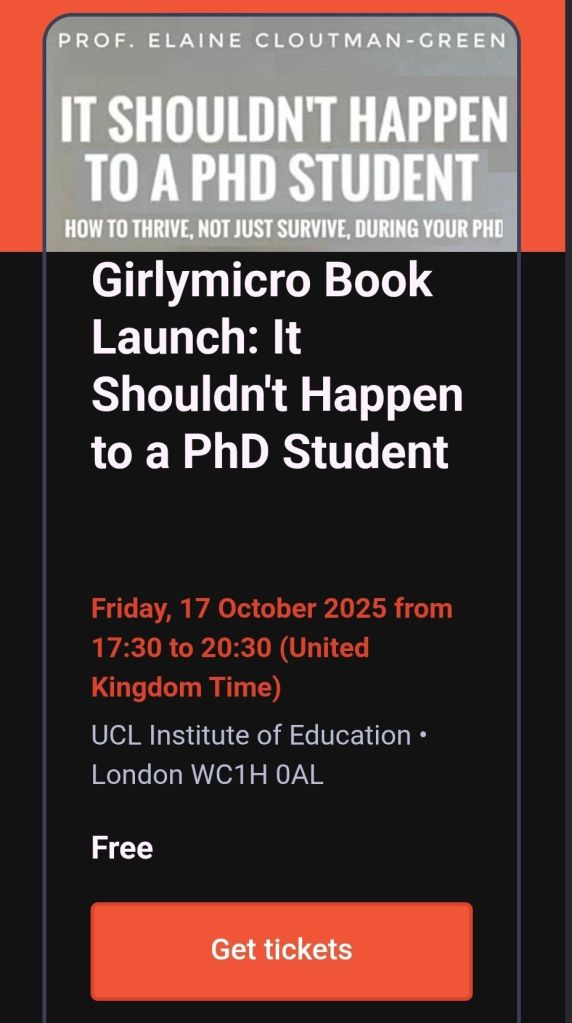




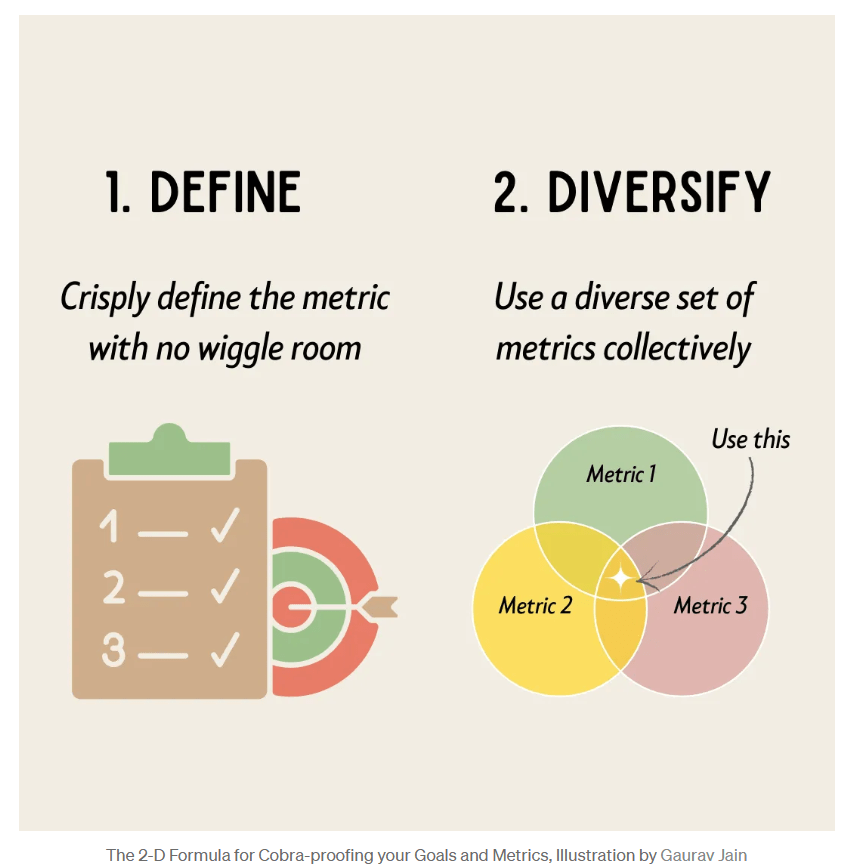
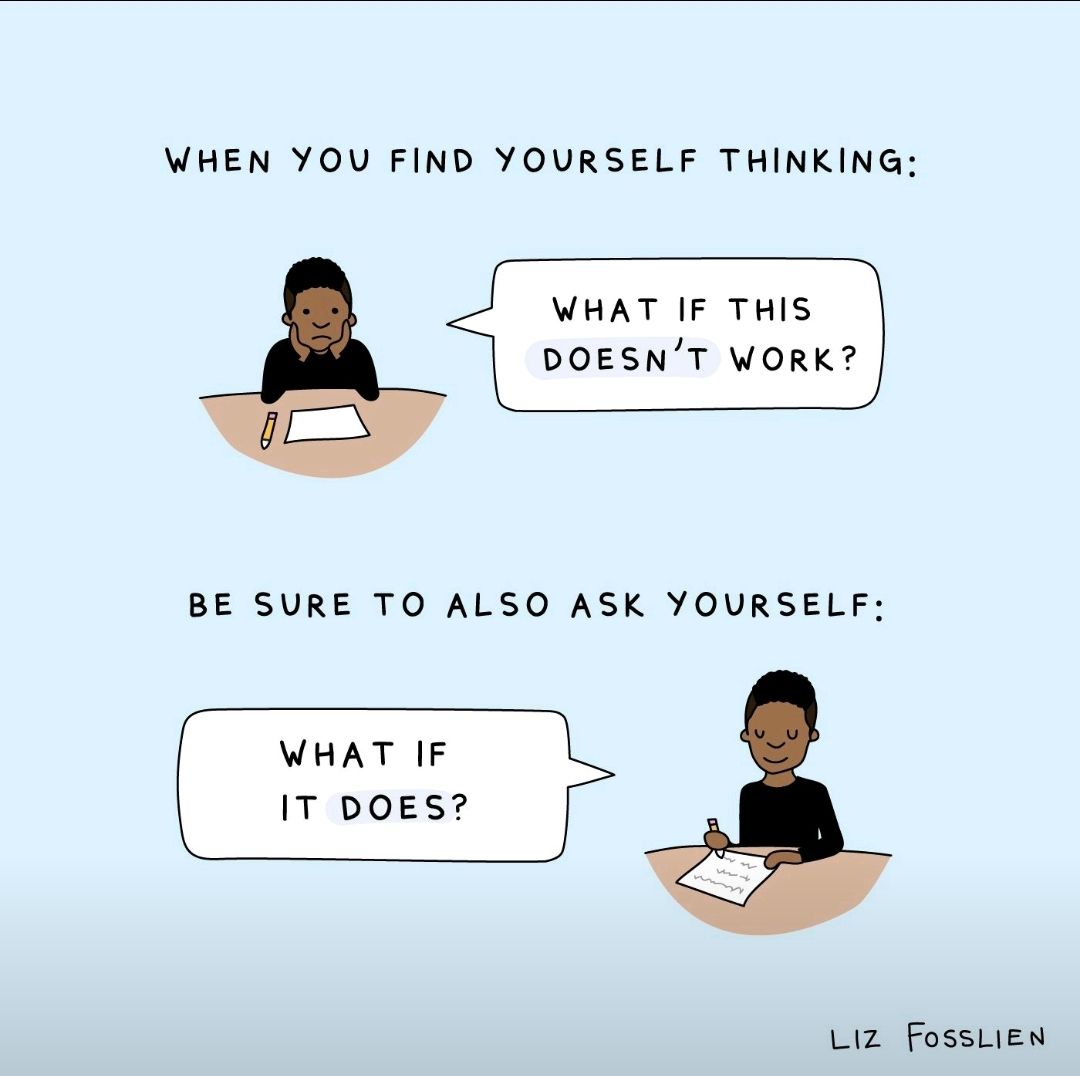


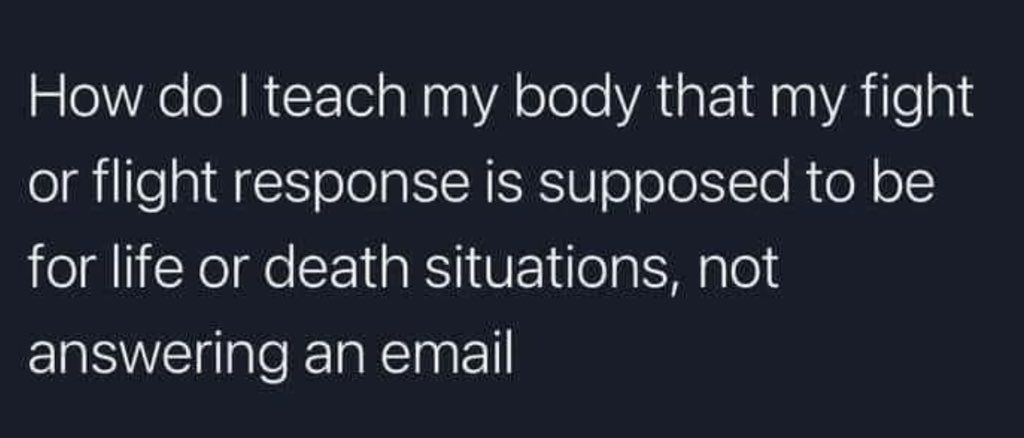


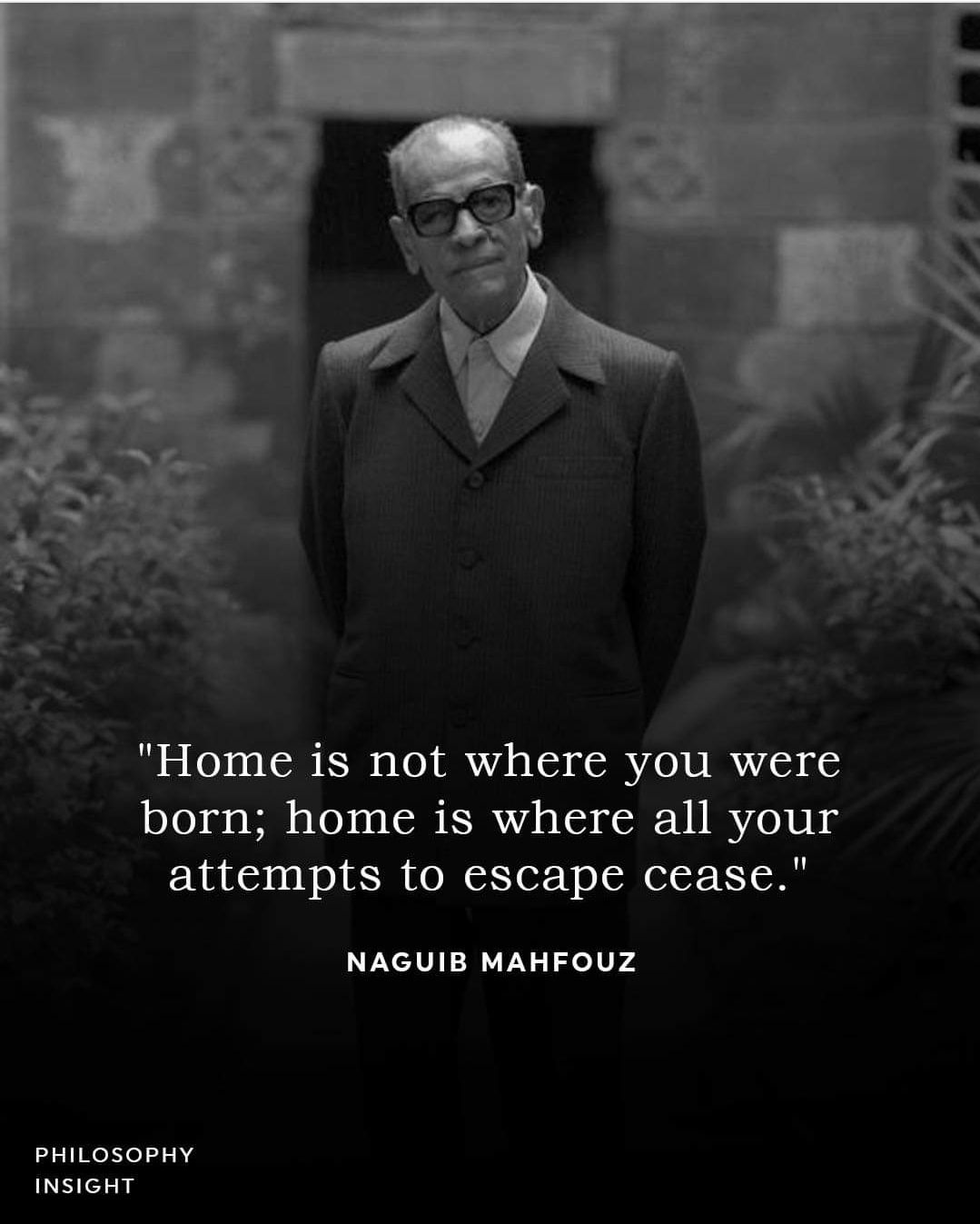


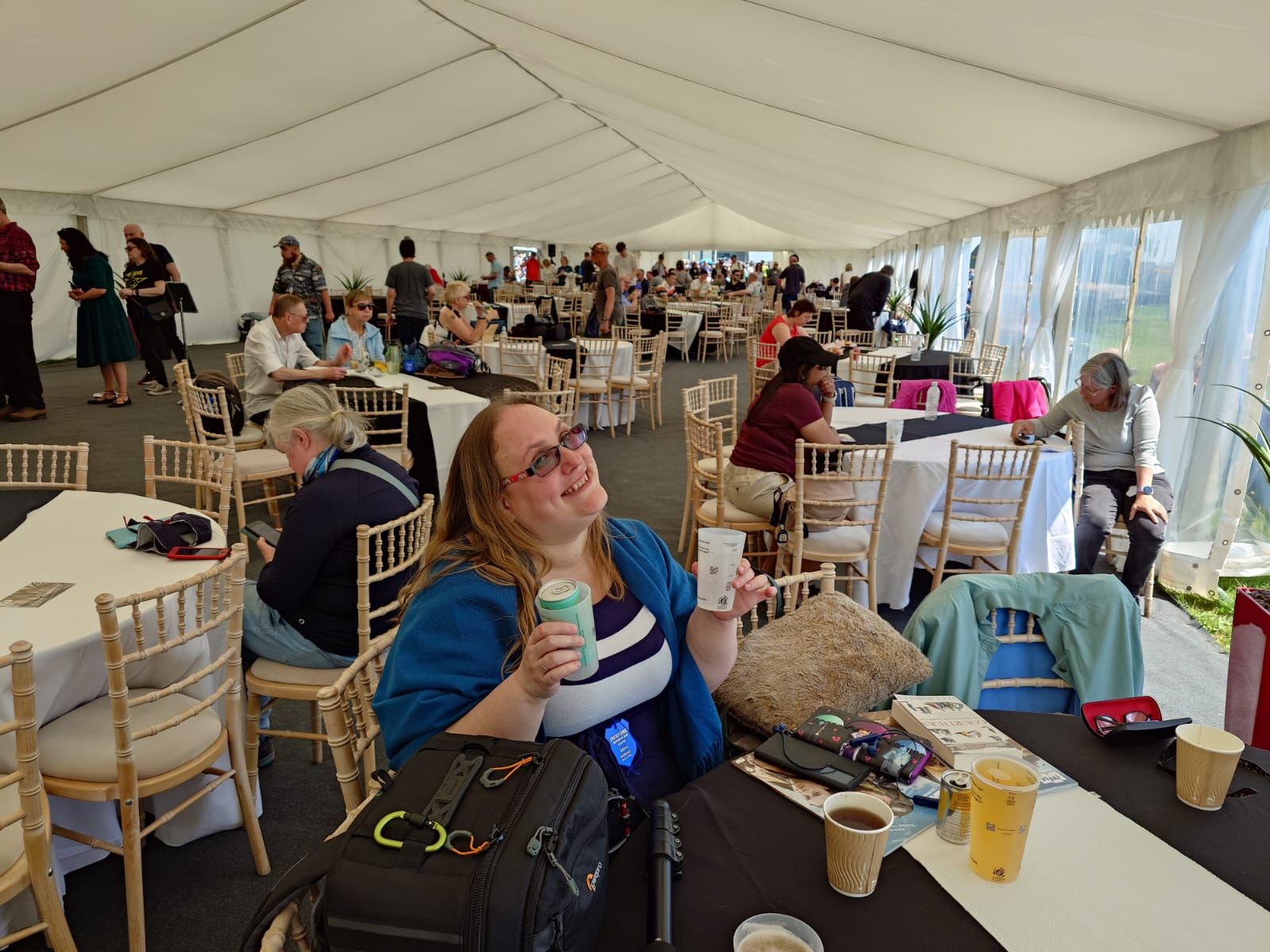

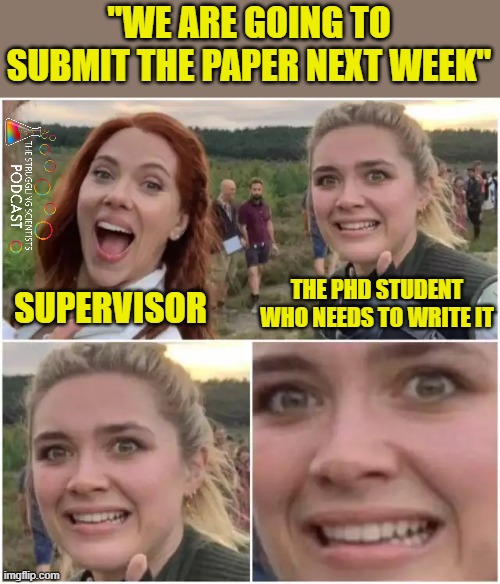
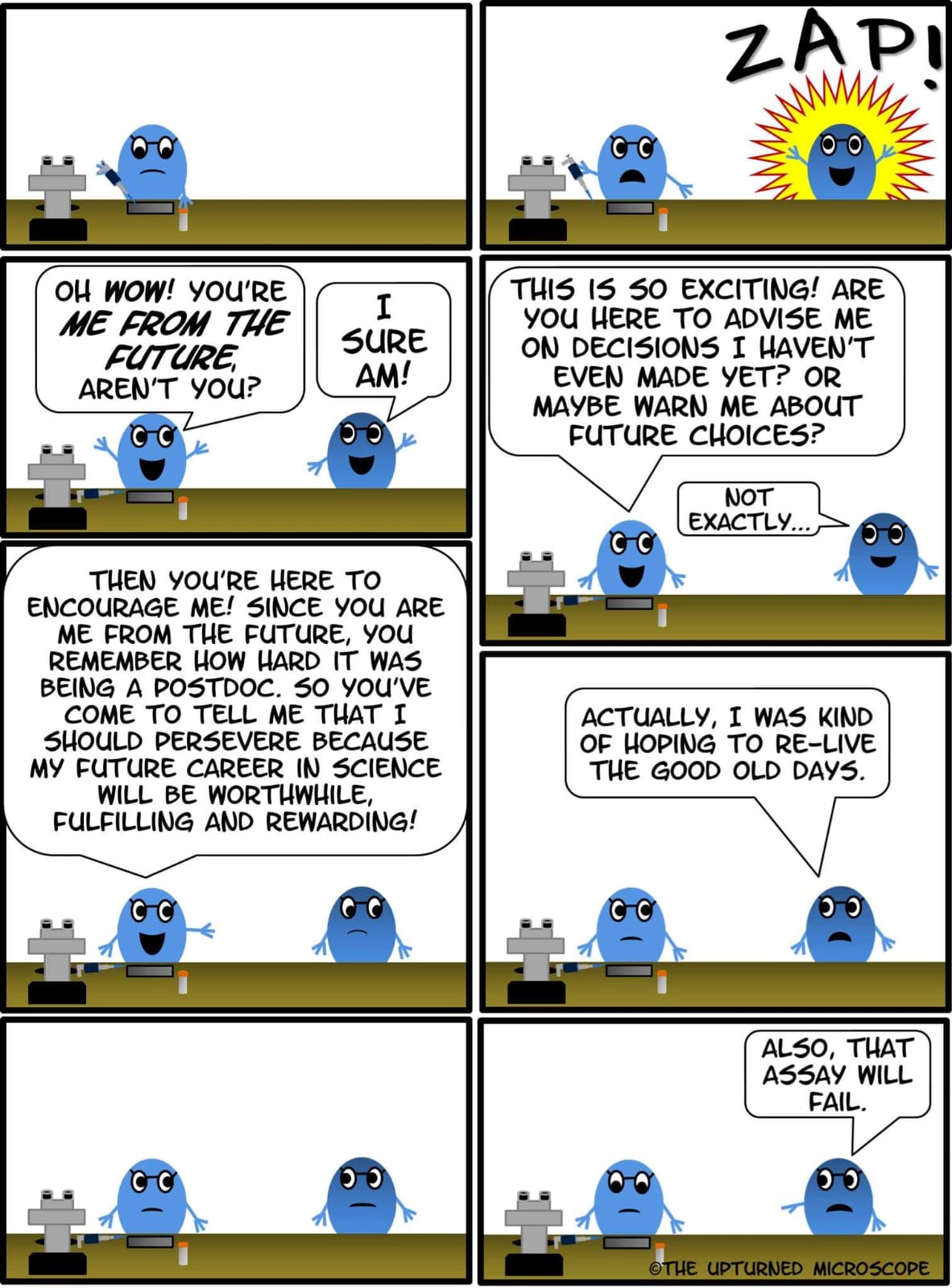
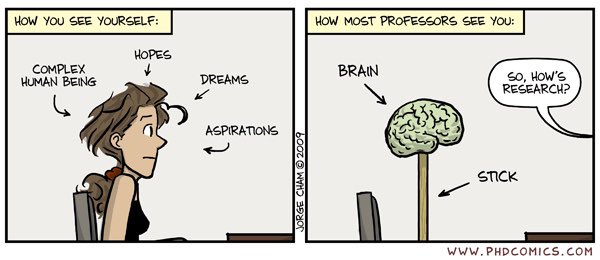
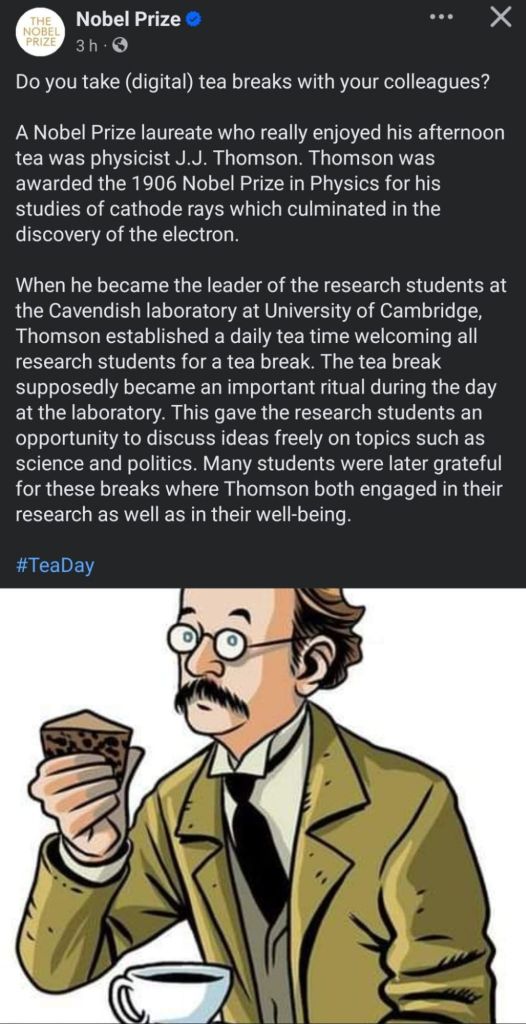
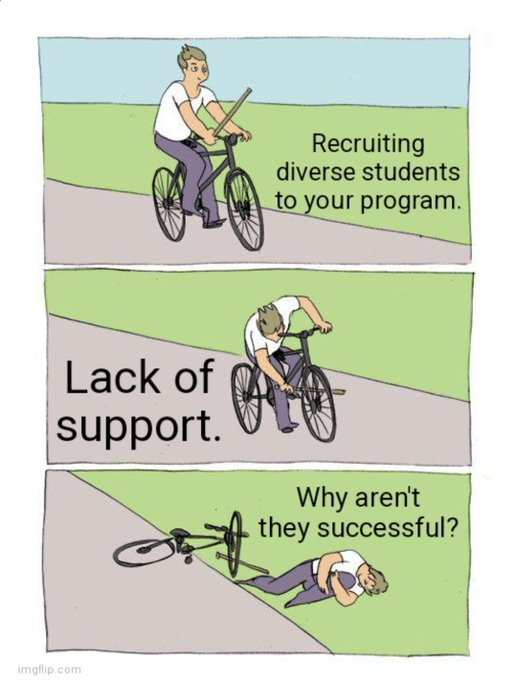
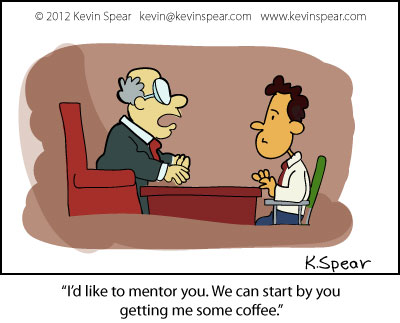
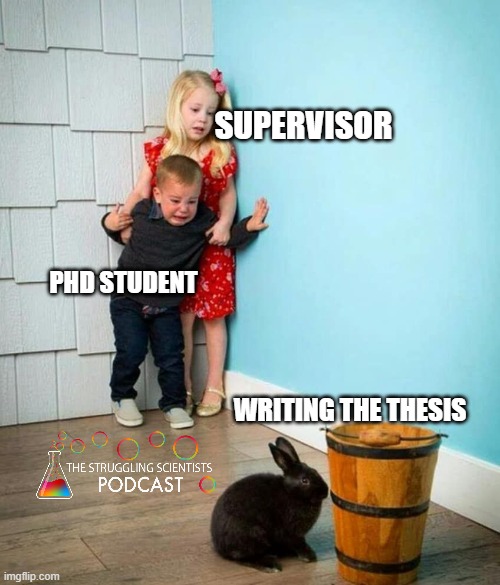
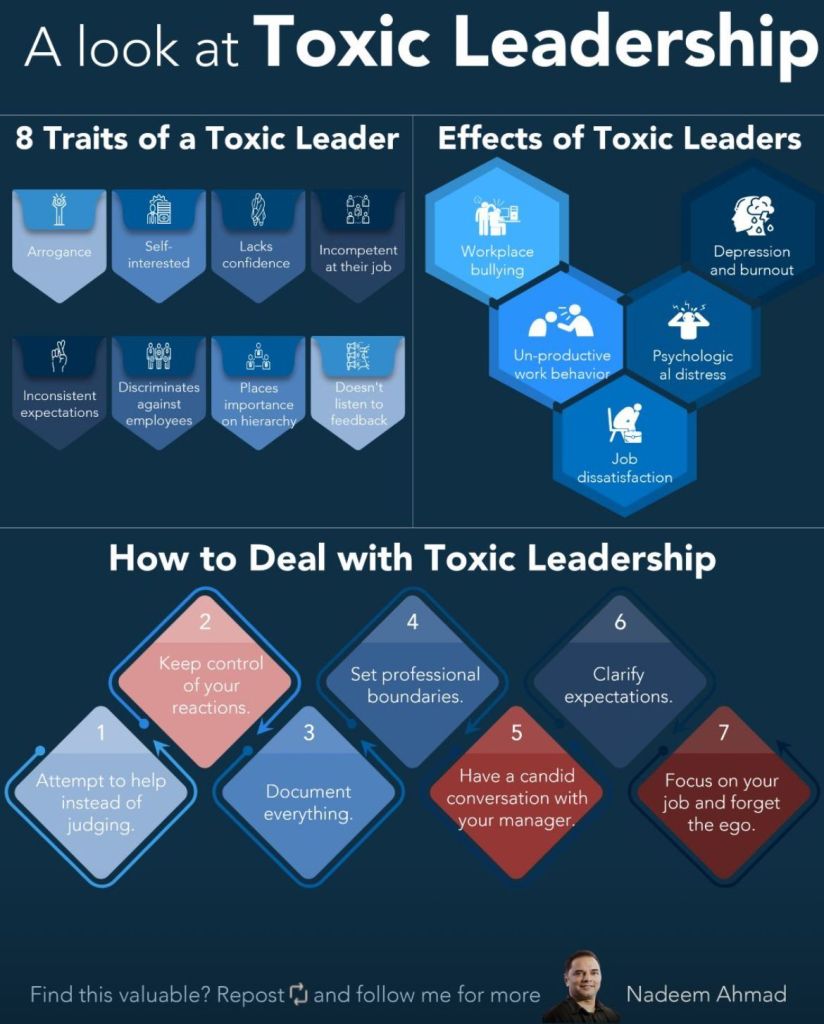
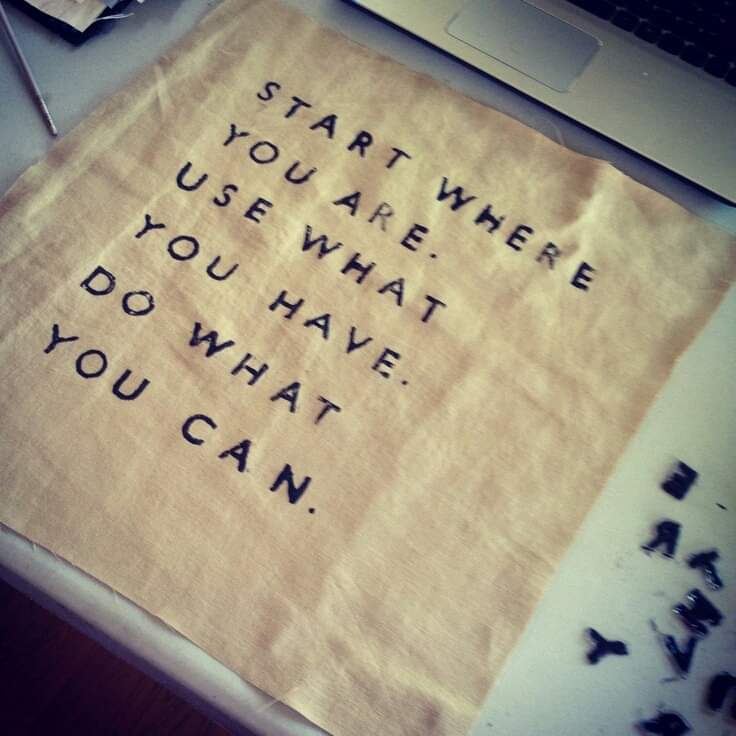


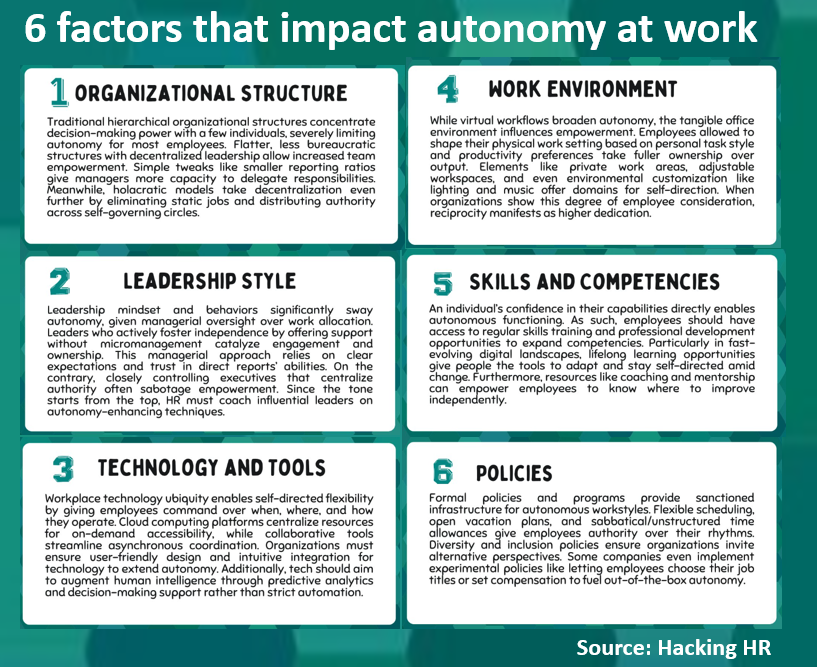
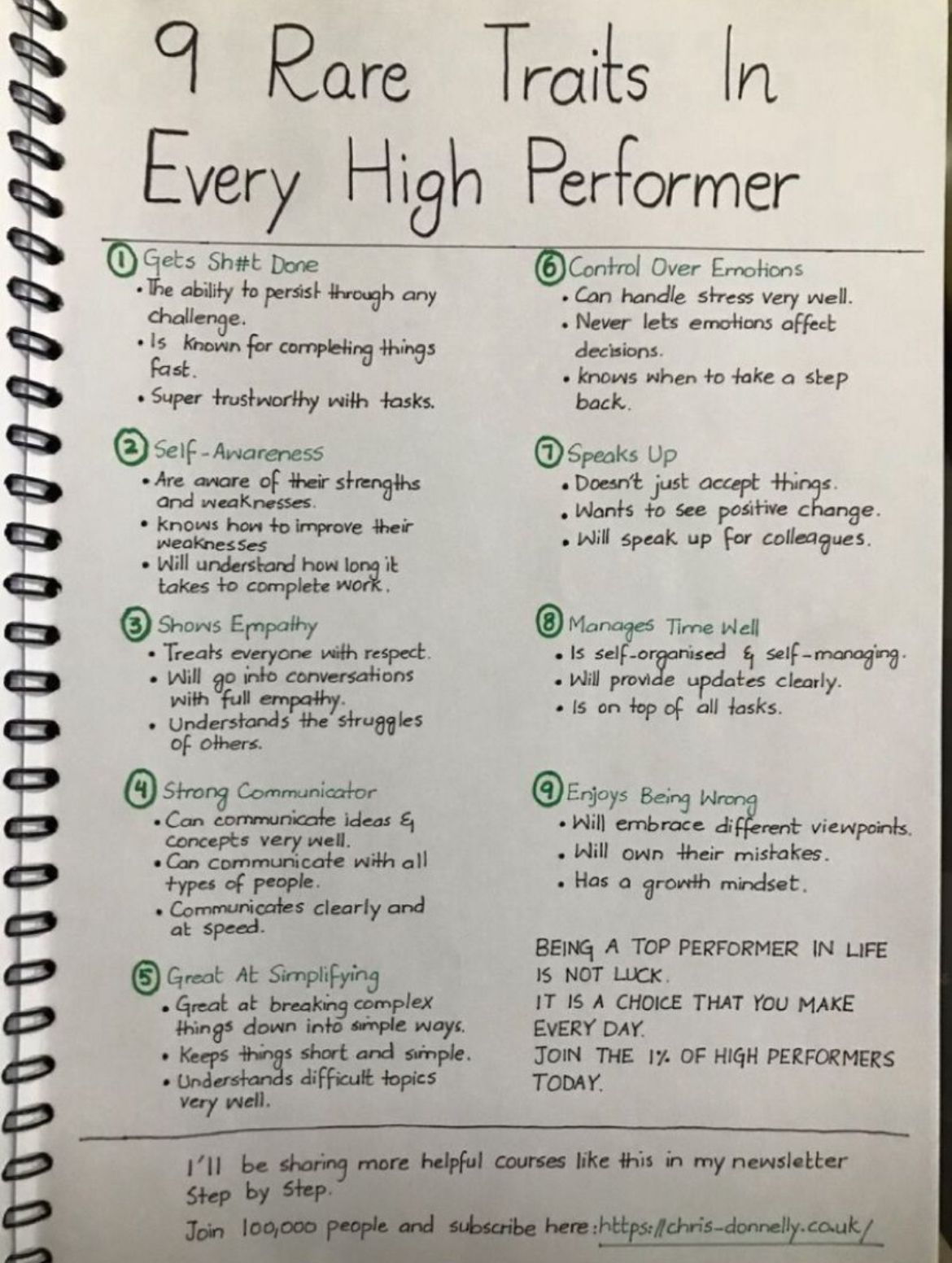


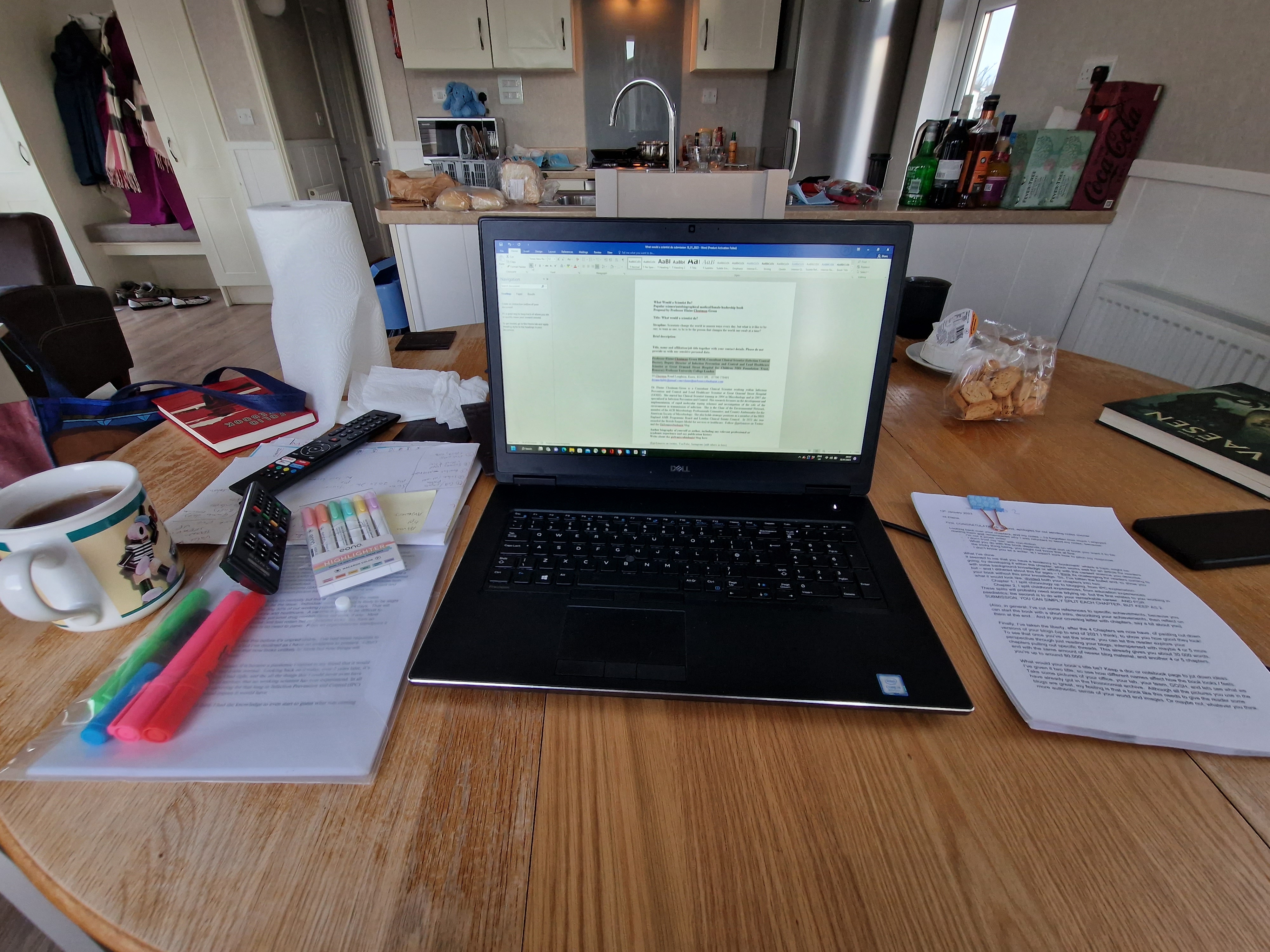
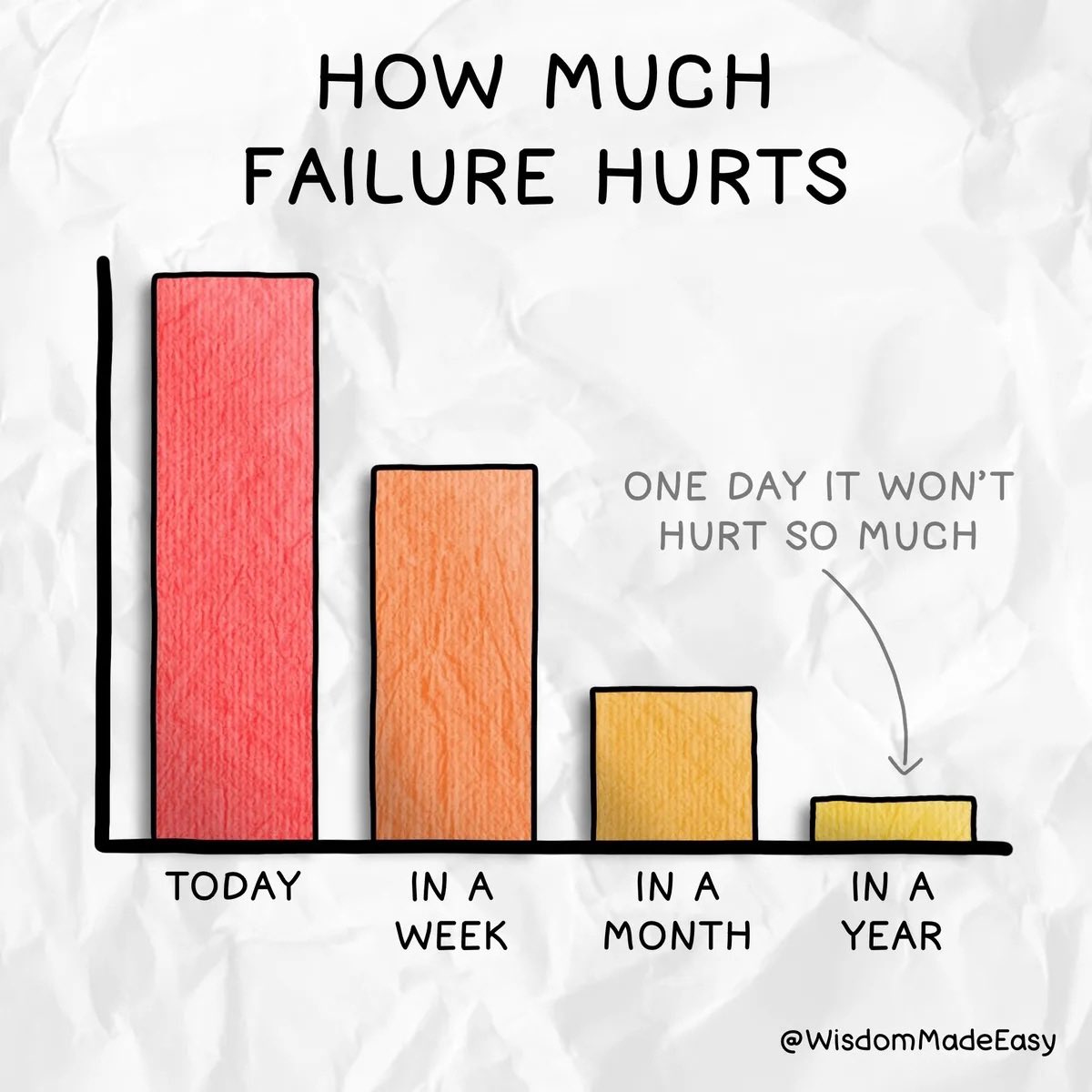




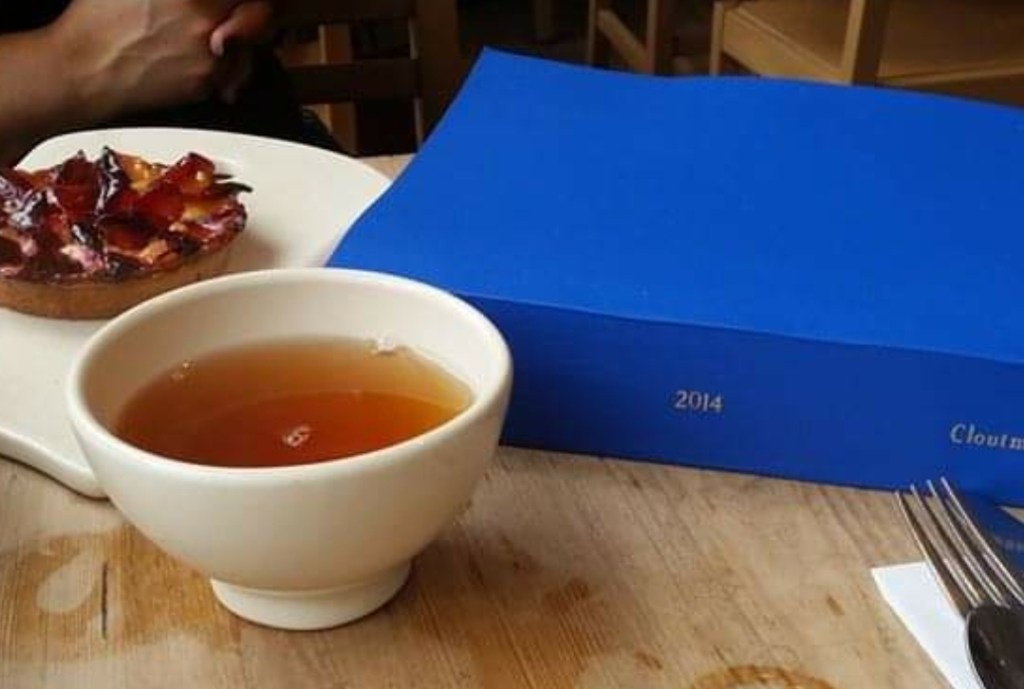
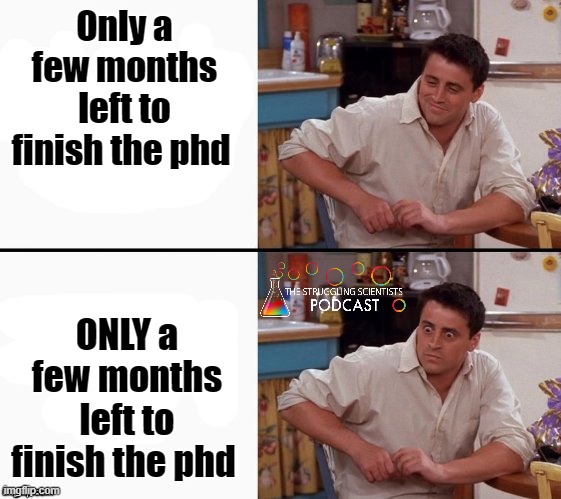

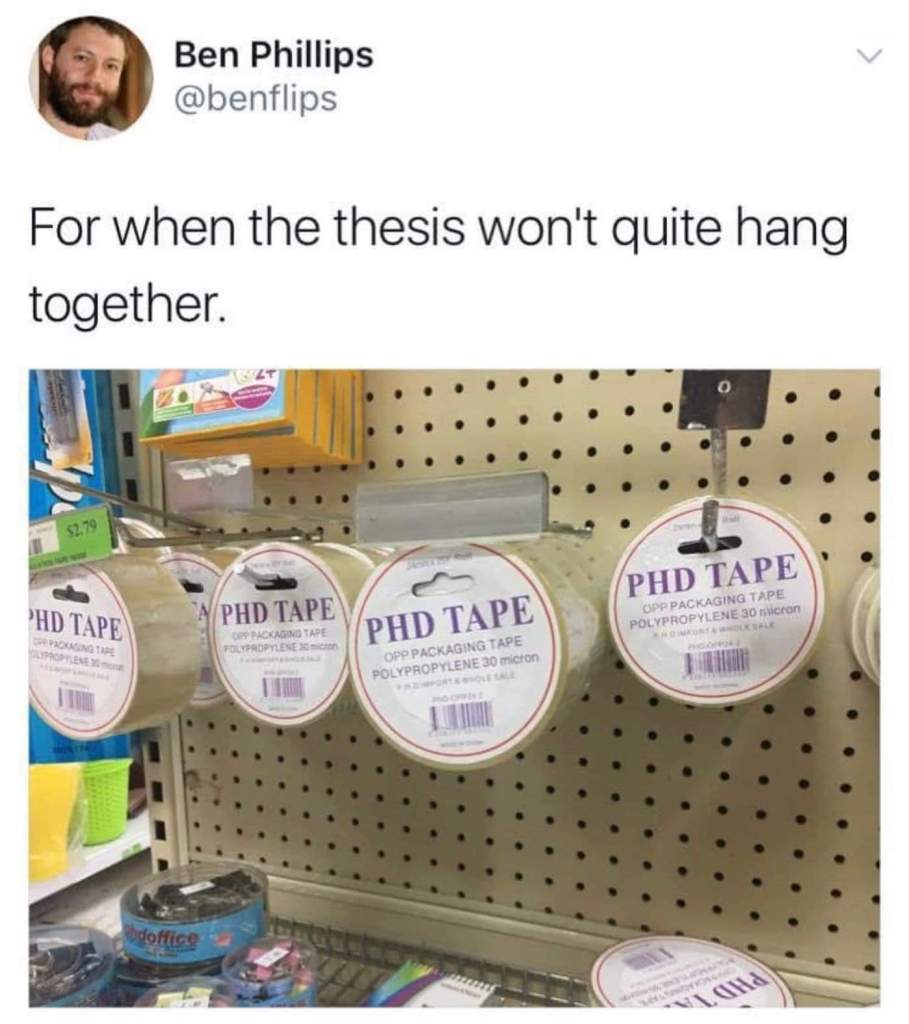


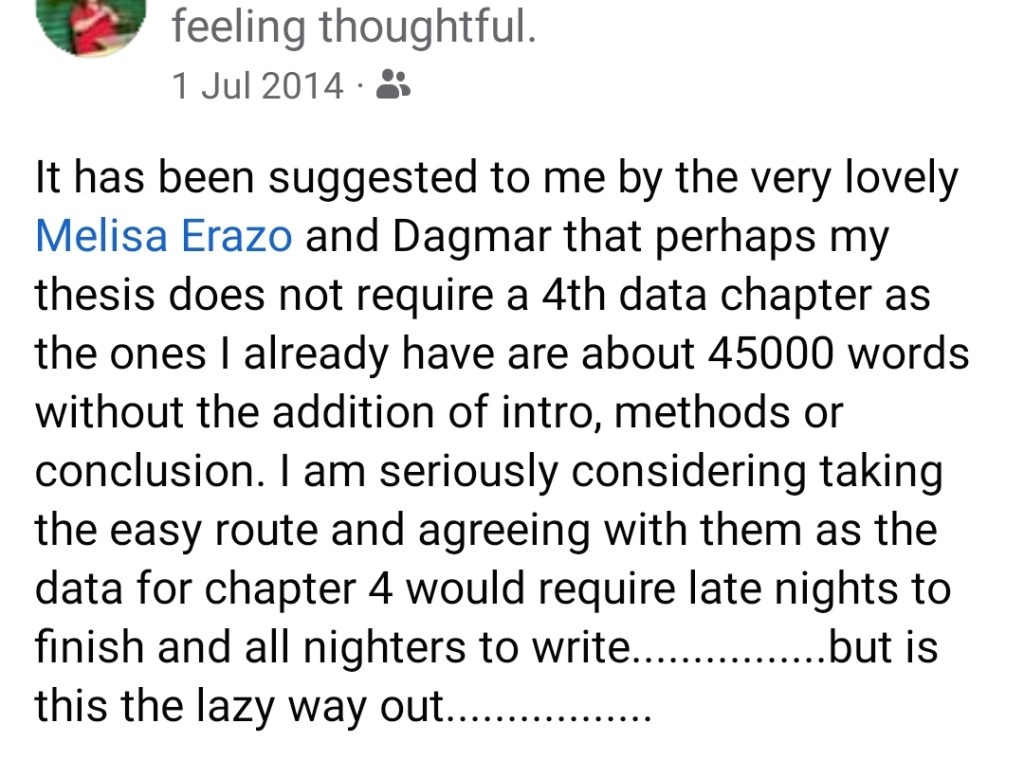


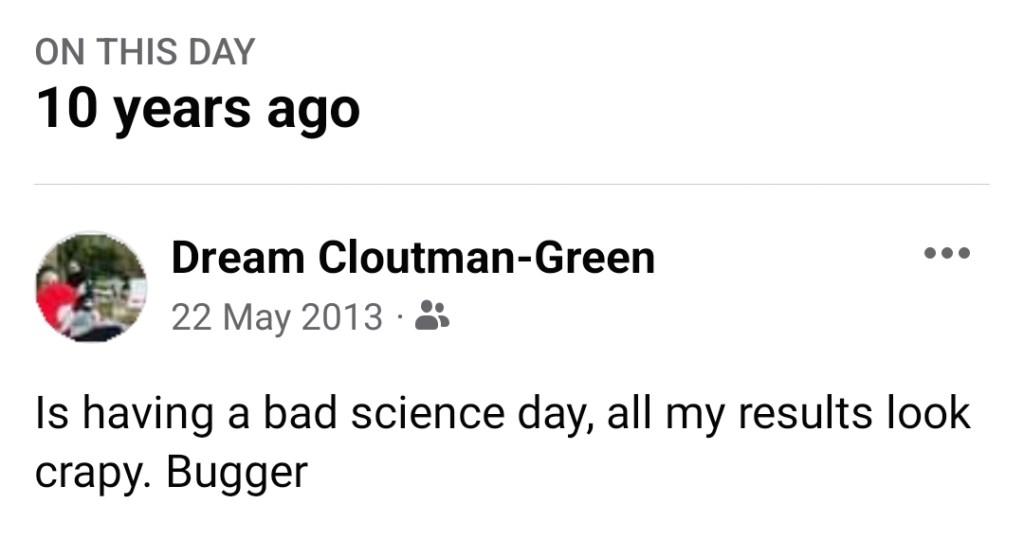
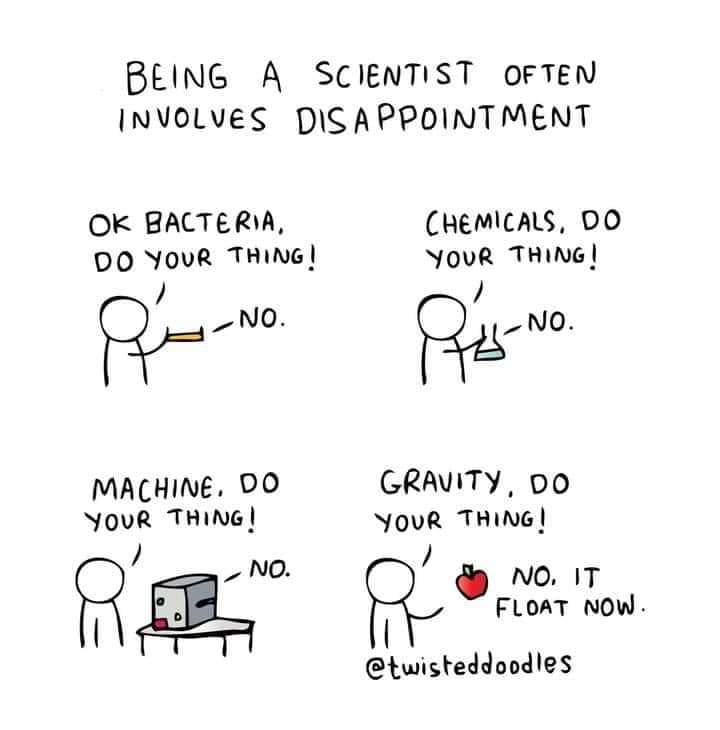

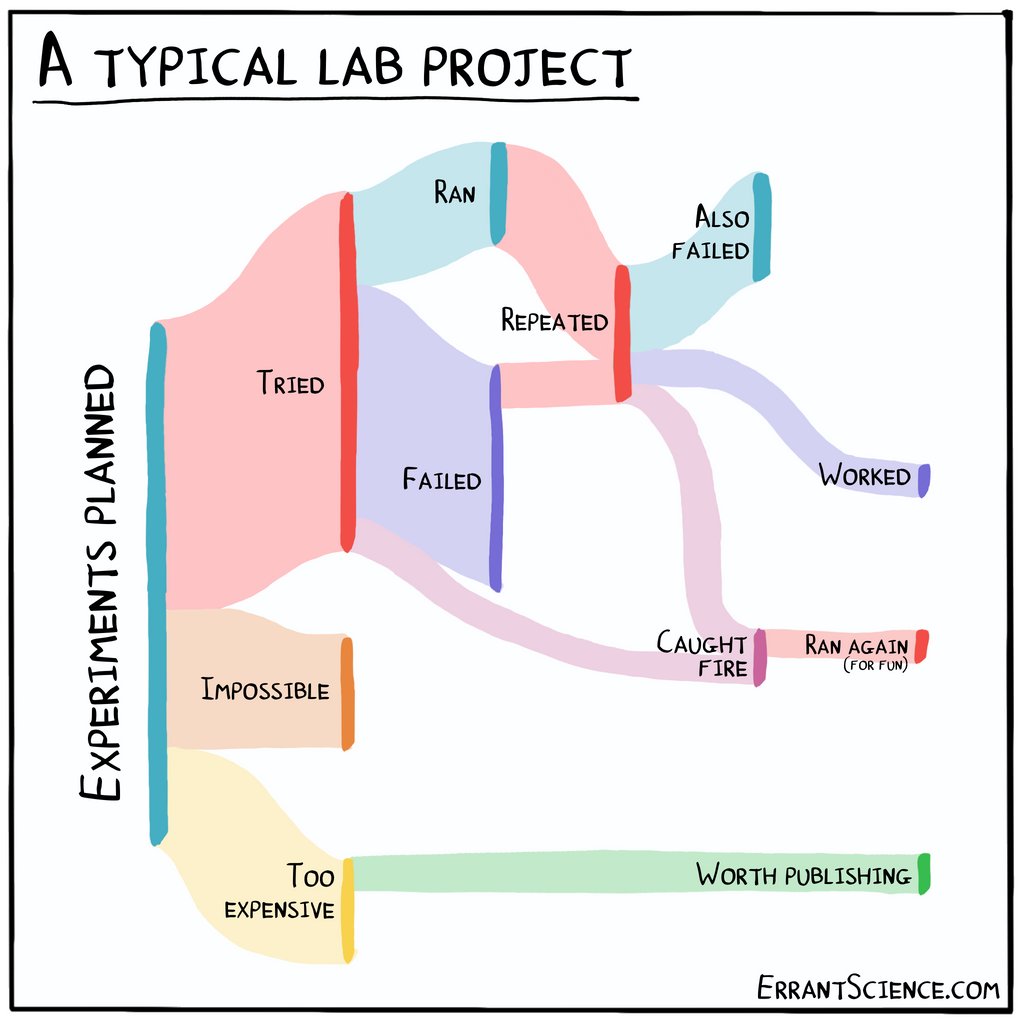

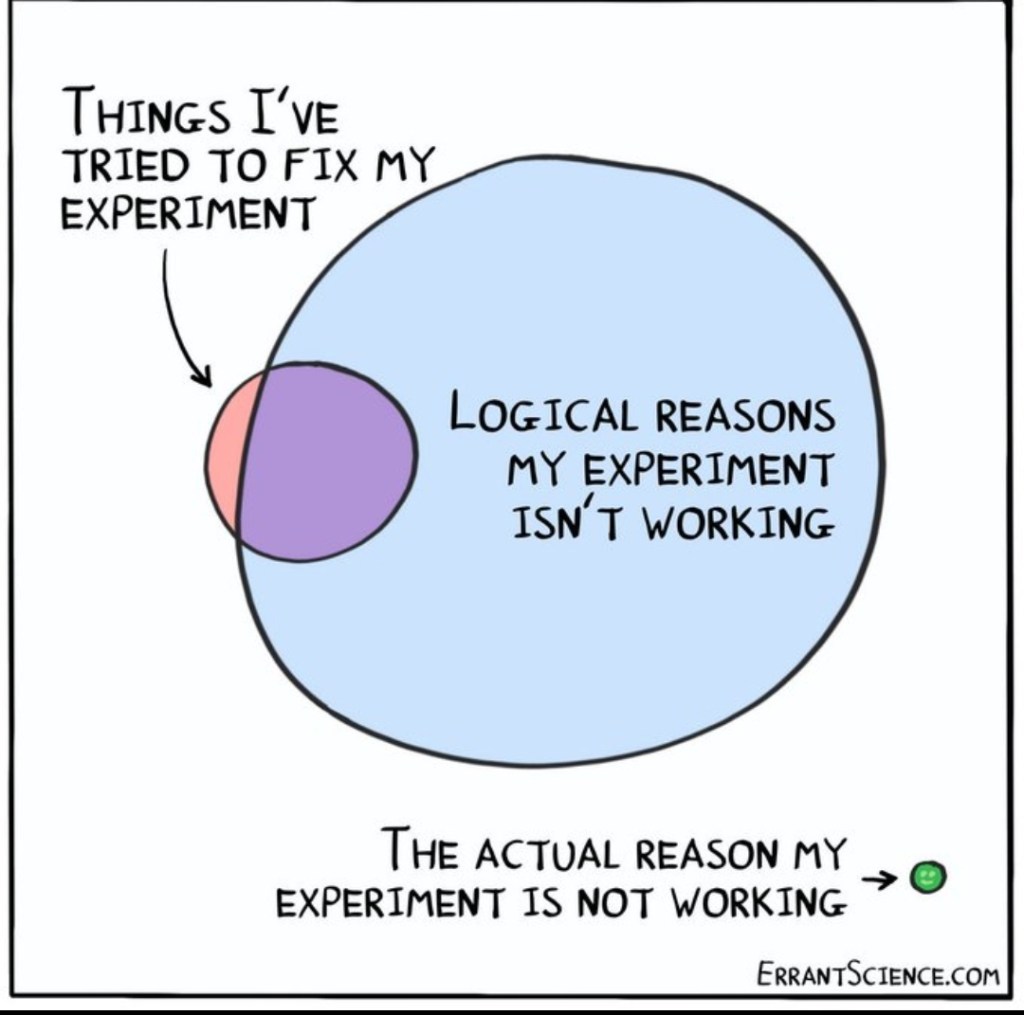


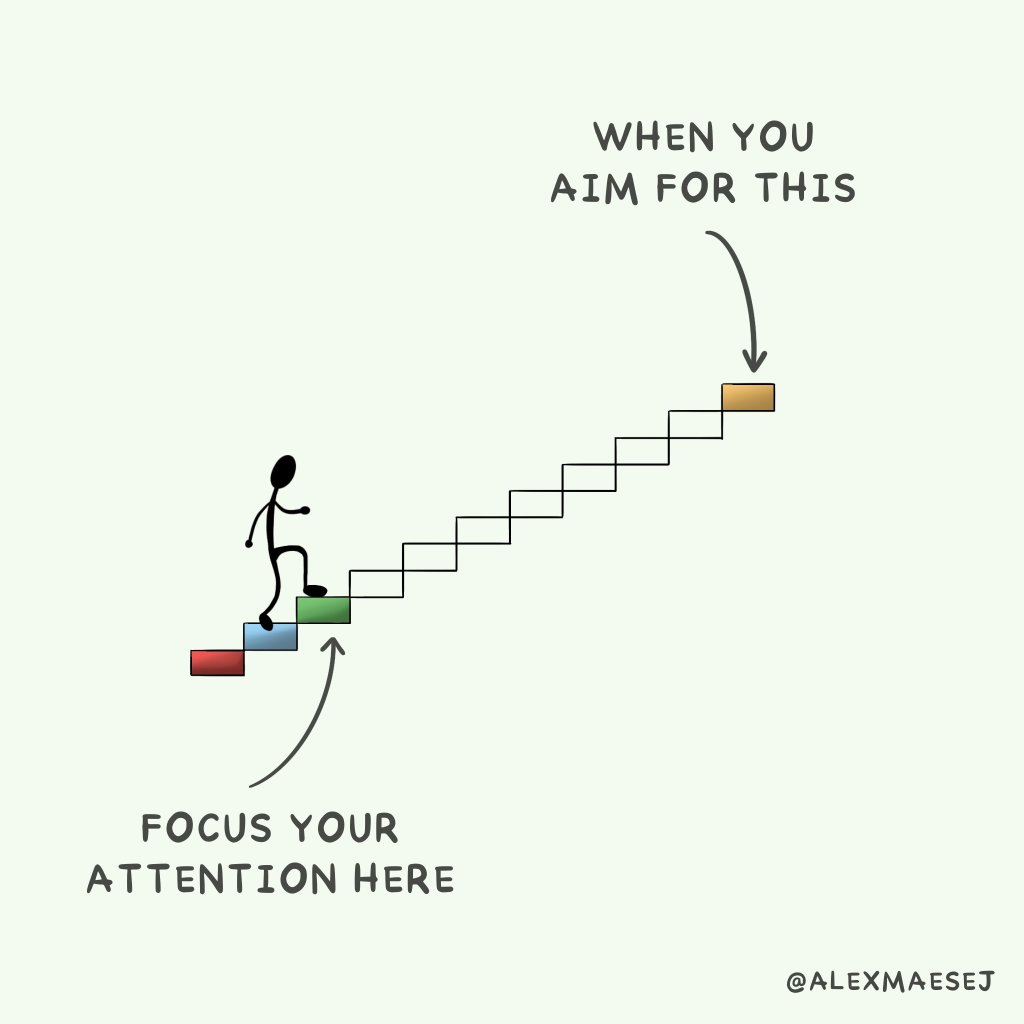





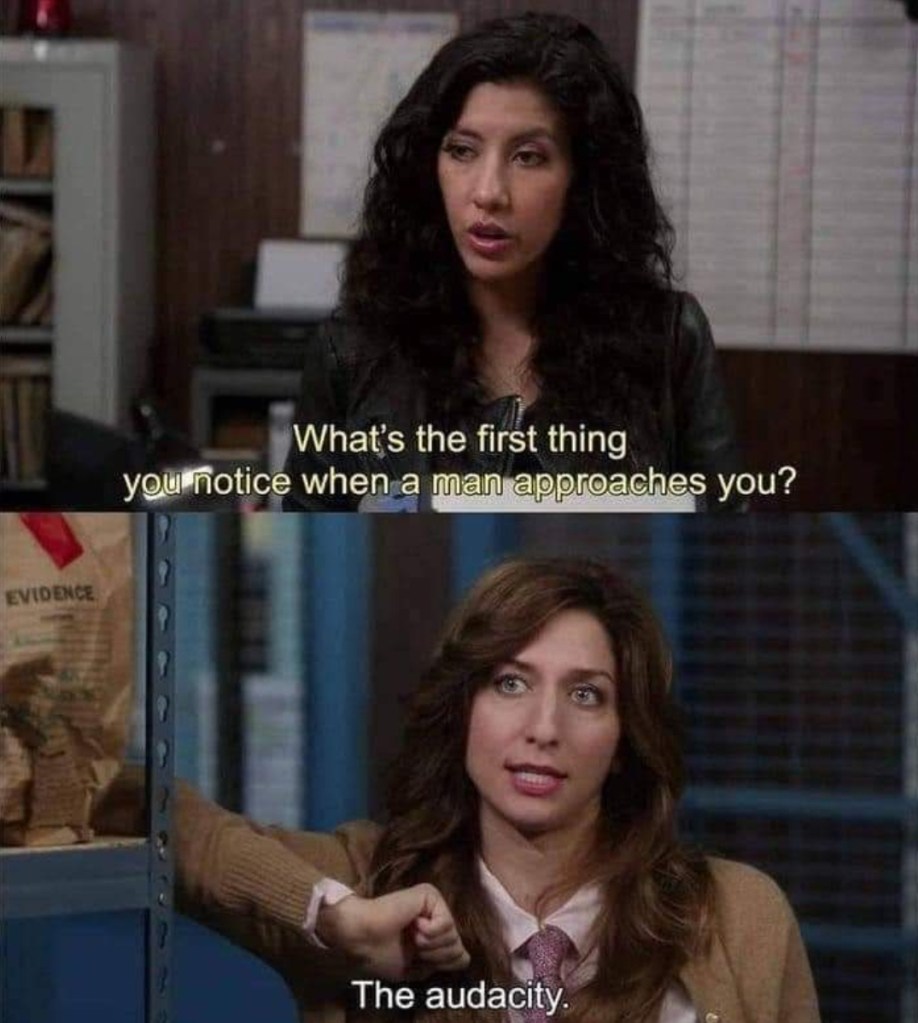


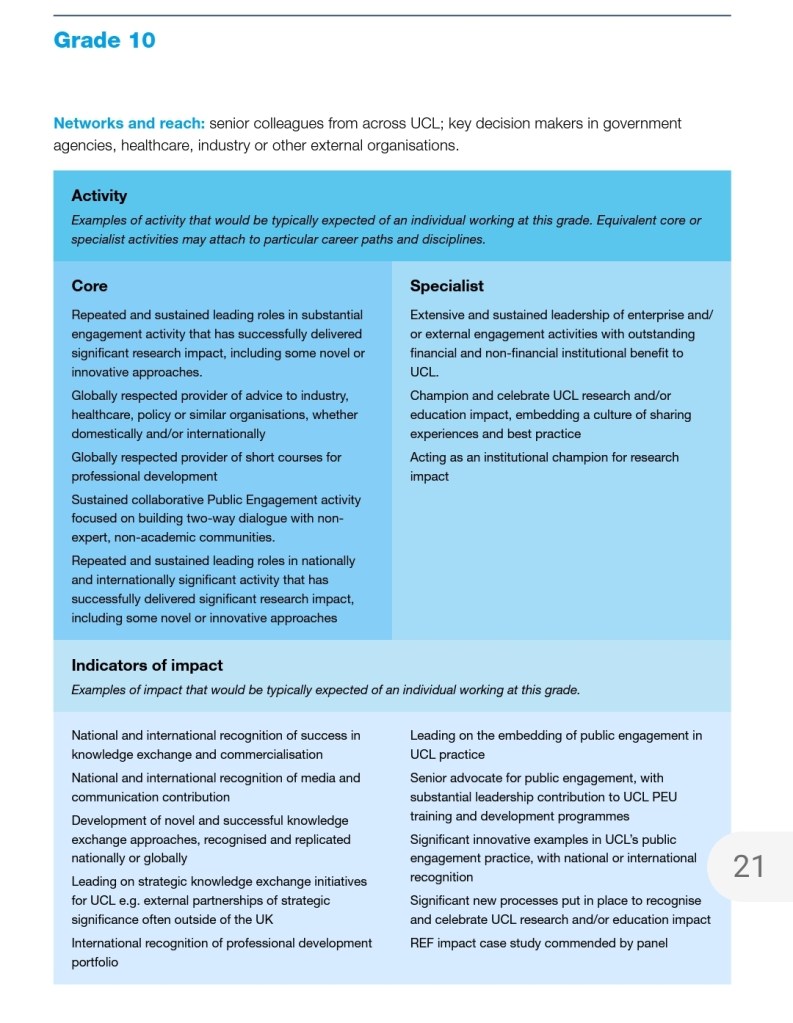





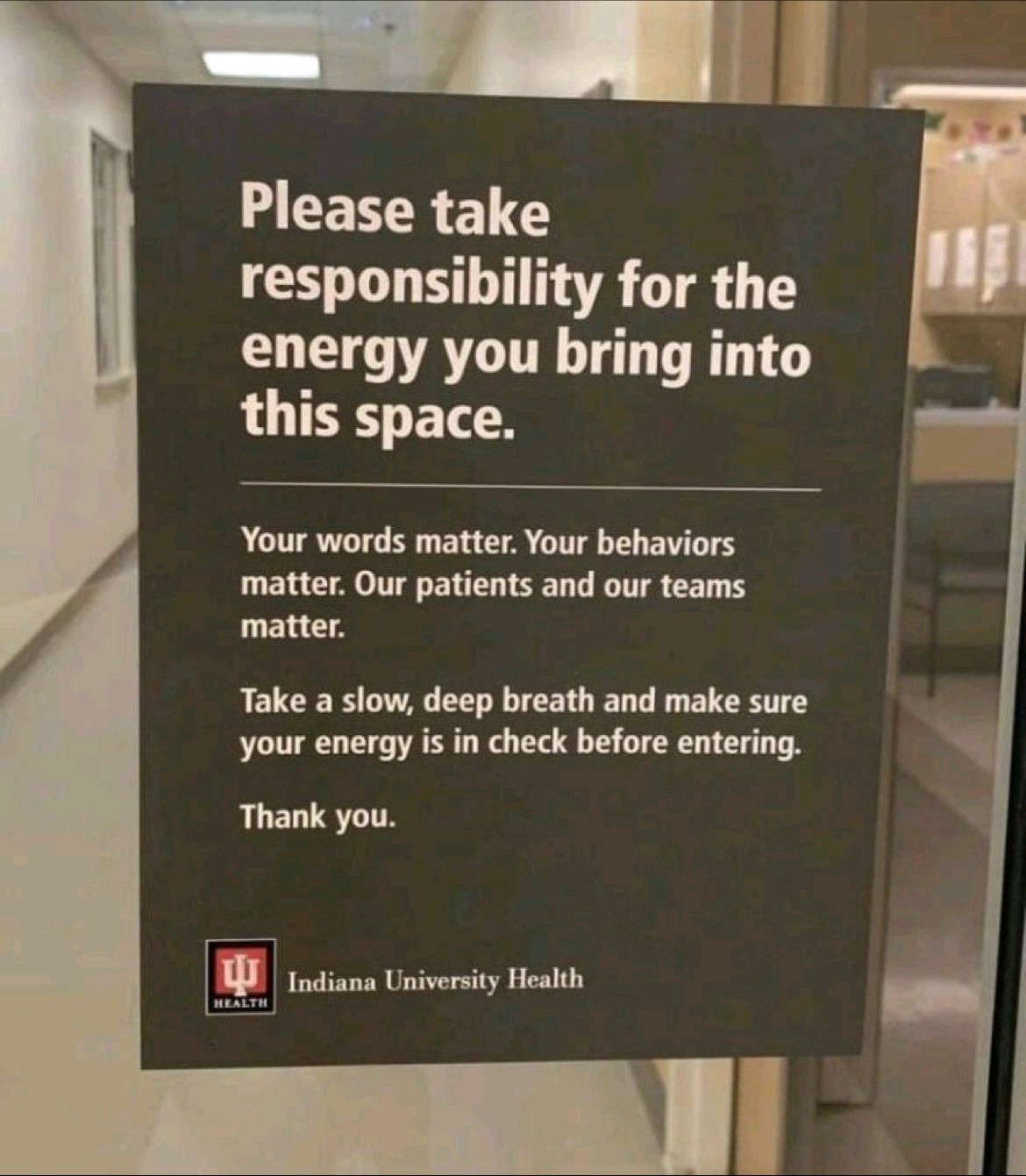


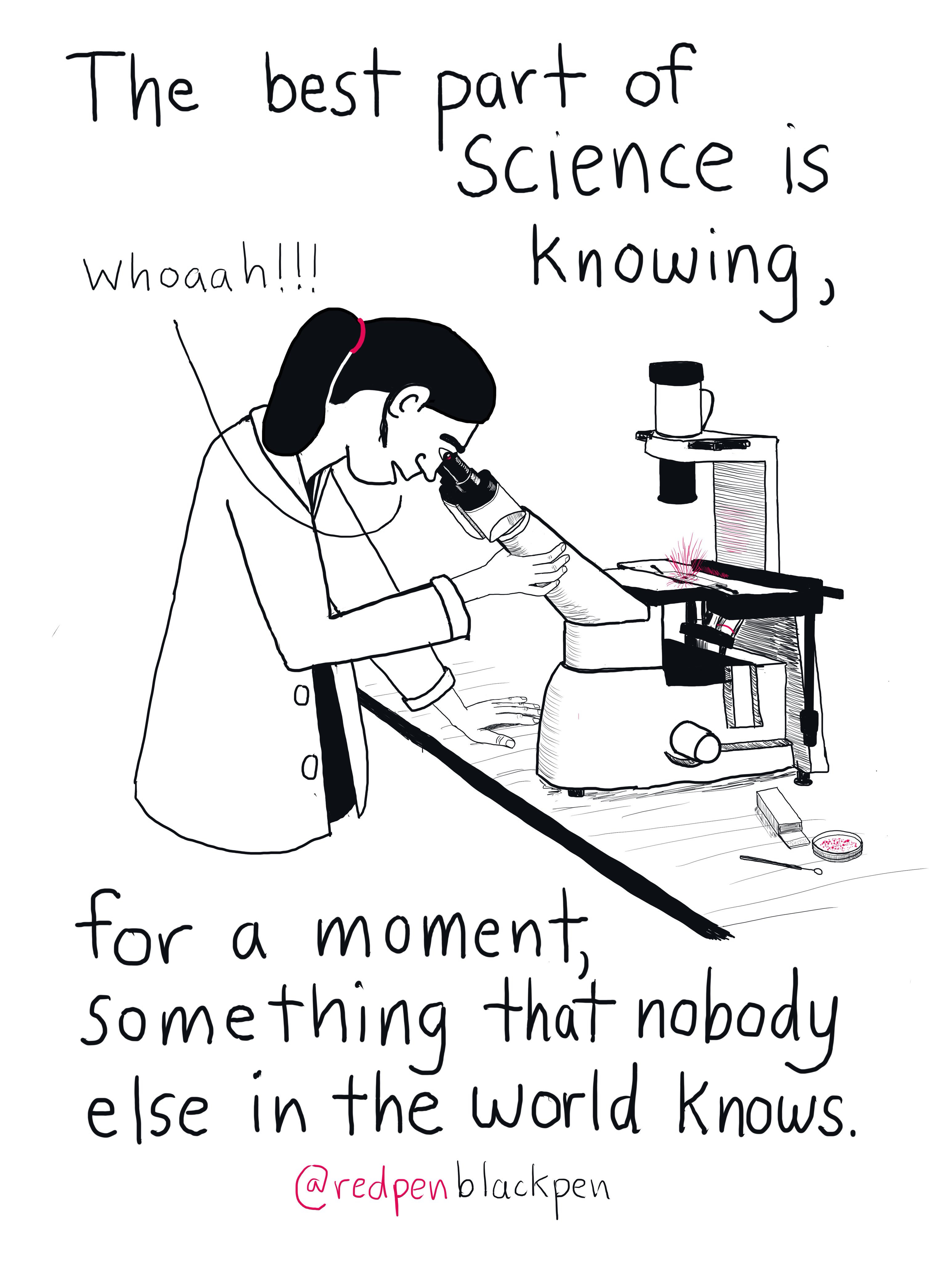


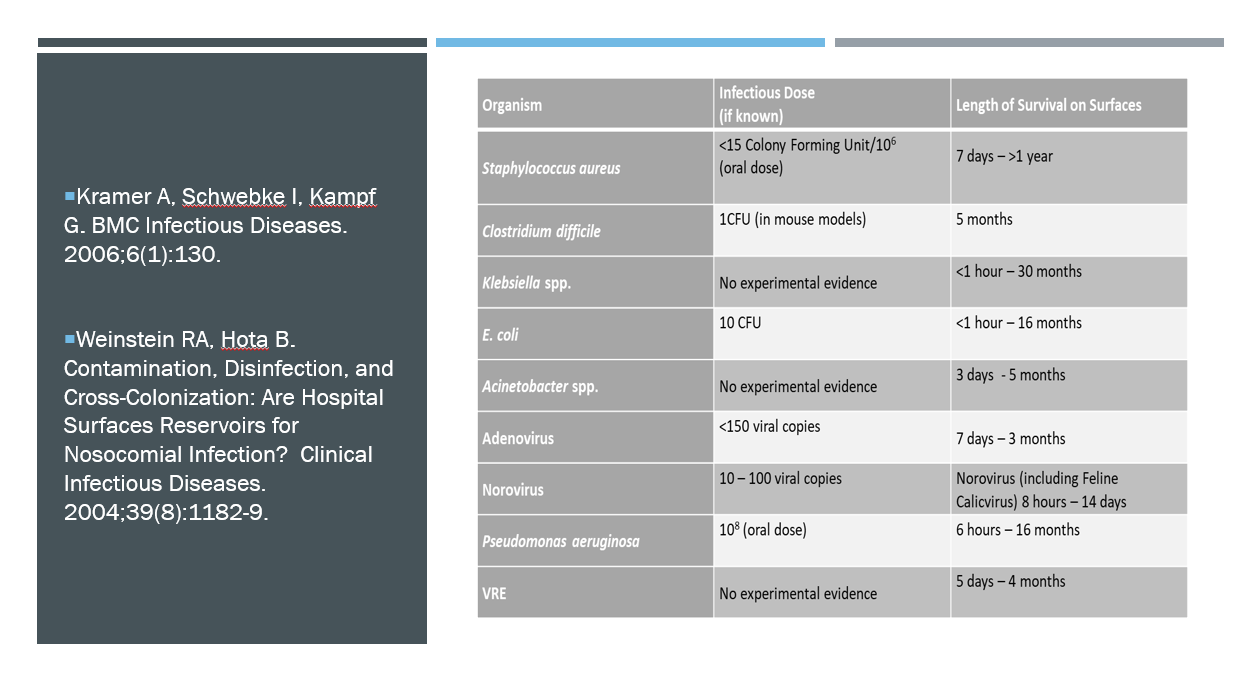

 Girlymicro