Dreams in the Time of COVID-19: Science Meets Art

For those of you that know me only as Dr Cloutman-Green, you probably won’t know that, in my life outside of the hospital, most of my friends call me Dream. I’ve been called this since I was a teenager. I’d like to say there was a super cool reason for this, but the real reasons are twofold:

  • I have always had very vivid dreams and I have them pretty frequently.
  • Even now, but especially as a young child, I am/was so caught up in thought that I will/would tend to wander into things whilst walking: like lamp posts!

I got my PhD. Then a shy, retiring drunk from Birmingham – in a rare moment of sobriety – designed the Dr Dream logo as a gift and it’s kind of stuck.

During the last year I have not slept well and my dreams have been especially intense. I dream a lot when I’m solving problems and will often perform experiments or clinical scenarios in my sleep. In many ways these have helped me as they often lead to what I call my 3am ‘moments of clarity’: those moments when I wake up and I’ve finally worked out the solution to a problem or a new approach so I can see it from a different angle. The problem this year has been that those 3am moments are no longer ‘moments of clarity’, as the problems we’re facing cannot be solved by just me. They are too big. They are now 3am ‘moments of panic’ or ‘moments of frustration’.

In April I posted about a particularly strange dream I’d had and, via the magic of twitter, I was put in touch with Professor Mark Blagrove, Dr Julia Lockheart and the DreamsID team. The team are interested in how COVID-19 is impacting on dreaming. They have an amazing process, where Julia uses her creative skills to combine art and science in order to produce imagery of the dream onto pages from the first English translation of The Interpretation of Dreams.

The Process

The discussion of a dream follows the dream-appreciation method devised for dream discussion groups by psychiatrist and psychoanalyst Montague Ullman. Further information about Montague Ullman can be seen on the website https://siivola.org/monte/. The method is described in his 1996 book Appreciating dreams: A group approach (Thousand Oaks, CA: Sage). The method comprises the following stages:
โ€ขThe dreamer reads aloud their dream.
โ€ขThe group asks questions about the dream so that it is described as fully as possible.
โ€ขThe group members, except the dreamer, briefly describe how they would relate the dream to their own lives, as if the dream were their own.
โ€ขThe dreamer responds to what the other group members have said.
โ€ขThe dreamer describes their own life circumstances, with emphasis on recent waking life concerns and recent emotional or important events.
โ€ขThe dream is read back to the dreamer in the second person.
โ€ขThe group and dreamer make or suggest connections between the dream and what the dreamer has said about events and concerns in their recent waking life.

My Dream

The Setting

My office is a converted bathroom.  Itโ€™s pretty small and still has a sign saying ‘bathroom’ on the door (in purple).  Itโ€™s pretty small: it has room for one desk chair and an L-shaped desk across from the door and running down the right hand side of the space. Itโ€™s a totally white space with no natural light or ventilation. It has quite bright white lighting: an LED lamp on the L intersection that lights my main workspace where I work with my back to the door.

The Dream

In my dream, I am working at my normal workspace (the desk part opposite the door) in my desk chair, which is’ a ‘Bond villain’ desk, large and black mesh.ย  Unusually, I also have the purple furry blanket that normally lives on my sofa across my knees. It’s trailing onto the floor, so I’m slightly trapped where I am.ย  My desk is clear apart from the lamp of the normal bits and pieces, although there are still my post-it notes under the shelves above my head, which remind me of what I need to be doing, and my shoe a day calendar that sits in front of me on the shelving.ย  Behind the lamp, however, the hatch that is normally solid and leads to the electrical space has a transparent door with a handle and looks like the pass hatch into a medical safety cabinet.ย  On the left of me where my in-tray normally sits is now a scientific water bath, white outside, full and bubbling, with a box of blue nitrile gloves sitting next to it.ย  Floating within the water bath in the floatation tray, instead of the normal reagents, is a set of a dozen quail eggs.ย  The back of my desk is covered with electronic timers.ย  At the start of dream, Iโ€™m wearing a pair of gloves and I have a set of eggs in front of me (in what looks like a standard Waitrose quail egg box). Iโ€™m trying to peel the eggs, wearing gloves (I donโ€™t remember having anywhere to discard the shells so donโ€™t know if they are all around me?).ย Iโ€™m finding it really difficult to get enough grip on the eggs; Iโ€™m rolling them gently to try and make some cracks appear but I just canโ€™t manage to get a grip on the cracks in the shell in order to get them off cleanly.ย  Iโ€™m getting there, but it is taking me ages.ย 

The timer starts going off and Iโ€™m trying to get the eggs out of the water bath whilst still having the previous batch on the go.ย  Then the phone rings.ย  I didnโ€™t know who it was. I know there was a discussion about needing them to treat a patient and being asked a bunch of questions that I thought I knew the answers to but not being sure that these eggs were going to do what was needed, despite how important they were.ย  I shove the first lot of eggs into the clear door of the hatch, aware that they need more, and so get on with trying to do the ones that have just come out of the water bath.ย  Iโ€™m also looking around as I know I need to get the next batch on. I canโ€™t see any and thereโ€™s no time toย  get any.ย  I change my gloves and start trying to peel the next batch, but they’re still warm and they are hurting my fingers.ย  Not only that, but because they are still hot they are too soft and some of them start to implode as Iโ€™m trying to peel.ย  Iโ€™ve got yolk all over my gloves and I need to save as many as I can.ย  Then the phone starts ringing and I canโ€™t answer it as Iโ€™m covered in yolk and bits of shell.ย  I sit there crying, at my desk, trying to peel the rest, pushing my glasses up with my wrist so I donโ€™t get yolk on my lenses.

The wonderful thing about this process, for me, was that I didn’t see the art being produced. I was on the phone talking to Mark but very specifically not seeing what Julia was producing. I only got to see that at the end and when watching the YouTube video later. I got to be an active part of the creation of a piece of art and that was a wonderful thing. They’ve even now sent me that final piece of art work, which is now going to hang in the on-call bathroom and will be something really concrete for me that has come out of 2020.

It’s a reminder to both take opportunities as they come, and to think about how we can communicate our work in creative and inspiring ways, to reach new audiences, and to work across boundaries.

So, I wanted to take a moment to say a massive thank you to the DreamsID team for including me in this work, and for including me in their article, as this is the one and only time anything linked to me is ever likely to feature in New Scientist! My family finally think I’m a rock star as that’s a science publication they’ve heard of!

Read more: https://www.newscientist.com/article/2242379-how-coronavirus-is-affecting-your-dreams-and-what-to-do-about-it/#ixzz6i63ukNsa

All opinions in this blog are my own

If you would like more tips and advice linked to your PhD journey then the first every Girlymicrobiologist book is here to help!

This book goes beyond the typical academic handbook, acknowledging the unique challenges and triumphs faced by PhD students and offering relatable, real-world advice to help you:

  • Master the art of effective research and time management to stay organized and on track.
  • Build a supportive network of peers, mentors, and supervisors to overcome challenges and foster collaboration.
  • Maintain a healthy work-life balance by prioritizing self-care and avoiding burnout.
  • Embrace the unexpected and view setbacks as opportunities for growth and innovation.
  • Navigate the complexities of academia with confidence and build a strong professional network

This book starts at the very beginning, with why you might want to do a PhD, how you might decide what route to PhD is right for you, and what a successful application might look like.

It then takes you through your PhD journey, year by year, with tips about how to approach and succeed during significant moments, such as attending your first conference, or writing your first academic paper.

Finally, you will discover what other skills you need to develop during your PhD to give you the best route to success after your viva. All of this supported by links to activities on The Girlymicrobiologist blog, to help you with practical exercises in order to apply what you have learned.

Take a look on Amazon to find out more

My Sunday Afternoon Rage – The Mask Goes Over the Nose, People!

You may or may not know this about me, but I’m a pretty big sports fan. Not the kind that remembers statistics or can quote drivers/players, but a screaming-at-the-TV-or radio in-support-of-my-team kind of fan. When I lived at home in Birmingham, I had a season ticket for the Holte End at Villa Park to see my boys (Aston Villa); now the main live sport I get time to see close up are the London Games when the NFL comes to town (I’m a Green Bay Packers fan and they’ll never visit). Sport is a massive release for me: Watching Sunday night NFL football and F1 is something that my hubby and I really enjoy doing together as these are our shared passions (N.B. in our household, I’m the big general sports fan rather than him).

So imagine what my Sundays in 2020 have become. Imagine that at the end of every race you sat and watched images of Max Verstappen engaging in face-touching whilst wearing a mask that is barely positioned to cover his nose.

The content of the interview is not important, but he rubs the edge of his mask, then moves his finger to his eye, then messes with the vent, then re-positions it by touching the front. All in a video that lasts less than 55 seconds.

The NFL is even worse. At least in F1 drivers are – for the most part – wearing masks, even if they appear to not know how to control their face-touching impulses. Within the NFL, the numbers of coaches not wearing masks at all has led to fines for individuals and for clubs. The NFL is big money in the US. A number of teams have been shut down for SARS CoV2 outbreaks, and yet the behaviour has continued.

So, Why I am Writing this Post?

Every week I get on tube trains to travel to work. During the first lockdown there was ~90% compliance with appropriate mask wearing. In recent weeks, compliance was less than 50% and I’ve seen all the variations in the image below and more. All this whilst I’m having to live with increasing numbers of clinical cases and receiving daily reports of the same elsewhere. I’m writing this as, although some of it is because of a decision to be non-compliant, I think a lot of it is about the fact that we are not really getting the message out about why appropriate mask wearing is important: not just box-ticking to have one near your face. I don’t think we’ve taught people about which bits of masks are contaminated and that touching those areas is where a big portion of the risk lies. This is why I was pretty much against selective mask use when it was introduced. Universal mask use is much more scientifically valid, but it’s not a panacea and actually increases personal risk if not done appropriately.

I’ve seen all of these variations and more

Why Does it Matter That I Wear My Mask Like a Necklace?

We know respiratory pathogens on the outer surface of masks may result in self-contamination. In my PhD thesis back in 2015, I discussed this as a potential route for hand/face contamination. However, in the context of a respiratory pandemic, and mass mask-wearing without training, the implications are much more significant.

The T-zone includes the mucous membranes within the eyes, nose and mouth.ย  It has been noted that, even within a healthcare setting, members of staff engage in frequent face-touching, with one study noting that healthcare workers touched the T-zones a mean number of 19 times over a two-hour period, which may place healthcare workers at risk of organism acquisition/transfer.ย  Additionally, organisms could survive on the skin for minutes to hours and thus present a source of hand contamination when touched in the future, with a possible spread to patients and surfaces.(Journal of the American Board of Family Medicine. 2014;27(3):339-46)

My thesis (2015)
BMC Infectious Diseases volume 19, Article number: 491 (2019) 

Fabric masks can protect by filtering up to 50% of particles, reducing exposure. The risk from inhalation is not the only one, however: viruses can survive on skin, paper and fabric, for hours in the case of SARS CoV2. The virus can also infect by self-inoculation into the eyes and contact with other mucous membranes, for instance people rubbing their nose after removing the mask. The above paper used fluorescent particles to demonstrate how contamination of the external of a mask works, and to help visualise the risk of moving that contamination around the mask and skin. If masks are not put on and taken off appropriately, if they are not worn the right way, and if we don’t wash our hands and think about how we touch our faces, we put ourselves at risk. We make the problem worse.

Back to Sport

Role modelling is so important in raising awareness. Teams and individuals have a massive platform to get this message out. People will say that sportsmen and women are not medically trained, so why should they take responsibility to get this message out? I would say that sports like F1 and NFL have huge levels of access to the worlds best clinicians; they have huge levels of medical investment and there is no doubt that these individuals will have been trained and taught. So they need to lead by example and enable me to get back to using Sunday afternoon sport as an escape, rather than a lesson in IPC failures.

Top tips for safe mask wearing:

  • Wash your hands or use a minimum 70% alcohol gel before putting on (donning) and removing (doffing) a mask.
  • If using a fabric mask, ensure that you are washing between each use.
  • If you remove a disposable mask, throw it away: both sides will be contaminated and if you store it you just move that contamination around.
  • Make sure your mask covers your nose and mouth.
  • Be aware of face-touching and use hand hygiene if you accidently contaminate.
  • Know that the outside of your mask is NOT CLEAN!

All views on this blog are my own

Why I Think It’s Important to Talk About Failure (and other stories of Imposter Syndrome)

I was intending to post about what it’s like to be back on Infection Prevention and Control clinical this week, and what a day in the life looks like. And I will. However, it popped up in my Facebook timeline that it was five years ago today that I found out I’d passed FRCPath. Now that was a pretty momentous day in my life, but it struck me how sure everyone else was that I would pass and how crippled with doubt I was in comparison.

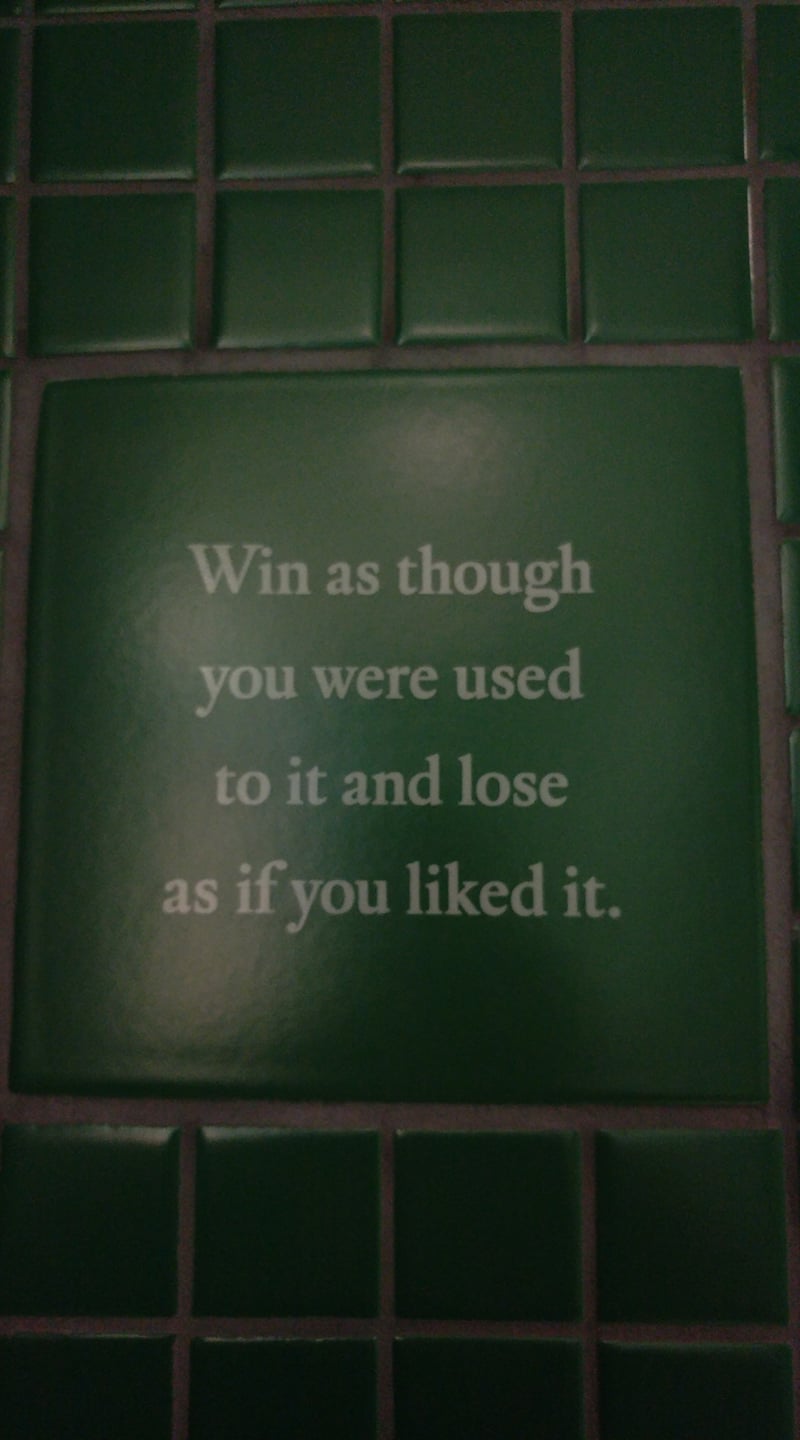
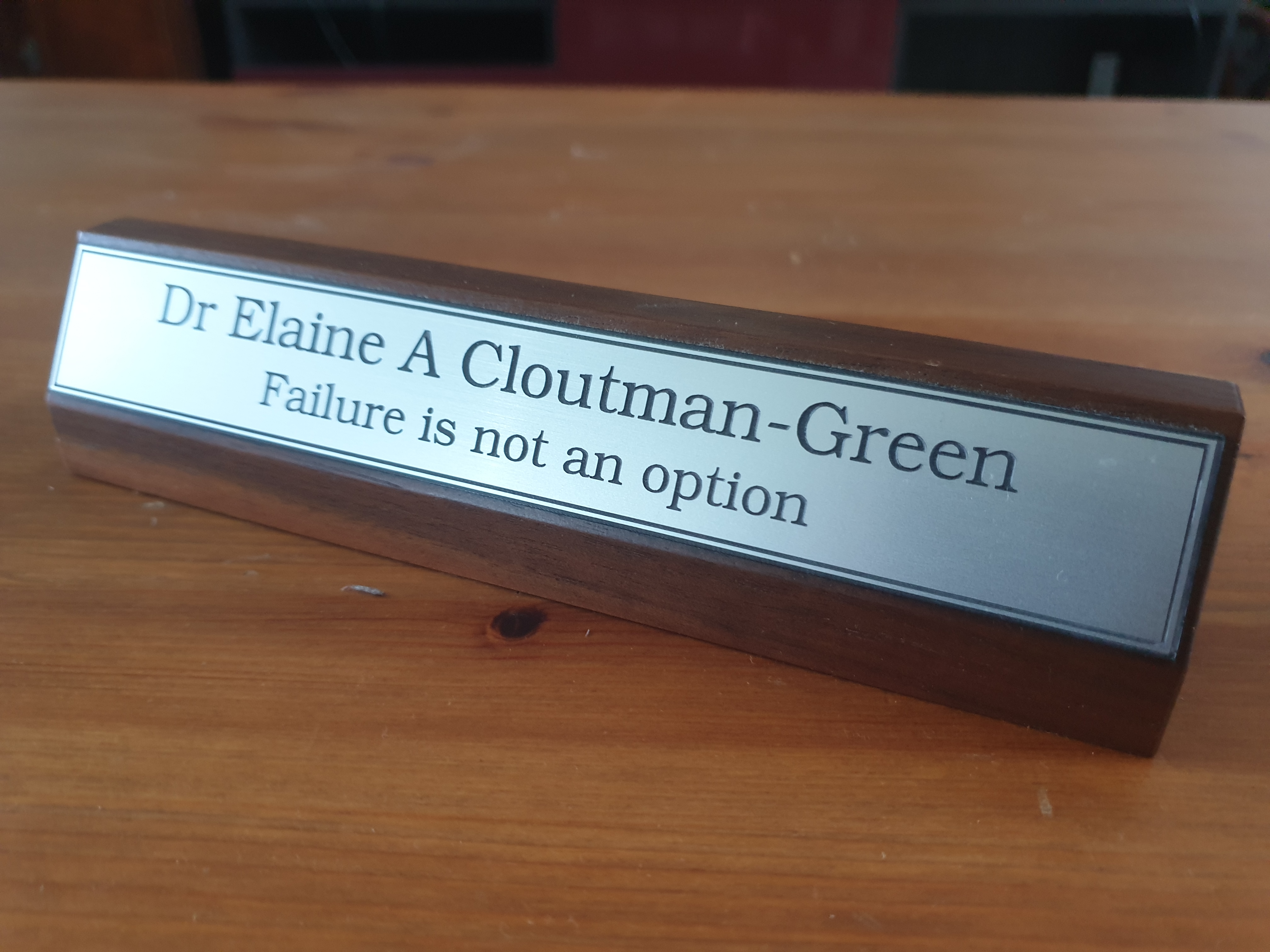
When I started studying for Fellowship of the Royal College of Pathologists, my father sent me this name plate for my desk. No child of his had ever failed anything and he didn’t believe we were about to start now. I think this probably sums up in one image why I’ve found this week re-starting clinical I used to do 10 years ago so hard. I’m terrified of being judged for making mistakes. Now, my father has got a lot of things right (and that plate was definitely a useful motivator) but I think that on one thing we have to disagree: Failure is important: we need to acknowledge it, learn from it and share the lessons. That said, I think this in my mind; The overwhelming panic I feel at the concept of failing shows me I don’t feel it in my soul.

One of the big problems with working in a Clinical Academic career (although I suspect they exist elsewhere) is that we work alongside people who appear very successful. I am surrounded by world-leading experts in X and Y. In this setting, it can be very tempting to try and benchmark yourself against others and to feel that you don’t match up. This is especially true in a Clinical Academic career: you sit in two worlds and so are never going to be productive in the same way as if you only sat in one.

I am, if you look at my CV, objectively pretty successful. Last year I won three national awards and was awarded >ยฃ20 million pounds worth of grant funding. In the same year, I managed to break my arm in two places getting out of a lift, had three papers that were rejected/required serious edits, failed to get four much smaller grant pots, and was told in a meeting I was of negligible value to my Trust, Leading me to consider whether I had what it takes to continue. The point being is that no matter how successful someone appears, it’s rarely the whole story. It’s a fine line to walk between believing in yourself and not getting sucked in by the successes or taking on board the negative comments.

It is worth knowing that all of us have CVs of failure and there is value in letting people know that everything doesn’t always go well. Not just because sharing our failures is where the learning is, but also because I don’t want people to see me as a successful Clinical Academic who is ‘other’. I want them to see me as Elaine, who is human and has her ups and downs. If you want to see proof of one of my more stupid moments, make it through the Stand up for Healthcare Science comedy set and wait for the punch line.

So, having established that I do fail, regularly, and also have a massive fear of that failure, I wanted to take a moment to talk about that and imposter syndrome. I’ve put a link to a Ted Talk by Amy Cuddy who talks about some interesting research, but also talks about the difference between ‘fake it until you make it’ and ‘fake it until you become it’. The first version indicates that at some point you can stop; The second means that it results in a shift in identify and, therefore, permanent change. Sometimes you just have to wear the identity for long enough that you truly become the identity and wait for ‘the imposter’ to leave.

When I was doing my GCSEs, I was pretty ill and couldn’t attend school for a year. When I was doing my A-levels, I was still recovering and could only manage a couple of hours a day. Most people acknowledged that university just wasn’t on the cards for me and that my academic success was going to be limited. This was hard (you saw the plate from my father, right?) and meant that I had to make a decision about what my identity would be. Could I be me and not be a good student? I was pretty scared and thought, in that teenage way, that life was over. Then I picked myself back up and decided I was going to try for university anyway. I acknowledged I would be behind. I acknowledged I wasn’t going to be the best and that I might just fail horribly. I decided to do it anyway. I chose to ‘fake it until I became it’.

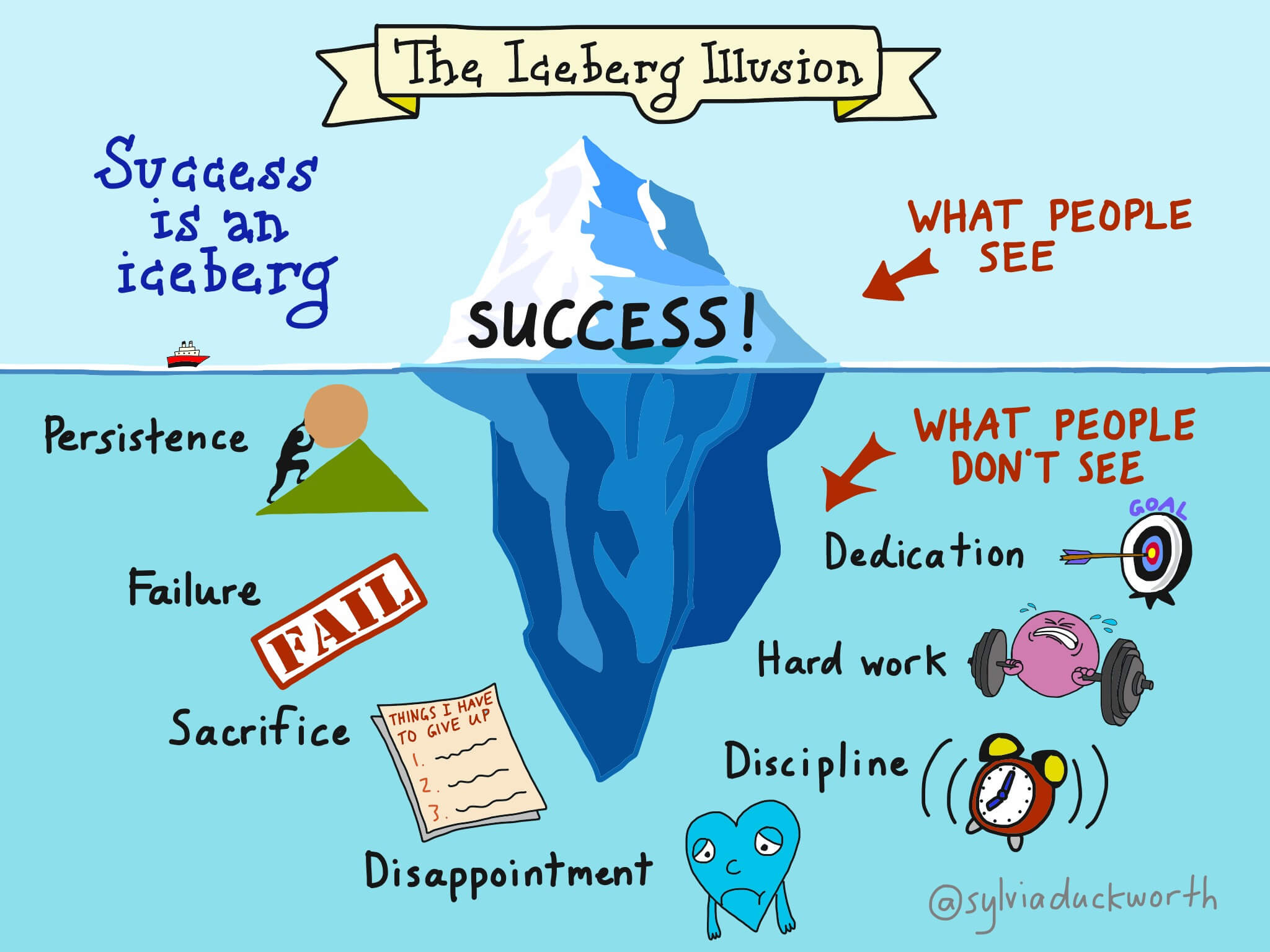
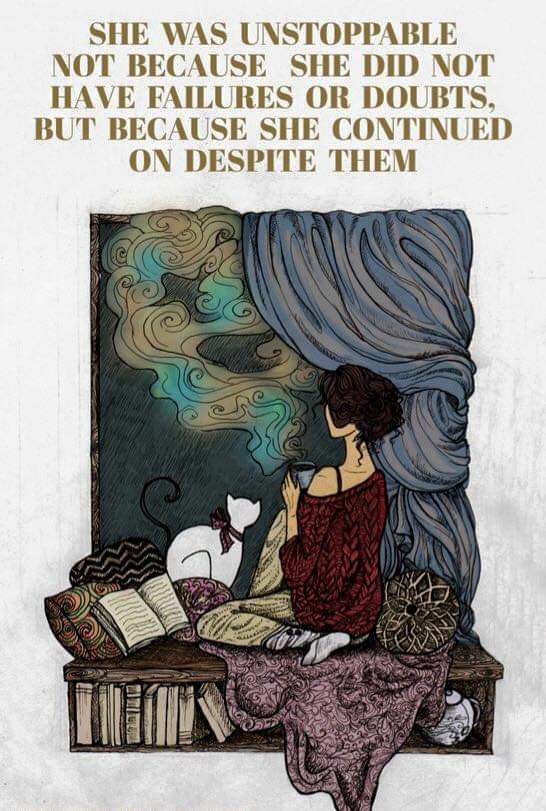
My point? It’s OK to be scared. It’s OK to worry. It’s important to acknowledge all of that and then do it anyway. I could never have imagined being where I am today, for all of the self-doubt I still carry with me. Success is rarely the result of a single moment, it’s the result of a series of moments where we make the decision to carry on trying. So, join me in taking life one day at a time, acknowledging our failures, sharing our doubts and persisting towards success.

All opinions on this blog are my own

Saturday Morning Zombies: how infection is portrayed in the genre

It’s Saturday morning and I’m spending my day watching zombie movies. There is a reason that I watch in the morning… I’m a complete scaredy-cat and so I don’t want to watch these before I go to sleep. Also, I don’t really like horror movies. Correction: I only like horror movies with plot, i.e. Get Out.

So, why am I spending Saturday exploring the world of zombie horror?

Three reasons:

  • Despite not liking horror movies as such, I’m intellectually obsessed with how infection is portrayed in them and debating whether the infectious cause would result in different types of zombies.
  • Nicola Baldwin and I, because of our shared obsession with the genre (albeit for different reasons), are going to create a new piece of work on zombies and infection for the Rise of the Resistance Festival (online 7th and 8th May 2021). I therefore need to do some homework.
  • My husband really really likes zombie movies: he is super-stoked that this is my weekend homework, rather than writing papers or analysing data

My friends and I talk about this so much as part of our ‘pub conversations’ that we honestly do have a zombie survival plan. So much so that one of my best friends included saving her husband ‘during the zombie apocalypse’ as part of her wedding vows. This may sound silly and, believe me, it is; But there is some interesting and philosophical stuff in here:

  • Where is the best place to run to (cities vs country)?
  • What would you do in the 1st 24 hours, 1st week, 1st month?
  • Who would you get to join your party? Why? What skills do you need?
  • Do you take people along for the ride because you like them, or does everyone have to have purpose?
  • What rules of society might you abandon for the sake of saving the human race, i.e. monogamy, patriarchy?
  • How much aid would you offer to strangers ‘Good of the Many’?
  • Would you opt to die as you or turn if infected? ‘Survival at any cost and in any form?’
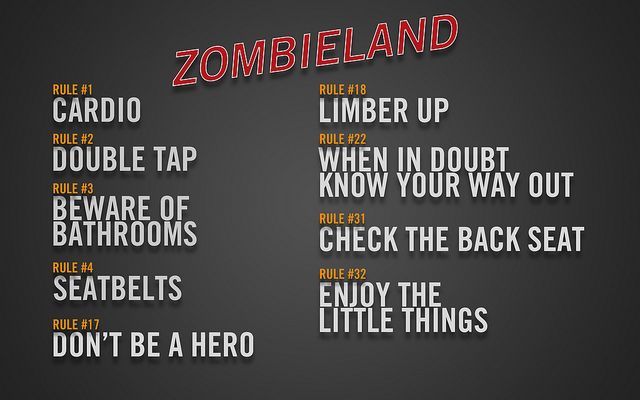
  • What would your ‘rules’ be?

These questions are all about how we, as humans, would react to a zombie outbreak. However, the thing that really fascinates me is how the zombie might change based on the cause of the zombie infection.

There are real life instances where infection can result in behaviour change. As part of my interest in this, I created the activity at the bottom of the page called ‘Zombie Island’. It was one of the first public engagement activities I designed and ended up being turned into a live action takeover event in the city centre of Toronto, where visitors had to solve different clues and challenges in order to cure themselves before they became zombies. The activity in Toronto was called Zombie Rendezvous and the link to the booklet is below:


Zombie Island – How Will You Save your Tropical Island Home?

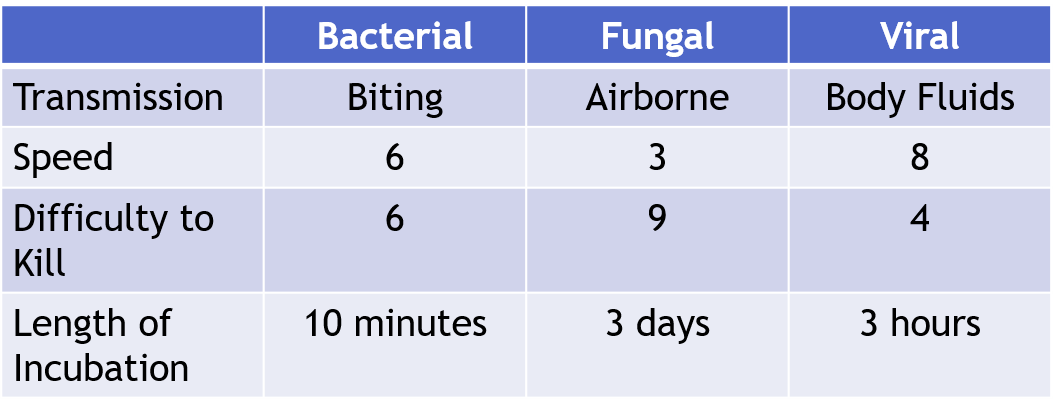
The first thing you need to do is design your zombie. Will it be due to:

  • A virus?
  • A bacteria
  • A fungus?

This decision will affect not only how your zombie transmits infection, but also how fast and easy/hard to kill it is.

How do infectious causes affect zombie characteristics?

Slide taken from Design You Zombie Activity (see downloads below)

Once you have your zombies designed you can then play the scenario. Each different type of zombie requires different infection control and public health decisions/prioritisation. Make the wrong choices and the zombies will reach the port or airport and get off your island to infect the outside world. They can also infect your food supply, take down your military, or cause mass point-source outbreaks if you fail to shut down public events. All decisions aren’t equal, so make your choice…+

More on all of this later when I’ve watched some movies. Remember – aim for the head!

All opinions on this blog are my own.

Science Communication: Reflections from an Ivory Tower

This week I was going to post about Antimicrobial Resistance (AMR) as, in many ways, it has been quite a momentous week in my professional life and it all ties into AMR. I may still… but I wanted to raise something that has been playing on my mind this week in light of the social media reactions I’ve seen to the new COVID-19 (don’t call it a lockdown) tiers.

Let me say now that this isn’t a political post, purely one linked to reflections that have been triggered for me that are linked to some of the pitfalls of traditional communication, medicine and dissemination.

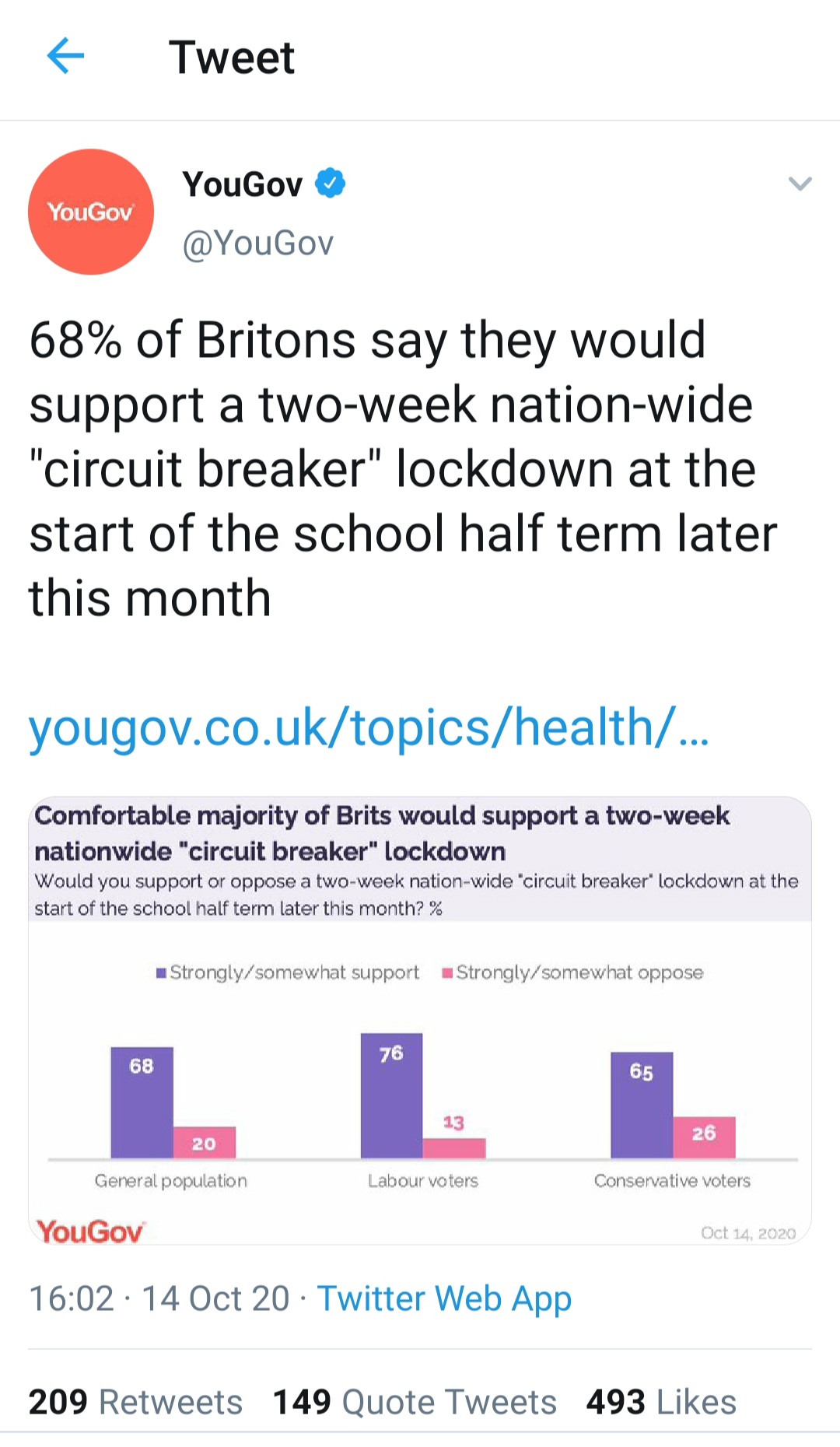
On Wednesday, I saw this tweet. The scientist in me responded with, ‘well of course’ and ‘surely people understand the ramifications for everyone if we don’t find working containment measures’.

Twitter post related to the new YouGov poll

When I see posts like this, I usually scroll through the comments. I think it’s important to read what people are posting and see what the challenge is like, as it’s all too easy to see the world through the eyes of those in your bubble. Those people in similar situations to us, with similar views to us, who then use stats like this to reinforce the positions we already hold.

Then, as part of the comments, I saw this:

My first reaction to this post was to blow out my cheeks and sigh. “The needs of the many outweigh the needs of the few” and all that. That’s an economic problem that should be addressed, not an infection issue: think of the number of people who will die etc.

Then I stopped and realised there is truth to this

I do live in an Ivory Tower

Now that’s not to say that I am rich, and it’s not to say that my response to the the poll is wrong. It is to say that we must reflect and admit the truth to ourselves. I can pay my mortgage. My job is not at risk (although my husband’s may well be). I can buy food and cover my bills. That gives me a privileged position where I can engage with and make decisions about how I feel about the science, the justification, and the way they are implemented. I don’t have to react from a place of worry and fear. That privilege means that I can digest information from a place of logic and not emotion. That privilege also means that I can lose perspective about how others may receive the same information and I certainly have to be aware of that privilege when it comes to judgement.

However the key word in the above paragraph is “receive”. This is where I come to the real point of my post. One of the problems with the current situation is the feeling of disempowerment of being the recipient of information and not the co-creator of response. This has been a problem in the health setting for pretty much as long as it’s existed, but its only in recent years that it’s been recognised as such.

Too many times in medicine we implement from a position of expertise and authority without engaging the lived experience and knowledge of others. I’m a passionate believer in the power of true co-production, where we work in partnership to create something that neither group could deliver on their own. I work in a hospital where we see patients who may be one of only 20 in the world with their condition. It is naรฏve and arrogant of me to believe that I will understand more about their experience of living with their disease. I can input, support and advise on the basis of biology and my experience. It will never be truly effective without considering theirs.

So my thought on this Friday evening is actually more of a plea. We all have our Ivory Tower, our bubble, our version of the truth. If you work in healthcare it’s important to give yourself time to reflect on what that means for your practice. Are you doing everything you can to move from being the authority in the room to being the person who is prepared to truly listen and co-create the best possible outcome for the patient in front of you?

Are we ready to enter a new period in healthcare where it is much more about the patient in front of us than it is about our years of training and education?

Photo by Adrianna Calvo on Pexels.com

All opinions most definitely my own

Why Have I Waited 5 Years?

It’s been five years since my last (and, embarrassingly, only) post on this blog. I started it when I’d just been awarded my PhD. After four years of focusing on my research and thesis, I thought that I would have the mental space and time to really invest in something that I’m personally passionate about – science communication.

Viva Day

I think when many of us finish a big project, like a PhD, there’s almost a grieving feeling at the end. What do I do now? This thing that has been a massive part of your every waking (and in my case also so sleeping) moment is now done. It makes sense to rest, recuperate and reflect. This is what I should have done. Sadly, as those of you who know me can attest, I’m not very good at any of those things. It’s a a skill set I’m working to develop.

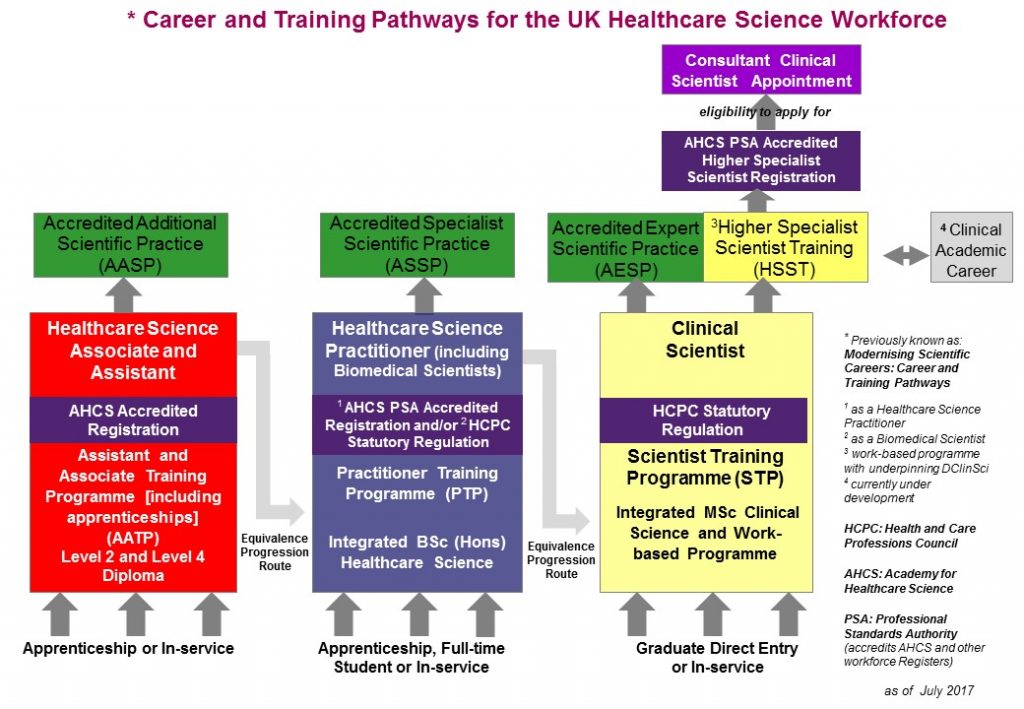
So, instead of stopping, I decided to sit the exams to become a Fellow of the Royal College of Pathologists (FRCPath). This was a big deal for me. Not that many Healthcare Scientists in microbiology at the time has sat the Medical Microbiology exam, and no one who only worked in paediatrics. It was important to me though, as I see patients and felt the need to be as equally qualified as my medical colleagues. It was the final step to getting on the Higher Specialist Scientific register and being eligible for a Consultant Healthcare Scientist post.

Healthcare Scientist Progression Routes

I started to prepare for the ‘Great British Bake Off’ of professional exams but without the comfort of cake. Four days, 30 hours of exams with lab and written sections! If I thought the PhD was tricky, FRCPath was another level.

Five years ago I posted on Facebook:

Elaine Cloutman-Green is feeling drained.

30 September 2015  ยท Shared with Your friends

Friends

Day 3. It’s 6 am and I’m reading brain abscess guidelines. I’m exhausted, I feel sick, and I really want to go home. It’s been so much harder than I had dreamed and I have cocked up on so many things. I get to leave tomorrow and that is all I care about now, I no longer care if I pass – I just want it to stop. Whining over. Eyes on the finish line. When I leave here, let’s never mention these days again.

Sometimes you have to face the failure and the difficulties head on to come out stronger. Fortunately I came through the other side and was gobsmacked in 2015 to find out that I had passed.

The Face of Complete Relief at the Fellowship Ceremony (2016)

2016 you say, but that’s still years ago . So why nothing since then?

At the same time as recovering from FRCPath exams, I decided to apply for an NIHR Clinical Lectureship. I know! I’ve got a problem, right?

From 2016 to 2019, I’ve been beavering away on my clinical academic career as part of an NIHR ICA Fellowship (see the top right corner of the progression image). More on that and what a Clinical Academic is will be posted on a separate blog in a bit.

After an intense five years with a lot of highs, and some level of stress, I’m back! I promise to not make you wait five years for another post.

What have I learnt:

  • Learn to rest, regenerate and reflect. These skills are undervalued.
  • Sometimes you have to face your fears in order to thrive. In my case the fear of failure.
  • You are capable of anything you can dream of if you work hard enough. Dream big and aim high!

All opinions in this blog are my own

Hello world!

So, this is my first ever blog post. Bear with me as I don’t really know what I’m doing.

I’m what is know as a Clinical Scientist and I work in Infection Control.

https://nationalcareersservice.direct.gov.uk/advice/planning/jobprofiles/Pages/clinicalscientist.aspx

Most people don’t know what a Clinical Scientist is so I thought I should briefly explain.

Most scientists that work within hospitals are involved with imaging (X-rays, CTs etc) or processing patient samples.  We all work to support diagnosing patients.  Did you know that scientists are involved with >80% of all diagnoses within the NHS?  Their work is crucial to improving patient care, but the scientists are often unsung heroes as they often never meet the patients they help.

I do not work in the lab all the time like many scientists.  I’m a clinical scientist, so half my time is spent working in a patient facing role within infection control and the other half involves bringing science to infection control to make it more efficient/evidence based. I work within a hospital with a team comprised of nurses, doctors and scientists.  I have a PhD in infection control. I am also working towards my final clinical qualification (Fellowship of the Royal College of Pathologists) which is the same as my medical colleagues.  My job is to help the translation of the science into a form that healthcare professionals can work with.  Sometimes this means working with language so we are all on the same page. Other times this means working with the latest science and technology and developing new tests that will help.

I’m passionate about my job, but I’m also aware that many people don’t know that it exists and I’m hoping that this blog will help to change that.  I plan to share a bit about what my day to day life is like as well as the science which I hope will inspire others to become healthcare scientists. After all, I have the greatest job in the world. And that is worth shouting about.