You may have noticed that I’ve been a little poor at keeping up with the Girlymicrobiologist site admin, and missing the odd weekly blog post. This isn’t because I’ve been slacking, honest, it’s more because I may have become a little distracted by a new project. I promise to get back on top of things soon, but in the meantime I thought I owed you an update.
Many of you have been kind enough to support last years project, which was a book aimed at supporting people to engage with research and research degrees, and I couldn’t be more grateful for your cheer leading. This new project, however, in the words of Monty Python could be described as ‘and now for something completely different’. It couldn’t be further from a book about academic study. This one is all about something else I love passionately, movies and TV.
I finished and launched the last book last October, and to be honest it hadn’t occurred to me, prior to letting it go into the wild, that I would write anything else till my retirement – when I’m planning to write some pathology based murder mysteries. It was never the plan to do something again, at least so soon. Frankly though, my brain tends to disrupt all my best laid plans, and ideas come meaning I just can’t help myself but get swept up. I’m blaming Ian McKellen inspiring me to ‘practice any art’.
Despite having no plans to do more, I have to say that I really enjoyed writing the first book, and I found the process of being able to write in a different way very fulfilling. I love writing this blog, and the first book is based on a lot of the pieces I have written for here, but it was nice to see them come together and take on a new and different life of their own. I also enjoyed mixing up the writing of something on a single theme with writing blogs on different topics for here, although I did rely a lot on Dr Claire Walker bringing together many guest blogs to allow me some writing time. It was lovely to see what those guest blogs brought to the site, and I really enjoyed seeing how including those voices really makes this feel even more like a community space. Without realising it, I think I caught ‘the bug’. Now, I’ve always enjoyed writing, this is my happy space, but I had never seen myself as an author, having held a book I’d written in my hands though, I can see how it could become a little addictive.
As I was sitting watching horror movies as part of my post release recovery, and researching for my 2025 Halloween post, I suddenly realised what I’d like to do next. I really wanted to write about some duel loves of mine, movies and TV plus infection.
Without any expectation of writing another book, all of a sudden I had a structure in my mind, and Don’t Open That Door had began…
You all know how much I am a movie and TV buff, everything from guilty pleasure reality TV, like The Secret Lives of Mormon Wives, to documentaries, and all genre of film (with the exception of torture porn horror movies, I’m a Blumhouse girlie). Whilst enjoying some down time with Mr Girlymicro, I realised how widely infection is featured in all kinds of different genera settings, some of it was actually pretty good, whilst some of it was really poor. So the first step was to do a whole bunch of research about what kind of examples were out there, by hitting up a bunch of different lists that have been collated by others, internet searches, and sourcing opinions from my movie loving friends. All of which led to the creation of a list of 138 options that needed a review to see if if they were actually linked to infection, and if they were infection based….was the infection content any good.
If you follow me (Girlymicro) on Instagram, you will have probably seen a number of stories that I’ve posted recently linked to movies I’ve been watching with some Infection Prevention and Control/micro commentary:
These have come about whilst I’ve been watching the 138 films/series with Mr Girlymicro to decide which ones make the cut to be included. I’ve watched some awesome films, some like Sinners, weren’t based on infection so couldn’t be included. I have also watched some truly bad movies, I even gave Resident Evil another go, and have spared you all by making sure that it is not included on the list. One of the considerations was that, even if the science wasn’t dreadful, I haven’t included anything that I or Rotten Tomatoes include as being truly horrible. I’m not just saving you on this, but also myself, as I’m having to watch included examples many times as part of the writing. I also felt it was really important to cover infections linked to viral, fungal, parasitic, and bacterial causes, just because they behave so differently and the interventions needed are so different. So the final list for inclusion involves movies and TV series that sit across infectious agents, although viruses are more represented than any other cause.
There are plenty of horror movies on the list, purely because they represent A LOT of the infection genera, but I was surprised at how many options there were outside of horror movies. I also tried to mix up certifications where I could, so that there are some options that everyone might enjoy.
Not everything could be included however, and there were also some exclusion criteria that impacted what I could include. Exclusion criteria included factors such as availability – no point including things that people can’t access, language options – I sadly only speak English so it needed at least English subtitles, and most importantly not based on real life events – this is about fiction.
For inclusion examples also needed to have infection as a central theme. This meant that health dramas could not be included as they only feature infection in some episodes, but at some point I do really want to write something that compares different medical dramas (House, New Amsterdam, Holby City etc) and maybe do a ranking scale….let me know if you think that would be a fun blog post.
Image credit The Red Dress
The reason it felt timely to talk about this today, is that the Biomedical Scientist magazine has been kind enough to do a whole feature on what the new book will look like, with a bit more detail, and some examples of what chapters will look like. It dropped on the 27th March and you can check it out the link here: https://thebiomedicalscientist.net/2026/03/24/infections-films. Also, how awesome is the art work they’ve done, can’t say enough how awesome The Red Dress are.
Whilst writing the article for the Biomedical Scientist and watching the example movies, I couldn’t happen but note how many weird and wonderful things are included as part of the science representation. Things that in my scientific career I rarely if ever encounter, but seem to crop up time and time again in Hollywood depictions of scientific life. I’m collating these for one of the final chapters in the book called ‘Science House of Horrors’ as I find them a bit fascinating. I’ve included some of the ones in the Biomedical Scientist article that I noticed, as well as those sent through as responses from social media, but I’d love to know if you have any others that I should include.
There are other opportunities to get involved though, I have 23 films and series examples, but there is room in the book to cover 25. I’m really keen to get other examples that include fungi, but if there is just something brilliant I haven’t included please let me know. There will also be a chapter called ‘Hall of Fame’ that covers both amazing movies that just don’t have enough infection in them to be included, or ones that were great but not quite as good an example of an infection characteristic as the ones already included. There is also the ‘Hall of Shame’ for examples, such as the TV series The Rain and Resident Evil, where the science is so bad that it is note worthy in itself.
Anyone who drops me an email to elaine@girlymicrobiologist.com and inputs into the House of Horrors, volunteers film examples I’ve missed, or suggests contenders for the ‘Hall of Fame’ or ‘Hall of Shame’, will get their name included in the list of contributors at the back of the book. Science takes a village, so does pulling together a book, and I’m really keen that this feels like it comes from our community. I hope you enjoy the article and I can’t wait to hear from you about your suggestions.
I am not a big Halloween girly, to be honest I can take it or leave it because I’m mostly excited about the build up to Christmas. That said, what I do love are movies and TV, and despite never being someone who can tolerate a lot of slasher or gore based horror movies, I love a good vampire movie.
A lot of this may be because I enjoy the world building and lore that seems to be more integral to vampire movies and series. This is because, although they share some of the same rules, depending on how the world is built they always need to explain which of the nuance comes into play in that particular setting. It felt fun this Halloween therefore, to write a blog post that talks about some of those tropes when vampirism is linked to infection, and how those rules compare to the real world.
Common vampire tropes to be aware of and to bear in mind as you read on:
Experiencing pain or physical damage in relation to sunlight
Needing to consume blood as a protein source
Inability to eat or digest food other than blood
Avoidance of animals
Ability to influence humans to undertake acts that may be against their will
Violent reactions to garlic
Inability to see themselves in mirrors or via cameras
Death only by beheading
Death by wooden stakes
Damage linked to holy water
Aversion to signs of faith
Aversion to alcohol or drug use
Not all of these are present in every piece of world building, hence why I find the variety of vampire mythos so interesting. The choice of which ones go together combined with different origin stories and creation processes enable a pretty large tapestry to be created from some similar thematic components.
Mystical, infections or something else?
The place to start I guess is by discussing whether all vampire world building includes infectious transmission? And the answer is a definitive no. Sometimes the way that the creation of new vampires works isn’t discussed. Sometimes the rules about the underlying process is unclear. That said, the fear of becoming something new is a frequently used trope for dramatic purposes and so the process by which a human is turned into or by which vampires exist is discussed pretty frequently as part of world building, and from what I can see there are three main routes:
Mystical – some form of occult/magic/cause not routed in science
Genetic – vampires are born and exist as a stand alone species
Infection – transmission via blood or other infectious transfer, even if the agent is unclear or unspecified
Now, I’m not going to cover the mystical/magically as that’s not anything based in science and the science is what I’m here for. The other two, however, are often based (sometimes loosely) in science as they are often inspired by things that actually exist and so I’m going to talk about both of those in a bit more details.
Genetic
I’m going to kick off by talking all things genetics. There are an increasingly large number of vampire movies and TV series where the vampires that featured were born vampires. This includes movies like Abigail, Perfect Creatures, the finale of the Twilight series, but also TV series such as A Discovery of Witches, First Kill and Vampire Academy. Sometimes within these there are vampires that are made through other means (discussed below) in the same world. Often these genetic vampires exist as a separate species to their Homo sapien neighbours either openly or in hiding.
There is often much discussion about where the vampire myth comes from, and in many way these stories of genetic vampires who are birthed through a similar route to standard human deliveries, links in most with what is considered to be a real world inspiration for many vampire myths. The origin is thought to be linked to a rare inherited condition known as Porphyria, the presentation for which may account for for some of the common components of vampire portrayals.
Porphyria is a rare, inherited blood disorder that occurs when the body can’t convert porphyrins into haeme, a vital component of haemoglobin. The resulting symptoms vary depending on the type of porphyria. Acute porphyria presentations include symptoms such as gastro intestinal pain and symptoms like nausea and vomiting – symptoms that are often portrayed linked to vampires attempting to eat normal food. Whilst cutaneous porphyria symptoms include pain, burning and swelling in response to sunlight, skin fragility and a tendency towards skin blistering – all of which are frequently included as vampire responses to exposure to sunlight.
Porphyria D. Montgomery Bissell, M.D., Karl E. Anderson, M.D., and Herbert L. Bonkovsky, N Engl J Med 2017;377:862-872 VOL. 377 NO. 9
Interestingly, in some of the genetic origin vampire stories, the impact of some of the limitations of the lifestyle limitation of traditional vampires are not so extreme. In some of these cases they can be seen in daylight, although not for long and don’t enjoy it, and they may be able to tolerate some, if not all, of human food. They are possibly therefore most aligned to their real world inspirations. I could write pages and pages on this, but infection is where my heart lies so I’m going to crack on.
Virus, parasitic, others?
Now we’ve covered off those born vampires, let’s move onto the most common version of vampirism outside of the traditional Dracula more mystical inspiration, that is vampires who are created linked to transfer of infection by blood or other means.
There are three main ways that this commonly comes into play:
Viral causes
Parasitic routes
Bacteria intoxication
I’m still trying to find a vampire movie where the main infectious agent is fungal, but it seems that most of the movies based on fungi are linked to zombie outbreaks. That makes a lot of sense, due to the fact that fungi are eukaryotes (like us) rather than prokaryotes (like bacteria), and so fungi tend to be linked to changing behaviour linked to interfering with the human nervous system. If you’ve seen a vampire version though please do let me know as I’m collating a list of where different organisms might come into play.
By far the most common route depicted is where the causative agent is a virus. Viruses are featured in movies such as Blade and Daybreakers and TV series such as Ultraviolet. This is because viral transmission in general is associated with transfer of bodily fluids, be that faecal-oral, respiratory via saliva, bodily fluids such as breast milk, or in the case of vampire movies via blood.
The most uncommon causative agent I’ve discovered is the parasitic cause of vampirism as shown in The Strain TV series. During the series transmission of the virus to create a full vampire is via something known as ‘The White’ that contains parasitic worms. These then lead to anatomical changes, including the growth of a proboscis that enables the biting and transmission of the parasite to others.
Bacterial coverage is mostly linked to potential methods of intoxication that supports the control over humans by vampires. Rather than being a direct cause of the vampirism, this seems to be about how transfer of the bacteria releases, or causes anatomical change, which then changes behaviour via things like hormonal or neurological changes. I’ve talked before about why bacteria may feature less in horror movies than other causes, but this can mostly be summed up by the fact that audiences tend to know more about bacteria and therefore it is less tempting for writers, but also horror tends to sit better in ‘the possible but not too close to us’.
Transmission
Obviously it’s not just the infectious agent that is important, but the mode of transmission for that agent. This being all about vampires the biggest mode of transmission is by bite, but it’s not always so straight forward. In mystical vampire movies, there’s usually a whole lot of removing of the original human blood and then transfer of the vampire blood, leading to a mystical baptism and rebirth. Infectious causes are much more one way, any bite could lead to someone turning into a vampire and the most important thing is load related. If someone is in contact for longer, if more blood is drunk and therefore more saliva and fluids exchanged, then the chances of conversion are much higher.
It’s not just blood as a bodily fluid that features in conversion during vampire movies. There are also films, such as Requiem for a Vampire and Trouble Every Day, where vampirism is treated more like a sexually transmitted disease, rather than transfer occurring during feeding on the blood of their victims. It seems that these films have increased since the 1980s, maybe as a result of fear processing linked to the HIV/AIDS pandemic during that time period or maybe because our knowledge about and ability to detect infections has increased and therefore there are a larger part of the collective public awareness. It will be interesting to see how the SAR CoV2 pandemic will impact this further.
The most unusual transmission, and one that aligns most highly with blood borne transmission is the presence of congenital transmission as featured in Blade. Where the main character Blade becomes a vampire hybrid by acquiring the vampire virus at birth, due to his mother being bitten and placental crossing of the virus into his blood stream. As a result, he exhibits some of the characteristics of a vampire due to the virus, but the effects are attenuated linked to his exposure route. It can often be that congenital infection presents differently to primary infection via other causes, and it appears vampirism is no different.
The other variable is linked to the time to turning once the infection has been introduced. I would speculate that this too is load related, as well as the infectious agent behind the symptoms. Viruses, for instance, are likely to reproduce and induce change at a much higher rate than anything linked to bacteria or parasites. This is partly due to their reproductive rate, but also linked to the level of dose that tends to be available. The exception to viruses resulting in the fastest change is likely to be bacterial intoxication and influencing. As the toxin acts immediately, when this is present in media and TV the change is almost instantaneous, but also time limited and therefore requires top up or re-application. Not all impacts are until beheading, some require a more time boundaried set of interventions.
Interventions
Once your characters are aware that vampires exist within their mist, then they will want to look for actions in order to protect themselves. One of the classic ones as featured in many movies, including the classic Lost Boys, is garlic.
In some ways the impact of garlic makes even more sense if you think of vampirism through an infectious transmission route, as garlic has been considered to have anti-infective properties for a long time, although warning you may have to ingest a LOT of it!
Another common feature in vampire movies is the roles that animals play as protectors. For instance, in 30 Days of Night, the vampires kill all of the dogs before they launch their main attack. This kind of thing also often happens in films and TV where vampires are hiding in plain sight. It could be that they are taking out animals as they don’t want to be found, and animals are easier than humans, but I have another proposition. There are a number of infections where animals can be used to sniff out and identify infected individuals. Therefore, if animals could detect vampires they are much more likely to be a risk and warrant removal. Animals could therefore act as a front line of diagnostic defence to enable you to tell friend from foe.
Having determine that a common weakness of vampires is their damage response to ultraviolet light (UV), films such as Underworld weaponise light against the vampire protagonists. Light, and especially UV-C (200 – 280nm), has been known to impact viruses and bacteria for well over 100 years. When light is in this frequency is can damage both RNA and DNA, resulting in cell death, and it is possible that if the infectious agent is the only thing that is keeping your body moving the damage would be more pronounced. We’ve also discussed how the lack of some biochemical pathways can lead to UV-C causing much larger amounts of pain an damage.
Normally, penetration of the light to cause damage might be an issue, but if you are using bullets or other means this may not impact. The most important thing I have to say here is, that despite what is shown in Blade 2, light does not bend around corners. This is also important for when you are considering using UV-C in hospitals to support cleaning, it doesn’t have good penetration and doesn’t go around corners of work in shadows. Using UV-C may work against your vampires but you are going to need to think carefully about where you use it so it does what you think it can.
Vampire movies have amazing world building and are often my favourite genera in terms of their string internal logic. I love the fact that so many types of infection and route of transmission that reflect real world cases are present as part of these pieces of entertainment. They can actually teach us a lot, even when we don’t realise it, and so much of it has origins in real world knowledge, even if only loosely. So, this Halloween evening find one you haven’t seen before and let me know which intervention you would use to stop your town being turned into creatures of the night!
Before I go, I thought I would share a few of the previous years Halloween blog posts in case you are looking for some more spooky season and infection reading:
It’s the 8th March, and we all know what that means…..It’s International Women’s Day!
This year, International Women’s Day is timed pretty wonderfully for me, as it happen to also be just as Healthcare Science Week is about to kick off. As both a woman and a Healthcare Scientist, I thought this was a great opportunity to combine the topics and talk about how these two things have impacted how my science career came about, and why I think a lack of recognition of both has incredibly important impacts on society as a whole. That said, this is also a post about how far we’ve come and the role that female scientific representation in the media has, and can have, on how we feel seen as women in science.
In what feels like a different life, where I was younger and had better hair, I was selected by the Royal Society of Biology to do some filming linked to raising the awareness of women in science. The session is short but was really interesting for me to do as it centered on who inspired me to become a scientist and how it happened. Now, many of you who read this blog will know all about that tale, but for context, I’ve linked to the video below:
The thing is, I suspect that there are still many people out there who might love to do science, and yet they’ve never had the chance to meet a scientist or really learn about the brilliant variability of a career in STEM (science, technology, engineering and maths). So what’s my point? Getting to actually meet and chat with a real scientist still feels like it’s a thing for the privileged few, not something that is available for mass consumption. You know what is available for mass consumption? TV and movies. This blog reaches 20 odd thousand people a year, a single episode of a TV programme, like Holby City, makes those numbers look so small they are not even worth considering. So it matters that the roles of female scientists within movies and on TV have not always been the most representative of either the careers available or the type of people that choose to engage with scientific careers. The reach and expectation setting that the media can have dwarfs any of the best efforts I can make across my entire career. Therefore, in order to celebrate International Women’s Day this year, I thought I would take the opportunity to talk through where we started with some of this representation in TV and the movies, and then celebrate quite how far we have come.
Why is it important to have women in science?
I kind of don’t believe I’m writing this section. This one should be a no brainer and yet I think it’s probably important to take a paragraph, especially with all the current commentary about equality, diversity and inclusion (EDI), to talk about why EDI matters.
The data supports the fact that we are far from a scenario where female representation in the workforce mirrors the distribution of women in the population. Worse than that even, is the fact that even if women make it into STEM careers they are doing less well than their male counterparts, including lack of representation in senior roles and general reduced access to research funding. There will be another post at some point about the source of some of these discrepancies but hint – it’s not because the women are worse at their jobs, that blog is still a little way away however.
One of the reasons for the lack of of women in STEM careers is that, according to work undertaken by Steinke et al in 2007, children are exposed to gender stereotypes and images of scientists through movies, TV shows and books where there is a lack of good representation of female scientists. They undertook work with primary school children where they asked them to draw a scientist, very few children drew female scientists and most listed media as the source of their inspiration. A similar study in Korea, in secondary school children, showed that only 16% of them drew female depictions of scientists. This kind of data backs up why media representation is so important, as you really can’t be what you can’t see. So many children do not realise that a scientific career is even a pathway that is open to them, if they are not fortunate enough to know one. If children can’t access what that career might look like through the information sources they access all the time then they don’t even consider it as an option for them when making their life choices.
But why should we care that we have less women working in science? What kind of difference do they make that we should try to move the dial on this?
Women make up just over 50% of many populations but much of the data produced by scientists, including clinical trial data, is biased towards male datasets. This leads to the outcome data for females often being less good. Some of this is likely due to a lack of female voice in the room when studies were being planned
There is often a research bias, where issues that purely impact women tend be under researched compared to issues that purely impact men
Inclusion of women in tech pipelines has been demonstrated to improved productivity and boost economic outputs
Science should be for everyone and therefore needs to include everyone. Science is best when it is seen through different lenses and priorities which different individuals bring to the table. Variable opinions drive improved change and innovation, so being inclusive is a win win
By increasing female representation in STEM we can switch up our focus from working to increase diversity and spending energy on being visible and role modelling, jobs that are overwhelmingly undertaken by women in STEM fields in addition to their day jobs, and allow women to compete better with their male colleagues by freeing up their time to focus on their science
What kind of representation did I see in the media when I younger?
Having talked about how important exposure to role models in the media are to encouraging women in STEM, I wanted to kick off by talking about the kind of representation I was aware of when younger and making decisions about my career choices. Now, a key disclaimer here, it appears that my teenage years were some horrific length of time ago, even though I’m blatantly still young, spry and filled with youth. Women, especially those in technical roles, often weren’t featured or were there to act as passive objects for men to respond to or act around. They were all too frequently there to be a foil for the men who were the focus of the storytelling. There wasn’t an abundance of female science representation in any of the media that I do remember, but what was present used to focus on 6 key stereotypes:
The Old Maid – the female scientist who is only interested in her work (and therefore not showing that you can be both a scientist and a person) who, as the film/show proceeds, has her female and emotional side brought out by the main male protagonist
The Male Woman – a female scientist who works in an all male environment. She is not as sexual a character as other women in the setting may be, but she is also not on the same level as the men she works with. She is often presented as having unhealthy habits, such as drinking issues, in order to show (it feels to me) that it’s unhealthy to try to be a woman in a mans world
The Naïve Expert – often a character in a film that is critical but does not contribute to any of the science solutions or really advance the story in any way. These often feel like box ticking roles or to aid the exposition of other characters
The Evil Plotter – usually a young and beautiful character who is there to trick the men within the film. They are set up to be hated by the both the other characters and the audience as they use their scientific knowledge and looks for evil. This one again strikes me as a way of demonising women who bring anything other than their knowledge of science and dare to be people with other needs as well
The Daughter/Assistant – this one is the typical smart and capable woman who is there as a subservient to a smarter, more well known, or more significant male character who will be the one to advance and resolve the plot whilst the female is there as a foil to show how smart and capable the male protagonist is
The Lonely Heroine – a woman who is depicted as intelligent and independent, and allowed to also be sexual, but somehow is not able to compete with her male colleagues. Usually, during the course of the story, she is gradually able to be seen and have an impact but only when she develops a relationship with a man who allows her to be acknowledged by others
Now, don’t get me wrong, all media and story telling is based on stereotypes and tropes, almost everything can be fit into a silo. That said, if the stereotype is only there to serve the male protagonists of the tale, that is a problem and it very much felt that way in films and programmes I watched growing up.
Scully effect
So what changed? I remember so clearly my first encounter with the The X-Files. It came out in 1993 (1994 in the UK) and I kind of missed it, but my sister and brother would not shut up about how great it was, so it took a while for this geeky 15 year old to discover Dana Scully and all of the science joy she would bring to me.
For those of you who don’t know anything about The X-Files (and you really should) according to Wikipedia ‘The series revolves around Federal Bureau of Investigation (FBI) Special AgentsFox Mulder (David Duchovny) and Dana Scully (Gillian Anderson), who investigate the eponymous “X-Files“: marginalized, unsolved cases involving paranormal phenomena. Mulder is a skilled criminal profiler, an ardent supernaturalist, and a conspiracy theorist who believes in the existence of the paranormal, whereas Scully is a medical doctor and skeptic who has been assigned to scientifically analyze Mulder’s case files.’ The reason that this series made such a difference for me, was because it was the first time that I saw a fully rounded female STEM character who was a person, with interests outside of her job, who was also an equal player in the story and able to challenge and lead within the series framework. She was more than just a foil, or a tool for exposition, and the number of times she was the one that did the saving became somewhat of a running joke.
It wasn’t just me that the character of Dana Scully had an impact on, her character led to what has been described as the Scully Effect. The Scully Effect refers to the phenomenon where women were inspired to pursue careers in STEM after watching The X-Files. This was the first time I think I really became aware of the power of the media to impact in more than a superficial way. The impression of this effect has been upheld by a recent study to try and capture some of the way that the Scully Effect impacted on those who watched the show, so you don’t just have to take my word for it.
There is no doubt that the role of Scully in The X-Files felt like a watershed moment for featuring women in STEM careers. Having just talked about the difference that Special Agent (Dr) Dana Scully made in terms of female representation in science I’m now going to excluding medics from the rest of this discussion as a) they are featured much more frequently in all forms of media and b) the lack of female scientific representation is one of the reasons that students see medicine as the only route open to them, rather than seeing the world of opportunities available within the world of science careers. (I still love you Dana, you’re still my girl)
So where did the change in TV go from there? Now, there are a few honorable mentions I’d like to give a shout out to, these are obviously based on my person taste, but I do think they are examples where things have continued to change for the better:
Bones is a police procedural linked to investigations of human remains undertaken by Professor Temperance “Bones” Brennan (Emily Deschanel), who is a forensic anthropologist, supported by FBI Special Agent Seeley Booth (David Boreanaz). Now, in many ways Bones fulfills many of the Old Maid stereotypes, but there are many key differences. For one, her intelligence is always held up as a positive and with high regard, and she is considered to be so valuable that her challenges with more emotional interactions are considered to be over whelmed by the value her intellect brings, which is quite a different take. Secondly, her emotional journey is mostly chaperoned by another female character in the show, Angela Montenegro, rather than relying on a male character for their character development (yes, yes, I know her and Booth get together but I’ll die on the hill that it’s secondary to Angela). Finally, and maybe most importantly, the character of Bones is very clearly signposted as being based on a real person, Kathy Reichs, who was also involved in making the show. As I said, representation is important and the fact that this clearly shows that you can be a successful scientist, and perhaps even close the circle and be inspiring enough to have a TV series based on you to inspire more young people, is a massive step forward.
Kathy Reichs
Two other TV science representations I love come from other police procedural or fantasy series, both are lab guys, all of which probably tells you a lot about who I am. These guys both speak to my heart as they are fully formed characters, not just single dimension caricatures of female scientists. They have flaws, they have passions, they are authentic, and most of all they love the science that is their calling. (this isn’t to say that science has to be your calling for it to be your job, I just love that there are representations of scientists on TV who love science the way I love science)
First, I’m kicking off with Abby Sciuto from NCIS. She’s a forensic scientist, who in that TV way has a world of completely different science skills rolled into one, but I still love that about her as she exhibits so much scientific curiosity. As an ex goth myself, one of the other things I love about her is her sense of self expression and not being limited or making herself smaller on the basis of what others think about her. She the opposite of those female scientific characters who rely on others to enable them to be people rather than lab coats. I fully respect and am so happy to see this kind of female science representation.
Second, is Ella Lopez from the TV series Lucifer, a TV series based on a comic where Lucifer, as the devil, abandons Hell to run a nightclub in Los Angeles. He then (for plot reasons) becomes a consultant to the LAPD and hi-jinks ensue. She’s also a forensic scientist who works for the LAPD, are you sensing a theme? I don’t know whether this is because of the kind of series I like, or whether the writers of these kind of series just feel like they have more time and scope to devout to full character representation. The reason I love Ella is that she is the complete opposite of the Old Maid/Male Woman stereotype. She is the emotional heart of most scenes, and is accepted for bring her full emotional quirky self to the table. As someone who often feels judged for wearing her heart on her sleeve, I love this is represented as a strength in this characterisation of a female scientist.
Let’s talk movies?
So what about the movies? In some ways female scientific representation is always slightly more challenging in films. Slightly due to the nature of the medium, there is often less opportunity for character development (as you have a few hours vs multiple episodes) and so they still tend to fall very much into some of the stereotypes already discussed. There is still a strong tendency for strong female characters, when present, to still fulfill the Evil Plotter stereotype, and the film industry in general struggles to have female roles that are not reliant on male roles for context. That doesn’t mean there are not plenty of films despite this that have female characters I enjoy (Jurassic Park and Contact being just 2 on the left of the image below).
In terms of movies I want to discuss though, let’s start with the one on the right, Dr Elizabeth Shaw from Prometheus (2012). Those of you who read my Halloween blog on how the Alien movies reflect the world of Infection Prevention and Control, will already know how much I like this film series. One of the reasons the series appeals to me in general is that it doesn’t shy away from strong female lead characters, it started with Ripley after all. The female lone survivor trope is strong with this series, but I also like it when characters like Elizabeth are the ones that survive because they don’t shy away from their intellect and aren’t scared to be the smartest person in the room. Too often we hide away from owning our space as women, and I love a film where the characters are given license to own their space.
Talking about films where women are given permission to own their space, this next one is based on historical figures. My favourite female scientist movie of all time is hands down Hidden Figures, which came out in 2016. This film is loosely based on the non-fiction book by Margot Lee Shetterly and is about three female African-American mathematicians: Katherine Goble Johnson (Taraji P. Henson), Dorothy Vaughan (Octavia Spencer), and Mary Jackson (Janelle Monáe), who worked at NASA during the Space Race. If you haven’t seen this film I cannot recommend it enough. When I have bad weeks this film reminds me of the fights that others have fought just so I can occupy the space that I’m in, and the continued need to be that fight for the generation that will follow me. It’s about so much more than female representation, some of the challenges that these women faced due to the colour of their skin is mind blowing to someone growing up in the UK, not to say that there are not ongoing diversity and inclusion issues here. This film to me is everything that science representation on the big screen should be, and it’s just a pity that there aren’t as many examples as can be found on the small screen.
All hail Marvel
All this brings me to the one place that I feel consistently hits it out the park for me in terms of both female character representation and in showing scientists as real three dimensional people, Marvel (both Marvel Cinematic Universe and Marvel Studios). Personal opinion, but I feel like Marvel have done more for showing women who are scientists and characters in their own right than most other genre series, an irony I am aware of for a series based on comic book characters. This is probably made possible because they can draw on character development from so many decades of story lines in order to make it work.
My all time favourite is Dr Jemma Simmons from the Agents of SHIELD series, but that could be because you are able to get to know the character over 7 seasons. Film wise, I really love Dr Jane Foster from the Thor series. Previously my all time favourite film science character was Shuri from the first Black Panther series, I’m pretty conflicted about this now however due to some of the anti science opinions held by the actress.
There are frequently great scientific characters embedded across all parts of the Marvel universe ,however, and so I encourage you to find your own favourites. To help I’ve listed some of the big hitters, in terms of main characters, below.
Thor film series with Dr Jane Foster
Agents of S.H.I.E.L.D. TV series with Dr Jane Simmons
Ant-Man (and the Wasp) film series Dr Hope van Dyne (and Janet van Dyne)
Doctor Strange film series Ms Christine Palmer
Spider-Man film series (not actual scientists as too young to have careers but….) Mary Jane Watson
Black Panther film series Shuri
Captain Marvel film Dr Wendy Lawson
Eternals film, possibly all of the film characters as they are after all eternal
Another thing that I appreciate about the Marvel films is that even when a character is not present, due to them being part of another story stream, they often reference the absent character, and not just in a way that talks about their positioning linked just to a romantic other. One of my favourite examples of this is below, from Age of Ultron, and is part of a conversation about why Pepper Potts and Jane Foster are not at a party. The dialogue goes like this:
Avengers: Age of Ultron (2015)
If you are looking for something you can watch with your family, that will hopefully inspire the next generation of scientists, and help ensure that the next time a child is asked to draw a picture of one they may choose to draw a woman instead, this is a great place to start.
I feel we’ve come such a long way in terms of female scientific representation in the media, but there is so much more that needs to happen. We can all work to drive this by being aware of the films we choose to watch and where we decide to spend our money. Those of us working in science can also do a lot to make sure that we take opportunities presented to us that mean we will be seen, and hopefully inspire those who will follow us. Let’s embrace the moment, step out from the shadows, and truly show why having women in the scientific space is crucial for the best science to occur.
Thank you for taking some time out of your day to share International Women’s Day with me!
Buckle up, this is a long one, but I hope you’ll enjoy reading it as much as I enjoyed writing it.
Many moons ago, I did an A-level in psychology. I enjoyed it so much that I even took some modules during my degree. During my A-levels, I still remember how much I enjoyed the section on group decision making and the different roles that both exist and can influence. During my degree, some of my favourite parts were linked to evolutionary psychology but also game theory and how mathematics and behaviour combine to impact how we should make decisions.
Now, many of you will know that I am a gamer and love all things from board and computer games through to tabletop role playing and free forming.
N.B. Some of you might not know what free forming is, so a quick description is that it is like the murder mystery games you can play, unscripted, but generally much more in depth. I like to think writing them is like writing a novel, but each character only gets their bit
Over the years I’ve had plenty of time to both write and play around within the free forming space using influencing/manipulations linked to group decision making but low and behold watching The Traitors is like all my experiments rolled into one and I LOVE IT!
What is The Traitors anyway?
For those who have managed to avoid getting hooked, first of all, congratulations, as I watch not just the British but also the overseas versions and just can’t help but get sucked in. But what is it? Launched in 2022 and is presented by Claudia Winkleman, it is a TV series where the aim of the game is to find the murderous Traitors in your group before they kill you all. Have any of you played the game Werewolf, either old school or the newer card game? At its very core, The Traitors is like werewolf with the option of extra wolves and the addition of afternoon tea.
There have now been three UK seasons, and for context, I’ve included the trailer for season one below:
The structure goes something like this. Between 20 and 25 people arrive at a pretty glorious castle in the Highlands. On arrival they spend a day getting to know each other. That evening, they meet for a gathering around a ’round table’. Whilst blind folded, at that meeting, the Traitors (usually three) are chosen, and the game then begins. The rest of the players become what is known as Faithfuls. During the days, the group then as a whole compete to add money to the prize fund which will be won at the end of the game, and at night, the Faithfuls try to find the traitors by banishing a person they believe is part of the Traitors group. If there are any traitors left after the banishment phase, the traitors choose one person to murder. Everyone meets for breakfast the next day and finds out who is left, and the cycle begins again.
Over the next few weeks, the numbers are whittled down until there are a handful (5 ish) left. The game ends at the point the group banishes all the people they believe are traitors until there are only those perceived as Faithfuls left. They can choose to end the game at any point once down to these last few, but if, when they choose to end the game, there are any traitors left in the group, the Faithfuls leave with nothing and any Traitors split the remaining money between them.
There are only two ways to leave the show
Banishment
Murder
Both are based on some form of group decision making. Over the course of the game, banishment starts with a large group of poorly linked individuals and progresses to a small group of highly linked individuals in a competitive space. Whilst decisions about murder are made in a small group based on trust and risk based decision making. The dynamics of both can, therefore, change over time. To understand the challenges behind these decisions, it is key to understand that group decision making can be more nuanced and complex than it may initially appears.
Let’s talk group decision making
Two heads are better than one…..right? The basic principle of why we should use groups to make decisions is that a group will make better decisions over time than an individual alone, especially during complex decision making.
There are a number of steps that can be used to support sharing and evaluating of ideas, to support improvement in the decision making process over that available to single individuals. There are also a number of possible ways that the ‘decision’ part can be undertaken, consensus, majority, unanimity, etc. The thinking behind using these processes is that each person comprising part of the group then becomes additive, and therefore, more is better.
These aspects to group decision making can, if used consciously, really help bring about the most positive aspects of any decision making process. However, they all require certain things to be in place for them to actually work in the way that permits the best possible outcome, and so group decision making is predicated on how individuals work within the group to actually support its success.
What are the particular challenges of group decision making?
We all like to think that we are smart, independent thinkers who can bring something unique to the table. Partly because, as individuals, we tend to believe that we will accept and weigh all of the different perspectives that will be brought to the table equally and therefore act inclusively and positively contribute. Is this true however?
In 1981 Meredith Belbin came up with a view of how team roles. the roles that we may default into in a team, can impact how teams work and relate to each other. People generally have a preferred role that they will fall into, but roles may change based on the needs of the group and the relationships that exist, especially as these can be dictated by how the group is working.
The truth is, as demonstrated within The Traitors, we don’t necessarily value all of these roles equally. Within The Traitors, often the people centred roles are valued more highly, especially early on, and so people who are ‘different’ such as plants or ‘challenging’ such as shapers may be prone to banishment early in the process rather than being valued due to the different perspective they bring. Other roles, such as the implementer or monitor evaluator, may become isolated as too focused on task and therefore ignore the social niceties required to build social capital, which is important to be able to call on when you inevitably come under suspicion.
We see those not like us as being a source of risk or difference that can lead to distrust, which makes those that could be highly valuable, linked to their differences in perspective or approach, actually to be seen as individuals to remove from the group early. Thus making the whole task of finding the Traitors to actually become more inefficient early in the process. These challenges aren’t just present in The Traitors decision making though, and so Belbin encourages self reflection to understand the roles we take and what benefits and disadvantages they hold.
How does voting impact and a lack of facilitation impact?
We often like to think that we are useful and can actively contribute. In the case of The Traitors, participants like to believe that they know, or can spot things that others cannot, and therefore can make themselves valuable members of the group. For the Traitors, all scenarios will feel like a risk as we like to believe that others are as obsessed with us as much as we are focused on ourselves, something called the Spotlight Effect. In recent seasons, there has also been a focus from the Faithfuls on obsessing about why they have been kept in and not murdered, hence placing increased focus on themselves and the importance they play within the group. All of this plays out around the round table linked to the fact that a single round of majority voting is utilised in order to enable the group to make a decision.
Other types of voting would have different impacts on the group and how they made decisions, but may not be as dramatic, and in most cases would take longer. The issue with many of these other types of voting is how dissent and intransigence is managed in order to move discussions forward and ensure that the beneficial aspects of group decision making are actually realised.
One of the reasons that these alternate methods would be challenging, even if included, is that they really rely on facilitation in order to work. In The Traitors, there is no external group facilitation, all roles are held by people in group who are driven by both group and individual needs and have an embedded interest in the selected outcome. The host acts merely as a neutral observer to the process. If setting up your own group, evaluating the success of groups you are part of, or thinking about processes, it is worth being aware of how decision making tools influence both group behaviour and group effectiveness, and ensure that the right structures are put in place to support both.
Why can the voting shift so rapidly?
As the Faithfuls become more developed as a group, or at any point where they feels like there is a dominant voice/person demonstrating confidence in their opinion, it can be surprising how quickly the conversations and prior decisions made before going into the round table can change. There is usually plenty of hanging around and talking during the day, where people get to know each other, voice suspicions, and try to capture evidence, which is usually in limited supply. The number of times this happens, and someone sounds like they are doomed to be banished, then everyone sits around the round table and suddenly everyone is voting for someone else entirely may appear surprising, but how often is group decision making truly group decision making? How often does it become the echoing of a dominant voice?
What is group think?
Groupthink was first coined as a term in 1952 but the first real published book investigating it was published by Janis in 1972.
Groupthink is a phenomenon that occurs when a group of well-intentioned people makes irrational or non-optimal decisions spurred by the urge to conform or the belief that dissent is impossible
The need to be part of the majority when voting, the need to be seen to be part of the consensus, makes the voting process and group decision making in The Traitors particularly at risk of Groupthink. This is where the desire for group consensus and harmony leads to poor decision-making. Within the round table at the traitors, especially at the start, no one wants to draw attention to themselves. You want to be middle of the road initially, as you neither want to draw the attention of the Faithfuls, thus standing out and being at risk of banishment, or of the Traitors, putting yourself at risk of murder. No one wants to be an outlier.
As time goes on, and the numbers decrease, individuals need to be seen to have a voice as not having an opinion increasingly raises suspicious. At the same time, there always seems to be a couple of players who become dominant, often due to the random luck of having found a Traitor previously, and are seen as being somehow more competent to find Traitors than others. Groupthink therefore definitely starts to play a more significant role in the middle stages of the game due to the changes group dynamics. How this Groupthink plays out can happen in a number of ways from collective rationalisation during discussions that one person is definitely a Traitor, normally based on fairly flimsy evidence, to some people being almost immune to accusations as they have come to be seen as such good Faithfuls, for equivalent light levels of data. It is often only when players reveal whether they are actually Faithful or Traitor, when banishment decisions have been made, that some members will then voice the fact that they didn’t support the wider decision or that they wish they had had the capacity to speak up.
The other interesting thing that comes into play during round table discussions, is that there are obviously traitors who are deliberately muddying the waters or throwing in dissent in order to disrupt the group decision making process. These members act like ‘mindguards’ who are group members that limit information and control dissent to influence the decision-making process. It is interestingly not only the Traitors who do this however, in varying seasons there have also been cliques that develop who have also acted in a similar way, but claim it is to protect themselves and improve the ability to identify those they perceive as untrustworthy. This tends to benefit the individuals but does not necessarily act to benefit the group as a whole, in terms of decision making quality.
Let’s talk treachery
The show wears its truth on its sleeve, it is called The Traitors after all. Trust plays a fundamental role in both individual relationships and on group dynamics. Therefore the role of trust and how this level of trust varies across the period of the show is an essential part of the entertainment factor and impacts on how successfully the group complete the given task of trying to find the Traitors in their midst. In a normal setting, trust is built over time as the group establishes itself. In the case of The Traitors, this process deliberately erodes trust, as the more the group establishes the smaller it becomes, and it becomes more likely that the person you are left talking to is actually a traitor whose considering your death. All of this leads to an ever building sense of paranoia.
The other reason that paranoia can be rife is that the role of Faithful is not static. You could therefore be sure that you had a relationships with someone based on the fact that they were ‘clearly’ Faithful, but it is possible that something could happen which means that they changed from being a Faithful to a Traitor during the course of the game. There are also moments when new group members are added later on, which means that members, and the group as a whole, lose their equilibrium and then need to re-establish. This also means that those players who are introduced later can also struggle to ever be seen as part of the group in the same way as the original players.
The reasons that players can change to become Traitors are three fold:
Original selection as a Traitor on day 1 (change from unassigned to Traitor)
Seduction – if a Traitor is banished, the Traitors can choose to recruit from the remaining Faithfuls. The Faithful can choose to join or refuse, but often even admitting that someone has tried to recruit you can lead to an increased risk of banishment
Ultimatum – if at any time there is only one Traitor left in the game, the remaining Traitor selects on member of the Faithful and they are given an ultimatum. They can either join the Traitor or they will be murdered. Needless to say, under these circumstances players almost always choose to join rather than die. This can impact dynamics later however and mean that the ‘forced’ Traitor may be more likely to turn on their fellow Traitors
The Traitors therefore have their own group dynamics that are playing out in secret amongst all of the dynamics of the wider group. All of which can impact how wider decision making processes occur, as some individuals may choose to sacrifice a Traitor to the wider group in order to establish themselves as more trusted or to change group dynamics.
So what is game theory and how does it apply here?
All of this brings us to game theory, and more specifically to the Prisoner’s Dilemma
Game theory is the branch of mathematics concerned with the analysis of strategies for dealing with competitive situations where the outcome of a participant’s choice of action depends critically on the actions of other participants.
When The Traitors is described as a game, it very much is, both as a whole and with every single decision made. The Traitors within the group are playing something called the Prisoner’s Dilemma, pretty much throughout as they decide every round table whether to support each other or sell each other out. At the end game, however, everyone ends up playing this particular example of game theory, whether they are a Traitor or a Faithful, as banishment’s continue until everyone believes there are only Faithfuls left.
Two bank robbers, Elizabeth and Henry, have been arrested and are being interrogated in separate rooms.
The authorities have no other witnesses, and can only prove the case against them if they can convince at least one of the robbers to betray their accomplice and testify to the crime.
Each bank robber is faced with the choice to cooperate with their accomplice and remain silent or to defect from the gang and testify for the prosecution.
If they both co-operate and remain silent, then the authorities will only be able to convict them on a lesser charge resulting in one year in jail for each (1 year for Elizabeth + 1 year for Henry = 2 years total jail time).
If one testifies and the other does not, then the one who testifies will go free and the other will get five years (0 years for the one who defects + 5 for the one convicted = 5 years total).
However, if both testify against the other, each will get three years in jail for being partly responsible for the robbery (3 years for Elizabeth + 3 years for Henry = 6 years total jail time).
Therefore the best move, for either Elizabeth or Henry is to defect, as this is the move with highest payoff, either because they both defect, in which case they only serve a year in jail, or because the other person doesn’t, in which case they walk away completely free and the other person pays the entire cost. This is what is known as the Nash equilibrium, where both parties should defect in order to maximise their individual benefit.
Within the context of The Traitors, this means that at some point, when the heat is on your fellow Traitors too much, you should join the rest of the group in order to banish them as a Traitor in order to validate yourself as a Faithful. It also means that during the end game phase, when players can continue to banish down until they reach the final 2, as long as you are sure that you are not one of the ones at risk of banishment, you should always continue to decrease the group to the smallest numbers possible in order to try to ensure that no Traitors are left. It is the balancing that with your individual banishment risk that is the biggest challenge however. When there is money at stake, when there is an actual individual cost to decision making, then the maths is clear about what you should do next.
What does all of this teach us, and how can we apply some of what we’ve learnt?
Apart from being a cracking piece of entertainment, I hope that this post about The Traitors has made us think that group decision making may not be as simple and issue free as we sometimes like to believe. There are a number of actions required of us as individuals in order to make it an group decision making the improved option, and a lot of individual responsibility that must not be forgotten as part of becoming a collective. When undertaking your role as a decision maker within a group setting it is worth being aware of the need to:
Self reflect on the roles you take when in groups, especially how these change depending on stress levels and how comfortable you are with other members
Actively evaluate how well your group decision making processes are supporting or impeding the effectiveness of the decisions
Not just default to majority voting because it is a) what you are most familiar with or b) quickest and perceived as easiest
Think about when to use facilitation to improve the quality of any group actions
Be aware of groupthink and attempt to have measures in place in order to reduce its impact
Know that, if the individual costs and consequences are high enough, the best mathematical choice is to defect (I say this tongue in cheek in terms of the maths, please also remember the human cost in any decision making)
Anyway, season 3 of the US version of The Traitors is just dropping now on BBC iPlayer, and so I’m off to see whether my thinking holds even if there are cultural differences. Just to finish though, I’d also like to end with flagging one of the best film examples of group decision making and how group dynamics can be utilised to impact outcomes. If you’ve never seen 12 Angry Men, it’s a masterclass, and I’d highly recommend you take some time out of your life to check it out and to think how you might respond if placed in a similar situation.
It has not been a great week for science, with many of us being concerned about how the presence of a vaccine denier on the successful ticket to the white house will impact public health initiatives and the quality of science communication in general. I’ve been thinking a lot about how we got here and how, even more than previously, embedding good science into mediums that are routinely accessed by the majority, will be crucial in ensuring the reach of accurate science communication when some of the more standard public health routes are bound to suffer in the coming years.
I think it will be a surprise to none of you that I am a bit of a lover of TV and movies, we’ve also covered a number of book reviews linked to this blog, and I like nothing better than snuggling down with a good book and a cup of Darjeeling. What does any of this have to do with anything? Infection, infection control, and science in general is a huge chunk of my every day, but this isn’t the case for everyone, or even most people. Many people are passive absorbers, meaning that they may not search out information but take on board when they encounter it when going about their lives. This means that the quality of what they encounter may be hugely variable, depending on how and where this happens. I’ve previously talked about the quality of the science in some of the books I enjoy, including the News Flesh series, as well as posting last week about how infection control is represented the Alien movies for Halloween. These are fun posts to do, but it made me think of the most popular movies that are linked to infection out there. How good is the science they represent? and by doing this better, could we support science literacy in general?
IMDB list of Top 25 Virus/Pandemic/Epidemic/Infection Movies
In order to think about this more detail I hit the Internet Movie Database (IMDB) which contains all kinds of lists, including a top 25 of Virus/Pandemic/Epidemic/Infection Movies (https://www.imdb.com/list/ls094715071/)
A Quiet Place (2018) (Girlymicro comment – I don’t know that this should count as it’s an alien invasion film)
Bird Box (2018) (Girlymicro comment – I don’t know that this should count as it’s an unknown enemy film that does not appear to be linked to infection)
Now, I have only seen 16/25 of these, Mr Girlymicro has seen 22/25, so between us we have most of these, so hopefully I’ll be to comment from a position of knowledge on a fair few of these. Before we even start however, as you can see from my commentary on this list, the poor science starts early during the classification of some of these as infection movies, even before we start to talk about the science content of the movie/show itself. Firstly, let’s look at the name of the list = Top 25 Virus/Pandemic/Epidemic/Infection Movies and how it related to the actual definition.
An increase, often sudden, in the number of cases of a disease above what is normally expected in a specific population and area.
An outbreak, which carries the same definition as an epidemic, but is often used for a more limited geographic area.
The CDC suggests epidemics occur when an agent and susceptible hosts are present in adequate numbers, and the agent can be effectively conveyed from a source to the susceptible hosts. Whereas a pandemic refers to an epidemic that has spread over several countries or continents, usually affecting a large number of people. The starting epidemic is usually due to a combination of factors including:
A recent increase in amount or virulence of the agent,
The recent introduction of the agent into a setting where it has not been before,
An enhanced mode of transmission so that more susceptible persons are exposed,
A change in the susceptibility of the host response to the agent, and/or
Factors that increase host exposure or involve introduction through new portals of entry
So you can see from the above that a number of movies on this list don’t actually count under the terms linked with to the title. Some of them are alien invasion, some of them are climate change related, and one is even on the topic of bioremediation. Yet there they are on the list.
For some of the others, I’ve already covered their concept during my Zombie post, so I’m not going to go through these in this blog, but focus instead on the ones that fulfill the epidemic based criteria. That said, give me a shout if you’d like a more in-depth zombie comparison post as Train to Busan is an awesome movie, and I’ll accept any excuse to re-watch it.
Let’s start at the very beginning
The first film on the list is Outbreak, a film that came out in 1995, with a description of ‘A team of Army doctors struggle to find a cure for the deadly Motaba virus that was transported from Africa to North America by a white-headed Capuchin monkey and is now spreading quickly throughout a small California town.’
This movie has an amazing cast, but I have to say I don’t want any of them in my team if it came to trying to lock down a high risk infection from an unknown source (vector). In terms of the escape monkey component. You’d think that it is far fetched, and if you’d asked me yesterday I would have said just that, but just today on BBC News there was a story on 43 escaped monkeys from a research lab in the US. So far fetched it may be, but not unheard of, in the case of vector escape.
Even if the vector component may not be quite as unlikely as I’d previously thought, I’d like to say that the rest of the practice in this is highly suspect at times. That said, I do have to admit, that I once went to a talk by a scientist who was looking for viral transmission sources of haemorrhagic fevers in Africa. They showed pictures of the table where they performed autopsies on found deceased animals in the jungle, under the same canopy as the table where they then sat down for dinner. So, as much as the way that high consequence infectious diseases (Ebola etc) are not portrayed as accurately as I’d like, maybe this is a movie of its time, as was that lecture. I really want to enjoy this movie, as it so defined how many of us had our first introduction to outbreaks and what they could mean, but almost 30 years on I don’t think I could recommend the scientific accuracy it portrays. The fact that this is still the top rated movie does not bode well for our scientific literacy hopes.
What a difference a decade makes
Almost 15 years after Outbreak, Contagion was released in 2011. This was the first of the infection movies on this list that I saw after I’d started working within Infection Prevention and Control. Contagion is described as ‘Healthcare professionals, government officials and everyday people find themselves in the midst of a pandemic as the CDC works to find a cure.’ I remember going to see this with a scientist friend and whooping out loud at the explanation of an R0, it gave me so much joy I was shushed by someone else in the cinema, to my ongoing shame.
The CDC defines an R0 as ‘The basic reproduction number (R 0), also called the basic reproduction ratio or rate or the basic reproductive rate, is an epidemiological metric used to describe the contagiousness or transmissibility of infectious agents.’ So, see if you share my joy at how the movie explains what this is, in a way that is so much more approachable than the CDC definition:
This film is not perfect, I clearly remember losing my mind about the glove use at one point, and SPOILER ALERT, it was that poor glove use that meant I was OK with one of the characters dying, but the underlying science is well explained and some of the approaches to containment and vaccination are definitely well routed in evidence. The differences in the quality of embedded science between Outbreak and Contagion are highly noticeable. Part of me wonders if some of the drivers for this heightened quality is linked to awareness of the topic due to the 2009 Swine Flu pandemic, or whether this was part of a wider shift towards improved factual grounding in these kinds of movies.
When talking to Mr Girlymicro about this movie, whilst writing this post, he has pointed out that despite my enjoyment he found it an act of ultimate depression which he will not be watching again, and that was when he watched it before the pandemic. It may therefore be, something that triggered my science joy may, in fact, be too depressing or triggering for other reasons to equate to true enjoyment for the general public. This may be an example of something that could risk being dis-engaging by being too close to the truth, despite being second on the IMDB list. Especially in a post pandemic world, this is a line that may prove difficult to walk and prove to be a barrier to movies and TV on this topic being commissioned in the short to medium term.
A completely different movie about primates
Still on viruses and re-visiting our primate theme from Outbreak comes Rise of the Planet of the Apes , which was also a 2011 release. It came out the same year as Contagion, and in the same discussion as Mr Girlymicro stated he would not re-watch that movie, for all the accuracy of it’s science, he would watch Rise repeatedly, and I can testify that in fact he has. Rise has the following description ‘A substance designed to help the brain repair itself gives advanced intelligence to a chimpanzee who leads an ape uprising.’ This is a really interesting addition to the category, as the pandemic aspects of it are mainly actually addressed in the closing credits which demonstrate how a pandemic can spread across the globe, with the film very much focused on the human (and primate) story behind the build up.
This film utilises a viral vector to try to address and revert brain abnormalities linked to Alzheimer’s, with a scientist desperately trying to find a cure for his father, whilst undertaking clinical trials on primates. Now, the clinical trial aspects of this film could not be further from the reality, and any scientist caught undertaking clinical trials and then sneaking the medication to treat their father would at best be fired and at worst been imprisoned. Somehow, because of the focus on the relationships rather than the science, the bad science in this movie bothers me significantly less than that represented in Outbreak, possibly because it feels deliberately portrayed as more like science fiction than science fact. There are some aspects of science to this one that I find interesting and like. The idea of a vaccine or medication behaving differently across species barriers is something that is interesting and could be deeply seated in evidence based plot-lines. I am aware, in this age of post truth and vaccine denial, having a film that focuses on how a vaccine or treatment could end life as we know it may not play into the goals I’m wishing to achieve using popular culture.
Let’s not forget about fungi
In recent years there’s been a rise in the quality of TV and the amount of choice has exploded, especially on streaming and other services. The switch to being able to film big budget TV over shorter film equivalents has provided storytellers with the capacity to really explore bigger and more complex tales that may not have been possible in under 3 hours.
This is last and most recent entry onto the IMDB list and is also the only TV entrant. It is our first step away from the world of viruses, into the world of mycology and all things fungal. The Last of Us came out in 2023, although it’s based on a computer game that was released in 2013. The series is set ‘after a global pandemic destroys civilization, a hardened survivor takes charge of a 14-year-old girl who may be humanity’s last hope.’ This is therefore a great combination of the way different mediums impact popular culture. The plot asks big questions about how far you would go to get a cure for the world, how much is one persons life versus the possible saving of mankind. It’s a real homage to the power that vaccination could hold to impact the world, and how when one isn’t available how desperately people might act in the search for a cure. This is the only entry on the list that came about post pandemic, and I think it is because of that (despite being a parallel to the game) that really resonates on where that desperation comes from, and despite the current vaccine back lash, shows how different outcomes could be.
The very first scenes of the series are a flashback interview from before the pandemic where a scientist talks about what they think the next bit pandemic will be, and I have to say the whole scene brings me unacceptable levels of science joy.
Anyway, this one played so much into my particular ball park that I worked with Liv Gaskill at ID Transmission on a series of articles that talked about the science behind both the Last of Us computer game and the resulting TV series, which pretty closely followed the same plot. This four part series was a real joy to be involved with and so I’m hoping that you might enjoy them too:
I wonder if fungi will be increasingly represented in this genre a) due to the success of The Last of Us and b) as viruses feel a little too close to home these days and so the fungal world might feel like a safer sand box to play around in. This could provide a safe way to have accurate science portrayal, alongside entertainment, as the real prospect of a fungal pandemic is thankfully pretty small.
A shocking oversight
We’ve reached the end of the list, but not the end of the blog post as I want to address an appalling over sight on the IMDB list, and that is the omission of The Strain on the list. This is also a TV series, where season 1 was released in 2014, covered a series of 3 books, and ran for 4 seasons. The series is described as ‘A mysterious viral outbreak with hallmarks of an ancient and evil strain of vampirism ravages the city of New York.’
The strain – episode one, season one
There are many reasons why I love this series (and at some point I should do a vampirism and infection blog to include things like Ultraviolet) is that some of the main characters are epidemiologists linked to the CDC and so some of the science exposition as part of the job based discussions is very pleasing. The other reason I like this series is there is a definite bait and switch, in terms of the causative agent, with all the initial dialogue being linked to your standard viral outbreak, with a gradual reveal that the culprit is actually a parasite. This adds a layer of interest as the approaches to dealing with transmission really start to reflect this, and provide an interesting change as the characters are also forced to pivot and discuss the differences. So, the use of a non-viral infection is not as unique as some of the coverage of The Last of Us may imply. That said, the general science outside of the epidemiology in this definitely becomes more to serve the horror plot than feasibility as time progresses.
Where are the bacteria?
You’ve survived ~3000 words of outbreak talk, covering viruses, fungi and even parasites. You may however be struck by the lack of bacterial cause in any of these listings. I’ve been thinking about this whilst I’ve been writing this blog and I’ve come up with a few thoughts as to why this might be the case:
Too close to home – many people have experienced bacterial infections themselves in their loved ones, sometimes with tragic consequences. It may be hard to therefore suspend belief enough to enjoy the offering. I wonder if this will be true to an extent for viruses now, or whether popular culture will be a safe way to explore collective trauma linked to the pandemic
Too slow – one of the features of many of the scenarios in these movies and shows is that the impact to fast and significant. This an important aspect of making events have real risk and in raising tensions. If accurately portrayed bacterial infections may be too slow in their impact OR the deterioration is so quick there is insufficient time for viewer engagement
Not dramatic enough – bacterial transmission (as described by R0) are not going to be as dramatic as their viral counterparts, so if you subscribe to ‘go big or go home’ this transmission route is probably not the one to drive a sprawling plot-line forward
Too commonly encountered – there are 101 medical shows which have bacterial infections and their consequences featured and so they may be too close to a different genre
The science is pretty hard to get right – as people are more familiar with the topic the less story flexibility there is and the greater the need to not be too jarring for those you are trying to engage. At least in the UK, many people will have been taught about Typhoid Mary and the John Snow Cholera outbreak, and so may have some familiarity. It may also be that these also make people think of the past, and this is not the feel many of these properties are trying to evoke.
So maybe bacteria are a harder sell, although I’d be intrigued to throw a little antibiotic resistance into the mix, or some bacterial toxin related drama and then see what cool things could be done as a result. Maybe that might be my future project 🙂 Let me know if you think that there is a bacterial based film/series that I’ve missed.

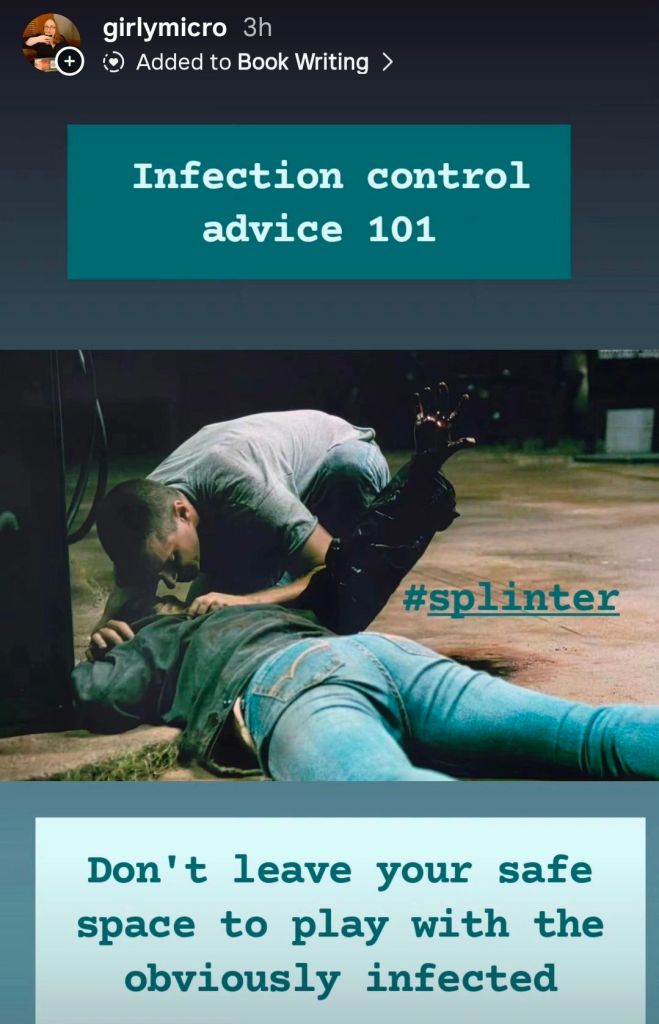
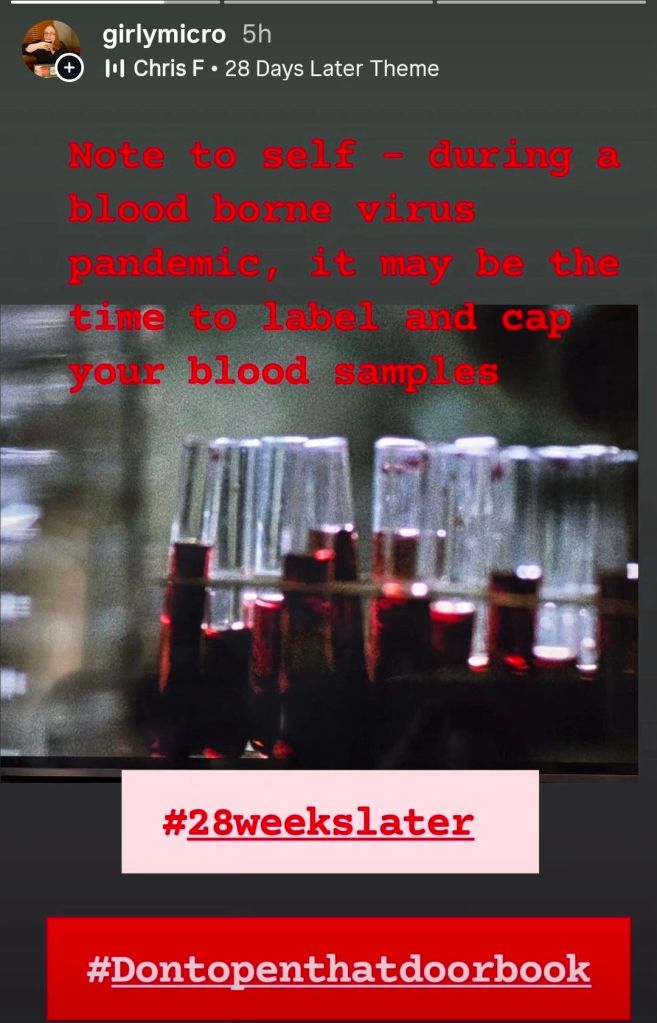
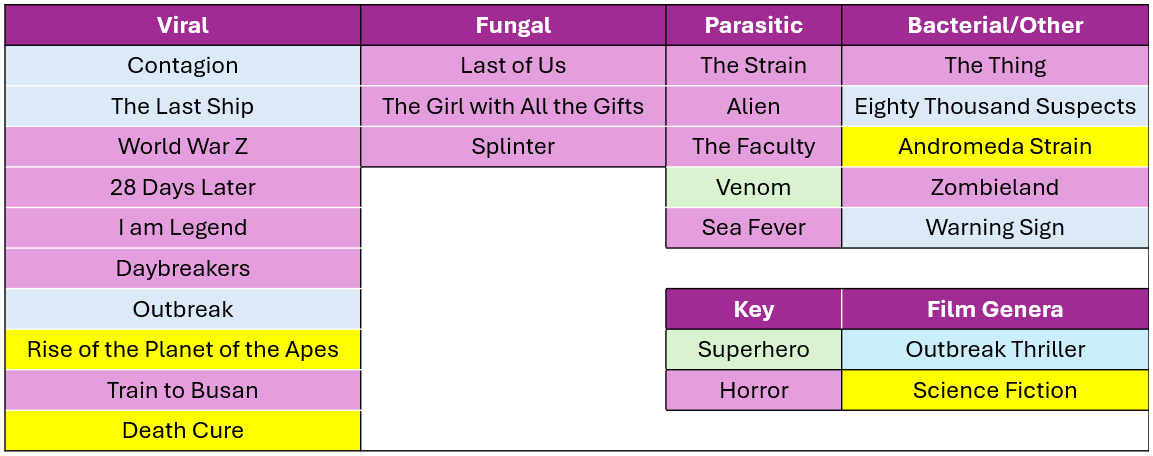
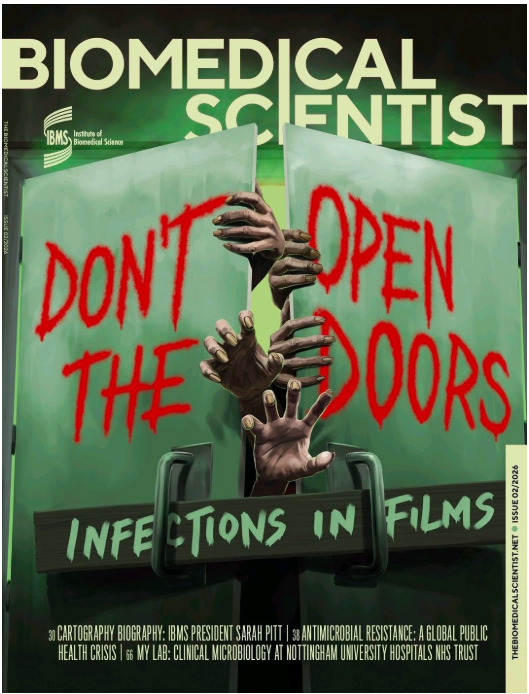
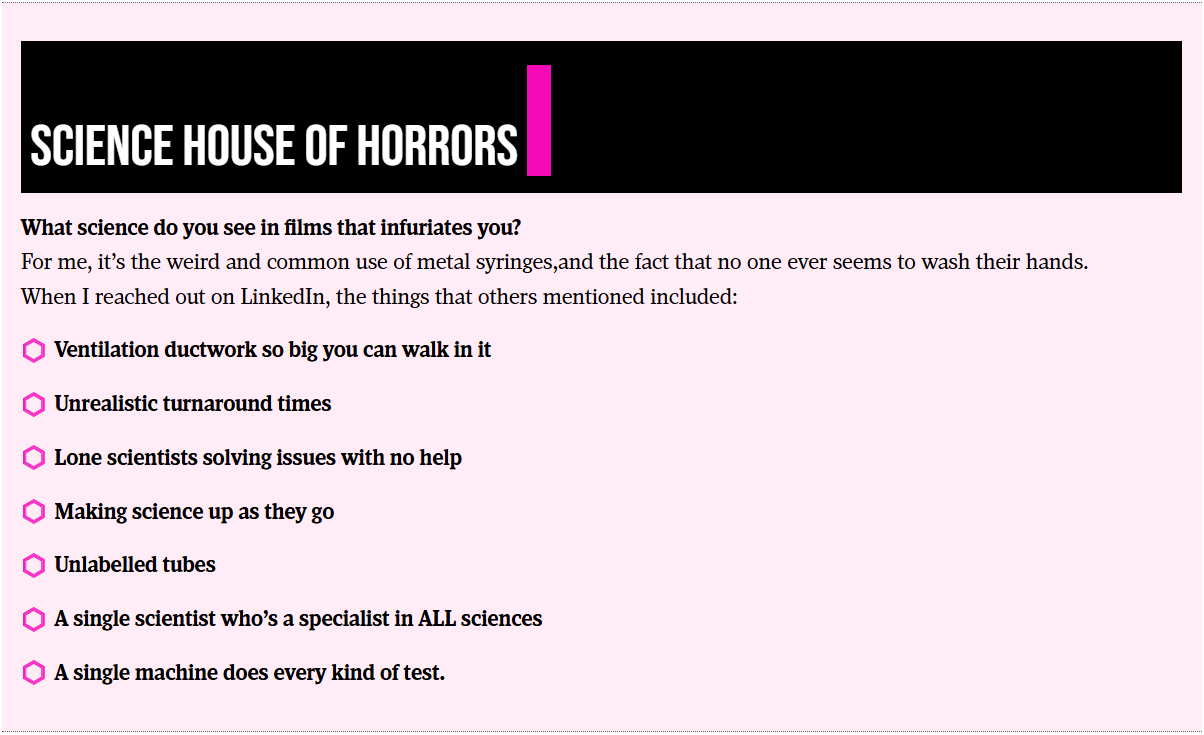


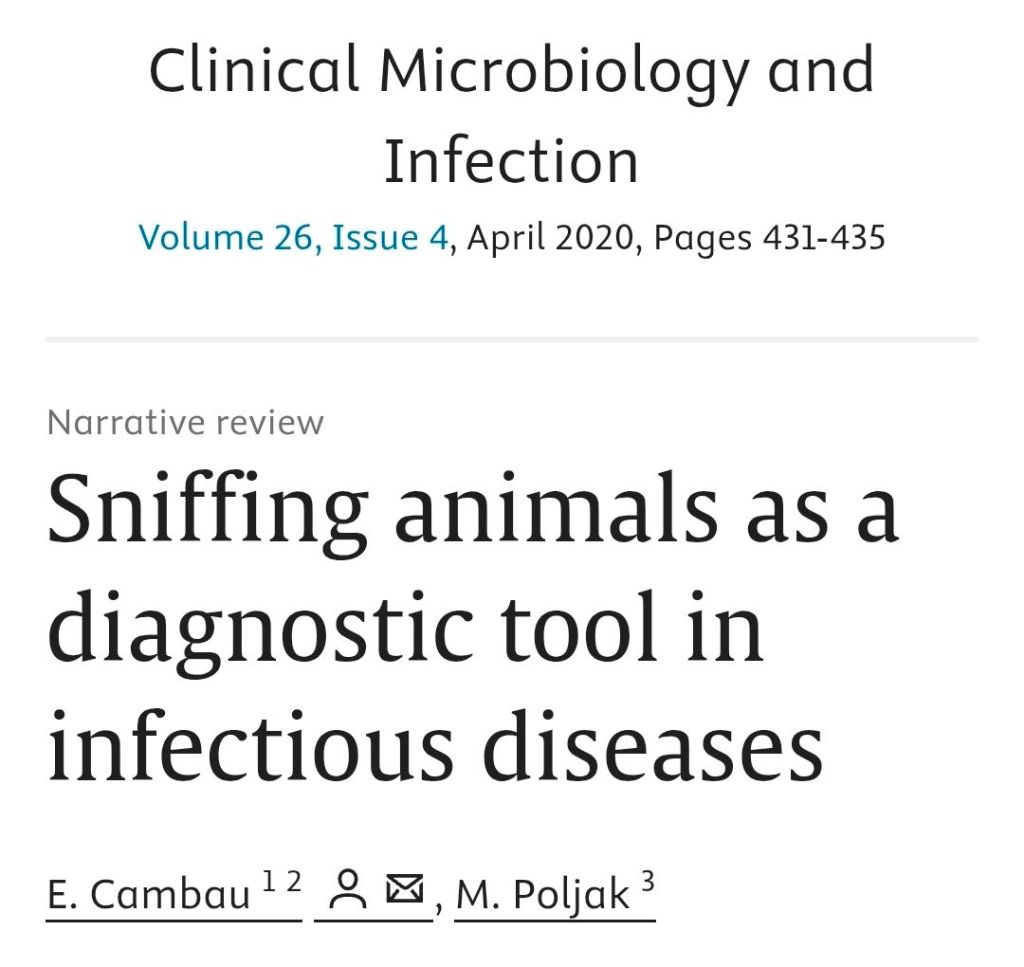


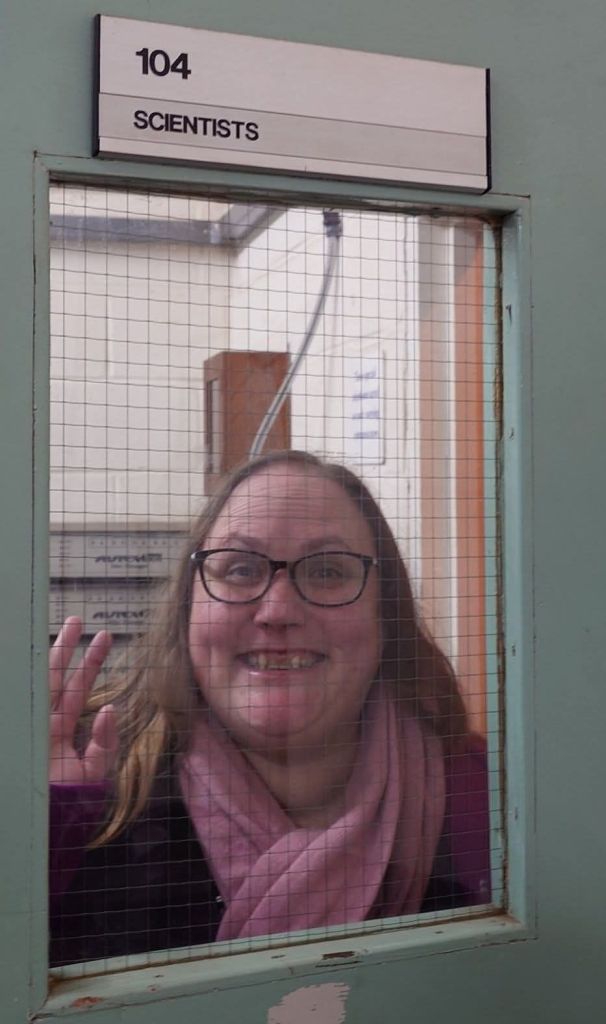


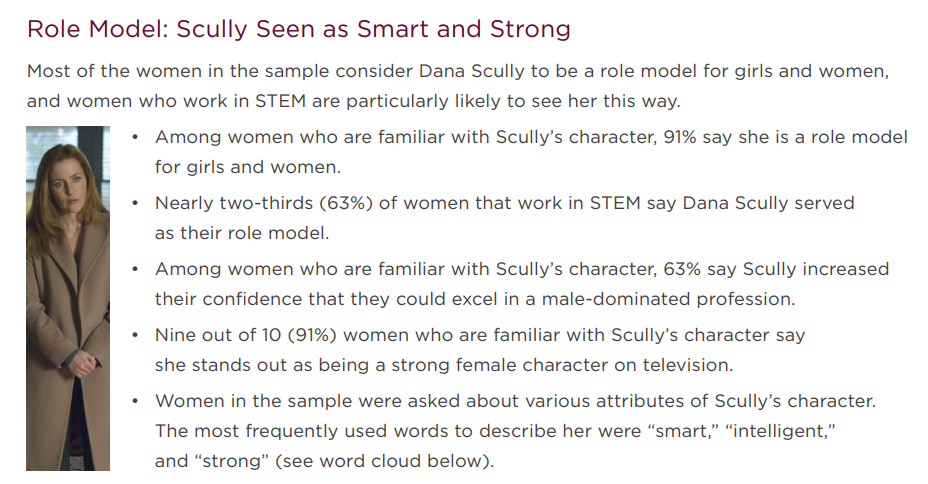


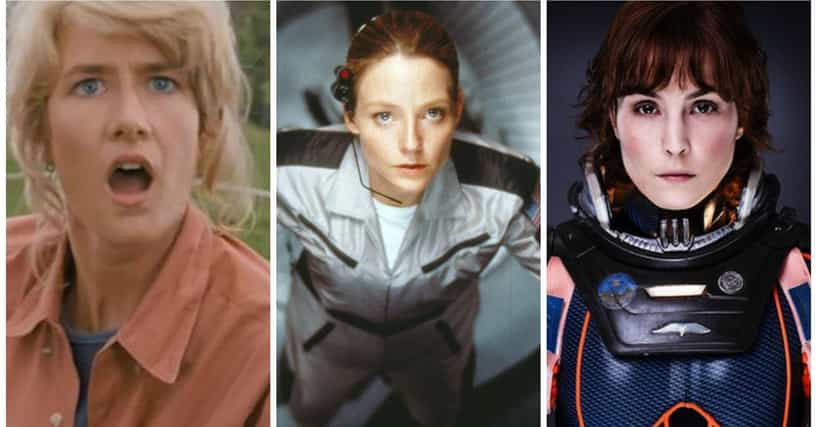
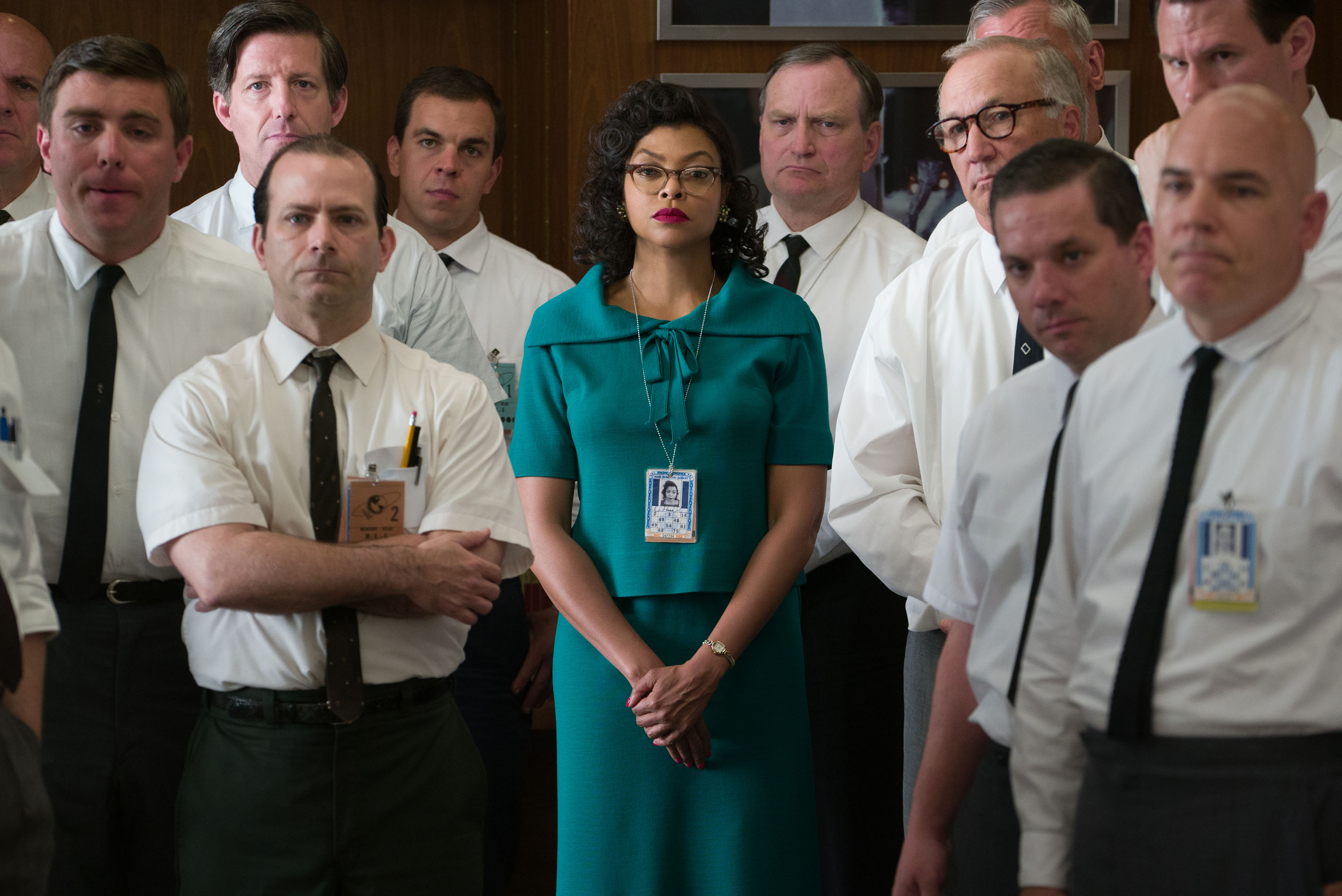



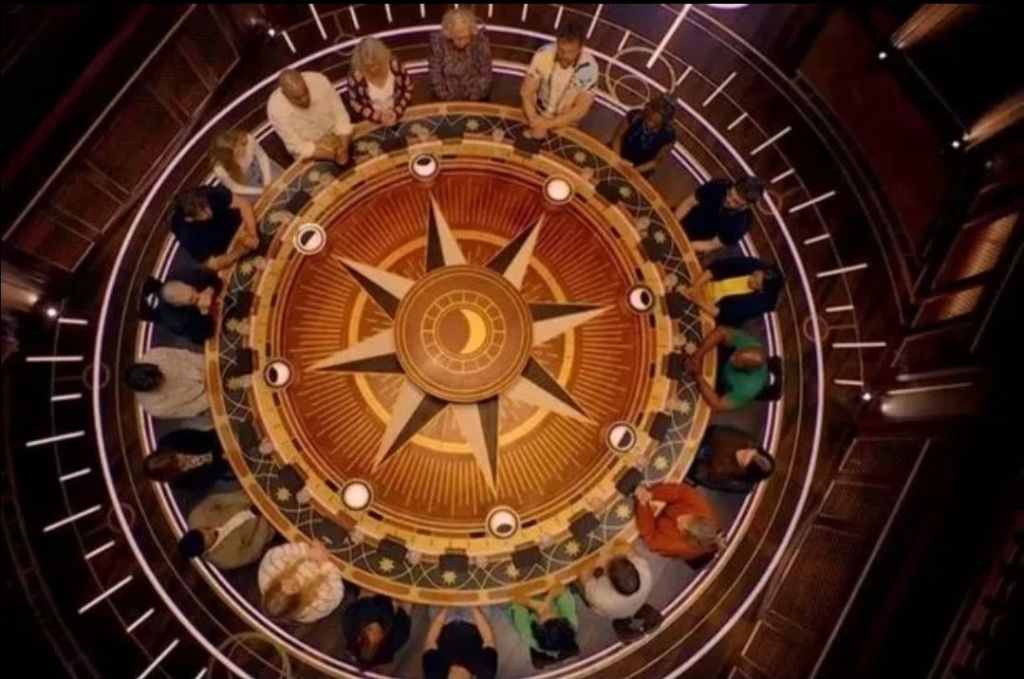
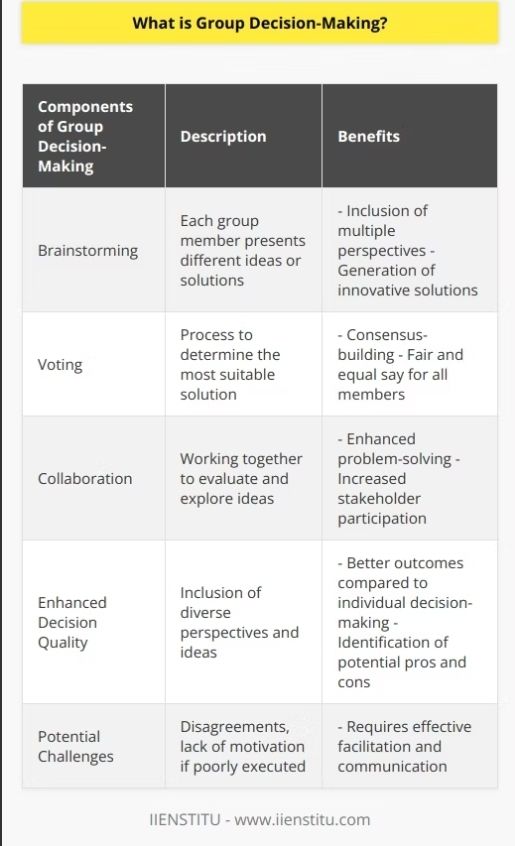


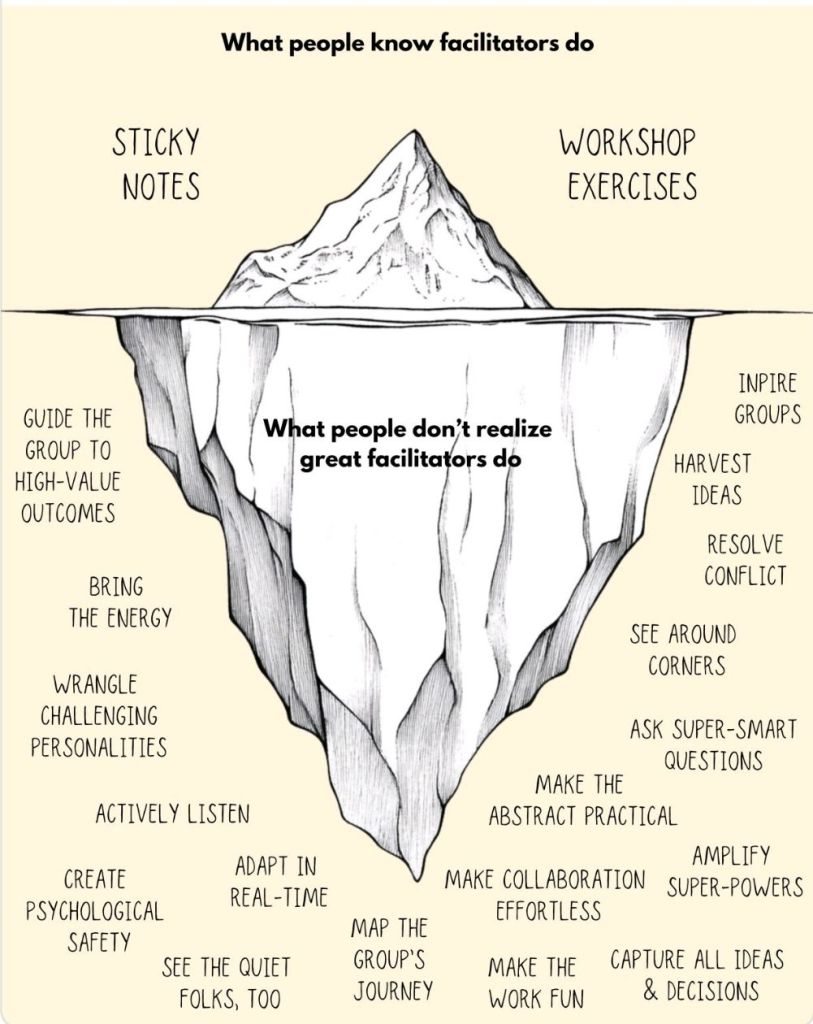



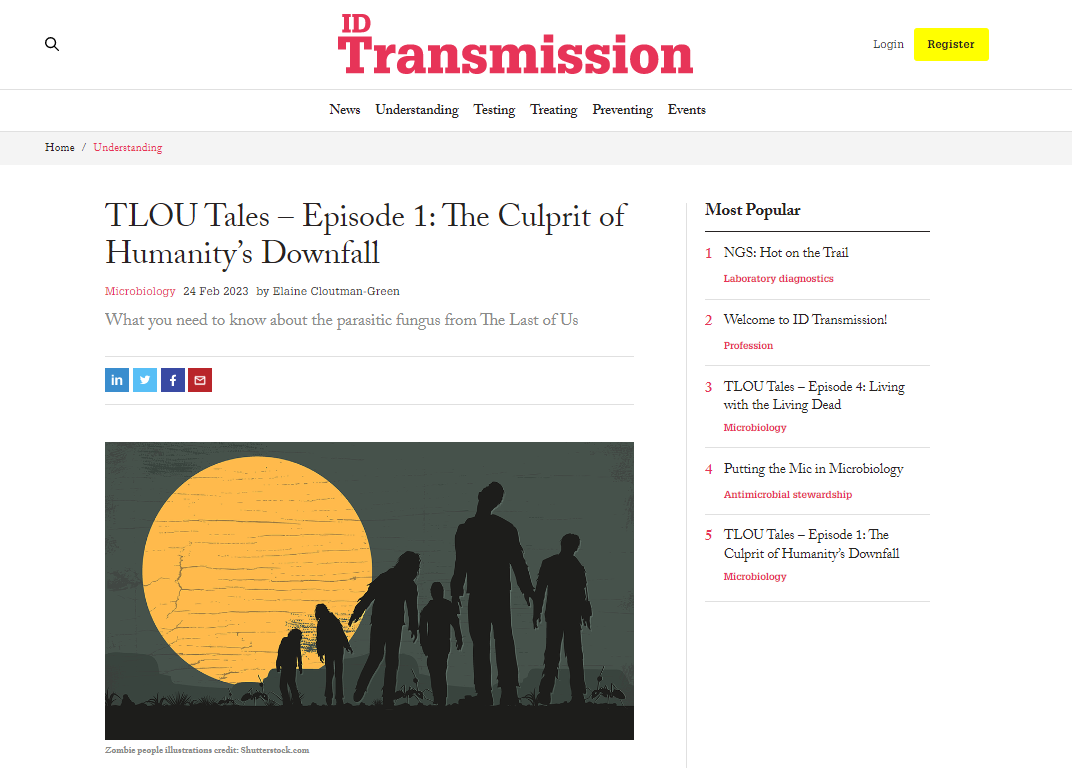


 Girlymicro