My Best Science Comes from a Cup of Tea: My top tip for Healthcare Science Week

Welcome to Healthcare Science Week 2021! Depending on how I feel and how busy this week is I’m hoping to post a few times and to make up for not posting much recently as I’ve been unwell. Also, as I’ve been not well I’ve had plenty of time to reflect on the importance tea has in my life. My husband is a sweet heart who makes me many a cup and it is my place of comfort and salvation when the world gets too much. It is also a place of reflection and helps me do my best thinking. So this post is devoted to one of my favourite things in the world and something that helps me be the best scientist I can be…………..a lovely cup of tea. (NB for me this is ideally a cup of Darjeeling or Lady Grey served black. You can I am sure substitute it with your favourite, or blasphemy, even exchange it for coffee).

Tea and Planning

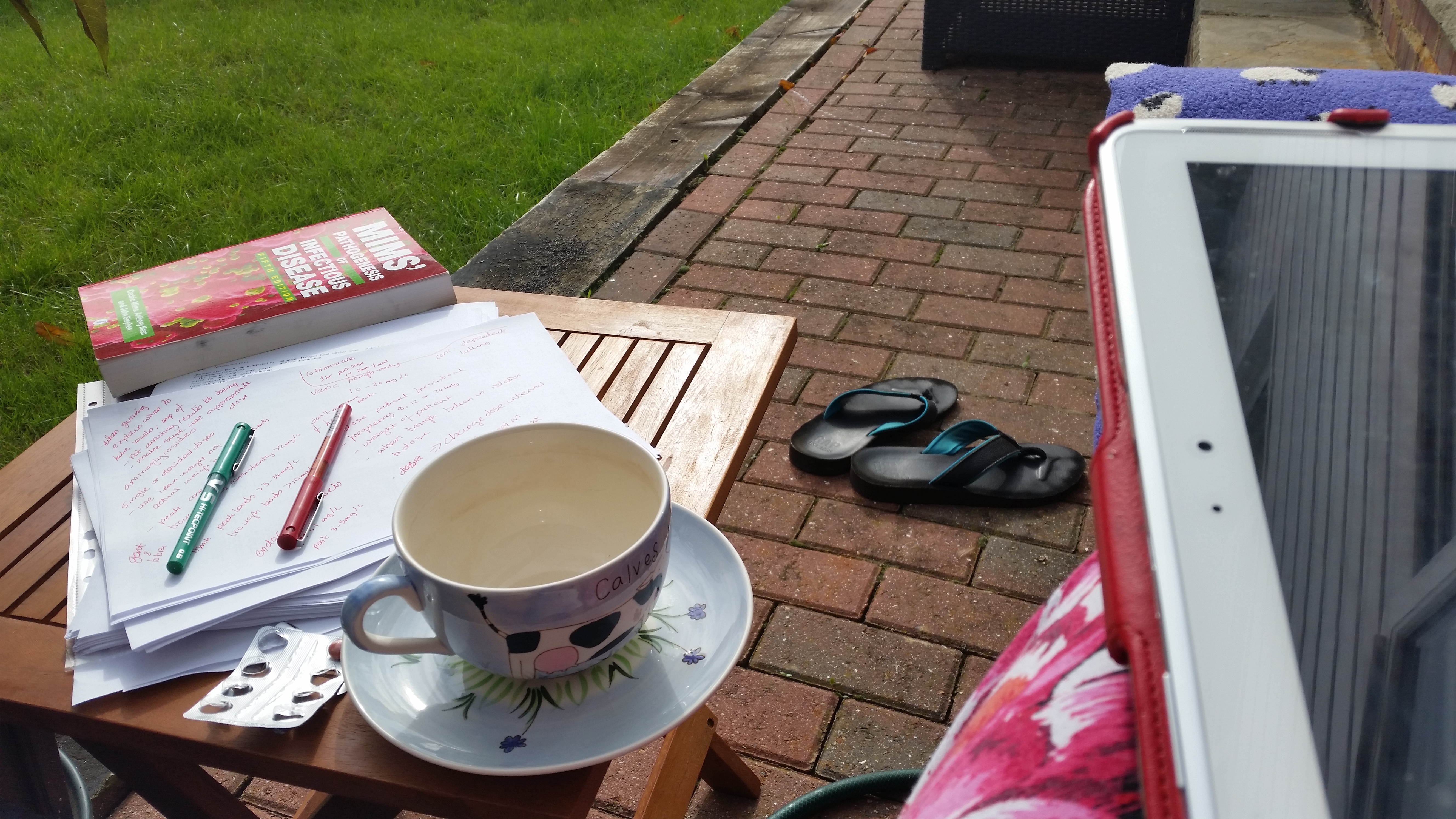
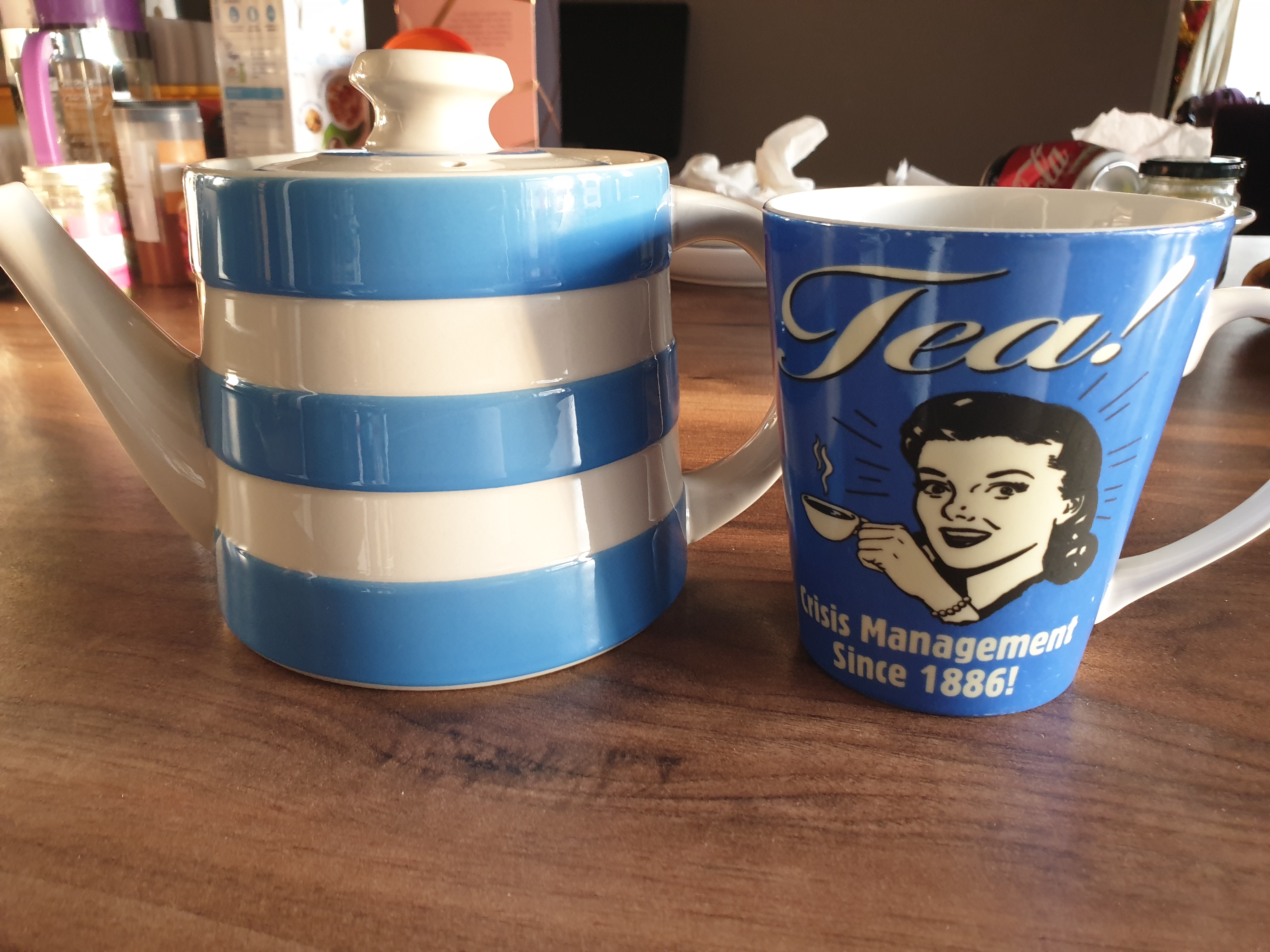
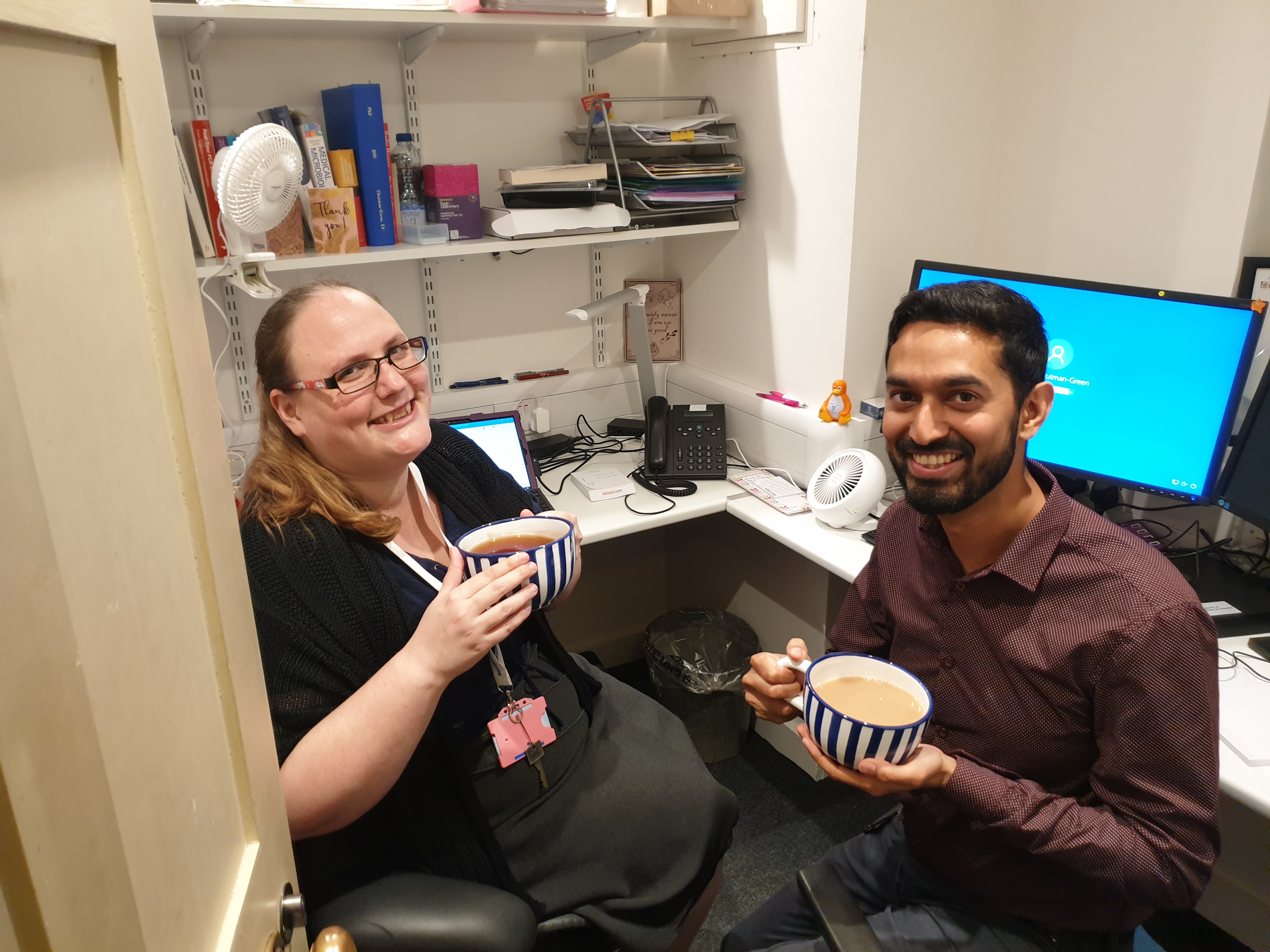
Most of science is not actually in the doing, most of the best of science is actually in the planning. If you get that right then everything else will follow. If not you can spend a lot of money getting a lot of data that is in fact not much good to anyone and definitely doesn’t answer the questions you were asking. When I was starting out, and sometimes even now when a deadline overwhelms me, I thought it was better to be doing. To be in lab getting ‘somewhere’. Needless to say I spent a lot of time getting ‘somewhere’ but that wasn’t where I needed to end up. Tea cannot be drunk in the lab. Sometimes making a cup of tea therefore is a really good way to break the cycle of doing and force yourself to have time to step back and plan. It is one of the reasons I have exceptionally large cups as they give me the time to get into the right headspace and adjust my thinking before I reach the end. It also helps that I drink my tea black so that it also has cooling time. By the time I’ve cooled and finished my mind is usually in the place it needs to be and I’m in planning mode not panicked doing mode.
Tea and Networking

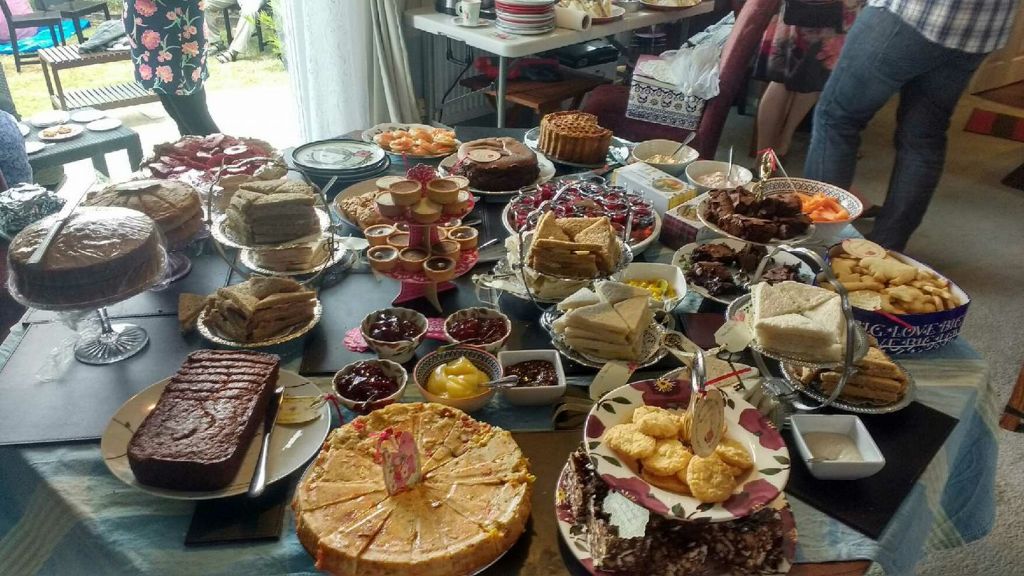
I believe it is no secret to anyone that reads this blog that I appreciate a piece of tea and cake. This is partly because I like to host as it gives me a structured way to talk to other people. It is also because I believe that when we are sitting and eating/drinking with other people it removes hierarchy, especially if that can be done outside of the usually work environment.

This next but may shock you, but I HATE networking. I’m pretty good in 1:1 situations where I know the other person, but I’m rubbish at faces and I’m even worse at remembering prior conversations. It’s definitely not the fault of the person I’m speaking too, it’s just my memory doesn’t work that way. My memory is super context specific. I therefore find the horror of speaking to people who know who I am, who I have spoken to before and me not remembering, one that I regularly encounter. I also hate networking as I actually have no small talk. I spend a LOT of my time working and my geeky hobbies are not ones that many people will engage with on first meeting and so I struggle. It’s one of the reasons I started on Twitter almost 20 years ago. Twitter meet ups at conference meant I had already done the small talk and we already had shared context and so I didn’t have that panic inducing moment where I tried to find something sensible to stay (NB this is still a top tip of mine if you’re starting out going to meetings).

Tea makes me relax. At conferences I can always talk about the food and the tea. It also means that I worry less if I’m talking to a Noble prize winner or someone of international renown. They need to eat and drink just like I do. Also, if you find someone hanging around the tea area with no one to talk to they are probably in the same boat as you and will be super relieved that you are the one that made the conversation opener so that they didn’t have to.
Tea and Sympathy

For all you amazing young scientists starting out please don’t take this one too much to heart, but use it a short cut to help your mental well being. Science is 80% failure. You will fail at grants, you will fail when you submit papers, you will have bad supervisor meetings and elevator pitches and most of all you will have failed experiments. Sometimes in the case of lab work these failures can go on for months or years and be super costly, both in terms of money but also in terms of your mental health. What you need to know now is that this is normal. The most amazing scientists you meet will have sat there in a puddle of tears with mountains of self doubts and fear that nothing would ever succeed again. No one ever sat me down and told me this. For a long time I felt I was alone in the failure. Then over time my colleagues became friends and we finely got to the point where we could voice our fears and disappointments. Only then did I realise that I wasn’t alone. That these failures were crucial points where I learnt and developed and that instead of fearing them I should embrace them.

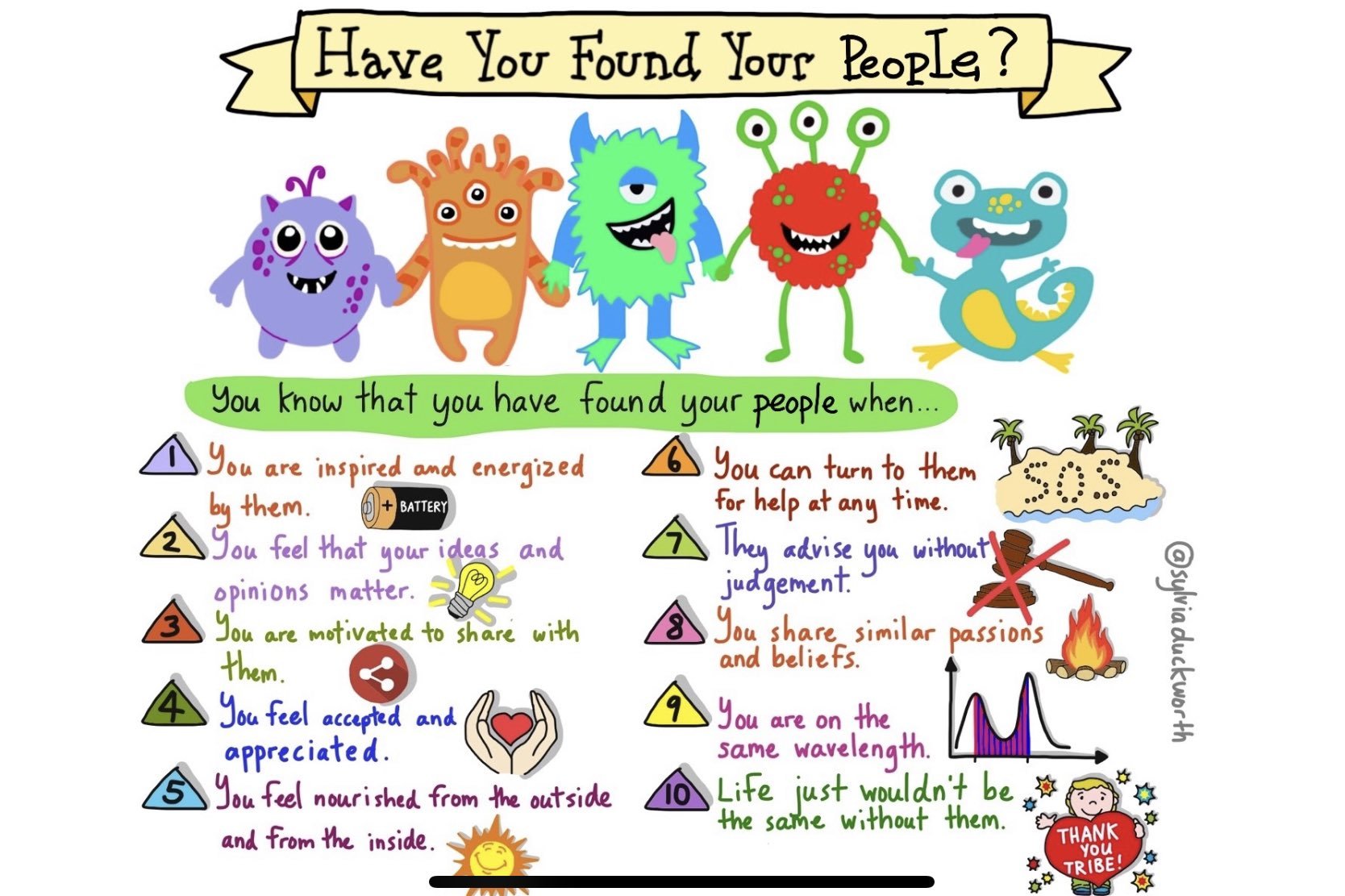
So my advice now, for all those I supervise and support, is to spend time early developing a few key relationships. Then when you are experiencing the failures you too can have someone who will listen and tell you that it’s normal and support your mental wellbeing as well as helping you get back on track. You will also learn from being the person who supports others when it’s your time to pull out the tea, biscuits and box of tissues.
Tea and Reflection

Moving on from tea with others I wanted to reinforce the importance of tea with yourself. This touches on the Tea and Planning section above but is wider than that. As scientists with are often process driven and tend to be rather task orientated. That means we are great at getting things done but poor at working out why we are doing them. Working as a scientist these days is super complex. Not only are you dealing with regular failure, but you are dealing with complex political environments and career pathways that are anything but clear. When we fail to give ourselves time to reflect and check in with ourselves we can end up going down rabbit holes that don’t get us where we want to go. It also means that our relationships suffer. As you gain students, direct reports and more leadership responsibility it it really important to think about why certain conversations went the way they did. To reflect on things like your leadership style and which situations it’s working in and which it isn’t. As trainees it’s worth taking time to think about why you didn’t get the supervision support you were looking for, did you pick a bad time, did you not manage to articulate what was needed etc. Only by working on ourselves can we really move forward, and this is the one thing we often don’t take the time to consciously do.
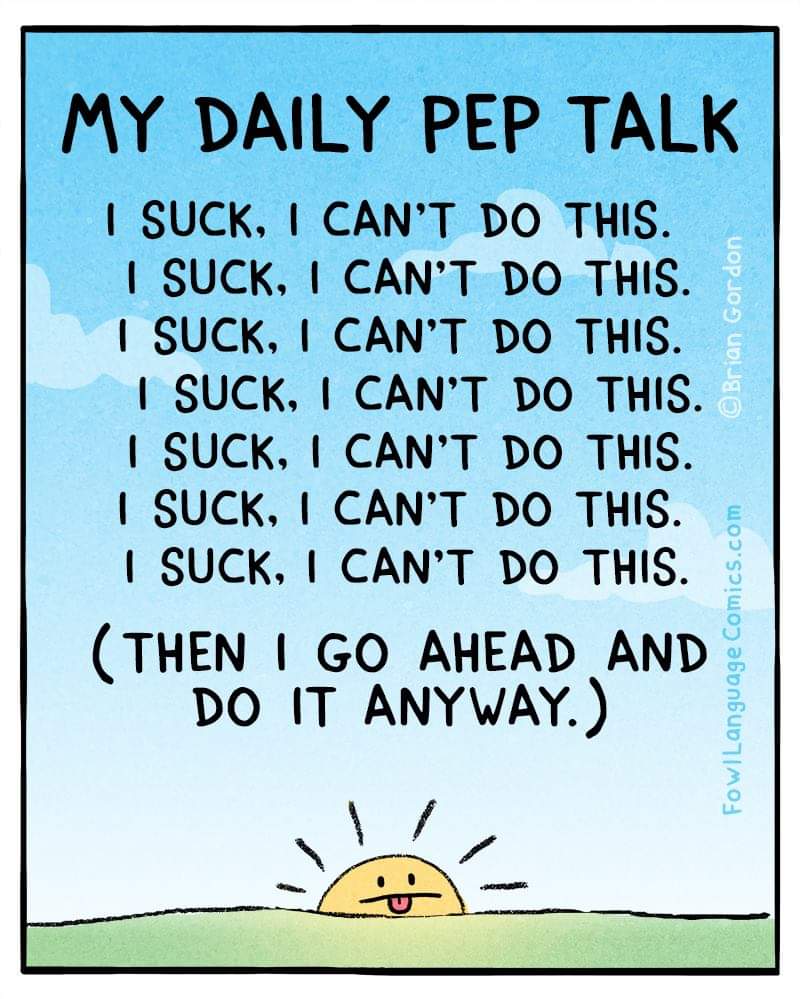
Tea and a Pep Talk

So you might say to me ‘what is the different between tea and a pep talk and tea and sympathy’. I would respond that they are actually very different things and both have their place. Tea and sympathy isn’t about trying to ‘fix’ things, it’s about centering yourself when things are going wrong and not feeling along. Tea and a pep talk is more like a coaching experience, It’s about someone giving you constructive support to help you navigate a challenge. It requires a bit of work from both parties in order to try and progress the issue and although it should also enable you to come out feeling better, it should also enable you to come out with a plan of action. You may not be needing a pep talk because you’re upset but because you have a barrier to traverse, a conversation to have, or a direct to pick. You may also want your pep talk to be from someone different to your tea and sympathy as it may be that you want to access knowledge or experience. It is often a conversation that is not so reliant on trust as your tea and sympathy chat may be and you will want to bear that in mind when picking who to have these conversations with. Having tea in these conversations often means you can change their location to outside the working environment (if needed) but also set them up to not be rushed and have the time needed to reach the destination required.
Tea and The Late Night Session

I’d like to say that I have this work life balance thing cracked, but I suspect that my family, friends and colleagues would say that probably isn’t the case. Even if I has I think there is no way of getting around the fact that if you work in science there are going to be some late nights. Sometimes that’s because you are doing a growth curve that is going going to take you 20 hours, sometimes it’s because you have a full working day and then need to do some work for a dissertation and sometimes it’s because of some form of urgent need that means you need to start something for a patient at 6 when you were due to leave at 5.

I used to try and just push through these sessions. I used to think that finishing as early as possible was the best way to balance it with everything else. What I learnt is that when I pushed through I made mistakes. I learnt that for me even when pushing to get things done I need to schedule short ‘walk away’ periods where I could have a cup if tea and move in order to think, especially if I was at work beyond 8 o’clock. Otherwise I made silly mistakes, For the sake of transparency sometimes these wake up ‘walk away’ sessions involved me dancing across the lab with tubes in hand to Lady Gaga, but mostly they involved a cup of tea and ideally a biscuit as I wouldn’t have eaten. My practice is to give myself a 5 minute break to make the tea, go back and do another 20 minutes whilst it cools and then to have a 15 minute zen moment whilst I drink it. I’m sure you will have your own method, but developing one with save you errors and stop you having to repeat these late night efforts.
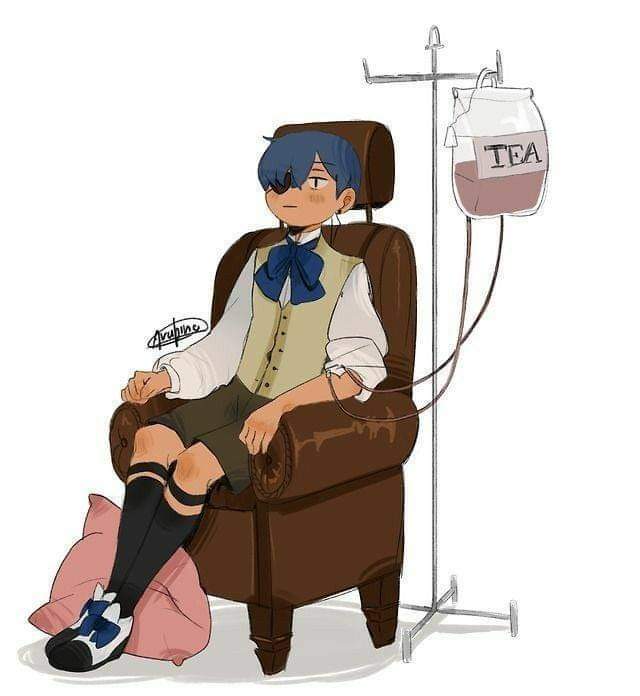
Now, with this written I’m off to have a cup of tea. Remember my top tea related tips:

  • Find your tea and sympathy peer
  • Take time to reflect
  • Planning will save you time
  • Know how to push yourself and strategies to avoid mistakes
  • Don’t be afraid of networking but think how to make it work for you

All opinions on this blog are my own

If you would like more tips and advice linked to your PhD journey then the first every Girlymicrobiologist book is here to help!

This book goes beyond the typical academic handbook, acknowledging the unique challenges and triumphs faced by PhD students and offering relatable, real-world advice to help you:

  • Master the art of effective research and time management to stay organized and on track.
  • Build a supportive network of peers, mentors, and supervisors to overcome challenges and foster collaboration.
  • Maintain a healthy work-life balance by prioritizing self-care and avoiding burnout.
  • Embrace the unexpected and view setbacks as opportunities for growth and innovation.
  • Navigate the complexities of academia with confidence and build a strong professional network

This book starts at the very beginning, with why you might want to do a PhD, how you might decide what route to PhD is right for you, and what a successful application might look like.

It then takes you through your PhD journey, year by year, with tips about how to approach and succeed during significant moments, such as attending your first conference, or writing your first academic paper.

Finally, you will discover what other skills you need to develop during your PhD to give you the best route to success after your viva. All of this supported by links to activities on The Girlymicrobiologist blog, to help you with practical exercises in order to apply what you have learned.

Take a look on Amazon to find out more

The Fear of Next Steps: Should I Stay or Should I Go?

I think that it’s only natural during a stressful time like a pandemic that we feel the need to reflect and re-evaluate the direction of our lives and careers. For me this has been very much about the next stage of my career and how or when I should take the leap to trying to secure a consultant grade post.

For those of you who are less familiar with Healthcare Science career paths, when I joined in 2004 I was told I was on an 9 – 11 year pathway to Consultant grade (equivalent to my medical colleagues). In reality that pathway is anything other than transparent or straight forward.

The stages were due to be:

  • Train for three years and complete Clinical Scientist training
  • Take MRCPath part 1 in medical microbiology and, after 4th anniversary, gain Health and Care Professionals Council registration
  • Spend five years doing a part time PhD whilst in clinical service to become research accredited
  • Years 9-11 take FRCPath in medical microbiology and become clinically qualified, equivalent to medical colleagues
  • Get consultant post

Sounds Straightforward. Right?

For the main part, the pathway for me worked out OK. Mostly because I was awarded fellowship money from the National Institute of Health Research (NIHR), which brought me out time to do both FRCPath by exam and attain a PhD. I completed my PhD and passed FRCPath in 2015,11 years after starting my training.

Five Years Later and I Don’t Have a Consultant Post. Why is that?

Partly, it’s not that simple. Consultant Clinical Scientist posts are just not that common. It’s also because from 2016 – 2019 I was undertaking another fellowship from the NIHR, a Clinical Lectureship, and so was continuing my training as I didn’t feel ready. Since finishing that I’ve been somewhat held up by a global pandemic but also, and I’m being honest here, by deciding what the right step forward was for me.

What Does Success Mean to Me?

When we talk about pathways it always appears clear-cut: after a certain number of years of service and training we should step up. Success is about getting acknowledged at the right banding and in the right job. In the last couple of years I’ve been forced to realise that it’s so much more complicated than that. Our professional careers do not live in isolation outside of our lives. For me I’ve been forced to realise that I’m not Superwoman. I have some physical health issues that mean, these days, I can only push myself so hard without paying the consequences. When I was doing (simultaneously) a PGCert, PhD and FRCPath I didn’t have a weekend off in three years. I developed alopecia and lost sections of hair and exacerbated my autoimmune condition. I’ve been made to realise that I clearly cannot keep up that pace. There are also costs I’m no longer willing to pay in terms of my family life. My husband and family have put up with missed birthdays, anniversaries and just being absent. My husband has taken the majority of the load in keeping our lives together and, at some point, I have to take back my share of the load. My sister and niece also died during this time and reminded me how short the time we have with people is. I suppose my point is that I realised I didn’t want a consultant post ‘at any cost’. It had to be the right consultant post, one that I could balance with my family and health commitments and also one that was professionally satisfying.

By the time I felt that I was psychologically ready to take up a consultant post I became increasingly aware that, although the situation was changing, it really wasn’t like they were sitting around waiting for me, at least in the areas that I could currently make work with all the considerations I talked about above. Once you have defined what your version of success looks like, you then have to go about starting to fight to make it happen. I’ve been pretty lucky in terms of having advocates and mentors to support me, but it has been a deliberate effort to go and find both. There’s no getting around the fact that even when you’ve decided what your end point looks like you won’t be able to get there on your own. That said, no one else can make it happen for you. You need to drive the process and seize upon the opportunities presented to you. Sometimes that means sticking to your boundaries and making a space for yourself at the table that works for you. As women we often feel uncomfortable negotiating and setting expectations, but if you want to achieve your version of success there’s no way of getting around the fact that you will have to be prepared to lead and embody the senior position you wish to attain.

So I’ve decided I’m ready now, ready to go, ready to take the leap from where I am now to a consultant post. Now I just need to find the one that is right for me. I’m working on it, but only time will tell if I will succeed. Even thinking about taking that next step makes me feel fear. It makes me question whether I am good enough. Whether people will respect me. Whether I will succeed as a scientist in the world of medics. You know what? That doesn’t matter. I feel the fear, I acknowledge it, and then when my moment comes I intend to do it anyway!

So, if you too are reflecting on next steps, be that because of the pandemic or for other reasons, my thoughts are these: don’t let others peoples definition of success define yours, spend time working out what your success criteria look like, but once you know what they are don’t let fear stop you. Find the people who will help lift you up and rationalise that fear. Look over that cliff edge and jump.

All thoughts in this blog are my own

The Things I Love Best About Working in Infection Prevention and Control

Having posted about some of the struggles earlier this month, and with another couple of weeks on clinical cover looming, I wanted to talk about why I love the job I do, and how it is so much more than most people realise.

On my first week in Infection Prevention and Control, I received a call and was asked to make a risk assessment about bringing in a Komodo Dragon in from London Zoo as it needed an MRI. It was at that point I knew that this was the job for me. I loved it then and, even in a pandemic, I love it now.

That brings me onto the first reason that I love it:

You Never Know What You’re Going To Get!

Those of you who have read the other articles on this blog know that patience is not one of my virtues. I thrive on, and really enjoy, variety and situations that force me to think creatively around challenges.

No two days in infection control are the same. In fact, it sometimes seems like no two hours in infection control are. I think that’s why I’ve found SARS CoV2 difficult: although there is responsiveness to the ever-changing guidance, the core of it is very much the same.

In infection control, one moment I will be speaking to a family and talking them through what an antibiotic resistant organism may mean for them. The next I will be talking to the wonderful scientists in the lab, discussing how we can improve typing to identify outbreaks and cross transmission faster. I’ll then move straight from that to a decontamination committee, where we will talk about how we need to manage surgical instruments to control prion (BSE) risk.

This was something I had no idea about when I started. I thought, like many people, it was mostly about hand washing. Instead I have responsibility for any staff, patients and visitors in the Trust. I don’t just cover hand hygiene and line care but I also cover laundry, pest control and things like antimicrobial stewardship programmes.

I love the creativity required to apply scientific and clinical knowledge to an ever-changing set of questions and the challenges that are created. It can be many things, but life in infection prevention and control is never dull.

Image from GOSH IPC presentation

It’s All About Teamwork

I sit in a multidisciplinary team that consists of medical and nursing staff, in a department filled with the most inspiring Healthcare Scientists. On a daily basis I will work with healthcare professionals across backgrounds, as well as academics and families. I’ve always been a people person (I think), that is what initially put me off a ‘standard’ laboratory science career: I thought I would be confined to the lab and feel quite isolated. The reality of this job could not be further from that.

I am, by instinct, most at home when collaborating. At its core, that’s what infection prevention and control is: a collaboration. One small team sitting centrally in the Trust cannot act as command and control for over 3000 staff and over 300 beds. In order to succeed we need to collaborate, co-create and allow those we are working with to have ownership of the best solutions for their setting, their patients, their workforce.

We are all very different people within the team, coming from different professional backgrounds. We also approach problems and challenges from different directions. The great thing about being in a team that is made up like this is that differences of opinion and constructive challenges lead to solutions that no single one of us could have come up with on our own.

I also find that having an academic, IPC and Healthcare Science Education team means that there is always space to go and be revitalised – both in terms of energy, but also creative thinking when things get too much. Again these different environments can give you a different lens by which to view a problem, and a different group of people to bounce ideas around.

I Get to Use All the Skills I’ve Picked Up Along the Way

I’ve definitely had a meandering path to where I ended up in terms of the science I’ve studied and the topics I’ve really enjoyed. One of the marvellous things about where I have ended up in terms of IPC is that none of that time was wasted. The studying of colloidal science, as part of my physics MRes, has been incredibly helpful in terms of some of the decontamination and surface modification decisions that I’ve needed to face. Similarly, the applied biofilms work I undertook, as part of my thesis, comes in useful all the time when tracking down environmental sources of outbreaks and understanding how cleaning agents may impact upon biofilm. Even my zoology knowledge has been useful in terms of some of the pest control decisions, as well as risk assessing animal visits and dealing with zoonotic infections.

I suppose my point is this: clinical environments are multidisciplinary and so I love the fact that IPC enables me to maintain that diversity of scientific knowledge and that it actively aids within my role.

Travel the World in Order to Share Ideas

Percy the hamster (who is officially our IPC mascot) and I have been lucky enough to travel the world in order to learn how to do what we do better, as well as share what we do. We’ve been on sabbatical to Boston Children’s Hospital for two months to become embedded in how they do things. We’ve been to academic conferences on three continents. On these trips, we never fail to meet people who will ask questions that trigger new ideas and new approaches. We also meet people and develop collaborations where we get to share what we have learnt from our practices, our decision making, and our mistakes in order to add to the shared learning within our profession. This is so important in order make progress for patients, in order to improve the quality of care we can give. It’s also why applying for research funding, so we can have these opportunities to meet and to transition what we learn into clinical practice, is so important. It is really where the science of IPC happens in order to make things better.

Finally, I get to do the most AWESOME stuff. Like the annual reindeer audit to check that it is safe for patients to meet Santa and his reindeer. We check that all the hand hygiene is set up and that the guidelines are there, but it also means that once a year I get to feed a reindeer some carrots. That right there makes any bad days worth it!

Photo from 2019 pre COVID-19

All opinions on this blog are my own

My Sunday Afternoon Rage – The Mask Goes Over the Nose, People!

You may or may not know this about me, but I’m a pretty big sports fan. Not the kind that remembers statistics or can quote drivers/players, but a screaming-at-the-TV-or radio in-support-of-my-team kind of fan. When I lived at home in Birmingham, I had a season ticket for the Holte End at Villa Park to see my boys (Aston Villa); now the main live sport I get time to see close up are the London Games when the NFL comes to town (I’m a Green Bay Packers fan and they’ll never visit). Sport is a massive release for me: Watching Sunday night NFL football and F1 is something that my hubby and I really enjoy doing together as these are our shared passions (N.B. in our household, I’m the big general sports fan rather than him).

So imagine what my Sundays in 2020 have become. Imagine that at the end of every race you sat and watched images of Max Verstappen engaging in face-touching whilst wearing a mask that is barely positioned to cover his nose.

The content of the interview is not important, but he rubs the edge of his mask, then moves his finger to his eye, then messes with the vent, then re-positions it by touching the front. All in a video that lasts less than 55 seconds.

The NFL is even worse. At least in F1 drivers are – for the most part – wearing masks, even if they appear to not know how to control their face-touching impulses. Within the NFL, the numbers of coaches not wearing masks at all has led to fines for individuals and for clubs. The NFL is big money in the US. A number of teams have been shut down for SARS CoV2 outbreaks, and yet the behaviour has continued.

So, Why I am Writing this Post?

Every week I get on tube trains to travel to work. During the first lockdown there was ~90% compliance with appropriate mask wearing. In recent weeks, compliance was less than 50% and I’ve seen all the variations in the image below and more. All this whilst I’m having to live with increasing numbers of clinical cases and receiving daily reports of the same elsewhere. I’m writing this as, although some of it is because of a decision to be non-compliant, I think a lot of it is about the fact that we are not really getting the message out about why appropriate mask wearing is important: not just box-ticking to have one near your face. I don’t think we’ve taught people about which bits of masks are contaminated and that touching those areas is where a big portion of the risk lies. This is why I was pretty much against selective mask use when it was introduced. Universal mask use is much more scientifically valid, but it’s not a panacea and actually increases personal risk if not done appropriately.

I’ve seen all of these variations and more

Why Does it Matter That I Wear My Mask Like a Necklace?

We know respiratory pathogens on the outer surface of masks may result in self-contamination. In my PhD thesis back in 2015, I discussed this as a potential route for hand/face contamination. However, in the context of a respiratory pandemic, and mass mask-wearing without training, the implications are much more significant.

The T-zone includes the mucous membranes within the eyes, nose and mouth.ย  It has been noted that, even within a healthcare setting, members of staff engage in frequent face-touching, with one study noting that healthcare workers touched the T-zones a mean number of 19 times over a two-hour period, which may place healthcare workers at risk of organism acquisition/transfer.ย  Additionally, organisms could survive on the skin for minutes to hours and thus present a source of hand contamination when touched in the future, with a possible spread to patients and surfaces.(Journal of the American Board of Family Medicine. 2014;27(3):339-46)

My thesis (2015)
BMC Infectious Diseases volume 19, Article number: 491 (2019) 

Fabric masks can protect by filtering up to 50% of particles, reducing exposure. The risk from inhalation is not the only one, however: viruses can survive on skin, paper and fabric, for hours in the case of SARS CoV2. The virus can also infect by self-inoculation into the eyes and contact with other mucous membranes, for instance people rubbing their nose after removing the mask. The above paper used fluorescent particles to demonstrate how contamination of the external of a mask works, and to help visualise the risk of moving that contamination around the mask and skin. If masks are not put on and taken off appropriately, if they are not worn the right way, and if we don’t wash our hands and think about how we touch our faces, we put ourselves at risk. We make the problem worse.

Back to Sport

Role modelling is so important in raising awareness. Teams and individuals have a massive platform to get this message out. People will say that sportsmen and women are not medically trained, so why should they take responsibility to get this message out? I would say that sports like F1 and NFL have huge levels of access to the worlds best clinicians; they have huge levels of medical investment and there is no doubt that these individuals will have been trained and taught. So they need to lead by example and enable me to get back to using Sunday afternoon sport as an escape, rather than a lesson in IPC failures.

Top tips for safe mask wearing:

  • Wash your hands or use a minimum 70% alcohol gel before putting on (donning) and removing (doffing) a mask.
  • If using a fabric mask, ensure that you are washing between each use.
  • If you remove a disposable mask, throw it away: both sides will be contaminated and if you store it you just move that contamination around.
  • Make sure your mask covers your nose and mouth.
  • Be aware of face-touching and use hand hygiene if you accidently contaminate.
  • Know that the outside of your mask is NOT CLEAN!

All views on this blog are my own

What Is Antimicrobial Resistance and What Might It Mean for Me?

I’ve been talking to quite a lot of people about antimicrobial resistance lately. Partly because I’m involved in a big clinical trial called LAKANA, but also because I’ve been recording some content for the Department of Education and school teachers linked to Infection Prevention and Control. What has struck me is that something that has such a massive day to day impact on my working life hasn’t really made its way into the public consciousness just yet.

As last week was antimicrobial awareness week, I thought I should take the opportunity to talk about antimicrobial resistance and why I think we should be working hard to talk about it more: in the pub with our friends, with our families over Christmas, and with our patients and students.

Photo courtesy of Anthony De Souza

What Is Antimicrobial Resistance?

When I go into classrooms and speak to members of the public they sometimes think that antimicrobial resistance is when our bodies become ‘immune’ to antibiotics. This isn’t the case. When we talk about antimicrobial resistance or, for the rest of this blog post, antibiotic resistance (as I’m talking about bacteria) is when the individual bacteria are not affected by the antibiotic or it works less well (see my introduction to antibiotics post for a bit of background).

Antibiotics work in two main ways. They are either:

  • Bacteriostatic = inhibits the growth of bacteria.
  • Bactericidal = kills bacteria.

The way the antibiotic works against the bacteria can be linked to the way that the bacteria become resistant to the antibiotic. I’m going to do another blog post with some of the technical details of how this works and how we detect it, so bear with me for a couple of weeks. For this post, the main thing is to know that it is the bacteria that become resistant, not us, and that there are a number of different ways that this can happen:

  • Intrinsic resistance = the antibiotic will never work against that particular bacterial species because of the characteristics that species has. This includes things like Vancomycin not working against Gram negative bacteria as the molecule is so large.
  • Selective resistance = where a mixed population of resistant and sensitive bacteria are impacted by antibiotic use and the resistant ones survive and therefore become dominant.
  • Acquired resistance = where previously sensitive bacteria acquire the ability to resist the effect of an antibiotic, often through acquiring genes, which allow them to change the way they function or replicate.

What has antibiotic resistance got to do with me?

The Review of Antimicrobial Resistance (2016)

Levels of antibiotic resistant bacteria are being detected in increasing numbers in food (linked to farming), in the environment, and within humans: both in hospitals and in the community. It’s for these reasons (and others) that it has been modelled that more people will die linked to antimicrobial resistance than cancer by 2050. If, as a population, we have more resistant bacteria onboard as part of our normal flora, it is increasingly more difficult to treat us when we need it. It will also become increasingly more difficult to do ‘standard’ surgeries such as hip replacements, tonsillectomies etc. as these require us to give prophylactic antibiotics when you’re in surgery in order to reduce infection risk. This means we may have to live with long-term conditions that currently we would surgically correct.
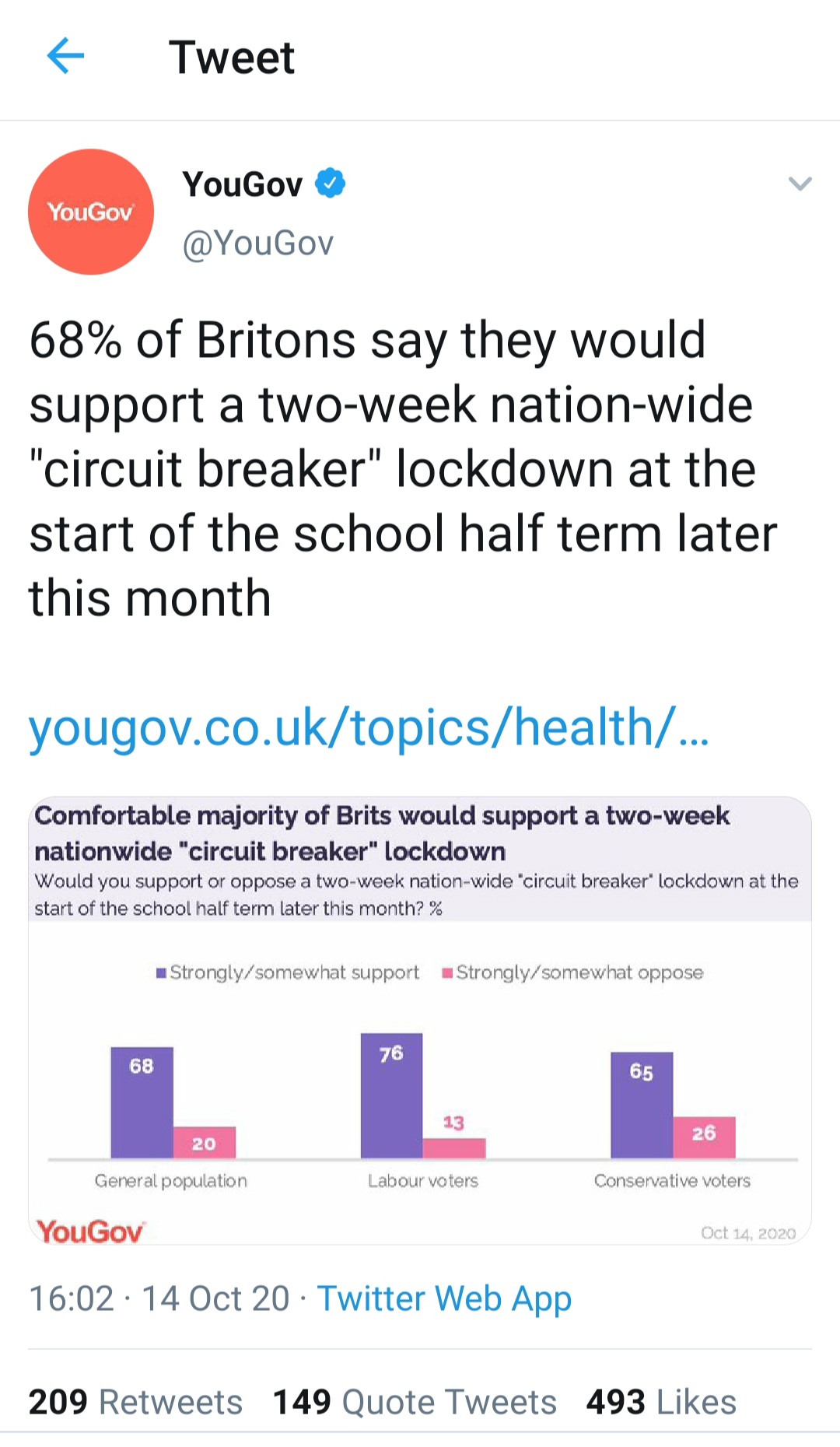

Most of us think about antibiotics as being something that we either give to really sick people in hospitals or a fairly harmless way to get back to our every day lives when we’re feeling unwell at home. In many ways that is true. Most of us will have had multiple courses of antibiotics during our life and have never given it much thought. Some women may have had the odd bout of thrush when they’ve taken antibiotics for a urinary tract infection and that is the closest they’ve seen to side effects. The case of a woman getting a fungal infection (thrush) because they’ve taken antibiotics that have wiped out the non-harmful colonising bacteria in their vagina is a pretty good example of exactly what can happen in less obvious sites when we take antibiotics. For example, there’s plenty of data that the use of antibiotics can impact on the bacteria in your gut, providing selective pressure and changing what the population of bacteria looks like. Usually this returns to normal over time. However, in a world where the bacteria we encounter are increasingly resistant, that return to normal could take longer; if they got out of the gut to another location due to surgery during that time they could be more difficult to treat.

Colonisation vs Infection

Most of the time if we have resistant bacteria onboard we would never know. They are colonising us, just like our normal bacteria, and not causing us any harm. There’s good data to show now that when we travel abroad to countries with a high prevalence of antibiotic resistant bacteria in food or the environment, that we may exchange some of our sensitive bacteria for resistant ones. You’d never know, especially as when we get home they will usually be replaced again with sensitive versions. However, if you happen to get an infection whilst you have them onboard because you’ve had an accident on holiday, or you’ve travelled for medical care overseas, then the infection may be more difficult to treat.

It’s not just the antibiotics we use in humans that can make this situation worse. Antibiotics are used as growth promoters in farming. We use antibiotics to treat our pets. Because of how expensive and difficult antibiotics are to develop, we are not really developing new ones and so the pool of available antibiotics is getting smaller.

Because antibiotics are used in so many different ways in solving the issue of how to impact levels of antibiotics, resistance is complicated. It requires us to be able to diagnose and detect resistance faster, to work with drug companies in order to tackle the drug development pipeline, and to take a ‘One Health’ approach, looking at farming and veterinary approaches as well human.

So, what can I do?

  • Be aware that not all mild respiratory and other conditions require antibiotics. Many are viral and will improve with rest and hydration. Therefore, consider waiting before requesting a prescription for antibiotics.
  • If given a prescription, make sure you complete the course. Do not just stop because you start to feel better. Stopping early might mean that you have not completely treated the infection and the remaining bacteria can grow back and sometimes develop resistance.
  • Do not buy antibiotics when you are abroad in a country that permits an over-the-counter purchase.
  • Do not store antibiotics and use them at a later date. Neither should you use antibiotics that were prescribed for a family member or (and I know people have done this) a pet.
  • Think carefully about whether travelling abroad for healthcare is the right choice; make a risk assessment about where you are planning to travel.

If we want to continue to experience healthcare in it’s pre-COVID-19 form, we all need to work together to change the way we use antibiotics so that the modelling predictions do not come true

All opinions on this blog are my own

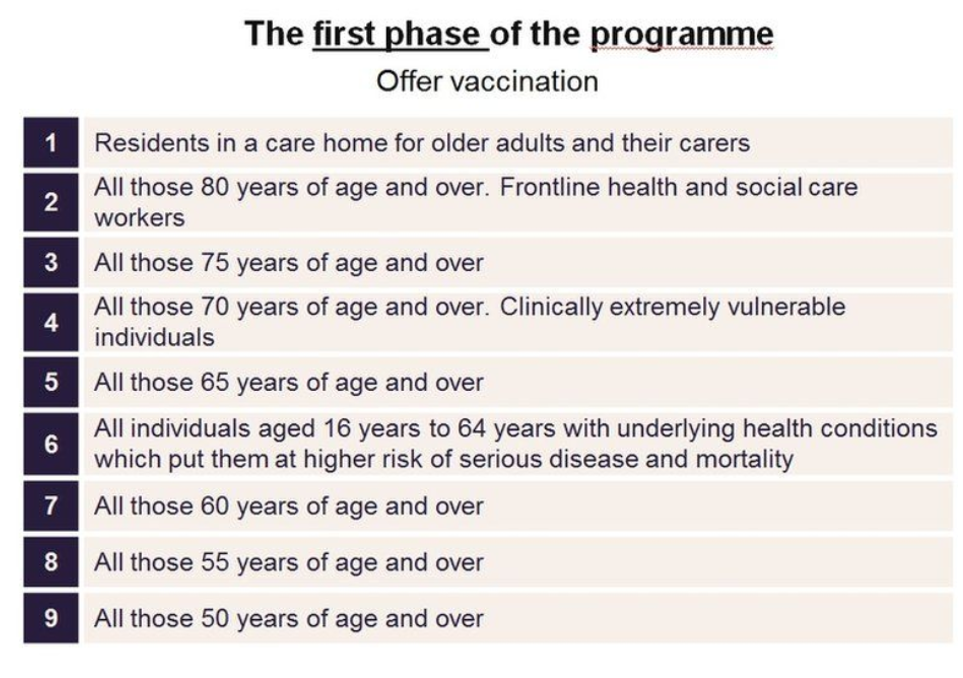
A Short Post Written for my Facebook Friends on the Welcome News of the Approval of a SARS CoV2 Vaccine

Content Warning โ€“ this was a post written for my friends on Facebook who have been super-excited about the vaccine and what it might mean. This is a non-referenced post, written on a tube train, which may or may not be of interest to the wider world

There’s lots of stuff flying around about vaccines at the moment. I don’t know if its useful, I don’t know if anyone cares anymore (I would forgive you if you didn’t), but here are some thoughts/comments. They will be an oversimplification as I can teach whole modules on this but there we go.

Vaccines have 2 main functions:

  • 1 – to prevent or, more commonly, reduce transmission risk.
  • 2 – to attenuate infection, i.e. you still become infected but will get less sick and, therefore, your risk of mortality (death) or morbidity (long term consequences) is reduced.

Almost all vaccines are a combination of both of these aims but they are often focused more on one than the other. Most people seem to be commenting thinking that the main aim of the SARS CoV2 vaccines is mainly number 1, when in reality the main thing we’re trying to achieve is actually to reduce mortality and long term health consequences.

The vaccine is much more likely to function like the flu vaccine where you are given it at six month or 12 month intervals depending on whether you are currently in a group where your risk indicates that aim 2 might be helpful. It will inevitably have an impact on aim 1. However, you will, from the current predicted vaccinable groups, have a large reservoir where the virus will still be actively circulating and will be for the foreseeable future.

BBC News 02/12/2020

In addition to that, we will still have some vaccinated people who acquire infection and actively shed virus, they just get less ill. This is to not even mention vaccine failures, of which there will be some as with other vaccines.

What does this mean?

Well, the availability of a vaccine is great news. It will help in reducing deaths, preventing healthcare associated cases and will be a step back towards normality. It sadly does not mean that it is the only step back to normality or that those steps will happen a lot more quickly. It just means that hopefully less people will die along the way. I don’t think we are talking enough about the new normal, but that is where the vaccine will lead us, not to where we were before. Obviously everything is speculation until the peer-reviewed studies are out and this is just me. I am only one person so my crystal ball could be wrong. Be hopeful, look to the future but also know that our personal responsibility for controlling spread and protecting others will not end with one or two injections.

Anyway, what do I know…?

All opinions of this blog are my own

Musings for my Facebook Friends on SARS CoV2 Testing

Content Warning – This was a post written for my friends on Facebook who have been discussing testing a great deal; this is a non-referenced post written on a tube train which may or may not be of interest to the wider world

I’m on a tube so this will, again, be stream of consciousness, but I’ve seen multiple conversations about testing in recent days and so here are a few comments/thoughts:

Testing is undertaken for 2 separate, but linked, reasons:

  • 1 – epidemiological testing in order to control transmission risk and instigate additional measures such as isolation.
  • 2 – clinical management so we know what your viral load (we’ll come back to this term) is doing and how you may be responding to medication.

The testing that is being done for SARS CoV2 testing in the community is called Pillar 2 testing. The testing in hospitals is called Pillar 1 testing. Most of the testing undertaken in hospital labs is logically much more focused on aim 2 rather than aim 1, although we care about aim for prevention of hospital outbreaks. The main function of Pillar 2 testing is based around aim 1, but it also acts to give information if you present at a hospital. Clinical management is not the main aim of Pillar 2: most of your healthcare management will be based on symptoms, irrespective of a positive result, and on physiological measurements such as 02 Stats.

Back to how testing works.

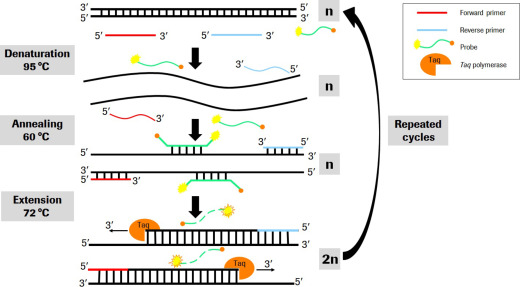
The gold standard test for SARS CoV2 is polymerase chain reaction or PCR, where we look for fragments of the virus, and then create replicates of this original fragment until we have enough to detect. This means that if you have more virus on board you make the number of replicates needed to be detected as positive quicker than someone who is shedding only a low level of the virus.

We normally deal with positive tests in terms of cycle threshold (CT). This is the number of replication cycles required to detect the virus. If your CT value is very low i.e. 20 cycles then you had millions of viral particles present in your sample. If your CT is 38, you had hundreds and it took a lot longer to replicate enough to detect. Still with me? As that was the technical bit! The thing to take away is (counter intuitively) a low CT = lots of virus, a high CT = low levels of virus. This is important because every test has a limit to its sensitivity. PCR can detect down to a few hundred or few thousand copies of the virus but it has its limits.

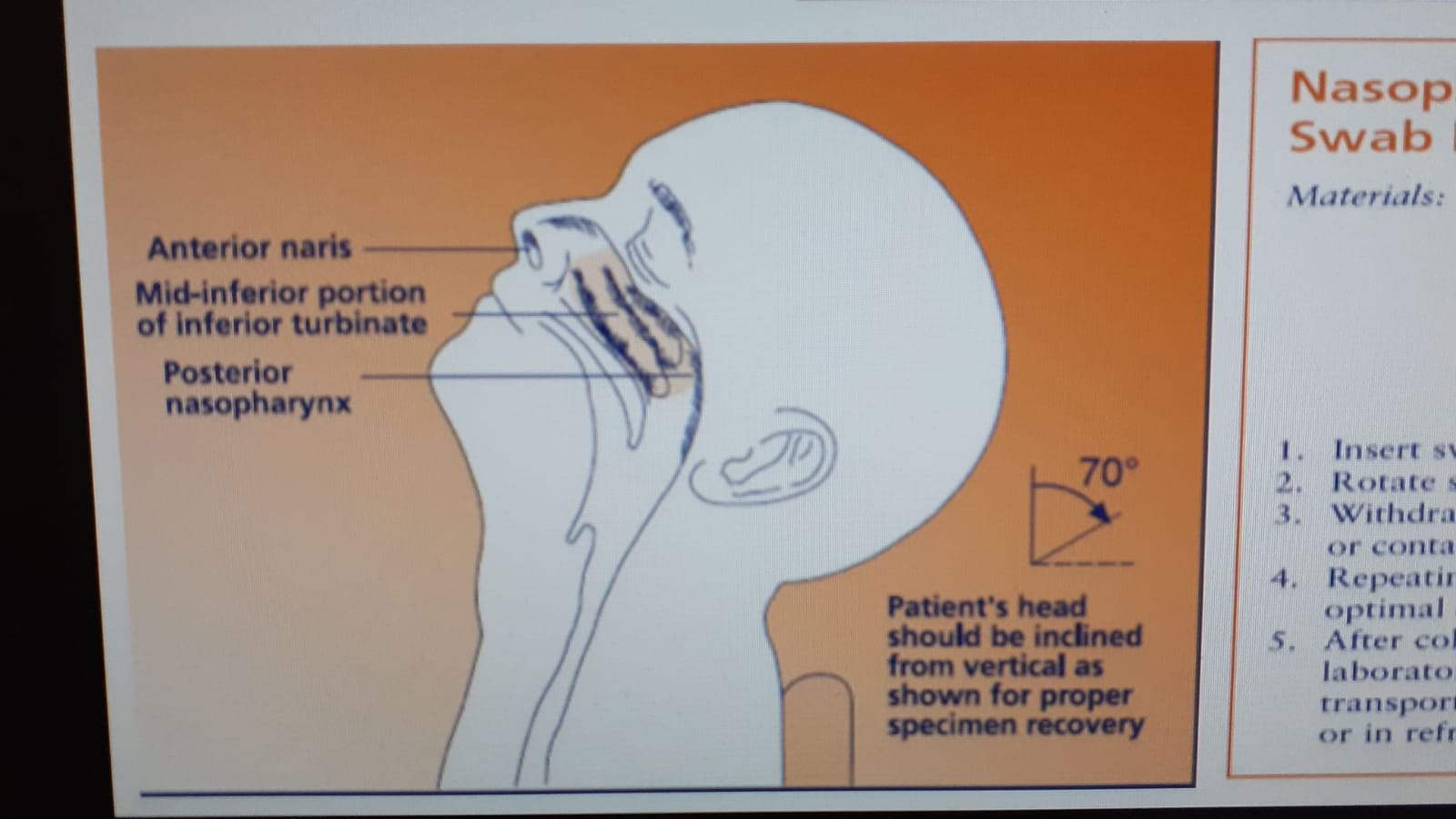
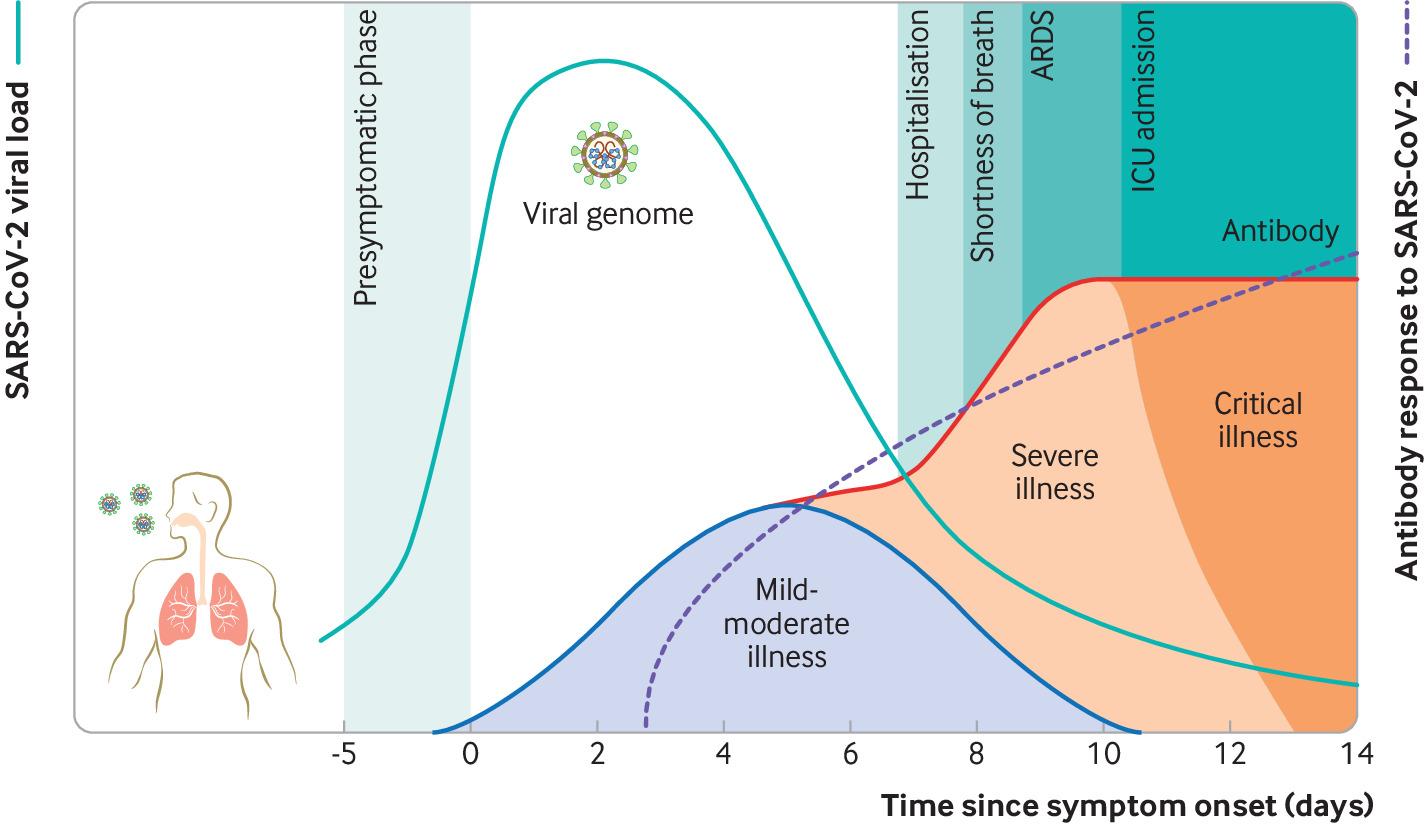
One of the problems with SARS CoV2 is where the virus initially does most of its replication, i.e. in the nasopharynx: the back of your throat and upper nose. That means to try and get a good sample to enable the testing you need to get into there which is not only uncomfortable but pretty hard to do to yourself in terms of visualisation. This means that, even though the test process itself is pretty good, the samples we put into it are often not that well taken (which is why in hospitals they are taken by someone else) and so you may not have enough virus present to count as positive when the PCR is run. This brings me onto the picture below and asymptomatic testing. The first thing I want you to remember is that a test is only valid at the moment it is taken. It does not (if negative) represent what will happen 5 minutes or an hour later. Therefore taking a screen when you are asymptomatic has very limited value to either of our aims. Within healthcare and for contact tracing purposes, we default to the fact that you could be asymptomatically shedding virus for 48 hours before you develop symptoms but that brings us onto viral load. This is called the pre-symptomatic phase.

Virology, transmission, and pathogenesis of SARS-CoV-2 BMJ 2020; 371

Viral load is a term we use to talk about how much virus you are shedding or have in your cells. The viral load gradually increases in the asymptomatic phase of infection BUT, and there is a BUT, not everyone will shed virus as the same level even when symptomatic. Some people will control the virus better in terms of replication and will therefore not be detected positive in the pre-symptomatic phase or even on day one of symptoms. The most sensitive day to test is actually on day three after symptom onset. Therefore an early negative test is not helpful. Yes, if positive it means you can put your actions earlier but it is not reliable. Therefore asymptomatic testing needs to always be undertaken with caution and is only valuable in very specific settings. The reason we talked so much about asymptomatic transmission earlier in the pandemic is that we didn’t have our symptoms right. We were looking for flu-like symptoms and ignoring things like anosmia (loss of taste and smell) and, now we’re including it, we don’t see much that meets asymptomatic transmission outside of the 48 hours before symptoms develop. As time goes on replication can predominately move into the lower respiratory tract, i.e. lungs etc. and then you may get negative nose and throat swabs where as deeper samples taken from the lungs are positive.

What does this mean?

  • If you are asymptomatic please don’t request a test as it probably doesn’t give you the information you think you are getting.
  • If someone has been asked to isolate as a contact that doesn’t mean they have exposed you, it means we are asking them to isolate to reduce the risk of them exposing you in the pre-symptom 48-hour phase and so there is no alerting necessary until they have symptoms.
  • If you’ve been exposed to a positive test: work on the isolation guidelines, based on symptoms not just on the test results.
  • Samples can be taken in a way that doesn’t capture the true picture: they may be taken too early and/or be below test sensitivity Pillar 2 testing aims to support stopping transmission and not clinical management, so bear that in mind

Right, back to the coal face

All opinions on this blog are my own

Celebrating National Pathology Week: What is a clinical microbiologist?

To celebrate this week being National Pathology Week , I thought I should take some time to post about what a clinical microbiologist is. I do this because, when I was at university, I really didn’t know that this career path existed. So here is a shout out to all those students who are trying to decide their next steps. You too will find your way.

When I googled microbiologist this is the first item that comes up

Microbiologists study microorganisms (microbes) in order to understand how they affect our lives and how we can exploit them

Prospects.ac.uk

This seems like a pretty good cover-all description. It goes on to discuss that there are microbiologists in many different areas:

  • medicine.
  • healthcare (I’m not sure how they differentiate this from medicine or visa versa).
  • research.
  • agriculture and food safety.
  • environment and climate change.

I must admit that when I was at university most of the options I encountered were linked to the food and drink industry or pure research. I think that their list missed things like Pharmaceuticals (although they may count that as medicine) and other forms of production, i.e. cosmetics.

At university I only did one module of microbiology (I was reading Zoology) and that module was about environmental bacteria and plating out bacteria onto agar plates to see what grew.

How did I go from Zoology to Microbiology?

I really wanted to work in an area of science where I could work to make a difference. I wanted to work somewhere that I could see that difference being made. Working in research felt too abstract to me. When I discovered, through a friend, that I could become a scientist in healthcare I knew it was what I wanted to be.

The National Careers service says you need to have two to three A-levels to become a microbiologist, plus a post-graduate degree. That is mostly true. However, in a world of apprenticeships and T-Levels, that is no longer the only route.

When I became a Healthcare Scientist I became a Clinical Microbiology trainee. So, what was the difference between that and what I’d done at University? The main difference with clinical microbiology is that I focus on organisms that cause infection: parasites, viruses, fungi and bacteria.

I also discovered that there was so much more to microbiology than agar plates. Although – don’t get me wrong – agar plates are still a mainstay of life within the bacteriology laboratory.

One of the techniques I learnt to love was polymerase chain reaction (PCR), which enables us to look for the DNA or RNA of a microorganism instead of growing it. Viruses and parasites don’t grow on agar plates and bacteria and fungi may not grow well if exposed to antibiotics or if present in low levels. PCR allows us to diagnose patients with infections that would not be diagnosed otherwise, or to speed up the process so patients get put on the right treatment faster.

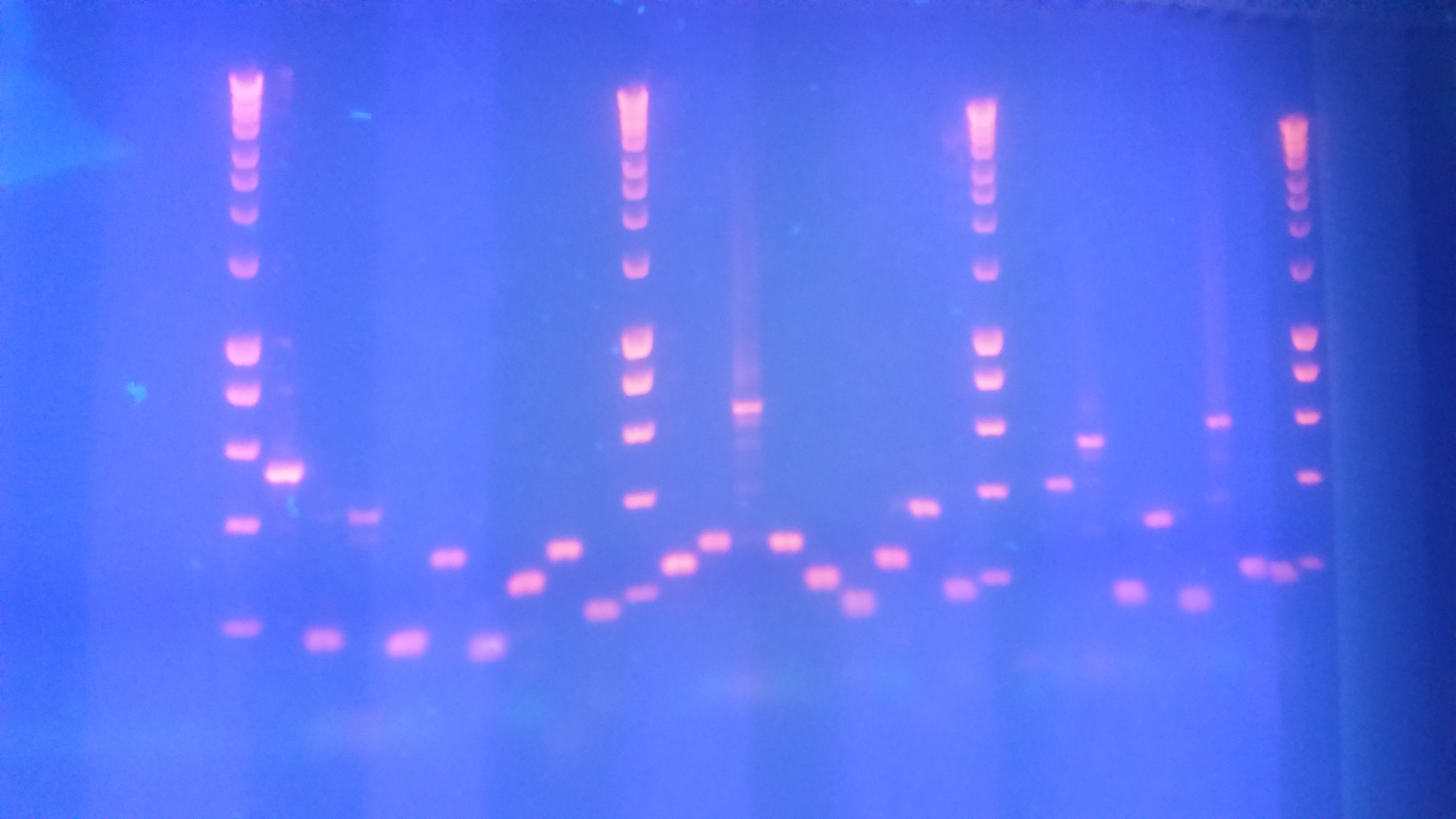
Variable number tandem repeat typing of Klebsiella pneumoniae

PCR also enables us to do things that are harder to do using traditional bacterial techniques such as culture. The picture is of patterns that are like bacterial fingerprints so that they can be clustered into similar groups. This enables me, as a clinical microbiologist, to tell whether bacteria within the same species are the same or not. This is important when deciding whether a bacteria has spread from one patient to another. It helps in acting like a hospital detective, which is a lot of my work in Infection Prevention and Control.

As a trainee I spent four years rotating within laboratory settings. I spent one year in a molecular laboratory, diagnosing patients using PCR. I then spent six months rotating between benches (each sample type has its own laboratory bench) in bacteriology: wounds, respiratory samples, faecal samples, blood cultures, urines, fluids (cerebral spinal fluid etc.) and the primary bench where samples were put onto agar plates. Six months in virology, a year in research and time in food and water, parasitology and mycology (fungal) labs.

The diagnostic process is pretty similar in principle between the specialisms:

  • collect specimen from possible site of infection.
  • select the most appropriate test to detect any organisms (agar plate for bacteria, PCR primers for viruses, etc.)
  • evaluate whether the result (positive or negative) is accurate and whether there are other tests that should be done, i.e. further characterisation of positives such as antimicrobial sensitivity.
  • decide on treatment or management of the infectious cause, i.e. antimicrobials or non-antibiotic management such as surgery.
  • advise on infection control if actions are needed to investigate where the infection came from or to protect others from risk.

During my first four years I spent most of my time in the laboratory doing the first three bullet points.

Time goes on. I’ve been in the NHS for 16 years. Most of my time is spent at my desk in the on-call bathroom. Not so much at the moment, due to the pandemic, because I’m working from home more.

Since 2010, most of my time has been spent either in Infection Prevention and Control undertaking the final bullet point or increasing my skills by gaining Fellowship of the Royal College of Pathologists to do bullet point four.

I still support the lab and, occasionally, get my lab coat on – but not as much as I’d like. It is, therefore, possible to be a clinical microbiologist and be anywhere on the spectrum. You can go as far as you’d like and do the type of work that makes you happy. It’s why being a clinical microbiologist is a great career!

Modernising Scientific Careers Framework

A Week With Antimicrobial Resistance on my mind

This one gets a bit technical in places. Bear with me – the next one will be less so. Pinky swear.

This month has been a pretty one big for me. Last week, a clinical trial I’m involved with kicked off in Mali. 10% of Malian children die before their fifth birthday and this trial aims to reduce the level of infant mortality. The study is called the Lakana Trial and aims to recruit 100,000 infants born in Mali over the next three years.

In a separate post, at some point, I’ll tell you the ‘Mali not Bali’ story, but I’ll need a double G&T in front of me first. (Or register for free for Stand up for Healthcare Science on 6th November.)

At this point you’re probably thinking what on earth does this have to do with antimicrobial resistance (AMR)?

The thing is, to save all these lives, we’re giving antibiotics to every child (some will get a placebo). Nothing special about that, you might be saying, we give antibiotics to children all the time.

This is different because we aren’t treating symptoms of a known infection. We are giving antibiotics in order to reduce infection risk/inflammatory response in asymptomatic (symptom free) children under one.

The antibiotic we’re giving is a drug called azithromycin and it’s from a class of antibiotics called the macrolides (see my A Starter for 10 on Antimicrobials post).

The LAKANA study follows on from the MORDOR study (the best study name in the world, in my personal opinion!) which gave two doses of Azithromycin/placebo to >190,000 children born in Malawi, Niger and Tanzania. The difference between that study and ours: they always gave two doses and the infants recruited were up to 59 months.

Mortality in the MORDOR study was 13.5% lower overall in communities receiving azithromycin vs those that were given the placebo (paper link here if you’d like more detail). Interestingly, there were differences in the survival increase by both country and by age group, with the highest mortality reduction seen in Niger. The greatest effects were seen in the one-to-five month age group which is why the under ones were selected for the LAKANA study.

To decide how many doses of azithromycin are needed to reduce infant mortality, the LAKANA study will gather evidence to answer three specific research questions:

  1. Does biannual azithromycin MDA (Mass Dosing of Azithromycin) to 1-11 month old infants reduce their mortality?
  2. Does quarterly azithromycin MDA to 1-11 month old infants reduce their mortality?
  3. Does quarterly azithromycin MDA result in a greater reduction in mortality than biannual MDA?

What has this got to do with antimicrobial resistance?

The AMR component of this study is the part that is being lead by UCL and the Institute of Child Health and so is sitting with me as a co-applicant. As we are giving antibiotics to children (and not treating a specific infection), it is crucial to understand whether this will impact on the level of antimicrobial resistance detected in them, their families and their communities.

Questions that we’re looking to answer (and that are currently running around my brain:)

  • If we do detect antimicrobial resistance is it stable? (I’ll explain this in a future post.)
  • Does detectable resistance return to baseline after a period of weeks, or does it lead to a permanent shift in their colonising bacteria?
  • Does any resistance detected make a difference to clinical treatment options? Macrolide resistance is usually due to accumulation of single nucleotide changes (single letters in the DNA code changing). This doesn’t necessarily mean the antibiotic will stop working.
  • Is resistance detected only in the Macrolide class of antibiotics, or does it lead to selective pressure that causes other resistance changes?
  • (Not AMR, but fascinating to me) How does azithromycin work? What is the mechanism? You would have thought this is well understood but, despite being available for decades, how it works as an anti-inflammatory is really not understood. Is the reduction in mortality because of its use as an antibiotic or because of this anti-inflammatory action.

What is incredibly important when doing this kind of work is that the first priority is to maintain the safety of participants. To that end we are working closely with the The World Health Organization who have recommended consideration of azithromycin MDA to under-one-year old infants, in areas with high childhood mortality.

Reducing infant mortality is so important: not just to survival but to quality of life and prosperity within these communities. These kinds of studies also need to be aware of their legacy. We are all incredibly keen to build laboratory capacity and infrastructure, not just in terms of equipment but also in terms of skills and skill infrastructure.

It’s early days and we won’t have any results from the AMR section for at least a year. I mostly wanted to record that this work is going on and the questions I have at the start. I also have some questions about balancing clinical outcomes which are pretty philosophical in my mind right now. If we see development of AMR, especially if it’s non-stable, but mortality is decreasing, where is the balance between those two things? How do you perform the risk assessment for the individual about short-term vs long-term outcomes? These thoughts convince me that this study is just the next step on a journey and that (as always) we have a lot to learn and a long way to go.

LAKANA team – Paris December 2019

All opinions in this blog are my own

Your Starter for 10: Antimicrobials

After my sojourn in my Ivory Tower on Friday, I wanted to get back to posting about antibiotics this week. Although I only really intend to post once a week, I thought it might be useful, if I’m going to be posting about antimicrobial resistance (AMR), to post a little bit about what an antimicrobial is.

What is a microbe?

My husband reminds me I use a lot of words interchangeably; That can make it hard to follow. First of all, I should explain that microbiology and microbe are ‘cover-all’ terms, including viruses, bacteria, parasites and fungi. You can then sub-group within that and talk about parasitology, virology, bacteriology and mycology (study of fungi).

What is an antimicrobial?

Antimicrobial = a medicine that inhibits the growth of or destroys microorganisms  

Antimicrobials don’t just work against bacterial, they work against microbes (hence the name). That said, one antimicrobial won’t work against all sorts of microbes – it’s just a generic cover-all name. Specific groups work against specific types of microbe:

  • Antiviral = works against viruses
  • Antibacterial (often called antibiotic) = works against bacteria
  • Antifungal = works against fungi
  • Antiparasitic = works against parasites

That said, most of the time when people are talking about antimicrobial resistance they are actually talking about antibacterial resistance, so that is what this post is going to focus on.

Antibiotics work in two main ways. They are either:

  • Bacteriostatic = inhibits the growth of bacteria
  • Bactericidal = kills bacteria

Whether an antibiotic kills a bacteria or just stops it reproducing is important when we are deciding which one to choose clinically. For example, if I have a patient who has no immune system, or whose immune system isn’t working, I can’t use an antibiotic that just stops the bacteria growing, as their own immune system won’t be able to attack the remaining bacteria. In this case I need to use an antibiotic that kills the bacteria.

Below is a diagram of some of the different groups or classes of antibiotics, colour coded with whether they KILL (dark green) or STOP GROWTH (light green).

Whether an antibiotic kills or stops growth really depends on what part of the bacteria it targets. It is very hard for a bacteria to survive if it has a hole in it’s cell wall (like us having a massive hole in our skin), and so antibiotics that target the cell wall, like penicillin (B-lactam), are usually bactericidal. Antibiotics that target protein synthesis, which is what bacteria need to reproduce and grow, are usually bacteriostatic, like erythromycin (Macrolide).

One of the other considerations when deciding which antibiotic to use is whether we are using it to treat an infection (treatment) or to prevent an infection occurring (prophylaxis). We use prophylaxis if you are undergoing certain types of surgery or when we know you’ve been exposed to certain bacteria or other microbes. This is aimed at reducing any small numbers you may have on board to prevent infection/symptoms. These doses are often different to treatment doses and we will usually try to give the medicine orally (i.e. pills) rather than by injection or by IV, if possible.

As antibiotics usually accumulate in the system or the area of the body we’re trying to target that is infected, it is really important that you complete the course (total number of days and doses) that are given to you. If you don’t do this and stop when you’re feeling better, the small number of bacteria that are left can then grow and multiply again, causing you to need another course. Worse than this, potentially, is that the bacteria may then become resistant to the first antibiotic.

Antibiotic resistant means that the bacteria is no longer affected by the antibiotic (i.e. doesn’t work at all or works less well).

This means that you may need to be given other antibiotics which are not as ideal, i.e. more side effects or not taken orally. Antibiotic resistant doesn’t mean that your body is resistant to the antibiotic, it merely describes the bacteria no longer being impacted.

As well as some bacteria developing resistance to an antibiotic due to exposure, some bacteria are intrinsically (naturally) resistant to certain antibiotics. In some cases this is because of the features certain bacteria have. One example of this is that bacteria are divided into Gram-positive and Gram-negative (plus some oddities like mycobacteria) based on their cell wall. Antibiotics like Vancomycin don’t work on Gram-negative bacteria as the molecule is too big to pass through the cell wall.

If you’d like more details about different antibiotic classes, the antibiotics within them, how they are used and mechanisms of resistance, feel free to download the PDF below which I prepared as part of FRCPath revision:

Some points to reflect on:

  • Antimicrobial is a term used to cover drugs for parasites, fungi, bacteria and viruses
  • Antibiotics can be either bacteriostatic or bactericidal
  • Antibiotics target different parts of the bacteria and that is what makes them either kill or inhibit growth
  • Antimicrobial resistance can be acquired or intrinsic due to the features of the bacteria

All opinions in this blog are my own

Science Communication: Reflections from an Ivory Tower

This week I was going to post about Antimicrobial Resistance (AMR) as, in many ways, it has been quite a momentous week in my professional life and it all ties into AMR. I may still… but I wanted to raise something that has been playing on my mind this week in light of the social media reactions I’ve seen to the new COVID-19 (don’t call it a lockdown) tiers.

Let me say now that this isn’t a political post, purely one linked to reflections that have been triggered for me that are linked to some of the pitfalls of traditional communication, medicine and dissemination.

On Wednesday, I saw this tweet. The scientist in me responded with, ‘well of course’ and ‘surely people understand the ramifications for everyone if we don’t find working containment measures’.

Twitter post related to the new YouGov poll

When I see posts like this, I usually scroll through the comments. I think it’s important to read what people are posting and see what the challenge is like, as it’s all too easy to see the world through the eyes of those in your bubble. Those people in similar situations to us, with similar views to us, who then use stats like this to reinforce the positions we already hold.

Then, as part of the comments, I saw this:

My first reaction to this post was to blow out my cheeks and sigh. “The needs of the many outweigh the needs of the few” and all that. That’s an economic problem that should be addressed, not an infection issue: think of the number of people who will die etc.

Then I stopped and realised there is truth to this

I do live in an Ivory Tower

Now that’s not to say that I am rich, and it’s not to say that my response to the the poll is wrong. It is to say that we must reflect and admit the truth to ourselves. I can pay my mortgage. My job is not at risk (although my husband’s may well be). I can buy food and cover my bills. That gives me a privileged position where I can engage with and make decisions about how I feel about the science, the justification, and the way they are implemented. I don’t have to react from a place of worry and fear. That privilege means that I can digest information from a place of logic and not emotion. That privilege also means that I can lose perspective about how others may receive the same information and I certainly have to be aware of that privilege when it comes to judgement.

However the key word in the above paragraph is “receive”. This is where I come to the real point of my post. One of the problems with the current situation is the feeling of disempowerment of being the recipient of information and not the co-creator of response. This has been a problem in the health setting for pretty much as long as it’s existed, but its only in recent years that it’s been recognised as such.

Too many times in medicine we implement from a position of expertise and authority without engaging the lived experience and knowledge of others. I’m a passionate believer in the power of true co-production, where we work in partnership to create something that neither group could deliver on their own. I work in a hospital where we see patients who may be one of only 20 in the world with their condition. It is naรฏve and arrogant of me to believe that I will understand more about their experience of living with their disease. I can input, support and advise on the basis of biology and my experience. It will never be truly effective without considering theirs.

So my thought on this Friday evening is actually more of a plea. We all have our Ivory Tower, our bubble, our version of the truth. If you work in healthcare it’s important to give yourself time to reflect on what that means for your practice. Are you doing everything you can to move from being the authority in the room to being the person who is prepared to truly listen and co-create the best possible outcome for the patient in front of you?

Are we ready to enter a new period in healthcare where it is much more about the patient in front of us than it is about our years of training and education?

Photo by Adrianna Calvo on Pexels.com

All opinions most definitely my own