Friday the 25th April, was World DNA Day. I’ve had a series of blogs that I’ve been playing around with for a while linked to what DNA is, how we look for and investigate it and how we are exploring DNA in our everyday lives. It felt like this was the time to put these blogs out there. Linked to this I’ve also had two books I’ve wanted to talk about that were set within worlds that have changed because of genetic testing and genetic manipulation. It was fun to share reviews of these in the context of talking about the current technology and scientific/ethical questions are to see what these fictional landscapes might add to the discussion. I hope you reading these as much as I enjoyed writing them.
This month I’ve been honouring World DNA day 2025 by publishing a number of posts linked to what DNA is, how we look for it, and what it means to send it away.
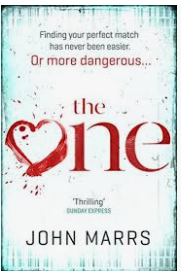
Having spent some time covering what is the current state of science in this area however, I thought I would follow up with a couple of book reviews whose fictional worlds focus on how the world of DNA, DNA editing and DNA interpretation could change the lives of everyone involved. The first of these is The One by John Marrs.
This book is set in the near future in a world very much like ours. It’s nice for me to review a book that is set in London, where I can also do a bit of location tourism and spot similarities between this fictional london and the London in which I live. The tech and the science in this book are very much just one step further open than some of the modern day science I covered, especially in part 2 of this blog collection. All this being said, this book is also a thriller and so not necessarily like life as we know it.
How far would you go to find The One?
A simple DNA test is all it takes. Just a quick mouth swab and soon you’ll be matched with your perfect partner–the one you’re genetically made for.
That’s the promise made by Match Your DNA. A decade ago, the company announced that they had found the gene that pairs each of us with our soul mate. Since then, millions of people around the world have been matched. But the discovery has its downsides: test results have led to the breakup of countless relationships and upended the traditional ideas of dating, romance and love.
Now five very different people have received the notification that they’ve been “Matched.” They’re each about to meet their one true love. But “happily ever after” isn’t guaranteed for everyone. Because even soul mates have secrets. And some are more shocking than others…
The One is set in a world where, instead of just sending off your DNA to find relatives or health characteristics, there has been a gene discovered that can be used to link you up to your one true biological match. The person you are supposed to fall in love with. This is because the discovered variant of this gene causes physiological changes and the production of a pheromone that is unique to you, and which is particularly attractive to (statistically) one other person, who has a complimentary version of this gene. Production of the pheromone means that when you encounter each other you immediately physiologically react, and experience a biological ‘love’ match. Within the setting of the novel, a company called Match You DNA, has been marketing a product where you send a swab and can be matched with the person you are genetically made for. Sending away for matching has become common, with over 1 million matches, but is neither universally undertaken or universally accepted as a good thing. The book starts with a number of characters taking their DNA tests, for various reasons, in the hopes of being matched with their soul mate. Five couples are then matched and the novel follows them through their matching journeys.
MatchYourDNA.com thanks you for choosing Match Your DNA the world 1st scientifically proven test 100% guaranteed to match you with the one and only person you are genetically designed to fall in love with. With 1.7 million people either matched or are already on our register, your perfect match is only 3 steps away:
1) Sign up here for free
2) Receive your free DNA test kit. Just send us the mouth swab in the provided container and we’ll use your DNA to find your match in our database
3) As soon as we’ve found your match we’ll contact you. For a one off fee of $9.99 we’ll put you in touch with each other. 82% of customers are matched within 7 days. If you don’t currently have a match do not worry. Thousands of new customers join match your DNA each week and 98% of matches are identified with 6 months of registering
Match Your DNA cannot be held responsible for any direct, indirect or consequential harm related to using this service including but no limited to dissolution of existing relationships, personal injury or death not resulting from.match your DNA negligence or misconduct
What about the science?
The world of The One includes science and technical details that bring up a heap of both scientific and ethical questions that I think are really important for us to think about, whether we work in science or not. Science impacts all aspects of our everyday lives, and so the more we know and think about how it impacts us, the better prepared we will be, both as individuals and as a wider society. I really enjoyed exploring this world and so wanted to share what questions the setting triggered for me, and how it relates to the world in which we currently live. If you have already read/listened to the book, or if this blog prompts you to do so, I would love to hear what it triggered for you.
How much can anyone own a gene?
The founding premise of the world building in The One is that a single company would have sole access to this form of specific DNA matching technology, I posit via some form of patent for the gene, although this isn’t really discussed. A gene patent is the exclusive rights to a specific sequence of DNA (a gene) given by a government to the individual, organization, or corporation who claims to have first identified the gene.
So can someone own a gene? It may surprise you that the answer is both yes and no. A company can patent specific DNA sequences, such as DNA sequences that have been manipulated and altered in a lab, making them different from naturally occurring DNA. This wouldn’t help in the case of The One, as the company cannot patent naturally occurring genes, such as the genes they would need to target, as they exist already in the human body. However, patents can, and have been granted, for specific uses of genes, such as diagnostic tests or therapies, even if the gene itself is not patentable. This has happened for diagnostic tests including those for the BRCA1 and BRCA2 genes, which are linked to hereditary breast and ovarian cancer, and for the area of the Staphylococcus aureus genome where the SCCmec gene cassette inserts, leading to S. aureus displaying resistance to methicillin (MRSA). It is therefore possible that a single company would be able to corner the market, for a period of time, and be the sole provider of this kind of service, and therefore have the kind of societal influence demonstrated within the novel.
Can there really only be one true gene match?
This book is very much based on an advancement of the kind of DNA sequencing that people can currently use to check on their ancestry and relatedness, as discussed in parts one and two of this blog series. How realistic is it that there is only one copy of a gene variant in the world for each of us however?
While the human genome is highly similar across individuals (99.8-99.9%), small differences do exist, totaling 3 – 5 million variations, some of which can have profound impacts. Studies like the All of Us Study, funded by the National Institutes of Health, have discovered over 275 million previously unreported genetic variants, showcasing the immense diversity within human genomes. Whether this variation would be localised to a specific gene with each variant being present at just the right kind of frequency that there would only one person in the world for us is yet to be mathematically modelled 🙂
It is also unclear exactly how the translation of this gene variation into physical expression via pheromones, which are chemical messengers that can influence attraction, would work. The extent of their impact would need to be the topic of further research. Pheromones are known to play a crucial role in mate selection and social behavior in many animals, but the evidence for their direct influence on human attraction is less conclusive. So this bit of the world building that is inspired by science, but definitely science fiction at this point.
How does nature vs nurture work?
The nature vs. nurture debate explores how much of an individual’s characteristics are determined by genetics (nature) versus environmental factors and life experiences (nurture)
At it’s very core, much of The One is about whether nature always trumps nurture. Are we slaves to our genes? Is the development of a loving relationship with someone who is not your genetic match, developed over years, always going to be trumped by a brief encounter driven by genetics?
One of the big dilemmas that some of the couples face, and a central theme discussed in the book, links to this debate and examines how the revelation of being matched impacts on characters pre-existing, as well as their new relationships. What if those who were already married and in happy relationships from before the existence of matching, decide to swab themselves and are not in fact each others matches? What if you run into your match as part of your normal life but are already dating, is cheating then OK? Are those with relationships that have not been validated by Match Your DNA of less value, both to individuals and society, than those that are biologically prescribed? Does nature automatically trump nurture?
If you start to extrapolate even further than this, does it mean if you can’t find a match that you default into being considered a second class citizen? A short step on from that, could you be compelled to take part in matching even if you don’t want to? These are some of the future possibilities hinted at during The One. Although these conundrums are very much science fiction, they are definitely rooted in other types of discussions that are happening even now, such as whether we should sequence the genome of every baby at birth in order to provide better preventative healthcare? In fact, it is a threat that is developed in another novel within the same world, called The Marriage Act, which points a lens at the role of government in handling these issues and how once individual decisions can suddenly be adopted by society as embedded behaviours, resulting in the loss of individual freedom to decide.
One of the other interesting threads, for me, is the question of is it OK to breach other societal norms because of a DNA match? Should an 18 year old (minimum age for matching) suddenly feel like they need to date a 90 year old? Should you leave behind all of your connections and stability to fly across the globe to be with someone you don’t know on the basis of a single gene? If your match dies, does that mean you will never find another true love?
On a wider societal scale the book triggered a number of other considerations for me. Such as, what would be the consequence of people no longer going through the dating process and leaping straight to a formulated relationship? Would it impact social skill and other development? What opportunities would we take away from people to learn about others, but also to learn lessons about themselves? How can impacts that appear to be at the individual level completely change the way society as a whole begins to function?
What about giving up on self determination?
Building on the above, one of the very interesting themes for me is what happens if the person you are matched with is just not a very nice person? Does you biological compunction overwhelm your personal choice? In other words, if nature trumps nurture, what happens to self determination?
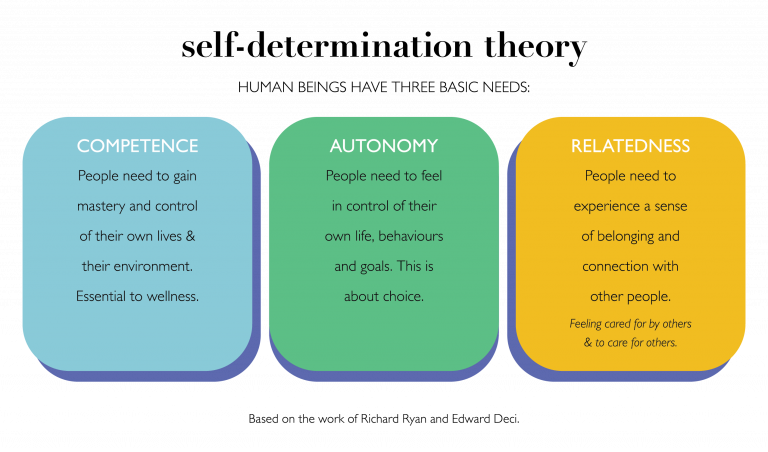
Self determination theory includes three key components. The first is that of competence, where people need to gain the skills to control their lives. Second is autonomy, where people need to feel they have control over their choices, and finally, relatedness, where people need to feel connection and belonging.
The One raises interesting questions about which of these drivers may be the strongest. Finding your DNA Match leads to intense feelings of belonging and enhances feelings of security, as you’ve found your One, and it is not supposed to be reversible. It removes doubt, but does it also remove effort? Relatedness is definitely enhanced by the concepts of gene matching. However, the concept of DNA matching also directly reduces any sense of autonomy, as you are seeding control of a key relationship to your genetics, which you have no control over at all. The sense in the book is that this causes an understandable level of conflict and cognitive dissonance* that runs within all of the characters present.
*the psychological discomfort experienced when we hold two or more conflicting beliefs, attitudes, or values simultaneously
Another question that struck me linked to this is….which biological compunctions are the strongest? The bond with a child or the instinct to reproduce are both strong biological imperatives, so if these are placed up against a link with a DNA match, which would win out? For instance, would you walk away from your child and never see them again for the love of your life? Having spent a while pondering it, my thoughts on this are that these discussions are not as binary as I have perhaps presented them and that everything is likely to be combination of nature and nurture, and it is how these unique combinations come together that drive us and make each of us even more unique than we are on a genetic level. Still, I am intrigued about whether there would be a hierarchical determinant to some of these drivers, that is if they were all real.
What about informed consent?
Not to spoil the story but there seems to be a strong temptation for people in the world of The One to not only send swabs from people other than themselves, but to also access the results of other people and therefore control access to information that doesn’t belong to them. Now, I’ve already covered in part two why taking the DNA from other people for testing could have legal consequences, but why else could it be considered wrong?
I thought it might be important here to talk about the importance of informed consent, and why some of the consent gained could perhaps not be considered to be truly informed.
Informed consent has a number of key components to it, but some of the big ones are linked to open disclosure of both the benefits and risks of any test/procedure, alongside discussion of whether there are any alternative options, so that the person deciding whether to go ahead is making that decision with access to all of the best information, i.e. the decision is informed.
Now, obviously how much informed consent is needed does vary widely depending on what is being undertaken. As I said in part two, most of the common DNA tests to send away are not considered medical tests and are not therefore subject to these kinds of gate keeping. If the world changed so that this form of testing had such impacts on lives, then should that be reconsidered so individuals truly knew what they were signing up to? Would just ticking a box on an Internet form really provide sufficient levels of understanding that the consent could be considered informed?
There are also interesting questions raised in the book about the consent linked to use of data. Is it acceptable to collect data for one thing and then use it to develop a test that wasn’t part of the acceptable use criteria for that data? Is it OK to gather a whole heap of human genomes and then utilise them for research purposes if that wasn’t part of the consent for which they were collected? Is it OK as long as it is all anonymised? All of these things depend upon the type of consent that is given.
In part two I talked about the data that is being collected for current DNA testing for non-medical testing and that the resulting sewuences are likely to be used for other purposes, and that use is probably included in the terms and conditions you sign when you send off for testing. How obvious this is will probably vary between companies. As these are non-medical devices though, the consent is unlikely to need to be informed. Most people think about the swab, but not the DNA sequence that results. If you are making an entire business based on those sequences, such as in this book however, you probably need to be certain that their use is legitimate, and covered within the purpose for which they were collected. #nospoilers
Is a single company having so much power dangerous?
In a previous book review I wrote about the Theranos scandal and the impact of a single company with massive influence who didn’t follow good scientific practice had on the lives of the people they tested. Obviously the Theranos scandal is real life, real people were hurt, and real people went to prison. The One on the other hand is a work of fiction, and a space where some of these more ethical concerns about the impacts of scientific developments on the the life of people can be somewhat more safely explored. It does call into focus whether one company should have so much capacity to influence the lives of so many. It made me think, if this were to happen right now what kind of oversight would be required? How could lobbying and other practices mean that some of the neutrality of that oversight could be impacted? Also, how much oversight would be appropriate? How do we ensure quality without negatively impacting innovation? How do we allow the good whilst minimising the bad? This is something science is constantly struggling with and there are no easy answers, but the capacity for harm if you get it wrong should be something that all scientists should live with and actively reflect on.
Hopefully this blog, and going on to read the book, will help us all to take some time to think about some of the ethical considerations that this fictional world raises, and encourage us all to think a bit more about our own and societies role in DNA testing moving forward.
One last note, if you prefer your content as visual media, The One has also been made into a TV series which is currently on Netflix. Full disclosure, I’ve only seen a couple of episodes. The feel of the series seems pretty similar to the book but the actual plot lines seem to have been changed quite a lot. Pro of this is that you can quite happily enjoy both as the series gives new aspects to new enjoy. However you decide to explore it I would definitely recommend a dive into this world and enjoying the surprises that it brings and the thoughts that it provokes.
Friday just gone, 25th April, was World DNA Day. I’ve had a series of blogs that I’ve been playing around with linked to both DNA in our everyday lives and two book reviews where the world changes because of genetic testing and genetic manipulation. I thought I would write these posts, because as much as artificial intelligence could change the way we live and is frequently discussed, we are all accessing DNA based testing more and more, with many of us not really thinking about how this too is changing the world in which we live. Depending on how you feel about science and needing to have a refresher on what DNA and how we look for it and interpret it, you may want to hit up part one of this blog series first.
In part one I also introduced the kind of testing that DNA and DNA sequencing can be utilised for, not just in a accredited healthcare laboratories, but also linked to private companies who offer information on things like ancestry. In today’s blog I wanted to go a bit more into what can be the less thought about results of sending away your DNA, and also what kinds of things you might want to think about, or have in place, before you do.
Thinking unexpected consequences?
In part one I used this quote from a recent article:
As stated in a recent Independent article:
As they’re based on estimates, I suggest treating home DNA tests as a fun investigation to get to know your family history a little better rather than a to-the-letter representation of everything that’s ever happened in your gene pool – Ella Duggan Friday 28 March 2025
It describes sending away of your DNA as a fun investigation, and recommends not taking the results too seriously. This is definitely the right attitude in many ways, as you wouldn’t take key health guidance from a magazine quiz, you’d want to speak to a healthcare professional who can put your results in context. The problem with not taking the tests themselves too seriously is that we don’t really think about the consequences of taking them or where the results might lead. My family have been given these for Christmas, for instance, and it was seen as a fun piece of science that could be done after lunch. Taking and sending away your DNA, the thing that makes you you, however, should always be done with a little more consideration that that. So I thought it might be useful to use just a couple of examples of why.
Health services
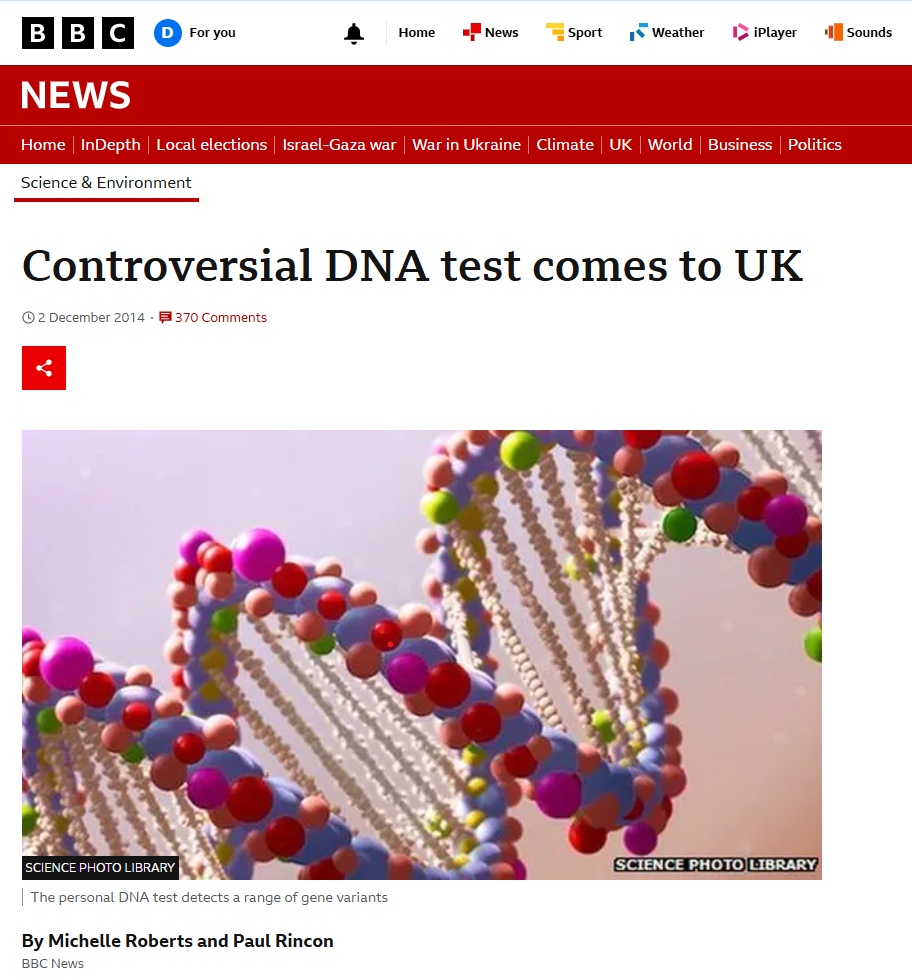
Sending away DNA for health reasons to private companies has been controversial ever since it was introduced into the UK and there are a few reasons why this is the case.
Firstly, if you have health concerns, then really you should be accessing medical care through healthcare professionals who you’ll be able questions, and who can put your results into a risk context for you based on your own medical history, rather than just getting a list of genes in isolation.
One of the other reasons you should manage this form of testing through health providers is that you can then be linked into any medication or further testing that is required. The presence of a gene alone can be pretty meaningless, you need to then look for whether that gene is being expressed (see part one) in order to really understand it’s impact, and so there are likely to be follow up requirements to any results received.
If you are going through genetic testing, especially if it has impacts on decision such as reproduction, you would normally be supported through the process ahead of the testing, and when the testing is returned, through professionals such as genetic councillors. If you get your results by sending your DNA away you may get completely shocked and surprised by the results that you can get back, and may make some decisions based on the findings that may not be correct for you and require better input from someone more used to interpreting the results. It could feel like a really lonely way to hear bad news.
Finally, these tests are being sent off to laboratories that don’t require accreditation. They are acting as medical tests, without going through the rigor that is required for the equivalent tests in healthcare, and yet are interpreted, by some, in the same way, and therefore effectively out of context. They may also not have the required levels of validation linked to the information and interpretive guidance that is issued with a result, so that you know what being present or absent for gene X or Y actually means for you. It also means that there may be less processes in place to ensure that you get the result that is actually meant for you and not for Professor X down the road. If you are processing hundreds of samples this kind of error, without safety checks, can be easier than you’d think. Knowing the quality of the result you are receiving may be less than obvious.
Ancestry services
OK, OK, I can hear you say. I wouldn’t send my DNA off for medical testing, but surely sending it off for ancestry services is ‘no harm, no foul’ and just a bit of fun. My first caveat here is that not all ancestry services are the same and not all of them look at the same sections of your genome. Some will look at your mitochondrial DNA (which will always come from your mother and your maternal line) in order to give a view of where your ancestral DNA comes from over generations. This is often referred to ancestral origins, and is much less likely to hit you with real time life dilemmas. Many kits are also paired with items that look at wider genomic matches, or DNA matches, and so you may get back more than you bargained for if you didn’t look closely at what was going to be provided.
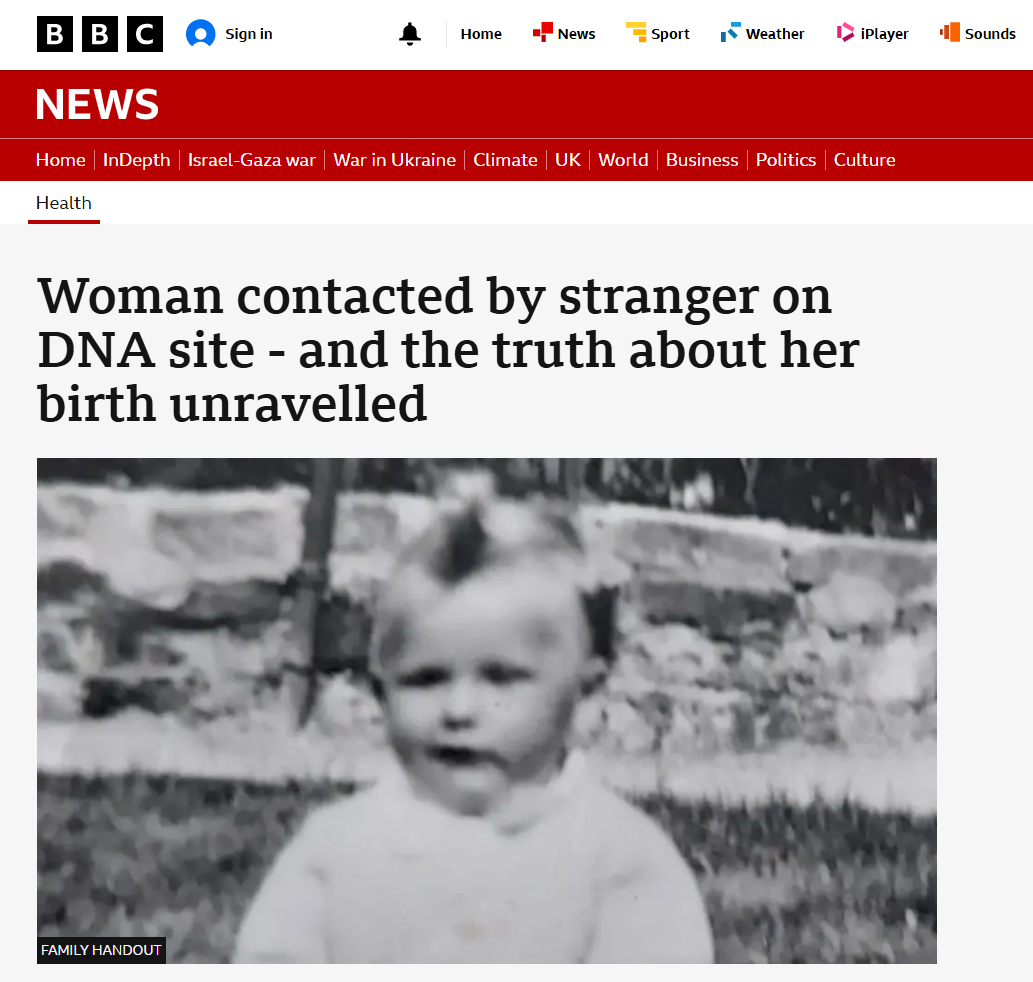
I’ve included just a couple of, extreme, examples of how these kinds of unexpected consequences can play out in real life. The first is a BBC News story that came about because a woman was contacted by a stranger after sending off her DNA via an ancestry site. From the results it eventually became apparent that she had been accidentally swapped as a baby in a hospital in her 50’s with another child. Thus having dramatic and rather unexpected consequences for her and her family.
The other example I’ve included links to a couple of documentaries where the use of DNA matching platforms has uncovered serious misdemeanors or crimes, including IVF undertaken using the sperm of medical professionals without the knowledge or consent of the parents involved, and sperm donors being involved in the insemination of more couples than disclosed, thus increasing the risk of their children potentially interacting/dating/mating in later life without knowledge of their genetic linkage. This is obviously not the fault of the DNA matching service, and is something that is beneficial to uncover and stop, but has hugely dramatic impacts on those involved without any prior warning or support in place. It certainly wasn’t what they expected when they sent away their swab.
Is it just human DNA that counts?
Finally, to follow up on the takes of the unexpected, and because infections are fascinating, I wanted to share a link to a video that I think is really great about the first time DNA testing of HIV was actually used to convict someone of a crime. This one isn’t a word of warning, as I suspect that none of us are going to decide to deliberately inject someone with HIV contaminated blood, but I wanted to end this section with something where the use of DNA testing in the hands of people who really know what they are doing is a powerful tool for good. Also, because I wanted to give a non-human example of where I think some of this may go in the future.
What do we need to know before we start to send our DNA away?
Having laid out my warning stall, I wanted to go through some things I think you should actively think about before sending your DNA away.
What is the legal situation?
First and foremost, the sending of DNA away for processing is covered under something called the Human Tissue Act or HTA (in England). I’m flagging this as the first thing as, unlike what you see on TV, you should not be taking DNA from other people and sending it off to see what it says, and especially not for any form of DNA match testing. In the UK, if you do take anyone’s DNA sample without them being aware of it, it is considered a violation and you are liable to prosecution which can result in up to 3 years imprisonment. It is not OK to steal someone else’s DNA without their consent! There’s a lot to this one and I’m not a legal expert, but it seems to be something that many people are not aware of and now you know.
What level of information will be gathered?
All of the different tests offered will do things, and companies interpret the results slightly differently. It’s incredibly important to know what you are sending your DNA away to be tested for, how it will be tested and what kind of information you can expect back.
The main types of DNA tests and the areas they analyse are:
Autosomal DNA Tests = examine the 22 pairs of autosomes and the X chromosome. Commonly used for ancestry testing and can help determine ethnic origins, identify genetic predispositions, and find relatives. Utilise single nucleotide polymorphisms (SNPs), which are variations in a single DNA base pair
Y-DNA Tests = analyze the Y chromosome, which is passed down from father to son. Used for tracing paternal lineage and can be helpful in genealogical research
Mitochondrial DNA (mtDNA) Tests = use mitochondrial DNA, which is inherited maternally (from your mother) used for tracing maternal lineage and can be helpful in genealogical research
Paternity Tests = examines specific regions (loci) on the chromosomes to look at parental relationships
Health-Related Genetic Tests = looks for specific genes or regions of the genome that are associated with certain health conditions to try to identify genetic risks, diagnose genetic disorders, or assess treatment options
You may need to read the small print to really understand how the testing will be undertaken and to manage your expectations. If you can, make sure you look up examples of what the results you will receive will look like, and if there would be any follow up support given. Also, crucially see if there will be additional funding required to get access to the full data set you are expecting so you don’t get hit by any unexpected requirements.
How will data be used?
The next few sections are all linked to what happens to the results of your testing that you are sending away.
The first thing to check before you send off your test is how long will your data be stored for once. This is important for you in terms of being able to access reports, but also about how long your legacy data will be available. Will you have access to wider information if you request it to be passed to your healthcare provider? Is there any information on the data analysis tools used? Are you even allowed to ask questions or is all patented and under intellectual property rules, which is reasonable but you should know what the boundaries are. Most healthcare reports should be kept for at least 10 years, but as these are covered under different guidance, will you only have access to download your data for a set period of time? Will it be possible to get your own local back up of your data? Once you know the answers to these questions you can then make active choices and comparisons about which aspects are important for you.
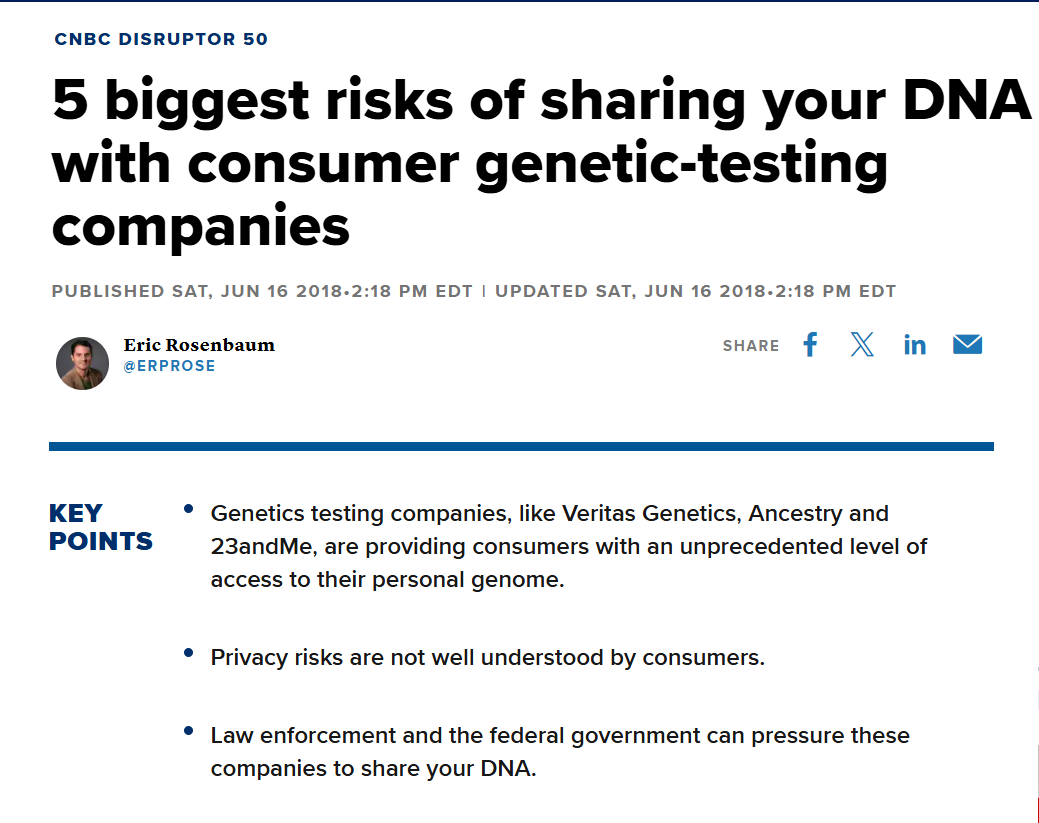
The article below is a little old, as it’s from 2018, but many of the questions still stand. How carefully will your data be ring fenced? You may not think about it much, as your DNA may hold little financial value to you, but DNA databases are one of the main assets that companies who process your DNA have, and why the testing is actually relatively cheap. Having access to thousands of DNA sequences, along with medical histories sometimes, means that data is incredibly value for scientific and commercial development. This is OK, we need sequences to develop new testing. Pharmacy companies also need access to sequences to develop and model new medicine. Therefore, it is likely that your data monetised and used for other purposes, which may or may not be OK with you. The big question to ask is whether it will be anonymised and how it will be used. Knowing this information before you commit allows you make informed choices, as not all companies are likely to be identical in how they handle things.
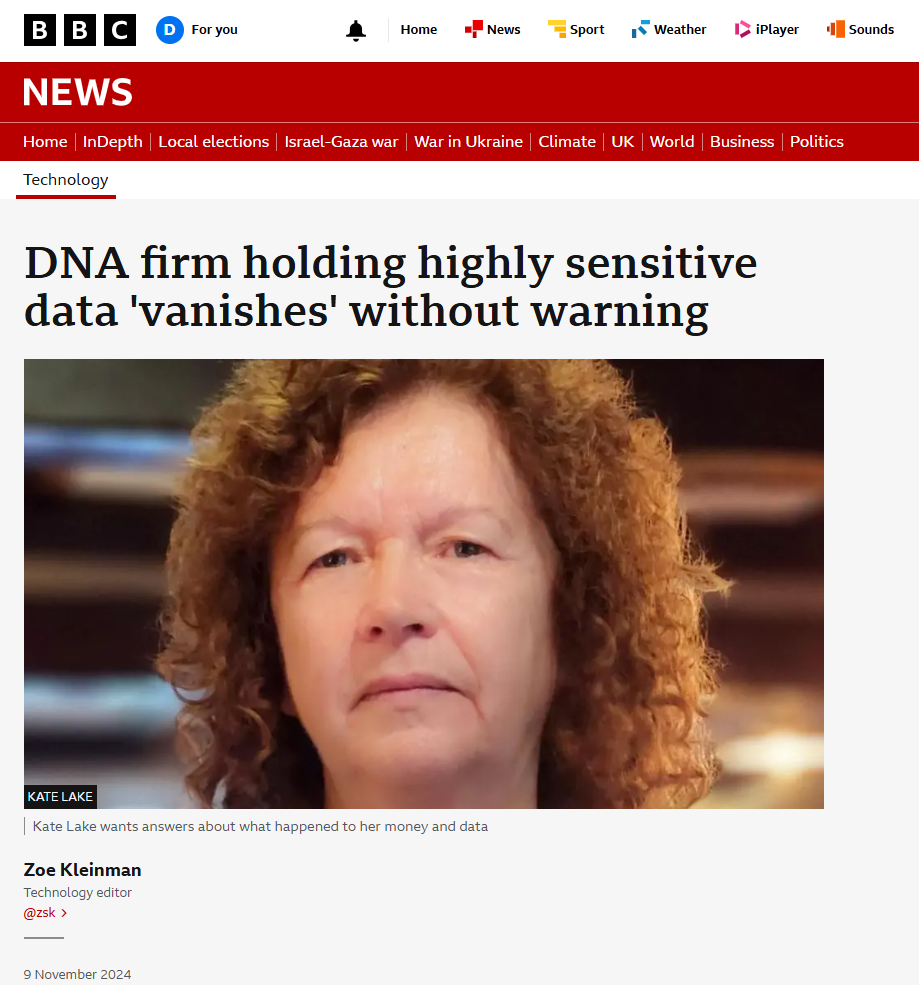
Another aspect that you might not think about is data security. If your data is of value to the company, and therefore is a potential asset, then it may be of interest to others. This can make data security to prevent things, such as hacking, important. This could be especially true if your DNA reveals linkages of significance, or things that you might not wish disclosed, such as cancer risk. Doing some research to ensure the security of any data that is held is important, but not often high on the list of questions that people ask.
Who can data be released to without my knowledge?
I’ve talked above about who will have access to your data, but mostly I talked about your anonymised data. It may not just be anonymised data that you are concerned about by however. If you are sending off for testing that relates to cardiac, cancer, diabetes or other risks, than this can have much wider impacts if shared. The legal landscape in relation to this is very much changing and catching up with the concept of genetic information as a protected asset is slow. Also, warning, I’m no expert in this. However, when sending away for this kind of testing it is important to know that it is often not covered by medical confidentiality, as it’s not considered a medical test when conducted via private companies. Being aware of how this impacts the rules around your data and what the company will or will not release is key. Why is it key? Well, it can impact all kinds of insurance schemes, from requirements to declare for holiday insurance if you are seen as ‘knowing’ a risk, to life insurance changes in cost or profile if released directly to the company. Knowing whether your personal, non-anonymised data can or will be released is essential before choosing whether or to whom you’re prepared to send you swab away to.
I suspect that this last point will probably impact those of you reading this blog less, but for to complete this list…….your DNA can also be released to law enforcement, depending on the country, so if you’ve secretly been a mass murderer then maybe don’t send your swab away and get your DNA added to a mass database.
What will happen if the company is sold?
As I said earlier, one of the biggest assets these companies hold is the databases of DNA sequences which we provide them. When something happens to the company therefore, it is this asset that many of those interested in the company might be after, and they may have nothing to do with the purpose you sent your testing for. Reading the small print before you send away your sample may not be able to prepare you for what happens when those rules change and you are no longer dealing with your original commercial provider. The one thing you can do in these circumstances in understand what access and rights you have to request that your data is deleted, or to delete it yourself, in the case that circumstances change.
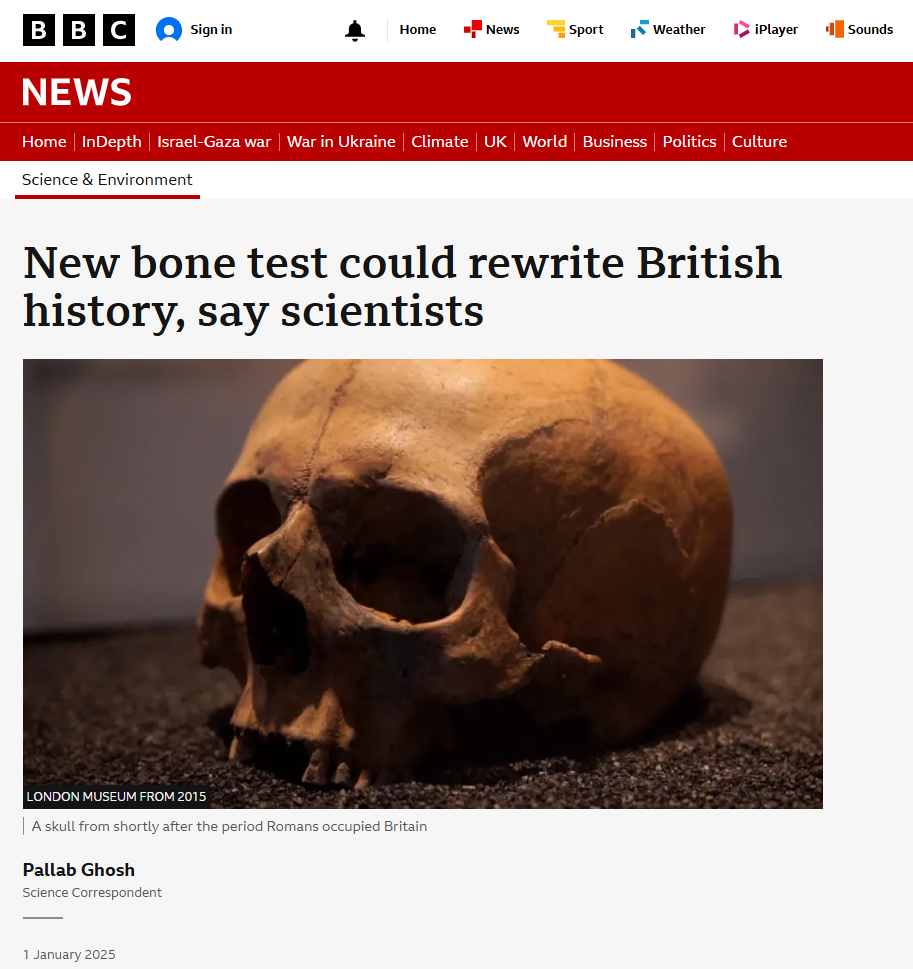
I’m aware that the section above on what you might need to think about is pretty heavy and so I wanted to finish part 2 on something a little more population level and upbeat in relation to why having access to this testing is a good thing for science in general. For instance, we know that the ability to undertake ancestral testing was a reason that the bones of Richard III were identified and confirmed, which had big impacts for history buffs. It show that the use of wider availability of testing has all kinds of benefits, and not just to science. In terms of wider science, being able to look at bones using DNA testing has supported identification of Mycobacterium tuberculosis as present in Egyptian mummies which has helped us understand the evolution of this infection over centuries. More recently, looking at the development of Homo sapiens and how we became the human beings we are today has been forever changed by wider applications of these methods. Use of these technologies can therefore impact all aspects of our lives moving forward, and it really is up to us, both as individuals and as a society, about where they work for us.
Parts three and four of this blog series will be linked to book reviews that explore what those futures could looks like if the use of DNA testing and genetic manipulation change how we look at ourselves and others. So join me in continuing to explore the power of DNA.
Friday just gone, 25th April, was World DNA Day. I’ve had a series of blogs that I’ve been playing around with linked to what DNA is, how we look for and investigate it and how we are exploring DNA in our everyday lives. Linked to this I’ve also got two book reviews coming where the world changes because of genetic testing and genetic manipulation. So this is the first of four part DNA bonanza.
I thought I would write these posts, because as much as artificial intelligence could change the way we live and is frequently discussed, we are all accessing DNA based testing more and more, with many of us not really thinking about how this too is changing the world in which we live.
I remember really clearly the first time I actively came across the concept of DNA, DNA testing and DNA manipulation. It was in Jurassic Park, when Mr DNA pops up at the start of the film to talk you through how they used DNA and cloning in order to make the dinosaurs. This film came out in 1993, I was 13 and I just remember how all of my class were queuing up to get tickets. It was the first film I really remember there being hype about, well that and Aladdin which was a different kind of seminal moment. It was the first film I remember watching and thinking just how cool science and scientists were.
In fact I talk about Mr DNA so much that the wonderful Mr Girlymicro brought me a Mr DNA Funko pop which lives on my desk at work and reminds me that the impression we make on people stays with them.
What does all this have to do with how we use DNA now? Well, in 1990 when Jurassic Park came out, the routine use of DNA, even in research, was still pretty much science fiction. The structure of DNA had only been described in 1953. Polymerase Chain Reaction (PCR), which is the main way we investigate DNA, had only been developed in 1983, and was only starting to become more widely available in the 1990’s. When I started working within healthcare in 2004, we were only really just starting to move from PCR being something that was used in research to something that was common place in clinical diagnostics. The leap from there, to a world where thousands of us can swab ourselves at home and post samples off to be diagnosed with SARS CoV2 during the pandemic, or to get information on our genetic heritage, would have sounded like something that would only occur in a science fiction novel if you’d mentioned to me back theb.
Just a flag, this part one post has a lot of the technical stuff linked to what DNA is and how we investigate it. You may want to skip this post and head directly for part two if you don’t want to be reminded of secondary school science, but if you can bear with me I think it will help some of the context.
What is DNA?
DNA, or to give it its full name Deoxyribonucleic acid, is commonly referred to as the building block of life. The structure of DNA consists of a double-stranded helix held together by complementary base pairs. The nucleotides that form the base pairs are adenine, thymine, guanine or cytosine. These nucleotides act to link the two strands together via hydrogen bonds, with thymine always pairing with adenine (T-A) and guanine always pairing with cytosine (G-C).
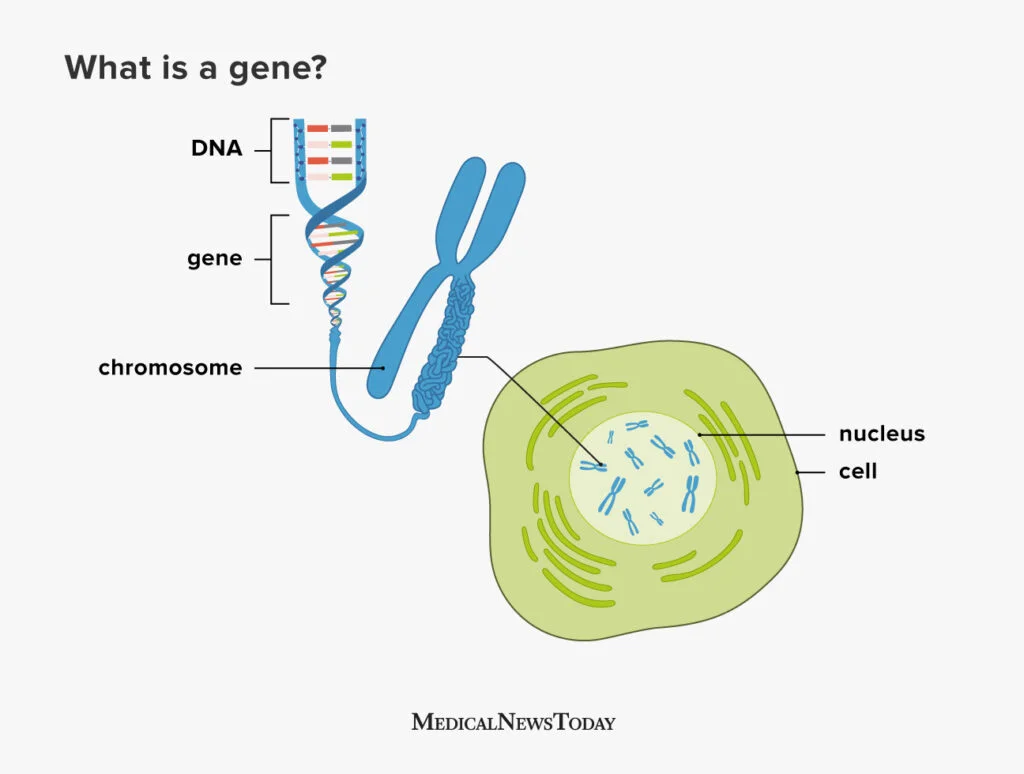
Sections of DNA then combine together together to code for genes, which are sections of DNA that work together in order to code for proteins, that then permits the expression of our DNA in physical form.
Genes are organised into chromosomes or packages of DNA. Each chromosome is formed from a single, enormously long DNA molecule that contains a strand of many genes, with the human genome containing 3.2 × 10⁹ DNA (3,200,000,000) nucleotide pairs, divided into 46 chromosomes formed from 23 pairs (22 pairs of different autosomes and a pair sex chromosomes).
So how do we get from DNA to proteins? The specific sequences of nucleotides that form our DNA are arranged in triplets (groups of three). To turn DNA into protein, it gets transcribed into RNA (ribonucleic acid) within cells, with each of these triplets coding (translating) into an amino acid, which then get combined together to form proteins. The amino acids combined dictate what form and function the resulting proteins takes. Proteins then serve as structural support, biochemical catalysts, hormones, enzymes, and building blocks for all the processes we need to survive as humans.
Long and short, everything comes from your DNA, it’s super important, and is unique to you, but it’s structure is complex and there’s a lot of it in each of us.
How do we investigate DNA?
Now that we know about what DNA is, and how important it is for life, not just for humans but for all living things, it makes sense why so much time and energy has been deployed into understanding more about what it means for us as a species, as well as for us as individuals.
I’ve mentioned that PCR was first developed in the 80’s but didn’t really come into routine clinical testing until the 2000’s. What is PCR though and how does it work?
I often describe PCR as a way to look for DNA that is similar to looking for a needle in a 25 story block of flats sized haystack. The human genome is 3.2 billion base pairs, and we are often looking for a fragment of DNA about 150 base pairs in length, 1/21 millionth of the genome. It’s quite the technical challenge and you can see why it took quite a while to be able to move from theoretically possible to every day use. What makes it even more complicated is that you need to know what that 150 nucleotide fragment is likely to contain or where it is likely to be positioned within those 3.2 billion base pairs to really do it well. The human genome was not fully sequenced, and therefore available to us to design against, until the year before I started my training at GOSH, 2003. The progress therefore in the last 20 years has been extraordinary, and I can only imagine what will happen in the next 20 years. Hence the book reviews that will be coming as parts 3 and 4 of this blog.
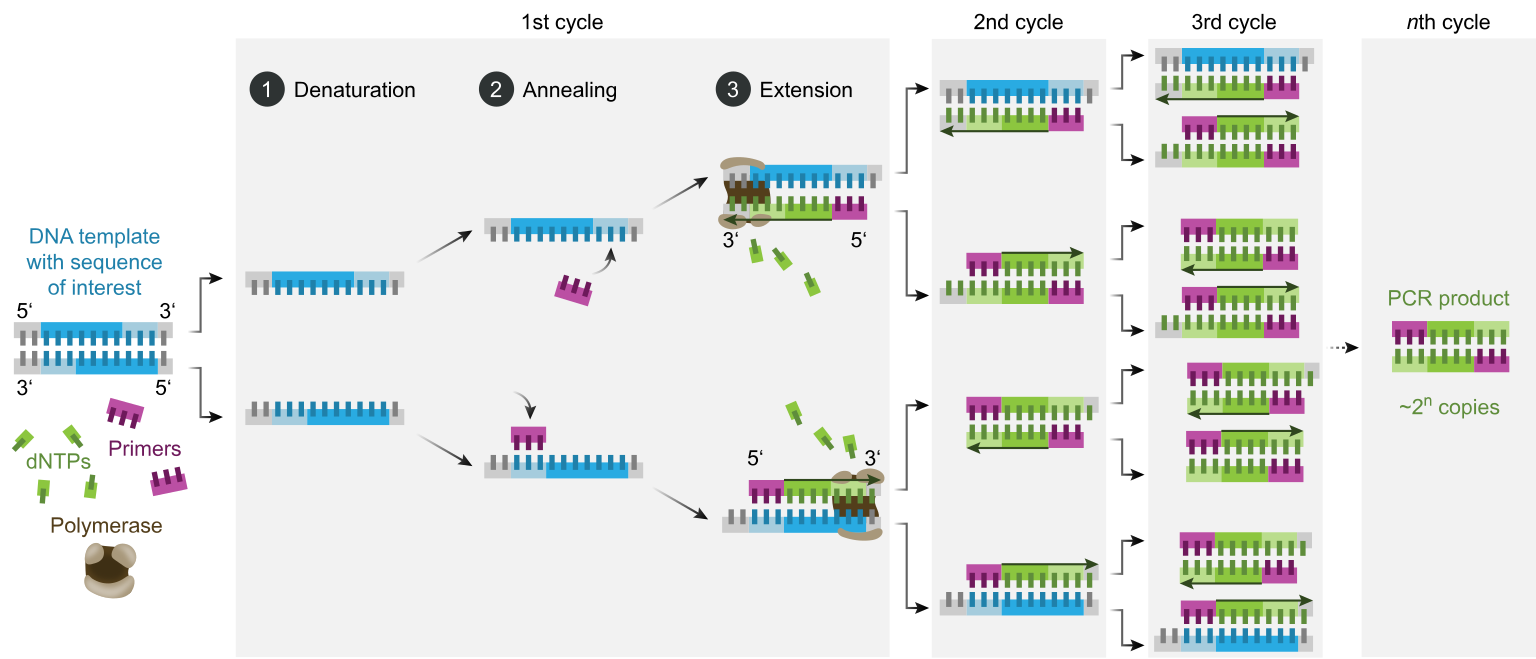
So, how does PCR work? Well the first thing to say is that there are actually a number of different types of PCR, although the basic principles are the same. For example, there are some types of PCR that target RNA. There are also types of PCR that are used more frequently within clinical settings for things like SARS CoV2 testing, that are called Real Time PCR, called that as results become available in real time rather than waiting for the end of the process. It is for Real Time PCR that the small ~150 nucleotide fragment length is an issue. So all of these processes have their own pros and cons. Like many things in science, you have to use the right process to answer the right question.
The basic principles shared between types of PCR are as follows:
Designing your primers:
Primers are the pieces of DNA that you design and make that will stick to your target piece of DNA you are interested in. The reason this works is because of the fact that the nucleotides that make up DNA are complimentary and so A binds to T, C binds to G. As DNA is double stranded you can design your primers (your equivalent to the magnets to find you needle in your haystack) so that they will bind to your specific target (the piece of DNA you are interest in). If you want to have your primer stick to a piece of DNA sequence that reads AAG CTC TTG, you would design a primer that ran TTC GAG AAC using the complementary bases, make sense?
You design one set of primers for one strand, this is called your forward primer (moving from 5′ to 3′), and then you design your reverse primer at the other end of your target for the opposite DNA strand (moving from 3′ to 5′). Doing it this way means that when you start your PCR process you end up with complete copies of your target. You will then successfully have pulled the needle from your haystack using you targeted magnets.
Undertaking the PCR:
Once you’ve got your primers (which you can just order in once designed) you can then get onto the process of the PCR itself. You combine your sample that you think might contain the DNA target you are looking for (be that human, bacterial, environmental etc) with the reagents (chemicals) that you need to make the process work all in a single small tube. This tends to be a delicate process that needs to be undertaken at controlled temperatures as the protein that runs the process (Taq polymerase) is delicate and expensive. To do this we combine:
DNA Template: This is the sample that contains the DNA target you want to amplify
DNA Polymerase: Almost always this is Taq polymerase which is used due to its heat-stability as it originates from a bacteria that lives it deep sea vents. This allows it to function at the high temperatures required for PCR and is used to make the new DNA copies
Primers: These are the short, synthetic DNA sequences that you design to attach to either end of your target DNA region. These then allow the DNA polymerase to add nucleotides to create the new DNA strands
Nucleotides (dNTPs): These are single nucleotides (bases) that are then used to build the new DNA strands (adenine, thymine, guanine, and cytosine)
Buffer Solution: This solution provides the optimal conditions (pH, salt concentration) for the enzyme to function properly
Once you have your reagents you then put them on a platform that heats and cools for different steps to allow the enzymes to work and for the new DNA strands to be created:
Denaturation: The double-stranded DNA template is heated (typically to 95°C) to separate it into two single strands. This step ensures that the primers can access the DNA sequence of interest
Annealing: The temperature is lowered (typically to 50-60°C) to allow primers to bind to their complementary sequences on the single-stranded DNA. This is the step where your magnets find their needle
Extension: The temperature is raised again (usually to somewhere around 72°C, the optimal temperature for Taq polymerase activity). Taq polymerase extends the primers by adding complementary nucleotides based on the DNA sequence to create new copies of the original DNA target
These three stages are repeated in cycles, typically 20-40 times, which results in thousands and thousands of copies of the original target to be created, so that eventually your 25 storey haystack is made up of more needles than it is hay, and therefore it is easy to find what you are looking for.
Interpreting your results:
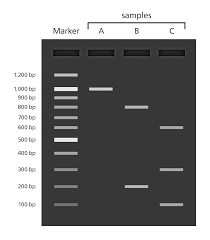
At the end of your PCR step, if you are using traditional PCR, you run what is now called your PCR product or amplicon (the things you’ve made) through something called a gel. This is just a flat jelly made of agarose (or seaweed) which also contains a dye that binds to DNA and allows to separate your DNA based on size. This allows you pick out where you have samples that have the massive amplification you are looking for, as you can see it as a band within the gel. If a band is there and the right size (as you know how big your target was supposed to be) this is a PCR positive.
If you need to know more detail than whether something is present or absent, for instance if you need to know not just that a gene is there but which variant of a gene is present, you need to be able to tell what the nucleotides that were added between your two primers actually were. To do this, you will follow up PCR with a process called sequencing.
You take your target PCR’d section and then put it through a process to work out what the nucleotides added were. This involves doing the PCR process again, to make even more copies, but the nucleotides added into the reagent mix have fluorescence attached so you can tell which ones have been added during the PCR process. G’s often produce a black colour when hit by light, A’s green, T’s red and C’s blue.
For our original sequence we talked about, AAG CTC TTG, the sequence would read Green, Green, Black then Blue, Red, Blue followed by Red Red Black. Colours are then back interpreted into a DNA sequence (a series of letters) and there you have it, you know what the DNA is between your primers and you can then interpret your sequencing result. If you have large fragments of DNA you are interested in, you may have to do this in overlapping segments and put it back together, something like a jigsaw, before you can get your answer, but the basic process is the same.
What can DNA tell us?
As I’ve said, the search for DNA and specific genes has become an increasingly normal part of providing diagnostics in healthcare. Most of us will have sent off a swab for a PCR at least once during the COVID-19 pandemic. PCRs are frequently used in my world of infectious diseases to see if a bacteria is present or absent. They are also used so that I am able to see if a bacteria will respond to an antibiotic, by seeing if they carry antibiotic resistance genes, which can be crucial to getting patients on the right treatment at the right time.
Looking for specific variants of genes is also key to making sure that the treatments we give also don’t cause any unexpected consequences. A good example of this is when we use PCR and sequencing to look at genetic variants of a gene called MT-RNR1. A specific variant in this gene, m.1555A>G, is known to increase the risk of aminoglycoside-induced hearing loss. Aminoglycosides are a crucial antibiotic class that are used pretty widely, but especially in management of some conditions such as cystic fibrosis and certain types of cancers. A small number of people have a gene that makes them prone to something called ototoxicity as a result of taking these antibiotics, resulting in hearing loss. If we know a patient has this gene variant we can then choose to use different antibiotics, improving patient outcomes and avoiding a life long hearing impact.
Outside of screening linked to patients presenting with specific conditions, the use of DNA sequencing is being utilised more widely to look for genes or conditions before they even present with symptoms, in order to reduce time to diagnosis, and hopefully to be able to find patients and start management before they’re impacted or even present as unwell. A great example of this is the newborn screening programme that started last year. This screens newborns using the heel pricks of blood taken at birth so that rare diseases that could take months or years to diagnose by traditional means are picked up early in life, therefore allowing appropriate treatment to start earlier and hopefully saving lives.
DNA is fascinating and I love knowing about it. It’s not just me though. In recent years there has been an increasing trend for people to send off their DNA for other purposes than to hospitals for clinical testing. I’m not going to say too much about this in part one, but it was this that really inspired me to write these posts in the first place and is the main focus of part two of this blog series.
Just a quick google however provides a wide number of different companies offering a variety of DNA testing services outside of the NHS (NB I don’t advocate for any of them):
Crystal Health Group: Operates a network of DNA testing clinics, offering relationship testing and other services.
23andMe: Provides DNA testing for health, ancestry, and other personal insights.
Living DNA: Focuses on both ancestry and wellbeing-related DNA testing.
MyHeritage: Provides DNA testing, particularly for ancestry research.
AncestryDNA: Company specialising in DNA testing for ancestry discovery.
The complication with all of this type of provision of testing is that outside of the clinical world in the UK, where testing should be undertaken in accredited laboratories and reporting of the results must meet certain standards, sending off DNA to private companies is much less monitored.
I hope you can see by some of the technical descriptions just how complicated these DNA processes can be. How time consuming, and how expensive to get right. There is also a lot of nuance about the different types of PCR, sequencing, gene targets, and results analysis that can be offered under the umbrella of ‘DNA testing’. Without the right people involved to make sure that there is embedded quality assurance challenges could arise, depending on what kind of testing is undertaken.
As stated in a recent Independent article:
As they’re based on estimates, I suggest treating home DNA tests as a fun investigation to get to know your family history a little better rather than a to-the-letter representation of everything that’s ever happened in your gene pool – Ella Duggan Friday 28 March 2025
The devil for all of these things really is in the detail, and we’ll get into that detail much more in part two! For those of you interested in learning more about the history of DNA testing, I’ve included a talk below. Happy World DNA Day













 Girlymicro