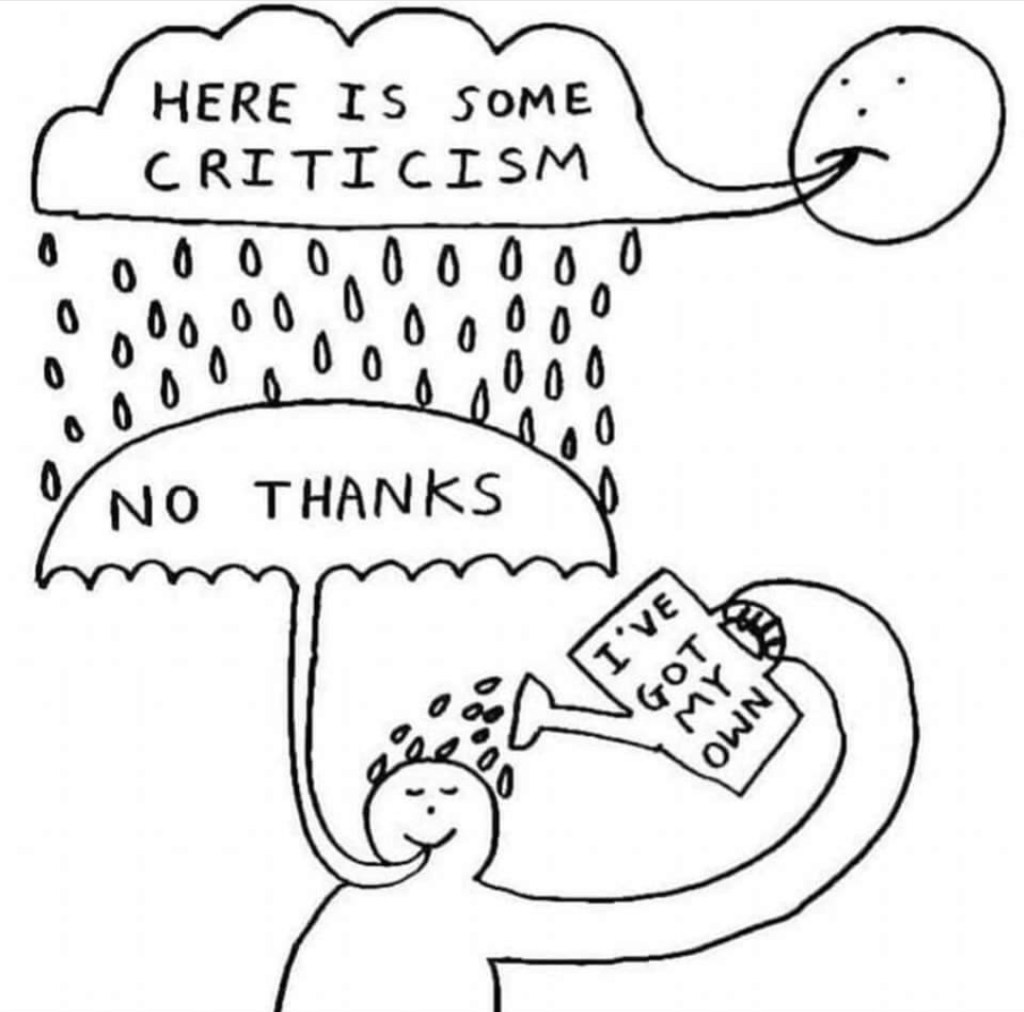
Methods for Dealing with Rejection: Remembering there is a difference between ‘that wasn’t for me/us’ and ‘oh that’s bad’

Rejection and my ability to deal with it have been on my mind a lot lately. This is because I finally got over myself and started submitting a book proposal linked to this blog and feel like I’ve now become the Bridget Jones of the submission world, overly obsessed with approval and external validation. The thing is only 1 – 2% of books get picked up, which shocked me as it’s even worse than the success for grants, which is about 20%. However, having lived in an academic world filled with rejection for almost 20 years now, it is not like rejection is new to me.

I blogged a bit about the idea of writing a book when I first started playing with the idea, but it’s been a while, and it’s hopefully progressed on a bit. I ummmm’d and ahhhhh’d about keeping the details of this phase to myself, as there is a literal 99% chance of failure, but that doesn’t really align to my values.  It’s also caused me to actively reflect on rejection and how I manage it. As rejection is prominent across all areas of science (and life), I hope by talking about my tips for dealing with it, that I can share my learning and support others who may be going through similar things, whatever the source of the rejection.

Acknowledge that failure/rejection hurts and that’s OK

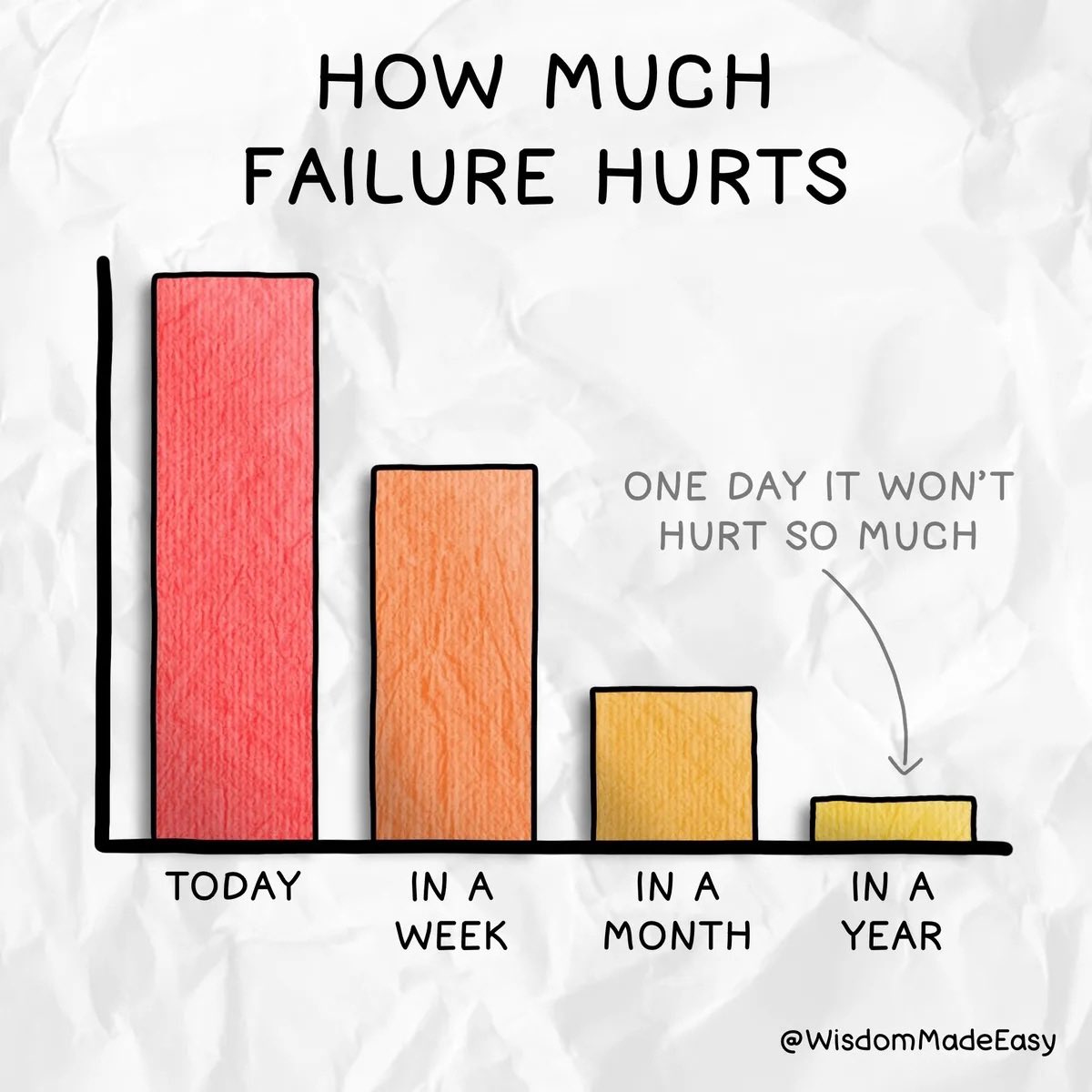
Let’s start by being honest. Failure hurts. It does. There’s no way around it. If it didn’t hurt, so many of us wouldn’t fear it so much. I have begun to think, however, that the reason it hurts as much as it does is because it forces us to have a look in the mirror and reassess, often with increased clarity. It forces introspection upon us, and that can be a challenging thing.

Failure is inevitable however, it’s a key part of the learning process, and the sooner we embrace that inevitability, the better placed we will be to deal with it when it arrives. Developing coping strategies and knowing yourself enough to manage your response is key. For instance, I have 2 key methods. First, I never only have a single plan. Therefore, if grant A is rejected, I will always have hope that grant B is still making its way through the system. Not having all my eggs in one basket keeps me sane. Second, I allow myself an indulgent 48 hour grieving period for failure. I allow myself to feel, to feel disappointed, to move through the self critical emotions without further self critique by forcing denial. 48 hours. That’s it. After that, I move to a more forward focused place. What’s next? What have I learnt? If I try this without the grieving period, I carry it with me, so I’ve learnt I need to move through the emotional aspects before my logical brain can kick in.

Find your support

As I’ve said, failure and rejection hurt, and like other forms of emotional trauma, your recovery is quicker with friends. From going out for cocktails during a breakup, to tea and cake when a paper is rejected, support is key. During the 48 hour grieving period, I may quite frankly need some bitching time. Some time to make the rejection about ‘the system’ rather than myself, to move towards depersonalising the failure. I may also need someone who can point out that the failure is definitely not as bad as it first appears and that the world is, in fact, not actually ending.

Put it into context

The reason the 48-hour grieving period is key for me is because all failure and rejection come with learning opportunities. The challenge is to get to the point where you can make the most of these. For me, I have to move from an emotional headspace to a growth mindset that’s more based in logic in order for this to happen. My emotions and passion drive my creativity, but when out of control, they act as barriers to seeing the big picture and where the learning lies.

Once I’m in a place where I can undertake a true review, there’s always something I can learn. Be that based on feedback I’ve received, be that based on how I’ve handled either the initial experience or my response to it, or the onboarding of more knowledge linked to the strategic landscape which will enable me to do better next time. Being open to this learning is what moves failure iteratively towards success, and if we don’t find a way to engage with it, we’re just doomed to repeat the outcome.

Evaluate when a ‘no’ is a ‘not for us’ – taking yourself out of the mix

Context is key. Without it, you can’t truly get to a place where you can understand feedback. There is, for instance, a big difference between a no and a not for us. I mean, I know the outcome is the same, but the process of moving forward is different. If something is ‘not for us’ it feels different. A flat ‘no’ can feel like a value judgement. It can feel like the idea/work is bad. A ‘not for us’ doesn’t feel the same. It means that the drivers and vision of the people who are assessing don’t align with your proposal. There are always more people, though. There are always other visions, and so this type of rejection is actually an opportunity, an opportunity to find someone who better aligns with where you want to be. I find one crushes my dream, the other opens a different set of doors.

Focus on what you can control

So much of the scientific and writing process ends in a place where we are not fully in control of the outcomes. That said, in the process, there is so much that you can control. You can control your approach, who you are submitting to, what your aspirations for the work are, and how you balance that with other pieces of work that you have in process. I find I need to trick my brain so that when I have something that has reached the part of the process that I have little or no control over, I am still working on another piece of work where I am still in control of the process, be that a paper, grant, blog post etc. This helps to stop me spiralling and obsessing about something I can no longer influence.

Have a plan A, B, and C

One of the key ways I’ve developed to maintain a sense of control is to understand there is never a single route to getting things done. There are always multiple ways to approach any aspiration and once you acknowledge this, you can make sure you include some of these alternatives in your planning.

The other component of this is to make sure that ‘the plan’ is rooted in realism, in both approach and time scale. There is nothing more disheartening than having a plan/approach that fails due to a lack of research/understanding. This is where your baseline skills as a researcher will come into their own. No matter the task, take the time to familiarise yourself with the barriers and options to ensure your plan is up to scratch.

Take inspiration from those who have succeeded

Big steps take time, and how you feel during this period is rarely static. There are times when I will love a paper, feel completely prepared for an exam, or feel like my dream could be a reality. Then, there are moments when I hate everything I’ve done and question why I thought I could ‘do it’.

At times like these, it’s worth looking to others for inspiration. For instance, Professor Julia Lockheart and Professor Mark Blagrove from DreamsID (https://dreamsid.com/index.html) invited me to their book launch earlier this year. Seeing their dreams made real was really inspiring and provided an extra push to just get on with following my own. When everything feels too far from reality, look to those who can demonstrate the outcome you are aspiring for.

When it’s all too much focus on associated goals

Sometimes, the dream itself is not enough. Running head-on at goal can, at times, be both painful and exhausting. When this becomes overwhelming, it’s sometimes better to choose to come at things sideways or progress associated goals for a while. For instance, if that paper has been rejected for the 4th time, it might be time to write a blog post on it and use that as a different opportunity to think about the core message.

This can be a really useful approach for the lulls that will inevitably occur, either because you’re waiting on responses or because you have to build yourself up to try again. These periods can feel like ‘dead time’, and trying to make more direct progress can just leave you feeling despondent. Understanding this and knowing how you can keep going in a different way helps.

Press the reset button – Decide whether it’s worth the pain – Return to your why

Despite all of these thoughts about how to manage rejection and carry on, I want to make clear that it is also OK to think about quitting. This sounds a bit strange doesn’t it, after all, in science we don’t quit. Except we do. Part of our growth is being able to reexamine our work, be that an experiment, paper, or project in light of new information. When you get rejections, then it is important to decide whether someone has spotted a fundamental flaw that you just can’t fix or takes the work in a direction you just don’t want to follow. This isn’t encouragement to throw the baby out with the bath water, but an acknowledgement that there are times when the right decision is to pause or discard a piece of work and that it’s important to acknowledge that as part of our processing.

Evaluate progress made

Once you’ve decided that you are still invested or that the piece of work you are doing still has value, to you or others, then it’s important to remind yourself of how far you’ve come. It will always be further than you think. This is easier if you had a plan when starting out, but even if not, you can spend 10 minutes just listing all the steps you have proactively taken in moving towards your goal. Listing your rejections and the learning from them is a key part of this evaluation process. Putting everything down in one place may enable you to see opportunities you might have missed or help develop your plan B and C options further. I would advocate doing this regularly, even in the absence of rejections, but it can be a particularly useful re-centering process when things feel hard.

Understand that the only way is through

Finally, if you’ve decided that what you are undertaking still matches your why, and that it is not flawed enough to walk away from, the only thing to do is JFDI (just f**king do it). Keep the faith, both in the work and yourself, and go all in despite how hard it can feel. Have a plan and take a single step at a time, until, before you know it, you’ve reached your destination. Anything worthwhile is worth the effort, and future you will thank past you for your persistence and determination. Have a hard conversation with yourself, and just keep going.

All opinions in this blog are my own

If you would like more tips and advice linked to your PhD journey then the first every Girlymicrobiologist book is here to help!

This book goes beyond the typical academic handbook, acknowledging the unique challenges and triumphs faced by PhD students and offering relatable, real-world advice to help you:

  • Master the art of effective research and time management to stay organized and on track.
  • Build a supportive network of peers, mentors, and supervisors to overcome challenges and foster collaboration.
  • Maintain a healthy work-life balance by prioritizing self-care and avoiding burnout.
  • Embrace the unexpected and view setbacks as opportunities for growth and innovation.
  • Navigate the complexities of academia with confidence and build a strong professional network

This book starts at the very beginning, with why you might want to do a PhD, how you might decide what route to PhD is right for you, and what a successful application might look like.

It then takes you through your PhD journey, year by year, with tips about how to approach and succeed during significant moments, such as attending your first conference, or writing your first academic paper.

Finally, you will discover what other skills you need to develop during your PhD to give you the best route to success after your viva. All of this supported by links to activities on The Girlymicrobiologist blog, to help you with practical exercises in order to apply what you have learned.

Take a look on Amazon to find out more

A Thank You Shout Out to the Enablers: The people who help get things done but are often invisible

The Environment Network ran its 7th annual event last week, and it got me thinking. Thinking about all the people it takes to make such a thing happen. All the people that give of their time freely to enable a concept come to fruition. We all know these people. They are often not the ones who stand at the front of the room opening the day, being ‘the face’. They are the cheerleaders, the ones who print and stuff name badges. The ones who, outside of events, see what’s proposed and jump on board to help break down barriers. The ones who say ‘We can’ instead of of ‘We can’t’. Also, having shared the first chapter of my book earlier this week, I really wanted to write a post dedicated to thanking those who always get on board my crazy idea train to help it reach its destination, not for the glory or the visibility, but because they see the value in the journey.

It’s also my birthday week and here is the birthday present of all my favourite things my fabulous team gave me – Isn’t it awesome!

Thank you to those that inspire

I think there are so many people out there who inspire me and inspire others and don’t really even know it. People who just think they are doing their jobs, or their ‘thing’, who don’t see it as special. I really want to start naming people throughout this post, but if I did, I think it would be thousands of names, and most of you won’t know who they are. Instead, I’m going to make a vow to tell people instead of just thinking it.

These people inspire me to do better, to think outside the box, to keep going when things are tough, and remind me of my values and my why. Creativity of approach needs inspiration, and there are so many of you that I am grateful to.

Thank you to those that facilitate

Big ideas come often come with big price tags, be that in time or money. I don’t have either of those things in abundance and so this is a big one for me. So many people come together to make these big ideas come about by giving of their time freely, or much cheaper than they would charge otherwise, just so that those ideas can turn into a reality. You won’t know these people who spend hours printing and prepping, booking train tickets, hotels, or chasing consumables or organising actors, but none of this would happen without them. They are the people who really make stuff happen but don’t get the spotlight. These people deserve it all and rarely get any recognition. I see you all, and I am so thankful. I know how much I get to realise my dreams because of the work you do.

Thank you to those who keep the rest of the world turning

Whilst I am off ‘swanning about’ teaching or at meetings, trying to change the way we do things now, I want to give a thank you shout out to those who keep ‘the now’ working. I recognise my ‘head in the clouds’ thinking can be challenging to the people invested in the day to day. So I want to recognise everyone whose hard work means that I can do what I do and thank you for your patience. Especially those who are so open in their support of why I do it and give me permission to keep being me. I’m not sure gratitude is enough, but it’s a place to start.

Thank you to those who don’t come with a price

So much comes with a price, fact of life. This thank you goes out to all those whose view of life is not transactional, the people who don’t say ‘I will do X for you if you do Y for me’. There’s nothing wrong with that transactional life view. It’s often the price of getting things done. I do have a special place in my heart though for people who build relationships and know that all things come right in the end and therefore aren’t interested in the quid pro quo. The people who grow over time to feel more like friends and family than colleagues. You guys are always there, I hope you will always get more than you give, and I can’t wait to get to spend decades in your company and shout your praises.

Thank you to those who believe

Big dreams require leaps of faith. Now, the process is often a lonely one, but it is made less so when you are surrounded by those who buy into those dreams, not because they have evidence that you can achieve them, but purely on the basis that they have faith in you. It is easy to see the barriers. It is so easy to criticise and say that some dreams are unattainable. I want to say thank you to all those people who see that supporting one another’s dreams comes at no cost to the individual. To those who see the vision, even before it’s well enough developed to be articulated elegantly. To those who share the joy of exploring the possible. Thank you.

Thank you to those who defend

As I’ve said following a dream, sharing a vision, can be a really vulnerable place to be, as you are sharing a piece of who you truly are. Criticism or minimising of that vision can therefore really hurt and feel super personal. That said, it’s probably a key part of refining what that dream actually is. It may be that crucible is in fact necessary. That said, this one goes out to those who defend the dreamers, who defend their right to aspire, to live with their heads in the clouds. These wonderful people often go unseen, as defending often happens when the dreamer isn’t present, but we all know it happens. I may not hear the words, but I know you exist, and I have so much gratitude to all of the shielding that goes on behind closed doors.

Thank you to those who put me back together

Finally, and this is a big one, I want to thank those who put my broken pieces back together when the criticism lands, when the failures occur, when reality hits. Those who persuade me that being me is valuable, that the dream is still worth the cost, that no matter what it feels like in the moment I still have value and it’s worth perseverance. I am a drama queen with few equals, and a fragility to match. The patience with which you put up with me is beyond measure and my gratitude struggles to match your generosity. True friendship is seeing someone broken and managing the sight of it without judgement, only love, and I have so much love for you all in return. You are the best of us, thank you.

All opinions in this blog are my own

An Unexpected Journey: My foray into writing a non-fiction book, all constructive feedback appreciated

In January 2022 I posted about a secret ambition I had, to turn the Girlymicro blog into a book. Now it’s taken a while and and I finally have the first 2 chapters and a non-fiction proposal put together. I thought as I start to send it out I would also share chapter 1 here as a way of owning my journey and showing progress.

I became a scientist because science is embedded in all of our lives, in every act we undertake, from vaccinating our kids to driving a car to work. Despite this, the people who undertake scientific work, the scientists, are often seen as remote or โ€˜otherโ€™. If you watch TV or movies, scientists are either the villains or super smart people who live anything but normal lives. This situation has only been amplified during the pandemic, where public disagreements amongst scientists has demonstrated that science is anything but black and white, and has made it possible for increasing amounts of disinformation and medical anxiety to spread.

At a time, post pandemic, when science, especially infection science, has become more prominent than ever before and yet somehow has also become more veiled by commentary linked to politics and the media. Scientists have never been more significant, yet paradoxically they are seen less as people than ever before. I want to lift the veil shrouding what it is like to work in science and how to become a scientist. This book, linked to the Girlymicrobiologist blog, aims to share the highs, lows and frankly weird aspects of working as a Healthcare Scientist in the NHS and what it is like to be a female leader in the modern workplace. It will talk about what it is like to be a normal girl, with normal grades who ends up advising nationally during a global crisis. How she got there, stayed there and managed to maintain her sanity and sense of self whilst doing so.


Chapter 1: It Was the Best of Times, It Was the Worst of Times

On the 13th February 2020 (roughly a month before we went into lock down) I posted the below on my personal Facebook page:

โ€œAs Coronavirus progresses and makes (what most of us feel) is a slow and inevitable move towards being a pandemic, itโ€™s weird how different it feels from the other times Iโ€™ve been here.

This will be my third pandemic. The first was swine flu in 2009. There, we had treatment options, we knew that some of our drugs worked and that a vaccine could be developed. Middle Eastern Coronavirus (MERS) has been grumbling on for years, but although we get query cases and the individual patient impacts are great, itโ€™d always been too virulent to really establish itself in widespread transmission. Now we have SARS CoV2 (COVID-19 is the clinical condition). The characteristics of an influenza outbreak are well documented and so can, to an extent, be predicted. That isnโ€™t what we have now.

Most pandemic plans focus on mortality but now itโ€™s the mass disruption that is likely to be the issue. Individual mortality impact is likely to be slight but we may still be removing 30% of our working population for 14 days. That will impact travel, infrastructure and healthcare. A vaccine is going to be difficult to develop and we donโ€™t know yet what drug combinations will work, if any. Most people will be mildly unwell (still feel rotten but not hospital sick). So, from an individual standpoint there is no need to panic. From an organisational standpoint it feels unprecedented.

As weโ€™ve seen nothing like this before itโ€™s unpredictable. Iโ€™ve had three requests to go on ITN to talk about it but Iโ€™ve declined as I have no evidence to present. This is a slow burn that now looks unlikely to fizzle but how things will transpire is far from certain.โ€


When asked by a friend what would happen if it became a pandemic, I replied that it would take 2 โ€“ 3 years for us to find a new normal. Looking back on it today, over 3 years later, itโ€™s strange to think of the things I had right, and the all the things that I could never even have imagined, after all we were in territory that no working scientist has ever experienced. In all honesty I had no idea what surviving for that long in Infection Prevention and Control (IPC) would look like or the personal impact it would have.

So who am I? Iโ€™m Elaine, a girl from Birmingham who went to state school, wanted to win an Oscar, always asked a few too many questions for the comfort of her teachers, and ended up working as a scientist. Iโ€™ve worked in healthcare for over 18 years, almost all of them in Infection Prevention and Control, although the Prevention part was only added about 10 years ago. Thanks to IPC Iโ€™ve presented all over the world, published papers, worked on national guidance to improve patient care and been fortunate enough to be awarded a New Yearโ€™s Honour for services to healthcare. But by far the most important part of all of this is the work is that Iโ€™ve done with and for my patients.

You may ask what is it that a scientist actually does with patients? For many years my friends and family have asked the same question. Surely scientists sit in laboratories in universities and not in hospitals? I am what is known as a Healthcare Scientist. Iโ€™ve spent all my working life in hospitals supporting not only the diagnosis of what is making people unwell but also, in recent years, managing patients and supporting treatment decisions. Scientists practice within practically all the different parts of a hospital; in imaging (X-rays, CTโ€™s), in checking heart, lung and brain functions, in decontamination, to ensure that surgery is safety carried out, as well as in laboratories working with patient specimens. They are involved in making over 80% of the patient diagnoses that happen in the NHS and so if you are ever unwell and need someone to find out whatโ€™s wrong with you, or part of you via a specimen, you will almost certainly encounter a scientist along the way.

I probably donโ€™t look like anyoneโ€™s idea of a scientist, I hardly ever wear a white coat, I am also female, short, and wear pink and purple as some of my favourite colours. I spend most of my time these days working directly to support patients, families and the healthcare professionals who are looking after them in order to try to reduce infection risk whilst they are staying with us. I donโ€™t sit around listening to Opera like scientists do on TV, I also donโ€™t know everything scientific from Wikipedia by heart. Instead, I like watching movies, reading mystery books and enjoy my fair share of trashy TV. What I do know is how to find information, hold it all up against each other for comparison and look for themes and ask questions, after all, science is more about asking questions and looking for answers than spouting truths.

In many ways this is why the pandemic has been challenging for science and scientists, if you watch any of us on TV and in the movies, weโ€™re there to give answers, not to explore questions. Therefore, in times of stress and challenge, like the pandemic, the public want us to be the people that give them those answers, the solutions, the โ€˜fixโ€™ to the problem. As a scientist who works to diagnose and help patient management, I am much more comfortable with this than many of my colleagues; it still doesnโ€™t make me able to answer in absolutes.

As January 2020 had moved into February and more information became available I had already ordered spare pyjamas, phone chargers and everything else I think I might need for an unexpected hospital stay, not because I was concerned about being admitted but because part of me thought that I wouldnโ€™t know if there would be nights when I just needed to sleep in my office, so I put together a grab bag for under my desk and tried to prepare for what might be about to happen. A friend sent me a blanket to keep under my desk. One of the things I always do is run scenarios in my mind, trying to work out what eventualities might unfold, trying to picture various events in order to make sure I am as prepared as possible, both mentally and in terms of what I need to deal with whatโ€™s in front of me. Despite that nothing could really prepared me for how things were about to unfold.

It’s a strange thing to think back to that time, now when in many ways Iโ€™m exhausted and broken by it. Although it was filled with a level of fear, Iโ€™m not sure that I was actually afraid, at least not at the start. There was a sense of knowing that something was coming in a way that others didnโ€™t truly appreciate as Iโ€™d been seeing various reports coming out of China since December 2019. There was also a sense of anticipation, a sense that I had spent years training for this. You donโ€™t get into IPC (weirdly) if you donโ€™t like decision making during uncertainty but that often clashes me being more than a little bit obsessed with control. I am both risk averse and excited by the unknown, itโ€™s why I like research, as you always feels like youโ€™re a bit of an explorer. It also felt strangely nice to suddenly be on everyoneโ€™s friend list, suddenly people cared what I did for a living. Suddenly we werenโ€™t the nerd squad or health police, we were the people who everyone wanted to involve and ask our opinion. For once it felt like we mattered. This probably sounds strange if you donโ€™t work in healthcare, but it took me over 13 years to get a full-time funded post because no matter how much everyone acknowledges that IPC is important, itโ€™s also not sexy in terms of attracting funding. Iโ€™m not separating conjoined twins and being filmed by the BBC, Iโ€™m not undertaking the first face transplant, Iโ€™m doing the necessary things to keep people safe and hand hygiene is not going to be on the 9 oโ€™clock news โ€“ at least not pre pandemic.

At the start of February although things were ramping up it was still within the realms clinically of what Iโ€™d experienced during other pandemics. There was the rush to work out if we could develop and validate a test in a matter of days rather than a matter of months. There was dashing about to meeting after meeting working out what systems we had in place to identify patients, were we asking the right travel questions, was there a symptom list we needed to be ticking off. Then there were all the questions about what to do with staff, our staff tend to be one of the biggest routes of exposure to patients when things start, because they are the ones who are going out and about in the world, whereas our patients are often longer term and staying on site. The changes began to come rapidly.

Working as I do, you have friends and contacts working all over the world and the reports started coming back from other countries who were ahead of us in terms of case numbers, and none of the information we were getting was good. The number of clinical cases was in line with our fears, making us reflect on how this might outstrip our capacity, even if in the majority the severity was not that high. The thing you have to remember is that healthcare runs close to capacity all the time, we donโ€™t have lots of spare beds and even if we do you have to have minimum numbers of healthcare workers to man those beds. It is usually not the physical number of beds that is the limiting factor, it is the number of nurses needed to open those beds.

The number of patients that a nurse can cover for a shift is based on something called acuity, if a patient is an Intensive Therapy Unit (ITU) patient they would normally have 1:1 nursing, if the patients are less unwell a single nurse may care for 4 patients. Nursing numbers are based on standard acuity, if suddenly your ward is full with higher acuity patients you canโ€™t magic the extra nurses you need out of thin air. In my world, the world of children and young peoplesโ€™ healthcare, then staff numbers are even more important. We have young babies that not only need healthcare, but they also need to be held and played with, they are developing not just physically but socially and that is also a caring responsibility. We knew therefore that staffing was going to be our biggest challenge. Not only that but for children there was just so much more about the virus that was unknown, as so many of the cases had been in adults. Viruses rarely behave the same across age groups, it was hard therefore to predict whether this particular virus was going to be more or less severe in children, we just didnโ€™t have the information. This is important as there are actually very few paediatric beds in the country, especially paediatric intensive care beds. Weโ€™ll talk about why children arenโ€™t just small adults more later but even from a basic perspective, kids are different, you need different beds, you need different sizes of needles, tubed and other equipment, and so you canโ€™t just switch an adult bed. So, for our hospital and my team, this was going to be a big challenge.

Trying to find a way to test staff and patients became crucial, we were still in winter after all, and so many other respiratory viruses were still circulating. Itโ€™s probably worth talking a little bit about how test development normally works. First, to detect a virus by polymerase chain reaction, more commonly known as PCR, you need to know what the genetic code of that virus is. This was tricky as although the labs in China were sequencing the virus, they also had quite a lot of their own sickness and their own demands to manage. In the early days we were all desperately reaching out to our colleagues, contacts and networks trying to get hold of the viral sequence, the chain of A, T, C and Gโ€™s that would allow us to start testing and finding out what was happening in our staff and patients. Once you have the sequence you then design what are known as โ€˜primersโ€™ – complementary pieces of DNA that will bind onto your unique target and permit you to then replicate or amplify your viral target so you can detect if itโ€™s there, even in low levels. Even this was different compared to normal, as there are only a few companies and manufacturing facilities that could make them, and suddenly everyone across the country wanted them at the same time. There were many late night phone calls and chasing emails just to make sure that your order would be delivered. You would have thought therefore that this was the most complicated bit, this in itself would normally take several months to design and then make sure that it worked efficiently. For SARS CoV2 however we managed this part in under a week, which required so many people to pull together.

The challenge was made harder as you need positive material in order to be able to both validate (check it works) and to act as a control (ensure it is still working) every time you run the test. We had a test (sometimes called an assay) but in February we just didnโ€™t have any control material, we knew it worked in principle but sadly you donโ€™t know the assay really works until you start getting positives and you canโ€™t get positives until you have an assay that works. We are so lucky in the UK to have amazing scientists who stepped up and worked with international colleagues to be able to get us the material we needed to be able to start testing locally. Over 3 years on, the idea of not having any virus available seems bitterly laughable, as I now have freezers full, but back then it was a real barrier to getting everything up and running. Ironically, in the early days of the pandemic, we needed more people to be getting sick and having positive tests before we could get access to enough virus to be sure our testing worked, never mind getting enough information to help with the still distant possibility of vaccine development.

Thereโ€™s probably something I should mention here, I have a history of not dealing with viruses well, especially respiratory viruses. Iโ€™ve been hospitalised on a number of occasions, and I spend every winter basically moving from one illness to the next. The irony of working in IPC and yet physically not being able to manage my own infections is not lost on me. I also have family with autoimmune conditions which mean they also donโ€™t respond well to infection. As the situation progressed in Spring 2020, therefore there was another layer to how I was feeling about the information I was seeing and what I was dealing with. I began to lose the differentiation between the Dr and the person. Usually when I am dealing with incidents at work you are able to walk away. No matter how bad the day is, no matter what you have dealt with, you can walk away and go home put on a movie, snuggle down with a cup of tea or a martini and switch off. This wasnโ€™t like that. I was working in an environment that potentially put me at higher risk of exposure and then carrying that risk home with me to someone who could be potentially significantly harmed by it.

Not only that but having been ventilated due to a respiratory virus previously I knew that every day I was rolling the dice with my own personal health and well being. There was no separation of identities, I eventually just became Dr Cloutman-Green all the time. It was the only way to control the fear and to be honest it was all anyone wanted to speak to anyway. Friend, family, they all wanted to have the latest updates and the latest advice and so the only conversations became about SARS CoV2. There was no switching off, there was no stepping away, there was only the pandemic, decision making and risk control.

By the time we reached the 20th March 2020 the situation had become real enough that I wrote and sent a Letter of Intent, in lieu of a will to a couple of my friends to hold in case anything were to happen to me. I wish I could say that in hindsight I felt that had been an unnecessary step but between then and October 2020 too many people I knew and some I cared for deeply died and so it was probably one of the most sensible moves I made. From March onwards there was definitely a sense of change, a growing understanding of what was now on our doorstep and how life would be forever changed.

People fall into 2 main camps when reacting to scenarios like this, where itโ€™s becoming apparent that significant change is afoot, one camp fall into complete denial and the other immediately believe the world is going to end and everyone will die. The reality of this scenario, like so many others, is that the truth is somewhere in-between. Working in IPC is about being comfortable living in the grey and working with ever changing information. Thatโ€™s not a place that many people feel comfortable. I became increasingly aware that we were very bad at communicating and educating about what being in this place of shifting sands means.

Messages from the government and media are all about communicating with certainty and reassurance. Is it any wonder therefore that people lose faith if they are told that something is definitely A on day one and then on day 7 they are told that it definitely B instead, with little or no explanation about how that shift occurs? I am often not the mediaโ€™s favourite guest as they want to talk about a topic they have chosen and the answer must be yes or no. This was very much the case during this stage of the pandemic. People were scared and the media and other sources wanted to respond to that fear by giving certainty, but frankly there wasnโ€™t any. Instead of having the more complex conversation, instead of trying to educate and support the public so that they had the skills to assess the information that was coming out, everything was simplified into single issues that could be communicated with a 30 second sound bite.

I felt it was increasingly important to step up to the plate (see, I can even sports metaphor) and do my bit to ensure that the science and information being communicated was as accurate and balanced as possible. Iโ€™ve spent years going into schools, universities and different public forums to talk about healthcare science and IPC but this was something really different. There was so much need from the public but there was also a lot of political implication and the media and others had interest in telling particular aspects or taking particular approaches. It was therefore quite a scary thing in terms of putting your head above the parapet in case there was a backlash, either personal or professional. As a scientist it was also very challenging, as you can see from my Facebook post I was in a scenario where every day we were learning, every day the information was changing and the guidance was evolving. Normally when I offer expertise itโ€™s because of precisely that, I have knowledge and expertise. In 2020 none of us had the clinical expertise to provide the full picture, what was often asked was that you be a source of comfort and definite answers in a world where everything was changing rapidly. Something that in good conscience I couldnโ€™t provide, all I could do was tell it how it was at the moment I was on the radio/in front of a camera.

I had gradually moved from the person who posted in January, saying I wouldnโ€™t speak to the media as I had no evidence, to the person in March onwards who felt obliged to talk to the media precisely because we had no evidence. At this point in time there were so many academics who had never worked in clinical labs or in hospitals sitting in studios and talking to the public about how they saw the world. Sadly, this was often in a way that wasnโ€™t really reflective of what was going on or even helpful. I remember very clearly sitting in a studio for Saturday morning radio with LBC trying to smile at my fellow expert whilst wearing enormous headphones that weighed down my head, feeling exhausted after weeks of extreme stress and very little sleep whilst he, an academic virologist, talked and talked about his book on viral pandemics and thinking โ€˜he has no idea what itโ€™s likeโ€™. He hadnโ€™t made the choice to continue going in and working despite personal risk and not knowing what would happen, he had never worked till the last tube was due to go because you canโ€™t close down your computer and leave patients if everything hasnโ€™t been done, and they certainly had no experience of trying to make diagnostic testing work in a lab that was already stretched to capacity when you can no longer order swabs or reagents as there is now a global shortage as suddenly everyone needs the same equipment to be able to test their patients. What they were interested in was selling a few more copies of their book and sounding smart for the clip that they could play to their colleague.

The reality for me was that every piece of information that got out there that wasnโ€™t truly reflective of the situation, that drove people to their extremes made it more and more difficult for me to manage my day job. There were those people who reacted to fear by putting their head in the sand and dismissing all of the information coming out as inconsistent because it was ever changing and we werenโ€™t putting it in context. The ones that listened to the commentary that said it was โ€˜just like fluโ€™ and not a big deal. This meant that we had people who wouldnโ€™t do what we were asking, who wouldnโ€™t declare symptoms, who just didnโ€™t want to know because they didnโ€™t acknowledge the risks. The other side of that coin were the people who had been driven to the extreme by fear and believed that we werenโ€™t doing enough or were hiding things from them because the situation was worse than was being communicated. These people were cancelling clinical appointments that were really needed because they werenโ€™t convinced enough was being done, I even had staff doing things like buying and wearing disposable rain ponchos as they didnโ€™t believe the personal protective equipment we were issuing was sufficient. Much of this was driven by the way information is communicated, but not just that, it was driven by the way we communicate about science. Instead of science and scientists being there to help people understand risk and supporting personal judgement by enabling conversations about different situations, having different solutions, both the way we educate and talk about science, leads us to being invited onto public platforms to give an answer, a one size fits all solution.

I did what I could to be the person who sat on shows, who posted on social media, who was present enough to say โ€˜these are the things you need to considerโ€™ โ€˜these are your options based on your personal circumstancesโ€™ and most importantly to say โ€˜this is the situation as we know it today, but obviously we are finding out new information all the time and so it will change and be updated as we know moreโ€™. I became increasingly aware however that if I only communicated at the bequest of other people I would only have the opportunity to speak about the topic they gave to me to in a window they chose. It began to feel more and more important to have a route to speak to the public as openly and as directly as I could, in my voice, in something that was unedited and allowed them access to me as a person as well as a scientist, somewhere I could talk about the good, the bad and the ugly so that people saw the whole picture.

This wasnโ€™t the first time Iโ€™d thought about having some way to talk science directly with anyone that was interested. On the 5th of December 2015, Iโ€™d started a blog, but after one post, abandoned for lack of time.

โ€œHello World

So, this is my first ever blog post. Bear with me as I donโ€™t really know what Iโ€™m doing. Iโ€™m what is known as a Clinical Scientist and I work in Infection Control.โ€

I posted this just after I finished my PhD but it took a pandemic to enable me to see both the need and the requirement to find a place where I could use my own voice in my own way in order to talk directly to the public without being filtered by what someone else thought should be communicated.

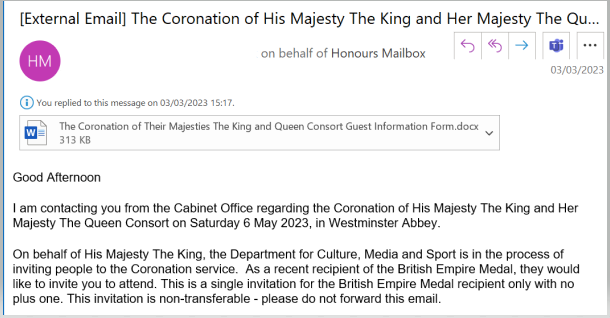
Reviving it now was an act of self-preservation, although I didnโ€™t really know how true this was at the time. I just knew that to get myself and my team through what lay ahead, I had to find a way to hang on to โ€˜meโ€™. Thus, the Girlymicrobiologist blog was born… Little did I know that as Girlymicro โ€“ a blog I wrote that began as professional reflection on some of the technical aspects of working in science, like antimicrobial resistance โ€“ would soon grow to encompass…..Formula One, zombies, MeToo, women in science, the women who went before, and terrible personal grief. It would spawn an online community of followers, lead to performances in a zoology museum, the Wellcome Collection, online Stand-Up comedy nights, and the Bloomsbury Festival. It would enable conversations among Healthcare Scientists and the general public over vaccine development, risk assessment and my love of microbes, and incredibly I would receive a New Yearโ€™s Honour, a trip to Buckingham Palace in Queen Elizabethโ€™s final year and an invitation to the Coronation of King Charles III in the first year of his reign.

But all that was in the future. For now, there was the job.

Itโ€™s not just about hand washing!

What I do working in IPC is about balance of risk, not definites. Itโ€™s about risk assessment. If you stand in a room with a patient with X infection your chance of getting that infection from them is Y. If we do things like wear protective clothing, wash hands or give the patient treatment, the chance of you getting an infection drops. Those measures are always done in groups however and you rarely do any individual action i.e. introduce masks without introducing measures to control the other aspects of transmission. There arenโ€™t studies therefore on what difference an individual measure does or does not make, it would be unethical to do them, I would never normally deliver a lower standard of protection in order to scientifically understand each of them better – my job is to protect everyone after all. So, when called to be on the news or radio and asked a yes or no question I am probably not going to be their favourite guest, as I will pull my favourite impersonation of any politician and try to answer the question with an answer that I want to give, often a story, rarely containing the words yes or no. Working in IPC means living in a world of grey rather than black and white.

So what is working in IPC actually like? Well, when I started working in IPC in 2007 I, like many people, believed that it was all about hand hygiene i.e. cleaning your hands with either alcohol gel or soap and water. Little did I know that it would include: monitoring ventilation and water sources, taking samples for things like chicken pox/measles and now SARS CoV2, laundry contracts, surgical instruments, food hygiene inspections, vaccination programmes, working with occupational health, pest control, Reindeer audits (more on that later) and so much more. Fundamentally, working in IPC is about stopping the spread (transmission) of infection. Sounds simple doesnโ€™t it? Sadly itโ€™s far from simple in practice, 10 plus years in and Iโ€™m still learning every single day even now. So why is it so complicated?

Firstly, itโ€™s complicated as there are so many possible ways to become what we call colonised or infected. Colonisation is something seen mainly in bacteria as we need many of the bacteria that exist with us to live, either as they help us produce nutrients, or they occupy a niche that means they stop us being colonised with more pathogenic versions. If you are colonised this means you have an organism present, for example MRSA, but it isnโ€™t currently causing you any harm. As humans we have bacteria present all over our bodies, many parts of our body arenโ€™t sterile i.e. organism free. If you have an organism as part of what we call โ€˜normal floraโ€™ present that would make an infection more difficult to manage. I will manage you differently as I want to make sure of two things, one that the organism you carry with you doesnโ€™t spread to someone else and two that it doesnโ€™t move from the site where itโ€™s causing you no harm, such as in your nose, to somewhere else like a surgical wound where it could go on to develop as an infection that I would then need to treat and might make your hospital stay longer and mean you take longer to recover. As patients who are colonised have no symptoms we have to specifically search for these organisms, this is called surveillance and means that we might do things such as screening patients on admission in order to better understand their risks. This is different to SARS CoV2 where you donโ€™t become colonised but there is an asymptomatic phase where you are infectious to others but have not yet developed symptoms. Infection on the other hand is where you have organisms present that result in symptoms, leading you to actually feel unwell. Infections therefore more frequently require some for of management, even if this is just taking on fluids and getting plenty of rest, compared to colonisation which doesnโ€™t usually require any intervention.

Having said all of the above every person, every patient is different and therefore itโ€™s crucial to remember that when judging risk and making management decisions. I for instance have been admitted as a patient myself numerous times as my immune system does not deal well with viruses, my risk from a respiratory virus is probably different therefore to that of my husband. Organisms are all around us but the risk they pose to patients is different depending on what is going on with them. A bacteria known as Pseudomonas aeruginosa is frequently found in water and we come into contact with it all the time without it doing us harm, but if you are a patient on a ventilator in a hospital I work really hard to make sure you arenโ€™t exposed as it could get into your lungs and cause pneumonia. Infection risk therefore cannot be separated from people. People also behave in different ways that mean they are exposed to different types of risk, some people backpack through the Andes, some people keep exotic pets and others work in jobs like mine which mean that they may be more at risk of coming into contact with viruses and high risk organisms. Therefore, rather than my science and IPC being all about organisms it is in reality all about people and how they experience the world.

One thing to really bear in mind is that nothing is static, things change all the time. Pre the 1980s no one had heard of MRSA, in the 60s and 70s HIV didnโ€™t exist, prior to the noughties we didnโ€™t have the original SARS CoV and before the 2020โ€™s SARS CoV2 didnโ€™t have a name. Even since starting to write this book weโ€™ve had another pandemic declared in the form of Monkey Pox, by the time this book is published Monkey Pox will likely no longer be the name of the virus. Organisms change, especially RNA viruses which are much more likely to mutate and alter. Itโ€™s not just that though, people change as well. When I started working in healthcare conditions that killed patients are now recoverable, genetic conditions are now picked up earlier by neonatal screening and we have new treatments coming online all the time. This means that we have a greater number of patients with chronic conditions that make them susceptible to things like infection not only surviving but being managed in the community rather than in hospitals. Therefore, the group impacted by things like SARS CoV2 is also larger.

Compared to previous global pandemics that everyone has quoted, such as the 1918 flu pandemic, the world is also a different place. We all travel much more than we once did, SARS CoV showed how quickly a virus could therefore move around the world if an outbreak occurs somewhere that has good transport links. Everyday all of us come into contact with large numbers of others. If like me you commute on the tube you will spend time with hundreds of strangers. That means that containment of transmission is very different from these early outbreaks, where individuals were much more likely to know who they had spent time with, concerts with 90,000 plus people are very much a feature of modern life rather than in the past. When the pandemic hit there wasnโ€™t a handbook about how to manage it. Iโ€™d been part of plenty of table top exercises looking at how weโ€™d manage a flu pandemic, but SARS CoV2 was different, we didnโ€™t even have a name for the virus when it hit, let alone an idea of how it was transmitted or the best ways to stop it and treat it. We were learning every day, going back to first principles and making our best informed guess, all while the world looked on and judged how we did.

Another thing to remember is that no IPC intervention comes without cost, some financial but a lot of it in terms of individual cost for the sake of the wider good. If I place a patient in isolation in order to minimise their chance of transmitting to others there are consequences for them. Studies have shown that patients who are in isolation (put in single bedrooms) are more likely to experience drug or other errors in care, as there often is only a single member of staff looking after them and so there isnโ€™t someone else present to double check decisions. I know, I know, I think that I would be thrilled to have my own room, the reality is though that if you are in hospital for a long time then having a room on your own can be quite literally an isolating experience. You may see very few other people at a time when you are in need of support and potentially distraction, this can lead to depression as other studies have shown. Even basic things like the requirement for enhanced cleaning can present a problem, this cleaning is easier if patients are on the end of surgical list, for example, this means that they are much more likely to get repeatedly cancelled as theatre list run over time. Impacting waiting times for surgery and over time on patient outcomes. Decision making in IPC is often a fine balance between protecting everyone whilst minimising the harm you could be doing to the individual patients, something that is hard enough when you have evidence and experience, but thatโ€™s even harder when you are going into something truly new and undefined.

The day to day of IPC feels like it is something that happened in another life a very long time ago, a new normal has taken over erasing much or what came before. By the time October 2020 rolled around I saw something that finally made me make the leap and start regularly posting on my blog, it made me realise that I needed to change the way that I was talking about the pandemic, COVID-19 and science in general and so I posted:

โ€œThis week I was going to post about Antimicrobial Resistance (AMR) as, in many ways, it has been quite a momentous week in my professional life and it all ties into AMR. I may stillโ€ฆ but I wanted to raise something that has been playing on my mind this week in light of the social media reactions Iโ€™ve seen to the new COVID-19 (donโ€™t call it a lockdown) tiers.


Let me say now that this isnโ€™t a political post, purely one linked to reflections that have been triggered for me that are linked to some of the pitfalls of traditional communication, medicine and dissemination.

On Wednesday, I saw this tweet from YouGov (16:02 14/10/2020):

โ€˜68% of Britons say they would support a two-week nation-wide โ€˜circuit breakerโ€™ lockdown at the start of the school half term later this monthโ€™

The scientist in me responded with, โ€˜well of courseโ€™ and โ€˜surely people understand the ramifications for everyone if we donโ€™t find working containment measures.

When I see posts like this, I usually scroll through the comments. I think itโ€™s important to read what people are posting and see what the challenge is like, as itโ€™s all too easy to see the world through the eyes of those in your bubble. Those people in similar situations to us, with similar views to us, who then use stats like this to reinforce the positions we already hold.

Then, as part of the comments, I saw this:

โ€˜68% of people in secure jobs, WFH or on final salary pensions. Patheticโ€™ and โ€˜Nail on head. All these commentators, MPโ€™s, scientists, professors, journos tec, not one of them worrying about how to pay their rent/mortgage, feed themselves/their kids, pay their council tax/leccy bill, pay for fuel/phone bill. Easy to call from your ivory tower innitโ€™

My first reaction to this post was to blow out my cheeks and sigh. โ€œThe needs of the many outweigh the needs of the fewโ€ and all that. Thatโ€™s an economic problem that should be addressed, not an infection issue: think of the number of people who will die etc.

Then I stopped and realised there is truth to this

I do live in an Ivory Tower

Now thatโ€™s not to say that I am rich, and itโ€™s not to say that my response to the poll is wrong. It is to say that we must reflect and admit the truth to ourselves. I can pay my mortgage. My job is not at risk (although my husbandโ€™s may well be). I can buy food and cover my bills. That gives me a privileged position where I can engage with and make decisions about how I feel about the science, the justification, and the way they are implemented. I donโ€™t have to react from a place of worry and fear. That privilege means that I can digest information from a place of logic and not emotion. That privilege also means that I can lose perspective about how others may receive the same information and I certainly have to be aware of that privilege when it comes to judgement.โ€

From October 2020 onwards the Girlymicrobiologist blog became something that I not just used to communicate, but something that frankly I used to help me survive. It meant that I had a way of reflecting that made me better at my job. It helped me manage during the pandemic whilst I lost family members, whilst I lost colleagues and whilst I made the tough calls that at some points felt they would come every day and might never stop. It helped me have a voice when even friends decided to lash out against scientific advice and other family members were on social media breaking the very rules set out to protect them, whilst I lived in fear of what would happen if I got sick. More than all of that it also enabled me to find my joy when times were dark, to find the humorous side of some of the madness and to feel less alone by seeing the responses and the reads rack up. It really was the best of times when I saw how people came together to achieve what we had believed to be unmanageable.

IPC had found itโ€™s place on the international stage and I had found my voice. I had no idea how important those things would be to surviving the next 2 years and how fragile they both were.


And that’s it. Chapter 1 is done. Chapter 2 and a full book submission are also done, and I’m slowly going to send it out to those who might be interested.

I am super happy to receive all constructive feedback and any thoughts about where I should think about sending it to……..or thoughts on self-publishing. If you think it’s dead in the water, you can also tell me this, but you must simultaneously send gin!

All opinions in this blog are my own

Molecular Diagnostics and Me: How can I learn more, and how can we utilise them better for patient management?

This year, I’ve jumped into entirely new territory. Myself and the Healthcare Science Education team at GOSH, part of our GOSH Learning Academy (GLA), have launched a one week course on how how to utilise molecular testing, polymerase chain reaction (PCR), molecular typing, and next generation sequencing, to impact patient care.

The course is Clinical Interpretation and Implementation of Microbiological Sequencing Techniques and was a project I was super excited about. It’s funded by Health Education England (as was) and is co-delivered with my professional body, the Association of Clinical Biochemistry and Laboratory Medicine (ACB).

What does the week look like?

The week itself is split into lectures that aim to inspire, sessions that give some information about the techniques themselves and their pros and cons, and finally, some workshops on how to implement them into clinical workstreams.

Each afternoon, there are a whole bunch of activities to help you put what you’ve heard in the morning into practice. If you attend the face to face week, there are also some great opportunities to learn from each other and build your networks, as these are done on rotating tables.

What to expect?

This course is aimed at the clinical decision part of the patient pathway, and focuses on ensuring that we pick the right test to answer the clinical question we are asking. You will get plenty of information therefore on how you should pick that test and why. This is a dry course (as in not lab based) though so won’t teach you the ‘how’ of doing molecular diagnostics. It focuses on the ‘why’ and the ‘when’. A week is also not enough time to teach bioinformatics, so this course won’t teach that. It will teach how to interpret some of the outputs to support better clinical decision-making.

How can I sign up?

Signing up is a two stage process. Firstly, you need to register an expression of interest, and then when allocated to a date, you can register. The course is entirely free and it would be lovely to see you.

There are two remaining dates:

  • 26-30 September 2023 – virtual setting – allocated 30 CPD credits
  • 20-24 November 2023 – in person at Goodenough College, London – allocated 45 CPD credits
  • The course has been accredited for CPD by the Royal College of Pathologists.

https://www.acb.org.uk/our-resources/news/new-course-whole-genome-sequencing-and-infection.html

What have I learnt?

This is my first time being involved in a project quite like this one, both in terms of the size of the education project, but also in terms of switching between delivery methods and some of the content development. I’ve learnt a lot, both as a scientist and someone interested in education, and as this is a Girlymicro blog after all, I thought I would share some of that learning.

The importance of a multi-disciplinary approach

The first thing, which I’ve always known but this has emphasised, is that we make better decisions as an MDT. Watching table discussions where there have been scientists, medics, and nurses working together and sharing their experiences has been so powerful. Those tables not only feel like they learn more from each other, but that they also make better collective decisions where many different aspects are taken into account. I think we all feel this is true of the conversations we have back in our work setting, but almost being able to compare mixed and non mixed tables in a controlled setting has made me even more certain of how important it is to foster back in my clinical space.

The importance of having the right people in the room

The importance of understanding roles and backgrounds extends not just into participants, but also to those delivering the sessions. I don’t think I’d realised how important having a mix of roles in that education space was. I knew you needed the educators who bring their pedagogical knowledge and some subject matter experts (SMEs) to deliver the content. What I hadn’t realised the value of quite as much is in having facilitation of tables by people who have experience of the area in order to support better discussions. Not necessarily full SMEs, but people who have an understanding of the science and processes to make better conversations. Facilitation within such a complex area requires some level of knowledge to make it work. You need the right mix of people who can challenge you and the content in order to make it better.

The importance of expectation management

I’m fairly used to delivering big projects, but this one has taught me a few new things. Firstly,ย it’s so important to manage expectations when learners sign up. The first run of the course we had, quite a few people were disappointed not to learn bioinformatics. Now, as someone who has been working in this area for over a decade, I know that I don’t know how to undertake bioinformatics. I’ve been on many a short course to learn and have picked up enough to ask questions, but that is all. If someone hasn’t had that experience they may think it is something we could teach in a few days, rather than coming into that space with the knowledge that it is a vast discipline where the process depends upon both the question and the input. We’ve been trying to better manage expectations around this one since the first run and to share that awareness from the outset.

The other aspect of this one for me, is always how interesting it is to manage a project that feels like it constantly evolving, as different people come on board and bring their own perspectives. This adds so much value, but as someone who likes a plan, the flexing can always feel challenging to me, and I just have to know that about myself in order to be better able to adapt in the moment.

The importance of listening and being open to change

One of the reasons there is so much change to embrace is because this kind of course, delivered in this way, hasn’t been done before. The power of listening, therefore, is so important. Are learners getting what they need to change practice? Are they getting what they expected? Are they getting what they want? This has made me so aware of the importance of evaluation,ย evaluation that is embedded throughout, not just at the end. By embedding throughout, you can fix or modify as you go in order to improve the quality of what you’re delivering, but also to make sure you are meeting needs or knowledge gaps you hadn’t anticipated. I think this is something that I want to do more in all of my teaching moving forward.

The other aspect to this was thinking about the differences required between digital and face to face delivery. Really being open to the challenge of delivering in a way I hadn’t really used for a course before, because there are so many reasons why having different delivery modes matters, for accessibility if nothing else. Ensuring that online delivery was tailored to make it suitable, whilst ensuring that the learning experience was of the same quality as that experienced by someone attending face to face in a classroom. I’ve learnt a lot.

The importance of sharing a vision

This last one is the reason I got involved to start with. I was really interested in what theย  strategic vision was, in terms of where we want the workforce to be, in terms of SARS CoV2 legacy, in terms of technological change. Lots of conversations have been had in terms of what that vision might look like and what is needed to help support the Healthcare Science profession in order to deliver it. It was really interesting to be part of delivering something that helps explore some of those aspects but in very practical terms.

I don’t think anyone taught me how to write a business case, no one ever taught me how to design a lab, but these are key tools that may be needed to support delivery of that vision piece. We felt it was, therefore, really important to ground some of the aspirational sessions we were delivering by including some sessions on these skills and how to develop them. I had no idea how they’d land, but I think for some, they were probably the most valuable sessions of the week, and I’m strangely proud of what has ended up being produced.

Register here to take advantage of this free to access course, either in person or face to face

All opinions in this blog are my own

Clarity of Role and Its Impact: Why knowing and being clear about your professional boundaries matters

This one’s been on my mind for a while, and by posting it the aim is to explore my thinking, not to target anyone or any group. I’ve been seeing a lot of posts on twitter and having a lot of conversations about identity, especially in relation to professional identity, and so wanted to take this opportunity to reflect and process.

I’m going to start with myself based around a non-clinical example of what I’m talking about. I am a scientist who communicates. I am not a science communicator. It took me an age to really get the difference, but the difference is this………it’s about where my expertise lies. I hope that I happen to be a scientist who has some decent communication skills, and it is a subject that I am pretty passionate about. My qualifications and expertise, however, are in the science, that’s where I sat my exams, that’s where I have almost 20 years of practice.  My expertise is in science, not just that, but my real expertise is actually in quite a small subset of science. I took a zoology degree 20 years ago, but I am not a zoologist, that knowledge is old and only at undergraduate level. My expertise is probably in Infection Prevention and Control.

Now, if I were a science communicator, my expertise would be somewhere else. My skills would be around communicating science in general. Many science communicators haven’t worked in science for some time and some may only have undergraduate levels of science specific expertise. What they have, and I don’t, are qualifications and vast levels of experience in communication and pedagogy. These skills enable them to break down highly complex topics and also pitch in a way that I can only aspire to. They have significant levels of pedagogical skills that I can’t pick up by attending a couple of courses, just like they can’t pick up mine by attending a week long course on whole genome sequencing.

So, to me, the difference is where my expertise and knowledge lies. This doesn’t mean that I couldn’t transition from one to the other, but I have to acknowledge that I’d be moving from my area of expertise and therefore would need to rebuild both it and my qualifications to demonstrate skills within a different area. It would be a growth area rather than a straight transition.

OK but why does this matter?

I’ve been reflecting that we are definitely in a period of substantial change within the NHS and one that isn’t likely to stop any time soon. This means a lot of our pathways and traditional professional boundaries are changing with it. I think, in the end, that this can only be a really good thing. (Although I think if it is going to work it needs to be implemented across staff groups with no ivory tower protections). With this change comes fluidity and, because our pathways are embedded, change can occur before we have the processes to keep up.

During this period of change and recognition of different skills and pathways, for instance, the HSST, more Healthcare Scientists working in education, IPC becoming more interdisciplinary and the development of Clinical Academic pathways outside of medicine, clarity is key. I’ve been number one in a field of one when I didn’t know anyone else working as I did in IPC and it was a balancing act. I’ve been through people asking ‘are you one of the nurses’ and hanging up if you said no, but also I can’t claim to be a nurse. If we don’t understand our boundaries, it can be hard to be clear about them with others. If we can’t be clear about them with others, assumptions can occur about knowledge and skills that can lead to potentially dangerous practice or misleading those we’re interacting with. To me, it’s about owning your difference and being open to talking about the benefits it brings, whilst being very aware of when you should defer to someone else.

Labels not hierarchy

I guess what I’m talking about is actually the importance of labels. Now, this may seem a little ironic as I’m not a labels and silos kind of girl, but bear with me. The reason we use labels as human beings is that they enable a cognitive shortcut. One of the reasons that they can be bad is that they come with a bunch of assumed information that is not nuanced, and may in fact not be true. In the case of knowledge and professional roles, they come with an expectation that if you say you’re a virologist, you have a significant amount of knowledge about virology and virological processes. If you say you’re a consultant, you will be assumed to be practising at a certain level with certain qualifications behind you. These labels mean that when we interact, assumptions are made about our scope of practice based on an assumed level of knowledge or experience.

The problem with some of the developing pathways is that the information behind those labels is not yet established and embedded widely across the NHS or for the public we’re interacting with. The assumptions made linked to those labels may, therefore, be incorrect. Due to this it is really important to be clear about who we are, our experience, knowledge and boundaries, not because one label is better than the other, but to ensure that all involved have clarity in order to not increase risk. If you are in a new or developing area/role, the onus is therefore on you, to clearly communicate about you practice boundaries in the absence of a default label.

Asking, where is my expertise now?

Everyone wants to feel like they know what they are doing. Everyone likes it when someone comes to them and asks them to engage in events or answer questions due to perceived expertise. The problem comes when we respond to the request based on the pleasant feeling it creates without self-checking if we are the right people to undertake the task.

Obviously, the risks are not always the same and occur on a continuum. I’ve been asked to give talks on antimicrobial stewardship and have referred on to someone else as it was for a conference, and that’s not my area of study. If that request was to teach an undergraduate class, however, I have the knowledge base and experience to do so if there was no one better available. I would however be very open with the organiser that I might be better placed to speak on a different topic. Being clear about your boundaries in a clinical environment obviously holds much greater importance. I have FRCPath and used to regularly do ward rounds. Since the pandemic and moving entirely into IPC, I haven’t given clinical microbiology advice in the same way. This doesn’t mean I couldn’t run a round, but I would want to re-up my skills before I did so, there is a difference between what I could do on paper and what I would feel comfortable to do in practice.

When I interact with others or get requests, I always run a quick internal check with myself about whether I’m the best placed person to respond. There are tasks that are always best served by having input from multiple viewpoints and backgrounds, and these I will bring back so we can discuss them as a team. There are other things where I will refer to someone else specifically, as I know they have a greater understanding of that clinical practice. I’m aware that this all tied into our professional registration, but I am often slightly struck by how, when people are trying to define a new identity, they try to own the label they want before they have fully developed enough to go it solo. I think this is often the moment of greatest risk in any development pathway.

None of this is about restricting access

I want to be clear that I am truly excited by the change towards more dynamic progression in healthcare and recognition of the skills different professions bring to the mix. I do think that when you are already established within a profession, it can be challenging to go back to actively undertaking that gap analysis and flagging your difference all the time, especially when others don’t necessarily know what your role is or react negatively, as we are used to being the ones in the know. The thing is, the only way that you can establish the new pathway or role is to start the work but be mindful to continue to flag your scope/difference as needed. No one hangs up on me anymore when I say I’m not a nurse or a doctor. People have gotten used to it. They wouldn’t, however, if I’d not been open about it in order to engage with the conversation and just defaulted to their expectations.

It is easy to get drawn into the conversations with some conservative colleagues about whether this is the right direction for the NHS to go in and to feel defensive about it. I think that being willing to engage calmly in those conversations is part and parcel of being a pioneer. To see each conversation as a learning opportunity, both for yourself to communicate your role better and for the other person in terms of knowledge exchange. Change is unsettling, especially when it goes against traditional structures and hierarchies, and it will take time for people to adjust.

You can be passionate about something without being an expert in it

Finally, and just one side thought that is not related to clinical work as such. It is OK to have an interest in something and not be an expert in it. It is OK to say for me to say that I’m interested in science communication but not to claim expertise in it. It is OK to be an interested participant and to want to engage in an area because of the growth that engagement offers. You don’t have to enter every space wearing your expertise as a shield. It’s just worth being honest and open with yourself and others when you do it. Not claiming expertise will open doors to shared learning that you might not otherwise be able to access. We don’t always have to be the smartest person in the room. We should just should aim to be the most able to communicate our purpose and vision for being there.

All opinions in this blog are my own

Holding the Line: What it feels like to be seen as the ‘Big Bad I Said NO!’

When I was a kid there was a cartoon called Stoppit and Tidyup. It was a kids world where the baddy was the Big Bad I Said NO! This particular post was started during the pandemic when I was thinking about perceptions of the word NO but has kind of lingered as one of those things I wasn’t quite ready to get my head around. The last few weeks have kind of shown me it was still relevant outside of the pandemic however, and so this week I thought I would post about what it feels like to be seen as the gate keeper or to be the person who feels like they are holding the line. In essence, what it feels like to be the person who likes to be liked but who has, as an adult, turned into the villainous Big Bad I Said NO!

I have previously posted about the inevitability of not being liked by everyone, and the challenges of speaking truth to power. The thing that’s unique about becoming the Big Bad I Said No is that it can be a mask/hat/role that is needed in all kinds of settings, and the stakes can vary widely – anything from 1:1 relationships to impacting Trust or wider level decision making. It can therefore feel very stressful to manage, and that stress can be protracted when discussions and scenarios go on for months or longer. Having now spent some time thinking about this though, here are some of my thoughts on the how, whys, and inevitable consequences of saying NO.

Sometimes, it’s all in how you say the words

The word NO can feel pretty loaded. The very use of it often brings a feeling of judgement. Worst still, in a world where as leaders we should be trying to bring people with us, it is the ultimate reminder of hierarchy. As a leader, if I have to go there I will just saying NO can make me feel like a failure, as I feel I should have been able to find an alternate solution or compromise. Also, as a previous recipient of NO, it can make you feel powerless and lead to you questioning your understanding of your relationship or the organisational values.

It is crucial therefore, on both sides, to communicate more than just the NO. NO, without an understanding of the values and drivers that led to it can be pretty destructive. So it is important, although the temptation may be to drop the NO and get out of the room, that it comes with context to support the why.

Sometimes, you need to be direct

Sometimes, being a gatekeeper can be pretty uncomfortable. Interestingly, I find it easy with an infection control hat on versus with a Lead Healthcare Scientist hat, probably because patient safety trumps personal feelings. It can be tempting when you are in a position where the NO is going to be hard or challenging to try to say NO without saying NO. The problem with this approach is that although you may leave the encounter feeling less scarred or exposed, it is likely you are also leaving it with less clarity. Worst than this, not only have you said NO, but you also have taken away the recipients’ opportunity to question and gain a clear understanding for their own processing. It may feel easier in the moment, but you are probably just kicking the problem down the line rather than working towards a resolution.

Please note that this sketch has an 18 age certificate

Sometimes, it’s about being clear that you are living your values

I think one of the reasons that a NO and holding the line is easier (although still hard due to the stakes) in infection control is because it so clearly aligns with my core values, and ones that I hope are represented more widely within the NHS. We should all put patient safety first. Therefore, you can respond in a way that you feel enables you to speak to someone else’s shared values. I hope that the same is also true when I speak to people about equity of access, but in truth this one can be more challenging, as sometimes you are asking people to give up something for someone else, this can occasionally overrule this personal value for the recipient.

Sometimes, it’s harder to make that shared value assumption, and so it becomes especially important to share clearly why you are doing something, both from a factual, but also value perspective. This can include things like wanting someone to be in a better prepared position before they undertake training course X so they can get more out of it by starting with a better grounding. It can also be that a change would be better placed after we’ve set it up using pre steps. It’s important, though, that if it is a true NO, not to fall into negotiation, as that can result in confusion.

Sometimes, it’s about showing someone the big picture

Frequently, when I have to say NO, it’s because I have access to information that the other person doesn’t. This may be information that enables me to have a more holistic view of risk or success. When saying NO in these cases it’s crucial to talk someone through that wider picture, not only because it helps them contextualise the NO, but it may enable them to come up with an alternate approach that might result in a YES. I hope that by taking the time to do this it may result in the recipient being empowered when they leave the conversation rather than deflated. Obviously, that’s not always the case, and sometimes, individuals will need time to process the information. At least by investing the time it offers an alternative perspective and hopefully demonstrates that I value both the person and the dialogue.

Sometimes, it’s about showing your thought process

This one is a little bit of an extension of sharing your values and the big picture. In my case, as a scientist however, it also includes sharing data and evidence and using that to explain how I came to my conclusions. I sometimes go too far down this particular rabbit hole, as it’s my comfort zone, and it does not always work.

Some people will respond better to different things. Some people like me respond to evidence, some will respond to patient led and other values, some are pushing a vision, and others will respond if you share the big picture stuff. Knowing who your audience is helps you pitch, but including a bit of everything in your prep and being able to pivot to what is landing best for greater focus is a skill worth developing.

Sometimes, it’s about being prepared to defend whilst maintaining being open

Despite your best efforts to explain and justify, you like me, may end up being pulled into rooms of people who don’t particularly like your conclusion or what you have to say. This is leadership, and particularly in infection control, it’s kind of what we get paid for. Drawing a safety line and holding it is key. Now, that doesn’t mean you shouldn’t be able to re-evaluate in the face of further information. It also means you should be prepared to defend it. You will need to defend your thought process, your evidence and your conclusions.

I have to be honest, sometimes this is the one I find most challenging. Not because I don’t feel able to justify my process, but when the evidence is clear, I can struggle to understand why others don’t see it. It can also be easy to feel like you’re being personally attacked when it is actually just the scenario. As I wear my heart on my sleeve, I can find it hard though. Trying to take yourself out of the process and focus on the role and the reason you are in the room is something that I’ve found can help.

Sometimes, it’s about finding support

One of the other things I’ve found really helpful is to know where your support lies. In my case, that may be Mr Girlymicro offering me a martini as I walk through the door and telling me it will all be OK. It can be having some trusted colleagues that you talk and walk through your rationale with before meetings. Colleagues that you know may be comfortable challenging you in order to help you see gaps or assumptions in your thought process. Sometimes, it’s about knowing who’s going to be in a particularly difficult room and being aware of where their support may lie, so you know who you may count to support your rationale.

A lot of this is about the work that you need to do ahead of time to build your networks, to get to know other people and their values so you can understand their drivers when you are thrust into a gatekeeping scenario. It can be as simple as moving the dial so you know your unknowns and can therefore better prepare for the unexpected.

Sometimes, a no is actually a not yet

The other thing that’s worth addressing is knowing when a NO is a not now, or not this way. If you can work your way through a scenario so that you can see different routes or avenues to the same destination, it may open a different type of conversation. I’ve mentioned some of these things above, but again, it’s about having put in the time to think things through prior to your response. Often, in infection control, it is tempting to take the path of least resistance, when with extra resource or input, a YES may be possible. Checking ourselves to ensure our motivations are correct is always worth doing and making sure that we are open to the presentation of new ideas or new information that might impact our risk assessment or evaluation is key.

Sometimes, it’s just about sucking it up

Recent years have convinced me that you don’t join infection control to win popularity awards, hardly anyone gives us chocolates at Christmas. The job is hard. Leadership is hard. Saying NO and gatekeeping is hard. The thing is, we do it because it needs to be done. Sometimes, it needs to be done in order to not set someone up to fail. Sometimes, it needs to be done for safety. Sometimes, it needs to be done for equity across your workforce or because of resource limitations. Every now again, it has to be done because the request is just not that reasonable, and the person making it either hasn’t considered or doesn’t have access to the big picture. Denying it’s hard doesn’t get you anywhere. Denying it’s hard can lead you to avoid the hard moments and therefore dilute your impact. Someone has to be the gatekeeper, especially when it comes to patient safety. Someone has to be the Big Bad I Said NO! Some days, that person is me, and despite it being hard I think that the world is just a little safer for it. So know you are not alone, but when your moment comes, be prepared to put on your big girl pants and own the importance of being the person who both says and owns the fact that they said NO!

All opinions in this blog are my own
Would You Like That Explained in Words of One Syllable? Thriving in the world of a mansplainer

This post is in honour of international women’s day, I hope by talking about this and sharing some thoughts it will make us all more able to stand up for ourselves and support others in moments like the one below, when we encounter the mansplainer in their natural habitat.

I was at a conference last week, and I was struck yet again by the number of questions that were asked that were commentary and not indeed questions. I paid attention, and, in this case, 100% of those undertaking this behaviour were older men. The reason I started to pay attention was because the first session I attended was filled with a panel of young female scientists. The Chair of the panel, however, was an older man, and when this commentary occurred from one of the attendees, instead of shutting it down, he actively participated and even exacerbated the issue. Not only that, but the commentary was also inherently incorrect and was not even helpful. I must admit I found myself becoming pretty infuriated and later found other women who’d been in the room who found it equally maddening. So this week I thought I would channel some of that science rage into a productive place and talk about survival in the world of the mansplainer.

NB please note I recognise that there are also some women that exhibit these behaviours routinely (and we probably all do periodically). In this post I talk about mansplaining as the behaviour and not linked to gender, unless I’m recounting specific personal experiences.

In the interests of full disclosure, I’ve also had a fair amount of men recently lecturing me about what it is I do and do not know, as well as some ‘interesting’ comments on my blog. I therefore may not be feeling as balanced about this topic as I would otherwise. The thing is, it’s not like it is as unusual as it should be, and you would think, therefore, that I should be less bothered by it. In fact, the opposite is true. Now I’m aware and see it happen to others. I’m even less tolerant. I’m pretty fortunate that it only happens to me 3 or 4 times a year to a level that irritates me. It happened less when I became a Consultant, and I suspect that it will happen less (to my face) now I’m a Professor. Even so, with all of these benchmarks of knowledge and experience, it still happens. So here are my thoughts on living in the world of the mansplainer and how we might all work together to make it more tolerable.

Don’t worry little lady

Let’s start with talking about some classic mansplaining that has happened to me. I’m partly starting out with this because I had a really lovely male boss who just didn’t believe that these things happened as no one had talked to him about it. By putting it down here prior to talking about what we can do in response, I hope to contextualise some of what it’s like for any allies out there who have experienced it less as individuals.

My all-time ‘favourite’ example of mansplaining that has happened to me was an email sent to myself and a female colleague that actually started with the words ‘don’t worry little ladies’. The email in question was sent in response to a query about engineering standards. Now, these days I would respond with ‘that’s Professor Little Lady and I am worried so please explain………and what you are going to do about it’. At the time, though, I was completely thrown by how 4 words could effectively minimise my years of experience, my authority to ask the question, and impact my feelings about my ability to follow up. In my defence, I did follow up and insist on further information and a review, but something so small could actually have impacted my ability to do my job and would never have been undertaken with my male consultant boss. These comments, therefore, are not insignificant when, especially in healthcare, they could lead to a reduction in safety. That said, did I escalate? No, did I forward the email to his boss and explain? Also, no. It’s so normal that it never even occured to me. I suspect if I had, it would have just been called ‘banter’ and waved off.

One of my other favourite things (not really) is when I’m called into a room to have a technical discussion, and when it becomes apparent I’m not convinced by the argument, the room full of men call in yet more men, not to enhance or bring more information to the discussion, but because they somehow believe that having more men in the space repeating each others words will somehow intimidate me or force me into conceding that their science is suddenly correct. I do not enjoy conflict and I generally believe it’s bad form to point out the flaws in someone’s argument in front of others, in a way that could be seen as aggressive or embarrassing for the individual. However, if you pull >20 men into a room to lecture me on, for instance how HPV works, when you are neither a microbiologist or have any experience with viral loading or kill, and think that calling in a further 10 will change the underlying fact that I have just finished writing about it for my thesis, my argument is unlikely to change. All that will happen is that I will cease trying to cover up my level of knowledge in order to play nice and I will quote papers and research at you until you let me leave.

Have you thought about?

One of the other scenarios I’ve found where some interesting male commentary occurs is on some of my blog posts. Now, don’t get me wrong a) most of the commentary I receive on my blogs is super supportive and is what gives me the impetuous to continue to write them and b) I acknowledge that by writing and (over)sharing the way I do I also invite engagement and discussion of the content I put out. Every now and again I get a comment that I don’t approve for public sharing and just leave in the archives as I’m not sure that they are part of the discussion I want to have.

When I posted earlier this year about being overwhelmed and shared some tips that have helped me to get through I received some comments from various male subscribers. These comments were very different from those of my female subscribers, who shared how grateful they were that we were talking about the fact that everyone has days when they struggle and that coping mechanisms are key. These comments all came from a place which I assume was kind and supportive, but ran along the lines of ‘if you feel overwhelmed maybe you should have spent the extra time working and clearing your emails rather than writing this blog’.

On the surface I kind of get it, but also a) it is my right to choose how I spend what free time I manage to have for myself, without commentary from others as long as I’m breaking no laws and hurting no one b) blog writing, for me, has become a method of processing my work load and stress levels and therefore suggesting I abandon it would be removing a key coping strategy I utilise c) the blog post was about sharing experiences and methods to move through feeling over whelmed, not a pity party post about how it sucks, therefore the suggestion that I focus my time on not supporting my community is against the ethos of what this blog is about and frankly kind of sucks and finally d) the assumption that I wouldn’t have considered doing less and not over stretching myself probably doesn’t give me very much credit in terms of self reflection or self awareness. So, I suppose my point is this, sometimes by stating the obvious and your opinion about it, it can come over as pretty patronising, as if it wouldn’t have occured to me and I haven’t done the thinking myself. That said, intent matters, and I don’t believe that these are often meant with any ill intent, so I leave them as unapproved and a source of future consideration and move on.

If you look for it, you will see it

Frankly, some of this is insidious, as I discussed in the intro, I only really started paying attention at the conference because there was such an extreme version of it that it drew my attention and I became deliberately aware of it. Sadly, when I posted about it on twitter the almost universal response was ‘only one’ to my retelling of the male commentator. It’s so universal as a stereotype that we laugh about it, but my thinking is also what can we do to challenge it or support others when we see it.

Summary.   

Role incredulity is a form of gender bias where women are mistakenly assumed to be in a support or stereotypically female role โ€” an administrative assistant, nurse, wife, or girlfriend, for instance โ€” rather than a leadership or stereotypically male role, such as CEO, professor, lawyer, doctor, or engineer. While this slight or mistake might seem innocuous, it can have real ramifications for women. Women must expend extra energy and time to assert and prove their role. Their words may lack the credibility and authority inherent in their position. And when women are not seen as a leader, they may be less likely to be hired into male-dominated roles or to be considered for promotions.

While the real issue of role incredulity is systemic, there are steps organizational leaders, workplace allies, and women themselves can take to prevent and correct it., including setting organizational norms, being an ally, owning your mistakes, and, if youโ€™re a woman, proactively identifying your role.

https://hbr.org/2021/12/when-people-assume-youre-not-in-charge-because-youre-a-woman

I suspect there are few women amongst us who haven’t been asked to ‘sort the coffee’ despite being one of the most senior people in the room, or who haven’t had their bank card saying Dr handed back to their partner. These are little things, and I for one am completely OK with getting coffee, but not because I’m a woman, but because I think we should all take our turn and hierarchy shouldn’t remove us from that. I find it hard therefore to know when to draw the lines over such things, I’m a team player and want to do my part, but I also don’t want to sustain a stereotype that might negatively impact others. Honestly, even thinking about these things in the moment and having that constant dialogue with yourself can be pretty exhausting when it happens over years or decades.

Do these things actually matter?

Even though I feel that I own my place and have so much more strength than I did when I was younger, these comments, decisions, and moments still take up cognitive space. I may rebound more quickly but I still go through the ‘experience-self recrimination spiral-replay’ cycle in order to process it and decide where fault may lie with me or where the learning is.

โ€œWhat we found was that women largely had negative outcomes as a result of being mansplained to, whereas it didnโ€™t affect men as much,โ€ said Briggs, whose research was published in the Journal of Business and Psychology. โ€œThey tended to register that their competence was being questioned more than men did, and to attribute this to a gender bias โ€“ so, maybe this person doesnโ€™t think highly of me or doesnโ€™t like me because of my gender.โ€

This feeling wasnโ€™t shared by male volunteers who were given a condescending explanation by a woman. โ€œMaybe they perceived it as โ€˜this person is being rude to meโ€™, but they didnโ€™t perceive it any differently if it came from a man or woman, and they didnโ€™t attribute it to a gender bias,โ€ Briggs said.

https://www.theguardian.com/science/2023/feb/03/let-me-mansplain-studies-reveal-negative-impacts-of-behaviour?CMP=Share_iOSApp_Other

It may be therefore that we have to acknowledge the role we play in how we receive the information and the fact that some of the behaviour we experience really does not have any ill intent. However, that also doesn’t mean that those undertaking such behaviours don’t equally have a responsibility to understand how their behaviour impacts others, and in some cases leads to the active detriment of the women who are the recipients. Especially if this behaviour is endemic in institutions/settings or originates from the same individual over protracted periods of time.

So, how do we handle it?

I’ve previously posted about how I learnt to own the place I found myself in with some tips on managing this as individuals. I do think that dealing with direct interactions rather than our own imposter syndrome needs a different set of skills, ones that may indeed help with how we see the world over all. It all starts with being conscious of ourselves in the moment, where do we sit, what do we say when we introduce ourselves, how do we respond in the moment and how do we let our view of ourselves drive these dialogues?

Below are some areas of thinking that have helped me and I hope might also help you in traversing the particular challenge.

Decide which truths to believe

I am often considered over emotional because I wear my heart and values on my sleeve. It’s a running joke within my team that I have absolutely no poker face, and the time to be concerned when in a room with me is when I stop being expressive, as it probably means I have become coldly annoyed.

For a long time, I thought that this was the biggest weakness. I had many a person (male and female) explain to me that I couldn’t be successful as I was and that to proceed I really needed to change and fit the stereotype of what a boss/consultant/professor should be. Well, frankly, screw that. Hiding who we are and pretending to be someone else should not be the only path to success. Being open and honest about my values and who I am is not a weakness. It requires integrity and fairly often bravery to function openly as who you are. We are supposed to be assertive but not too assertive, smart but modest about it, passionate but not emotional. I, for one, don’t want to play that game and, in many ways, just opted out and found ways around it. I strongly believe that we no longer need to play by the rules of those who came before us, let’s set our own rules, let’s choose our own truths and empower the future to be different and better for those who will follow on behind us. Choose your own path and let that be your truth.

Practice makes perfect

Now, I’m not sure I would be comfortable saying any of the below as they are written, I think I would be too scared of coming off as aggressive. For all you women out there who could and own being that assertive, I am not worthy. That said, I have used many of these responses, if not these exact words, in order to manage conversations.

The thing for me is you need to know what language you are comfortable with and practice it before you need it. In the moment I am often surprised and lose my mental footing, therefore if I haven’t practiced how to hold my ground and be assertive I lose it to hesitancy and upset. Practicing enables it to almost be a reflexive approach that you can draw on, so that you don’t have the cognitive additional load of making those nuanced word choices in the moment. So the sentences above may not fit you, but find ones that do and try them on for size well before you need them.

One of the things that also helps me is wearing a different head space when I go into rooms where this is likely to be an issue. ‘Dream’ would never hold up in these spaces, and when I leave them, she often crumbles in the replaying of the moment. Professor Cloutman-Green, however, is much more able to hold her own. It’s almost like my science shield enables me to suffer less from impact in the moment and so allows me to maintain or re-establish myself in that moment much more readily. This is different from not being my authentic self in a space, I am still me, but it gives me the emotional distance to process things later rather than being overwhelmed in the moment.

Self-awareness is key

Ever walk into a room, and there’s a single chair left and you offer it to everyone else who comes in after you? I do this all the time. It’s just polite, right? Absolutely. However, if you are in a room that internalises hierarchy and everyone sitting is a Consultant like you and everyone else standing is more junior, by undertaking this action you are unconsciously giving away your seniority in the room. You are signally you’re difference to your other consultant colleagues. Being aware of your surroundings and what cues you are sending out is important.

Ever sat listening whilst a colleague towered above you? The person who deliberately chooses to lean against your door frame whilst you sit in order to explain X or Y to you. Dominance positioning is a thing, we are primates after all. If we have small and closed body language it says a lot more than our verbal responses in the conversation. Sometimes, when you find yourself in a mansplaining situation the mere act of repositioning yourself can impact the conversation. Stand up, gesticulate using wide body language when speaking. It may be that this merely changes the way you receive the exact same dialogue, but sometimes that is half of the battle. If it also supports you in using some of your practiced dialogue, all the better!

How do we help others?

When sat in the conference room mentioned at the start of this article, I had so much rage at the way these young scientists were being treated. My PhD student who saw and understood my response asked ‘are you going to say something?’. I responded ‘no, these girls are going to handle it’, and they did. They did so perfectly. I think one of my biggest pieces of learning over recent years is not to run in like an amazon warrior to save people, as this can in actual fact be diminishing and takes away their opportunity to act. My response now is to be there as a back up if they signal they need help and to offer support and reinforcement with ‘you were amazing in how you handled that’ afterwards to let them know how successful they were from an independent observer view. By rushing into save we can be as bad as the mansplainer as it indicates we don’t have faith in their ability to handle the moment. That said, if I’d had an official role, such as Chair, I feel it would have been my responsibility to stop the situation from happening in the first place. My take home is this, how you respond has to depend on your role and the situation.

I still love the females from the Obama administration who used their voices to amplify those of other women in the room. Not all actions need to be direct or confrontational, sometimes just being there to repeat the voices of others is enough. I wish that I had been able to breath through my rage and find an amazing follow up question to allow that panel to shine even more in that moment, but I didn’t and that’s my learning. That moment wasn’t about me, it was about them and next time I will have practiced how I can then act to amplify them better in the moment, rather than worry so much about the mansplainer in the room and giving him my energy. Every day I learn a little more.

Right, I’m off to the growlery until I find myself in a better mood. See you on the other side.

All opinions in this blog are my own

Guest Blog from Dr Claire Walker: Turning criticism into a catalyst for change, or how I learned to stop worrying and to love negative feedback

I am currently away enduring the heat of Houston, Texas, at the American Society of Microbiology annual conference. Hopefully, I will find lots of lovely inspiration whilst I’m here to share with you all. In the meantime, and whilst jet lag is kicking my ass, the wonderful Dr Claire Walker has swooped in and saved me by writing another awesome guest blog.

Dr Walkerย is a paid up member of the Dream Team since 2013, token immunologist and occasional defector from the Immunology Mafia. Registered Clinical Scientist in Immunology with a background in genetics (PhD), microbiology and immunology (MSc), biological sciences (mBiolSci), education (PgCert) and indecisiveness (everything else). Now a Senior Lecturer in Immunology at University of Lincoln. She has previously written many great guest blogs for The Girlymicrobiologist, including oneย on the transition from lab to academia.

So, the other night before a conference @girlymicro and I were sat in a hotel bar, drinking martinis and listening to me bemoan some fairly harsh feedback I recently received anonymously from a student in the form of the oft dreaded โ€˜Module evaluation feedback formโ€™. The conversation went a little like the Deep Space 9 meme of Julian and Garek thatโ€™s doing the rounds โ€“ you know the oneโ€ฆ.

I love the internet. Meme generators entertain me no end.

Back to the story, I was complaining and @girlymicro, quite rightly, reminded me of two important facts. One, all constructive feedback is always useful even if we donโ€™t particularly like hearing it. And two, not everyone is going to love us even if we really, really want them to.

I went to bed reflecting on this conversation and my poor feedback. Constructive critical feedback is a powerful tool for growth, yes it stings a little at the time, but when we take time to reflect can we see why we received it? This particular individual found me to be blunt and rude, and in honesty, in this specific instance I would say they arenโ€™t totally wrong. This year, my decision to support University College Union strike action prevented me from giving the first lecture of my module. I use this lecture not only to introduce myself and describe the content of the module, but to set the expectations for behaviour in my classroom. Iโ€™m what has been described by my friends and colleagues as โ€˜old schoolโ€™, and this makes me something of a marmite individual for students. I want to provide a safe space for discussions, and I cover a lot of triggering subjects. I have no time for disruptive behaviour that detracts from the groups collective learning experiences, and I have a low threshold for calling students out on this. Am I blunt? Probably. Could it be perceived as rude? Absolutely. Without these early conversations the students this year werenโ€™t aware of my expectations and thus my behaviour had no context. Does this make the feedback fair? Possibly. In my honest opinion when you come to a place of learning you put your phone down and respect the teacher as well as your fellow students, and at University level teaching you shouldnโ€™t need to be reminded of this. However, what Iโ€™ve learnt is just how important those conversations are, and I will be having them come hell or high water next year.

Girlymicroโ€™s second point also gave me pause for thought. Not everyone is going to adore me. My teaching style isnโ€™t guaranteed to work for everyone. So after finishing my martinis I returned to my feedback and applied the Pareto Principle. The Pareto principle asserts that 80% of outcomes result from 20% of causes. When I view negative feedback through the lens of the Pareto principle, I see that a significant proportion of this feedback comes from a small percentage of students. And the same is true of the positive feedback. Understanding this principle lets me focus on how I can direct my efforts to addressing their concerns specifically and prioritise improvements across my teaching to make meaningful change. However, itโ€™s also crucial to recognise the silent majority the 80% who are, apparently, content enough not to provide an evaluation of the module. A major overhaul probably isnโ€™t necessary, but there are tweaks to be made to make the content work for everyone.

Finally, I reflect on the words of wisdom from the great Obi Wan Kenobi himself:

โ€œ You’re going to find that many of the truths we cling to depend greatly on our own point of view.โ€ / โ€œThe truth is often what we make of it; you heard what you wanted to hear, believed what you wanted to believe.โ€

My โ€˜truthโ€™, my point of view has been that my teaching style is interactive and engaging, and certainly some of my students share this opinion. But this isnโ€™t everyoneโ€™s point of view and through receiving feedback I am able to see the opinions of those individuals that differ from my own. I often say that teaching is an iterative process, dependent on a cycle of reflection and growth. I may enjoy a particular style of lecture but if itโ€™s not working for the majority, I have to put it down and build something new. Based on both the negative and positive comments, I have been able to introduce more lab sessions, simulated clinical experiences and data analysis workshops to my modules, and move away from traditional didactic teaching. Yes, itโ€™s more work over the summer but hopefully this will lead to a significant improvement in the learning experience of my students. Who knows? Hopefully that quiet 80% like the changes. Either way Iโ€™ll await my next critique and take it from there.

TLDR: You canโ€™t win โ€˜em all. But you can have a lot of fun with meme generators.

All opinions in this blog are my own

Talking About the Taboos: My experience of informed consent and organ donation

CONTENT WARNING: MY FAMILY SHOULD SKIP THIS ONE.

This post is traumatic (at least for me) and is likely to be triggering for some people. I think it may also be important, which is why I’m writing it. It is highly personal, and for once, I’m not up for debate about how it made me feel, although I’m hoping it might trigger wider discussion with others. That said, it is only the experience of 1 girl in 1 room.

Please note that I am a passionate advocate for organ donation, which is why I’ve never talked about this as I’ve always felt worried it might put off others. Now, with people objecting to ‘opt out’ change to the donation rules I feel the time may be right for me to talk about it, as I’m hoping it will change for others the hardest experience I’ve ever gone through.

Here’s the background

My sister died in 2010. At that point, despite the existence of organ donor databases, if you wanted to donate the organs of a loved one, you had to go through a process of informed consent and opt into the process.

Defining consent

Informed consent โ€“ the person must be given all of the information about what the treatment involves, including the benefits and risks, whether there are reasonable alternative treatments, and what will happen if treatment does not go ahead.

https://www.nhs.uk/conditions/consent-to-treatment

In 2020 this situation changed and the English system changed to what is known as presumed consent or the opt-out system, and means that unless the deceased has expressed a wish in life not to be an organ donor then consent will be assumed.

This means that there are now three ways to approach organ donation in England, vs the one that I experienced back in 2010.

I was at a workshop this week, and as part of the ethics discussion, the issue of switching to an opt-out system of organ donation came up. It was a really interesting discussion in order to support seeing a complex issue from multiple viewpoints. Is opt out coercive? Will it actually address some of the issues around numbers of donors?

I found myself talking about something that, to be honest, I never talk about. Something that I think has been locked away in my head (and for me, a completely different reason), beyond the numbers and ethics, why I think opt out is a good thing. Why? Despite passionately believing that organ donation is the right, logical, and good thing to do, for someone to ever go through what I had to go through to donate my sisters organs was not something I’d wish on anyone. When I lie awake at night and cry, it is not over the moment that I found out she was not going to make it. It is over the 24 period that I lived through trying to do the right thing. Informed consent is the gold standard, but it can also be highly traumatic to those who have to go through it. This didn’t even come up as part of the discussion, but I wanted to share my experience of informed consent to aid understanding of why I think that moving to presumed consent might also be a good thing.

Knowing is different to doing

I’ve written before about how the circumstances came about of losing my sister, but I sort of glossed over some of the 48 hours between her effectively dying and being declared brain dead. This part was obviously traumatic but not perhaps because of the reasons people think.

From when we were kids my sister and I always talked about organ donation and how we would always participate. Maybe an odd thing, but we came from a pretty science based household where all kinds of conversations were common. I remember going to get our first Boots cards together and being very impressed that on the application form, you could also tick to confirm you’d like to be an organ donor. I can see the form in my head even now. We both ticked very thing but eyes. I don’t know why we didn’t tick eyes, but I clearly remember we didn’t.

So, when we were given the news that my sister was brain dead and that there were going to start the 24-hour confirmation process, I knew what the next conversation would be. I’m fact because I knew her wishes. I actually instigated it. It was the right thing to do.

Never, as it transpired, has doing the right thing been easy.

Experiencing informed consent

They said they’d get the transplant nurse come to speak to us, they were so pleased they hadn’t had to broach the subject, you could see the relief. I had a friend who’d just started working as a transplant nurse and they had told me how hard it was and so I wanted to make the process as straight forward as possible. I wish I’d asked them.more questions and known more, but I hadn’t, and I didn’t.

Here is the assumption I had made. My sister had been on the organ donor registry, she had ticked her boxes, we knew and supported her decision. We would therefore go into a room where we would sign a paper to that effect and walk out in order to wait for her official demise. Spoiler alert – this I not what happened.

What happened instead is you walk into a room, with a very nice and kind nurse, with a clipboard loaded with papers. They warn you that this will take some time and will be personal. Bear in my my brother in law is understandably distraught and therefore most of this process is being covered by my mum and I, to be honest I can’t even remember, but I don’t think he was in the room. Then it begins.

It starts with the scene setting, what was my sisters sex life like, how frequently and with whom? As a scientist I know this information is key and it aids risk assessment, as a person I’m talking about my dying sisters dating history and I have to say frankly it’s a bit jarring. I also only have the answers because we spoke every day and we were super close.

For the next (what feels like several hours) you proceed to verbally dissect your loved one organ by organ, piece by piece. For each piece you go through numerous options. Are you happy to donate her pancreas, if so who are you happy to donate it to, the cells? To an academic lab? To a privately run company? How do you want it disposed of once they are finished with it? If they take parts of her gut but then can’t use them (in case she is too fat, but they don’t have that info yet as they haven’t got my sisters info) is it OK if they throw them away? Every time you believe there can’t be more there is.

I know where this comes from, from multiple organ scandals, and I know the importance of informed consent. In the room it feels like none of that matters, in the room it feels like some kind of psychological torture that will never end. I’m lucky, I’m in doctor mode and all the horror is not happening at the front of my brain, doctor brain is evaluating and deciding and ignoring the screaming from the girl who is experiencing the pain. I have no idea how my mother survived it, she just calmly went through and discussed bits with me as if we were talking about a shopping list. To this day I don’t know how we survived. At one point I turned around to the nurse and asked, surely we can just blanket consent, and she confirmed that she had to read the text for each bit and that we had to actively make decision and understand.

When I have nightmares about this process I see my sister in the dress we picked for lying her out in and as each organ is called out I get a dolly zoom onto the anatomically correct part. My brain does love to torment me.

Once we reached the end of the list, I took a deep breath, relieved it was over, but it wasn’t over. As a thank you for agreeing to donate her organs you then get another form to go through. She gets to be laid out in the Chapel of Rest post surgery. Please could we go and find something (now) so that she can be laid out in, they need it to make everything ready. Also, would we like some of her hair to keep? If so what colour ribbon would we like? This was the bit that blew my mind. I had coped with the organ by organ dissection, but what fucking ribbon do I want for me dead sisters hair, how the hell do I know. I know all of things that mean I should know, I know her favourite colour is purple, but it feels like one decision too far. You get to keep one piece of her, now make decisions for the one thing in the world you will have left of someone who has been part of your life every day since you were born. Something simultaneously so simple and yet crushing. Colour picked, now off you go, find an outfit that is clean, she would have liked and still fits the body of someone who was 5 months pregnant but had yet to buy maternity gear as she was worried about what would happen to her child. Oh, and I forget the second best bit. Whilst you’re there, you can pick a personal item or toy for her to have in the theatre whilst they vivisect her. It’s not like it’s going to be an infection risk to her.

So off we go, we pick a dress, we pick her huge black stuffed cuddly dog. Then you wait for the 24 hours to be up do she will be called.

At this point my willpower failed me. I couldn’t be there when she went into theatre. I couldn’t wait for them to come out and tell us it was over. I’ve been in theatres and this is where we come to the part that I still can’t really deal with. After all these years I still have days when I feel it. I feel like I killed my sister. I feel I gave someone permission to open her up and whilst her heart was still beating remove bits of her one at a time until she died. I can see it in my head, with that cuddly toy on the end of the bed. I can see it all so clearly. It’s like a horror movie and I know every single piece because I went through them all like it was a shopping list. It doesn’t matter that there was no way back, it doesn’t matter that it was what she wanted, it doesn’t matter how many lives were saved, it matters that I went through a list of her body like she was a joint of meat and said which parts could be sold to who.

Time heals most wounds

I didn’t even find out who those organs went to. All of that info went to her husband as next of kin, and he didn’t bother to share it, and I never had the strength of will to ask. Just recently a wonderful colleague gave me the number of someone who might be able to tell me, but I don’t know if I’m ready to re-open this particularly deep wound, maybe after writing this post I will be able to get there.

I’m horribly aware that this post might put others off signing off on donation but I’m hoping that by contextualising at the start you’ll know that that is not is what I want to achieve. It is however the reason I don’t talk about it. I believe so much that it is what we should do. At the same point I know that I don’t think I could ever go through that experience again. Which brings me to presumed consent. I am desperately hoping, although I have no idea, that by having some assumptions in relation to consent, that no one else will have to go through the same process I did. I know why it’s there, I also know how complex it is sitting on the other side. Giving people options is key, there should be choice about what goes where, but I believe there should also be the option to have a blanket ‘I donate everything but this and it can go everywhere but here”. Otherwise, you harm people trying to do the right thing in ways I can’t even fully explain. This isn’t a neutral opinion, though, and I get that. It is one driven by pain and horror, so perhaps I am not the best person to have an opinion on this after all. Either way, the time has probably come to talk about it. Nothing in this area is simple and so maybe by talking about it more, it will enable better conversations so that if you ever end up in that room, you won’t be as blind sided as I was.

I have no regrets, I am OK with the choices we made. Deep down, I know I respected the wishes of someone I loved. I just can’t deny that every now and again, the guilt still knocks me for six, usually when I least expect it. That isn’t a reason to not do the right thing. It’s just a cost worth acknowledging.

All opinions in this blog are my own.

Learning to Take Your Place: The path to owning the space you find yourself in

I remember my first attendance at the CSO Healthcare Science awards incredibly clearly. It was probably around 2015, and I had been nominated for the Rising Star award (I didn’t win, the amazing Lisa Ayres rightfully rocked it). It was my first dinner event, and I didn’t really know anyone. Everyone was in their finest evening wear, they’d all done their make up, they all knew each other. I remember sitting there on my own and feeling how much I just didn’t fit into this world. When the Lead Healthcare Scientist award was given out (we didn’t even have one at that point) I remember the banter on stage about where the winner had brought their dress from. I wouldn’t even know where my dress was from, at best M and S, not something that would be discussion worthy for over 100 people. I was so aware on that night that this was a world where I didn’t fit in, or have the tools to navigate.

Despite being Girlymicro, I’m not actually particularly good at the getting dressed up thing. I’m not one of those girls who has ‘wardrobe choices’ and saints help me if I have to paint my nails. It’s just outside of my wheel house. I’ve also posted before about how bad I am at networking and how I’ve had to develop coping strategies to be able to feel comfortable in rooms at conferences. I have friends and colleagues who are naturally gifted in this regard, but I am not one of them. I am not ashamed of who I am, or where I come from, I’m a proud brummy girl who has worked hard, but that doesn’t change the fact that in 2015 I stared at out at a room full of people from my profession, supposedly from my world, and just felt as other as it was possible to be.

Roll on eight years, and through some twist of fate I don’t think I will ever truly understand, I find myself standing outside of Westminster Abbey, waiting to go in to witness the Coronation of King Charles III. I have gone through a lot of emotions in the journey to this spot, but when standing here I didn’t feel like the girl who didn’t fit in. I arrived through those doors comfortable in my own skin, proud to be representing my profession and not scared to represent all that I am in the process. So how did I get from there to here? How I did I change and grow to feel like I could (most days) own the space I find myself in?

Honour the reason you’re here

The first thing for me was the realisation of how many people, woman in particular, have fought and sacrificed so that I could have the opportunity to even feel like an imposter in a space. I’ve posted about my mum and her journey to support science before, but there are so many woman who have faced so many challenges just so I would have the opportunity, or the door opened. Over time I’ve realised how important it is to seize those opportunities in order to honour those that came before. To move the dialogue on and to ensure that I leave things more open and equal requires me to do my bit, to make my sacrifices for those who will come after, to go through that open door and wedge it open so that others can follow behind and then take even bigger strides than I will. The cost of my feeling uncomfortable and experiencing self doubt is nothing compared to what those who went before experienced. If I think of myself as part of a wider picture, of just another brick on the yellow brick road, then it becomes less about me and more about the journey, and what I do to support others. That doesn’t require me to know anything about hats, false lashes or designers, that only requires me to be passionate about why I’m doing what I am doing. Suddenly everything else feels slightly less intimidating, after all, I know my why.

Be decisive: decide who you want to be in that space

So, you are not like everyone else, congratulations! I think that may just be a very good thing. When you enter a new world, a new network, a new experience, you have an opportunity to be deliberate in deciding who you want to be. You aren’t carrying the baggage of being know as ‘the new girl’ even though you’ve been there 20 years now. You aren’t that girl who spilled adenovirus tissue culture. You are shiny and new. You therefore have the opportunity to tell your tale, to share your why and really focus on the impact you want to have. Most of the time you have been invited into that space, so try to reflect on why that is and what you want to achieve. If, like me, you want to move the dialogue forward than it is OK not to be like the other people in the room, you have probably been invited into that space for just that reason. Don’t lose sight of who you are because of the newness, see it as opportunity to be the essence of what you want to bring into that space. If you can focus on why you have chosen to be there, rather than being overwhelmed by the choices of others, then I find it very grounding. For me, that reason can be anything from, I came to have 1 conversations with X that I couldn’t have other wise, to I came because I want to raise awareness of Y. Sometimes, for me, that can just be me actively introducing myself as a Healthcare Scientist and opening the door for people to ask me what one of those is, so I can discuss how awesome this work force are.

Acknowledge your fears

One of the things that has helped me most is to not just ignore my fears and pretend they don’t exist, but to spend time in reflecting on why they exist and what triggers lead to them overwhelm me. For me, it’s often about letting people down, or standing out in the wrong way – thus diluting my message and meaning I lose my voice. For the Coronation, because I knew not feeling like I was fitting in appearance wise would be a trigger for me and therefore not achieving the representation I wanted to achieve, I took steps before I went. I researched what to wear, I learnt to understand the dress code. This meant on the day I didn’t worry about that part at all, I could just focus on representing IPC and the Healthcare Scientist profession, this isn’t hard, because I have the best job in the world and love my profession. Suddenly I’m freed up to focus on joy and not fear. In 2015, I hadn’t done this work and it’s not something that happened over night. I had to take the time to learn more about me so I could then manage my responses. The work is worth it though. Obviously, this doesn’t always mean you won’t be taken from left field, but most of the time if you’ve put in the work you can free yourself up to be present and enjoy the moment.

Understand that the world is not you centric

The other things is, and I don’t want to ruin anyone’s egos here, you’re just not that important. The BBC did not care what I was wearing at the Coronation, in 2015 I was probably hardly noticed at that event, let alone anyone bothering to think enough about me to judge my outfit or elevator pitch. Frankly, we are mostly just not that important to other people. Therefore a lot of the fears we have about being judged are really not that relevant, we’re just not that seen. Also, even if the worst happens, and you spill that red wine all over the carpet at the House of Commons drinks reception (yep, I did that) the likelihood is that no one will remember. In my case the only person who remembers is Professor Mark Fielder, mostly because I almost spilled it on him too, and we just laugh about it now. I have been to some truly awful conference presentations, but I remember the topics, I don’t remember the speaker. Even if the worst happens, when you get over the mortification, you will be the one that remembers it, it is unlikely that anyone else will. So be braver, the worst is probably not that bad, spend less time worrying over it and embrace the good that could happen instead.

Have the bravery to keep being you

Finally, and this may be because I’m just growing old disreputably, but be brave enough to be you. You find yourself in this moment, and no matter the reason you arrived at it you are the master of your own destiny. Be brave enough to bring all of you into that moment and be who you want to be. It’s not always easy in the moment but I promise you, you will regret the moments when you wuss out and toe the party line or try to be someone else so much more then any moment when you were truly yourself, no matter what the reception. For me, I guess its always about having honesty with myself, and building relationships with others based on the trust that I will be seen. Relationships and moments built without that honest and courageous authenticity will never be really real, you’ll always question them and yourself within them. By being who you are then, good or bad, what you create with others is the truth and has real meaning. I feel it is only by being bravely who we are that we can have the impact that we want for our lives and for changing the world for those who will come after. So lets raise a glass, to being authentically and completely us, and celebrate all that we are, both the good and the work in progress!

All opinions in this blog are my own
An Unexpected Invitation: Representing the Healthcare Science & IPC workforce at the Coronation of King Charles III

Please note, this is a rather self indulgent post written to help me remember in future years what was a truly spectacular day and set of events.  Please forgive me and feel free to skip.

Let me start off by saying what an incredibly normal person I am.  I have a job I am passionate about, friends and family I love, but apart from quite how fortunate I count myself to be, I am incredibly normal.  I don’t have ‘connections’, I didn’t go to private school, and neither I nor my family are part of any clubs or other exclusive societies.  So imagine my outright shock when in March this email dropped into my inbox on a Friday afternoon:

This is a joke………right?

On the 31st January 2020, I was fortunate to be awarded the British Empire Medal for services to healthcare and I wrote a little about how I didn’t believe it in a blog post.  That was a fascinating process in itself, especially as I couldn’t tell anyone. When this email dropped into my inbox however, frankly it felt like someone was playing a bit of a joke.  I opened and returned the form, almost on auto pilot because it felt like the kind of thing you should do, but as soon as I hit send I phoned my mum and Mr Girlymicro and had a bit of a breakdown after I calmly got the words out.  Just saying the words ‘I think I’ve just been invited to the Coronation’ put me into a complete spin.  You see, I’m the girl that snuggles down with a cup of tea and Agatha Christie when I manage to get time off, or to be completely honest, some truly awful reality TV (hated by my husband ๐Ÿ™‚ like Love is Blind.  I am not the girl that gets invited to fancy dinners or big events, let alone something to be seen on the international stage.  Writing the Girlymicro blog is often the most down time I get on a weekend.  So after sending my reply I sat back and just assumed that they would at some point realise their mistake and life would carry on.

Costume drama

As time went on and more emails went back and forth it gradually hit me that I may, in actual fact, need to attend the Coronation.  I went through a period of properly freaking out about how I wouldn’t fit in, and how I’d have nothing sensible to say, my family pointed out it was too late for that, I’d accepted the invitation.  I was locked in.

Then I proceeded to have, what a dear friend, referred to as a ‘Costume Drama’. Now, I get up in the morning and dress in the clothes in front of me.ย  I am guaranteed to have covered myself in food/tea/detritus within an hour of dressing.ย  I don’t wear makeup, and when I do I am lucky to not poke my own eye out with my eye liner.ย  As the reality dawned on me, it also occured to me that I was going to need to have something to wear.ย  Bear in mind that when I went to the Garden Party at Buckingham Palace I had a tail spin because I had never brought a hat and I just didn’t know what to expect. It took me 6 months to find something to wear and I had a little less than 6 weeks to get this sorted.ย  This also felt like a complete level above what I had needed to achieve for afternoon tea.

I have previously posted about how I feel about clothing expectations.  In this case, I began to increasingly feel like clothing would have a role as armour, as a way to step into a space where you felt like you needed to put your best foot forward.  I needed to find something to wear that would help me feel like I deserved to be there and could occupy the space I had been given.  At the same time, I wanted to balance the costume with who I am, I wanted to feel both like I belonged and still feel like me.  So, being a scientist, I hit research mode and pulled together as many sources as I could to find the ‘uniform’ that was likely to be worn at such an event, and then to find ways to modify it so I could ‘fit in’ and still be me.  I know some of you will be reading this and feel disappointed that I was not prepared to stand out. To make a statement.  Sometimes, I feel that the freedom to make a statement comes from a position of privilege.  Not always, sometimes it’s merely bravery and not worrying about the consequences.  In this case, I didn’t feel I wanted to make a statement, I don’t feel like I come from a place where I have enough privilege to go against the tide. You may think it shows a lack of bravery, but the last thing I wanted was to stick out in anything but a ‘that’s a nice dress’ way.  I was nervous enough, and a lot of those nerves stemmed from knowing that I was representing not just myself but all of you, my family, my profession, and my friends.  What I wanted most was to make everyone proud, and so standing out needed to be done in the best possible way by rocking a look that acknowledged the event and still felt like me.

Feeling the weight of representation

You see, as time went on, I became more and more aware that the invitation I’d received wasn’t really about me, it was about us.  I didn’t get a BEM for my work in isolation, it was for the work we had done as a community, I was just lucky enough to be the one who got a medal pinned to her chest.  As the event drew nearer, I was so aware that I was representing both Healthcare Scientists and Infection Prevention and Control on an enormous stage.  I am so proud to be part of both of those groups.  I am prouder than I can state about my profession, a profession that is so often hidden and doesn’t get mentioned at the big events.  I knew that the one thing I would be able to do on the day was talk about it and shine a spot light, if even just to a few people, on the amazing work my colleagues do and the sacrifices that they all made during the pandemic.  I was aware that even though it was my name on the invite, in point of fact, in many ways, it wasn’t about me at all.  I needed to use this unique opportunity to shine that spotlight on the people who deserve to be seen.

Coming, ready or not

Knowing it wasn’t really about me didn’t stop me from feeling nervous, however. I often get in my own head about big moments or events, especially things like this that feel too big and outside of the normal, for someone as normal as me.  At times like this, I like to remember a quote of one of my favourite TV series:

โ€œBottom line is even if you see ’em coming, you’re not ready for the big moments. No one asks for their life to change, not really. But it does. So what, are we helpless? Puppets? No. The big moments are gonna come, can’t help that. It’s what you do afterwards that counts. That’s when you find out who you are. You’ll see what I mean.โ€

Whistler – Angel Season One

My family, friends and colleagues did a great job of helping me get out of my own way.  I really struggled at first with people asking me why I’d been invited.  I didn’t know, I didn’t have an answer, but with the help of those around me I practiced an answer I could use on the day, ‘I got invited because of the great work that IPC and Healthcare Scientists did during the pandemic, coming together to really make a difference for children and young people, in terms of not only testing but also in keeping them safe in healthcare.  I’m representing a great group of people who all go above and beyond every day, and I’m really honoured to be invited.’ I was as prepared as I was going to be.

A fairy tale day

So, the day arrived.  I continued to be nervous, but I had all the lists and instructions to make me feel prepared.  In the end, everyone I have to say was simply wonderful.  I had been prepared for the formality, but I don’t think I had been prepared for the nice bits, the bits where we laughed and the bits where the event was in some ways just like every other event, just bigger and shinier, and with some of my hero’s present.

The day started at 5:15 am.  I knew that there wouldn’t be many bathroom opportunities and so I could only have one (yes, that’s right, one!) cup of tea.  Because I also knew that doing my hair and make up would stress me out and I wanted to enjoy the day, and because London has people who will do this for a very reasonable price at 6am, a wonderful lady arrived to make me feel pretty.  I was made up, hat on and in a taxi by 7:45.  All the time, with the news running in the background saying people were arriving and making me feel like I was already late.

I had that strange anxiety, like getting to an airport, where you just want to get through security and take your seat.  I have to say that from the minute I showed my invite and started walking from Victoria Gardens down towards the Abbey, everyone was just so lovely and the nerves started to fade.  Security was easy, and the atmosphere just felt really special.  I felt like I do when running a half marathon, when everyone on the side of the road cheers you on, with less running and more hat.  This part was made even nicer by running into another IPC legend Clare Johnstone as I was nearing the Abbey.  This was great because not only did I have someone to experience it with, but we could also take a photo of each other to record the occasion. 

Clare and I weren’t sitting in the same area, so I made my way to find my seat, just behind the North Quire.  I was in some way saddened to realise that I wouldn’t have a good view of the procession, although to be honest, I’d not been expecting one.  What I hadn’t expected was that everyone from Rishi Sunak to Ant and Dec would have to walk right by me both before and during the ceremony, as the Quire was mostly blocked with performers.  This meant I got to do some grade A up close people watching in the 2 hours plus you had to be seated prior to the arrival of King Charles III, including Lionel Richie being a complete gentleman as he went by, asking how I was doing and saying he like my dress.  The other thing that was interesting to note was that everyone had to scrum for seats.  Now, as a pleb I’d expected this to be the case for me, but no, it was also the case for those much more famous than I.  Those entering through the West Door had reserved seats, but everyone else was very much equitable in terms of finding your own within the section you had been allocated to.  I found this somewhat pleasing.

We all knew the toilets were going to be locked down at 10am, and having been sitting since 8am it seemed sensible to try to get a visit out of the way as there would be no further opportunity until after 13:30.  I state this here because, although the event was spectacular, the fact that toilets are always an issue somewhat amused me.  There were 3 female toilets for the entire of the Abbey, for everyone from Hollywood celebrity to little old me, it made no difference.  My colleagues have often heard me swear I will never use a portaloo, as I hate them from an IPC perspective.  The available toilets were a step up, but they were still just temporary toilets.  Of the 3 cubicles available, 1 did not have a working lock on the door, and 1 was blocked, only leaving 1 toilet in reality for everyone to use.  Also, the cubicles were small.  Normally, this would be less of an issue, but as I’m not someone who has often tried to negotiate such things with a rather large hat, it was challenging.  Toilets are an issue, even if you are a King.

When the ceremony started I was fortunate enough to have found a seat next door to the seating reserved for the Heralds.  This was very cool as I got to see them process, but also got to sit and get an up close view of all their regalia and to see a lot more of their roles.  The advantage to being off to one side and therefore not quite on camera was that although the event was still very formal, I got to enjoy some informal moments that made us all laugh.  Some parts of the order of service did not quite go as planned, such as the Prince and Princess of Wales entering iut of order. Because we were in quite close quarters together there was a real sense of comradery, which I hadn’t expected, as we all got up at incorrect points or couldn’t work out when to sit down when things were not quite as stated.

There was also some slight drama, when during the first hymn, the older lady next to me tried to drink some water, choked and then vomited water all down her, me and quite a chunk of the floor.  Trying to silently signal and collect tissues, check she was OK and clean her up was significantly easier given where we were seated, but again our whole section silently pulled together to try and help.  This is the disadvantage of telling people that bathroom access is limited, as over 5 hours is a long time for some people to not feel like they can drink.

There was never really a dull moment during the service, and it felt like the congregation were constantly involved in small ways during the service.  The moment when the enormity really struck me however, of where I was and what was happening, was during the singing of the national anthem, it made me choke up a little, it just felt truly historic, it really felt like I was living through a never to be repeated moment, and I felt so lucky to be there to witness it.

And then it was over, and yet somehow the time after the Coronation itself felt like the nicest bit.  You could almost feel the collective sigh of relief, and the atmosphere suddenly became much more informal, with people taking selfies with each other, talking and introducing themselves and mingling much more freely.  At this point I could really talk to people about the amazing work my colleagues do and what an honour it was to be there.  It also meant I could get a couple of pics of the Abbey in a way you weren’t permitted before the ceremony.

Then, as I was leaving the Abbey something happened that really made my day.  I got to leave the Abbey and walk with Dame Judy Dench and Sir Kenneth Branagh.  I mean, I didn’t have the courage to say anything, especially as they were just talking to each other in a really normal way, but I got to wander down the road with 2 complete legends, and then say hi to Stephen Fry.  The only way I could have been  more excited was if I’d gotten to meet Michelle Obama, but it appears she didn’t get an invite.

It was a truly magical day that exceeded all my expectations, I got to talk to people about the work we do, I got to feel part of history, and I got to visit a world, however briefly, which I never believed would welcome someone like me, and yet it did with open arms.  I felt like I was welcome, I felt like I was seen and unexpectedly I felt like I deserved to be there.

My 7 seconds of fame on the BBC, plus the legend that is Dame Judy Dench again!!

Carrying your family with you

My friends and family mean so much to me, and they properly stepped up to the occasion, from sending gin minis for after the service that I could use to celebrate, to sending me pieces of jewellery that I could wear on the day and therefore carry them with me to help me deal with the nerves, and to help me feel like I belonged.  They helped me move from feeling worried about the need to represent people and a profession who mean so much to me, to feeling the joy of doing the same.  They helped me stay in the moment and understand that rather than fearing letting people down, I should celebrate making them feel seen.

Seeing their excitement, feeling their support for me stepping onto this enormous stage and celebrating me embracing all of who I am and where I’ve come from made all the difference, and no amount of drizzle could dampen the day.

I was collected by my husband Jon after the ceremony, and not only did he bring me an umbrella, but he also brought me comfortable shoes to switch into. I’ve rarely loved him more. Sharing the build-up and the day with people I love, as well as seeing the responses on social media, really did make it a day I will never forget. Thank you for sharing it with me.

All opinions in this blog are my own
Just One More Block: Sometimes, the Only Way is Through

Many years ago, before Mr Girlymicro walked me down the aisle, we went on a trip. This was rather a special trip and involved him, mummy Girlymicro and me taking the trans siberian express from Moscow to Beijing. As a way to meet my mother, it could be said to be a rather extreme introduction! At one point, in Ekaterinburg, we had gone shopping and brought a LOT of food to last us the next train leg. It was hot, and to be honest, I wither in anything above 23 degrees. Our collective Russian was pretty poor, and so there was no choice but to walk from the supermarket back to the hotel. It quickly became apparent that we were unprepared for carrying so much stuff in the rather excessive heat. Mr Girlymicro was in charge of directions. Every block heย  would turn to us and say ‘nearly there, just one more block’. Every time we believed him until after 17 blocks we made it back. Thus, the phrase ‘just one more block’ was born in our household as a way to tackle a challenge that feels truly insurmountable.

The last few weeks have been pretty hard, and this phrase has been used quite a lot. I’ve not been feeling great post COVID, and when I don’t feel great physically, I also struggle mentally. I tend to spiral about interactions and struggle to find the perspective to determine if anything I’ve done is any good. At the same point, I am aware that this is a transient state, and I’m cognisant that I am in it. It’s just, weirdly, sometimes knowing that doesn’t make it feel that much better. The thing is though, life doesn’t stop when you’re not at your best, when you’re not having your best day. Life continues, and sometimes you just have to put on your big girl pants and deliver anyway.ย  Sometimes, the only way is through. So, here are some of my thoughts on just making it through the day when the world gets tough.

Take one step (or block), one action at a time

Sometimes, when I’m finding things very challenging, I have to focus on super short term goals. Sometimes that can be getting through the week, sometimes that can be getting through the day and frankly sometimes that can mean I take the world 10 minutes at a time and focus my world down to a pin point. This may seem a little crazy, but it’s the way I trick my mind and stop being either physically or mentally overwhelmed by the big picture. I may not know how I’m going to survive running a week long course when ill, but I can picture myself surviving the next 10 minutes. All I have to then do is rinse and repeat.

If it’s workload that is overwhelming me, I do the same thing, just with tasks. Instead of focussing on all the things I have to achieve and feeling panicked, I make a commitment to myself that I will complete a single thing. That single thing can then flex depending on my capacity, it could be as simple as making a single call or sending a single email, it could be as complex as reading through a PhD thesis. It’s not the complexity that matters, it’s the commitment to a single act. Doing enough of these then means that without worrying about the whole, I’m still making headway. Now, obviously, in an ideal world you would do this in order of priority, but frankly some days that just doesn’t work for me. Sometimes, I’m just in too deep. Something is better than nothing.

Progress is not always visible, find/make what markers you can

The more senior I become, the less able I seem to be to be able to see progress. So much of what I do now can feel really amorphous. Sometimes, I really miss the days when I would spend a Friday Sanger sequencing, with the radio on. I would start the day with nothing and end it with results that I would phone out to support patient care. The achievements were visible. They felt tangible. The world I live in now is more strategic and tasks run for months, if not years often. It’s harder, therefore, to KNOW you’ve achieved or made a difference. This is the nature of the work, but I’ve learnt that I need some form of progress markers, just to maintain momentum. I therefore try to make sure that I make some milestones, even if the project as a whole doesn’t require them for reporting.

This sounds easier than it is sometimes, and to be honest, I’m still a work in progress on how to do it well. Mostly it’s challenging as this takes time and space to reflect in order to determine what these milestones should be, and this is not something I always grant myself until necessity hits. If you make the time investment in the planning phase it does make it easier in the long term to see the wood for the trees. These milestones may need to be a little inventive as not all long term tasks lend themselves to this process easily. Mine can be anything getting X to produce document Y (or even seeing a draft), to managing to pin A down for a meeting that’s been cancelled for the last 3 years. Whatever it is, it’s about acknowledging that just managing to get that small piece of the puzzle in place is progress.

Acknowledge that you don’t have to spend every day changing the world

I’m super guilty of this one, I have delusions of superhero status, but I am not wonder woman, and neither are you. Some days, everything comes together, and we make massive leaps forward. What we often don’t acknowledge in these moments of great success is the the number of days it took to get us there where it felt like zero progress was occurring. Any big change is not a single moment. It’s many much smaller, less visible moments that suddenly come together in a way that is apparent. In the words of Hamilton, ‘I’m not standing still, I’m lying in wait’. It can be hard to recognise and value those ‘waiting’ moments however.

Not just that, though. We can’t function at 100% all the time, we’ll at least I can’t.  If you try, it means that you end up with huge peaks and troughs as you drain your battery. I’m rubbish at doing this in practice, but I acknowledge that what is needed is consistency in order to create impact. Small steps often get you further than single huge leaps. If we set all of our energy on trying to leap tall buildings rather than putting one foot in front of the other, we may actually be making life both harder for ourselves and be less effective. We have to know when to look at the sky and when to look at our feet.

Don’t treat yourself in a way you wouldn’t treat a friend

My inner critic is not kind. Right now, for instance, I’m having a real ‘you don’t really achieve or do anything’ inner dialogue. The thing is, I would never treat someone else the way I treat myself. I would remind someone else of all the progress they’ve made, I would remind them of their benchmarks, I would give them a reality check on their expectations of both themselves and the environment they are in. I would remind them that mistakes and failure are human and, in fact, a crucial part of learning and having a growth mindset. I would do all these things for others, but I struggle to do them for myself. I guess writing this blog is often my way of having kinder conversations with myself.

The way we speak to ourselves matters. Our self-talk, our inner monologue really does impact on how we see the world and how we respond to challenges. I’m trying to be cognisant of this and (between blog writing) actively pep talk myself when trying to manage challenges, or sometimes just get through the day. I’m also super lucky to be able to reach out to Mr Girlymicro for a ‘just one more block’ conversation when I can’t get there myself.

Know who you can show your real face to

Sometimes, as I mentioned above, our inner critic is just too strong, or the external forces are too overwhelming. In this case, you may not be able to get there on your own. You may have to reach out and have that moment of vulnerability with someone else to get through. I love a good sounding board, I think they add so much value, and I’m fortunate to have a number of people who I can show the true unpolished version of myself to who will take the appropriate cues of what I need in the moment. I also have you guys who give your time to read my rambling thought processes and always support my thinking and discussion around it.

Reaching out can be a double-edged sword however, you need to know who you can go through this process with. If you are at point where you are already slightly crushed by your inner dialogue, the last thing you need is someone who will escalate that voice. At the same point, you need to have someone who you trust to call you out if that’s what’s needed. There are times when you just tea and sympathy, there are times when you want coaching, there are times when you want advice, there are times when you need someone to call bullshit on your excuses and push you over the hump you’ve created. You need to know that you are with someone who can pivot to what is actually needed in the conversation, and who knows you well enough to be able to read what you need. Either that or you need to be able to reflect enough and go to the right person for the right things. There’s nothing worse than really needing a sympathetic ear and ending up with a lecture on how to do it better that echoes all the criticism you’ve already been giving yourself. Support is invaluable, but choose your route wisely.

Bribery works, for me anyway

I’ve already talked about breaking the world down into manageable chunks of time, or tasks, in order to be able to move forward by inches if needed. If you are strong of mind and have will power this approach on it’s own may be enough, I however still feel like I have the mind of somewhat upset toddler, and so sometimes will power enough doesn’t cut it for me. Sometimes I need to bribe myself. This shouldn’t work as I know as an adult that I can just decide to get these things anyway, and yet for me it still does. I bribe myself with anything from a biscuit and a cup of tea if I manage the next 1000 words to if I make myself run a half marathon I can buy myself that dress I’ve been lusting after. Sometimes completion of the task in itself is enough reward, especially if getting it off my list leads to a decrease in stress level, but honestly right now I just move from one immovable deadline to the next and something more is needed.

There is also something to be said for celebrating some of the milestones, for celebrating progress rather than waiting for the pay off or success. This means that you are more aware of those milestones happening and value them, instead of using an end point to determine how you feel about a task or yourself. Sometimes you might not succeed at the end goal, but you will have learnt a lot along the way, by celebrating the milestones you can therefore remember progress made rather than focussing on the failure.

Some days, it’s merely the act of showing up that counts

If all of the tips and tricks don’t work, if all the chocolate on the globe still wouldn’t cut it, sometimes you have to remember that you are still showing up. You are still working on being present. You may not make the progress that day you wished to make, that deadline may have flown past with you barely able to engage with it, but there is always tomorrow and the hope that it will be better than today. It may not be the perfection that you wanted, but that doesn’t mean that what you’ve produced doesn’t have value. Finally, and I mean this with every ounce of my being, your value as a human being is not tied to what you produce. You have value irrespective of your successes and failures. You have value in just being you, and there is no deadline on that.

All opinions in this blog are my own

The Paths that Made Us: Learning to be grateful for the moments that made us who we are

April is always a time of heightened emotion for me, and as time progresses, it is also increasingly a time for reflection. April was the month where the life I had planned for myself vanished over a period of 48 hours and when I lost one of the only constants I’d ever had, my sister, as well as my unborn niece. I’ve written about what happened before, and this post isn’t really about that. This post is about what came after and how I have come in recent years to appreciate the person that those experiences made me. I’m not saying I’m not sometimes sad for the person I may have been if those 48 hours hadn’t happened, I’m saying that I am grateful for where this alternative path has led me. The result is miles away from anything I could have pictured, but I have still found myself in a place of joy and love. So this post is to acknowledge that sometimes we have to accept the paths that made us.

As a result of this thinking I thought I would share some of the places my path has led that I didn’t expect, and share some of the lessons I’ve learnt that I am grateful for, in case it helps you also see things through a slightly different lens.

Be scared, but do it anyway

I often talk about how blessed I am. The truth is that I am always a little scared. There’s a part of my brain that always fears when the good happens, what the cost will be. I do have a blessed life, but I have also experienced some pretty significant trauma. I am very aware at all points in my life how quickly everything could just go away. I am also still painfully aware of the memory of how that made me feel. At first, this made me scared of the good things because I just then waited for the bad to follow. I still have spirals when this is the case, but for the most part, it means I try to value every single moment. Every compliment, every moment of joy, every step on the path. It also means that I know I have survived. I have survived days that I thought would be unsurvivable, so on my worst days I still know I will survive what’s to come.

This learning to live with fear has had some other benefits. It’s so easy to let fear limit us in other aspects of our life, fear of failure, fear of humiliation, and fear of being seen. All of these things can stop us from grabbing opportunities when they come our way. The thing is, my biggest fear is that linked to my own mortality and those of the people I love, and I am still forced to face that every day. It makes the other fears I hold feel a little smaller. They have a little less control. They have a little less impact. I say yes to things I wouldn’t have dreamed of if I had been on a different path, and saying yes has opened doors I could not have imagined existed. So bring on the fear, I’ve walked through it and survived, and so will you.

A child free life still has value and meaning

I’ve posted before and included a plea before about the fact that childless individuals still have lives with meaning, and asking that we are not the people who are always defaulted to working late or moving our leave, as we still have commitments to family and people that love us.

In recent years (and I still stand by the original plea) I have come to appreciate the flexibility that my child free status has given me and how that has enabled me to seize opportunities I would not have been able to otherwise. I don’t know if I had children that I would have been able to gain my PhD in the way I did, as it involved a fair few nights when I worked to midnight. I don’t know that I would have been able to balance achieving FRCPath if I had children, as I was studying at 5am before work and again when I got home. I’ve been able to build a research career because I can travel overseas to conferences and at weekends, and I am regularly the person who leaves work at 7 pm. All of these things would have been harder if not impossible if I needed to be home for pick up or take my child to football on the weekend.

I don’t know that my eyes would have been so firmly fixed on the horizon and thinking what’s next if I was focussed a raising another human being (and if I didn’t have a husband with the patience of a saint). All of these freedoms have led to me being able to attain things I’d never dreamed of, I became a Consultant, a Professor, I got a New Year’s Honour and an invite to the Coronation. I don’t for one minute think I would have felt that I’d missed out on anything by having children, as I really don’t think I would have realised many of these things are possible. I do, however, feel truly blessed by the wealth of the life that I live and the time I get to spend with my wonderful husband partaking in some once in a lifetime events. My life is rich. Perhaps rich is a different way to the way I’d planned, but rich non the less.

Sometimes you need to hear no enough to realise that yes, you can

For a chunk of my life I was told certain things might not happen for me. When I was unwell in my teens I’ve talked about how I was told university might not be for me. As a trainee I was often told that it would be unlikely that someone like me would achieve FRCPath working in a paediatric setting and I would therefore not make consultant, and I was told for years that someone like me wouldn’t make professor.

The thing is, from my position now, I am grateful for every single one of those no’s. Those no’s made me really focus on what was important to me and brought clarity to my thinking. Those no’s taught me about the barriers and attitudes that weren’t openly discussed and the occasional prejudice than hearing a yeses ever could. Those no’s made me smarter by teaching me how to work around barriers and to be a more strategic thinker, which has benefits elsewhere. Those no’s were sometimes what I needed to light a fire under me and make me decide to prove others wrong in order to really achieve change, not just for myself but for those following me.

The other thing that those no’s taught me is to differentiate when a no is really a ‘not yet’. This has been a crucial life skill for me, sometimes my enthusiasm drives me forward at pace, and there are some times in life when actually slowing down means that you will get more benefit from the process/experience. Sometimes, a ‘not yet’ means that you will be better able to do the task when you reach your destination. Being able to know when no means no is sometimes the most useful skill in any interaction.

Instability can sometimes help you thrive

I was at GOSH for over 13 years before my temporary contract became a permanent job, and even then it only occured because of a HR error when I transitioned from my PhD contract back onto a GOSH one. That instability caused me huge levels of stress the uncertainty of whether I would have a job from one year to the next, or where I would end up if something I loved so much just disappeared. It meant that I seized every opportunity that came to me, as I didn’t know which networks would be important for my future or if I would ever have an opportunity presented to me again. I took exams early or in a very planned way in order to ensure that future pathways and options were not closed off to me, as I could never know when I might need them.

Now, don’t get me wrong, all of this meant that I overcommitted and worked waaaaay harder than I might otherwise have. It meant that, at one point, I didn’t have a weekend off for three years. It has also meant that I have the career that I have now. Sitting on my laurels and becoming comfortable was never an option. Saying no to others was never really an option, as you never knew if you would need their support in the future. This has meant that the breadth of experiences I’ve been able to access has been wonderful. It also means that I know find myself as a Consultant, having maintained an interest in research and in education, both of which mean so much to me. I have gone above and beyond to ensure I could maintain all three.

I sometimes think that if I had had a permanent band 7 or even band 6 post, then that is where I might have stayed, instead I have a job that challenges me every day to be better and I continue to have access to a diverse portfolio of things that inspire me and bring me joy. And finally, a job that is permanent and in a field that I love. So that instability may have been worth it and the driver I needed to get to my dream job.

Some days the only way is through

I’m writing this whilst feeling pretty dire, I’m still post COVID and struggling with the day to day. I am however still working and still functioning. I have posted before about some of the health challenges I live with on a day to day basis, none of them are massively severe but they do impact how easy I sometimes find life. It’s sometimes easy when it takes me this long to recover from something to feel down about it. Instead I’d like to say that there is an upside. I spend a lot of time focussing on the end goal and pushing through when I feel tired or unwell, it’s a regular life event for me. This means that I have developed the skill of being able to become incredibly focussed in order to get something done. If I say I will deliver, I will deliver, come hell or high water, short of incapacitation I will deliver on my word. Without it, I wouldn’t have managed to sit my GCSE’s, I wouldn’t have been able to manage at university, and I certainly wouldn’t have completed my Clinical Scientist training.

Now, sometimes I admit that I take this too far, and sometimes it means that I don’t take the rest I need or tap out when I should. It does mean, however, that if push comes to shove, I am able to just push through and make things happen. This is something that has been invaluable in delivering in a world where I have a tendency to over commit, and it’s led to me being able to deliver on things like this blog, which means so much to me. So, although it may not always be the healthiest trait, it is a trait that I see the value in and am grateful to have developed.

There are so many times in life when all we can see is the gloom and the dark clouds on the horizon. It is often difficult to find the distance emptionally or the time to really put some of our challenges into context and to see all that they bring to us as individuals, the good and the bad. We may sometimes be broken, but that does not make us less beautiful. In fact, sometimes, the fires that forge us enable us to emerge as truer versions of ourselves than we may otherwise have been.

So if you are still surrounded by the flames hang in there, there will be a time when you too can look at your past and see it as the source of your strength rather than the thing that was trying to break your spirit.

All opinions in this blog are my own

You Spin Me Right Round Baby, Right Round: Getting through the day when it’s all a bit too much

I had great plans about what I was going to post today, but to be honest, it hasn’t quite worked out. It hasn’t worked out because I can’t focus on the post I had drafted because I am currently feeling so overwhelmed by the day job. I’ve been prepping and then running a course for three weeks, and the emails have mounted up to a point where I can’t see a way forward. I have lectures coming up that aren’t written. I feel run down and grotty because I pushed myself too hard physically, and to top it all off, yesterday was filled with frustrating politics. So, instead of posting about Infection Control, today’s post will be about reminding myself of some of the tools I use to re-centre myself when I feel like I’m spinning out of control.

Know tomorrow is another day

I am sadly not one of those people who always look like a graceful swan, working frantically under the water but appearing calm and graceful to all observers. I am the person who wears her heart on her sleeve and quite frankly gets stuff done but looks like a cartoon Tasmanian Devil in the process. I ride the emotional roller coaster and just try not to scream too loudly. Sometimes, I just need to take a step back from the chaos and try to realise a) what’s real, b) what is just because of tiredness, c) what really matters. Some things that feel so challenging in the moment feel so different once they are resolved, like the sun coming out. Therefore, getting worked up about them hardly seems worth it. When things feel like they currently do, I try to remind myself that everything will feel different tomorrow, or when I start to feel more like myself. This means that I also need to try to remind myself not to react so much in the moment. I find that taking a brief moment to focus on a point in the future that feels removed from where I’m at can really help me reset my thinking, be that planning for a future holiday, focussing on sorting a future talk etc, focussing on the future whilst also not losing time I don’t have to fix the present.

Just like any roller coaster, this too will end

When everything is coming at you, it can feel like the end of a game of Tetris, when everything is coming at you so fast you don’t have a moment to even recognise what pieces you are juggling, let alone how to fit them in. The thing is, even this is a state of mind, if I was in a different place I would be excited by the challenge rather than feeling a rising state of panic. The key thing, for me, is that I recognise when I am entering a mental space where I am losing perspective. I have two approaches to this:

Step one (a) is to make a total list that will enable me to get a better idea of where I’m at with things. Step one (b) happens when I’m too far into my stressing, in this case making a complete list actually freaks me out even more, and so I make a next day list. I list enough that I feel like I have identified the urgent things, but make sure not to be so extensive that I worry about how I’m going to get the entire list done.

The second approach is that I go through my diary and try to gain some time I can block out as ‘task time’, so I actually have some time to make the things on my list happen. I may not have solved the issues but at least I know what it will take to make me feel like I’m back in control enough to get off the roller coaster.

Focus on one thing, directly in front of you

If it all else fails, and I can’t even cope with ‘The List’ I pick one thing. The biggest, most urgent, most panic inducing thing and just give that 100% of my focus. I split it down into pieces that are easier to mentally digest and just start at the very beginning. I’ve said there are times when looking to the future helps me, there are also times when I just need to look at my feet and take one step at a time. I also find that, to stop the prevaricator in me, I need to put the ‘Do not disturb’ sign on my door to buy me not just the physical time, but the undisrupted mental time to get into the task and enable me to find a rhythm. Sometimes, I need to pick at a couple of easy things to lead into the big thing, but often, for me, it’s better to just pull off that band aid and get to it.

Even if it’s as bad as you think, how bad is that really?

All of this is about process managing my way out of where I’m at, but there is also recognising what are the real consequences of where I am. I’ve previously written a blog post about the reality of deadlines, but there is also the aspect that we feel these things so keenly because we are the centre of our worlds, therefore when we feel things aren’t correct we assume that everyone else clearly sees the same. The reality is that most of the people we interact with aren’t all that focussed on us. If there are deadlines that are real, then we manage them, but just like others aren’t fully aware of our individual workloads, they are also not as aware of our weaknesses and failures as we perceive them to be. This can be especially true if you’re a perfectionist, and you feel that if something is delivered and it is not as you envisioned that it is a massive reflection of your failure. As far as I’m aware, I have yet to meet a mind reader and so the only person who is benchmarking against the vision in your mind is you, therefore cut yourself a break. When it comes to outputs on days like today I tell myself ‘done is better than good’ and that my benchmark for done is usually pretty damn high. Therefore, just get it done!

Plan your way out

When I have given myself a good talking to, and dealt with the immediate panic in front of me, it’s time to work out how I’m going to tackle the rest. I’ve already talked about blocking out some task time and moving towards making a list, but for me, this part is also about being able to visualise my progress. What are my quick wins, so I feel like I’m getting somewhere. What if any bits can I seek help with, we are not one women armies after all. Are there any bits in hindsight I can drop, or are no longer needed, to buy me some extra time? Any deadlines I can move? Once I’ve got myself to a space where I feel brave enough to look at the entire list and see the big picture, I can be proactive about moving forward. Or the BIG question……..do I just feel this way because I’m feeling run down and ill, in which case I need to stop worrying about it and get some rest.

Sometimes, you just have to get a little distance

If the answer to the question ‘do I just feel this way because I’m feeling run down and ill?’ is ‘yes’ then the answer is to down tools and get some space. I started this post on Friday but just couldn’t manage it and so took Friday night and Saturday off. I’m finishing it on Sunday so as not to put extra pressure on myself to finish it on my Monday morning tube journey in. I have a tendency to work harder when I feel out of control, and that is fine, to a point. The issue with pushing harder when the tank is already empty is, as my husband regularly says to me, ‘ease down you’re only grinding metal’ (it’s an Aliens quote). You have to know when you are in a space where it’s productive to work, versus when you are in a space where it’s more productive to rest. If you step away you will come back refreshed, with a new perspective, and sometimes the challenges are either just not as great any more, or you can see solutions you wouldn’t have seen otherwise. I have a great team around me, who really help flag to me when I’m just doubling down when I should step away, them and my husband are absolute lifesavers in terms of reminding me that I’m more productive long term if I rest. Be aware however, that resting is different to ostriching, so being honest with yourself is key.

Anyway I’m still pretty tired but I’m better for the rest. Hopefully you all won’t judge me too harshly for my honesty and that by sharing how I feel we can all support each other a little bit better when the deadlines are looming and the sky feels like it might come crashing down. Here are the tips I’ve been channelling this weekend to help get me through:

  • Take a deep breath
  • Work out whether you actually have an issue or whether what you really need is rest
  • Decide whether to look to the future (to gain perspective) or to identify a single task to work on (to support focus)
  • Use the resources you have available to you, you are not in this on your own

If all else fails, phone a friend, we are after all here to help.

All opinions in this blog are my own

Should I Stay or Should I Go Now? Why decision-making linked to projects and roles requires us to flex as we grow

Let me start by saying that I am not for one second thinking about moving on from my job, I love it, even on the hard days. It’s not just jobs that we need to think about however, the same review process is true of positions (like committees) and also things like projects. Sometimes, when you are in all of these things, it can be hard to have the distance to reflect on whether carrying on is the right choice, not only for us but also for others. As I get older and slightly more established as a Consultant, I’ve been doing some thinking about which things to maintain and which it’s time to move on from to enable the development of others. I thought therefore that now is as good a time as any to talk about what that review process looks like.

Know what you are trying to achieve

I’m a default to yes kind of girl, unless I have a clear reason to decline I will always agree to give advice, help your project, join your committee, become a Governor etc. There are so many reasons why this is actually great. It opens doors to opportunities, experiences, and networks I just wouldn’t have otherwise. The problem with it is that in the moment you might not truly consider the purpose of the request, and whether it aligns with your values and aspirations.

Now, I’m not saying that everything has to have a why. What I am saying is that if you don’t take the time to think about the purpose and what added value you bring to the role, it can be difficult to judge further down the line whether those things have changed and whether you want to continue.

There are times when this is easier than others. If you are in a position where you are no longer being heard and you question what you are bringing to the table because it is not being considered, you have the choice to step away or rectify the situation, as others may be feeling the same.

Things like mission creep can be harder to manage. When you gradually find yourself taking on more and more, beyond the original terms of your commitment. The key word here is creep. It happens gradually, and you may take some time to realise it. If you don’t have regular points where you review your commitments, you may not even know that it’s happening. This is often a mark that you are valued, but it can also be a marker that others aren’t respecting your time and boundaries. If you don’t have clarity about what it is you wanted to achieve by saying yes, it can be hard to determine whether this enhanced role is still fulfilling your objectives, or whether you need to cut back or walk away.

Even if you are also a default to yes person, doing it with clarity of purpose enables you to review along the way. Also, know that if you say yes to everything, you will by default say no to other things, even if not actively. If you don’t know what your aspirations and objectives are, you can end up signing up to many things that actually draw your focus from the place you wanted to end up.

Know when something still serves you

If there is one thing in life that is inescapable, it is that we live in flux, everything changes, some things for the good, and some less so. Work based commitments are no different. Sometimes, scenarios change, or your end point changes and the current project/post/role no longer provides what you require. For instance, the terms of reference on a committee may change and no longer reflect the purpose for which you joined it, or you have started a research project but the findings suggest you should focus on a new area of research that does not really appeal. There is little to no point in getting upset about this. It happens, and sometimes you have to acknowledge that you can’t change the situation to serve you. At the point that you recognise this, you may need to make some decisions about your future or the future of a project, no matter what the prior investment may have been.

Awareness of both yourself and your situation is key when changes are happening or projects are evolving, so you can actively engage in decision-making linked to those changes, rather than getting swept up as a passenger in events. This has happened to me at numerous points in my career, and it is especially likely at transition points. The shift from trainee to qualified, qualified to senior, senior to consultant, but also at points where you are deciding what that individual career route looks like. Within projects, you can become so focussed on the original goal that some of the surrounding details pass you by. If you are not actively engaging with the hard conversations with yourself, you may find you end up in a career/project cul de sac that leaves you unhappy or requires you to make a horizontal move to get you back on the right track.

Once you are in the cul de sac it can be may be possible to change where you are at, but not always – a training post for example cannot always become a registered post as there are so many external factors involved. It is much better to avoid the cul de sac if you can, by being open and honest with yourself early on, but also working to be aware of those external factors to better understand where they are leading you and if you can influence them. Sadly, if you find yourself in one, there’s nothing to be done but to plan your exit strategy.

It is possible that if this happens and you haven’t seen it coming, the first response is to feel trapped and to experience all the emotions that come with that. Sometimes, those emotions can make it tempting to double down and try to force change rather than to step back and take a rationale look at both the external situation and why you feel the way you do. Both of these are required, however, for you to find your way out. Flogging a dead horse is not going to get it to win the race. Your only choice at that point is to find a new horse. Sometimes, work based choices can be the same, and it requires you to have the reflective insight to understand when to step away.

Know when you are still serving the purpose

I’m in my 40s and fortunate enough to be fairly well established in my career. I’m super happy with where I’m at, but in recent years I’ve had to sit myself down and have a serious talk with myself about whether I am still the right person to undertake some of the things that give me quite a lot of joy. I’m talking about some of the school outreach I do and even some of the committees I’ve been on for years. Just because I still enjoy something doesn’t mean that I am the best person to do it. In fact, if the project is good and matters to you, it is even more important to be aware of whether you are serving it or if it is now only serving you.

Some forms of outreach are a perfect example of this. I really enjoy going into schools and speaking to students. There are still occasions where I think I am the best person to do this, when showing can raise awareness of roles etc, but there are plenty of occasions when I would not be the right person any more. I am probably not the best person to go in and talk about university choices or to talk about A-levels. I’ve been out of the system for waaaaaaay too long. I am also, probably, not the best person to do a standard career visit. For one, I am now probably too old for the students to connect who I am with their life choices, for another I am showing a career after 20 years in the job and what they most want is someone whose recently graduated and moved into the role. Someone who resonates with them and shows where they could be in 5 years rather than 20. This was a really hard discussion to have with myself, but this kind of activity isn’t about me, it’s about the individuals whom I’m there to serve, therefore being open about the fact that what I bring to the table has changed is important. Knowing this and taking the opportunity to pay it forward to someone who can do it better can improve the experience of all those involved.

The other part of this self dialogue is about whether I am being selfish. I’ve reached a point in my career where I am privileged to be offered all kinds of opportunities rather than having to go looking for them. This is, let me be honest, amazing, and a real confidence boost. It does however mean that I have to have some conversations with myself questioning whether it is always appropriate for me to take them, or keep them, or whether the time has come to pay it forward and hand over some of those opportunities to others. One example of this is that I have now stepped down from a number of committees that I used to sit on. I really enjoyed sitting on them, personally I got a lot out of it. At the same point however, I would never have had the opportunity to gain the skills and build the networks I have, if someone hadn’t stepped aside in order for me to be able to join. These conversations generally involve me asking myself: Am I still learning? Am I still being challenged? If the answer is no, I’m just enjoying it, then I’m probably blocking a learning experience that could be beneficial to others and I should consider stepping aside for them to benefit.

I also have to be honest with myself that as I progress I gain new commitments, if I don’t let some of the previous commitments go I am actually not serving anyone well. I have to ask myself: Do I have the time/resources/interest in order to continue? Time is my most limited resource, and if I can’t give something the time it requires it is better that I let someone else take over who can.

So here are my two questions I regularly ask myself in order to help support decision making:

What is my motivation for being involved/continuing (guilt or obligation is not a reason to stay)?

Would passing on this opportunity to others benefit them and the objective, or would walking away cause actual harm?

If you can honestly ask these questions of yourself and reflect on the results it can really help guide your thinking of whether you should stay or go for any project or role/position.

All opinions in this blog are my own
Developing the Courage to Stand Tall: Time to ignore the fear and realise it’s OK to stand out

January so far, although always hard as it’s so dark, has held some really good news, and February has knocked it out of the park in terms of nice events, with celebrating both a Professorship and Freedom of the City of London. One of the interesting things that has struck me about both of these though, is how reticent I’ve been feeling about shouting about them, especially in the lead up. Almost as if I fear that once I talk about them, they could be taken away.ย  This is slightly ridiculous as they aren’t the kind of things that will disappear. They are however the kinds of things that feel really important to me and I don’t want to risk them being tarnished or diminished by others. We all know the people out there who will be: ‘well, you only got X because of Y’ or ‘that kind of thing isn’t really that important these days, is it?’ or even ‘I would have gone for that too, but we both know it’s just playing into the system, and I’m not about that’. The kinds of things that get said to your face, let alone the kinds of things that get said behind your back.

Now, I’m a grown-up (most of the time), and I tend to let these things wash over me, but it can certainly take the shine off things. Worst than that, sometimes I allow it to take the shine off things merely because I predict it will happen rather than waiting for the reality. Sometimes, I am my own worst enemy.

After all of these years, I’ve just accepted the reality of this, but I didn’t realise until very recently that in Australia and New Zealand they have a term for it = To Cut Down Tall Poppies. I think I’m probably late to the table, but in case anyone else is in the same boat (to mix metaphors), the term refers to:

People who criticise others who stand out from the crowd

Or

The idea is that we, as human beings, do not like outliers. We do not like different or people who stick their head above the parapet and dare to be seen. This really hit a cord with me. There have been numerous times over the last few years where, as I’ve been fortunate enough to succeed, the reaction has not been particularly positive. Even from some colleagues that I trusted to support me, especially as I started to forge my own path, which was different to the one they perhaps expected.

The end result has been that sometimes, instead of embracing the joy of the moment, I’ve spent too much time worrying about others’ reactions. Sometimes, I haven’t even mentioned to colleagues and others the end results of things I’ve worked long and hard for, as I’ve been too concerned about making situations harder for myself. I’m super fortunate now to have a great team that always exhibit genuine joy or amusement for some of these moments, but it’s taken me time to get here, and habits can be difficult to unlearn.

So how do we move from a space where we feel like we need to limit ourselves, limit our futures, in order to feel safe in the space we occupy. How do we move from the person who cowers to the person who has the courage to stand tall and occupy the space they rightfully possess. The below are a few lessons I’ve learnt, sometimes the hard way, and some things I’m trying to embody in order to be a bit braver every day, especially when it comes to owning my success and supporting that of others.

Know when and how to apply your boundaries

I once was awarded a grant for over ยฃ600,000.00. When I mentioned it to my colleagues at the time I was made to stand up in a meeting and apologise for not including any medical colleagues on my application, to explain why I had not reached out to add them to my grant. I patiently explained it was a Healthcare Science fellowship, that I was on supporting another Healthcare Scientist. I was thrown by the reaction. I apologised before I had time to think whether I should. My immediate reaction was to say sorry for overstepping my bounds, for being outside of my box.

In reality, the opposite was true. It was them who were breaching my boundaries. I was just so taken aback by it that I was unprepared. I’m still a natural apologiser. My default is still to say sorry and run from the situation. I don’t like conflict. What I try to remember now, though, is this. Every time I am in that situation and I take the easy route out, I make it harder for the person that follows. I reinforce the thinking that asking me ‘why’ and forcing me into a scenario where I needed to say ‘sorry’ was the right response, instead of simply saying ‘congratulations’. I also make it OK for them to do it to me again in the future.

Sure enough, I don’t discuss my grant funding very often in-house anymore. I don’t tell people when I succeed. I’ve even gone so far as not to host most of my research in my department. It’s been shown too many times to me how it could be weaponised against me on a whim when I stepped out of my box too much or when I didn’t play the game. As something that is super important to me, I removed the risk by removing the opportunity for it to be limited. I’m aware that hasn’t helped break down those very silo’s I’ve avoided, though.  All I’ve done is leave the same traps for others. So now my job is to be braver and to try and change things rather than hide from them. Now, I need to not only know my boundaries but stand by them to support others.

Know how we impact others by our choices

The problem with being too set in these boundaries however, is that you may not allow room for growth and change. We can get so caught up in protecting ourselves that we go too far the other way and isolate ourselves, closing off both ourselves and the setting. This is the difficult balancing act. The thing is, nothing stays the same. People change, both in how they interact and whether they are still decision makers. Personnel in general change, so we also need to be aware that boundaries may need to shift and flex rather than staying the same. In the example used about boundaries above, many of those people don’t work with me anymore, and so imposing the same rules now as then, may no longer serve the same purpose. We do ourselves and others no favours in being immovable in our responses. Instead we need to try to remain agile enough that we are aware of potential challenges without losing opportunities.

One of the biggest lessons I’ve learnt is that to remain open requires you to be brave enough to be vulnerable and to potentially face disappointment. If we don’t and just assume others won’t have your back, you have thereby remove their opportunity to support you and therefore you won’t ever have their support. In addition, let’s be honest here, some of the fear of telling others is definitely linked to imposter syndrome and the fear of being ‘found out’. In the end I think it comes down to being aware enough to set boundaries when they need to be set, but also spending enough time reflecting and trying to live your values. That despite the risks, you decide to be seen anyway, because that is what will help and support others. It is what will ultimately lead to change for all.

Own your own path

During the first workshop for the Nosocomial Project, a mentor who I admired greatly said to me, ‘Don’t you understand that you are taking an enormous risk? What if it goes wrong?’ The thing is, by avoiding risk and listening to people who, often kindly, warn us about the possibility of failure, we ensure that the best we will ever be is average. We will never truly reach our potential if we fear what it is to be seen or to fail. You won’t always succeed. It won’t always work out. You will however always learn and it will bring you one step closer to succeeding next time.

In moments like the one above, you have to be able to look inside yourself and have the strength and the determination to carry on seeing the vision or the end point. I’m not saying you won’t have self doubt, I’m not saying to not have fear. I have all of those things in spades. What I’m saying is that you need to make the conscious decision not to let them stop you. Have fear, but do it anyway. Don’t let others make you listen to those inner voices more than they deserve to be heard.

Often, we say to ourselves in these moments, ‘Who am I to…….’. The way I respond in these moments to myself (and don’t laugh – or do because it sounds ridiculous) is by saying ‘I am Dream Fucking Cloutman-Green and I am because I can’. It’s my mantra and combined with my ‘Get Psyched’ mix it has got me through a LOT of days and moments of self doubt. Find the thing that works for you, and don’t let others pressure you to be less, and sure as hell don’t pressure yourself to be average.

Let’s change the conversation

The change starts with us, every interaction we have, every moment when we choose jealously or fear of failure over joy for someone else. I am not a saint, I sometimes have that moment when someone declares great news where my brain flashes the ‘what about me’ message to my eyes.  The things is that response isn’t based upon reality because a) there are more than enough opportunities for everyone to succeed, therefore someone else’s success doesn’t come at a cost to you and b) even if it did cost you just because we are trained into thinking everything is a competition does not make it so. Therefore, I hope that despite what my initial reaction in my head might be, I would know that it was built on false thinking and that joy was always the correct response. This isn’t Highlander. There can be more than one (lovely 80s reference for those of you who are old like me – to the rest of you, YouTube it).

We change the conversation by being aware of the way we have been trained to think and behave towards each other. Not by denying that that taught behaviour exists, but by acknowledging it and actively dealing with it each time it rears its ugly head. Every time we respond initially in the moment, in our minds, with less than joy we need to course correct. Ensure that words out of our mouths and our body language demonstrate that joy, but also take some time afterwards to understand why it triggered us in the way it did. Being open with ourselves opens the door to reflection and learning in order to improve who we are. Nothing changes by accident, each and every one of us needs to put in the work.

So my final thoughts are:

  • Let’s actively welcome in the good rather than looking for the bad
  • Let’s choose to celebrate with the four people that see us and raise us up rather than focus on the one person who can’t
  • Let’s acknowledge our journey, our progress and not get distracted by the stumbles along the way
  • Let’s fertilise the soil rather than beheading the outliers so we all grow healthier and better to achieve our potential

All opinions in this blog are my own

I Keep Running Up That Hill: Why is it that the email mountain never gets any smaller?

I’m just back from a week on leave and I have returned to the inevitable email mountain. Last time I took 2 weeks leave, I came back to over 7500 emails and it has taken me to about now, 3 months later, to even vaguely catch up with myself – if you’re one of the 87 who have not yet been dealt with, I apologise.

At the height of the pandemic I was getting more than 600 emails a day. One thing struck me then, and has stayed with me, it’s impossible to deal with them all. Trying was just a state of denial that was not in fact helping the situation. I needed to face up to the reality and know that if the email avalanche was never going to stop, I needed to dig in and find another way. Here are a few things I’ve come up with that enable me to keep running up the email mountain when the peak always remains out of sight.

Expectation management

Like many of the challenges in our day to day working lives, this one can be helped by a little expectation management. This applies to you as much as to everyone else. You are not Superwoman. You will not manage to get through all of the things that are thrown at you every day. The best you are likely to manage is to develop systems that enable you to identify key and urgent tasks. The rest you will need to have other strategies to help you pick at the edges of over time. I think a lot of us fall into the trap of thinking we can do it all, as we remember the days when we got a handful of emails a day and believe that we can handle our current work in the same way. We can’t. This is not our failure. This is merely the reality we now live in. Life has changed, and we need to change with it. So, put your guilt aside and take a step into managing what’s in front of you.

If you email me, and it lands in one of those brief and glorious moments when I am not in a meeting or multi-tasking, you are likely to get an immediate response. Sadly, most emails do not arrive in this sweet spot. They therefore arrive and fall into, what I refer to as, the email black hole. Once you are in the black hole, time has little meaning, it could be 2 minutes until release, it could be 2 months, occasionally it could be 2 years. Being upfront with people about this possible outcome is important as it then enables others, especially your students or direct reports, to have ways of managing you based on urgency or need. I try, therefore, to sign post to others the best ways to deal with both me and the email black hole ahead of time.

Know the rules of the game

I’ve accepted the realities of how I work, and in order to avoid stressing myself and/or disappointing others, it’s necessary to share that knowledge in order to help everyone involved know what to expect. I know that I’m pretty well trained to respond to anything that comes in with big bold red text. I am programmed to be slightly panicked into opening it and for it to therefore stand out against the rest of the list. I am also aware of how poor I am generally at responding to things, and so if I receive multiple emails from the same person, about the same thing, guilt will also cause it to climb higher up my list of priorities. Now, please don’t use this to play the system, but I therefore tell students and people who need to be in the know, that if they need a definite response they need to email me 3 times, in red, with a deadline date in the title. This then triggers all of my mental anxieties and is ‘likely’ to lead to a response.

Outside of psychological strategies you can also consider setting your own rules for your level of engagement, in order to help you prioritise when you have a lot coming in. For me, I’m trying to be more conscious of the whole cc issue. If you email me, if I am the receiver, rather than the cc, I assume you need me to be an active participant. If you cc me in, I will assume it’s a nice to know, an FYI. I will never, therefore, consider an email where I am only cc’d in as urgent. I will get to it when I get to it, which could be in 12 months time. I will also only scan it for context and likely then just file it. I try to make others aware of this and also to be consistent about it myself when I send out emails, although I know it’s a challenge. I am also aware there are some people who set auto file on any emails they are just cc’d in and so it is important to be aware of the rules of others when considering communication. I think I would never read anything I was cc’d on if I set up a filing system that just filed them and I’m not that brave, but this is my middle road.

The last thing I’m trying to be clearer on to others, in terms of rules of response, is that if you email me for a decision/opinion, a none response does not indicate agreement. There are certain people, or groups, that have a tendency to email for an opinion and assume that a none response means I am in agreement. A none response, however, merely means I haven’t seen or had time to respond to your email. Only a response is actually a response. The assumption that a none response is an agreement is probably understandable to some extent, but in this particular case it could lead to incorrect decision making, and so I am trying to define what an interaction with these groups looks like and be better about communicating it and not assuming everyone understands the rules.

Manage your high-risk moments

For me, there are a few high-risk moments when dealing with email mountain. The first is people who send emails and assume that I will be able to see and respond immediately. This is one of those things where I try to be clear about the fact that if something needs an immediate acknowledgement you need to pick up the phone and call me, or better yet call the team phone and they can either action it immediately for you or escalate to me in multiple ways, even if I’m in a meeting. Sending an email in no way ensures I will see it, let alone that I will be able to respond in the moment. If it is urgent, then it needs to be treated as such.

The second is kind of linked. It’s the assumption that I monitor my inbox 24 hours a day, 7 days a week, and that my inbox and I are somehow linked, like in the matrix, so I will always be in responsive mode. I’ve lost tract of the number of times this has caused issues, especially when I have an out of office on, as people assume I will still be checking my inbox. For the sake of my own health and wellbeing, I no longer do this, I do not access anything to do with work whilst I am on leave. My teams know I am always available to them on WhatsApp for a quick check-in or escalation, but I am not generally available. They are also great at only getting in contact unless they have need. I am now very clear with my out of office messages and explicitly state that I will not be accessing email or contactable via work phone. I am also clear that I may never get to anything you send during my annual leave period, volumes being what they are. They are then directed to various key contacts, or they can re-send their query when I return. That way, no one can claim they were unaware and I can remove some of the stress of the unknown.

Establish ways to see the woods for the trees

One of the things I particularly struggle with is the panic that sets in when I don’t think I even know whether there are high priority or key things to action in my inbox, just because there is so much in there and most of it is unread. This, for me, can lead to a kind of decision paralysis, and then I just feel completely overwhelmed. BTW, this is definitely where I am now, sitting here writing this blog. I’ve tried a couple of approaches to remove at least some of the detritus that mean I feel out of control and unaware of what’s key.

Firstly, I try to clear my diary, both before and after leave, for a day in order to feel like I’m going away calmer knowing I haven’t left anything urgent, and to help identify important items when I return. This is not always working, this Monday for instance I ended up being on service and a bunch of meetings had dropped in whilst I was away, hence the panic as I still have over 1000 unread, but at least I am making active decisions to try and improve my management.

The second thing I’ve set up are a whole load of rules for auto filing things that I need to have but don’t need to review. This means that emails get moved into folders, and whenever I have time I can open and review them later. These rules need constant review and updating to make sure they are still capturing some of the email senders that fall into this category, but it means there is one less thing to think about and several hundred fewer emails per week in my inbox. The last thing I have set up is a filing system where I can manually move things for different types of action, to try to remove some of my being overwhelmed. I have folders that say: action, read, waiting for response. Emails that go into the action folder are ones that will take more than 5 minutes to do and aren’t urgent, so that I can work my way through them when I have made diary time. Warning – I am sometimes aware that my action folder is where my emails go to die, so if you’re going to have one, might I suggest, you actively manage it rather than risk it just being another form of denial about how much there is to do.

If all else fails say NO

One of my biggest challenges with managing emails, which I alluded to above, is the NHS tendency to have back to back meetings. I can’t read, action and move things forward when I’m in back to back meetings for 8 hours a day. Not just that, but when you already have an email backlog already this just makes it worst, as you end the day with all the emails you started with PLUS all the emails that you haven’t managed to respond to that day. Sometimes, it just feels like quick sand. I’ve started trying to book out time in my diary to support keeping on top of things, trying to keep some meeting free time, but it really is a constant struggle. You may have other issues that compound your struggle, you may not be able to address them all, but at least by reflecting and being aware of them you can be conscious of what is making your workflow harder.

There is always a final option, one to be used in rare and extreme circumstances when it all become too much. You can declare email bankruptcy. You can, if you’ve managed to action the urgent, put out a message that says that you will not be acting on any emails sent before a certain date and that if they are important please re-send or get in touch. Then you file everything away in a folder that’s clearly labelled, so you still have it, but are honest with yourself about the fact that you are not actively working on it’s contents. That way if something comes through and the information in that folder is required you can search for it, but you have effectively cleared your desk to focus on present/future. It’s the nuclear option but it is sometimes psychologically useful to know that it is there.

So there you have it, some of the ways I’m trying to manage the never ending inbox. Email is not going away and working practices mean that we are likely to receive more and more of it not less. Finding ways to manage what’s in front of you without losing your health and well being is key. There are only so many hours in the day and, I speak from experience, just trying to work every weekend to compensate does not make it better, nor is it sustainable. We therefore need to change both our attitudes to email and how we define rules for ourselves and others around it. For a tool that is about supporting communication, communication is key to managing it. When it gets too much, managing the email mountain , like all forms of challenge, is about taking it one day at a time and being kind to ourselves as the only route forward.

All opinions in this blog are my own

The Sound of Deadlines Rushing Past: Surviving in a world where deadlines are constant and there’s never enough time

I was fairly unwell before Christmas and was off sick and then struggling for a while. This was particularly traumatic as there were all the inevitable end of year deadlines that just wouldn’t stop coming, and frankly, I was in no position to be able to meet them. The thing is, it is now January, and I didn’t meet those deadlines, many of them I still haven’t delivered on. The other thing to note is that I am both a) still alive, and b) still employed. As someone who has a fairly visceral fear of the deadline, this is pretty shocking to me. So I wanted to kick off the year with what this experience has taught me and what I’m taking from this moving forward. Many of these things the rest of the universe probably already know, but sometimes I take a while to catch up.

Know when a deadline is a deadline and when it is more of a suggestion

The first thing to say is that I have never really taken the time to explore whether the dates or other information given to me are even true deadlines. Give me a date and a time and I will agonise and feel guilt if I fail to deliver.ย  I work on the assumption that if you give me a cut-off then it really is a task that has one. Reflecting on my Christmas experience however, I have learnt there are probably three scenarios where I will be given deadlines:

  • True deadlines – papers for committee meetings, grant deadlines etc. This is where a number of subsequent actions are riding on yours and if you don’t deliver, the domino effect is both real and important in the wider scheme of things
  • Gate keeping deadlines – manuscript review deadlines for other authors, 1st draft deadlines for policies, etc. This is where the task needs to happen, and in a timely fashion. The exact date itself, however, is arbitrary and so as long as communication is good and the time period doesn’t substantially extend the process itself is unharmed
  • Courtesy deadlines – submitting a conference presentation 3 days ahead (normally), arranging planning meetings etc. These often get given dates to ensure that they happen, but in reality as long as they get done before they evolve into a true deadline i.e. before presenting at the conference, then the timescale is actually flexible

It is really important to understand what kind of deadline you’re dealing with, otherwise you will treat everything as a true deadline (exhibit no. 1 = me) and that means you may deliver on a courtesy deadline over a true deadline, with the associated consequences. Without understanding what type of deadline you have you can also not really be truly aware of all of the possible options you can take when you are truly over whelmed and unable to deliver on everything.

Did you know you can just ask for an extension?

I’m just throwing this out there because it’s something I’ve only recently discovered. Did you know you can ask for an extension? This seems like a really bizarre statement I know, but I knew this was a theoretical possibility when a student but I had no idea it translated to real life. I really didn’t.ย  When I talk about understanding what your options might be if you can’t manage all of your deadlines, this is what I’m talking about. I didn’t even know this was an option that I could action.

During the pandemic I was forced to write to people on a number of occasions as I kept getting pulled into various last minute urgent events, and thus had no choice. The first few times I emailed to say I wouldn’t make X deadline but I can get it to you at Y, I came close to panic. Every single time I got an email back saying ‘thanks for letting us know, we’re looking forward to getting it on Y’. Not a single angry response. Not a single ‘we’ll find someone better/more available’. Nope. Every time, a chilled out ‘that’s fine’. Now this is just me being me, but why didn’t I know this? Why didn’t someone tell me years ago? All those nights working till midnight as I promised something that day!

The other thing that my husband has been telling me for years and I didn’t believe. Friday deadlines aren’t real (unless it’s an automatic form that could close or a grant deadline where they really mean it). Again, this is something I just didn’t believe, but I now realise. No one is going to go into their inbox to check at 8am on a Saturday morning. The number of midnight’s when I could have been sat on the sofa doing it on Saturday afternoon instead. Friday deadlines, I now realise, are purely there so the info is in someone’s inbox at 9am on Monday morning. Unless the situation is one of the exceptions, no one is impacted. This has even led to a few occasions recently where, because I’m trying not to work on weekends, I’ve just done something at 8am on Monday morning and sent before 9. Shocker, no one has cared.

Prioritise, and sometimes that includes your wellbeing

The other aspect of this is being aware of when sometimes the deadlines are for other people not for you. Courtesy deadlines are often there to make other peoples lives or processes run more smoothly, and I would always support being a good colleague. That said if meeting a courtesy deadline means that you will incur a substantial personal cost, then this is a time to put your communication skills to the test and think about re-framing the deadline.

Once you know which deadlines are really deadlines and which are deadlines can be negotiated, you are then in a position to be able to prioritise. Now, this isn’t just about juggling all those deadline balls, it’s also about when you have to prioritise yourself. It’s important to take ownership, it’s important to be accountable, but not at the expense of your health and mental well being. This can often be challenging, as working out where we are on the list of prioritise is frequently hard to determine when you are in it. This is why checking in with others, and finding helpful critical friends who can give context and perspective may help. I’m reading this out whilst my husband looks at me and roll his eyes – apparently you must also listen to the advice not just seek it.

Failing to meet deadlines is not the end of the world

I don’t really think of myself as being senior, it’s just not really important to me or part of my identity as long as I have a voice. That means it has only been a recent thing that I’ve reflected on my experience over the years with the mentors, Consultants, professors etc in my life. None of them every managed to turn the things I needed around to any deadline I ever set. I sat there and reminded them, sent diary invites to discuss and frequently in the end wrote things for them or submitted anyway. This wasn’t because they didn’t care, it’s just they had so much on their plate and they couldn’t manage it all. Now I don’t want to be that person but we don’t get everything we want in this life, there are only so many hours in a day. Sometimes, therefore, I feel like I am this girl. Why did I think I was special enough to be able to achieve what all those ahead of me could not. Context is key and denial is not always helpful. I can only aim to do better but beating myself up if I fail is not helpful. As my wise DIPC says to me ‘did anyone die?’ If the answer is no, if what actually happened was I disappointed myself, then I have to have perspective and we have to be kinder to ourselves.

There were a few times over the past three years when I had to unexpectedly put my work laptop and phone in a cupboard and step away completely to deal with other life stuff. I missed deadlines, I missed emails, but nothing that I missed still haunts me. Things just didn’t get done. People weren’t angry, people were super understanding, and my teams were wonderful and helped so much. The world continued to turn. Sometimes, it’s easy to forget, as humans are so ego centric, that the world does not stop if we are not in it, the void gets filled. I failed, I survived and so will you.

Tips that I’ve learnt to manage a world filled with deadline pot holes

  • Share the load – be clear that you will need email or calendar reminders – if it is important others will help you get there
  • Aim for clear communication to support prioritisation – if they only email you about it once it probably isn’t that key. Be clear about the fact that you will need prompts or chasers
  • Clear diary time and include it as a specific hold to do the task, rather than just having it on a to do list
  • Ask about deadlines up front before you take on something and be prepared to negotiate your involvement.ย  Do you still want to be involved? Can you meet their deadlines? Can you adjust their deadlines so they work for you too?
  • Know when deadlines are part of your agenda or part of someone else’sย 

All opinions in this blog are my own

Welcome to 2023: Here’s a toast to being open to the unexpected in the 12 months ahead

I don’t know about you, but I feel like the 20s have shown their fair share of surprises in the last three years, and let’s be honest, most of them haven’t been pleasant. I think, therefore, the need to get back to normal, to find our centre again, can be overwhelming. I also think many of us feel the need to somehow ‘get back on track with our lives’. I completely feel this too. However, I also feel like the rules of the game have changed a little and that perhaps we need to change too. The unexpected is scary and frequently unsettling, especially if you are someone like me who has always had a five and ten year plan. Even I have been thinking, however, that it is in that unease and unknown that some of the real opportunities for us all lie. So, below is my plea for why, in 2023, we should try a few off piste manoeuvres and be prepared to follow where they lead.

The girl with a plan

I always have a plan, I think it’s the gamer in me, or maybe it’s the reason why I found gaming attractive, but I need to know what I’m heading towards and why I’m going that way. I tend not to be able to play around the edges of things, and so if I’m going to do something, then I am going to put a heap of energy/time into it. I need, therefore, to understand the payoff and if it aligns with my values before I get too involved.

Now, don’t get me wrong, I think this has some positive aspects. For example, it enabled me to submit my PhD a year early so I could have a clear year to study for FRCPath. The problem with this approach is that you can be so focussed on the end game that you don’t get to fully experience the journey or spend time just being present enough to really grasp the opportunities that come your way, that are not necessarily badged as such. I think the big things still stand out, the emails to contribute that are explicit, but by not taking the time to have the chats or low key communications you may miss out on things that might have developed into the truly wonderful. Having a plan (I believe) is a necessary way to attain clarity and purpose, but if it becomes too defined it can become a limitation rather than a support.

The joy of serendipity

This blog is one great example for me of something that just wasn’t part of the plan. It was an idea linked to something that I am passionate about and believe in, science communication and engagement, but the plan was about working towards a consultant post and this didn’t really tie in with that. In fact one of the things that I frequently got told was blocking my progress to a consultant post was that I spent too much time on ‘stuff’, that my interest in education and communication was a distraction and that I needed to be more focussed, not less. It is therefore a difficult line to walk, as in moments of stress or lack of self belief, it can be tempting to double down on the plan.

For this reason I think it’s so important to hear the thoughts of people outside of your work bubble and occasionally throw some feelers out to see whether it’s worth following through. One Christmas I just sat and talked to friends and this blog is the result. The very act of just having relaxed conversations with people who are less aware of or focussed on your plan can lead to space for creative thought. It can free your mind to hear new ideas that you just wouldn’t have considered on your own. They can stop you staring at your feet and lift your eyes back up to the horizon.

Sometimes it’s important to start something without knowing where it will lead to, without knowing how it will contribute. Taking risks sometimes on things that just speak to your values, or just stand out as important, can sometimes lead to places you’d never have imagined. This blog, although I’d not predicted or had specific plans linked to it, has grown to a place where it directly supports where I want to be. It’s not just the blog however, other things like my NIHR doctoral fellowship were the same. I started it believing it would be another step on the journey, whereas it gave me access and took me places I hadn’t even been able to envision from where I started. Even those things that you start thinking out are linked to a grand plan require being open to fresh possibilities along the way.

The limitation of blinkers

Change and opportunities come in all kinds of different forms. I’ve been thinking that the pandemic caused my plans to be on pause, as it was impossible to plan, there was no structure, every day was just some new form of change and chaos. I found this incredibly challenging but I wonder if it also opened up a new pathway, it made space for change. It presented a way for me to still feel like I was moving forward by allowing me to have a creative outlet, rather than an academic or professional one. I was searching for a way to centre myself and to support others, whilst at the same time also needing to have something that enabled me to process everything that was happening, and find some dedicated time for myself. It forced me to remove my blinkers and to use my expanded vision to find a new way forward.

Everything that has an upside has its downsides. I wonder therefore if it hadn’t been for the pandemic raising the blog up the priority list would I ever have made a second post? Would I have made it happen after becoming a consultant, and would it, therefore, have been a very different animal? Did the pandemic therefore create the level of disruption in my world that was required for me to be able to step away from the plan for a while and see the wide world of opportunities, rather than just the path I had laid ahead for myself?

Letting go of the map

This is one the key lessons that I’m trying to cling onto now that we are moving forward in the pandemic, it would be all too easy to revert to previous habits and put my blinkers back on. I had a coach who encouraged me to live in the now, to embrace living in the chaos and the unknown. That was in 2013 and I think that’s its only now, 10 years later, that I can really begin to understand what she meant. Sometimes I’m a slow learner. The thing is that the intention is not always as easy as the implementation. It requires bravery to move to living in chaos, not because that is the way the whole world is living but because you choose to. To still be comfortable living with some of that uncertainty, not because you have to, but because you see the possibilities that lie within that discomfort. I will never be the kind of person who can live moment to moment and just go with the flow, but I believe I can move to being the kind of person who is open to opportunities that don’t come fully formulated, or that let me develop in ways that are not just tied to professional me. I also think it’s important to be open to the mistakes and learning that might come from this unexpected pathway.

Being tied to the past you

One of my biggest challenges in all of this is the need to make sure not just that I don’t just revert to old habits, but also that I don’t let the other things linked with the job shut down routes to engaging with the unexpected. It’s far too easy to easy to get sucked into the inbox or the paper that hasn’t been written on a weekend, rather than using that time to develop and expand other aspects of myself. Sometimes the weight of the to do list means that looking at my feet feels like the only way forward. This is why taking time to actively reflect and be aware of my tendencies to manage both my workload and stress this way is key. I’ve not worked this one out yet but I’ve thought about working on things like putting in diary reminders, or trying to ring fence my weekends so as not to be tempted to fall into old habits. I think the fact that I am actively continuing to write every week will also help to ensure that I have dedicated time to ensure space for creative thought.

I’m hoping that you, like me, will try and find the courage we need to enter 2023 bravely, open to wonder and not let our conservative instincts overtake and limit us.

All opinions in this blog are my own

Farewell 2022: Looking back and reflecting on how we can be our own most unreliable witness

As the days grow shorter and the weather worsens reflections can turn more pensive and gloomy. At this time of year, especially this year, I’m struggling to find a sense of achievement. It feels like I’ve got nowhere fast and I can feel the self doubt crowding into the edges of my psyche. Here’s the thing though, I am my own worst critic. I remember the failures and not the successes. I remember the list of to do’s that didn’t get done. With that in mind I thought I would write a post that would remind me of the boxes ticked and movements made. I hope that if you are in the same boat you might consider doing the same, fingers crossed it might help you too.

Things that have gone well

In order to get me into a positive growth mindset, prior to tackling the things yet to do, let’s start with the good stuff. Please forgive the self indulgence whilst I build up to the learning. There have been a lot of professional successes and my students and team continue to make me prouder than I can say, but as this is about emotion for me, I’m going to talk about the personal stuff.

After being slightly lacking a visual identity for 6 years Girlymicro finally got an image to sum her up from the gifted David Sondered (his website is here). This female scientist breaking barriers and sitting out of time pleases me more than I can say. She feels like a homage to all those female scientists who went before, many of which are sadly forgotten. Also, for those who may not know, I love a steam punk or a victoriana game setting, and she definitely reflects this aspect of who I am.

I posted this year about how much this blog and you have come to mean to me. As it happens my friends have been on at me to start a podcast for almost as long as the blog has existed, and 2022 was the year it finally happened. It’s still finding its feet and is not posting as frequently as I’d like because life is busy, but it’s there. What’s feels so wonderful about this is that it’s a co project with Mr Girlymicro, so, like many things in my life, it’s a family affair. It means I still get to do the science I love without it taking time away from my loved ones. I also feel it represents a number of things that are important to me. 1) Science is a team sport and so even talking about it as a partnership feels like it represents this. 2) Science can’t live in isolation in an ivory tower, it has meaning when shared and this sharing shouldn’t just be by scientists to scientists. Mr Girlymicro keeps me honest and asks me the questions that he wants the answers to, not just what I think needs sharing.

One of the other things that really inspired me to be better this year was being asked to give my first talks and Plenary lectures linked to Girlymicro. I’m used to standing in front of people and talking science and data, there’s something different about standing in front of people and talking linked to something that is so personal, something that normally just goes out into the world on a Friday night. It took me longer than I had thought possible to write those sessions, I didn’t want the people who had put so much faith in me, or put their valuable time and energy into reading and responding to the blog down. It felt so very different to giving an academic talk but it was beyond fulfilling. It was another one of those moments that really caused me to sit down and reflect on the way I do things and the way I think. Without this blog, and you reading it, this moment would never have happened. So, thank you.

This leads me onto something that has become pretty key to my well being, as in a time of stress and exhaustion during the pandemic it has, along with the blog, continued to be a space where I’ve felt like I could still have impact and creatively explore. The Nosocomial project. I think it would be fair to say that it has developed and grown more than Nicola could have dreamt when we had tea together back in 2017. This project has continued to grow this year and the inspirational Nicola Baldwin took some of my words and turned them into a piece called ‘All Opinions In This Blog Are My Own’ which was performed by myself and some wonderful fellow Healthcare Scientists at the Bloomsbury Festival. It felt so different both speaking and hearing my words in front of an audience. It gave everything a new life and I hearing it from the lips of other people really did cause me to reflect on it in a new way. It was also so different seeing the audience, many of whom hadn’t read the blog, engage with the words for the first time. It was like, to me, what happens when you sit down and verbalise an idea that’s lived in your brain for a long time to someone else for the first time. The mere act of saying the words aloud changes them, and that was both a terrifying and amazing moment to live through. It was like building up to look in a mirror without knowing whether you’d be strong enough to stare at your reflection, and then finding you could. Thank you to Nicola for making it happen and to Sam, Claire, Ant and Ozge for standing up with me and taking a risk.
We all know how much I love a bit of tea and cake…I don’t think I’ve hidden this from you. One of the other moments that gave me real joy, as it meant I got to combine who I am as a person with who I am as a scientist, was that I got to talk about science and whole genome sequencing through the metaphor of cake. One of the core tenants of this blog is making science and scientists less ‘other’ and this was one of those moments when I really got to enjoy standing up to talk about things that I think are brilliant. Not only that, but due to the Nosocomial Project I got to do it to different audiences, scientific, clinical and public and it was lovely to see the response from those different groups.

Talking about the Nosocomial Project, it was not the only thing that started up again and enabled me to get out in person to start engaging again. Other pieces of work that have been going for some time, like the Healthcare Science Education conference #HCSEd and the Environment Network meetings got back to normal in terms of delivery. Both of these projects had been running for at least 3 years pre pandemic and although I found the break hard it was also important to me for a couple of reasons. It made me realise how much I value being engaged in them and how much value I think they bring to the communities that they support. This has enabled me to come back to them re-energised. The gap has also given me some time to ponder what the next steps might be be, which has enabled me to also come back to them with purpose – so watch this space.

One of the things I’ve also tried to prioritise this year is my post pandemic recovery. The pandemic isn’t over and it’s still taken up a lot of my bandwidth in 2022, and been a source of continuing resource drain. That said, I’ve started to remember who I was outside of Dr Cloutman-Green and began to find my smile and laugh. I tried to find some time to prioritise people like my husband and mum who have given up so much in recent years just to keep me on my feet and in the fight. I won’t ever be able to repay them, but this year has been a start. I’m not there yet, the batteries are still pretty empty but I am at least beginning to remember who I am, and finding time for some things that bring me joy.

Part of that finding time for me is that I have taken some steps linked to a blog post I wrote January 2022. In that post I wrote about a not so secret ambition I had of writing a book and some steps that I was going to achieve this year. Now, I had let fear stand in my way and periodically I’m still in this space, where I fear humiliation and failure, but I have written the submission chapters and in 2023 I’m going to take a leap and submit them. I was hoping to have done this prior to the end of the year but to be honest life has got in the way and I want to do it when I’m ready. This is obviously a delicate balance between making sure it’s right and making sure I’m not delaying through fear. It’s one of the reasons I’m including it here. Part of the fear is that people will find out and judge me if it doesn’t succeed. So now you all know I’m doing it, and if I don’t succeed I will share the learning and hope that someone else will learn from it and not make the same mistakes. Keeping it secret isn’t serving me and so now it’s out in the wild – and if you have any tips about where to submit it do let me know. It’s basically, at it’s heart, this blog in book form. If you don’t try you will always fail.

Talking about writing and stepping out of your comfort zone. The first ever text book chapter I’ve ever written comes out in the textbook below in April. This was a disastrous idea and to be honest I hated just about every moment of writing it, but mostly because I had agreed to write it before a global pandemic and then had to deliver it during the 1st year of a global pandemic. This meant that the writing was not quite the Murder She Wrote joy I’d anticipated, but more delivering exhausting word count on no sleep on the few moments of down time I could get. That said, the editors were kinder than you’d believe and did A LOT of heavy lifting on my behalf with edits, and part of me thinks that if I can get one done in that setting surely any others will be easier? Plus I learnt a lot and hopefully people will find the end result useful.

Finally, the unexpectedly wonderful continued to happen and I got to share it with Mr Girlymicro. I was fortunate enough to be able to do some amazing things in 2022, like attending the Queens Garden Party. These things are amazing in themselves, but when you can share them with people you love they are even better. It takes a village to keep this scientist in one piece and without all those who pick me up when I fall, put me back together, feed me and tell me that ‘yes, you can’ I would not manage to achieve any of the things I’ve been fortunate enough to achieve. I’m hoping that 2023 will continue to be filled with the surprisingly wonderful and that I can continue to share those moments both with you, my cheer leaders, and with the people I love,

Things that I’ve learnt

So that was all the wonderful, now we need to get to the learning. This is probably the more important part of reflecting, even if it is sometimes the more challenging part, in the end it is probably the thing that we should be most grateful for.

2022 continued to the theme of the 20’s so far by being a year of making the unpopular calls. In some ways this year was harder because there wasn’t guidance to stand behind, it was about personal advocation and decision making. I wrote a blog post that really helped me work through some of my thinking and learning on this and it did really help me with some of my processing. I don’t enjoy conflict but standing up for what you think is right is an important part of leadership. Sometimes that means making the hard calls, not just saying the easy things, or what people want to hear. It’s recognising that if you give in to easy in the moment you can end up causing harm or suffering in the long term, and so standing resolute in the moment, no matter how challenging, is necessary. It is also difficult because you have to sometimes roll the dice, we are not always right, all you can do is make the right call in the moment and be open to change and sharing learning if it doesn’t turn out to be the right call long term. As someone who struggles with self doubt and perfectionism this can feed into my inner fears but that doesn’t mean it isn’t something that needs to happen. Whatever happens, the sun will come up tomorrow and as long as I’ve learnt more than I knew the day before there will always be hope.

One of the things I’ve learnt about making the calls is that being a consultant doesn’t fix everything. Being a consultant has however made a heap of difference to the frequency and extent of challenge and how that challenge is undertaken. I became a consultant during a pandemic, and in many ways although unbelievably hard, it also made it easier. I had one real focus. Now I need to work out what kind of consultant I want to be, whilst still being stressed and exhausted by the pandemic and having very little band width to manage it. The other thing is, that although most people have responded the change, there will always be a couple who see that change as more of something to challenge than to celebrate, after all change is hard. I keep putting so much pressure on myself to be good enough, but that pressure is only coming from me. Instead I have realised that this is my job for the next 20 years, there is plenty of time time for learning and for indeed making mistakes. I do not need to be the finished product right now, in fact I’m mostly thinking I’ll probably only begin to approach it by the time I am ready to retire. So bear with me whilst I hold on in there for a while yet. I talked a bit about this and both my hopes and fears in a blog post I wrote on the retirement of my old consultant and mentor I hope it might help others.

One of the things I’m still exploring and pondering on is that both hearing and memory are more selective than I realised, as George Orwell said โ€œTo see what is in front of one’s nose needs a constant struggle.โ€ That means that it is not just me that is an unreliable witness, there are rooms full of us. We are entering (or have always been and I was naรฏve to it) a period where people’s hearing and interpretation is very much coloured by what they wish we had said, not what we had actually said. I know this has always been the case to a certain extent, but it feels a particular issue at the moment both in the clinical and scientific worlds. Selective use of evidence seems to be rife and I feel more and more that things I write or say are selectively used or deliberately mis-interpreted. Now, that misinterpretation does not always come with ill intent, and for me that’s where the learning lies. How do I communicate more clearly? How do I communicate clearly, especially during periods of anxiety or conflict? How do I in the same situations clarify understanding in a way that doesn’t feel like it’s confrontational or insinuating something negative? How do I remain open to feedback on this and other things when they feed into my fear of failure or when the attacks themselves feel personal? I’ve learnt that not everyone sees through the same lens, but I’m still working on how we make those different lenses align so that we can focus on the outcome, although I posted something that contained some of my early thoughts here,

Things that are still a work in progress

This year there have been a lot of shame spiralling and although frequently linked to tiredness or stress, frankly some of it has been deserved. It’s probably no secret that I’m not a very patient person, I tend to struggle with standing still. I often therefore end up having ideas and conversations in my head and then just crack on with them, regardless of territory or hierarchy. This means, that personality wise, no matter how much I aim to provide collaborative leadership I need to work harder and do more. The other thing is that, perhaps not uniquely, I have a tendency to seek input and collaboration from those who are likely to constructively challenge or collaborate with me. This means that I may not engage as widely or with those who may have conflicting views as much as I should. Listening to fear should not stop me listening and I need to try and put more energy into reaching out to those who are reticent adopters or have territory issues or different values. That said, the reason I tend not to do this isn’t because of a lack of will, it’s more due to the number of plates being spun. This means that most things function on minimal time and so spending more time and energy means that other things suffer. It is a constant balance between what I aspire to and what I can achieve, all I can say is that I’m working on it.

This year has given me so much joy but it has had it’s odd challenges. I don’t know whether it’s due to slightly increased visibility or because it just happens that I’ve seen things or they’ve got back to me, but for the first time I’ve become aware of some of the negative press that goes around linked to me. Comments like ‘She’s only out for herself’ and ‘It’s all about self publicity’, as well as some less pleasant stuff about me as a person. I think that’s just one of the things about engaging with a wider circle, not everyone is going to love you, your message or your values. As the other half of my Lead Healthcare Scientist post described me I’m apparently Marmite, you either love me and what I have to say or you don’t. I’d heard the phrase ‘haters going to hate’ before but I think I probably don’t find it quite that simple. I think where I’m landing is that I will take the learning that I can from it and then try to let it go. Some people don’t like the fact that I share so much of myself, or find the fact that I talk about successes boastful. To me these are almost two sides of the same coin. I talk about successes as I believe that it’s good to be open about opportunities and inspire others. I talk openly about what’s happening and my challenges and failures so people see that it’s not all roses and that failures are key to finding success, in the hope that this means they will carry on when they face road blocks and not repeat some of my mistakes. All I can aim to be is consistent and I’m working on dealing with the rest.

This last one kinds of leads on. I can’t be liked by everyone.ย  I need to stop letting that destroy me. Frankly it’s (for the most part) not personal. I’m just not that important in most other peoples lives. People can dislike what I represent, people can dislike my choices, people can dislike the discomfort I create in them. I honestly can’t do much about that. I am also learning that I can’t and shouldn’t try to fix it. Intellectually I am completely on board with this, it just sometimes that abdominal discomfort you get which shows that you mind may be OK with it but there a whole lot of the rest of you isn’t. Yep, it’s like that. I can’t fix it and so what I’m thinking is that I need to stop running from it and run right into and embrace it. It’s finding a way to balance this and not lose the learning discussed above. I’m going to try in 2023 putting away my umbrella and just dancing in the rain and finding the joy in every moment.

Things I’m looking forward to

So, having talked about some of the learning and challenge I’m setting myself for 2023 I wanted to talk briefly about what some of things I’m really looking forward to.

I am fortunate to have amazing IPC, academic and HCS teams. They put up with my kookiness and continuous need to take on impossible challenges. They challenge and support me and I’m so lucky to be looking at another year working with them.

I wrote a little bit about what this blog has come to mean to me and how it’s become fairly core to my day today. This last year the blog has opened doors I couldn’t have imagined and I’m really crossing my fingers and toes that 2023 it will continue to surprise me. I am hoping that the book linked to this blog gets submitted and that whatever happens I learn from the experience. I’m also hoping to develop the podcast a little more, and I’m looking forward to getting to meet more of you in person now we are getting out and about. Mostly, I’m hoping that you will continue to stop by and join me on a Friday for a chat about what the weeks have had to offer.

Personally, I’m hoping that 2023 will be a year of learning and continued improvement. I want to improve and find out who I am as a Consultant as well as feeling more confident across the aspects of the role that give me self doubt. I really want to do this and manage my interactions whilst still channelling the 3P’s (passion, purpose and principles) and staying true to myself and my values, no matter what challenges are presented. Sometimes it feels like you can only get ahead by stepping on others or stabbing them in the back, and I really want to try and show that losing yourself is not what is required to make progress.

Finally, I want to continue to find joyful surprise in what the world throws at me, to embrace what comes my way and always remind myself of quite how lucky I am that I get to do a job that I love, in a profession that I’m passionate about, surrounding by people I adore. I am quite the luckiest girl in the world and in 2023 I want to remember that no matter how significant the challenges placed in front of me.

When it all comes down to it, my plan is to channel a little Spirited in 2023 and everyday try a little harder and make the active choice to try and be better, and bring a little good into the world.

All opinions in this blog are my own