I must admit I shed a bit of a happy tear when this arrived unsolicited in my inbox, it’s been a bit of a week. My next thought was that there is no way I could share it, as it would be the epitome of self promotion, and that’s never considered to be a good look. Then I sat and thought, what would I advise a friend to do if they were in the same situation and I decided something. I decided to be proud of what I’d achieved. To be proud of the hours spent to achieve the output earned, and to be proud to have someone so invested they would take the time to write an unsolicited review for this blog. I know that is what I would advise and hope that all of you would do, and so this is my moment I decided to model the advice I would give. We all have the right to own our achievements and not make ourselves small to avoid the commentary of others.
Dr Walker is a paid up member of the Dream Team since 2013, token immunologist and occasional defector from the Immunology Mafia. Registered Clinical Scientist in Immunology with a background in genetics (PhD), microbiology and immunology (MSc), biological sciences (mBiolSci), education (PgCert) and indecisiveness (everything else). Now a Senior Lecturer in Immunology at University of Lincoln. She has previously written many great guest blogs for The Girlymicrobiologist, including one on turning criticism into a catalyst for change.
Full disclosure: I wasn’t invited to write this review, I insisted. I also haven’t been paid for it; quite the opposite, in fact. I went out and bought two copies of Professor Elaine Cloutman-Green’s book with my own money: one for me and one for my PhD students to share (or squabble over). And yes, I did get her to sign them. What can I say? I’m a lifelong fangirl.
Professor Cloutman-Green’s It Shouldn’t Happen to a PhD Student is a rare gem in academic literature a compassionate, wise, and profoundly practical guide that feels like a conversation with the mentor every research student wishes they had. Written with warmth, humour, and candour, the book demystifies the PhD journey from start to finish, transforming what can often be an isolating experience into one filled with clarity, community, and hope.
Elaine, known affectionately as my favourite Professor or the GirlyMicrobiologist, draws upon two decades of experience as both scientist and supervisor to craft a guide that balances rigour with humanity. Structured in three accessible sections; getting onto a PhD programme, surviving and thriving during it, and using it as a springboard for the future. The book serves as both a roadmap and a reassuring companion. Each chapter blends actionable advice with reflections that acknowledge the emotional highs and lows of research life, creating a tone that is both authoritative and deeply empathetic.
From the very first chapter, “Knowing Your Why,” Elaine invites readers to pause and reflect on their motivations, an exercise that sets the tone for the entire book. Rather than treating doctoral study as a mechanical career step, she frames it as a personal journey of purpose and growth. As she writes, “A PhD should be a step towards delivering on your aspirations, not just a title to put in front of your name.” It’s a line that perfectly encapsulates her philosophy that research is not about prestige, but about purpose.
What truly elevates this book above other graduate-school guides is its inclusivity and warmth. Elaine writes as a mentor who has seen it all: the sleepless nights, the imposter syndrome, the joy of a successful experiment, and the power of perseverance. Her anecdotes and checklists are peppered with practical wisdom not the vague “work harder” platitudes found elsewhere, but concrete steps to manage deadlines, develop professional skills, and build meaningful academic networks. The inclusion of “Top Tips” sections at the end of each stage provides digestible summaries that make the book easy to dip in and out of throughout the PhD journey.
And it’s not just students who need this book. Supervisors – myself included – will find plenty here that resonates. Elaine reminds us, gently but firmly, that supervisors are people too: flawed, human, and still learning alongside our students. Her reflections on empathy, communication, and shared growth are as valuable for those guiding PhDs as for those undertaking them. Every research group could benefit from having this guide on their shelf, it’s as much a manual for mentorship as it is for PhD survival.
Of course I must acknowledge my own bias, Elaine was my mentor during my own PhD, and many of the insights in this book feel like familiar echoes of the advice that got me through my hardest days. She taught me so much about science but more importantly that research, like life, is all about surrounding yourself with people who lift you up when you falter. It Shouldn’t Happen to a PhD Student captures that same generous spirit, showing that the best kind of academic success is shared success: when mentors and students grow together, celebrate each other’s wins, and keep curiosity at the heart of everything they do. Everyone deserves a mentor like Elaine someone who reminds you that with compassion, courage, and community, the PhD journey can be one of the most transformative experiences of your life. Oh, and she provides the most excellent of snacks, the occasional much needed gin and tonic, and a rousing rendition of ‘Drop it like it’s hot!’… but that’s a story for another time.
This week marks the 5th anniversary of regular posting on Girlymicrobiologist.com. I can’t believe that time has flown by so quickly. I also can’t believe that something that started out with such small expectations has grown to play such an important part in my life, and in my sense of identity. This was all really cemented for me in something that also happened this week, the publication of my first ever book.
Now, it’s been no secret that I have been putting some time aside to try and write something for the last few months. You have all been very patient with me whilst I posted a little less frequently, and I cannot help but give a massive thank you shout out to Dr Claire Walker who has curated some wonderful guest blogs in order to keep the content flowing. It’s a world of different having an idea and starting to write it, to holding the real thing in your hand, and so my brain is still catching up to the reality. I plan to write a bit more of a step by step guide to what the experience has taught me about self publishing, and why I thought self publishing was the right choice for this particular book, but for today I wanted to focus on moving something from a vague wish to a reality you can hold in your hand.
So how did I get here?
Back in 2022 I wrote a post about the fact that I was playing with the idea of writing a book, although I wasn’t quite sure about the direction that book would take, and listing a number of steps:
Further formulate the concept i.e. what kind of book? I actually have 2 ideas. One is turning this blog into a book format. The second is that I also have an outline structure for a Pathology murder mystery. I’m excited by both, but right now I think option 1 is more achievable with my current resources
Review what I already have. If I go for a non fiction book I need to undertake a gap analysis of what I have, what can be modified and what new content is needed. For the fiction version I need to start getting my concepts down so that I know how viable they are
What good resources are available to me? This is an ambition of plenty of people and there is a wealth of information out there. I need to explore, quality assess and curate what there is so I don’t waste time and energy making unforced errors. There is no point in reinventing the wheel, modify it so it works for me, but let’s not start from square one.
Undertake some appreciative enquiry. Success is often about asking the right questions and making the right connections in order to increase your odds. I have some friends in this field but not in the area I’m thinking of working in. I need to be brave and put myself out there to gain insight into the ‘Known Unknowns’
Use the knowledge and information gained to put together a project plan. Establish some small steps that can make the project as a whole less overwhelming
Establish my success criteria. What does success look like? For right now it’s the process of creating that will feel like a success with a stretch goal of sharing what is produced, but that might change based on what I discover
Research your audience. If I decided to include sharing what is produced as part of my success criteria who would like to see such a book? If I were to share the content what would that look like and what would be needed?
You’ll notice that those early steps involved a lot of information gathering, and reflection before formulating a plan. Writing that blog post encouraged me to do just that, but more than that it meant that I had made a declaration to all of you and started talking about what the next steps would look like, so I could be held to account by others as well as myself.
One of the things that my research led me to understand with greater clarity, is that to get from where I was to publishing a book required both the formulation of a plan, but also the development and practicing of skills. To a certain extent, the project plan was the easy bit, as long as my research was effective. The skill development piece was harder. It seemed to me, that the best way to go about this was to support others by being involved with their work in order to learn and develop more.
This led to me being involved with everything from textbooks, to a book on the impact of waste on our society. Every encounter taught me something. Every encounter helped me to refine what I was interested in and how I was interested in working. It also supported me in developing an author page so that I had a place where I could sign post others to the work.
Fairly early on I realised that I didn’t have the time or bandwidth to develop my pathology murder mysteries right now, although I am still drafting plot on the side. The writing style is just too different for me to be able to dip in and out of , and I need to put in many hours of practice to get that style to a point where it would be acceptable.
That left me with content linked to this blog. Many of you will know that I started drafting, and am still working on a book called White Coat Syndrome (or similar). This is still in the works but a wise friend suggested that I keep working on getting it traditionally published, so I need to give it some focussed time. That left me with looking at the content I already have for trying out what the self publishing process could look like. Over 90% of non-fiction books are self published these days, and of the ones that are traditionally published still, most are linked to people in the public eye or with social media followers in the millions. It will be a surprise to no one that I do not fall into either of those categories, and so exploring the process of self publishing felt like the right move, not just for this book but to understand more moving forward.
So why this topic? In a moment of frustration about life, the universe, and everything, I was having a late evening rant and Mr Girlymicro and he said ‘Why don’t you write a book on how to do a PhD? You talk about it all the time. You spend lots of time supporting others through it, and you have already written thousands of words on your blog linked to it’. I just looked at him, went to bed, and woke up with a 40 chapter book outline. It just felt right. Something in my brain just clicked, and so the writing in the end was the easy part. After all, Mr Girlymicro is pretty much always right, and yet again he proved it.
Once the topic and method of publishing was chosen, then all that was left was pulling it together. It was so important for me that this book came from a place of authenticity, a place where I don’t pretend that things are easy, perfect or even equitable. In fact, it was that sense of inequity as I was writing that became a real motivator for finishing the book. As I reflected and wrote I became increasingly aware of how inequitable access to PhD programmes have become. How the way access routes are set up to be even more challenging if you have health or caring needs, but also if you don’t have access to someone who has done one to advise you on how to apply and what factors might be significant to talk about.
The next factor was to to decide on a time scale. Now, this part might be a little piece of madness but I know how busy IPC gets once we hit winter, and so allowing a 4 month time frame in order to get the book out before winter pressures and to align the release with the start of the academic year seemed like a good idea. I’m not saying that it was a good idea…just that it felt like one at the time. I think tasks take up the time that is allowed to them, however. I think if I’d allowed a year it would have spread to take that much time. It is sometimes better to set a tight timescale and stick to it, rather than allowing a window which could extend the project for longer than is really needed.
I also gradually became aware that providing some practical exercises would add value in a way that I could not include in a book format, and so decided early on that several of the chapters would have these hosted on the Girlymicro website so they would be free to access and download. Providing a holistic, interactive approach was key to my thinking, as was making sure that at its heart the book is about community and supporting each other, the same as this blog. I didn’t want to pretend to be someone else, or write in a way that was more academic, as I think there are enough of those styles of books out there. I wanted this book to support everyone to bring their whole selves to their PhD and their topic, and so it was important to me to write in a way that I also did the same.
Now the book is ready. Now that it is a real thing that I can hold in my hand. There are two main tasks taking up my thinking. The first is trying to work out how to get it to people that it might help, something that I would be grateful for any advice that you can give to me. The second is about how I can help others by sharing the knowledge I’ve picked up myself as part of going through the writing and self publishing process, to make it easier for others to get their voice out there. There are benefits to both ways of publishing, but there is something empowering about being able to feel like you can speak directly to your readers by maintaining more control over the content, rather than it being seen through a commercial lens. I’m not in this for the money after all.
There is still one thing that I talked about on my list of steps, way back when, and haven’t yet addressed, and that was success criteria and decided how to benchmark what success looks like. As I’ve said, I’m not doing this to make money, I’m doing this in the hope that it might assist others, and so for me it has never been about a commercial approach. I still need some way of judging progress however. On doing some reading I discovered that many books never sell more than 20 copies, and most others don’t sell more than 250 copies in their first year. My aspirations are pretty small therefore, as this is something I’m just beginning. I would consider the book a success if I sold more than 20 copies. I would be over the moon if I sold anywhere between 50 and 100 copies in the first year. The topic is fairly niche after all. Mostly I just want to mark the event and use it as my own benchmark for improving during future projects. We all have to start somewhere.
If however, you’d like to add to those 20 I’ve included the link for purchasing below:
Thinking about what’s next
Like everything is life, my first thought when I finish something is to think…what’s next? I have learnt so much and my plan is to take a little time to reflect on that learning and to enjoy focussing on blog writing for a while. That said, I am now going to return some of my focus to the book pitch for the Girlymicro general book, and I do have to admit I have the title of my next book in mind if I decide to try another self publishing exercise. Mostly I would like a few weekends off as it’s been a while since I could embrace the sofa and fully rot for a weekend. So while I cogitate, I intend to treat myself with some truly awful reality TV, and spending quality time with mummy and Mr Girlymicro.
Taking a moment to enjoy, celebrate, and mark the occasion
Before I slob off to the sofa though…you all know that I am a strong believer in celebrating and marking the moments that impact our lives, and this book is no different. To mark the moment I’m a having a small, low key book launch on Friday 17th October and there are just a couple of free tickets still available if you’d like to join.
Whether you can make it or not, I’d love to hear what you think as I’m all about improvement and learning. If you do get the book it would also be amazing if you could leave a review on Amazon with your honest thoughts. Apparently reviews really help increase visibility, whether good or bad, and so it would be wonderful to think that this book is finding its way to those who would need it.
I want to sign off with a thank you. I would never have gone through the process of thinking about writing a book if it wasn’t for all your support. I wouldn’t have had the content or undertaken the self reflection needed to know what to write if you hadn’t kept reading this blog. Finally, I wouldn’t have had the motivation to get through writing it and working out so very many templates and decisions if I didn’t know you would support me in the effort. So thank you. I appreciate every read, every interaction, and every conversation we have.
Friday the 25th April, was World DNA Day. I’ve had a series of blogs that I’ve been playing around with for a while linked to what DNA is, how we look for and investigate it and how we are exploring DNA in our everyday lives. It felt like this was the time to put these blogs out there. Linked to this I’ve also had two books I’ve wanted to talk about that were set within worlds that have changed because of genetic testing and genetic manipulation. It was fun to share reviews of these in the context of talking about the current technology and scientific/ethical questions are to see what these fictional landscapes might add to the discussion. I hope you reading these as much as I enjoyed writing them.
This month I’ve been honouring of World DNA day 2025 by publishing a number of posts linked to what DNA is, how we look for it, and what it means to send it away.
Today I’m talking about Upgrade by Blake Crouch. In the story explored in this world, DNA based technology, although very obviously rooted in present day science, has evolved and so has the impact and access to this technology for both individuals and society. In this post I thought it might be interesting to explore ow much of this book is science, and how much of it is fiction? Before I get onto that however, here’s a reminder of the other posts that have been available in the DNA blog series:
One of the reasons I picked Upgrade for the final book review is that I thought it would be interesting, after discussing the current usage of DNA for testing and therapies in previous posts, to explore a book that covers a slightly further future, based in 2060, and what impact the use of DNA technologies could have on humanity in the future.
‘You are the next step in human evolution . . .’
What if you were capable of more?
Your concentration was better, you could multitask quicker, read faster, memorize more, sleep deeper.
For Logan Ramsay, it’s happening. He’s beginning to see the world around him, even those he loves the most, in whole new ways.
He knows that it’s not natural, that his genes have been hacked. He has been targeted for an upgrade.
Logan’s family legacy is one he has been trying to escape for decades and it has left him vulnerable to attack. But with a terrifying plan in place to replicate his upgrade throughout the world’s population, he may be the only person capable of stopping what has already been set in motion.
To win this war against humanity Logan will now have to become something other than himself . . .
In this world, DNA based technology, although very obviously rooted in present day science, has evolved and so has the impact and access to this technology for both individuals and society. It raises some interesting questions about what it means to be human. In this post I thought I would explore some of the science that is included, and what questions the use of this science brings into play.
Are visions of a world where DNA controls our lives unique?
Before I get into the science of the book however, I wanted to flag that visions of a world where the use of DNA testing, evaluation or modification, are not new. GATTACA (did you see what they did there……they are all DNA bases) have been around since the 90’s, when the technology we use clinically now was only in its infancy. Fear of how science could be used in the future is a pretty constant feature of this type of creative content, as it provides a safe way to explore these fears and ethical challenges. I suppose what I’m saying is that just because something is included in these kinds of visioning pieces does not make it bad, wrong or scary. It just means that we also need to think and reflect on what checks and balances are included as part of their introduction in order to make sure the world we create and influence based upon them is the one that we are aiming for, and we have taken steps that include the law of unexpected consequences rather than ignoring it. DNA editing is an amazing, technically complex and powerful tool that has the potential to be positively life changing, so please keep that in mind when you read the rest of this post.
The world of upgrade
In the world of Upgrade the impacts of climate change have really been felt. Entire cities have been flooded as the seas rise and access to food has become a real issue for vast portions of the worlds population. Logan, our protagonist is the son of a genius, a woman changing the face of science. Being the child of a world famous geneticist makes Logan feel the reality of being a normal person surrounding by an extraordinary vision.
I had extraordinary dreams but had been gifted only an ordinary mind
Sadly, as is often the case in these tales, his mothers (Miriam Ramsay) drive for change comes with a fair amount of hubris. In an attempt to address the food shortages Miriam, with Logan supporting as a junior scientist, develops a new gene editing tool called Scythe in an attempt to genetically enhance rice crops. The process goes wrong, and results in The Great Starvation that leads to the deaths of 200 million people.
As a result of the mass deaths, genetic manipulation using Scythe or related tools originating from CRISPR, are outlawed and their use results in a mandatory 30 year minimum jail term. Thus making the field of genetics either outlawed or suspect, and to the birth of the Gene Protection Agency, a police force which aims to track down those undertaking illegal manipulations or research.
Logan ends up going to prison for his work with his mother’s research, and his mother commits suicide. After serving his time Logan is released and joins the very agency that has been set up to prevent a repeat of the genetic manipulation that changed the world. At the start of the book Logan is investigating a scene where an explosion happens, his body is hit by shards of ice, and his life changes again…..forever.
My mother had tried to edit a few rice paddies and ended up killing two hundred million people. What havoc could she wreak—intentionally or through unintended consequences—by attempting to change something as fundamental as how Homo sapiens think?
So, what is gene editing?
I’ve already mentioned CRISPR but I’ve not described what it or gene editing actually are. Gene editing as defined by the World Health Organisation is:
A method for making specific changes to the DNA of a cell or organism. It can be used to add, remove or alter DNA in the genome. Human genome editing technologies can be used on somatic cells (non-heritable), germline cells (not for reproduction) and germline cells (for reproduction).
Before I go further I should probably talk about how CRISPR works and what it is used for. Tools like CRISPR/Cas9 are tools for gene editing, and are the present day origins behind the futuristic tools present in Upgrade. Emmanuelle Charpentier and Jennifer Doudna were awarded the Nobel Prize in Chemistry in 2020 for the development of CRISPR, commonly referred to as genetic scissors.
CRISPR allows you to design a targeted way of manipulating a gene section that you are interested in, and in some cases then replace it with an alternative gene section, which enables the gene to function in a different way. Being able to target and replace, or inactivate genes, in this way opens up a whole new world of possibilities, from health to industrial applications. There are three main approaches to gene manipulation:
Replacing a disease-causing gene with a healthy copy of the gene
Inactivating a disease-causing gene that is not functioning properly
Introducing a new or modified gene into the body to help treat a disease
Now, wearing my geek credentials on my sleeve, I wanted to share with you a music video that describes how CRISPR works. It’s set to the music of ‘Mr Sandman, bring me a dream’ and is retitled ‘CRISPR/Cas9 bring me a gene’. I love this as it I think it describes the history of the process really well. I will tell you now though, that when I made Mr Girlymicro watch this for the 5th time he could not get out the room fast enough, so this may just be a me thing.
Where is the science rooted in the present?
Having talked about the fact that gene editing isn’t the work of science fiction, I thought it would be useful to talk about how and where it is actually being used right now.
According to the Federal Drug Administration there are a variety of types of gene therapy products, i.e. products that manipulate genes, currently available:
Plasmid DNA: Circular DNA molecules can be genetically engineered to carry therapeutic genes into human cells.
Viral vectors: Viruses have a natural ability to deliver genetic material into cells, and therefore some gene therapy products are derived from viruses. Once viruses have been modified to remove their ability to cause infectious disease, these modified viruses can be used as vectors (vehicles) to carry therapeutic genes into human cells.
Bacterial vectors: Bacteria can be modified to prevent them from causing infectious disease and then used as vectors (vehicles) to carry therapeutic genes into human tissues.
Human gene editing technology: The goals of gene editing are to disrupt harmful genes or to repair mutated genes.
Patient-derived cellular gene therapy products: Cells are removed from the patient, genetically modified (often using a viral vector) and then returned to the patient.
There are a number of ways that gene therapy products are already being used for the clinical management of patients, including for patients with conditions such as HIV and sickle-cell disease. One big change that has occured during my clinical career is the use of CAR-T cell therapy for tackling some types of cancer. CAR-T cell therapy is a type of immunotherapy where a patients own T cells (type of white blood cell) are taken from a patient who has cancer, and the cells are then modified in order to better recognise and attack cancer cells within the patients body when they are then given back. So gene editing is already saving lives and in every day use, even if its roll out is currently limited.
Having established that gene editing is very much the next frontier for expansion in healthcare, it’s probably important to consider how stable these changes will be within the wider the gene pool. It’s worth noting that the human genome editing techniques that are being introduced in healthcare are linked to somatic cells, where changes would be non-heritable, rather than within germline cells, which are involved in reproduction, where any changes would be inherited by future generations. Most of the changes that are currently being targeted for gene therapy would not therefore cause the changes to be established within the gene pool. There is a question about whether the target genes, even for somatic changes, may become more established as some of those carrying them may not have previously survived to reproductive age, but to be honest this feels like the impact will be minimal and a price worth paying as a society for improving both quality and length of life in those impacted. Changing future generations of children is however a whole different ball game.
The technology discussed within Upgrade has moved on somewhat from CRISPR. It retains some features of current technology however, as the delivery of Scythe is via viral vector. The interesting thing about this form of delivery is that, in the world of Upgrade, the viruses have been modified and use their standard invasion routes to deliver the genetic material into cells, but, unlike the way that this is being undertaken as part of gene therapy in current healthcare, the viruses do not appear to have been fully modified to remove their ability to cause infectious disease. Some of the plot, therefore, is driven by the fact that it is possible to undertake wide spread indiscriminate gene editing within the human population. The modified viral cells retain their transmissibility alongside their gene editing functionality, and so a gene manipulation can spread in a similar way to any respiratory viral infection. The R0 within Upgrade is 8, which means that every person infected will infect, on average, 8 other people, which means the potential for spread within the population is massive. (If you want to know more about what an R0 is, I’ve covered it in a previous post here). It is not clear to me whether the gene targets within Upgrade are targeting just somatic changes, or a combination of somatic and germ line, but when you can spread so widely so quickly that is probably not the main consideration.
What questions does Upgrade raise?
Within the world of Upgrade, the gene editing doesn’t just target a single gene, but a whole suite of different genes for large scale changed. The problem with using gene manipulation that changes multiple gene targets, that are non-personalised to the condition/individual, and are highly transmissible, is that it is highly likely that the changes won’t work for everyone’s genome. There are going to be side effects or potentially significant impacts. Within Upgrade these are seen through errors that then occur in the brain due to protein mis-folding, very similar to how prion diseases work. The change in some people is catastrophic and there is no intervention available to reverse it. Using indiscriminate gene manipulation has the power to create mass disruption and change societies. It is this power for change that is the jeopardy that drives the novel. Is the cost worth the outcome, and who gets to decide? How much collateral damage would we be prepared to accept, even if the wider benefit to society is a positive one?
Prion diseases: A rare group of neurodegenerative disorders October 2022 In book: Viral, Parasitic, Bacterial, and Fungal Infections Antimicrobial, Host Defense, and Therapeutic Strategies (pp.651-662) Edition:1 Chapter: 53 Publisher: Elsevier: Academic Press
What does it mean to be human?
As part of this risk/benefit consideration, Upgrade asks a lot of questions of the reader, the main one of which, for me, is what does it actually mean to be human?
There is a genetic definition of what it means to be human, but the gene modifications within humans causes our protagonist Logan to ask some very valid questions about what it actually means to be human. Is it just about genetics? How much can we change not only our genes, but our outlook/perceptions, as people and still remain human?
The ‘upgrades’ received cause different characters in the book to judge humanity in general, and other human beings, in very different ways. Do genetic changes make you superior? Does being intellectually smarter permit you to make decisions for others for their benefit, as determined by the smarter individual? In many ways this brought to mind, for me, the old approach to clinical decision making, which was very paternalistic and the role of the person/people impacted was highly passive. I’d like to think we are now moving towards a much more patient focus decision making process, but this book made me think about what would happen if this model was used, not just for one to one interactions, but for the future of humanity.
The question about decision making is an interesting one however. There is plenty of data that demonstrates improved decision making in small groups, and if time is of the essence how would you engage with enough people for a decision to be valid? Especially a global decision? How many people would you need to interact with for a choice about changing the DNA of your species to be valid? How would you manage a lack of consensus? Would you let the world burn whilst the choice was being made, or would you accept that at some point someone would need to step in and lead the way forward? It’s the uncomfortable space between ethics and pragmatism, and definitely not something that is easy to answer, even conceptually.
Is intelligence the problem?
As discussed above, a lot of the plot driven by the counter to our protagonist in Upgrade, is based on the concept that if humans were smarter they would make better decisions. Therefore, by improving how people think and removing some of the emotional component the human race would be improved and therefore ‘saved’. This is especially important in the world of Upgrade, as because of the damage that is being done linked to climate change and other damage caused by humanity, the clock is ticking and Logan is very aware in his upgraded state that there is only 100 years left to save mankind.
The problem, as it plays out to me, is that it is very much not about intellect however, it’s about the ability of individual humans to care enough for others. For one person to make decisions that costs them rather than benefits them for the sake of someone that they do not know well if at all. This is especially true for problems that are going to impact future generations, like climate change, where the people most impacted have yet to be born. By the time we ‘meet’ those who will be most affected it will be too late to save them. Even for a present day context it raises questions, we all think of ourselves as having empathy and caring for others, so why does that not play out and allow us to care for the migrants that are dying trying to join us and share in our safety? Why is our compassion so limited?
One of the reasons for this has nothing to do with intellect, and would in no way be altered no matter how smart we become. It’s based on a theory known as the Dunbar number, which predicts that we can only empathise with a maximum number of 150 people, the number of people that would likely to have been the maximum size of our primate tribe. More than this, we can only truly care, to the point we may want to sacrifice, about a much smaller number of people. The book therefore postulates that we aren’t held back due to a lack of intelligence or innovation, we’re held back by a lack of compassion and the ability to truly care about people we don’t know and will never meet. If we are to change anything about ourselves in order to save mankind therefore, it’s not intellect we need more of, we need to find a way to increase our capacity for compassion and therefore change our Dunbar number, to adapt for the world we now find ourselves in. So maybe the answer to the problem is to become more ‘human’ rather than less.
Where do all of these questions leave today’s gene editing technology?
Gene editing technologies are making massive strides, saving lives, and positively helping people who have serious health conditions.
Somatic gene editing is well established, and has been developed over the last 20 years so that regulation is in place, and it being more and more routine rolled out in countries that have access to advanced scientific technologies. The problem is just that however, these interventions are technologically challenging and incredibly expensive, and therefore not universally available. This means that they also do not necessarily take into account the diversity of the human genetic population or the lived experience within different cultural communities. Regulation is also not present universally, with some people forced to access these therapies through the use of rogue clinics, or by undertaking medical tourism, which brings with it increased risk. There is also the potential for illegal, unregistered, unethical or unsafe research and other activities, including the offer of unproven so-called therapeutic interventions, as with any emergent technologies. Ensuring equity of access and appropriate regulation will be essential to ensure a safe global adoption of these therapies.
Germline gene editing is however in a very different place, as this would lead to the editing of DNA in a way that may be heritable across generations. There is an intense debate linked to its use as the the future generations that would be impacted would have no capacity to consent to the changes, and or risks, that are being made. There could be possible risks and consequences for offspring and for society in general, and once that genie is released it will not be possible to put it back in the bottle. Discussing what circumstances it would ever be appropriate to undertake these changes requires us all to be actively engaged in these discussions.
I hope you’ve enjoyed these series of blogs linked World DNA Day and taken some to celebrate the miraculous nature of just being you. I’ve really enjoying sharing some of the technical information, but also diving into some fictional worlds and discussing the thoughts that they provoke. With summer coming up I hope you may even pick up a copy of these great novels and dive into their worlds yourself. If you find any others in your reading adventures, return the favour and let me know. I may even include them in a future review. Happy reading.
This month I’ve been honouring World DNA day 2025 by publishing a number of posts linked to what DNA is, how we look for it, and what it means to send it away.
Having spent some time covering what is the current state of science in this area however, I thought I would follow up with a couple of book reviews whose fictional worlds focus on how the world of DNA, DNA editing and DNA interpretation could change the lives of everyone involved. The first of these is The One by John Marrs.
This book is set in the near future in a world very much like ours. It’s nice for me to review a book that is set in London, where I can also do a bit of location tourism and spot similarities between this fictional london and the London in which I live. The tech and the science in this book are very much just one step further open than some of the modern day science I covered, especially in part 2 of this blog collection. All this being said, this book is also a thriller and so not necessarily like life as we know it.
How far would you go to find The One?
A simple DNA test is all it takes. Just a quick mouth swab and soon you’ll be matched with your perfect partner–the one you’re genetically made for.
That’s the promise made by Match Your DNA. A decade ago, the company announced that they had found the gene that pairs each of us with our soul mate. Since then, millions of people around the world have been matched. But the discovery has its downsides: test results have led to the breakup of countless relationships and upended the traditional ideas of dating, romance and love.
Now five very different people have received the notification that they’ve been “Matched.” They’re each about to meet their one true love. But “happily ever after” isn’t guaranteed for everyone. Because even soul mates have secrets. And some are more shocking than others…
The One is set in a world where, instead of just sending off your DNA to find relatives or health characteristics, there has been a gene discovered that can be used to link you up to your one true biological match. The person you are supposed to fall in love with. This is because the discovered variant of this gene causes physiological changes and the production of a pheromone that is unique to you, and which is particularly attractive to (statistically) one other person, who has a complimentary version of this gene. Production of the pheromone means that when you encounter each other you immediately physiologically react, and experience a biological ‘love’ match. Within the setting of the novel, a company called Match You DNA, has been marketing a product where you send a swab and can be matched with the person you are genetically made for. Sending away for matching has become common, with over 1 million matches, but is neither universally undertaken or universally accepted as a good thing. The book starts with a number of characters taking their DNA tests, for various reasons, in the hopes of being matched with their soul mate. Five couples are then matched and the novel follows them through their matching journeys.
MatchYourDNA.com thanks you for choosing Match Your DNA the world 1st scientifically proven test 100% guaranteed to match you with the one and only person you are genetically designed to fall in love with. With 1.7 million people either matched or are already on our register, your perfect match is only 3 steps away:
1) Sign up here for free
2) Receive your free DNA test kit. Just send us the mouth swab in the provided container and we’ll use your DNA to find your match in our database
3) As soon as we’ve found your match we’ll contact you. For a one off fee of $9.99 we’ll put you in touch with each other. 82% of customers are matched within 7 days. If you don’t currently have a match do not worry. Thousands of new customers join match your DNA each week and 98% of matches are identified with 6 months of registering
Match Your DNA cannot be held responsible for any direct, indirect or consequential harm related to using this service including but no limited to dissolution of existing relationships, personal injury or death not resulting from.match your DNA negligence or misconduct
What about the science?
The world of The One includes science and technical details that bring up a heap of both scientific and ethical questions that I think are really important for us to think about, whether we work in science or not. Science impacts all aspects of our everyday lives, and so the more we know and think about how it impacts us, the better prepared we will be, both as individuals and as a wider society. I really enjoyed exploring this world and so wanted to share what questions the setting triggered for me, and how it relates to the world in which we currently live. If you have already read/listened to the book, or if this blog prompts you to do so, I would love to hear what it triggered for you.
How much can anyone own a gene?
The founding premise of the world building in The One is that a single company would have sole access to this form of specific DNA matching technology, I posit via some form of patent for the gene, although this isn’t really discussed. A gene patent is the exclusive rights to a specific sequence of DNA (a gene) given by a government to the individual, organization, or corporation who claims to have first identified the gene.
So can someone own a gene? It may surprise you that the answer is both yes and no. A company can patent specific DNA sequences, such as DNA sequences that have been manipulated and altered in a lab, making them different from naturally occurring DNA. This wouldn’t help in the case of The One, as the company cannot patent naturally occurring genes, such as the genes they would need to target, as they exist already in the human body. However, patents can, and have been granted, for specific uses of genes, such as diagnostic tests or therapies, even if the gene itself is not patentable. This has happened for diagnostic tests including those for the BRCA1 and BRCA2 genes, which are linked to hereditary breast and ovarian cancer, and for the area of the Staphylococcus aureus genome where the SCCmec gene cassette inserts, leading to S. aureus displaying resistance to methicillin (MRSA). It is therefore possible that a single company would be able to corner the market, for a period of time, and be the sole provider of this kind of service, and therefore have the kind of societal influence demonstrated within the novel.
Can there really only be one true gene match?
This book is very much based on an advancement of the kind of DNA sequencing that people can currently use to check on their ancestry and relatedness, as discussed in parts one and two of this blog series. How realistic is it that there is only one copy of a gene variant in the world for each of us however?
While the human genome is highly similar across individuals (99.8-99.9%), small differences do exist, totaling 3 – 5 million variations, some of which can have profound impacts. Studies like the All of Us Study, funded by the National Institutes of Health, have discovered over 275 million previously unreported genetic variants, showcasing the immense diversity within human genomes. Whether this variation would be localised to a specific gene with each variant being present at just the right kind of frequency that there would only one person in the world for us is yet to be mathematically modelled 🙂
It is also unclear exactly how the translation of this gene variation into physical expression via pheromones, which are chemical messengers that can influence attraction, would work. The extent of their impact would need to be the topic of further research. Pheromones are known to play a crucial role in mate selection and social behavior in many animals, but the evidence for their direct influence on human attraction is less conclusive. So this bit of the world building that is inspired by science, but definitely science fiction at this point.
How does nature vs nurture work?
The nature vs. nurture debate explores how much of an individual’s characteristics are determined by genetics (nature) versus environmental factors and life experiences (nurture)
At it’s very core, much of The One is about whether nature always trumps nurture. Are we slaves to our genes? Is the development of a loving relationship with someone who is not your genetic match, developed over years, always going to be trumped by a brief encounter driven by genetics?
One of the big dilemmas that some of the couples face, and a central theme discussed in the book, links to this debate and examines how the revelation of being matched impacts on characters pre-existing, as well as their new relationships. What if those who were already married and in happy relationships from before the existence of matching, decide to swab themselves and are not in fact each others matches? What if you run into your match as part of your normal life but are already dating, is cheating then OK? Are those with relationships that have not been validated by Match Your DNA of less value, both to individuals and society, than those that are biologically prescribed? Does nature automatically trump nurture?
If you start to extrapolate even further than this, does it mean if you can’t find a match that you default into being considered a second class citizen? A short step on from that, could you be compelled to take part in matching even if you don’t want to? These are some of the future possibilities hinted at during The One. Although these conundrums are very much science fiction, they are definitely rooted in other types of discussions that are happening even now, such as whether we should sequence the genome of every baby at birth in order to provide better preventative healthcare? In fact, it is a threat that is developed in another novel within the same world, called The Marriage Act, which points a lens at the role of government in handling these issues and how once individual decisions can suddenly be adopted by society as embedded behaviours, resulting in the loss of individual freedom to decide.
One of the other interesting threads, for me, is the question of is it OK to breach other societal norms because of a DNA match? Should an 18 year old (minimum age for matching) suddenly feel like they need to date a 90 year old? Should you leave behind all of your connections and stability to fly across the globe to be with someone you don’t know on the basis of a single gene? If your match dies, does that mean you will never find another true love?
On a wider societal scale the book triggered a number of other considerations for me. Such as, what would be the consequence of people no longer going through the dating process and leaping straight to a formulated relationship? Would it impact social skill and other development? What opportunities would we take away from people to learn about others, but also to learn lessons about themselves? How can impacts that appear to be at the individual level completely change the way society as a whole begins to function?
What about giving up on self determination?
Building on the above, one of the very interesting themes for me is what happens if the person you are matched with is just not a very nice person? Does you biological compunction overwhelm your personal choice? In other words, if nature trumps nurture, what happens to self determination?
Self determination theory includes three key components. The first is that of competence, where people need to gain the skills to control their lives. Second is autonomy, where people need to feel they have control over their choices, and finally, relatedness, where people need to feel connection and belonging.
The One raises interesting questions about which of these drivers may be the strongest. Finding your DNA Match leads to intense feelings of belonging and enhances feelings of security, as you’ve found your One, and it is not supposed to be reversible. It removes doubt, but does it also remove effort? Relatedness is definitely enhanced by the concepts of gene matching. However, the concept of DNA matching also directly reduces any sense of autonomy, as you are seeding control of a key relationship to your genetics, which you have no control over at all. The sense in the book is that this causes an understandable level of conflict and cognitive dissonance* that runs within all of the characters present.
*the psychological discomfort experienced when we hold two or more conflicting beliefs, attitudes, or values simultaneously
Another question that struck me linked to this is….which biological compunctions are the strongest? The bond with a child or the instinct to reproduce are both strong biological imperatives, so if these are placed up against a link with a DNA match, which would win out? For instance, would you walk away from your child and never see them again for the love of your life? Having spent a while pondering it, my thoughts on this are that these discussions are not as binary as I have perhaps presented them and that everything is likely to be combination of nature and nurture, and it is how these unique combinations come together that drive us and make each of us even more unique than we are on a genetic level. Still, I am intrigued about whether there would be a hierarchical determinant to some of these drivers, that is if they were all real.
What about informed consent?
Not to spoil the story but there seems to be a strong temptation for people in the world of The One to not only send swabs from people other than themselves, but to also access the results of other people and therefore control access to information that doesn’t belong to them. Now, I’ve already covered in part two why taking the DNA from other people for testing could have legal consequences, but why else could it be considered wrong?
I thought it might be important here to talk about the importance of informed consent, and why some of the consent gained could perhaps not be considered to be truly informed.
Informed consent has a number of key components to it, but some of the big ones are linked to open disclosure of both the benefits and risks of any test/procedure, alongside discussion of whether there are any alternative options, so that the person deciding whether to go ahead is making that decision with access to all of the best information, i.e. the decision is informed.
Now, obviously how much informed consent is needed does vary widely depending on what is being undertaken. As I said in part two, most of the common DNA tests to send away are not considered medical tests and are not therefore subject to these kinds of gate keeping. If the world changed so that this form of testing had such impacts on lives, then should that be reconsidered so individuals truly knew what they were signing up to? Would just ticking a box on an Internet form really provide sufficient levels of understanding that the consent could be considered informed?
There are also interesting questions raised in the book about the consent linked to use of data. Is it acceptable to collect data for one thing and then use it to develop a test that wasn’t part of the acceptable use criteria for that data? Is it OK to gather a whole heap of human genomes and then utilise them for research purposes if that wasn’t part of the consent for which they were collected? Is it OK as long as it is all anonymised? All of these things depend upon the type of consent that is given.
In part two I talked about the data that is being collected for current DNA testing for non-medical testing and that the resulting sewuences are likely to be used for other purposes, and that use is probably included in the terms and conditions you sign when you send off for testing. How obvious this is will probably vary between companies. As these are non-medical devices though, the consent is unlikely to need to be informed. Most people think about the swab, but not the DNA sequence that results. If you are making an entire business based on those sequences, such as in this book however, you probably need to be certain that their use is legitimate, and covered within the purpose for which they were collected. #nospoilers
Is a single company having so much power dangerous?
In a previous book review I wrote about the Theranos scandal and the impact of a single company with massive influence who didn’t follow good scientific practice had on the lives of the people they tested. Obviously the Theranos scandal is real life, real people were hurt, and real people went to prison. The One on the other hand is a work of fiction, and a space where some of these more ethical concerns about the impacts of scientific developments on the the life of people can be somewhat more safely explored. It does call into focus whether one company should have so much capacity to influence the lives of so many. It made me think, if this were to happen right now what kind of oversight would be required? How could lobbying and other practices mean that some of the neutrality of that oversight could be impacted? Also, how much oversight would be appropriate? How do we ensure quality without negatively impacting innovation? How do we allow the good whilst minimising the bad? This is something science is constantly struggling with and there are no easy answers, but the capacity for harm if you get it wrong should be something that all scientists should live with and actively reflect on.
Hopefully this blog, and going on to read the book, will help us all to take some time to think about some of the ethical considerations that this fictional world raises, and encourage us all to think a bit more about our own and societies role in DNA testing moving forward.
One last note, if you prefer your content as visual media, The One has also been made into a TV series which is currently on Netflix. Full disclosure, I’ve only seen a couple of episodes. The feel of the series seems pretty similar to the book but the actual plot lines seem to have been changed quite a lot. Pro of this is that you can quite happily enjoy both as the series gives new aspects to new enjoy. However you decide to explore it I would definitely recommend a dive into this world and enjoying the surprises that it brings and the thoughts that it provokes.
It’s the Easter weekend and I haven’t posted a book review in forever, so I thought I would post a review of something that not only I think all scientists should read, as a tale of when science goes wrong, but also because it’s been dramatised and so you could also spend some of your weekend enjoying it in multiple media forms.
I didn’t really know much about the Theranos company before I read this book. I had seen a couple of news articles and video clips of Elizabeth Holmes, but I don’t think it made quite the same coverage in the UK as in the states. I do remember a video of her talking about being able to do several hundred tests from a drop of blood and rolling my eyes and being dismissive as it struck me as scientific nonsense. I didn’t realise this was a system that had been rolled out for actual patient testing and as the basis for clinical decision-making, which to me is incomprehensible. I’m getting ahead of myself however, here is what the book is about.
Bad blood is written by the journalist John Carreyrou, who broke the story at the Wall Street Journal. It is a chronological re-telling of the rise and eventual fall of the Theranos company and its founder, Elizabeth Holmes. It is based on interviews and fact finding that were collected for the articles and runs up until the start of criminal prosecutions.
Elizabeth Holmes is a self-proclaimed Stanford dropout who left university to pursue a bio tech start-up. She claimed to be terrified of needles, so established a company that would enable the avoidance of venopuncture blood draws by using point of care testing using a finger prick to provide the same level of diagnostic information. The end vision sold to investors was that this could all be done by a small microwave sized machine that could, eventually, be sold for home use as a form of self monitoring. The platform was rolled out into patient use at Walgreens chemists, as the first step in a national roll out. Testing patient samples and providing clinical results in Phoenix, Arizona. Interestingly, to me, as this was a private biotech company, there appears to have been little to no oversight of this diagnostic roll out, despite producing a medical device.
The book covers how investment was attracted and rapid growth attained because of the strength of this vision and the charisma of the woman selling it. It also covers how, despite scientists not being able to deliver this vision, it continued to be sold and how the very negative company culture allowed this to happen. All company employees were made to sign non-disclosure agreements, they were prevented from talking outside their teams, their emails were monitored, and threats of legal action appear to have been common. This meant that many of those working on development were unaware of the significant flaws with what was being sold, and those that were and considered or tried to whistle blow were taken down legal routes, where Theranos had considerable more financial capability to attain a positive outcome.
This was all compounded by a lack of oversight and, as there were no regulatory affairs staff employed, allowed governance processes to be manipulated. The company had two laboratories, one to develop their new technology known as Normandy, and one which was disclosed and Clinical Laboratory Improvement Amendments (CLIA) accredited which containing more standard technology platforms known as Jurassic Park.
Eventually, after the death by suicide of one of the employees and increasing press coverage seen by external scientists who questioned how this was possible, as well as clinical alarm bells, enough momentum was gained to put together a story that shone the light on why this approach was disastrous for the patients who were relying on it.
The story is already available in many different forms, including a TV series that is currently available BBC iPlayer and Disney+
Listening to the audio book of this book whilst I write this blog post it makes me think that are a lot of points that shock me as a English scientist working in such a highly regulated environment, both for NHS services but also for me as a state registered individual. It has also made me reflect on how crucial support for escalation and whistle blowing is to ensure that scenarios also get flagged when those services are not providing the quality of service required. I’ve briefly outlined some of my reflections below:
Governance
I spend a lot of time in governance meetings, both local and national. I even sit on a number of grant, research and ethics panels. I don’t think I’ve ever encountered the kind of lack of governance and accountability described in this book. That said, I’ve never worked in private industry or a start up. Just going through this book has made me have a new recognition for how important it is that boards and other oversight structures, ask the difficult questions and undertake constructive challenge in order to identify problems early and reduce risk.
Responding to No
At every stage in this re-telling smart people tried to raise concerns. When concerns were raised those people raising them were either isolated or asked to leave. Those who played the game and did not rock the boat were promoted, ending up in a scenario where the entire of the senior leadership were either the ones who didn’t want to hear or were people that didn’t want to challenge. In other words Elizabeth deliberately surrounded herself with yes men and thus created her own echo chamber. You can see, to an extent, how this can happen in other settings and where unacknowledged risk could therefore be introduced, and so ensuring that challenge is encouraged and not victimised is key to success.
Female leadership
Being a female leader is challenging, being a female leader in the technology and science sectors is both challenging and unusual. I can’t help thinking when reading this book how much of a back lash will occur and impact other female innovators. Elizabeth was heralded as unique and special for being a female in this area, I feel it’s likely that her actions have significantly set back other women in this space trying to make room for themselves. In addition to the patient harm caused, this is one of the things that upsets me the most.
Authentic leadership
To succeed, Elizabeth crafted a new image of herself. She changed the way she dressed to look more like Steve Jobs, whom she admired. She even changed her voice to use a lower octave, as she felt it made her more unique, memorable and aided success. I’m rather struck by the fact that she changed the way she dressed to look and even sound more like her male compatriots. If she changed these external factors, I can’t help but think what else she changed, and how much she went against all the principles of authentic leadership. She shared little of the real her, and I wonder how much that facade enabled her to distance herself from the reality of what she was doing. For me, it’s a reminder of why authentic leadership is so important, to put yourself out there and also to be held to account, rather than introducing a facade which distances you from your actions.
Quality assurance
Quality assurance, ensuring you get the right result on the right patient in the right time frame, seems to have features little if at all in the Theranos story. They utilised out of date reagents, the way they undertook validation testing is like nothing I’ve ever encountered, and they topped it off by actually lying about how and where results were produced. It’s easy to think that we would never act in the same way, and I doubt any of us would to the same extent, but there are aspects of laboratory life which I think would be open to monitoring challenges. The expansion and use of home testing, and even point of care testing (POCT) presents a lot of quality control and assurance challenges. These tests are conducted outside of standard laboratory settings, often by individuals with less knowledge about the processes. How do we increase access whilst maintaining quality in these circumstances? I think it’s something many of us are wrestling with.
Research and innovation
Innovation has risk associated with it, research wouldn’t be research if there were not unknowns. The patient impacts of this work however have given me a chance to reflect on how import ethics and governance reviews are to controlling these risks. As the testing was not rolled out during a trial, there was no consenting of patients to those risks. The people who ran the institutions in which they were rolled out were also not informed that they were effectively partaking in a research experiment. This means that all those involved are less likely to engage in research based processes in the future, as trust has been broken, even if it were to happen with different more established individuals. Thus the behaviour of a few impacts us all, and therefore as scientists we have a responsibility to flag this bad behaviour as and when we see it.
Listening to the scientist in the room
The scientists in the room were not heard. The company was led by people who lacked technical skill. Rather than understanding their limitations, they actively denied any lack of knowledge. They therefore didn’t listen when those best placed tried to flag issues. There was also no route for whistle blowing, either to the board, or to external organisations, partly due to the NDAs and threats of litigation. As a leader, this has made me reflect on both how important it is to listen to those skilled individuals you have working for you, but also how much there needs to be processes in place that bypass me in the case of a need for escalation. No one is perfect, and it is so important that concerns are heard and acted upon.
Silos limit productivity and communication
One reason that Theranos not only manage to hide its failings, but also probably failed in the first place, was that everyone was kept in silos and isolated from each other. There were no multi-disciplinary collaborations, sharing was actively forbidden, and there were no cross department routes of communication. Everything was linear, up and down. This can easily be seen as a failing in other large institutions, not because of an active plan, but because we don’t encourage enough cross organisational working. Collaboration is key to innovation, trouble shooting, but also to fault finding and improvement. It takes effort to do well, but is worth investing the time and energy into for improved results.
Vision alone is not enough
Vision without follow through is always going to fail. Vision without working pragmatically on turning it into reality will not succeed. Once you move from vision into implementation or delivery, it cannot be enough that you alone own the vision. It has to be shared, it can no longer be owned by an individual. By sharing it, you also have to take onboard the input of those others, and if you cling to the original too tightly then you are setting it up to be a disappointment.
People are the ones who suffer
People were actively hurt by this poor use of science and innovation. The scientists themselves suffered when they tried to raise the alarm, emotionally and through litigation. Most of all though, the patients who placed their faith in a diagnostic that could never deliver suffered, either through over or under treatment. Because this tale occurred in the states, those failings also came with a financial burden, as well as a physical one. This book makes me so grateful for the NHS and our regulatory structure for the governance and protection it provides. Nothing is perfect, but an imperfect something is so so much better than the alternatives. I hope you find the book as eye opening as I did.
Dr Julie Winnard works flexibly with clients to identify and deliver their sustainability projects, from creating resilient strategies, business cases or innovation plans, to reporting and targets for transport energy and carbon. Finding practical and appropriate ways to deliver real-world improvements in carbon emissions, other environmental impacts or risk and opportunity management.
Dream has been poorly recently so appealed for science-related guest reviews. “How Bad Are Bananas? The Carbon Footprint of Everything” from 2009 I find very interesting and useful, and just post COP26 kinda topical.
Guest Book Review – Dr Julie Winnard
I’m a engineer-turned-sustainability consultant, and over the past ten years quite a lot of what I do has been encouraging all kinds of business people to educate themselves about carbon emissions; what matters, and what they needn’t worry about too much. With the aim of getting them to focus on the bigger stuff that they can reduce. I mostly read fiction in my own time, but I do like a good readable bit of non-fiction, especially one that distils a whole bunch of new science in a way that lets me educate myself, and that I usefully might be able to direct other people towards. This is definitely one of those.
I was sold on this book in the original intro when Mike Berners Lee (yes, son of that guy who invented the internet) -also a sustainability professional- commented he’d become fed up with CEOs angsting about how to dry their hands (the different methods of towel, paper towel and air-dryer aren’t as far apart in CO2 terms as you might expect) yet getting on planes every few days- waaay worse. Like, 10g compared to 1 tonne worse. So, he wrote the book to help people develop “carbon literacy”; basically an instinct for what matters in terms of what to change. The memorable title comes from the fact that if you’re green, you might worry about shipping bananas round the planet. Spoiler alert- not a huge issue, but having a blowout Christmas? Yes, big.
The book is not so much a narrative story but a sort of directory, starting at the smallest stuff like bananas and working up to the biggies like flying. Berners-Lee doesn’t go into lots of mathsy detail often, just gives you the main facts and a bit of explanation for each item, sometimes with an interesting anecdote about his own journey of change. Doing carbon footprints is complex, so all you really need to know is clever people did stuff with data and spreadsheets and science. If you want to know more, there are extensive notes at the back of the first edition, and doubtless the new one from 2020.
This book helped me calibrate my own greening efforts, and I use it to show clients that there are easy-to-use references out there, when they want to change for the better. Until recently I would explain that although the exact footprints change as, say, electricity grids get greener, the rough order of impacts doesn’t move that much so the original book was still a good reference. And now I know there’s an updated one with new footprints and new things in, I can’t wait to find out about Bitcoin and hopefully, avocados!
Girlymicro is currently laid up with shingles and despite having tried to negotiate with the virus, it appears they have not been able to come to terms in order for her to be able to be well enough to blog. The ever inspiring Dr Walker has leapt into the breach to ensure that you are not forced to spend a week without science based entertainment. She is, as ever, wonderful.
Guest Book Review – Dr Claire Walker
Paid up member of the Dream Team since 2013, token immunologist and occasional defector from the Immunology Mafia. Registered clinical scientist in immunology with a background in genetics (PhD), microbiology and immunology (MSc), biological sciences (mBiolSci) and indecisiveness (everything else). Now a senior lecturer in immunology at University of Lincoln.
Girl One by Sara Flannery Murphy. A genre bending thriller about female power and a fun take on the premise of asexual reproduction.
Judging a book by its cover?
What draws you to pick up a new book? In my limited time post baby two, I look at a few one line reviews on my Amazon account and hope for the best. Girl One By Sara Flannery Murphy caught my attention for being described as ‘Orphan Black meets Margret Atwood’. One of my favourite pseudo-scientific TV shows and my favourite speculative fiction author? Sold.
The Story
In Girl One Murphy focuses on a group of women who are the subject of a fertility experiment in rural America. She tells the story of the nine ‘miracle babies’ born without male DNA, the result of ‘virgin birth’, or to use the scientific term, parthenogenesis. The premise of the book is that a massive leap forward was made in reproductive science in the 1970s allowing human parthenogenesis. The actual process of human parthenogenesis is shrouded in mystery and lost with the untimely death of the rather shady scientist and would be father figure, Dr Joseph Bellinger. The progeny of the experiment scatter after this event and try to live normal lives away from zealots who target them for being against the natural order of things. The unexpected disappearance of her mother leads the first of these children, Girl One, on a road trip of discovery unlocking the secrets of their origins.
The Science
This is a science blog, so let’s put the superpowers and 1970s feminist manifesto to one-side for a moment. In the natural world, parthenogenesis is business as usual for some species of plants, insects, lizards and, most recently documented, California Condors. But what about humans? Has Murphy taken speculative fiction a step too far?
Until relatively recently, it was believed that parthenogenesis in humans never produced viable embryos. Human parthenogenesis itself is not actually such a rare event. The spontaneous activation of a woman’s egg without the presence of sperm is well documented. Unfortunately, this process results in the development of an ovarian teratoma. These tumours present as anatomically disorganised structures that have been documented to contain hair, limbs and even teeth.
In his review On human parthenogenesis Dr Gabriel de Carli, discusses the serendipitous discovery of chimeric human parthenotes, or in plain English, children who have two cell lineages in their bodies – the closest thing to human parthenogenesis identified thus far. These children have cells that are the result of the normal fertilisation process, and cells that are the result of human parthenogenesis that have fused together. The first child, described in 1995, was a little boy whose white blood cells were shown to contain no Y chromosome whilst the other cells of his body were genetically male. The X chromosomes in the boy’s white blood cells were shown to be identical to each other, and both were derived from his mother revealing their origin to be from a ‘virgin birth’ event. So, whilst incredibly rare, we now know a form of parthenogenesis is possible, and more importantly, viable in humans.
Perhaps even more interestingly, Dr de Carli believes that rare cases of full human parthenogenesis occur and pass unnoticed. In fact, he thinks that as we enter the era of whole genome sequencing of all new babies, we are on the cusp of identifying these individuals. Only time will tell if they have the superpowers described in Girl One.
TLDR: A superhero take on 1970s feminism with a pinch of dystopian gender politics and smattering of not-quite-totally-fictional science. Not at all bad.
Dream asked for a review of a favourite book with actual science in it. I’ve been a writer all my life, and I’d always thought that the process of writing was more of an emotional process, rather than a logical one, and that there couldn’t be any actual science attributed to it, particularly when so much of what we read in fiction drives our emotions.
This was the book that changed my mind on the subject.
The Science of Storytelling presents a compelling case for there being a formula for which all successful stories come to be successful. This formula isn’t based on the number of acts that the book comes in, the setting in which it takes place, the length of the story, whether the story is crime, fantasy, or space opera, or any part of the background to the novel. It doesn’t matter.
What it relies on are the characters that inhabit the story.
This isn’t the first time that I’ve heard this, but never presented so clearly as it has been here. Written as a dual study of both literature and psychology, this contains a wealth of annotated references to other books, direct links to the social studies and psychology reports, and unlike many other books on storytelling, no mention of the authors own preferences regarding writing.
The book covers four parts of the storytelling process: Creating a World, The Flawed Self, The Dramatic Question, and Plots, Endings, and Meanings.
Creating a world makes reference to the way in which the world is put together, making it clear that if you’re writing mass market fiction, the world you present is likely to be very different to the world that you would present for literary fiction, but the realism of the world should be relevant to the context of the characters journey.
The Flawed Self presents the characters and what makes them interesting, how the balance of the character is central, neither too flawed nor too perfect, like any real person, is what makes them interesting.
The Dramatic Question is posed as what the characters in the book want. If they are real, then they have real desires, whether unrealistic or not, they have needs and wants, and in the end, not all of those are likely to be fulfilled. What matters is how the character deals with each part of their journey through the book.
Finally, Plots, Endings, and Meanings presents how and if a story should end, acknowledging that some stories do not end, and that, in itself, is more than acceptable as long as it works for the story.
While not specifically a book to assist in the figuring out of the plot or the world in which the characters live in, it nonetheless presents a fascinating insight into how and why people read stories, and more importantly how and why people write stories. There is a propensity regarding books on how to write stories to believe that the books must come from a best-selling author. After all, if the person writing the book hasn’t been a best seller, how can they advise you how to be one?
Many of those books will tell you more about the person who wrote the book, less about their process for writing, and even less about how they themselves became a bestseller. In the Science of Storytelling, we have a book that’s purely about the science behind stories, and that’s something that all writers can benefit from.
NB from Girlymicro. If you’d like to submit a guest book review or guest blog drop me a line on the links on the right of the page
Paid-up member of the Dream Team since 2013, token immunologist and occasional defector from the Immunology Mafia. Registered clinical scientist in immunology with a background in genetics (PhD), microbiology and immunology (MSc), biological sciences (mBiolSci) and indecisiveness (everything else). Now a senior lecturer in immunology at University of Lincoln.
A clinical immunologist and part-time geneticists’ thoughts on Oryx and Crake by Margret Atwood.
This is Atwood’s vision of a dystopian future told across a trilogy of books. Each provides more detail on how we failed to avoid disaster despite multiple opportunities – art imitating life in 2021? A mad scientist bioengineers a humanity-ending virus and replaces humans with his genetically engineered vision of perfection, then leaves them in the hands of his old best mate. The protagonist struggles to survive in the dystopian future whilst recounting the tale of his pre-apocalypse life, and his role in the oncoming catastrophe. Well, we are all old hat at the viral apocalypse these days so let’s talk about something else; genetic engineering.
Atwood’s writing is speculative rather than science fiction. This slight bend of the genre bases its roots in technologies that exist today, and their potential consequences. Here, Atwood imagines profit as the sole motivator of advancements in genetic manipulation technologies with our ethical committees cast aside. Oryx and Crake was penned back in 2003 so whilst we may have had our suspicions about the tech back then, these days much of what Atwood discusses is inching closer to scientific fact.
Margaret Atwood
Let’s start with ChickieNobs, the nightmarish endpoint of laboratory grown meat. A bulblike object comprised of chicken parts with a head in the middle. Today’, laboratory grown meat is in its infancy and is hailed as an environmental wonder: the ‘no kill’ solution for vegetarians hankering for a burger. Just don’t ask about where those meat stem cells come from, or the nutrients required to grow laboratory meat.
Pigoons, or Sus multiorganifer to give them their Latin name, are described as a method of producing human organs in pigs. Sounds like a perfect solution to our growing shortage of organs for transplant. To see this reflected in reality, one only need look to the work of Juan Belmonte. His team uses CRISPR technologies to turn off genes that make pig organs and replaces them with those to make humans. In her dystopian vision, Atwood considers the ultimate consequence of this, the development of human-like intelligence in these animals to go along with their human genetic material.
With my word count rapidly diminishing we’ll consider the Crakers, the bioengineered quasi-humans. These gentle creatures epitomise the pinnacle of genetic modification: humans that don’t harm each other or their environment. Not quite the X-men we comic book geeks would like. Today, the application of CRISPR technologies seems to know no bounds. We are living through a time of unprecedented genetic developments at a startling pace. Each day science fiction merges a little more with scientific fact but thanks to our rigorous ethical approval process, one hopes we can avoid living in an Atwoodian nightmare for at least a little while longer.
TLDR: The epitome of biopeversity, edging into a little too close for comfort. So many lessons could be learnt from Atwood, but humans are rarely good at learning our lessons. After all, as the old saying goes, the bioengineered-quasi human species will inherit the earth.
I’ve been having trouble sitting down to read actual paper books for a while now. The pandemic has my mind kind of worn out and, although I always used to have 4 or 5 paper books on the go at one time, right now I don’t have a single one. That’s not to say I’m not still getting my fiction/non-fiction fix. It’s just that right now it’s happening via audiobooks as I can just close by eyes and be transported.
This brings me onto a slightly new thing I’m going to try out: reviewing and giving some love to books that have science within them to aid that escape rather than making me irritated. I read the whole of the Newsflesh series by Mira Grant a few years ago at the suggestion of the wonderful Dr Claire Walker. As part of my insomnia strategy, I’ve rediscovered it and my love for the science within it.
The Newsflesh series consists of three main novels: Feed, Deadline and Blackout, as well as some short fiction.
Mira Grant describes the premise of the novels as:
“The zombie apocalypse happened more than twenty years ago. Contrary to popular belief, we didn’t all die out, largely because we’d had years of horror movies to tell us how to behave when the dead start walking. We fought back, and we won…sort of. The dead still walk; loved ones still try to eat you if you’re not careful; the virus that caused the problem in the first place is still incurable. But at least we lived, right?”
Nothing is impossible to kill. It’s just that sometimes after you kill something you have to keep shooting it until it stops moving
Most zombie fiction is either set during the rising itself, that moment when the dead rise, or during a post-apocalyptic future where the worst of humanity is on display. Within the Newsflesh series, and especially Feed, this isn’t the case. It’s set 26 years after the rising in a world that lives with the ever present nature of having the undead on your doorstep. This is partly because of the way the rising occurred.
The Virus
As in most zombie fiction, the rising was caused by science that went wrong. In this case a modified virus known as Marburg-Amberlee (Marburg EX19), invented by Daniel Wells, was designed to cure leukaemia. It was first tested on Amanda Amberlee, a young leukaemia patient in Colorado, and it succeeded in curing her, after which it remained dormant in her cells and those of others given the cure. A second genetically modified virus was also being developed, known as the ‘Kellis cure’/’Kellis flu’. The aim of the Kellis cure was to provide a universal cure for the common cold. It contained a mix of coronavirus and rhinovirus proteins, with a fifth man-made protein that was designed to increase the virus’s ability to invade. When the Kellis cure is stolen from the research lab, where it is being developed by a group of activists who believe that this universal cure is being ‘held’ from the world and should be freely available, disaster occurs. The activists believe that the virus should be freely available to aerosolise the virus. The two RNA viruses underwent a combination event in those humans who had been treated with Marburg-Amberlee initiating a new infection, a virus now know as Kellis-Amberlee.
Now every mammal on the planet over 40lbs can convert into a zombie on reactivation of the latent virus in their cells. This can happen as a result of trauma, death or, like many latent viruses, due to failure of the immune system.
The World
This is the truth: We are a nation accustomed to being afraid. If I’m being honest, not just with you but with myself, it’s not just the nation, and it’s not just something we’ve grown used to. It’s the world, and it’s an addiction. People crave fear. Fear justifies everything. Fear makes it okay to have surrendered freedom after freedom, until our every move is tracked and recorded in a dozen databases the average person will never have access to. Fear creates, defines, and shapes our world, and without it, most of us would have no idea what to do with ourselves. Our ancestors dreamed of a world without boundaries, while we dream new boundaries to put around our homes, our children, and ourselves. We limit our potential day after day in the name of a safety that we refuse to ever achieve. We took a world that was huge with possibility, and we made it as small as we could.
I think we’re all living in small worlds right now, as I write this on the sofa during yet another lockdown. The think I loved when I first read the novels, and actually love even more re-discovering them in a lockdown world, is how society has adapted to answer the challenges of infection.
All areas of the country (it’s set in the States) are split into hazard categories. If you want to live in an outside space, where mammals could roam and it’s harder to control the movements of the walking dead, you have to accept higher levels of Infection Prevention and Control. Every car door has an antigen test that makes sure you are not in active viral replication before it will open so that you don’t risk fellow passengers. Every door into a home has the same risk. The world is split into those who have completely locked down and live for all intents and purposes an entirely virtual life. Whilst others, determined to have the right to maintain their freedom to keep animals such as horses, or other life styles choices, put their lives at risk to do so and also potentially risk others. Entire areas of the country have been declared ‘lost’, as the movements of the undead cannot be controlled. If you go into high-risk zones, all your clothes must be destroyed or, in less restrictive zones, sanitised whenever you leave the house. Every time you go outside you must be washed with dilute bleach on return. The rules are the law and following them is not supposed to be optional, although, as we are currently seeing, there are always those who will fall into the extremes of the two camps.
The Truth
The other thing that really resonates right now is the distrust of the media. During The Rising, the news is felt to have let down the public by being too much controlled by governments and institutions. The books themselves follow the Mason siblings, reporters Georgia and Shaun, as well as their news crew covering how a presidential election is run in this new world.
News is done differently in this new world because of the reaction to the number of deaths that were caused by the slow response of traditional media to covering the rapidly changing situation. Information is delivered by:
Newsies (of which Georgia is one), who aim to deliver neutral fact-based coverage of the news via blogs and websites.
Irwins (like Shaun Mason which are named after Steve Irwin), who seek to educate and entertain by going into areas that are off limits to non-reporters in order to give a true view of the world.
Stewarts, who aim to collate and curate the reports of newsies, pretty much a ‘one site for all things’.
Aunties, who share personal stories, recipes, and other content to keep people happy and relaxed.
Fictionals (like Georgette “Buffy” Meissonier), who write poetry and fiction in order to explore everything that has happened to humanity since the rising.
One of the things that I currently worry about is how we will rebuild the trust and faith in science that may have been damaged by science becoming so politicised during the current pandemic. Although, in many ways, we’ve also seen the damage that going to individual blogs and echo chambers can do to the concept of evidence-based science. Re-engaging with the series right now does make you think about how difficult it is to communicate widely, and how important scientists having conversations across boundaries is.
In (not so, this post is longer than it should be) short, if you haven’t read Feed then you should. Read it because the virology is sound, and the Infection Prevention and Control makes me super happy. Mostly though, read it because it may give you a different lens through which to see our current situation, as well as being super entertaining.


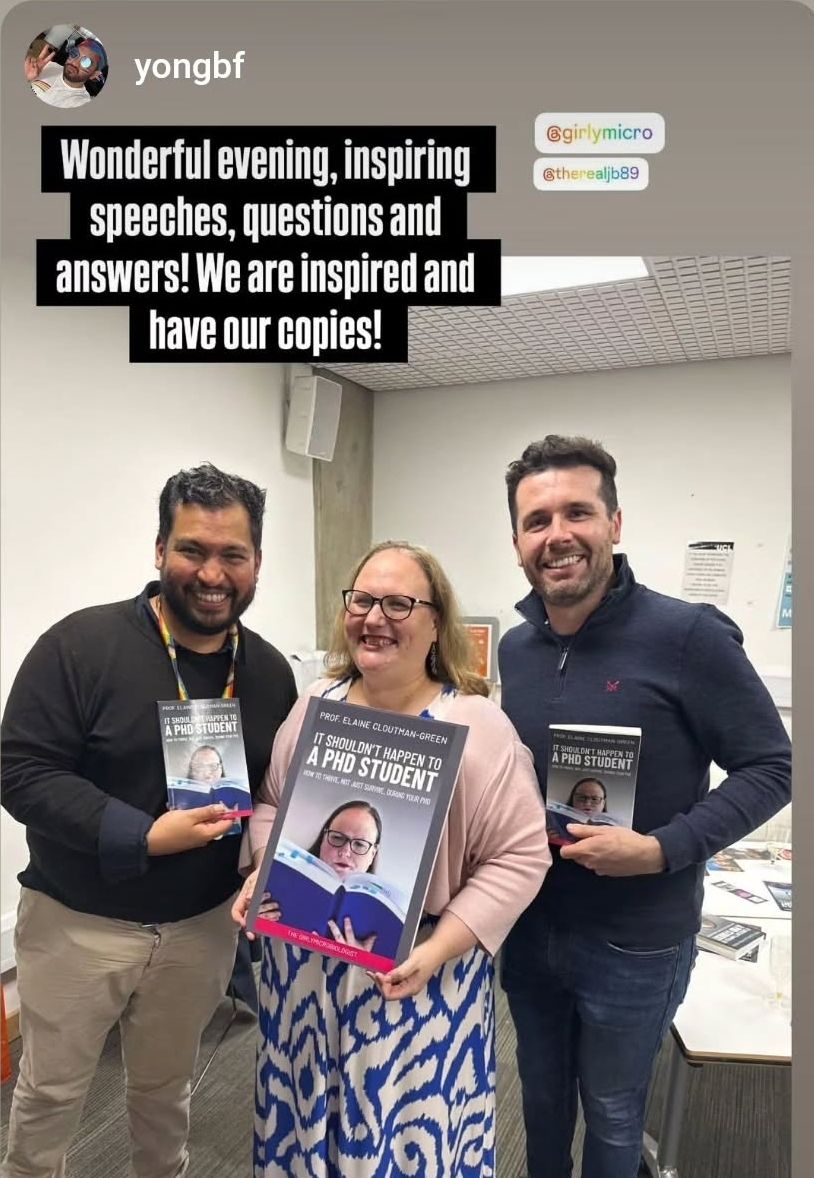



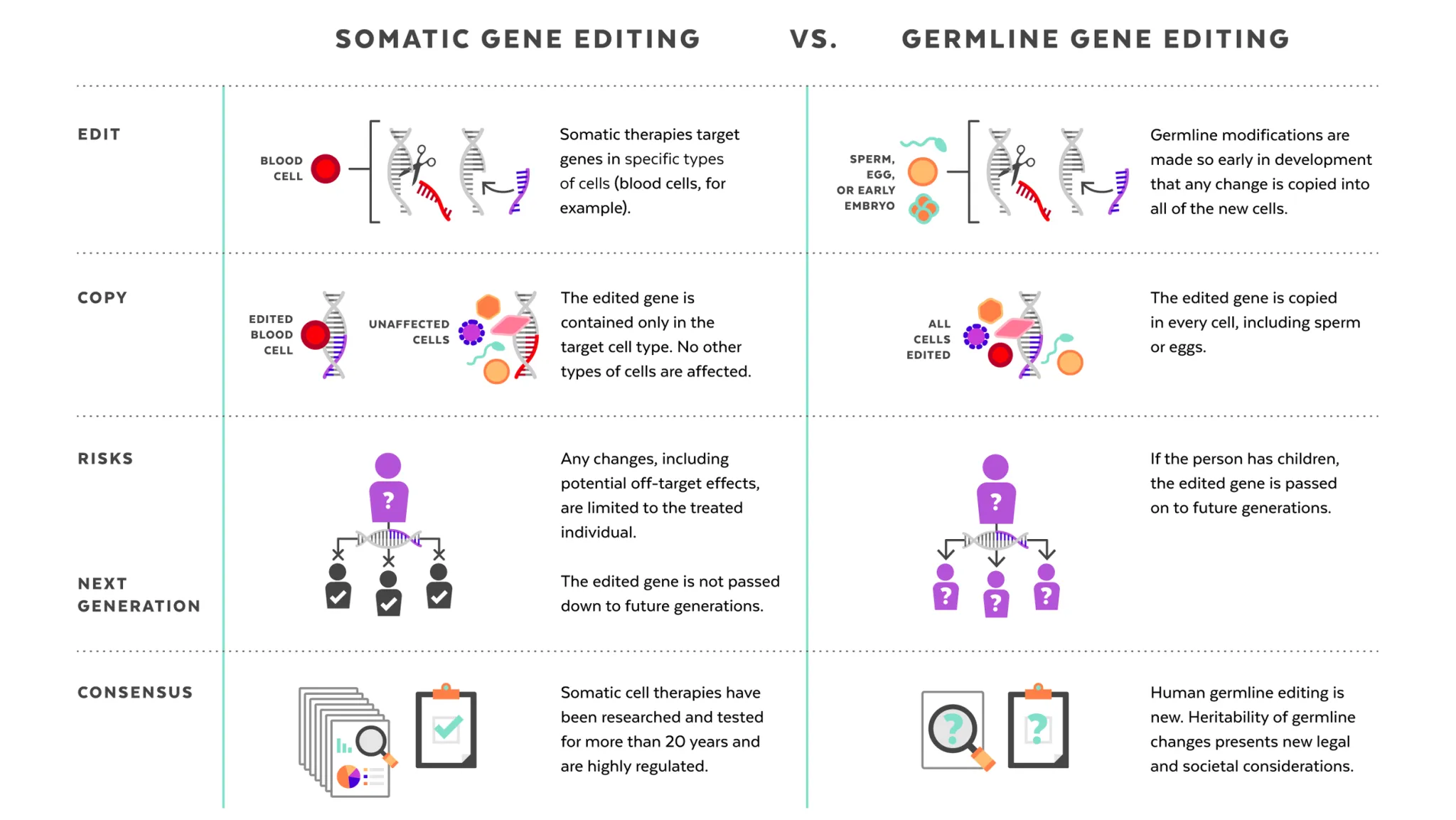
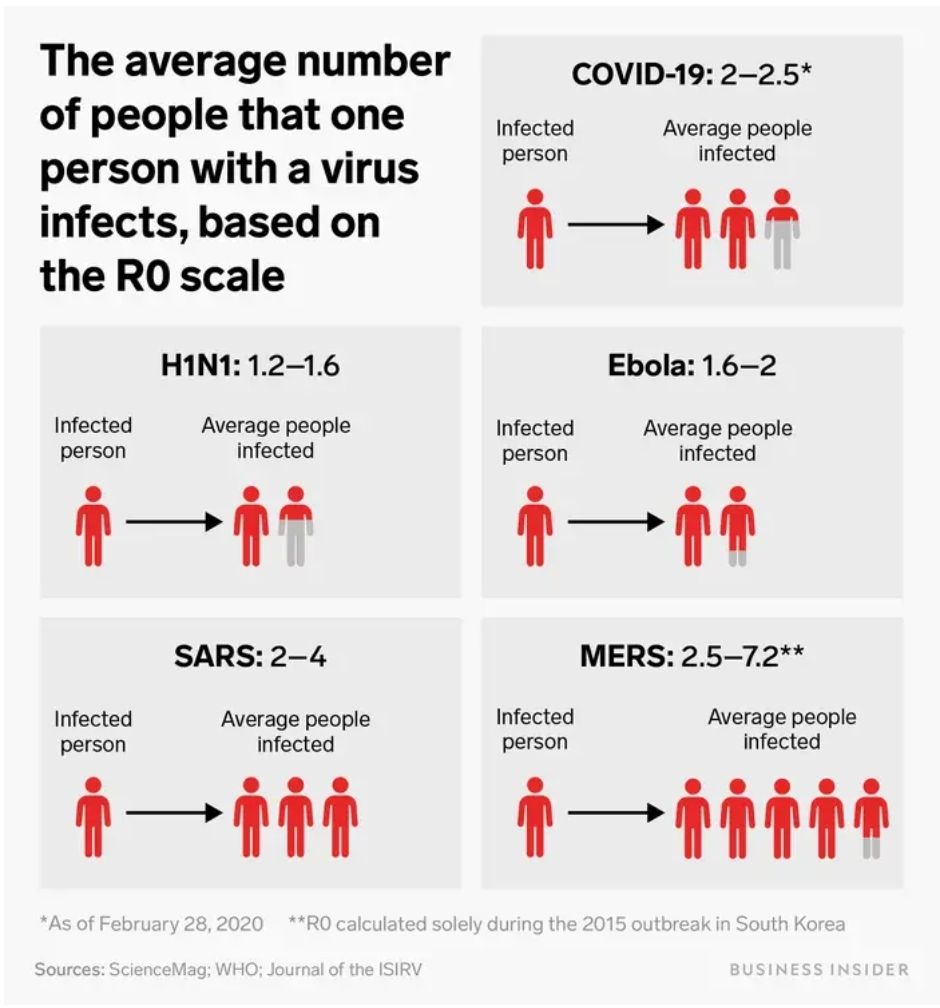

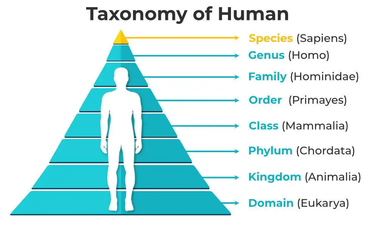



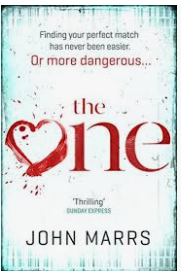
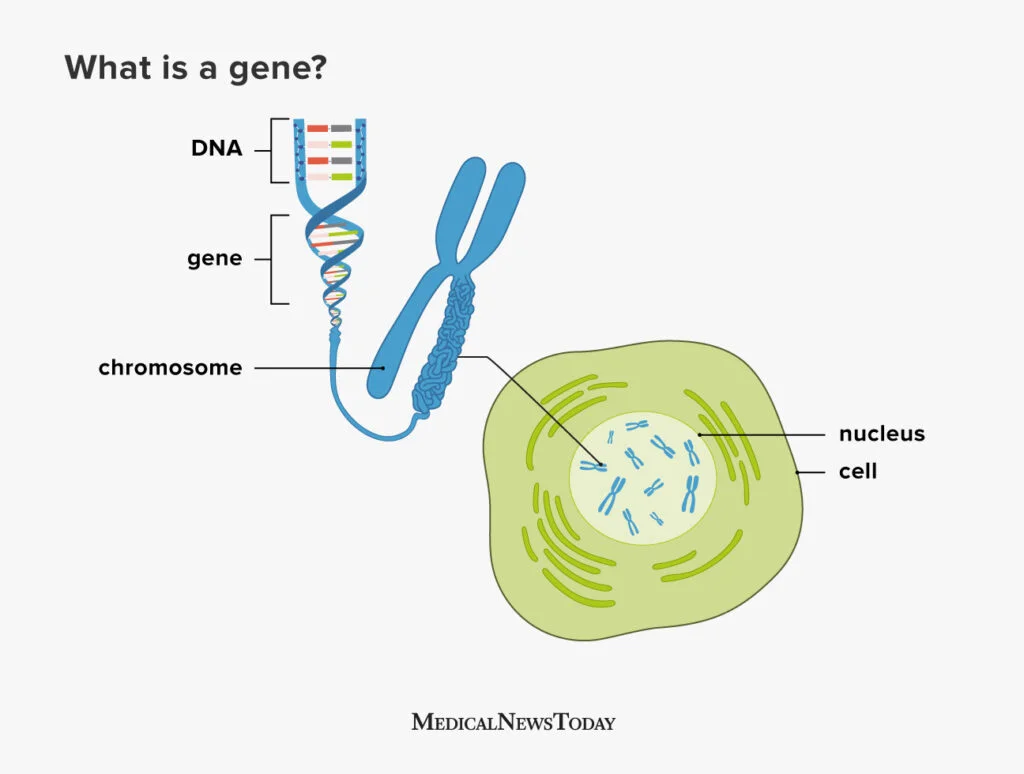


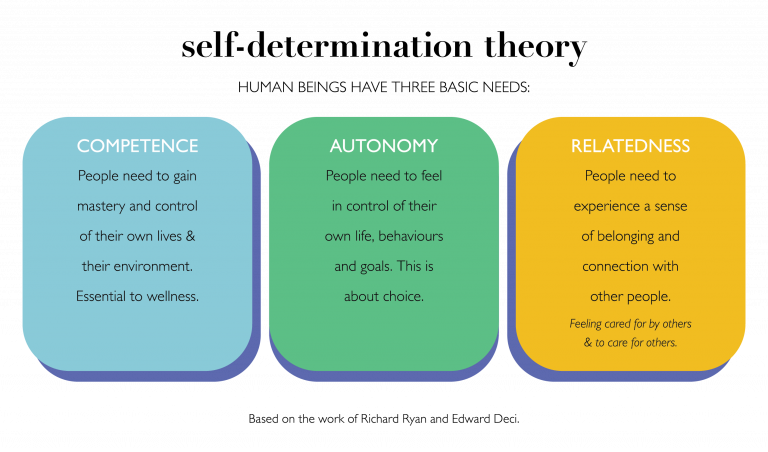

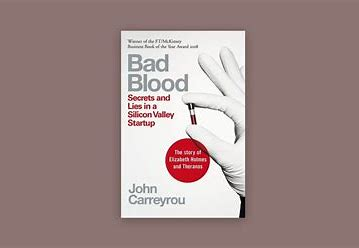

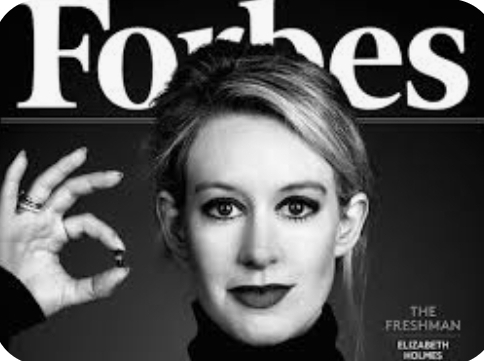


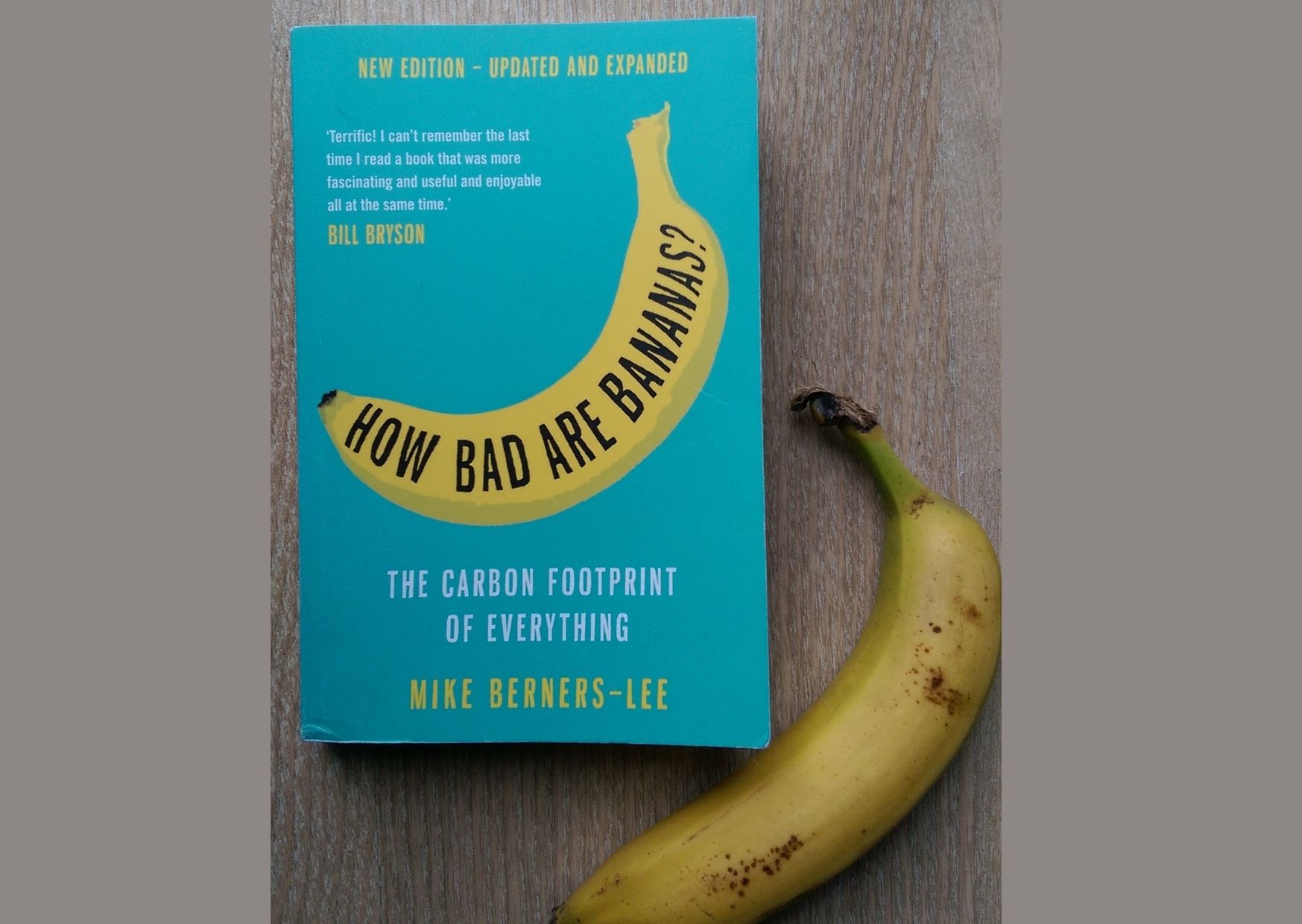




 Girlymicro