
When I started training, TB was around but in most areas was at pretty low levels and drug resistant TB, which makes it very hard to treat, was not a thing. Times have changed however, multi-drug and extremely drug resistant TB are increasingly common. TB itself, which is a disease strongly correlated with social deprivation, is something we see with increasing regularity. All of this means that TB is definitely not a disease of the past, it is having a resurgence within the UK (13.6% case increase from 2023 to 2024). So I was super happy that Dr Eleanor Senior offered to write me a guest blog linked to a book on the topic that offers a non-Eurocentric narrative on the disease.
Eleanor got in touch after I posted on LinkedIn a few weeks ago with a call for anyone who wanted to try their hand at blog writing, she volunteered to contribute a guest blog. If you are reading this and interested in giving it a go too then please email me on elaine@girlymicrobiologist.com.
I really want to use the platform I have to give opportunities to others, as I have been fortunate enough to benefit from those opportunities myself. Writing a guest blog can be useful if you are putting together training portfolios, or just want to try and develop your writing style. So, if you’re interested send me a 300 word pitch about what you’d like to write a blog on and I’ll see whether it is something I can support you with.
Eleanor is a Clinical Scientist in Microbiology at the Countess of Chester Hospital. She has a background in Infection and Global Health (PhD), Clinical Microbiology (MSc) and Biological Sciences (MSci).

Guest blog by Dr Eleanor Senior
Tuberculosis has been entwined with humanity for millennia. Once romanticized as a malady of poets, today tuberculosis is a disease of poverty that walks the trails of injustice and inequity we blazed for it
The book
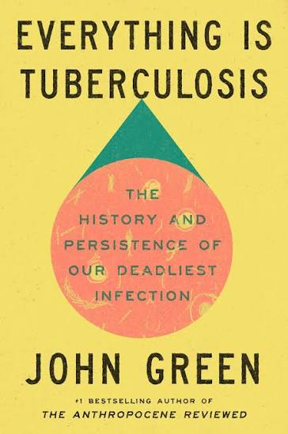
I was first introduced to this book, surprisingly, by my sister-in law. She isn’t a scientist, she a writer, and usually doesn’t have much interest in microbiology. However, when she said ‘I had to read it’ I knew it was going to be an interesting read.
The book mainly centres around the narrative of ‘Henry’s story’, a young boy from Sierra Leone who the author John Green meets. Henry develops TB at age 6, which then becomes multi-drug resistant. He goes through several course of treatment, including at Lakka Government hospital. The book focuses of key barriers for people, such as Henry, to effective treatment. This includes inaccessibility of treatment centres, financial cost of treatment, mistrust of the medical community and general racism. For instance, TB was at one time considered to be a ‘White man’s plague’ as black people ‘weren’t smart enough’ to catch it. TB still continues to be a stigmatised disease in many communities, leading to suffers being shunned. This stigma can lead to people not seeking out treatment or follow-up care. A key message of this book is that TB, broadly speaking, is treatable and the main barriers to its eradication are societal and based on health inequalities.
It also shows how the impact of TB can be seen everywhere in modern day life. For example, Pasadena, in California was a TB treatment hub, and TB ‘tourism’ led to increases in its economy. Additionally, Adirondack chairs were designed for patients in sanitoriums.
What is TB?
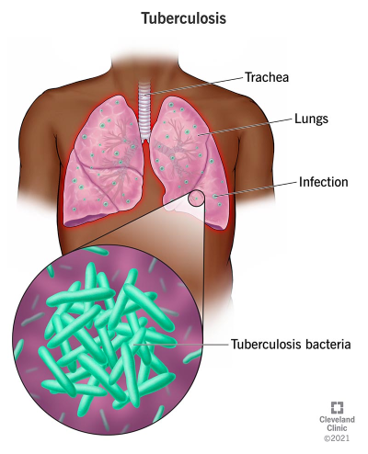
Tuberculosis is a highly infectious disease. It is an ancient disease and has been estimated to have killed 1 in 7 of all people who have ever lived. It has been around for thousands of years, killing numerous people including John Keats, Chopin, Anne Bronte, Henry VII and Eleanor Roosevelt. Evidence has also been found as the cause of death in Egyptian mummies (2400 BC) and in the Neolithic period (5800BC).
It is caused by a bacterium called Mycobacterium tuberculosis and spread through the air by the coughs and sneezes of infected people. There are 2 forms of the disease: active and latent. Active TB can cause a variety of symptoms, including a chronic cough, night sweats and weight loss. In this way it was often known as ‘consumption’ or ‘wasting disease’. Latent TB does not cause symptoms and is not infectious, but the bacteria are still present.
Multi-drug resistant TB (MDR-TB)
TB is typically treated with a cocktail of several antibiotics for several months. For the microbiology/pharmacy nerds it is usually a cocktail of Rifampicin, Isoniazid, Pyrazinamide and Ethambutol (RIPE).
However, due to several reasons, including mismanagement of TB treatment, some strains of TB are becoming resistant to this treatment. This means that the normal treatment will not work and longer, more complex, courses of different antibiotics (sometimes 18-months or longer) are required. These can have cost implications and can have a variety of side effects. The complexity of cost of this can then lead to more people not completing their treatment, further compounding the issues.
Health inequalities
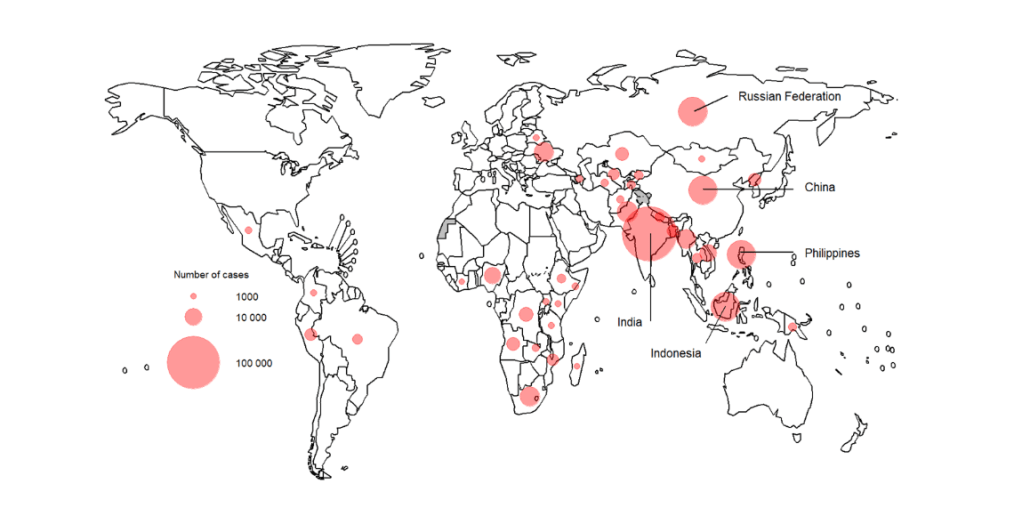
Henry’s story shows that the chances of survival from this disease are often based on where a person lives. As mentioned, TB was considered a ‘white person’s disease’ and so it was able to be rife in non-white communities. However, it was later decided that it was a ‘black disease’ and one reason to prevent the abolition of slavery was because it would increase the spread of TB.
The cure for TB is here, however, due to issues with healthcare and economic systems, the treatments and assistance are not provided equitably to the societies that need them most. A range of socioeconomic factors can increase risk for TB, including poverty, language barriers and limited access to health care and housing.
Even now, TB disproportionately affects racial and ethnic minorities. In 2023 it was estimated that 90.1% of TB cases occurred amongst minorities (https://www.cdc.gov/tb/health-equity/index.html). Currently, there are many different initiatives to attempt to remove these barriers, including communication and outreach events, policies to identify ‘at risk’ groups, highlighting personal stories and collaborations between different international bodies, such as the CDC.
Conclusion
TB is a highly interesting disease; it has been around since history began and has shaped out modern world. Even know, it continues to be a challenge for healthcare professionals around the globe. Finally eradicating this disease will require a multifaceted approach, including effective drug regimens, education and removing barriers to equitable treatment.
References
- https://www.kncvtbplus.com/articles/news/story-henry-eziekel-tuberculosis-and-world
- https://jmvh.org/article/history-of-tuberculosis-part-1-phthisis-consumption-and-the-white-plague
- https://www.who.int/news-room/questions-and-answers/item/tuberculosis-multidrug-resistant-tuberculosis-(mdr-tb)
- https://www.who.int/publications/i/item/B09350
All opinions in this blog are my own
 Girlymicro