
I’ve written about a bit previously about how travel and seasonality can impact infection risk, and how our perceptions of those risks can change our behaviour. This week, we have a wonderful guest blog from Kate Fincham that takes that discussion one step further, by talking about, not only how we can think about risk, but also what actions we can take as a result of that thinking.
Kate is a born microbiologist, even if she was diverted by the world of nursing and has gone on to become a cracking Infection Prevention and Control nurse. Her curiosity and willingness to learn and the knowledge she has to any scenario is part of what makes her such a great IPC practitioner. Even with her all skill though, risk management is about controlling exposure risk, it doesn’t mean you can avoid it all. I’m really grateful she decided to write about how she views risk outside of her normal environment, and I think it will definitely play into my future thinking.
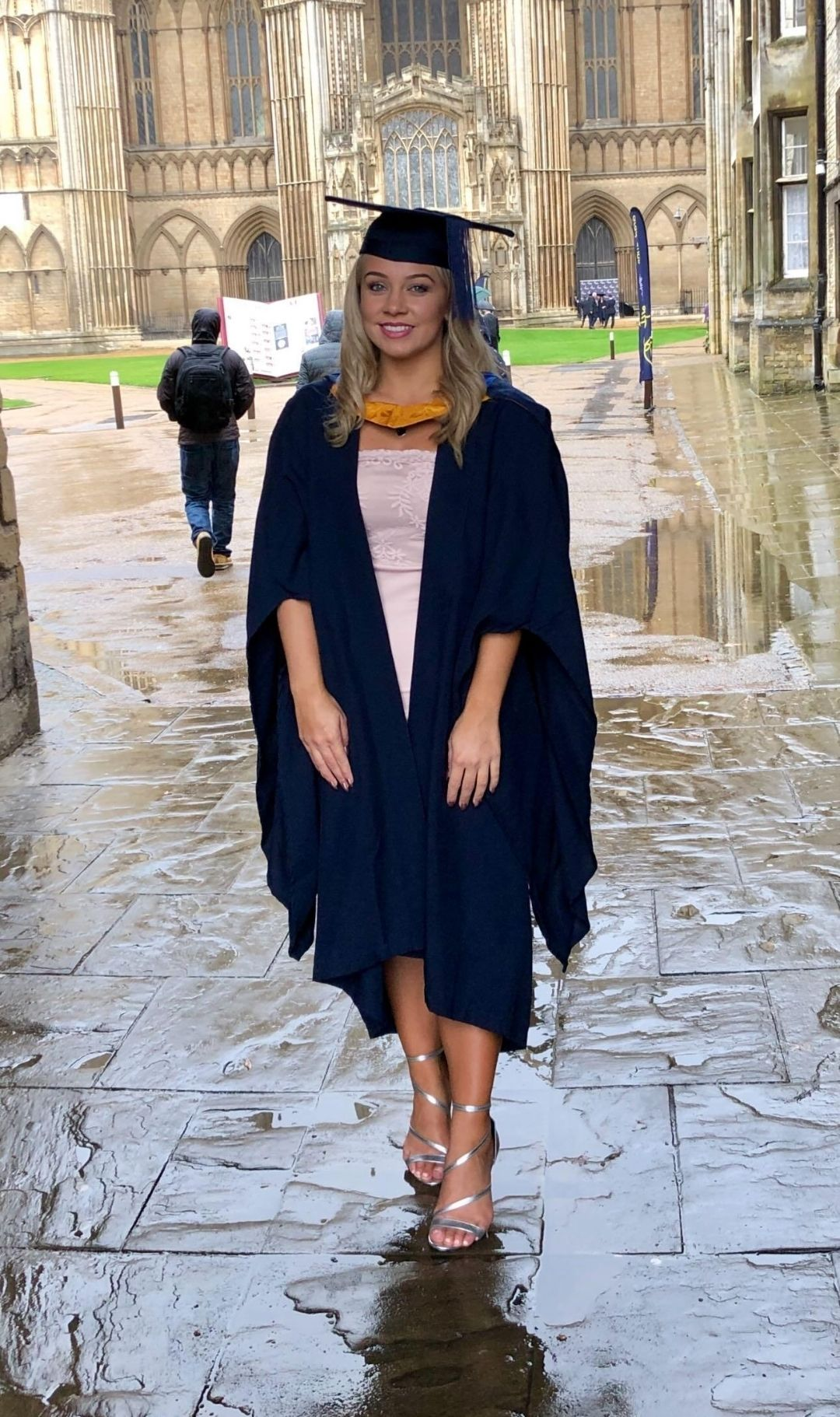
Blog by Kate Fincham
Working in Infection Prevention and Control has changed the way I look at risk. Not because I think everything is dangerous, but because assessing risk has become second nature. I think about how likely something is to happen, what the consequences might be and whether there is anything reasonable I can do to reduce it.
Travel is where I notice this most. From what I eat and drink to whether I wear a mask on a plane, my choices are influenced by what I have learnt throughout my career. Does that mean I avoid everything risky? Definitely not. If I did, I would probably never leave the house.
For me, risk assessment is not about eliminating every possible hazard. It is about deciding which risks matter, which precautions feel proportionate and what I am prepared to accept. A recent trip to Malta made me think about that balance more than usual.
Eating out on holiday is where my risk perception really shows
Food is one of the best parts of travelling, but my career has changed some of my choices. I used to love mussels and shellfish. Now I am more likely to choose something else.
That is not because all shellfish is dangerous. Plenty of people eat it without any problems. It is simply that knowing more about the potential risks has changed whether I personally think they are worth taking.
Take oysters. I have never eaten one and probably never will. Partly because I cannot get past the texture, but also because they are filter feeders and can concentrate microorganisms from the surrounding water. Raw oysters have been associated with infections including Vibrio and norovirus.
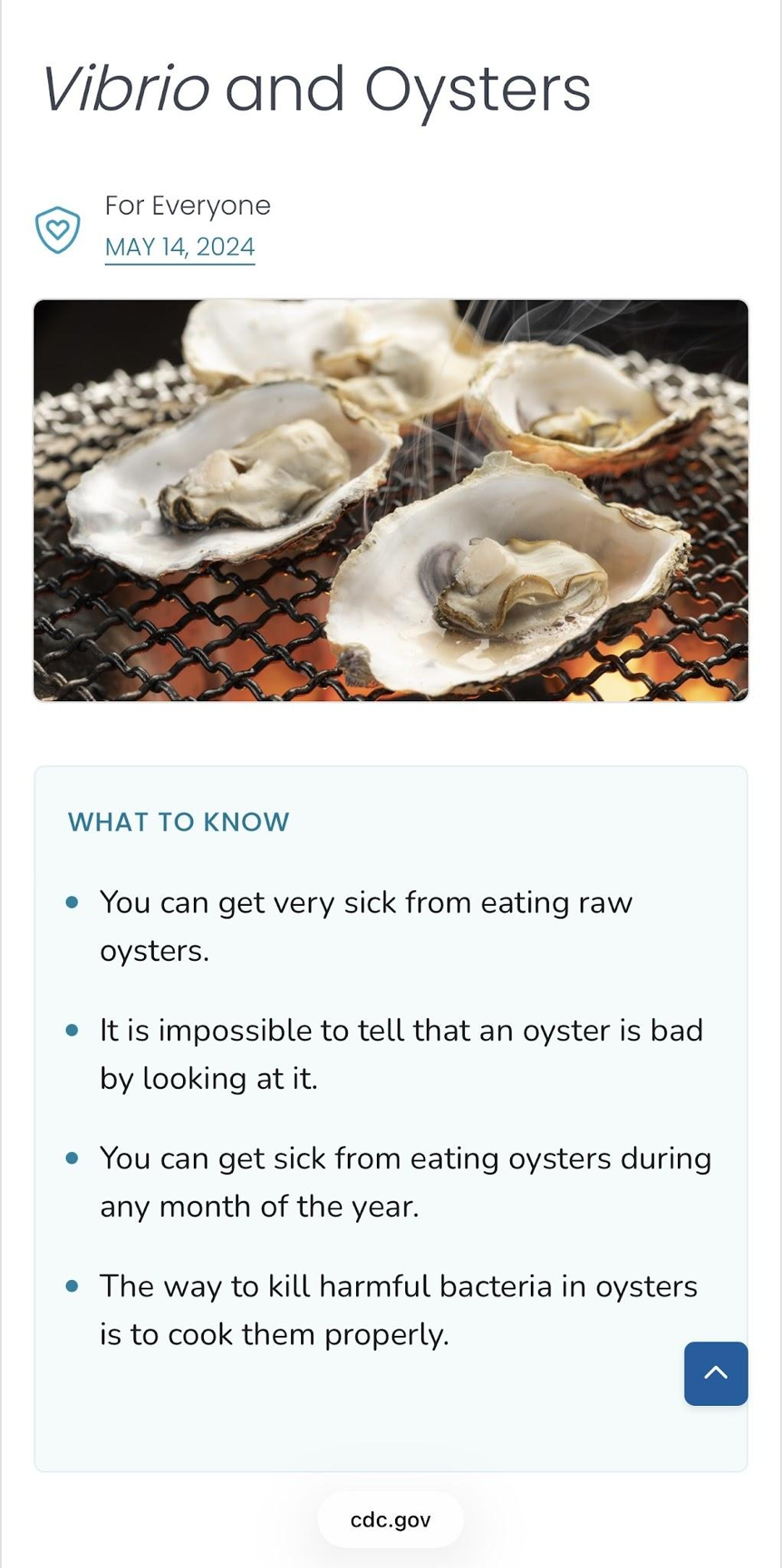
Some people look at an oyster and see a delicacy. I look at one and think, Is this particular risk worth taking for something with the texture of that?
For me, no.
I am not saying nobody should eat them. Two people can have exactly the same information and make completely different choices. If I really loved oysters, perhaps I would feel differently. But when I am already unsure about the food and aware of the potential consequences, it does not feel worth it.
If the menu also contains a warning about consuming raw or undercooked food, that usually confirms my decision.
I check the restaurant ratings
I do not read every review, but I will usually check the overall rating before deciding where to eat.
For me, anything above 4.5 out of 5 is generally reassuring enough. It does not prove the restaurant is perfect or eliminate all risk, but I am not looking for certainty. I am looking for enough information to feel comfortable with my decision.
Could a highly rated restaurant still have a problem? Of course. Could someone become unwell despite the rating? Absolutely. But do I need to analyse every complaint or conduct my own outbreak investigation before dinner? No.
I am on holiday. A rating above 4.5 is usually enough for me to think, That will probably do.
What about the water?
I do not automatically assume tap water is unsafe because I am abroad. I check the advice for the destination. If official guidance recommends avoiding it, I will drink bottled water and consider things such as ice and food preparation too.
That is probably what IPC has changed most about the way I think. Rather than dividing things into “safe” and “dangerous”, I ask: What is the actual risk here, and is there a simple way of reducing it?
The answer depends on the destination, the available information and my own circumstances.
Then there is the plane
Modern aircraft generally have effective ventilation, and many use HEPA filtration. But travelling still involves spending prolonged periods around lots of people, as well as airports, queues, boarding and public transport.
Could I wear a well-fitting mask through the airport and on the plane to reduce my exposure to respiratory infections? Yes.
Do I? No.
That is the perfect example of what I mean. Knowing that a precaution could reduce risk does not mean I will use it every time. At some point, I decide what feels proportionate and what level of risk I am prepared to accept.
My risk perception is not necessarily yours
We can be presented with the same risk and respond to it differently. Age, health, previous experiences and who we are responsible for all affect the calculation.
I do not have children, so I am assessing risk primarily for myself. If I did, I imagine I would be more cautious. I would be considering questions I do not currently have to think about: What if my child became unwell? Are they drinking enough? What medicines can they have? Where is the nearest doctor? At what point would I seek help?
Children can become dehydrated more quickly than adults, particularly with vomiting or diarrhoea, so the consequences of an illness may also be different.
Parents will still make different decisions, of course. I am not suggesting there is one correct level of caution. The person making the decision matters just as much as the hazard itself. The same risk can feel very different depending on your health, responsibilities, previous experiences and how much control you feel you have.
After all that, guess who got ill?
Despite considering food, water and everything else, I still got ill in Malta. We had not been clubbing or on massive packed boat trips. I had not abandoned all my principles and eaten twelve raw oysters.
Yet something got me.
According to TikTok, I had “Malta flu.”
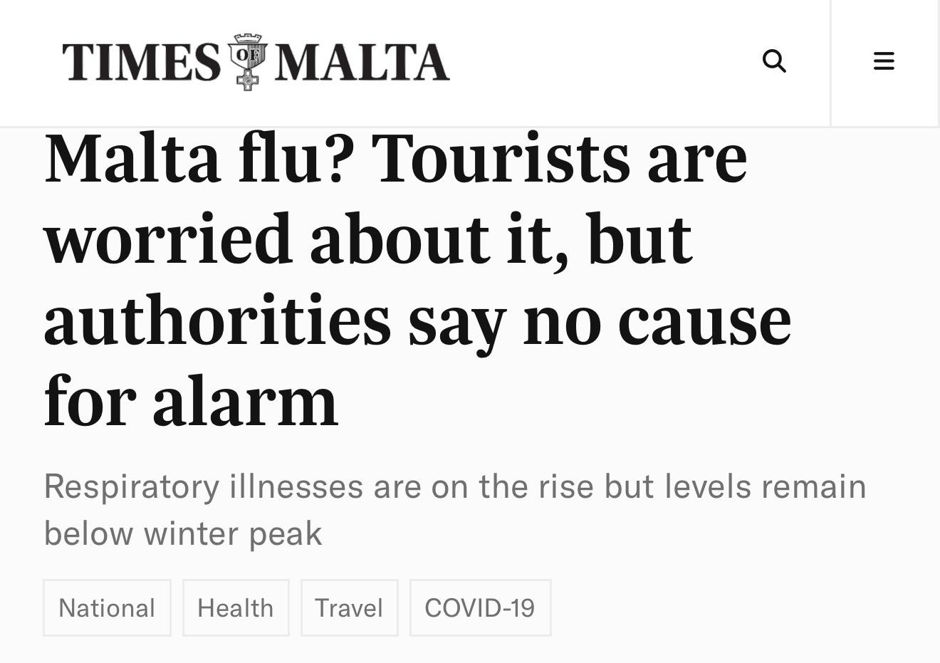
Once TikTok realised I was in Malta, my feed became an endless stream of people talking about it: people coughing, feeling desperately unwell and ending up in hospital.
Naturally, I wondered what “Malta flu” actually was.
The problem is that it is not a specific diagnosis. It is a non-specific label used online to describe respiratory illnesses experienced in or after visiting Malta. Coughing, congestion, fever, sore throat and fatigue can be caused by COVID-19, influenza or other respiratory viruses.
Without testing, I could not confidently tell you what I had.
Did I need to know what I had?
I was curious and I could have paid for a lateral flow test or PCR testing. But then I thought about what the result would actually tell me.
These tests look for specific targets. A COVID-19 test looks for SARS-CoV-2, while an influenza test looks for influenza. Some respiratory panels test for several pathogens, depending on what they include. A negative result would not automatically mean I did not have a viral infection; it would mean those particular targets had not been detected.
So I asked myself: Would knowing exactly what I had change what I did?
For me, at that point, no.
I needed to rest, stay hydrated, manage my symptoms and monitor whether I was improving or worsening. In IPC, identifying an organism can be important because it may change precautions or management. But lying in a hotel room surrounded by tissues, I did not need to identify my pathogen. I needed the coughing to give me five minutes’ peace.
That was my decision in my circumstances, not a suggestion that testing is never useful. For someone vulnerable, or living or travelling with someone vulnerable, the result might influence what they do next.
The important question was not whether testing was inherently worthwhile, but whether it would change the decision I needed to make.
Then came the chesty cough
After a couple of days, things became less fun. I had barely slept for two nights, was wheezing, had a constantly streaming nose and a very chesty cough.
Did I wonder whether I needed antibiotics?
Absolutely.
When you are exhausted and coughing all night, there is a little voice asking whether antibiotics might sort everything out. But a chesty cough does not automatically mean a bacterial infection. It could still be a viral respiratory infection, and antibiotics do not treat viruses.
Taking antibiotics when they are not needed can cause side effects and contributes to antimicrobial resistance, making infections harder to treat.
So, despite briefly fantasising about a magical course of antibiotics, “just in case” was not a good enough reason for me to take them. That was my decision in that situation, not a judgement about anyone else’s symptoms. Sometimes antibiotics are needed, and persistent, severe or worsening symptoms may require medical attention.
Would I have made the same decision somewhere else?
In Malta, antibiotics are prescription only. In some parts of the world, they are easier to obtain without a prescription.
That made me wonder whether our surroundings influence the decisions we make about our health. If you have a horrible chesty cough, have barely slept and can easily buy antibiotics without seeing a doctor, would you take them “just in case”?
Does easy access make treatment seem more necessary? Does needing a prescription create a useful pause to consider whether antibiotics are actually indicated?
Access, culture, previous experiences and expectations can all alter our perception of what treatment we “need”. Sometimes the decision is influenced not only by the illness itself, but by which options are available and how easy they are to access.
At what point do you seek medical help?
TikTok kept showing me people who had ended up in hospital with “Malta flu”, some of whom mentioned receiving IV fluids. When you are lying awake at 3am coughing relentlessly, it is easy to compare yourself with strangers online.
But their experiences could not tell me what was happening to me. I did not know whether we had the same infection, their age, medical history, observations or why they needed hospital treatment.
Everyone’s body and immune response is different. The same infection can be relatively mild in one person and much more significant in another.
This is also where the boundary between personal experience and medical advice matters. I am describing the questions I considered as a nurse dealing with my own illness, not giving anyone else a checklist for deciding whether to stay at home.
Significant breathing difficulty, worsening wheeze, chest pain, confusion, significant dehydration or severe or rapidly worsening symptoms need appropriate medical advice. If you are concerned about yourself or a child, particularly where there are underlying health conditions or other vulnerabilities, seek medical advice rather than using my experience or somebody else’s TikTok as your benchmark.
Good job I packed a pharmacy… sort of
As a nurse, I thought I had prepared for every holiday illness imaginable.
Diarrhoea? Covered.
Travel sickness? Covered.
Headache? Covered.
Hangover? Obviously covered.
What I had not prepared for was several consecutive days of respiratory symptoms. By day two, my supplies were looking considerably less impressive, so I went to the pharmacy and came back with nasal spray, decongestant, cough medicine and cold and flu remedies.
I was not trying to cure the mysterious “Malta flu”. I was trying to feel comfortable enough to function while my body dealt with whatever I had picked up.
It was a useful reminder that risk assessment does not stop once you become ill. The questions simply change. Instead of asking, How can I avoid this?, you ask, How unwell am I, what can I manage myself and when do I need help?
So what did “Malta flu” actually teach me?
Probably that my career has not taught me how to avoid risk. It has taught me how to think about it.
Before travelling, I can check the advice. I can decide whether to eat raw seafood or wear a mask on a plane. I can think differently about a situation if I am travelling with someone more vulnerable.
But none of those decisions gives me complete control over whether I get ill.
I do not know exactly where I caught whatever caused my “Malta flu”, or which virus it was. In my case, I did not need to know. I needed to manage my symptoms, monitor how I was feeling and know when to seek help.
That is probably what risk perception comes down to.
We can have the same information and make different decisions because we are not all assessing it from the same position.
Risk is not simply about whether a hazard exists. It is also about how likely we think it is, what the consequences might be, how much control we feel we have and what we are prepared to accept.
I checked the travel advice. I avoided the raw oysters. I checked the restaurant ratings and decided that anything above 4.5 out of 5 was reassuring enough. I packed enough medication to open a small pharmacy.
And I still ended up awake at 3am, coughing my lungs up and surrounded by enough tissues to cause a national shortage.
Risk assessed. Pathogen unidentified. Holiday compromised.
All opinions in this blog are my own

