Paralysed by Career Indecision? My top tips for career development after a PhD

This time of year is always special to me. Not only do I adore all things Christmas, but 10 years ago on the 10th December, I passed my PhD viva, and so it holds some pretty significant memories.

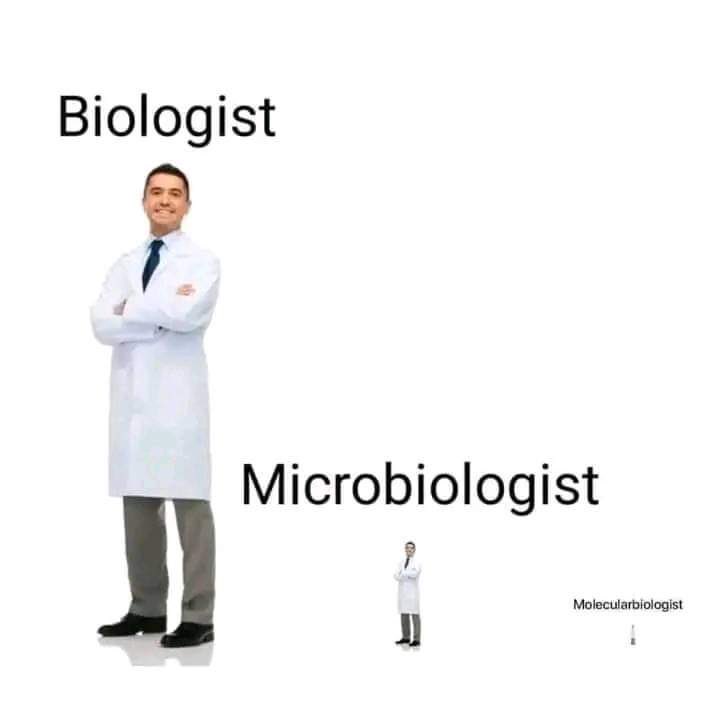
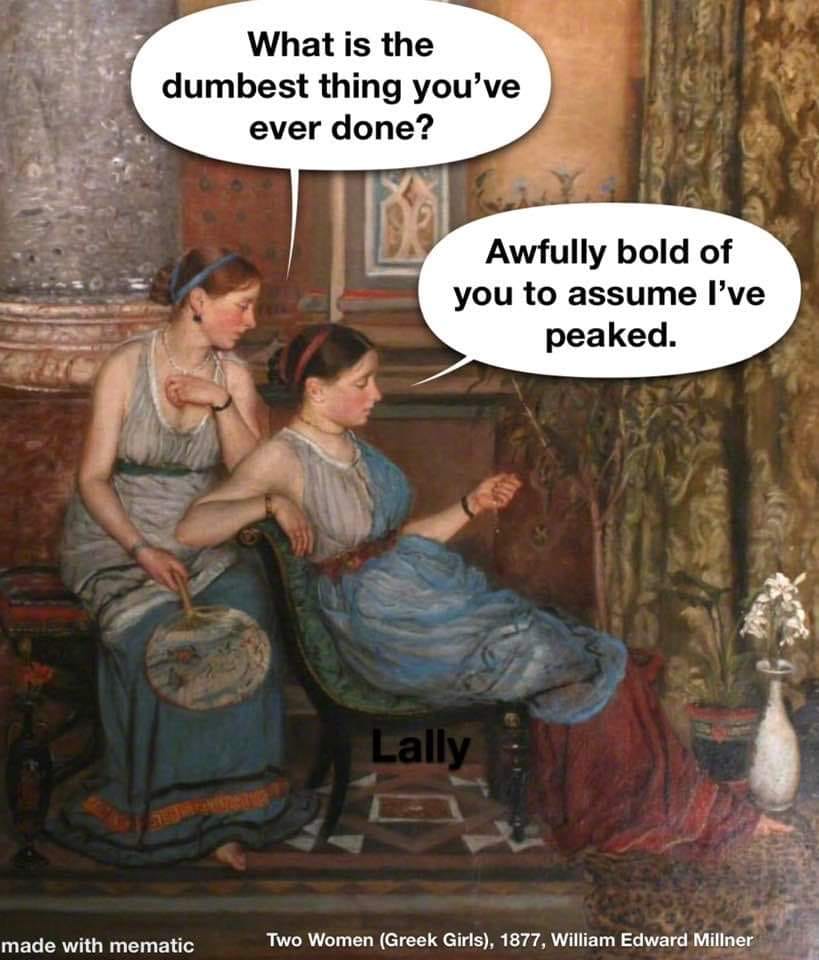
The thing is, and what I did not fully realise in the moment when this awesome photo and meme were made by Mr Girlymicro, was that although it felt like the end of something, it was really just a brilliant beginning.

Now, I say a brilliant beginning, but since this picture was taken there has been my fair share of being lost in the wilderness. There has been a chunk of self-doubt. There’s been plenty of agonising about career decisions and next moves. When you are working towards a PhD, although challenging, the end point is clear and there’s plenty of sign posting along the way. When working towards a career, all of those things are much more amorphous, and it’s much harder to know whether the decisions you are making are either right or significant, in any given moment.

In light of all of us I thought, to celebrate being 10 years on, now might be a good time to share some of what I’ve found to be helpful in navigating the forest of decision-making that comes with entering your post doctoral era.

Take time to know yourself

When you finish any big piece of career development it is both joyous and, for me, confusing. You have been running head long towards a goal for years, laser focussed on crossing that finish line. If, like me, you focus so much on the target you forget to think about what comes next, the end can actually be quite jarring. So, I think it’s actually important to build in time to review throughout the process if possible, but definitely at the end. Which aspects did you really enjoy and would like to ensure you include as a priority in any future career planning? Which bits did you not enjoy? Can the bits you didn’t enjoy be avoided or reduced by making decisions linked to next steps? Bearing in mind we all have bits of any job we don’t adore…….If the bits you dislike are a feature of academia, then maybe also think more widely about where your science might fit.

Another thing that it is worth doing, is really taking some time to map and focus on your skill gaps. The great thing about entering a different career phase it that it is an opportunity to really re-invent yourself and re-set. The next thing you do, science wise, after a PhD might actually be pretty different. Choosing a post doc is an opportunity to take all you’ve experienced during your PhD and use it make a more informed decision about your future. It may be that you, for example, had never had the opportunity to undertake bioinformatics before your third year, and now it really interests and inspires you. What skills would you need to develop to have this as a more dominant feature in your career? What further experience do you need to make you competitive in the job market? Then use this reflection to make informed choices when you are developing your next steps.

The final thing to really take some time to review will be your personal priorities. I don’t want the same things now that I did in my twenties. To be honest I don’t really want the same things now that I wanted before the pandemic, my priorities have definitely changed. When you reach the end of a big career stage it is worth doing a piece of reflection, as you may have been working towards something for a period of years whilst life went on around you. I’ve had plenty of friends who were super career focussed and then reached a point, post 1st post doc, where their priorities changed and they wanted to focus more on their families for a while. Giving yourself some time to decide what work life balance looks like for you, and what your priorities are, will mean you maintain yourself as well as your career along the way.

Foster the old

It can be tempting, especially if you didn’t have the greatest experience, to walk away from everything linked to what you’ve just completed, like a PhD, into the sunset and never look back. Some people have great PhD experiences, some have awful ones, and most people have a time of both highs and lows. No matter how tempting it is to close the door on this chapter of your life this is my plea to you to consider maintaining those links. You will have spent years working in an environment where you will have invested in networks, relationships and learning. Utilising that foundation, even if not all of it, to support your next steps is one of the best things that can come out of your PhD. It doesn’t have to be via your supervisor, but through the peers you bonded with, or even other academics you encountered during the way. Invest a little in making sure that you don’t lose the things you have already put a lot of energy into when you start to move into something new.

Find your people

Now, having said about maintaining the old, we all know people who’ve clung so tightly to where they’ve come from that they never really move forward. This is also not great. You’re entering a new phase and you can’t truly maximise on the potential of that if you carry over too much of where you’ve been. If you want to continue to thrive, this is the time to expand and find your new tribe.

This can be an intimidating time but there are often routes out there within your organisation that really support you in doing this. I would advocate that, during any career transition phase, it is worth taking some time to see if you can find a mentor or get access to coaching, in order to help you through the reflection and to maximise the opportunity.

A key early focus should always be to get out there and start making your own connections, building your own relationships, and start stepping into that independent researcher space. Mentorship can really help with this, as its an intimidating thing to need to do, and it’s important to not shy away from. If you are not the best networker, like me, one of the things that I found really helpful for this was joining and becoming an active participant in professional bodies/societies or other opportunities that may exist within your organisation. This provides an organic way to meet people and build relationships, whilst also undertaking activities that interest you and service your CV. The people I met early on are not only my colleagues but many are now my friends. They are the people I call who keep me sane. So it’s time well spent.

Be prepared for the studying to continue

You reach the end of your PhD and most of us say that’s it, we are never studying again. Then, within a fairly short time, reality makes a liar of us all. If you want an academic career then the studying will continue. There will be a need to become a better educator, as well as researcher, with things like working towards Fellowship of the Higher Education Academy (FHEA) to support how well you teach, and ensure you remain competitive in the job market. There are always new techniques and specialist skills to pick up, and I would make a plea that we could all do with spending some time on developing our communication skills. I’m talking everything from grant writing skills, to media training and public engagement skills. No matter how little you think you need some of these things, you will always need them more than you predict. The added bonus is that they will also beneficially impact on other parts of your work, for instance things like public engagement skills make your general presentation skills better.
Throw your hat into the ring often

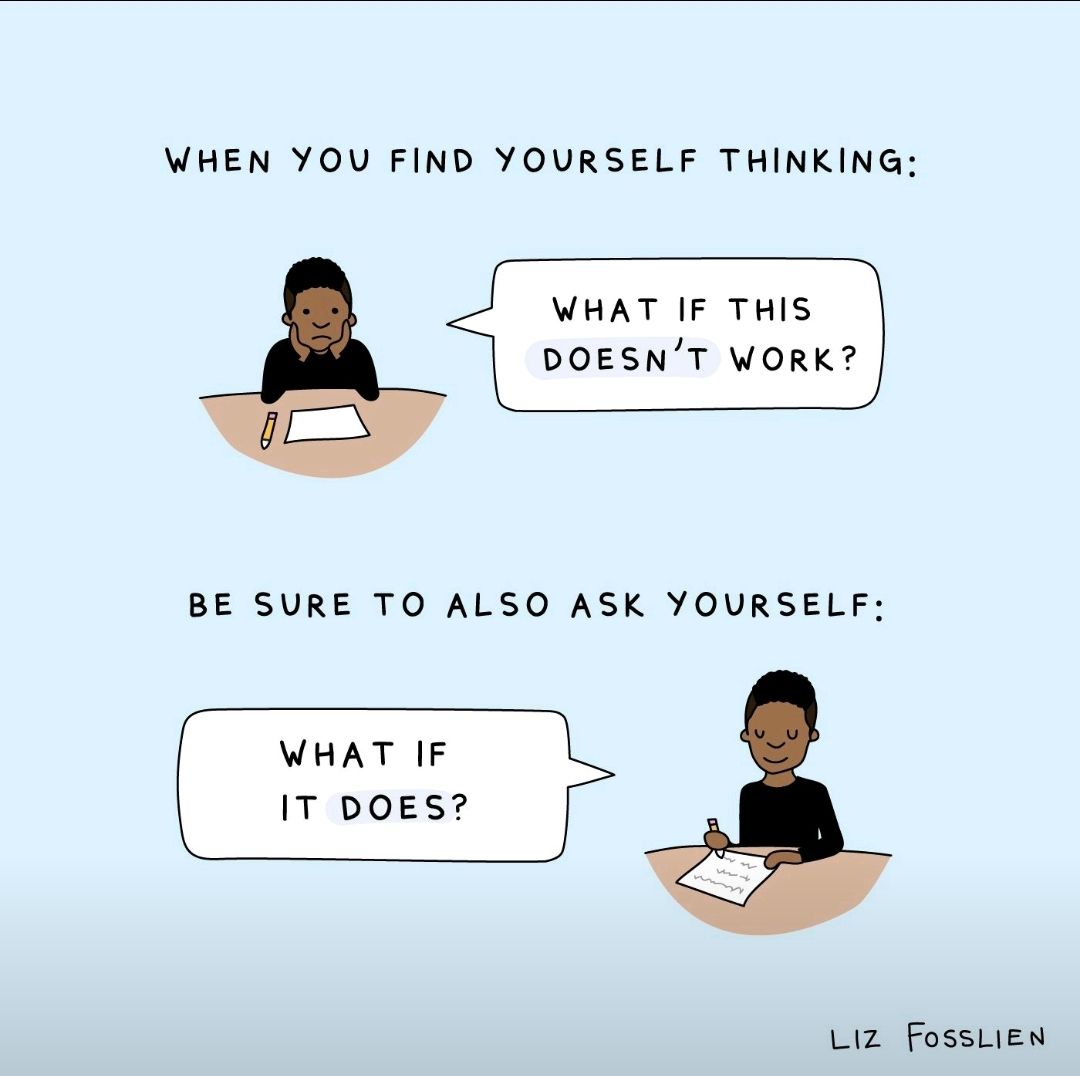
We all have moments of high and low confidence. One of the things that I’ve learnt is how important it is to notice and acknowledge whatever period I’m in, but not let it impact my activity, as how I’m feeling personally does not really alter my chances of success on any given thing as that it usually linked to external factors. It is also easy to not be applying for grants and other things if you are in a comfortable place, because you have funding etc. The thing is, the most important thing, for both your CV and your development is consistency. You won’t get better at writing grants, papers etc if you aren’t doing it, so even if you don’t ‘need’ to do it as you have funding that doesn’t mean that you shouldn’t. You may choose to apply for a public engagement or development grant instead, but you should still do it.

The same is true for throwing your hat into the ring for roles and other opportunities, you often don’t know where they will lead you, but if you don’t do it you’ll never know. Practice makes perfect, and you won’t always succeed in the moment, but the experience gained will always stand you in good stead.

Learn how to process failure

I’ve posted plenty about failure before, and why I actually think I’ve learnt more from my failures than my successes. The truth of it is that academic feels like it is 80% failure and rejection, and it is, if you only focus on the outcome instead of the process. The learning is in the experience. In producing the work. So yes, by throwing your hat into the ring you are opening yourself up to a lot of failure when it comes to outcomes, but there is a lot less uncertainty linked to the fact that you will develop as a consequence. Each of us has to come to terms, and find a way of thinking about and dealing with the outcome failures in a way that supports our personal thinking and processing. Yours is likely to be different to mine, but investing some time working out how best to manage yourself in these moments will be ones of the best investments in time you can make if you want to maintain an academic career.

Practice all forms of communication

I’ve mentioned this a little all the way through, but I’m going to re-state it here as it’s important. Take every opportunity you are offered to practice and improve your communication skills. Every chance to write a lay summary, or patient information leaflet. Every chance to present, small or large, no matter how terrified you are. Every opportunity to copy edit someone’s grant or paper. Every chance to be on an interview panel, or review committee. All of it will enable you to see how other people communicate and find new ideas for things you like, or get you to put your research dissemination in a new way to a different audience, and therefore be able to see it in a new light. The only way you get better at any of this stuff is by putting in the hours, there are no short cuts.

I’m not the best writer, but it’s not about skill, it’s about putting in the time and practicing. I write every week, and hope that I get better by doing so. Some people may have an initial talent, but even they need to do the work. So take every opportunity you can to develop your skills early so that you can maximise the benefit during your career.

Don’t be tempted by rabbit holes

Coming out of something, like a PhD, where the your focus has had to be on a single very defined goal, it can be tempting to approach the next phase of your career in the same way. I don’t think it hurts to have focus, to have your list of gaps to address, and the things you’ve identified that you want to include and prioritise. I also want to state here that unlike your PhD phase, you might want to consciously keep the next phase broad and ensure that you maximise your opportunities to try and experience a breadth of options. Not just to help inform future decision making, but also because, as I’ve posted linked to making professor, you can’t progress on the basis of one area of interest alone. You may be an amazing researcher, but you also need to know how to communicate your research. You may be a wonderful teacher, but you also need to develop your strategic awareness skills in order to understand how best to navigate the system you find yourself in. Be aware of your future career needs and make sure you don’t close doors without realising it by failing to maintain and grow across development areas, and know how much these areas cross support each other to make you the best scientist you can be.
Be prepared to be flexible

I’ve discovered that pathways are never as direct as I once believed them to be, and I have previously struggled to be kind to myself in understanding that the most direct path is not always the correct one for me. I failed to see the joy in the diversions for a long time. Looking back on it though, this diversions and deviations have frequently ended up in giving me the experiences and opportunities where I’ve learnt most about myself or gained most in terms of career progression. Being open to the less travelled path can reap unexpected rewards. Being open minded when presented with choices, and sometimes over looking short term gain, can have great career benefits in the long term.

Sometimes this flexibility is also about allowing yourself to choose to prioritise your personal priorities at times over career ones. It can feel like, if you are making a choice, it is a permanent closing of a door but more often than not it is a choice you are making for right now based on what works for you. Being mindful of when choices are permanent or for ‘right now’ can be really helpful in evaluating next moves. Also, knowing that your choices are about you and what’s right for your life, and not listening too much to outside distractions can be helpful. It may be right for you to move into industry, to step back from clinical, to move into strategy or policy, only you can judge. There can be perceived judgement linked to leaving a standard academic path, but career paths are so much more diverse and flexible than they used to be, and so we should not just accept but embrace the freedom that creates.
Define yourself, don’t let others do it for you

The truth is, if you don’t define yourself you will be defined by other people. It is natural for human beings to want to put each other into boxes, that’s how we process and see the world, but you need to step up and choose which boxes are right for you and not be scared if they are perceived as different or unusual. Knowing how to communicate who you are, your unique selling points, and almost developing your own brand, can also help others understand and support you.

If others start to define you it can be easy to become a passenger in the early stages of your career, and then once you’ve established yourself enough to know who you are you’ve travelled down a path that takes time to re-set. Being able to communicate your values, beliefs and core vision, is essential in so many different interactions, be they in your personal or professional life. Doing this well means you are less likely to swayed or worse mis-labelled, leading you to end up somewhere that is out of alignment with who you are and where you want to be. This path leads to unhappiness and real issues with career satisfaction and fulfilment. Don’t be a passenger in someone else’s story, or an imitation of someone else’s aspirations, work hard to ensure you are the leading character in your own life. That is the path to real satisfaction in your career and supports you finding the happiness you deserve in your day to day life.

All opinions in this blog are my own

If you would like more tips and advice linked to your PhD journey then the first every Girlymicrobiologist book is here to help!

This book goes beyond the typical academic handbook, acknowledging the unique challenges and triumphs faced by PhD students and offering relatable, real-world advice to help you:

  • Master the art of effective research and time management to stay organized and on track.
  • Build a supportive network of peers, mentors, and supervisors to overcome challenges and foster collaboration.
  • Maintain a healthy work-life balance by prioritizing self-care and avoiding burnout.
  • Embrace the unexpected and view setbacks as opportunities for growth and innovation.
  • Navigate the complexities of academia with confidence and build a strong professional network


This book starts at the very beginning, with why you might want to do a PhD, how you might decide what route to PhD is right for you, and what a successful application might look like.

It then takes you through your PhD journey, year by year, with tips about how to approach and succeed during significant moments, such as attending your first conference, or writing your first academic paper.

Finally, you will discover what other skills you need to develop during your PhD to give you the best route to success after your viva. All of this supported by links to activities on The Girlymicrobiologist blog, to help you with practical exercises in order to apply what you have learned.

Take a look on Amazon to find out more

How Do You Become a Scientist and Other Career Day Questions: Some info to help in your scientific career journey

Last week I was part of a careers day for Queen Mary University of London, where I did my second Masters degree and where I currently act as an external examiner for the same Masters 15+ years later. I used to do these kinds of events all the time pre-pandemic but it’s been the first one I’ve done for some time. I know that many of the people who read this blog are already working scientists, but there are definitely some of you who are just starting out on your journey and so I thought I would share some thoughts in relation to some of the questions I was asked.

What is a day in the life of Clinical Scientist like?

I’ve blogged before about what a Clinical Scientist job is like as a Clinical Microbiologist. I think the main defining characterisation of Clinical Scientist jobs is that they are all quite different from each other. If you look at the NHS website it gives the following fairly generic description:

Clinical scientists research and develop techniques and equipment to help prevent, diagnose and treat illness.

Clinical scientists are healthcare and medical experts who support clinical staff in their work with patients. Their work is very wide ranging and can include laboratory work and testing, basic and applied research, management and teaching.

https://nshcs.hee.nhs.uk/healthcare-science/careers-in-healthcare-science/roles/clinical-scientist/

There are 4 main areas of Healthcare Science, each of which will have sub disciplines:

The day is a life for each is therefore pretty different. I work as a Consultant Clinical Scientist, and my training was within Microbiology. My Consultant post is even more specialised however, as my main area of practice is within Infection Prevention and Control. I love this as it means that I still maintain my practice within virology, mycology and bacteriology, whereas otherwise I would have had to choose a specific route.

These days I don’t get to spend so much time in the lab. My day to day involves supporting clinical decision making, managing outbreaks and infection risks, as well as supporting PhD students and research activity. I basically act as a hospital detective, trying to work out what is going on and solving cases of infection. I also sit on a number of national and international committees to try and translate some of the learning I experience and research into clinical practice. One of the things I love is that I run something called the Environment Network, that came out of my PhD.

What was my pathway into Healthcare Science?

My pathway into Healthcare Science was probably not that similar to most of you applying today, mostly because it wasn’t really something that was discussed when I was at uni and there were really quite restricted ways into the profession – things like T-Levels and apprenticeships just didn’t exist back then. My undergraduate degree was in Zoology, and although I loved it there were no real jobs in it. When I was an undergraduate I knew I didn’t really want to be your typical academic, where I thought you would spend your whole career looking at a single pathway in a lab, and that it wouldn’t really impact on the ‘real world’. I always knew I wanted to do something that changed things, that made life better for people, I just didn’t know how to do it.

When I graduated doing a master wasn’t really an option. I wasn’t in a position to pay for ongoing education – I needed to work. I then lucked out and was approached because the uni where I did my degree was looking for biologists to start on a new trial MRes that was focused on developing an interdisciplinary approach. They were developing a course called the Physics of Biological Interactions at Surfaces, and they wanted biologists to take it in conjunction with physicists, not only that but they were paying £10,000 tax free to anyone who would do it. I jumped at the chance, who wouldn’t.

During this MRes I discovered clinical research, research that was aimed at change and at making life better for patients. All of a sudden a new world opened up to me, I knew this was the kind of science I wanted to do. My best friend, who was a microbiologist, handed me an advert for a trainee Clinical Scientist job in London in Microbiology. Now, my project had included micro during my MRes, and I’d done one module of micro during my undergrad, but I was far from being a microbiologist. Despite that I took a leap of faith and applied for the job. There 240 applicants and 4 posts. I cried when I left the interview as I really wanted the job and I felt the interview was a disaster. Next day they called and offered me the job. I was shocked, so shocked I asked them why. The interview had been a bunch of scenarios, they replied that that they could teach me facts but they couldn’t teach someone how to think, and they liked the way my mind worked. That has stuck with me, and I bear it in mind as I interview to this day. The rest, as they say, is history.

What are the common routes available to people trying to enter into Healthcare Science today?

There are multiple points into Healthcare Science careers, which is great because no matter what stage of your career you discover them there is a route that will be appropriate for you!

College level entry

Discovering Healthcare Science careers early is great as it maximises your ability to choose your path forward and the amount of time that you can spend developing in this particular careers path. The main way to enter at this point is via T-Levels (I’ve written a separate blog post on these), as they enable you to build a good base and explore the different specialisms to help you make an informed choice.

Degree level entry

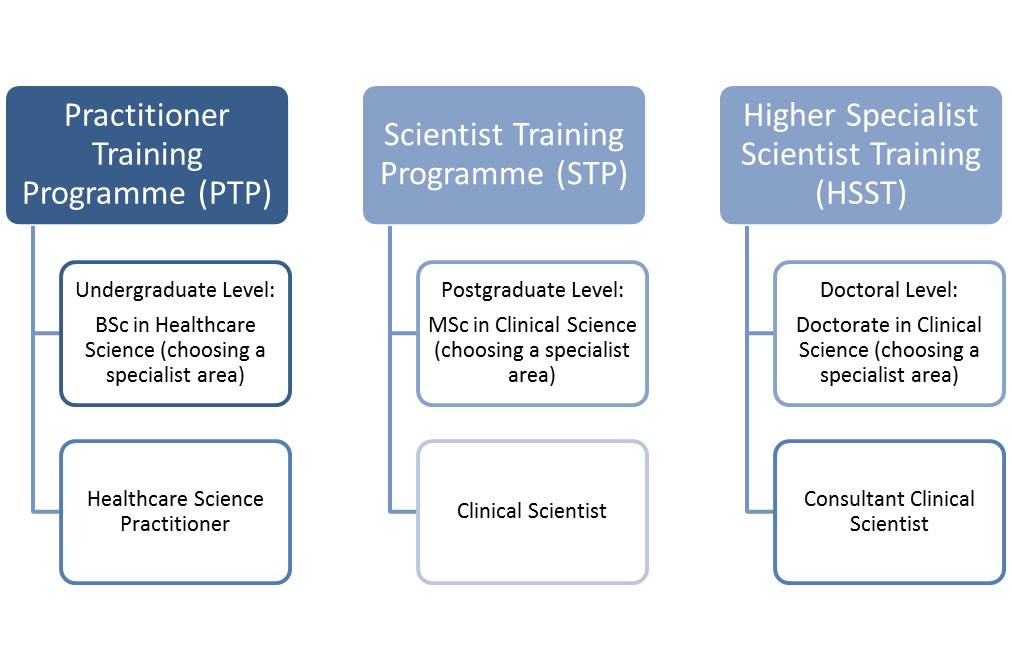
Degree level entry can look different depending on whether you are looking at going down the physiological sciences or life sciences route. For physiological science there are accredited degrees that enable you to access the Practitioner Training Programme, or PTP. This enables you to get work experience and training during your degree. There are also two different types of programme that in life sciences will support entry into the field as a Biomedical Scientist (BMS). Both of these include selecting Institute of Biomedical Science (IBMS) accredited degrees, but one includes choosing a degree that has a placement year so that you come out ready for registration, whereas the other will require you to do a registration year as part of work when you graduate (see post graduate entry).

Post graduate level entry

Once you have a life science (or other acceptable degree depending on specialism) the there are multiple routes into Healthcare Science:

Direct entry training posts – these include trainee BMS posts for those who have undertaken an accredited degree but still need the year in post to complete their portfolio.

Centrally recruited training post – these posts are traditionally either Scientific Training posts (STP), or Higher Specialist Scientific Training posts (HSST). STP posts involve training over three years to be a Clinical Scientists, and HSST posts involve training for 5 years (once already registered as a Clinical Scientist) to become a Consultant Clinical Scientist. STP posts involve further academic training to get an MSc, whereas HSST posts require working towards clinical exams and a taught doctorate.

In-post development and training, there are frequently opportunities to develop via informal routes when you are in post. If you have taken an accredited degree some posts will support you in completing your portfolio to get state registration whilst working as an associate practitioner (AP), or if your degree was not accredited, your employer may support you in taking top up modules that would then enable you to move onto the next stage of portfolio completion.

Finally, there are routes in via something known as equivalence or route 2 registration, especially for Clinical and Biomedical Science routes. These routes mean that you might do something like apply for a post when you have gained an appropriate PhD and over a period of years gain enough clinical experience to be able to complete a portfolio that demonstrates a similar level of knowledge and experience to someone whose gone through a formal training route. This is what I need for my HSST registration, as I already had a PhD and several years of clinical and academic experience.

Apprenticeships

I’ve put apprenticeships separately here as these are applicable to every level, although the Clinical Scientist one is not yet formalised. This means there are routes where you can be training and earning qualifications that support your career progress, as well as gaining valuable experience. These change periodically and different Trusts will support different ones, so I’m not going to list them in detail but I would encourage you to look at the .Gov website I’ve listed below so you can find the latest information and entry requirements:

  1. Healthcare science assistant (level 2) Carrying out routine technical and scientific procedures and support within hospitals, doctor surgeries and other healthcare settings for a wide range of people. Apprenticeship category: Health and science
  2. Healthcare science associate (level 4) Working in hospitals, primary care and other healthcare settings, carrying out routine technical and scientific procedures. Supporting healthcare science (HCS) practitioners and clinical scientists. Apprenticeship category: Health and science
  3. Healthcare science practitioner (integrated degree) (level 6) Supporting the prevention, diagnosis and treatment of medical conditions. Apprenticeship category: Health and science

What other types of science careers are there?

Healthcare Science is obviously not the only way to become as a scientist as a career, there are a world of different types of way to work in science. Starting in one does not mean that you cannot transfer to another, and different career options may be appropriate at different stages of your life. What I’m really saying is don’t worry too much about feeling like you are committing to a certain pathway if you get offered an entry level job in one area when your idea may be in another. Gain learning and experience and don’t be afraid to move between if that’s the decision that is right for you. Here are a few I can think of off the top of my head:

  • Industry – pharmaceutical, manufacturing, medical writing and so so many others
  • Academia – university based, but there are plenty of different pathways within, including specialising in teaching or research
  • Public sector – this can include jobs such as Healthcare Science, but could also include other routes such as public health, food science, environmental science, and options such as science policy
  • Clinical – there are other routes that enable you to work with a clinical aspect to your role, such as clinical trails, without entering into Healthcare Science
  • Charity sector – there are numerous charities, such as cancer research, Wellcome etc, that employ scientists and really value scientific input, whether that’s in their grant structure, policy development or science governance
  • Communication – science communication and public engagement is a really important area, from writing for news papers to developing content for employers such as the BBC, there are a lot of options in this area

What are my top tips for science applications?

I’ve previously written about this is more detail in 2 blog posts, application tips and interview tips, which I hope will be useful. Below are some more general tips that might help:

  • Don’t be afraid to use non-science examples. Have you worked in retail and dealt with money or conflicts? Have you been a guide or a school council member, both of which show leadership potential? You don’t have to have spent a year in a lab to be able to complete the form
  • Be prepared to talk about your why? Why science? Why this job? Why this place?
  • Know how to complete the application form. If you are applying for an NHS job you will need to explicitly state how you match each point with examples. Do avoid recruitment bias it’s all done on a point based system. You can’t get points if you aren’t writing against the JD, so don’t waste word count on items that are unlinked
  • Make sure you tailor your application to the job. Generic CVs won’t get you very far and a generic NHS application form will not get you the points you need. It takes time but it will pay dividends
  • If you get an interview make sure you visit before hand. It will give you pointers as to what they are looking for and ensure that it also feels like the kind of place you want to work
  • Practice common interview question answers ahead of time
  • If you are interested in them supporting further development, like supporting portfolio completion, use your opportunity at the end of the interview to raise it. An interview is as much you interviewing them as them interviewing you. If something is important to you make sure that you raise it, then you can make a fully informed decision about whether the role is right for you

What are my top tips for career planning?

I’ve blogged before about the fact that I’ve not had the smoothest academic pathway and that I really believe that academic success does not have to define who you are. I really believe there are so many many ways to end up in a place and a career that is right for you. There is not one way to do something, but here are some principles that I hope might help:

  • Don’t think you have to have it all figured out – follow what inspires you and supports your passions and everything will work out
  • You don’t have to be the smartest person in the room – being tenacious gets you far further than being talented alone, just keep going
  • Do your research – if you want something invest the time to learn about it, if there is a specific job reach out and speak to the people advertising it to get to know them, the workplace and more about the job
  • It’s OK to try a number of different ways to get into the field, don’t focus too much on it being on the ‘right’ pathway, as long as it enables you to be gaining experience, and in an ideal world training, you are still moving forward even if you need to move horizontally later
  • Keep an open mind about training routes in, don’t rule out apprenticeships and vocational routes, even if you consider yourself to be more academic, they will let you gain experience at the same time as earning money and studying
  • Be open to the fact that you are likely to have to invest your own time. Working in science has enormous opportunities, but if you sign up to a Healthcare Science pathway you are also signing up to continuous professional development, some of which will likely need to happen in your own time if you want the best possible outcomes
  • Maintain a growth mindset – no matter what the stage of your career be open to still developing, be open to opportunities and next steps, and be prepared to keep driving yourself to be better
  • Take a chance on yourself – sometimes we are our own biggest barriers and the most important thing is to get out of our own way. Don’t talk yourself out of taking chances, don’t tell yourself you can’t or that things won’t work out so you won’t try. Be brave, take your chances and leap!

How can I get work experience?

Work experience in Healthcare Science can be difficult to acquire, don’t be disheartened though there are still plenty of ways forward:

  • See if you can gain experience within industry or academia as these both tend to have specific work experience programmes that you can tap into
  • Some professional bodies, such as Applied Microbiology International, Microbiology Society and the Royal Society of Biology all have studentship and placement grants. I’m sure there are many others. Consider becoming a student member if you can afford it, or reach out to someone you would like to have a placement with and see whether they could apply or support you to do so. These mean that you can have some living allowance, if like me you couldn’t do it without, and bring some money with you to do a short project. They also look good on your CV as demonstrate both commitment and application/grant writing skills
  • Ask one of your current lecturers if they have any project opportunities with them
  • Gain an entry level post and use that to gain the experience you need to support your next steps
  • Consider apprenticeships to gain some exposure alongside your qualifications
  • Consider volunteering in adjacent roles, most hospitals and care facilities have volunteer programmes where you can gain experience, but also give back

Remember, you don’t need extensive experience to support your application for an entry level role, even a cup of tea with someone who does the job will enable you have a better understanding of the role. A couple of days to a couple of weeks is an advantage but not essential.

Useful places to find more information

Below are some links that might be helpful in getting some further information and reading up about possible next steps. These are great jumping off points, but you should also reach out to mentors and people doing the different types of jobs you are interested in to get deeper information not listed on the websites. There will be an option that works for you, but not every option works for everyone, so the more research you do the better fit you are likely to find.

Apprenticeships

NHS Healthcare Science careers

Equivalence

Institute of Biomedical Science for Biomedical Science careers

Association of Laboratory Medicine for life science Clinical Scientist careers

STP information

HSST information

PTP information

Healthcare Science T-Levels

International and PhD routes to registration via Association of Clinical Scientists

PhD finder

All opinions in this blog are my own

My (possible) Mid-Life Crisis and Me 2023 Edition: Entering 2024 has left me questioning….have I peaked at 44?

Heading into 2024 is a slightly odd event for me. Let me tell me why. 2023 ticked boxes for me I had never imagined existed, let alone had on my list. I attended the King’s Coronation. I got to fulfil a lifelong dream and go to Eurovision. I even managed to tick off the last remaining thing on my professional wish list and made professor.

Coming hard on the back of 2022 and 2021, I just don’t really have words for how privileged I feel to have had the experiences I’ve had. This is all amazing and mind-blowing. When you take a moment to breathe and reflect on all of this, however, it leaves me with one over whelming thought. What next?

I’m 44 years old. This year will be my 20th as a Healthcare Scientist, my 20th year working in the NHS. I have at least another 10 years of service in me. But what does that look like? I could never imagine where I am now, so how do I envision what’s to come? How do I therefore make it happen? I, like many others, have always kind of joked about people having a mid-life crisis, but for the first time ever, I can see how people get there. I’m super fortunate that I love my job, and I don’t want a change. At the same point, I also don’t want to stagnate. I want to keep on pushing. I want to keep getting better as a person and moving things forward for others.

Recently, though I have to admit, I am recognising how much I also need to get some rest and recognise how far I’ve come. I went from finishing my PhD to making professor in 8 years. Things have happened at pace. Part of my brain screams its time to sit back and smell the roses for a while and mentally catch up with all thats happened. The other part is saying that I need a plan to climb the next mountain, whatever that might be. I enter 2024 therefore in somewhat of a no man’s land, trying to work out who I want to be as I turn 45 and enter the next phase of my career. I don’t have much of this figured out yet, but I thought I would start by talking about the few things I do know.

It’s about giving back

For me, tunnel vision was very much a thing during the early stages of my career. I knew where I was going and what I wanted to achieve. In the last year or so I’ve very much had a change of perspective. I’m lucky enough to be offered a lot of opportunities, previously when I would have said yes or thrown my hat into the ring I’ve had a change of heart. When these opportunities come up, quite a lot of the time, I actively decide to not take them up, or to pass them on. It’s hard to gain experience and make connections when you are early in your career. I never really had that person in my career who would push me into the limelight, or pass things my way. I am aware, from seeing this happen with medical colleagues, quite what a difference it can make to someone’s career progression. I want to be the person who makes conscious decisions to do that now, and to pay things forward. I also want to still be open to mentorship and coaching opportunities where I can support others to take these steps. I feel like it’s not about me anymore, it’s about growing the people who will replace me, and do the job I’m doing even better, who will grow the change even further.

It’s about inspiring others

It’s so much harder to become something if you don’t know it exists. How do you follow a road map to a destination that you don’t have a location for. Everyone has their own pathway, but it’s so much harder if you can’t make informed choices about what your options could be. I struggled with this so much for a very long time. I was lucky, in that I could picture what I wanted, but as there was no one I could find in that space I just didn’t know how to get there. It must be even harder if you dont have that strong sense of where you want to be. Now, I don’t know that I’m particularly inspirational, but what I can be is visible and work to be even more so. Visible enough so that people feel they can reach out and ask questions, visible enough that I can show possibility for those thinking about future destinations.

I still remember the scientist who came into my primary school classroom. I have so much love for all the people, like Ruth Thomsen and others, who are living embodiments of the possibilities that are available for scientific careers. I want to continue to ring fence time so that I can live up to those examples. Although I took a while to realise it, I think that visibility is another reason why this blog is so important to me and why I hope that it will continue to grow and be useful to others. So, every day I want to consciously be trying to do better and inspire more.

It’s about opening doors

I have been blessed to have a career that both challenges me and fulfils me. I have also been fairly successful and managed to tick my personal tick boxes, becoming a Consultant Clinical Scientist, maintaining a clinical academic career, and making Professor. That’s great for me, but I think that if I don’t make it so that others can achieve those things or make the pathway easier, I will actually have fundamentally failed in my goals. Now I’ve finally managed to get over the line I’ve realised that the goal was never just about me. It was about making sure that anyone who had those aspirations had a pathway that they could follow, rather than wandering in the darkness and making it up as they went alone, like I did. So that’s the job, sharing my mistakes and learning so others don’t have to repeat them and can start a bit further along the pathway. 

It’s also my job to put a wedge in the door so that others don’t have to push anywhere near as hard to get it open as I did, and by using what level of influence and privilege I have to serve those who will follow. I am fortunate enough to have access to some resources that mean I can make practical contributions to this, not just work as a mentor or from an individual standpoint. I sit on national groups and run national meetings, which I really hope means that we can build networks and change things together. We are always stronger as a group. This is something that is really important to me, and a priority I want to continue to pursue.

It’s about trying new things

Now, when I say I’m passing on opportunities, it’s not that I don’t want to be challenged or to stagnate. I still want to take on new challenges, develop skills and take on new things. I’m just aware that there are experiences I’ve already had that could benefit others more. Some of the things I want to do are work adjacent, rather than purely work based skills. I’d like to get better at doing things like this, writing my blog, structuring it into something new, but also other things like science communication. I’d also like to be a better leader and communicator in general. I think, for me, it’s about moving from pure knowledge acquisition to pass exams etc, to skill/tool acquisition and application to help me implement change. I’m still passionate about my job and excited for the scope it gives me, I just want to gain the skills to do it better in the broadest possible sense.

It’s about knowing myself

All of this change has come from feeling like I’m growing into my own skin and learning to be unapologetically me. That doesn’t mean I’m a saint, I have so so many flaws, but it’s a growing acceptance that I’m a work in progress and that that is OK. Being open to that knowledge and that improvement is something I want to embrace. The more I get to know me, flaws and all, the more I can understand my drivers and responses. The more I do that the more I can reduce the noise, the more clarity I can have to embrace where I want to move towards. In my 20s and 30s I think I was scared to look and really see myself as I was clinging to ideas of perfection. Now in my 40s I just want to be the best authentic version of myself, and that’s the journey I’m on now.

It’s about finding time and balance

Part of that knowing myself is acknowledging that I use work as a way of feeling worthy and marking progression. There is so much more to me, and my sense of self worth cannot rely on numbers of papers published, or my professional reputation. Finding value in myself through work drives a fairly unhealthy relationship, where it’s difficult to step away and leads to working an excessive amount of hours. At one point prior to the pandemic I didn’t have a weekend off for 3 years, Weirdly I was OK with this, but now I have staff and students, I’m aware of how toxic an example this is to set. Also, as my health gets more challenging, I just can’t maintain it. I need rest and relaxation. I need to have periods where I completely step away, for both my physical and mental health. I want to learn to read books for fun again and take long bubble baths. To move away from my work being quite so core to my identity for the good of everybody, especially Mr Girlymicro.

It’s about allowing time for celebration and joy

The other part of allowing space to relax and enjoy life is finding time to celebrate. I’ve been very much ‘onto the next thing’ for so long that I’ve forgotten what it’s like to really sit back and smell the roses. I’ve always been the same. I never managed to celebrate GCSE results, degree results etc. By the time I finished the exam I was so burnt out and broken all I could do was crawl into my bed to recover. Having posted last year about the importance of celebration, I want to try to learn a new healthier habit where I do celebrate things, both large and small.

Again, this is something having students and teams has taught me. I want them to embrace their successes and take time to really recognise what they have achieved. It’s not therefore just about taking time to recognise my own progress but really ensure I put a focus on celebrating the progress of others. It’s so easy to put it off and say we will do it another time, then nothing ever happens, it’s time to prioritise joy.

It’s about staying brave

Finally, I want to make sure that I stay open to failure. I don’t want to avoid trying things or embracing experiences just because I fear I will fail or what others will think of me. I want to stay brave, I want to be fierce. Being fortunate enough to have reached a position of some privilege I want to also ensure I own that position and continue to speak my truth, even if that comes with risk or discomfort, for the benefit of others. I want, when needed, to know that I will always stick my head above the parapet, be seen, be part of the conversation, and use what voice I have for the benefit of people other than myself.

I may not know where this next phase will lead me, but there is joy in the not knowing as well as fear. I genuinely think that as long as I keep to the list of the things that I do know as a cornerstone of my decision making, it will all work out. I want to strive to be kind, I want to know myself better, and I want to leave this world a better place than I found it. I hope whatever part of the journey you are on you are able to find your own signposts to the life you want to lead. Welcome to the mid-life, it’s not so scary as it seemed!

All opinions in this blog are my own