
Firstly let’s get out of the way. This isn’t a pity post, I live a full and amazing life and can achieve anything I want to achieve. It’s just sometimes I achieve it in a different way or I accept there might be some health consequences if I choose to do so – much like other people accept the possibility of a hang over if they open a second bottle of wine. I don’t have a severe condition, I’ve not got cancer or anything major but I have a mild auto immune condition that means I rarely feel ‘well’. Most days I have at least some variety of discomfort, swelling, mild temps, bad chest, sore throat, nausea. On bad days my limbs and face swell and I can’t eat or sometimes drink. This is just life, it doesn’t stop me living and as I said it’s mild and hasn’t hospitalised me in my adult life.

If it is not a show stopper then why am I posting about it? I’ve noticed a lot of healthcare colleagues posting in recent times about the problem of presenteeism and that we should just switch to symptom based isolation for SARS CoV2 and do away with testing outside of healthcare. They make these tweets as if this is the simplest solution and is completely logical. The thing is this choice might be both the simple and logical thing IF you make it from a position of health privilege. What I mean by that is that this is simple IF you are fortunate enough to be a position where 5 days out of seven you don’t have to manage your symptoms, and IF you don’t not have to worry about how you feel on any given day as you find it easy to tell when you’re sick. For someone like me who can’t readily differentiate from the list of SARS CoV2 symptoms and my everyday life you would make my life and existence even harder.
Turning up for work
Every day in Infection Prevention and Control (IPC) we make calls linked to new staff positives so we can make risk assessments linked to patient or staff exposures. Every day we get people who find that they have been at work whilst symptomatic and every day we sigh and roll our eyes, even I do it. We top up on caffeine and wonder why it is so hard for people to recognise when they have the below symptoms and why they don’t just stay off work if the answer to any of the below is yes:

Imagine what it’s like therefore to work and be implementing guidance linked to this knowing that if you obeyed the letter of the law I would effectively be taking PCR tests every 3 days on top of daily lateral flows just to navigate getting to work. I of all people should not therefore roll my eyes but should demonstrate some compassion. If its is hard for them then I need to demonstrate both compassion to them and to myself by recognise how challenging this is. Symptom based detection has become especially an issue during Omicron with the very generic symptom list, people have pretty mild symptoms at the start and they are no where near as identifiable as the alpha symptoms. It’s much harder therefore, especially in winter respiratory season, for people to clock that they have symptoms they need to act on.
People put a lot of emphasis on presenteeism being an issue in the NHS and that that is the reason why people are attending. I think that’s true, everyone feels the pressure to be available right now. In some ways being able to work remotely and therefore being ‘always on’ has made this even harder. I also think it’s not just that. Everyone I know at work is physically broken in some way or other after 2 years of this, even if they don’t have an underlying condition. Therefore it is just harder to know when feeling physical symptoms are linked to just being a heathcare professional during a pandemic or because this is something different.
I’ve been working in Infection Prevention and Control for 18 years now and I can say that the last 2 years have been incredibly challenging. That’s not to say it hasn’t been hard for everyone. For me it’s been 2 years of constant change, long hours and weekends, challenging conversations and continuous decision making. I know IPC colleagues who haven’t had a day off in 2 years. That’s just isn’t sustainable even if you don’t have something already going on, for people like me who have conditions exacerbated by tiredness and stress the miracle would probably have been if I didn’t feel this way. I for one am so far away from ‘a two week holiday will make this better’ that it’s sometimes hard to imagine ever feeling like me again. Yet we turn up, because that is what is needed of us and that is what we require of ourselves. Let’s just acknowledge that it’s more complicated than any of us are talking about in the context of symptom based diagnostics.
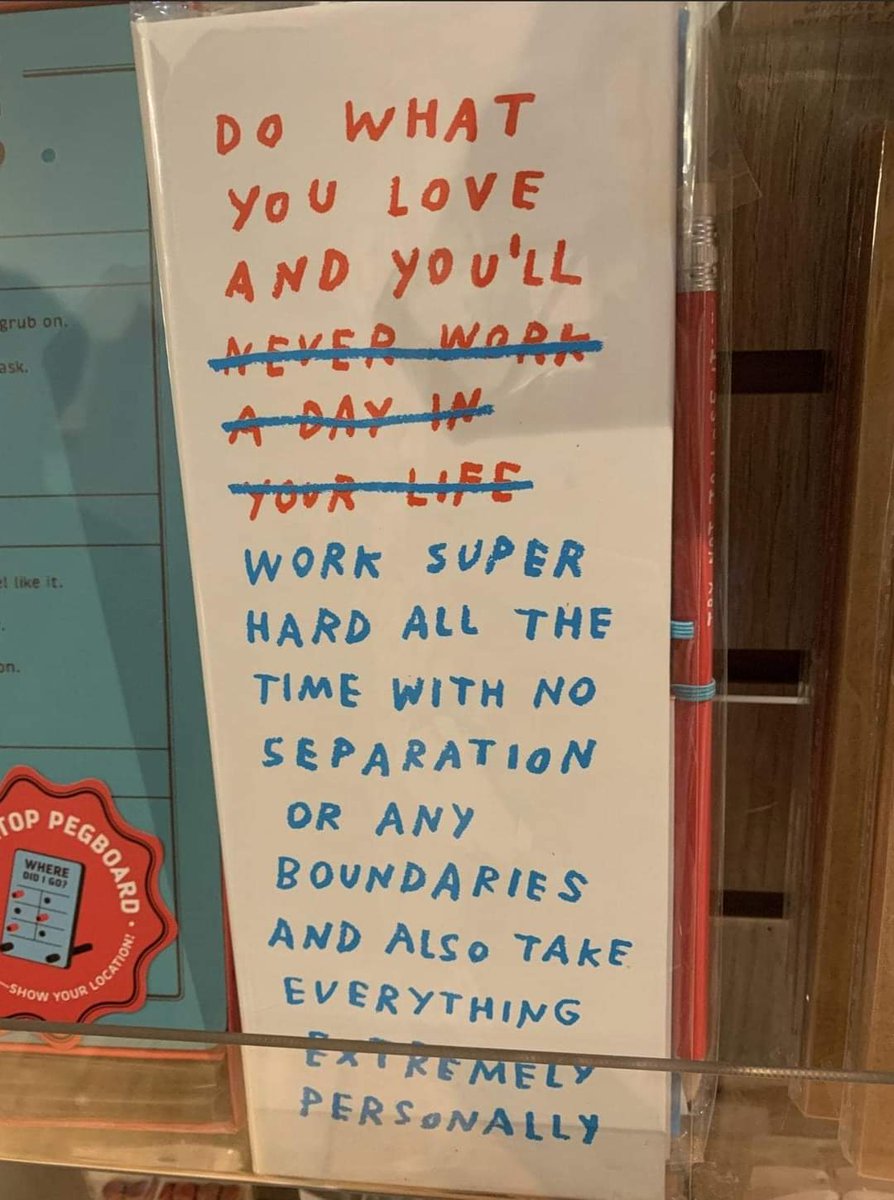
Its unpredictable and so I can’t work from a baseline
If you are a healthcare worker exposed to SARS CoV2 in the community or in your household the rules are different to those if you are not. Working in healthcare if I am exposed I need to get a negative PCR test before I return and lateral flow test every day for 10 days. I then need to submit a declaration daily that I am still symptom free and upload my lateral flow test result prior to attending to work. Whilst at work I need to take all my breaks alone so that I don’t risk exposing my colleagues and I can’t take off my mask around others (I obviously would never take my mask off around patients at any point – for their protection and for my own). Again, this seems really straight forward and super sensible. It is, I’ve done a lot of work with implementation on this and it’s a sensible system that prevents chains of transmission and ensure safety. It’s also really hard for people like me. I’m not in a position to be able to declare symptom free and therefore I’m not in a position where I can be granted an exemption. That means that if I’m exposed I have to work from home. Although it is theoretically possible for me to do this for chunks of time it leaves my colleagues unsupported and therefore I don’t feel like it’s something I can risk. I therefore have spent most of the last 2 years as a hermit, not just to protect myself, but because I don’t want to place additional strain on an already stretched system because I decided to have a life. If I was in a position where I could say what my baseline symptoms are and could therefore detect a change it might be different, but I can’t, every day is different and so there is a constant choice about how much life I live and how much exposure I can risk.

One of my colleagues this week asked me why I don’t just remove the COVID tracker app. I said it’s for a couple of reasons:
- I think that we have a responsibility to walk the walk, it is the safe and responsible thing to do in terms of public health and how can I expect others to do it when I’m not prepared to do it myself
- I keep it precisely because I can’t easily detect if I have symptoms, when I get alerted I switch from screening every other day to daily in order to manage the increased risk. This means that there will be a shorter period of me putting others at risk if I do become positive. I also ensure I take a PCR test, which I don’t do routinely as symptom based triggers don’t work for me
- I’m theoretically at higher risk if I do get sick, even though I’ve been vaccinated, the earlier I know the sooner I can try to ensure I manage my safety and the risk to my household
What will happen if I do get sick?
I was ventilated for acute viral respiratory illness as a child, I’ve done the waking up in intensive care as I posted about before. I have some lung damage which means that I get respiratory symptoms and chest infections easily. These also make auto immune condition worse and so all in all I’m not looking forward to my (inevitable) COVID-19 experience. I’ve spent the pandemic working myself into near exhaustion and there is always that part of my mind that worries about what would happen when my number comes up. I’ve been extremely fortunate to not have caught SARS CoV2 so far and I feel better about my risk now having been triple vaccinated. I also know that I don’t mount a good vaccine response and that 2021 was the first year I was so worn down that I got shingles, which probably doesn’t reflect that I’m in a massively good place immunologically.
At work my health is a bit of a running joke as I’m always symptomatic. When people hear me hacking it’s a running gag that people can always hear me coming and my standard response of ‘having functioning lungs is over rated’ is probably well known. I don’t really know if my fear ever really lands with others as I try to ignore it, but it’s definitely there. I also worry that I wouldn’t be able to step away from work and would therefore make it worse. I never give myself the time to be ill because in my head ‘I’m the sick girl’ and therefore I feel I always have to drive myself harder and prove myself more. This is definitely a ‘me’ thing and fighting through when I should stop is how I’ve managed to get where I am instead of spending my life on the sofa under a duvet, but not knowing when and how to stop is something that means I break myself further when all I needed to do was rest. We work in an NHS that drives these bad traits, between the Bradford Score that determines whether I can be sick and the 600 emails a day, stepping away feels nigh on impossible.

Not just about me
I have the best family, we have each others backs, but we have suffered some real loss and a lot of it is based around our collective health. When I talk about how health privilege and comments linked to symptoms not being simple, it’s not just I’m a healthcare worker. My husband and brother both have ulcerative colitis (their own auto immune conditions) and my mum has similar infection issues to me. We are just one family and there must be thousands like us. We have avoided getting COVID-19 by stopping our lives and relying on public health measures to protect us. With the government moving away from stopping that protection we feel more at risk than ever. Even if symptom based diagnosis worked how many people would adhere to them? I’m lucky, for all that I’ve talked about I have a job with sick pay, I’m not on zero hour contracts where if I don’t work I don’t pay my bills. There are huge groups within our society who will feel true pressure to attend work and leave the house if we change away from diagnostics and isolation supported by sick pay, even more than they already are. That pressure then moves risk onto people like my family who are potentially being condemned to continue to have restrictions on their every day life long term. There are no easy answers to this, as I said in my IPC post someone always has to pay, but as healthcare professionals please lets stop claiming that this is straight forward.
So I will do a better job of managing my condition, I will try and not work weekends, I will leave on time and try to get some sleep. In return if you could try to remember that none of this stuff is ‘simple’ or ‘easy’ and that it only feels that way to if you are fortunate enough to not realise that feeling ‘well’ is a privilege that not all of us are fortunate enough to enjoy.
All opinions on this blog are my own


 Girlymicro