
Over the weekend, whilst I was playing email catch up, Mr Girlymicro headed off do a museum tour with our long-term friend. Whilst he was wandering he fell upon part of the Taylor Swift songbook trail and sent me this picture:

Now, everyone globally now seems to be a Tay-Tay fan, but she and I go all the way back to FRCPath revision tracks. I’m currently obsessing about the track Anti-hero, which has the following bridge:
It’s me, hi, I’m the problem, it’s me (I’m the problem, it’s me)
At tea time, everybody agrees
I’ll stare directly at the sun but never in the mirror
It must be exhausting always rooting for the anti-hero
Whilst working on a Saturday, when I would have preferred to be the one taking the photos in the Victoria and Albert Museum, these words really struck a cord. I was making my way through over 2000 emails, and it’s true, I am the problem, it is me. I am the one who apparently spends most of her time asking the questions people don’t want asked or holds the line saying ‘none shall pass’ (and not in a cool way like Gandalf).
This can feel really soul destroying. It can be hard to be perceived as the person ‘who always says no’ or the person ‘who is just being difficult’, especially when you are undertaking that role with patient safety and the best practice of all involved as your priority. So for this week’s delayed post I thought it might be useful to remind myself, and you if you need it too, why sometimes being difficult just means we’re doing the job we’ve been employed to do.
Needing to understand before agreeing
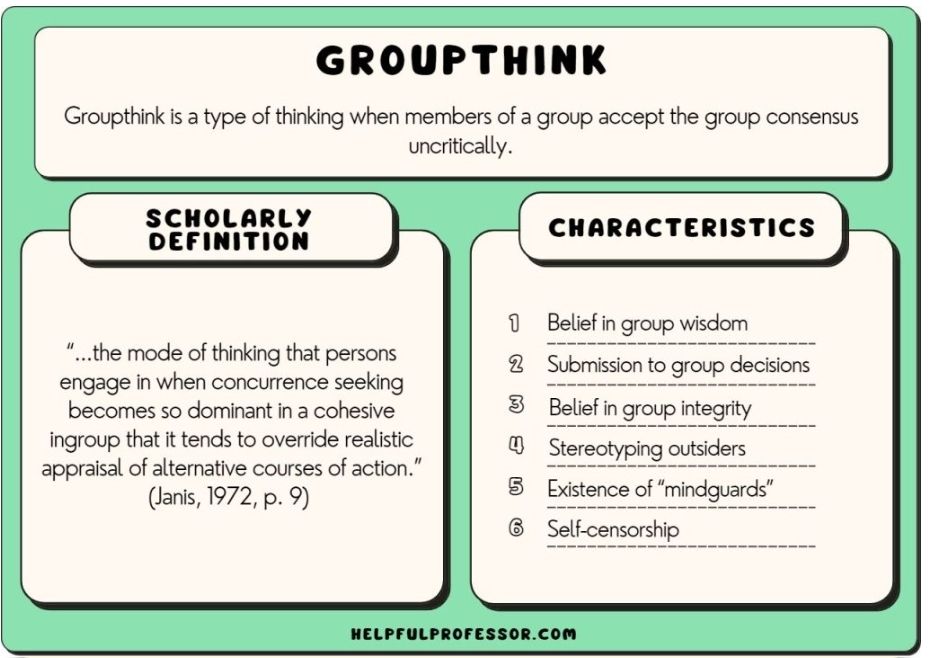
I’ve talked before about how important it is to understand what your role in the room is. Are you there as an advisor or a decision maker? Either way, I’d like to think it is crucial to understand what is being suggested in a thorough way before either advising or making a decision. This is important as Group Think is something you can see happening in a lot of rooms across the different types of spaces I work in.
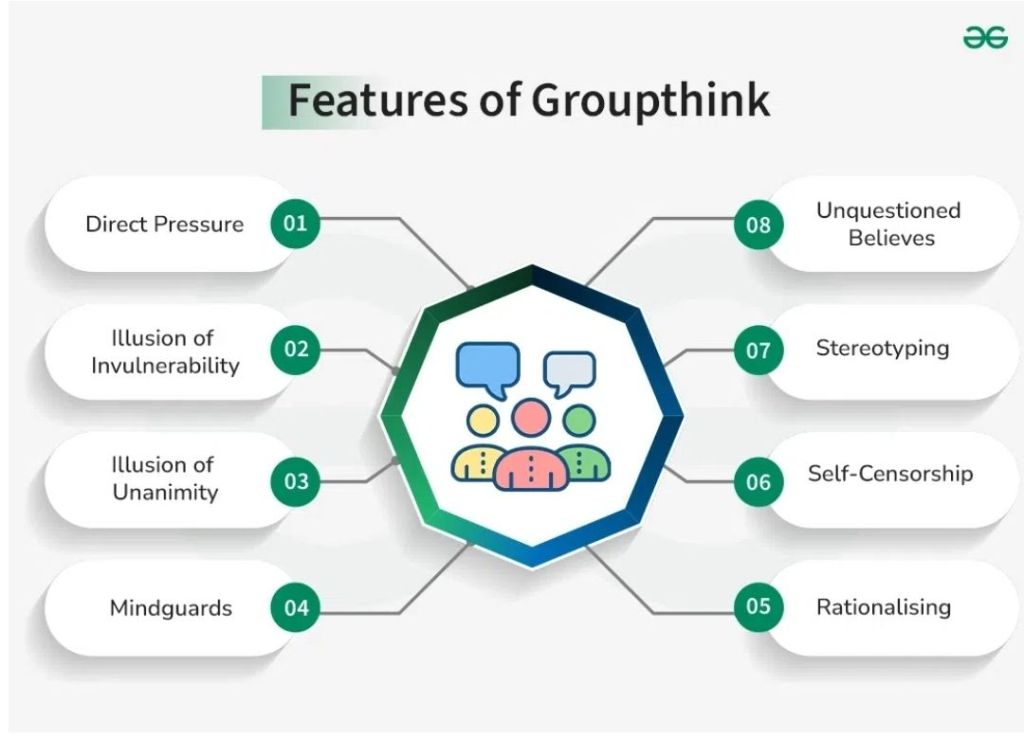
Groupthink is a phenomenon that occurs when a group of well-intentioned people makes irrational or non-optimal decisions spurred by the urge to conform or the belief that dissent is impossible. The problematic or premature consensus that is characteristic of groupthink may be fuelled by a particular agenda—or it may be due to group members valuing harmony and coherence above critical thought.
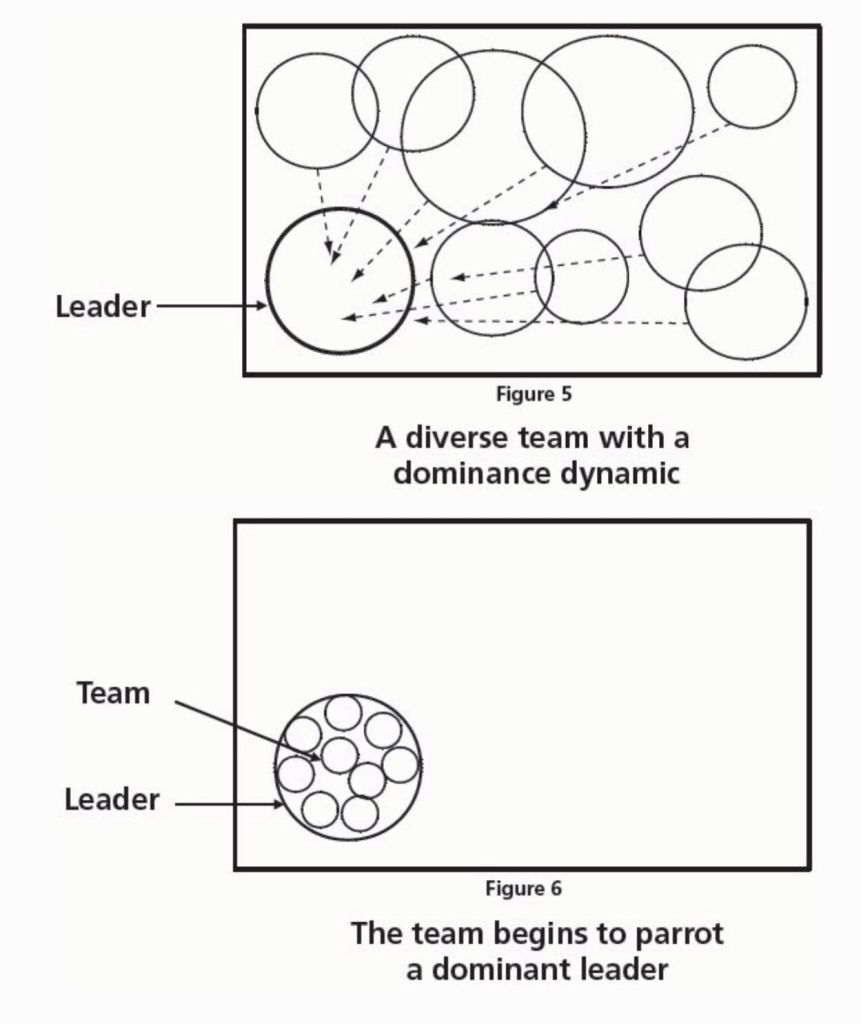
We’ve all been there. There is one dominant or senior member in the room, and they speak first. Instead of engaging in discussion or unpicking the components, other people in the room then just agree. This unchallenged agreement can come from all kinds of individual drivers:
- Not really being engaged in the issue
- High levels of respect and low wish to challenge
- Avoidance of challenging as may impact on relationship capital
- Lack of understanding combined with a wish to not draw attention
- Absence of empowerment to question
- Time pressures
There are obviously plenty of other reasons, and every group is slightly different. What doesn’t change, however, is that if we are in the room, we have the responsibility to ensure that the evaluation process is as effective as possible, and sometimes that requires us to be the ‘difficult’ person who drives the discussion to go that bit deeper before decisions are made.
Asking the annoying questions
One of the key ways to drive discussions to a deeper level is through the use of questions. These can help in the obvious ways to gain a greater understanding of process, evidence, or data. They can also help in other ways by increasing your understanding of the drivers behind positions and eliciting responses from those who are participating less actively.
The way in which this is done can be very audience dependent. If a rep from a company comes to see me selling a product, I will feel I am licensed to ask probing questions linked to their evidence, as they have come to me and my job in that space is to thoroughly evaluate their claims. In a room where I may not fully understand a process that is being suggested, then my questions will be aimed at clarity and come from a place of curiosity so that I can feel I have everything I need to comment. I’m quite far past a fear of looking stupid at this point. I’m OK with appearing foolish as long as it gets us to the right place. Questions are key to avoiding group uncertainty and Group Think, so buckle up, we may be here for a while.

Standing against the tide
This all sounds pretty straightforward, right? Sadly, I’ve been in rooms where it has been anything but. There are quite a lot of ways where meeting structures themselves can be manipulated, either by design or unintentionally, to make discussion and questioning difficult. A really simple example of this is the allocation of timings to agendas. This is, in general, a really great thing and allows significantly improved Chairing of a meeting. If an agenda item has only been given a 5 minute slot however, it is unlikely to get a decent level of discussion associated with it. It can then require commitment and bravery to ask the Chair for it to be re-tabled at a later date with increased time allowed. Chairs, in meeting settings, are key to facilitating good decision making. It is a hard and often thankless job. The problems really tend to happen when your dominant voice is also the Chair and doesn’t recognise the need to flex their style whilst they are in this different role. At this point making requests to change agendas, or increase discussion time can be challenging, as it depends on the Chairs appetite to support.
Pointing out the obvious
Earlier in my career, I sat in many of a room where I felt I could see obvious flaws or issues, but kept quiet as everyone else seemed OK with it, and I therefore felt I was just missing something. I’d then leave the room and point out what I’d noticed, and invariably, someone else in there had been thinking the same thing, but was also reticent to speak up, or saw things differently after the discussion. This taught me how important it is to own your role in the room. If you are there, you have a responsibility to understand and then speak up if needed.
This isn’t easy. It isn’t comfortable. If you don’t do it, however, then you are complicit, and you have to own any negative outcomes. I find this one particularly hard when you are pointing out fundamental flaws in a passion project or where others are highly invested, and therefore may only be seeing the positive aspects rather than a holistic view. Being the lone voice in this setting can be incredibly hard, but that doesn’t make it any less necessary and probably makes it more important.

Holding your ground
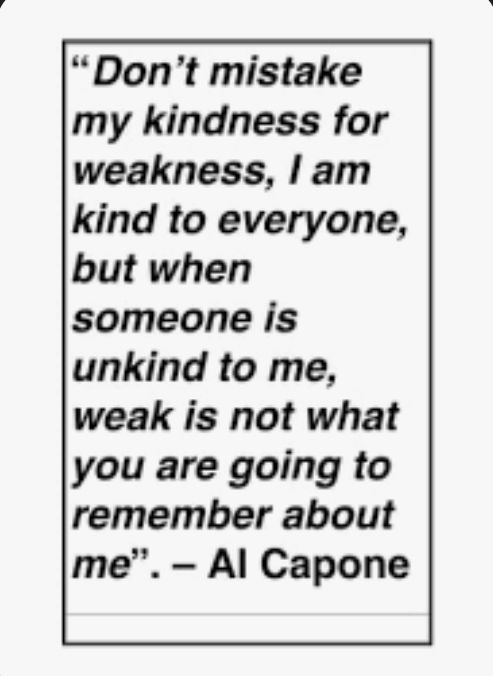
I’ve been called a lot of names for trying to ensure the best possible outcome, with difficult and obstructive probably being the nicest version of them. The thing is, I’m never doing this for the sake of doing it. I welcome innovation. I’m excited by change. I’m not interested in either at ‘any cost’, especially working in healthcare. For example, adding a beautiful ‘green wall’ makes complete sense from a mental health point of view, but no sense from a patient risk perspective in an immunocompromised setting. My job is to articulate that, and both draw and hold the line where needed. So, sometimes, I can be pretty intransigent on the big issues. That’s because big issues can have big consequences if we get them wrong, and my role is to put patients before my ego or comfort. To me, that’s what working in Infection Prevention and Control is all about. I suspect it’s also why I don’t get sent boxes of chocolates from other departments at Christmas.
Keeping others to account
One of the other reasons it’s important to be able to hold your ground and bring discussion to the table is that Group Think is not just how you react as part of the table, it’s about how the whole group is working. The way groups develop and work changes over time, as there are different phases of group formation, according to Tuckman’s model:
- Forming
- Storming
- Norming
- Performing
- Adjourning
Depending on where the group is, in terms of its development, can influence how comfortable members are with communicating, but also how at risk of Group Think the group is.
Being a conscious participant in this process so that you can raise awareness of how well decisions are being made and how the structure of the sessions are set up to, either to help or hinder, is a key responsibility of being part of any group. Groups can become pretty toxic or non-performing, but they tend to do so by inches, and that sometimes means it takes time to notice or a big act/decision for it to become apparent.
It takes bravery to stand out and be the one who says that things aren’t working well, but it is better than becoming complicit in the process by knowing and not doing something. It can be even harder during the initial phases of a group becoming less effective, as this is often more of a feeling than a tangible change. Finding the right time and the right way to talk about it is therefore key. I often think that it is, at times like these, encouraging an active group effectiveness review is a good way to start, where you look at what the group is trying to achieve and how well they are achieving it, combine with some anonymous survey questions to capture the ‘feeling’ component. Building these reviews in from the start at period intervals can also enable any creep to be captured without relying on individuals to put their heads above the parapet.
Speaking your truth
I know I’ve said this before, but sometimes, at its most basic, it’s OK to disagree. You are allowed your opinion, and you shouldn’t have to feel silenced, or that your opinion doesn’t matter, just because you are not the most senior/dominant person in the room. You and your voice matter.
I had an interesting conversation with a colleague a few weeks ago who pointed out that from their perspective, we never agreed. Now, putting aside the dialogue about whether this is true, I don’t think that disagreement is a fundamentally bad thing, especially if it’s handled with mutual respect. We don’t want clones of each other in a room. We want diversity, we want different lenses and visions of the world, we want different lived experience, and different ways of thinking. It is only through that constructive challenge that we may find the route forward that no one can see on their own, or from their own perspective. Good discussion, good collaboration enables us to make better decisions, that’s why we have groups in the first place.
All of this is a long way of saying that I think it is crucial to speak your truth, to offer your opinion and insight, as long as you don’t believe it is the only truth or way forward. It’s OK to be the person who disagrees as long as you are doing it for the right reasons.

Keep it classy
This brings me on to the fact that I think there are different ways of handling how you speak up and associated discussions, and they can impact how the situation feels for all involved. One of the reasons that I think it’s important to start with curiosity and questioning, is not only to gain information, but to show you are not starting out with judgement. The other thing that I find helpful is to keep the focus on the task, process, object in question, rather than letting it drift into me and them territory. This can be so hard because people are often deeply invested in their position and view points. I’m no different. It can also be hard as it can feel, when someone is questioning, like the individual is being attacked rather than the item in question. This can lead to an emotional, rather than logical response on all sides and mean that discussions become much less productive. Being aware of this and how choices of approach and word selection can impact is crucial to outcome.
One of the reasons that I’m emphasising this, is because when we are worried about speaking out, we, at least I, can work myself up prior to it happening, because I expect the worst. You can then enter the scenario is a defensive stance, when really you need to focus on being as open as possible in order to facilitate the discussion. The balance between openness and holding the line can be a difficult line to walk, but both are important. I’m still learning and trying to be better at this one, but where you can, leave your emotions at the door.

Keep the faith
At the end of the day, when you get home and look at yourself in the mirror, you need to be able to face what you see. For me, although I’m a people pleaser, I also know that I need to put that aside and be OK with being uncomfortable, in order to deliver on my role and ensure that patients are the constant focus. Does that mean it is easy? No. Does that mean I should stop doing it? Hell no. Nothing in this life that is worth doing is easy. Do I sometimes wish that others would appreciate what it takes to sit as the lone woman in a room and voice an opinion that does not align with the rest? All the time. No one is going to give you a medal for the kind of bravery this takes however, the reward is knowing that you left things just a smidgen better than how you found them. So keep the faith. Keep the faith in the system, but most of all, keep the faith in yourself. You are able to make great change and achieve great things, you just have to keep going, keep moving, one step forward at a time.

All opinions in this blog are my own
 Girlymicro